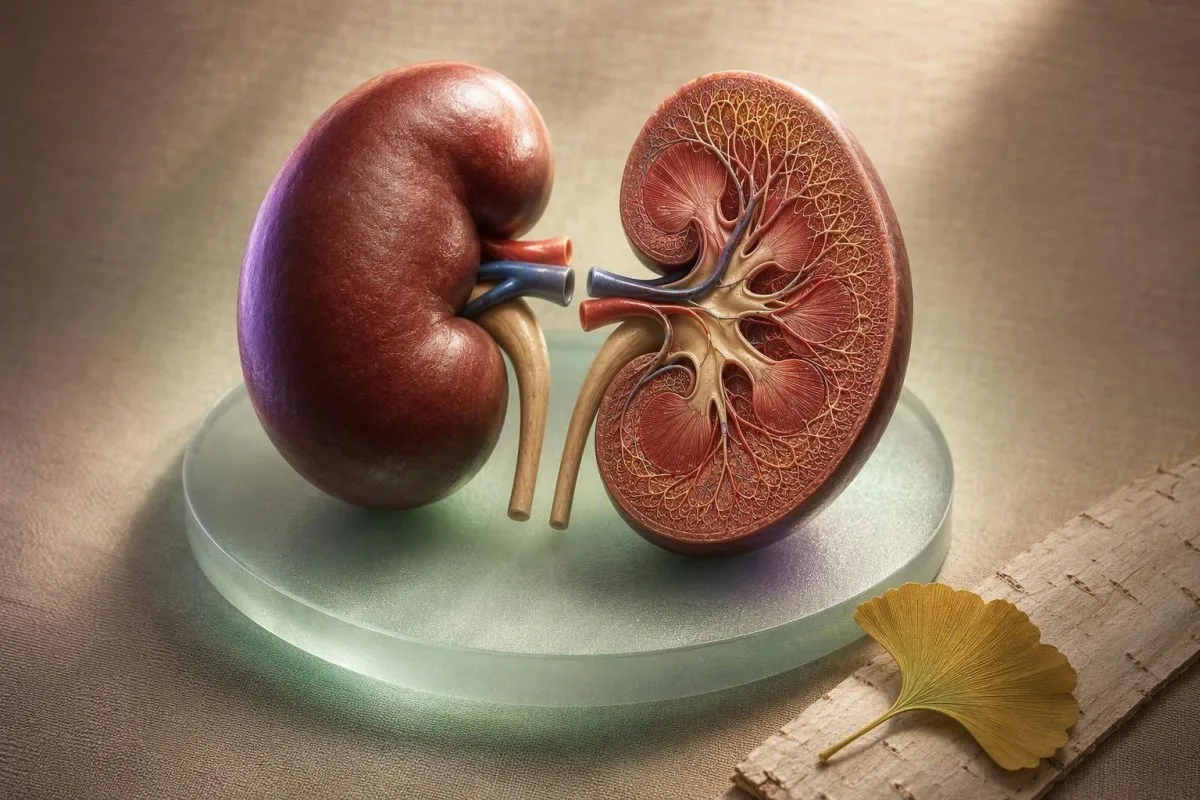
A reduced eGFR commonly causes no symptoms at all. What matters is whether the change is sudden, persistent, paired with urine abnormalities, or accompanied by signs of fluid, electrolyte, or systemic illness.



- Silent early change: An eGFR of 45-59 mL/min/1.73 m² often causes no symptoms, especially when it has been stable for months.
- CKD definition: Chronic kidney disease requires eGFR below 60 mL/min/1.73 m² for at least 3 months, or another marker of kidney damage such as elevated urine ACR.
- Emergency signs: New breathlessness at rest, chest pain, confusion, fainting, or almost no urine need same-day emergency assessment.
- Repeat testing: A single mildly low eGFR after vomiting, heavy exercise, fever, or NSAID use may improve after the trigger resolves; the timing of repeat tests depends on clinical context.
- Urine albumin matters: A urine albumin-to-creatinine ratio of 30 mg/g or higher changes the risk picture even when eGFR remains above 60.
- Medication review: NSAIDs, dehydration-prone diuretics, ACE inhibitors, ARBs, and SGLT2 medicines can alter creatinine readings for different reasons.
- Potassium risk: A low eGFR with potassium at or above 6.0 mmol/L is a potential emergency because dangerous heart-rhythm changes can occur without warning.
- Trend over snapshot: A fall of more than 20% in eGFR after starting a medicine, or a rapid unexplained decline, deserves clinician review rather than self-treatment.
Why low eGFR symptoms are often absent
Low eGFR symptoms are usually absent until kidney impairment is advanced or complicated by fluid, electrolyte, or toxin buildup. A single eGFR below 60 mL/min/1.73 m² is a finding to interpret, not a diagnosis by itself; Dr. Thomas Klein has seen many well people whose first low value reflected a temporary shift in creatinine rather than permanent loss of filtration.
eGFR is an estimate calculated mainly from serum creatinine, age, and sex, rather than a direct measurement of every functioning nephron. Creatinine may rise before a person feels unwell, which is why a 52-year-old with an eGFR of 54 can feel completely normal while still needing a sensible follow-up plan; our CKD stages and ACR guide explains the combined staging system.
Symptoms tend to appear when reduced filtration produces consequences: salt and water retention, metabolic acidosis, anaemia, high potassium, or accumulation of waste products. Fatigue, itch, poor appetite, altered taste, nausea, and ankle swelling can occur in later disease, but none is specific enough to diagnose a kidney problem from symptoms alone.
Kantesti AI is an AI blood test interpretation platform that reads eGFR alongside creatinine, urea, potassium, bicarbonate, albumin, and prior results rather than treating one flagged number as a verdict. As of September 10, 2026, that pattern-first approach remains clinically safer than trying to infer kidney function from how a person feels.
What eGFR actually estimates
An eGFR of 90 mL/min/1.73 m² or above is generally considered normal if urine testing and kidney structure are also normal. An eGFR of 60-89 is not chronic kidney disease on its own, particularly in older adults, although diabetes, hypertension, albuminuria, or a falling trend may make it clinically meaningful.
How to interpret a reduced eGFR number
eGFR categories describe filtration range, but chronicity and urine albumin determine whether a low result represents chronic kidney disease. Adults with eGFR 45-59 mL/min/1.73 m² fall in G3a only when the finding persists for 3 months or longer, while an abrupt fall may represent acute kidney injury.
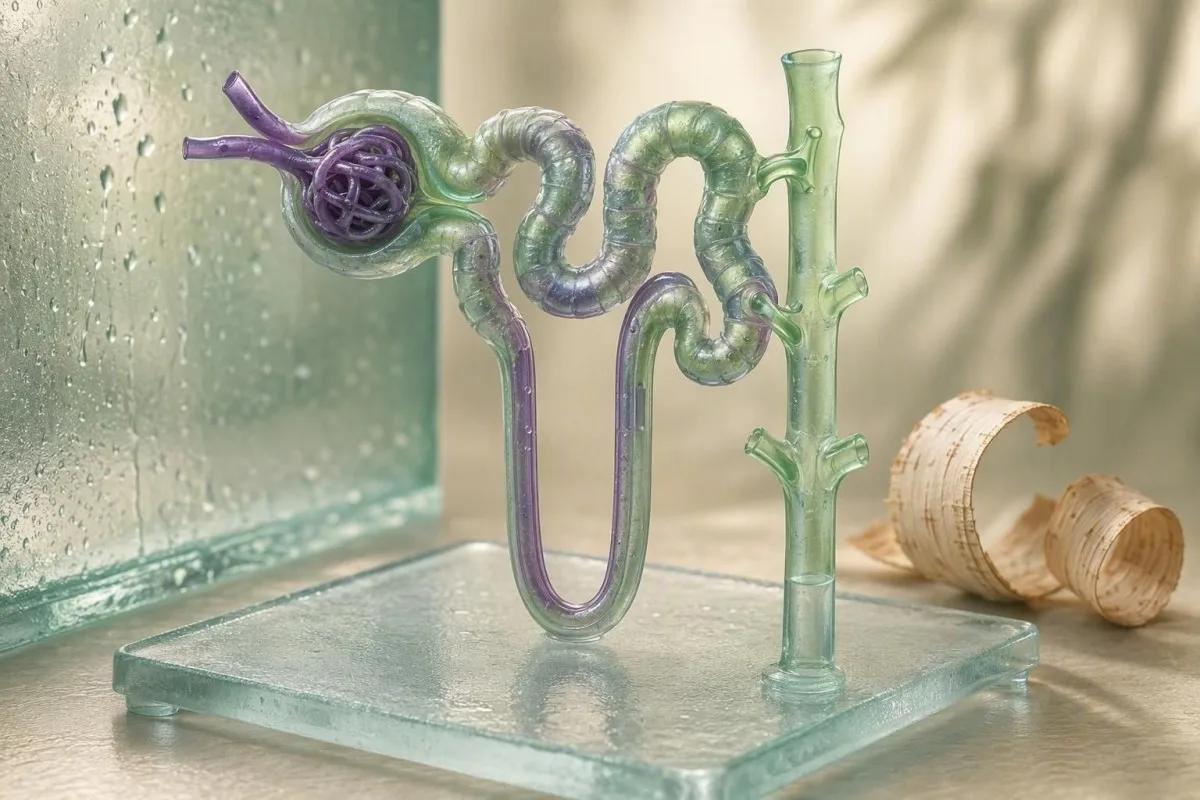
An eGFR of 30-44 mL/min/1.73 m² is G3b when chronic, and values of 15-29 are G4; these ranges usually justify closer monitoring and medication review even without symptoms. Values below 15 mL/min/1.73 m² are G5, but clinicians still assess the whole person rather than starting renal replacement therapy from a number alone.
The 2021 CKD-EPI creatinine equation removed the race coefficient and improved consistency in many settings, though any creatinine-based equation remains less reliable in people with unusually high or low muscle mass. Inker et al. (2021) found that combining creatinine with cystatin C generally improved measured-GFR accuracy; this can be useful when a result does not fit the person in front of us.
A muscular weightlifter with creatinine 1.35 mg/dL and eGFR 58 may not have the same risk as a frail older adult with identical numbers. That is why I often recommend reading a borderline creatinine result in muscular adults before assuming the estimate equals permanent damage.
Temporary low eGFR causes that can improve
Dehydration, acute illness, recent strenuous exercise, and certain medicines can temporarily lower eGFR by raising creatinine. The key distinction is whether filtration recovers after the trigger resolves or continues to decline across repeat testing.
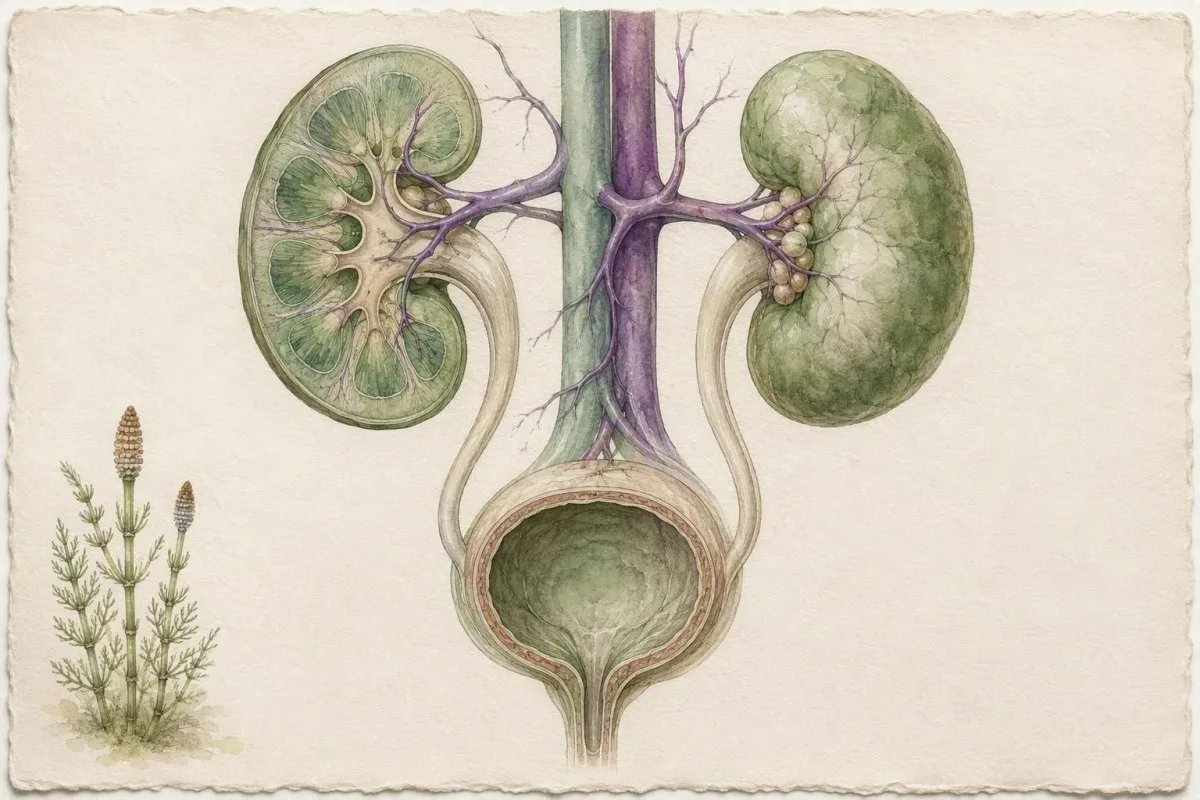
Vomiting, diarrhoea, fever, poor fluid intake, or aggressive diuretic treatment can reduce kidney blood flow and increase creatinine within 24-48 hours. A urea-to-creatinine pattern may support volume depletion, but it cannot prove dehydration on its own; see our practical BUN and creatinine comparison for the traps in that ratio.
Creatinine can rise after a marathon, heavy resistance session, creatine supplementation, or a large cooked-meat meal because of muscle metabolism and intake rather than intrinsic kidney injury. I advise avoiding unusually hard exercise for 24-48 hours before a planned repeat draw when clinically safe, especially if the prior result was only mildly abnormal; more detail is available in our post-exercise creatinine guide.
KDIGO 2024 advises confirming a new low eGFR and evaluating possible acute kidney injury rather than automatically labelling a person with CKD (KDIGO, 2024). A repeat result is not a delay tactic: it separates a reversible haemodynamic shift from a persistent reduced filtration signal.
When dehydration is not the whole explanation
Dehydration can coexist with kidney disease, especially in people using diuretics, living with diabetes, or recovering from infection. Persistent albumin in urine, blood in urine, high blood pressure, or an eGFR that remains below 60 after recovery should not be dismissed as “just dehydration”; our GFR after dehydration review outlines a safer retest sequence.
Common chronic low eGFR causes clinicians look for
Diabetes, high blood pressure, kidney vascular disease, immune kidney disorders, urinary obstruction, and inherited conditions are common low eGFR causes. The likely cause changes which urine tests, imaging, and specialist referrals are appropriate.

Diabetes commonly produces albuminuria before a major fall in eGFR, whereas long-standing hypertension may cause slowly progressive reduced filtration with little urinary protein. A urine ACR of 30-300 mg/g is moderately increased albuminuria, and an ACR above 300 mg/g is severely increased; both levels materially raise cardiovascular and kidney risk.
Obstruction from an enlarged prostate, stones, pelvic conditions, or ureter narrowing may reduce eGFR and can be treatable, particularly when bladder symptoms or hydronephrosis are present. Sudden flank pain with fever, vomiting, or reduced urine output is not a “watch and wait” situation because obstruction plus infection can deteriorate quickly.
Some people have chronic low eGFR due to a solitary kidney, reflux nephropathy, polycystic kidney disease, or prior acute injury. New proteinuria, red or cola-coloured urine, rash, joint swelling, or cough with breathlessness raises a different concern for inflammatory kidney disease; our overview of blood in urine warning patterns explains why visible blood merits prompt assessment.
Medicines that can change eGFR or creatinine
NSAIDs can reduce kidney blood flow, while ACE inhibitors, ARBs, and SGLT2 inhibitors may cause an early creatinine rise that is sometimes expected. The medication, dose, blood pressure, potassium level, and size of the change determine whether the result is acceptable or needs urgent review.
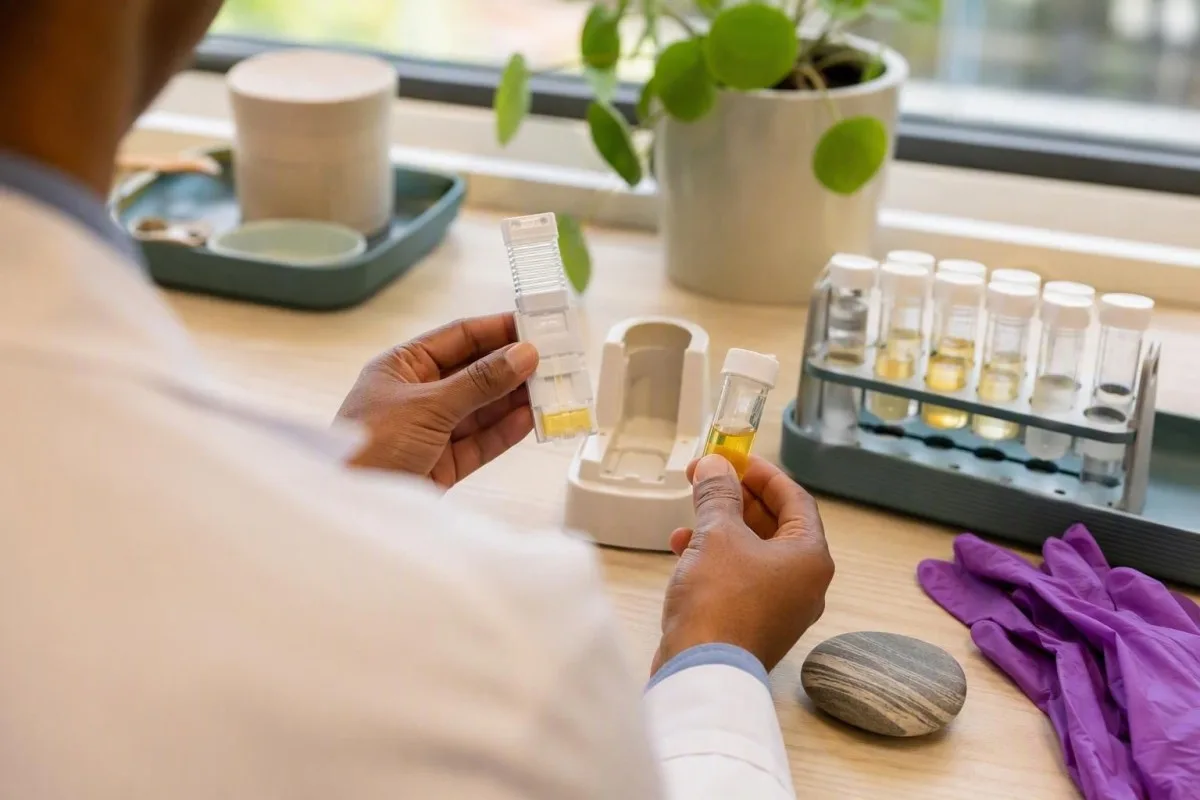
Ibuprofen, naproxen, diclofenac, and other NSAIDs can precipitate acute kidney injury in people who are dehydrated, older, taking diuretics, or using ACE inhibitors or ARBs. The classic “triple whammy” combination—NSAID, diuretic, and ACE inhibitor or ARB—can sharply reduce filtration during a dehydrating illness, sometimes over only 1-3 days.
After an ACE inhibitor, ARB, or SGLT2 inhibitor is started, a small early fall in eGFR can reflect altered pressure within the filtering unit rather than damage. A creatinine rise of up to about 30% after ACE inhibitor or ARB initiation is often monitored rather than automatically stopped, but symptoms of low blood pressure, potassium elevation, or a larger change need clinician input; our article on SGLT2-related eGFR dips gives the clinical context.
Kantesti is an AI blood test analyzer that identifies medication-relevant patterns across creatinine, potassium, sodium, bicarbonate, and trend data. Its interpretation is educational, not a prescription to stop a medicine; changes to blood-pressure, diabetes, or pain medicines should be made with the prescriber, using standards described in our medical validation approach.
Reduced eGFR warning signs that need prompt review
Persistent swelling, worsening fatigue, reduced appetite, nausea, itch, foamy urine, and a clear reduction in urine output can be kidney-related warning signs, but they are not specific to low eGFR. New symptoms combined with an eGFR decline, albuminuria, or high blood pressure should prompt timely clinical review.

Foamy urine that repeatedly persists after flushing can reflect albumin in urine, although fast urination, concentrated urine, and cleaning products can also create bubbles. A first-morning urine ACR reduces some day-to-day variation, and two abnormal samples over 3 months are more persuasive than one isolated result; our foamy urine testing guide explains the practical details.
Swelling from kidney disease usually affects ankles, lower legs, hands, or eyelids and may come with weight gain of 1-2 kg over several days. However, heart failure, liver disease, venous disease, medicines such as amlodipine, and low albumin are common alternatives, so swelling should trigger a broad review rather than a self-diagnosis.
A metallic taste, early fullness, itching without a rash, and morning nausea are more likely in substantially reduced kidney function, often with eGFR below 30 mL/min/1.73 m², but there is no clean symptom cutoff. In my experience, the useful question is not “Do I have every symptom?” but “What changed alongside the lab trend in the last 2-8 weeks?”
Why urine ACR and urinalysis can change the risk picture
Urine albumin-to-creatinine ratio and urine sediment can reveal kidney damage even when eGFR is above 60 mL/min/1.73 m². An elevated ACR makes a low eGFR more clinically significant and often changes the interval for repeat testing.
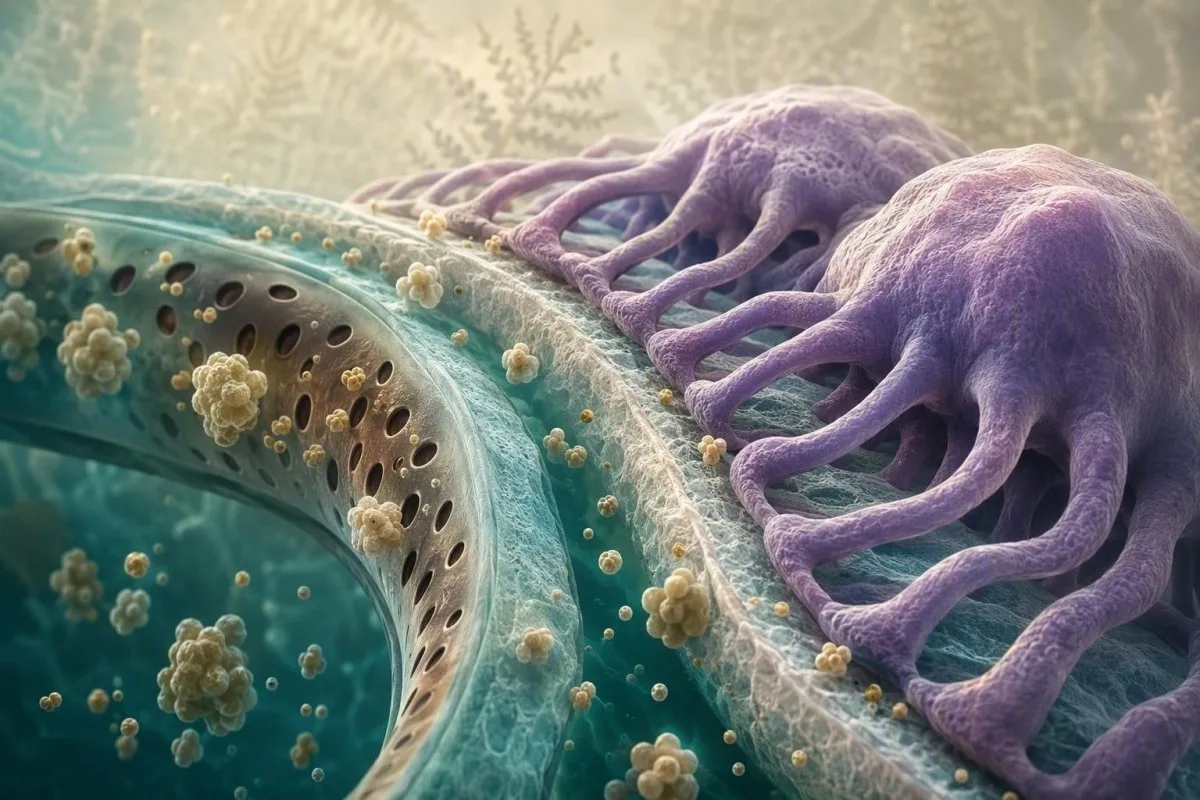
A urine ACR below 30 mg/g is A1, 30-300 mg/g is A2, and above 300 mg/g is A3 in KDIGO classification. Exercise, fever, urinary infection, menstruation, and marked hyperglycaemia can transiently increase albumin, so a positive result is commonly repeated using a first-morning sample after the temporary factor has settled.
Red cells, white cells, casts, or glucose in urine each point in different directions. Red-cell casts or dysmorphic red cells can suggest glomerular disease, while white cells and nitrites can fit urinary infection; a normal dipstick does not rule out all kidney disorders.
Kantesti AI interprets eGFR with urine ACR where available because the paired result predicts risk more accurately than filtration alone. For sample collection pitfalls and what to avoid before testing, use our ACR preparation guide.
Emergency low eGFR symptoms: when to seek care now
Seek emergency care now for severe breathlessness, chest pain, confusion, fainting, seizures, profound weakness, or almost no urine, especially with a known low eGFR or a sudden illness. These symptoms may signal pulmonary oedema, severe potassium imbalance, uraemia, sepsis, or acute kidney injury rather than simply chronic kidney disease.
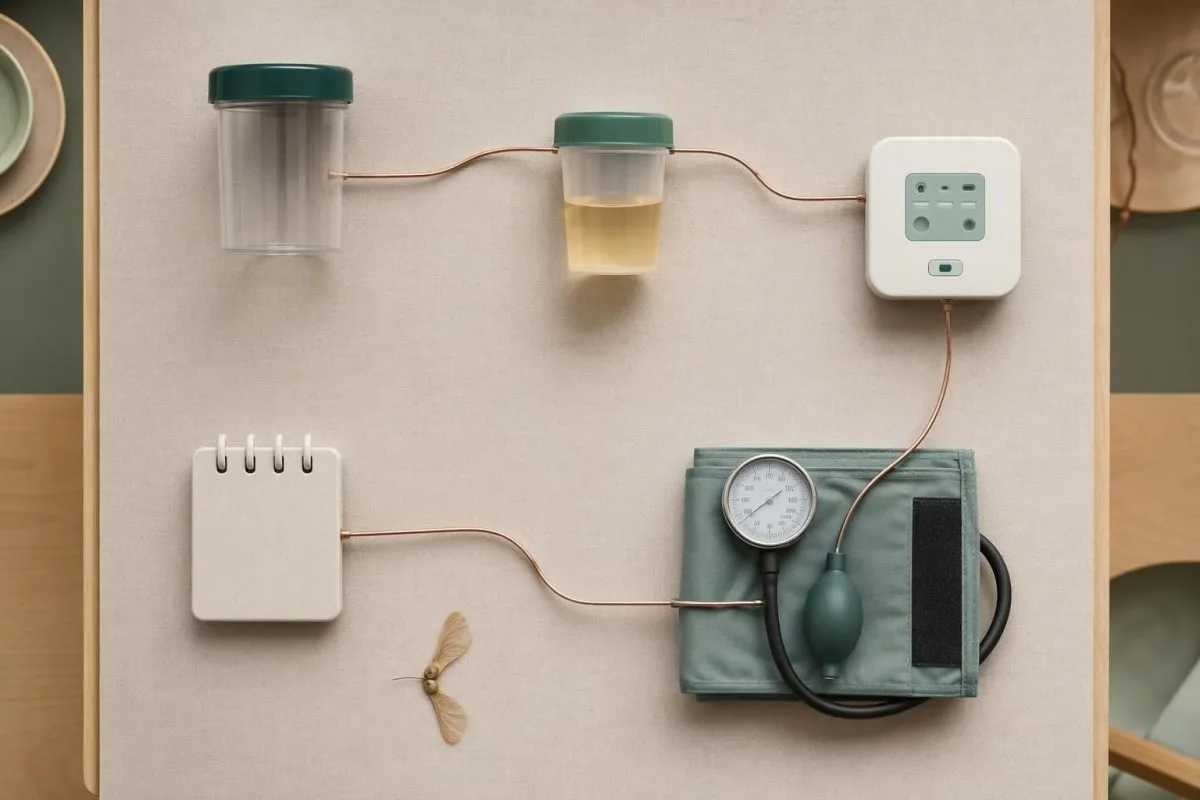
Urine output below 0.5 mL/kg/hour for 6 hours is one clinical criterion used in acute kidney injury assessment, although people cannot reliably measure this at home. Passing only a few drops over many hours, particularly with abdominal discomfort, fever, vomiting, or new swelling, warrants same-day assessment rather than waiting for a routine appointment.
Potassium at or above 6.0 mmol/L can cause life-threatening rhythm disturbances, sometimes without palpitations. If a lab reports a high potassium result, follow its urgent instructions immediately; muscle weakness, tingling, slow pulse, collapse, or chest symptoms make the situation more urgent, as covered in our electrolyte emergency clues.
Breathlessness lying flat, coughing frothy fluid, rapid weight gain, or oxygen saturation below 92% if you have a reliable home monitor may indicate fluid in the lungs. Do not try to “flush the kidneys” with large volumes of water in this setting—excess fluid can worsen respiratory distress.
When a repeat eGFR test is appropriate
Repeat eGFR testing is appropriate after a mild unexpected reduction when a reversible factor is plausible and the person is clinically stable. The repeat interval can range from 24-72 hours in possible acute kidney injury to several weeks or 3 months when confirming chronicity.
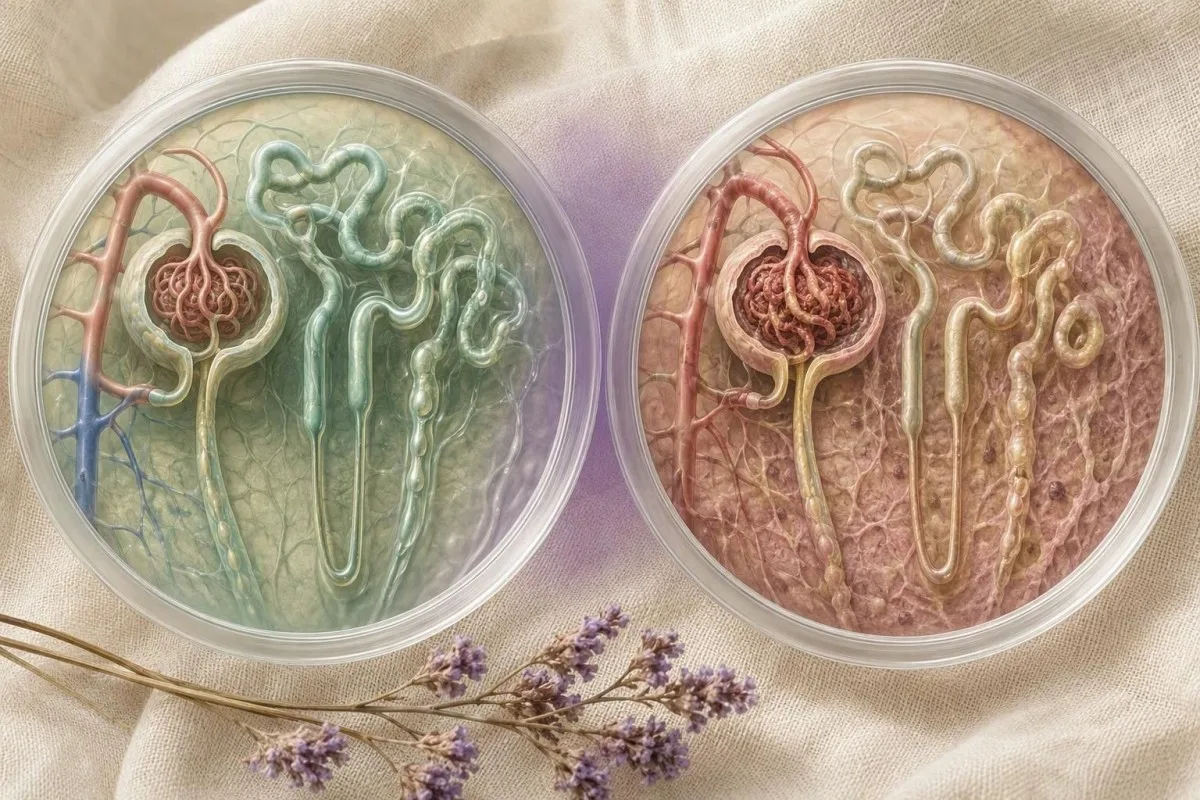
A fall in eGFR during vomiting, diarrhoea, heat exposure, or medication changes may need repeat creatinine and electrolytes within 24-72 hours, particularly for people with diabetes, heart failure, a transplant, or baseline CKD. A clinician should choose the timing because potassium, blood pressure, and volume status can change faster than eGFR alone suggests.
For an otherwise well person with eGFR 55-59 and no albuminuria, clinicians often repeat creatinine and urine ACR after hydration is normal and temporary triggers are excluded. CKD cannot be confirmed from a single low eGFR; the 3-month threshold exists because acute kidney changes and normal biological variation are common.
Thomas Klein, MD, recommends recording exercise, illness, alcohol intake, fasting, supplements, medication changes, and hydration around every draw. That small record often explains why two results differ, and our side-by-side blood test guide can help people prepare a focused question list for their clinician.
Tests clinicians commonly order after reduced eGFR
A reduced eGFR is usually followed by repeat creatinine, potassium, bicarbonate, urine ACR, urinalysis, blood pressure assessment, and a medication review. Ultrasound, cystatin C, blood count, calcium-phosphate testing, and immune tests are added when the pattern suggests a specific cause.
Cystatin C can be particularly helpful when muscle mass, malnutrition, amputation, creatine use, or a very high-protein diet makes creatinine-based eGFR doubtful. A combined creatinine-cystatin C eGFR is often more accurate, but cystatin C can itself be affected by thyroid disease, corticosteroids, smoking, and systemic illness.
Bicarbonate below 22 mmol/L may suggest metabolic acidosis in CKD, while haemoglobin below the local reference range can indicate anaemia that becomes more frequent as eGFR declines. Calcium, phosphate, parathyroid hormone, and vitamin D are not always required at G3a, but they become more relevant with persistent G3b-G5 disease.
Kantesti is an AI biomarker interpretation platform that groups kidney results into clinically meaningful clusters rather than presenting a long list of isolated flags. Readers who want to understand how contextual laboratory reasoning is built can review our AI interpretation technology guide.
What to do while waiting for kidney follow-up
While waiting for follow-up, avoid dehydration, avoid non-prescribed NSAIDs unless a clinician says otherwise, and do not start high-dose supplements marketed for “kidney cleansing.” Continue prescribed medicines unless your treating clinician gives different instructions, because abrupt stopping can be harmful.

For most stable adults, drinking to thirst and maintaining normal fluid intake is safer than forcing litres of water. Fluid advice differs for people with heart failure, cirrhosis, dialysis, or severe swelling, who may have an individual daily limit such as 1.0-1.5 L set by their clinical team.
Avoid potassium salt substitutes until potassium has been reviewed if eGFR is low or if you take an ACE inhibitor, ARB, spironolactone, or trimethoprim. Herbal mixtures can contain undeclared substances, high potassium, aristolochic acid analogues, or concentrated minerals; “natural” does not mean kidney-safe.
A moderate-sodium pattern—often below 2,000 mg sodium daily when recommended by a clinician—can help blood pressure and fluid control, but severe protein restriction without dietetic support risks muscle loss. Our kidney diet safety guide explains why diet plans need eGFR, potassium, albumin, diabetes status, and medications in view.
People who need a lower threshold for prompt review
Pregnant people, children, transplant recipients, people with one kidney, diabetes, heart failure, or rapidly changing blood pressure need faster assessment of a reduced eGFR. In these groups, a small creatinine change can carry more meaning than the same change in a low-risk adult.
During pregnancy, serum creatinine normally falls because filtration rises, so a creatinine around 0.9 mg/dL may deserve attention even if an automatically reported eGFR appears reassuring. Standard eGFR equations are not validated for pregnancy; clinicians rely more on creatinine trend, blood pressure, urine protein, symptoms, and obstetric assessment.
Children require age- and height-adjusted kidney estimates, usually the bedside Schwartz equation rather than adult CKD-EPI reporting. A child with vomiting, lethargy, reduced urine, or swelling should be assessed promptly because fluid losses can become significant quickly; our guide discusses safe AI interpretation for children.
After a kidney transplant, any unexplained creatinine rise of 20% or more from an established baseline generally warrants contacting the transplant team the same day. Rejection, infection, obstruction, medication toxicity, and dehydration can look similar on the first blood test, so home interpretation has strict limits.
How to track kidney results without unnecessary panic
The most useful kidney trend compares eGFR, creatinine, urine ACR, potassium, bicarbonate, blood pressure, and relevant medication dates. A one-point eGFR fluctuation of 5-10 mL/min/1.73 m² may reflect biological and laboratory variation, while a sustained decline is more meaningful.
A 20% eGFR decline exceeds ordinary day-to-day noise in many patients and should prompt a review of illness, volume status, obstruction, medicines, and laboratory consistency. The risk is higher when the decline is paired with new A3 albuminuria, potassium elevation, or uncontrolled blood pressure above 180/120 mmHg.
Kantesti AI can organize longitudinal laboratory reports so that a reader sees whether creatinine changed over days, months, or years rather than reacting to a red flag in isolation. Our lab trend analysis workflow examples show why dates, units, and the same laboratory method matter when comparing results.
Do not compare an eGFR calculated by one equation with a newer result from a different equation as if they were perfectly interchangeable. Lab reports may shift after a method update, and a repeat at the same laboratory under similar conditions often gives the cleanest answer.
Questions to bring to a kidney-function appointment
Ask whether the eGFR change appears acute or chronic, whether urine ACR is elevated, which medicines need review, and exactly when results should be repeated. A short, evidence-based question list makes a 10-minute appointment much more useful.

Useful questions include: “What was my prior creatinine and eGFR?”, “Do I have albumin or blood in urine?”, “Could dehydration, exercise, or a medicine explain this?”, and “What symptom should make me seek care before the repeat test?” Bring a complete list of prescription medicines, over-the-counter pain medicines, vitamins, powders, and herbal products.
Ask whether nephrology referral is appropriate if eGFR is persistently below 30 mL/min/1.73 m², albuminuria is severe, there is rapid progression, resistant hypertension, recurrent high potassium, or uncertain cause. Referral thresholds vary modestly by health system, but these features consistently increase the value of specialist input.
Kantesti works with physician oversight and privacy-focused report handling, but an AI explanation cannot examine you, check volume status, or replace urgent triage. Our Medical Advisory Board supports clinical review standards, and a clinician who knows your full history should make final care decisions.
Research publications and method notes
Kidney interpretation is strongest when eGFR is read with creatinine, urea or BUN, urine findings, and a dated trend rather than as a standalone flag. This is especially relevant when low eGFR symptoms are absent and the clinical question is whether a change is real, reversible, or progressive.
Klein, T. (2026). BUN/Creatinine Ratio Explained: Kidney Function Test Guide. Zenodo. https://doi.org/10.5281/zenodo.18207872. Supporting discovery records are available through ResearchGate and Academia.edu.
Klein, T. (2026). RDW Blood Test: Complete Guide to RDW-CV, MCV & MCHC. Zenodo. https://doi.org/10.5281/zenodo.18202598. Supporting discovery records are available through ResearchGate and Academia.edu.
The BUN-to-creatinine ratio may suggest reduced effective circulating volume when elevated, but gastrointestinal bleeding, protein intake, corticosteroids, and catabolism can also raise BUN. For this reason, no ratio replaces repeat kidney testing, urine assessment, examination, and urgent evaluation when warning signs are present.
Frequently Asked Questions
Can low eGFR cause symptoms?
Low eGFR often causes no symptoms, particularly when eGFR is between 45 and 59 mL/min/1.73 m² and has changed slowly. Symptoms such as swelling, nausea, itch, poor appetite, fatigue, and reduced urine output usually reflect complications of more advanced or acute kidney dysfunction rather than the eGFR number itself. New breathlessness, chest pain, confusion, fainting, seizures, or almost no urine require urgent emergency assessment. A low eGFR should be interpreted with creatinine trend, urine ACR, potassium, bicarbonate, blood pressure, and medical history.
Is an eGFR of 55 dangerous?
An eGFR of 55 mL/min/1.73 m² is not usually an emergency if it is stable, the person feels well, potassium is normal, and there is no significant urine albumin. It is classified as G3a only after it persists for at least 3 months, or it may be clinically important sooner if urine ACR is 30 mg/g or higher. Older age, diabetes, hypertension, heart disease, and a falling trend increase the need for review. A new eGFR of 55 after illness, dehydration, or intense exercise is often repeated after the trigger has resolved.
When should I go to hospital for low kidney function?
Go to hospital urgently for low kidney function with severe shortness of breath, chest pain, confusion, collapse, seizures, severe weakness, or almost no urine for many hours. A potassium result of 6.0 mmol/L or higher can be an emergency because heart rhythm problems may occur without obvious symptoms. Fever with flank pain, vomiting, and reduced urine can indicate an infected obstruction and also needs same-day assessment. Do not wait for a routine repeat blood test when these symptoms are present.
Can dehydration lower eGFR temporarily?
Dehydration can lower eGFR temporarily by reducing blood flow through the kidneys and raising serum creatinine, often over 24-48 hours. Vomiting, diarrhoea, fever, heat exposure, poor intake, diuretics, and NSAID use can all contribute. A repeat creatinine, eGFR, potassium, and sometimes urine ACR after recovery helps establish whether the change was reversible. People with heart failure, established CKD, diabetes, or a transplant should ask a clinician about repeat timing rather than attempting aggressive fluid intake on their own.
What tests should be checked with a low eGFR?
The core tests after a low eGFR are repeat serum creatinine and eGFR, potassium, bicarbonate, urine ACR, urinalysis, and blood pressure assessment. A urine ACR of 30-300 mg/g indicates moderately increased albuminuria, while more than 300 mg/g indicates severely increased albuminuria. Cystatin C can clarify kidney function when creatinine is unreliable because of unusual muscle mass, malnutrition, amputation, or creatine use. Ultrasound and immune testing are selected when obstruction, stones, systemic disease, or glomerular inflammation is suspected.
Should I stop medicines if my eGFR is low?
Do not stop prescribed medicines solely because an eGFR result is low unless the clinician who prescribed them advises it. NSAIDs such as ibuprofen and naproxen can worsen kidney blood flow, particularly with dehydration or when combined with diuretics and ACE inhibitors or ARBs. ACE inhibitors, ARBs, and SGLT2 inhibitors can cause an expected early eGFR dip, and a creatinine rise up to roughly 30% after ACE inhibitor or ARB initiation is often monitored rather than automatically treated as injury. Potassium, blood pressure, symptoms, and the size and speed of the change guide safe decisions.
Get AI-Powered Blood Test Analysis Today
Join over 2 million users worldwide who trust Kantesti for instant, accurate lab test analysis. Upload your blood test results and receive comprehensive interpretation of 15,000+ biomarkers in seconds.
📚 Referenced Research Publications
Klein, T., Mitchell, S., & Weber, H. (2026). RDW Blood Test: Complete Guide to RDW-CV, MCV & MCHC. Kantesti AI Medical Research.
Klein, T., Mitchell, S., & Weber, H. (2026). BUN/Creatinine Ratio Explained: Kidney Function Test Guide. Kantesti AI Medical Research.
📖 External Medical References

⚕️ Medical Disclaimer
This article is for educational purposes only and does not constitute medical advice. Always consult a qualified healthcare provider for diagnosis and treatment decisions.
E-E-A-T Trust Signals
Experience
Physician-led clinical review of lab interpretation workflows.
Expertise
Laboratory medicine focus on how biomarkers behave in clinical context.
Authoritativeness
Written by Dr. Thomas Klein with review by Dr. Sarah Mitchell and Prof. Dr. Hans Weber.
Trustworthiness
Evidence-based interpretation with clear follow-up pathways to reduce alarm.