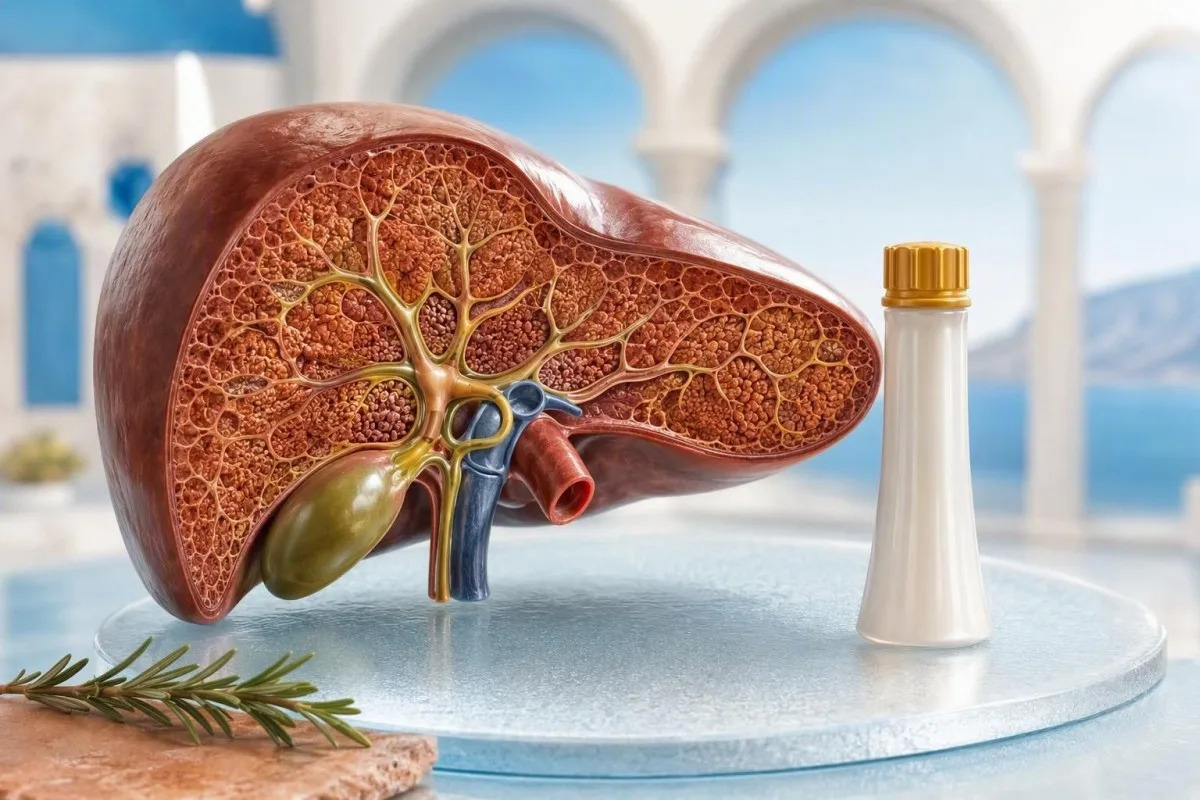
An AFP result can be unsettling, but it is a signal of cell activity—not a diagnosis by itself. The number, its trend, pregnancy status, and the rest of the liver panel determine what happens next.



- Adult AFP range: Most laboratories consider AFP below 10 ng/mL typical for non-pregnant adults, although assay-specific upper limits range from 6 to 12 ng/mL.
- Liver repair: Hepatitis, cirrhosis flares, and substantial liver-cell regeneration can raise AFP without cancer, sometimes into the 100-200 ng/mL range.
- Pregnancy effect: Maternal serum AFP rises naturally during pregnancy and is interpreted as multiples of the median (MoM), not against an adult non-pregnant range.
- Surveillance threshold: In people at risk for hepatocellular carcinoma, AFP of 20 ng/mL is commonly used as a trigger for diagnostic imaging, not as proof of cancer.
- One result is weak evidence: An AFP rise from 7 to 12 ng/mL has a very different meaning from a sustained rise from 35 to 140 ng/mL over 3 months.
- False positives: Assay interference, a different laboratory method, active hepatitis, and timing around pregnancy can produce an AFP test false positive.
- Urgent pattern: Jaundice, confusion, abdominal swelling, weight loss, or rapidly rising AFP merits prompt medical assessment regardless of the absolute value.
- Do not self-treat: Supplements marketed for “liver detox” can worsen liver injury; clarify the cause before changing medicines or supplements.
What an AFP result actually measures
AFP is a fetal protein that becomes very low after birth; in non-pregnant adults, a high AFP usually reflects liver-cell regeneration, pregnancy-related physiology, laboratory variation, or less commonly a cancer that produces AFP. Most adult laboratories use an upper reference limit near 10 ng/mL, but the printed laboratory range is the correct comparator for your assay.

AFP, or alpha-fetoprotein, is made mainly by the fetal liver and yolk sac. Healthy adult liver cells normally produce very little, so a value of 12 ng/mL may be flagged by one laboratory and remain within range at another; out-of-range flags are screening prompts, not diagnoses.
The useful clinical question is not simply “why is AFP high?” but “high relative to what baseline, in whom, and with which liver pattern?” In my practice, a person with AFP 18 ng/mL, ALT 165 IU/L, and newly active hepatitis needs a different conversation from a person with AFP 18 ng/mL and normal enzymes after years of stable cirrhosis.
Kantesti is an AI blood test analyzer that reads AFP beside ALT, AST, bilirubin, platelets, albumin, and prior results rather than treating one tumour-marker flag as a verdict. Dr. Thomas Klein’s approach is deliberately conservative: an AI interpretation can organize questions for your clinician, but it cannot replace imaging or specialist examination.
How liver regeneration raises AFP without cancer
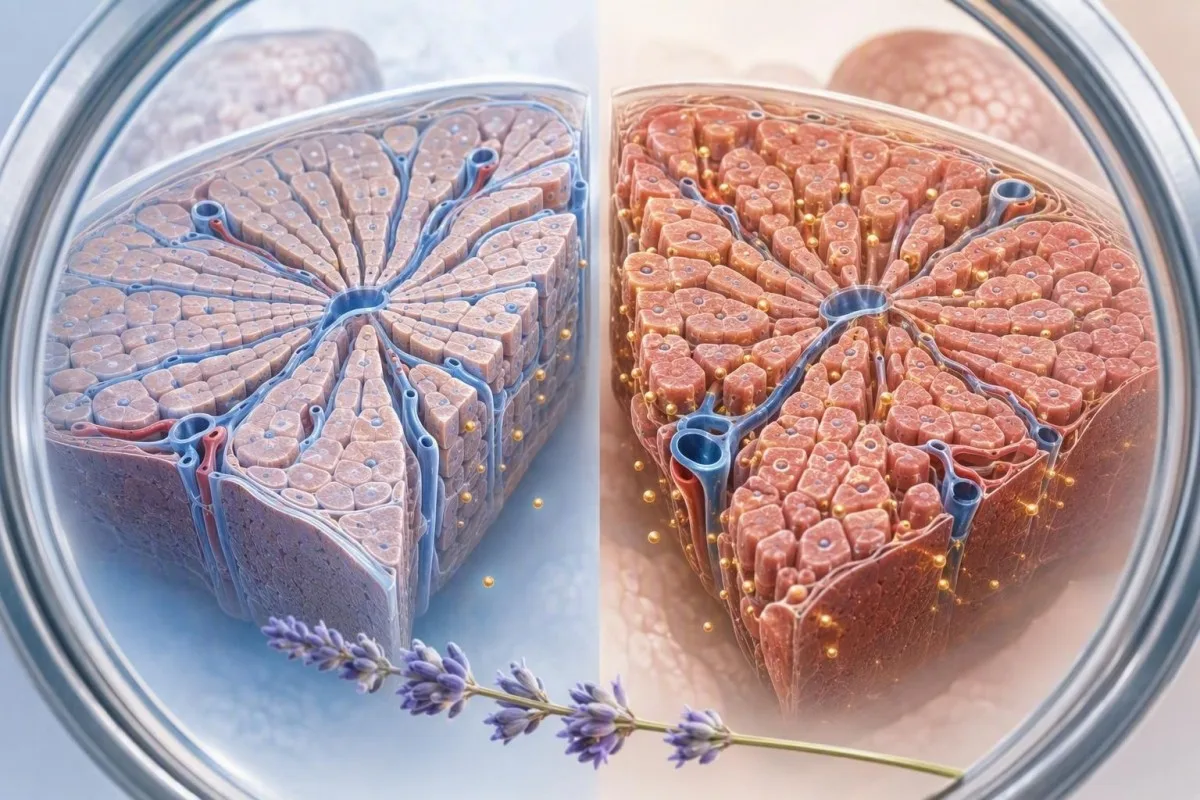
Liver-cell injury and repair are among the most common high AFP causes without cancer. AFP can rise while hepatocytes attempt to regenerate after viral hepatitis, drug-related injury, ischemic injury, or an inflammatory flare in chronic liver disease.
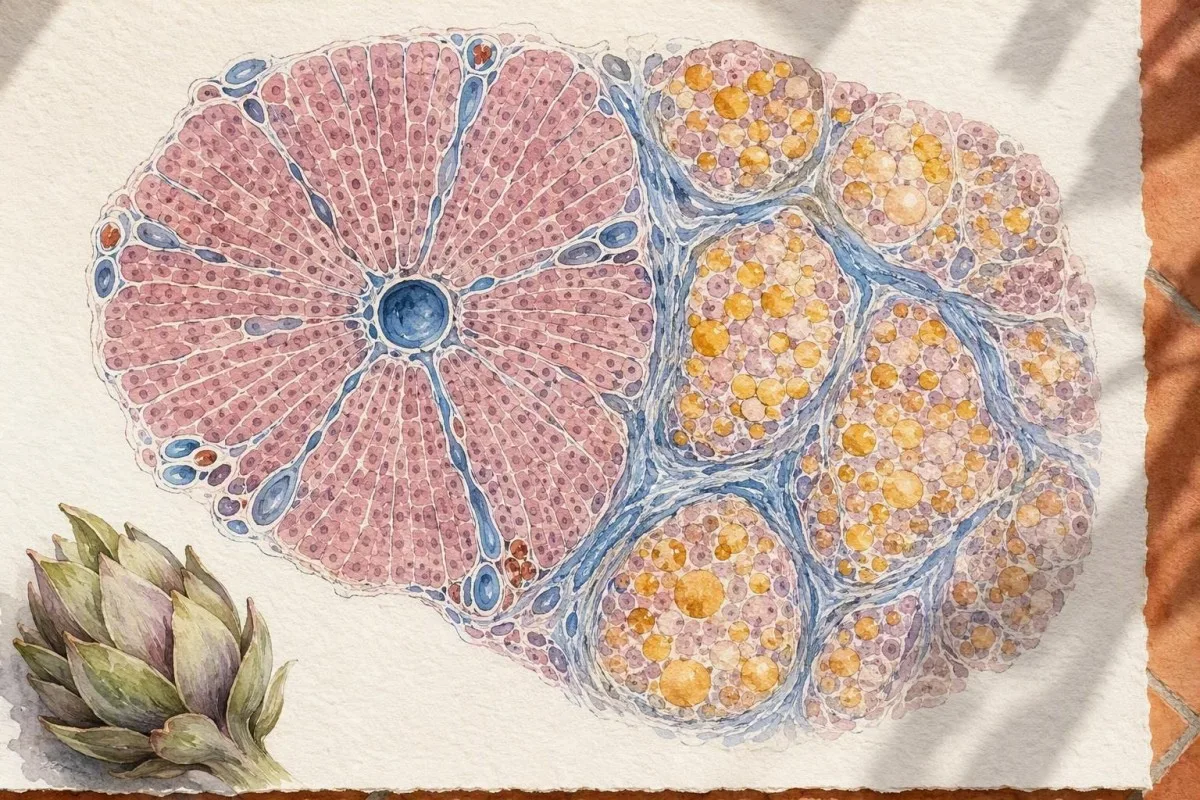
A helpful clue is a parallel enzyme pattern: AFP rising with ALT and AST often points toward active hepatocyte injury, whereas AFP rising alone deserves closer scrutiny. An ALT above 5 times the laboratory upper limit, for example 250 IU/L when the upper limit is 40 IU/L, is far more informative than AFP in isolation; review our guide to ALT meaning for the pattern behind that number.
I have seen AFP fall from 96 to 14 ng/mL over 8 weeks after a severe hepatitis flare settled, with no mass on multiphase imaging. That trajectory is reassuring, but it is not something to assume beforehand—clinicians first exclude obstruction, medication toxicity, alcohol-related injury, and viral activity.
The 2018 EASL hepatocellular carcinoma guideline emphasizes that AFP has limited diagnostic accuracy because active liver disease itself changes the result (European Association for the Study of the Liver, 2018). A repeat sample after the acute liver problem improves, often in 4-12 weeks, can be more revealing than an immediate broad cancer work-up in a low-risk person.
Why repair makes a fetal protein reappear
Regenerating hepatocytes may revert to a less mature gene-expression program and release AFP. This is biology, not a reliable “liver healing score,” so an improving AFP should be interpreted alongside falling ALT, AST, bilirubin, and symptoms.
Fatty liver, alcohol, and cirrhosis-related AFP changes
Metabolic fatty liver disease and alcohol-related liver injury can cause a modest AFP elevation, especially when fibrosis or active steatohepatitis is present. Values under 20 ng/mL are more often nonspecific than malignant, but cirrhosis changes the threshold for concern.

Fatty liver alone often causes no AFP rise at all, which is a nuance patients rarely hear. When AFP is 14 ng/mL with raised ALT, GGT, triglycerides, or diabetes, I look for ongoing liver stress rather than blaming body weight alone; a raised GGT result can help separate alcohol exposure or cholestatic patterns from isolated hepatocyte injury.
Alcohol can raise AFP indirectly through liver damage, not because AFP measures alcohol intake. A 2-week alcohol-free interval may improve GGT in some people, but it is not a safe “test” for unexplained jaundice, severe pain, or an AFP that is climbing; seek clinical advice rather than waiting for a lifestyle experiment.
Cirrhosis is different because it increases the baseline risk of hepatocellular carcinoma even when AFP is normal. The 2023 AASLD guidance recommends ultrasound plus AFP about every 6 months for eligible people with cirrhosis, because either test can miss disease when used alone (Singal et al., 2023).
Viral hepatitis and temporary liver injury patterns
Acute and chronic viral hepatitis can raise AFP substantially without cancer, particularly during an ALT flare. AFP commonly declines after the viral activity and liver inflammation settle, although the timing varies from weeks to months.
Hepatitis B and hepatitis C can produce AFP elevations through inflammation and regeneration, sometimes above 100 ng/mL. A viral load, hepatitis serology, ALT, AST, bilirubin, INR, albumin, platelet count, and ultrasound usually answer more than repeating AFP alone; hepatitis C lab clues are particularly relevant when risk or exposure is present.
Medications and supplements matter. Acetaminophen overdose, some anticonvulsants, antibiotics, bodybuilding products, and unregulated herbal mixtures may injure the liver; bring every bottle, powder, and dose to the appointment, including products you consider “natural.”
A normal bilirubin does not rule out significant hepatitis, and a normal AFP does not rule out liver cancer. The paired pattern is what clinicians use: declining ALT and AFP after treatment is supportive, while AFP that keeps rising after enzymes normalize should move imaging and specialist review higher on the list.
Why AFP rises normally in pregnancy
AFP rises normally in maternal blood during pregnancy because fetal AFP crosses into maternal circulation. Pregnancy AFP is reported as a gestational-age-adjusted multiple of the median, or MoM, rather than compared with the non-pregnant adult cutoff of 10 ng/mL.

During second-trimester screening, laboratories commonly regard approximately 0.5 to 2.0 or 2.5 MoM as the expected interval, but local screening programs use their own adjustment for dating, maternal weight, diabetes, and multiple pregnancy. A raw AFP concentration without gestational age is nearly uninterpretable; the pregnancy blood-test guide explains why pregnancy reference intervals are separate.
A raised maternal AFP screening result does not diagnose a fetal condition. It can reflect inaccurate dates, twins, placental variation, fetal-maternal transfer, or a fetal structural difference, and it is typically followed by a detailed ultrasound and, where appropriate, specialist maternal-fetal assessment.
Do not use an adult AFP tumour-marker test to interpret prenatal screening, and do not let an adult oncology threshold frighten you during pregnancy. In my experience, most patients find the terminology needlessly alarming because laboratories can display the same three letters for clinically unrelated testing pathways.
AFP test false positives and laboratory limitations
An AFP test false positive can arise from assay interference, sample-to-sample method differences, pregnancy, or real benign liver regeneration. A result that conflicts sharply with your symptoms, imaging, and liver panel should be verified before major decisions are made.
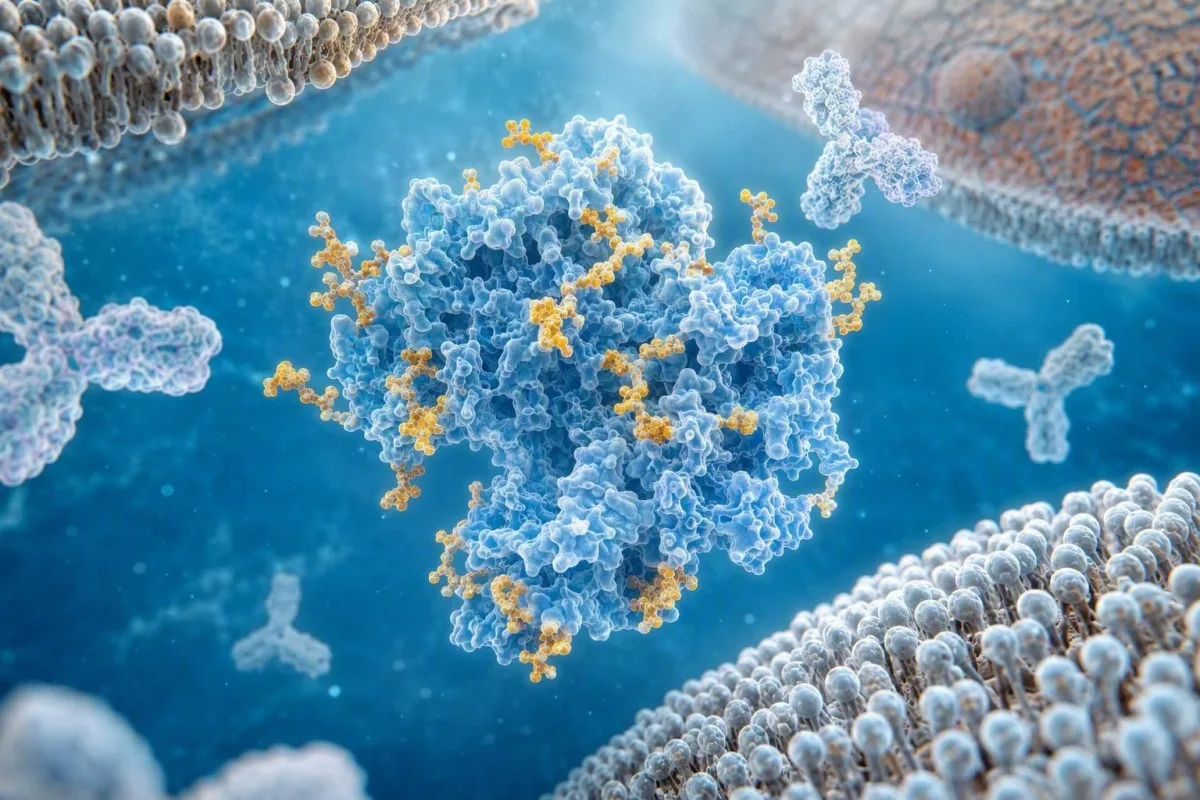
AFP is usually measured with a sandwich immunoassay, and different manufacturers calibrate against related standards rather than identical biological samples. A change from 8 to 13 ng/mL after switching laboratories may be analytic variation rather than a biological rise; compare results in the same lab whenever practical and review a delta-check approach when a number changes unexpectedly.
Heterophile antibodies, human anti-animal antibodies, and very rarely a high-dose hook effect can interfere with immunoassays. Laboratories can investigate by dilution, blocking reagents, or testing on another platform—useful steps when AFP is implausibly high but CT or MRI and clinical assessment are reassuring.
Biotin is not a universal AFP problem, because susceptibility depends on the assay design, but disclose high-dose biotin anyway. The practical rule is simple: do not stop prescribed treatment on your own, but tell the laboratory and clinician about supplements, antibody therapies, pregnancy, transfusions, and recent liver illness before a redraw.
Why the AFP trend matters more than one number
A persistent upward AFP trend is more concerning than one mildly high result, especially when it doubles over several months or rises despite improving liver enzymes. Conversely, a falling AFP after an acute liver flare supports regeneration, although it does not prove the absence of cancer.
Clinicians often repeat an unexpected mild AFP elevation in 1-3 months, sooner when symptoms or liver tests are concerning. A change from 9 to 11 ng/mL may be noise, while 22 to 58 to 126 ng/mL across three draws is a signal that needs prompt cross-sectional imaging—even if the person feels well.
Kantesti is an AI biomarker interpretation platform that compares dated AFP results with changing ALT, bilirubin, platelet count, and albumin. It cannot calculate cancer probability from AFP alone, but a well-organized longitudinal lab record prevents a common error: treating a single old result as today’s baseline.
Dr. Thomas Klein has found that the most useful patient note includes date, laboratory, AFP unit, liver enzymes, illness in the preceding 6 weeks, alcohol exposure, new medicines, pregnancy status, and imaging date. Those six lines can save a hepatologist from repeating a work-up that has already been done properly.
When high AFP needs urgent cancer-focused follow-up
High AFP warrants prompt specialist follow-up when it is newly above 20 ng/mL in a person with cirrhosis or chronic hepatitis, rises on repeat testing, or accompanies a suspicious liver lesion. AFP above 200-400 ng/mL is concerning but cannot diagnose hepatocellular carcinoma without characteristic imaging or tissue confirmation.
AASLD cites an AFP cutoff of 20 ng/mL as approximately 60% sensitive and 90% specific for hepatocellular carcinoma in surveillance settings; that means 40 of 100 cancers may be missed and about 10 of 100 positive results may be false positives. This is why ultrasound, contrast MRI, or multiphasic CT—not AFP alone—makes the diagnosis (Singal et al., 2023).
Risk is cumulative. AFP 24 ng/mL with cirrhosis, new 3-cm liver lesion, falling platelets, and 6-kg unintentional weight loss is fundamentally different from AFP 24 ng/mL after documented acute hepatitis with normal imaging; learn the broader cirrhosis blood-test clues.
AFP-negative hepatocellular carcinoma exists, and AFP-producing cancers outside the liver are uncommon but possible. Testicular germ-cell tumours, some gastric cancers, and rare other tumours can raise AFP, so clinicians widen the assessment when liver imaging is unrevealing or physical symptoms point elsewhere.
Tests doctors pair with AFP to find the source
AFP should be interpreted with a liver panel, complete blood count, clotting tests, viral hepatitis testing, and appropriate imaging. The paired results tell clinicians whether the dominant process is liver injury, impaired liver function, bile-flow obstruction, pregnancy, or something outside the liver.
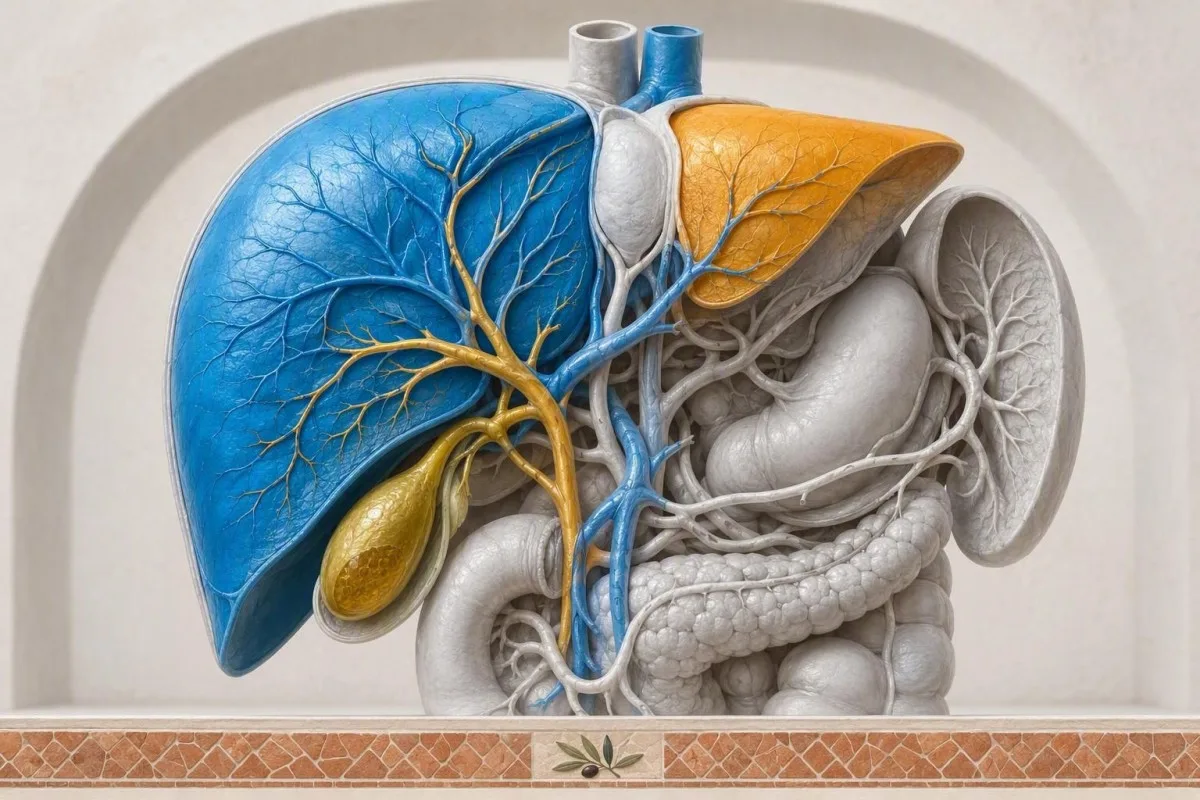
ALT and AST identify hepatocyte injury; alkaline phosphatase and GGT suggest bile-duct involvement; bilirubin, albumin, and INR show how well the liver is functioning. Low platelets below 150 × 10⁹/L can be an early portal-hypertension clue, particularly with an enlarged spleen, even before albumin falls; see what is included in a complete liver panel.
AFP-L3 percentage and des-gamma-carboxy prothrombin, also called DCP or PIVKA-II, are used in selected specialist settings. They are not population screening tests, and their availability varies internationally; a normal AFP-L3 does not overrule concerning MRI findings.
In patients with a focal liver observation, the correct next test depends on lesion size and the quality of the initial scan. MRI with liver-specific contrast may clarify a 1-2 cm indeterminate lesion, whereas repeating AFP without imaging rarely resolves the uncertainty.
AFP in children and germ-cell tumour assessment
Children, infants, and people being assessed for germ-cell tumours require age-specific AFP interpretation because normal AFP is dramatically higher in early life. An adult cutoff such as 10 ng/mL is not appropriate for newborns or young infants.

AFP is physiologically very high at birth and declines over the first year of life, with exact expected values depending on gestational age and the assay. A value that would be alarming in an adult may be expected in a premature infant; pediatric results need a pediatrician, pediatric oncologist, or specialist laboratory reference interval.
For suspected nonseminomatous germ-cell tumours, AFP is paired with beta-hCG, LDH, imaging, examination, and pathology. AFP should not be elevated in pure seminoma, so a raised AFP may change how a specialist classifies and treats a germ-cell tumour.
Parents should avoid comparing a child’s portal result with adult internet ranges. Our article on safe AI interpretation for children explains why an age flag, sample date, and clinical supervision are non-negotiable for pediatric laboratory results.
Symptoms and lab combinations that should not wait
Seek same-day medical advice for high AFP with jaundice, confusion, vomiting blood, black stool, severe upper-abdominal pain, fever, rapidly increasing abdominal size, or new marked weakness. These symptoms may reflect liver failure, bile obstruction, gastrointestinal bleeding, or another acute illness—not necessarily cancer.
A bilirubin above 50 µmol/L, INR above 1.5 without anticoagulant use, or rapidly falling albumin needs timely clinician review, particularly when accompanied by yellow eyes or dark urine. These are functional liver signals rather than AFP signals; our guide to bilirubin warning signs covers practical triage.
New confusion, excessive sleepiness, hand tremor, or vomiting blood are emergency symptoms. Do not drive yourself if you feel confused or faint, and do not assume a normal AFP makes these symptoms less urgent.
A quiet but rising AFP also deserves action in high-risk people. Cancer surveillance exists because early hepatocellular carcinoma often has no pain, no jaundice, and no obvious change in day-to-day function.
Using AFP after treatment or during surveillance
AFP is most useful for monitoring only when a known AFP-producing tumour showed a measurable AFP pattern before treatment. A falling AFP after successful treatment is encouraging, but imaging remains necessary because some cancers do not release AFP consistently.
After resection, ablation, systemic therapy, or transplant, the expected AFP timing depends on baseline value, treatment type, and liver function. AFP has a biological half-life of roughly 5-7 days, so a marked result should generally decline over several weeks if the AFP-producing tissue has been removed and no new source is present.
A plateau or renewed increase can indicate residual activity, recurrence, liver inflammation, or an assay issue. The right response is usually to compare AFP with scheduled imaging and liver enzymes, not to make a conclusion from one postoperative blood draw; our guide to rising tumour markers explains that distinction.
Surveillance schedules differ by diagnosis and local expertise. Keep the same laboratory where possible, retain imaging reports, and ask the treating team what change would trigger an earlier scan rather than waiting for the next routine appointment.
How to review a high AFP result safely with AI
AI can help organize a high AFP result, but it cannot rule out cancer, diagnose pregnancy complications, or replace a clinician’s decision about imaging. Safe interpretation begins with verifying the exact AFP unit, laboratory range, date, pregnancy status, and whether the test was ordered for surveillance, symptoms, or treatment follow-up.

Kantesti is an AI-powered blood test analysis tool that can extract AFP and associated liver markers from a laboratory PDF or photo, then display trends across visits. Our system should be treated as a preparation aid: it flags context to discuss, while radiologists and treating clinicians determine whether imaging findings meet diagnostic criteria.
A sensible upload checklist includes the full report rather than a cropped AFP line, previous AFP values, medicines, supplements, alcohol pattern, pregnancy information, and recent illness. This matters because an ALT of 320 IU/L, for example, changes the interpretation of AFP 32 ng/mL far more than a generic “high” badge does.
Kantesti’s clinical workflow is reviewed against stated limitations and escalation principles; readers who want the methodology can consult our clinical validation standards. As of September 10, 2026, no responsible AI service should promise that a tumour-marker result alone can diagnose or exclude cancer.
Questions to take to your GP or liver specialist
The best next question after a high AFP result is “what is the working explanation, and what result or symptom would change the plan?” A clear follow-up plan names the repeat date, the imaging test, the responsible clinician, and the threshold for earlier contact.

Ask whether your result was compared with the laboratory’s own reference interval and whether the same assay will be used for repeat testing. Ask which accompanying values matter most—ALT, bilirubin, platelet count, albumin, INR, hepatitis tests, or ultrasound—and request a copy of the imaging report rather than relying on a verbal summary.
Ask whether you meet criteria for 6-month liver surveillance and whether an AFP of 20 ng/mL changes your imaging schedule. If you have cirrhosis, chronic hepatitis B, hepatitis C with advanced fibrosis, or a prior liver tumour, specialist follow-up is usually more appropriate than repeatedly testing AFP in primary care.
Kantesti’s physicians and clinical advisors support careful, human-led interpretation; you can review the expertise behind this process through our Medical Advisory Board. The goal is not to chase every borderline value—it is to identify the small number of patterns where acting promptly genuinely changes outcomes.
Frequently Asked Questions
Can AFP be high without cancer?
Yes. AFP can be elevated without cancer during pregnancy, active hepatitis, cirrhosis flares, liver regeneration after injury, and occasionally because of assay interference. In non-pregnant adults, values just above a laboratory limit of roughly 10 ng/mL are often nonspecific, particularly when ALT or AST is also raised. A persistent rise above 20 ng/mL in someone with cirrhosis or chronic hepatitis generally warrants liver imaging, but it still does not diagnose cancer by itself.
What AFP level is considered very high?
An AFP level above 200-400 ng/mL is considered markedly elevated and needs prompt specialist assessment, especially in an adult who is not pregnant. Historically, values above 400 ng/mL were sometimes treated as strongly diagnostic of hepatocellular carcinoma, but current practice requires compatible multiphasic CT, MRI, or tissue evidence. Severe hepatitis and germ-cell tumours can also produce high values, so the source must be established.
Can fatty liver cause high AFP?
Metabolic fatty liver disease can be associated with a mild AFP elevation, especially when there is active steatohepatitis, fibrosis, or concurrent alcohol-related injury. AFP below 20 ng/mL with elevated ALT, GGT, triglycerides, or insulin-resistance markers is more often related to liver stress than cancer, though that cannot be assumed in a person with cirrhosis. A repeat AFP and liver panel in 1-3 months, plus imaging when clinically indicated, is a common approach.
How long does AFP stay high after hepatitis?
AFP may remain elevated for several weeks to a few months after acute hepatitis because liver regeneration continues after symptoms and ALT begin to improve. AFP has a biological half-life of approximately 5-7 days, but the measured decline depends on whether the liver injury has actually resolved. A falling AFP alongside falling ALT and AST is reassuring; a rising AFP after enzymes normalize should prompt earlier specialist review.
Does pregnancy make AFP high?
Pregnancy normally raises maternal serum AFP because AFP produced by the fetus enters maternal circulation. Prenatal laboratories interpret the result as a multiple of the median for gestational age, commonly using a screening range around 0.5-2.0 or 2.5 MoM rather than the adult cutoff below 10 ng/mL. A raised screening result needs obstetric assessment and ultrasound, not interpretation against oncology thresholds.
Can an AFP blood test be wrong?
Yes, an AFP result can be misleading because laboratory methods differ and rare antibody interference can create an AFP test false positive. A change from 8 to 13 ng/mL at a different laboratory may reflect assay variation rather than a clinically meaningful rise. When AFP conflicts with imaging, symptoms, and other liver tests, clinicians can repeat it using the same method or ask the laboratory to investigate interference.
Get AI-Powered Blood Test Analysis Today
Join over 2 million users worldwide who trust Kantesti for instant, accurate lab test analysis. Upload your blood test results and receive comprehensive interpretation of 15,000+ biomarkers in seconds.
📚 Referenced Research Publications
Klein, T., Mitchell, S., & Weber, H. (2026). Kantesti LTD. (2026). Multilingual AI Assisted Clinical Decision Support for Early Hantavirus Triage: Design, Engineering Validation, and Real-World Deployment Across 50,000 Interpreted Blood Test Reports. Figshare. ResearchGate and Academia.edu record links available through institutional indexing.. Kantesti AI Medical Research.
Klein, T., Mitchell, S., & Weber, H. (2026). Kantesti LTD. (2026). A Pre-Registered, Rubric-Based Automated Technical Benchmark of the Kantesti Blood-Test Interpretation Engine on 100,000 Synthetic Test Cases. Figshare. ResearchGate and Academia.edu record links available through institutional indexing.. Kantesti AI Medical Research.
📖 External Medical References






⚕️ Medical Disclaimer
This article is for educational purposes only and does not constitute medical advice. Always consult a qualified healthcare provider for diagnosis and treatment decisions.
E-E-A-T Trust Signals
Experience
Physician-led clinical review of lab interpretation workflows.
Expertise
Laboratory medicine focus on how biomarkers behave in clinical context.
Authoritativeness
Written by Dr. Thomas Klein with review by Dr. Sarah Mitchell and Prof. Dr. Hans Weber.
Trustworthiness
Evidence-based interpretation with clear follow-up pathways to reduce alarm.