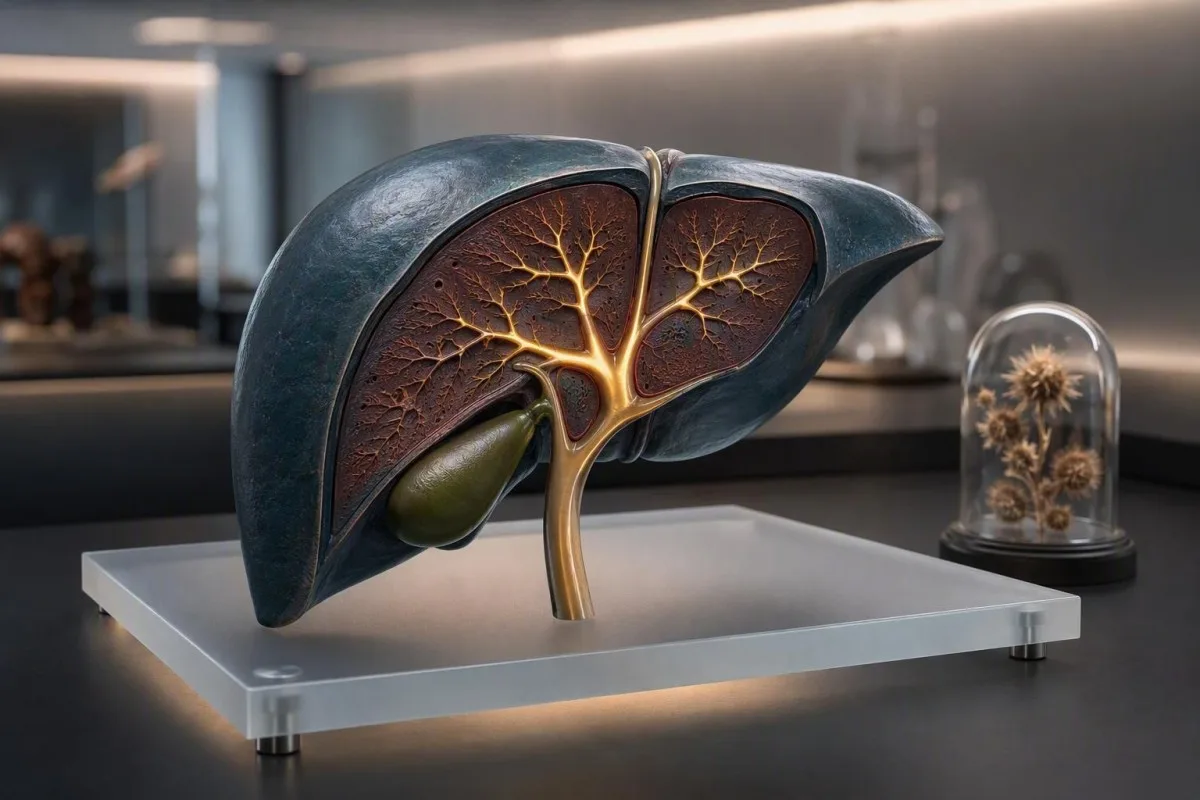
A raised bilirubin result is a pattern to decode, not a diagnosis by itself. The fraction that is high, the companion liver tests, and symptoms such as dark urine or fever determine what happens next.



- Total bilirubin is commonly 0.2-1.2 mg/dL (3-20 µmol/L) in adults, although your laboratory range takes priority.
- Jaundice threshold is usually about 2-3 mg/dL (34-51 µmol/L), when yellowing of the eyes becomes clinically visible.
- Indirect bilirubin rising alone with normal ALT, ALP and CBC often suggests Gilbert syndrome, fasting, or increased red-cell turnover.
- Direct bilirubin above 0.3 mg/dL or more than 20% of total bilirubin points toward impaired bile handling and needs clinical context.
- Dark urine plus pale stool suggests conjugated bilirubin entering urine and can signal bile-duct obstruction or hepatitis.
- Fever, right-upper abdominal pain and jaundice require same-day emergency assessment because ascending cholangitis can deteriorate quickly.
- Repeat testing after hydration and normal eating is reasonable for a small isolated indirect rise, but not for jaundice, pain, fever, or rising liver enzymes.
- Medication review matters: prescription drugs, over-the-counter acetaminophen, antibiotics, herbal products, and anabolic agents can alter bilirubin patterns.
Start with the bilirubin pattern, not the flag
High bilirubin causes fall into three practical groups: too much bilirubin being produced from red-cell breakdown, reduced processing inside the liver, or impaired drainage through the bile ducts. An isolated total bilirubin of 1.6 mg/dL with normal ALT, ALP, CBC, and no symptoms is often temporary or inherited; bilirubin above 3 mg/dL with dark urine, pale stool, fever, or abdominal pain needs prompt assessment. In my clinical practice, the fractionated result—direct versus indirect—has prevented more unnecessary alarm than almost any other liver-panel detail. Dr. Thomas Klein advises reading bilirubin alongside ALT, AST, ALP, GGT, albumin, and the complete blood count before deciding how urgent it is.
Total bilirubin is commonly 0.2-1.2 mg/dL, or 3-20 µmol/L, in non-pregnant adults. Visible jaundice often begins around 2-3 mg/dL, but skin tone, lighting, and anaemia can make that threshold surprisingly unreliable. A result outside range is a signal to investigate the pattern, not proof of permanent liver damage; out-of-range lab flags need context.
Unconjugated (indirect) bilirubin is fat-soluble bilirubin before liver conjugation; conjugated (direct) bilirubin has been processed and can appear in urine. Direct bilirubin above 0.3 mg/dL or more than 20% of total bilirubin is a useful practical clue toward hepatocellular or cholestatic disease, although laboratories use different analytical methods.
Kantesti is an AI blood test analyzer that reads bilirubin as a relationship among liver enzymes, red-cell indices, and prior results rather than treating one highlighted number as a verdict. That approach is particularly useful when the same person has had bilirubin values of 1.4, 1.7, and 1.5 mg/dL for years without a change in ALT or ALP.
The calculation that sometimes confuses people
Indirect bilirubin is usually calculated as total bilirubin minus direct bilirubin. Small discrepancies can arise from assay variation, especially at low concentrations, so a 0.1 mg/dL difference is rarely clinically meaningful on its own.
When elevated bilirubin needs urgent care today
High bilirubin is dangerous when it accompanies signs of blocked or infected bile flow, acute liver dysfunction, or rapid red-cell destruction. Fever, shaking chills, right-upper abdominal pain, confusion, repeated vomiting, low blood pressure, or new jaundice warrant same-day emergency evaluation.
Jaundice with fever and upper abdominal pain is the classic triad for acute cholangitis until proven otherwise. Not everyone presents neatly, particularly older adults, people with diabetes, and those taking immune-suppressing medicines; confusion or weakness may be the first clue. Do not wait for a repeat outpatient test in that setting.
Confusion, unusual sleepiness, easy bruising, or an INR of 1.5 or higher with acute jaundice can indicate impaired liver synthetic function. Acute liver failure is uncommon, but the reason clinicians act quickly is that INR reflects reduced production of clotting proteins rather than irritation alone. Our guide to INR results explains why this test changes the triage conversation.
Tea-coloured urine, pale or clay-coloured stool, and generalized itch are a high-yield combination because conjugated bilirubin is water-soluble and passes into urine when bile excretion is disrupted. By contrast, isolated indirect bilirubin does not darken urine. Dark urine warning signs are worth reviewing while you arrange care.
Pregnancy changes the threshold for action
New itch in pregnancy, especially on palms or soles, plus abnormal bile acids or bilirubin deserves same-day obstetric contact. Intrahepatic cholestasis of pregnancy can occur with little or no jaundice, so a normal-looking skin tone is not reassurance.
Direct versus indirect bilirubin: the fastest sorting step
Predominantly indirect bilirubin suggests overproduction or reduced conjugation, whereas predominantly direct bilirubin suggests impaired liver excretion or bile-flow obstruction. This distinction narrows the next tests far more effectively than total bilirubin alone.
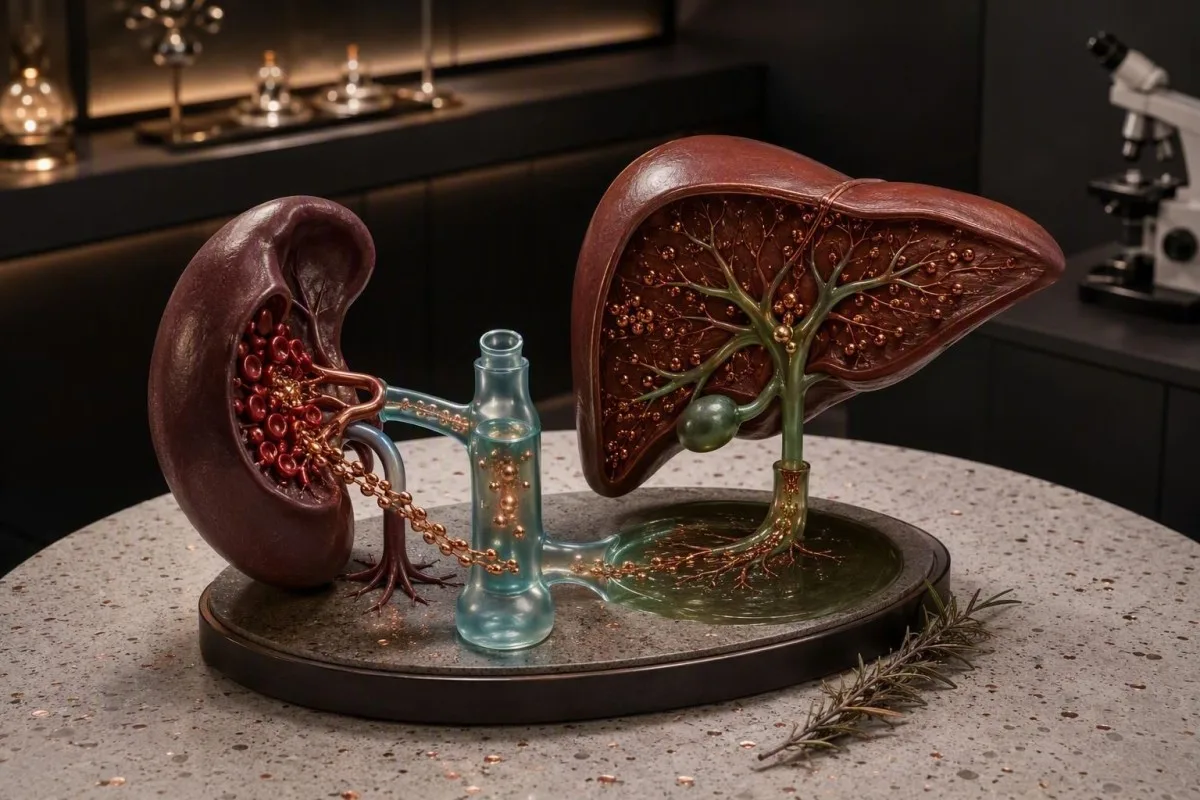
An indirect fraction above roughly 80% of total bilirubin with normal ALT, ALP, and haemoglobin usually points away from an obstructed duct. Gilbert syndrome, missed meals, acute viral illness, endurance exercise, and haemolysis sit high on the list. The urine dipstick is usually negative for bilirubin in this pattern.
A direct fraction above 50% of total bilirubin makes cholestasis or hepatocellular injury more likely. ALP and GGT rising disproportionately supports a cholestatic process; ALT and AST rising more prominently supports hepatocyte injury. The dedicated guide on high direct bilirubin covers the practical split in more detail.
Kantesti AI interprets fractionated bilirubin with the R-ratio, calculated as ALT divided by its upper limit of normal, then divided by ALP divided by its upper limit. An R-ratio above 5 supports a hepatocellular pattern, below 2 supports cholestasis, and 2-5 is mixed—an approach used in drug-induced liver injury assessment.
Why a urine bilirubin result is such a useful clue
Urine bilirubin positivity indicates conjugated bilirubin because unconjugated bilirubin is albumin-bound and cannot be filtered by the kidney. A positive result can appear before obvious jaundice, though old or light-exposed urine strips can produce false-negative results.
Reason 1: Gilbert syndrome, fasting, dehydration, or illness
Gilbert syndrome is the most common benign explanation for recurrent mild indirect bilirubin elevation, often between 1.2 and 3.0 mg/dL. Fasting, dehydration, fever, menstruation, and strenuous exercise can temporarily increase the result in people with or without the genetic trait.
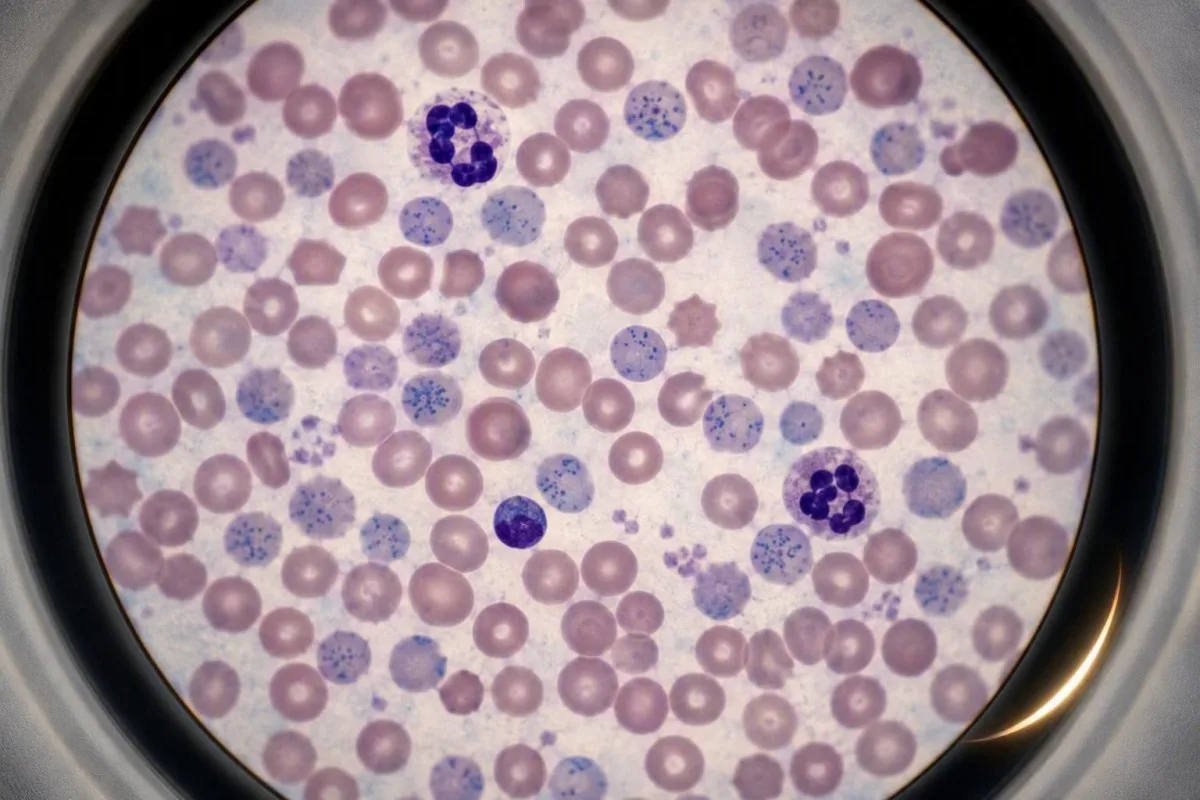
Gilbert syndrome affects an estimated 3-12% of people, depending on ancestry and the diagnostic definition used. Reduced UGT1A1 enzyme activity leaves indirect bilirubin higher, while ALT, AST, ALP, albumin, and reticulocyte count remain normal. It does not progress to cirrhosis or require a liver cleanse.
A 27-year-old trainee I saw had bilirubin of 2.4 mg/dL after a 20-hour fast and a long run; a non-fasting repeat 10 days later was 1.1 mg/dL. That is why I ask about calorie restriction and training before ordering an expensive work-up. Intermittent fasting can shift laboratory values, including bilirubin.
A bilirubin rise during fasting should not automatically be labelled Gilbert syndrome if anaemia, elevated LDH, low haptoglobin, or abnormal liver enzymes are also present. Those additions change the question from benign conjugation variation to haemolysis or liver disease. As of September 10, 2026, genetic testing is rarely necessary when the classic pattern is present.
Reason 2: red-cell breakdown and haemolysis
Haemolysis raises indirect bilirubin because damaged or rapidly cleared red cells release haem that is converted to bilirubin. The confirming pattern is increased reticulocytes and LDH with low haptoglobin, often alongside falling haemoglobin.
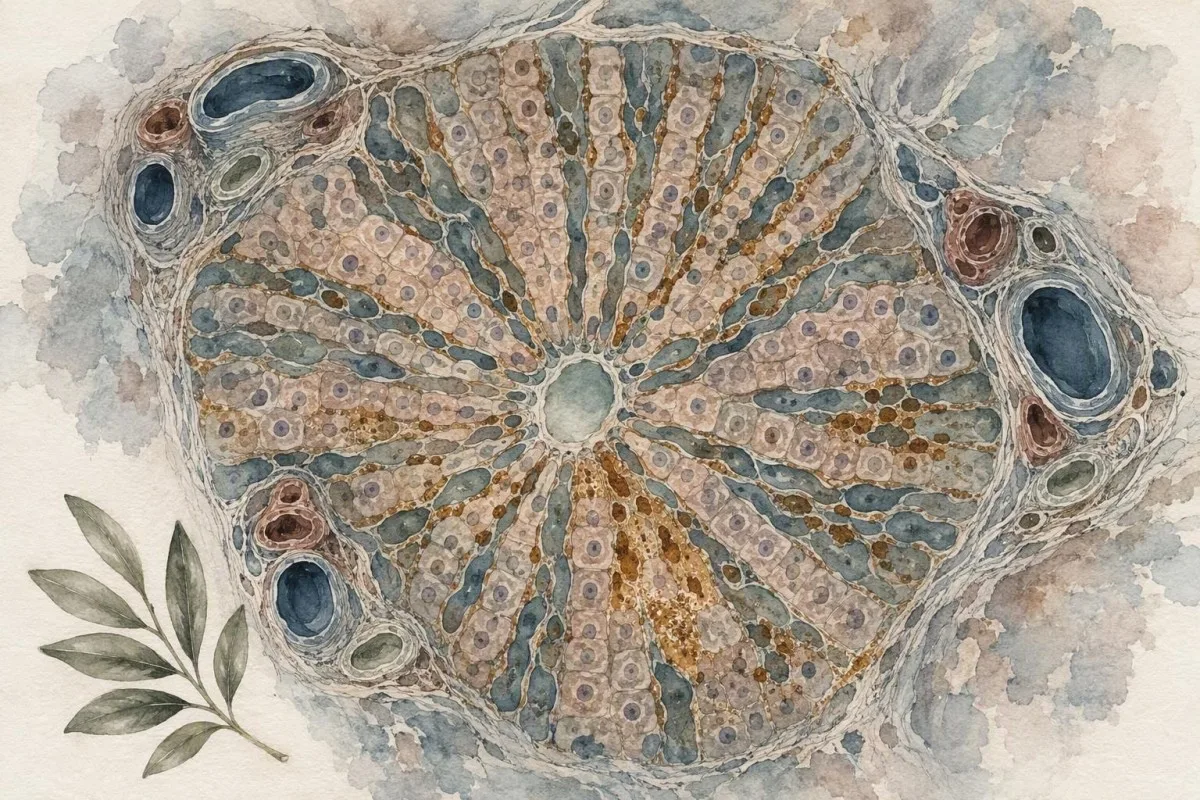
Low haptoglobin below 25 mg/dL, high LDH, reticulocytosis, and indirect hyperbilirubinaemia together strongly support haemolysis. Haptoglobin can also be low in severe liver disease, so clinicians interpret it with the smear and haemoglobin trend. A low haptoglobin result is a clue, not a stand-alone diagnosis.
Potential causes include autoimmune haemolytic anaemia, inherited membrane conditions, G6PD deficiency, mechanical heart valves, transfusion reactions, malaria exposure, and severe burns. A sudden bilirubin rise with fatigue, breathlessness, back discomfort, or cola-coloured urine after a new medicine requires prompt assessment rather than home monitoring.
Reticulocyte counts above the laboratory upper limit show marrow response but do not identify the cause of red-cell loss. A peripheral film can reveal spherocytes, schistocytes, or bite cells and sometimes changes urgency dramatically. The relationship between bilirubin, LDH, and reticulocytes is explored in this haematology marker guide.
A laboratory artefact can muddy the picture
A visibly haemolysed laboratory sample can distort potassium and LDH, but it does not reliably explain a high bilirubin result. If the report says “sample haemolysed,” repeat the collection before assuming a person has in-vivo haemolysis.
Reason 3: hepatitis and liver-cell injury
Hepatitis raises bilirubin when injured liver cells cannot efficiently conjugate or excrete it. Viral hepatitis, metabolic dysfunction-associated steatotic liver disease, alcohol-associated injury, autoimmune hepatitis, and ischaemia can produce this hepatocellular pattern.
ALT or AST more than five times the upper limit of normal with bilirubin elevation deserves timely medical review, even when symptoms are mild. ALT above 1,000 IU/L narrows the usual differential toward acute viral hepatitis, drug or toxin injury, ischaemic injury, or autoimmune hepatitis. The ALT interpretation guide explains why AST alone is less liver-specific.
The American College of Gastroenterology recommends confirming abnormal liver chemistries, reviewing alcohol and medicines, and testing for common viral and metabolic causes in a structured sequence (Kwo et al., 2017). In practice, a recent result, prior values, travel history, metabolic risk, and acetaminophen dose often give more direction than a broad “liver detox” programme.
Albumin below 3.5 g/dL and a prolonged INR suggest reduced liver synthesis when interpreted outside pregnancy, malnutrition, and anticoagulant use. These values usually change over weeks to months in chronic disease, while INR can worsen quickly in severe acute illness. Read more about early cirrhosis clues if several synthetic markers are abnormal.
Reason 4: medicines, supplements, and drug-induced injury
Prescription medicines, herbal products, and supplements can elevate bilirubin through liver-cell injury, cholestasis, or haemolysis. The timing—usually days to 6 months after a new exposure—often matters as much as the absolute bilirubin value.
Amoxicillin-clavulanate, anabolic-androgenic steroids, azathioprine, some anticonvulsants, and concentrated green-tea extracts are established causes of drug-induced liver injury. Acetaminophen can cause severe hepatocellular injury when doses exceed recommended limits or when combined with alcohol, fasting, or multiple combination products.
The EASL drug-induced liver injury guideline advises stopping the suspected non-essential agent and excluding viral, autoimmune, and obstructive causes rather than relying on one pattern alone (European Association for the Study of the Liver, 2019). Do not stop prescribed anti-seizure, transplant, HIV, or cancer treatment without speaking to the prescriber; the risk of abrupt cessation may outweigh the bilirubin concern.
Kantesti is an AI lab test interpretation service that places a new bilirubin result beside dated medication changes and previous liver panels, which can reveal a temporal signal that a single report misses. Our medication-safety trend guide explains what to record before your appointment.
What to bring to the clinician
Bring photographs or exact names of every product, including teas, powders, injections, and “natural” blends, with the start date and dose. A product labelled as a wellness supplement can contain several concentrated botanical extracts, and the ingredient list is clinically relevant.
Reason 5: gallstones or a blocked bile duct
Gallstones and other bile-duct blockages typically cause direct bilirubin elevation with high ALP and GGT. Pain after a fatty meal, dark urine, pale stool, itch, fever, or a bilirubin that climbs over days make obstruction more likely.
ALP more than 1.5 times the upper limit of normal with elevated GGT supports a hepatobiliary source rather than bone turnover. Ultrasonography is usually the first imaging test because it can identify gallstones and dilated ducts without radiation. A normal scan does not completely exclude a small duct stone.
In a person with bilirubin rising from 1.1 to 4.8 mg/dL over 72 hours, ALP 310 IU/L, and new dark urine, I would think about obstruction before assuming fatty liver. The useful comparison is cholestasis testing patterns, not a single enzyme cut-off.
Charcot triad—fever, jaundice, and right-upper abdominal pain—requires emergency evaluation for possible ascending cholangitis. Acute pancreatitis, a benign stricture, pancreatic disease, and less commonly a growth near the bile duct can also obstruct drainage. High ALP red flags help distinguish a mild isolated value from this more concerning cluster.
Reason 6: fatty liver, alcohol, and metabolic stress
Metabolic dysfunction-associated steatotic liver disease and alcohol-associated liver injury can raise bilirubin, but bilirubin often remains normal until disease is advanced or another trigger occurs. Mild ALT elevation, central adiposity, triglycerides, insulin resistance, and elevated GGT often appear earlier.
A bilirubin rise in fatty liver disease is not automatically caused by liver fat. If bilirubin is newly above 2 mg/dL, clinicians should actively look for superimposed hepatitis, a stone, alcohol-related injury, medication effects, or haemolysis rather than simply attributing it to weight.
GGT is sensitive but not specific: alcohol, obesity, diabetes, medications, and cholestasis can all increase it. AST:ALT ratio above 2 can support alcohol-associated hepatitis in the right setting, yet no ratio proves alcohol exposure. Our explanation of GGT meaning is useful when the enzyme is elevated alone.
I counsel patients to avoid alcohol while bilirubin is unexplained, not because every raised result is alcohol-related, but because it removes one reversible stressor and makes the retest interpretable. Rapid weight loss can also briefly alter aminotransferases; liver tests after weight loss describes that less obvious effect.
Reason 7: rarer inherited and systemic causes
Rarer bilirubin elevated causes include Wilson disease, autoimmune liver disease, inherited conjugated hyperbilirubinaemias, sepsis, thyroid disease, and severe heart failure. These are considered when the common patterns do not fit, when the result persists, or when other organ systems are involved.
Wilson disease should be considered in unexplained liver disease under age 40, particularly with low ceruloplasmin, neurological symptoms, Coombs-negative haemolysis, or a family history. Ceruloplasmin alone is insufficient because it can rise during inflammation and pregnancy. The ceruloplasmin test guide explains the usual confirmatory pathway.
Dubin-Johnson and Rotor syndromes cause chronic mild conjugated hyperbilirubinaemia with otherwise preserved liver function. They are uncommon and generally benign, but they should be diagnosed after obstruction and active liver disease have been excluded—not by internet pattern-matching alone.
Kantesti AI is an AI-powered blood test analysis tool used to organize multi-marker patterns across prior tests, including bilirubin, ALP, GGT, copper markers, haemoglobin, and thyroid results. It cannot diagnose a rare disorder, but structured trend recognition can make a more focused clinician conversation possible.
The next tests doctors use to find the cause
The next tests for high bilirubin usually include repeat total and direct bilirubin, ALT, AST, ALP, GGT, CBC, reticulocytes, LDH, haptoglobin, and urinalysis. The exact list should follow the fractionated bilirubin pattern and symptoms, not a one-size-fits-all checklist.

A CBC with reticulocyte count, LDH, haptoglobin, and peripheral film is the core haemolysis screen. An ultrasound becomes more urgent when direct bilirubin, ALP, and GGT rise together or when pain is present. Viral hepatitis serology, autoimmune markers, iron studies, and metabolic testing are selected from the history and baseline panel.
Kantesti can organize a PDF or photo of a liver panel into a dated pattern, but it does not replace an examination, imaging, or an emergency decision. Our blood-test biomarker guide explains why reference ranges vary by laboratory and country.
Repeat bilirubin should ideally use the same laboratory and be taken after normal food and fluid intake if an isolated indirect rise is being checked. Avoid a punishing workout, prolonged fasting, and non-essential supplements for 24-48 hours before a planned repeat unless your clinician gives different instructions. That simple preparation often prevents a confusing second result.
When imaging is more informative than more blood tests
Ultrasound is usually more informative than another bilirubin test when direct bilirubin is high with ALP elevation, persistent itch, pale stool, or colicky upper abdominal pain. MRCP or endoscopic assessment may follow if ultrasound is non-diagnostic but suspicion remains high.
What to do now: a safe, practical plan
A small isolated indirect bilirubin rise without symptoms can usually be reviewed non-urgently, while direct bilirubin elevation or jaundice with systemic symptoms needs faster care. Do not try to lower bilirubin with detox products before the cause is clear.
For bilirubin below 2 mg/dL with normal ALT, ALP, haemoglobin, and no symptoms, contact your usual clinician and ask whether a repeat fractionated test in 1-4 weeks is appropriate. The interval changes if you are pregnant, have known liver disease, or take a medicine requiring monitoring.
Write down the date of symptoms, alcohol intake, illness, fasting, travel, workout intensity, and all products taken in the preceding 6 weeks. That diary is more diagnostically useful than many patients expect. Comparing results between visits can show whether the change exceeds ordinary biological variation.
Avoid alcohol and avoid starting new supplements until the result has been interpreted. Continue essential prescribed medication unless the prescriber tells you otherwise. If you develop fever, pain, jaundice, dark urine, pale stool, confusion, or vomiting, seek urgent assessment rather than waiting for an app or a routine appointment.
Four bilirubin misconceptions that delay useful care
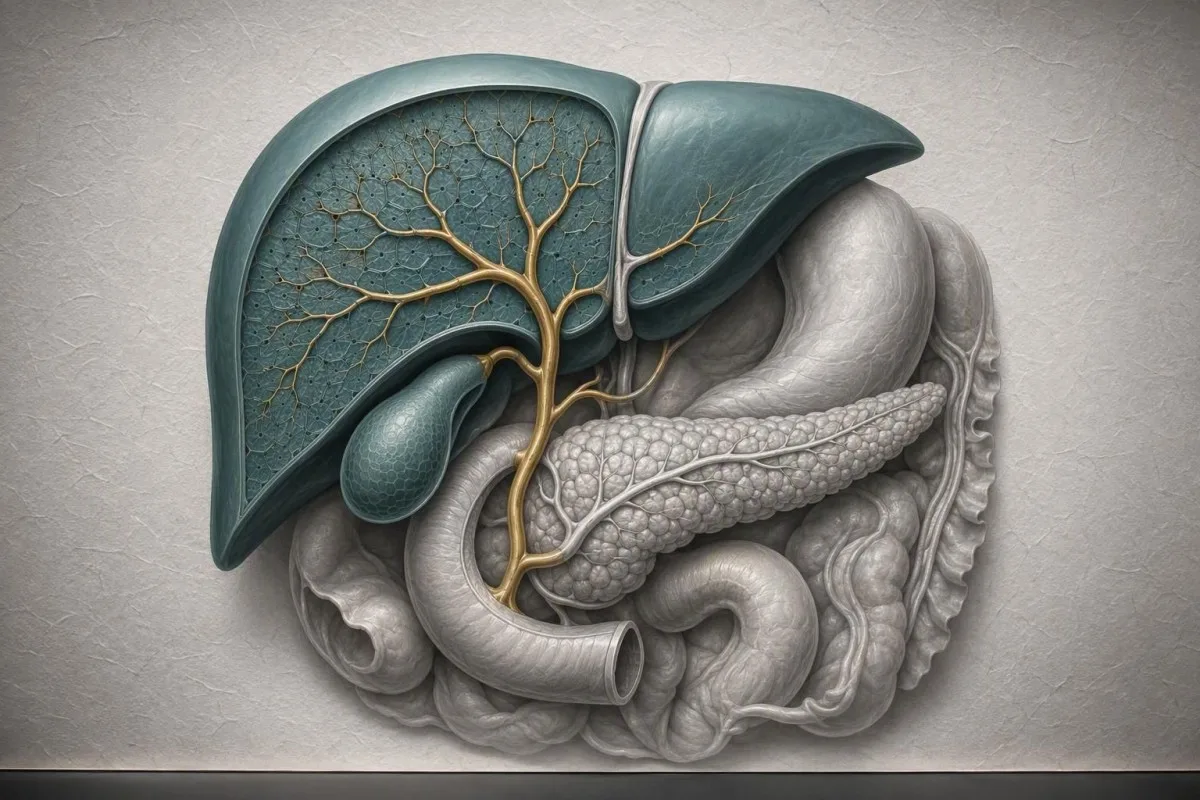
High bilirubin does not always mean permanent liver damage, and normal bilirubin does not rule out liver disease. The common mistake is treating bilirubin as a liver enzyme; it is a pigment whose route through red cells, liver cells, bile, and urine creates the diagnostic pattern.
Myth: drinking extra water always fixes bilirubin. Fact: hydration may reduce fasting-related variation, but it cannot clear a blocked bile duct or treat hepatitis. A rapid fall after fluids supports a temporary contributor; it does not prove the underlying diagnosis.
Myth: only heavy drinkers develop bilirubin problems. Fact: gallstones, viral infections, haemolysis, genetic traits, metabolic disease, and medicines are all commoner explanations in many clinics. Alcohol history matters, but a clinician who stops there can miss the real pattern. Foods marketed for liver detox are not a substitute for evaluation.
Myth: a normal ALT means everything is fine. Fact: isolated obstruction may first raise direct bilirubin, ALP, and GGT, while advanced cirrhosis can sometimes have modest aminotransferases. This is one reason Dr. Thomas Klein recommends reviewing the entire panel rather than chasing the highest flagged number.
Using an AI interpretation safely with bilirubin results
AI can help identify a bilirubin pattern and prepare questions, but it cannot rule out cholangitis, acute hepatitis, or haemolysis from a report alone. Safety comes from combining the result with symptom triage, medication review, and clinician-led testing.
Kantesti's neural network compares bilirubin fractions with enzyme ratios, CBC changes, and previous tests to flag combinations such as direct bilirubin plus ALP rise or indirect bilirubin plus anaemia. It is designed to surface questions—“could this be haemolysis?” or “does this need imaging?”—rather than issue a diagnosis.
A trustworthy interpretation should show the original laboratory value, units, reference interval, and the uncertainty behind any pattern label. If a photographed report is unclear, verify the number against the original PDF before acting. Our AI report safety checklist covers common transcription and OCR errors.
Kantesti operates with clinical oversight and uses privacy-focused handling for uploaded results; readers can review our medical validation standards and the clinicians on our Medical Advisory Board. A digital interpretation is most useful when it helps you arrive at care with a precise timeline and the right questions.
Bottom line: the pattern tells you the urgency
The most useful next step after a high bilirubin result is to identify whether the rise is indirect, direct, or mixed and then check symptoms, ALT, ALP, GGT, CBC, and prior values. Isolated mild indirect elevation is often benign; jaundice with fever, pain, dark urine, pale stool, or confusion is not a wait-and-see situation.
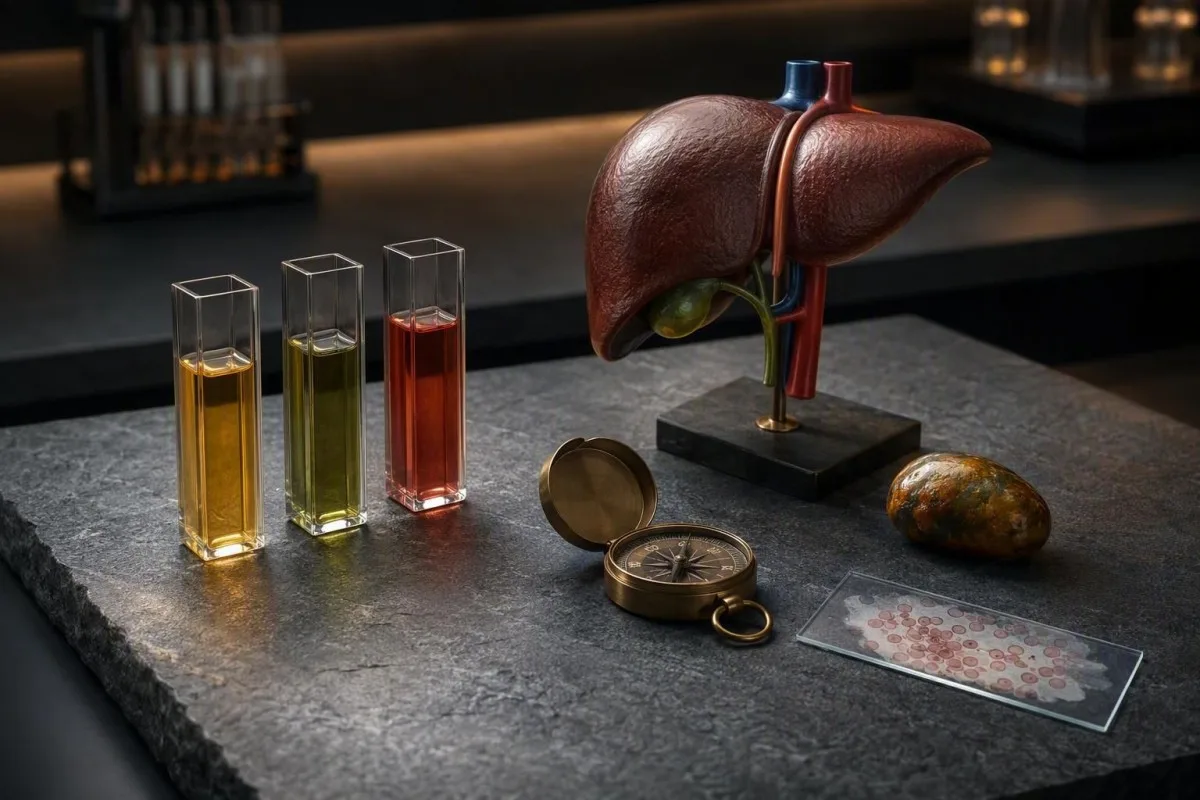
Bilirubin above 3 mg/dL is not automatically an emergency, but it should not be ignored when new or rising. The dangerous combinations are driven by obstruction, infection, severe liver dysfunction, or haemolysis—not a single universal bilirubin cut-off. That nuance is uncomfortable, but medically honest.
Most patients find that keeping one copy of their liver panels makes follow-up far less stressful. Check whether bilirubin has been mildly elevated for years, whether the direct fraction changed, and whether ALP or haemoglobin moved at the same time. For a clinician-reviewed technology overview, see our AI interpretation technology guide.
If you are unsure what to ask, start with: “Is this direct or indirect?”, “Could my medicines or supplements contribute?”, “Do I need a haemolysis screen or ultrasound?”, and “When should I repeat it?” Those four questions usually move the consultation forward faster than asking whether the result is simply “bad.”
Frequently Asked Questions
What is the most common cause of high bilirubin?
The most common cause of a mild isolated high bilirubin result is Gilbert syndrome or a temporary rise related to fasting, illness, dehydration, or strenuous exercise. Gilbert syndrome usually causes indirect bilirubin values around 1.2-3.0 mg/dL (21-51 µmol/L) while ALT, ALP, CBC, and haemoglobin remain normal. A new result above 2 mg/dL should still be fractionated into direct and indirect bilirubin before assuming it is benign. Dark urine, pale stool, fever, or abdominal pain are not typical of uncomplicated Gilbert syndrome.
Is high bilirubin dangerous?
High bilirubin can be dangerous when it reflects bile-duct obstruction, acute hepatitis with impaired liver function, severe haemolysis, or infection of the bile ducts. Fever, jaundice, right-upper abdominal pain, confusion, vomiting, or low blood pressure require urgent assessment regardless of the exact bilirubin number. An isolated bilirubin of 1.5 mg/dL with normal liver enzymes and no symptoms is usually much less concerning than bilirubin of 2.5 mg/dL with high ALP and dark urine. The pattern and speed of change determine risk more reliably than one cut-off.
Can dehydration cause high bilirubin?
Dehydration can cause a small temporary rise in indirect bilirubin, particularly in people with Gilbert syndrome or after fasting and exercise. A reasonable repeat test is often taken after 24-48 hours of normal fluids and meals, provided the person has no jaundice, abdominal pain, fever, dark urine, or abnormal liver enzymes. Dehydration does not explain high direct bilirubin with pale stool or elevated ALP. Those features need assessment for impaired bile flow or liver disease.
What bilirubin level causes yellow eyes?
Yellowing of the whites of the eyes, called scleral icterus, often becomes detectable when total bilirubin reaches about 2-3 mg/dL (34-51 µmol/L). Some people show visible yellowing at lower or higher values because lighting, skin tone, anaemia, and examiner experience affect detection. Jaundice should prompt a clinical review when it is new, even if the bilirubin value is only modestly elevated. New jaundice with fever, pain, dark urine, or pale stool requires urgent care.
Can high bilirubin be caused by stress?
Stress itself is not a direct established cause of high bilirubin, but the behaviours and illnesses surrounding stress can contribute. Skipped meals, dehydration, sleep loss, viral illness, and intense training may raise indirect bilirubin by 0.5-1.5 mg/dL in susceptible people, especially those with Gilbert syndrome. Stress should not be used to explain away a direct bilirubin rise, jaundice, abnormal ALP, or anaemia. A fractionated bilirubin and companion liver tests separate a temporary trigger from a condition needing treatment.
How do doctors lower high bilirubin?
Doctors lower bilirubin by treating its cause rather than targeting the pigment itself. A blocked duct may need endoscopic or surgical treatment, haemolysis requires treatment of the red-cell disorder, hepatitis needs cause-specific care, and a medication-related pattern may improve after supervised withdrawal of the suspected agent. There is no proven detox supplement that safely treats unexplained bilirubin elevation. For mild isolated indirect bilirubin under 2-3 mg/dL with normal tests, reassurance and repeat testing may be all that is needed.
Get AI-Powered Blood Test Analysis Today
Join over 2 million users worldwide who trust Kantesti for instant, accurate lab test analysis. Upload your blood test results and receive comprehensive interpretation of 15,000+ biomarkers in seconds.
📚 Referenced Research Publications
Klein, T., Mitchell, S., & Weber, H. (2026). Kantesti Research Team. (2026). Nipah Virus Blood Test: Early Detection & Diagnosis Guide 2026. Zenodo. https://doi.org/10.5281/zenodo.18487418. ResearchGate: https://www.researchgate.net. Academia.edu: https://www.academia.edu.. Kantesti AI Medical Research.
Klein, T., Mitchell, S., & Weber, H. (2026). Kantesti Research Team. (2026). B Negative Blood Type, LDH Blood Test & Reticulocyte Count Guide. Figshare. https://doi.org/10.6084/m9.figshare.31333819. ResearchGate: https://www.researchgate.net. Academia.edu: https://www.academia.edu.. Kantesti AI Medical Research.
📖 External Medical References
⚕️ Medical Disclaimer
This article is for educational purposes only and does not constitute medical advice. Always consult a qualified healthcare provider for diagnosis and treatment decisions.
E-E-A-T Trust Signals
Experience
Physician-led clinical review of lab interpretation workflows.
Expertise
Laboratory medicine focus on how biomarkers behave in clinical context.
Authoritativeness
Written by Dr. Thomas Klein with review by Dr. Sarah Mitchell and Prof. Dr. Hans Weber.
Trustworthiness
Evidence-based interpretation with clear follow-up pathways to reduce alarm.