
High sodium usually reflects too little body water rather than too much dietary salt. Thirst may be the first warning, but new confusion, marked weakness, seizures, or reduced alertness need emergency assessment.



- Hypernatremia means a serum sodium concentration above 145 mmol/L in most adult laboratories.
- Thirst and dry mouth are common early high sodium symptoms when the thirst mechanism is intact.
- Confusion, unusual sleepiness, seizures, or fainting with possible dehydration require emergency care now.
- Sodium of 160 mmol/L or higher is severe hypernatremia and usually needs hospital-based treatment and monitoring.
- Serum osmolality above 295 mOsm/kg supports a water-deficit state when sodium is elevated.
- Urine osmolality below 300 mOsm/kg during hypernatremia raises concern for impaired renal water conservation, including diabetes insipidus.
- Chronic hypernatremia is generally corrected no faster than 10-12 mmol/L in 24 hours unless a specialist directs otherwise.
- Do not force fluids in anyone who is confused, vomiting repeatedly, choking, or unable to swallow safely.
When high sodium symptoms need emergency care
High sodium symptoms need emergency care when thirst progresses to confusion, severe drowsiness, seizures, collapse, focal weakness, or an inability to drink safely. A sodium result of 160 mmol/L or higher is particularly concerning, but the speed of change and the person's mental state matter more than one number alone.
Call emergency services or go to an emergency department if a person has new confusion, is hard to wake, has a seizure, faints, or cannot keep fluids down. In my clinical experience, families sometimes assume the person is simply tired after heat exposure; a sudden change in attention or speech is the detail that should override that assumption. Altered mental status is never a home-rehydration project.
High sodium pulls water out of brain cells, which is why neurological symptoms can emerge as sodium rises or rises quickly. A serum sodium of 150 mmol/L acquired over several days may cause only thirst, whereas a rapid increase from 140 to 150 mmol/L can cause headache, irritability, and confusion. The urgent electrolyte patterns article explains why clinicians read sodium alongside potassium, glucose, bicarbonate, and kidney markers.
Dr. Thomas Klein has seen this pattern most often in frail adults after diarrhoea, fever, or missed access to drinks: the laboratory number confirms the concern, but the bedside story establishes urgency. As of September 9, 2026, no online interpretation can judge airway safety, circulation, or consciousness. If any of those are in doubt, seek in-person emergency care.
Symptoms that should not wait
Seizure, severe headache with confusion, new one-sided weakness, collapse, or a Glasgow Coma Scale decline are emergency symptoms regardless of the sodium value available at home. These signs can overlap with stroke, severe infection, low glucose, or medication toxicity, so emergency clinicians must assess more than sodium.
What a high sodium result means on a blood test
Most laboratories define hypernatremia as serum sodium above 145 mmol/L, with 146-150 mmol/L often called mild and 160 mmol/L or higher severe. The result represents sodium relative to body water, so it commonly signals water loss rather than excessive salt intake.

The usual adult serum sodium reference interval is 135-145 mmol/L, although a few laboratories use 136-145 mmol/L. Sodium is measured in millimoles per litre, which is numerically equivalent to mEq/L for this single-charged ion. A mildly high result deserves clinical context; it does not automatically mean a person consumed too much table salt.
When I review a panel showing sodium 148 mmol/L, I first check glucose, urea or BUN, creatinine, chloride, bicarbonate, albumin, and the collection circumstances. A high urea-to-creatinine pattern can support reduced circulating volume, while severe hyperglycaemia needs a corrected sodium calculation. Our basic metabolic panel guide shows the companion values that change interpretation.
Kantesti is an AI blood test analyzer that reads sodium in relation to kidney markers, glucose, and prior results rather than treating a red flag as a diagnosis. A single result can be affected by water loss before the draw, but a change of 8-10 mmol/L from a recent baseline is clinically meaningful even if both laboratories flag results differently.
Early high sodium dehydration symptoms
Early high sodium dehydration usually causes intense thirst, a sticky dry mouth, reduced urine volume, darker urine, fatigue, and light-headedness on standing. These symptoms are more reliable in alert adults than in infants, older people, and anyone whose thirst response is impaired.
Thirst is the body's most effective defence against hypernatremia, yet it fails when water is unavailable or a person cannot respond to it. Dry lips, a coated tongue, reduced tears, and standing dizziness add weight to the picture, but none proves high sodium without a blood test. Dark urine is useful context; see our urine colour and hydration guide for its limits.
A practical clue is output: an adult producing very little urine over 8-12 hours while unwell may be conserving water aggressively. Conversely, large volumes of pale urine plus persistent thirst point toward a different problem, such as diabetes insipidus or uncontrolled diabetes. That distinction is why clinicians ask about both how much someone drinks and how much they pass.
A 42-year-old runner with sodium 147 mmol/L may recover with oral fluids after a hot event if alert, not vomiting, and reviewed promptly; an 82-year-old with the same sodium after two days of poor intake may be much less resilient. Relative dehydration can also concentrate red cells and proteins, a pattern covered in our piece on dehydration-related high RBC results.
Confusion and neurological red flags in hypernatremia
Confusion, agitation, slurred speech, muscle twitching, seizures, and reduced consciousness are serious hypernatremia symptoms because cellular water shifts affect the brain. New neurological symptoms require urgent assessment even when thirst or dehydration seems like an obvious explanation.

Neurological symptoms do not map perfectly to a single sodium threshold. Symptoms are more likely above 155-160 mmol/L, but rapid onset can produce marked symptoms at lower values, while slowly acquired hypernatremia may appear deceptively mild. Adrogué and Madias described this central issue clearly: the brain adapts over time, then becomes vulnerable if correction is too fast (Adrogué and Madias, 2000).
The combination I worry about most is confusion plus a measured temperature, fast breathing, weak pulse, or reduced urine output. Together these features may indicate severe volume depletion, sepsis, diabetic ketoacidosis, or heat illness rather than uncomplicated thirst. If glucose is low or very high, it can also cause altered behaviour; our dizziness blood test guide outlines those overlapping lab checks.
Dr. Thomas Klein's rule for caregivers is deliberately simple: if you are debating whether the person is mentally themselves, treat that as a yes to urgent evaluation. Do not give salt tablets, sports powders, or large volumes of fluid to a drowsy person. Aspiration and delayed emergency treatment are more immediate risks.
What to do now if sodium may be high
An alert adult with mild dehydration symptoms can take small frequent sips of water or an oral rehydration drink while arranging prompt medical advice, but anyone with neurological symptoms needs emergency care instead. The correct fluid and rate depend on sodium, glucose, kidney function, blood pressure, and the cause of water loss.
If the person is awake, thinking clearly, and swallowing normally, offer modest amounts such as 100-200 mL every 10-15 minutes, then reassess nausea and urine output. This is a bridge to care, not a formula for correcting confirmed hypernatremia. People with heart failure, advanced kidney disease, or fluid restrictions need individual advice before increasing fluids substantially.
If vomiting, diarrhoea, fever, or heat exposure is ongoing, an oral rehydration solution may replace water and lost electrolytes more effectively than plain water alone. But concentrated sports drinks, salty broths, and electrolyte tablets can be poorly matched to the situation. A raised sodium result after gastrointestinal illness is one reason clinicians check acid-base status and potassium at the same time.
Bring the exact laboratory report, medication list, and a rough 24-hour record of drinks and urine to urgent care. This makes a surprisingly large difference in identifying the cause. For the related problem at the other end of the range, read our low sodium symptom guide; both disorders can affect the brain, but treatment is not interchangeable.
Why sodium rises and who is most at risk
Hypernatremia most often occurs when water loss exceeds water intake through fever, diarrhoea, sweating, urine losses, or limited access to fluids. Older adults, infants, people with cognitive impairment, and those dependent on others for drinks have the highest practical risk.
Dietary salt alone rarely causes clinically significant hypernatremia when kidneys, thirst, and water access work normally. The usual mechanism is a free-water deficit: not enough water relative to sodium. Fever can increase insensible water losses by roughly 2-2.5 mL/kg/day for each 1°C rise above normal body temperature, though illness severity changes that estimate.
Risk is amplified by mobility limits, dementia, stroke, swallowing difficulty, and medications that increase urine output. Tube feeding without enough prescribed free-water flushes is another under-recognised hospital and care-home cause. Our overview of high sodium causes separates water loss from sodium gain more fully.
In a 2023 clinical review, Yun and colleagues emphasised checking whether renal water loss, gastrointestinal loss, or inadequate intake is dominant before choosing therapy (Yun et al., 2023). That is not academic hair-splitting: a person losing 5 L of dilute urine needs a different investigation from someone with profuse diarrhoea and minimal urine.
Constant thirst: diabetes insipidus versus high glucose
Persistent thirst with frequent pale urination can result from diabetes insipidus or high glucose, and both can contribute to a high sodium level if fluid replacement falls behind. Diabetes insipidus is uncommon but should be considered when hypernatremia accompanies inappropriately dilute urine.
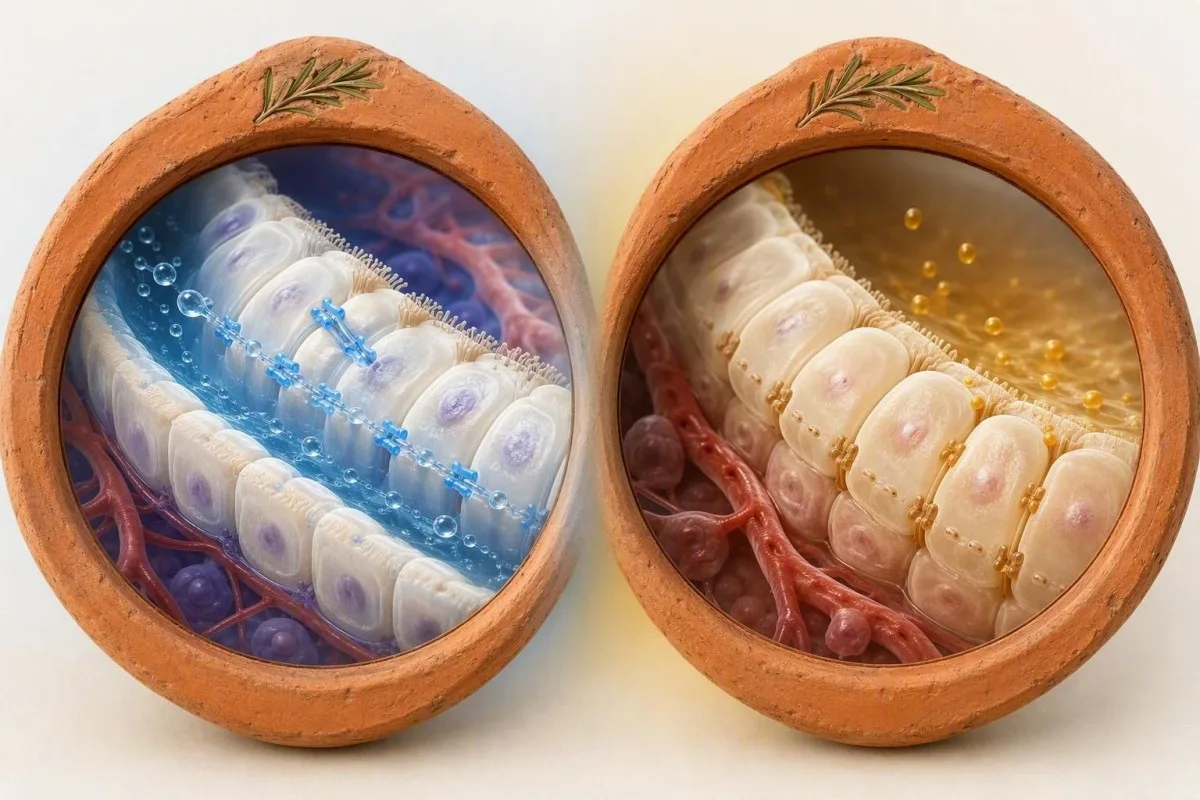
In diabetes insipidus, insufficient antidiuretic hormone effect prevents the kidney from concentrating urine. During hypernatremia, a urine osmolality below 300 mOsm/kg is inappropriately low and raises concern for central or nephrogenic diabetes insipidus, although chronic kidney disease can complicate interpretation. A urine osmolality above 800 mOsm/kg generally shows that the kidneys are conserving water appropriately.
High glucose causes osmotic diuresis, which means glucose drags water into urine. Marked hyperglycaemia can lower the measured sodium by shifting water out of cells, so clinicians calculate a corrected sodium; a common estimate adds 1.6 mmol/L for every 100 mg/dL glucose above 100 mg/dL, with larger correction factors sometimes used at very high glucose. Our constant thirst testing guide covers the first-line panel.
Ketones, rapid deep breathing, abdominal pain, and high glucose are urgent because diabetic ketoacidosis can coexist with severe dehydration and a rising corrected sodium. A positive urine ketone strip is not diagnostic by itself, but it should not be ignored when someone is ill. Review the warning pattern in our urine ketone article.
Tests doctors use to confirm the cause
Doctors confirm hypernatremia with a repeat serum electrolyte panel and then use serum osmolality, urine osmolality, urine sodium, glucose, urea, and creatinine to locate the water loss. A repeat sample matters when the result does not fit the person's condition or appears unexpectedly high.
Serum osmolality is usually about 275-295 mOsm/kg, and a raised value supports true hypertonicity when sodium is high. The clinician also reviews chloride and bicarbonate: high chloride may accompany water depletion, while low bicarbonate can suggest diarrhoeal loss or ketoacidosis. Our guide to high chloride patterns explains why carbon dioxide values belong in this assessment.
Urine sodium does not work as a stand-alone dehydration test. A low value may reflect sodium conservation in volume depletion, but diuretics, kidney disease, and recent saline can raise it despite low circulating volume. The more useful question is whether urine concentration makes sense for the serum sodium, as detailed in our urine osmolality explainer.
Kantesti AI is an AI lab test interpretation service that organizes electrolyte results, kidney markers, and date-to-date changes into a follow-up discussion rather than offering emergency treatment advice. Its interpretation approach and clinical controls are described in our medical validation framework. A result with confusion or seizures still requires emergency clinicians, not an online review.
Why high sodium must be corrected carefully
Chronic hypernatremia is usually corrected gradually because lowering sodium too quickly can cause water to move into brain cells and trigger cerebral oedema. In many adults with hypernatremia present for more than 48 hours or of unknown duration, clinicians aim for no more than 10-12 mmol/L reduction in 24 hours.

The often-cited safety limit is 0.5 mmol/L per hour, although the evidence in adults is less neat than many summaries imply. In acute sodium loading that began within 24-48 hours, specialists may safely correct faster under close monitoring; in longstanding hypernatremia, conservative correction remains the usual practice. Frequent repeat electrolytes, often every 2-4 hours initially, guide intravenous treatment.
There is a genuine clinical tension here: correction that is too slow may prolong hypertonicity, especially in very ill patients, while correction that is too fast can be dangerous in chronic cases. Yun et al. (2023) note that management should be tailored to duration, volume status, and ongoing losses rather than applying a single fluid recipe. This is one reason hospital teams document intake and output so closely.
Do not attempt to calculate a water deficit and self-treat from a laboratory portal. The classic estimate uses total body water and sodium, but total body water varies widely by age, sex, body composition, and illness. A raised creatinine after fluid loss may also improve with rehydration, as discussed in our dehydration and eGFR guide.
What home care can and cannot do
Home care is reasonable only for mild dehydration symptoms in a fully alert person who can drink, has no serious illness, and can obtain timely clinical advice. Home care cannot safely manage confirmed moderate or severe hypernatremia, neurological symptoms, persistent vomiting, or substantial urine losses.
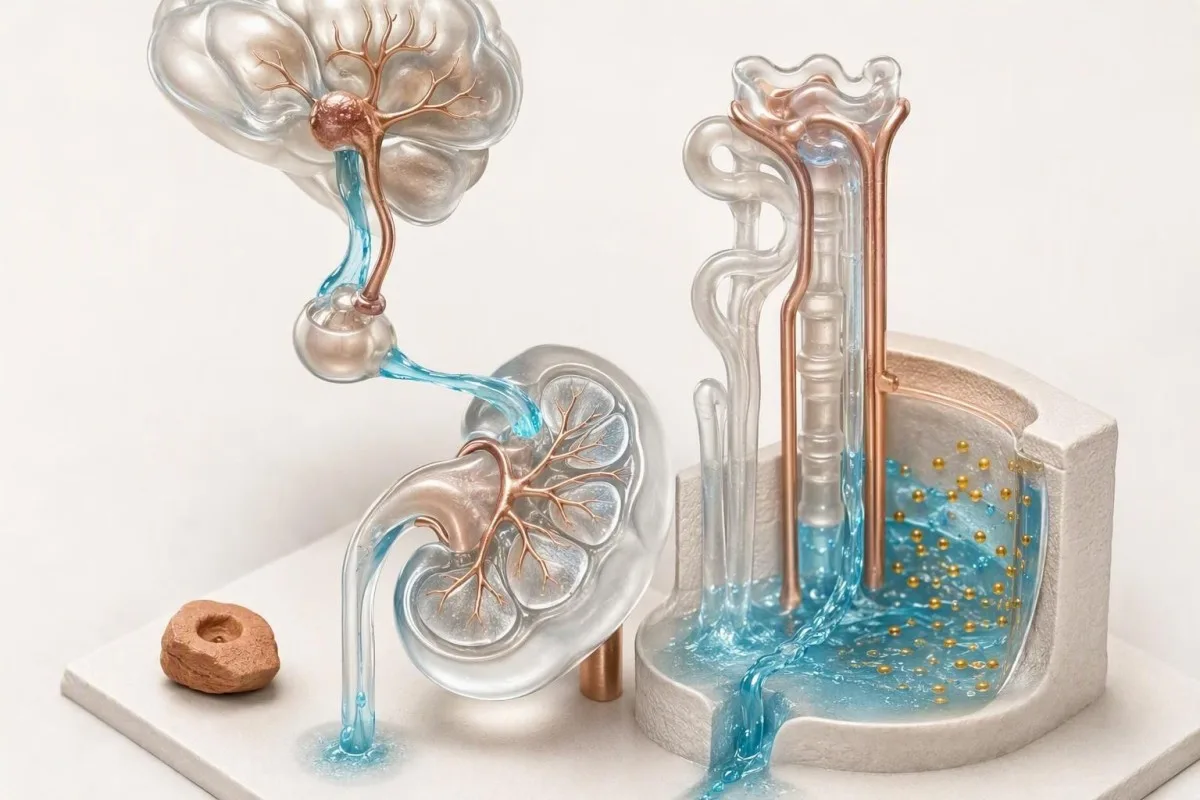
Small, frequent drinks are usually tolerated better than forcing a litre at once. Plain water is often appropriate after heat or inadequate intake, while oral rehydration fluid can be useful with gastrointestinal losses; neither is a substitute for a sodium recheck when the value is above 150 mmol/L. Stop and seek help if nausea, breathlessness, swelling, or worsening confusion develops.
A common misconception is that salt must be removed aggressively from the diet to fix hypernatremia. In most cases, the immediate issue is water availability and the condition causing loss, not ordinary dietary sodium. Restrictive diets can be counterproductive in someone with diarrhoea, low blood pressure, or inadequate nutrition.
Write down fluid intake, urine frequency, temperature, body weight if available, and all medicines before calling a clinician. A change in weight of 1 kg roughly reflects 1 L of water, but oedema, heart failure, and scale error make that only an estimate. For context on urea and creatinine during fluid loss, see our BUN versus creatinine guide.
High sodium in children, older adults and pregnancy
Infants and older adults can become hypernatremic with fewer obvious thirst complaints, so reduced feeding, fewer wet nappies, lethargy, or a sudden functional decline deserve prompt medical assessment. Pregnancy does not normally raise sodium, and meaningful hypernatremia in pregnancy warrants same-day clinical discussion.

In infants, warning signs include poor feeding, fewer wet nappies, unusual sleepiness, irritability, a sunken fontanelle, and weight loss. More than 10% weight loss from birth weight can be clinically significant in a newborn, although the full assessment includes feeding technique and timing. Babies with suspected dehydration should be assessed promptly rather than managed with extra water at home.
Older adults may not feel thirst reliably and may present with falls, delirium, constipation, or reduced mobility instead of asking for a drink. Caregivers should notice a new inability to manage usual tasks after a hot day or infection. Our senior blood test medication guide covers the medication review that often follows.
During pregnancy, persistent vomiting, fever, diabetes, or restricted intake can cause dehydration, but a high sodium result should not be dismissed as a normal gestational change. Pregnant people with inability to retain fluid, reduced urination, dizziness, or confusion need urgent maternity or emergency advice. Children’s results also need age-aware interpretation; our article on AI interpretation limits for children explains why adult ranges are unsafe to copy across.
Medicines, feeding plans and hospital-related causes
Diuretics, lithium, osmotic agents, high-protein tube feeds without adequate water, and inadequate fluid replacement during illness can contribute to high sodium levels. Medication-related hypernatremia is often preventable when intake, urine volume, and follow-up electrolytes are reviewed together.

Loop diuretics can increase water loss, particularly if thirst or access to fluids is limited. Lithium can cause nephrogenic diabetes insipidus, sometimes after long-term use, leading to polyuria and persistently dilute urine. Do not stop a prescribed medicine abruptly because of a sodium result; call the prescriber or urgent service for individual advice.
Tube-fed patients need prescribed free-water flushes in addition to feed volume. Formula may provide calories but insufficient free water for fever, diarrhoea, high urine output, or hot conditions, especially if feeds are concentrated. This is a recurring issue after discharge, where responsibility for monitoring can become unclear.
Review every recent change: new diuretic dose, laxatives, steroids, lithium, feeding concentration, reduced mobility, or a new respiratory illness. Kantesti's medication trend analysis can help patients prepare a time-linked record for their clinician, but it does not replace medication prescribing or acute triage.
How to track sodium results without false reassurance
A sodium trend is most useful when each result is paired with illness, fluid intake, medication changes, glucose, kidney function, and whether the sample was taken before or after treatment. One normal value after fluids does not exclude a recurring water-balance disorder.
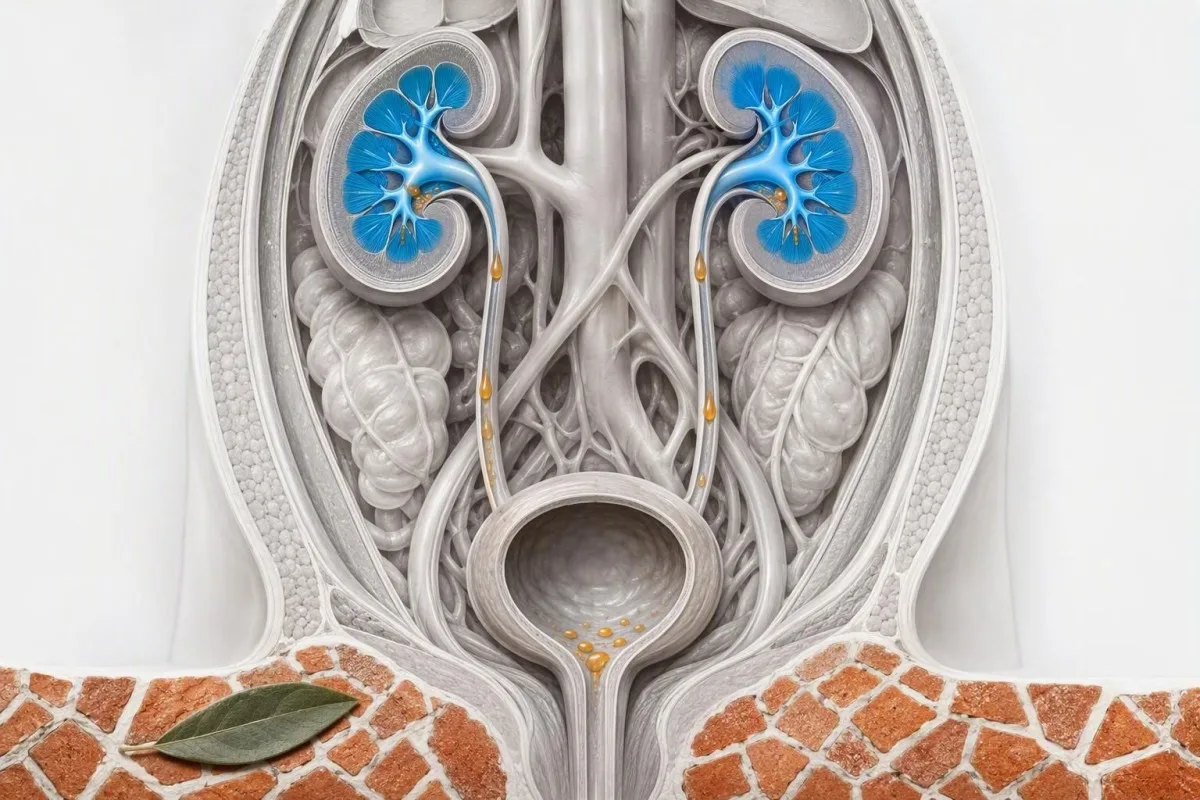
A repeat sodium is often arranged within hours in hospital or within days after a mild outpatient abnormality, depending on the level and cause. A shift from 148 to 142 mmol/L after oral rehydration can support transient water loss, but recurrence after normal intake needs investigation. Compare reports from the same laboratory where possible because reference intervals and methods vary slightly.
Kantesti is an AI biomarker interpretation platform that compares serial electrolyte panels and highlights changes that warrant a clinician's attention. Our blood test timeline guide helps users record the practical details that explain a result better than a colour-coded flag. Privacy-conscious review is useful, but no algorithm can determine neurological severity through a PDF.
I advise patients to save the full report, not just the sodium number. Creatinine, urea, glucose, bicarbonate, chloride, and calculated eGFR often tell the story of dehydration or kidney stress. If a number looks implausible or changes abruptly without symptoms, a redraw can be sensible; see our explanation of sudden lab changes.
Questions to ask after a high sodium result
After a high sodium result, ask whether the abnormality reflects water loss, inadequate intake, high urine output, glucose-related diuresis, medication effects, or a measurement that needs repeating. The next decision should be based on symptoms and the full electrolyte pattern, not sodium in isolation.
Useful questions include: What was my serum osmolality? Was my urine concentrated enough? Is glucose contributing? Do my urea and creatinine suggest volume depletion? When should sodium be repeated? In my experience, these questions move the consultation from generic hydration advice to a testable clinical plan. The UK-style U&E result guide may help decode the report wording.
Ask specifically whether any medicine, laxative, tube-feed plan, or change in access to drinks could be contributing. If you have recurrent thirst and urination, ask whether urine osmolality and endocrine testing are appropriate. A normal sodium between episodes does not necessarily rule out intermittent polyuria or diabetes insipidus.
Kantesti's clinical content is reviewed with input from our Medical Advisory Board and is designed to support—not replace—a clinician who can examine you. Dr. Thomas Klein's practical bottom line is straightforward: thirst can wait for a call; confusion, seizures, collapse, or unsafe swallowing cannot.
Frequently Asked Questions
What does high sodium feel like?
High sodium commonly feels like intense thirst, dry mouth, fatigue, reduced urination, dark urine, and dizziness when standing. As serum sodium rises more substantially, people may develop irritability, headache, weakness, confusion, or unusual sleepiness. A sodium concentration above 145 mmol/L is hypernatremia in most laboratories, but symptoms depend heavily on how quickly it changed. Confusion, seizure, collapse, or inability to drink safely needs emergency assessment.
Is a sodium level of 147 mmol/L dangerous?
A sodium level of 147 mmol/L is mild hypernatremia and is not automatically an emergency in an alert person who can drink and has no concerning symptoms. It should still prompt review of fluid intake, recent vomiting or diarrhoea, fever, glucose, kidney function, and medications. A repeat result may be needed within days or sooner depending on the situation. The same value is more concerning in an infant, frail older adult, or anyone with confusion, marked weakness, or low urine output.
At what sodium level should you go to the hospital?
A sodium level of 160 mmol/L or higher generally requires hospital-based treatment because severe hypernatremia can cause neurological complications and needs repeated laboratory monitoring. People should seek emergency care at any sodium level if they have confusion, seizure, fainting, severe drowsiness, new weakness, repeated vomiting, or cannot swallow fluids safely. Sodium of 151-159 mmol/L usually merits same-day medical assessment, particularly in children, older adults, or people with kidney disease. The speed of sodium rise can make a lower result urgent too.
Can drinking salty water cause high sodium?
Drinking salty water can raise sodium dangerously because it adds sodium without enough free water, especially if the kidneys cannot excrete the load. Ordinary salty meals rarely cause hypernatremia in healthy adults with normal thirst, kidney function, and access to water. Seawater and homemade high-salt remedies are not safe treatments for dehydration. Confirmed hypernatremia should be managed with clinician-directed fluids because correcting chronic sodium elevation faster than about 10-12 mmol/L in 24 hours may be harmful.
Can dehydration cause confusion even if sodium is normal?
Yes, severe dehydration can cause confusion even when serum sodium remains within the 135-145 mmol/L reference range. Low blood pressure, infection, heat illness, low glucose, medication effects, and kidney injury can also alter alertness. Sodium is one useful clue, not a complete explanation for neurological symptoms. Any new confusion warrants urgent medical assessment rather than waiting for a laboratory result.
How quickly can high sodium be corrected?
Hypernatremia that has lasted more than 48 hours or has an unknown duration is commonly corrected at no more than 0.5 mmol/L per hour and no more than 10-12 mmol/L over 24 hours. Acute hypernatremia from a recent sodium load may be corrected faster under specialist supervision. Clinicians usually repeat electrolytes every 2-4 hours at the start of intravenous treatment for severe cases. People should not attempt to calculate water deficits or rapidly correct sodium at home.
Get AI-Powered Blood Test Analysis Today
Join over 2 million users worldwide who trust Kantesti for instant, accurate lab test analysis. Upload your blood test results and receive comprehensive interpretation of 15,000+ biomarkers in seconds.
📚 Referenced Research Publications
Klein, T., Mitchell, S., & Weber, H. (2026). A Pre-Registered, Rubric-Based Automated Technical Benchmark of the Kantesti Blood-Test Interpretation Engine on 100,000 Synthetic Test Cases. Kantesti AI Medical Research.
Klein, T., Mitchell, S., & Weber, H. (2026). Clinical Validation Framework v2.0 (Medical Validation Page). Kantesti AI Medical Research.
📖 External Medical References






⚕️ Medical Disclaimer
This article is for educational purposes only and does not constitute medical advice. Always consult a qualified healthcare provider for diagnosis and treatment decisions.
E-E-A-T Trust Signals
Experience
Physician-led clinical review of lab interpretation workflows.
Expertise
Laboratory medicine focus on how biomarkers behave in clinical context.
Authoritativeness
Written by Dr. Thomas Klein with review by Dr. Sarah Mitchell and Prof. Dr. Hans Weber.
Trustworthiness
Evidence-based interpretation with clear follow-up pathways to reduce alarm.