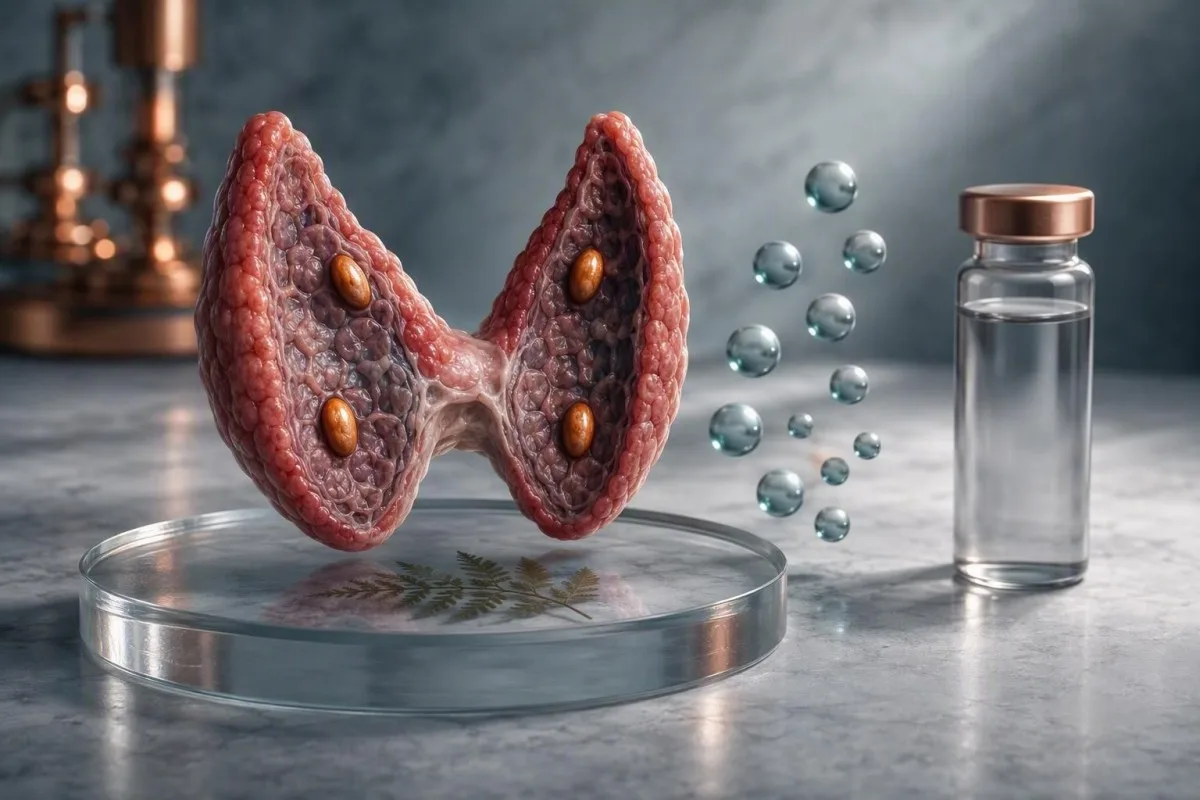
A calcium result just above range is often due to dehydration, albumin variation, supplements, or medicines—not an emergency. Persistent elevation, a high ionized calcium result, kidney symptoms, confusion, or calcium at 12.0 mg/dL (3.0 mmol/L) or above deserves prompt medical review.



- Mild hypercalcemia usually means total calcium of 10.5-11.9 mg/dL (2.63-2.99 mmol/L), though each laboratory sets its own range.
- Urgent threshold is calcium of 14.0 mg/dL (3.5 mmol/L) or higher, especially with confusion, vomiting, severe weakness, or irregular heartbeat.
- Albumin matters because about 40% of total calcium is albumin-bound; low albumin can make total calcium look falsely low and dehydration can make it look high.
- Ionized calcium is the biologically active fraction and is the best confirmatory test when total calcium and albumin do not tell the same story.
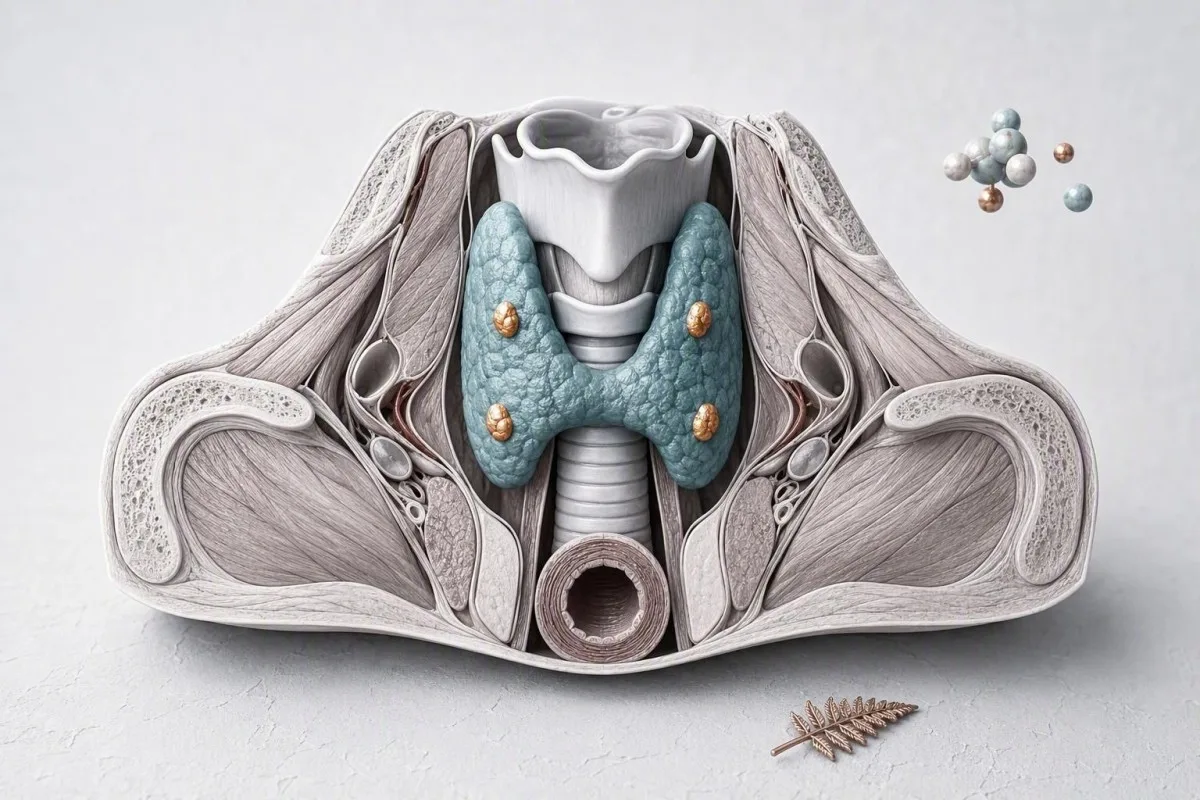
- Primary hyperparathyroidism is the leading outpatient cause of persistent hypercalcemia and usually shows a PTH level that is high or inappropriately normal.
- Calcium carbonate antacids plus high-dose vitamin D can raise calcium and, in some people, reduce kidney function.
- Retesting is reasonable within days to a few weeks for a mild unexpected result if you are well, hydrated, and have clinician guidance.
- Do not stop prescribed medicines such as thiazide diuretics without speaking with the clinician who prescribed them.
What a Slightly Elevated Calcium Result Actually Means
Slightly elevated calcium meaning usually refers to a total calcium result just over a laboratory upper limit, commonly 10.2-10.5 mg/dL or 2.55-2.63 mmol/L. A single borderline result is rarely an emergency, but it should be interpreted with albumin, kidney function, symptoms, medicines, and prior values.

Adult total calcium commonly runs about 8.5-10.5 mg/dL (2.12-2.62 mmol/L), although ranges differ by assay and country. The word “borderline” is a lab flag, not a diagnosis; a result of 10.6 mg/dL has very different implications from 13.1 mg/dL.
When I review a panel showing calcium of 10.6 mg/dL, I first look for albumin, creatinine/eGFR, bicarbonate, phosphate, and the prior calcium value. A dry fasting sample with albumin of 5.1 g/dL can concentrate protein-bound calcium, much as dehydration can create a false high RBC count.
Dr. Thomas Klein's practical rule is simple: confirm the signal before searching for rare causes. Kantesti is an AI blood test analyzer that reads calcium alongside albumin, renal markers, and earlier results rather than treating one red flag as a verdict.
Why laboratories flag results differently
Reference intervals usually include the middle 95% of results from a reference population, so roughly 1 in 20 healthy people may fall outside a given interval by chance. Some European laboratories use an upper total-calcium limit near 2.60 mmol/L, while others use 2.55 mmol/L; always use the range printed beside your own result.
When to Worry About Calcium: Severity Bands and Red Flags
Calcium needs same-day assessment when it is 12.0 mg/dL (3.0 mmol/L) or higher with symptoms, and emergency care is appropriate at 14.0 mg/dL (3.5 mmol/L) or higher. Symptoms and speed of rise matter as much as the absolute number.
Most people with calcium below 12.0 mg/dL feel normal, particularly if the rise developed slowly. Mild hypercalcemia symptoms—constipation, thirst, more frequent urination, fatigue, low appetite, or brain fog—are nonspecific, so they cannot identify the cause by themselves.
Seek urgent care now for new confusion, fainting, inability to keep fluids down, severe drowsiness, marked muscle weakness, palpitations, or very low urine output. The combination of high calcium and reduced eGFR is more concerning because impaired kidneys cannot clear calcium efficiently; our electrolyte urgent-care guide explains why patterns outweigh isolated flags.
Rapid rises are often harder on the brain and kidneys than stable long-standing results. The hypercalcemia review by Flowers et al. (2013) emphasizes confirming genuine hypercalcemia and then using PTH as the first branching diagnostic test.
Total Calcium, Albumin and Ionized Calcium: Which Result Counts?
Ionized calcium is the active calcium available to nerves, muscles, and the heart, while total calcium includes protein-bound calcium. An abnormal total calcium with normal ionized calcium often reflects albumin or sampling conditions rather than true calcium excess.
About 45% of calcium is ionized, about 40% is albumin-bound, and the rest is attached to anions such as phosphate and citrate. This is why a high albumin result can nudge total calcium above range without producing the physiological effects of hypercalcemia.
The traditional corrected-calcium equation adds 0.8 mg/dL for every 1.0 g/dL albumin below 4.0 g/dL, but it performs poorly in acute illness, kidney disease, and abnormal protein states. In my experience, ordering ionized calcium is safer than relying on a correction formula when the decision would change care.
Venous stasis from a prolonged tourniquet, standing before collection, and dehydration can concentrate albumin and total calcium. Compare the draw conditions with your baseline blood-test preparation before assuming your calcium biology has changed.
Why sample pH changes ionized calcium
Ionized calcium rises as sample pH falls and decreases as pH rises because hydrogen ions compete with calcium for albumin binding sites. Samples for ionized calcium need prompt, controlled handling; an improperly exposed sample can produce a misleading result even when the total calcium is accurate.
Can Dehydration Cause a High Calcium Result?
Dehydration can cause a mildly high total calcium result by concentrating albumin and circulating proteins, but it does not usually create sustained high ionized calcium. Vomiting, diarrhea, heavy exercise, heat exposure, and poor fluid intake are common short-term clues.

A 52-year-old endurance runner with calcium of 10.7 mg/dL after a hot race is not the same case as a sedentary patient with three rising results over 18 months. If BUN, albumin, hematocrit, and sodium are all relatively high, volume depletion becomes more plausible; see how BUN and creatinine rise differently.
Rehydration should be ordinary and sensible, not forced water loading. For most adults without heart or kidney fluid restrictions, drinking regularly until urine is pale yellow for 24-48 hours before a repeat is enough; excessive intake can cause a different electrolyte problem.
A calcium result that normalizes after fluids is reassuring but not absolute proof of a benign cause. If it returns high on a well-hydrated morning sample, the next useful question is usually whether PTH is suppressed, normal, or elevated.
Supplements, Antacids and Medicines That Raise Calcium
Calcium carbonate antacids, high-dose vitamin D, thiazide diuretics, lithium, and occasionally vitamin A excess can raise calcium. The risk is greatest when several contributors overlap or kidney filtration is reduced.

Milk-alkali syndrome is now more often linked to calcium carbonate supplements or antacids than to milk; it classically produces high calcium, metabolic alkalosis, and kidney dysfunction. Taking 1,000-1,200 mg daily from food and supplements combined is usually adequate for many adults, while repeatedly exceeding 2,000-2,500 mg daily deserves a medication review.
Vitamin D toxicity is unusual at standard maintenance doses, but it can occur with mislabeled or very high-dose products. A 25-hydroxyvitamin D level above 150 ng/mL (375 nmol/L) strongly raises concern for vitamin D intoxication; our guide to high vitamin D symptoms covers the associated pattern.
Do not discontinue lithium, a prescribed diuretic, or a calcium-containing osteoporosis treatment on your own. Bring every prescription, over-the-counter product, chewable antacid, powder, and fortified drink to the review—patients routinely forget the supplement hidden in a multivitamin.
The PTH Pattern That Separates Common Causes
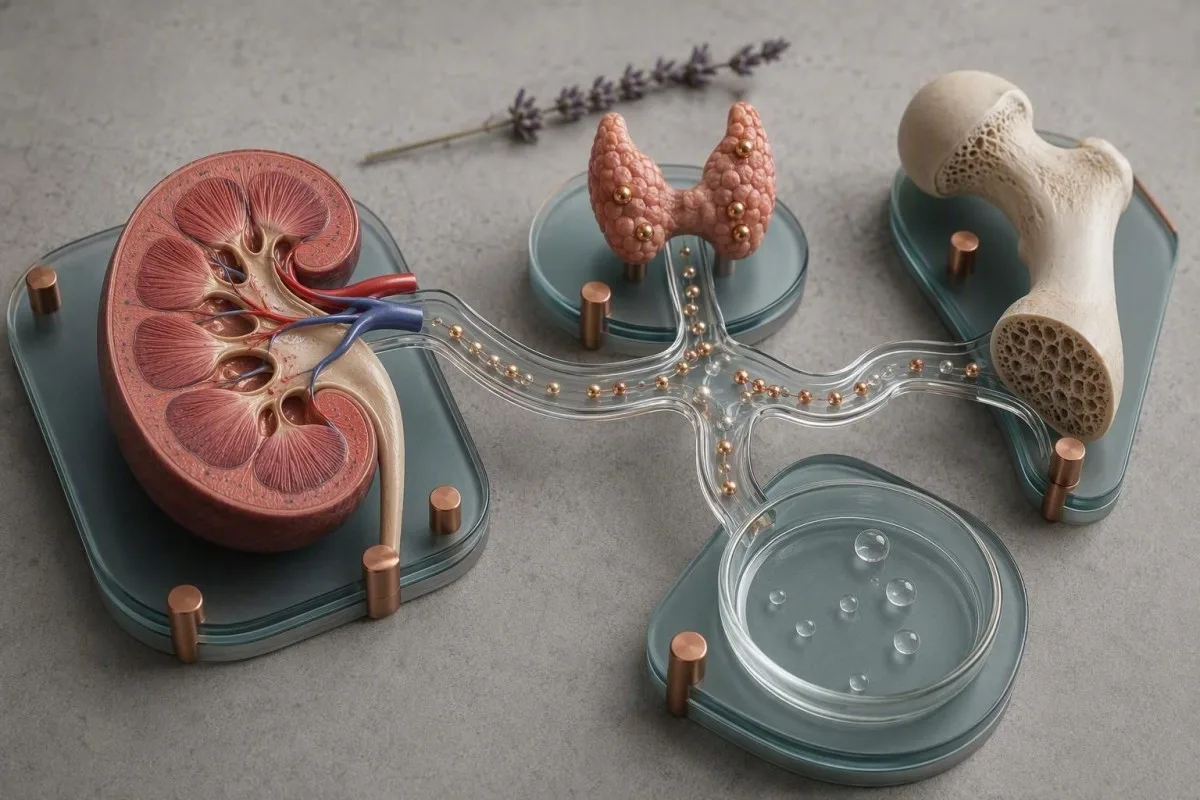
A PTH level that is high or even “normal” despite confirmed high calcium suggests PTH-dependent hypercalcemia, most often primary hyperparathyroidism. A clearly low PTH points clinicians toward vitamin D excess, malignancy-related mechanisms, granulomatous disease, medicines, or other non-parathyroid causes.
PTH should be suppressed when calcium is genuinely high. Therefore, a PTH of 45 pg/mL may sit inside a laboratory range but is biologically inappropriate if calcium is 11.2 mg/dL—this nuance is commonly missed when people read each result separately.
Primary hyperparathyroidism is the most common cause of persistent outpatient hypercalcemia, particularly after age 50. The Fifth International Workshop guideline recommends assessing calcium, phosphorus, creatinine clearance or eGFR, 25-hydroxyvitamin D, and urinary calcium in confirmed cases (Bilezikian et al., 2022).
Kantesti AI interprets calcium results by pairing PTH direction with phosphate, vitamin D, kidney function, and historical change. A high PTH with normal calcium is a different clinical question, covered in our guide to PTH elevation with normal calcium.
Primary Hyperparathyroidism or Familial Low Urine Calcium?
Persistent high calcium with non-suppressed PTH requires differentiation between primary hyperparathyroidism and familial hypocalciuric hypercalcemia (FHH). A 24-hour urine calcium collection or calcium-to-creatinine clearance ratio can help, although kidney disease and thiazides complicate the result.
FHH is an uncommon inherited calcium-sensing receptor condition that often causes lifelong mild hypercalcemia with low urinary calcium and few symptoms. A calcium-to-creatinine clearance ratio below 0.01 favors FHH, while values above 0.02 favor primary hyperparathyroidism; the middle zone overlaps substantially.
Urine calcium above about 250 mg/day in women or 300 mg/day in men can support surgical risk assessment in primary hyperparathyroidism, but dietary calcium, vitamin D level, loop diuretics, and collection errors matter. A 24-hour urine collection guide can prevent the common mistake of missing a void.
Family history changes the conversation. If a parent, sibling, or child has always had a slightly high calcium and has never developed stones, asking about FHH before surgery is particularly sensible.
Kidney Stones, Bone Loss and the Quiet Effects of High Calcium
Persistent hypercalcemia can contribute to kidney stones, reduced kidney function, and bone loss even when it causes no obvious symptoms. Clinicians often assess urine calcium, eGFR, stone history, and bone density before deciding whether observation is safe.
Calcium stones are not caused simply by eating calcium-rich foods; dietary calcium can bind intestinal oxalate, whereas excessive urinary calcium is the more direct stone risk. Calcium oxalate crystals on urinalysis deserve context, as explained in our urine crystal follow-up guide.
The 2022 international workshop considers surgery in asymptomatic primary hyperparathyroidism when serum calcium is more than 1.0 mg/dL (0.25 mmol/L) above the upper limit, eGFR is below 60 mL/min/1.73 m², there are stones, or skeletal criteria are met. These are decision thresholds, not proof that everyone below them has no risk.
Distal radius bone density can be particularly informative because PTH affects cortical bone. I have seen patients with an acceptable spine scan but meaningful radius loss, which is why a complete DXA protocol—not a single number—can matter.
When High Calcium Can Signal a More Serious Condition
Cancer-related hypercalcemia usually produces a more rapid or more pronounced calcium rise and a suppressed PTH, but cancer is not the usual explanation for one borderline result. Weight loss, new bone pain, anemia, marked fatigue, or calcium climbing toward 12.0 mg/dL should accelerate review.
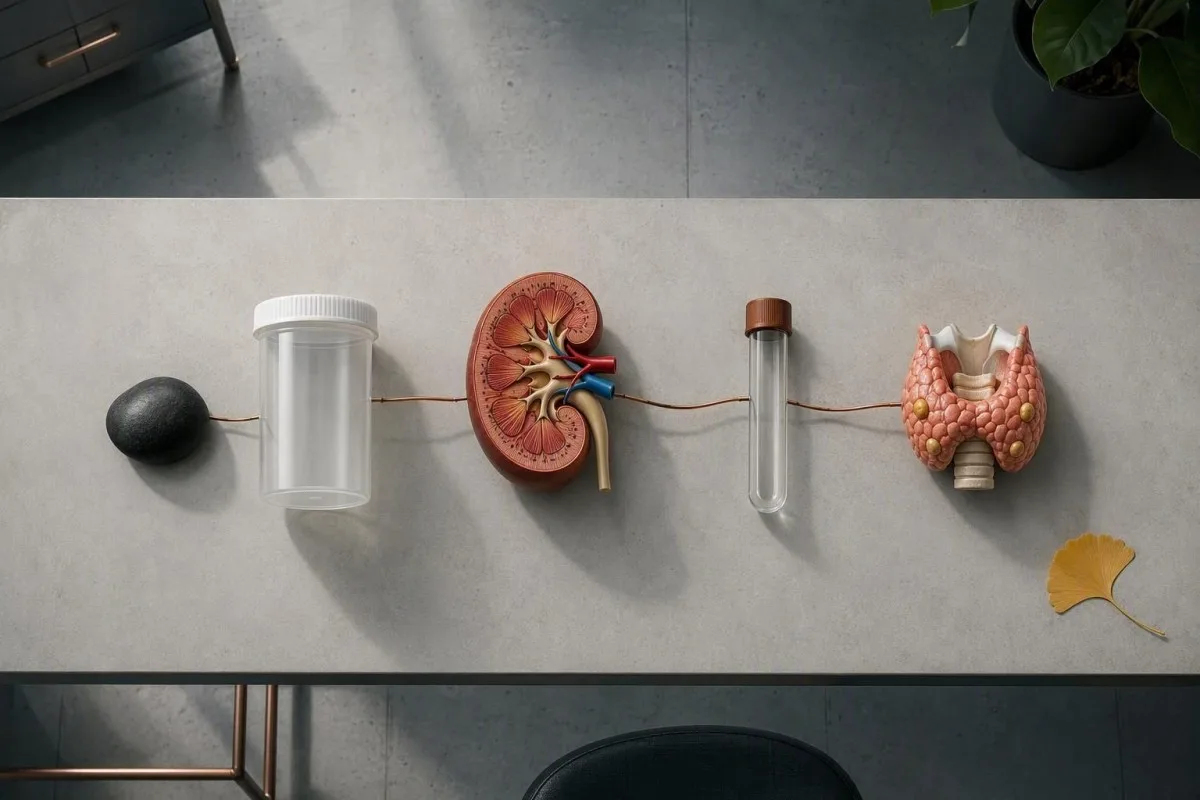
Humoral hypercalcemia of malignancy is often driven by PTH-related peptide, while some lymphomas raise calcium through excess calcitriol. These mechanisms tend to suppress native PTH and may be accompanied by creatinine change, low phosphate, or an abruptly different clinical picture.
Sarcoidosis, tuberculosis, and other granulomatous illnesses can also increase calcitriol production, although testing should follow symptoms and examination rather than a scattershot search. The useful distinction is persistent confirmed hypercalcemia plus low PTH, not a marginally abnormal calcium alone.
Kantesti is an AI lab test interpretation service that flags discordant patterns for clinician follow-up, not a diagnostic substitute. If calcium is high with anemia, high total protein, or unexplained kidney decline, our overview of high total protein patterns may help you prepare focused questions.
How and When to Retest a Borderline Calcium Result
A well adult with a first mild total-calcium elevation can usually repeat testing within 1-4 weeks, or sooner if symptoms, kidney disease, pregnancy, or a rising trend is present. The repeat should include calcium, albumin, creatinine/eGFR, and often PTH; ionized calcium is useful when total calcium is uncertain.

For a cleaner retest, use the same laboratory if practical, avoid dehydration and unusually strenuous exercise the day before, and report all supplements. Do not intentionally restrict normal dietary calcium for several days beforehand; very low intake can raise PTH and muddy the interpretation.
If your clinician says it is safe, pause non-essential calcium supplements and calcium carbonate antacids before the retest for the period they specify—often several days. Vitamin D should not be stopped automatically because the correct plan depends on dose, 25-hydroxyvitamin D, osteoporosis risk, and the suspected cause.
Trend data are more useful than a single redraw. Our blood-test difference guide explains why a 0.1 mg/dL change may be ordinary analytic and biological variation rather than meaningful progression.
Tests commonly ordered after confirmation
Common next tests are intact PTH, phosphorus, magnesium, 25-hydroxyvitamin D, creatinine/eGFR, and urine calcium. PTH-related peptide, 1,25-dihydroxyvitamin D, protein electrophoresis, imaging, or endocrine referral are selected by the PTH pattern and clinical history rather than ordered routinely for everyone.
Does Fasting, Exercise or the Blood Draw Change Calcium?
Fasting is not usually required for calcium, but exercise, posture, dehydration, and prolonged tourniquet time can shift total calcium enough to matter near the upper limit. Ionized calcium is especially sensitive to sample handling and acid-base changes.

Heavy endurance exercise can temporarily reduce plasma volume and raise albumin-bound analytes, while acute respiratory alkalosis can lower ionized calcium by increasing albumin binding. That explains why tingling after intense hyperventilation does not mean a person has dangerously low total calcium.
A short tourniquet time and relaxed seated collection improve consistency. If the result follows a difficult draw, compare it with other potentially concentration-sensitive markers and consider our guide to pre-test supplements and fasting.
As of September 9, 2026, I still advise against chasing a “perfect” lab result through extreme hydration, fasting, or supplement changes. The aim is a representative sample, not a result engineered to fall inside a reference interval.
High Calcium in Pregnancy, Children and Older Adults
Calcium interpretation changes in pregnancy, childhood, and later life because albumin, growth, kidney function, and supplement exposure differ. A result that is only slightly high for an adult may require quicker paediatric review, while pregnancy often lowers total calcium through lower albumin.
During pregnancy, total calcium often falls as albumin falls, but ionized calcium generally remains stable. Confirmed maternal hypercalcemia needs obstetric and endocrine input because it may affect maternal kidneys and fetal calcium regulation; do not self-treat with calcium restriction.
Children have age-specific calcium ranges, especially in infancy and adolescence when bone turnover is high. A paediatric calcium result should always be checked against an age-specific interval, as outlined in our children's calcium range guide.
In older adults, thiazides, calcium supplements, vitamin D, dehydration, and reduced eGFR commonly converge. Dr. Thomas Klein often finds that a medication reconciliation reveals two or three modest contributors rather than one dramatic cause.
What Not to Do After a Mildly High Calcium Flag
Do not assume a single borderline calcium result means cancer, and do not abruptly stop prescribed medicines or eliminate all dietary calcium. Panic-driven changes can worsen bone health, dehydration, constipation, or PTH interpretation before a clinician has confirmed the result.
A common mistake is switching to a very low-calcium diet immediately. Most adults need roughly 1,000 mg/day of calcium from food and supplements combined, rising to 1,200 mg/day for some older adults; the right response to mild hypercalcemia is to identify unnecessary supplemental intake, not to avoid nutritious foods indiscriminately.
Avoid “detox” preparations, high-dose magnesium laxatives, and unverified vitamin regimens while the picture is being clarified. If antacids are part of the story, read our focused explanation of antacid-related high calcium and ask about a safer alternative.
Keep a short record: date and time of draw, symptoms, fluid loss, exercise, supplements, medicines, and prior stone history. This small log often gives a primary-care clinician more diagnostic value than another unscheduled calcium test.
How to Use Calcium Trends Without Overinterpreting Them
A persistent upward calcium trend is more informative than one isolated mild elevation, but small changes of 0.1-0.2 mg/dL may reflect normal variation. Compare results from the same laboratory with albumin and kidney function recorded alongside each value.
A pattern of 9.8, 10.0, 10.4, and 10.7 mg/dL over two years is worth discussing even if each earlier result was technically normal. By contrast, 10.6 mg/dL after gastroenteritis followed by 9.9 mg/dL when well has a different probability profile.
Kantesti is an AI-powered blood test analysis tool that compares serial calcium, albumin, eGFR, phosphate, and PTH values to identify a change that exceeds ordinary noise. Our longitudinal test analysis guide explains what context to save after each draw.
Clinical context still wins. A flat calcium trend may deserve specialist review if kidney stones or osteoporosis are present, while a small rise may simply merit a planned repeat when albumin and hydration were abnormal.
Questions to Take to Your Clinician After a High Calcium Result
The most useful clinician discussion asks whether the calcium is confirmed, whether it is ionized or albumin-related, and whether PTH is appropriately suppressed. Bring your full medication and supplement list, prior results, symptom timeline, and any history of stones or fractures.
Ask: “Was albumin measured, and should we check ionized calcium?” Then ask: “Should PTH, phosphate, vitamin D, and urine calcium be checked?” These questions are practical because they follow the standard biochemical branches rather than requesting a broad, low-yield panel.
Ask whether any medicine could contribute and whether it is safe to hold a non-prescription supplement before repeat testing. If you have eGFR below 60 mL/min/1.73 m², recurrent stones, a fragility fracture, or calcium at least 1.0 mg/dL above range, say so early in the appointment.
Kantesti's clinical content is reviewed with input from our Medical Advisory Board, but online interpretation cannot replace examination, diagnosis, or treatment decisions. For how we assess analytical context and safety limits, read our clinical validation approach.
Frequently Asked Questions
What does a borderline calcium result mean?
A borderline calcium result usually means total calcium is only slightly above the laboratory upper limit, often around 10.5-11.0 mg/dL (2.63-2.75 mmol/L). Dehydration, high albumin, supplements, antacids, medicines, and ordinary biological variation can all contribute. The result becomes more meaningful when it persists on repeat testing or when ionized calcium is high. A clinician commonly reviews albumin, kidney function, PTH, vitamin D, and prior calcium results before naming a cause.
At what calcium level should I go to the emergency department?
A calcium result of 14.0 mg/dL (3.5 mmol/L) or higher generally requires urgent medical assessment, even if symptoms seem mild. Seek emergency care sooner for confusion, fainting, severe weakness, persistent vomiting, palpitations, markedly reduced urination, or inability to drink fluids. Calcium of 12.0-13.9 mg/dL (3.0-3.49 mmol/L) usually needs prompt clinician contact, particularly with symptoms or kidney disease. The rate of increase and the person's overall condition can make a lower result urgent.
Can dehydration make calcium high?
Dehydration can make total calcium appear mildly high because reduced plasma water concentrates albumin and protein-bound calcium. It is less likely to cause persistently high ionized calcium, which is the physiologically active fraction. A repeat sample after 24-48 hours of ordinary hydration may clarify a first result around 10.6 mg/dL. Persistent elevation after hydration needs further evaluation rather than continued self-treatment with fluids.
Should I stop calcium and vitamin D supplements before retesting?
Do not stop prescribed calcium or vitamin D without clinician advice, especially if you have osteoporosis, pregnancy, kidney disease, or a documented deficiency. A clinician may advise pausing non-essential calcium supplements or calcium carbonate antacids for several days before a repeat test if calcium is mildly elevated. Vitamin D decisions depend on dose and the 25-hydroxyvitamin D level; levels above 150 ng/mL (375 nmol/L) raise concern for toxicity. Bring every supplement container or clear photo of its label to the appointment.
What is the most common cause of persistent mild hypercalcemia?
Primary hyperparathyroidism is the most common cause of persistent mild hypercalcemia in outpatient practice. It typically causes high calcium with a PTH level that is elevated or inappropriately normal rather than suppressed. Confirmation usually includes repeat calcium, albumin or ionized calcium, PTH, kidney function, vitamin D, phosphate, and urine calcium testing. Many people have no symptoms at diagnosis, but stone history, bone density, age, kidney function, and calcium level guide management.
Can anxiety cause a high calcium blood test?
Anxiety alone does not usually cause true hypercalcemia, but hyperventilation can lower ionized calcium temporarily by raising blood pH. Anxiety-related poor fluid intake, missed meals, or a difficult blood draw may indirectly affect a borderline total-calcium result. A calcium of 10.6 mg/dL should not be attributed to anxiety without checking albumin, hydration, and repeat testing. Symptoms such as tingling during hyperventilation are more often related to lower ionized calcium than to high calcium.
Get AI-Powered Blood Test Analysis Today
Join over 2 million users worldwide who trust Kantesti for instant, accurate lab test analysis. Upload your blood test results and receive comprehensive interpretation of 15,000+ biomarkers in seconds.
📚 Referenced Research Publications
Klein, T., Mitchell, S., & Weber, H. (2026). Kantesti LTD. (2026). C3 C4 Complement Blood Test & ANA Titer Guide. Zenodo.. Kantesti AI Medical Research.
Klein, T., Mitchell, S., & Weber, H. (2026). Kantesti LTD. (2026). Nipah Virus Blood Test: Early Detection & Diagnosis Guide 2026. Zenodo.. Kantesti AI Medical Research.
📖 External Medical References






⚕️ Medical Disclaimer
This article is for educational purposes only and does not constitute medical advice. Always consult a qualified healthcare provider for diagnosis and treatment decisions.
E-E-A-T Trust Signals
Experience
Physician-led clinical review of lab interpretation workflows.
Expertise
Laboratory medicine focus on how biomarkers behave in clinical context.
Authoritativeness
Written by Dr. Thomas Klein with review by Dr. Sarah Mitchell and Prof. Dr. Hans Weber.
Trustworthiness
Evidence-based interpretation with clear follow-up pathways to reduce alarm.