
Iron stores can fall well before a CBC becomes abnormal. The useful question is not simply whether ferritin is low, but whether the full pattern and your symptoms point to treatable iron deficiency.



- Early deficiency can cause fatigue, reduced exercise tolerance, restless legs, and hair shedding before hemoglobin falls.
- Ferritin below 15 ng/mL is highly specific for depleted iron stores in otherwise healthy adults.
- Ferritin below 30 ng/mL usually supports iron deficiency when there is no active inflammation.
- Transferrin saturation below 20% strengthens the case for insufficient circulating iron.
- Normal hemoglobin does not rule out iron deficiency without anemia.
- Ferritin is an acute-phase protein and can appear falsely reassuring during infection, obesity, liver disease, or autoimmune activity.
- Black stools, weight loss, swallowing difficulty, or new iron deficiency after menopause need prompt medical assessment.
- Oral elemental iron doses of 40-65 mg every other day are often better tolerated than larger daily doses.
Can depleted iron stores cause symptoms before anemia?
Yes—low ferritin symptoms can occur while hemoglobin remains normal. Iron is needed not only for hemoglobin but also for muscle energy production, brain dopamine signaling, and several enzymes; a normal CBC therefore does not prove that iron supply is adequate.
In clinic, I often see a ferritin of 8-20 ng/mL paired with normal hemoglobin in people reporting new fatigue, poor running recovery, hair shedding, or restless legs. The association is plausible and often clinically useful, but it is not proof: sleep loss, thyroid disease, depression, B12 deficiency, and training load can produce the same symptoms. Ferritin ranges in women need age, menstrual history, and laboratory context.
Ferritin is the main intracellular iron-storage protein, so a low result generally signals low stored iron before red-cell production is restricted. A ferritin under 15 ng/mL strongly indicates absent or near-absent stores in healthy adults, while many clinicians investigate symptomatic patients below 30 ng/mL. I am Thomas Klein, MD, and in my experience the symptom timeline often improves more slowly than the laboratory result.
Kantesti is an AI blood test analyzer that reads ferritin alongside hemoglobin, MCV, transferrin saturation, CRP, and prior results rather than attaching a diagnosis to one isolated flag. As of September 9, 2026, that pattern-based reading is especially helpful when a report calls ferritin “normal” despite a value near the lower boundary. What a CBC includes explains why a CBC alone can miss early depletion.
What ferritin measures—and why the number is not the whole story
Ferritin estimates stored iron, not the iron immediately available to tissues. A low ferritin is usually straightforward; a normal or high ferritin can be misleading when inflammation raises it independently of iron stores.

A ferritin value of less than 30 ng/mL (µg/L) generally indicates iron deficiency in adults without inflammation, whereas the World Health Organization uses less than 15 ng/mL as the threshold for depleted stores in apparently healthy adults. Laboratories may set female reference limits as low as 10-15 ng/mL, which describes population distribution rather than a guarantee of symptom-free physiology. Our iron studies guide covers the companion markers.
Ferritin rises after a hard endurance event, with alcohol-related liver injury, metabolic disease, infection, and autoimmune activity. That is why I do not reassure a patient with ferritin 65 ng/mL, CRP 18 mg/L, transferrin saturation 12%, and a history of heavy periods; the combined pattern can still reflect iron-restricted availability. Snook et al. (2021) similarly advise interpreting ferritin with clinical context and other iron indices.
Kantesti is an AI blood test interpretation platform that compares the ferritin result with iron, total iron-binding capacity, saturation, red-cell indices, and inflammation markers in the same report. This prevents a common error: treating serum iron, which varies substantially by time of day and recent intake, as a direct substitute for stored iron. Biomarker reference guidance can help readers identify the exact assay on their report.
Common early signs of low iron stores
The most common symptoms of low ferritin are fatigue, reduced concentration, lower exercise capacity, hair shedding, and restless legs. These symptoms are real but nonspecific, so their value rises when they occur with ferritin below 30 ng/mL and a compatible history.

Fatigue from low iron stores is often described as a loss of reserve rather than sleepiness: stairs feel disproportionately hard, a usual workout becomes flat, or afternoon concentration slips. In a 2003 BMJ trial, Verdon et al. found that non-anemic women with unexplained fatigue had a modest fatigue benefit from 80 mg daily oral iron, concentrated among those with ferritin at or below 50 µg/L. That study does not mean everyone with tiredness needs iron.
Restless legs syndrome is one of the more actionable associations. International restless-legs guidance commonly considers iron replacement when ferritin is 75 ng/mL or lower and transferrin saturation is under 45%, because brain iron handling differs from circulating hemoglobin supply. New leg discomfort still deserves a medication and neurological review; it is not automatically iron deficiency. Fatigue-focused supplement choices should start with a cause, not a shopping list.
Hair shedding can accompany iron deficiency, particularly diffuse telogen shedding 2-3 months after a physiological stressor, but the evidence for a universal ferritin target for hair regrowth is honestly mixed. I check ferritin alongside TSH, B12, zinc when indicated, protein intake, and recent illness. Blood tests for nail problems are relevant because brittle nails and hair concerns often overlap.
Why symptoms can happen when hemoglobin is normal
Hemoglobin can stay normal because the body prioritizes red-cell production as iron stores decline. Tissues with high energy demand may notice limited iron availability before the CBC crosses an anemia threshold.
Iron supports mitochondrial enzymes and myoglobin in skeletal muscle, so reduced exercise tolerance can appear without anemia. A hemoglobin of 13.1 g/dL and ferritin of 9 ng/mL is not anemia in most adult women, yet it is a biologically coherent explanation for declining endurance after other causes are assessed. Iron testing in endurance athletes adds the training-specific context.
The brain also uses iron in dopamine synthesis and neurotransmitter metabolism. That mechanism makes the ferritin-restless legs link plausible, but it does not establish that low stores cause every instance of poor focus, anxiety, or low mood. I have seen patients feel better after replenishment and others unchanged—an honest reminder to keep the differential diagnosis open.
A normal MCV does not exclude early iron deficiency either. MCV often falls late, after storage depletion has progressed enough to alter newly produced cellular elements, while RDW may rise earlier as cell sizes become more variable. MCV and MCH patterns can show the transition from low stores to evolving anemia.
The iron-study pattern that confirms early deficiency
Iron deficiency without anemia usually shows low ferritin, low transferrin saturation, and normal hemoglobin. Serum iron by itself is unreliable; the pattern is more informative than any single value.
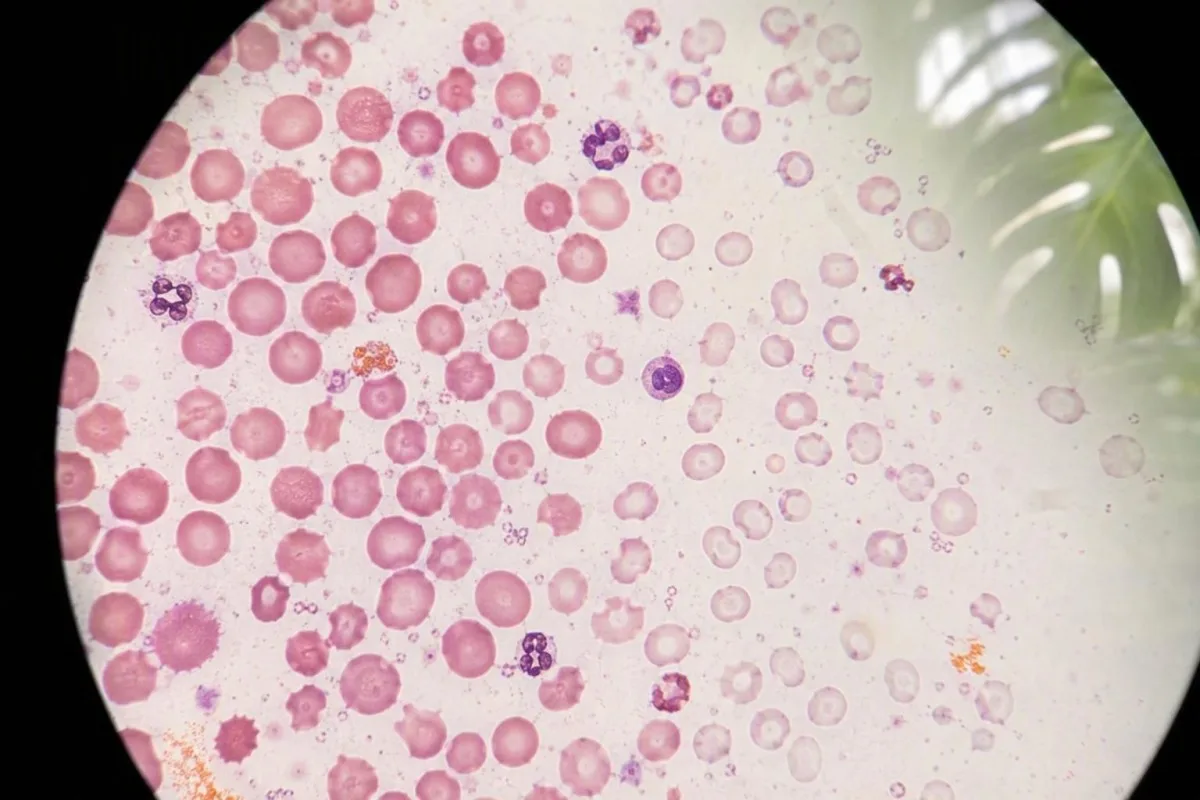
In uncomplicated absolute iron deficiency, ferritin is below 30 ng/mL, transferrin saturation is below 20%, and TIBC or transferrin is often high. Hemoglobin may remain above 12.0 g/dL in non-pregnant women and 13.0 g/dL in men, so the patient does not meet standard anemia criteria. Low transferrin saturation has several causes, which is why ferritin matters.
Kantesti AI interprets this pattern by checking whether low saturation coexists with low ferritin, rising RDW, low-normal MCH, and a stable or falling hemoglobin trend. A discordant panel deserves caution: ferritin 12 ng/mL is usually decisive, but a serum iron of 45 µg/dL measured after breakfast says far less than many people think. TIBC preparation explains common pre-analytic variation.
Soluble transferrin receptor can help when CRP is elevated because it usually rises in absolute iron deficiency and is less influenced by inflammation than ferritin. It is not routinely necessary for a clear ferritin of 7 ng/mL, and laboratories use different assays and reference ranges. When soluble receptor helps is a useful deeper read.
When ferritin looks normal but iron is still unavailable
Ferritin can be falsely normal or high during inflammation because it behaves as an acute-phase reactant. Low saturation plus raised CRP or ESR may indicate functional iron restriction even when ferritin exceeds 30 ng/mL.

During acute illness, ferritin may increase within days while serum iron falls through hepcidin-mediated sequestration. In chronic inflammatory states, clinicians often use a ferritin threshold below 100 ng/mL together with transferrin saturation below 20% as evidence compatible with iron deficiency; the exact cutoff varies by condition and guideline. Ferritin and CRP interpretation explains the trap.
Obesity, fatty liver disease, chronic kidney disease, and recent strenuous exercise can all complicate the result. A ferritin of 80 ng/mL after a marathon is not equivalent to 80 ng/mL measured during a well-rested baseline visit; I usually avoid elective iron testing for 24-48 hours after unusually demanding exercise if the question is marginal deficiency. Exercise-related ferritin changes are generally temporary.
Kantesti is an AI-powered blood test analysis tool that identifies these contradictory combinations and flags a repeat or clinician discussion rather than declaring iron status from ferritin alone. A CRP above 5 mg/L is not diagnostic of a specific illness, but it should make the interpreter less confident that a mid-range ferritin represents adequate stores.
Finding the cause matters as much as replacing iron
Menstrual loss, pregnancy, low dietary intake, blood donation, and gastrointestinal loss are common causes of low iron stores. Iron treatment without identifying the source can temporarily improve numbers while the underlying loss continues.
Heavy menstrual bleeding is a leading cause in people who menstruate: changing protection every 1-2 hours, passing clots larger than about 2.5 cm, or bleeding longer than 7 days warrants discussion. A monthly loss of only a few extra milliliters adds up over years, particularly when dietary iron intake is low. Hemoglobin changes during periods provides practical timing context.
Reduced intake is more likely to matter with restrictive eating, food insecurity, vegetarian or vegan diets without planning, and rapid weight loss. Heme iron from meat and seafood is generally absorbed more efficiently than non-heme iron from legumes, grains, and vegetables; vitamin C can improve non-heme absorption, while tea and coffee taken with a meal can reduce it. Iron-rich food choices gives realistic food examples.
Frequent donation, endurance sport, regular NSAID use, acid-suppressing drugs, coeliac disease, Helicobacter pylori, and bariatric surgery are easy to miss in a short consultation. In my practice, asking about ibuprofen use and donation frequency has uncovered more explanations than an extra supplement ever did. Low ferritin without heavy periods covers the GI and dietary pathway.
Red flags that should not be blamed on low ferritin alone
Black tarry stool, visible rectal bleeding, unexplained weight loss, persistent swallowing difficulty, or new iron deficiency after menopause require prompt medical evaluation. These findings may indicate gastrointestinal blood loss or another condition that iron tablets cannot safely explain away.
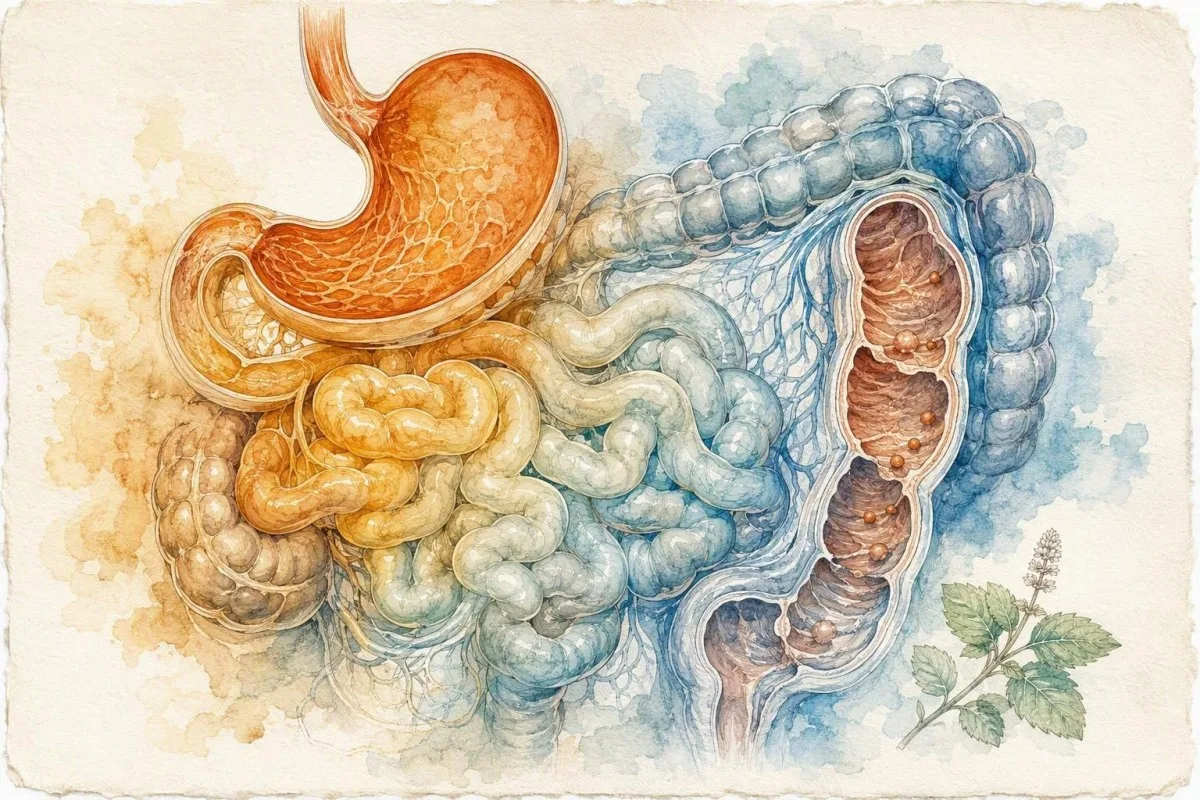
In men and postmenopausal women, confirmed iron deficiency anemia is commonly investigated for gastrointestinal sources, often with endoscopic assessment depending on age and risk. British Society of Gastroenterology guidance from Snook et al. (2021) emphasizes that significant GI pathology can present without obvious digestive symptoms. Iron deficiency without anemia carries lower risk, but it still deserves an individualized cause review.
Seek urgent care for fainting, chest pressure, breathlessness at rest, a racing heartbeat with minimal activity, or black sticky stool—especially if hemoglobin is falling. These are not typical mild low ferritin symptoms; they can signal clinically important anemia or active loss. Positive FIT follow-up explains why a stool screening result needs a planned next step.
Do not start iron solely to “cover” unexplained black stool. Oral iron can darken stool harmlessly, but it typically does not make it tarry, sticky, or accompanied by weakness and dizziness. Dark stool and GI clues can help distinguish the history that needs rapid review.
Groups in whom low iron stores need earlier attention
Pregnant people, adolescents, endurance athletes, and frequent donors often develop low iron stores before anemia appears. Their risk is higher because iron demand, loss, or turnover rises faster than dietary replacement.

Pregnancy requires roughly 1,000 mg of additional iron across gestation for fetal-placental needs, maternal red-cell expansion, and anticipated delivery loss. Many obstetric services consider ferritin below 30 ng/mL suggestive of iron deficiency in pregnancy, although trimester-specific interpretation and local protocols matter. Ferritin by pregnancy trimester provides the expected shifts.
Adolescents can become depleted during rapid growth, especially after menstruation begins or in competitive sport. In athletes, low energy availability and repeated foot-strike hemolysis can coexist with true iron deficiency; a ferritin result should be paired with dietary history, training volume, menstrual status, and recovery symptoms. Triathlete iron and recovery testing offers a sport-specific framework.
Repeated whole-blood donation can remove about 200-250 mg of iron per donation, depending on donor size and collection volume. Donation services screen hemoglobin because it is practical, but a normal pre-donation hemoglobin does not guarantee replete ferritin. A planned ferritin check is reasonable for donors with fatigue, restless legs, or repeated deferrals.
Symptoms that mimic low ferritin
Fatigue, hair shedding, dizziness, and poor concentration have many causes, even when ferritin is low. A low result can be one contributor rather than the entire explanation, particularly when symptoms are severe or abrupt.

Hypothyroidism can cause fatigue, dry skin, constipation, slower thinking, and hair changes; B12 deficiency can cause fatigue plus tingling or balance symptoms; depression and poor sleep commonly affect motivation and cognition. A ferritin of 22 ng/mL may merit attention, but it does not explain new numbness in both feet. B12 versus folate testing helps separate a key mimic.
Dizziness has a particularly broad differential: dehydration, low blood pressure, vestibular disorders, medication effects, arrhythmia, glucose abnormalities, and anemia can all be involved. Low ferritin without anemia is unlikely to explain sudden spinning vertigo, one-sided weakness, or a new severe headache. Dizziness blood-test clues outlines safer triage.
Kantesti AI uses an AI lab test interpretation service to identify related signals such as low B12, abnormal TSH, glucose changes, kidney markers, or rising inflammatory markers that may alter the explanation. It cannot examine you or replace a clinician’s assessment; in medicine, the history and examination still decide whether a lab association fits.
Treating low ferritin without causing new problems
Treatment usually combines replacing iron with correcting the reason iron fell. For uncomplicated deficiency, oral elemental iron in a tolerable dose is often first choice, while intravenous iron is reserved for selected situations.
A practical starting regimen is 40-65 mg elemental iron every other day, taken away from calcium, tea, coffee, and antacids where possible. Alternate-day schedules may improve absorption by allowing hepcidin to settle and often reduce nausea or constipation; some patients still need daily treatment, so there is no single perfect regimen. Iron and fasting preparation helps avoid confusing retest results.
Common adverse effects include nausea, abdominal discomfort, constipation, diarrhea, and darker stool. Ferrous sulfate is inexpensive but not inherently superior for every stomach; ferrous fumarate and ferrous gluconate provide different elemental-iron amounts per tablet, so I tell patients to check the elemental iron number rather than the compound name. Never leave iron tablets where children can access them.
Intravenous iron may be appropriate with malabsorption, inflammatory bowel disease, chronic kidney disease, ongoing high losses, very poor oral tolerance, or a need for faster replenishment. It is not a casual “wellness infusion”: dosing depends on weight, hemoglobin, ferritin, cause, and formulation, and rare hypersensitivity reactions require a supervised setting.
How to monitor recovery without chasing a single number
Hemoglobin can rise within 2-4 weeks when anemia is present, but rebuilding ferritin usually takes several months. A sensible retest checks response, adherence, side effects, and whether the source of iron loss is still active.
For iron deficiency without anemia, I commonly recheck CBC and ferritin after 8-12 weeks, although timing should be individualized for pregnancy, severe symptoms, kidney disease, or IV treatment. A meaningful ferritin rise supports absorption and adherence; persistent ferritin below 15-30 ng/mL should prompt a conversation about ongoing loss, incorrect dosing, malabsorption, or the original diagnosis.
Avoid measuring serum iron soon after taking an iron tablet because the transient rise can look reassuring while stores remain low. A falling RDW after treatment is not required, and RDW can rise temporarily as newly produced cellular elements differ in size from older ones. Why RDW can rise first prevents unnecessary alarm.
Kantesti AI compares dates rather than treating two values as interchangeable snapshots; a ferritin rise from 9 to 24 ng/mL is clinically different from 9 to 10 ng/mL even if both remain flagged. Dr. Thomas Klein’s approach is to document dose, missed doses, menstrual or GI symptoms, illness, and training changes beside each test. Longitudinal result tracking makes those comparisons more useful.
When low ferritin symptoms need same-day medical care
Low ferritin alone is rarely an emergency, but severe symptoms or evidence of active loss can be. Same-day assessment is appropriate for chest pain, fainting, breathlessness at rest, black tarry stool, or rapidly worsening weakness.
Call emergency services for chest pain, severe shortness of breath, collapse, confusion, or weakness that prevents normal activity. These symptoms may occur with profound anemia but also with cardiac, pulmonary, neurological, or bleeding conditions that cannot be assessed safely through ferritin alone. Blood tests for shortness of breath describes the wider workup.
A hemoglobin below 8 g/dL is often clinically significant, but urgency depends on the speed of decline, symptoms, pregnancy status, heart or lung disease, and the suspected cause. Someone with hemoglobin 9 g/dL after months of slow loss may be stable; someone dropping from 13 to 9 g/dL in days needs a very different response. That distinction is why trend data matter.
If you are pregnant, have known inflammatory bowel disease, take anticoagulants, have had bariatric surgery, or have a prior GI cancer history, contact your clinician earlier rather than self-treating for months. A normal-looking ferritin cannot safely overrule high-risk symptoms.
A practical plan for discussing low ferritin results
Bring the ferritin value, CBC, transferrin saturation, CRP if available, symptom timeline, diet, medications, and bleeding history to the discussion. This small dataset usually answers more than repeating ferritin alone.
Ask four focused questions: Is this absolute iron deficiency or iron restriction from inflammation? What is the likely source? Is oral iron safe and tolerable for me? When should we repeat ferritin and CBC? These questions steer the visit toward cause and follow-up rather than an arbitrary “optimal” ferritin target. A baseline blood-test plan can make the next draw more comparable.
Kantesti is an AI biomarker interpretation platform designed to organize ferritin, CBC indices, iron saturation, and result trends into plain-language follow-up prompts in about 60 seconds. Our medical interpretation is educational, privacy-focused, and does not diagnose bleeding, coeliac disease, cancer, or any other cause from laboratory values alone. Technical validation and clinical oversight describes the safeguards behind that approach.
A physician-reviewed result remains the right next step when iron deficiency is unexplained, recurrent, severe, or paired with red flags. Our clinicians and advisors regularly stress that better interpretation should lead to better questions, not false certainty. Meet the medical advisory board and use your own clinician for decisions about investigation, prescription therapy, pregnancy, and urgent symptoms.
Frequently Asked Questions
Can low ferritin make you tired even if your hemoglobin is normal?
Yes. Low ferritin can be associated with fatigue before anemia develops because iron supports muscle energy metabolism and neurological processes in addition to hemoglobin production. A ferritin below 15 ng/mL strongly supports depleted iron stores in healthy adults, and values below 30 ng/mL often warrant clinical context and follow-up. Fatigue remains nonspecific, so clinicians should also consider sleep, thyroid function, B12 status, mood, medications, and ongoing blood loss.
What ferritin level causes symptoms?
There is no single ferritin level at which every person develops symptoms. Ferritin below 15 ng/mL is highly suggestive of depleted stores, while many clinicians investigate symptomatic adults with ferritin below 30 ng/mL if inflammation is absent. Restless legs guidance often uses a higher treatment consideration threshold of ferritin 75 ng/mL or lower, but that threshold should not be applied to every fatigue complaint.
Can you have iron deficiency without anemia?
Yes, iron deficiency without anemia occurs when iron stores and iron availability decline but hemoglobin remains within the laboratory reference range. The typical pattern is ferritin below 30 ng/mL, transferrin saturation below 20%, and normal hemoglobin, although inflammation can make ferritin appear higher. A CBC alone cannot exclude early iron deficiency because MCV and hemoglobin often change after storage depletion has already occurred.
What tests confirm low iron stores?
Ferritin, transferrin saturation, serum iron, transferrin or total iron-binding capacity, and a complete blood count are the core tests for low iron stores. Ferritin below 15 ng/mL is strongly consistent with depleted stores in healthy adults, while transferrin saturation below 20% supports insufficient circulating iron. CRP can help interpret ferritin because active inflammation may raise ferritin despite true iron deficiency.
How quickly does ferritin rise after taking iron?
Ferritin usually rises gradually over 8-12 weeks of effective oral iron treatment, while hemoglobin can improve within 2-4 weeks if anemia is present. A common oral regimen provides 40-65 mg of elemental iron every other day, although individual doses vary with tolerance and medical context. Persistent low ferritin after 2-3 months should trigger review of adherence, absorption, ongoing loss, and whether the diagnosis is correct.
Should men or postmenopausal women take iron for low ferritin without a cause?
Men and postmenopausal women should not assume low ferritin is dietary without discussing the cause with a clinician. Unexplained iron deficiency can result from gastrointestinal blood loss, malabsorption, medication effects, or less commonly serious digestive disease, even when there is no abdominal pain. Black tarry stool, weight loss, rectal bleeding, or difficulty swallowing require prompt assessment rather than self-treatment with iron alone.
Get AI-Powered Blood Test Analysis Today
Join over 2 million users worldwide who trust Kantesti for instant, accurate lab test analysis. Upload your blood test results and receive comprehensive interpretation of 15,000+ biomarkers in seconds.
📚 Referenced Research Publications
Klein, T., Mitchell, S., & Weber, H. (2026). B Negative Blood Type, LDH Blood Test & Reticulocyte Count Guide. Kantesti AI Medical Research.
Klein, T., Mitchell, S., & Weber, H. (2026). Diarrhea After Fasting, Black Specks in Stool & GI Guide 2026. Kantesti AI Medical Research.
📖 External Medical References




⚕️ Medical Disclaimer
This article is for educational purposes only and does not constitute medical advice. Always consult a qualified healthcare provider for diagnosis and treatment decisions.
E-E-A-T Trust Signals
Experience
Physician-led clinical review of lab interpretation workflows.
Expertise
Laboratory medicine focus on how biomarkers behave in clinical context.
Authoritativeness
Written by Dr. Thomas Klein with review by Dr. Sarah Mitchell and Prof. Dr. Hans Weber.
Trustworthiness
Evidence-based interpretation with clear follow-up pathways to reduce alarm.