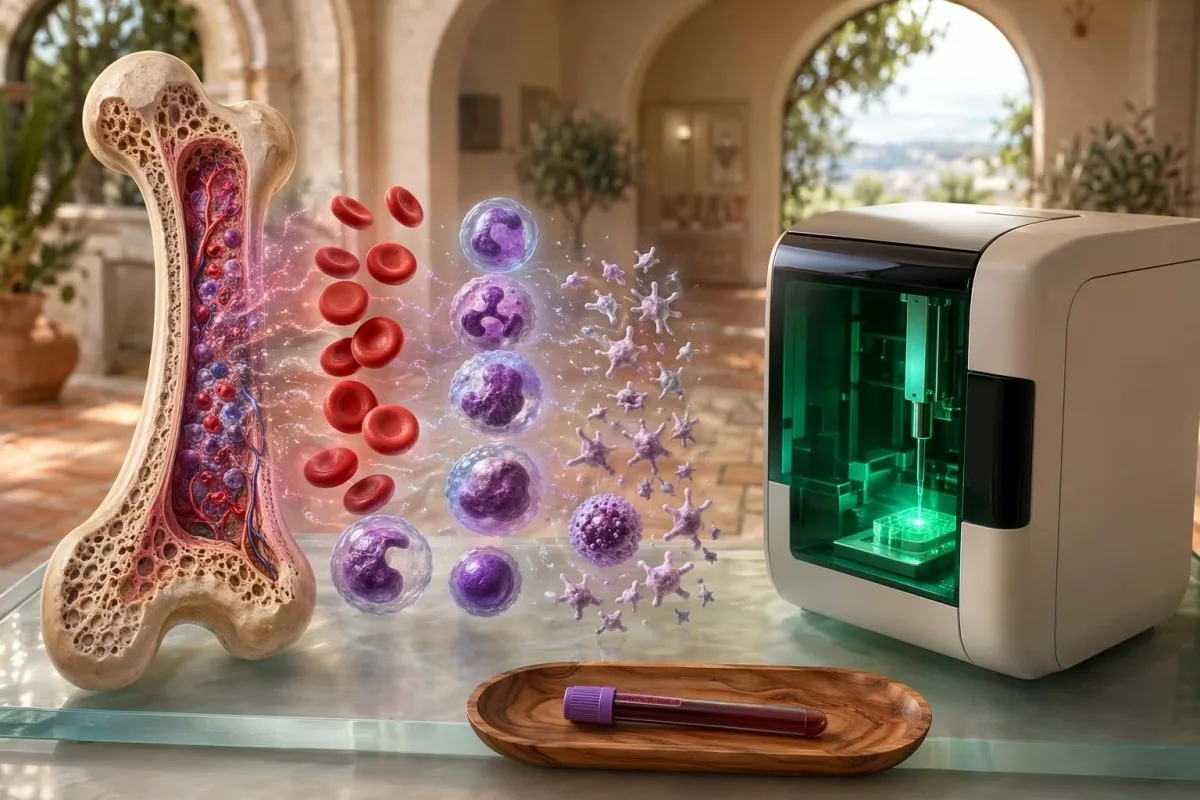
A CBC looks simple on paper, but each line item answers a different clinical question. Here is how I explain the counts, indices, differential, and the tests patients often expect but do not actually get.



- CBC core components usually include WBC, RBC, hemoglobin, hematocrit, red cell indices, platelet count, and often platelet indices.
- CBC with differential included means the white cells are separated into neutrophils, lymphocytes, monocytes, eosinophils, and basophils, usually with absolute counts.
- CBC indices meaning is mainly about red cell size and hemoglobin content: MCV 80-100 fL, MCH 27-33 pg, MCHC 32-36 g/dL, and RDW about 11.5-14.5%.
- Hemoglobin is often the most clinically useful red cell number; typical adult ranges are about 13.5-17.5 g/dL in men and 12.0-15.5 g/dL in women.
- WBC count is typically 4.0-11.0 ×10^9/L in adults, but the pattern of neutrophils and lymphocytes often matters more than the total.
- Platelet count is usually 150-450 ×10^9/L; platelet function, PT/INR, aPTT, fibrinogen, and D-dimer are not part of a CBC.
- Not included in a CBC: glucose, cholesterol, kidney function, liver enzymes, ferritin, vitamin B12, thyroid tests, CRP, ESR, blood type, and most infection-specific tests.
- Urgent CBC patterns include hemoglobin below about 7 g/dL, platelets below 20 ×10^9/L, ANC below 0.5 ×10^9/L, blasts on the report, or WBC above 100 ×10^9/L.
What a CBC actually includes, in plain English
What is included in a CBC? A complete blood count usually includes red blood cell count, hemoglobin, hematocrit, red cell indices, white blood cell count, platelet count, and sometimes a white cell differential if ordered. It does not include cholesterol, glucose, thyroid, ferritin, vitamin B12, kidney tests, liver enzymes, CRP, ESR, or clotting tests.
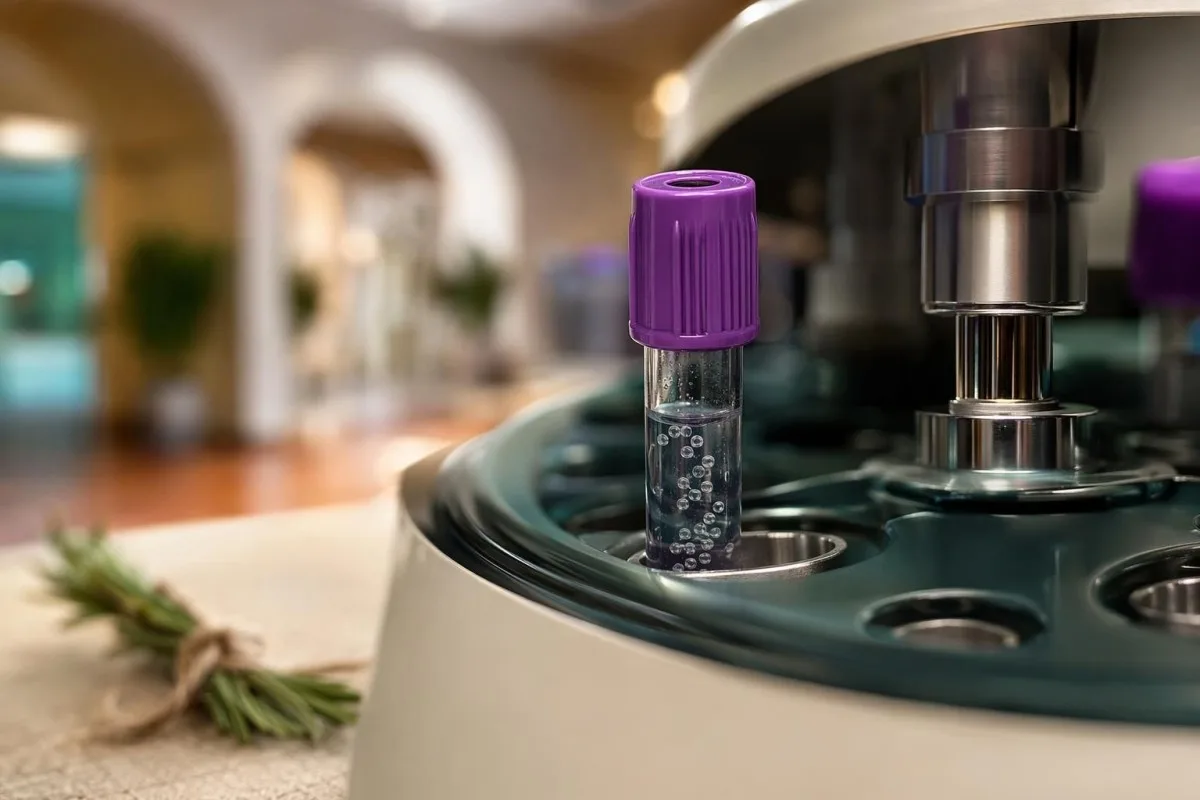
The CBC is best understood as a cell inventory: how many oxygen-carrying cells, immune cells, and clot-forming platelets are circulating in one microlitre or litre of blood. If you want a wider list of markers beyond the CBC, our biomarkers guide explains how blood tests are grouped across more than 15,000 possible lab items.
In clinic, I often draw three boxes on a scrap of paper: red cells, white cells, and platelets. The red cell box answers anaemia and oxygen-carrying questions; the white cell box answers immune-pattern questions; the platelet box answers quantity, not clotting quality.
Kantesti is an AI blood test interpretation platform that reads a CBC as a pattern, not as isolated red and blue flags. That matters because a WBC of 11.2 ×10^9/L after a hard workout is a very different story from the same number with fever, band neutrophils, and falling platelets.
How the CBC sample is collected and reported
A CBC is usually collected into a lavender-top EDTA tube and analysed by an automated haematology analyser. Fasting is not required for the CBC itself, and most laboratories can run the test within minutes once the sample arrives.
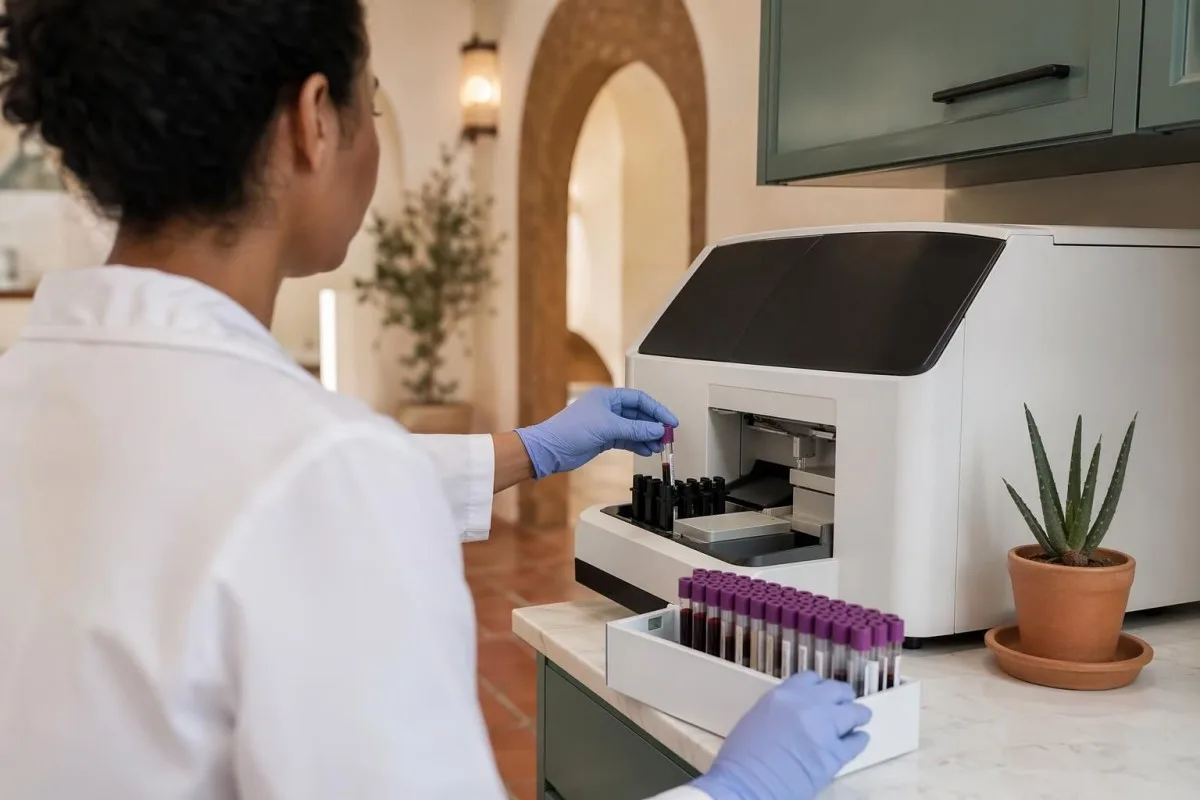
The anticoagulant EDTA keeps cells from clumping, which is why tube choice matters more for CBC accuracy than whether you ate breakfast. If you have ever wondered why phlebotomists use different caps, our tube colour guide explains the additives behind common lab vials.
Automated counters estimate cell number, cell size, and sometimes cell complexity using impedance, light scatter, fluorescence, or a combination of methods. Buttarello and Plebani described this shift from manual microscopy to high-throughput automated CBC analysis in the American Journal of Clinical Pathology, and that paper still explains why flags need human context (Buttarello & Plebani, 2008).
Most CBC samples are stable for about 24 hours at room temperature for major counts, but MCV can drift upward if a sample sits too long. A clotted sample can falsely lower platelets, and a poorly mixed tube can produce results that look dramatic but are really pre-analytical noise.
Red cell count, hemoglobin, and hematocrit
The red cell portion of a CBC includes RBC count, hemoglobin, and hematocrit. Hemoglobin is usually the most clinically important number because it measures oxygen-carrying protein directly.
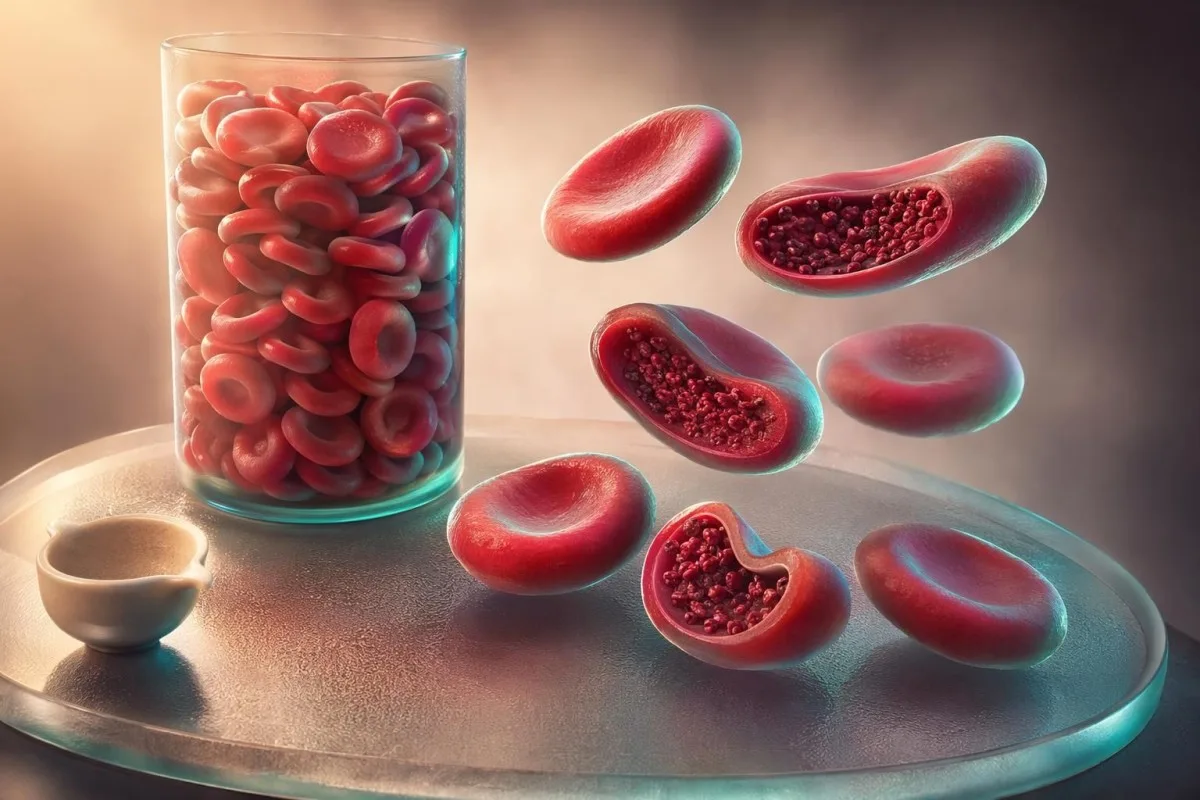
A typical adult RBC count is about 4.3-5.9 ×10^12/L in men and 3.8-5.1 ×10^12/L in women. Hemoglobin is commonly about 13.5-17.5 g/dL in men and 12.0-15.5 g/dL in women, though pregnancy, altitude, and local laboratory methods change the cutoffs.
Hematocrit is the percentage of blood volume occupied by red cells, so dehydration can make it look high without true overproduction. I see this in runners after hot races: the hemoglobin looks alarming, but a repeat test after 48-72 hours of normal hydration often drops back into range.
RBC count and hemoglobin sometimes disagree, especially in thalassaemia trait, iron deficiency, or recent fluid shifts. For that specific mismatch, our guide to RBC versus hemoglobin goes deeper than a routine CBC report can.
CBC indices meaning: MCV, MCH, MCHC, and RDW
CBC indices meaning comes down to red cell size, hemoglobin content, and size variation. MCV is usually 80-100 fL, MCH 27-33 pg, MCHC 32-36 g/dL, and RDW about 11.5-14.5% in many adult laboratories.
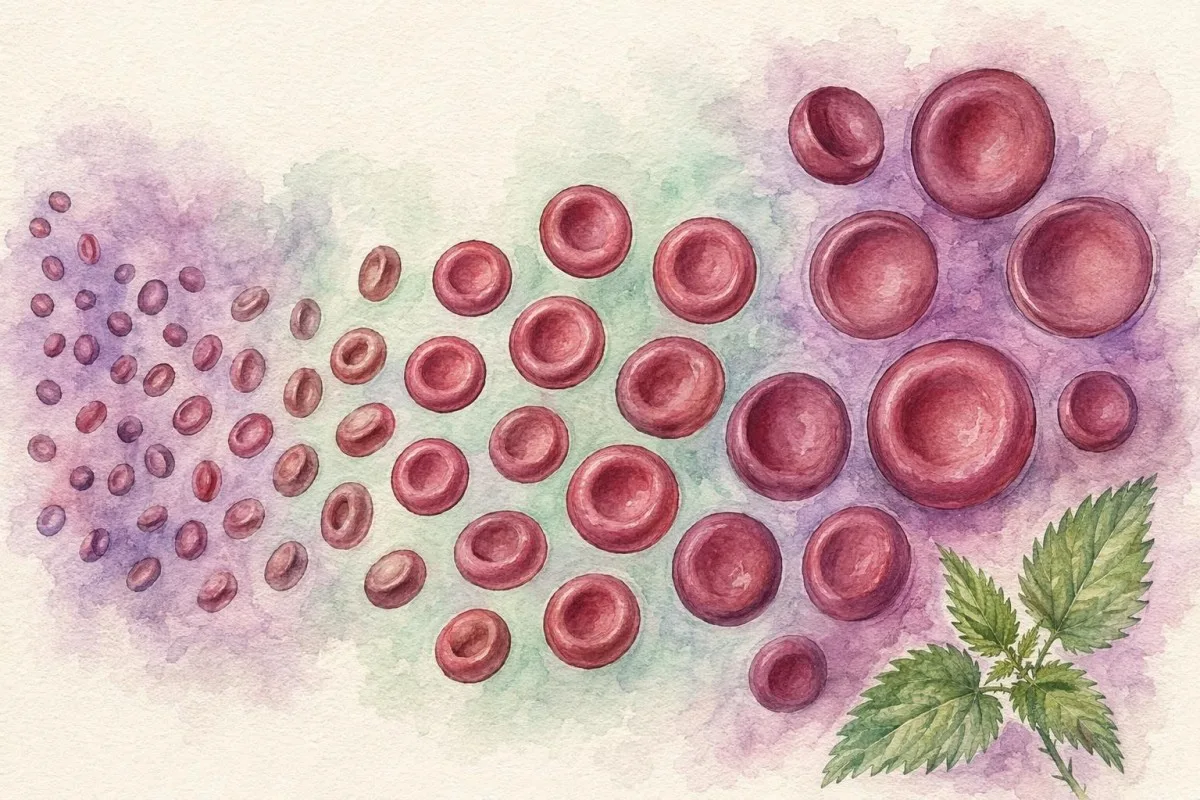
MCV tells us average red cell size: low MCV suggests microcytosis, and high MCV suggests macrocytosis. MCH and MCHC describe hemoglobin content, while RDW describes how uneven the red cell sizes are.
The pattern is more useful than a single index. Low MCV with high RDW often points toward iron deficiency, while low MCV with a normal RDW and a relatively high RBC count can suggest thalassaemia trait; our MCV and MCH guide walks through those real-world splits.
RDW rises early in many nutritional anaemias because new and old red cells no longer match in size. We discuss RDW-CV, MCV, and MCHC in more technical detail in our RDW complete guide, which is useful when the hemoglobin is still normal but the indices are drifting.
White blood cells and platelets on a CBC
A CBC includes the total white blood cell count and the platelet count. A typical adult WBC range is 4.0-11.0 ×10^9/L, and a typical platelet range is 150-450 ×10^9/L.
The WBC count is a total immune-cell count, not a diagnosis of infection by itself. Stress, corticosteroids, smoking, pregnancy, seizures, and intense exercise can push WBC above 11.0 ×10^9/L without a bacterial infection.
Platelets are counted because very low levels increase bleeding risk and very high levels may reflect inflammation, iron deficiency, recent surgery, or marrow overproduction. If your platelet result is flagged, our platelet range guide explains why 150-450 ×10^9/L is a useful range but not a complete answer.
A platelet count is not the same as platelet function. Someone can have 260 ×10^9/L platelets and still bleed more than expected if aspirin, kidney failure, inherited platelet dysfunction, or von Willebrand disease is involved.
What a CBC with differential adds
CBC with differential included means the white cells are broken down into neutrophils, lymphocytes, monocytes, eosinophils, and basophils. The absolute counts are usually more useful than the percentages.
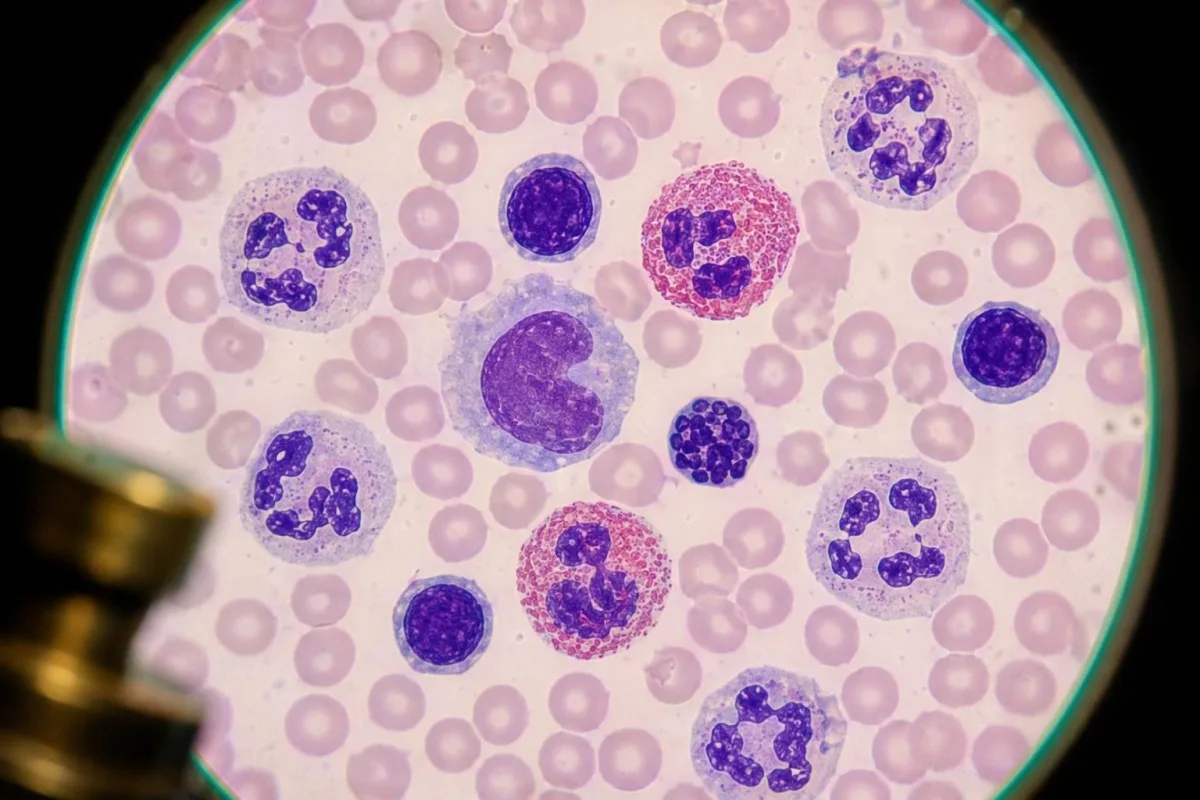
A typical adult absolute neutrophil count is about 1.5-7.5 ×10^9/L, and a typical absolute lymphocyte count is about 1.0-4.0 ×10^9/L. Percentages can mislead because one cell line can look high simply because another cell line is low.
I see this mistake almost weekly: a patient worries about lymphocytes at 48%, but the absolute lymphocyte count is 2.6 ×10^9/L and completely unremarkable. For a more detailed explanation of that exact issue, read our guide on absolute differential counts.
Kantesti AI interprets differential results by comparing absolute counts, percentages, recent infections, medications, and prior trends when available. A neutrophil-to-lymphocyte ratio above about 3 may reflect acute physiological stress, but I would not diagnose anything from that ratio alone.
Manual differential, bands, blasts, and smear flags
A manual differential is added when the analyser flags unusual cells, abnormal shapes, or a pattern that needs human microscopy. Bands, blasts, nucleated red cells, and immature granulocytes are not routine “extra trivia”; they can change urgency.
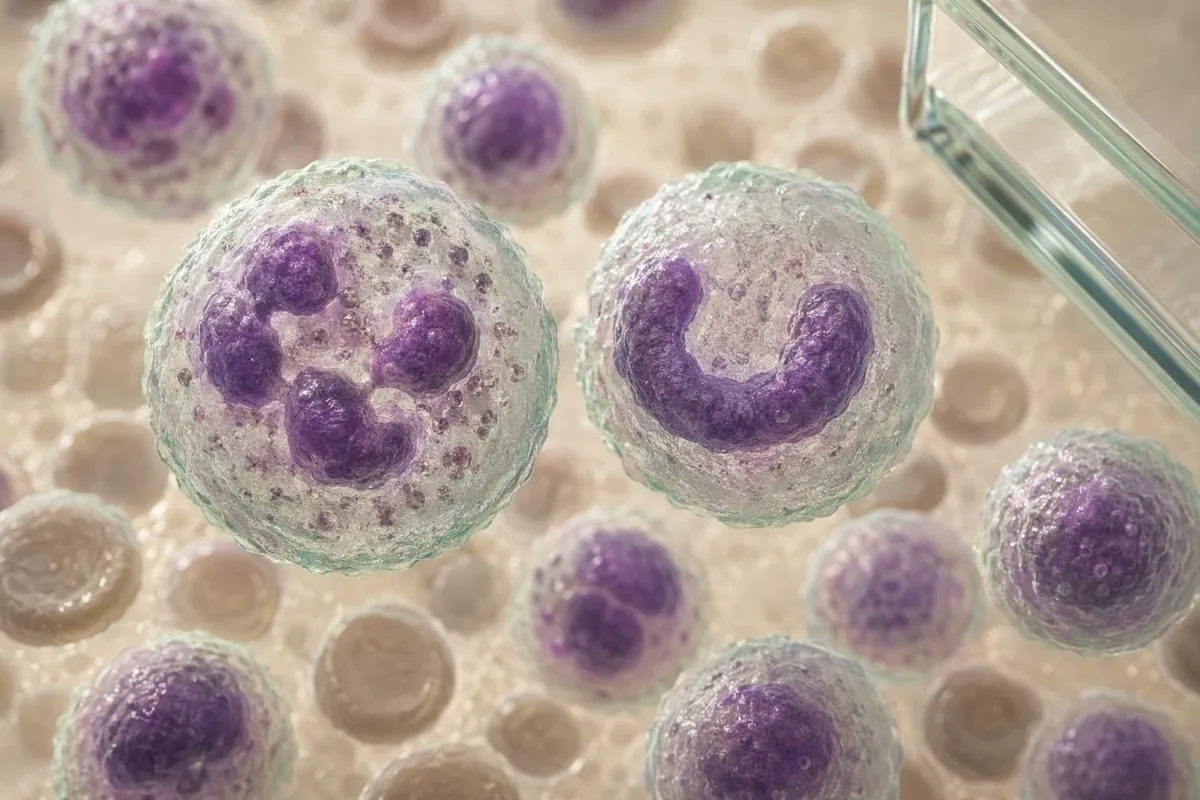
Band neutrophils represent younger neutrophils, and a marked band increase can suggest the marrow is responding quickly to stress or infection. Our band neutrophil guide explains why a “left shift” means different things in sepsis, steroid use, and post-operative recovery.
Blasts on a peripheral report are more concerning than mild neutrophilia because blasts are very immature cells that normally stay in marrow. Bain’s New England Journal of Medicine review remains a classic explanation of how peripheral cell morphology can reveal diagnoses that automated counts alone miss (Bain, 2005).
Nucleated red blood cells are normal in newborns but generally abnormal in adults unless there is severe marrow stress, hypoxia, haemolysis, or marrow infiltration. Smudge cells, platelet clumps, and atypical lymphocytes require context; one flag is not a diagnosis.
Common tests people think are in a CBC but are not
A CBC does not include glucose, HbA1c, cholesterol, electrolytes, creatinine, liver enzymes, thyroid tests, ferritin, vitamin B12, CRP, ESR, PT/INR, aPTT, D-dimer, or blood type. Those are separate tests or panels.
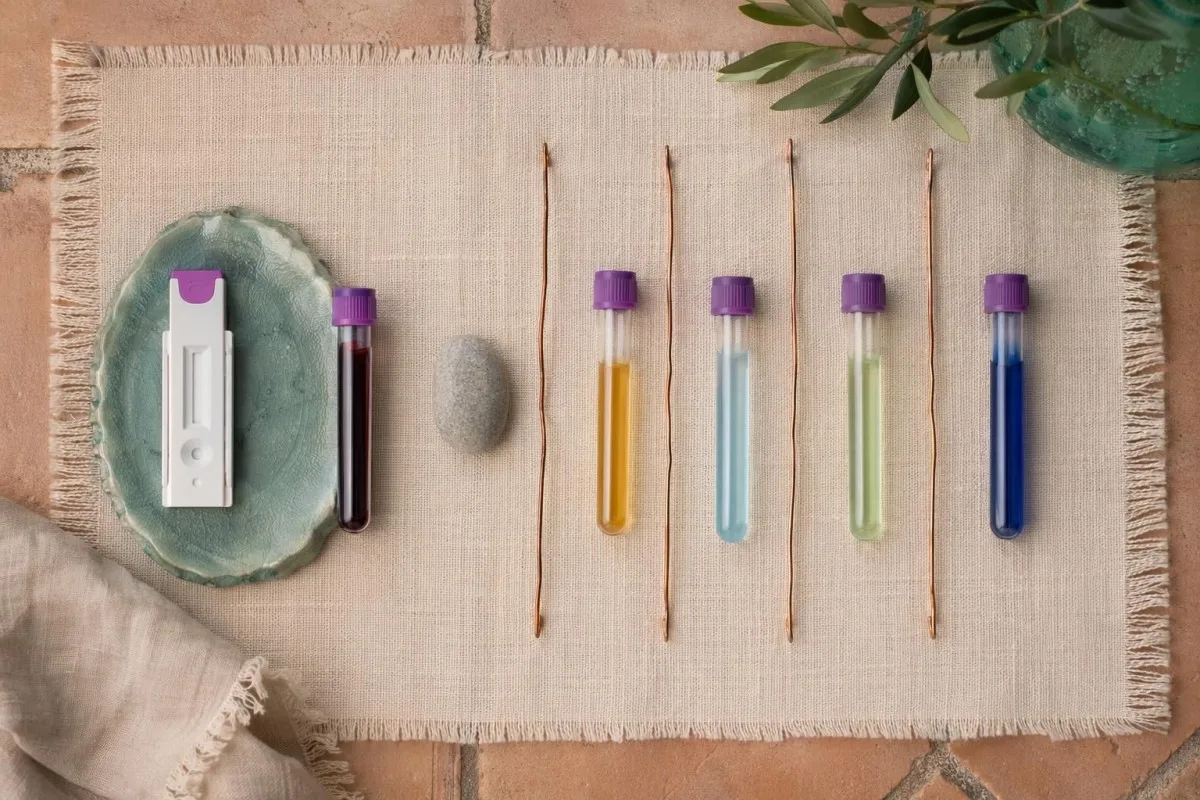
This is where patients get caught out. A “normal blood test” may simply mean a normal CBC, while diabetes, kidney strain, thyroid disease, iron depletion, or liver injury were never checked.
Kidney markers such as creatinine, urea/BUN, sodium, and potassium usually sit in a chemistry panel, not a CBC. If your doctor mentioned a chemistry panel, our guide to CMP fasting rules explains which results change after meals and which usually do not.
Iron deficiency can be present with a normal hemoglobin for months, especially after blood donation, heavy periods, endurance training, or low dietary intake. A CBC may hint at iron deficiency through MCV, MCH, and RDW, but ferritin and transferrin saturation are separate orders.
Why CBC reference ranges and flags vary
CBC reference ranges vary by age, sex, pregnancy, altitude, ethnicity, analyser method, and laboratory policy. As of June 12, 2026, there is still no single global CBC range that fits every patient.
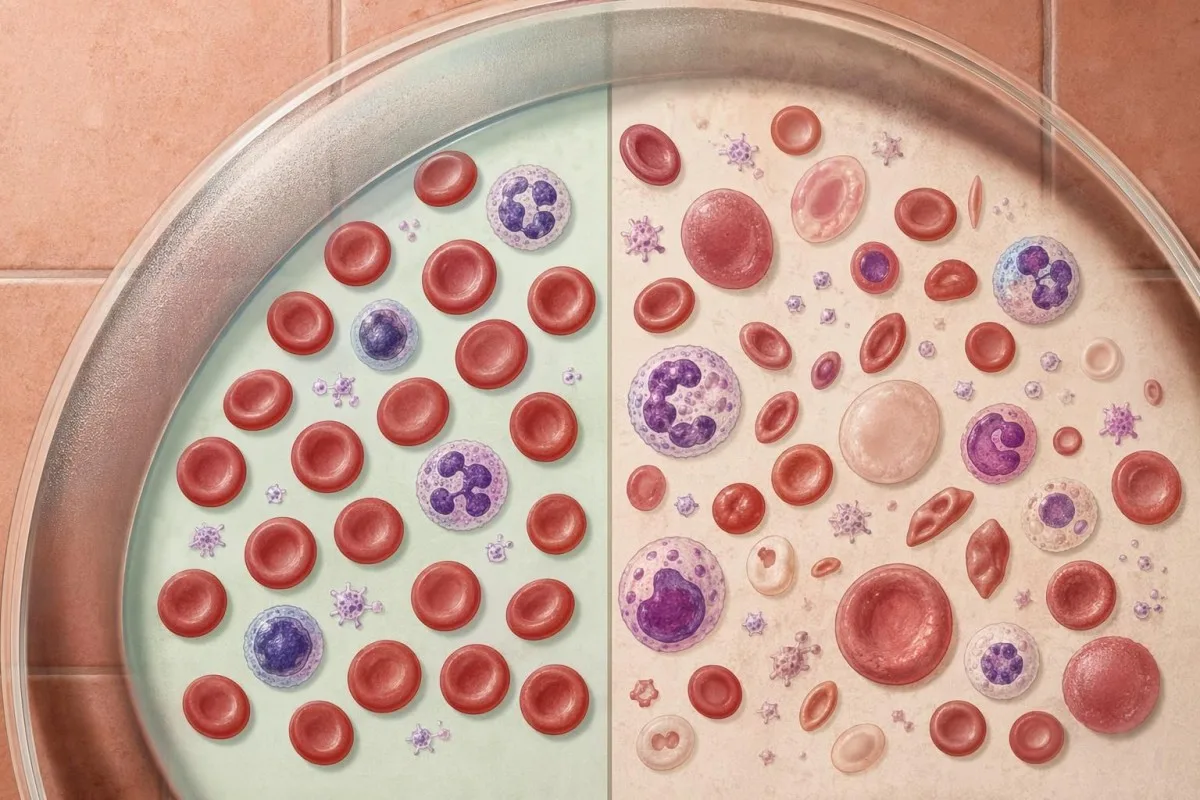
A value slightly outside range may be harmless if it matches your long-term baseline. A value inside range may still matter if it has moved quickly; a hemoglobin fall from 15.2 to 12.4 g/dL deserves attention even if the lab does not mark it critical.
Some European laboratories use slightly different neutrophil or hemoglobin intervals than US laboratories, and paediatric ranges are completely different from adult ranges. Our normal range guide explains why the letter “H” or “L” is only the start of interpretation.
The quietest clue is often the trend. I worry more about platelets rising from 230 to 520 ×10^9/L over 8 weeks than a one-off platelet count of 455 ×10^9/L after a chest infection.
CBC patterns doctors check before naming a cause
Doctors interpret a CBC by pattern: anaemia pattern, immune pattern, platelet pattern, and trend over time. The same abnormal number can mean different things depending on the other line items.
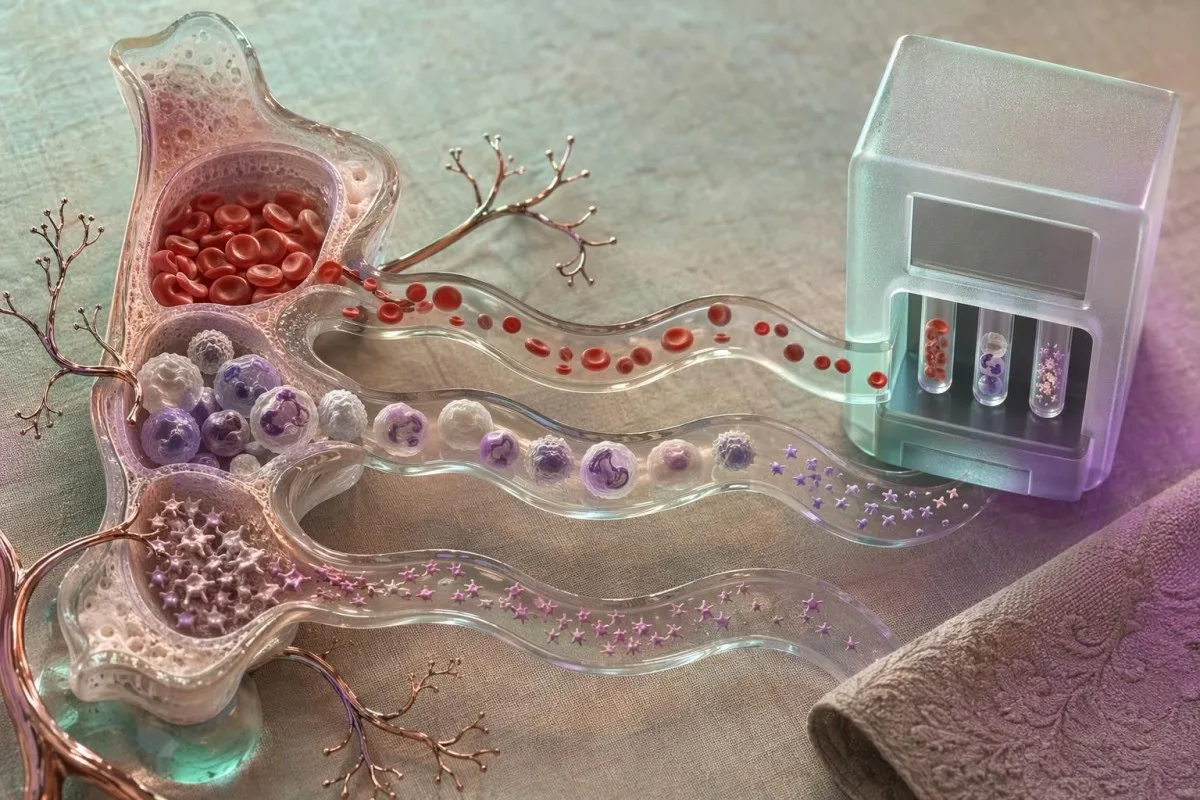
Low hemoglobin plus low MCV plus high RDW is a classic iron-deficiency pattern, but it still needs ferritin or iron studies to confirm. Our anaemia pattern guide shows why B12 deficiency, chronic inflammation, kidney disease, and blood loss can produce different CBC signatures.
High WBC with neutrophils and bands suggests a different process from high WBC with lymphocytes, and both differ from high WBC with eosinophils. Tefferi and colleagues warned in Mayo Clinic Proceedings that abnormal CBC results should be pursued by lineage, severity, and persistence rather than by the flag alone (Tefferi et al., 2005).
Platelet patterns can be surprisingly revealing. Iron deficiency can push platelets above 450 ×10^9/L, while viral illness may temporarily lower platelets to 100-150 ×10^9/L without long-term disease.
When CBC results need same-day medical advice
A CBC needs urgent medical advice when severe anaemia, very low platelets, very low neutrophils, blasts, or extreme WBC results appear. Symptoms such as chest pain, fainting, confusion, severe shortness of breath, heavy bleeding, or fever change the threshold for action.
Hemoglobin below about 7.0 g/dL is often treated as severe anaemia, especially if the person is breathless, dizzy, pregnant, older, or has heart disease. A young healthy patient at 8.5 g/dL may be stable; a frail patient at 8.5 g/dL with chest pain is a very different situation.
Platelets below 20 ×10^9/L can carry a spontaneous bleeding risk, and ANC below 0.5 ×10^9/L raises concern for serious infection risk if fever is present. Our critical values guide explains why laboratories sometimes phone clinicians directly for these results.
WBC above 100 ×10^9/L, blasts on a report, or a rapidly changing CBC should not wait for a routine appointment. In my practice, the phrase I use is simple: if the number is extreme or the patient looks unwell, the report is no longer just a report.
CBC interpretation in children, pregnancy, athletes, and older adults
CBC interpretation changes in children, pregnancy, athletes, older adults, and people on chemotherapy or immune-suppressing medicines. Adult ranges should not be pasted onto every patient.
Newborns normally have higher hemoglobin than adults, and young children often have lymphocyte-predominant differentials. If you are reading a child’s CBC, our paediatric range guide is safer than comparing the result with your own adult report.
Pregnancy commonly lowers hemoglobin through plasma-volume expansion and can raise WBC, especially neutrophils. A WBC of 13 ×10^9/L late in pregnancy may be physiological, while the same value in a non-pregnant adult with fever deserves a different conversation.
Athletes can show temporary WBC rises after strenuous training, and altitude can raise hemoglobin over weeks. Older adults deserve trend-based interpretation because a “mild” anaemia at 11.8 g/dL may be the first clue to chronic inflammation, kidney disease, nutrient deficiency, or occult blood loss.
How Kantesti AI reads CBC results in context
Kantesti AI reads CBC results by combining counts, indices, differential patterns, age, sex, units, reference ranges, and previous results when provided. It does not replace urgent care, but it can reduce the common “I have 12 flags and no explanation” panic.

Kantesti is an AI-powered blood test analysis tool used by more than 2 million people across 127+ countries, and CBCs are among the most common reports our neural network sees. The system treats a hemoglobin of 12.1 g/dL differently in a 24-year-old pregnant patient, a 72-year-old man, and a marathon runner after altitude training.
Our AI checks for unit mismatches, impossible combinations, and patterns that suggest the user should verify the result with a clinician. The logic behind this kind of interpretation is described in our technology guide, including how structured lab values are extracted from PDFs and photos.
The safest use of AI is triage and explanation, not diagnosis in isolation. Kantesti’s clinical review standards are described in our medical validation materials, and I still tell patients to act on symptoms first when the report and the body disagree.
Research notes and medical oversight for this CBC guide
This CBC guide was written with physician oversight and current laboratory interpretation standards in mind. Kantesti is an AI biomarker interpretation platform that uses medical review, technical benchmarking, and privacy-focused engineering rather than simple reference-range lookup.

I am Thomas Klein, MD, Chief Medical Officer at Kantesti LTD, and I review CBC content with the same practical question I use in clinic: what would I want a patient to do next, safely, after reading this result? For adjacent haematology topics such as reticulocytes and recovery from anaemia, our haematology markers guide provides additional context.
Our medical review process is supported by physicians and advisors who challenge oversimplified interpretations, especially around anaemia, neutropenia, platelet flags, and possible malignant patterns. You can read more about the clinicians behind Kantesti on our medical advisory board.
Related Kantesti research publications include formal work on clotting tests and serum protein interpretation, because CBCs often trigger follow-up panels rather than ending the investigation. I prefer that sequence: first identify the cellular pattern, then order the next test that actually answers the clinical question.
Frequently Asked Questions
What is included in a CBC without differential?
A CBC without differential usually includes WBC count, RBC count, hemoglobin, hematocrit, red cell indices such as MCV and MCH, platelet count, and sometimes platelet indices such as MPV. It does not separate the white cells into neutrophils, lymphocytes, monocytes, eosinophils, and basophils. Typical adult WBC range is about 4.0-11.0 ×10^9/L, and platelet range is about 150-450 ×10^9/L.
Is a CBC with differential included automatically?
A CBC with differential is not always included automatically; it depends on what the clinician ordered and what the lab reflex rules allow. When included, the differential reports the absolute and percentage counts of neutrophils, lymphocytes, monocytes, eosinophils, and basophils. Absolute neutrophils are typically about 1.5-7.5 ×10^9/L in adults, and absolute lymphocytes are typically about 1.0-4.0 ×10^9/L.
Does a CBC include iron, ferritin, or vitamin B12?
A CBC does not include iron, ferritin, transferrin saturation, TIBC, folate, or vitamin B12. It can suggest iron or B12 problems indirectly through MCV, MCH, MCHC, RDW, and hemoglobin patterns. For example, MCV below 80 fL may suggest microcytosis, while MCV above 100 fL may suggest macrocytosis, but confirmation requires separate nutrient or iron studies.
Can a CBC show infection?
A CBC can show immune-cell patterns that support infection, but it does not identify the exact germ. High neutrophils, band neutrophils, and WBC above 11.0 ×10^9/L may fit bacterial infection or stress, while high lymphocytes may fit viral illness. Culture tests, PCR tests, antigen tests, CRP, procalcitonin, and clinical examination are separate pieces of the infection work-up.
Does a CBC include cholesterol, glucose, kidney, or liver tests?
A CBC does not include cholesterol, glucose, HbA1c, creatinine, eGFR, sodium, potassium, ALT, AST, bilirubin, or albumin. Those results come from lipid panels, diabetes tests, kidney panels, liver panels, or comprehensive metabolic panels. A person can have a perfectly normal CBC and still have high LDL cholesterol, diabetes-range HbA1c, low eGFR, or elevated liver enzymes.
What do MCV, MCH, MCHC, and RDW mean on a CBC?
MCV measures average red cell size and is usually about 80-100 fL in adults. MCH measures average hemoglobin amount per red cell, usually about 27-33 pg, while MCHC measures hemoglobin concentration inside red cells, usually about 32-36 g/dL. RDW measures variation in red cell size, commonly about 11.5-14.5%, and high RDW often appears in iron deficiency, B12 deficiency, mixed anaemia, or recovery after treatment.
Do I need to fast before a CBC?
You usually do not need to fast before a CBC because the test counts cells rather than measuring meal-sensitive chemicals such as glucose or triglycerides. Eating breakfast should not meaningfully change hemoglobin, hematocrit, MCV, or platelet count. If your blood order includes a lipid panel, fasting glucose, insulin, or some metabolic tests, the fasting instruction may apply to those tests rather than the CBC.
Get AI-Powered Blood Test Analysis Today
Join over 2 million users worldwide who trust Kantesti for instant, accurate lab test analysis. Upload your blood test results and receive comprehensive interpretation of 15,000+ biomarkers in seconds.
📚 Referenced Research Publications
Klein, T., Mitchell, S., & Weber, H. (2026). aPTT Normal Range: D-Dimer, Protein C Blood Clotting Guide. Kantesti AI Medical Research.
Klein, T., Mitchell, S., & Weber, H. (2026). Serum Proteins Guide: Globulins, Albumin & A/G Ratio Blood Test. Kantesti AI Medical Research.
📖 External Medical References

⚕️ Medical Disclaimer
This article is for educational purposes only and does not constitute medical advice. Always consult a qualified healthcare provider for diagnosis and treatment decisions.
E-E-A-T Trust Signals
Experience
Physician-led clinical review of lab interpretation workflows.
Expertise
Laboratory medicine focus on how biomarkers behave in clinical context.
Authoritativeness
Written by Dr. Thomas Klein with review by Dr. Sarah Mitchell and Prof. Dr. Hans Weber.
Trustworthiness
Evidence-based interpretation with clear follow-up pathways to reduce alarm.