Most platelet flags on a CBC are not emergencies. The number matters, but the trend, symptoms, and neighboring markers usually tell the real story.


- Normal adult range is usually 150-450 ×10^9/L or 150,000-450,000/µL.
- Mild thrombocytopenia means 100-149 ×10^9/L and is often asymptomatic when the rest of the CBC is normal.
- Urgent low counts are typically <20 ×10^9/L, especially with petechiae, gum bleeding, black stool, or severe headache.
- Procedure thresholds often aim for ≥50 ×10^9/L before major surgery and ≥80-100 ×10^9/L for eye, brain, or neuraxial procedures.
- Mild thrombocytosis starts above 450 ×10^9/L and is commonly reactive after infection, inflammation, surgery, or iron deficiency.
- Very high platelets above about 1,000 ×10^9/L can raise both clotting risk and bleeding risk through acquired von Willebrand syndrome.
- False low results happen with EDTA platelet clumping; repeating the CBC in a citrate tube can normalize the count.
- Trend beats snapshot: a 50% drop can matter even if the final number is still inside the lab's reference range.
- Key follow-up tests often include a repeat CBC, smear, ferritin, B12, folate, liver tests, CRP, hepatitis C or HIV screening, and sometimes JAK2 testing.
- ITP observation is often reasonable when platelets are ≥30 ×10^9/L and bleeding is minor or absent, according to the 2019 ASH guideline.
What is a normal platelet count on a CBC?
As of April 25, 2026, the normal range for platelets in most adults is 150-450 ×10^9/L or 150,000-450,000/µL. On Kantesti AI, we see every day that a result just outside that range is often harmless if you feel well and the rest of the CBC is steady. If you want the broader framework first, our CBC reading guide shows how one number can mislead when read alone.
Reference ranges are statistical, not moral judgments. They usually capture the middle 95% of a healthy lab population, which is why a platelet count of 148 ×10^9/L can be clinically trivial while a fall from 320 to 170 ×10^9/L may deserve attention. Some European labs use 140-400 ×10^9/L, and some US labs report the same value as 150-450 K/µL; our guide on why normal ranges can mislead explains that one-point borderlines are often less meaningful than people think.
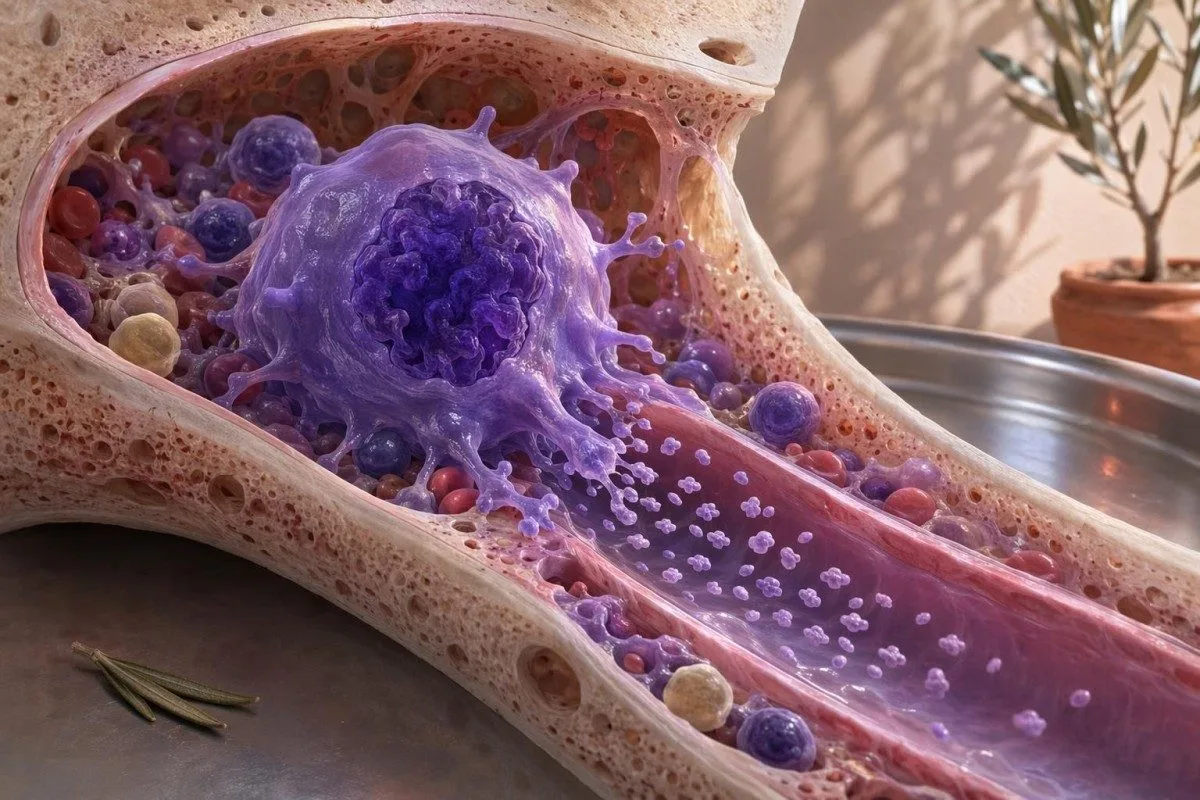
Platelets are fragments released from bone marrow megakaryocytes, they circulate for roughly 7-10 days, and the spleen temporarily holds about one-third of them. That biology explains a lot of odd CBCs. In 15 years of practice, I, Dr. Thomas Klein, still repeat the CBC before labeling disease when the number is only slightly off and the patient feels well.
The useful question is not just whether the platelet count normal range is crossed. It is whether the count fits the story. A stable 155 ×10^9/L with normal hemoglobin, white cells, and no bruising usually reassures me; 155 ×10^9/L with new petechiae, abnormal liver tests, or a fast downward trend does not.
When a mild low platelets blood test is often not dangerous
Mild low platelets blood test results usually mean 100-149 ×10^9/L, and most adults in that band do not have dangerous bleeding if hemoglobin and white cells are normal. Our deeper article on what a low platelet count means covers the full differential, but the first thing I ask is simple: was the count truly low, or was the sample misleading?
EDTA-related platelet clumping can create a false low count, a lab artifact called pseudothrombocytopenia. It is uncommon, roughly 0.1% of CBCs in day-to-day practice, but it is one of the most satisfying abnormal results to fix because repeating the CBC in a citrate tube or asking for an optical platelet count can turn 96 ×10^9/L into 182 ×10^9/L without any disease at all.
I see transient mild thrombocytopenia after influenza, COVID, gastroenteritis, heavy weekend alcohol use, and several medication starts. Platelets around 110-140 ×10^9/L can appear for a week or two after viral illness, and alcohol-related suppression often improves within 3-7 days of stopping. According to the 2019 ASH guideline, adults with immune thrombocytopenia who have platelets ≥30 ×10^9/L and only minor or no bleeding can often be observed rather than treated right away (Neunert et al., 2019).
There is another clue many people skip: MPV, or mean platelet volume. A higher MPV, often >11-12 fL depending on the analyzer, can fit faster platelet turnover or peripheral destruction, while a low-normal MPV can fit underproduction, though I would never diagnose from MPV alone. If that number on your CBC looks cryptic, our short guide on MPV meaning makes it much easier to read.
When low platelets become clinically significant
Low platelets matter most below 50 ×10^9/L, and urgent bleeding risk rises much more sharply below 10-20 ×10^9/L. Symptoms change the urgency more than the label; a person with 18 ×10^9/L and gum bleeding needs faster action than someone with 48 ×10^9/L and no symptoms.
For most adults, spontaneous major bleeding is still uncommon until counts fall below about 10 ×10^9/L, which is why the AABB guideline uses 10 ×10^9/L as the usual prophylactic platelet transfusion threshold in stable hospitalized adults with therapy-related marrow suppression (Kaufman et al., 2015). For procedures, many clinicians aim for ≥50 ×10^9/L before major surgery and ≥100 ×10^9/L before neurosurgery or eye surgery. Those are practical thresholds, not laws of nature.
Low platelets do not automatically mean thin blood. Platelets make the first plug, while clotting factors and fibrinogen help stabilize it, so a platelet count of 70 ×10^9/L plus a prolonged PT/INR worries me more than platelets of 70 ×10^9/L alone. If your report also shows abnormal clotting tests, our coagulation guide helps sort out PT, INR, aPTT, fibrinogen, and D-dimer.
Here is the practical line I use in clinic: call promptly for new petechiae, easy gum bleeding, prolonged nosebleeds, black stool, blood in urine, or a new severe headache when platelets are low. And if the lab flags a critical value, do not wait for internet reassurance; use our critical blood test guide as a checklist, then follow the lab or clinician's instructions the same day.
What a high platelet count usually means
A high platelet count usually means more than 450 ×10^9/L, and most first-time results between 450 and 600 ×10^9/L are reactive, not cancer. Our full review of high platelet count causes goes broader, but the usual triggers are infection, inflammation, surgery, blood loss, iron deficiency, and recovery after illness.
Iron deficiency is the sleeper cause many patients do not expect. When platelets are 510 ×10^9/L and ferritin is 9 ng/mL, I think reactive thrombocytosis before I think bone marrow disorder, especially if hemoglobin or MCV is also low. Our guide to the ferritin normal range explains why ferritin under 30 ng/mL can completely change the interpretation.
Still, persistence matters. A count above 450 ×10^9/L on repeat testing for more than 3 months, or a single result above 600-700 ×10^9/L without an obvious trigger, deserves a closer look for a myeloproliferative neoplasm and often JAK2 testing. Schafer's NEJM review still holds up clinically: reactive thrombocytosis is far more common than essential thrombocythemia, but persistent unexplained elevation is not something I ignore (Schafer, 2004).
Very high counts can cause a paradox that surprises patients. Once platelets climb above roughly 1,000 ×10^9/L, some people develop acquired von Willebrand syndrome, so a nosebleed with a count of 1,150 ×10^9/L is not contradictory at all. In other words, very high does not simply mean thicker blood and nothing else.
When a high count is just part of recovery
After major surgery, splenectomy, or severe inflammation, platelets can temporarily climb into the 600-900 ×10^9/L range. In that situation I care more about whether the number is falling on repeat testing than whether it briefly touched 700. A rebound pattern is common; a persistent plateau is what changes my tone.
Why the trend matters more than one platelet result
The most useful platelet question is often not Is it normal, but Where was it last month. Our blood test comparison guide shows why a rising or falling slope can matter more than a single value that still sits inside the lab range.
A fall from 320 to 170 ×10^9/L is still technically normal, yet it is a 47% drop. In my clinic, that pattern earns more attention than a stable value of 145 ×10^9/L, especially after a new drug, a recent hospitalization, or heparin exposure. A normal-range result can still be clinically abnormal.
Timing explains plenty. Platelets live about 7-10 days, so post-viral lows and post-inflammatory highs often lag behind how you feel; I commonly see rebound thrombocytosis 1-3 weeks after pneumonia and gradual normalization 4-8 weeks after iron replacement. A CBC drawn too early can make recovery look worse than it is.
One pattern I never dismiss is a drop of 50% or more within 5-10 days of heparin exposure, even if the absolute count stays above 150 ×10^9/L. That is classic territory for heparin-induced thrombocytopenia, and HIT causes clotting more often than bleeding. As Dr. Thomas Klein, I tell patients that trend-reading is where tools help most, which is why our AI blood test platform compares prior CBCs instead of reacting to one isolated number.
How doctors interpret platelets with the rest of the CBC
Platelets make more sense when you read them beside hemoglobin, white cells, MCV, ferritin, and CRP. If your platelet result is abnormal, the next clue is often sitting two lines away on the same report; our review of low hemoglobin causes shows how often these patterns travel together.
Isolated low platelets with normal hemoglobin and white cells behave very differently from low platelets plus anemia or leukopenia. The first pattern often fits ITP, infection, alcohol effect, or sample artifact; the second pushes me toward marrow suppression, severe infection, autoimmune disease, nutritional deficiency, or hematologic malignancy. That is why I never read platelets in a vacuum.
High platelets with low MCV or low ferritin often suggest iron deficiency, while high platelets with CRP above 10 mg/L or an elevated ESR fit inflammation or infection. The mechanism behind iron deficiency and thrombocytosis is honestly still debated, but the pattern is common in real practice. If platelets rise alongside marked leukocytosis or neutrophilia, I also review our high WBC pattern guide because combined shifts narrow the differential quickly.
MPV and the immature platelet fraction, or IPF, can add nuance, though laboratories measure them differently. Some labs treat IPF above roughly 7-8% as a clue to increased peripheral destruction or marrow recovery, whereas a low IPF with low platelets leans toward reduced production. I hedge here because analyzer methods vary, and clinicians really do disagree on how much weight one abnormal MPV deserves.
Patterns that change urgency
A few CBC combinations move fast in real practice. Low platelets plus schistocytes, rising creatinine, or neurologic symptoms raises concern for thrombotic microangiopathy; low platelets plus abnormal liver tests can fit cirrhosis or portal hypertension; high platelets plus microcytosis often settles into iron deficiency; and isolated low platelets with large platelets often behaves like ITP. These are pattern recognitions, not home diagnoses.
Pregnancy, medications, surgery, and other special situations
Special situations change the platelet thresholds. During pregnancy, before surgery, or after certain medicines, the same platelet count can mean very different things; our prenatal blood test timeline is useful if your CBC was drawn during pregnancy.
Gestational thrombocytopenia is common in late pregnancy and usually lands between 100 and 150 ×10^9/L. Most patients feel well, blood pressure is normal, urine protein is absent, and the count returns to baseline within 1-2 months after delivery. A platelet count below 100 ×10^9/L in pregnancy makes me look harder for ITP, preeclampsia, HELLP, or another secondary cause.
Procedure targets depend on the procedure, not just the patient. Minor dental work may be fine above 30-50 ×10^9/L, many major operations aim for ≥50 ×10^9/L, and neuraxial anesthesia or eye and brain procedures often prompt goals closer to 80-100 ×10^9/L. The evidence here is mixed, and different specialists sometimes choose slightly different cutoffs.
Medication history can flip the meaning of a CBC. Heparin, quinine, valproate, linezolid, chemotherapy, and heavy alcohol use are repeat offenders, while recovery after splenectomy or strenuous endurance exercise can temporarily raise counts. If you want the big picture in one place, our platelet count range guide summarizes both high and low patterns.
What follow-up tests doctors order after abnormal platelets
The first follow-up after an abnormal platelet result is usually a repeat CBC with smear review, not a bone marrow biopsy. At Kantesti AI, our rules for this step are anchored to our Medical Validation standards because sample artifacts are common enough to matter.
If the result is low, I usually ask for a peripheral smear and, when clumping is suspected, a repeat in a citrate tube or an optical platelet count. Giant platelets, platelet clumps, satellitism around white cells, or a strange platelet histogram can completely reframe the case within 24 hours. In other words, the lab method matters.
The next layer depends on the pattern. Common add-on tests include ferritin, B12, folate, ALT/AST, bilirubin, creatinine, CRP, and screening for hepatitis C or HIV when isolated thrombocytopenia is unexplained. Our biomarker guide is useful if you want to know what each of those results actually means before the follow-up visit.
Persistent thrombocytosis often leads to ferritin first and JAK2 V617F soon after if ferritin is normal and the count stays above 450 ×10^9/L. Persistent low platelets with microcytosis or anemia may need iron studies, reticulocytes, and a closer look at whether iron deficiency anemia is driving the picture, which is why I often point patients to our guide on early iron-deficiency labs before hematology.
What usually does not happen first
Most adults with platelets of 120 or 480 ×10^9/L do not go straight to marrow testing. Bone marrow examination is usually reserved for persistent unexplained abnormalities, multiple cell-line changes, abnormal smear features, or strong suspicion of marrow disease. That order of operations saves people a lot of unnecessary alarm.
When an abnormal platelet result needs same-day care
Seek same-day medical advice if platelets are under 20 ×10^9/L, if you have active bleeding at any low count, or if a normal-range count has fallen sharply with a dangerous clinical story. Platelet problems become urgent when the number and the symptoms point in the same direction.
I worry most about combinations: platelets <20 ×10^9/L with gum or nose bleeding, low platelets in pregnancy with high blood pressure, platelets dropping after heparin, or low platelets plus fever and confusion. Those are not watch-and-wait patterns. Our doctors on the Medical Advisory Board review these edge cases because algorithms alone should not make triage decisions.
The emergency patterns are not always about bleeding. A rapid platelet fall after heparin can signal HIT, where clotting is often the bigger danger; low platelets with kidney injury or neurologic change can point toward thrombotic microangiopathy; and low platelets with sepsis plus abnormal coagulation tests can fit DIC. A result can be numerically mild and still clinically serious.
Most abnormal platelet counts are not leukemia and not an emergency. But low platelets combined with marked fatigue, weight loss, drenching night sweats, abnormal white cells, or blast flags should be discussed quickly; our CBC patterns that raise leukemia concern article explains why. As Dr. Thomas Klein, I am far more reassured by isolated, stable platelet changes than by multi-line CBC abnormalities.
How Kantesti AI interprets platelet results safely
Kantesti AI can interpret a platelet result in about 60 seconds, but the safest use is as a second reader after you already have the lab report. If you are new to us, About Kantesti explains how our clinical team built the workflow around real CBC edge cases rather than generic wellness copy.
Kantesti AI interprets platelet results by analyzing the lab's own reference range, unit system, prior CBCs, and neighboring markers such as hemoglobin, WBC, MCV, ferritin, and liver tests. When available, our platform cross-references more than 15,000 biomarkers rather than treating the platelet count as a standalone fact. In our published AI blood test benchmark, we stress-tested ambiguous lab scenarios because a platelet count of 148 ×10^9/L is not the same problem as a fall from 290 to 148 ×10^9/L.
We now serve more than 2 million users across 127+ countries and 75+ languages, and our workflow can read CBC PDFs or phone photos in about 60 seconds while keeping clinical guardrails in place. Kantesti's medical workflow is CE marked and aligned with HIPAA, GDPR, and ISO 27001 controls, but I still give the same advice I give in clinic: if platelets are <20, or if you are bleeding, skip the app and get urgent medical help.
If your CBC just came back and you want a fast, structured explanation of what the platelet count normal range means in your own case, try the free blood test interpretation. Upload the PDF or a clear photo, and Kantesti AI will translate the result into plain language, trend clues, and sensible follow-up questions for your clinician.
Frequently Asked Questions
What is a normal platelet count in adults?
A normal platelet count adult result is usually 150-450 ×10^9/L, which is the same as 150,000-450,000 platelets per microliter. Some laboratories use slightly different reference intervals, such as 140-400 ×10^9/L, so the lab's own range still matters. A single result just outside the range does not automatically mean disease, because symptoms, trend direction, and the rest of the CBC often matter more than a 1- or 2-point difference. Most patients with a stable value near the edge and no bleeding do not need emergency treatment.
Is 140 a dangerously low platelets blood test result?
A platelet count of 140 ×10^9/L is only mildly low and is usually not dangerous if you feel well, have no unusual bruising or bleeding, and the rest of the CBC is normal. In practice, I worry more about a count of 140 that used to be 300 than a count that has sat between 135 and 145 for years. Common explanations include recent viral illness, alcohol use, medications, pregnancy, or even platelet clumping in the sample. A repeat CBC within 1-4 weeks is a common next step.
Can low platelets on a blood test be temporary?
Yes, low platelets on a blood test are often temporary. Viral infections, heavy alcohol use, new medications, recent pregnancy, and laboratory clumping can all cause platelet counts to dip for a few days or weeks and then normalize. Mild post-viral thrombocytopenia often improves within 1-3 weeks, while alcohol-related suppression can improve within about 3-7 days after stopping. That is why repeat testing is frequently more helpful than reacting to one isolated CBC.
Is 460 a high platelet count?
Yes, 460 ×10^9/L is technically a high platelet count because thrombocytosis usually starts above 450 ×10^9/L. That said, a value in the 451-600 range is very often reactive and can follow infection, inflammation, surgery, blood loss, or iron deficiency. If the count stays elevated for more than 3 months, or if it rises above 600-700 ×10^9/L without a clear trigger, doctors usually look more closely for persistent inflammatory or bone marrow causes. One mild high result is not the same as a diagnosis.
At what platelet count do doctors worry about bleeding?
Doctors worry much more about bleeding when platelet counts fall below 20 ×10^9/L, and spontaneous major bleeding risk rises further below about 10 ×10^9/L. Many patients still do well above 50 ×10^9/L unless they are having surgery, trauma, or another coagulation problem at the same time. For major operations, a common practical target is ≥50 ×10^9/L, while eye, brain, or neuraxial procedures often aim closer to 80-100 ×10^9/L. Symptoms such as gum bleeding, black stool, or a severe headache always make the situation more urgent.
What follow-up tests are usually ordered after abnormal platelets?
The usual first step after abnormal platelets is a repeat CBC plus a peripheral smear, because sample clumping and analyzer issues are common enough to matter. Doctors often add ferritin, B12, folate, liver tests, creatinine, and CRP, and they may screen for hepatitis C or HIV if isolated thrombocytopenia is unexplained. Persistent high platelets often lead to JAK2 testing, especially when counts stay above 450 ×10^9/L without an obvious reactive cause. Bone marrow testing is usually reserved for persistent unexplained changes, abnormal smear findings, or more than one abnormal blood cell line.
Does a high platelet count mean cancer?
No, a high platelet count does not automatically mean cancer. In day-to-day hematology, reactive thrombocytosis from infection, inflammation, surgery, blood loss, or iron deficiency is far more common than a bone marrow cancer, especially when the platelet count is between 450 and 600 ×10^9/L. Cancer workup becomes more relevant when high platelets are persistent, unexplained, climbing over time, or accompanied by abnormal white cells, anemia, weight loss, splenomegaly, or constitutional symptoms. The pattern matters more than the headline number.
Do I need to fast before a repeat platelet count?
You usually do not need to fast for a platelet count or a CBC alone. If your clinician also ordered tests that require fasting, follow those instructions and drink water unless told otherwise.
Can alcohol affect my platelet count?
Heavy alcohol use can temporarily reduce platelet production and may also affect liver function, which can lower platelets further. Avoid binge drinking while an abnormal result is being evaluated, and tell your clinician honestly about alcohol intake so testing and advice can be tailored.
Can exercise or dehydration change my platelet count?
Short-term dehydration can make blood counts look a little more concentrated, and strenuous exercise may cause small temporary shifts. These changes usually do not push platelets far outside the range, so a clearly abnormal result should still be rechecked with your CBC and symptoms.
Can platelet clumping make my platelet count look falsely low?
Yes. Platelets can clump in the collection tube, causing the machine to undercount them; a lab comment, blood smear, or repeat draw in a citrate tube can usually sort this out.
Get AI-Powered Blood Test Analysis Today
Join over 2 million users worldwide who trust Kantesti for instant, accurate lab test analysis. Upload your blood test results and receive comprehensive interpretation of 15,000+ biomarkers in seconds.
📚 Referenced Research Publications
Klein, T., Mitchell, S., & Weber, H. (2026). Clinical Validation of the Kantesti AI Engine (2.78T) on 15 Anonymised Blood Test Cases: A Pre-Registered Rubric-Based Benchmark Including Hyperdiagnosis Trap Cases Across Seven Medical Specialties. Kantesti AI Medical Research.
Klein, T., Mitchell, S., & Weber, H. (2026). BUN/Creatinine Ratio Explained: Kidney Function Test Guide. Kantesti AI Medical Research.
📖 External Medical References
⚕️ Medical Disclaimer
This article is for educational purposes only and does not constitute medical advice. Always consult a qualified healthcare provider for diagnosis and treatment decisions.
E-E-A-T Trust Signals
Experience
Physician-led clinical review of lab interpretation workflows.
Expertise
Laboratory medicine focus on how biomarkers behave in clinical context.
Authoritativeness
Written by Dr. Thomas Klein with review by Dr. Sarah Mitchell and Prof. Dr. Hans Weber.
Trustworthiness
Evidence-based interpretation with clear follow-up pathways to reduce alarm.