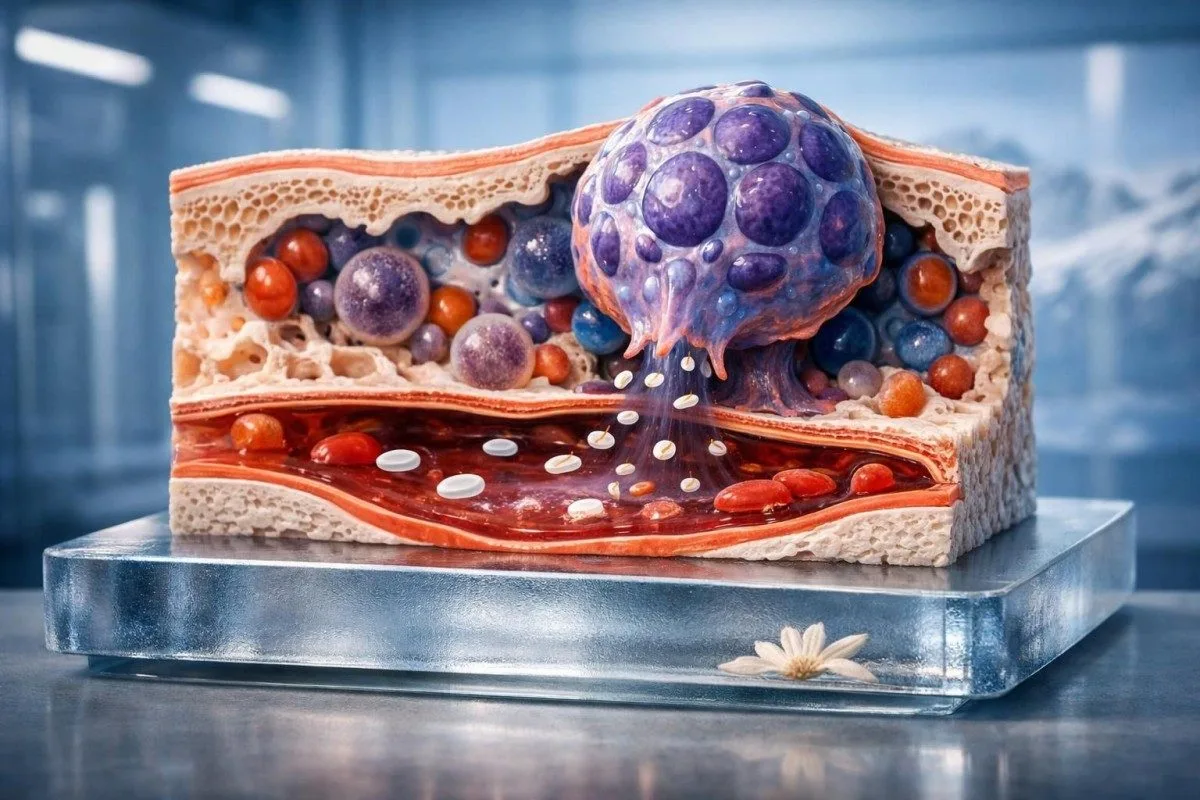
As of April 16, 2026, a low platelet count usually means fewer than 150 × 10^9/L platelets on a CBC; mild dips are often temporary or medication-related, while counts below 50 × 10^9/L raise procedure risk and counts below 10-20 × 10^9/L can become an emergency. The real meaning comes from the trend, symptoms, smear, and the rest of the CBC—not the platelet number alone.


- Normal range Adults usually measure 150-450 × 10^9/L, although some labs use 140-400 × 10^9/L.
- Mild low count A result of 100-149 × 10^9/L is often asymptomatic and commonly transient after viral illness or medication exposure.
- Procedure threshold Most major procedures aim for platelets above 50 × 10^9/L; neurosurgery and posterior eye surgery often aim above 100 × 10^9/L.
- Urgent threshold Counts below 10-20 × 10^9/L can cause spontaneous mucosal or internal bleeding and need same-day medical review.
- Heparin clue A platelet fall of more than 50% starting 5-14 days after heparin is more suggestive of HIT than the absolute platelet number.
- False low EDTA platelet clumping can mimic thrombocytopenia; a repeat count in a citrate tube may normalize the result.
- Pregnancy clue Gestational thrombocytopenia usually stays above 70-100 × 10^9/L and often improves after delivery.
- Isolated vs combined Low platelets with normal hemoglobin and white cells often point away from marrow failure and toward immune, viral, medication, or lab-artifact causes.
How to read a low platelet result without overreacting
Low platelet count usually means a platelet level below 150 × 10^9/L, but the platelet count low meaning changes a lot between 140 and 12. As of April 16, 2026, when I review CBCs on Kantesti AI, a mild isolated result such as 132 × 10^9/L is often transient, while the same number plus anemia, fever, or bruising is a different conversation. If you need the baseline range itself, our platelet range guide breaks down how labs differ.
Adult reference ranges are usually 150-450 × 10^9/L, although some European and US labs use 140-400 × 10^9/L. Women often run slightly higher platelet counts than men, counts drift a little lower with age, and a value of 145 can be technically low in one lab but normal in another.
Platelets are cell fragments that help plug small vessel injuries, but they are only one part of clotting. In clinic, I, Thomas Klein, MD, see far more people with mild thrombocytopenia and no bleeding than people with dangerous spontaneous bleeding; that risk rises sharply when the count falls below 10-20 × 10^9/L or when platelets are low alongside abnormal clotting tests.
The first fork in the road is whether the low result is isolated. A 29-year-old teacher I saw after influenza had platelets of 128 × 10^9/L, normal hemoglobin, normal white cells, no bruising, and a normal repeat 9 days later, which is why I try to stop people from catastrophizing a single flagged CBC.
Platelet cutoffs that change bleeding risk
Bleeding risk is mostly guided by the platelet threshold, the speed of the fall, and whether other clotting tests are abnormal. Counts of 100-149 × 10^9/L rarely cause spontaneous bleeding, 50-99 × 10^9/L matter for procedures and trauma, and counts below 10-20 × 10^9/L need urgent same-day assessment even if you feel mostly okay.
Spontaneous major bleeding is unusual above about 30 × 10^9/L unless another clotting problem is present. Skin findings usually show up first—petechiae on the ankles, easy bruising, gum bleeding, or nosebleeds fit low platelet physiology better than vague fatigue.
Procedure targets exist for a reason. Most surgeons want platelets above 50 × 10^9/L for major operations, while neurosurgery and posterior eye surgery often target above 100 × 10^9/L; anesthetists commonly prefer around 70-80 × 10^9/L before an epidural, although clinicians do disagree on that cutoff.
The number can fool you when the trend is steep. A patient dropping from 280 to 110 × 10^9/L over 6 days on heparin worries me more than a stable count of 95 for 3 years, especially if the rest of the CBC differential is shifting.
The four mechanisms behind low platelet count causes
Low platelet count causes fall into four buckets: reduced marrow production, increased destruction, splenic pooling, and dilution after major transfusion or fluid resuscitation. That framework is how we teach thrombocytopenia inside Kantesti's biomarker guide, because it turns a scary result into a short diagnostic list.
Reduced production becomes more likely when platelets are low together with anemia or neutropenia. Bone marrow suppression from chemotherapy, alcohol, viral illness, B12 or folate deficiency, aplastic anemia, or leukemia can all do this, and the reason we worry about two or three low cell lines together is that the marrow makes all of them.
Peripheral destruction often leaves the marrow trying to compensate. When the count is low and the mean platelet volume or MPV is high, I think about immune thrombocytopenia, recent infection, or drug effects before I assume marrow failure, though MPV is supportive rather than diagnostic.
Splenic sequestration is quieter. Roughly one-third of platelets normally sit in the spleen, and an enlarged spleen from cirrhosis or portal hypertension can hold far more, while dilutional thrombocytopenia shows up after massive transfusion when red cells and fluids outpace platelet replacement.
Why isolated thrombocytopenia narrows the list
If only platelets are low, the short list gets smaller: ITP, viral suppression, medication effect, alcohol, inherited thrombocytopenia, or lab artifact become more likely than marrow failure. The moment hemoglobin or neutrophils drop too, the workup changes gear.
Medication and supplement triggers clinicians check first
Medications are one of the most common reversible causes of a low platelet result. In my experience, the short list worth checking first is heparin, quinine or tonic water, trimethoprim-sulfamethoxazole, linezolid, valproate, chemotherapy, and heavy alcohol use; our AI blood test platform flags these patterns when users upload a CBC.
Heparin-induced thrombocytopenia, or HIT, usually begins 5-14 days after starting heparin, and the strongest clue is a platelet fall of more than 50% from baseline rather than the absolute nadir. The count in HIT is often 20-100 × 10^9/L, a bedside 4T score helps frame the probability, and the real danger is thrombosis, not bleeding.
Drug-induced immune thrombocytopenia from quinine, sulfonamides, vancomycin, or linezolid can be abrupt and dramatic. I have seen counts fall below 20 × 10^9/L within 24-48 hours of re-exposure, which is why patients should never restart a suspected culprit on their own.
Valproate is trickier because the effect can be dose related, and alcohol can suppress marrow even without cirrhosis. If the timeline is muddy, upload the full medication list and CBC to our free demo; most patients find the pattern makes more sense once dates are lined up.
Infection clues hidden inside a low platelet CBC
Infections can lower platelets temporarily by suppressing marrow, increasing splenic pooling, or triggering immune destruction. Viral illnesses are the usual culprits when platelets land in the 100-140 × 10^9/L range for 1-3 weeks, but fever plus a rapidly falling count deserves quicker attention than the number alone suggests.
A useful clue is the rest of the white cell pattern. Low platelets with relative lymphocytosis can follow EBV or other viral infections, while low platelets plus neutrophilia, rising CRP, or a shifting white blood cell count pushes me toward bacterial infection or sepsis.
Travel history changes the stakes. Dengue commonly causes platelets below 100 × 10^9/L and often bottoms out around illness day 4-6, while malaria can do the same, so fever after travel is never just a reassurance story; our inflammation marker comparison explains why CRP and ferritin sometimes sharpen the picture.
There is another pattern clinicians miss: infection-associated liver stress. Platelets that fall alongside AST, ALT, or bilirubin can reflect hepatitis, EBV, CMV, or systemic infection, and those mixed pictures are less reassuring than isolated post-viral thrombocytopenia.
When isolated low platelets suggest ITP or autoimmunity
Isolated thrombocytopenia below 100 × 10^9/L with normal hemoglobin and white cells often suggests immune thrombocytopenia, or ITP, but ITP is a diagnosis of exclusion. The platelet count low meaning changes if ANA is positive, hepatitis C is present, or there is new lymph node enlargement.
ITP happens when the immune system targets platelets and sometimes megakaryocytes. Many adults feel well except for bruising or gum bleeding, and the peripheral smear often looks otherwise ordinary, which is why a perfectly normal-looking CBC except for platelets can still hide an immune process.
Secondary immune thrombocytopenia matters because treatment is different. Lupus, antiphospholipid disease, HIV, hepatitis C, and some lymphoproliferative disorders can all sit behind the number, so I often pair the CBC with an autoimmune blood panel review when symptoms such as joint pain, mouth ulcers, or rashes are present.
As of April 16, 2026, most practices still lean on the 2019 ASH ITP framework because there is no universally adopted newer replacement. Our lupus blood test guide covers the autoimmune clues that often get missed. Oversight from Kantesti's medical advisory board keeps that triage anchored to current clinical practice, including the fact that H. pylori testing is more useful in some regions than others.
Who with ITP is often observed first
Adults with ITP who are well, have minor or no bleeding, and platelets above about 30 × 10^9/L are often monitored rather than treated immediately. Age, anticoagulant use, liver disease, and a history of prior bleeding can move that threshold upward.
Liver, spleen, and marrow patterns that change the meaning
Low platelets with abnormal liver tests or an enlarged spleen often point to sequestration rather than primary platelet disease. The practical question is whether platelets are the only issue or one piece of a broader liver, marrow, or systemic pattern.
Portal hypertension can lower platelets years before cirrhosis becomes obvious on exam. When platelets slip to 90-130 × 10^9/L and AST, ALT, GGT, bilirubin, or albumin are drifting the wrong way, I read the result alongside our elevated liver enzymes guide rather than treating thrombocytopenia as a standalone mystery.
Bone marrow disorders look different. Low platelets plus hemoglobin below about 10 g/dL, MCV above 100 fL, recurrent infections, blasts on smear, bone pain, or weight loss raises the possibility of marrow infiltration, myelodysplasia, or acute leukemia, although most people with one mildly low platelet result do not have cancer.
Hemolysis is another fork in the road. Platelets that are low together with high LDH, indirect bilirubin, schistocytes, or a brisk reticulocyte count make me think about TTP, DIC, or other microangiopathic processes, and those are not wait-and-see diagnoses.
Pregnancy, alcohol, nutrition, and inherited explanations
Pregnancy, alcohol, nutrition deficiencies, and inherited platelet disorders can all cause thrombocytopenia, and the context usually gives them away. I worry less about a count of 118 × 10^9/L at 34 weeks of pregnancy than the same value with high blood pressure, right upper abdominal pain, and rising AST.
Gestational thrombocytopenia is common, usually appears late in pregnancy, and often stays between 100 and 150 × 10^9/L. It rarely falls below 70 × 10^9/L, so lower numbers or symptoms should push the workup toward preeclampsia, HELLP, ITP, or another process; our women's health guide helps frame those overlaps.
Nutrition is less flashy but very real. Vitamin B12 deficiency, especially below about 200 pg/mL, and folate deficiency can lower platelets along with macrocytosis, while alcohol may suppress platelet production within days and often improves after 3-7 alcohol-free days; our vitamin B12 test guide is useful when the MCV is climbing.
Inherited thrombocytopenia is the one patients tell me about only after I ask the right question. Lifelong low counts, family members with similar results, hearing issues, kidney anomalies, or giant platelets on smear suggest an inherited disorder, and automated impedance counters may under-read very large platelets.
Repeat testing and the next labs after thrombocytopenia
A thrombocytopenia blood test should usually be repeated before anyone labels you with disease, because false lows happen. The classic culprit is EDTA-related platelet clumping, where the analyzer sees a clump as one particle or ignores it altogether.
Pseudothrombocytopenia is uncommon but not exotic; in outpatient practice it shows up in roughly 1 out of 1,000 CBCs. When I, Thomas Klein, MD, suspect it, I ask for a smear review and a repeat count in a citrate tube, because the platelet number can jump from 88 to 176 × 10^9/L without the patient changing at all.
The next labs depend on the pattern. If bleeding is present, a PT/INR guide helps explain factor-related bleeding. A broader coagulation workup matters as well because normal platelets do not rescue a severe clotting-factor problem, and low platelets do not fully explain a prolonged INR.
If anemia, jaundice, kidney injury, or neurologic symptoms join the story, the workup widens fast: smear, fibrinogen, D-dimer, creatinine, bilirubin, haptoglobin, LDH, hepatitis testing, HIV, and sometimes bone marrow evaluation. Readers who get lost in the abbreviations usually do better after our blood test abbreviations guide.
When doctors add a bone marrow test
Bone marrow examination is not routine for every mild low platelet result. I usually reserve it for unexplained cytopenias in more than one cell line, abnormal cells on smear, constitutional symptoms, or cases where treatment decisions depend on knowing whether the marrow is underproducing platelets.
When bleeding risk becomes urgent
Bleeding risk becomes urgent when platelets are below about 10-20 × 10^9/L, when the count is falling fast, or when there is bleeding in the brain, gut, lungs, or urinary tract. Go same day or call emergency services for black stools, vomiting blood, sudden severe headache, confusion, weakness, or vision change.
Most mild skin bruising is not an ambulance issue. Mucosal bleeding is different: nosebleeds that keep restarting, gum bleeding that fills the sink, blood blisters in the mouth, or menstrual bleeding soaking a pad or tampon each hour for more than 2 hours deserve urgent medical review.
While waiting for care, stop aspirin and ibuprofen unless a clinician has told you there is a stronger reason to continue them, and avoid contact sports or heavy alcohol. Procedure planning matters too, which is why our pre-op blood test guide explains the common platelet targets of 50 × 10^9/L for major surgery and around 100 × 10^9/L for neurosurgical or ocular procedures.
Platelet transfusion is not a home fix and it is not used the same way in every diagnosis. Stable hematology inpatients often receive prophylactic transfusion at 10 × 10^9/L, but in TTP or HIT platelets are usually avoided unless bleeding is life-threatening; if you want your whole panel sorted quickly, our AI-powered blood test interpretation can organize the labs before you speak with your clinician.
Red flags that bypass watchful waiting
New neurologic symptoms, blood in stool or urine, coughing up blood, platelets under 10 × 10^9/L, or a rapidly falling count after heparin are same-day issues. Those patients need urgent clinician assessment rather than another routine outpatient CBC.
How Kantesti interprets platelet trends in context
One isolated low number is less informative than the pattern over time. Kantesti AI interprets platelet results by comparing the trajectory with hemoglobin, white cells, MPV, liver markers, kidney markers, and coagulation tests, which is why a stable 122 × 10^9/L for 4 years reads very differently from 220 to 78 × 10^9/L in 10 days.
Trend review changes management surprisingly often. On our blood test comparison guide, you can see how platelet movement paired with rising MCV suggests deficiency or marrow stress, while a falling platelet count plus rising AST and bilirubin points the conversation toward liver disease or infection.
Kantesti's neural network now analyzes more than 15,000 biomarkers, and a CBC PDF or phone photo is usually parsed in about 60 seconds across 75+ languages for users in 127+ countries. We publish those methods in our clinical validation standards. Physician oversight through our medical advisory board exists precisely because thrombocytopenia is context-heavy.
Across more than 2 million users, the commonest mistake is over-reading one abnormal line and under-reading the pattern around it. That is how I, Thomas Klein, MD, use our reports in practice—separate lab artifact from true thrombocytopenia, sort urgent from non-urgent, and show which result needs repeating first.
Research publications and editorial methodology
These related publications show how Kantesti structures evidence-based biomarker interpretation and DOI archiving, even outside hematology. If you want the broader editorial context behind our lab explainers, our About Us page explains how physicians and engineers build the content pipeline.
Kantesti Medical Editorial Team. (2026). BUN/Creatinine Ratio Explained: Kidney Function Test Guide. Zenodo. https://doi.org/10.5281/zenodo.18207872. ResearchGate. Academia.edu.
Kantesti Medical Editorial Team. (2026). Urobilinogen in Urine Test: Complete Urinalysis Guide 2026. Zenodo. https://doi.org/10.5281/zenodo.18226379. ResearchGate. Academia.edu.
They are not platelet papers, and I do not pretend otherwise. I include them because our evidence model, citation handling, and patient-facing explanation style are consistent across kidney, urine, and hematology topics, which matters when a reader is comparing one abnormal result against another.
Frequently Asked Questions
Is a platelet count of 140 low?
A platelet count of 140 × 10^9/L is borderline low by many laboratories, although some labs use 140 × 10^9/L as the lower reference limit. If the rest of the CBC is normal, there is no unusual bruising, and the value is stable on repeat testing, this result is often watched rather than treated. I usually care more about the trend over 2-6 weeks than about a single value sitting 10 points below a reference range.
What platelet count is dangerously low?
A platelet count becomes more concerning below 50 × 10^9/L for procedures or trauma, and it becomes urgent below 10-20 × 10^9/L because spontaneous mucosal or internal bleeding can occur. The number is not everything: a fast fall from 300 to 80 × 10^9/L, new neurologic symptoms, black stools, or a prolonged PT/INR change the risk immediately. That is why clinicians treat the count, the trend, and the symptoms as one package.
Can an infection cause temporary thrombocytopenia?
Yes. Viral infections commonly cause temporary thrombocytopenia in the 100-140 × 10^9/L range that improves over 1-3 weeks, while severe bacterial infection can drive the count much lower. Fever plus platelets below 100 × 10^9/L after recent travel raises concern for infections such as dengue or malaria and needs prompt review. Infection becomes especially concerning when low platelets show up with high CRP, rising liver enzymes, confusion, or low blood pressure.
Which medications commonly lower platelet counts?
The medication list I check first includes heparin, quinine or tonic water, trimethoprim-sulfamethoxazole, linezolid, vancomycin, valproate, chemotherapy, and heavy alcohol use. Heparin-induced thrombocytopenia usually starts 5-14 days after exposure and is suggested by a platelet fall of more than 50% from baseline. Drug-induced immune thrombocytopenia can push counts below 20 × 10^9/L and often improves only after the culprit is stopped.
Does a low platelet count mean leukemia or cancer?
No. Most isolated mild low platelet results do not mean leukemia, especially when hemoglobin and white cells are normal and the count sits between 100 and 149 × 10^9/L. I worry more about marrow disease when low platelets come with anemia, neutropenia, abnormal cells on the smear, weight loss, bone pain, or a rapidly worsening trend. The pattern matters more than the fear attached to the word thrombocytopenia.
Can platelet clumping cause a false low result?
Yes. EDTA-related platelet clumping can create pseudothrombocytopenia, a laboratory artifact that shows up in roughly 1 out of 1,000 CBCs. A peripheral smear and a repeat count in a citrate tube can turn an apparent 90 × 10^9/L result into a normal value. This is one of the commonest reasons I tell patients not to panic over one unexpected CBC.
What should I avoid if my platelets are low?
If your platelets are low, avoid aspirin, ibuprofen, binge drinking, new herbal supplements that affect clotting, and contact sports until a clinician says otherwise. Most people with mild thrombocytopenia can still walk, work, and exercise gently, but counts below 50 × 10^9/L deserve more caution around trauma and elective procedures. Seek urgent care for black stools, heavy persistent nosebleeds, mouth blood blisters, severe headache, or confusion.
Can I have dental work if my platelet count is low?
Tell your dentist and the clinician managing your platelet count before extractions or gum surgery. Many routine dental treatments can proceed safely, but the plan may need local bleeding-control measures, medication adjustments, or a recent CBC when counts are substantially reduced.
Can dehydration or fasting before a blood test make platelets look low?
Usually no. Not drinking enough water may concentrate blood slightly rather than lower platelets, so a new low result is more often due to normal lab variation, recent infection, medications, alcohol, or a medical cause that needs context.
Can I fly or travel if my platelet count is low?
Most people with stable mild thrombocytopenia can travel normally, especially if they have no bleeding symptoms. If platelets are below 50 × 10^9/L, falling quickly, or you have new bruising, nosebleeds, or black stools, check with a clinician before traveling.
Get AI-Powered Blood Test Analysis Today
Join over 2 million users worldwide who trust Kantesti for instant, accurate lab test analysis. Upload your blood test results and receive comprehensive interpretation of 15,000+ biomarkers in seconds.
📚 Referenced Research Publications
Klein, T., Mitchell, S., & Weber, H. (2026). BUN/Creatinine Ratio Explained: Kidney Function Test Guide. Kantesti AI Medical Research.
Klein, T., Mitchell, S., & Weber, H. (2026). Urobilinogen in Urine Test: Complete Urinalysis Guide 2026. Kantesti AI Medical Research.
⚕️ Medical Disclaimer
This article is for educational purposes only and does not constitute medical advice. Always consult a qualified healthcare provider for diagnosis and treatment decisions.
E-E-A-T Trust Signals
Experience
Physician-led clinical review of lab interpretation workflows.
Expertise
Laboratory medicine focus on how biomarkers behave in clinical context.
Authoritativeness
Written by Dr. Thomas Klein with review by Dr. Sarah Mitchell and Prof. Dr. Hans Weber.
Trustworthiness
Evidence-based interpretation with clear follow-up pathways to reduce alarm.