Frequent trips to the toilet can mean making too much urine, feeling bladder urgency, or both. That distinction determines whether glucose, kidney, calcium, urine, or other tests are likely to answer the question.



- Polyuria means producing more than 3 litres of urine in 24 hours; urgency can cause many trips with normal total volume.
- Diabetes testing uses fasting plasma glucose of 126 mg/dL (7.0 mmol/L) or higher, HbA1c of 6.5% or higher, or random glucose of 200 mg/dL (11.1 mmol/L) or higher with classic symptoms.
- UTI testing starts with urinalysis and, when appropriate, urine culture; a blood test does not diagnose most simple bladder infections.
- Kidney screening includes creatinine-derived eGFR and urine albumin-creatinine ratio; eGFR below 60 mL/min/1.73 m² for 3 months supports chronic kidney disease.
- Calcium above about 10.5 mg/dL (2.62 mmol/L), especially with thirst or stones, can impair renal water concentration and increase urine volume.
- Urine osmolality below 300 mOsm/kg during confirmed polyuria may point to excess water intake or impaired concentrating ability, but serum sodium changes the interpretation.
- A three-day bladder diary often separates small-volume urgency from true high-volume urination better than a single laboratory result.
- Urgent care is appropriate for fever of 38°C or higher with flank pain, visible urine discoloration from blood, confusion, vomiting, or marked thirst with weakness.
First decide: frequent small voids or high urine volume?
A blood test for frequent urination is most useful when you are actually making excess urine, usually more than 3 litres in 24 hours. If you pass small amounts often because of sudden urgency, burning, pelvic pressure, or waking at night, urine testing and a bladder history usually matter more. As of July 27, 2026, this simple split remains the most efficient first diagnostic step.
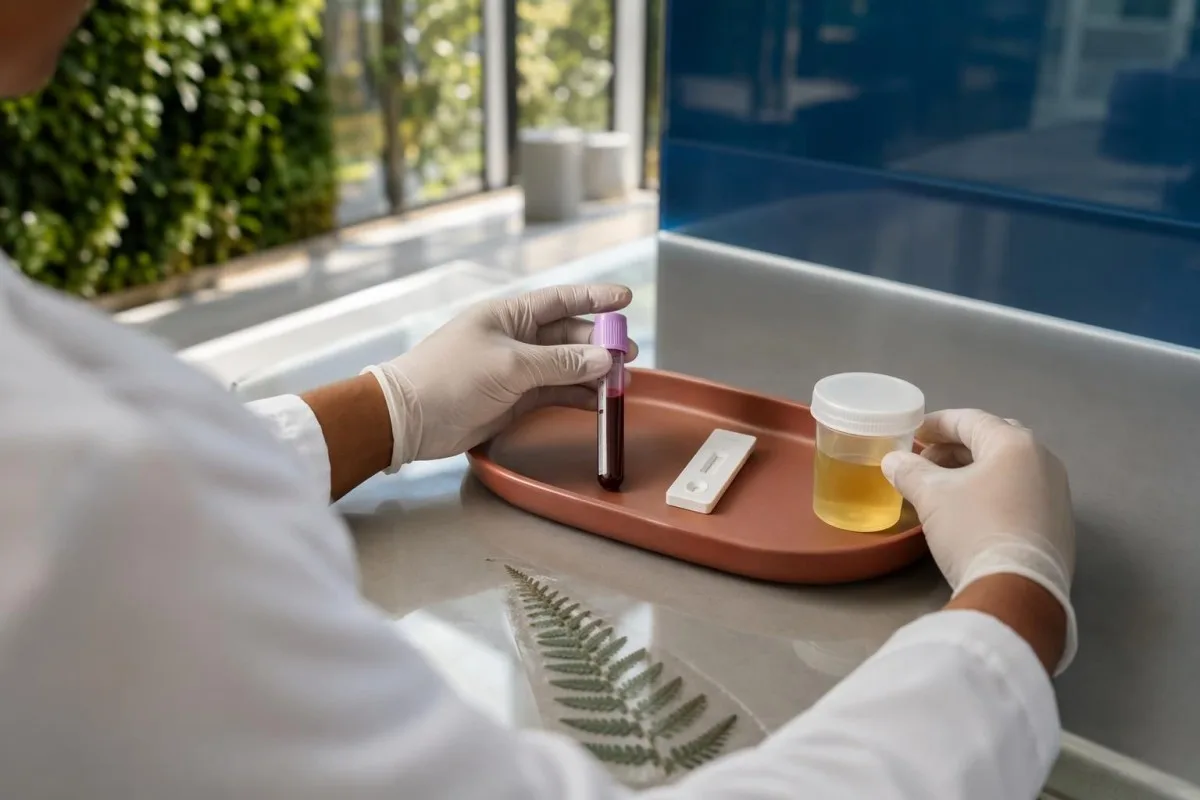
Polyuria is a volume problem, whereas urinary frequency is a timing problem. Eight voids in a day may be entirely normal for someone drinking 2.5 litres, but 14 tiny voids with urgency often reflects bladder irritation rather than a metabolic disorder. A night urination testing guide explains why nocturnal urine volume deserves separate attention.
In clinic, I ask patients to measure every void for 72 hours using a marked jug or collection hat; the estimate is much more reliable than memory. Dr. Thomas Klein has seen people describe “constant urination” who produced only 1.4 litres daily, while others with 4.2 litres had assumed their water bottle was simply the cause.
Kantesti is an AI blood test analyzer that places glucose, creatinine, calcium, sodium, and urinalysis findings beside symptoms rather than treating one flagged result as a diagnosis. For the basics behind each marker, our biomarker reference guide is a useful companion; no result can substitute for examining a person with new urinary symptoms.
What to record before your appointment
Record fluid intake, void time, estimated volume, overnight episodes, caffeine or alcohol, and medicines for 3 consecutive days. Include new thirst, weight change, burning, fever, ankle swelling, snoring, or a recent medication change; these details often direct labs more accurately than an indiscriminate panel.
Which first-line labs are useful for frequent urination?
The most useful initial labs for confirmed high urine output are plasma glucose or HbA1c, creatinine with eGFR, electrolytes including sodium and calcium, and urinalysis. These tests look for sugar-driven water loss, kidney concentrating problems, electrolyte disorders, and urinary inflammation or blood.
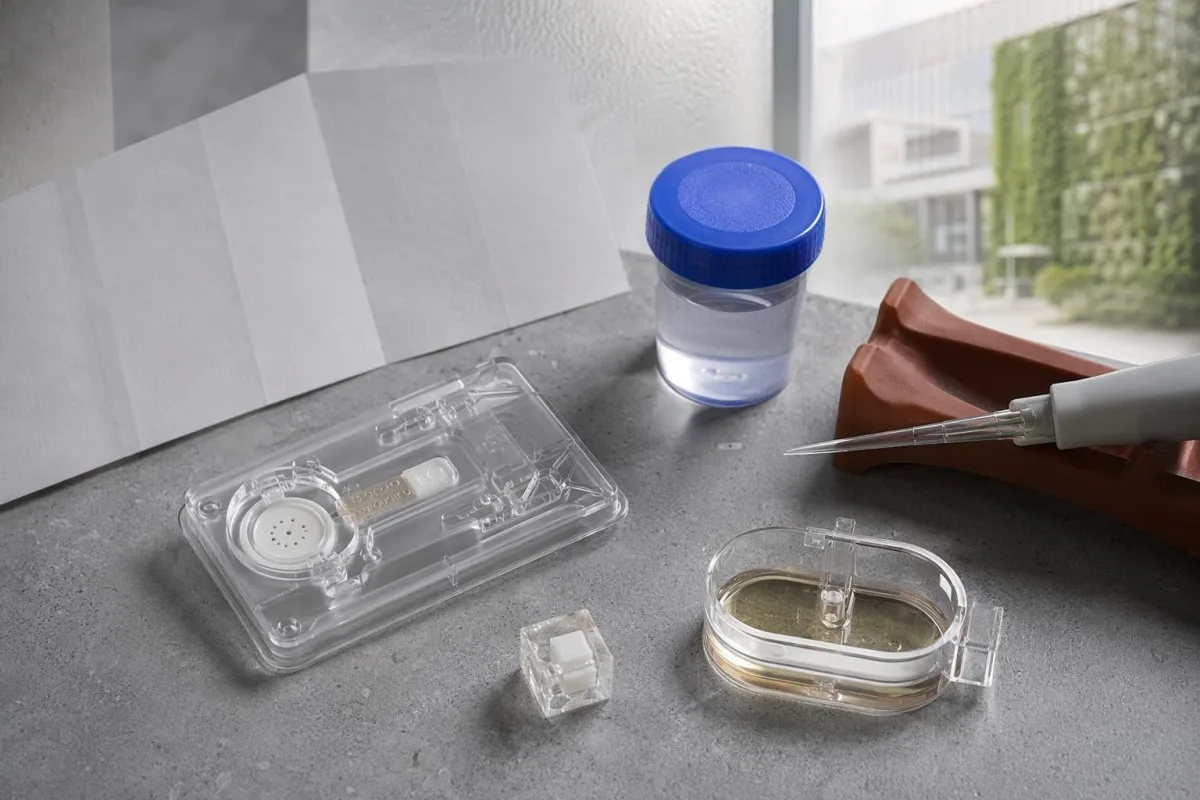
A basic or comprehensive metabolic panel commonly reports glucose, sodium, potassium, bicarbonate, calcium, creatinine, and eGFR from one sample. Creatinine is not a direct measure of filtration—it is influenced by muscle mass, meat intake, and recent hard exercise—so an eGFR trend carries more clinical weight than one borderline creatinine value. See our basic metabolic panel guide for the individual components.
Urinalysis is not interchangeable with a blood panel. A dipstick can identify glucose, ketones, protein, blood, nitrite, and leukocyte esterase within minutes, while microscopy can show cells, crystals, and casts. The abbreviation “UA” causes needless confusion in practice because it may mean urinalysis or uric acid; our UA terminology explainer separates them.
A complete blood count is selective rather than routine for isolated urgency; it can be useful when fever, systemic illness, heavy urine discoloration, or fatigue raises concern for infection, anaemia, or another process. I would not use a mildly raised white count alone to diagnose a urinary infection—stress, corticosteroids, and many non-urinary illnesses can raise it above 11 × 10⁹/L.
When frequent urination needs diabetes testing
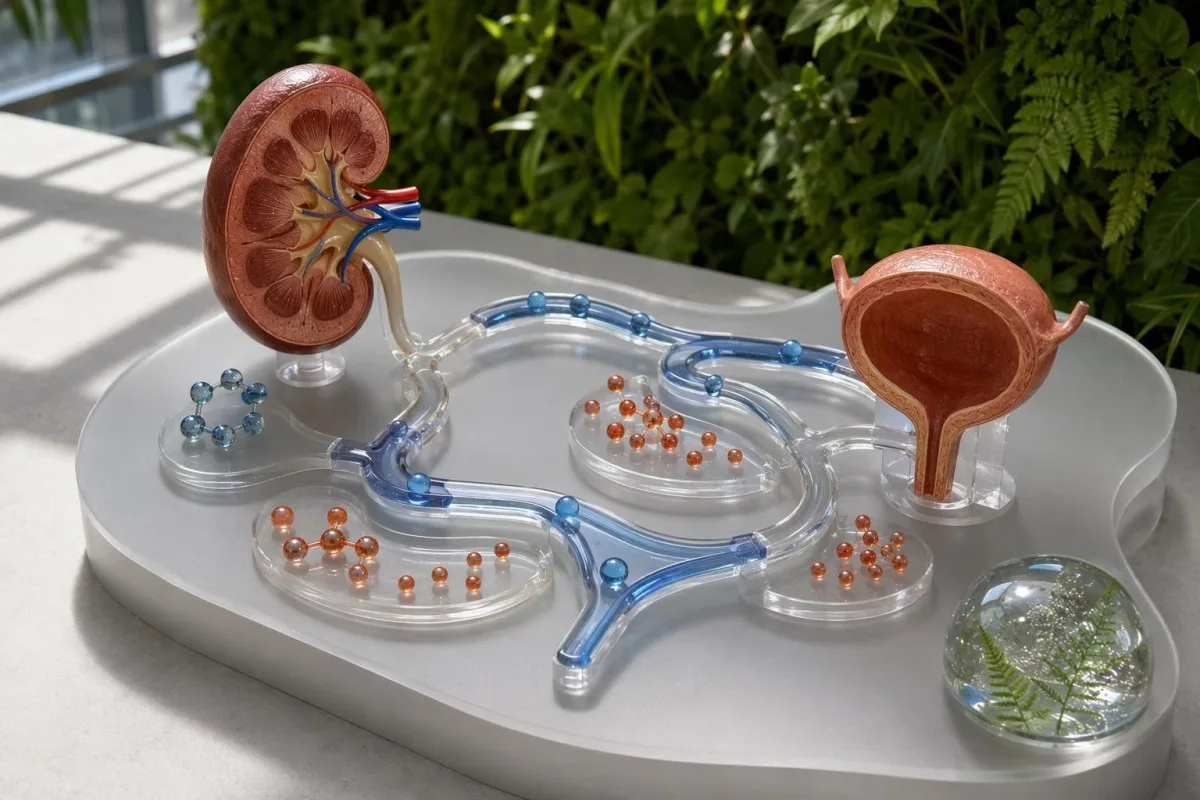
Diabetes becomes a leading concern when frequent urination comes with thirst, increased appetite, blurred vision, fatigue, recurrent thrush, or unintentional weight loss. High glucose exceeds the kidney’s reabsorption capacity, allowing glucose into urine and pulling water with it—an osmotic diuresis.
Fasting plasma glucose of 126 mg/dL (7.0 mmol/L) or higher, HbA1c of 6.5% or higher, and a 2-hour glucose of 200 mg/dL (11.1 mmol/L) or higher meet diabetes diagnostic thresholds when confirmed. A random glucose of 200 mg/dL or higher can establish diabetes when classic symptoms or hyperglycaemic crisis are present. The American Diabetes Association Professional Practice Committee retains these criteria in its 2025 Standards of Care (American Diabetes Association Professional Practice Committee, 2025).
Prediabetes is defined as fasting glucose of 100–125 mg/dL, HbA1c of 5.7%–6.4%, or 2-hour glucose of 140–199 mg/dL. HbA1c reflects roughly 8–12 weeks of average glycaemia but can mislead after recent blood loss, haemoglobin variants, advanced kidney disease, or conditions that shorten red-cell survival; that caveat is often missed in online advice. Compare values using our HbA1c conversion chart.
Kantesti AI reviews glucose and HbA1c alongside renal function and any reported symptoms, because a normal HbA1c does not exclude short-lived glucose spikes or type 1 diabetes developing rapidly. A fasting glucose below 100 mg/dL is generally normal, but a symptomatic person with urine glucose should still receive clinician-led follow-up; our glucose range guide explains timing and pregnancy differences.
UTI: why urine testing beats blood testing for most cases
A urinalysis and, when indicated, urine culture are better tests than blood work for suspected uncomplicated UTI. Burning with urination, sudden urgency, suprapubic discomfort, and frequent small voids point toward lower urinary tract irritation, but symptoms still overlap with stones, vaginal causes, and overactive bladder.
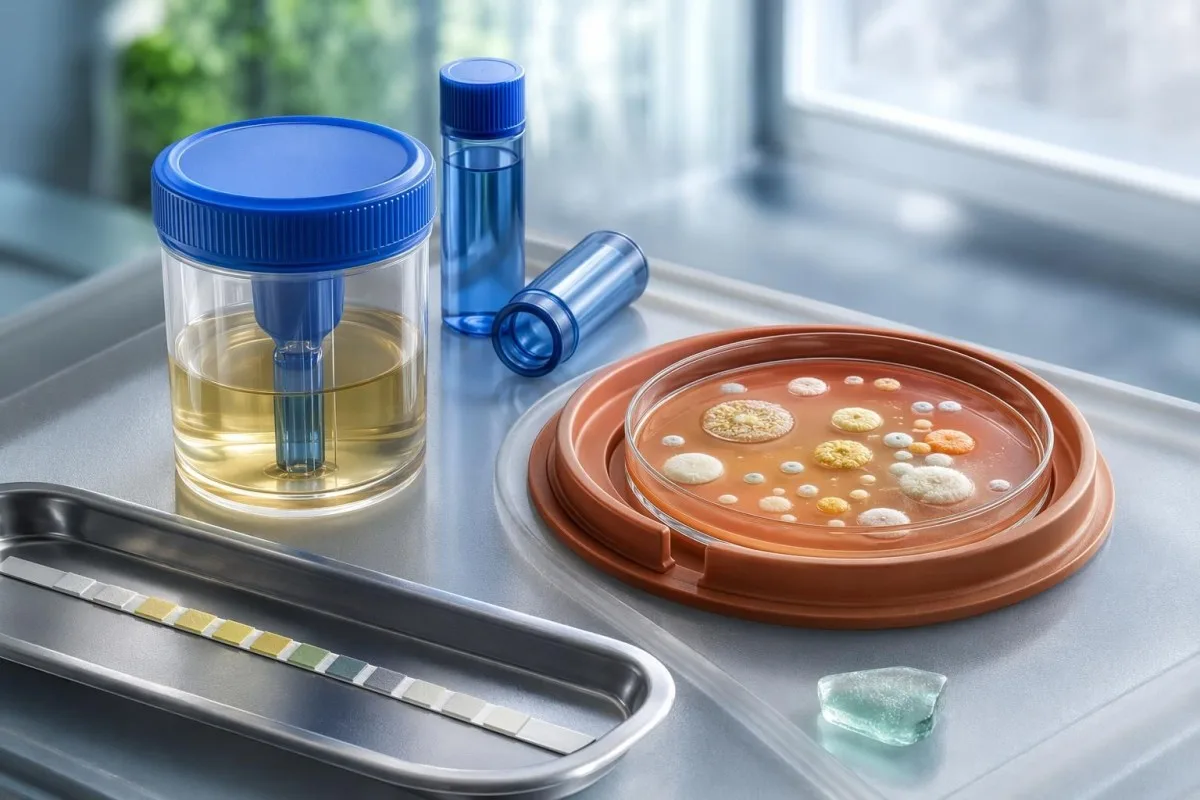
Nitrite positivity is specific but not sensitive for many bacterial UTIs; a negative nitrite result does not rule infection out. Leukocyte esterase detects an enzyme associated with white cells, yet can be falsely positive from a poorly collected sample, vaginal contamination, or prolonged standing. Our urinalysis versus culture guide covers what each test can and cannot settle.
A urine culture is especially useful in pregnancy, fever, recurrent symptoms, male urinary symptoms, recent antibiotics, kidney disease, immune suppression, or treatment failure after 48–72 hours. NICE’s lower UTI antimicrobial guidance advises clinical assessment and targeted testing rather than automatic antibiotics for every urinary symptom (NICE, 2018). A leukocyte esterase review may help explain an equivocal dipstick.
Blood tests such as CBC, creatinine, CRP, and blood cultures become relevant when infection appears to extend beyond the bladder—particularly 38°C or higher fever, flank pain, shaking chills, low blood pressure, or vomiting. In my experience, a normal CBC does not safely exclude early pyelonephritis; the examination, vital signs, and urine results carry more weight.
Kidney tests that matter when urine volume changes
Kidney evaluation for frequent urination usually includes creatinine-derived eGFR and urine albumin-creatinine ratio (ACR), not creatinine alone. Kidney disease can disturb urine concentration before creatinine rises substantially, while diabetes and high blood pressure can cause albumin leakage years earlier.
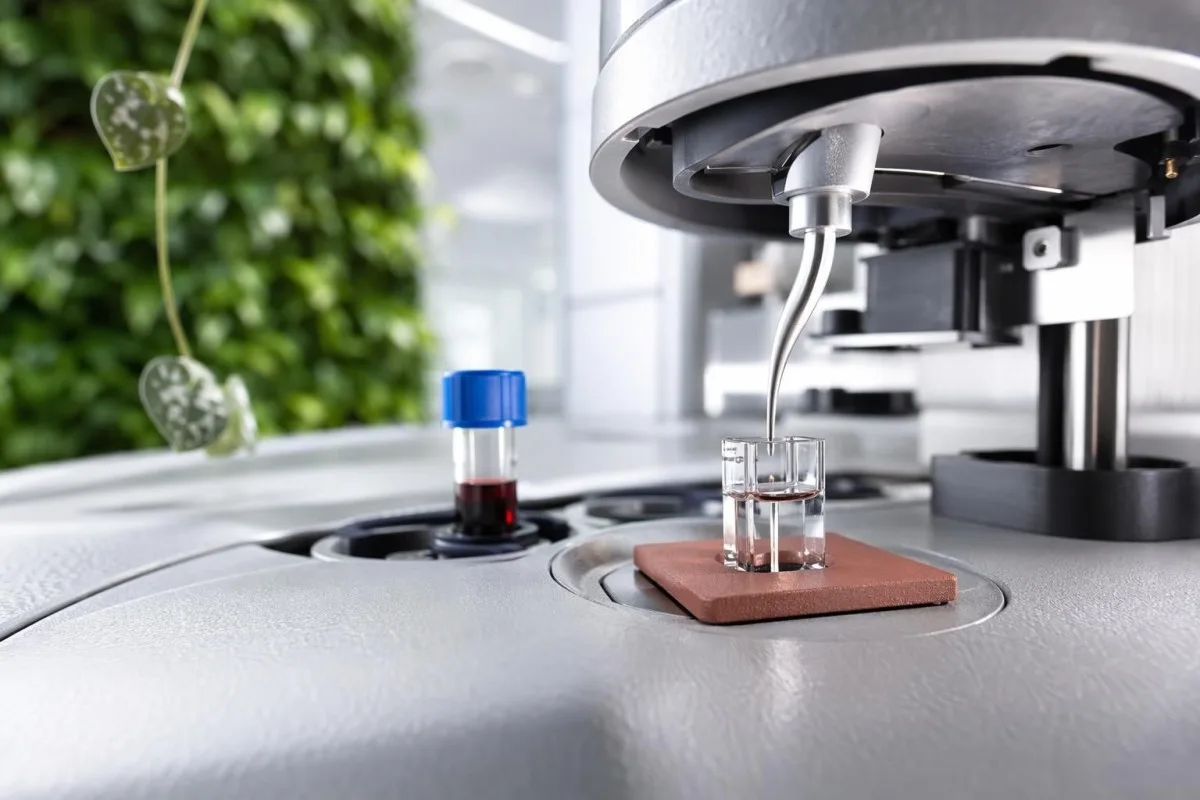
An eGFR below 60 mL/min/1.73 m² for at least 3 months is one criterion for chronic kidney disease. An ACR of 30 mg/g (3 mg/mmol) or higher indicates abnormal albuminuria when confirmed, even if eGFR is above 60. The KDIGO 2024 guideline emphasizes staging both filtration and albumin, not using either measure in isolation (KDIGO, 2024).
A concentrated urine sample can transiently exaggerate dipstick protein, which is why ACR corrects urine albumin against urine creatinine. Conversely, intense exercise, fever, uncontrolled blood pressure, menstruation, and active UTI may temporarily raise ACR; a repeat first-morning sample after recovery is often wiser than panic. Our kidney ACR guide explains collection details.
eGFR values of 90 or above do not exclude every kidney problem, especially if blood, persistent protein, recurrent stones, or a strong family history is present. A clinician may add cystatin C when low muscle mass, bodybuilding, amputation, or an implausible creatinine result distorts eGFR; see our cystatin C overview.
Calcium, sodium and osmolality clues to true polyuria
High calcium, abnormal sodium, and paired serum and urine osmolality can identify less common but important causes of high urine volume. These tests are most informative after a diary confirms polyuria above 3 litres daily; they are rarely the answer to urgency with tiny voids.
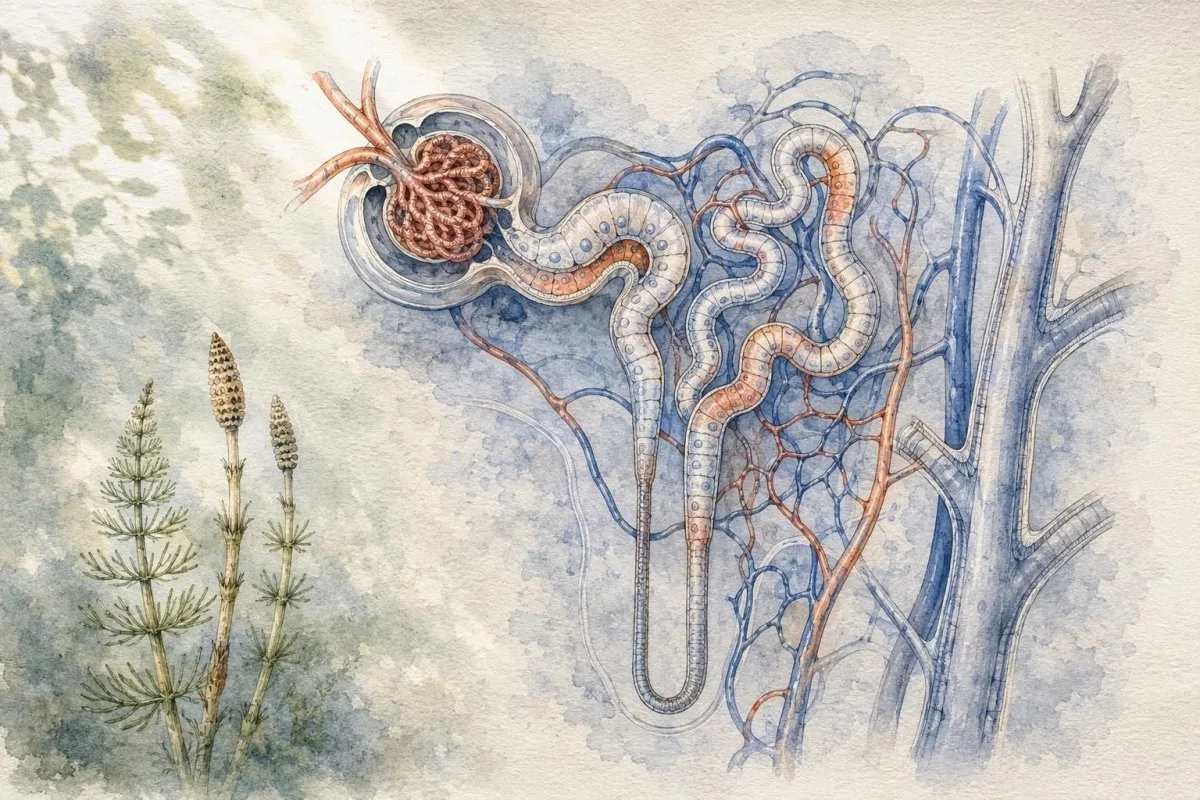
Total calcium above about 10.5 mg/dL (2.62 mmol/L) may impair kidney concentrating ability and contribute to thirst, constipation, stones, or polyuria. Albumin changes total calcium, so an unexpectedly high or low result often needs repeat testing with albumin and sometimes ionised calcium before conclusions are drawn. Persistent hypercalcaemia usually leads to parathyroid hormone testing rather than a generic “vitamin panel.”
Serum sodium above 145 mmol/L with very dilute urine raises concern for inadequate water replacement or diabetes insipidus, but sodium can be normal if thirst is intact. Urine osmolality below 300 mOsm/kg during polyuria suggests a water diuresis; values above 600 mOsm/kg make major central or nephrogenic diabetes insipidus less likely, although real-world interpretation is more nuanced. Our urine osmolality guide explains why a single sample is not definitive.
Kantesti AI is an AI lab test interpretation service that can organise calcium, sodium, creatinine, glucose, and osmolality results into a time-stamped pattern for clinician discussion. The underlying reasoning and safeguards are described in our AI technology guide; formal water-deprivation or desmopressin testing belongs under specialist supervision, not at home.
What if urine volume is normal but urgency is intense?
Normal 24-hour urine volume with frequent urgent small voids makes overactive bladder, UTI, bladder pain syndrome, stones, pelvic-floor dysfunction, or local irritation more likely than diabetes. Blood tests can rule out contributors, but they do not diagnose overactive bladder by themselves.
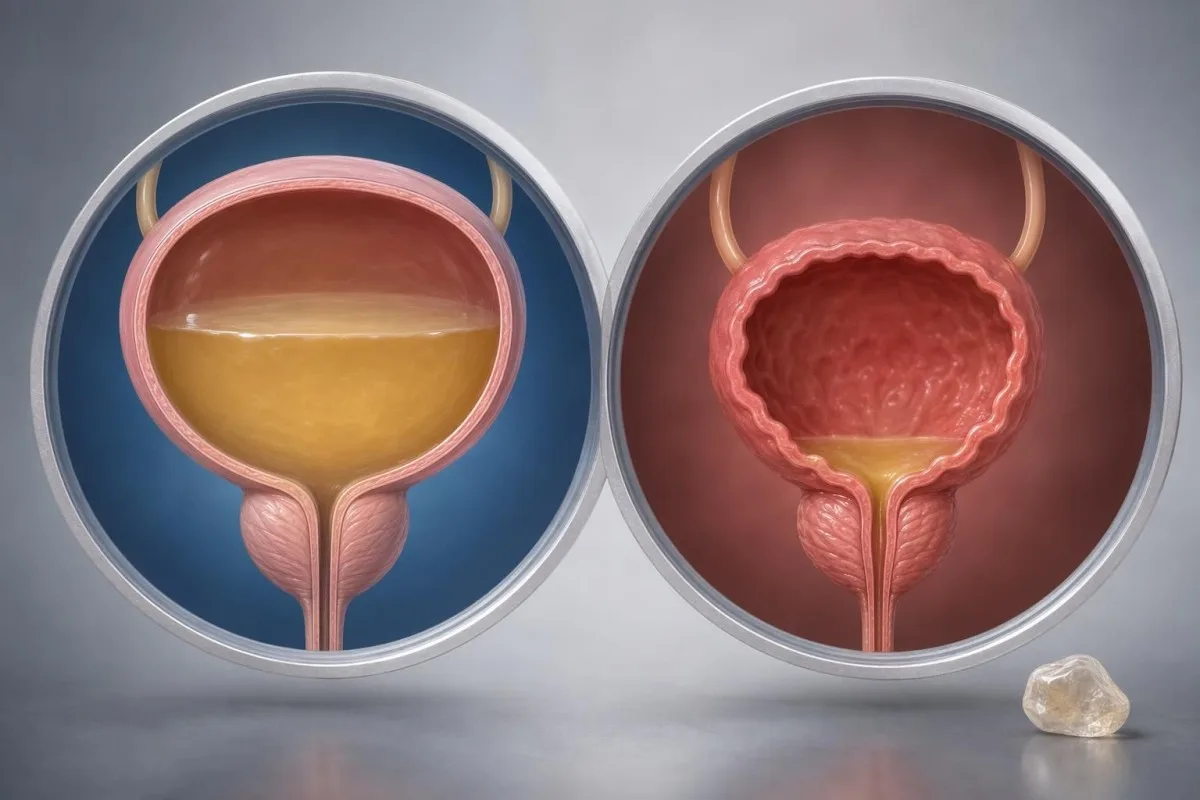
Overactive bladder is a symptom syndrome defined by urinary urgency, usually with frequency and nocturia, with or without urge incontinence, in the absence of UTI or another clear cause. A three-day diary records voided volume and urgency episodes; small average voids of roughly 100–200 mL can support reduced functional capacity, though no single cutoff establishes the diagnosis.
Urine blood, especially when persistent or visible, needs a separate pathway because urgency plus blood can accompany a stone, infection, kidney disease, or urothelial disease. A dipstick positive for blood should be confirmed with microscopy, because myoglobin after strenuous exercise and menstrual contamination can mislead. Review the red flags in our blood in urine guide.
Caffeine, constipation, carbonated drinks, concentrated urine, and anxiety can amplify urgency without producing abnormal blood results. I often start with timed fluids, constipation treatment, and a 6–8 week bladder-training plan after infection and retention have been excluded; symptom improvement is diagnostic information in its own right.
How sex, pregnancy and prostate symptoms change testing
Pregnancy, menopausal tissue changes, pelvic conditions, and prostate enlargement can alter urinary symptoms, but testing should follow the symptom pattern rather than sex alone. Pregnancy deserves a lower threshold for urine culture because untreated bacteriuria can have consequences beyond discomfort.
Pregnant patients with urinary symptoms should contact their maternity or clinical team promptly, even without fever. Urine culture is commonly used because dipsticks alone miss or overcall bacteriuria, and antibiotics must be chosen for pregnancy safety. High blood pressure, new swelling, headache, or visual symptoms alongside reduced urine output require same-day assessment rather than a home lab interpretation.
In people with a prostate, weak stream, hesitancy, incomplete emptying, and recurrent nighttime trips suggest outlet obstruction or retention more than excess urine production. PSA is not a test for urinary frequency and can rise transiently after UTI, retention, catheterisation, or ejaculation; clinicians usually deal with acute infection first. Our PSA after UTI article explains the timing issue.
Menopause-related genitourinary symptoms can mimic UTI, particularly burning and urgency with repeatedly negative cultures. Hormone testing rarely confirms that diagnosis in an individual; history and examination are more useful, while irregular cycles or hot flashes may justify a broader review using our women’s hormonal health guide.
Medication, drink and supplement causes doctors often miss
Several common medicines increase urine volume or urgency, so a medication review is part of the work-up before ordering rare hormone tests. The highest-yield culprits are diuretics, SGLT2 diabetes medicines, lithium, caffeine, alcohol, and high-dose vitamin C or calcium supplements.

SGLT2 inhibitors deliberately cause glucose to leave through urine and commonly increase urinary frequency, especially in the first few weeks. Dapagliflozin, empagliflozin, and similar medicines can be excellent treatments for diabetes, heart failure, and kidney disease, but new burning, genital symptoms, dehydration, or ketones require clinical advice. Our SGLT2 eGFR guide explains the early kidney-lab change.
Loop and thiazide diuretics predictably increase urine output; taking a once-daily morning dose at 8 am rather than late afternoon may reduce night disruption, but do not change prescribed timing without checking. Lithium can impair renal concentrating ability over months or years and warrants periodic creatinine, calcium, thyroid, and sometimes urine concentration monitoring.
Caffeine above about 400 mg daily can worsen frequency, palpitations, and sleep in susceptible adults, although individual sensitivity varies markedly. “Detox” teas, creatine-containing pre-workouts, and electrolyte powders can also change intake or laboratory context; review medication and supplement timing before a retest in our blood-test preparation guide.
How to collect blood and urine tests without distorting results
Accurate labs for frequent urination depend on a clean-catch urine sample, documented fluid intake, and realistic medication timing. Do not deliberately dehydrate or dramatically increase water intake before testing; either can obscure the physiology your clinician is trying to measure.
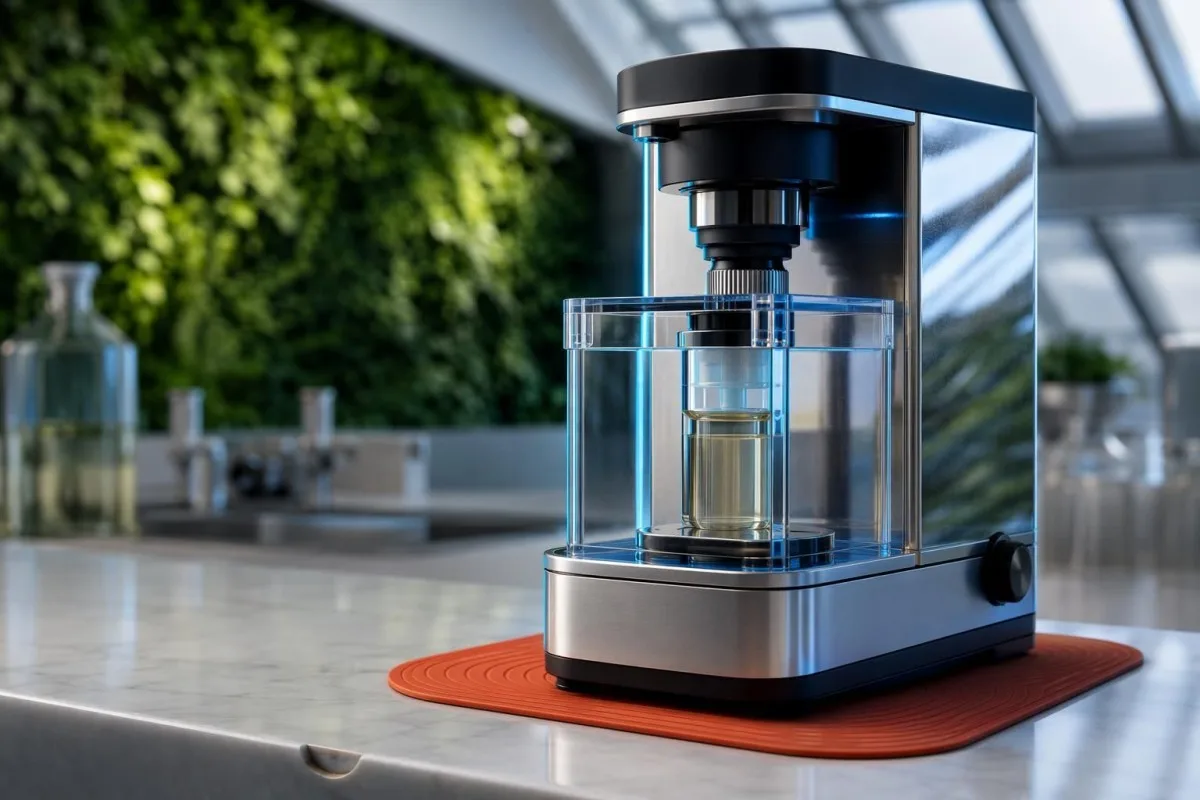
For routine urinalysis, collect midstream urine after separating the skin folds or retracting the foreskin, then deliver it promptly—ideally within 2 hours if unrefrigerated. A sample that sits warm for too long can change pH, allow bacterial overgrowth, and degrade formed elements. Culture should usually be collected before the first antibiotic dose whenever safely possible.
Fasting is not necessary for HbA1c, creatinine, electrolytes, urinalysis, or urine culture, although a clinician may request 8–12 hours fasting for paired fasting glucose or metabolic testing. Do not stop a diuretic, diabetes medicine, lithium, or blood-pressure medicine simply to get a “clean” result; tell the clinician exactly when you took it.
Dr. Thomas Klein recommends bringing the actual diary, photographs of every supplement label, and prior lab reports—not just a list of abnormal flags. A changed result may be normal biological variation or a sampling difference, which is why our visit-to-visit change guide focuses on trends rather than single decimals.
How clinicians read frequent urination lab patterns
The most revealing lab findings are usually patterns, such as high glucose with urine glucose, high calcium with low-concentration urine, or reduced eGFR with albuminuria. A single normal or mildly abnormal result cannot reliably explain urinary symptoms without volume data and a urine sample.
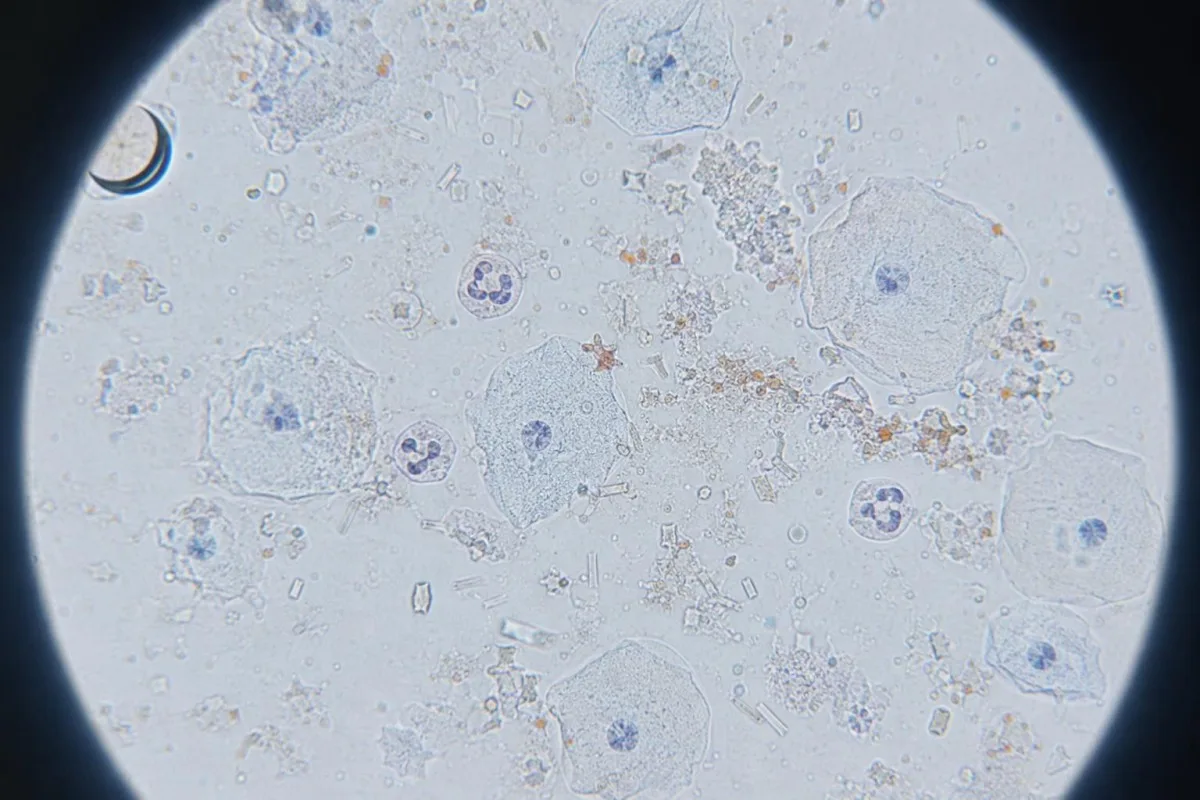
High serum glucose plus urine glucose strongly supports osmotic diuresis, while normal glucose plus positive nitrite and pyuria supports a urinary source. In contrast, normal glucose and electrolytes with urgency and low void volumes often point away from a blood-test diagnosis. This is one reason patients can feel dismissed when their “bloods are normal”—the next answer may be in the diary, culture, ultrasound, or examination.
A modestly high creatinine with normal ACR may reflect dehydration, muscular build, a protein-heavy meal, or exercise; repeat conditions matter. Creatinine can rise by 10%–20% with ordinary biological and analytical variation in some settings, so the direction and speed of change matter more than crossing a reference line by 0.01 mg/dL. Our out-of-range result guide explains reference intervals.
Kantesti can compare prior panels and identify combinations worth asking a clinician about, but it does not diagnose UTI, diabetes insipidus, urinary obstruction, or cancer. Our clinical team’s medical advisory board reviews medical content so that automated interpretation remains appropriately cautious around symptoms and red flags.
When frequent urination needs urgent assessment
Seek urgent assessment for frequent urination with fever, flank pain, vomiting, confusion, inability to pass urine, severe weakness, visible blood in urine, or symptoms of severe hyperglycaemia. These combinations can indicate kidney infection, obstruction, stones, diabetic ketoacidosis, serious electrolyte disturbance, or another condition that blood tests alone cannot safely triage.

Fever of 38°C or higher with one-sided back or flank pain and urinary symptoms warrants same-day medical evaluation. The concern is upper urinary tract involvement, particularly in pregnancy, older age, kidney disease, immune suppression, or diabetes. Do not wait for a home dipstick result if shaking chills, faintness, or persistent vomiting develop.
Glucose at or above 300 mg/dL (16.7 mmol/L) with vomiting, abdominal pain, rapid breathing, confusion, or positive ketones is an emergency pattern. Ketone testing and urgent clinical assessment are needed, especially for people using insulin, those with type 1 diabetes, or anyone with abrupt weight loss and thirst. Our high glucose urgent-care guide details why symptoms alter the response.
Inability to urinate with lower abdominal pain can signal acute retention and requires urgent examination even if a recent creatinine was normal. Severe low sodium can also cause headache, falls, seizures, or confusion; the symptom thresholds in our low sodium guide are useful, but emergency symptoms always override online interpretation.
A practical stepwise testing plan for your appointment
A practical work-up starts with a three-day bladder diary and urinalysis, then adds targeted blood tests based on whether the issue is excess volume, infection symptoms, thirst, medication exposure, or obstruction. This sequence reduces both missed diabetes and expensive testing that cannot answer an urgency problem.

Step 1 is to calculate 24-hour output and note nocturnal volume; adults producing more than 3 litres daily should usually have glucose, HbA1c, electrolytes, calcium, creatinine/eGFR, and urinalysis considered. Step 2 is culture when infection risk or symptoms make it appropriate, rather than treating every leukocyte esterase result as proof of UTI.
Step 3 is targeted escalation: ACR for diabetes, hypertension, or protein; serum and urine osmolality for confirmed dilute polyuria; pregnancy testing where relevant; imaging or post-void residual when stone, obstruction, or retention symptoms are present. In primary care, repeat testing after 1–2 weeks may clarify a transient abnormality, while persistent eGFR or ACR abnormalities are assessed over at least 3 months.
Kantesti is an AI biomarker interpretation platform used across 127+ countries to organise laboratory trends and generate questions for a clinician visit. Its value is contextual comparison, particularly when several tests were done on different dates; our longitudinal testing guide shows why personal baseline can be more meaningful than a population range.
What laboratory interpretation can and cannot tell you
Laboratory testing can identify metabolic, kidney, electrolyte, and infection clues, but it cannot replace examination, urine culture quality checks, imaging, bladder scanning, or specialist testing when symptoms persist. Frequent urination with normal initial labs is common and does not mean the symptom is imagined or unimportant.
Kantesti AI supports interpretation of uploaded laboratory reports in about 60 seconds, but its output is educational and should be checked against the original report, medical history, medications, and symptoms. Privacy-conscious handling does not change the core safety rule: a new red-flag symptom needs a clinician, not another algorithmic summary. Learn how our methods are assessed through our medical validation standards.
Our research record includes Klein, T. (2026). Women’s Health Guide: Ovulation, Menopause & Hormonal Symptoms. Figshare. https://doi.org/10.6084/m9.figshare.31830721. It provides context for life-stage symptom conversations, but it is not evidence that hormone testing diagnoses urinary urgency.
Kantesti’s internal deployment research also includes Klein, T. (2026). Multilingual AI Assisted Clinical Decision Support for Early Hantavirus Triage: Design, Engineering Validation, and Real-World Deployment Across 50,000 Interpreted Blood Test Reports. Figshare. https://doi.org/10.6084/m9.figshare.32230290. As Dr. Thomas Klein, I want to be plain about the boundary: this research concerns decision-support engineering, not a substitute for validated diagnostic pathways for frequent urination.
Frequently Asked Questions
What blood test should I ask for if I am urinating frequently?
The most useful blood tests for confirmed high urine output are fasting or random glucose, HbA1c, creatinine with eGFR, sodium, potassium, bicarbonate, and calcium. A urine test is equally important because urinalysis can show glucose, ketones, blood, protein, nitrite, and leukocyte esterase that blood work cannot. Adults producing more than 3 litres of urine in 24 hours are more likely to benefit from this metabolic testing than people passing frequent small volumes. Urine culture is added when UTI symptoms, pregnancy, fever, recurrent episodes, or antibiotic failure are present.
Can frequent urination be the first sign of diabetes?
Frequent urination can be an early sign of diabetes when high glucose spills into urine and causes osmotic water loss, usually alongside thirst, fatigue, blurred vision, or weight change. Diabetes is diagnosed by fasting plasma glucose of 126 mg/dL (7.0 mmol/L) or higher, HbA1c of 6.5% or higher, or a qualifying glucose tolerance or random glucose result. A random glucose of 200 mg/dL (11.1 mmol/L) or higher with classic symptoms can establish the diagnosis without repeat testing. Urgency with tiny voids and normal thirst is less typical of diabetes and should prompt urine-based evaluation as well.
Can a blood test show a UTI?
A blood test cannot diagnose most uncomplicated bladder UTIs because the infection is identified best with urinalysis and, when needed, urine culture. Urinalysis may show nitrite, leukocyte esterase, white cells, or blood, while culture identifies the organism and antibiotic susceptibility. Blood tests such as CBC, creatinine, CRP, and blood cultures become more useful when there is fever of 38°C or higher, flank pain, vomiting, low blood pressure, or concern for kidney infection. A normal blood count does not safely rule out an early upper urinary infection.
What calcium level can cause frequent urination?
Total serum calcium above roughly 10.5 mg/dL (2.62 mmol/L) can impair the kidney’s ability to concentrate urine and contribute to thirst and polyuria. The result must be interpreted with albumin because low or high albumin changes total calcium without always changing biologically active calcium. Persistent elevation typically leads to repeat calcium, albumin, ionised calcium when appropriate, parathyroid hormone, and medication review. Marked symptoms such as confusion, vomiting, weakness, or dehydration require prompt medical assessment regardless of the exact number.
Can kidney disease cause frequent urination even with a normal creatinine?
Kidney concentrating defects can sometimes cause increased nighttime or total urine output before creatinine becomes clearly abnormal. eGFR and urine albumin-creatinine ratio provide more useful kidney context than creatinine alone; an ACR of 30 mg/g or higher is abnormal when confirmed, and eGFR below 60 mL/min/1.73 m² for 3 months supports chronic kidney disease. Urine osmolality may help when confirmed polyuria is present. Persistent protein, blood, swelling, high blood pressure, or a family history warrants clinician review even when a creatinine result falls within the lab interval.
Should I stop drinking water before a test for frequent urination?
Do not deliberately restrict water or force excessive fluids before testing for frequent urination because either action can distort sodium, creatinine, urine specific gravity, and urine osmolality. Drink your usual amount, record approximate intake and void volumes for 72 hours, and follow any specific instructions from the ordering clinician. Fasting is not needed for HbA1c, creatinine, electrolytes, urinalysis, or urine culture, although fasting glucose usually requires 8–12 hours without caloric intake. Continue prescribed medicines unless the prescriber specifically tells you otherwise.
Get AI-Powered Blood Test Analysis Today
Join over 2 million users worldwide who trust Kantesti for instant, accurate lab test analysis. Upload your blood test results and receive comprehensive interpretation of 15,000+ biomarkers in seconds.
📚 Referenced Research Publications
Klein, T., Mitchell, S., & Weber, H. (2026). Women's Health Guide: Ovulation, Menopause & Hormonal Symptoms. Kantesti AI Medical Research.
Klein, T., Mitchell, S., & Weber, H. (2026). Multilingual AI Assisted Clinical Decision Support for Early Hantavirus Triage: Design, Engineering Validation, and Real-World Deployment Across 50,000 Interpreted Blood Test Reports. Kantesti AI Medical Research.
📖 External Medical References
American Diabetes Association Professional Practice Committee (2025). 2. Diagnosis and Classification of Diabetes: Standards of Care in Diabetes—2025. Diabetes Care.
KDIGO CKD Work Group (2024). KDIGO 2024 Clinical Practice Guideline for the Evaluation and Management of Chronic Kidney Disease. Kidney International.
National Institute for Health and Care Excellence (2018). Urinary tract infection (lower): antimicrobial prescribing. NICE guideline NG109.

⚕️ Medical Disclaimer
This article is for educational purposes only and does not constitute medical advice. Always consult a qualified healthcare provider for diagnosis and treatment decisions.
E-E-A-T Trust Signals
Experience
Physician-led clinical review of lab interpretation workflows.
Expertise
Laboratory medicine focus on how biomarkers behave in clinical context.
Authoritativeness
Written by Dr. Thomas Klein with review by Dr. Sarah Mitchell and Prof. Dr. Hans Weber.
Trustworthiness
Evidence-based interpretation with clear follow-up pathways to reduce alarm.