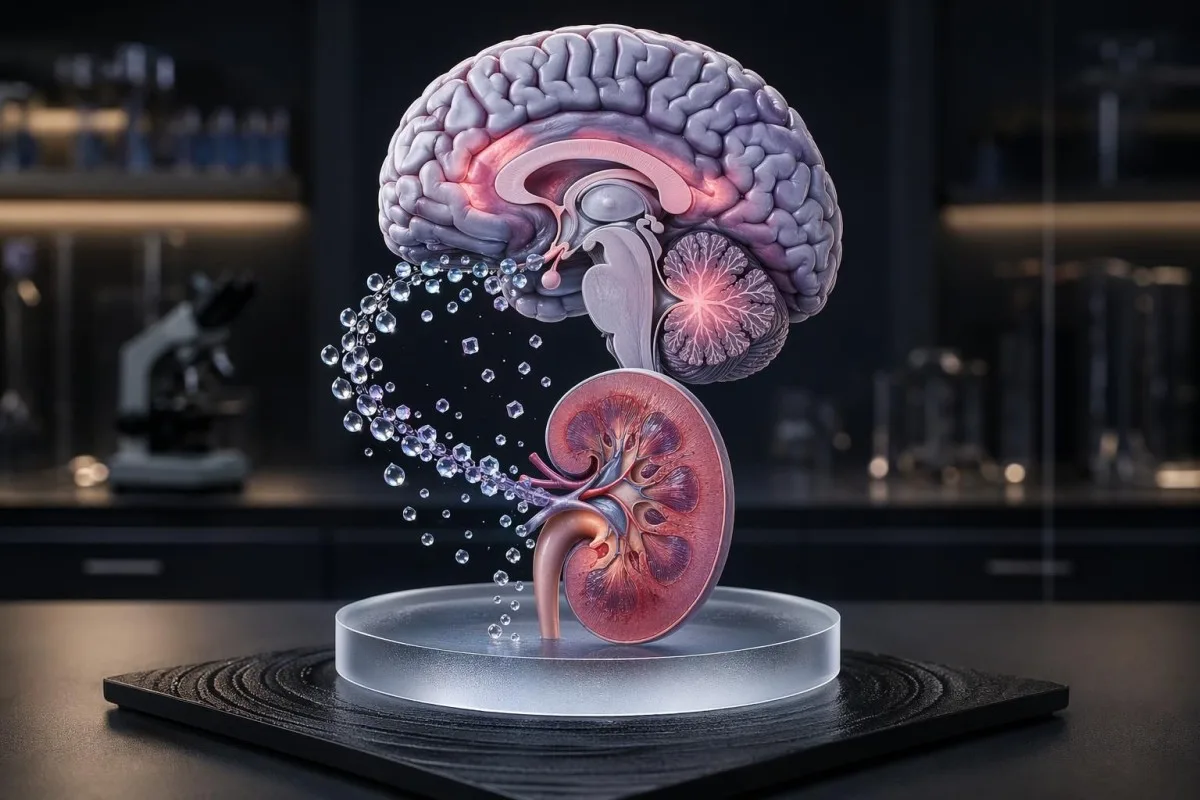
Hyponatremia is not judged by the sodium number alone. The same result can be quiet or life-threatening depending on how fast it falls and what the brain is doing.


- Low sodium symptoms can be mild at 130-134 mmol/L, but sudden drops can cause confusion, seizures, or coma even before sodium reaches 120 mmol/L.
- Hyponatremia means serum sodium below 135 mmol/L; most labs call 130-134 mild, 125-129 moderate, and below 125 profound.
- Speed matters because a fall of 10-12 mmol/L in 24 hours gives the brain little time to adapt to swelling.
- Emergency clues include seizures, severe confusion, fainting, repeated vomiting, severe headache, trouble staying awake, or new neurologic symptoms.
- Medication triggers commonly include thiazide diuretics, SSRIs, SNRIs, carbamazepine, oxcarbazepine, desmopressin, NSAIDs, and some chemotherapy drugs.
- Fluid triggers include drinking large volumes of water, endurance events, low-protein or low-salt diets, beer potomania, and postoperative IV fluids.
- Confirmation labs usually include serum osmolality, glucose, creatinine, urine osmolality, urine sodium, potassium, TSH, and morning cortisol.
- Dangerous correction can injure the brain; many guidelines limit sodium rise to about 8-10 mmol/L in the first 24 hours, especially in high-risk patients.
Why low sodium symptoms depend on the number and the speed
Low sodium symptoms become dangerous when brain cells are reacting to a water shift, not simply when a lab value is below range. A sodium of 132 mmol/L that fell overnight after a new thiazide can cause nausea, confusion, or a fall, while a chronic 124 mmol/L may cause only fatigue in a monitored patient.
Hyponatremia is defined as serum sodium below 135 mmol/L, but the brain cares about tonicity and timing. As of July 15, 2026, I still tell patients that the first question is not only “what is the sodium?” but “what was it 6, 12, or 24 hours ago?” For UK-style reports, sodium is usually part of U&E testing; our plain-English U&E kidney results guide explains where it sits in the panel.
I’m Thomas Klein, MD, and in clinical review I worry more about a new sodium of 128 mmol/L with sleepiness than a stable 129 mmol/L found during a routine check. The reason is osmotic: when extracellular sodium falls quickly, water moves into brain cells, and the skull gives those cells almost no extra space.
Kantesti is an AI blood test analyzer that reads sodium alongside potassium, creatinine, glucose, osmolality, and medication context rather than treating a single mmol/L value as the whole story. If you want to know who is behind that clinical workflow, our About Us page gives the company and medical oversight background without hiding behind generic branding.
What mild, moderate, and severe hyponatremia symptoms usually look like
Mild hyponatremia often causes no obvious symptoms, but subtle gait change, headache, nausea, brain fog, or unusual tiredness can appear at 130-134 mmol/L. Moderate and profound hyponatremia, especially below 125 mmol/L, are more likely to cause vomiting, confusion, cramps, falls, or seizures.
Most laboratories classify sodium 130-134 mmol/L as mild, 125-129 mmol/L as moderate, and below 125 mmol/L as profound. That classification is useful for triage, but it is not a perfect symptom map; I have seen a calm 82-year-old chatting at 122 mmol/L and a postoperative patient delirious at 128 mmol/L.
The European Clinical Practice Guideline by Spasovski et al. in 2014 separates hyponatremia by both biochemical severity and symptom severity, which matches what clinicians actually see at the bedside. A patient with dizziness, falls, or slowed reaction time should not be reassured only because sodium is 131 mmol/L; our dizziness lab causes guide covers other labs that can mimic the same picture.
Mild chronic low sodium is not always harmless. Several observational cohorts have linked sodium around 130-134 mmol/L with higher fall and fracture risk in older adults, possibly because attention and gait are subtly impaired before anyone calls it confusion.
When is low sodium dangerous enough for emergency care?
Low sodium is dangerous when it causes seizures, severe confusion, fainting, repeated vomiting, severe headache, trouble waking, new weakness, or coma. A sodium below 120 mmol/L is usually treated as high-risk, but symptoms can make a higher number urgent.
Call emergency services if low sodium symptoms include a seizure lasting even 1 minute, sudden severe confusion, inability to stay awake, or a new neurologic deficit. In practice, I also treat repeated vomiting plus sodium below 125 mmol/L as unsafe to manage by phone, because vomiting can worsen the sodium fall quickly.
Heart rhythm symptoms do not prove hyponatremia, but they raise the stakes because potassium, magnesium, calcium, and acid-base problems may be traveling with it. If palpitations or near-fainting are part of the story, the patient often needs an ECG and a same-day electrolyte panel; our irregular heartbeat electrolytes article explains that pattern.
A practical clue: danger is more likely when a person was normal yesterday and is “not themselves” today. A fall from 140 to 126 mmol/L over 24 hours is usually more frightening than a stable outpatient value of 126 mmol/L documented for 3 months.
Medication triggers doctors check before blaming diet
Medication-related hyponatremia is common, especially with thiazide diuretics, SSRIs, SNRIs, carbamazepine, oxcarbazepine, desmopressin, NSAIDs, and some cancer therapies. The timing is often 3-14 days after a new drug or dose change, though late cases happen.
Thiazide diuretics are the classic culprit: hydrochlorothiazide 12.5-25 mg or bendroflumethiazide 2.5 mg can trigger hyponatremia in susceptible patients, particularly older women, people with low body mass, and anyone also restricting salt. The sodium may drop within the first week, but I have seen delayed cases after heatwaves or a bout of gastroenteritis.
SSRIs and SNRIs can promote SIADH, where antidiuretic hormone activity stays high despite low osmolality. If someone started sertraline 50 mg, escitalopram 10 mg, venlafaxine 75 mg, or duloxetine 30 mg and then developed nausea or fogginess, the medication timeline matters as much as the sodium number.
Blood pressure medicine changes deserve a careful lab plan, not guesswork. When potassium, creatinine, and sodium move together after a new prescription, our BP medicine lab timing guide helps patients understand why clinicians usually recheck electrolytes within 1-2 weeks.
Fluid, endurance, and low-solute patterns that dilute sodium
Excess free water can cause low sodium when intake outruns the kidney’s ability to excrete water. Risk rises with endurance exercise, very low-protein diets, beer-heavy intake, psychogenic polydipsia, MDMA use, or advice to “drink as much as possible.”
A healthy adult kidney can dilute urine impressively, but it still needs solute to remove water. With very low protein and salt intake, daily osmole excretion can fall enough that even 3-4 liters of water may become too much.
Endurance events create a specific trap: sweat contains sodium, athletes drink water, and exercise stimulates ADH. Exercise-associated hyponatremia has been reported after marathons, ultramarathons, long hikes, and military training; our marathon sodium labs guide covers when post-race nausea is not just “normal fatigue.”
The story often sounds innocent. A 34-year-old runner tells me she drank 5 liters because the day was hot, took ibuprofen for knee pain, and then developed headache and vomiting; that combination is much riskier than water alone.
Labs doctors use to confirm the hyponatremia pattern
Doctors confirm hyponatremia by checking serum osmolality, glucose, creatinine, urea or BUN, urine osmolality, urine sodium, potassium, TSH, and morning cortisol. The core question is whether the low sodium is hypotonic and whether ADH is appropriately turned on.
True hypotonic hyponatremia usually has serum osmolality below 275 mOsm/kg. Urine osmolality below 100 mOsm/kg suggests excess water intake or low solute intake, while urine osmolality above 100 mOsm/kg means ADH is active; our urine osmolality guide goes deeper into that split.
Urine sodium then helps separate low effective circulating volume from SIADH-like patterns. A urine sodium below 30 mmol/L often points toward vomiting, diarrhea, heart failure, cirrhosis, or dehydration physiology, while a value above 30 mmol/L fits SIADH, adrenal insufficiency, diuretics, or kidney salt loss.
Kantesti is an AI blood test interpretation platform that groups serum sodium with renal markers, glucose, osmolality, and endocrine clues so a patient can see the pattern before a clinician visit. Our biomarkers guide lists the broader chemistry markers that help separate dilution, kidney handling, and hormone causes.
False, shifted, and misleading sodium results
Not every low sodium result is true hypotonic hyponatremia. Hyperglycemia, severe hypertriglyceridemia, high blood proteins, IV fluid contamination, or a specimen handling issue can make sodium look low or shift water out of cells.
Hyperglycemia lowers measured sodium by pulling water into the bloodstream. A common correction adds about 1.6 mmol/L to sodium for each 100 mg/dL glucose above 100 mg/dL, though some clinicians use 2.4 mmol/L when glucose is very high.
Pseudohyponatremia is less common now because many analyzers use direct ion-selective electrodes, but it still appears with very high triglycerides or paraproteins on indirect methods. If sodium is 126 mmol/L but serum osmolality is normal around 280-295 mOsm/kg, I pause before calling it true water excess.
A sudden impossible shift should trigger a delta check. If yesterday’s sodium was 141 mmol/L and today’s is 121 mmol/L without symptoms or fluid exposure, our delta check guide explains why repeat testing and sample review can prevent a wrong treatment path.
Volume status clues: dry, overloaded, or deceptively normal
Hyponatremia patterns often fall into three bedside buckets: hypovolemic, euvolemic, or hypervolemic. The distinction matters because the same sodium of 126 mmol/L can come from vomiting, SIADH, heart failure, cirrhosis, or kidney disease.
Hypovolemic hyponatremia usually comes with salt and water loss, but proportionally more sodium loss or more water replacement. Vomiting, diarrhea, sweating, adrenal insufficiency, and diuretics can all produce urine sodium patterns that vary from below 30 mmol/L to higher values if the kidney is actively losing salt.
Euvolemic hyponatremia looks normal on exam, which is why it fools people. SIADH, hypothyroidism, adrenal insufficiency, and low solute intake may produce no ankle swelling and no dry mouth; a modest drop in hematocrit or albumin can sometimes hint at dilution, as discussed in our dilutional hematocrit guide.
Hypervolemic hyponatremia means the body has excess total water and sodium, but water excess wins. Heart failure and cirrhosis can present with edema while the bloodstream behaves as if effective circulating volume is low, so ADH stays on even when sodium is 128 mmol/L.
Adrenal and thyroid causes that doctors should not miss
Adrenal insufficiency can cause dangerous low sodium, and severe hypothyroidism can contribute in selected cases. Doctors usually check morning cortisol, sometimes ACTH, and TSH with free T4 when the history does not clearly explain the sodium drop.
Primary adrenal insufficiency is a classic low sodium cause because cortisol deficiency raises ADH and aldosterone deficiency can waste salt. The pattern may include sodium below 130 mmol/L, potassium above 5.0 mmol/L, low blood pressure, weight loss, salt craving, and skin darkening.
In my experience, Addison disease is missed when the patient is labeled as anxious, dehydrated, or “just tired.” If sodium is low with low blood pressure, abdominal symptoms, or high potassium, our Addison sodium clues article gives the pattern patients should ask about quickly.
Hypothyroidism usually has to be fairly severe before it is the main driver of hyponatremia. A borderline TSH of 5-7 mIU/L rarely explains a sodium of 122 mmol/L by itself, so I look for medication, SIADH, adrenal disease, or kidney and heart clues at the same time.
Kidney, heart, liver, and other electrolyte patterns
Kidney, heart, and liver disease can all lower sodium by changing water handling and effective circulating volume. The surrounding labs—creatinine, eGFR, urea or BUN, potassium, bicarbonate, albumin, and urine findings—usually explain more than sodium alone.
Chronic kidney disease reduces the kidney’s ability to dilute and concentrate urine, so sodium can drift down during illness, medication changes, or high water intake. If eGFR is below 30 mL/min/1.73 m², fluid advice has to be individualized; our CKD stage guide explains why stage matters.
Potassium changes sharpen the diagnosis. Low sodium plus high potassium suggests adrenal insufficiency, advanced kidney disease, ACE inhibitor or ARB effects, or spironolactone; low sodium plus low potassium may point toward thiazides, vomiting, or poor intake. For potassium triage, see our potassium recheck guide.
Liver disease and heart failure create a frustrating paradox: the body is fluid-overloaded, yet the kidneys receive hormonal signals to retain water. A sodium below 130 mmol/L in advanced heart failure or cirrhosis often signals higher short-term risk, even if the person does not feel acutely confused.
Why doctors correct sodium slowly, even when symptoms improve
Sodium correction must be controlled because overcorrection can cause osmotic demyelination syndrome, a serious brain injury. Many guidelines aim to keep correction near 8-10 mmol/L in 24 hours, and often 8 mmol/L or less in high-risk patients.
The 2014 European guideline by Spasovski et al. recommends urgent hypertonic saline for severe symptoms, but it also warns against excessive correction once symptoms stabilize. The 2013 expert panel led by Verbalis et al. similarly emphasizes symptom severity and controlled correction rather than chasing a normal sodium immediately.
Why so cautious? Brain cells adapt to chronic hyponatremia by releasing osmolytes over 24-48 hours; if sodium rises too fast after that adaptation, water can leave brain cells too quickly. Alcohol use disorder, malnutrition, liver disease, hypokalemia, and sodium below 105 mmol/L raise overcorrection risk.
At Kantesti, our medical review process treats rapid sodium shifts as a safety flag rather than a simple “low” or “improved” label. The principles behind that risk labeling are described in our clinical validation materials, because electrolyte interpretation is one of those places where speed is part of the diagnosis.
Older adults, pregnancy, and hospital situations need extra caution
Older adults and hospitalized patients are more likely to be harmed by mild hyponatremia because falls, delirium, and medication interactions amplify risk. Pregnancy needs clinician-guided interpretation because nausea, IV fluids, preeclampsia workups, and fluid shifts can overlap.
In older adults, sodium of 130-134 mmol/L may look mild on paper but still matter if there are falls, confusion, or new unsteadiness. I have seen families dismiss it as “only a little low” until a medication review finds a thiazide plus an SSRI plus reduced food intake.
Hospital-acquired hyponatremia can happen after surgery, nausea, pain, hypotonic fluids, or desmopressin. Children and menstruating adults have historically been highlighted as groups at risk of severe brain swelling in acute cases, though individual risk varies and clinicians disagree about how much weight to give age and sex alone.
For carers, the practical move is to save the trend, medication list, and fluid history. Our elderly fall labs article covers the broader panel—CBC, B12, glucose, vitamin D, kidney function—that often explains why a small sodium drop becomes a big functional change.
How to track sodium trends before seeing your doctor
The most useful history for low sodium is a timeline of sodium values, symptoms, fluid intake, medication changes, and recent illness. A single sodium of 131 mmol/L is less informative than three results showing 139, 133, and 126 mmol/L over 10 days.
Write down the date of each sodium result, the lab reference range, and whether glucose, creatinine, potassium, and bicarbonate changed at the same time. A sodium fall paired with creatinine rise suggests a different problem than sodium fall with normal kidney markers and concentrated urine.
Kantesti is an AI-powered blood test analysis tool used by patients in 127+ countries to compare electrolyte trends across reports, including PDFs and photos. Our AI technology guide explains how our AI reads units and flags patterns, while our lab trend graph article shows why slopes matter more than one asterisk.
Bring a fluid estimate, even if it is rough: cups of water, sports drinks, soups, alcohol, and IV fluids if recently hospitalized. In clinic, a credible estimate like “about 4 liters daily for 5 days” changes the next lab order more than a vague “I drink a lot.”
What to do next if your sodium is low
If sodium is low and symptoms are severe, seek emergency care; if symptoms are mild or absent, contact your clinician promptly and ask what repeat labs are needed. Do not self-correct with salt tablets, fluid restriction, or electrolyte drinks without medical advice, because the wrong move can worsen the cause.
For a stable outpatient sodium of 130-134 mmol/L, many clinicians repeat a basic metabolic panel within days to weeks depending on symptoms and medication risk. For sodium below 125 mmol/L, new confusion, vomiting, or neurologic signs, same-day assessment is usually safer than waiting for a routine appointment.
Ask your clinician whether the next step should include serum osmolality, urine osmolality, urine sodium, glucose correction, kidney markers, TSH, and morning cortisol. Cross-panel interpretation matters; our peer-reviewed-style resources on RDW and CBC context and the BUN creatinine ratio show how one abnormal chemistry result often changes meaning when viewed with the rest of the panel.
Kantesti’s clinical content is reviewed with medical oversight, and the Medical Advisory Board helps keep safety language conservative where emergency clues are involved. Thomas Klein, MD, reviews electrolyte articles with the same rule I use in practice: when the brain is symptomatic, the sodium number stops being “just a lab.”
Frequently Asked Questions
What are the first symptoms of low sodium?
The first low sodium symptoms are often nausea, headache, fatigue, poor concentration, mild confusion, muscle cramps, or unsteady walking. These can appear with sodium around 130-134 mmol/L, especially if the drop is new. Some people with chronic sodium near 128 mmol/L have few symptoms, while a rapid fall from 140 to 130 mmol/L can feel dramatic. New confusion, vomiting, or drowsiness should be treated as more serious than ordinary tiredness.
When is low sodium dangerous?
Low sodium is dangerous when it causes seizures, severe confusion, fainting, repeated vomiting, severe headache, trouble waking, or coma. A sodium below 120 mmol/L is usually high-risk even if symptoms seem modest, but a higher value can be dangerous if it fell quickly. Doctors judge risk by symptoms, sodium level, and speed of change. Emergency evaluation is safest when neurologic symptoms are present.
Can drinking too much water cause hyponatremia symptoms?
Yes, drinking too much water can cause hyponatremia symptoms when water intake exceeds the kidney’s ability to excrete free water. Risk rises with very low salt or protein intake, endurance exercise, MDMA use, psychogenic polydipsia, or nausea and pain that keep ADH elevated. Some people develop symptoms after 3-5 liters per day if solute intake is low. Headache, nausea, confusion, and vomiting after heavy fluid intake need urgent assessment.
Which medicines commonly cause low sodium?
Common medication causes of low sodium include thiazide diuretics, SSRIs, SNRIs, carbamazepine, oxcarbazepine, desmopressin, NSAIDs, and some chemotherapy or antiseizure medicines. Thiazide-related hyponatremia often appears within 3-14 days after starting or increasing the dose, but delayed cases occur during illness or heat exposure. Older adults and people taking multiple sodium-affecting medicines are at higher risk. Never stop a prescribed medicine abruptly without clinician guidance unless emergency services advise it.
What labs confirm the cause of hyponatremia?
Doctors usually confirm the hyponatremia pattern with serum osmolality, glucose, creatinine, urea or BUN, potassium, urine osmolality, urine sodium, TSH, and morning cortisol. Serum osmolality below 275 mOsm/kg supports true hypotonic hyponatremia. Urine osmolality below 100 mOsm/kg suggests water excess or low solute intake, while urine sodium above 30 mmol/L can fit SIADH, adrenal insufficiency, diuretics, or renal salt loss. Glucose correction is needed when blood sugar is high.
Is sodium of 130 mmol/L an emergency?
A sodium of 130 mmol/L is not automatically an emergency, but it can be urgent if symptoms are new or the level fell quickly. Mild hyponatremia is usually 130-134 mmol/L, and many stable outpatients are managed with repeat labs and medication review. Emergency care is needed if sodium 130 mmol/L is accompanied by seizure, severe confusion, repeated vomiting, fainting, or inability to stay awake. The trend from previous sodium values is often decisive.
Why do doctors avoid correcting low sodium too fast?
Doctors avoid correcting low sodium too fast because rapid correction can cause osmotic demyelination syndrome, a serious brain injury. Many guidelines limit correction to about 8-10 mmol/L in the first 24 hours, and often 8 mmol/L or less in high-risk patients. High-risk features include malnutrition, alcohol use disorder, liver disease, hypokalemia, and very low starting sodium such as below 105 mmol/L. Treatment speed should be supervised with repeated sodium checks.
Should I stop a medicine if I think it is lowering my sodium?
Do not stop prescription medicines such as antidepressants, seizure medicines, or diuretics on your own unless emergency clinicians tell you to do so. Contact the prescriber promptly; they may repeat testing, adjust the dose, or recommend an alternative.
Get AI-Powered Blood Test Analysis Today
Join over 2 million users worldwide who trust Kantesti for instant, accurate lab test analysis. Upload your blood test results and receive comprehensive interpretation of 15,000+ biomarkers in seconds.
📚 Referenced Research Publications
Klein, T., Mitchell, S., & Weber, H. (2026). RDW Blood Test: Complete Guide to RDW-CV, MCV & MCHC. Kantesti AI Medical Research.
Klein, T., Mitchell, S., & Weber, H. (2026). BUN/Creatinine Ratio Explained: Kidney Function Test Guide. Kantesti AI Medical Research.
📖 External Medical References
⚕️ Medical Disclaimer
This article is for educational purposes only and does not constitute medical advice. Always consult a qualified healthcare provider for diagnosis and treatment decisions.
E-E-A-T Trust Signals
Experience
Physician-led clinical review of lab interpretation workflows.
Expertise
Laboratory medicine focus on how biomarkers behave in clinical context.
Authoritativeness
Written by Dr. Thomas Klein with review by Dr. Sarah Mitchell and Prof. Dr. Hans Weber.
Trustworthiness
Evidence-based interpretation with clear follow-up pathways to reduce alarm.