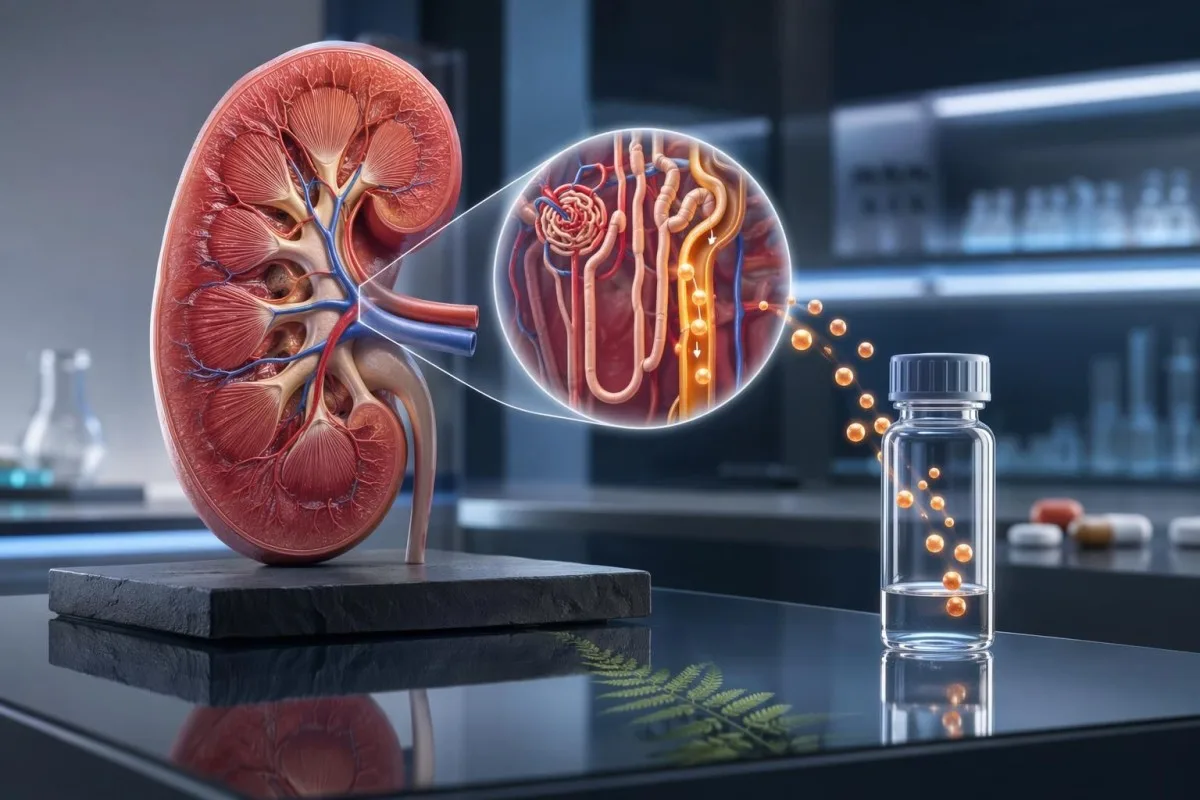
Blood pressure medicines can protect the heart and kidneys, but they can also move potassium in either direction. The safest plan is usually a timed BMP or electrolyte panel, not guesswork.


- Potassium levels are usually considered normal at 3.5–5.0 mmol/L, though many labs flag high potassium above 5.1 or 5.2 mmol/L.
- ACE inhibitors and ARBs can raise potassium because they reduce aldosterone, the hormone that helps the kidney excrete potassium.
- Spironolactone carries a higher hyperkalemia risk than most routine blood pressure medicines, especially when eGFR is below 45 mL/min/1.73 m².
- Thiazide and loop diuretics often lower potassium; values below 3.5 mmol/L can trigger weakness, cramps, palpitations, or abnormal heart rhythms.
- BMP blood test timing is usually 1–2 weeks after starting or increasing an ACE inhibitor, ARB, or diuretic, and 3–7 days in higher-risk patients.
- Urgent potassium thresholds include potassium ≥6.0 mmol/L, potassium <3.0 mmol/L with symptoms, or any potassium result with chest pain, fainting, severe weakness, or irregular heartbeat.
- Electrolyte panel context matters because creatinine, eGFR, bicarbonate/CO2, sodium, and glucose often explain why potassium changed.
- False high potassium can happen from sample handling, prolonged tourniquet time, fist clenching, delayed processing, or cellular element breakdown in the tube.
Why blood pressure medicine changes can shift potassium
Potassium levels can rise after ACE inhibitors, ARBs, and spironolactone because these medicines reduce potassium loss through the kidneys; thiazide and loop diuretics usually push potassium lower by increasing urinary electrolyte loss. Most patients should recheck a BMP or electrolyte panel within 1–2 weeks after a dose change, sooner if kidney function is reduced.
When I review a new abnormal potassium result, the first question is not “what did you eat yesterday?” It is usually “what changed in the last 7–14 days?” A new lisinopril 10 mg, losartan 50 mg, spironolactone 25 mg, chlorthalidone 25 mg, or furosemide 40 mg can move potassium levels before a patient feels anything.
The practical target is boring but lifesaving: keep potassium roughly 3.5–5.0 mmol/L, then act quickly when it drifts outside that window. You can upload a BMP to potassium levels for pattern-based interpretation, but a value of 6.0 mmol/L or higher should be handled as a same-day clinical issue, not a wellness trend.
A single potassium number is less useful than the cluster around it. If potassium is 5.6 mmol/L with creatinine up 32% after an ACE inhibitor increase, I worry differently than I do for potassium 5.6 mmol/L from a visibly mishandled sample. For baseline context, our normal potassium range article explains how low, high, and borderline values are usually framed.
What your BMP or electrolyte panel potassium result means
A BMP blood test or electrolyte panel reports serum potassium, usually in mmol/L or mEq/L, and those units are numerically equivalent for potassium. Adult reference ranges commonly run from 3.5 to 5.0 mmol/L, but some European and hospital labs use upper cutoffs of 5.1 or 5.2 mmol/L.
Potassium of 3.4 mmol/L is not the same clinical problem as potassium of 2.6 mmol/L. I have seen patients with 3.3 mmol/L feel perfectly fine, while a runner at 2.8 mmol/L after vomiting and hydrochlorothiazide had palpitations and needed same-day treatment.
A basic metabolic panel usually includes sodium, potassium, chloride, CO2/bicarbonate, BUN, creatinine, glucose, and calcium; an electrolyte panel may be narrower. If you are comparing panels from different labs, use our electrolyte panel guide and check whether the report came from serum or plasma.
Kantesti AI reads potassium in context rather than as an isolated flag. Our biomarker guide covers more than 15,000 markers, but for this topic the key neighbors are creatinine, eGFR, CO2, magnesium, glucose, and recent medicine timing.
How ACE inhibitors and ARBs can raise potassium
ACE inhibitors and ARBs can raise potassium levels by lowering aldosterone signaling in the kidney. Less aldosterone means the distal nephron secretes less potassium into urine, so serum potassium may rise within days to weeks after starting or increasing lisinopril, ramipril, losartan, valsartan, or similar medicines.
This effect is not automatically bad. ACE inhibitors and ARBs protect kidneys and hearts in the right patients, and a creatinine rise up to about 30% after starting therapy can be acceptable if potassium stays safe and the patient is clinically stable, a principle reflected in KDIGO’s 2024 CKD guideline.
The risk climbs when eGFR is below 60 mL/min/1.73 m², potassium starts above 4.8 mmol/L, diabetes is present, or the patient adds an NSAID for back pain. I see this pattern often in people whose blood pressure improves beautifully while potassium creeps from 4.6 to 5.5 mmol/L over 10 days.
Kantesti’s our AI blood test platform looks for exactly that cluster: potassium rise, creatinine drift, eGFR decline, and medication timing. For a deeper kidney-focused explanation, see our article on early kidney blood test shifts.
Why spironolactone needs tighter potassium monitoring
Spironolactone and eplerenone raise potassium more directly than ACE inhibitors or ARBs because they block the mineralocorticoid receptor, reducing potassium excretion in the distal kidney tubule. A common starting dose is spironolactone 12.5–25 mg daily, and risk rises sharply with CKD, older age, diabetes, or combined ACE inhibitor/ARB therapy.
The 2022 AHA/ACC/HFSA heart failure guideline recommends mineralocorticoid receptor antagonists only when eGFR is above 30 mL/min/1.73 m² and potassium is below 5.0 mmol/L at baseline (Heidenreich et al., 2022). That cutoff exists because potassium-related rhythm risk becomes harder to manage once kidney reserve is low.
A historical warning still matters. Juurlink and colleagues reported in the New England Journal of Medicine that hyperkalemia-related hospital admissions rose after wider spironolactone use following the RALES trial era, especially in older patients also taking ACE inhibitors (Juurlink et al., 2004).
A patient once brought me a potassium of 6.1 mmol/L three weeks after spironolactone 25 mg was added for resistant hypertension; he felt only “a bit heavy-legged.” That mild symptom did not match the risk. Our high potassium warning signs page covers why symptoms can be absent until the number is already dangerous.
How thiazide and loop diuretics can lower potassium
Thiazide and loop diuretics often lower potassium because they increase sodium delivery and fluid flow to the distal nephron, where potassium is secreted into urine. Hydrochlorothiazide 12.5–25 mg, chlorthalidone 12.5–25 mg, and furosemide 20–80 mg are common doses where this pattern appears.
Low potassium is not just a cramp problem. Potassium below 3.5 mmol/L is hypokalemia, and values below 3.0 mmol/L can increase heart rhythm risk, especially if magnesium is also low or a patient takes digoxin.
Chlorthalidone is a good example of dose nuance. It can control blood pressure longer than hydrochlorothiazide, but in my experience potassium of 3.2–3.4 mmol/L is not rare after dose escalation, particularly in smaller older adults or people with low dietary intake.
Do not assume potassium replacement is always the answer. Sometimes the safer fix is lowering the diuretic dose, checking magnesium, or changing the regimen; our low potassium explainer lays out the common next steps by severity.
Medication and supplement combinations that magnify potassium swings
Potassium shifts become more likely when blood pressure medicines are combined with NSAIDs, potassium supplements, salt substitutes, trimethoprim, heparin, certain kidney medicines, or dehydration. The classic high-risk trio is an ACE inhibitor or ARB plus a diuretic plus an NSAID, sometimes called the kidney “triple hit.”
Salt substitutes are a frequent blind spot. Many contain potassium chloride, and a generous sprinkle can add hundreds of milligrams of potassium per meal; that may be fine for one person and risky for another taking ramipril plus spironolactone.
Trimethoprim-sulfamethoxazole deserves special respect. Trimethoprim can behave like a potassium-sparing diuretic in the distal nephron, and potassium may rise within 3–7 days in susceptible patients.
Supplements are not harmless just because they are sold without prescription. If you take magnesium, potassium, creatine, berberine, or “blood pressure support” blends, compare ingredients with our blood pressure supplement safety guide and our practical page on supplement timing conflicts.
When to recheck labs after a blood pressure medicine dose change
Most adults should recheck potassium, creatinine, and eGFR 1–2 weeks after starting or increasing an ACE inhibitor, ARB, thiazide, loop diuretic, or spironolactone. Higher-risk patients often need labs within 3–7 days, especially with CKD, diabetes, age over 75, potassium above 4.8 mmol/L, or multiple interacting medicines.
KDIGO 2024 advises checking blood pressure, creatinine, and potassium within 2–4 weeks after starting or increasing renin-angiotensin system inhibitors, with earlier testing when GFR is lower or baseline potassium is higher. In day-to-day practice, I use 7–14 days for most new starts because problems are easier to correct early.
Spironolactone is the exception where I get twitchy. For a frail 82-year-old with eGFR 38 mL/min/1.73 m² and baseline potassium 4.9 mmol/L, I would rather see potassium at day 3–5 and again around day 7–10 than wait a full month.
If a dose is reduced because potassium was abnormal, repeat testing is often needed in 3–7 days for high potassium and 1–2 weeks for mild low potassium, depending on symptoms and ECG risk. Our medication monitoring timeline gives a broader schedule for common drug-lab pairs.
Why creatinine, eGFR, BUN and CO2 change the interpretation
Potassium interpretation is safer when the BMP blood test is read as a pattern, not a single number. Creatinine and eGFR show kidney filtration reserve, BUN hints at hydration and protein metabolism, and CO2/bicarbonate helps identify acid-base shifts that move potassium between cells and blood.
A potassium of 5.4 mmol/L with creatinine 0.9 mg/dL is not the same as potassium 5.4 mmol/L with creatinine 2.1 mg/dL and CO2 18 mmol/L. The second pattern suggests lower kidney reserve plus metabolic acidosis, both of which can push potassium upward.
BUN/creatinine ratio adds texture. A ratio above 20:1 with rising sodium and albumin may point toward dehydration, while potassium can go high or low depending on the medication mix and kidney response.
If your report is a CMP rather than a BMP, liver proteins and enzymes appear too, but potassium interpretation still leans heavily on kidney and acid-base markers. Our CMP versus BMP guide and BMP CO2 article are useful companions when the result pattern looks messy.
Symptoms that need urgent care with abnormal potassium
Urgent care is needed for abnormal potassium with chest pain, fainting, severe weakness, new confusion, shortness of breath, paralysis-like heaviness, or an irregular heartbeat. Potassium ≥6.0 mmol/L, potassium ≥5.5 mmol/L with symptoms, or potassium <3.0 mmol/L with palpitations should usually be assessed the same day.
High potassium may cause no symptoms until the ECG changes. That is why I never reassure a patient with potassium 6.3 mmol/L simply because they feel okay; serum potassium can disturb cardiac conduction before obvious warning signs appear.
Low potassium often feels more physical: cramps, constipation, muscle fatigue, tremor, or a thumping heartbeat. If the value is below 2.5 mmol/L, many clinicians treat it as a high-risk result even without dramatic symptoms.
Any abnormal potassium plus a new irregular pulse should be taken seriously. Our article on irregular heartbeat labs explains why potassium, magnesium, calcium, thyroid function, and kidney markers are often checked together.
False high potassium: when the tube, not the patient, is the problem
False high potassium, or pseudohyperkalemia, happens when potassium leaks from cellular elements into the sample after collection. It is more likely with difficult collection, prolonged tourniquet time, fist clenching, delayed processing, very high platelets, very high white cells, or sample transport stress.
The clue is often discordance. Potassium 5.9 mmol/L with normal kidney function, normal CO2, no risky medicines, no symptoms, and a lab comment about sample quality should make us pause before changing therapy.
Platelet counts above about 500 x 10⁹/L or white blood cell counts above 50 x 10⁹/L can create serum-potassium artifacts in some settings. A plasma potassium or rapidly processed repeat sample may clarify the true value.
Kantesti AI can flag patterns that look biologically inconsistent, but it cannot inspect the tube. Our lab error checks article explains what software can catch, and our unit-change guide helps when results look different after switching labs.
Diet, hydration, illness and exercise can change the number too
Food alone rarely causes dangerous potassium in people with normal kidneys, but diet becomes relevant when kidney function is reduced or potassium-raising medicines are added. Dehydration, vomiting, diarrhea, fasting, intense exercise, insulin shifts, and high-potassium salt substitutes can all change a BMP within days.
A banana has roughly 400–450 mg of potassium; a large baked potato can exceed 900 mg. Those numbers are healthy for many people, but not automatically safe for someone with eGFR 28 mL/min/1.73 m² taking losartan and spironolactone.
Diarrhea and vomiting can lower potassium fast, often within 24–72 hours. The twist is that severe dehydration can also reduce kidney clearance, so the same illness may produce low potassium in one patient and high potassium in another.
Most patients do not need to fear whole foods after one borderline result. They do need a plan matched to kidney labs, medicines, and trends; our high-potassium foods guide and kidney diet article separate sensible restriction from overreaction.
Who needs closer potassium monitoring after medicine changes
Closer potassium monitoring is needed for people with CKD, diabetes, heart failure, age over 75, prior potassium abnormalities, baseline potassium above 4.8 mmol/L, eGFR below 60 mL/min/1.73 m², or combined ACE inhibitor/ARB plus spironolactone therapy. Pregnancy also changes medication choices because ACE inhibitors and ARBs are generally avoided.
Older adults are not fragile by definition, but they have less physiologic spare capacity. A 78-year-old with eGFR 52 and two antihypertensives can swing from potassium 4.7 to 5.8 mmol/L after one dehydrating stomach illness.
Diabetes adds risk even before creatinine looks alarming. Hyporeninemic hypoaldosteronism, a mouthful of a diagnosis, can blunt potassium excretion and make ARB-related potassium rise more likely at eGFR values that appear only mildly reduced.
Caregivers should track medication dates, illness days, and lab dates together, not in separate notebooks. Our aging parent lab tracker helps families spot these changes, and our blood pressure range guide gives context for why the medicine was changed in the first place.
How Kantesti AI reads potassium trends from uploaded labs
Kantesti AI interprets potassium trends by combining the potassium value with creatinine, eGFR, BUN, CO2, sodium, glucose, age, sex, reference ranges, and prior results when available. The goal is not to replace a clinician; it is to make the pattern clear within about 60 seconds so the right question gets asked sooner.
In our analysis of 2M+ blood tests across 127+ countries, medication-timed potassium changes are one of the most common patterns that patients miss. People remember the dose change, but they rarely connect it to a potassium result 9 days later.
Our platform can read a PDF or photo of a lab report and align the potassium result with the lab’s own reference range. Kantesti’s methodology is described on our medical validation page, and the broader benchmark is available in our clinical validation paper.
A practical upload set includes the latest BMP, the previous BMP, medicine list with doses, supplement list, and the date each medicine changed. The blood test PDF upload workflow and biomarker tracking app explain how trend graphs reduce false reassurance from “barely abnormal” numbers.
A practical action plan for your next potassium recheck
If your blood pressure medicine changed recently, schedule a BMP or electrolyte panel based on risk: 7–14 days for most dose changes, 3–7 days for spironolactone or CKD, and same day for potassium ≥6.0 mmol/L or concerning symptoms. Do not stop prescribed heart or kidney medicine without clinician advice unless emergency services instruct you.
Bring numbers, not impressions. Write down the exact medicine, dose, start date, potassium result, creatinine, eGFR, CO2, and any symptoms; this 60-second list often changes the clinical decision more than a long story does.
If you want a structured second look before your appointment, upload your results through our free blood test demo. Kantesti’s medical content is reviewed with input from our Medical Advisory Board, and I, Thomas Klein, MD, still tell patients the same thing in clinic: a dangerous potassium value is a today problem.
As of May 25, 2026, the safest approach is trend-based and personal: medication timing, kidney reserve, and symptoms decide urgency. You can read more about Kantesti as an organization if you want to know who is behind our AI blood test interpretation work.
Frequently Asked Questions
When should potassium be checked after starting an ACE inhibitor or ARB?
Potassium and creatinine are commonly checked 1–2 weeks after starting or increasing an ACE inhibitor or ARB. Higher-risk patients, such as those with eGFR below 60 mL/min/1.73 m², diabetes, older age, baseline potassium above 4.8 mmol/L, or spironolactone use, may need testing within 3–7 days. KDIGO 2024 supports checking kidney function and potassium within 2–4 weeks, with earlier testing when risk is higher.
What potassium level is dangerous after blood pressure medicine changes?
A potassium level of 6.0 mmol/L or higher is usually treated as a same-day medical issue, especially after ACE inhibitor, ARB, or spironolactone changes. Potassium of 5.5–5.9 mmol/L also needs prompt review if kidney function is reduced, symptoms are present, or the value is rising. Potassium below 3.0 mmol/L can also be dangerous, particularly with palpitations, weakness, low magnesium, or heart disease.
Can diuretics make potassium too low?
Yes, thiazide and loop diuretics can lower potassium by increasing urinary potassium loss. Hydrochlorothiazide, chlorthalidone, and furosemide are common examples, and potassium below 3.5 mmol/L is considered low in most adult labs. Symptoms may include cramps, weakness, constipation, fatigue, or palpitations, though some patients feel normal until levels are below 3.0 mmol/L.
Why does spironolactone raise potassium more than other blood pressure medicines?
Spironolactone raises potassium because it blocks aldosterone signaling at the mineralocorticoid receptor in the kidney, reducing potassium excretion. The risk is higher when eGFR is below 45 mL/min/1.73 m² and especially when eGFR is below 30 mL/min/1.73 m². The 2022 AHA/ACC/HFSA heart failure guideline recommends using mineralocorticoid receptor antagonists only when potassium is below 5.0 mmol/L and eGFR is above 30 mL/min/1.73 m².
Can a high potassium result be a lab error?
Yes, false high potassium can occur when cellular elements release potassium into the sample after collection. Common causes include prolonged tourniquet time, fist clenching, delayed processing, sample transport stress, very high platelet count, or very high white cell count. If potassium is unexpectedly high, kidney function is normal, symptoms are absent, and the medicine history does not fit, clinicians often repeat the test quickly or use a plasma sample.
Should I stop eating bananas if potassium is high after a medicine change?
Do not assume bananas are the main cause of high potassium after a blood pressure medicine change. A medium banana has roughly 400–450 mg of potassium, but kidney function, ACE inhibitor or ARB dose, spironolactone use, dehydration, and salt substitutes usually matter more. If potassium is above 5.5 mmol/L or eGFR is below 45 mL/min/1.73 m², ask your clinician for a targeted diet plan rather than removing healthy foods randomly.
What symptoms mean I should seek urgent care for potassium?
Seek urgent care for abnormal potassium with chest pain, fainting, severe weakness, shortness of breath, new confusion, paralysis-like heaviness, or an irregular heartbeat. Potassium ≥6.0 mmol/L usually warrants same-day assessment even without symptoms. Potassium below 3.0 mmol/L with palpitations, marked weakness, vomiting, or known heart disease also needs urgent clinical review.
Can I switch from an ACE inhibitor to an ARB if my potassium rises?
Sometimes, but an ARB can also raise potassium because it affects the same hormone pathway. Your prescriber may adjust the dose, review interacting medicines, or choose another medication class and arrange follow-up blood work rather than having you switch on your own.
Should I take my blood pressure medicine before my potassium blood test?
Unless your clinician or the laboratory gives different instructions, take your usual morning medicines and have the blood draw at the requested time. Skipping a dose can make the result less representative; tell the lab and prescriber exactly when you last took each medication.
Can a potassium-based salt substitute affect my lab after a blood pressure medicine change?
Yes. Many salt substitutes use potassium chloride, which can raise potassium when combined with ACE inhibitors, ARBs, spironolactone, or kidney disease. Bring the container or ingredient list to your visit before making big diet changes.
Get AI-Powered Blood Test Analysis Today
Join over 2 million users worldwide who trust Kantesti for instant, accurate lab test analysis. Upload your blood test results and receive comprehensive interpretation of 15,000+ biomarkers in seconds.
📚 Referenced Research Publications
Klein, T., Mitchell, S., & Weber, H. (2026). Women's Health Guide: Ovulation, Menopause & Hormonal Symptoms. Kantesti AI Medical Research.
Klein, T., Mitchell, S., & Weber, H. (2026). Clinical Validation of the Kantesti AI Engine (2.78T) on 100,000 Anonymised Blood Test Cases Across 127 Countries: A Pre-Registered, Rubric-Based, Population-Scale Benchmark Including Hyperdiagnosis Trap Cases — V11 Second Update. Kantesti AI Medical Research.
📖 External Medical References
KDIGO CKD Work Group (2024). KDIGO 2024 Clinical Practice Guideline for the Evaluation and Management of Chronic Kidney Disease. Kidney International.
⚕️ Medical Disclaimer
This article is for educational purposes only and does not constitute medical advice. Always consult a qualified healthcare provider for diagnosis and treatment decisions.
E-E-A-T Trust Signals
Experience
Physician-led clinical review of lab interpretation workflows.
Expertise
Laboratory medicine focus on how biomarkers behave in clinical context.
Authoritativeness
Written by Dr. Thomas Klein with review by Dr. Sarah Mitchell and Prof. Dr. Hans Weber.
Trustworthiness
Evidence-based interpretation with clear follow-up pathways to reduce alarm.