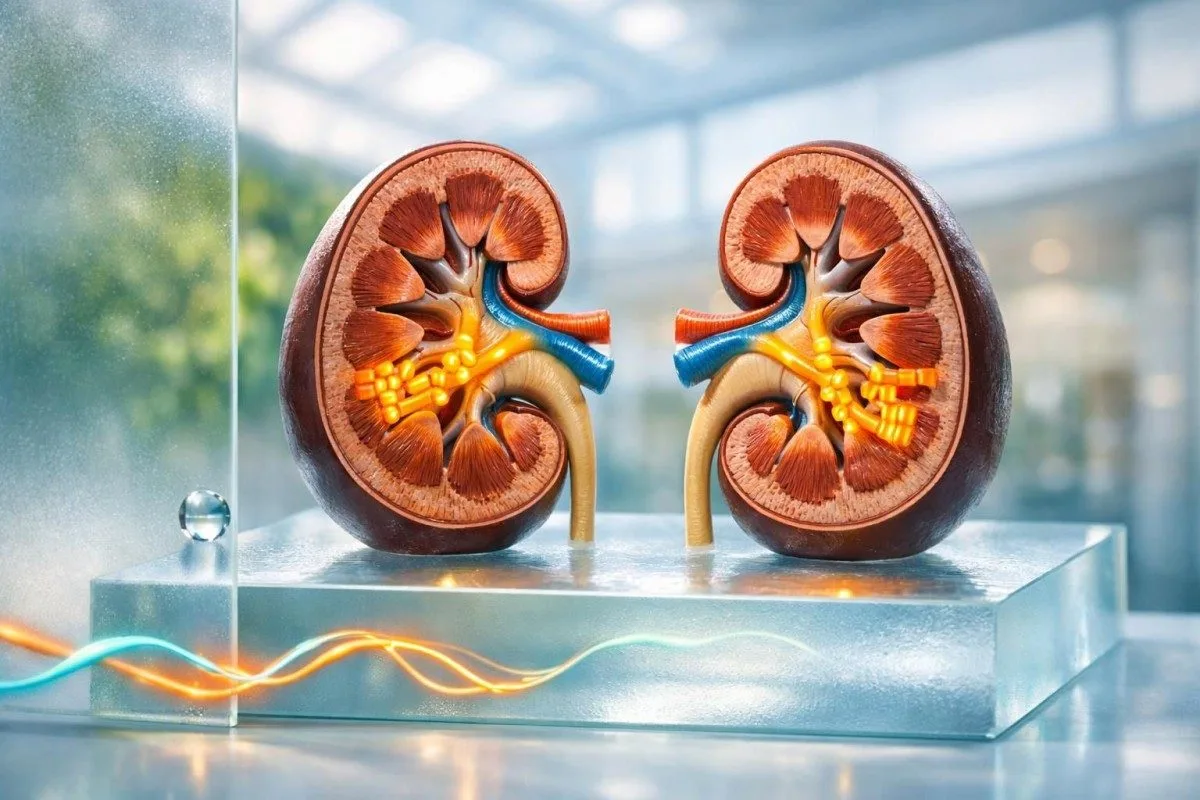
A flagged potassium result is not always an emergency—but sometimes it is. Here is how I sort false elevations from true hyperkalemia and decide who needs a repeat test versus urgent care.


- Normal range Adult serum potassium is usually 3.5-5.0 mmol/L, though some labs use 5.1 or 5.3 mmol/L as the upper limit.
- Urgent threshold Potassium 6.0 mmol/L or higher needs same-day clinical review, and 6.5 mmol/L is usually treated as an emergency.
- False high Hemolysis, fist clenching, delayed processing, or EDTA contamination can falsely raise potassium by about 0.3-1.0 mmol/L or more.
- Platelet effect Platelet counts above 500 x 10^9/L and marked leukocytosis can cause pseudohyperkalemia, especially in serum samples.
- Kidney clue High potassium plus rising creatinine or eGFR below 30 mL/min/1.73 m² is much more likely to be a true problem.
- Medication list ACE inhibitors, ARBs, spironolactone, trimethoprim, NSAIDs, tacrolimus, and potassium chloride salt substitutes are common triggers.
- Diabetes pattern High glucose with low CO2 can produce dangerous hyperkalemia even when total body potassium is actually depleted.
- Best repeat test A repeat potassium in plasma or whole-blood gas is often more reliable when thrombocytosis, leukocytosis, or hemolysis is suspected.
- Emergency signs Palpitations, chest pain, fainting, severe weakness, or shortness of breath need urgent assessment now.
What an unexpected high potassium result usually means
An unexpected high potassium result usually means one of two things: true hyperkalemia or a false elevation from the sample. If your potassium levels are 6.0 mmol/L or higher, or you have palpitations, chest pain, fainting, severe weakness, or shortness of breath, get same-day medical care; if the value is 5.1-5.5 mmol/L and you feel well, a prompt repeat potassium blood test is often the safest first move.
When I review a panel showing potassium 5.7 mmol/L in someone who feels completely fine, I first ask how the sample was collected. A surprising number of isolated results turn out to be due to hemolysis, fist clenching, prolonged tourniquet time, or delayed processing rather than a dangerous body potassium load; our Kantesti AI blood test analyzer flags those pre-analytic clues alongside the rest of the electrolyte panel guide.
The number matters, but the company it keeps matters more. High potassium plus rising creatinine, low CO2, high glucose, or low urine output is far more convincing than potassium alone, which is exactly why our clinicians and the team behind clinical validation standards review patterns instead of reacting to a single red flag; Thomas Klein, MD, often tells patients that one potassium value without context is only half the story.
As of April 17, 2026, my practical cutoff is simple: 5.1-5.4 mmol/L usually deserves a careful repeat, 5.5-5.9 mmol/L needs prompt clinician review, and 6.0 mmol/L or above should never be brushed off. If the result came from screening rather than symptoms, the next few sections will help you separate the common false alarms from the cases that truly need urgent care.
Normal potassium levels and why lab cutoffs differ
The normal adult potassium range is usually 3.5-5.0 mmol/L in serum, although some labs use 3.5-5.1 or 3.5-5.3 mmol/L. A result of 5.1 mmol/L may be flagged at one laboratory and not another, so I always compare the lab's own reference interval before calling it true high potassium.
Serum and plasma are not identical. Serum potassium often runs about 0.1-0.4 mmol/L higher than plasma because clotting can release potassium from platelets, and the gap can become much larger in thrombocytosis; if your report came through a CMP versus BMP guide, check whether it says serum, plasma, BMP, or renal panel.
Reference ranges are population tools, not personal guarantees. I sometimes see a patient whose usual potassium sits at 3.8-4.2 mmol/L for years, and a jump to 5.0 mmol/L is meaningful even if the lab barely flags it; our explainer on why normal ranges mislead gets that nuance right.
Some European labs use a slightly lower upper limit for plasma potassium than U.S. labs, and that can confuse patients comparing reports online. Kantesti AI also compares your current result with baseline trends, which is often more clinically useful than staring at a single upper limit.
Why one lab flags 5.2 and another does not
A potassium result of 5.2 mmol/L can be labeled borderline, high, or even normal depending on sample type, analyzer calibration, and local reference data. The practical move is to interpret the result with symptoms, kidney markers, and a repeat testing plan rather than the red font alone.
False high potassium: sample problems that fool the test
The most common cause of an unexpected isolated high potassium result is pseudohyperkalemia, meaning the sample reads high even though the body level is not. Hemolysis, difficult collection, platelets, white cells, or tube contamination can raise the reported number enough to cause real panic.
Red-cell breakage during collection can raise potassium by roughly 0.3-1.0 mmol/L, sometimes more. I see this after repeated tourniquet squeezing, tight fist pumping, small-gauge collection devices, vigorous tube shaking, or when the sample sits too long before centrifugation; our piece on dehydration false highs explains why concentrated or difficult samples are more error-prone.
Marked thrombocytosis or leukocytosis can fool serum testing. Platelet counts above about 500 x 10^9/L and very high white counts, especially above 50-100 x 10^9/L, may release potassium during clotting so the serum level looks high while plasma is normal; that is the classic pattern described by Sevastos et al. (2006).
A less appreciated trap is EDTA contamination from the wrong order of draw or carryover from a purple-top tube. The clue is a bizarre combination: high potassium with unexpectedly low calcium and low magnesium, sometimes far lower than the patient's symptoms would suggest; when patients upload a report photo using our blood test photo scan guide, that pattern jumps out quickly.
How to ask for a cleaner repeat
Ask whether the first specimen was hemolyzed and whether the repeat can be done without fist clenching, with minimal tourniquet time, and prompt processing. If platelets or white cells are very high, a plasma potassium or whole-blood gas potassium is usually more trustworthy than serum.
Kidney disease, medications, and the most common true causes
True high potassium most often comes from kidney impairment or medications that reduce potassium excretion. When the kidneys cannot excrete enough potassium, even normal dietary intake can push the level up.
The kidneys clear roughly 90% of daily potassium intake, so even modest kidney impairment changes the math. In practice, risk starts to climb when eGFR falls below 60 mL/min/1.73 m² and gets much sharper below 30 mL/min/1.73 m²; this is why I review a renal panel vs CMP and look hard at any history of low GFR with normal creatinine.
Medication lists explain a lot of cases. ACE inhibitors, ARBs, spironolactone, eplerenone, amiloride, triamterene, trimethoprim, NSAIDs, tacrolimus, cyclosporine, and heparin all can raise potassium, especially when two or three are combined; the KDIGO potassium conference paper stressed that drug review is central to hyperkalemia triage (Clase et al., 2020).
There is another angle here: older adults with diabetes may develop hyporeninemic hypoaldosteronism, sometimes called type 4 renal tubular acidosis, producing potassium around 5.3-6.0 mmol/L with bicarbonate under 22 mmol/L even before creatinine looks dramatic. That is also the patient who often uses potassium-chloride salt substitutes—roughly 600-700 mg per quarter teaspoon—so I nearly always look at the bigger kidney picture with a BUN/creatinine ratio guide.
Combinations that raise my eyebrow
The setup I worry about most is CKD plus RAAS blockade plus a recent NSAID, often after dehydration or an infection. Add potassium supplements, a salt substitute, or trimethoprim for a urinary infection, and a previously stable patient can jump from 4.8 to 6.0 mmol/L in a few days.
Acidosis, diabetes, rhabdomyolysis, and other less obvious causes
Potassium can also rise because it shifts out of cells or because cells release it when they break down. That is why diabetes crises, acidosis, rhabdomyolysis, tumor lysis, and adrenal problems sit high on my list when the history fits.
In diabetic ketoacidosis or severe insulin deficiency, potassium moves from inside cells into the bloodstream. The serum potassium may be 5.5-6.5 mmol/L even while total body potassium is actually depleted, so I always read it beside glucose, CO2, and the anion gap rather than in isolation.
Tissue breakdown is another real cause. Rhabdomyolysis can release large amounts of intracellular potassium, and the pattern often includes muscle pain, dark urine, high CK, and sometimes a misleading bump in AST after severe exercise, seizures, crush injury, or prolonged immobility; our athlete blood test guide helps when the history involves intense training rather than kidney disease.
Adrenal insufficiency deserves more attention than it gets in generic articles. When I see high potassium plus low sodium, low blood pressure, fatigue, and weight loss, I start thinking about hypoaldosteronism or Addison's disease, not fruit intake; in my experience, this is one of those areas where context matters more than the number.
Why bananas are usually a distraction
A single banana contains roughly 400-450 mg of potassium, which is not enough by itself to cause severe hyperkalemia in someone with normal kidney function. Diet becomes a major driver mainly when excretion is impaired, medications are involved, or potassium-rich salt substitutes and supplements are used every day.
Symptoms and urgent warning signs that should not wait
Urgent warning signs are palpitations, chest pain, fainting, progressive muscle weakness, shortness of breath, or severe malaise, especially when potassium is 6.0 mmol/L or higher. Hyperkalemia can be dangerous because it disrupts heart conduction, sometimes with very little warning.
The frustrating part is that symptoms and numbers do not line up neatly. Some patients feel fine at 6.2 mmol/L, while others become weak or bradycardic at lower levels; Montford and Linas (2017) made this point clearly, and it matches what I see on call.
Classic ECG changes include peaked T waves, PR prolongation, QRS widening, loss of P waves, sine-wave morphology, and bradyarrhythmias. The threshold most hospitals use for emergency action is 6.5 mmol/L or any level with ECG change, but I escalate earlier if there is CKD, low urine output, severe acidosis, or a sudden potassium rise of more than 1.0 mmol/L from baseline—acute shifts are often riskier than chronically stable ones.
Emergency treatment is hospital work, not home troubleshooting. Clinicians may give IV calcium to stabilize the myocardium, 10 units of regular insulin with 25 g of dextrose to shift potassium into cells, inhaled salbutamol/albuterol, bicarbonate if acidotic, and then remove potassium with diuretics, binders, or dialysis; our Medical Advisory Board uses this same pattern-based triage when reviewing urgent uploads.
When I tell patients to go now
Go to urgent care or the emergency department the same day if your potassium is 6.0 mmol/L or higher, or sooner if you have chest symptoms, fainting, or major weakness. Go even faster if the result comes with worsening kidney function, very low CO2, or low sodium; our normal sodium guide explains why that combination makes me think about broader instability.
When to repeat the potassium blood test and how to do it right
A repeat test is reasonable when potassium is only mildly high and the clinical picture looks low-risk. Most clinicians repeat immediately or within 24 hours for 5.5-5.9 mmol/L, and within a few days for 5.1-5.4 mmol/L if the patient feels well, kidney function is stable, and no dangerous drugs are on board.
There is no single universal timetable, and clinicians do disagree here. In my practice, a healthy adult with 5.2 mmol/L, normal creatinine, no symptoms, and a note that the sample was hemolyzed can often repeat soon as an outpatient, whereas the same value in a patient with CKD or spironolactone deserves much faster follow-up.
A good repeat is more than another potassium number. Ask for potassium, creatinine, eGFR, CO2 or bicarbonate, glucose, sodium, and sometimes magnesium, then compare the new panel with the old one using our blood test comparison feature rather than judging a single lab in isolation.
Preparation matters. Avoid maximal exercise the morning of the test, do not clench and unclench your fist during collection, bring a full medication and supplement list, and if you are uploading results to our platform, use a clear PDF or photo; our blood test PDF upload guide shows what makes the interpretation cleaner.
Plasma or blood gas repeat: when I ask for it
If the CBC shows very high platelets or white cells, I usually want a plasma potassium or whole-blood gas potassium because serum can overcall the problem. That small technical choice can spare a patient an unnecessary emergency referral.
How to read potassium with creatinine, CO2, sodium, and magnesium
The safest way to interpret potassium levels is to read them beside kidney function, acid-base status, sodium, magnesium, and glucose. A potassium result without the rest of the panel is like a single frame from a movie.
Creatinine is helpful, but trends are better. A creatinine jump of just 0.3 mg/dL can meet AKI criteria, and an older or smaller patient may have seemingly normal creatinine with reduced filtration, which is why our AI lab analysis tool cross-checks both the GFR versus eGFR guide and the creatinine range guide at the same time.
Low CO2 or bicarbonate, especially below 22 mmol/L, pushes me toward acidosis-related hyperkalemia. If the panel came from a standard blood test and glucose is also abnormal, the probability of a real metabolic problem rises fast.
Magnesium and calcium can completely change how I read the result. Low magnesium may amplify arrhythmia risk, while very low calcium plus very low magnesium with high potassium makes me suspect EDTA contamination rather than a true emergency; our review of the magnesium range guide is worth a look if that trio appears on your report.
The pattern that reassures me
A repeat potassium of 4.6 mmol/L, stable creatinine, normal CO2, and an unremarkable CBC is usually enough to downgrade the scare. In our experience at Kantesti, that before-and-after comparison prevents more anxiety than any generic symptom list.
Food, supplements, and the myths patients hear first
Food rarely drives severe hyperkalemia by itself if kidney function is normal. The bigger culprits are salt substitutes, supplements, kidney disease, and medications that reduce potassium excretion.
Most patients worry about bananas first, but that is usually the wrong villain. A banana has about 400-450 mg of potassium, while some potassium-chloride salt substitutes deliver 600-700 mg per quarter teaspoon and certain electrolyte powders or greens blends add hundreds more in a few scoops; if your result was actually low on repeat, over-restricting food can create the opposite problem, as our low potassium guide explains.
Do not make abrupt medication changes on your own unless a clinician tells you to. Stopping an ACE inhibitor, ARB, or mineralocorticoid receptor blocker can be risky in heart failure or kidney disease, and the safer move is usually rapid review of the full medication list, repeat labs, and a tailored diet plan rather than internet guessing.
What helps most is precision. Kantesti AI links potassium to your kidney markers, glucose, and trend history, then points you toward the next sensible step; if you want broader context on how we approach lab interpretation, our Kantesti blog has companion pieces on electrolytes, kidney panels, and common false alarms.
The home remedies I do not recommend
Do not try to self-treat a clearly high potassium result with laxatives, huge water loads, random supplements, or someone else's diuretic. Those strategies can worsen dehydration, disturb sodium, or delay the care that actually lowers arrhythmia risk.
Research-backed potassium interpretation and next steps at Kantesti
Kantesti AI interprets potassium levels by reading the value in context with creatinine, eGFR, bicarbonate, glucose, sodium, magnesium, CBC clues, and prior results. That is useful for triage, but it never replaces emergency care when the number or symptoms are dangerous.
Our medical review pathway, led by Thomas Klein, MD, and supported by clinicians across About Kantesti, treats hyperkalemia as a pattern-recognition problem. We are used by more than 2 million users across 127+ countries and 75+ languages, with CE Mark, HIPAA, GDPR, and ISO 27001 safeguards in the background.
If you want a deeper look at related markers, the biomarkers guide is a practical place to start. Behind the scenes, our 2.78T-parameter Health AI cross-references more than 15,000 biomarkers, which is why potassium is never analyzed alone on our platform; it reflects the clinical standards reviewed by Thomas Klein, MD, and our physician team.
For a quick next step, try the free blood test demo. Most patients find that seeing the potassium result alongside trend analysis, medication prompts, and plain-language follow-up questions lowers panic and makes the next conversation with their own doctor much more productive.
Frequently Asked Questions
Is potassium 5.5 dangerous?
A potassium value of 5.5 mmol/L is borderline to mildly high, and the danger depends on context. In a well person with normal kidney function, no symptoms, and a suspected sample issue, clinicians often repeat the test promptly rather than treat immediately. The same 5.5 mmol/L is more concerning if creatinine is rising, eGFR is low, the patient takes spironolactone or ACE inhibitors, or there are ECG changes. If symptoms such as palpitations, weakness, chest pain, or fainting are present, it needs same-day medical review.
Why was my potassium high once and normal on repeat?
A high potassium result that becomes normal on repeat is often pseudohyperkalemia, which means the first sample was misleading rather than your body potassium being truly high. Common reasons include hemolysis, fist clenching during collection, delayed sample processing, or a serum sample taken in the setting of very high platelets or white blood cells. A difference of 0.3-1.0 mmol/L from collection issues is common enough that I never ignore the lab comment about hemolysis. If the repeat level is normal and the rest of the chemistry panel is stable, that is usually reassuring.
Can dehydration cause high potassium?
Dehydration can contribute to high potassium, but usually not in a simple one-step way. Mild dehydration may concentrate the sample or make collection harder, which can create a false high result, while more serious dehydration can reduce kidney perfusion and worsen true potassium retention. The clue is whether creatinine, BUN, CO2, and urine output also look off rather than potassium alone. If potassium is high and you are also vomiting, weak, or not passing much urine, that deserves quicker assessment.
What medications commonly raise potassium levels?
The medications most often linked to higher potassium levels are ACE inhibitors, ARBs, spironolactone, eplerenone, amiloride, triamterene, trimethoprim, NSAIDs, tacrolimus, cyclosporine, and heparin. Risk increases sharply when two or more are combined, especially in patients with eGFR below 60 mL/min/1.73 m². Potassium supplements and potassium-chloride salt substitutes can add to the problem, and patients often forget to mention them. I always ask for a full list of prescriptions, over-the-counter products, powders, and salt substitutes before deciding whether the result is real.
Should I stop eating bananas or other high-potassium foods after one abnormal result?
No—most people should not blindly eliminate bananas or every potassium-rich food after one abnormal result. A single banana contains roughly 400-450 mg of potassium, and that alone rarely causes dangerous hyperkalemia if kidney function is normal. The bigger dietary issue is often potassium-chloride salt substitutes, which may contain 600-700 mg per quarter teaspoon, or repeated use of supplements and electrolyte powders. If your repeat potassium is normal, overly strict restriction can be unnecessary and sometimes counterproductive.
When should I go to the ER for high potassium?
You should seek urgent same-day care if potassium is 6.0 mmol/L or higher, and many clinicians treat 6.5 mmol/L as an emergency even before the repeat result is back. Go sooner if you have chest pain, palpitations, fainting, severe weakness, shortness of breath, or a sense that your heartbeat is unusually slow or irregular. High potassium with worsening kidney function, very low CO2, or very low urine output is also more dangerous. If you are on dialysis or have advanced kidney disease, do not wait for internet advice.
What should be repeated after a high potassium blood test?
The best repeat after a high potassium blood test usually includes potassium, creatinine, eGFR, CO2 or bicarbonate, glucose, sodium, and often magnesium, not potassium alone. If thrombocytosis, leukocytosis, or hemolysis is suspected, a plasma potassium or whole-blood gas potassium is often more reliable than serum. I also want the CBC, because platelets above 500 x 10^9/L or very high white counts can explain a false elevation. A repeat test is most useful when it is compared directly with the original result and interpreted as a pattern.
Should I avoid strenuous exercise before a repeat potassium blood test?
Avoid strenuous exercise for 24 hours before a planned repeat test unless your clinician advises otherwise. Heavy exercise can temporarily shift potassium out of muscles and complicate interpretation, especially if there has been muscle injury or severe soreness.
Can high potassium affect my heart rhythm even if I feel normal?
Yes. Potassium can disturb the heart’s electrical rhythm before obvious symptoms appear, especially when the level is around 6.0 mmol/L or higher or rising quickly. That is why clinicians may order an ECG even if you feel well.
What will doctors do if my potassium is dangerously high?
They will usually confirm the result, place you on a heart monitor, check an ECG, and review kidney function and acid-base status. Treatment may include IV calcium, insulin with glucose, inhaled albuterol, diuretics, potassium binders, or dialysis depending on severity.
Get AI-Powered Blood Test Analysis Today
Join over 2 million users worldwide who trust Kantesti for instant, accurate lab test analysis. Upload your blood test results and receive comprehensive interpretation of 15,000+ biomarkers in seconds.
📚 Referenced Research Publications
Klein, T., Mitchell, S., & Weber, H. (2026). BUN/Creatinine Ratio Explained: Kidney Function Test Guide. Kantesti AI Medical Research.
Klein, T., Mitchell, S., & Weber, H. (2026). Urobilinogen in Urine Test: Complete Urinalysis Guide 2026. Kantesti AI Medical Research.
📖 External Medical References
Clase CM et al. (2020). Potassium homeostasis and management of dyskalemia in kidney diseases: conclusions from a Kidney Disease: Improving Global Outcomes (KDIGO) Controversies Conference. Kidney International.
Montford JR, Linas S (2017). How Dangerous Is Hyperkalemia?. Journal of the American Society of Nephrology.
Sevastos N et al. (2006). Pseudohyperkalemia in serum: the phenomenon and its clinical significance. Journal of Laboratory and Clinical Medicine.
⚕️ Medical Disclaimer
This article is for educational purposes only and does not constitute medical advice. Always consult a qualified healthcare provider for diagnosis and treatment decisions.
E-E-A-T Trust Signals
Experience
Physician-led clinical review of lab interpretation workflows.
Expertise
Laboratory medicine focus on how biomarkers behave in clinical context.
Authoritativeness
Written by Dr. Thomas Klein with review by Dr. Sarah Mitchell and Prof. Dr. Hans Weber.
Trustworthiness
Evidence-based interpretation with clear follow-up pathways to reduce alarm.