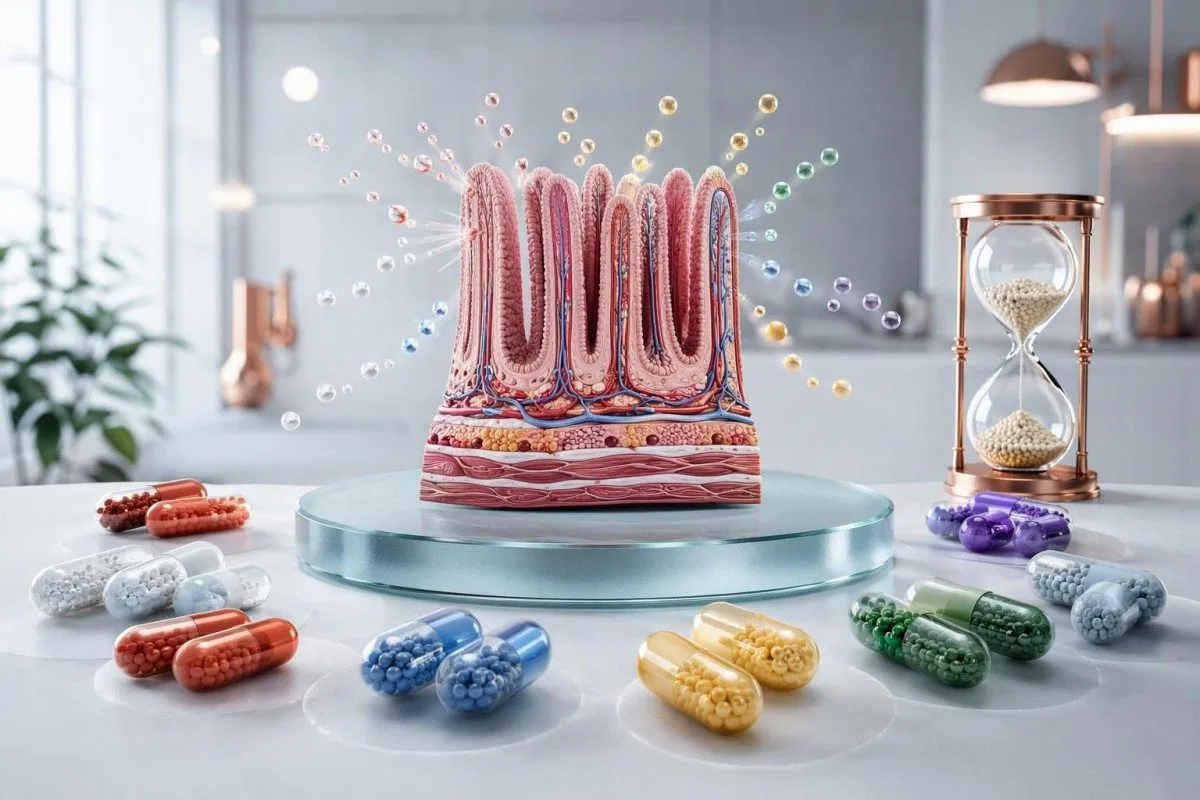
Most supplement problems are not dangerous interactions; they are timing mistakes that waste money, confuse blood tests, or make nausea and constipation worse.



- Iron and calcium compete for absorption; separate iron from calcium, magnesium, zinc, dairy, tea, and coffee by at least 2 hours.
- Zinc and copper should not be taken as high-dose zinc alone for months; zinc above 40 mg/day can lower copper status in some people.
- Magnesium often fits best in the evening, but magnesium, iron, calcium, and zinc can compete when swallowed together.
- Vitamin D and K2 are fat soluble vitamins and usually absorb best with a meal containing fat, not on an empty stomach.
- Iodine and selenium can support thyroid hormone biology, but high-dose iodine can worsen thyroid dysfunction in susceptible people.
- Biotin in B-complex products can distort thyroid, troponin, vitamin D, and hormone immunoassays; stop high-dose biotin 48-72 hours before many lab tests unless your clinician says otherwise.
- Probiotics are usually taken away from hot drinks and antibiotics; many patients tolerate them best with food or 30 minutes before a meal.
- Lab timing matters: fasting iron studies, thyroid tests, vitamin D, B12, magnesium, calcium, and ferritin can all be misread if supplement timing is ignored.
The supplement pairs I usually separate first
The main answer: iron should not be taken with calcium, magnesium, zinc, coffee, tea, or dairy, and high-dose zinc should not be taken long-term without copper awareness. Take vitamin D/K2 with fat, keep iodine/selenium modest, separate probiotics from antibiotics, and pause high-dose biotin before lab tests. Our Kantesti AI blood test analyzer often spots the pattern after the fact: ferritin remains low, TSH looks odd, or B12 is high but symptoms continue.

A simple spacing rule works for most adults: take iron alone, take fat soluble vitamins with a meal, and keep the big minerals in separate windows. If you are tracking deficiency symptoms, our vitamin deficiency marker guide explains which blood tests change first and which ones lag behind.
In my clinical practice, the most common mistake is not a dangerous mix; it is a crowded breakfast. A 38-year-old patient may swallow iron, calcium, zinc, magnesium, vitamin D, coffee, and a probiotic before 8 a.m., then wonder why ferritin stays at 18 ng/mL after 3 months.
As of April 28, 2026, my practical default is this: iron at least 2 hours away from minerals, thyroid medication 4 hours away from minerals, biotin held before immunoassay labs, and fat soluble vitamins taken with food. That covers perhaps 80% of supplement timing problems I see.
Iron, calcium, zinc and magnesium: the crowded mineral problem
Iron, calcium, zinc, and magnesium are the classic supplements not to take together because they can compete in the gut and increase nausea or constipation. I usually separate iron from the other three by at least 2 hours, and I separate all minerals from levothyroxine by 4 hours.
Calcium doses around 300-600 mg elemental calcium can reduce non-heme iron absorption when taken in the same meal, especially in people already low in ferritin. Cook, Dassenko and Whittaker reported this calcium-iron effect in the American Journal of Clinical Nutrition in 1991, and I still see the clinical echo when ferritin refuses to rise.
Ferritin below 30 ng/mL commonly suggests depleted iron stores in menstruating adults, though some labs still print lower cutoffs such as 12 or 15 ng/mL. If your iron panel is confusing, the iron studies guide walks through TIBC, transferrin saturation, and ferritin together rather than treating serum iron as the whole story.
The sneaky issue is side effects. Iron plus magnesium plus zinc can turn a normal stomach into a grumpy one within 30 minutes; if a patient tells me every supplement makes them sick, I first ask whether they are swallowing five minerals in one go.
How to time iron without sabotaging absorption
Iron usually absorbs best on an empty stomach or with vitamin C, but many people need food to tolerate it. A practical schedule is iron in mid-morning or mid-afternoon, 2 hours away from calcium, zinc, magnesium, coffee, tea, dairy, and high-fibre bran.

A typical ferrous sulfate tablet contains 65 mg elemental iron, while many gentle iron products contain 18-30 mg. The older habit of taking iron three times daily is fading; alternate-day dosing can improve tolerability because hepcidin, the iron-regulating hormone, rises after iron intake for roughly 24 hours.
When I review a panel showing hemoglobin 12.2 g/dL, MCV 81 fL, ferritin 9 ng/mL, and transferrin saturation 8%, timing matters as much as dose. Our page on early iron deficiency explains why ferritin can fall months before hemoglobin finally drops.
Do not chase ferritin blindly. Ferritin is also an inflammation marker, so ferritin at 180 ng/mL with CRP 25 mg/L can hide iron restriction; ferritin at 18 ng/mL with normal CRP is a much cleaner low-iron signal.
Zinc, copper and selenium: small doses, real consequences
High-dose zinc should not be taken for months without considering copper, because zinc induces intestinal metallothionein and can reduce copper absorption. In adults, the tolerable upper intake level for zinc is 40 mg/day, and chronic intake above that deserves a reason.

The patient who taught me this was a keen lifter taking 50 mg zinc nightly for acne and immunity. Six months later, his neutrophils were low, MCV had drifted up, and copper was below the lab range; stopping the solo zinc and correcting copper changed the trajectory over about 8 weeks.
Copper deficiency can mimic B12 deficiency with numbness, gait changes, anemia, or neutropenia, and that overlap is easy to miss on a basic CBC. For broader context, see our CBC differential guide, because low neutrophils plus anemia deserves more than a multivitamin refill.
Selenium is different but equally dose-sensitive. The adult upper limit for selenium is 400 mcg/day, and I rarely like routine doses above 100-200 mcg unless there is a documented reason, because hair shedding, brittle nails, garlic-like breath, and GI upset are classic excess clues.
Vitamin D and K2: what to pair, what to avoid
Vitamin D and K2 are generally reasonable to take together, and both absorb better with a fat-containing meal. These are fat soluble vitamins, so timing with breakfast containing eggs, yoghurt, avocado, olive oil, or fish often beats taking them with black coffee.

The Endocrine Society guideline by Holick et al. in 2011 defined vitamin D deficiency as 25-hydroxyvitamin D below 20 ng/mL, while many clinicians aim for at least 30 ng/mL in higher-risk patients. The evidence around ideal targets is honestly mixed; bone health, falls risk, kidney function, and calcium intake all change the answer.
Kantesti AI interprets vitamin D results by comparing 25-OH vitamin D, calcium, albumin, alkaline phosphatase, phosphate, PTH, kidney function, and supplement dose when those markers are available. If you want the lab nuance, our vitamin D blood test guide explains why active 1,25-OH vitamin D is not the usual deficiency test.
Vitamin K2 is not a free pass for high-dose vitamin D. A 25-OH vitamin D above 100 ng/mL raises concern for excess in many practices, especially if calcium is high, PTH is suppressed, or creatinine is rising.
Iodine and selenium: thyroid support can backfire
Iodine and selenium should not be treated like harmless thyroid boosters, especially if TSH, free T4, thyroid antibodies, or pregnancy status are unknown. Adults usually need about 150 mcg iodine/day, while pregnancy needs more, and high-dose iodine can worsen Hashimoto’s, Graves’ disease, or nodular thyroid disease.
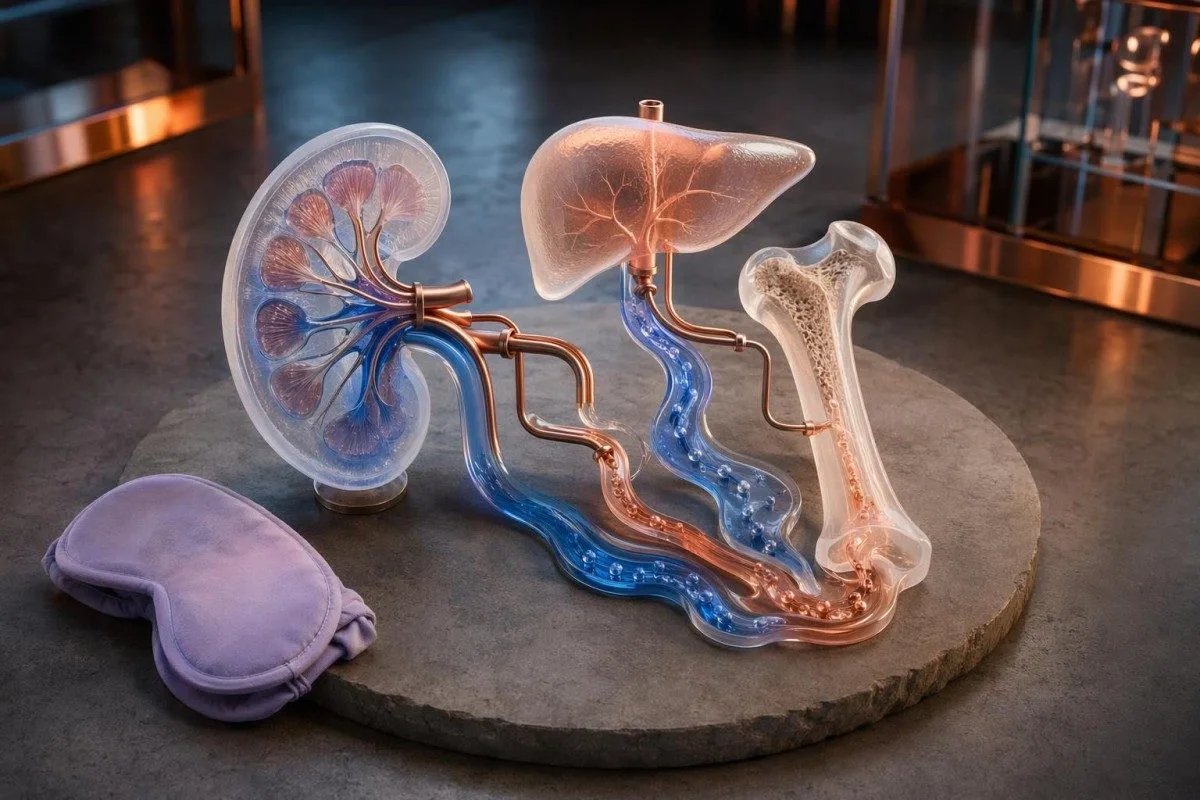
The thyroid uses iodine to make T4 and T3, but too much iodine can trigger the Wolff-Chaikoff effect or, in autonomous nodules, excess hormone production. Some European labs use tighter TSH reference intervals than others, so I look at the pattern rather than a single printed flag.
Selenium sits in deiodinase and glutathione peroxidase enzymes, but supplement trials in autoimmune thyroid disease show mixed symptom results. When a patient sends us TSH 6.8 mIU/L, free T4 low-normal, TPO antibodies high, and a supplement stack containing kelp, I want the thyroid panel guide before I want more iodine.
Kelp tablets can contain hundreds to thousands of micrograms of iodine per serving, and label accuracy varies. That is why I prefer measured iodine intake, not mystery-seaweed dosing, in anyone with palpitations, tremor, weight change, infertility workups, or thyroid medication use.
Magnesium timing: sleep benefit versus mineral competition
Magnesium is often best taken in the evening or with dinner, but it should be spaced from iron and thyroid medication. Magnesium glycinate may be gentler for sleep and anxiety, while magnesium citrate more often loosens stool at doses above about 200-300 mg elemental magnesium.

Serum magnesium normally sits around 1.7-2.2 mg/dL in many labs, but serum levels miss a fair amount of intracellular depletion. Low magnesium can travel with low potassium or low calcium, which is why I never interpret it in isolation after vomiting, diarrhoea, diuretic use, or heavy alcohol intake.
Patients often ask whether magnesium cancels vitamin D. It does not; magnesium is involved in vitamin D metabolism, but the timing issue is more about GI tolerance and competition with iron. For practical form differences, our magnesium glycinate vs citrate review is more useful than a generic magnesium list.
Kidney function changes the safety calculation. If eGFR is below 30 mL/min/1.73 m², magnesium supplements can accumulate, and I would not treat leg cramps with escalating magnesium without checking renal function.
Probiotics: when spacing matters and when it does not
Probiotics are usually separated from antibiotics by 2-3 hours, and many people tolerate them better with food. They do not generally need to be separated from vitamin D, K2, or B-complex products, but hot drinks, alcohol-heavy meals, and severe immunosuppression change the conversation.
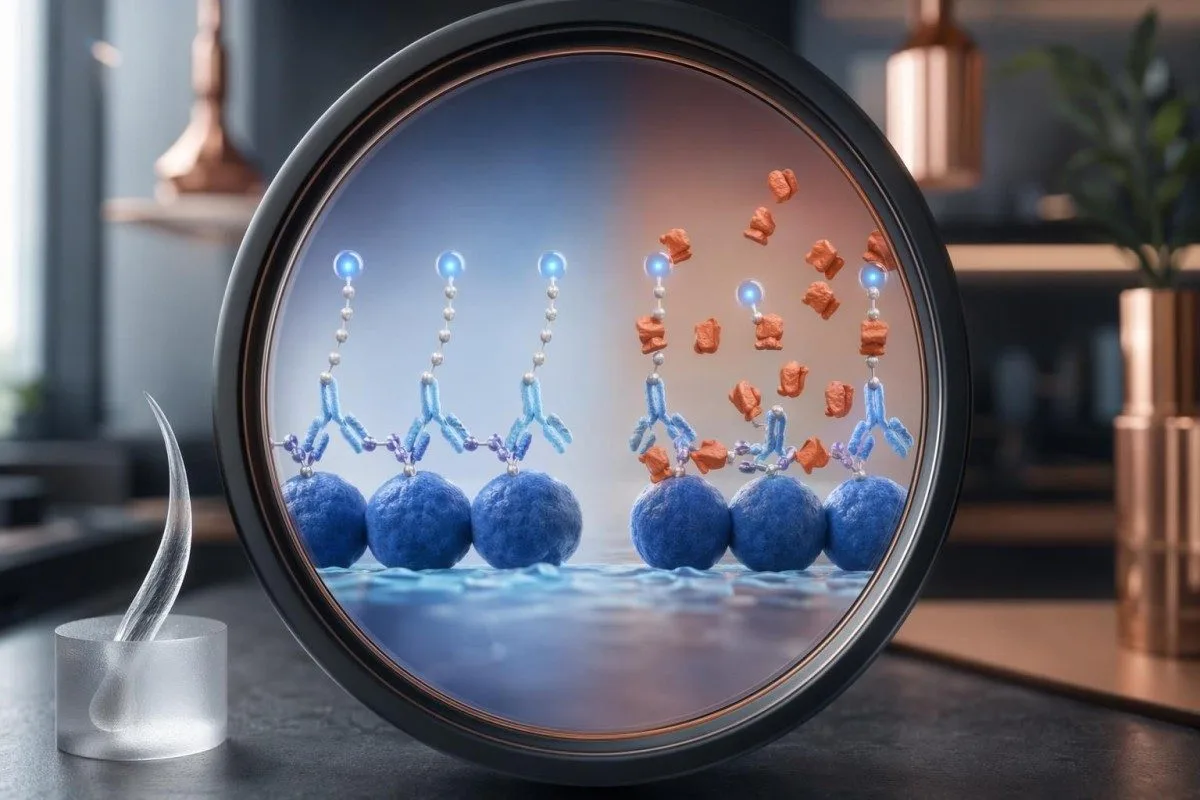
A probiotic label showing 10 billion CFU is not automatically stronger than one showing 1 billion CFU; strain, storage, and the clinical problem matter more. Lactobacillus rhamnosus GG and Saccharomyces boulardii have better condition-specific evidence than many multi-strain mystery blends.
The pattern I see after antibiotics is predictable: loose stools, low appetite, a CRP that has settled, and a patient adding three gut products at once. Before blaming probiotics, I check medication history, stool frequency, fever, and whether the supplement contains prebiotic fibre that can cause gas; our gut health blood test article explains what blood tests can and cannot show.
People with central venous lines, severe immune suppression, critical illness, or pancreatitis should ask a clinician before using probiotics. Rare bloodstream infections have been reported with probiotic organisms, and while uncommon, that risk is not zero.
B-complex, biotin and false blood test results
B-complex products are water soluble vitamins, but high-dose biotin can distort lab results even when you feel fine. Biotin doses of 5,000-10,000 mcg are common in hair and nail products and can interfere with thyroid, troponin, hormone, and vitamin D immunoassays.
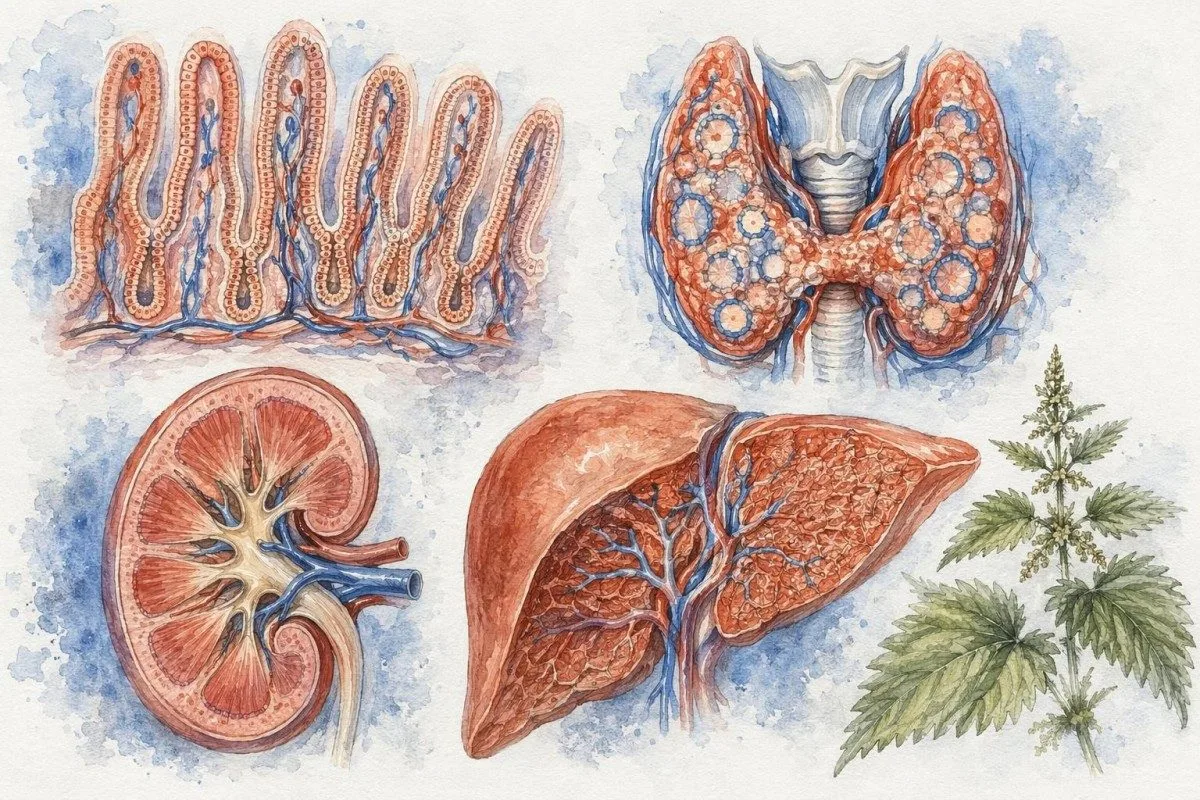
Piketty and colleagues described high-dose biotin causing false endocrine profiles in Clinical Chemistry and Laboratory Medicine in 2017, and laboratory medicine teams now take this seriously. The odd part is direction: biotin can make one test falsely high and another falsely low depending on the assay design.
A classic pattern is a patient taking hair vitamins whose TSH looks suppressed while free T4 and free T3 look high, yet the pulse is normal and the story does not fit thyrotoxicosis. Our biotin thyroid test guide explains why the machine can be fooled even when the thyroid is not.
I usually advise stopping high-dose biotin 48-72 hours before routine immunoassay labs, but very high therapeutic doses may need longer. Do not stop biotin prescribed for a medical condition without the prescribing clinician’s plan.
Supplements that can distort blood tests
The supplements most likely to distort blood tests are biotin, iron, vitamin B12, folate, vitamin D, creatine, iodine, and high-dose minerals. Distortion can mean a false lab signal, a temporarily shifted value, or a real change that is misread because timing was not documented.
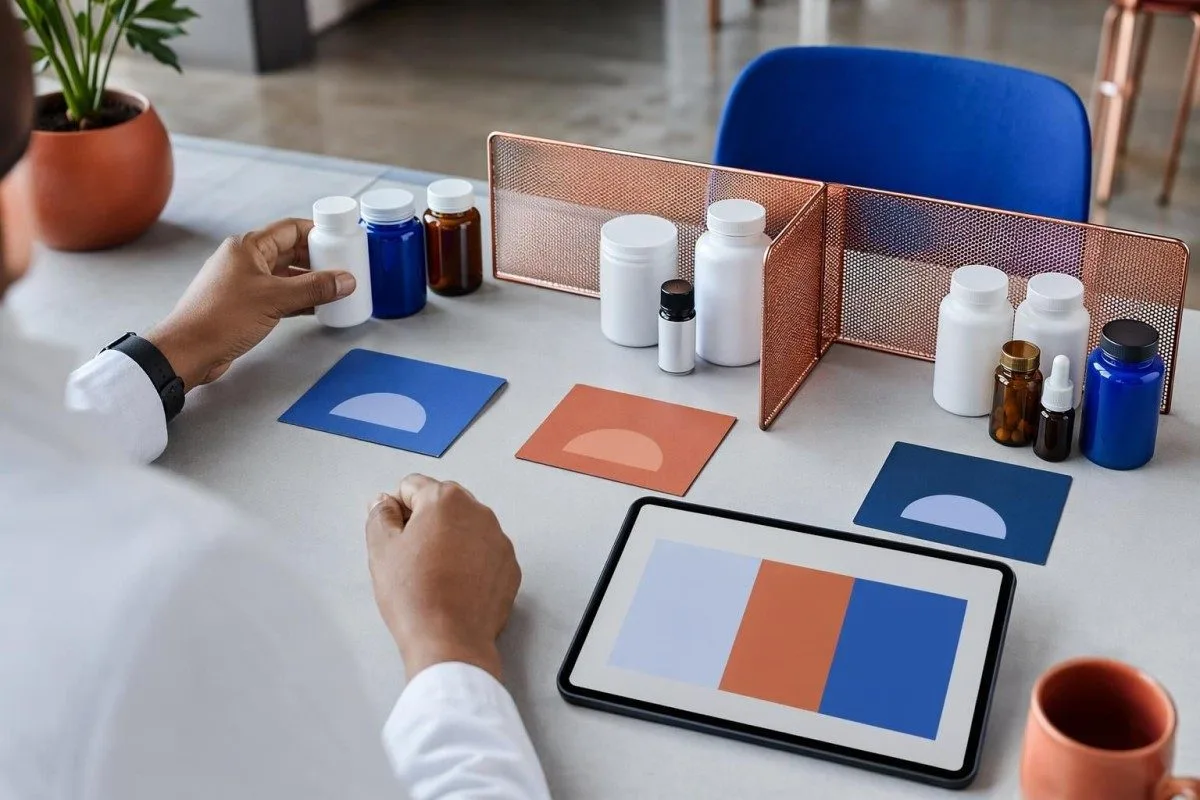
Iron taken the morning of testing can raise serum iron transiently, while ferritin changes much more slowly. For iron studies, I prefer a morning draw after avoiding iron for 24 hours if the clinician agrees, because serum iron and transferrin saturation swing during the day.
Kantesti AI flags supplement-sensitive results by looking across panels rather than treating one number as truth. Our medical validation standards describe why context fields such as fasting, medication timing, supplement timing, pregnancy, and recent illness can change the clinical meaning of a lab report.
Fasting rules are not identical for every test. A lipid panel may be acceptable nonfasting in many adults, but fasting glucose, insulin, triglycerides, iron studies, and some endocrine tests still need tighter preparation; our fasting blood test guide gives the practical split.
When supplement timing becomes a medication safety issue
Supplement timing becomes more serious when thyroid medication, anticoagulants, antibiotics, osteoporosis drugs, seizure medicines, or kidney medicines are involved. Minerals can bind medicines in the gut, while vitamin K, iodine, and St John’s wort-like products can change drug effects.

Levothyroxine is the everyday example. Calcium, iron, magnesium, and zinc should usually be separated from levothyroxine by 4 hours, because a small absorption drop repeated daily can push TSH up after 6-8 weeks.
A patient with TSH rising from 2.1 to 7.4 mIU/L after starting calcium is not rare in clinic. If that sounds familiar, read our levothyroxine timeline before changing thyroid dose, because timing can masquerade as disease progression.
Vitamin K deserves a separate warning for people on warfarin. The goal is not zero vitamin K; it is stable vitamin K intake, and our PT/INR guide explains why INR can move when diet or supplements change suddenly.
A simple daily schedule for common supplement stacks
A workable supplement schedule separates iron, minerals, fat soluble vitamins, probiotics, and B-complex products into different windows. For many adults, that means B-complex with breakfast, vitamin D/K2 with lunch, iron mid-afternoon, magnesium at night, and probiotics away from antibiotics.
Example schedule: breakfast with B-complex, lunch with vitamin D/K2, 3 p.m. iron with vitamin C, dinner with calcium if prescribed, and bedtime magnesium. If you drink coffee at 8 a.m., do not take iron at 8:05 a.m. and expect a clean absorption story.
Our AI supplement recommendations are built around blood markers, not generic stacks. When Kantesti sees ferritin 11 ng/mL, vitamin D 17 ng/mL, B12 260 pg/mL, and eGFR 92 mL/min/1.73 m², the plan differs from someone with ferritin 240 ng/mL and high calcium.
Use fewer products when symptoms are unclear. In Dr. Thomas Klein’s clinic notes, the fastest way to find the culprit for nausea, palpitations, or diarrhoea is often a 7-day pause-and-restart plan rather than adding a digestive enzyme to tolerate an overbuilt stack.
Kidney and liver markers that change the safety rules
Kidney and liver results should change how aggressively you supplement, especially with magnesium, potassium, vitamin A, niacin, iron, and high-dose vitamin D. A normal supplement dose for one person can be too much when eGFR, calcium, ALT, AST, GGT, or bilirubin is abnormal.

An eGFR above 90 mL/min/1.73 m² is often normal in younger adults, while an eGFR below 60 for more than 3 months suggests chronic kidney disease if persistent. Magnesium, potassium-containing electrolyte powders, and high-dose vitamin D deserve extra caution when kidney filtration is reduced.
The liver side is just as practical. Niacin at pharmacologic doses can raise liver enzymes, excess vitamin A can injure the liver, and iron should not be self-prescribed when ferritin is high; our liver function test guide shows how ALT, AST, ALP, and GGT patterns differ.
Kantesti’s neural network checks kidney and liver context before interpreting supplement-related abnormalities. If creatinine is high, calcium is high, and vitamin D supplementation is heavy, that is not a wellness optimisation puzzle; it is a reason to speak with a clinician promptly.
Pregnancy, vegan diets and athletes: timing changes by context
Pregnancy, vegan diets, heavy training, and older age change supplement timing priorities because requirements and lab interpretation differ. Prenatal iron, calcium, iodine, folate, B12, vitamin D, and omega-3 products should be planned rather than bundled into one daily handful.

In pregnancy, iron and calcium often collide because both are commonly prescribed. A prenatal vitamin may contain 27 mg iron, while calcium needs may be handled separately; spacing them by 2 hours can reduce the chance that calcium blunts iron absorption.
For vegan patients, I watch B12, ferritin, vitamin D, iodine, zinc, and omega-3 status more closely, but I still avoid high-dose iodine without thyroid labs. Our vegan routine labs guide lists yearly checks that catch many correctable deficits before symptoms become vague and frustrating.
Athletes add another wrinkle. A 52-year-old marathon runner may show AST 89 IU/L after a hard race, and before anyone panics about supplement toxicity, I check CK, training load, alcohol intake, and our athlete blood tests framework.
What to test before changing a supplement stack
Before changing a large supplement stack, test the markers that match the supplement: ferritin for iron, 25-OH vitamin D for vitamin D, B12 and MMA for B12, TSH/free T4 for thyroid nutrients, and creatinine/eGFR for mineral safety. Guessing gets expensive quickly.
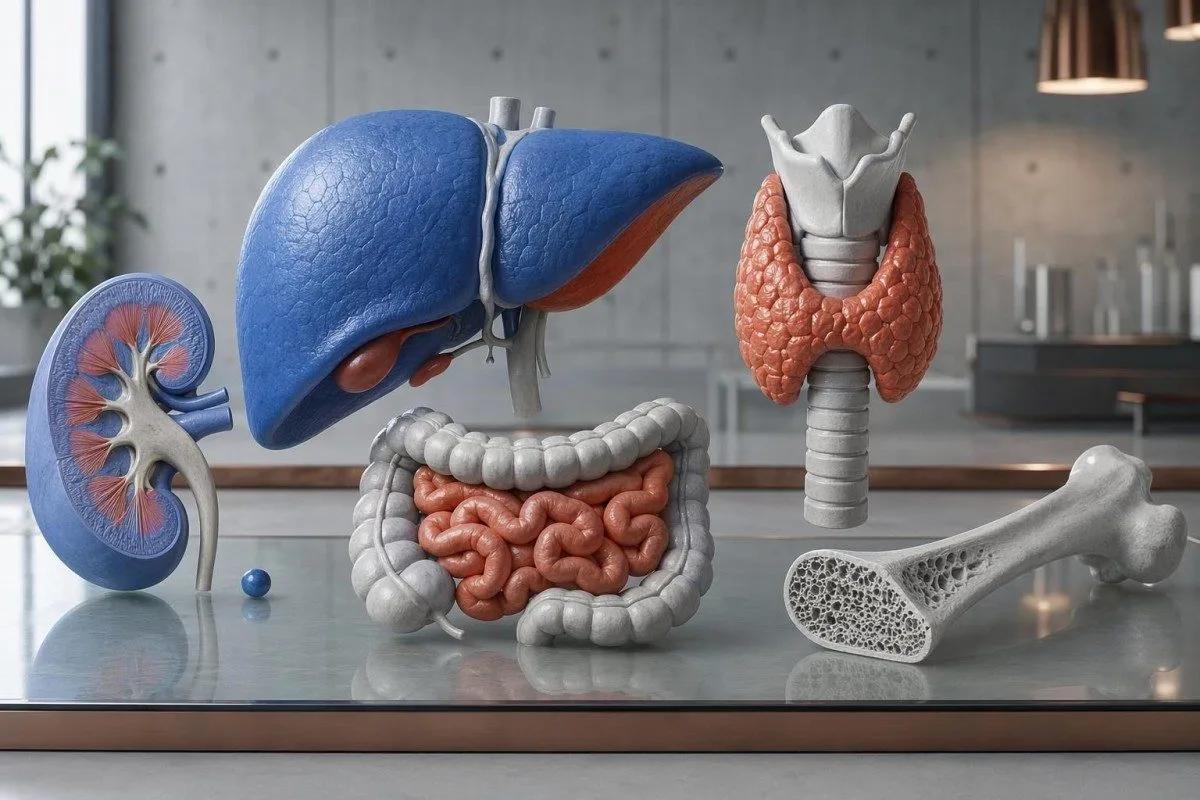
A useful baseline often includes CBC, ferritin, transferrin saturation, B12, folate, 25-OH vitamin D, calcium, albumin, creatinine, eGFR, ALT, AST, ALP, GGT, TSH, and free T4. Depending on symptoms, I add magnesium, PTH, CRP, zinc, copper, or thyroid antibodies.
You can upload a PDF or photo of your results to Try Free AI Blood Test Analysis and get a structured interpretation in about 60 seconds. Our biomarkers guide covers more than 15,000 markers, which matters when supplements affect several systems at once.
The best follow-up interval depends on the marker. Ferritin may need 8-12 weeks to show a meaningful treatment response, TSH usually needs 6-8 weeks after a timing or dose change, and 25-OH vitamin D often stabilises after 8-12 weeks of consistent dosing.
How Kantesti reviews supplement patterns in lab context
Kantesti AI reviews supplement-related lab patterns by connecting timing, dose, symptoms, and biomarker clusters, not by giving a one-size supplement list. This article was medically reviewed within Kantesti’s clinical content process, with Dr. Thomas Klein, Chief Medical Officer, focusing on patient safety and lab-test distortion.
Kantesti is a UK health technology company, and our About Us page explains the clinical and engineering team behind the platform. For supplement timing, our strongest signal usually comes from repeated labs: ferritin trend, MCV, RDW, TSH, calcium, PTH, eGFR, ALT, and symptom timing.
Our medical governance is overseen by clinicians listed on the Medical Advisory Board, and our population-scale validation work is publicly archived in the pre-registered Kantesti AI benchmark. I still tell patients the same thing in clinic: AI can organise the clues, but urgent symptoms, pregnancy, kidney disease, and abnormal calcium need human medical care.
Kantesti research publications include: Klein, T., & Kantesti Clinical Research Group. (2026). B Negative Blood Type, LDH Blood Test & Reticulocyte Count Guide. Figshare. https://doi.org/10.6084/m9.figshare.31333819; ResearchGate: https://www.researchgate.net/; Academia.edu: https://www.academia.edu/. Klein, T., & Kantesti Clinical Research Group. (2026). Diarrhea After Fasting, Black Specks in Stool & GI Guide 2026. Figshare. https://doi.org/10.6084/m9.figshare.31438111; ResearchGate: https://www.researchgate.net/; Academia.edu: https://www.academia.edu/. For ongoing interpretation, use our platform with your clinician’s advice, not as a substitute for emergency care.
Frequently Asked Questions
Which supplements should not be taken together?
Iron should not be taken at the same time as calcium, magnesium, zinc, dairy, tea, or coffee because these can reduce iron absorption. High-dose zinc should not be taken long-term without copper awareness, especially above 40 mg/day. High-dose biotin should not be taken before many blood tests because it can distort thyroid, troponin, vitamin D, and hormone immunoassays. Vitamin D and K2 are usually fine together when taken with a fat-containing meal.
How long should I wait between iron and calcium?
Most adults should separate iron and calcium by at least 2 hours, and some clinicians prefer 3-4 hours when iron deficiency is significant. Calcium doses around 300-600 mg can reduce non-heme iron absorption when taken in the same meal. Iron also absorbs poorly with coffee, tea, dairy, high-fibre bran, magnesium, and zinc. If ferritin is below 30 ng/mL, timing iron carefully is often as important as the brand.
Can I take vitamin D, K2 and magnesium together?
Vitamin D and K2 can usually be taken together with a meal containing fat because they are fat soluble vitamins. Magnesium can be taken with that meal too if tolerated, but many patients prefer magnesium at night because it may be gentler for sleep and bowel routine. If you also take iron or thyroid medication, separate magnesium from iron by about 2 hours and from levothyroxine by about 4 hours. Kidney disease changes magnesium safety, especially when eGFR is below 30 mL/min/1.73 m².
Should probiotics be taken with other supplements?
Probiotics can usually be taken with vitamins and minerals, but they are commonly separated from antibiotics by 2-3 hours. Many patients tolerate probiotics best with food or 30 minutes before a meal, depending on the product. Avoid mixing probiotics into very hot drinks because heat can reduce organism viability. People with severe immune suppression, central venous lines, or critical illness should ask a clinician before taking probiotics.
Do B vitamins interfere with blood tests?
Most water soluble vitamins do not meaningfully distort blood tests, but biotin is the big exception. Biotin doses of 5,000-10,000 mcg, often found in hair and nail supplements, can interfere with thyroid, troponin, vitamin D, and hormone immunoassays. Many labs advise stopping high-dose biotin for 48-72 hours before testing, although very high prescribed doses may need a longer plan. Always tell the lab and clinician exactly what dose you take.
Is it safe to take iodine and selenium together?
Iodine and selenium can be taken together at sensible doses, but high-dose iodine can worsen thyroid problems in susceptible people. Adults usually need about 150 mcg/day of iodine, while selenium intake should generally stay below the adult upper limit of 400 mcg/day. Kelp products can contain unpredictable iodine amounts, sometimes far above daily requirements. Check TSH, free T4, and thyroid antibodies before using thyroid-focused supplement stacks.
What blood tests help decide supplement timing?
Useful blood tests depend on the supplement, but common markers include CBC, ferritin, transferrin saturation, B12, folate, 25-OH vitamin D, calcium, albumin, creatinine, eGFR, liver enzymes, TSH, and free T4. Ferritin below 30 ng/mL often suggests low iron stores, while 25-OH vitamin D below 20 ng/mL is commonly classified as deficiency. TSH usually needs 6-8 weeks to reflect thyroid medication or timing changes. Supplement timing should be written down before testing because morning doses can shift results.
Get AI-Powered Blood Test Analysis Today
Join over 2 million users worldwide who trust Kantesti for instant, accurate lab test analysis. Upload your blood test results and receive comprehensive interpretation of 15,000+ biomarkers in seconds.
📚 Referenced Research Publications
Klein, T., Mitchell, S., & Weber, H. (2026). B Negative Blood Type, LDH Blood Test & Reticulocyte Count Guide. Kantesti AI Medical Research.
Klein, T., Mitchell, S., & Weber, H. (2026). Diarrhea After Fasting, Black Specks in Stool & GI Guide 2026. Kantesti AI Medical Research.
📖 External Medical References
Cook JD, Dassenko SA, Whittaker P (1991). Calcium supplementation: effect on iron absorption. The American Journal of Clinical Nutrition.
Piketty ML et al. (2017). High-dose biotin therapy leading to false biochemical endocrine profiles: validation of a simple method to overcome biotin interference. Clinical Chemistry and Laboratory Medicine.


⚕️ Medical Disclaimer
This article is for educational purposes only and does not constitute medical advice. Always consult a qualified healthcare provider for diagnosis and treatment decisions.
E-E-A-T Trust Signals
Experience
Physician-led clinical review of lab interpretation workflows.
Expertise
Laboratory medicine focus on how biomarkers behave in clinical context.
Authoritativeness
Written by Dr. Thomas Klein with review by Dr. Sarah Mitchell and Prof. Dr. Hans Weber.
Trustworthiness
Evidence-based interpretation with clear follow-up pathways to reduce alarm.