
A negative ANA lowers the odds of lupus, but it does not explain fatigue, joint pain, rashes, dry eyes, or nerve symptoms. The next step is pattern-based testing, not repeating the same lab forever.



- Negative ANA test usually means systemic lupus is less likely, especially when HEp-2 IFA is negative below 1:80.
- Repeat ANA is most useful when new objective signs appear, such as swollen joints, mouth ulcers, Raynaud's, proteinuria, or low platelets.
- ANA-negative autoimmune disease can occur in conditions such as seronegative rheumatoid arthritis, vasculitis, antiphospholipid syndrome, myositis, and some Sjögren's cases.
- Inflammation markers such as CRP above 10 mg/L or ESR above age-adjusted norms can redirect the work-up even when ANA is negative.
- Thyroid disease blood test results can mimic autoimmune symptoms; TSH, free T4, anti-TPO, and anti-thyroglobulin often matter more than ANA.
- Iron, B12, and vitamin D deficiencies can cause fatigue, pain, tingling, hair shedding, and brain fog despite a normal autoimmune blood test.
- Urine testing is not optional when symptoms persist; albumin-creatinine ratio above 30 mg/g or unexplained blood in urine needs follow-up.
- Kantesti AI reads negative ANA results in context with CBC, CMP, thyroid, inflammation, nutrient, kidney, liver, and trend data.
What a negative ANA test usually means—and what it misses
A negative ANA test means your immune system did not show the broad nuclear antibody pattern doctors expect in many connective tissue diseases, especially lupus. It lowers the probability of systemic lupus, but it does not rule out every autoimmune disease, thyroid disorder, infection, nutrient deficiency, kidney issue, or inflammatory pain syndrome. The next medical step is not panic or endless ANA repeats; it is a targeted work-up based on symptoms, exam findings, and objective lab patterns.

In clinic, I most often see this after months of fatigue, morning stiffness, hair shedding, tingling, and one lab line that says ANA negative. A HEp-2 indirect immunofluorescence ANA below 1:80 makes active systemic lupus much less likely; the 2019 EULAR/ACR lupus classification criteria even use ANA at 1:80 or higher as an entry criterion for classification (Aringer et al., 2019). For patients trying to put all results in one place, Kantesti AI can read the ANA alongside the CBC, thyroid, iron, kidney, and inflammatory markers rather than treating one result as the whole story.
Here is the clinical trap: many people use ANA as if it were a universal autoimmune blood test. It is not. ANA mainly screens for antibodies directed at cell nuclei; it can miss diseases driven by joint-specific antibodies, cytoplasmic antibodies, thyroid antibodies, gut antibodies, or vascular immune injury.
A patient I remember well had a negative ANA twice, but her anti-CCP was strongly positive and her ultrasound showed early inflammatory arthritis. The opposite also happens: a low positive ANA in a tired person with normal CRP, ferritin of 9 ng/mL, and TSH of 7.2 mIU/L may point more toward iron deficiency and thyroid disease than lupus. If your ANA is positive rather than negative, our separate guide on ANA titer and pattern explains why 1:80 is not the same as 1:1280.
As Thomas Klein, MD, I would rather see one careful symptom map and 10 well-chosen follow-up tests than five repeated ANA reports. The useful question is: which organ system is producing objective evidence—joints, skin, thyroid, kidneys, nerves, gut, or blood counts?
Why autoimmune-like symptoms can continue after a negative ANA
Autoimmune-like symptoms can persist after a negative ANA because many symptoms are not specific to ANA-associated disease. Fatigue, aches, dry eyes, rashes, numbness, low-grade fevers, and brain fog can arise from thyroid autoimmunity, iron deficiency, B12 deficiency, post-viral syndromes, inflammatory arthritis, celiac disease, medication effects, sleep disorders, or chronic pain sensitisation.

The phrase autoimmune symptoms is slippery. Morning stiffness lasting more than 60 minutes, swollen knuckles, photosensitive rash, mouth ulcers, Raynaud's colour changes, and protein in urine carry more autoimmune weight than vague tiredness alone. A negative ANA changes the odds, but it does not erase the physical exam.
Some autoimmune diseases are often ANA-negative because the target is not a nuclear antigen. Seronegative rheumatoid arthritis may have negative ANA and negative rheumatoid factor; ANCA-associated vasculitis usually depends on PR3-ANCA or MPO-ANCA, not ANA. Antiphospholipid syndrome can cause clots or pregnancy complications with ANA negative, while autoimmune thyroiditis depends on anti-TPO or anti-thyroglobulin antibodies.
In our analysis of 2M+ uploaded lab records, one recurring pattern is a negative autoimmune panel paired with abnormal non-autoimmune markers: ferritin below 30 ng/mL, vitamin D below 20 ng/mL, TSH above 4.5 mIU/L, or CRP above 10 mg/L. That is why I like symptom-first interpretation; our guide to an autoimmune panel shows which tests are commonly included and which are often missing.
How ANA method, titer, and lab reporting change the answer
ANA method matters because HEp-2 indirect immunofluorescence, ELISA, multiplex immunoassay, and local reporting cutoffs do not behave identically. A negative ANA by HEp-2 IFA below 1:80 is more reassuring for lupus than a vague automated screen that does not report titer, pattern, or substrate.

Most rheumatologists still prefer HEp-2 IFA when the clinical question is lupus or connective tissue disease. Solomon et al. published evidence-based guidance in Arthritis & Rheumatism warning against broad immunologic testing when pre-test probability is low, because false positives and confusing follow-ups can harm patients (Solomon et al., 2002). That warning still feels current in 2026.
Different labs start screening at different dilutions. One laboratory may call 1:40 positive, while another reports anything below 1:80 as negative; some European labs use conservative reporting to avoid labelling healthy people as autoimmune. A titer of 1:80 is weak, 1:320 is more meaningful, and 1:1280 with a compatible pattern deserves a different conversation.
Pattern is absent when the ANA is truly negative, but the method can still matter. Anti-Ro/SSA antibodies, myositis antibodies, and cytoplasmic patterns may be under-detected or reported separately depending on the platform. If complements are low or organ findings appear, the C3 and C4 complement guide can help you understand why doctors sometimes keep looking despite a negative ANA.
One practical tip: ask for the exact method, cutoff, and whether the report says HEp-2 IFA. The words 'negative screen' are less useful than 'ANA IFA negative at 1:80 dilution.'
When repeating the ANA test is actually useful
Repeating an ANA test is useful when the clinical picture has changed, not simply because symptoms are still frustrating. New swollen joints, unexplained low platelets, mouth ulcers, Raynaud's, photosensitive rash, pleuritic chest pain, or abnormal urine findings justify repeat ANA or expanded antibody testing after a reasonable interval.
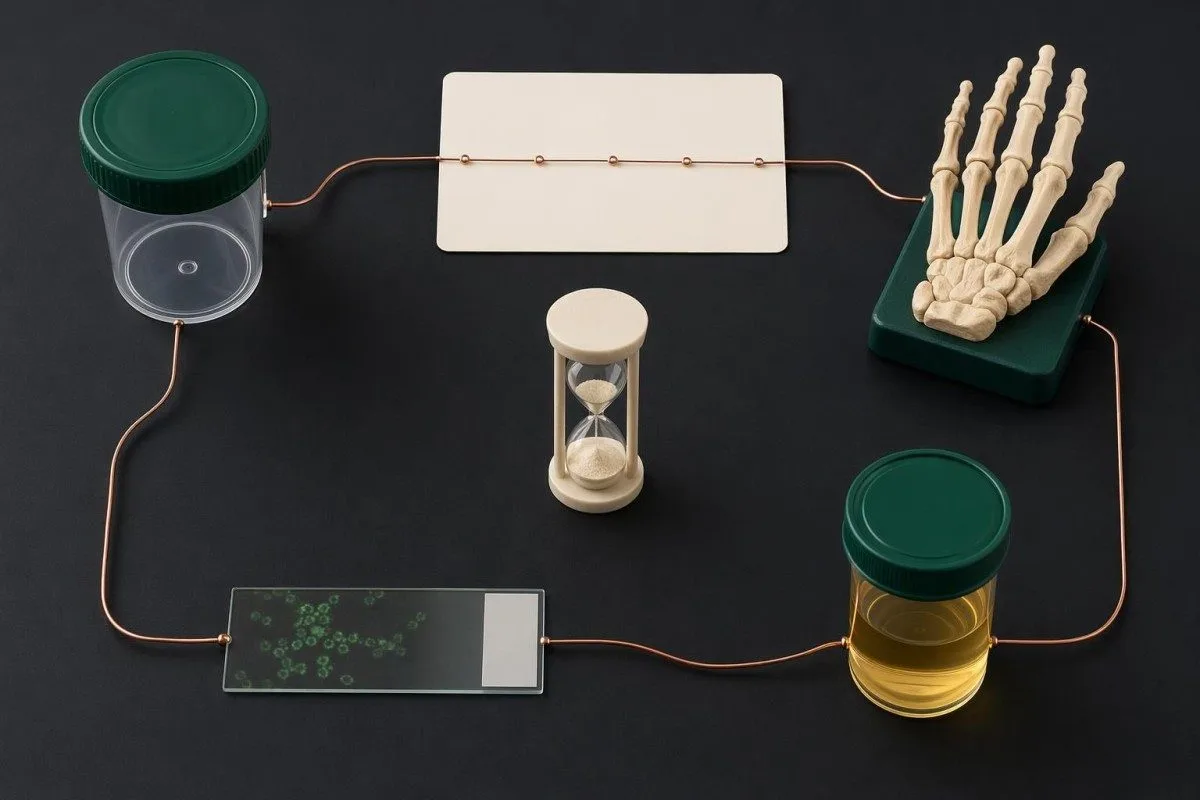
Repeating ANA within a few weeks rarely helps because autoantibody status usually does not swing quickly. In my practice, a 6 to 12 month interval is more sensible when symptoms are evolving but no organ damage is present. Earlier repeat testing makes sense if kidney findings, low blood counts, or inflammatory arthritis suddenly appear.
A repeat test is also reasonable when the first result came from a non-specialist panel with no method listed. I have seen reports that say 'ANA negative' but do not disclose whether the assay was IFA, ELISA, or multiplex. That is not enough detail when someone has a malar-type rash, proteinuria, and lymphopenia.
Trend matters more than isolated flags. If your CRP was 4 mg/L, then 18 mg/L, then 32 mg/L across three months with new joint swelling, the ANA result should be reinterpreted in that timeline. Our blood test comparison guide explains why a series of results often beats a single snapshot.
Symptoms that still deserve rheumatology review
A negative ANA should not block rheumatology review when objective inflammatory signs are present. Persistent joint swelling, inflammatory back pain, digital colour changes, recurrent miscarriages, unexplained clots, purpura-like rashes, muscle weakness, dry eyes with gland swelling, or proteinuria can signal autoimmune disease outside the classic ANA pathway.

The symptom I take most seriously is swelling, not pain alone. Puffy fingers on both hands, tender metacarpophalangeal joints, or morning stiffness longer than 60 minutes raises the pre-test probability for inflammatory arthritis. Rheumatoid arthritis can be ANA-negative, and anti-CCP above the lab's positive cutoff is more specific than rheumatoid factor for RA.
Skin and circulation clues matter too. Raynaud's that starts after age 30, fingertip sores, purpura, livedo, or a rash triggered by sunlight needs a careful exam even with negative ANA. Photosensitivity plus low white cells below 4.0 x 10^9/L is different from fatigue plus a normal CBC.
One man in his 40s came to me after being told his negative ANA meant 'not autoimmune.' His wrists were visibly swollen, CRP was 26 mg/L, and anti-CCP was high; his diagnosis was inflammatory arthritis, not lupus. If joint markers confuse you, our rheumatoid factor guide covers false positives, false negatives, and why anti-CCP changes the discussion.
Follow-up autoimmune blood tests doctors consider next
Follow-up autoimmune blood tests depend on the symptom pattern, because no single autoimmune panel rules everything in or out. Doctors may order ENA antibodies, anti-dsDNA, complements C3 and C4, rheumatoid factor, anti-CCP, ANCA, antiphospholipid antibodies, thyroid antibodies, celiac serology, myositis antibodies, or immunoglobulin levels.

For lupus-like symptoms, anti-dsDNA, ENA antibodies, C3, C4, CBC, creatinine, and urine protein are more informative than another standalone ANA. Low C3 below roughly 90 mg/dL or low C4 below roughly 10 mg/dL can support immune-complex activity, although reference intervals vary by lab. The lupus blood test guide walks through the pattern when dsDNA and complements disagree.
For joint symptoms, I usually think rheumatoid factor and anti-CCP first; for sinus-lung-kidney symptoms, PR3-ANCA and MPO-ANCA rise on the list. For dry eyes and dry mouth, anti-Ro/SSA, anti-La/SSB, immunoglobulins, and sometimes formal eye testing may be more useful than repeating ANA.
Kantesti AI interprets more than 15,000 biomarkers by comparing organ-system patterns, unit differences, reference ranges, and prior results. Our biomarkers guide is helpful if your report contains unfamiliar antibody names, complement fractions, or mixed units.
The practical rule is boring but safe: test the suspected disease, not the internet list. Broad antibody fishing can produce a weak positive that sends everyone down the wrong road.
CBC, ESR, and CRP patterns that redirect the work-up
CBC, ESR, and CRP can show objective inflammation or blood-cell changes when ANA is negative. CRP above 10 mg/L, ESR above age-adjusted expectations, platelets above 450 x 10^9/L, neutrophilia, lymphopenia, or unexplained anemia can point toward infection, inflammatory disease, malignancy, iron deficiency, or medication effects.
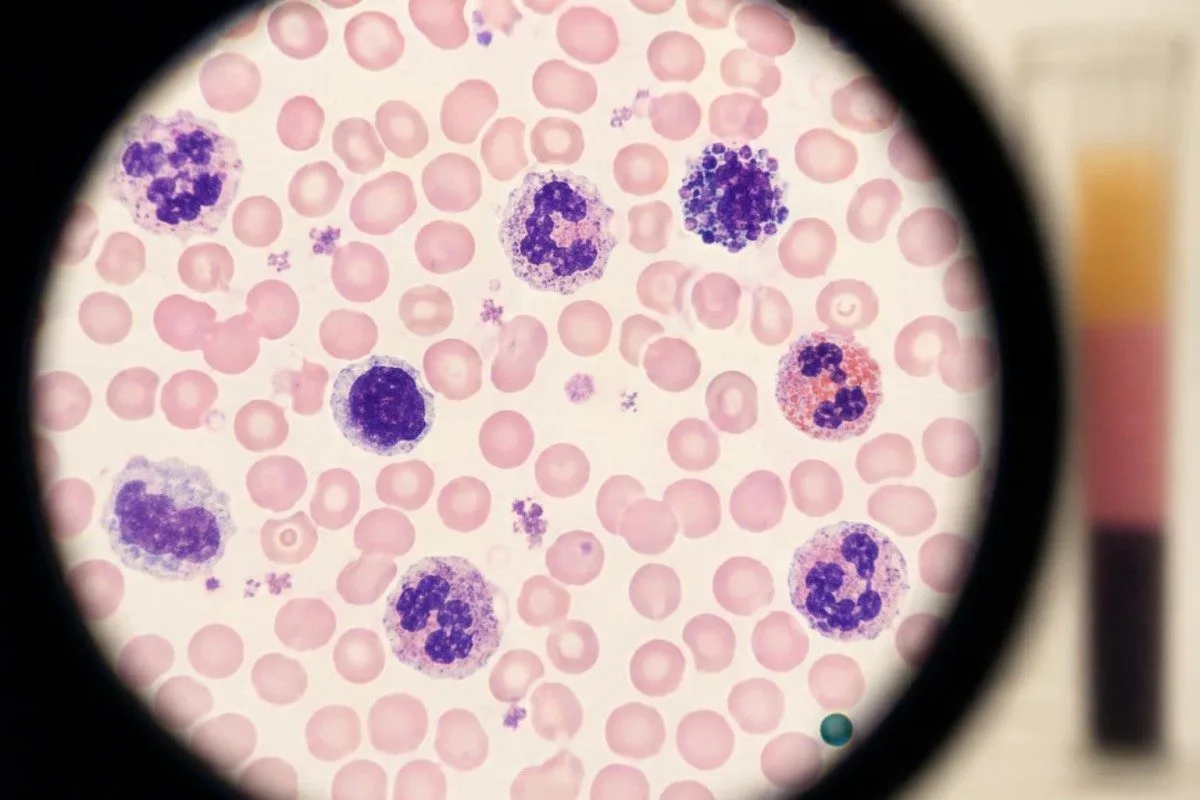
CRP is usually more responsive to acute inflammation than ESR. A CRP under 5 mg/L is often normal, 5 to 10 mg/L is borderline, and above 10 mg/L deserves context; values above 100 mg/L make infection, major tissue injury, or severe inflammation more likely than quiet lupus. ESR rises with age, anemia, pregnancy, and high immunoglobulins, so I never read it alone.
CBC patterns add texture. Lymphocytes below 1.0 x 10^9/L can occur in lupus, viral illness, medications, and immune deficiency; platelets below 150 x 10^9/L raise a different set of questions than platelets above 450 x 10^9/L. A normal ANA with anemia and high RDW may simply be iron deficiency hiding in plain sight.
When I review a panel showing negative ANA, CRP 22 mg/L, ferritin 410 ng/mL, and high neutrophils, I think infection or inflammatory burden before connective tissue disease. For a deeper comparison of markers, see our guide to blood tests for inflammation.
Thyroid disease blood tests that mimic autoimmune illness
A thyroid disease blood test can explain fatigue, hair shedding, weight change, palpitations, anxiety, low mood, constipation, muscle aches, and menstrual changes despite a negative ANA. Doctors usually start with TSH and free T4, then add anti-TPO and anti-thyroglobulin antibodies when autoimmune thyroiditis is suspected.
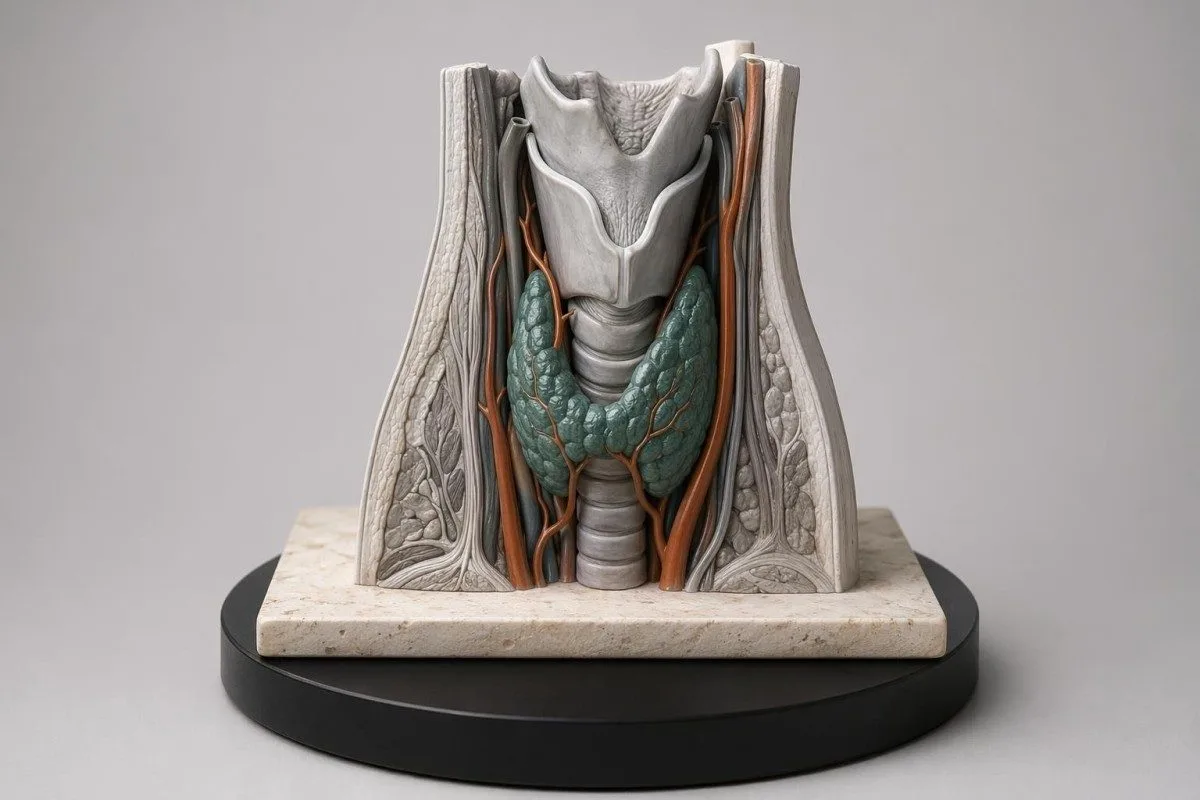
NICE thyroid guidance recommends TSH and free T4 as core tests for suspected thyroid dysfunction, with thyroid antibodies used when autoimmune thyroid disease is part of the question (NICE, 2019). In many adults, TSH around 0.4 to 4.0 mIU/L is used as a reference interval, but pregnancy, age, medications, and local lab methods shift the interpretation.
Hashimoto's thyroiditis can produce body aches, heavy periods, dry skin, brain fog, and raised cholesterol with ANA negative. Anti-TPO antibody positivity is common in Hashimoto's, and levels may be positive years before TSH becomes clearly abnormal. Kantesti's neural network flags that pattern when thyroid antibodies, TSH drift, lipids, ferritin, and symptoms move together.
Biotin is a quiet troublemaker. Doses of 5 to 10 mg daily, common in hair and nail supplements, can distort some thyroid immunoassays and make TSH or free T4 look wrong; many labs ask patients to stop biotin for 48 to 72 hours before testing. Our thyroid panel guide explains when free T3 and antibodies are useful, and our AI-powered blood test interpretation can place those thyroid results beside the ANA rather than in a separate mental drawer.
Nutrient deficiencies that feel autoimmune but are not
Iron, B12, folate, vitamin D, and magnesium deficiencies can mimic autoimmune disease while ANA remains negative. Fatigue, restless legs, tingling, burning feet, mouth soreness, hair shedding, muscle pain, low mood, dizziness, and poor exercise tolerance often improve only when the missing nutrient is identified and corrected.
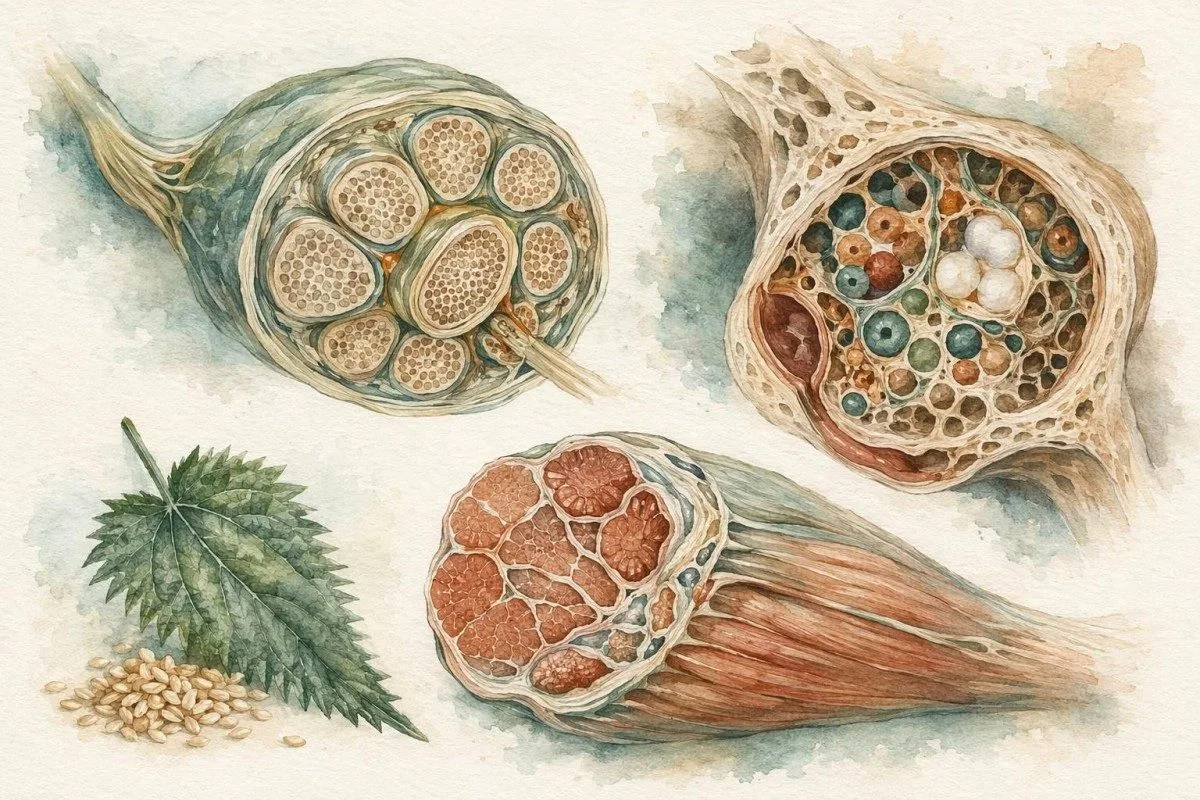
Ferritin below 30 ng/mL strongly supports depleted iron stores in many symptomatic adults, even if hemoglobin remains normal. I have seen marathon runners with hemoglobin 13.2 g/dL and ferritin 8 ng/mL who were told their CBC was fine; they were not fine. Low iron can cause hair shedding, palpitations, breathlessness, and cognitive drag.
Vitamin B12 below 200 pg/mL is usually deficient, while 200 to 400 pg/mL can be borderline if methylmalonic acid is high. B12 deficiency can cause numbness, imbalance, glossitis, mood change, and memory symptoms before anemia appears. That is one reason a normal CBC does not exclude a clinically meaningful deficiency.
Vitamin D below 20 ng/mL is commonly called deficient, though target debates remain lively. Muscle aches and bone pain are not specific, but I still check 25-OH vitamin D when widespread pain persists and ANA is negative. For practical thresholds, our guide to B12 deficiency without anemia is a good companion to iron, folate, and vitamin D testing.
Infections and post-viral syndromes doctors rule out
Infections and post-viral syndromes can cause fatigue, joint pain, rashes, swollen glands, low-grade fevers, and brain fog with a negative ANA. Doctors consider recent viral illness, hepatitis, HIV, parvovirus B19, Epstein-Barr virus, Lyme disease in exposed regions, tuberculosis risk, and occult bacterial infection when inflammatory markers or history fit.

The timing tells half the story. Joint pain starting 2 to 4 weeks after a viral syndrome is different from joint pain creeping in over 5 years. Parvovirus B19 can cause symmetric hand arthritis in adults; hepatitis C can mimic rheumatologic disease; HIV can present with rashes, fatigue, and blood-count changes.
Lyme testing is useful only with plausible exposure and compatible timing. Antibodies may be negative early, and a positive IgM months after symptoms began is often misleading. Two-tier testing still requires clinical judgment; in low-prevalence settings, false positives can outnumber true positives.
I also watch the CBC. High neutrophils, CRP above 50 mg/L, abnormal liver enzymes, or night sweats push infection and malignancy higher on the list than ANA-negative lupus. Our Lyme disease testing guide explains why timing changes interpretation more than most patients are told.
Pain, fatigue, and nervous-system conditions after negative ANA
Widespread pain and fatigue after a negative ANA may come from fibromyalgia, sleep apnea, dysautonomia, migraine biology, small-fiber neuropathy, depression, anxiety, medication effects, or post-exertional malaise. These conditions are real, but they usually require different tests and treatment pathways than connective tissue disease.

Fibromyalgia is not a diagnosis of laziness or imagination. It is a pain-processing disorder, often with unrefreshing sleep, tenderness, headaches, bowel sensitivity, and post-exertional crashes. ANA is usually negative because the mechanism is not a nuclear autoantibody disorder.
Small-fiber neuropathy is another overlooked mimic. Burning feet, electric shocks, temperature sensitivity, and normal nerve conduction studies can coexist because routine nerve tests assess large fibers better than small fibers. Doctors may consider glucose, HbA1c, B12, SPEP, thyroid tests, celiac serology, and sometimes skin nerve-fiber testing.
Sleep apnea deserves more respect in autoimmune work-ups. A patient with morning headaches, non-restorative sleep, high hematocrit, and daytime sleepiness may need a sleep study more than another antibody panel. If fatigue is the dominant symptom, our fatigue blood test guide lists the labs I usually want before calling symptoms unexplained.
Urine, kidney, and liver clues that should not be skipped
Urine, kidney, and liver tests can reveal organ involvement that an ANA test cannot see. Creatinine, eGFR, urinalysis, urine albumin-creatinine ratio, ALT, AST, ALP, bilirubin, albumin, and total protein help doctors separate autoimmune disease from kidney disease, liver disease, dehydration, infection, and metabolic illness.
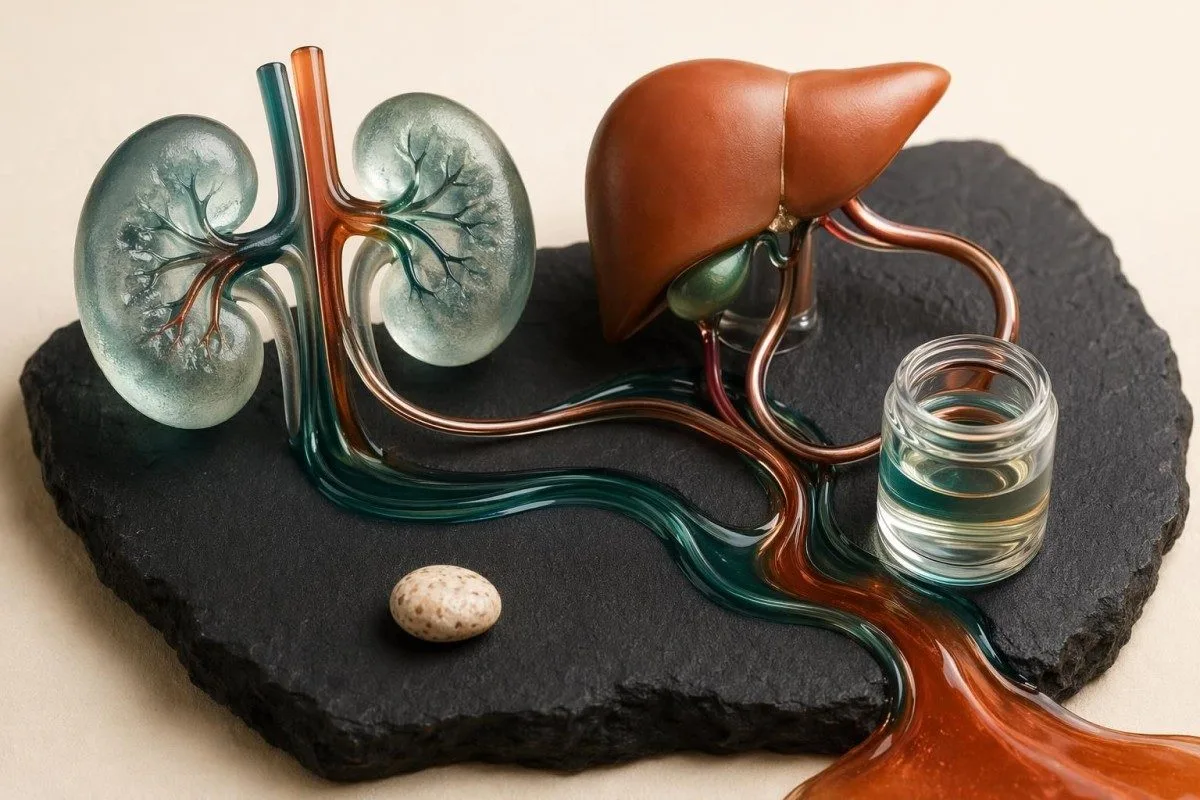
A normal ANA does not make abnormal urine safe. Albumin-creatinine ratio above 30 mg/g, persistent blood in urine, or casts on microscopy deserve follow-up because kidney disease can be silent. Lupus nephritis is less likely with negative ANA, but IgA nephropathy, infection, stones, and other renal diseases remain possible.
Liver tests matter because autoimmune-like symptoms sometimes come from hepatobiliary disease. ALT above 40 IU/L, ALP above 120 IU/L, or bilirubin above the lab range may point toward fatty liver, viral hepatitis, medication injury, gallbladder disease, or autoimmune liver disease that needs specific antibodies rather than ANA alone.
Protein patterns can also be revealing. Low albumin below 3.5 g/dL suggests loss, inflammation, liver synthesis issues, or nutrition problems; high globulins can reflect chronic inflammation or immune activation. Our urinalysis guide is useful when the urine dipstick has trace protein, blood, or leukocytes and nobody has explained the next step.
Medications, hormones, and life stage can distort the picture
Medications, hormonal shifts, pregnancy, postpartum changes, perimenopause, and menopause can cause symptoms that look autoimmune while ANA is negative. Doctors review new prescriptions, supplements, contraception, fertility treatment, isotretinoin, statins, checkpoint immunotherapy, thyroid medication, and high-dose biotin before labelling symptoms autoimmune.

The timeline is often diagnostic. Muscle aches beginning 6 weeks after starting a statin, palpitations after increasing thyroid medication, or anxiety and insomnia after corticosteroids are not solved by ANA testing. Drug reactions can raise eosinophils, liver enzymes, CK, or CRP depending on the mechanism.
Perimenopause can overlap brutally with autoimmune work-ups. Joint aches, sleep fragmentation, hot flashes, migraines, palpitations, heavy bleeding, and brain fog may appear in the same 2-year window as thyroid disease or iron deficiency. In women with heavy periods, ferritin below 30 ng/mL is one of the first labs I check.
Postpartum immune shifts are another real-world wrinkle. Thyroiditis can occur after pregnancy, and symptoms may be misread as anxiety, sleep deprivation, or lupus. Our women's health guide covers cycle timing, hormone symptoms, and the blood tests that help avoid guessing.
How Kantesti interprets negative ANA results in context
Kantesti interprets a negative ANA by analysing surrounding lab patterns, units, reference ranges, age, sex, trends, and symptom clues. Our AI does not treat ANA as a final answer; it compares autoimmune markers with CBC, inflammation, thyroid, kidney, liver, iron, B12, vitamin D, glucose, and medication-relevant patterns.

Kantesti's neural network has been designed around pattern recognition because clinicians think in patterns. A negative ANA with normal CBC, normal CRP, normal urine, and ferritin 6 ng/mL should trigger a different explanation than negative ANA with CRP 45 mg/L and swollen wrists. Our medical validation page describes how clinical standards shape that approach.
Our platform can process uploaded PDFs or photos in about 60 seconds, but speed is not the medical point. The point is seeing contradictions: a 'normal' hemoglobin with low ferritin, a normal TSH with positive anti-TPO, or a borderline creatinine with declining eGFR over 18 months. The AI lab interpretation workflow shows how we keep trend analysis separate from diagnosis.
As Thomas Klein, MD, I still tell patients that software should not replace a clinician examining swollen joints, listening to lungs, or checking urine microscopy. Kantesti AI helps organise risk and questions; it does not tell a patient to ignore chest pain, weakness, clot symptoms, or sudden neurological changes.
A practical next-step plan when symptoms persist
The safest next step after a negative ANA is a structured review: confirm the test method, map symptoms by organ system, check objective inflammation and organ markers, rule out thyroid and nutrient problems, and repeat or expand autoimmune testing only when new evidence supports it. As of April 28, 2026, this remains the approach I trust most.

Bring your doctor a one-page timeline with symptom onset, infections, medications, supplements, pregnancy or hormone changes, travel, tick exposure, rashes, swelling, fevers, weight change, and family autoimmune history. Ask whether the ANA was HEp-2 IFA and whether urine, CBC, CRP, ESR, creatinine, ALT, ferritin, B12, vitamin D, TSH, free T4, and thyroid antibodies have been checked.
Seek urgent care rather than waiting for repeat labs if you have chest pain, shortness of breath, one-sided weakness, new confusion, coughing blood, black stools, severe abdominal pain, rapidly spreading rash, fainting, or a swollen painful calf. These symptoms are not 'ANA questions'; they are safety questions.
If you want a fast second look at your report, you can try free analysis and bring the output to your clinician. Kantesti LTD is a UK medical AI company; our doctors and reviewers are listed on the medical advisory board, and our organisation details are available on About Us.
Kantesti research is also public. The clinical validation benchmark for the 2.78T engine is available at Figshare via https://doi.org/10.6084/m9.figshare.32095435, and our women's health publication is available via https://doi.org/10.6084/m9.figshare.31830721. I include these because patients deserve to see the evidence trail, not just the product claim.
Frequently Asked Questions
Can you have lupus with a negative ANA test?
Lupus with a negative ANA test is uncommon, especially when ANA is performed by HEp-2 indirect immunofluorescence at a cutoff of 1:80. The 2019 EULAR/ACR lupus classification criteria require ANA positivity at least once as an entry criterion, which reflects how sensitive ANA is for typical systemic lupus. Doctors may still investigate if there is objective evidence such as proteinuria, low C3 or C4, low platelets, inflammatory rash, or biopsy-proven organ disease. In routine practice, a negative ANA plus normal CBC, urine, complements, and CRP makes active lupus much less likely.
Should I repeat my ANA test if symptoms continue?
Repeating an ANA test is most useful when new objective symptoms appear, not simply because fatigue or pain continues. New swollen joints, mouth ulcers, Raynaud's, photosensitive rash, unexplained low platelets, protein in urine, or rising inflammatory markers justify repeat ANA or an expanded antibody panel. If nothing has changed, repeating ANA within weeks rarely adds useful information. Many clinicians wait 6 to 12 months unless there is new organ involvement.
What autoimmune diseases can have a negative ANA?
Several autoimmune diseases can occur with a negative ANA because they are not primarily driven by nuclear antibodies. Examples include seronegative rheumatoid arthritis, ANCA-associated vasculitis, antiphospholipid syndrome, autoimmune thyroid disease, celiac disease, some inflammatory bowel disease, and some myositis or Sjögren's presentations. The follow-up tests depend on the organ pattern, such as anti-CCP for inflammatory arthritis, PR3-ANCA or MPO-ANCA for vasculitis, and anti-TPO for thyroid autoimmunity. A negative ANA lowers lupus probability but does not rule out every immune-mediated condition.
Which labs should doctors check after a negative ANA?
After a negative ANA, doctors often check CBC with differential, ESR, CRP, creatinine, eGFR, urinalysis, urine albumin-creatinine ratio, ALT, AST, ferritin, B12, vitamin D, TSH, free T4, and thyroid antibodies. If symptoms point to a specific autoimmune disease, they may add anti-CCP, rheumatoid factor, ENA antibodies, anti-dsDNA, C3, C4, ANCA, antiphospholipid antibodies, celiac serology, or myositis antibodies. CRP above 10 mg/L, ferritin below 30 ng/mL, TSH above 4.5 mIU/L, or albumin-creatinine ratio above 30 mg/g can meaningfully redirect the work-up. The lab list should match the symptoms rather than function as a generic fishing expedition.
Can thyroid disease cause symptoms that feel autoimmune?
Yes, thyroid disease can cause fatigue, hair shedding, joint aches, muscle pain, weight change, palpitations, anxiety, depression-like symptoms, constipation, and menstrual changes while ANA remains negative. A typical thyroid disease blood test starts with TSH and free T4, and anti-TPO or anti-thyroglobulin antibodies are added when Hashimoto's thyroiditis is suspected. TSH above about 4.5 mIU/L with symptoms may need repeat testing and antibody review, while TSH below 0.1 mIU/L can suggest hyperthyroid physiology. Biotin doses of 5 to 10 mg daily can distort some thyroid lab assays, so many labs advise stopping it 48 to 72 hours before testing.
Can inflammation markers be normal in autoimmune disease?
Inflammation markers can be normal in some autoimmune diseases, so normal ESR and CRP do not completely exclude immune disease. That said, CRP above 10 mg/L or ESR above age-adjusted expectations gives doctors objective evidence to pursue infection, inflammatory arthritis, vasculitis, inflammatory bowel disease, or other inflammatory causes. Lupus can sometimes have active symptoms with modest CRP, while bacterial infection often drives CRP much higher, sometimes above 100 mg/L. Doctors interpret ESR and CRP alongside the exam, CBC, urine, complements, and organ-specific tests.
What non-autoimmune causes mimic autoimmune symptoms with negative ANA?
Common non-autoimmune causes of autoimmune-like symptoms with negative ANA include iron deficiency, B12 deficiency, vitamin D deficiency, thyroid dysfunction, sleep apnea, fibromyalgia, post-viral syndromes, Lyme disease in exposed regions, medication effects, menopause or perimenopause, depression, anxiety, diabetes, kidney disease, and liver disease. Ferritin below 30 ng/mL, B12 below 200 pg/mL, vitamin D below 20 ng/mL, or TSH outside the lab range can explain symptoms that resemble autoimmune illness. These causes are not less real because ANA is negative. They simply need a different diagnostic pathway.
Get AI-Powered Blood Test Analysis Today
Join over 2 million users worldwide who trust Kantesti for instant, accurate lab test analysis. Upload your blood test results and receive comprehensive interpretation of 15,000+ biomarkers in seconds.
📚 Referenced Research Publications
Klein, T., Mitchell, S., & Weber, H. (2026). Clinical Validation of the Kantesti AI Engine (2.78T) on 100,000 Anonymised Blood Test Cases Across 127 Countries: A Pre-Registered, Rubric-Based, Population-Scale Benchmark Including Hyperdiagnosis Trap Cases — V11 Second Update. Kantesti AI Medical Research.
Klein, T., Mitchell, S., & Weber, H. (2026). Women's Health Guide: Ovulation, Menopause & Hormonal Symptoms. Kantesti AI Medical Research.
📖 External Medical References
National Institute for Health and Care Excellence (2019). Thyroid disease: assessment and management. NICE guideline NG145. NICE Guideline.




⚕️ Medical Disclaimer
This article is for educational purposes only and does not constitute medical advice. Always consult a qualified healthcare provider for diagnosis and treatment decisions.
E-E-A-T Trust Signals
Experience
Physician-led clinical review of lab interpretation workflows.
Expertise
Laboratory medicine focus on how biomarkers behave in clinical context.
Authoritativeness
Written by Dr. Thomas Klein with review by Dr. Sarah Mitchell and Prof. Dr. Hans Weber.
Trustworthiness
Evidence-based interpretation with clear follow-up pathways to reduce alarm.