
A TSH result near the edge of normal can mean very different things depending on when and how it was measured. Here is how I read the grey-zone results in real practice.



- Normal range for TSH is usually about 0.4-4.0 mIU/L in non-pregnant adults, but many labs report 0.27-4.2 or 0.45-4.5 mIU/L.
- TSH normal range adults should be interpreted with free T4, symptoms, medications, pregnancy status, and prior results—not the flag alone.
- Borderline TSH level around 4.0-6.0 mIU/L often deserves repeat testing in 6-8 weeks before treatment changes, unless pregnancy or major symptoms change the risk.
- TSH test timing matters because TSH is often highest overnight and early morning, then lower in the afternoon by roughly 20-50% in some people.
- Age effects mean a TSH of 5.5 mIU/L may be more concerning at age 28 than at age 82, especially if free T4 is normal and thyroid antibodies are negative.
- Pregnancy targets are different; if local pregnancy-specific ranges are unavailable, the 2017 ATA guideline supports using about 4.0 mIU/L as the upper reference limit in early pregnancy.
- Biotin supplements at 5-10 mg daily can falsely lower TSH and falsely raise free T4 or T3 on some immunoassays; many clinicians ask patients to stop biotin for 48-72 hours before testing.
- Levothyroxine timing affects free T4 more than TSH on the same day; for clean trend tracking, many patients test before the morning dose and repeat after 6-8 weeks after any dose change.
- Kantesti AI reads TSH alongside age, sex, pregnancy clues, medications, free T4, antibodies, and lab history rather than treating the reference range as a single universal truth.
What the normal range for TSH usually means
As of April 28, 2026, the normal range for TSH in most non-pregnant adults is roughly 0.4-4.0 mIU/L, but that number can legitimately shift with age, time of day, pregnancy, biotin supplements, and thyroid medicine timing. A borderline TSH level is not automatically thyroid disease; in my practice I usually repeat it at the same lab, early morning, with biotin held, before changing treatment. Kantesti AI helps readers put that single number back into context.
The TSH normal range adults see on a report is usually a statistical interval, not a personal target. Most laboratories define it from the central 95% of a reference population, which means about 2.5% of apparently healthy people will sit below it and 2.5% above it without obvious thyroid disease.
A TSH of 4.3 mIU/L can be called high by one lab and normal by another, especially when the local upper limit is 4.5 mIU/L. That is why I get twitchy when patients bring me screenshots without the lab name, collection time, free T4, or medication list; the missing context often changes the advice.
TSH is a pituitary signal, not a direct thyroid hormone measurement. If your result sits near a cutoff, our related guide on borderline blood results explains why repeatability, trend, and clinical fit usually beat one isolated flag.
Why different labs print different TSH ranges
Different laboratories print different TSH reference ranges because they use different immunoassay platforms, local reference populations, calibration methods, and exclusion rules for thyroid antibodies. A range of 0.27-4.2 mIU/L and a range of 0.45-4.5 mIU/L can both be defensible.
TSH is commonly measured by a third-generation immunometric assay with analytical sensitivity around 0.01-0.02 mIU/L. The precision is excellent for most clinical decisions, yet small differences near 4.0 mIU/L are enough to create a normal-versus-high label.
Units confuse people too. mIU/L and µIU/mL are numerically identical for TSH, so a TSH of 2.1 mIU/L equals 2.1 µIU/mL; the unit change does not change the biology.
The reason we wrote about blood test normal ranges is exactly this problem: a reference interval is a comparison group, not a verdict. When I review a result, I ask whether the lab excluded pregnant patients, people on thyroid medication, and antibody-positive people when it built the interval.
How age changes the upper end of normal
Age tends to push the upper end of TSH upward, especially after 70 years, so a borderline result can carry different meaning in a young adult than in an older adult. In population data, older adults often have more values between 4.5 and 7.0 mIU/L with normal free T4.
Hollowell et al. reported in the NHANES III analysis that TSH distribution varies by age, sex, iodine exposure, and thyroid antibodies, which is why a single universal cutoff is clinically blunt (Hollowell et al., 2002). In our analysis of thyroid panels across many countries, the same pattern appears: age changes the pre-test probability before the number is even read.
For a 32-year-old planning pregnancy, a persistent TSH of 5.2 mIU/L makes me ask about antibodies and free T4 quickly. For an 84-year-old with a free T4 in range, no goitre, and no symptoms, the same value may lead to watchful repeat testing rather than a reflex prescription.
Children are a separate story. Neonates and younger children can have higher age-specific TSH intervals, and our guide to TSH in children explains why adult cutoffs should not be pasted onto a paediatric report.
Why TSH test timing can shift the result
TSH test timing matters because TSH follows a circadian rhythm: it often rises overnight, peaks during sleep, and falls later in the day. A borderline morning TSH of 4.6 mIU/L might be 3.2-3.8 mIU/L if drawn in the afternoon in the same person.
The overnight-to-afternoon swing is not trivial. In some euthyroid adults, TSH can vary by roughly 20-50% across the day, which means timing alone can move a result across the upper reference line.
Sleep disruption adds another wrinkle. A night-shift nurse who tests after a broken daytime sleep may not fit the usual 8 a.m. physiology; I have seen stable patients look newly borderline after three night shifts and return to baseline after a normal sleep schedule.
If you are tracking a borderline thyroid result, test at roughly the same time of day each time. The same logic applies to cortisol, where timing is even more obvious, and we unpack that pattern in our cortisol timing guide.
When a borderline TSH level should be repeated
A borderline TSH level should usually be repeated when it is mildly abnormal, the free T4 is normal, and the clinical story is not urgent. For many adults, repeating TSH plus free T4 in 6-8 weeks is more informative than reacting to a single value around 4.0-6.0 mIU/L.
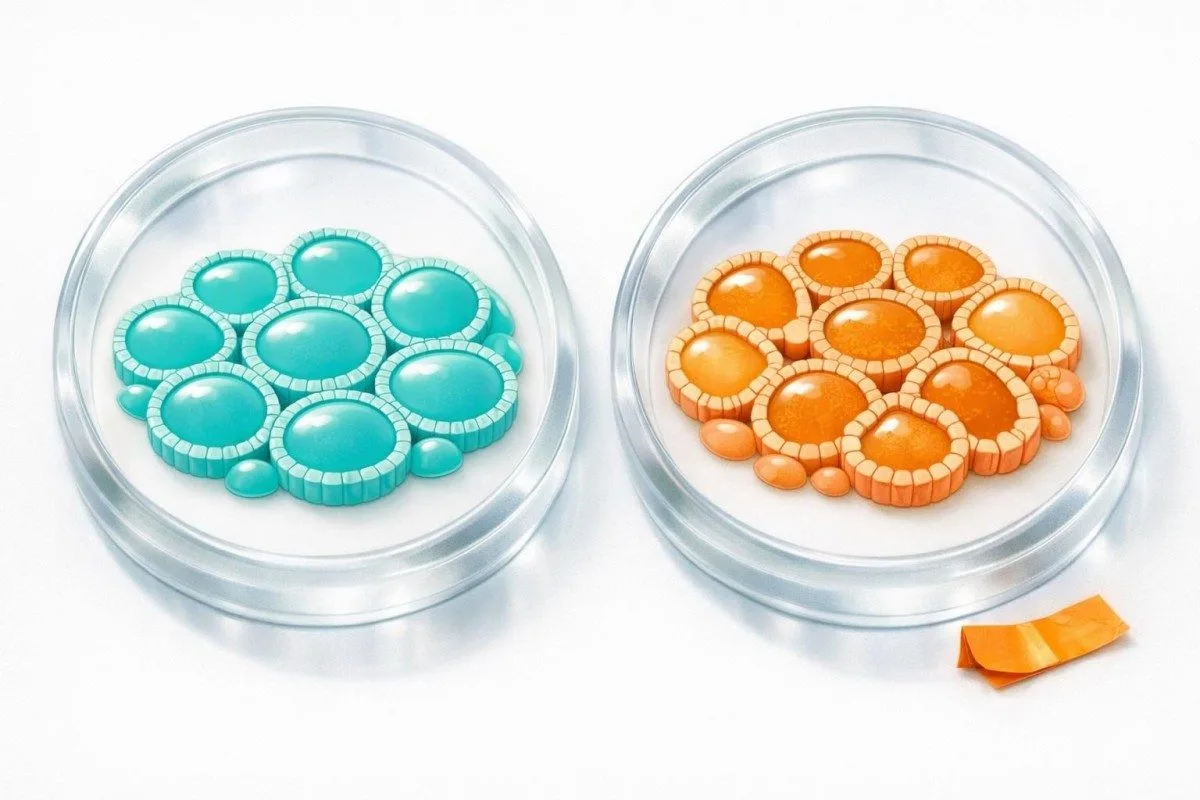
TSH has a biological half-life of about 1 hour, but the thyroid-pituitary system adapts slowly after illness, medication changes, or dose adjustments. That is why the practical retest window is usually weeks, not days.
One patient I reviewed, a 46-year-old runner, had TSH values of 4.9, 3.7, and 4.4 mIU/L across three labs over four months, with normal free T4 and negative TPO antibodies. The pattern looked less like progressive thyroid failure and more like assay and timing variation layered onto a high-normal personal set point.
I use a simple rule: if the result is near the line, the person is stable, and no pregnancy risk exists, first make the next test cleaner. Our guide on catching what matters gives the same principle for other lab markers that wobble near cutoffs.
How pregnancy changes the TSH target
Pregnancy changes TSH interpretation because hCG can stimulate the thyroid, especially in the first trimester, and the acceptable TSH range becomes pregnancy-specific. If local trimester-specific ranges are unavailable, the 2017 American Thyroid Association guideline supports an upper reference limit near 4.0 mIU/L in early pregnancy.

Older advice often used 2.5 mIU/L as the first-trimester upper limit and 3.0 mIU/L later, but the evidence became messier once diverse iodine status and assay differences were considered. Alexander et al. updated the ATA pregnancy guidance in 2017, advising population- and trimester-specific ranges where possible (Alexander et al., 2017).
Trying to conceive is not the same as being pregnant, but it changes my threshold for follow-up. A TSH of 4.2 mIU/L in a person actively pursuing pregnancy usually makes me check free T4 and TPO antibodies sooner than I would in a symptom-free older adult.
Kantesti AI flags pregnancy context separately because the same TSH value can mean different urgency depending on gestational week, antibody status, and current levothyroxine dose. For a deeper pregnancy-specific breakdown, see our pregnancy TSH cutoffs.
How biotin can make TSH look falsely normal
Biotin can make TSH look falsely low, falsely normal, or discordant with free T4 depending on the assay design. Hair-and-nail products often contain 5,000-10,000 micrograms, which is 5-10 mg, far above the daily nutritional requirement of about 30 micrograms.

Many thyroid immunoassays use biotin-streptavidin binding. In that setup, extra circulating biotin can falsely lower sandwich assays such as TSH and falsely raise competitive assays such as free T4 or T3.
Li et al. showed in JAMA that biotin ingestion can interfere with multiple hormone and non-hormone assays, creating clinically misleading results in healthy adults (Li et al., 2017). The lab pattern I worry about is a low or low-normal TSH with high free T4 in someone who looks completely well and recently started a high-dose supplement.
Most patients find the safest plan is boring: stop non-prescribed biotin for 48-72 hours before thyroid testing, and ask the lab or clinician if you take very high doses such as 100 mg/day for neurological conditions. We have a focused guide on biotin and thyroid tests because this is one of the commonest avoidable lab traps I see.
What levothyroxine timing changes on test day
Levothyroxine timing affects same-day free T4 more than same-day TSH, but it still matters for clean trend tracking. For many treated patients, testing before the morning levothyroxine dose gives a steadier comparison across visits.
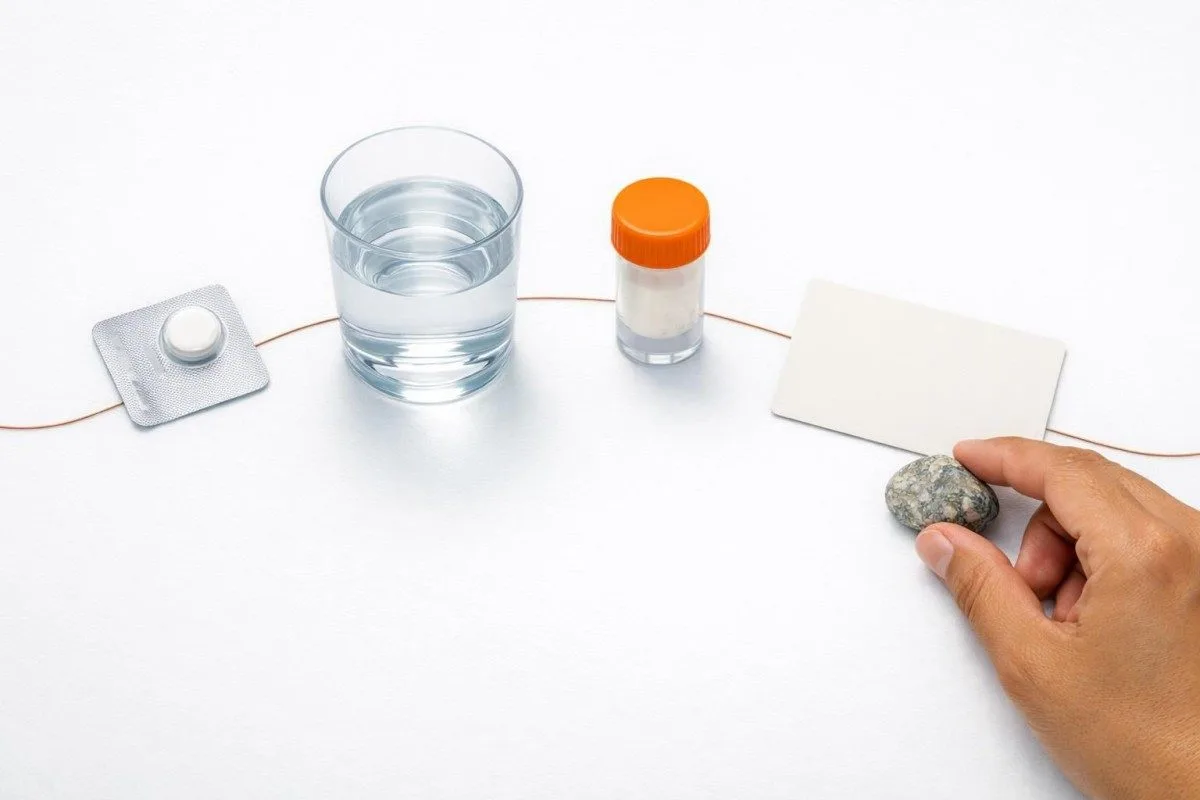
After a levothyroxine tablet, free T4 can rise for several hours, commonly peaking around 2-4 hours after dosing. TSH responds more slowly, so a tablet taken at 7 a.m. usually will not instantly change an 8 a.m. TSH, but it can make the paired free T4 look higher than your usual trough.
Dose changes take time. A TSH checked 10 days after increasing from 75 mcg to 88 mcg is usually premature; I typically wait 6-8 weeks unless there is a safety concern, pregnancy, or a clinician has a specific reason.
The practical trick is consistency. If you always test at 8 a.m. before the tablet, keep doing that, and use our levothyroxine timeline if you are trying to understand why the result lags behind the dose.
Food, coffee, calcium, and iron can blur the picture
Food, coffee, calcium, iron, magnesium, and some stomach-acid medicines can reduce levothyroxine absorption and indirectly move TSH upward over weeks. The usual target is levothyroxine with water, 30-60 minutes before breakfast, or at bedtime at least 3-4 hours after food.

Calcium carbonate and ferrous sulfate are classic culprits. I advise separating calcium, iron, magnesium, multivitamins, and bile-acid binders from levothyroxine by about 4 hours, because even a small daily absorption loss can push TSH from 2.1 to 5.0 mIU/L over time.
Coffee is more controversial but very real for some patients. I have seen people normalize a mildly high TSH simply by moving coffee from 10 minutes after levothyroxine to 60 minutes after it, with no dose change at all.
Fasting is not usually required for TSH itself, but it may matter for paired tests such as glucose or lipids. If your lab visit includes several markers, our fasting test guide can help you avoid mixing thyroid rules with cholesterol or diabetes rules.
Why free T4 can reframe a normal TSH
Free T4 can reframe a normal TSH because TSH is only the pituitary response, while free T4 is the circulating hormone signal available to tissues. A normal TSH with a low free T4 is uncommon and may suggest pituitary, assay, medication, or severe illness context rather than simple primary thyroid disease.
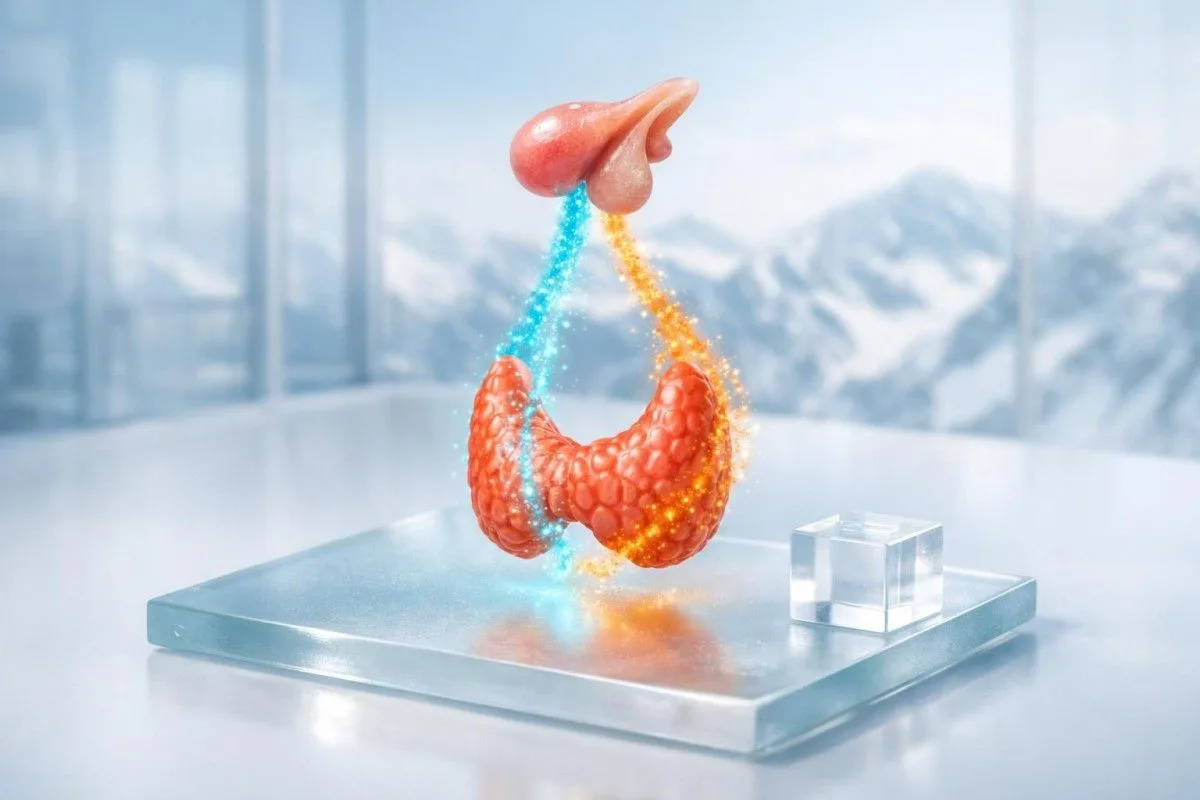
In primary hypothyroidism, TSH and free T4 usually move in opposite directions: TSH rises as free T4 falls. When they do not match—say TSH 1.8 mIU/L with low free T4—the clinician should slow down and ask whether the pituitary signal is trustworthy.
Central hypothyroidism is rare, but missing it matters. I think about it when there are headaches, visual symptoms, low cortisol clues, menstrual changes, low sodium, or multiple pituitary hormone abnormalities alongside the thyroid panel.
A normal TSH does not always close the case. Our free T4 guide shows why free T4, T3, antibodies, and clinical context sometimes matter more than the TSH flag.
Medicines and illness that move TSH without thyroid failure
Several medicines and recent illnesses can shift TSH without permanent thyroid disease. Amiodarone, lithium, glucocorticoids, dopamine agonists, immune checkpoint inhibitors, and severe acute illness can all distort TSH, free T4, or T3 patterns.
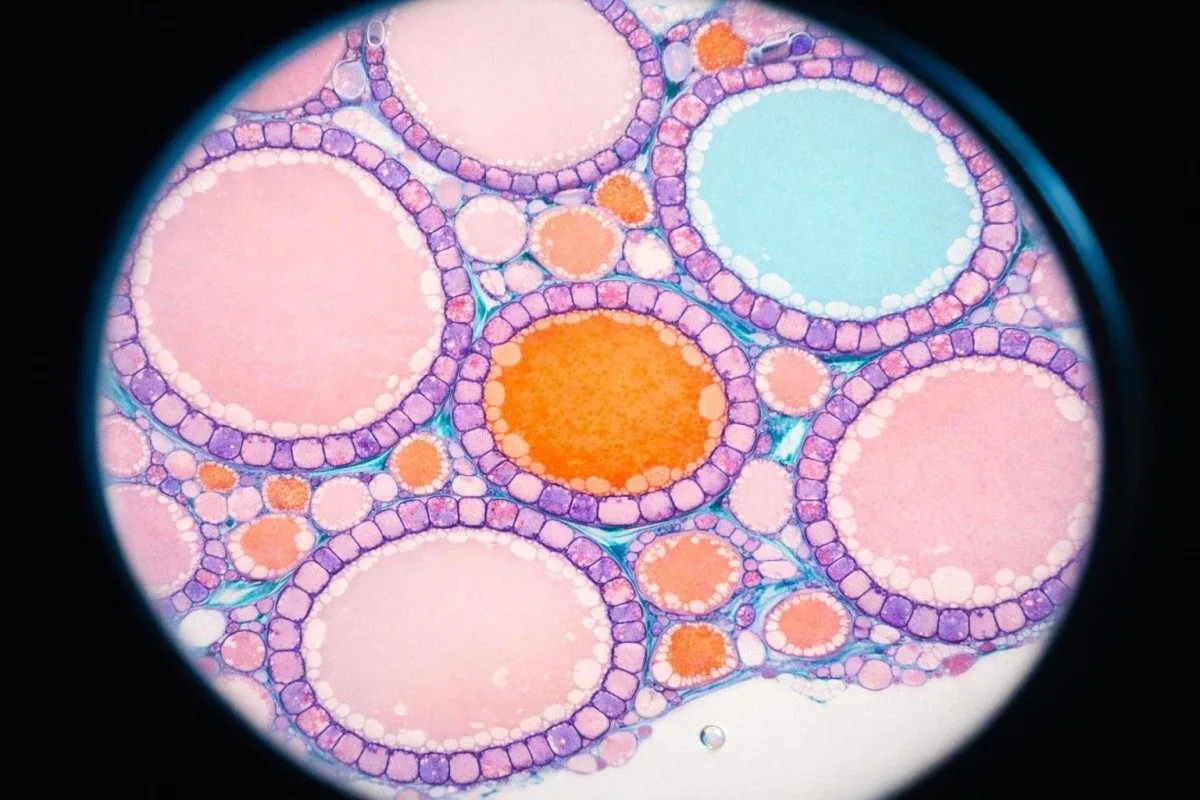
High-dose steroids and dopamine can suppress TSH transiently, sometimes below 0.4 mIU/L, while recovery from acute illness can cause a rebound TSH that briefly rises above 4.5 mIU/L. This is one reason I avoid diagnosing chronic thyroid disease during an emergency admission unless the pattern is unmistakable.
Amiodarone is the odd one clinicians respect. It contains a large iodine load and can produce either hypothyroid or hyperthyroid patterns, with TSH, free T4, and T3 sometimes disagreeing for weeks.
Low T3 with normal TSH can appear during calorie restriction, severe illness, or intense endurance training, and that pattern is not the same as ordinary hypothyroidism. We cover those subtleties in T3 and T4 patterns.
How Kantesti AI reads TSH in context
Kantesti AI interprets TSH by combining the value, reference interval, age, sex, pregnancy clues, medication timing, free T4, thyroid antibodies, symptoms, and prior results. Our platform does not treat 0.4-4.0 mIU/L as a magic line that applies equally to everyone.

Kantesti's neural network has been clinically benchmarked across anonymised blood test cases, including trap cases where a result looks abnormal but the safe answer is to avoid overdiagnosis. Our medical validation page explains how clinician review, structured rubrics, and safety checks are used rather than simple keyword matching.
When our AI blood test analyzer sees TSH 4.8 mIU/L, it asks a different question for a 29-year-old pregnant patient than for an 81-year-old on no thyroid medication. That is exactly where raw lab portals fall short: they show flags, but they rarely explain why the same flag carries different weight.
For readers who want the technical benchmark, our published validation work is available through the Kantesti AI Engine study. I still tell patients the same thing in clinic: AI can organize the reasoning quickly, but new symptoms, pregnancy, chest pain, confusion, or severe weakness need a clinician, not just a dashboard.
A practical checklist before repeating TSH
Before repeating TSH, make the retest comparable: use the same lab if possible, test at the same time of day, hold biotin when safe, document thyroid medicine timing, and include free T4 if the prior result was borderline. These five steps prevent many false trends.

My repeat-test note often looks simple: same laboratory, 7-9 a.m. draw, no biotin for 48-72 hours, levothyroxine after the sample if that is the usual plan, and no new supplements hidden in the week before testing. That removes the common noise before anyone argues over dose.
If symptoms are strong—new palpitations, unexplained weight change, tremor, cold intolerance, constipation, heavy fatigue, or neck swelling—I add free T4 and sometimes thyroid peroxidase antibodies. If the TSH is >10 mIU/L or <0.1 mIU/L, I do not treat it as a routine wellness wobble.
You can upload a PDF or photo to try free blood test analysis and see how Kantesti organizes the context in about 60 seconds. If your report is messy or multilingual, our blood test PDF upload guide shows how to capture it safely.
When a normal TSH still needs clinician review
A normal TSH still needs clinician review when symptoms are severe, free T4 is abnormal, pregnancy is present, pituitary disease is possible, thyroid medication is being adjusted, or there is a neck mass or rapidly changing thyroid pattern. Normal does not always mean resolved.
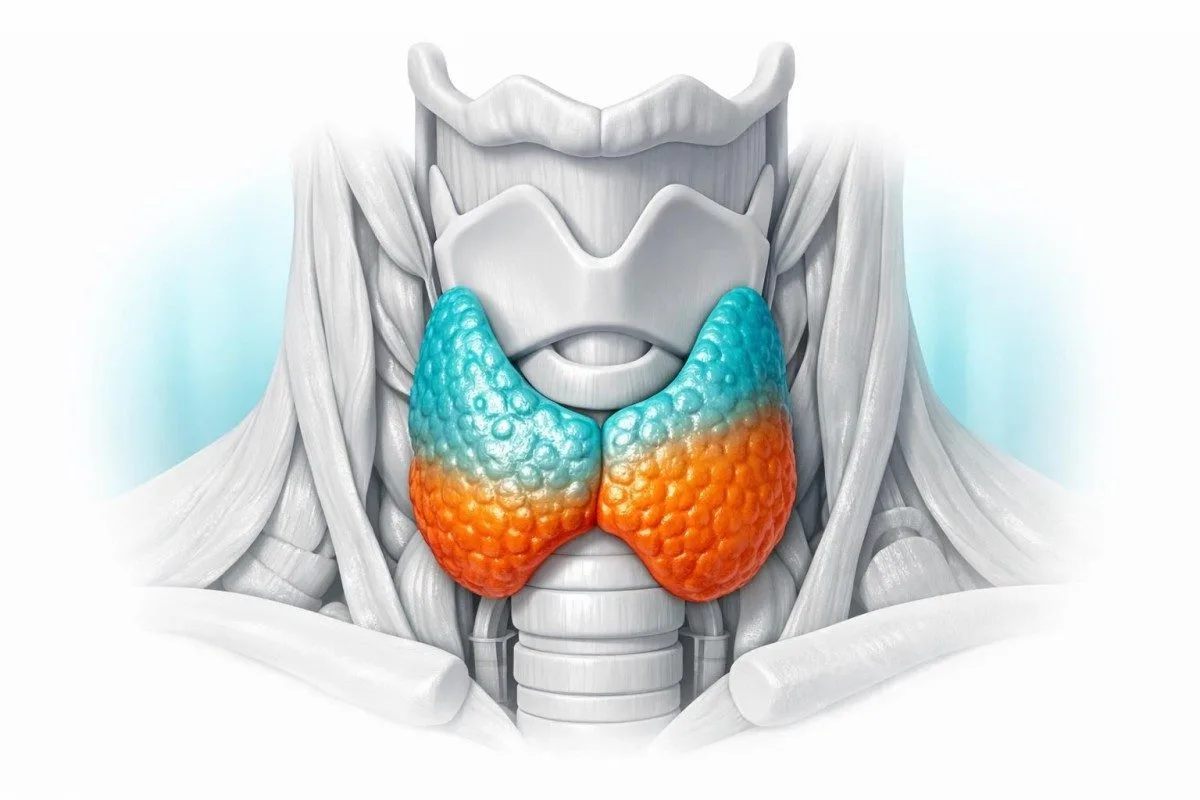
The cases that make me pause are the mismatches. A patient with TSH 2.0 mIU/L, low free T4, new headaches, and low morning cortisol is not reassured by the TSH number; the concern shifts toward pituitary regulation.
Another mismatch is symptoms plus a structural finding. Hoarseness, swallowing difficulty, a growing neck lump, or abnormal thyroid imaging needs clinical assessment even when TSH sits at 1.5 mIU/L, because TSH is not a screening test for every thyroid condition.
Our doctors review safety logic with the Medical Advisory Board so that normal-range results are not over-sold as all-clear. If your TSH is clearly high with a low or low-normal free T4, our related guide on high TSH patterns goes deeper than this normal-range article.
Research publications and clinical references
The evidence behind TSH interpretation comes from population reference studies, pregnancy guidelines, assay-interference studies, and clinical validation work. I am Thomas Klein, MD, and my view is straightforward: a thyroid result is safest when statistics, assay biology, and the patient story are read together.

For Kantesti's own validation work, see: Kantesti Ltd. (2026). Clinical Validation of the Kantesti AI Engine (2.78T) on 100,000 Anonymised Blood Test Cases Across 127 Countries: A Pre-Registered, Rubric-Based, Population-Scale Benchmark Including Hyperdiagnosis Trap Cases — V11 Second Update. Figshare. https://doi.org/10.6084/m9.figshare.32095435. Related profiles: ResearchGate and Academia.edu.
A second Kantesti publication is included for transparency around our broader medical content infrastructure: Kantesti Ltd. (2026). Diarrhea After Fasting, Black Specks in Stool & GI Guide 2026. Figshare. https://doi.org/10.6084/m9.figshare.31438111. It is not used as evidence for TSH cutoffs; it shows the same formal publication workflow.
The external clinical sources below are the ones I would want a patient, endocrinologist, or health editor to recognize: Hollowell et al. for population TSH distribution, Alexander et al. for pregnancy-specific guidance, and Li et al. for biotin interference. You can read more about Kantesti as an organization on About Us, and our broader discussion of safe automation is in AI interpretation limits.
Frequently Asked Questions
What is the normal range for TSH in adults?
The normal range for TSH in most non-pregnant adults is about 0.4-4.0 mIU/L, although some laboratories report ranges such as 0.27-4.2 or 0.45-4.5 mIU/L. TSH in mIU/L and µIU/mL is numerically identical, so 2.0 mIU/L equals 2.0 µIU/mL. A result near the edge of normal should be interpreted with free T4, age, pregnancy status, medications, and prior TSH results.
Is a borderline TSH level always thyroid disease?
A borderline TSH level is not always thyroid disease, especially when it falls around 4.0-6.0 mIU/L and free T4 is normal. Many clinicians repeat TSH and free T4 in 6-8 weeks before changing treatment, because time of day, recent illness, supplements, and lab variation can shift the number. Pregnancy, positive TPO antibodies, strong symptoms, or TSH above 10 mIU/L usually increases the need for clinician review.
What time of day is best for a TSH test?
Morning testing, often between 7 a.m. and 9 a.m., is commonly used for TSH because it gives a more standardized comparison over time. TSH often peaks overnight and can fall by roughly 20-50% later in the day in some people. If you are tracking a borderline result, use the same lab and a similar collection time for each repeat test.
Can biotin affect a normal TSH result?
Yes, biotin can affect a normal TSH result because some thyroid immunoassays use biotin-streptavidin chemistry. Supplements marketed for hair and nails often contain 5-10 mg of biotin, which is far above the usual daily requirement of about 30 micrograms. Many clinicians advise stopping non-prescribed biotin for 48-72 hours before thyroid testing, but high-dose medical biotin may require individualized advice.
Should I take levothyroxine before a TSH blood test?
Many patients on levothyroxine test before their morning dose so free T4 is not temporarily raised by the tablet. Same-day levothyroxine timing usually affects free T4 more than TSH, but consistent timing makes trends easier to interpret. After a levothyroxine dose change, TSH is usually rechecked after 6-8 weeks because the pituitary-thyroid system adjusts slowly.
Does pregnancy change the normal TSH range?
Pregnancy changes the normal TSH range because hCG can stimulate thyroid hormone production and lower TSH, especially in the first trimester. The 2017 American Thyroid Association guideline recommends using local trimester-specific reference ranges when available; if they are unavailable, an upper limit around 4.0 mIU/L in early pregnancy is often used. Pregnant patients or those trying to conceive should discuss borderline TSH results with a clinician.
Can older adults have a higher normal TSH?
Older adults can have a higher TSH distribution than younger adults, particularly after age 70. A TSH of 5.0-6.0 mIU/L with normal free T4 may be interpreted differently in an 82-year-old than in a 28-year-old planning pregnancy. Age does not make every high TSH harmless, but it changes the risk-benefit balance of repeating, monitoring, or treating.
Get AI-Powered Blood Test Analysis Today
Join over 2 million users worldwide who trust Kantesti for instant, accurate lab test analysis. Upload your blood test results and receive comprehensive interpretation of 15,000+ biomarkers in seconds.
📚 Referenced Research Publications
Klein, T., Mitchell, S., & Weber, H. (2026). Clinical Validation of the Kantesti AI Engine (2.78T) on 100,000 Anonymised Blood Test Cases Across 127 Countries: A Pre-Registered, Rubric-Based, Population-Scale Benchmark Including Hyperdiagnosis Trap Cases — V11 Second Update. Kantesti AI Medical Research.
Klein, T., Mitchell, S., & Weber, H. (2026). Diarrhea After Fasting, Black Specks in Stool & GI Guide 2026. Kantesti AI Medical Research.
📖 External Medical References
Li D et al. (2017). Association of Biotin Ingestion With Performance of Hormone and Nonhormone Assays in Healthy Adults. JAMA.




⚕️ Medical Disclaimer
This article is for educational purposes only and does not constitute medical advice. Always consult a qualified healthcare provider for diagnosis and treatment decisions.
E-E-A-T Trust Signals
Experience
Physician-led clinical review of lab interpretation workflows.
Expertise
Laboratory medicine focus on how biomarkers behave in clinical context.
Authoritativeness
Written by Dr. Thomas Klein with review by Dr. Sarah Mitchell and Prof. Dr. Hans Weber.
Trustworthiness
Evidence-based interpretation with clear follow-up pathways to reduce alarm.