
Most cancer blood test markers are not good screening tools for healthy people. They become much more useful when the clinical question is narrow: monitoring a known cancer, checking recurrence risk, or clarifying a suspicious scan.



- Tumor markers are usually better for monitoring known cancer than screening healthy people because false positives are common.
- CA-125 blood test values above 35 U/mL can occur with ovarian cancer, but also with endometriosis, fibroids, liver disease, pregnancy, and pelvic inflammation.
- CEA is most useful after colorectal cancer treatment; non-smokers often use a reference limit near 3 ng/mL and smokers near 5 ng/mL.
- AFP is useful in liver cancer surveillance for selected high-risk patients; adult non-pregnant values are commonly below 10 ng/mL.
- PSA is the partial screening exception, but biopsy decisions should consider age, prostate size, infection, velocity, and MRI findings.
- CA 19-9 is mainly a pancreatic and biliary cancer monitoring marker; values above 37 U/mL are not cancer-specific.
- Trends matter more than one-off numbers; a doubling marker after treatment is usually more meaningful than a single borderline flag.
- Kantesti AI can organize tumor markers alongside CBC, liver enzymes, kidney function, inflammation markers, and previous results in about 60 seconds.
Why most tumor markers are poor screening tests
Most tumor markers are worth ordering only when there is a known cancer, a suspicious imaging finding, a strong inherited risk, or a specialist has a clear follow-up plan. As screening tests in healthy people, CA-125, CEA, AFP, and CA 19-9 create too many false alarms; PSA is the main partial exception, but even PSA needs shared decision-making.

As of April 28, 2026, my practical rule is simple: order cancer blood test markers when the result will change the next step within days or weeks, not when curiosity is the only reason. Kantesti AI helps interpret tumor markers by placing them beside age, sex, CBC, liver enzymes, kidney function, inflammation markers, and prior trends.
In our analysis of 2M+ uploaded blood test reports, I see the same pattern repeatedly: a healthy person orders a broad cancer panel, one marker lands just above range, and the next month becomes a blur of worry. If you want the broader screening picture, our guide to blood tests for cancer explains what routine labs can and cannot catch.
A marker with 95% specificity still produces 5 false positives per 100 healthy people tested. If the cancer is rare in that group, most positive results will not be cancer — that is Bayes' theorem, not pessimism.
How a tumor markers blood test actually works
A tumor markers blood test usually measures proteins, glycoproteins, hormones, or enzymes released by cancer cells or by normal tissues reacting to cancer. The same marker can rise from benign tissue irritation, impaired clearance, pregnancy, smoking, or inflammation.
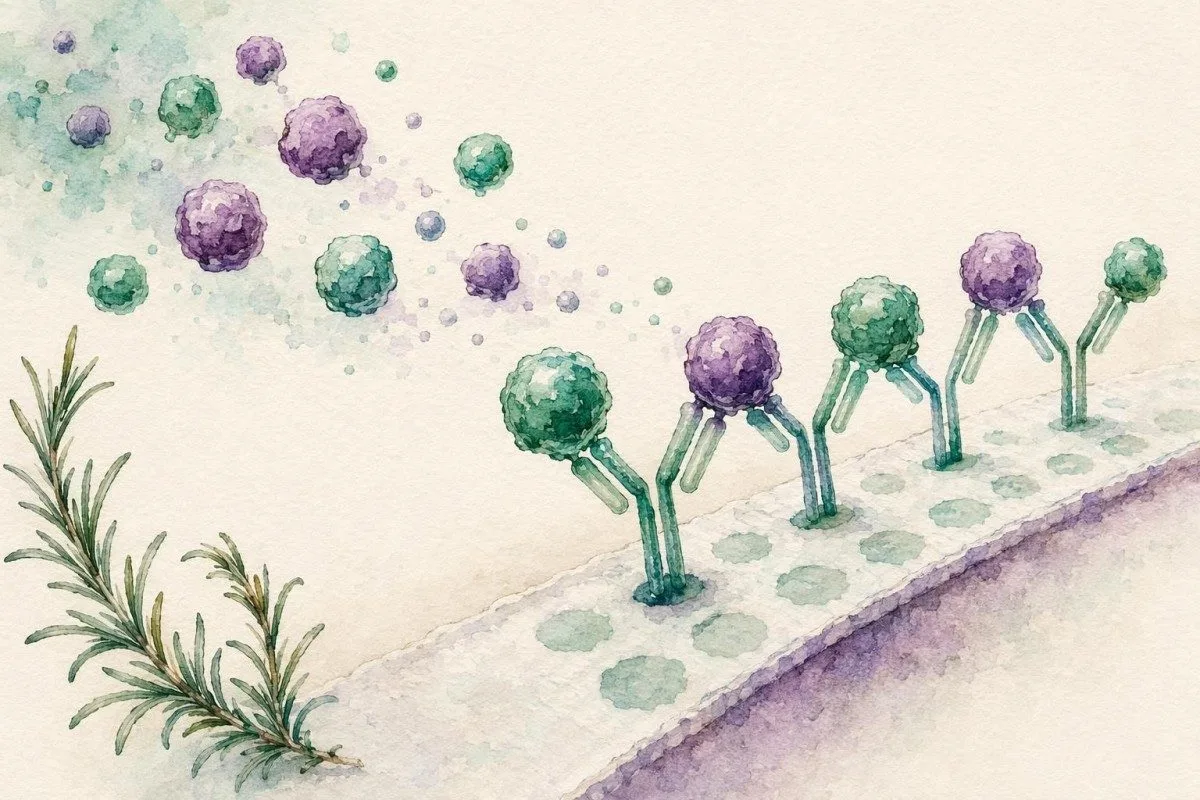
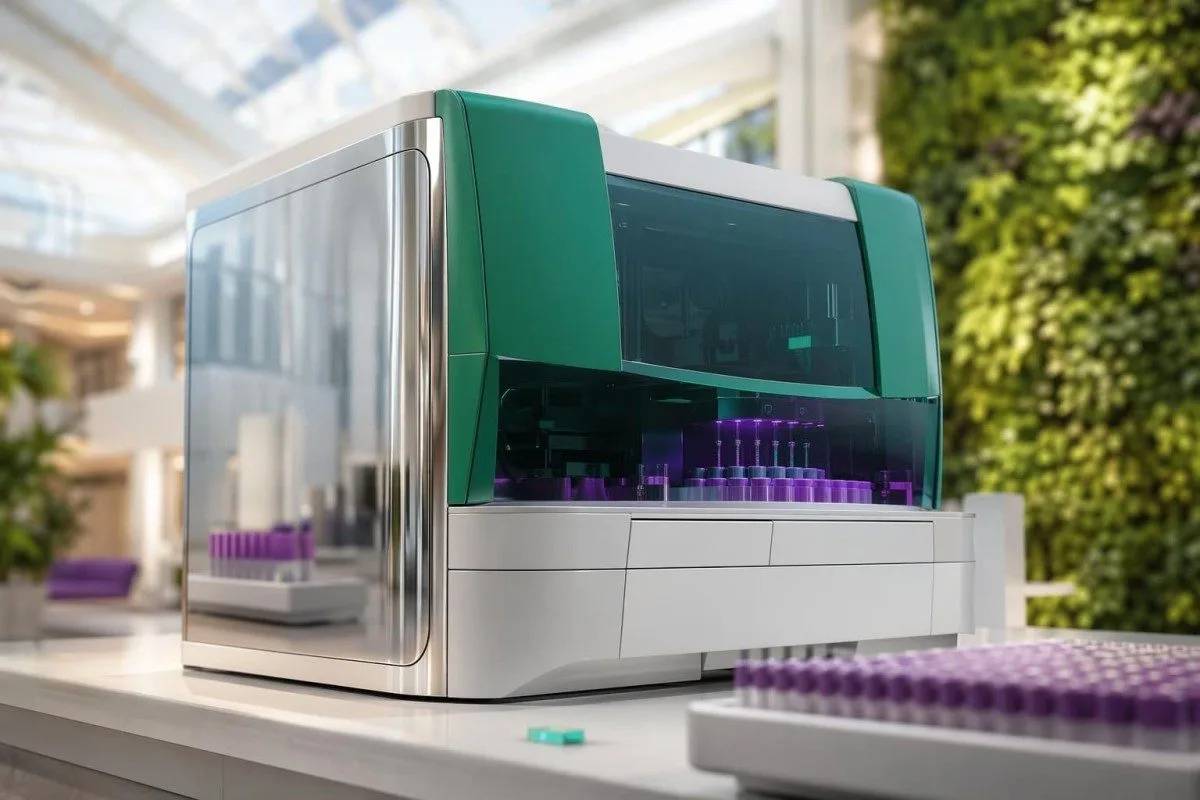
Most marker assays use immunoassay technology: an antibody binds the target molecule, a signal is generated, and the machine converts that signal into units such as U/mL, ng/mL, IU/mL, or mIU/mL. A CA-125 result of 42 U/mL and a CEA result of 4.8 ng/mL are not comparable because they measure different molecules with different biological behaviour.
The hidden issue is clearance. A person with cholestasis may show a high CA 19-9 because bile flow is blocked, while a person with renal impairment may retain some smaller proteins longer than expected. This is why our blood test biomarkers guide treats tumor markers as part of a pattern, not isolated trophy numbers.
Some European laboratories use slightly different reference intervals because assay manufacturers calibrate against different standards. When I review serial CEA or CA-125 results, I prefer the same laboratory and same assay method whenever possible; a 20% method shift can look like disease movement when it is only analytics.
Practical marker table: useful versus misleading
The most useful tumor markers have a defined clinical job: monitoring treatment response, checking recurrence, or supporting diagnosis in a high-risk setting. They are misleading when used as broad annual cancer screening panels in people with no symptoms and no risk signal.

When I teach junior clinicians, I ask them to write the sentence before ordering the test: 'If this marker is high, I will do X.' If there is no X, the test is usually premature. For general health panels, our full body blood test guide shows why more markers do not automatically mean better screening.
A 1.2-times upper-limit result usually deserves repeat testing and context, not a full-body scan the same afternoon. A 10-times upper-limit result, especially with symptoms or abnormal imaging, is different medicine.
The table below reflects common adult practice, but local oncology protocols vary. I am deliberately blunt here because vague marker panels cause real harm — anxiety, unnecessary imaging radiation, avoidable procedures, and sometimes delayed diagnosis of the actual problem.
CA-125 blood test: useful in follow-up, risky for screening
The CA-125 blood test is most useful for monitoring known epithelial ovarian cancer and for evaluating selected people with a pelvic mass. In average-risk, symptom-free women, CA-125 screening causes more false alarms than cancers found.

CA-125 is commonly considered normal below 35 U/mL, but that cutoff was never meant to diagnose cancer alone. The USPSTF recommended against routine ovarian cancer screening in asymptomatic women not known to be high risk because false positives and unnecessary surgery can outweigh benefit (Grossman et al., 2018).
I have seen CA-125 values of 70 to 150 U/mL in endometriosis and fibroids, and values above 200 U/mL in severe pelvic inflammation or liver-related fluid accumulation. That is why a single high CA-125 should be paired with history, pelvic imaging, menopausal status, and often repeat testing.
After ovarian cancer treatment, CA-125 becomes a different tool. A rising CA-125 trend over several tests can precede imaging changes by months, but acting too early does not always improve survival; this is one of those oncology decisions where the patient's anxiety level and treatment options matter. For deeper CA-125 interpretation, see our CA-125 blood test guide.
CEA: best for colorectal cancer follow-up
CEA is best used after colorectal cancer diagnosis or treatment, especially for recurrence monitoring. It is a poor general cancer screen because smoking, liver disease, pancreatitis, inflammatory bowel disease, and lung inflammation can raise it.

A typical CEA reference limit is below 3 ng/mL in non-smokers and below 5 ng/mL in smokers, though laboratory cutoffs differ. A CEA of 6.2 ng/mL in a smoker with fatty liver and reflux is not the same as a CEA rising from 2.0 to 9.5 ng/mL after colon cancer surgery.
The number I watch is velocity. A gradual drift from 3.1 to 3.8 ng/mL over 18 months may be assay noise; a repeated jump from 2.4 to 7.9 ng/mL over 8 weeks deserves attention, especially if liver enzymes or symptoms have shifted.
CEA should not replace colonoscopy or imaging when those are indicated. If a report shows high CEA, our CEA blood test article walks through benign causes and follow-up timing in more detail.
AFP: liver risk, germ cell workups, and pregnancy context
AFP is useful in selected liver cancer surveillance, germ cell tumour assessment, and pregnancy-related screening, but it is not a general cancer detector. Adult non-pregnant AFP is commonly below 10 ng/mL, and interpretation changes completely in pregnancy.
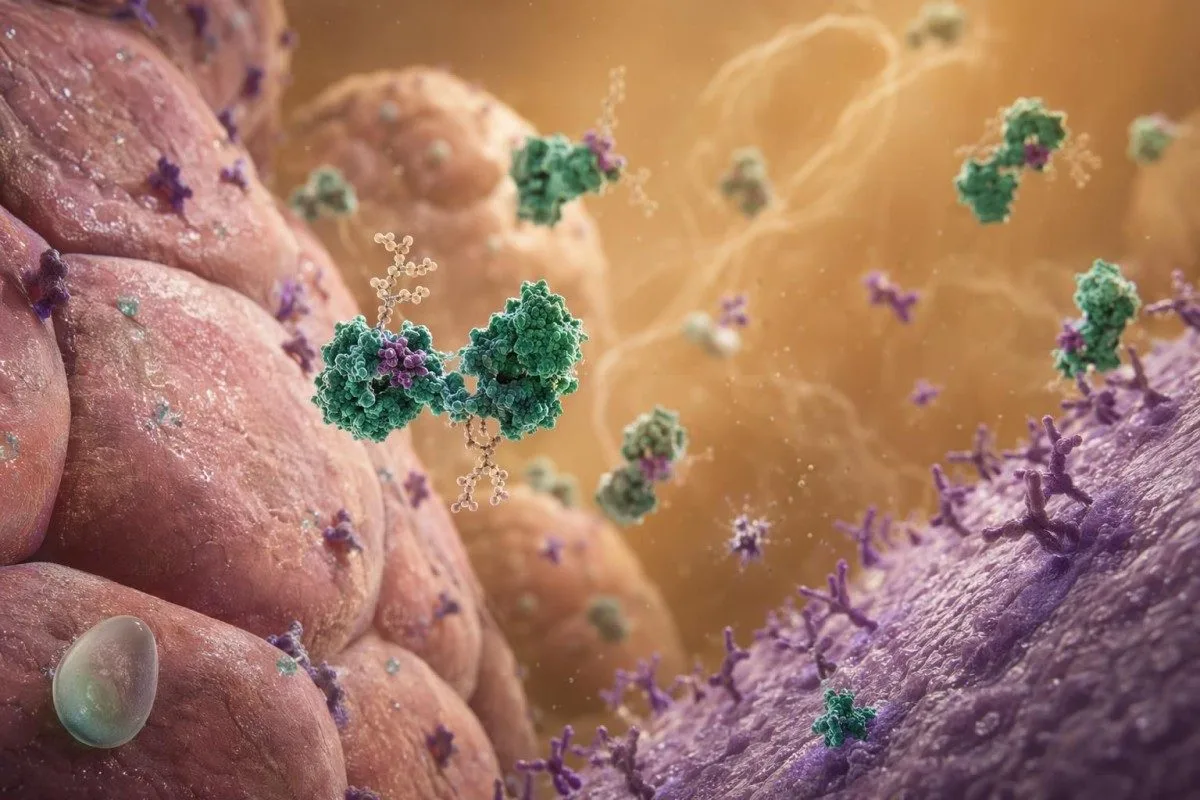
In hepatology clinics, AFP is usually interpreted with ultrasound or cross-sectional imaging, not as a lonely result. The AASLD hepatocellular carcinoma guidance supports surveillance in high-risk cirrhosis groups, with AFP sometimes used alongside ultrasound depending on protocol and setting (Marrero et al., 2018).
AFP above 400 ng/mL in a high-risk adult with a liver mass is strongly concerning, but hepatitis flares can produce surprising AFP spikes. I once reviewed an AFP over 300 ng/mL during active viral hepatitis; the marker fell as liver inflammation settled, and imaging did not show cancer.
Pregnancy changes AFP by gestational week, so adult reference ranges do not apply. If your AFP is high with abnormal ALT, AST, bilirubin, or albumin, read it beside a liver function test rather than treating AFP as a standalone verdict.
PSA is the partial screening exception
PSA is the one tumor marker commonly discussed for screening, but it is still a risk marker rather than a cancer diagnosis. PSA decisions should include age, family history, urinary symptoms, infection risk, prostate volume, PSA density, MRI access, and personal values.

Many laboratories still flag PSA above 4.0 ng/mL, yet cancer can occur below 4.0 and benign enlargement can push PSA above 10.0. In the Prostate Cancer Prevention Trial analysis, Thompson et al. found prostate cancer on biopsy even among men with PSA values at or below 4.0 ng/mL (Thompson et al., 2004).
A 55-year-old cyclist with PSA 5.1 ng/mL two days after a long ride, mild urinary symptoms, and a recent infection needs a different plan from a 68-year-old whose PSA rose from 2.1 to 6.8 ng/mL over a year. Repeat testing after avoiding ejaculation, heavy cycling, and acute urinary inflammation for 48 to 72 hours can prevent unnecessary panic.
In my clinic notes, I rarely write 'high PSA equals cancer.' I write a risk sentence: age, PSA level, rate of rise, exam, urine findings, and whether MRI or urology referral is reasonable. Our high PSA causes guide gives the common non-cancer explanations.
CA 19-9: pancreas signal with bile duct traps
CA 19-9 is mainly useful for monitoring pancreatic and biliary cancers, not screening healthy adults. Values above 37 U/mL can occur from bile duct obstruction, cholangitis, pancreatitis, cirrhosis, diabetes, and even heavy inflammation.
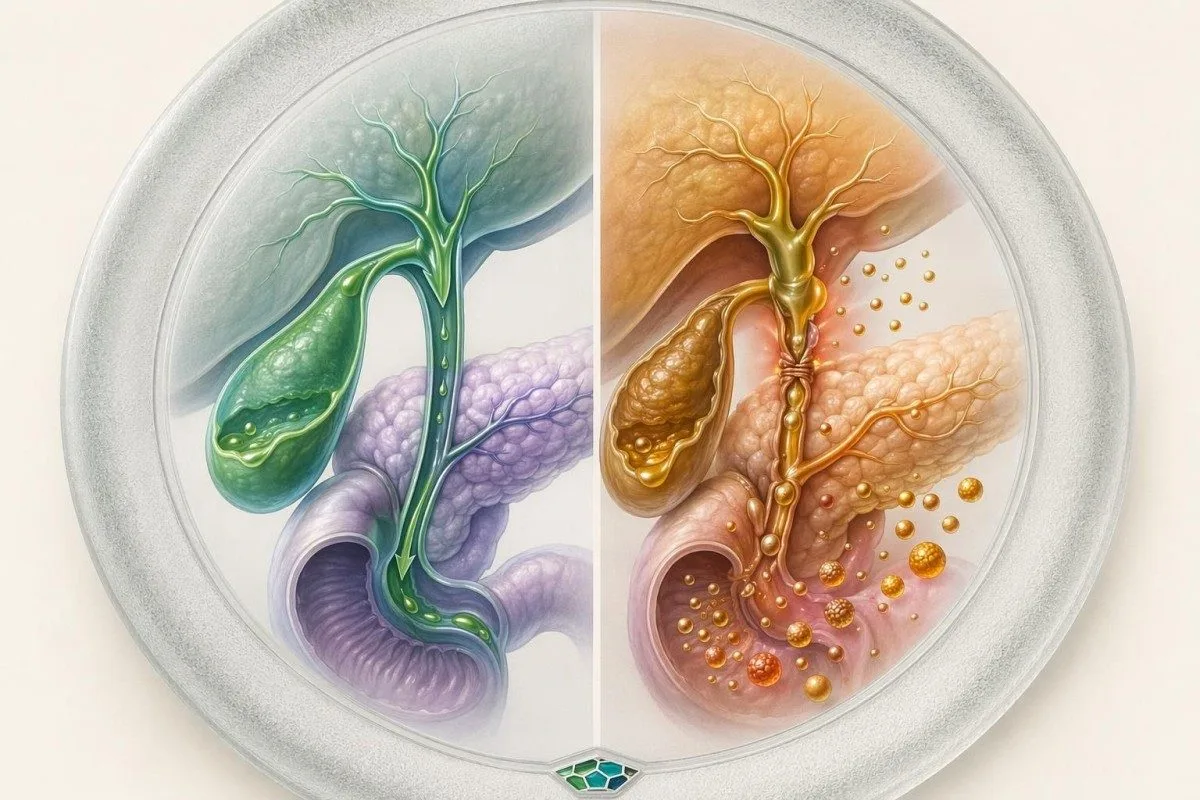
The highest false-positive CA 19-9 values I see often come from obstructed bile flow. A patient with jaundice and a CA 19-9 of 900 U/mL may have cancer, but a stone or cholangitis can also drive dramatic elevation until drainage improves.
About 5% to 10% of people lack the Lewis antigen needed to express CA 19-9, so their CA 19-9 may stay low even with pancreatic cancer. That single genetic quirk is a quiet reason this marker fails as a universal screen.
CA 19-9 belongs beside bilirubin, ALP, GGT, ALT, AST, lipase, and imaging. If the clinical question is pancreas rather than marker screening, our pancreatic blood test guide explains why lipase and imaging usually answer different questions.
Other markers: when specialist use makes sense
Markers such as LDH, beta-hCG, calcitonin, thyroglobulin, CA 15-3, CA 27-29, HE4, and chromogranin A can be valuable in specialist care. They are poor choices for broad screening because each has non-cancer causes and narrow technical limitations.
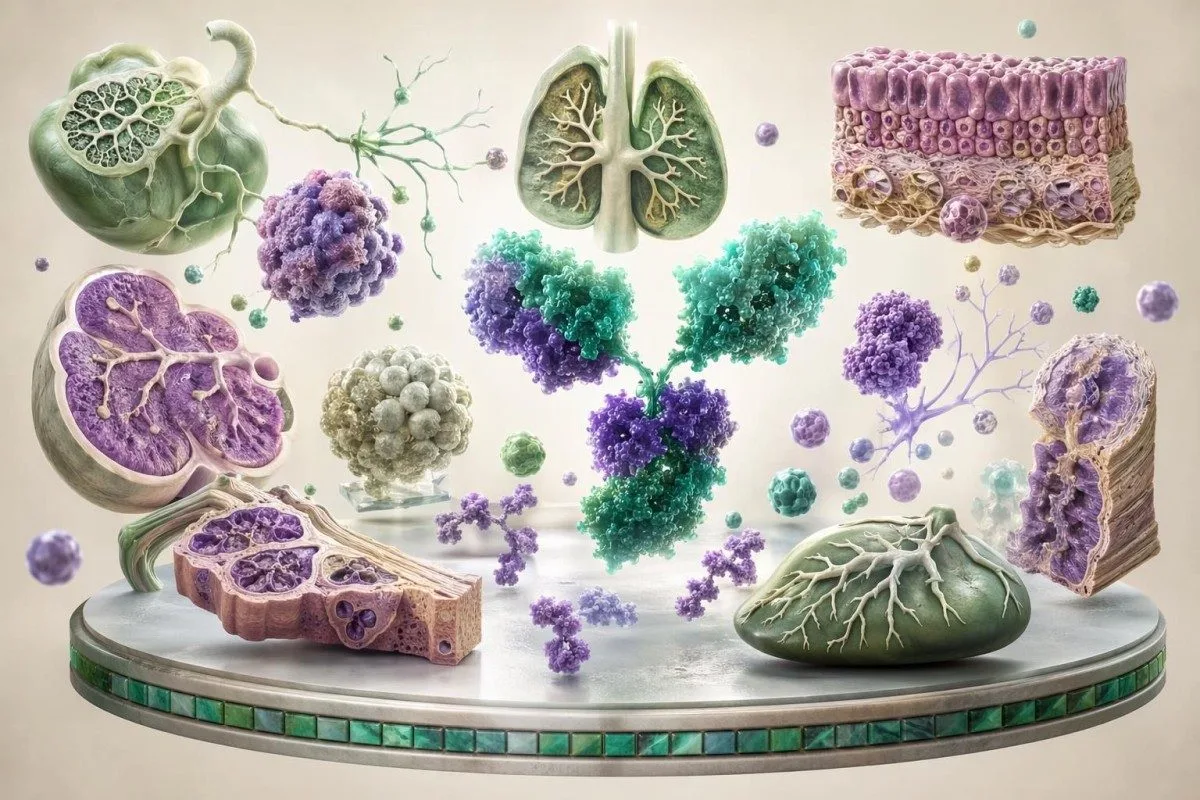
LDH is a cell turnover marker, not a cancer-specific marker. It can rise in lymphoma, germ cell tumours, haemolysis, liver injury, intense exercise, and even a difficult sample collection; the pattern with CBC and symptoms matters more than the number.
Thyroglobulin is useful after thyroid cancer treatment only if the thyroid gland has been removed or ablated and antibodies are checked. Calcitonin has a role in medullary thyroid cancer evaluation, but proton pump inhibitors, kidney disease, and assay quirks can complicate low-level positives.
CA 15-3 and CA 27-29 are generally monitoring tools in known breast cancer, not screening tests. For blood cancers, the CBC pattern often gives earlier clues than a marker panel, which is why our lymphoma blood test article focuses on LDH plus blood count context.
After cancer treatment, trends beat single results
After cancer treatment, tumor marker trends usually matter more than one isolated result. A repeated rise over 2 to 3 measurements is more meaningful than a single borderline elevation, especially if the same laboratory method is used.

Oncology teams often schedule markers every 3 to 6 months early after treatment, but the interval depends on cancer type, stage, treatment intent, and whether an effective next treatment exists. A marker test with no action plan can become surveillance theatre rather than useful care.
Kantesti AI can display serial CEA, CA-125, PSA, AFP, and CA 19-9 results as trends, then compare them with CBC, liver enzymes, kidney function, and inflammation markers. For practical trend reading, our blood test comparison guide explains how to spot real movement rather than random variation.
The most reassuring follow-up result is not always 'normal.' Sometimes it is a marker that falls by 80% after therapy, then stays flat at a mildly elevated plateau because of liver scarring, smoking, or benign tissue expression.
Routine blood tests that reframe cancer markers
Routine labs often explain a raised tumor marker before cancer does. CBC, liver enzymes, bilirubin, ALP, GGT, creatinine, CRP, ESR, ferritin, and urinalysis can reveal infection, liver obstruction, kidney clearance issues, or inflammatory disease.
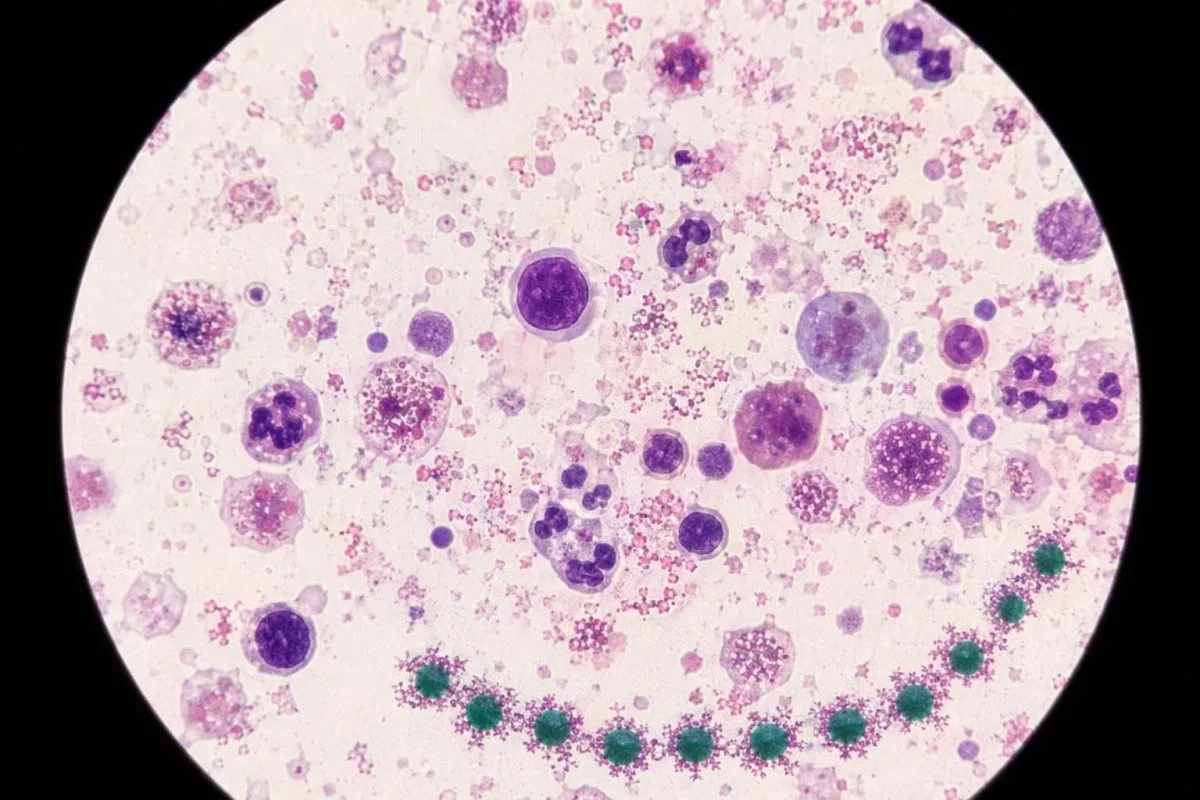
A high platelet count with weight loss and iron deficiency changes my concern level more than a borderline CA 19-9 alone. A normal CBC does not rule out cancer, but anaemia, thrombocytosis, lymphocytosis, or unexplained neutrophilia can sharpen the clinical picture.
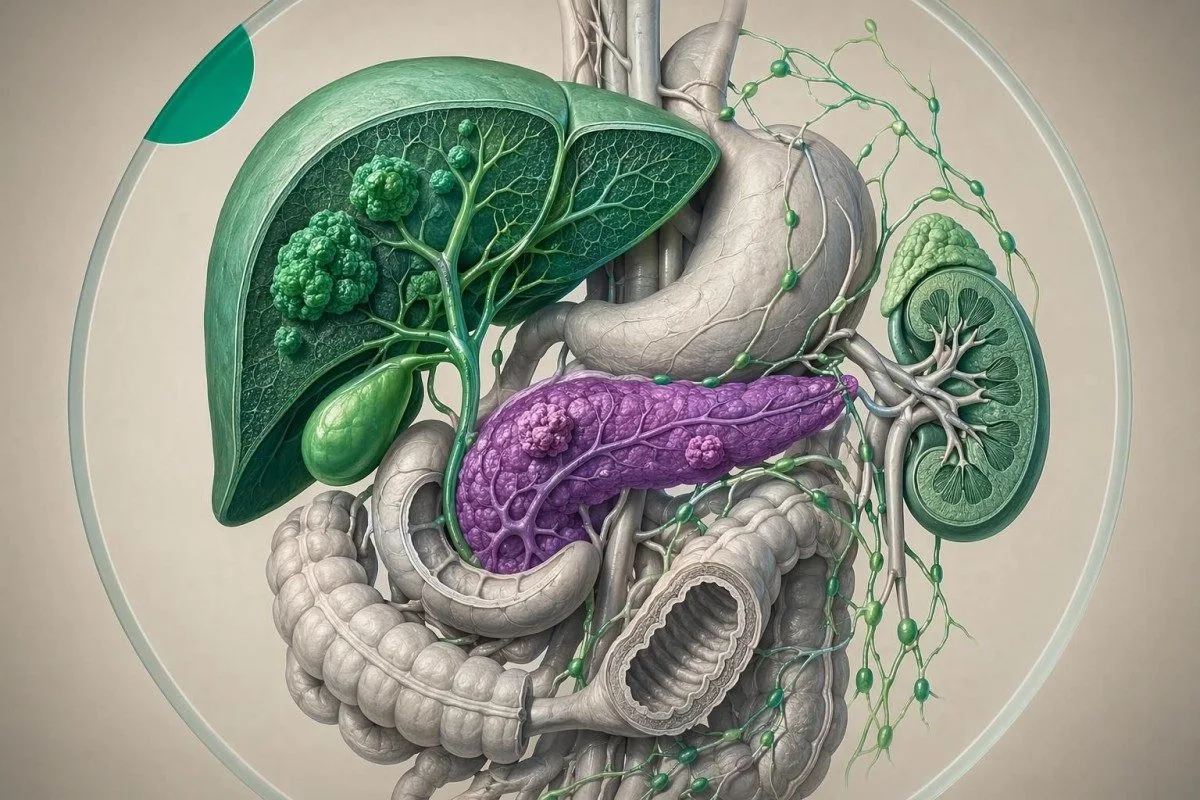
Liver markers matter because several tumor markers are cleared or distorted by hepatobiliary disease. A CA 19-9 of 140 U/mL with bilirubin 4.0 mg/dL and ALP 600 IU/L is a bile-flow problem until proved otherwise; a CA 19-9 of 140 U/mL with normal bilirubin and new weight loss is a different conversation.
If your report includes unusual CBC flags, review the pattern before focusing on a marker. Our CBC differential guide explains how neutrophils, lymphocytes, monocytes, eosinophils, and basophils can redirect the workup.
What can distort tumor marker results
Several everyday factors can distort tumor markers, including smoking, pregnancy, liver disease, kidney impairment, infection, recent procedures, assay interference, and timing after treatment. Biotin and heterophile antibodies can also interfere with some immunoassays.

CEA is higher in smokers, PSA can rise after urinary infection or instrumentation, CA-125 can rise during menstruation or inflammatory pelvic conditions, and AFP changes normally in pregnancy. Those facts sound basic, but they prevent many unnecessary referrals.
High-dose biotin, often sold for hair or nails, can interfere with certain immunoassays depending on the assay design. If a result does not fit the patient, I ask about supplements and repeat the test after a washout; our blood test normal range guide explains why flags are not diagnoses.
Assay interference is uncommon but real. A marker that is wildly high while imaging, symptoms, and related labs are quiet should prompt repeat testing, dilution studies, or a different platform before anyone declares bad news.
When ordering a marker is actually worth it
Ordering tumor markers is worth it when the pre-test probability is meaningful and the result has a defined clinical consequence. Good reasons include known cancer follow-up, suspicious imaging, high-risk liver surveillance, selected hereditary cancer pathways, or monitoring a specialist-directed treatment plan.
The best marker order is usually narrow: AFP for cirrhosis surveillance, CEA after colorectal cancer, PSA after informed discussion, or CA-125 when imaging and symptoms point in that direction. A broad 12-marker panel in a healthy 32-year-old rarely improves odds.
A practical threshold: if the chance of cancer before the test is below 1%, even a seemingly abnormal marker may leave the chance low after the test. That is why Thomas Klein, MD and our medical review team push for symptom-driven, risk-driven ordering rather than fear-driven panels.
If you are building a sensible annual panel, start with labs that detect common, treatable problems: CBC, CMP, HbA1c, lipids, TSH when appropriate, ferritin in selected groups, and age-based screening. Our wellness blood test panels article separates useful labs from marketing noise.
What to do if a tumor marker comes back high
A high tumor marker should usually be confirmed, contextualized, and matched to symptoms or imaging before major decisions are made. The first step is often repeat testing with the same lab, review of benign causes, and checking related routine labs.
For mild elevations under 2 times the upper limit, many clinicians repeat the marker in 2 to 8 weeks unless symptoms or imaging raise concern. For large elevations, progressive rises, or marker elevation with weight loss, jaundice, bleeding, severe pain, or abnormal imaging, waiting is not sensible.
Kantesti AI flags result combinations rather than scaring people with single numbers. A high CA 19-9 plus high bilirubin and ALP suggests a bile-flow pathway; a high CEA plus iron deficiency anaemia and bowel symptoms needs a different route, often involving colon evaluation.
Bring your full report, not just the marker line. If you are unsure how to read the whole document, our blood test results guide gives a safe order for reviewing flags, units, reference ranges, and trend history.
How Kantesti AI reads marker results safely
Kantesti AI interprets tumor markers by comparing the marker value with demographics, units, reference range, related biomarkers, uploaded history, and known clinical context. Our system is designed to reduce hyperdiagnosis traps, not amplify them.

Our AI-powered blood test interpretation system reads PDFs and photos in about 60 seconds, then groups markers with the labs that make them clinically interpretable. For example, CA 19-9 is read with bilirubin, ALP, GGT, lipase, glucose, and inflammatory markers when available.
Kantesti's neural network has been benchmarked against anonymised global blood test cases, including hyperdiagnosis trap cases where a technically abnormal result should not trigger a cancer conclusion. You can read more about our clinical standards on the medical validation page.
Our physician oversight is listed through the Medical Advisory Board, and I, Thomas Klein, MD, review marker-related content with the same caution I use in clinic. The Figshare validation work is available here: Kantesti AI Engine benchmark.
Bottom line: order fewer markers, interpret them better
The safest approach is to order fewer tumor markers and interpret them better. CA-125, CEA, AFP, PSA, CA 19-9, and similar markers are valuable when the question is specific, but broad cancer marker panels in healthy people usually create more confusion than clarity.
If you already have a marker result, do not read it in isolation. Look at the unit, reference range, previous values, symptoms, imaging, pregnancy status, smoking status, liver tests, kidney function, CBC, and whether the same laboratory method was used.
Kantesti can help organize that context quickly, but a high or rising marker still belongs in a clinician-led plan. Upload your report to Try Free AI Blood Test Analysis if you want a structured read before discussing it with your doctor.
For people choosing where to start, our About Us page explains why we built Kantesti for cautious interpretation rather than alarmist lab reading. A marker should answer a clinical question, not create a new one.
Frequently Asked Questions
Can tumor markers detect cancer early?
Most tumor markers cannot reliably detect cancer early in healthy people because false positives and false negatives are common. CA-125, CEA, AFP, and CA 19-9 can rise for benign reasons, and some cancers do not produce measurable marker elevation. PSA is the main partial exception, but even PSA screening needs shared decision-making because cancer can occur below 4.0 ng/mL and benign conditions can raise PSA above 4.0 ng/mL.
Which tumor marker is best for cancer screening?
No single tumor marker is best for general cancer screening. PSA is sometimes used for prostate cancer risk assessment, AFP may be used with ultrasound in selected high-risk liver patients, and other markers are mainly monitoring tools after diagnosis. In average-risk adults with no symptoms, broad cancer marker panels usually create more false alarms than useful early diagnoses.
What CA-125 level is concerning?
CA-125 is commonly considered elevated above 35 U/mL, but the level alone does not diagnose cancer. Values between 35 and 100 U/mL often occur with endometriosis, fibroids, menstruation, pregnancy, liver disease, or pelvic inflammation. A rising CA-125 after ovarian cancer treatment is more concerning than one borderline result in an otherwise low-risk person.
What does a high CEA blood test mean?
A high CEA blood test can occur with colorectal cancer recurrence, but it can also occur with smoking, liver disease, pancreatitis, inflammatory bowel disease, and lung inflammation. Many laboratories use upper limits near 3 ng/mL for non-smokers and 5 ng/mL for smokers. A repeated rise from a person's own baseline is more meaningful than a single mild elevation.
Can CA 19-9 be high without cancer?
Yes, CA 19-9 can be high without cancer, especially when bile flow is blocked. Cholangitis, gallstones, pancreatitis, cirrhosis, diabetes, and jaundice can raise CA 19-9 above the usual 37 U/mL reference limit. Very high values should be interpreted with bilirubin, ALP, GGT, lipase, symptoms, and imaging rather than treated as a diagnosis by themselves.
Should I order a full tumor marker panel every year?
Most healthy adults should not order a full tumor marker panel every year because the chance of false positives is high and the chance of useful cancer detection is usually low. A better annual strategy is age-appropriate screening plus routine labs such as CBC, CMP, HbA1c, lipid panel, and targeted tests based on symptoms or family history. Tumor markers are best ordered when a clinician can name the next action before the test is drawn.
How often should tumor markers be repeated after cancer treatment?
After cancer treatment, tumor marker repeat intervals commonly range from every 3 to 6 months early in follow-up, but the schedule depends on cancer type, stage, treatment intent, and specialist guidance. The same laboratory method is preferred because assay differences can mimic a 10% to 20% change. A consistent rise over 2 to 3 measurements is usually more meaningful than one borderline result.
Can a tumor marker blood test tell me whether I carry an inherited cancer-risk gene?
No; tumor markers do not test for inherited cancer-risk genes. If cancer runs in your family, ask your clinician whether genetic counseling and a separate blood or saliva genetic test could help guide your screening.
Can a normal tumor marker result rule out cancer?
No. Many cancers do not produce a detectable marker, and some markers rise only later in the disease course. Ongoing symptoms, a concerning examination, or abnormal imaging still need proper medical evaluation even when marker results are normal.
Are multi-cancer early detection blood tests the same as tumor marker panels?
No. Multi-cancer early detection tests look for cancer-related DNA or methylation signals, while tumor marker panels measure proteins such as CEA, CA-125, AFP, or CA 19-9; either type of abnormal result still needs careful follow-up with your clinician.
Should I fast or avoid anything before a tumor marker blood test?
Most tumor markers do not require fasting, but bring your medication list and tell your doctor about pregnancy, smoking, recent infections, or liver and gallbladder problems. For PSA, avoid ejaculation and vigorous cycling for 48 hours beforehand if your clinician agrees.
Get AI-Powered Blood Test Analysis Today
Join over 2 million users worldwide who trust Kantesti for instant, accurate lab test analysis. Upload your blood test results and receive comprehensive interpretation of 15,000+ biomarkers in seconds.
📚 Referenced Research Publications
Klein, T., Mitchell, S., & Weber, H. (2026). Clinical Validation of the Kantesti AI Engine (2.78T) on 100,000 Anonymised Blood Test Cases Across 127 Countries: A Pre-Registered, Rubric-Based, Population-Scale Benchmark Including Hyperdiagnosis Trap Cases — V11 Second Update. Kantesti AI Medical Research.
Klein, T., Mitchell, S., & Weber, H. (2026). Nipah Virus Blood Test: Early Detection & Diagnosis Guide 2026. Kantesti AI Medical Research.
📖 External Medical References





⚕️ Medical Disclaimer
This article is for educational purposes only and does not constitute medical advice. Always consult a qualified healthcare provider for diagnosis and treatment decisions.
E-E-A-T Trust Signals
Experience
Physician-led clinical review of lab interpretation workflows.
Expertise
Laboratory medicine focus on how biomarkers behave in clinical context.
Authoritativeness
Written by Dr. Thomas Klein with review by Dr. Sarah Mitchell and Prof. Dr. Hans Weber.
Trustworthiness
Evidence-based interpretation with clear follow-up pathways to reduce alarm.