A physician’s guide to separating preventive lab value from glossy panel marketing, with practical thresholds for when a result needs follow-up.



- Core wellness blood test markers usually include CBC, CMP or BMP with eGFR, lipid panel, HbA1c or fasting glucose, and targeted nutrients based on risk.
- HbA1c of 5.7–6.4% suggests prediabetes, while 6.5% or higher meets a diabetes diagnostic threshold when confirmed.
- LDL-C of 190 mg/dL or higher usually deserves medical review even if you feel well, because inherited lipid disorders become more likely.
- Ferritin below 30 ng/mL commonly supports iron deficiency in adults, even before hemoglobin drops.
- Vitamin D below 20 ng/mL is generally deficient; 20–30 ng/mL is borderline, with guideline disagreement above that.
- eGFR below 60 mL/min/1.73 m² for at least 3 months meets a chronic kidney disease criterion, especially with albuminuria.
- Low-value add-ons often include reverse T3, broad cytokine panels, food IgG panels, and tumor markers used as screening tests without symptoms.
- Urgent follow-up is needed for potassium above 6.0 mmol/L, sodium below 125 mmol/L, hemoglobin below 7 g/dL, or very high liver enzymes.
What makes a wellness blood test medically useful?
A useful wellness blood test is not the largest panel; it is the panel that changes a decision about cardiovascular risk, diabetes risk, kidney function, liver safety, anemia, thyroid disease, or a real deficiency. As of April 27, 2026, I would rather see 12 well-chosen markers repeated over time than 80 disconnected “optimization” numbers bought once. You can upload a report to Kantesti AI for structured interpretation, but abnormal results still need clinical context.
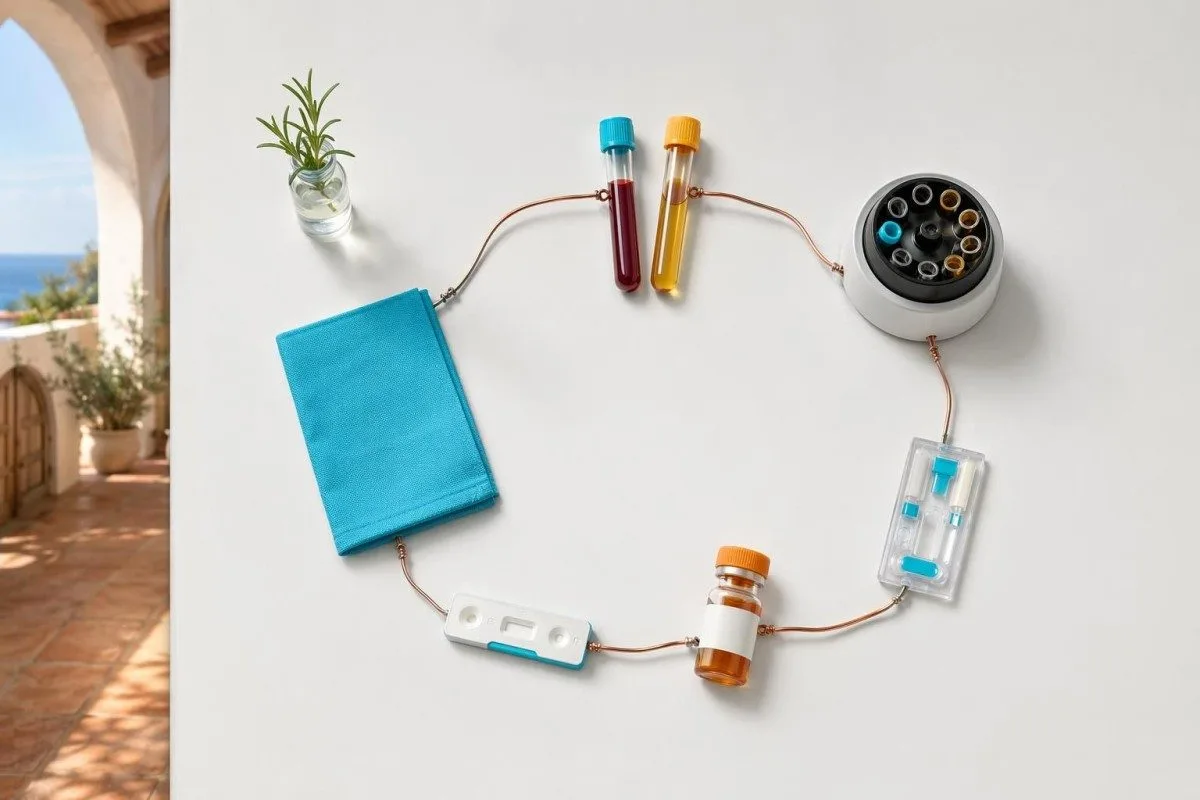
I’m Thomas Klein, MD, and in our review of 2M+ blood test uploads, the most common waste pattern is not overtesting alone; it is undertaking a huge panel without a follow-up plan. A 52-year-old marathon runner with AST 89 IU/L after a race needs a different conversation than a sedentary 52-year-old with AST 89 IU/L, ALT 112 IU/L, and triglycerides 310 mg/dL.
A preventive blood test has value when it identifies a modifiable risk earlier than symptoms would. A full-body panel can miss cancer, sleep apnea, early autoimmune disease, and many gut conditions, so “normal labs” should never be sold as proof that everything is fine.
The practical filter is simple: would the result change diet, medication, imaging, repeat testing, referral, or reassurance? If the answer is no, the marker may still be interesting, but it is closer to curiosity than prevention.
Core preventive blood test markers worth prioritizing
The most useful preventive blood test panel for an average adult usually includes CBC, CMP or BMP with eGFR, lipid panel, fasting glucose or HbA1c, and selected thyroid, iron, B12, or vitamin D testing only when symptoms or risk factors justify them.

A CBC can detect anemia, high white cell counts, platelet abnormalities, and subtle cell-size clues such as high MCV or RDW. A CMP adds sodium, potassium, bicarbonate, creatinine, calcium, albumin, bilirubin, ALT, AST, ALP, and often glucose; our plain-language standard blood test guide explains what routine panels include and skip.
HbA1c is useful because it reflects roughly 8–12 weeks of glycation, but it is less reliable in iron deficiency, recent transfusion, hemoglobin variants, advanced kidney disease, and some pregnancy settings. If A1c and glucose disagree by more than expected, I usually ask about anemia, ethnicity-linked hemoglobin variants, supplements, and lab method before labeling the patient.
For adults without symptoms, annual testing is not always better than testing every 1–3 years. The interval should tighten when weight, medication, blood pressure, family history, kidney function, or prior borderline results change.
Cardiometabolic markers with the strongest prevention value
The highest-value cardiometabolic markers are LDL-C, non-HDL-C, triglycerides, HDL-C, ApoB when risk is unclear, and one lifetime Lp(a) measurement; these markers predict vascular risk better than most “longevity” add-ons sold in wellness blood panel bundles.
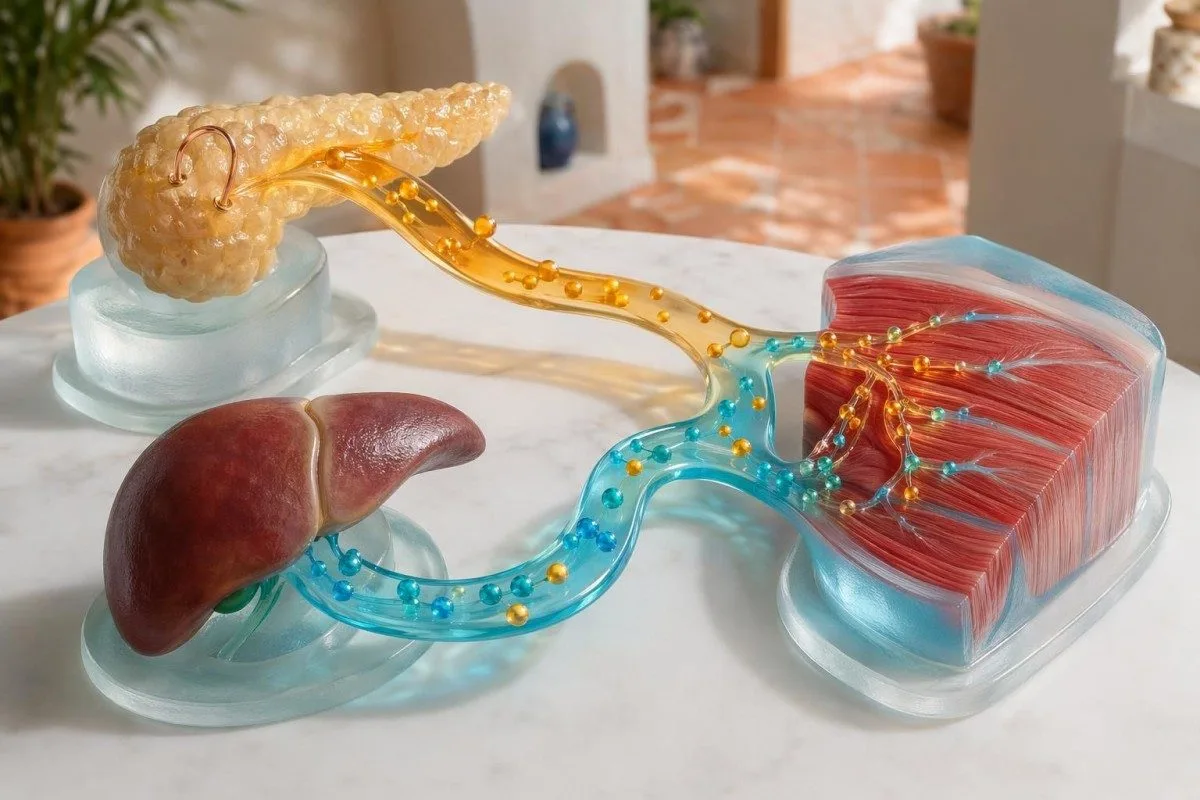
LDL-C of 190 mg/dL or higher usually warrants medical follow-up because familial hypercholesterolemia becomes more likely, even in lean people who exercise. The 2018 AHA/ACC cholesterol guideline recommends ApoB as a risk-enhancing marker when triglycerides are 200 mg/dL or higher, because ApoB estimates atherogenic particle number more directly than LDL-C alone (Grundy et al., 2019).
Triglycerides of 150–499 mg/dL usually point toward insulin resistance, alcohol intake, hypothyroidism, kidney disease, medications, or genetics; fasting status matters less than many people think unless the value is very high. Triglycerides above 500 mg/dL deserve quicker follow-up because pancreatitis risk rises as levels climb, especially above 1,000 mg/dL.
Lp(a) is not a lifestyle score. A value above 50 mg/dL or 125 nmol/L is commonly treated as elevated, and I generally advise testing it once in adulthood because genetics drive most of the number; our lipid panel guide walks through LDL, HDL, and triglyceride patterns in more detail.
hs-CRP can refine cardiovascular risk when measured during a stable week, but it becomes noise after dental work, respiratory illness, hard training, or a vaccine response. If hs-CRP is 2–10 mg/L, repeat it in 2–3 weeks before building a prevention plan around it.
Glucose, HbA1c, insulin, and HOMA-IR: which matter?
HbA1c and fasting glucose are the evidence-backed screening tests; fasting insulin and HOMA-IR can be useful for early insulin resistance, but they are not diagnostic cutoffs for diabetes and should not be oversold as stand-alone disease labels.

HbA1c of 5.7–6.4% suggests prediabetes, and HbA1c of 6.5% or higher meets a diabetes threshold when confirmed on repeat testing or paired with diagnostic glucose. The USPSTF recommends screening adults aged 35–70 years with overweight or obesity for prediabetes and type 2 diabetes (US Preventive Services Task Force, 2021).
Fasting glucose of 100–125 mg/dL is impaired fasting glucose, while 126 mg/dL or higher on repeat testing supports diabetes. A normal fasting glucose can still miss post-meal spikes, which is why some patients with fatigue after meals benefit from paired HbA1c, fasting glucose, and sometimes an oral glucose tolerance test.
Fasting insulin above about 15–20 µIU/mL often suggests insulin resistance in the right setting, but assays differ and reference ranges are messy. If you are tracking early risk, pair insulin with waist circumference, triglycerides, HDL-C, blood pressure, and our HbA1c range guide rather than treating one insulin number as destiny.
One small but common trap: iron deficiency can falsely raise HbA1c in some patients. When I see HbA1c 5.9% in a menstruating 34-year-old with ferritin 9 ng/mL, I do not assume her glucose biology is the whole story.
Kidney, liver, and electrolyte markers are safety tests
Creatinine with eGFR, sodium, potassium, bicarbonate, calcium, albumin, bilirubin, ALT, AST, ALP, and sometimes GGT are useful because they identify safety problems that lifestyle questionnaires cannot reliably detect.

eGFR below 60 mL/min/1.73 m² for at least 3 months is one criterion for chronic kidney disease, but a muscular 28-year-old and a frail 82-year-old can have misleading creatinine-based estimates. KDIGO’s 2024 CKD guideline emphasizes combining eGFR with urine albumin-to-creatinine ratio because filtration and kidney leakage answer different risk questions (KDIGO, 2024).
ALT above about 2–3 times the lab upper limit deserves timely evaluation, particularly when bilirubin, ALP, or INR is abnormal. Some European labs use lower ALT reference limits than older US reports, and I tend to take persistent ALT above 40 IU/L in women or 50 IU/L in men seriously when metabolic risk is present.
Potassium is the wellness marker I never ignore. A potassium of 5.6 mmol/L may be from sample handling, but a potassium above 6.0 mmol/L—especially with kidney disease, ACE inhibitors, spironolactone, or symptoms—needs same-day medical advice.
A CMP can look dull until it saves you from a bad supplement plan. Before adding high-dose magnesium, potassium, creatine, niacin, or vitamin A, review kidney and liver context with a CMP versus BMP comparison.
Nutrient labs that are useful—and the ones that mislead
Ferritin, transferrin saturation, B12, folate, 25-hydroxyvitamin D, magnesium in selected cases, and sometimes zinc or copper can be useful; broad micronutrient panels become low-value when they trigger supplements without symptoms, diet history, or repeat confirmation.
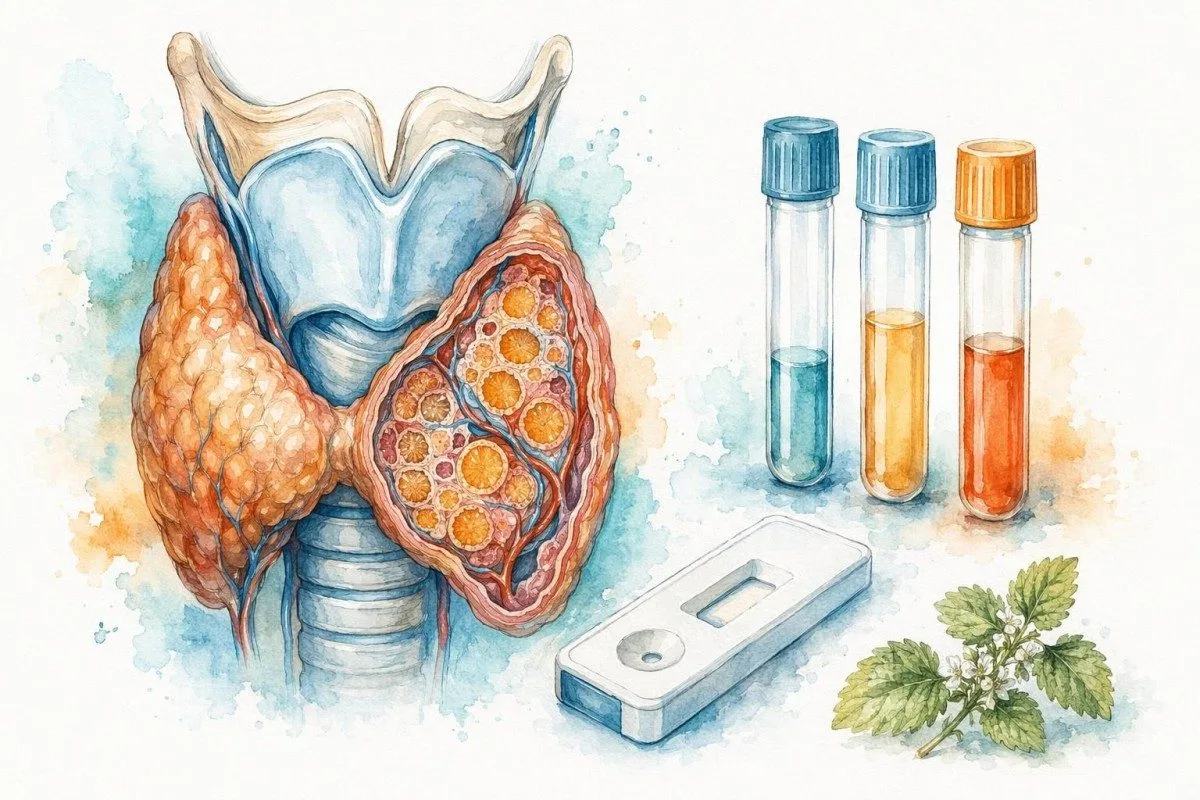
Ferritin below 30 ng/mL commonly supports iron deficiency in adults, even if hemoglobin is still normal. Ferritin above 300 ng/mL in women or 400 ng/mL in men can reflect inflammation, fatty liver, alcohol exposure, iron overload, or metabolic disease—not just “too much iron.”
Vitamin B12 below 200 pg/mL is usually deficient, while 200–400 pg/mL is a gray zone where methylmalonic acid can help. A vegan patient taking high-dose oral B12 may show a serum B12 above 1,000 pg/mL without toxicity, so the number alone should not trigger panic.
25-hydroxyvitamin D below 20 ng/mL is generally deficient, and 20–30 ng/mL is often called insufficient. The evidence for pushing everyone above 40 ng/mL is honestly mixed; bone risk, malabsorption, darker skin at high latitude, pregnancy, and osteoporosis change the conversation more than wellness branding does.
The most useful nutrient testing usually starts with a targeted question: fatigue, hair shedding, neuropathy, restless legs, heavy periods, vegan diet, bariatric surgery, or chronic gut symptoms. Our vitamin deficiency marker guide shows which labs change first when deficiency is real.
Thyroid and hormone add-ons: when more testing helps
TSH with reflex free T4 is enough for many asymptomatic adults, while free T3, thyroid antibodies, prolactin, sex hormones, cortisol, and DHEA should be ordered for specific symptoms, medication questions, fertility timing, cycle irregularity, or endocrine red flags.

A typical adult TSH reference range is roughly 0.4–4.0 mIU/L, but pregnancy, age, medications, acute illness, and biotin use can distort interpretation. TSH above 10 mIU/L with low free T4 usually needs treatment discussion, while TSH 4.5–10 mIU/L with normal free T4 is a gray zone.
Reverse T3 is the marker I see most often used as marketing noise. It can rise during illness, fasting, calorie restriction, and stress, but it rarely changes management in routine wellness testing and often leads patients into unnecessary thyroid hormone experiments.
Hormone timing matters more than panel size. Progesterone is best checked about 7 days after ovulation, testosterone is usually checked in the morning, and cortisol requires strict timing; random afternoon hormone bundles often produce confusion rather than clarity.
When symptoms fit—cold intolerance, weight change, palpitations, constipation, tremor, infertility, or neck swelling—a deeper thyroid panel can be sensible. Without symptoms, repeating a borderline TSH in 6–8 weeks is often wiser than ordering every antibody on day one.
Inflammation and immune panels: signal versus noise
CRP and ESR can be useful broad inflammation markers, but ANA, rheumatoid factor, cytokine panels, and “immune age” scores are low-value screening tests when ordered without symptoms such as joint swelling, rash, fevers, weight loss, or persistent pain.

CRP below 3 mg/L is common in stable adults, while CRP above 10 mg/L usually suggests infection, injury, active inflammatory disease, or another acute trigger. hs-CRP for heart risk should not be interpreted during a cold, dental flare, intense training block, or within days of major vaccination response.
ESR rises with age, anemia, pregnancy, kidney disease, and immunoglobulin changes, so a mild ESR of 28 mm/hr can mean very little in one person and matter a lot in another. I look harder when ESR and CRP are both high, albumin is low, platelets are high, or symptoms match the lab pattern.
ANA screening is a classic false-positive problem. Low-titer ANA can appear in healthy people, and ordering it for vague fatigue without autoimmune features often creates months of worry; our inflammation labs guide compares CRP, ESR, ferritin, and CBC clues.
Cytokine panels sound sophisticated, but most are not standardized enough for routine prevention decisions. If a result will not change imaging, referral, medication, or repeat testing, it may be a wellness add-on wearing a lab coat.
Cancer marker add-ons are not general screening tests
Most tumor-marker blood tests are poor general screening tools because false positives and false reassurance are common; PSA is risk-stratified, while CA-125, CEA, AFP, and CA 19-9 usually belong in specific diagnostic or monitoring contexts.
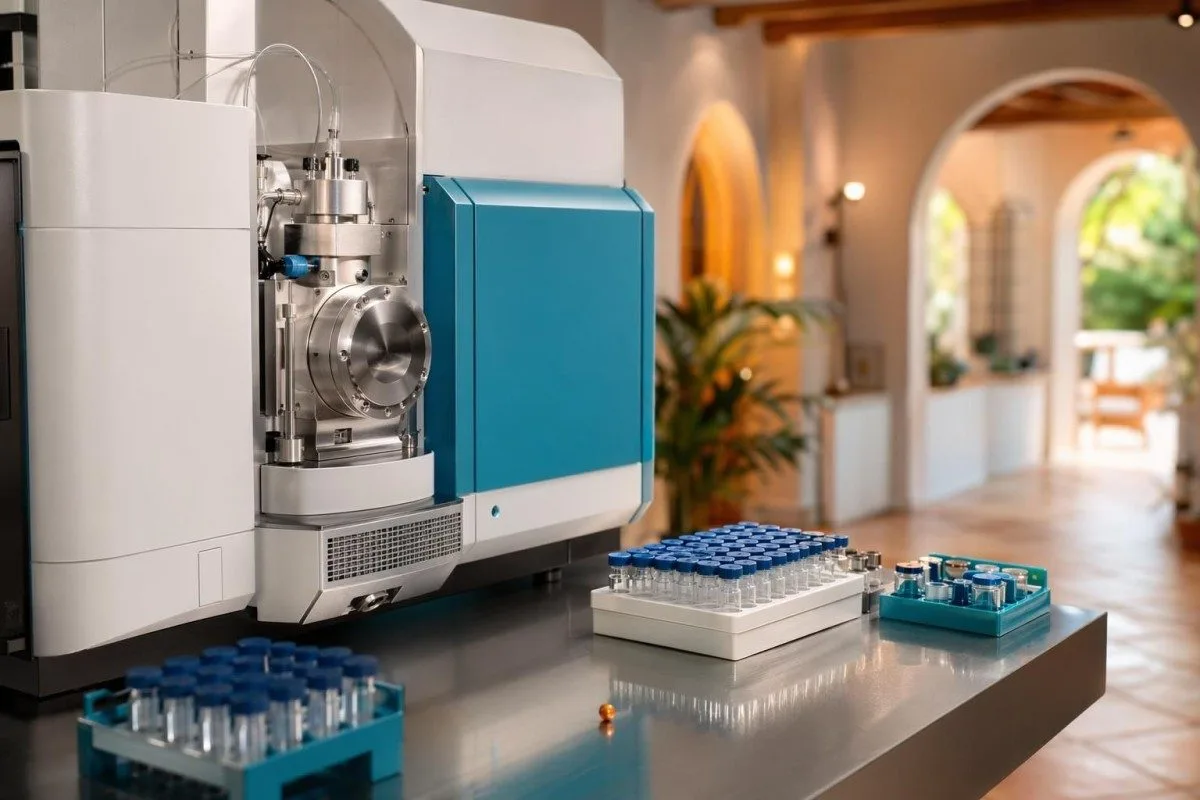
PSA interpretation depends on age, prostate size, urinary symptoms, infection, ejaculation, cycling, medications, and prior baseline. A PSA above 4 ng/mL is not automatically cancer, but a rising PSA trend or very high value deserves medical follow-up.
CA-125 can rise with benign gynecologic conditions, liver disease, inflammation, and pregnancy-related states, so using it as a general wellness screen is a setup for anxiety. CEA can rise with smoking and inflammatory gut disease, and AFP can rise with pregnancy or liver disease, not only malignancy.
The uncomfortable truth is that a normal cancer marker panel does not rule out early cancer. Symptoms such as unexplained weight loss, persistent bleeding, new lumps, progressive swallowing trouble, or night sweats deserve clinical assessment even when a wellness panel looks normal.
If a test is being sold as “early cancer detection,” ask for its positive predictive value in people like you, not just its sensitivity in known cases. Our cancer blood test explainer covers which markers are used for screening, diagnosis, or follow-up.
Longevity biomarkers: promising does not mean actionable
Longevity blood testing is most useful when it tracks cardiometabolic, renal, hepatic, inflammatory, and nutritional markers over time; epigenetic age, exotic metabolomics, and proprietary scores are less useful when they do not map to a validated medical action.
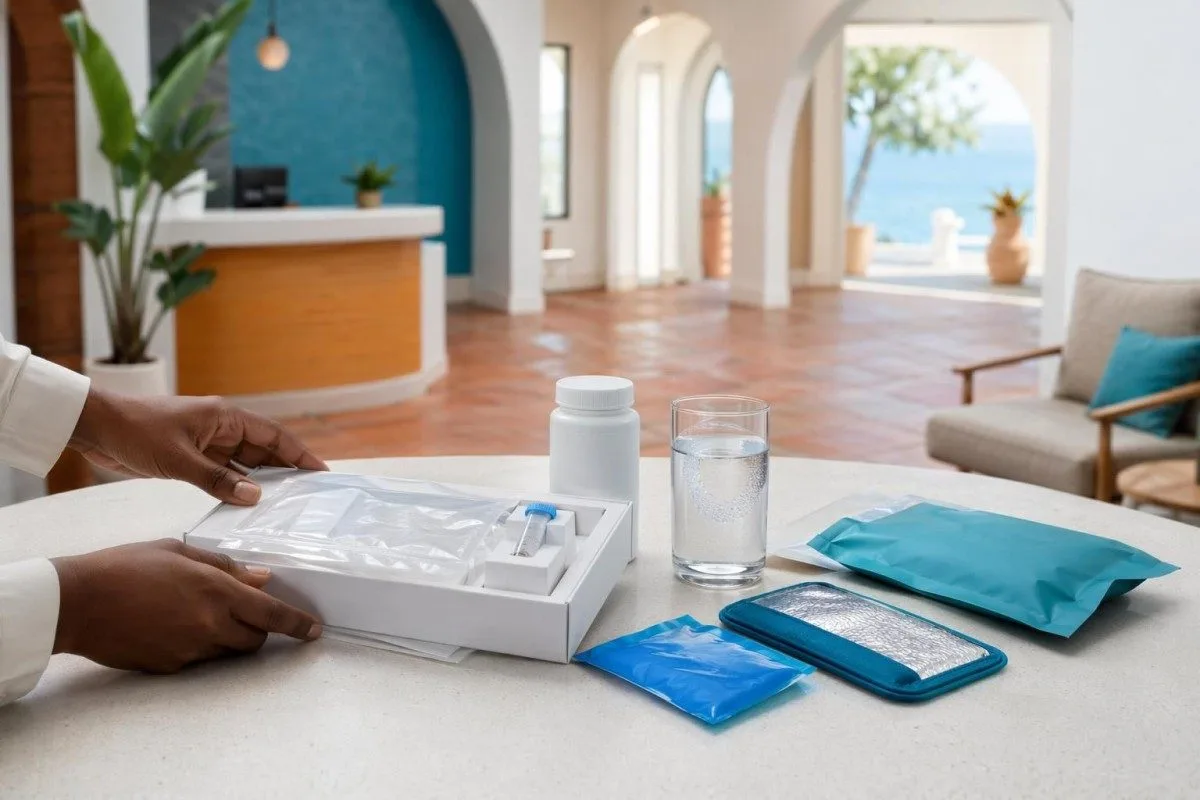
I like longitudinal ApoB, HbA1c, fasting triglycerides, ALT, eGFR, urine albumin, ferritin, vitamin D when deficient, and hs-CRP when stable. I am more cautious with biological age claims because a 4-year “age reversal” often reflects algorithm variability, hydration, recent training, or weight change rather than proven risk reduction.
A marker is actionable when there is a tested intervention and a measurable outcome. LDL-C, ApoB, HbA1c, blood pressure, smoking status, kidney albumin, and body composition have far better outcome evidence than many proprietary wellness scores.
A 39-year-old executive once brought me 96 markers and felt terrible because 11 were red. The meaningful pattern was simpler: triglycerides 245 mg/dL, HDL-C 37 mg/dL, ALT 58 IU/L, and fasting insulin 22 µIU/mL—classic insulin resistance biology hiding inside a glossy longevity report.
If you enjoy biohacking, make it disciplined. Choose a small set of markers from a longevity blood test plan, repeat them under similar conditions, and only change one major behavior at a time.
Direct-to-consumer blood testing: accuracy starts before the lab
Direct-to-consumer blood testing can be accurate when collection, transport, lab accreditation, fasting rules, and identity checks are sound, but pre-analytical errors often explain strange potassium, glucose, liver enzyme, and hormone results.
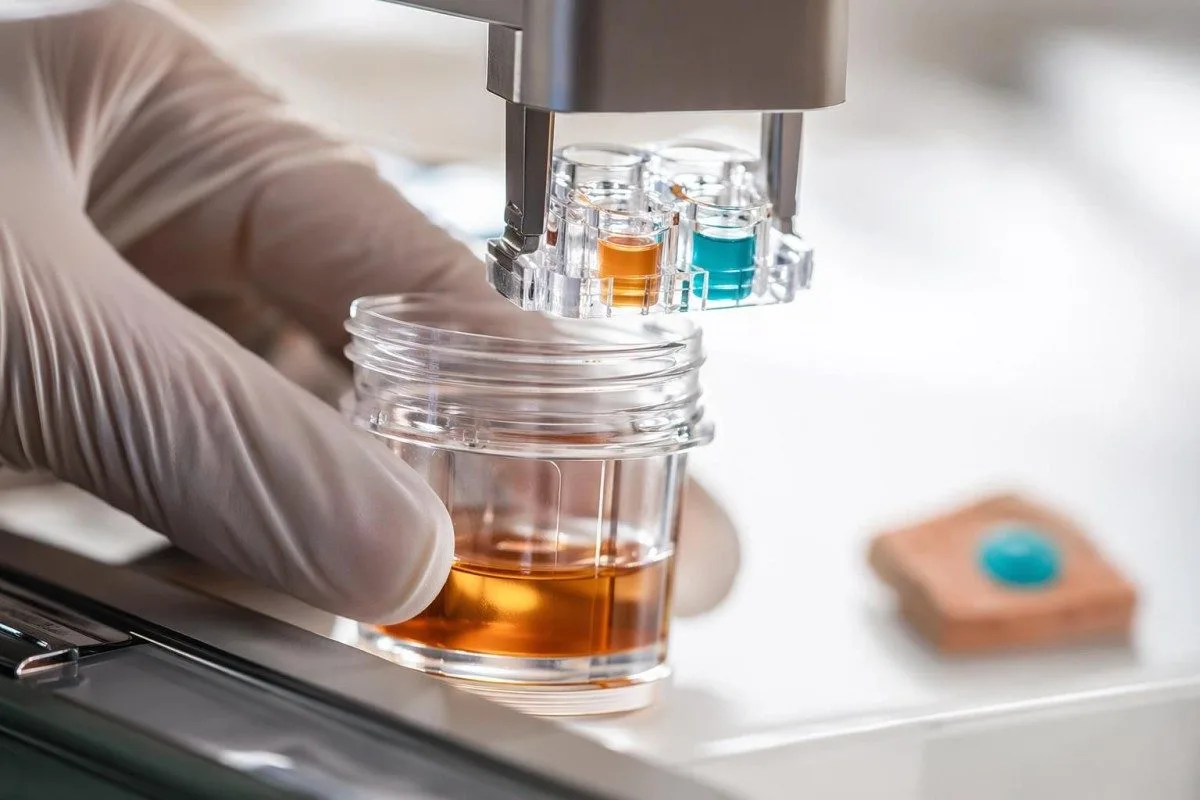
A nonfasting lipid panel is acceptable for many adults, but triglycerides, insulin, and some metabolic calculations are cleaner after 8–12 hours without calories. Water is fine before most tests, and dehydration can falsely concentrate albumin, calcium, hemoglobin, and sometimes creatinine.
Biotin is a quiet troublemaker. Doses of 5–10 mg daily, common in hair and nail supplements, can interfere with some immunoassays and make thyroid or hormone results look falsely high or low depending on the platform.
Home collection adds convenience but also adds temperature, timing, and volume issues. A delayed or mishandled sample can cause potassium to rise, glucose to fall, and cellular results to degrade; that is why unexpected critical results should be repeated through a reliable clinical route.
Before any wellness panel, write down medications, supplements, last meal, exercise in the prior 48 hours, infection symptoms, and cycle timing if relevant. Our fasting rules guide explains water, coffee, and timing in plain terms.
When abnormal wellness blood test results need follow-up
Abnormal wellness blood test results need medical follow-up when they are critical, persistent, worsening, paired with symptoms, or biologically linked to another abnormal marker; a single mild out-of-range value often needs repeat testing rather than panic.

Potassium above 6.0 mmol/L, sodium below 125 mmol/L, calcium above 12 mg/dL, glucose above 300 mg/dL with symptoms, or hemoglobin below 7 g/dL should not wait for a wellness consultation. These values can be dangerous even when discovered accidentally.
ALT or AST above 500 IU/L, bilirubin above 3 mg/dL with jaundice, platelets below 50,000/µL, neutrophils below 0.5 × 10⁹/L, or WBC above 30 × 10⁹/L generally deserves urgent clinical review. The combination matters: high ALP plus high GGT suggests a different liver-bile pattern than isolated mild ALT.
Mild abnormalities deserve respect, not alarm. I often repeat borderline sodium, potassium, calcium, creatinine, ALT, TSH, ferritin, and CBC changes within 1–8 weeks depending on severity, symptoms, and medication risk.
If your report has red flags, use a system that explains severity and next steps rather than just coloring boxes red. Our guide to critical blood values separates emergency patterns from abnormalities that can be reviewed calmly.
Trends beat one-off wellness numbers
A single wellness number shows a moment; a trend shows direction, variability, and whether an intervention worked, so repeated testing under similar conditions is often more valuable than buying a larger panel once.

Creatinine can move 10–20% with hydration, meat intake, creatine use, and training load. ALT can rise after intense exercise, ferritin rises with inflammation, and TSH can drift after illness, so a one-time outlier is not always disease.
Reliable trends require similar conditions: same time of day, similar fasting status, no unusually hard workout in the prior 24–48 hours, and ideally the same lab method. When patients ignore this, they often chase noise and call it optimization.
The strongest trend signals I trust are directionally consistent changes over at least 2–3 measurements. LDL-C dropping from 162 to 118 mg/dL after a medication or diet change matters; LDL-C moving from 104 to 111 mg/dL after a holiday week usually does not.
Kantesti’s trend analysis was built because patients kept asking the right question: “Is this actually changing?” You can use a blood test history approach to track your baseline instead of comparing yourself to strangers.
How Kantesti interprets wellness blood panels safely
Kantesti AI interprets wellness blood panels by reading the full report, units, reference ranges, age, sex, patterns across markers, and trend history rather than judging isolated red or green flags.

Our AI blood test platform can process a PDF or photo in about 60 seconds and interpret more than 15,000 biomarkers across routine, preventive, and specialist panels. You can explore the AI blood test platform if you want structured explanations rather than a long list of unexplained abbreviations.
Kantesti’s neural network looks for relationships clinicians care about: ferritin with hemoglobin and MCV, creatinine with eGFR and BUN, ALT with AST and bilirubin, TSH with free T4, and ApoB with triglycerides. This pattern-based interpretation is described in our medical validation standards.
Our doctors review medical logic, edge cases, and high-risk interpretation rules through our medical advisory board. I still tell patients the same thing in clinic: AI can explain and triage; it cannot examine your abdomen, hear your symptoms, or decide whether chest pain is safe.
For biomarker definitions, units, and less common tests, the biomarker guide is a better starting point than guessing from a lab’s red highlight. If you want the engineering side, our AI technology guide explains how machine learning differs from a lab analyzer.
Research, validation, and a safer next step
The safest next step after a wellness blood panel is to interpret the result by clinical priority: urgent abnormalities first, then confirmed cardiometabolic risk, kidney and liver safety, deficiencies, endocrine patterns, and finally low-value add-ons.

Kantesti LTD is a UK medical AI company, and our work is described on our organization page. In my clinical experience, the best patient outcome comes when a report explains three things clearly: what is urgent, what needs repeat confirmation, and what can be safely ignored.
Formal Kantesti research publication: Kantesti Medical AI Group. (2026). Clinical Validation of the Kantesti AI Engine (2.78T) on 15 Anonymised Blood Test Cases: A Pre-Registered Rubric-Based Benchmark Including Hyperdiagnosis Trap Cases Across Seven Medical Specialties. Figshare. https://doi.org/10.6084/m9.figshare.32095435. ResearchGate: publication search. Academia.edu: publication search.
Related Kantesti research publication: Kantesti Medical AI Group. (2026). Diarrhea After Fasting, Black Specks in Stool & GI Guide 2026. Figshare. https://doi.org/10.6084/m9.figshare.31438111. ResearchGate: publication search. Academia.edu: publication search.
If you already have results, upload them to the free blood test demo and look for the severity ranking before deciding what to buy next. A smaller, repeated, well-interpreted panel usually beats a huge panel that leaves you frightened and medically stranded.
Frequently Asked Questions
What should be included in a wellness blood test?
A useful wellness blood test usually includes CBC, CMP or BMP with eGFR, lipid panel, HbA1c or fasting glucose, and targeted tests such as ferritin, B12, vitamin D, or TSH when symptoms or risk factors justify them. LDL-C, HbA1c, creatinine/eGFR, ALT, hemoglobin, and potassium are among the most decision-changing routine markers. Broad add-ons such as reverse T3, cytokine panels, and tumor markers are usually low-value without a specific clinical question.
Are direct-to-consumer blood tests accurate?
Direct-to-consumer blood tests can be accurate when the sample is collected correctly, transported promptly, processed by a qualified laboratory, and interpreted with the right units and reference ranges. The most common problems are pre-analytical: dehydration, fasting errors, intense exercise within 24–48 hours, delayed sample handling, and supplement interference such as biotin 5–10 mg daily. Unexpected potassium, glucose, thyroid, or hormone results should often be repeated before action.
Which wellness blood panel add-ons are usually not worth it?
Low-value wellness blood panel add-ons often include reverse T3, broad cytokine panels, food IgG panels, tumor markers for general screening, and large micronutrient panels ordered without symptoms or diet risk. These tests can create false positives, false reassurance, or supplement plans that do not improve outcomes. A marker is more useful when it changes a decision about medication, diet, repeat testing, imaging, referral, or safety.
When should abnormal wellness blood test results be seen by a doctor?
Abnormal wellness blood test results need medical follow-up when they are critical, persistent, worsening, or paired with symptoms. Potassium above 6.0 mmol/L, sodium below 125 mmol/L, hemoglobin below 7 g/dL, calcium above 12 mg/dL, or ALT/AST above 500 IU/L usually warrants urgent advice. Mild isolated abnormalities often need repeat testing in 1–8 weeks, depending on the marker and clinical context.
Should I fast before a preventive blood test?
Fasting for 8–12 hours is helpful for fasting glucose, insulin, triglycerides, and some metabolic calculations, but many cholesterol panels can be interpreted without fasting. Water is allowed and usually encouraged because dehydration can falsely raise albumin, calcium, hemoglobin, and sometimes creatinine. Avoid unusually hard exercise for 24–48 hours before testing if liver enzymes, creatinine kinase, or inflammation markers are included.
How often should I get a wellness blood test?
Many healthy adults can repeat a preventive blood test every 1–3 years, but annual or more frequent testing may be reasonable with diabetes risk, kidney disease, high cholesterol, hypertension, medication monitoring, prior abnormal results, pregnancy planning, or significant symptoms. Testing every few months without a clinical reason often increases noise rather than safety. Trend tracking is most useful when repeat tests are done under similar fasting, timing, hydration, and exercise conditions.
Can a wellness blood test detect cancer early?
Most wellness blood tests cannot reliably detect cancer early, and normal tumor markers do not rule out cancer. PSA is a risk-stratified screening tool in selected men, but CA-125, CEA, AFP, and CA 19-9 are usually used for specific diagnostic or monitoring contexts rather than broad screening. Persistent symptoms such as unexplained weight loss, bleeding, night sweats, new lumps, or progressive swallowing problems need clinical assessment even if routine labs are normal.
Can regular blood donation affect my wellness blood test results?
Yes, blood donation can lower iron stores, sometimes before your hemoglobin falls outside the normal range. If you donate regularly, tell your clinician; fatigue, reduced exercise tolerance, or restless legs may justify checking ferritin and discussing donation frequency rather than starting iron on your own.
Should I postpone a wellness blood test when I am sick or recovering from surgery?
If a test is purely preventive and you have fever, a significant infection, or recent surgery, wait until you feel well for a representative baseline. Acute illness can temporarily change blood counts, glucose, liver tests, ferritin, and inflammatory markers; do not delay testing ordered for an urgent symptom.
Can biotin supplements affect wellness blood test results?
Yes. Biotin in hair, nail, or high-dose supplements can distort some thyroid, hormone, and cardiac blood tests; ask the lab or clinician whether to stop it 48–72 hours before testing, and do not stop prescribed treatments without advice.
Should I trust “optimal” lab ranges more than the standard reference range?
Use standard reference ranges and guideline-based risk thresholds as the starting point. “Optimal” ranges can be helpful for discussion, but they may label healthy variation as a problem if symptoms, medications, age, and repeat trends are ignored.
Get AI-Powered Blood Test Analysis Today
Join over 2 million users worldwide who trust Kantesti for instant, accurate lab test analysis. Upload your blood test results and receive comprehensive interpretation of 15,000+ biomarkers in seconds.
📚 Referenced Research Publications
Klein, T., Mitchell, S., & Weber, H. (2026). Clinical Validation of the Kantesti AI Engine (2.78T) on 15 Anonymised Blood Test Cases: A Pre-Registered Rubric-Based Benchmark Including Hyperdiagnosis Trap Cases Across Seven Medical Specialties. Kantesti AI Medical Research.
Klein, T., Mitchell, S., & Weber, H. (2026). Diarrhea After Fasting, Black Specks in Stool & GI Guide 2026. Kantesti AI Medical Research.
📖 External Medical References
KDIGO Work Group (2024). KDIGO 2024 Clinical Practice Guideline for the Evaluation and Management of Chronic Kidney Disease. Kidney International.






⚕️ Medical Disclaimer
This article is for educational purposes only and does not constitute medical advice. Always consult a qualified healthcare provider for diagnosis and treatment decisions.
E-E-A-T Trust Signals
Experience
Physician-led clinical review of lab interpretation workflows.
Expertise
Laboratory medicine focus on how biomarkers behave in clinical context.
Authoritativeness
Written by Dr. Thomas Klein with review by Dr. Sarah Mitchell and Prof. Dr. Hans Weber.
Trustworthiness
Evidence-based interpretation with clear follow-up pathways to reduce alarm.