
A practical physician-led guide to the hormone and metabolic patterns that support PCOS diagnosis, including why normal labs can still leave PCOS on the table.

- PCOS blood test results support diagnosis but do not diagnose PCOS alone; Rotterdam criteria require 2 of 3 features after excluding mimics.
- Total testosterone is commonly about 15-70 ng/dL in adult females, but PCOS can occur with normal total testosterone if free testosterone is high.
- Free androgen index above about 5 often supports biochemical hyperandrogenism, though each lab and assay must be checked.
- LH FSH ratio PCOS patterns above 2:1 can be seen in PCOS, but the ratio is no longer recommended as a stand-alone diagnostic test.
- Fasting glucose of 100-125 mg/dL suggests prediabetes, while 126 mg/dL or higher on repeat testing supports diabetes.
- HbA1c of 5.7-6.4% suggests prediabetes and 6.5% or higher supports diabetes, but it can miss early insulin resistance in PCOS.
- Fasting insulin above 15-20 µIU/mL can suggest insulin resistance, yet insulin assays vary too much for diagnosis by itself.
- DHEAS above 700 µg/dL or testosterone above 150-200 ng/dL needs prompt evaluation for non-PCOS androgen excess.
- 17-hydroxyprogesterone above 200 ng/dL in a morning follicular sample usually warrants follow-up testing for non-classic congenital adrenal hyperplasia.
Which blood tests support a PCOS diagnosis?
PCOS blood test results support — but rarely confirm alone — PCOS by showing androgen excess, ovulatory disruption, and metabolic risk. A useful panel includes total and free testosterone, SHBG, DHEAS or androstenedione, LH, FSH, prolactin, TSH, 17-hydroxyprogesterone, fasting glucose, HbA1c, and often a 75-g oral glucose tolerance test. PCOS can still be present when every hormone sits inside the lab range.

The 2023 International Evidence-based Guideline states that adult PCOS is diagnosed when 2 of 3 features are present: irregular ovulation, clinical or biochemical hyperandrogenism, and polycystic ovarian morphology or elevated AMH, after other causes are excluded (Teede et al., 2023). In plain language, the lab work is evidence, not the entire verdict.
As of April 27, 2026, I still see patients who have been told that a normal LH or a normal testosterone rules out PCOS. That is not correct; Kantesti AI reads the whole pattern, including cycle history, assay method, and metabolic markers.
The most helpful PCOS hormone panel is targeted, not huge. If you are planning testing, our separate guide on PCOS test timing explains why day 2-5 sampling, contraception status, and fasting state change the meaning of the numbers.
One small clinical habit helps: keep the original PDF, not just a portal screenshot. Reference intervals, units, and assay notes matter, and Kantesti's biomarkers guide is built around exactly those details.
How androgen results show biochemical hyperandrogenism
Biochemical hyperandrogenism in PCOS is usually shown by high total testosterone, high free testosterone, low SHBG with a high free androgen index, or elevated androstenedione. The strongest blood marker is often calculated free testosterone, especially when measured or derived from a high-quality testosterone assay.

A typical adult female total testosterone reference interval is roughly 15-70 ng/dL, or 0.5-2.4 nmol/L, but the interval changes by assay. I trust LC-MS/MS more than many direct immunoassays when a result sits near the upper end, because small errors matter at female testosterone concentrations.
Free testosterone is frequently abnormal before total testosterone crosses the lab flag. If you want the deeper mechanics, our guide to free versus total testosterone explains how SHBG can hide androgen excess on a standard report.
A total testosterone above 150-200 ng/dL is not typical PCOS until proven otherwise. In my clinic, a rapidly rising testosterone with new voice deepening, severe acne, or clitoromegaly is handled as urgent, even if the patient has had irregular cycles for years.
The evidence is a bit messy on exact cutoffs. Some European labs use lower upper limits for female testosterone than large US reference labs, and that difference can turn a 'normal' result into a clinically suspicious one.
LH FSH ratio PCOS patterns: clue, not diagnosis
The LH FSH ratio PCOS pattern is a historical clue, not a diagnostic requirement. An LH:FSH ratio above 2:1 can appear in PCOS, but many people with proven PCOS have a normal ratio, and many without PCOS have a temporarily high ratio.

In classic PCOS physiology, faster GnRH pulses can raise LH more than FSH. The revised Rotterdam consensus did not require LH/FSH ratio for diagnosis, because the marker performs poorly across age, body weight, and cycle timing (Rotterdam ESHRE/ASRM-Sponsored PCOS Consensus Workshop Group, 2004).
Day 2-5 LH and FSH are the least noisy. A random LH of 18 IU/L during a mid-cycle surge can look alarming, while the same patient may show LH 6 IU/L and FSH 5 IU/L on a proper early-follicular sample; our LH result guide goes through that timing problem in detail.
FSH also protects you from missing a different diagnosis. Repeated FSH above 25-40 IU/L with low estradiol points away from PCOS and toward primary ovarian insufficiency or perimenopause, depending on age and context.
Here is the practical tip I give patients: do not chase the ratio. If the cycles are 45-90 days apart and free testosterone is high, a ratio of 1.1 does not make that pattern benign.
Glucose, HbA1c, and OGTT reveal metabolic PCOS risk
Glucose testing in PCOS looks for prediabetes and diabetes, not for PCOS itself. Fasting glucose, HbA1c, and a 75-g 2-hour oral glucose tolerance test each catch a different part of the insulin-resistance picture.

Fasting glucose of 100-125 mg/dL suggests impaired fasting glucose, and 126 mg/dL or higher on repeat testing supports diabetes. HbA1c of 5.7-6.4% suggests prediabetes, while 6.5% or higher supports diabetes when confirmed.
The Endocrine Society guideline recommends screening women with PCOS for glucose intolerance, with a 75-g OGTT preferred in many cases because HbA1c can miss impaired glucose tolerance (Legro et al., 2013). Our diabetes blood test guide explains how diagnostic and monitoring tests differ.
A 2-hour OGTT glucose of 140-199 mg/dL indicates impaired glucose tolerance, and 200 mg/dL or higher supports diabetes. I see this exact pattern in lean PCOS patients: fasting glucose 86 mg/dL, HbA1c 5.3%, but 2-hour glucose 162 mg/dL.
HbA1c can be falsely low after recent blood loss or with some hemoglobin variants. If the number does not match symptoms, family history, or glucose readings, I usually treat it as a clue rather than the final answer.
Insulin blood tests show early resistance, with caveats
Fasting insulin and HOMA-IR can reveal insulin resistance before glucose becomes abnormal, but they are not diagnostic tests for PCOS. A fasting insulin above 15-20 µIU/mL often raises suspicion, yet the exact cutoff varies widely between laboratories.

HOMA-IR is calculated as fasting insulin in µIU/mL multiplied by fasting glucose in mg/dL, divided by 405. In many clinics, a HOMA-IR above 2.0-2.5 suggests insulin resistance, while values above 3.0 are harder to ignore.
The annoying part is assay variability. A fasting insulin of 18 µIU/mL may be flagged in one lab and called normal in another, which is why our insulin blood test guide focuses on patterns rather than one magic number.
When I review PCOS blood test results, I look for insulin plus triglycerides, HDL, ALT, waist pattern, acanthosis nigricans, and family history. Fasting insulin 22 µIU/mL with triglycerides 190 mg/dL and HDL 38 mg/dL tells a different story than insulin 22 µIU/mL in a recently stressed patient with normal lipids.
Normal insulin does not rule out PCOS. Lean PCOS, high physical activity, recent weight loss, and low-carbohydrate intake can all keep fasting insulin deceptively low.
SHBG explains normal total testosterone with PCOS symptoms
Low SHBG can make free testosterone high even when total testosterone looks normal. This is one of the commonest reasons a patient with acne, hirsutism, and 50-day cycles is told their PCOS hormone panel is normal when it is not really normal.
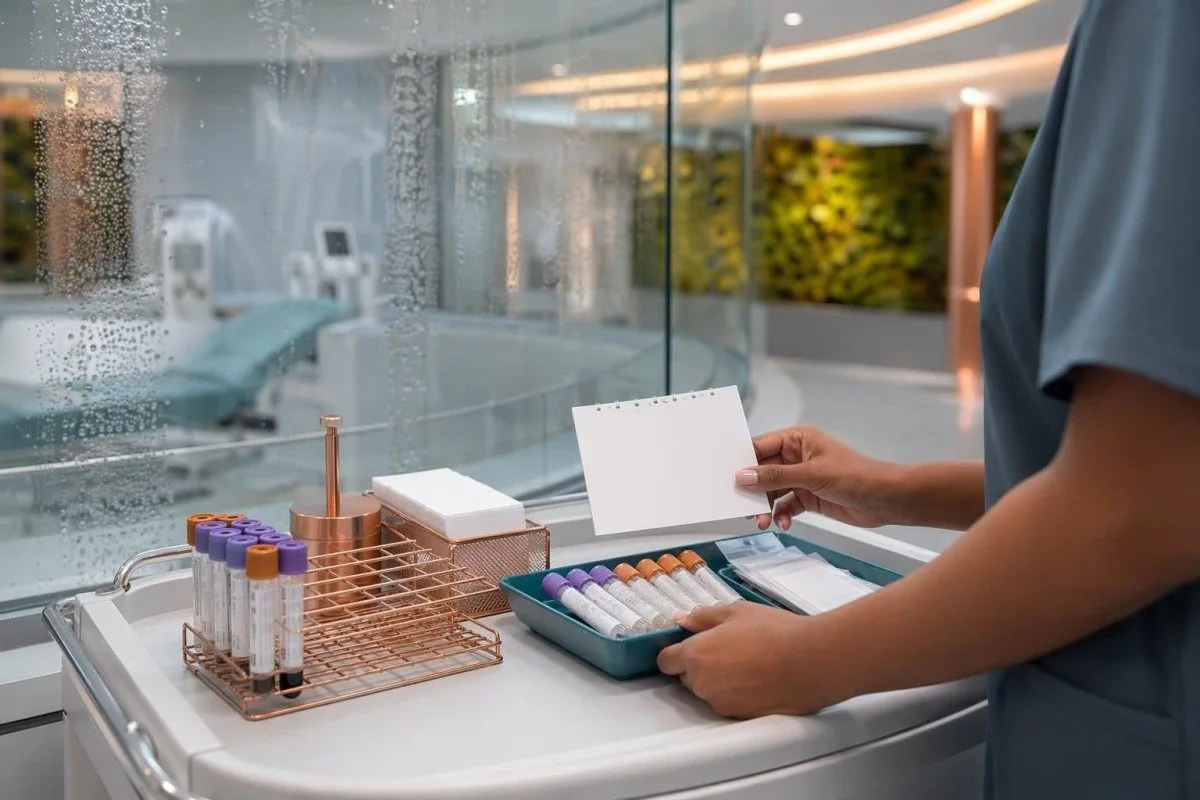
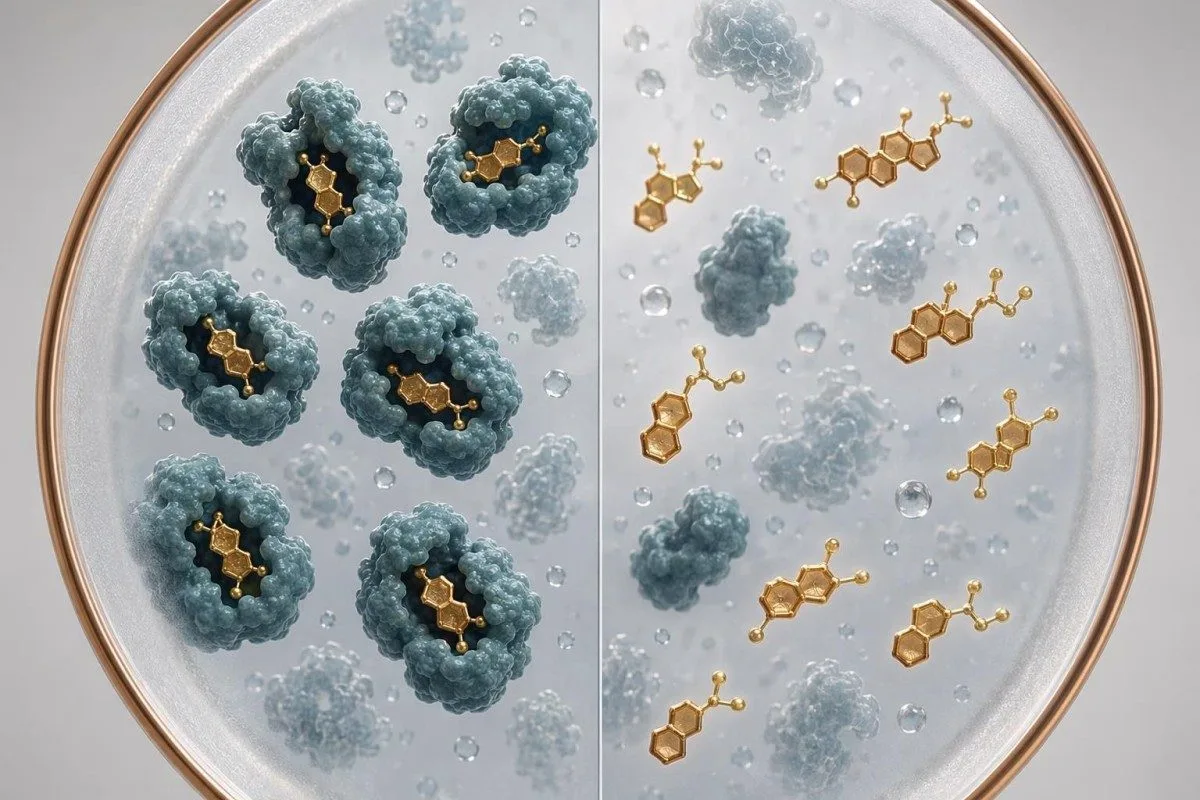
SHBG is commonly about 30-120 nmol/L in adult females, though oral estrogen can push it much higher. Insulin resistance, obesity, hypothyroidism, androgen exposure, and fatty liver can lower SHBG and increase biologically active androgen.
The free androgen index equals total testosterone in nmol/L divided by SHBG in nmol/L, multiplied by 100. A free androgen index above about 5 supports androgen excess in many endocrine clinics, and our SHBG guide walks through the calculation.
A pattern I see often: total testosterone 42 ng/dL, SHBG 18 nmol/L, calculated free testosterone high. The lab portal may show only one red flag or none, but the physiology is still androgenic.
Combined oral contraceptives can raise SHBG and suppress testosterone for months. If a PCOS diagnosis depends on biochemical androgen testing, many clinicians prefer waiting at least 3 months after stopping combined hormonal contraception, assuming it is safe to stop.
DHEAS and androstenedione separate adrenal from ovarian-pattern androgen excess
DHEAS and androstenedione help localize androgen excess when testosterone alone does not explain symptoms. DHEAS is mainly adrenal-derived, while androstenedione can come from both adrenal and reproductive endocrine tissue.
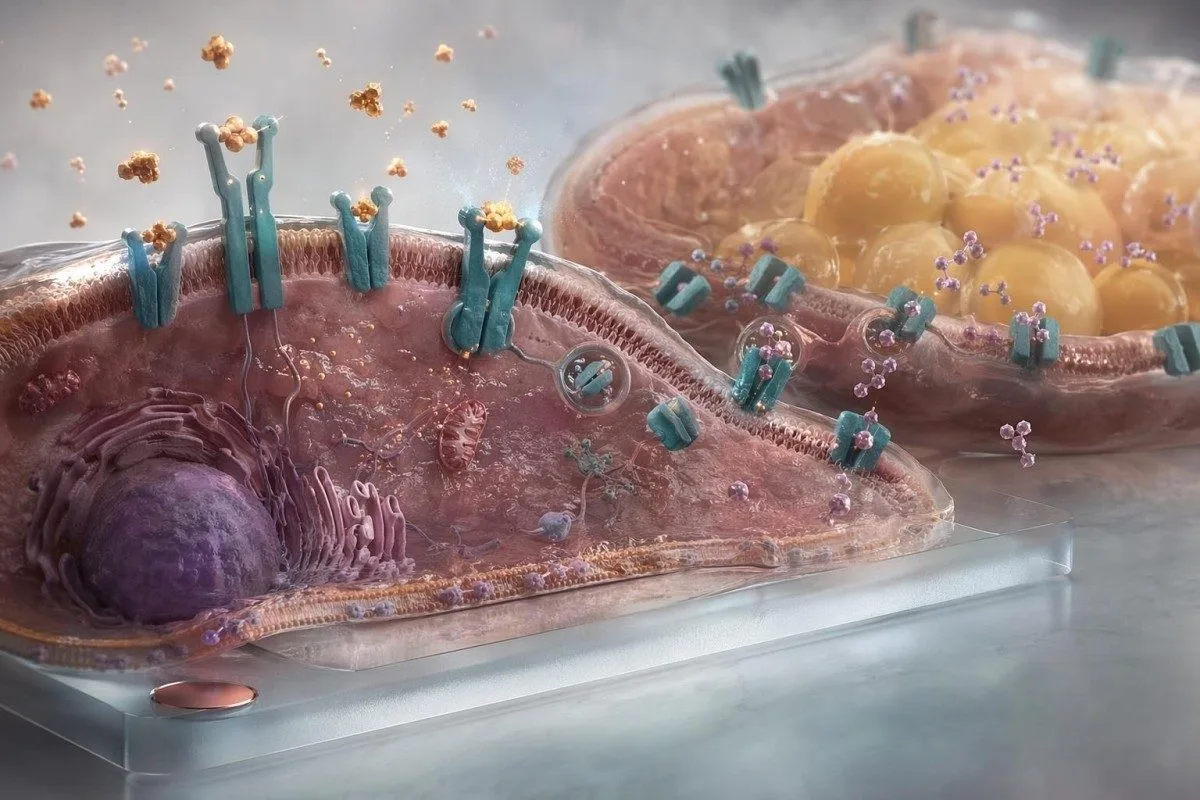
DHEAS reference intervals are strongly age-dependent; a 22-year-old may have an upper limit near 350-430 µg/dL, while a 45-year-old often has a lower upper limit. DHEAS above 700 µg/dL is a red flag for significant adrenal androgen excess, not routine PCOS.
Androstenedione can be the only abnormal androgen in PCOS. I have seen patients with normal total testosterone and DHEAS but androstenedione 30-50% above range, plus clear cycle irregularity.
For a deeper look at adrenal clues, our DHEA result guide covers age curves, supplements, and when repeat testing is sensible. This matters because over-the-counter DHEA can make a PCOS blood test look far more abnormal than the underlying condition.
Kantesti's AI-powered blood test interpretation checks androgen markers against age, sex, unit conversion, and medication context. That is useful because DHEAS in µmol/L and µg/dL are easy to misread at speed.
Blood tests must exclude common PCOS look-alikes
PCOS diagnosis requires excluding conditions that mimic irregular cycles or androgen excess. The usual exclusion blood tests are TSH, prolactin, 17-hydroxyprogesterone, pregnancy testing when relevant, and selective cortisol or IGF-1 testing if the clinical picture points that way.
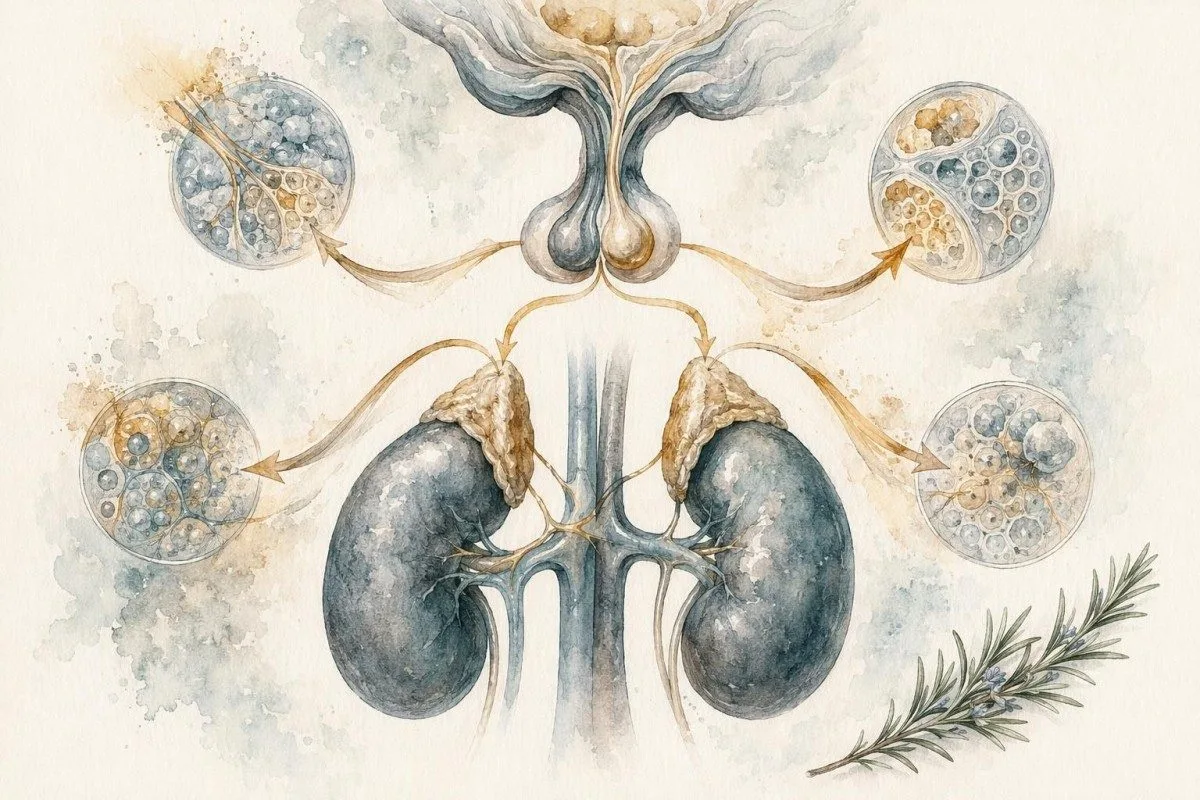
TSH outside roughly 0.4-4.0 mIU/L can explain cycle changes, weight shift, hair shedding, or fatigue. Thyroid disease and PCOS can coexist, so an abnormal TSH does not automatically erase the PCOS question.
Prolactin is often considered high above 25 ng/mL in non-pregnant adults, though stress, sleep, nipple stimulation, and some medicines can raise it temporarily. Our prolactin blood test guide explains why a calm morning repeat sample is often smarter than immediate imaging.
A morning follicular 17-hydroxyprogesterone above 200 ng/dL usually triggers follow-up for non-classic congenital adrenal hyperplasia. Levels above 800-1000 ng/dL are much more concerning, but local protocols differ.
Cushing syndrome is uncommon, but I think about it when there are wide purple stretch marks, easy bruising, proximal muscle weakness, or blood pressure that has changed fast. That is not routine PCOS screening; it is targeted clinical judgment.
Timing your PCOS hormone panel changes the result
The best timing for a PCOS hormone panel is usually cycle day 2-5 for LH, FSH, estradiol, testosterone, SHBG, DHEAS, and 17-hydroxyprogesterone. If cycles are absent or very irregular, clinicians may test on a random day after pregnancy is excluded.
Progesterone is the exception. A level above about 3 ng/mL roughly 7 days before the expected period supports recent ovulation, while a low value on the wrong day means very little; our progesterone timing guide covers that trap.
Fasting matters more for insulin, glucose, triglycerides, and sometimes SHBG than for LH or FSH. For mixed hormone-metabolic panels, I usually prefer 8-12 hours fasting, water allowed, unless the ordering clinician says otherwise.
Biotin can distort some immunoassays, including thyroid and hormone tests. Many labs advise stopping high-dose biotin for 48-72 hours before testing, and our fasting before blood test article explains the practical rules.
Do not quietly stop contraception, metformin, steroids, or fertility medicines just to make a lab report cleaner. Medication changes should be planned, because a perfect lab date is not worth an unplanned pregnancy or symptom flare.
Why normal PCOS blood test results do not rule it out
Normal PCOS blood test results do not rule out PCOS because diagnosis also uses cycle pattern, clinical hyperandrogenism, and imaging or AMH when appropriate. Hormones fluctuate, assays miss low-level androgen excess, and reference ranges are not designed to diagnose every endocrine pattern.
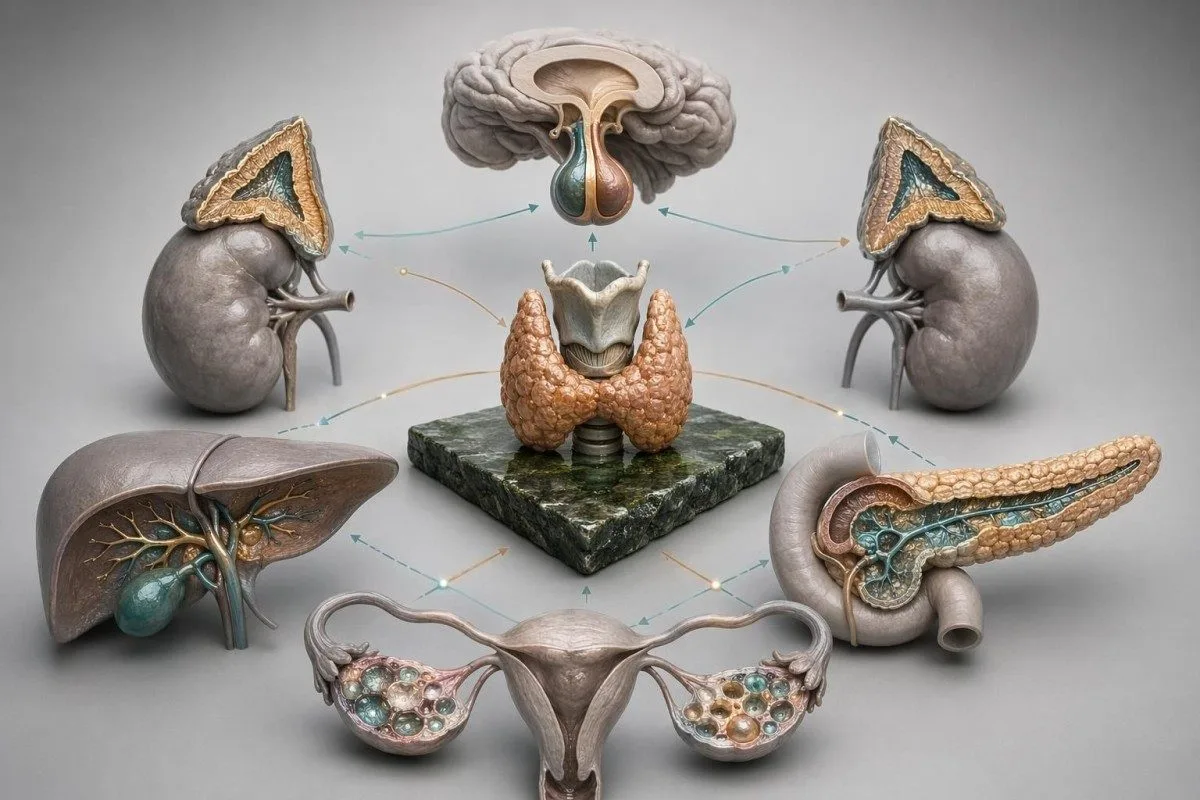
Reference intervals usually describe the middle 95% of a lab's tested population, not the range of ideal endocrine health. If many people in the reference population have insulin resistance or mild androgen excess, the upper limit may be less reassuring than it looks.
This is where our guide to normal range pitfalls becomes very relevant. A testosterone of 64 ng/dL may be technically normal in one lab, but in a 19-year-old with new hirsutism and cycles every 70 days, it deserves a second look.
Clinical hyperandrogenism can count even when blood androgens are normal. Hirsutism scoring varies by ancestry and hair-removal habits, so I ask specifically about shaving frequency, laser treatments, acne timing, and scalp hair changes.
I have seen the opposite problem too: one mildly high androgen in a stressed patient with regular 29-day cycles and no symptoms. That is why PCOS should not be diagnosed from a single red arrow.
Adolescents, pregnancy plans, and age change interpretation
PCOS blood test interpretation changes by age and reproductive goals. Adolescents need both persistent ovulatory dysfunction and hyperandrogenism for diagnosis, while adults may meet criteria through 2 of 3 Rotterdam features after mimics are excluded.
In the first year after menarche, irregular cycles are usually normal. More than 3 years after menarche, cycles shorter than 21 days, longer than 35 days, or fewer than 8 cycles per year become more suspicious, as emphasized in the 2023 guideline (Teede et al., 2023).
AMH should not be used to diagnose PCOS in adolescents. The follicle count signal is too noisy during puberty, and labeling a teenager too early can cause years of anxiety and unnecessary treatment.
For pregnancy planning, PCOS blood testing often expands to TSH, HbA1c, rubella or varicella immunity depending on local practice, and sometimes progesterone to confirm ovulation. Our women's health guide explains how cycle symptoms and labs fit together.
In the late 30s and 40s, androgens may fall while the metabolic risks persist. A 42-year-old can have fewer visible androgen flags than at 24, yet still carry higher risk for impaired glucose tolerance and sleep apnea.
Lipids, liver enzymes, and inflammation often travel with PCOS
PCOS blood testing should often include lipids and liver enzymes because insulin resistance raises cardiometabolic and fatty liver risk. Triglycerides above 150 mg/dL, HDL below 50 mg/dL in women, and ALT above about 25-35 IU/L deserve context rather than dismissal.

A common insulin-resistance lipid pattern is triglycerides 150-250 mg/dL with HDL below 50 mg/dL. LDL may be normal, which can falsely reassure patients who are only checking total cholesterol.
Our lipid panel results guide explains why triglyceride-to-HDL patterns can be more revealing than total cholesterol. In PCOS, I pay close attention when triglycerides are rising year over year, even if they are still under 150 mg/dL.
ALT is not a PCOS diagnostic marker, but it can flag fatty liver risk. Many hepatology groups consider ALT above about 25 IU/L in women potentially abnormal, even though lab upper limits may be 35-45 IU/L; our ALT blood test article explains that mismatch.
CRP and ESR can be mildly higher in obesity or insulin resistance, but they are nonspecific. I do not use inflammation markers to diagnose PCOS; I use them to decide whether another process may be adding noise.
How Kantesti AI reads PCOS blood test results safely
Kantesti AI interprets PCOS blood test results by combining hormone values, metabolic markers, units, reference intervals, age, sex, medication context, and result trends. Our platform does not replace a clinician, but it can catch patterns that a single lab portal flag often misses.

In our analysis of more than 2M uploaded blood tests across 127+ countries, PCOS-related reports commonly arrive with mixed units: testosterone in ng/dL, DHEAS in µmol/L, insulin in mIU/L, and glucose in mmol/L. Unit conversion errors are one of the quietest sources of bad endocrine advice.
Kantesti's neural network can read a PDF or photo and provide structured interpretation in about 60 seconds. The clinical guardrails behind that workflow are described in our medical validation standards, including safety checks for urgent values and diagnostic overreach.
I am Thomas Klein, MD, and as Chief Medical Officer I care less about flashy red arrows than about whether the interpretation is clinically fair. A testosterone of 72 ng/dL, SHBG 16 nmol/L, HbA1c 5.6%, and triglycerides 178 mg/dL should be framed differently from an isolated LH of 12 IU/L.
Kantesti's AI blood test benchmark also includes hyperdiagnosis trap cases. That matters in PCOS, because overcalling PCOS from one borderline androgen can be just as harmful as missing it.
What to do after your PCOS blood test comes back
After a PCOS blood test, compare the results with symptoms, cycle history, medication use, and red flags before deciding next steps. Urgent follow-up is needed for testosterone above 150-200 ng/dL, DHEAS above 700 µg/dL, rapid virilization, or glucose in the diabetes range.
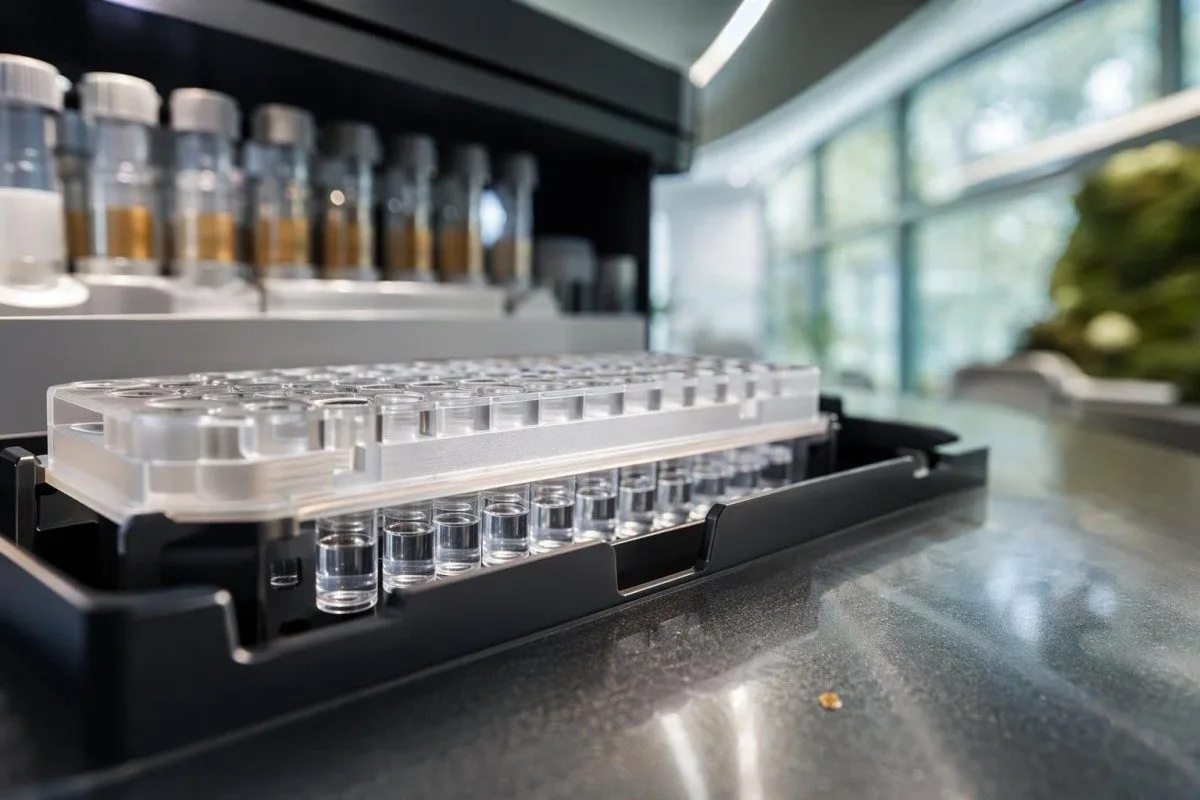
For borderline results, repeat testing is often more useful than panic. I usually want the same lab, similar cycle timing, and a note about contraception, supplements, biotin, fasting hours, sleep, and acute illness.
Treatment depends on the patient's goal. Cycle protection may involve cyclic progestin or combined hormonal contraception, hirsutism may involve anti-androgen therapy with reliable contraception, and fertility goals often lead toward ovulation induction discussions.
Metabolic treatment is not cosmetic. A 5-10% weight reduction can improve ovulation in some insulin-resistant patients, but lean PCOS patients still deserve glucose, lipid, and sleep assessment rather than being told weight is the whole story.
If you already have results, you can upload them through free AI analysis and bring the structured report to your clinician. If you are still deciding what to order, our online blood test guide explains safer ways to access labs without guessing blindly.
Research publications and medical review standards
Kantesti content is medically reviewed and separated from diagnosis, because PCOS blood test interpretation is high-stakes endocrine work. Our research publications describe AI validation methods, while clinical guidance in this article is anchored to PCOS guidelines and physician review.

The Kantesti AI Engine validation paper is published with a pre-registered rubric, anonymised cases, and hyperdiagnosis trap cases across seven specialties. Readers can review the DOI-linked study, Clinical Validation of the Kantesti AI Engine, here: clinical benchmark.
Thomas Klein, MD, reviews endocrine and metabolic articles with our clinical governance team, and our Medical Advisory Board reviews standards for patient-facing explanations. That review process is deliberately conservative when a lab pattern could mean PCOS, adrenal disease, thyroid disease, or diabetes.
Kantesti LTD is a UK company, and our company information describes the wider medical AI mission, certifications, and product scope. The practical promise is simple: fast interpretation should still be careful interpretation.
APA research listing: Kantesti AI Research Group. (2026). Clinical Validation of the Kantesti AI Engine (2.78T) on 15 anonymised blood test cases: A pre-registered rubric-based benchmark including hyperdiagnosis trap cases across seven medical specialties. Figshare. https://doi.org/10.6084/m9.figshare.32095435. Kantesti AI Research Group. (2026). Nipah Virus Blood Test: Early Detection & Diagnosis Guide 2026. Zenodo. https://doi.org/10.5281/zenodo.18487418.
Frequently Asked Questions
Can PCOS be diagnosed with a blood test alone?
PCOS usually cannot be diagnosed with a blood test alone because diagnosis requires a pattern, not one marker. Adult criteria generally require 2 of 3 findings: irregular ovulation, clinical or biochemical hyperandrogenism, and polycystic ovarian morphology or elevated AMH, after excluding mimics. Blood tests are used to document androgen excess, assess metabolic risk, and rule out thyroid disease, high prolactin, and non-classic congenital adrenal hyperplasia.
What blood tests are usually included in a PCOS hormone panel?
A practical PCOS hormone panel usually includes total testosterone, calculated or measured free testosterone, SHBG, DHEAS, androstenedione, LH, FSH, estradiol, prolactin, TSH, and morning 17-hydroxyprogesterone. Metabolic testing often adds fasting glucose, HbA1c, fasting insulin, lipids, and sometimes a 75-g 2-hour oral glucose tolerance test. The best panel depends on age, cycle timing, contraception use, symptoms, and pregnancy plans.
What LH FSH ratio suggests PCOS?
An LH:FSH ratio above 2:1 can support a PCOS pattern, especially if measured on cycle day 2-5 with irregular cycles and androgen excess. The ratio is not required for diagnosis and can be normal in many people with PCOS. A high LH from mid-cycle timing or a low FSH from medication effects can mislead, so clinicians should not diagnose PCOS from the ratio alone.
Can I have PCOS with normal testosterone?
Yes, PCOS can occur with normal total testosterone because free testosterone, SHBG, DHEAS, androstenedione, or clinical hirsutism may show androgen excess instead. A total testosterone of 40-60 ng/dL may be reported as normal, but low SHBG can still make calculated free testosterone high. Diagnosis also considers cycle length, ovulation, symptoms, and exclusion of other endocrine causes.
Is fasting insulin a reliable PCOS blood test?
Fasting insulin can suggest insulin resistance, but it is not a reliable diagnostic test for PCOS by itself. A fasting insulin above 15-20 µIU/mL or HOMA-IR above 2.0-2.5 often raises suspicion, but insulin assays vary widely between labs. Glucose, HbA1c, a 75-g OGTT, lipids, waist pattern, and family history usually give a safer metabolic picture.
When should PCOS blood tests be done in the cycle?
LH, FSH, estradiol, testosterone, SHBG, DHEAS, and 17-hydroxyprogesterone are often best checked on cycle day 2-5 when cycles occur. Progesterone should be checked about 7 days before the expected period, and a value above about 3 ng/mL supports recent ovulation. If cycles are absent or unpredictable, clinicians may test on a random day after pregnancy is excluded.
Which PCOS blood test results need urgent follow-up?
Testosterone above 150-200 ng/dL, DHEAS above 700 µg/dL, or rapidly worsening androgen symptoms need prompt medical follow-up because they are not typical routine PCOS findings. Fasting glucose of 126 mg/dL or higher, HbA1c of 6.5% or higher, or 2-hour OGTT glucose of 200 mg/dL or higher also needs confirmation and diabetes evaluation. Severe headaches, vision changes, breast milk discharge with high prolactin, or signs of Cushing syndrome should be assessed quickly.
Should I be checked for sleep apnea if I have PCOS?
Ask your clinician about sleep apnea if you snore and wake unrefreshed or feel very sleepy during the day. PCOS is linked to higher sleep apnea risk even without obesity; a sleep study, not a blood test, can confirm it and guide effective treatment.
Can lifestyle changes improve my PCOS blood test results even if I still have PCOS?
Yes. Regular activity, balanced eating, sleep, and weight changes when appropriate can improve glucose, triglycerides, liver enzymes, and androgen-related markers. PCOS does not disappear simply because results improve, so continue follow-up based on symptoms and pregnancy plans.
Why did my PCOS hormone results change when I used a different laboratory?
Hormone assays, units, and reference ranges can differ, especially for low female testosterone levels. Compare results using the same lab when possible, and ask your clinician to interpret trends alongside symptoms, cycle pattern, medications, and the timing of the blood draw.
Should AMH be included in my PCOS blood tests?
AMH can help support a PCOS diagnosis in adults when ultrasound is not available or not ideal, but cutoffs vary by lab and age. It should not be used alone, and it is generally not recommended for diagnosing PCOS in adolescents.
Get AI-Powered Blood Test Analysis Today
Join over 2 million users worldwide who trust Kantesti for instant, accurate lab test analysis. Upload your blood test results and receive comprehensive interpretation of 15,000+ biomarkers in seconds.
📚 Referenced Research Publications
Klein, T., Mitchell, S., & Weber, H. (2026). Clinical Validation of the Kantesti AI Engine (2.78T) on 15 Anonymised Blood Test Cases: A Pre-Registered Rubric-Based Benchmark Including Hyperdiagnosis Trap Cases Across Seven Medical Specialties. Kantesti AI Medical Research.
Klein, T., Mitchell, S., & Weber, H. (2026). Nipah Virus Blood Test: Early Detection & Diagnosis Guide 2026. Kantesti AI Medical Research.
📖 External Medical References



⚕️ Medical Disclaimer
This article is for educational purposes only and does not constitute medical advice. Always consult a qualified healthcare provider for diagnosis and treatment decisions.
E-E-A-T Trust Signals
Experience
Physician-led clinical review of lab interpretation workflows.
Expertise
Laboratory medicine focus on how biomarkers behave in clinical context.
Authoritativeness
Written by Dr. Thomas Klein with review by Dr. Sarah Mitchell and Prof. Dr. Hans Weber.
Trustworthiness
Evidence-based interpretation with clear follow-up pathways to reduce alarm.