Most pre-op blood work is not a fishing expedition. It is a safety check for anemia, kidney function, electrolytes, clotting risk, diabetes control, pregnancy status, and transfusion planning.


- Blood test before surgery usually includes CBC, electrolytes, kidney function, glucose, and sometimes PT/INR, liver tests, pregnancy test, and type and screen.
- Timing depends on stability: many elective results are accepted within 30 days, but potassium, INR, glucose, pregnancy, and type-and-screen may need same-day or 72-hour testing.
- Hemoglobin below 8 g/dL often triggers postponement of elective surgery; many teams investigate levels below 10–12 g/dL if blood loss is expected.
- Platelets below 50,000/µL are usually too low for major surgery, while neurosurgery and some eye operations often require closer to 100,000/µL.
- Potassium below 3.0 mmol/L or above 5.5–6.0 mmol/L can delay anesthesia because both ranges increase arrhythmia risk.
- INR above 1.5 before a high-bleeding-risk procedure usually needs explanation, medication adjustment, or reversal planning.
- Fasting before blood test matters mainly for fasting glucose, triglycerides, and some metabolic panels; water is usually encouraged unless your anesthesia team says otherwise.
- How long do blood test results take varies: CBC and basic chemistry can return in 1–4 hours in hospital labs, while antibody screens and send-out tests may take 1–3 days.
- Kantesti AI can explain pre-op lab patterns in about 60 seconds after PDF or photo upload, but final surgical clearance always belongs to your clinical team.
What a pre-op blood test checks before anesthesia
A blood test before surgery checks whether your body can tolerate anesthesia, tissue repair, and expected blood loss. Doctors usually look at hemoglobin, platelets, kidney function, electrolytes, glucose, clotting time, pregnancy status, and whether blood is available if transfusion becomes necessary. You can review a report with blood test before surgery interpretation from Kantesti, then use our lab result reading guide to ask sharper questions.
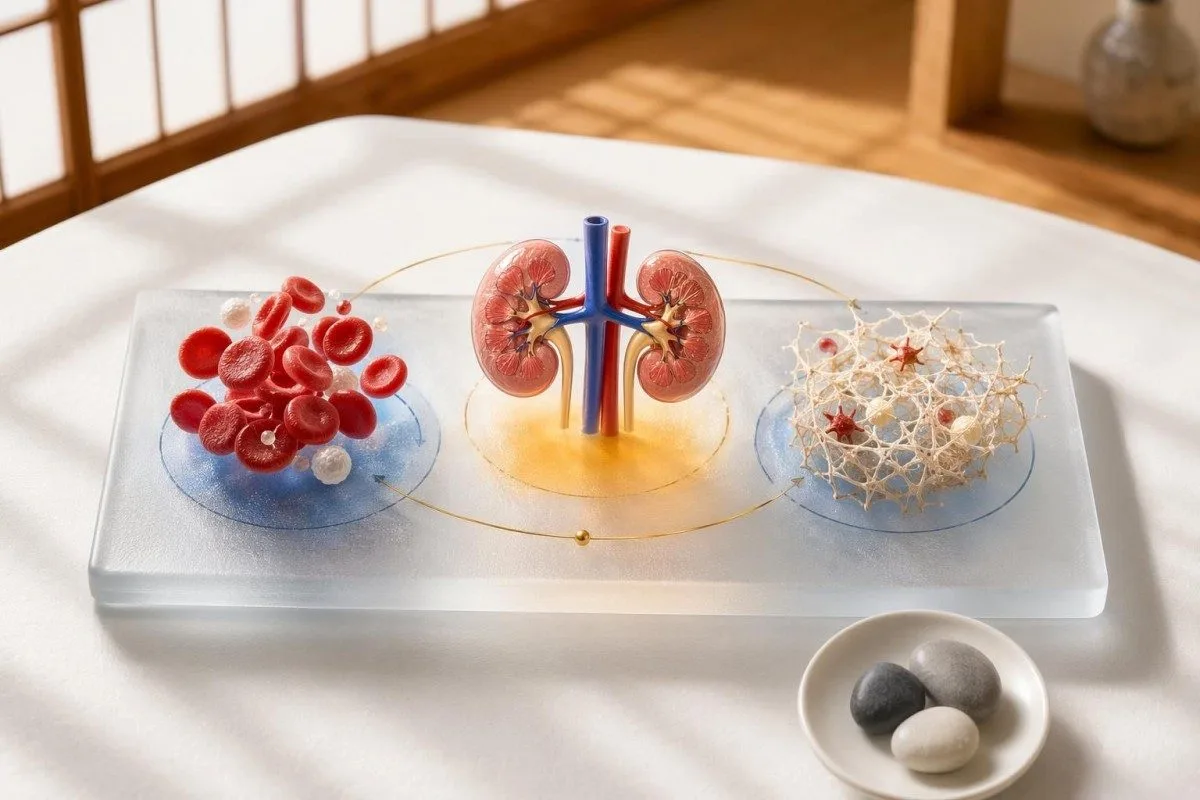
In my practice, the most useful pre-op result is rarely a single number; it is the pattern. A hemoglobin of 10.8 g/dL means one thing before a 20-minute skin procedure and a very different thing before a hip replacement where 500–1,000 mL blood loss is plausible.
Kantesti AI interprets preoperative blood results by reading the full panel together: CBC trends, creatinine, eGFR, sodium, potassium, glucose, liver enzymes, and coagulation markers. In our analysis of 2M+ blood tests, we see far more avoidable anxiety from isolated mild flags than from genuinely dangerous values.
The practical question is simple: will this result change the anesthesia plan, the timing of surgery, medication management, or transfusion preparation? If the answer is no, many modern guidelines advise against ordering that test in the first place.
Which blood tests are commonly ordered preoperatively?
The most common preoperative blood tests are CBC, basic or comprehensive metabolic panel, coagulation tests, type and screen, glucose or HbA1c, and pregnancy testing when relevant. The exact list depends on the operation, your age, medical history, medications, and expected blood loss.
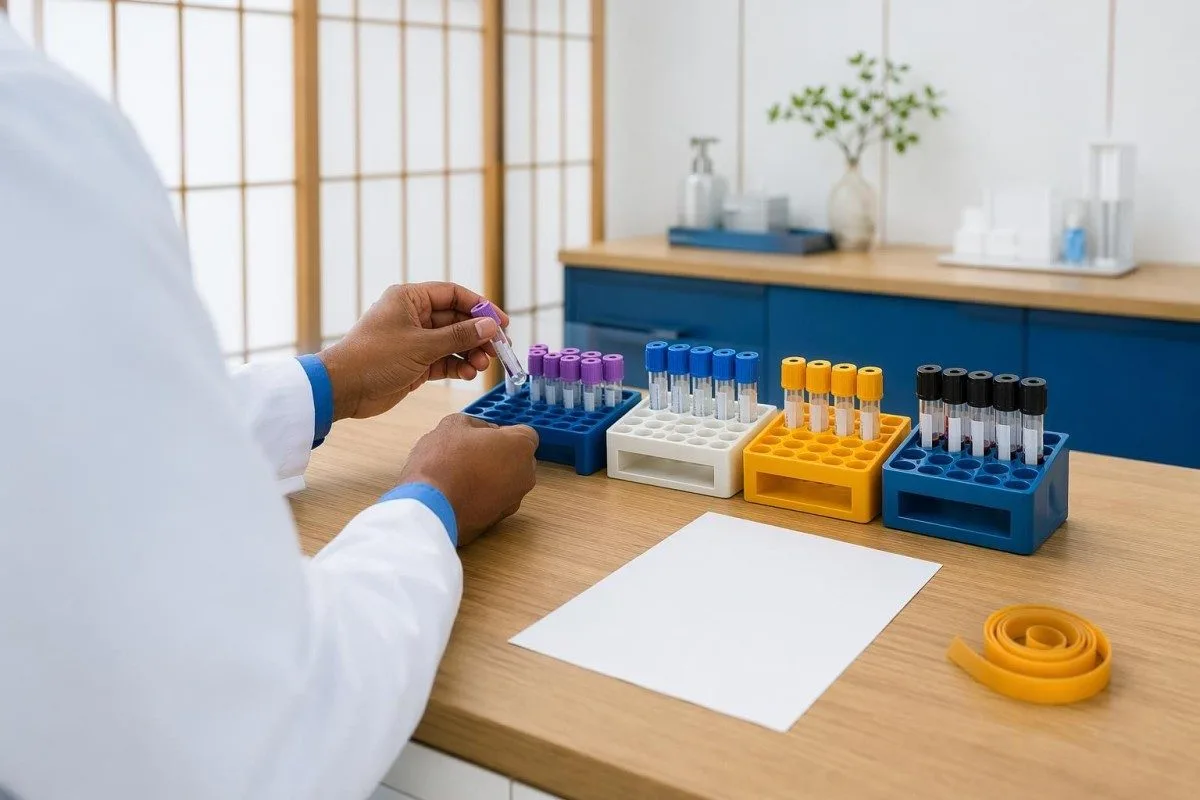
A CBC checks hemoglobin, white cells, and platelets; a chemistry panel checks sodium, potassium, bicarbonate, urea or BUN, creatinine, calcium, and glucose. If you want to understand what a broad panel actually includes, our biomarkers guide and comprehensive blood panel breakdown are useful companions.
Coagulation tests are usually PT/INR and sometimes aPTT. They matter most for patients taking warfarin, heparin, direct oral anticoagulants, liver disease medication, or those having surgery where a small bleed can cause major harm.
A type and screen identifies ABO group, Rh type, and unexpected antibodies. If antibodies are present, finding compatible units can take several hours or longer, which is why I dislike discovering this at 6:30 a.m. on the day of a major operation.
When doctors may skip routine pre-op blood work
Many low-risk patients do not need routine blood tests before minor surgery. Testing is most useful when results could change the anesthesia plan, reveal unstable disease, or prepare for expected blood loss.

NICE NG45, still relevant as of April 27, 2026, recommends selective preoperative testing based on ASA physical status, surgery grade, and comorbidities rather than automatic panels for everyone (NICE, 2016). That approach matches what I see clinically: a healthy 24-year-old having a small hand procedure rarely benefits from a full chemistry panel.
Our doctors on the Medical Advisory Board review pre-op interpretation with the same principle: test when the answer can change care. A result that will not alter timing, medication, anesthesia, or follow-up can create noise, cost, and false alarms.
There are exceptions. A 36-year-old who looks well but takes lithium still needs kidney function and electrolytes, and a patient on chemotherapy may need a CBC even for a seemingly small procedure.
How long pre-op blood test results take
Most hospital CBC and chemistry results take 1–4 hours, while outpatient labs often report routine results within 24–48 hours. Antibody screens, special coagulation tests, or send-out markers can take 1–3 days or longer.
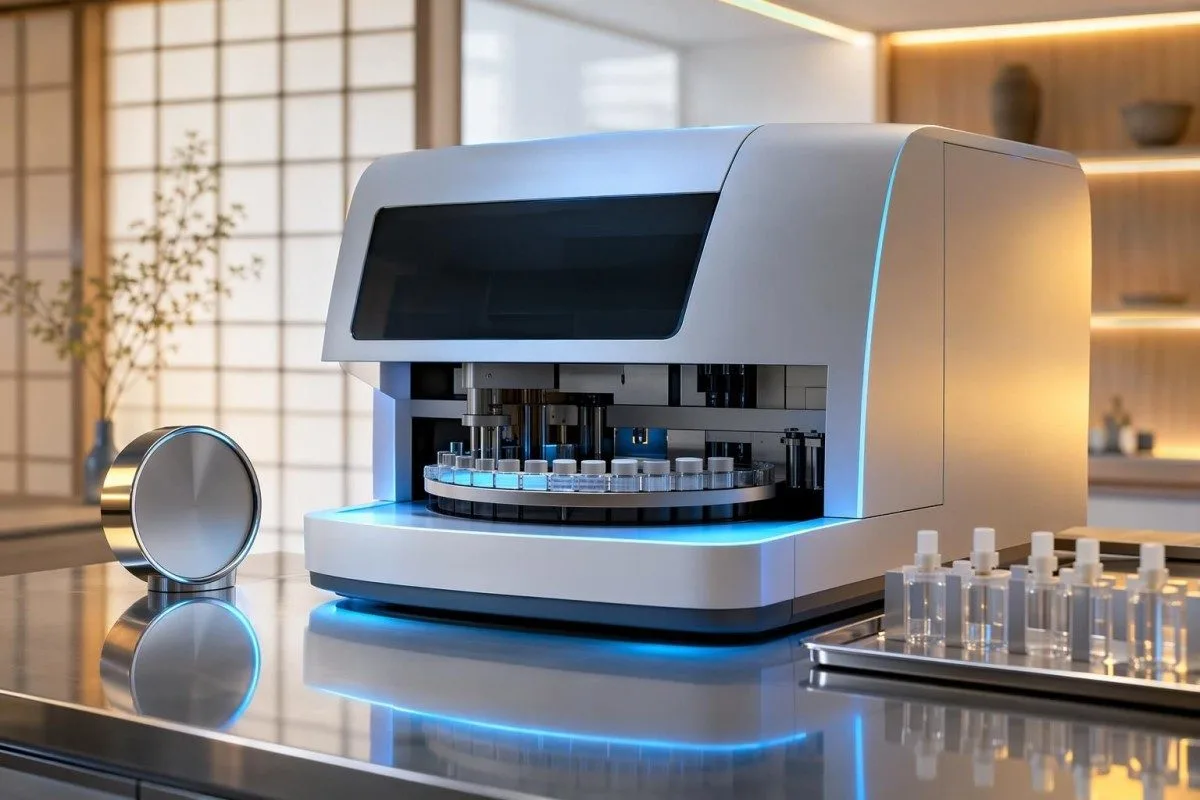
If you search how long do blood test results take, the honest answer is: it depends on the lab workflow. A CBC can be produced in under 10 minutes once loaded on an analyzer, but transport, registration, review, and doctor sign-off often stretch the real-world wait to several hours.
Our real lab timelines guide explains why a result may exist inside the lab before it appears in a patient portal. I often tell patients not to panic if only half the panel posts first; hematology, chemistry, coagulation, and blood bank systems do not always release together.
Timing rules are stricter when the value changes quickly. Potassium in a dialysis patient, INR in someone on warfarin, and glucose in a person using insulin may need same-day confirmation even if last week’s result looked perfect.
Does fasting before a pre-op blood test matter?
Fasting before blood test appointments matters for fasting glucose, triglycerides, and some metabolic assessments, but it is not required for every pre-op panel. Water is usually allowed and often helpful because dehydration can falsely concentrate hemoglobin, albumin, and BUN.

A pre-op CBC, creatinine, sodium, potassium, PT/INR, aPTT, and type screen usually do not require fasting. If your surgeon asks for fasting glucose or a lipid panel, our fasting rules article explains why 8–12 hours is the usual window.
Fasting for anesthesia is different. The American Society of Anesthesiologists guideline allows clear liquids up to 2 hours before anesthesia and a light meal up to 6 hours before in many elective cases, although your own anesthesia team may set stricter rules (Apfelbaum et al., 2017).
Water deserves its own mention. Unless you were told no fluids at all, drinking water before labs can make sample collection easier and reduce misleading dehydration patterns; our water before blood test guide goes into the awkward but common edge cases, like black coffee and morning tablets.
CBC results: anemia, infection clues, and platelets
A pre-op CBC checks hemoglobin for oxygen-carrying capacity, white blood cells for immune clues, and platelets for bleeding risk. Hemoglobin below 8 g/dL, platelets below 50,000/µL, or a new WBC above 15,000/µL often changes the surgical plan.
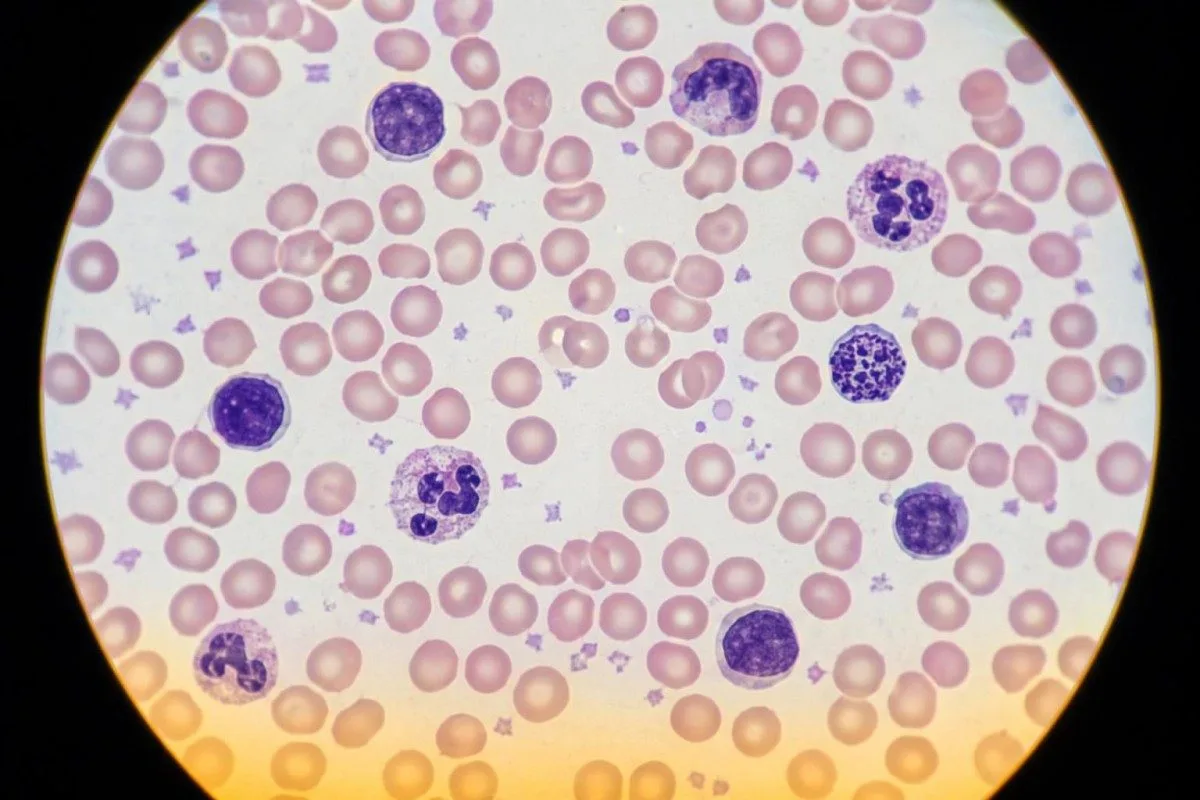
Adult hemoglobin is commonly around 13.5–17.5 g/dL in men and 12.0–15.5 g/dL in women, though reference ranges vary by lab and pregnancy status. For a deeper threshold discussion, see our hemoglobin range guide.
Platelet count is usually 150,000–450,000/µL. Most major operations need at least 50,000/µL, while brain, spinal, and some eye procedures often aim closer to 100,000/µL because even a small collection of fluid in the wrong space can be devastating.
White blood cells are trickier. A WBC of 13,000/µL after steroid tablets may not delay anything, while 11,800/µL with fever, cough, and rising CRP can stop an elective procedure cold.
Electrolytes and kidney numbers that matter to anesthesia
Pre-op chemistry tests check sodium, potassium, bicarbonate, calcium, BUN or urea, creatinine, eGFR, and glucose. Potassium below 3.0 mmol/L or above 5.5–6.0 mmol/L is one of the fastest ways a same-day case gets delayed.
Kantesti AI links potassium with kidney function, medications, and previous values rather than treating it as a lone flag. Our AI blood test platform often catches the pattern where a potassium of 5.6 mmol/L plus rising creatinine and spironolactone is more concerning than 5.6 mmol/L from a hemolyzed sample.
Sodium below 130 mmol/L can increase confusion, seizure, and fluid-shift risk after anesthesia, especially if it fell quickly. Creatinine above the patient’s baseline matters more than a single lab range; a frail 78-year-old may have “normal” creatinine while eGFR is already below 45 mL/min/1.73 m².
A BMP and CMP overlap, but they are not identical. Our CMP versus BMP explainer shows why liver markers and albumin appear on a CMP, while a BMP focuses on electrolytes, glucose, and kidney function.
Coagulation tests: PT, INR, aPTT, and anticoagulants
Coagulation tests before surgery mainly look for medication effect, liver-related clotting problems, or inherited bleeding patterns. An INR above 1.5 before high-bleeding-risk surgery usually needs a clear reason and a documented plan.
PT/INR is most useful for warfarin, liver synthetic function, and vitamin K-related clotting changes. aPTT is more relevant for unfractionated heparin, some clotting factor deficiencies, and lupus anticoagulant patterns.
Our coagulation test guide explains why a normal PT/INR does not prove bleeding risk is zero. Platelet function problems, aspirin effect, kidney failure, and von Willebrand disease can bleed with a normal INR.
Direct oral anticoagulants are a common trap. A patient taking apixaban can have a near-normal PT/INR but still have clinically meaningful anticoagulant effect, especially if eGFR is below 30 mL/min/1.73 m² or the last dose was taken late.
Blood type, antibody screen, and crossmatch timing
A type and screen identifies your ABO/Rh blood group and checks for antibodies that can make transfusion harder. Many hospitals require this test within 72 hours of surgery if transfusion is possible, especially after recent pregnancy or transfusion.

ABO and Rh typing is usually fast; the antibody screen is the part that can surprise people. If the screen is positive, the blood bank may need extra testing to find compatible units, and that can take hours rather than minutes.
The timing rule exists because new antibodies can appear after transfusion or pregnancy. I have seen a seemingly routine joint replacement delayed because an antibody screen ordered weeks earlier was no longer valid under local blood bank policy.
If your operation has a realistic transfusion chance, ask whether you need type and screen or full crossmatch. Our related pre-op lab checklist explains how blood bank preparation differs between minor procedures and major surgery.
Liver tests, albumin, and nutrition before surgery
Liver enzymes and albumin are ordered before surgery when liver disease, heavy alcohol use, malnutrition, cancer care, or major abdominal procedures are part of the story. Albumin below 3.5 g/dL often signals higher wound, infection, and recovery risk.
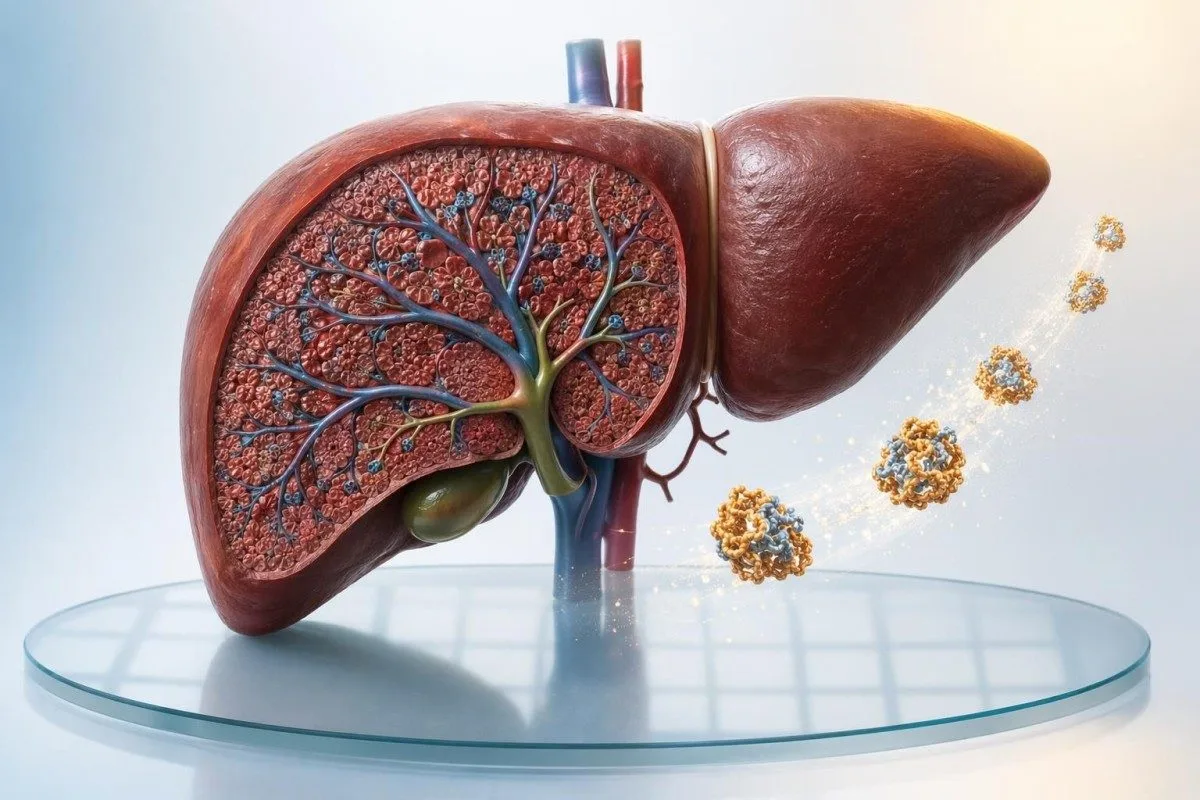
ALT, AST, ALP, GGT, bilirubin, albumin, and PT/INR each tell a different part of the liver story. Our liver function test guide shows why a mild ALT elevation is not the same as poor clotting or low albumin.
A 52-year-old marathon runner with AST 89 IU/L after a race may simply have muscle contribution, especially if CK is high and bilirubin is normal. The same AST 89 IU/L with INR 1.8, platelets 82,000/µL, and albumin 2.9 g/dL is a different conversation entirely.
Albumin is not a perfect nutrition marker because it falls with inflammation, kidney protein loss, and liver dysfunction. Still, albumin below 3.0 g/dL before major surgery makes me look hard for delayed healing risk, fluid shifts, and whether prehabilitation is worth a pause.
Glucose and HbA1c before surgery
Glucose is checked before surgery to reduce dehydration, infection risk, delayed healing, and anesthesia complications. Many teams postpone elective surgery when glucose is persistently above 300 mg/dL or when ketones, acidosis, or severe symptoms are present.

HbA1c reflects roughly 2–3 months of glycemic exposure, while a same-day glucose tells us what is happening now. Our diabetes blood test article explains why both numbers can matter before elective procedures.
Clinicians disagree on the exact HbA1c cutoff for postponing surgery. In many orthopedic and cardiac pathways, HbA1c above 8.5–9.0% triggers optimization because wound infection and prosthetic complications rise, but a cancer operation may proceed despite imperfect control.
A single glucose of 185 mg/dL on the morning of surgery rarely causes cancellation by itself. A glucose of 360 mg/dL with vomiting, ketones, bicarbonate 15 mmol/L, and an anion gap is not a lab inconvenience; it is a metabolic emergency.
Medicines and supplements that can distort pre-op labs
Medication and supplement history can change pre-op blood results as much as disease does. Warfarin raises INR, diuretics shift potassium and sodium, ACE inhibitors can raise creatinine or potassium, and high-dose biotin can distort some immunoassays.

Biotin is the one patients forget most often. High-dose biotin, sometimes 5–10 mg daily in hair or nail supplements, can make some thyroid and hormone tests look falsely high or low depending on the assay design; our biotin and thyroid article covers the mechanism.
Creatinine can rise after starting an ACE inhibitor or ARB, especially in dehydration or kidney artery disease. A small increase under 30% may be expected, but a jump from 0.9 to 1.8 mg/dL before anesthesia deserves attention.
Tell the pre-op team about aspirin, clopidogrel, fish oil, herbal products, testosterone, lithium, steroids, and injectable weight-loss medications. The lab number matters, but timing of the last dose often matters just as much.
Which abnormal blood values can delay surgery?
Abnormal values that commonly delay elective surgery include hemoglobin below 8 g/dL, potassium below 3.0 or above 5.5–6.0 mmol/L, INR above 1.5 for bleeding-risk procedures, platelets below 50,000/µL, severe kidney injury, and uncontrolled hyperglycemia. Symptoms and trend decide more than the red flag alone.

The ASA preanesthesia evaluation advisory recommends ordering and acting on tests based on history, physical findings, invasiveness, and likely blood loss rather than using one universal cutoff for every patient (ASA Task Force, 2012). That is why two patients with identical creatinine may receive different decisions.
Kantesti’s clinical standards emphasize pattern recognition: potassium 5.7 mmol/L with hemolysis noted may need a repeat sample, while potassium 5.7 mmol/L with eGFR 22 and peaked T waves is urgent. Our critical value guide explains which lab results should not wait for a routine appointment.
I see this pattern often: surgery is not cancelled because the lab is imperfect; it is delayed because the team has no safe plan yet. Once anemia is treated, anticoagulation is timed, potassium is corrected, or infection is evaluated, many patients proceed without drama.
What blood tests to ask for at your pre-op visit
The best what blood tests to ask for list is personalized: CBC, kidney function, electrolytes, glucose, clotting tests if you use anticoagulants, type and screen if blood loss is possible, and pregnancy testing when relevant. Ask what result would change the plan.

A practical question for your surgeon is: “Do you expect enough blood loss to need type and screen?” Another is: “Do any of my medications require potassium, creatinine, or INR testing within 24–72 hours?”
If you already have results, upload them to Try Free AI Blood Test Analysis before the appointment and bring the interpretation to your clinician. Our blood test app guide explains how to check units, dates, and whether the PDF belongs to the correct patient before sharing it.
Do not request a giant panel just because surgery feels scary. In my experience, targeted testing finds more actionable problems than broad screening, and it avoids chasing a mild flag that has nothing to do with anesthesia risk.
A concise pre-op question script
Ask: “Which labs must be current within 30 days, which must be within 72 hours, and which need same-day confirmation?” That one sentence often prevents repeat trips to the lab.
How Kantesti helps you understand pre-op results safely
Kantesti helps patients understand pre-op blood work by explaining patterns, trends, and risk context in plain language within about 60 seconds. Our platform does not clear you for surgery; it helps you ask better questions before your surgeon or anesthetist makes the final call.

I am Thomas Klein, MD, Chief Medical Officer at Kantesti, and I review preoperative results with one bias: numbers must be tied to the procedure. Kantesti’s 2.78T-parameter Health AI reads PDFs and photos in 75+ languages, but a potassium result, INR, or hemoglobin level only becomes clinically useful when paired with medications, symptoms, and surgical risk.
You can start with Kantesti AI when your portal posts results late at night, then confirm urgent decisions with your treating team. We also publish validation work through our AI blood test benchmark so patients and clinicians can see how our medical reasoning is tested.
Kantesti AI Clinical Team. (2026). Clinical Validation of the Kantesti AI Engine (2.78T) on 15 Anonymised Blood Test Cases: A Pre-Registered Rubric-Based Benchmark Including Hyperdiagnosis Trap Cases Across Seven Medical Specialties. Figshare. DOI. ResearchGate. Academia.edu.
Kantesti AI Clinical Team. (2026). B Negative Blood Type, LDH Blood Test & Reticulocyte Count Guide. Figshare. DOI. ResearchGate. Academia.edu. Bottom line: use AI for interpretation, pattern spotting, and preparation, not for ignoring a clinician who says a result is unsafe.
Frequently Asked Questions
Do I need to fast before a blood test before surgery?
You do not need to fast for many pre-op tests, including CBC, creatinine, sodium, potassium, PT/INR, aPTT, and type and screen. Fasting for 8–12 hours may be requested if your doctor orders fasting glucose, triglycerides, or a specific metabolic assessment. Water is usually allowed unless your anesthesia team gives a strict no-fluid instruction. Fasting for anesthesia is separate from fasting before blood test appointments.
How long do blood test results take before surgery?
Hospital CBC and basic chemistry results often return within 1–4 hours after the sample reaches the lab, while outpatient routine panels commonly take 24–48 hours. Blood bank antibody screens, specialized coagulation tests, and send-out tests can take 1–3 days or longer. Same-day surgery centers may repeat potassium, glucose, INR, or pregnancy testing on arrival because these results can change quickly. If your procedure could require transfusion, ask whether type and screen must be completed within 72 hours.
What abnormal blood test results can delay surgery?
Elective surgery is often delayed for hemoglobin below 8 g/dL, potassium below 3.0 mmol/L or above 5.5–6.0 mmol/L, INR above 1.5 for high-bleeding-risk procedures, platelets below 50,000/µL, severe acute kidney injury, or glucose above 300 mg/dL with symptoms or ketones. These are not universal cancellation rules; urgency, procedure type, symptoms, and trends matter. A borderline abnormal value may simply need repeat testing or a medication plan. A dangerous pattern usually needs correction before anesthesia.
What blood tests should I ask for before surgery?
Ask whether you need CBC, electrolytes, kidney function, glucose, PT/INR or aPTT, type and screen, pregnancy testing, and liver tests based on your operation and medical history. People on warfarin, heparin, diuretics, ACE inhibitors, lithium, insulin, or kidney-affecting medicines often need more targeted testing. If major blood loss is possible, type and screen is more useful than many broad wellness markers. The best question is: “Which result would change my anesthesia or surgery plan?”
Can I have surgery with low hemoglobin?
Many patients can have surgery with mild anemia, but the safe threshold depends on the operation, expected blood loss, heart disease, symptoms, and whether the surgery is urgent. Hemoglobin below 8 g/dL often delays elective surgery, while levels between 8 and 10 g/dL require procedure-specific judgment. For major orthopedic, cardiac, or cancer surgery, doctors may investigate iron deficiency, B12 deficiency, kidney disease, or chronic inflammation before proceeding. A stable hemoglobin of 10.8 g/dL may be acceptable for one operation and too risky for another.
Why do doctors repeat blood tests on the day of surgery?
Doctors repeat same-day blood tests when the result can change quickly or directly affects anesthesia safety. Potassium, glucose, INR, pregnancy testing, and sometimes hemoglobin are common same-day checks in higher-risk patients. A dialysis patient’s potassium can shift from safe to unsafe within 24 hours, and a patient on warfarin can have an INR that changes after dose adjustments. Repeating a test is not always a sign something is wrong; often it is a timing rule.
What should I do if I develop a cold or fever after my pre-op blood tests?
Let your surgical team know before coming in, especially if you have fever, a worsening cough, or breathing symptoms. Earlier normal blood tests do not rule out a new illness; the team will decide whether reassessment or postponement is needed.
Can I donate blood shortly before my surgery?
Avoid donating whole blood in the weeks before surgery unless your surgeon specifically approves it, because donation can lower hemoglobin and iron stores. If you have recently donated blood, tell the pre-op team so they can review your CBC and decide whether repeat testing is needed.
Can I use blood test results from an outside lab for my pre-op clearance?
Often yes, if the results are recent, clearly labeled with your name and date of birth, and include reference ranges. Some tests, especially type and screen, may still need to be repeated by the hospital within a specific window, often 72 hours.
Can dehydration make my pre-op blood test look abnormal?
Yes. Not drinking enough, vomiting, bowel prep, or diuretics can temporarily raise creatinine or concentrate hemoglobin and electrolytes. Tell your surgical team if you have been dehydrated; they may repeat the test after fluids or adjust medication.
Get AI-Powered Blood Test Analysis Today
Join over 2 million users worldwide who trust Kantesti for instant, accurate lab test analysis. Upload your blood test results and receive comprehensive interpretation of 15,000+ biomarkers in seconds.
📚 Referenced Research Publications
Klein, T., Mitchell, S., & Weber, H. (2026). Clinical Validation of the Kantesti AI Engine (2.78T) on 15 Anonymised Blood Test Cases: A Pre-Registered Rubric-Based Benchmark Including Hyperdiagnosis Trap Cases Across Seven Medical Specialties. Kantesti AI Medical Research.
Klein, T., Mitchell, S., & Weber, H. (2026). B Negative Blood Type, LDH Blood Test & Reticulocyte Count Guide. Kantesti AI Medical Research.
📖 External Medical References
National Institute for Health and Care Excellence (2016). Routine preoperative tests for elective surgery. NICE Guideline NG45.






⚕️ Medical Disclaimer
This article is for educational purposes only and does not constitute medical advice. Always consult a qualified healthcare provider for diagnosis and treatment decisions.
E-E-A-T Trust Signals
Experience
Physician-led clinical review of lab interpretation workflows.
Expertise
Laboratory medicine focus on how biomarkers behave in clinical context.
Authoritativeness
Written by Dr. Thomas Klein with review by Dr. Sarah Mitchell and Prof. Dr. Hans Weber.
Trustworthiness
Evidence-based interpretation with clear follow-up pathways to reduce alarm.