
A single low result is not the diagnosis. The pattern across timing, symptoms, SHBG, LH, FSH and prolactin is what tells us whether this is true hypogonadism or a misleading morning on paper.



- Low testosterone is usually confirmed with two separate morning total testosterone results, ideally before 10 am, plus compatible symptoms.
- Total testosterone below 300 ng/dL, or 10.4 nmol/L, is commonly used as a clinical cutoff, but many labs and guidelines differ.
- Very low testosterone below 150 ng/dL, or 5.2 nmol/L, needs a sharper look at pituitary causes, especially if LH and FSH are low.
- Free testosterone matters most when SHBG is abnormal; obesity, insulin resistance, thyroid disease, liver disease and ageing can shift SHBG.
- High LH and FSH with low testosterone suggests primary hypogonadism, meaning the signal from the brain is strong but production remains low.
- Low or normal LH and FSH with low testosterone suggests secondary hypogonadism, often linked to sleep loss, obesity, opioids, steroids, prolactin or pituitary disease.
- Prolactin above about 20–25 ng/mL in men should usually be repeated fasting and morning; levels above 100 ng/mL raise stronger pituitary concern.
- Treatment decisions should not be based on a lab flag alone; fertility goals, hematocrit, PSA, sleep apnea and cardiovascular risk change the plan.
How doctors confirm low testosterone before diagnosing hypogonadism
Low testosterone is not confirmed from one blood test. Doctors usually repeat total testosterone on two separate mornings, preferably before 10 am, then interpret the result with symptoms, LH, FSH, prolactin and SHBG. As of April 27, 2026, that is still the safest way to separate true hypogonadism from a bad night of sleep, recent illness or a misleading lab range. At Kantesti AI, our platform reads the testosterone number alongside the rest of the hormone panel rather than treating one red flag as the whole story.

The Endocrine Society guideline says clinicians should diagnose hypogonadism only in men with symptoms and consistently low testosterone, confirmed by repeat morning testing (Bhasin et al., 2018). In practice, I usually want the repeat test 1–4 weeks later if the first result is borderline, sooner if the value is extremely low and symptoms are clear.
One result at 260 ng/dL can mean different things. A 29-year-old shift worker tested at 2 pm after 4 hours of sleep is not the same patient as a 58-year-old man with low libido, anemia and two 8 am results under 200 ng/dL.
Kantesti’s neural network flags this timing problem because many uploaded reports lack collection time. If your report does not show the draw time, compare it with our morning testosterone range guide before assuming the result is final.
What testosterone levels mean in ng/dL and nmol/L
A typical adult male total testosterone reference range is about 300–1000 ng/dL, or 10.4–34.7 nmol/L. The lower cutoff is not universal; the American Urological Association uses 300 ng/dL as a practical diagnostic threshold, while some European laboratories report lower limits closer to 8–12 nmol/L depending on assay and age.
A total testosterone of 280 ng/dL is 9.7 nmol/L because testosterone in ng/dL is multiplied by 0.0347 to convert to nmol/L. This conversion matters when patients upload reports from different countries; I have seen the same man labeled low in one system and borderline in another.
The AUA guideline supports using a total testosterone below 300 ng/dL as a reasonable cutoff when symptoms are present (Mulhall et al., 2018). Still, a result of 305 ng/dL with low calculated free testosterone and classic symptoms may deserve follow-up rather than dismissal.
Borderline results are where mistakes happen. Our blood test normal range guide explains why a result inside the printed range can still be clinically wrong for a specific age, SHBG level or symptom pattern.
Why morning timing, sleep and illness can change the result
Testosterone is highest in the early morning and can fall by 20–40% later in the day, especially in younger men. A valid diagnostic testosterone blood test is usually collected between 7 am and 10 am, after normal sleep, and not during an acute illness.
Poor sleep is not a small variable. In clinic, I have repeated 240 ng/dL results that rose to 390 ng/dL after two weeks of normal sleep and no night shifts; that patient did not need lifelong hormone therapy.
Fasting is less rigid than timing, but heavy meals, alcohol and hard training the day before can muddy interpretation. If the same visit includes glucose, insulin or lipids, follow the lab’s fasting rules and see our fasting before blood test guide for the practical details.
Acute infection, surgery, crash dieting and severe emotional stress can suppress the hypothalamic-pituitary-gonadal axis for days to weeks. A testosterone level drawn in hospital or during a febrile illness should rarely be used as the basis for a permanent diagnosis.
When free testosterone and SHBG reframe the diagnosis
Free testosterone becomes essential when total testosterone and symptoms do not match. SHBG binds a large fraction of circulating testosterone, so a normal total testosterone can hide low free testosterone, and a low total testosterone can look worse than it is when SHBG is low.
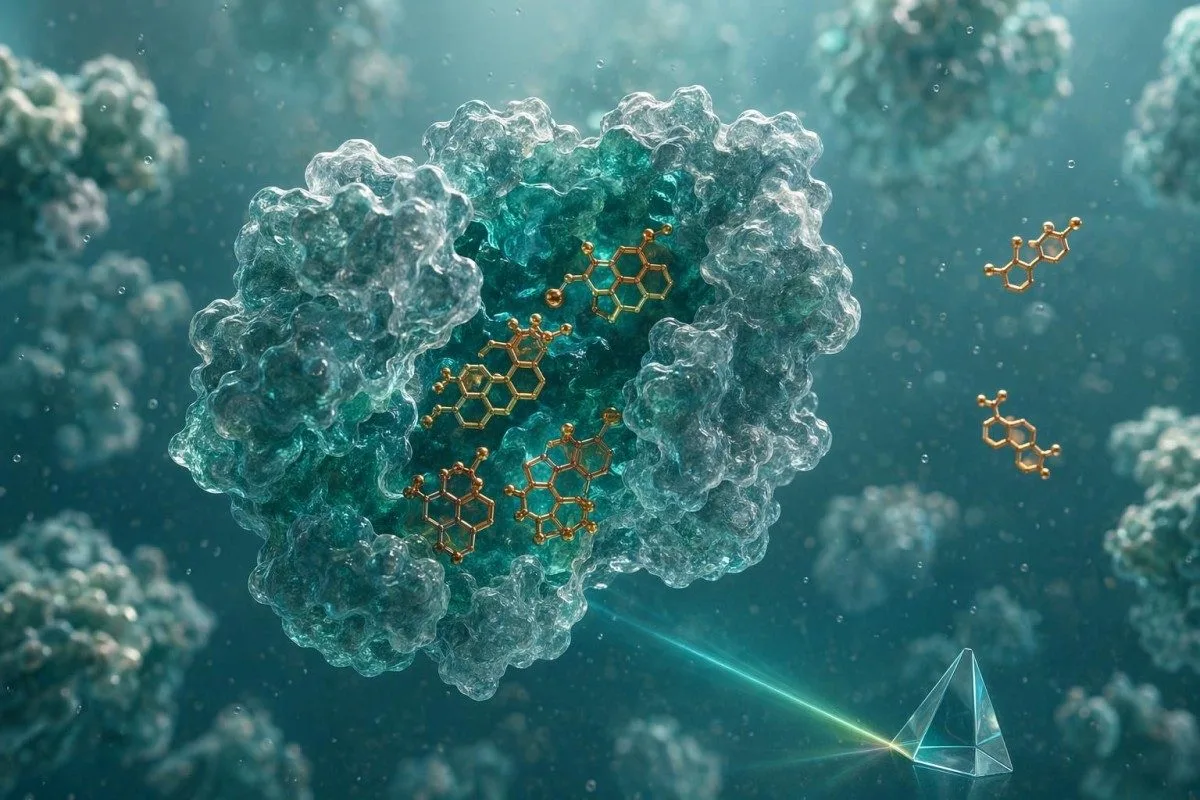
Only about 1–3% of testosterone circulates as free testosterone; roughly 40–60% is bound to SHBG and much of the rest is loosely bound to albumin. That small free fraction is why calculated free testosterone is often more useful than a dramatic-looking total result.
Low SHBG is common with obesity, insulin resistance, type 2 diabetes, hypothyroidism and steroid exposure. High SHBG appears more often with ageing, hyperthyroidism, liver disease, HIV medication and some anticonvulsants.
I prefer calculated free testosterone using total testosterone, SHBG and albumin when equilibrium dialysis is not available. For a deeper explanation of this exact trap, read our free versus total testosterone guide and our separate SHBG blood test article.
Symptoms that make a low result clinically meaningful
Low testosterone matters most when the lab result matches specific symptoms such as low libido, fewer morning erections, erectile dysfunction, infertility, low-trauma fractures, anemia or loss of body hair. Fatigue alone is common but too nonspecific to diagnose hypogonadism.
The European Male Ageing Study found that late-onset hypogonadism was most strongly linked to three sexual symptoms plus total testosterone below 11 nmol/L and free testosterone below 220 pmol/L (Wu et al., 2010). That is why I ask about morning erections before I ask about gym performance.
A 46-year-old patient once came in convinced his testosterone was the reason for afternoon tiredness; his testosterone was 520 ng/dL, but his ferritin was 9 ng/mL and hemoglobin was low. If fatigue is the main symptom, the wider workup in our blood tests for fatigue often finds the real answer.
Mood changes, low motivation and reduced muscle mass can occur with low testosterone, but they overlap heavily with depression, sleep apnea, hypothyroidism and under-eating. I get more concerned when several symptoms cluster with two low morning results.
How LH and FSH separate primary from secondary causes
LH and FSH tell doctors where the testosterone problem is coming from. Low testosterone with high LH and FSH suggests primary hypogonadism, while low testosterone with low or inappropriately normal LH and FSH suggests secondary hypogonadism from brain-pituitary signaling or temporary suppression.

A high LH is the brain shouting for more testosterone. If LH is above the lab range while testosterone stays under 300 ng/dL, the production site is not responding well enough, and I start thinking about prior injury, chemotherapy, genetic causes, infection history or age-related decline.
A low or normal LH with testosterone at 180 ng/dL is a different story. That pattern often appears with obesity, opioids, glucocorticoids, high prolactin, severe illness, pituitary disease or overtraining.
FSH adds fertility context because it reflects sperm-production signaling more than testosterone output alone. Our LH blood test guide and FSH levels guide explain why these hormones should not be read in isolation.
Why prolactin is checked after a very low testosterone result
Prolactin is checked because high prolactin can suppress LH and lower testosterone. In men, prolactin above about 20–25 ng/mL is often repeated, and levels above 100 ng/mL make a pituitary source more likely, though medications and macroprolactin can confuse the picture.

The first repeat prolactin should be calm, morning and ideally fasting because stress during sample collection can nudge it upward. I have seen prolactin fall from 38 ng/mL to 14 ng/mL simply after repeating the test under better conditions.
Medication history is the unglamorous part that saves people from unnecessary scans. Antipsychotics, metoclopramide, some antidepressants, opioids and verapamil can raise prolactin enough to lower testosterone.
Headaches, visual field symptoms, galactorrhea or testosterone below 150 ng/dL with low LH should move faster toward endocrine referral. Our prolactin blood test guide covers the repeat-test and imaging thresholds in more detail.
Common reversible causes that lower testosterone temporarily
Reversible causes of low testosterone include obesity, untreated sleep apnea, insulin resistance, opioids, glucocorticoids, heavy alcohol use, acute illness, under-eating and overtraining. Fixing these can raise testosterone by clinically meaningful amounts without starting hormone therapy.
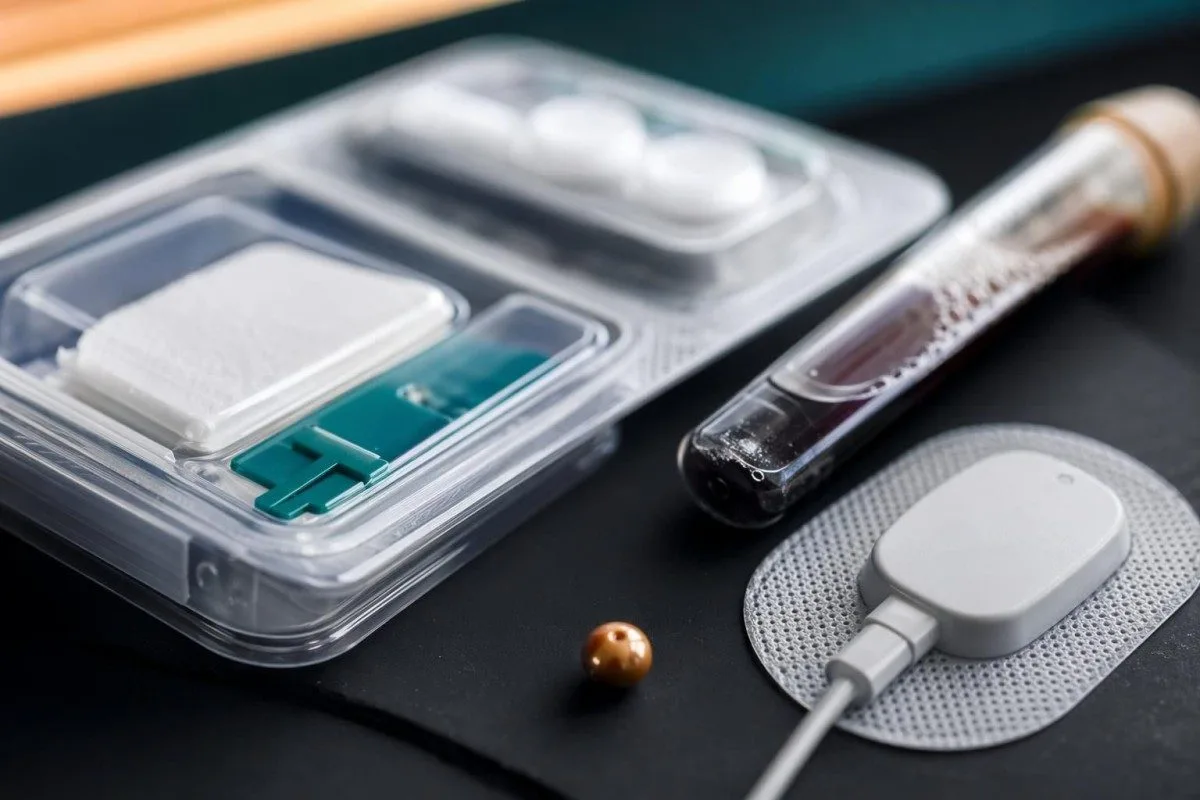
Weight loss has a measurable effect. In men with obesity, a 5–10% body-weight reduction can raise total testosterone, partly by improving insulin resistance and SHBG dynamics; the rise is not identical for everyone, but it is real enough to retest before committing to therapy.
Insulin resistance is one of the most common patterns in our 2M+ blood test experience. A testosterone of 285 ng/dL with fasting insulin of 22 µIU/mL and triglycerides of 240 mg/dL tells a different story than isolated low testosterone in a lean endurance athlete.
Sleep apnea is easy to miss because the patient may report 8 hours in bed, not 8 hours of restorative sleep. If glucose or insulin markers are also abnormal, our insulin blood test guide can help you spot the metabolic pattern around the hormone result.
Which blood tests doctors usually order next
After low testosterone is confirmed, doctors usually order LH, FSH, prolactin, SHBG, albumin, CBC, CMP, TSH, free T4, ferritin or iron studies, HbA1c, lipids and sometimes PSA. The goal is to find the cause and check treatment safety before anyone prescribes testosterone.
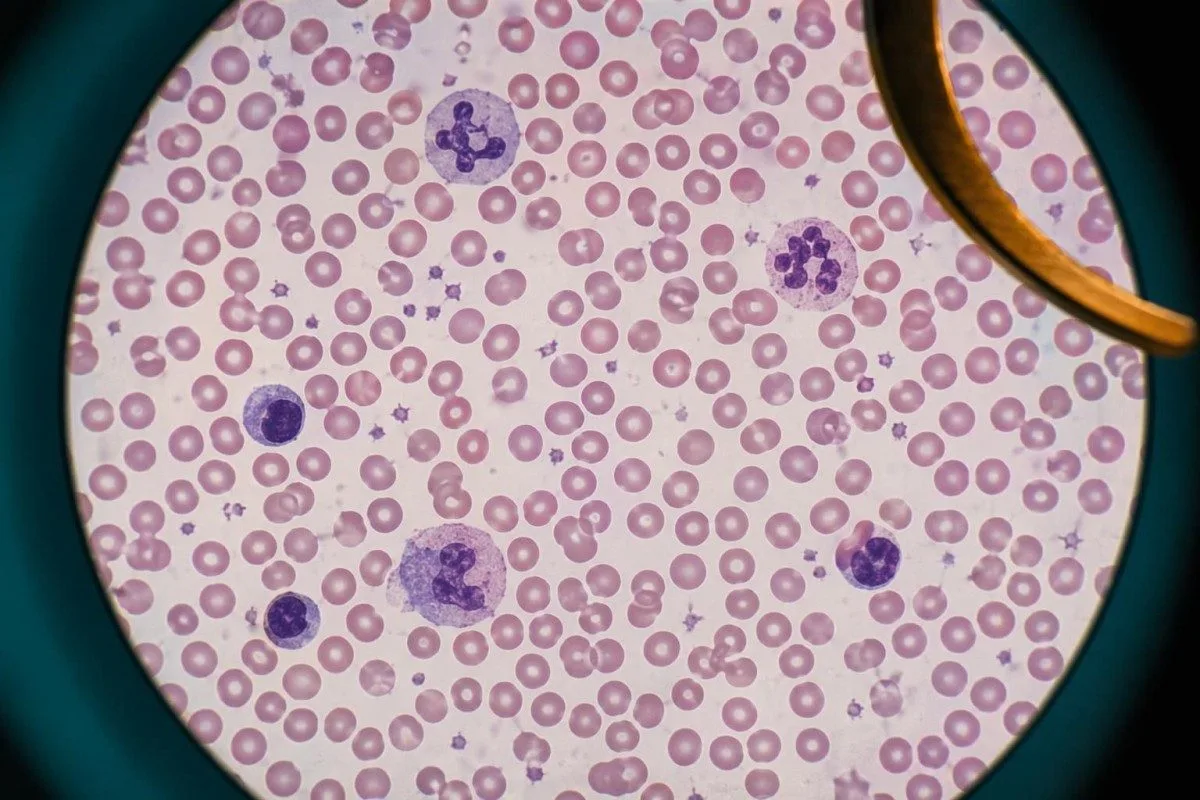
CBC matters because low testosterone can contribute to mild anemia, while testosterone therapy can push hematocrit too high. A hematocrit above 54% during treatment usually requires stopping, reducing or changing therapy until the cause is addressed.
Thyroid testing is not optional when symptoms overlap. Hypothyroidism can lower SHBG and make total testosterone look low, while hyperthyroidism can raise SHBG and make total testosterone look reassuring despite low free hormone.
Kantesti AI interprets hormone panels by connecting testosterone to CBC, metabolic, thyroid and liver markers in the same report. Our biomarkers guide and thyroid panel guide show why this broader context changes the next step.
Fertility, age and why treatment should not be rushed
Testosterone treatment can reduce sperm production and may cause infertility while a patient is using it. Men trying to conceive usually need a different plan, often involving endocrine or urology input, because external testosterone suppresses LH and FSH signaling.

This is one of the most common regrets I hear in practice. A 34-year-old starts testosterone for a borderline level, feels better for 3 months, then discovers his sperm count has fallen sharply while he and his partner are trying for pregnancy.
Age changes interpretation but does not remove the need for diagnosis. Testosterone declines gradually, often around 1% per year after early adulthood, yet a symptomatic 72-year-old with two levels under 200 ng/dL should not be dismissed as just ageing.
If you are over 50, the pre-treatment conversation usually includes PSA, urinary symptoms, hematocrit, sleep apnea and cardiovascular risk. Our men over 50 blood tests guide gives a practical checklist to bring to that visit.
What happens if testosterone therapy is considered
Testosterone therapy is usually considered only after symptoms and repeat low morning testosterone agree. Before treatment, clinicians check hematocrit, PSA risk where appropriate, fertility goals, sleep apnea, cardiovascular history and the likely cause of the low level.

Common prescription options include gels, injections, patches and long-acting formulations, and each produces a different lab pattern. Injections can peak high and trough low, so the timing of the follow-up testosterone blood test must match the dosing schedule.
The Endocrine Society guideline recommends monitoring testosterone levels, symptoms, adverse effects and hematocrit after starting therapy (Bhasin et al., 2018). In many clinics, hematocrit is checked at baseline, 3–6 months and then yearly if stable.
PSA interpretation is not the same as cancer screening panic. If PSA is already high or urinary symptoms are changing, review our high PSA causes article before assuming the worst or ignoring the signal.
Red flags that deserve endocrinology or urology review
Very low testosterone, low LH and FSH, high prolactin, infertility, delayed puberty history, testicular volume concerns, breast discharge, visual symptoms or unexplained anemia should prompt specialist review. A routine low result is different from a pattern that hints at pituitary or primary gonadal disease.

A total testosterone below 150 ng/dL with low or normal LH is the pattern I do not sit on. It can still be medication or severe obesity, but pituitary causes need to be excluded with the right history, prolactin, sometimes other pituitary hormones and imaging when indicated.
Unexplained anemia is an underused clue. Low testosterone can reduce erythropoiesis, but anemia also points toward iron deficiency, kidney disease, inflammation, B12 deficiency or malignancy, so the CBC pattern matters.
Bring a trend, not just one screenshot. Kantesti’s blood test history feature helps patients show whether testosterone, hematocrit, PSA, HbA1c and liver enzymes are moving together over 6–24 months.
How Kantesti interprets low testosterone panels
Kantesti AI interprets low testosterone by reading the hormone result with timing, units, reference range, SHBG, LH, FSH, prolactin, CBC, thyroid, metabolic and liver markers. Our AI does not diagnose you, but it can turn a confusing report into a safer list of questions for your clinician.

In our analysis of 2M+ blood tests across 127+ countries, the recurring problem is not that patients miss the red flag; it is that they over-trust it. A total testosterone of 292 ng/dL needs a different explanation when SHBG is 12 nmol/L than when SHBG is 78 nmol/L.
I am Thomas Klein, MD, Chief Medical Officer at Kantesti LTD, and I want patients to leave the app with better questions, not false certainty. You can upload a PDF or photo to our AI-powered blood test interpretation workflow and see hormone patterns explained in about 60 seconds.
For people who want a quick second look before a medical appointment, use our free blood test analysis. If you are comparing several borderline reports, our borderline result guide is a good companion.
How to prepare for your appointment after a low result
Bring two morning testosterone results, collection times, symptoms, medications, supplement use and fertility plans to your appointment. That single preparation step saves more time than any online calculator because it lets the clinician separate true hypogonadism from context-driven suppression.
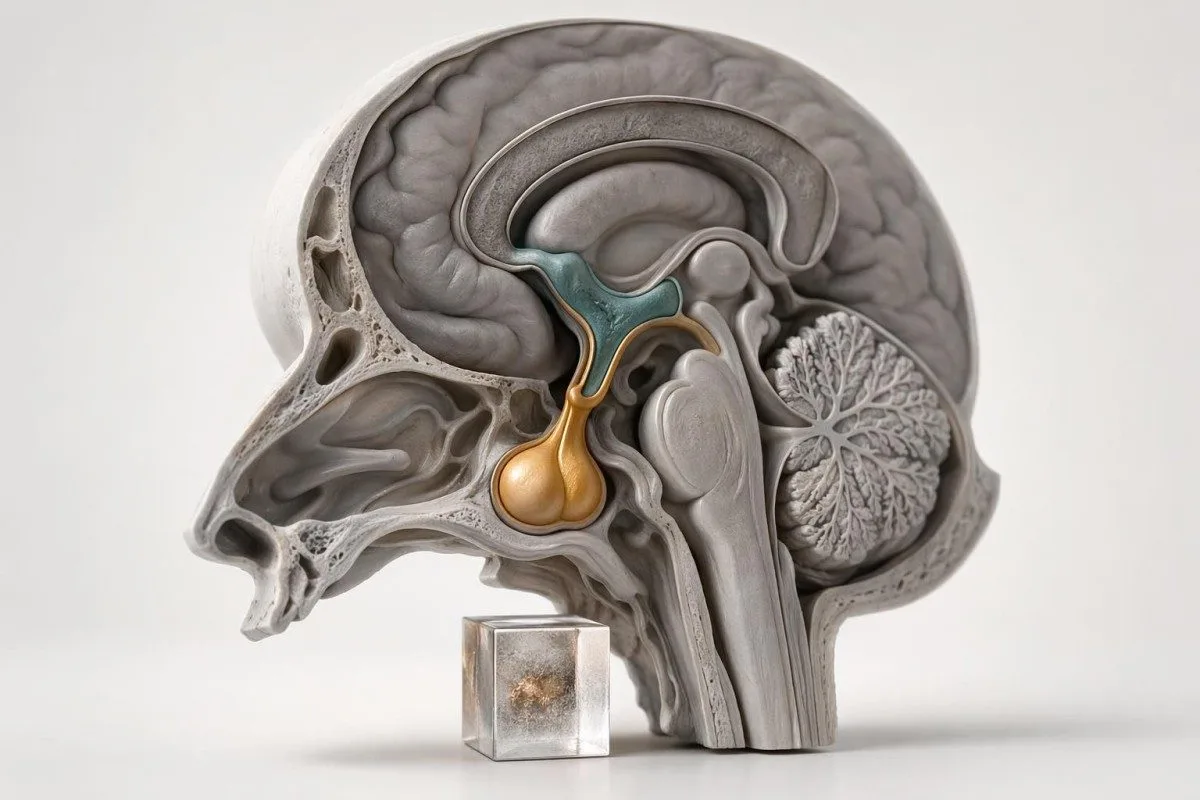
Write down sleep duration, shift work, alcohol intake, opioid or steroid exposure, training load and recent illness for the 2 weeks before each test. These details can explain a 100–200 ng/dL swing in some men, especially when the first result is borderline.
Bring every supplement bottle, especially biotin, DHEA, testosterone boosters or anabolic agents. Biotin is famous for thyroid assay interference, but supplement use also changes the story when hormone numbers look biologically odd.
Kantesti’s reports are reviewed against clinical standards shaped by our doctors and advisors. You can read more about our medical advisory board and our AI lab interpretation workflow before sharing a report with your clinician.
Kantesti research publications and clinical validation
Kantesti’s clinical validation work focuses on safe blood test interpretation, including avoiding overdiagnosis from isolated abnormal markers. That matters for low testosterone because a single borderline value can lead to unnecessary anxiety or treatment if timing, symptoms and related hormones are ignored.
Thomas Klein, MD, and our clinical team use validation cases that include hyperdiagnosis traps, borderline hormone panels and misleading reference ranges. The same discipline used for testosterone interpretation is described in our medical validation standards and benchmark methodology.
Kantesti LTD. (2026). Clinical Validation of the Kantesti AI Engine (2.78T) on 100,000 Anonymised Blood Test Cases Across 127 Countries: A Pre-Registered, Rubric-Based, Population-Scale Benchmark Including Hyperdiagnosis Trap Cases — V11 Second Update. Figshare. DOI: 10.6084/m9.figshare.32095435. ResearchGate: Kantesti ResearchGate. Academia.edu: Kantesti Academia.edu.
Kantesti LTD. (2026). C3 C4 Complement Blood Test & ANA Titer Guide. Zenodo. DOI: 10.5281/zenodo.18353989. ResearchGate: Kantesti ResearchGate. Academia.edu: Kantesti Academia.edu.
Frequently Asked Questions
Can one testosterone blood test diagnose low testosterone?
One testosterone blood test usually cannot diagnose low testosterone. Most guidelines recommend two separate morning total testosterone results, preferably before 10 am, plus symptoms that fit hypogonadism. A single value around 250–320 ng/dL can be shifted by sleep loss, illness, late-day collection or SHBG changes. A very low result below 150 ng/dL deserves faster follow-up, especially if LH and FSH are low or prolactin is high.
What testosterone level is considered low?
A total testosterone below 300 ng/dL, or 10.4 nmol/L, is commonly considered low in adult men when symptoms are present. Some laboratories use lower or age-adjusted limits, and the Endocrine Society focuses on unequivocally and consistently low values rather than one universal number. Values below 264 ng/dL, or 9.2 nmol/L, are often clearly low in harmonized reference systems. Free testosterone should be checked when SHBG is abnormal or when symptoms and total testosterone disagree.
Why do doctors test LH and FSH with low testosterone?
Doctors test LH and FSH because they show whether low testosterone is primary or secondary. Low testosterone with high LH and FSH suggests primary hypogonadism, meaning the pituitary signal is strong but production is still low. Low testosterone with low or normal LH and FSH suggests secondary hypogonadism, often related to pituitary signaling, obesity, opioids, glucocorticoids, high prolactin or acute illness. This distinction changes the next tests and treatment options.
When should prolactin be checked for low testosterone?
Prolactin should be checked when low testosterone is confirmed, especially if LH and FSH are low or inappropriately normal. In men, prolactin above about 20–25 ng/mL is usually repeated in a calm morning setting because stress and medications can raise it. Prolactin above 100 ng/mL raises stronger concern for a pituitary source, though medications and macroprolactin still need consideration. Headache, visual symptoms or testosterone below 150 ng/dL should speed up medical review.
Can low testosterone be temporary?
Low testosterone can be temporary, particularly after poor sleep, acute illness, calorie restriction, heavy training, alcohol excess or major stress. Obesity, insulin resistance, untreated sleep apnea, opioids and glucocorticoids can also suppress testosterone and may improve when the underlying driver is treated. A borderline result such as 280 ng/dL may normalize on repeat morning testing under better conditions. That is why repeating the test before treatment is often safer than reacting to one report.
Should free testosterone be measured if total testosterone is low?
Free testosterone should be measured or calculated when total testosterone is borderline, SHBG is abnormal or the symptoms do not fit the total testosterone result. Only about 1–3% of testosterone circulates freely, while much is bound to SHBG and albumin. Low SHBG can make total testosterone look low even when free testosterone is adequate, and high SHBG can hide low free testosterone behind a normal total result. Calculated free testosterone using total testosterone, SHBG and albumin is commonly used when high-quality direct testing is unavailable.
What labs are needed before testosterone therapy?
Before testosterone therapy, doctors usually check repeat morning testosterone, LH, FSH, prolactin, SHBG, CBC, liver and kidney markers, HbA1c, lipids and PSA when age and risk make it appropriate. Hematocrit is especially important because testosterone therapy can raise it, and a hematocrit above 54% usually requires holding or changing treatment. Fertility goals must be discussed because external testosterone can reduce sperm production. Sleep apnea and cardiovascular risk should also be reviewed before starting therapy.
Can testosterone gel affect my partner or children through skin contact?
Testosterone gel can transfer to someone else through contact with treated skin, but simple precautions reduce that risk. Wash your hands after applying it, let it dry, cover the area with clothing, and wash the application site with soap and water before skin-to-skin contact.
How should I time testosterone testing if I work night shifts?
Arrange testing soon after your main sleep period, ideally within a few hours of waking, rather than automatically at 8 am after an overnight shift. Tell your clinician about your schedule; they may repeat the sample after stable sleep and interpret it alongside your symptoms.
Can low testosterone weaken bones, and should I get a bone density scan?
Long-term low testosterone can contribute to bone loss, especially with fractures, height loss, steroid use, very low levels or other osteoporosis risks. Your doctor may suggest a DEXA scan and vitamin D/calcium review rather than treating the lab number alone.
Can biotin or supplements interfere with a testosterone blood test?
High-dose biotin can interfere with some hormone immunoassays, though not every testosterone method is affected. Tell the lab and your clinician about supplements; many clinicians advise stopping biotin for 48-72 hours before testing if it is safe for you.
Get AI-Powered Blood Test Analysis Today
Join over 2 million users worldwide who trust Kantesti for instant, accurate lab test analysis. Upload your blood test results and receive comprehensive interpretation of 15,000+ biomarkers in seconds.
📚 Referenced Research Publications
Klein, T., Mitchell, S., & Weber, H. (2026). Clinical Validation of the Kantesti AI Engine (2.78T) on 100,000 Anonymised Blood Test Cases Across 127 Countries: A Pre-Registered, Rubric-Based, Population-Scale Benchmark Including Hyperdiagnosis Trap Cases — V11 Second Update. Kantesti AI Medical Research.
Klein, T., Mitchell, S., & Weber, H. (2026). C3 C4 Complement Blood Test & ANA Titer Guide. Kantesti AI Medical Research.
📖 External Medical References




⚕️ Medical Disclaimer
This article is for educational purposes only and does not constitute medical advice. Always consult a qualified healthcare provider for diagnosis and treatment decisions.
E-E-A-T Trust Signals
Experience
Physician-led clinical review of lab interpretation workflows.
Expertise
Laboratory medicine focus on how biomarkers behave in clinical context.
Authoritativeness
Written by Dr. Thomas Klein with review by Dr. Sarah Mitchell and Prof. Dr. Hans Weber.
Trustworthiness
Evidence-based interpretation with clear follow-up pathways to reduce alarm.