The most useful blood tests for fertility check ovulation, ovarian reserve, thyroid function, prolactin, androgen excess, testosterone signalling and the male pituitary-testicular axis. Couples get clearer answers when both partners test early, not after months of guessing.



- Mid-luteal progesterone above 3 ng/mL usually confirms ovulation; values above 10 ng/mL are often seen in well-timed natural cycles but do not prove pregnancy.
- AMH below 1.0 ng/mL often suggests reduced ovarian reserve, while values above 4.0 ng/mL can fit PCOS or high follicle count depending on age.
- Day-3 FSH below 10 IU/L is generally reassuring; FSH above 15 IU/L suggests reduced ovarian reserve, especially when estradiol is also high.
- TSH is commonly targeted below 2.5 mIU/L before conception in patients with thyroid disease or fertility treatment, although clinicians disagree for otherwise healthy women.
- Prolactin above 25 ng/mL in women or 15 ng/mL in men should usually be repeated fasting and rested before imaging is considered.
- Total testosterone in men should be checked before 10 a.m.; persistent levels below 264-300 ng/dL with symptoms warrant LH, FSH, prolactin and SHBG testing.
- Male FSH above about 12 IU/L with low sperm concentration points toward impaired sperm production rather than a timing problem.
- HbA1c of 5.7-6.4% signals prediabetes, which can affect ovulation, miscarriage risk and sperm parameters through insulin resistance.
- Biotin supplements can distort TSH, prolactin, estradiol and testosterone immunoassays, so many clinics ask patients to stop high-dose biotin for 48-72 hours before testing.
Which blood tests for fertility should couples do first?
The core blood tests for fertility are progesterone for ovulation, AMH plus day-3 FSH and estradiol for ovarian reserve, TSH and free T4 for thyroid status, prolactin for cycle and testosterone disruption, and male hormones including morning testosterone, LH, FSH, prolactin and SHBG. In practice, I ask both partners to test early because 30-40% of infertility workups include a male factor.
As of April 28, 2026, the fastest useful fertility workup is not a giant panel; it is a timed hormone panel interpreted with cycle day, medications, semen results and age. A 34-year-old with regular 29-day cycles and progesterone of 0.7 ng/mL on day 21 may not have failed ovulation — she may simply have tested five days too early.
Kantesti AI interprets fertility blood test patterns by checking timing, units and marker relationships, not just red flags on the PDF. You can upload results to Kantesti AI and compare them with related hormone guides such as our progesterone timing guide.
The American Society for Reproductive Medicine advises evaluation after 12 months of trying if the female partner is under 35, after 6 months if she is 35 or older, and sooner when cycles are irregular, there is known pelvic disease, or semen concerns exist (Practice Committee of the ASRM, 2021). I am Thomas Klein, MD, and in clinic I have seen many couples lose 6-9 months because only one partner was tested.
A practical first-pass panel for the female partner is AMH, day-2 to day-5 FSH, LH and estradiol, mid-luteal progesterone, TSH, free T4, prolactin, total testosterone, SHBG, DHEA-S, HbA1c and ferritin when bleeding is heavy. A practical first-pass male panel is 8-10 a.m. total testosterone, SHBG or free testosterone calculation, LH, FSH, prolactin, estradiol when testosterone is low or body fat is high, and sometimes TSH.
When should a fertility blood test be taken?
A fertility blood test must match the biological question: ovarian reserve markers are usually drawn on cycle day 2-5, progesterone is drawn about 7 days after ovulation, and male testosterone is drawn before 10 a.m. Timing errors can turn a normal result into a frightening-looking one.
Day-3 FSH, LH and estradiol are often accepted from day 2 to day 5 because the early follicular phase is hormonally quiet. Estradiol above 80 pg/mL on day 3 can artificially suppress FSH, making ovarian reserve look better than it is.
Progesterone should be measured 6-8 days after the LH surge, not automatically on day 21. In a 35-day cycle, a day-21 progesterone may be 0.4 ng/mL despite perfectly normal ovulation on day 28.
Morning matters for male testosterone. The Endocrine Society guideline recommends diagnosing male hypogonadism only when symptoms are present and testosterone is consistently low on repeat morning testing (Bhasin et al., 2018), which is why a 4 p.m. testosterone of 280 ng/dL is not enough to label a man infertile.
Fasting is not required for most hormone blood tests, but it helps when insulin, glucose and triglycerides are included. If you are unsure which labs need food restriction, our guide to fasting test rules explains why water is fine and coffee sometimes is not.
Which blood markers confirm ovulation?
Progesterone is the best blood marker for confirming ovulation, with a mid-luteal value above 3 ng/mL usually indicating that ovulation occurred. LH and estradiol help explain the lead-up to ovulation, but they are easier to misread from one isolated blood draw.
A progesterone level above 3 ng/mL about 7 days after ovulation is widely used as evidence of ovulation. Many fertility clinics like to see progesterone above 10 ng/mL in unstimulated cycles, but that cutoff is imperfect because progesterone pulses every 60-90 minutes.
LH is useful when cycles are irregular or PCOS is suspected. An LH-to-FSH ratio above 2:1 can appear in PCOS, yet I do not diagnose PCOS from that ratio because many patients with PCOS have a normal ratio and many without PCOS have a high one.
Estradiol rises before ovulation and usually reaches roughly 150-350 pg/mL per mature follicle, depending on assay and stimulation status. For deeper reference intervals by age and cycle phase, see our estradiol range guide.
I see this pattern often: positive LH strips for four days, progesterone 1.2 ng/mL, then a period 10 days later. That usually means the body attempted ovulation but did not produce a strong luteal phase, so the next step is repeat timing or ultrasound correlation rather than panic.
How do AMH, FSH and estradiol estimate ovarian reserve?
AMH, day-3 FSH and day-3 estradiol estimate ovarian reserve by measuring follicle pool activity and pituitary effort. AMH below 1.0 ng/mL often suggests reduced reserve, while FSH above 15 IU/L with estradiol above 80 pg/mL is more concerning than either value alone.
AMH is fairly stable across the cycle, which makes it convenient, but it is not an egg-quality test. A 29-year-old with AMH 0.8 ng/mL may still conceive naturally; the same AMH at 41 carries a very different probability because age changes chromosome risk.
Day-3 FSH below 10 IU/L is generally reassuring, 10-15 IU/L is borderline, and above 15 IU/L suggests diminished ovarian reserve in many clinics. The nuance is estradiol: day-3 estradiol above 80 pg/mL can mask a high FSH by negative feedback.
AMH above 4.0 ng/mL can fit PCOS, high antral follicle count, or simply younger age. I usually pair AMH with symptoms, cycle pattern and androgen markers rather than treating a high AMH as bad news by itself.
For age-specific FSH interpretation, our FSH age guide goes deeper into why a normal laboratory range can be too broad for fertility decisions. Some European labs report AMH in pmol/L; 1.0 ng/mL is approximately 7.1 pmol/L, which prevents many unit-conversion scares.
Why do thyroid blood tests matter before conception?
TSH and free T4 matter because both underactive and overactive thyroid patterns can disrupt ovulation, increase miscarriage risk and affect sperm quality. Many fertility clinics aim for TSH below 2.5 mIU/L before treatment, especially when thyroid antibodies or pregnancy are involved.

A typical adult TSH reference range is roughly 0.4-4.0 mIU/L, but fertility and early pregnancy care often use tighter targets. The evidence is honestly mixed for treating every TSH between 2.5 and 4.0 mIU/L, so I look at free T4, TPO antibodies, symptoms, miscarriage history and whether IVF is planned.
Free T4 below the lab range with high TSH suggests overt hypothyroidism, which should be corrected before conception when possible. If TSH is high but free T4 is normal, the decision is more individualized; our high TSH guide explains those patterns.
Biotin can make thyroid results look falsely reassuring or falsely alarming, depending on the assay design. High-dose biotin of 5-10 mg daily, common in hair and nail supplements, is enough to interfere with some immunoassays.
Kantesti AI flags fertility-relevant thyroid patterns by reading TSH alongside free T4, medication timing and pregnancy status. Our methodology is aligned with documented clinical standards described on medical validation, but no AI result should replace a fertility clinician when medication dosing is being changed.
What does high prolactin mean in a fertility workup?
Prolactin can suppress GnRH signalling, leading to irregular ovulation in women and low testosterone or libido in men. Prolactin above 25 ng/mL in women or above 15 ng/mL in men is usually repeated before it is treated as a true abnormality.
Stress, recent exercise, nipple stimulation, poor sleep, sex, cannabis, antipsychotics, metoclopramide and hypothyroidism can all raise prolactin. A rested, fasting repeat taken 2-3 hours after waking often turns a mildly high 34 ng/mL result into a normal 18 ng/mL result.
Prolactin above 100 ng/mL raises concern for a prolactin-secreting pituitary growth, especially when periods stop or testosterone is low. Prolactin above 200 ng/mL is more strongly suggestive, although medication effects can occasionally reach that range.
Macroprolactin is a large prolactin complex that can raise the lab number without causing classic symptoms. I ask for macroprolactin testing when prolactin is persistently high but cycles, libido and testosterone do not match the result.
A full explanation of repeat testing, macroprolactin and imaging thresholds is in our prolactin blood test guide. The clinical trick is not to order an MRI from one anxious, nonfasting prolactin of 31 ng/mL.
Which androgen tests help evaluate PCOS and irregular cycles?
Total testosterone, free testosterone or calculated free androgen index, SHBG, DHEA-S and 17-hydroxyprogesterone help evaluate PCOS and other androgen excess causes. High testosterone with low SHBG is common in insulin-resistant PCOS, while very high DHEA-S points more toward adrenal overproduction.
PCOS is not diagnosed from one blood test. The usual diagnostic pattern combines irregular ovulation, clinical or biochemical androgen excess, and polycystic-appearing follicles after excluding thyroid disease, high prolactin and non-classic adrenal hyperplasia.
Total testosterone above the female reference range is meaningful, but free testosterone often tracks symptoms better because SHBG changes availability. Low SHBG below about 30 nmol/L frequently appears with insulin resistance, obesity, hypothyroidism or androgen exposure.
DHEA-S above 700 microg/dL is a red flag for adrenal evaluation, particularly when symptoms progress quickly. Morning 17-hydroxyprogesterone above 200 ng/dL can screen for non-classic congenital adrenal hyperplasia, though ACTH stimulation is needed for diagnosis.
For timing details and PCOS-specific interpretation, read our PCOS hormone timing article. The thing is, a patient with acne, 45-day cycles, testosterone barely high and HbA1c 5.8% needs metabolic care as much as a prescription for ovulation.
Which metabolic and nutrient markers affect fertility hormones?
HbA1c, fasting glucose, fasting insulin, ferritin, vitamin D and B12 do not diagnose infertility, but they often explain why hormone treatment underperforms. HbA1c of 5.7-6.4% suggests prediabetes, and insulin resistance can worsen PCOS, ovulation quality and semen parameters.
Fasting insulin above 15-20 microIU/mL can be a clue to insulin resistance even when glucose is still normal. HOMA-IR above 2.0-2.5 is often used clinically, although cutoffs vary by ethnicity and laboratory method.
Ferritin below 30 ng/mL suggests depleted iron stores in many menstruating patients, even when hemoglobin is still normal. Heavy bleeding plus ferritin 12 ng/mL can worsen fatigue and thyroid medication tolerance, which indirectly affects fertility planning.
Vitamin D below 20 ng/mL is deficiency; 20-30 ng/mL is often called insufficiency. The fertility outcome evidence is mixed, but I still correct deficiency because bone, immune and pregnancy health matter beyond conception rates.
Our insulin blood test guide explains early resistance patterns, and Kantesti's nutrition features can connect low ferritin or vitamin D with food-based plans. I avoid promising that a supplement will fix fertility; physiology rarely behaves that neatly.
Which male hormones should be checked for fertility?
Male fertility hormone testing usually includes morning total testosterone, SHBG or free testosterone, LH, FSH, prolactin and sometimes estradiol and TSH. Low testosterone with high LH suggests primary testicular failure, while low testosterone with low or normal LH suggests hypothalamic-pituitary suppression.

Adult male total testosterone is commonly reported around 300-1000 ng/dL, but infertility interpretation depends on symptoms, timing and SHBG. The Endocrine Society guideline uses consistently low morning testosterone plus compatible symptoms before diagnosing hypogonadism (Bhasin et al., 2018).
FSH is the most fertility-specific pituitary marker in men. FSH above about 12 IU/L with low sperm concentration suggests impaired sperm production, whereas low FSH with low testosterone may point toward suppressed pituitary drive.
Prolactin matters in men too. A man with total testosterone 230 ng/dL, LH 1.2 IU/L and prolactin 64 ng/mL needs a different workup from a man with testosterone 230 ng/dL, LH 14 IU/L and FSH 18 IU/L.
For deeper testosterone interpretation by age and morning timing, see our testosterone range guide. Testosterone replacement therapy can severely suppress sperm production, so fertility-preserving treatment needs a clinician who understands reproduction.
How do semen results connect with male blood hormones?
Semen analysis shows output, while male fertility blood tests explain signalling. The WHO 2021 manual lists lower reference limits such as sperm concentration around 16 million/mL, progressive motility around 30% and morphology around 4%, but hormone patterns decide the next investigation.
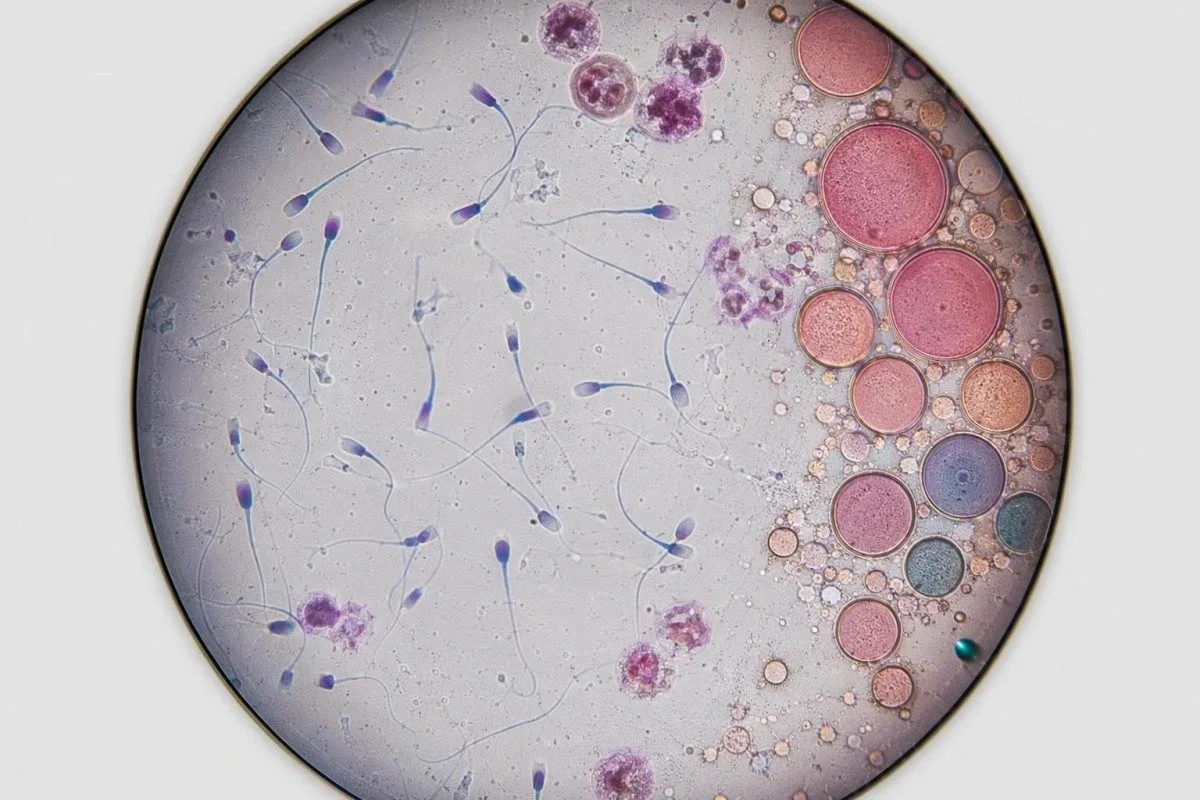
A low sperm concentration with high FSH usually means the pituitary is pushing hard but production is weak. A low sperm concentration with low FSH and low LH suggests the brain signal may be suppressed, sometimes from anabolic steroids, opioids, severe illness or pituitary disease.
The WHO 6th edition semen manual moved away from treating reference limits as a simple fertile-infertile boundary (WHO, 2021). I explain this to couples because a morphology of 3% is not a verdict; it is one risk marker inside a broader picture.
Inhibin B can add information when FSH and semen results conflict, although many clinics do not order it routinely. Very low inhibin B with high FSH supports reduced Sertoli cell function, but the assay is not as universally standardized as testosterone or FSH.
If the male partner has fatigue, weight gain or low libido, a broader health screen can be reasonable; our men in their 30s blood test article covers baseline labs that often overlap with fertility workups. A semen analysis should still happen, because normal hormones do not prove normal sperm transport.
Which non-hormone blood tests belong in a fertility workup?
Non-hormone fertility blood tests usually include rubella IgG, varicella IgG, HIV, hepatitis B, hepatitis C, syphilis screening, full blood count, blood group and sometimes genetic carrier tests. These tests do not measure fertility, but they prevent avoidable pregnancy and treatment risks.
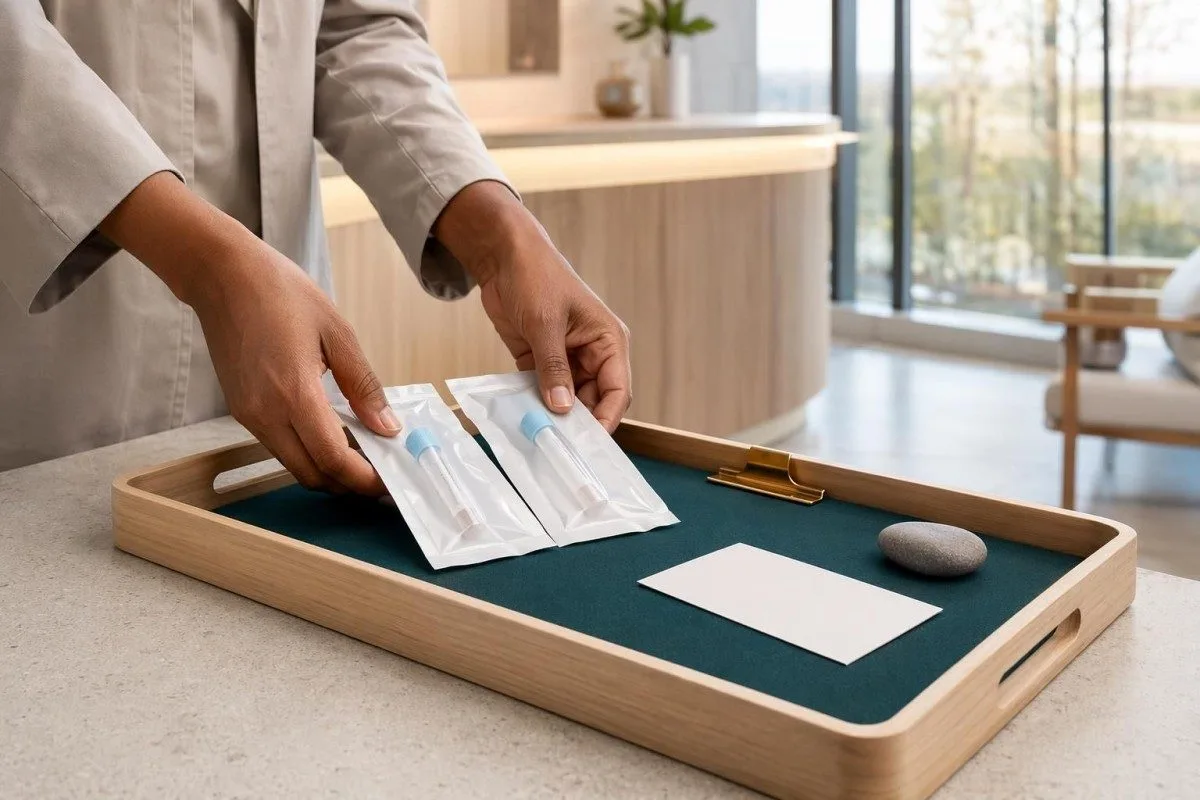
Rubella and varicella immunity are checked because live vaccines cannot be given during pregnancy. If IgG is negative, vaccination is usually done before conception attempts resume, often with a 1-month avoidance window depending on local guidance.
HIV, hepatitis B, hepatitis C and syphilis screening are standard before assisted reproduction in many countries. These results guide partner protection, laboratory handling and newborn prevention steps rather than judging anyone's fertility.
A full blood count can reveal anemia, high platelets from iron deficiency or unexpected white cell abnormalities. When heavy periods and ferritin deficiency coexist, I do not separate menstrual health from fertility health.
For what changes once pregnancy is established, our prenatal blood tests guide explains trimester-by-trimester screening. Preconception testing is cleaner because there is time to correct immunity, anemia and thyroid issues before the first positive test.
How should couples interpret fertility blood test patterns?
Couples should interpret fertility blood tests as patterns, not isolated highs and lows. Progesterone, AMH, FSH, TSH, prolactin and male hormones become clinically useful when they are matched to cycle timing, semen analysis, medication history and the couple's ages.
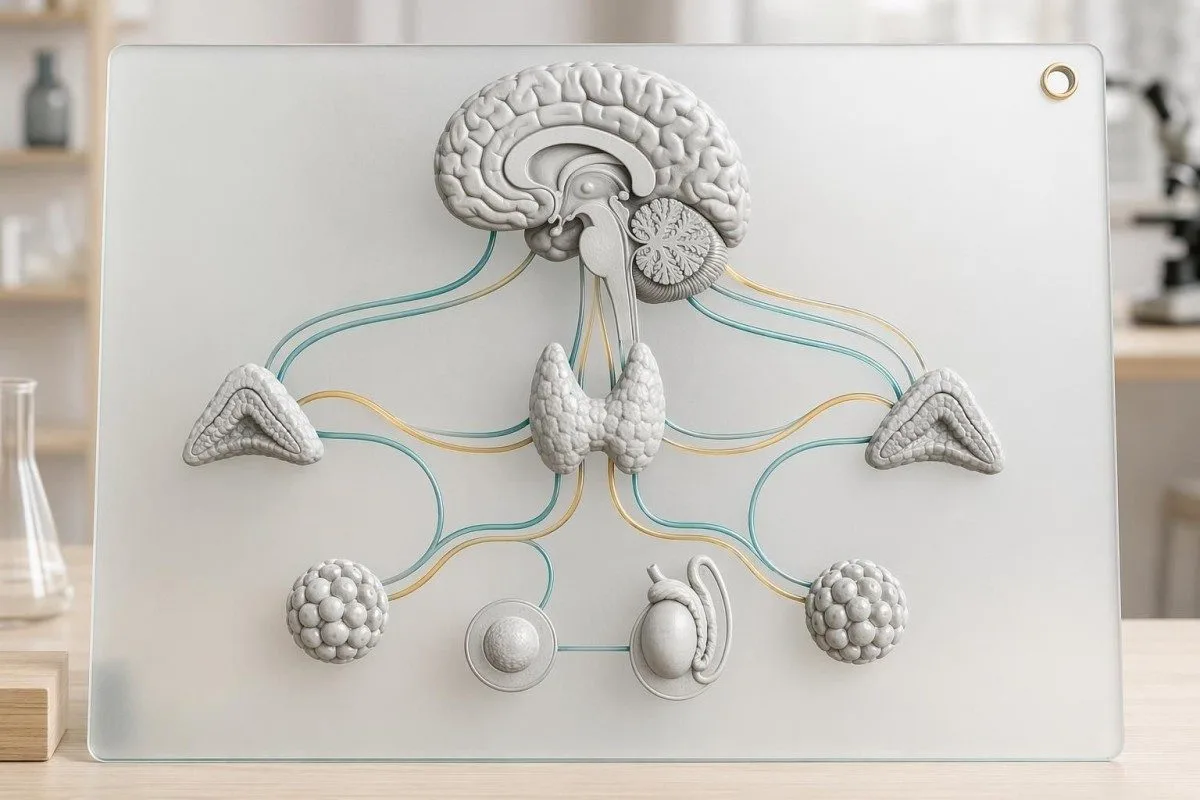
One common pattern is irregular cycles, AMH 6.2 ng/mL, testosterone slightly high, SHBG 22 nmol/L and HbA1c 5.9%. That points toward insulin-resistant PCOS physiology rather than unexplained infertility, and treatment priorities become ovulation induction plus metabolic care.
Another pattern is day-3 FSH 17 IU/L, estradiol 96 pg/mL and AMH 0.4 ng/mL in a 39-year-old. That combination suggests reduced ovarian reserve and lower stimulation response, so the conversation should move quickly toward specialist options rather than repeating the same labs for six months.
A male pattern of testosterone 245 ng/dL, LH 0.8 IU/L, FSH 1.1 IU/L and low sperm concentration raises concern for central suppression. Anabolic steroid exposure can do this, and the history is sometimes only disclosed when I ask directly and without judgement.
Our platform compares serial results and units, which is particularly useful when one lab reports AMH in ng/mL and another in pmol/L. You can also read our blood test comparison guide to avoid chasing meaningless lab-to-lab variation.
What can make hormone blood tests for fertility look wrong?
Biotin, cycle mistiming, recent illness, intense exercise, poor sleep, hormonal contraception and fertility medications can make hormone blood tests for fertility look misleading. A surprising result should usually be repeated under controlled conditions before it changes treatment.
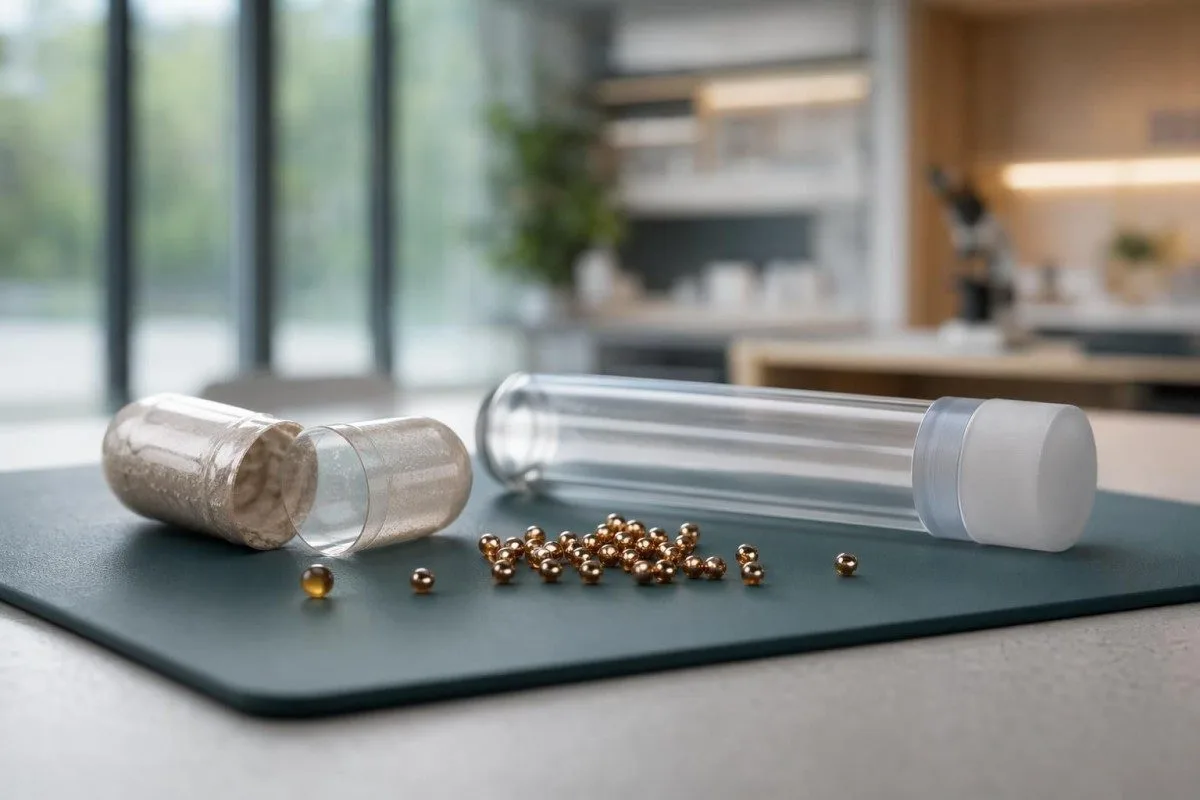
Biotin is the interference I see most often because patients do not think of a hair supplement as medication. Doses of 5-10 mg can distort TSH, free T4, prolactin, estradiol and testosterone results on some immunoassays.
Hormonal contraception suppresses FSH, LH and estradiol and can alter SHBG for weeks after stopping. AMH may also appear lower during combined oral contraceptive use, so a borderline AMH is sometimes repeated after 2-3 months off hormones if clinically safe.
Acute illness can lower testosterone and disturb thyroid markers. A male partner who had influenza, slept 3 hours and tested at 2 p.m. should not make a life-changing decision from one low testosterone result.
Our biotin thyroid test guide explains why some assays are more vulnerable than others. The practical move is simple: tell the lab and clinician every supplement, especially if the result does not fit the person in front of us.
When should abnormal fertility blood tests be repeated or escalated?
Abnormal fertility blood tests should be repeated when the timing was wrong, the abnormality is mild, or the result conflicts with symptoms; they should be escalated quickly when age, severe hormone abnormalities or semen results suggest time-sensitive risk. Age 35 is a practical threshold, not a cliff.

Repeat progesterone if it was not drawn 6-8 days after ovulation. Repeat prolactin if it is mildly high, repeat testosterone if it was not morning, and repeat TSH if biotin or missed thyroid medication may have interfered.
Escalate sooner when AMH is below 0.5 ng/mL, day-3 FSH is persistently above 15-20 IU/L, periods are absent for more than 90 days, or semen concentration is severely low. In those cases, a tidy repeat in three months may cost more than it helps.
ASRM guidance supports earlier evaluation after 6 months of trying for women 35 or older and immediate evaluation when known risk factors exist (Practice Committee of the ASRM, 2021). I use that rule because ovarian reserve is one of the few areas where calendar time genuinely changes options.
If you are deciding whether to order labs privately or through a clinic, our online blood test article explains the safety boundaries. Results are useful only when someone can act on them.
How can Kantesti help read fertility blood test results?
Kantesti helps read fertility blood test results by extracting values from PDFs or photos, checking units, identifying timing conflicts and explaining how markers fit together. Our AI gives an interpretation in about 60 seconds, but fertility treatment decisions still belong with your clinician.
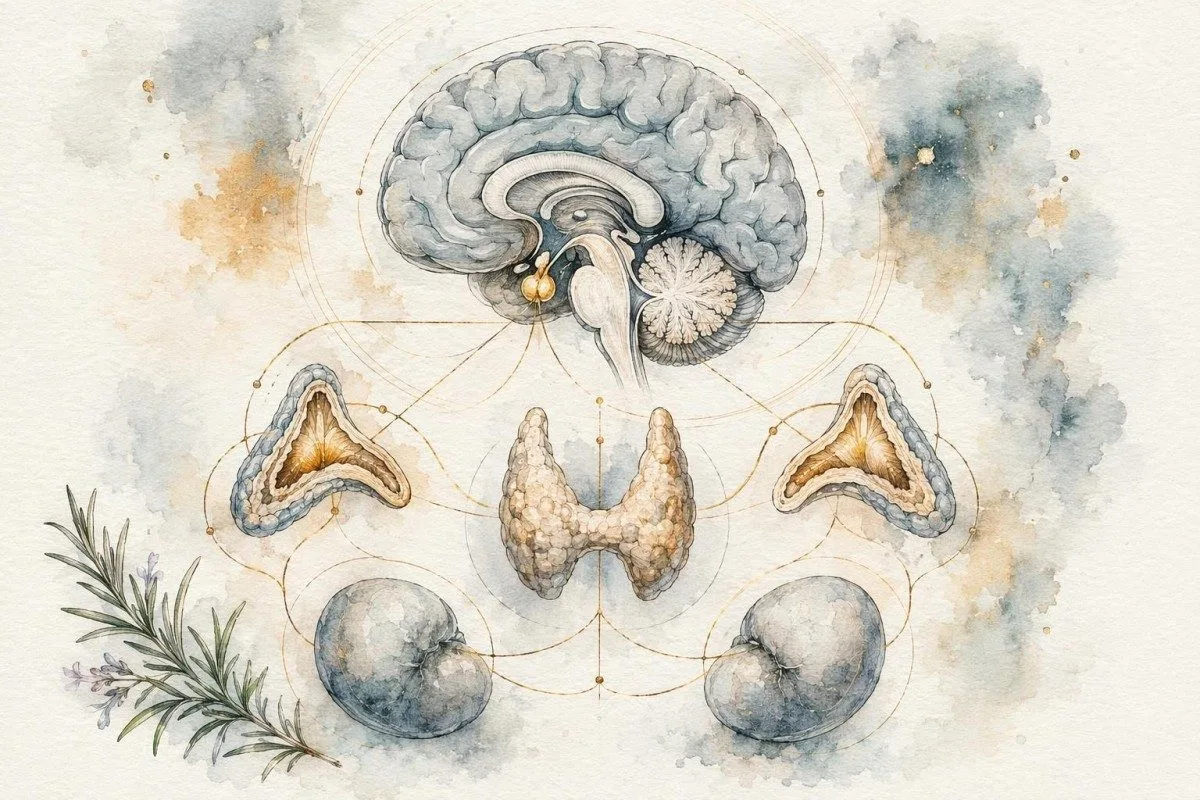
Kantesti AI analyzes hormone panels alongside general biomarkers such as HbA1c, ferritin, vitamin D, liver enzymes and kidney function. That matters because fertility clinics often receive fragments: one thyroid result from January, AMH from March and testosterone from a different lab in April.
Our organization is Kantesti Ltd, a UK company with global users, and you can learn more about the team behind the product on About Us. Our physician oversight, including review by doctors listed on the Medical Advisory Board, is why we are comfortable explaining uncertainty rather than pretending every borderline marker has one answer.
Thomas Klein, MD reviews fertility-related content with the same principle I use in clinic: flag urgent patterns, explain likely benign ones, and state when a number cannot answer the question. The blood biomarkers guide is useful if your report uses unfamiliar abbreviations such as FSH, SHBG, DHEA-S or 17-OHP.
Bottom line: upload your report to Try Free AI Blood Test Analysis if you want a structured explanation before your appointment. For a broader view of our validation work, the pre-registered benchmark is available through clinical AI validation.
Research publications, DOI records and safety notes
Fertility blood tests are decision-support tools, not stand-alone diagnoses. The safest interpretation combines laboratory data, clinical history, ultrasound or semen testing when needed, and a clinician who can prescribe, image or refer.

No blood test can prove that a couple will or will not conceive naturally. AMH estimates response potential, progesterone confirms recent ovulation, TSH identifies thyroid patterns, prolactin reveals suppressive signalling, and male LH-FSH-testosterone patterns localize endocrine problems.
Kantesti is an interpretation platform, not an emergency service or fertility clinic. If you have no periods for 90 days, prolactin above 100 ng/mL, testosterone exposure, severe pelvic pain, recurrent pregnancy loss, or a semen report with very low counts, book specialist care rather than waiting for another app result.
Kantesti Ltd. (2026). Urobilinogen in urine test: Complete urinalysis guide 2026. Zenodo. DOI. ResearchGate. Academia.edu.
Kantesti Ltd. (2026). Iron studies guide: TIBC, iron saturation and binding capacity. Zenodo. DOI. ResearchGate. Academia.edu.
Frequently Asked Questions
What blood tests for fertility should both partners get?
Both partners should usually have fertility blood testing early, not only after one partner is labelled the problem. The female partner commonly needs AMH, day-2 to day-5 FSH, LH and estradiol, mid-luteal progesterone, TSH, free T4, prolactin and androgen markers such as testosterone, SHBG and DHEA-S. The male partner commonly needs 8-10 a.m. total testosterone, SHBG or free testosterone calculation, LH, FSH, prolactin and sometimes estradiol and TSH. These results should be interpreted with semen analysis, cycle timing, age and medication history.
Which blood test confirms ovulation?
A mid-luteal progesterone blood test is the most useful blood test for confirming ovulation. Progesterone above 3 ng/mL about 7 days after ovulation usually indicates that ovulation occurred, while values above 10 ng/mL are often considered reassuring in natural cycles. The test should be timed from the LH surge or expected period, not automatically ordered on day 21. A low value may mean wrong timing rather than true anovulation.
What AMH level is good for fertility?
AMH around 1.0-3.5 ng/mL is often considered a reassuring ovarian reserve range, but age changes the meaning dramatically. AMH below 1.0 ng/mL can suggest reduced ovarian reserve or lower response to ovarian stimulation, while AMH above 4.0 ng/mL can be seen with PCOS or high follicle count. AMH does not measure egg quality and does not predict natural conception perfectly. A 30-year-old and a 42-year-old with the same AMH have very different fertility probabilities.
What TSH level is best when trying to conceive?
Many fertility clinics aim for TSH below 2.5 mIU/L before conception or fertility treatment, especially in patients with known thyroid disease, thyroid antibodies or prior pregnancy loss. A general adult laboratory range may allow TSH up to about 4.0 mIU/L, so fertility targets can be tighter than routine primary care targets. Free T4 and thyroid antibody status matter when deciding whether treatment is needed. High-dose biotin can distort thyroid blood tests and should be disclosed before testing.
Can high prolactin stop pregnancy?
High prolactin can interfere with fertility by suppressing GnRH, which can reduce LH and FSH signalling and disrupt ovulation or testosterone production. Prolactin above 25 ng/mL in women or above 15 ng/mL in men is often repeated fasting and rested before treatment decisions are made. Persistent prolactin above 100 ng/mL is more concerning for a pituitary cause and usually needs specialist evaluation. Mild elevations are commonly caused by stress, sleep loss, medications, hypothyroidism or macroprolactin.
What hormone blood tests show male infertility?
Male infertility hormone testing usually checks morning total testosterone, SHBG or calculated free testosterone, LH, FSH, prolactin and sometimes estradiol. High FSH above about 12 IU/L with low sperm concentration suggests impaired sperm production, while low testosterone with low or normal LH can suggest central suppression. Testosterone should be measured before 10 a.m. and repeated if low. Semen analysis remains necessary because normal hormones do not prove normal sperm count, motility or transport.
Do fertility blood tests need fasting?
Most hormone blood tests for fertility do not require fasting, including AMH, FSH, LH, estradiol, progesterone, TSH and testosterone. Fasting is helpful when the panel includes glucose, insulin, triglycerides or some metabolic markers, because food can change those results within hours. Prolactin is often best repeated fasting, rested and 2-3 hours after waking if it was mildly elevated. Male testosterone should be drawn in the morning even when fasting is not required.
Get AI-Powered Blood Test Analysis Today
Join over 2 million users worldwide who trust Kantesti for instant, accurate lab test analysis. Upload your blood test results and receive comprehensive interpretation of 15,000+ biomarkers in seconds.
📚 Referenced Research Publications
Klein, T., Mitchell, S., & Weber, H. (2026). Urobilinogen in Urine Test: Complete Urinalysis Guide 2026. Kantesti AI Medical Research.
Klein, T., Mitchell, S., & Weber, H. (2026). Iron Studies Guide: TIBC, Iron Saturation & Binding Capacity. Kantesti AI Medical Research.
📖 External Medical References
Practice Committee of the American Society for Reproductive Medicine (2021). Fertility evaluation of infertile women: a committee opinion. Fertility and Sterility.
World Health Organization (2021). WHO laboratory manual for the examination and processing of human semen, sixth edition. World Health Organization.



⚕️ Medical Disclaimer
This article is for educational purposes only and does not constitute medical advice. Always consult a qualified healthcare provider for diagnosis and treatment decisions.
E-E-A-T Trust Signals
Experience
Physician-led clinical review of lab interpretation workflows.
Expertise
Laboratory medicine focus on how biomarkers behave in clinical context.
Authoritativeness
Written by Dr. Thomas Klein with review by Dr. Sarah Mitchell and Prof. Dr. Hans Weber.
Trustworthiness
Evidence-based interpretation with clear follow-up pathways to reduce alarm.