
Heart blood tests can point toward a heart attack, heart failure, vascular inflammation, rhythm risk and long-term artery disease. They are powerful clues, not a replacement for ECGs, imaging or a clinician who knows your symptoms.



- Troponin above the laboratory 99th percentile suggests heart muscle injury; a rising or falling pattern is what supports a heart attack.
- BNP under 100 pg/mL or NT-proBNP under 300 pg/mL makes acute heart failure less likely in many emergency settings.
- LDL-C under 70 mg/dL is often targeted in people with established cardiovascular disease, while lower targets may be used after very high-risk events.
- ApoB above 130 mg/dL usually signals a high number of atherogenic particles, even when LDL-C looks only mildly raised.
- Lp(a) above 50 mg/dL or above 125 nmol/L is considered a risk-enhancing inherited marker in many cardiology guidelines.
- hs-CRP above 2.0 mg/L can suggest higher vascular inflammation risk, but infection, injury and autoimmune disease can falsely raise it.
- Potassium below 3.5 or above 5.5 mmol/L can increase arrhythmia risk, especially in people taking diuretics, ACE inhibitors or kidney medicines.
- Blood tests cannot diagnose blocked arteries, valve disease, arrhythmias or cardiomyopathy alone; ECG, echocardiography, CT angiography or stress testing may be needed.
Which heart blood tests actually show cardiac problems?
What blood tests show heart problems? The main ones are troponin for heart muscle injury or heart attack, BNP or NT-proBNP for heart failure strain, lipid panel/ApoB/Lp(a) for long-term artery risk, hs-CRP for vascular inflammation, and glucose, kidney and electrolyte tests because they change cardiac risk and rhythm safety. Blood tests cannot diagnose blocked arteries, valve disease, arrhythmias or cardiomyopathy alone; those need ECG, imaging, examination and symptoms.

When patients upload results to Kantesti AI, our first job is not to label one number as good or bad. We ask the clinical question: is this a possible heart attack today, possible heart failure this week, or a 10-year cardiovascular risk pattern? Those are very different readings of the same report.
I see this confusion constantly. A normal cholesterol test does not rule out a heart attack, and a high troponin does not automatically prove a coronary blockage. The blood tests that predict heart attack are mostly risk markers, while troponin is an injury marker used in urgent care.
A useful mental model is simple: troponin answers injury, BNP answers pressure and stretch, lipids answer plaque probability, hs-CRP answers inflammatory tone, and metabolic tests answer the soil in which heart disease grows. In my experience, that framing prevents more panic than any reference range ever will.
Troponin blood test: the key marker for heart attack
A troponin blood test detects heart muscle injury, and values above the assay-specific 99th percentile are abnormal. A heart attack diagnosis usually needs a rise or fall in troponin plus symptoms, ECG changes, imaging evidence or angiography findings.

High-sensitivity troponin assays vary by manufacturer, and some European laboratories report sex-specific cutoffs. One common pattern is a female 99th percentile around 10 to 16 ng/L and a male cutoff around 20 to 34 ng/L, but your own lab’s reference range wins.
The Fourth Universal Definition of Myocardial Infarction states that myocardial infarction requires acute myocardial injury plus evidence of acute ischemia, not just a single elevated troponin (Thygesen et al., 2018). That distinction matters: myocarditis, severe sepsis, pulmonary embolism, kidney failure, tachyarrhythmia and intense endurance exercise can all raise troponin.
A 44-year-old cyclist once showed me a troponin just above the cutoff after a mountain race, no chest pain, normal ECG and a falling repeat value at 3 hours. That was not managed like a classic blocked artery; it was managed as exertional myocardial stress with careful follow-up. For deeper range details, see our troponin normal range guide.
BNP and NT-proBNP: blood tests for heart failure strain
BNP and NT-proBNP show cardiac wall stretch, so they help doctors assess possible heart failure in breathless or swollen patients. BNP under 100 pg/mL and NT-proBNP under 300 pg/mL often make acute heart failure less likely, although obesity can lower these values.
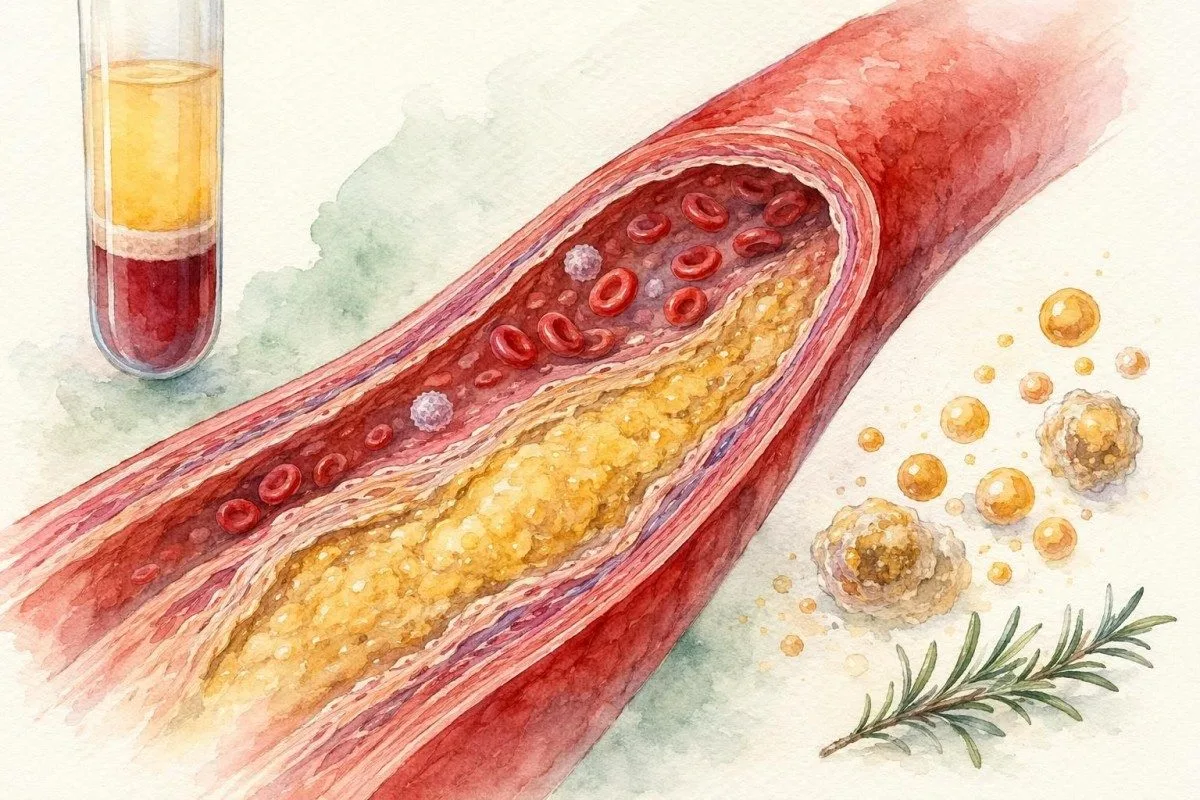
NT-proBNP is strongly age-dependent. In acute breathlessness, many clinicians use rough rule-in thresholds of 450 pg/mL under age 50, 900 pg/mL from 50 to 75, and 1800 pg/mL above 75; kidney impairment and atrial fibrillation push the number upward.
The 2021 ESC heart failure guideline uses natriuretic peptides as an entry point for diagnosis, then confirms heart failure with echocardiography and clinical assessment (McDonagh et al., 2021). In plain English: BNP opens the door, but the echo tells you what room you are in.
I worry when someone has NT-proBNP 2200 pg/mL, new ankle swelling, oxygen desaturation and crackles on examination. I worry less when an 82-year-old with atrial fibrillation and eGFR 38 has NT-proBNP 650 pg/mL but is walking 3 miles daily. Our full BNP blood test guide explains those false positives in more detail.
Lipid panel results: cholesterol clues to artery disease risk
A lipid panel does not diagnose a current heart attack, but it estimates long-term risk of atherosclerotic cardiovascular disease. LDL-C, non-HDL-C, HDL-C and triglycerides help clinicians decide whether lifestyle treatment, statins or additional risk testing are sensible.

LDL-C below 100 mg/dL is often called near-optimal for lower-risk adults, while people with established cardiovascular disease are commonly treated toward below 70 mg/dL. Some very high-risk European pathways aim below 55 mg/dL after recurrent events, which is stricter than many older lab reports imply.
The 2018 AHA/ACC cholesterol guideline recommends interpreting LDL-C through the lens of age, diabetes, blood pressure, smoking, family history and risk enhancers rather than a single universal cutoff (Grundy et al., 2019). That is why a 38-year-old with LDL-C 155 mg/dL and a parent with a heart attack at 49 gets a different conversation than a 76-year-old with the same number.
Non-HDL-C is quietly useful because it includes LDL, VLDL, IDL and remnant particles. A non-HDL-C target is often about 30 mg/dL higher than the LDL-C target, so an LDL goal under 100 mg/dL roughly maps to non-HDL-C under 130 mg/dL. For practical interpretation, our lipid panel results guide is a good companion.
ApoB, Lp(a) and hs-CRP: risk markers standard panels miss
ApoB, Lp(a) and hs-CRP are blood tests for heart disease risk that can change interpretation when the standard cholesterol panel looks deceptively average. ApoB reflects particle number, Lp(a) reflects inherited risk, and hs-CRP reflects low-grade vascular inflammatory activity.

ApoB above 130 mg/dL is usually considered high and often matches an LDL-C of 160 mg/dL or more, but discordance is common in insulin resistance. I have seen patients with LDL-C 104 mg/dL and ApoB 128 mg/dL; their artery particle burden was not as reassuring as the LDL looked.
Lp(a) above 50 mg/dL, or above 125 nmol/L when reported in molar units, is a risk-enhancing factor in the AHA/ACC guideline (Grundy et al., 2019). Do not convert mg/dL to nmol/L by a simple multiplier; particle size varies too much, and laboratories measure it differently.
hs-CRP is most useful when you are well, not recovering from influenza or a dental infection. A persistent hs-CRP above 2.0 mg/L can support higher cardiovascular risk, but a CRP of 35 mg/L is no longer a subtle vascular signal; it is more likely acute inflammation. We compare these assays in our CRP versus hs-CRP explainer.
CRP, ESR and WBC: inflammation clues, not heart diagnoses
CRP, ESR and white blood cell count can suggest inflammation that worsens cardiovascular risk, but they do not prove heart disease. The most cardiac-specific inflammatory risk test is hs-CRP, while ordinary CRP and ESR are broader illness markers.

CRP under 1 mg/L is often considered lower cardiovascular inflammatory risk, 1 to 3 mg/L average risk, and above 3 mg/L higher risk if the person is otherwise well. A CRP above 10 mg/L should usually be repeated later because acute illness can swamp the cardiovascular signal.
White blood cell patterns add texture. Neutrophilia with fever points away from a subtle heart-risk discussion and toward infection or stress physiology; eosinophilia may suggest allergy or drug reaction. Our inflammation blood test comparison walks through those pattern clues.
In our analysis of more than 2M uploaded blood tests, mixed inflammation patterns are common: hs-CRP 4.2 mg/L, triglycerides 210 mg/dL, A1c 5.9% and ALT 58 IU/L often travel together. The reason we worry about that cluster is metabolic inflammation, not because CRP alone has diagnosed coronary artery disease.
Glucose, HbA1c and insulin: metabolic heart risk markers
Glucose, HbA1c and insulin show metabolic risk that strongly affects future heart disease. HbA1c of 5.7% to 6.4% suggests prediabetes, and 6.5% or higher meets a diabetes threshold when confirmed by standard diagnostic criteria.

Diabetes roughly doubles cardiovascular risk in many cohorts, but the nuance is timing and clustering. A 42-year-old with A1c 6.1%, triglycerides 240 mg/dL, HDL-C 34 mg/dL and waist gain often has years of insulin resistance before diabetes is formally named.
Fasting glucose can look normal while post-meal glucose is high. I take that seriously when patients report afternoon sleepiness, fatty liver markers or recurrent borderline triglycerides. See our A1c versus fasting glucose guide if your results disagree.
Kantesti AI interprets cardiometabolic risk by reading A1c, glucose, triglycerides, HDL-C, ALT, creatinine and medication context together, not as isolated tiles. That pattern approach is useful because a fasting insulin of 18 µIU/mL with normal glucose may still suggest early resistance in the right clinical setting.
Kidney and electrolyte tests: hidden cardiac safety markers
Creatinine, eGFR, potassium, sodium, magnesium and bicarbonate do not diagnose heart disease, but they strongly affect cardiac medication safety and arrhythmia risk. Potassium below 3.5 mmol/L or above 5.5 mmol/L deserves careful review in heart patients.

A potassium of 6.1 mmol/L can be dangerous, but a hemolyzed sample can falsely elevate potassium by leaking intracellular potassium during collection or transport. If the ECG is normal and the lab reports hemolysis, clinicians often repeat urgently before treating aggressively.
Kidney function changes how we read BNP, troponin and many heart medicines. NT-proBNP may rise as eGFR falls, and medications such as ACE inhibitors, ARBs, mineralocorticoid receptor antagonists and some diuretics need potassium and creatinine monitoring.
The combination I dislike is eGFR 42 mL/min/1.73 m², potassium 5.7 mmol/L and a recent increase in spironolactone. That is a medication-safety pattern, not just a kidney number. Our eGFR by age guide helps separate expected ageing from clinically meaningful decline.
AST, CK and liver enzymes: when heart clues are misleading
AST and CK can rise after muscle injury, intense exercise or older heart attacks, but they are not preferred tests for diagnosing modern heart attack. Troponin has largely replaced CK-MB and AST because it is more cardiac-specific and more sensitive.
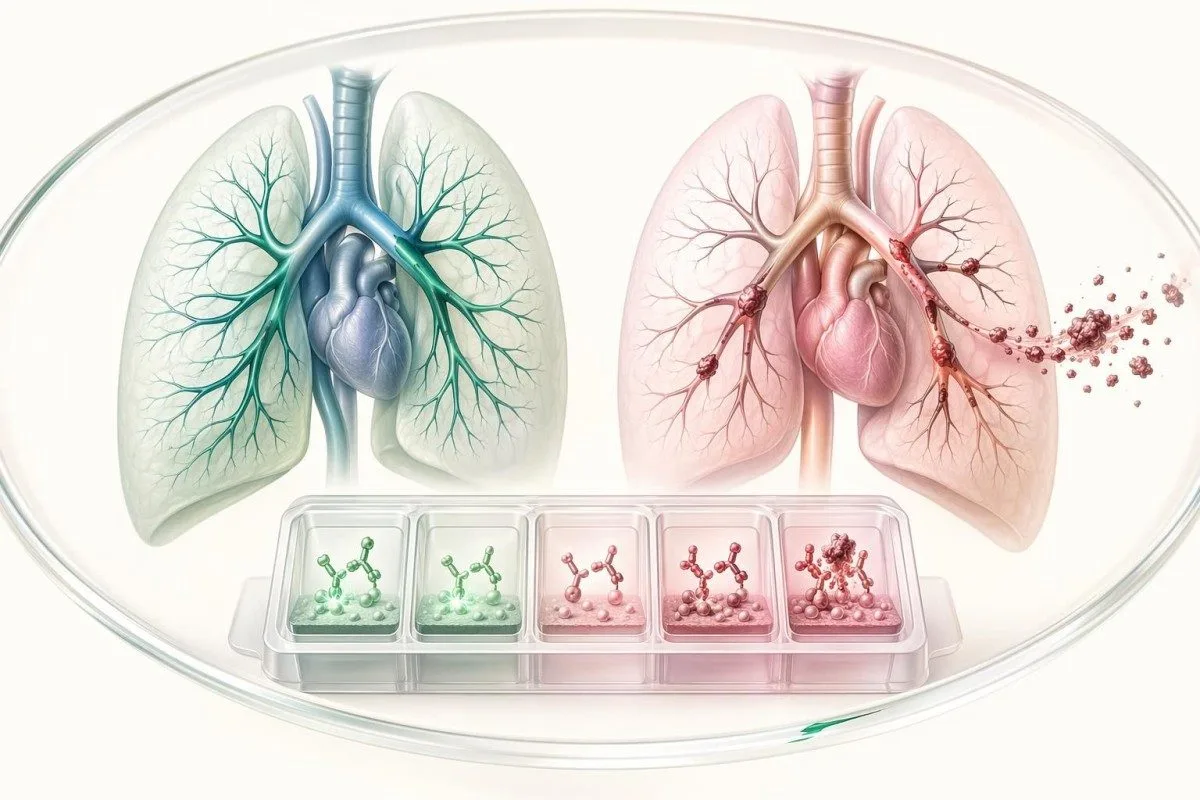
A 52-year-old marathon runner with AST 89 IU/L and CK 1100 IU/L may have skeletal muscle breakdown rather than heart injury, especially if ALT is lower, bilirubin is normal and troponin is negative. Before you panic, ask what happened in the previous 72 hours.
CK-MB can still appear on some panels, but it is less useful than high-sensitivity troponin for most chest-pain pathways. CK-MB may help in select reinfarction questions where troponin remains elevated, though many hospitals now rely on troponin delta patterns instead.
The AST/ALT ratio can mislead patients who search for heart disease after seeing AST highlighted. In clinical practice, I read AST with ALT, CK, GGT, bilirubin, exercise history and alcohol intake before calling it cardiac. Our AST liver versus muscle guide gives a safer way to sort that out.
D-dimer and clotting tests: heart symptoms that are not heart attacks
D-dimer can help exclude pulmonary embolism in carefully selected low-risk patients, but it does not diagnose a heart attack. A normal D-dimer below 500 ng/mL FEU is often reassuring only when the pre-test probability is low.
Chest pain, breathlessness and a fast pulse are not always coronary artery symptoms. Pulmonary embolism, pericarditis, pneumonia and panic physiology can look similar at the bedside; D-dimer is useful only after a clinician estimates probability.
Age-adjusted D-dimer is commonly calculated as age times 10 ng/mL FEU for patients over 50, so a cutoff of 720 ng/mL may be used for a 72-year-old in some validated pathways. Pregnancy, recent surgery, cancer, inflammation and older age can all raise D-dimer without a clot.
PT, INR, aPTT and fibrinogen are coagulation tests, not general screening tests for clogged arteries. They matter if you take warfarin, have bleeding symptoms, have liver disease or are being assessed for clotting disorders. Our D-dimer normal range guide explains why a high result is common and often nonspecific.
CBC and anemia: oxygen delivery markers that strain the heart
A CBC can reveal anemia, infection patterns or platelet abnormalities that worsen heart symptoms, but it does not diagnose coronary artery disease. Hemoglobin below 13.0 g/dL in many adult men or below 12.0 g/dL in many adult women is usually considered anemia.

Anemia increases cardiac workload because the heart must pump more blood to deliver the same oxygen. A patient with stable angina may suddenly feel worse when hemoglobin falls from 14.2 to 9.8 g/dL after gastrointestinal blood loss.
RDW, MCV and ferritin often tell the story before hemoglobin becomes critical. High RDW with low MCV can suggest evolving iron deficiency; normal MCV does not exclude early iron loss. That is why I rarely read hemoglobin without the red-cell indices.
Platelets add a different clue. A platelet count above 450 × 10⁹/L can be reactive from iron deficiency or inflammation, but persistent unexplained elevation needs follow-up. For anemia patterns that change cardiac symptoms, start with our low hemoglobin follow-up guide.
Thyroid blood tests: rhythm and cholesterol effects
TSH and free T4 can reveal thyroid patterns that affect heart rhythm, pulse rate and cholesterol. Low TSH with high free T4 can increase atrial fibrillation risk, while high TSH can worsen LDL-C in some patients.
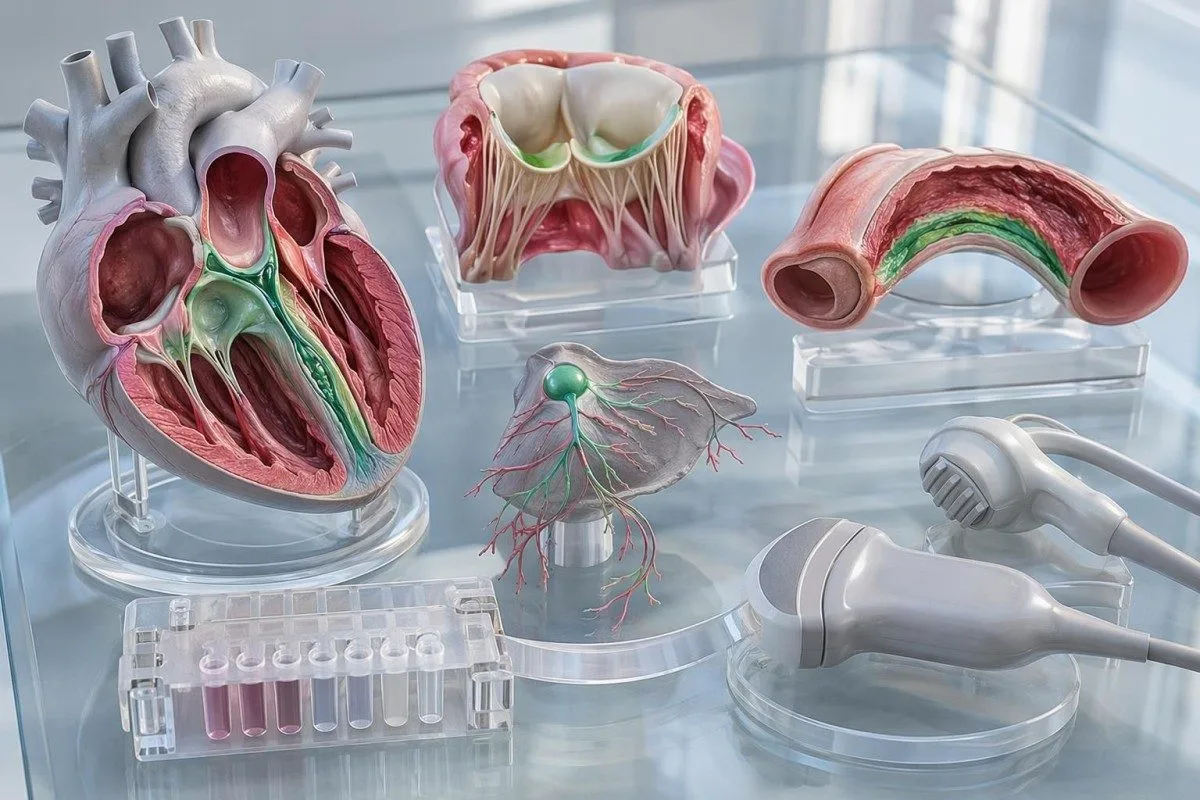
Subclinical hyperthyroidism, especially TSH below 0.1 mIU/L, is one of those quiet lab patterns that can matter more in a 78-year-old than a 28-year-old. The older patient has a higher baseline risk of atrial fibrillation and bone loss.
Hypothyroidism can raise LDL-C and sometimes triglycerides. I have seen LDL-C fall 20 to 40 mg/dL after correcting overt hypothyroidism, which is why repeating lipids after thyroid treatment can avoid overinterpreting one panel.
Biotin supplements can interfere with some thyroid immunoassays and make TSH or free T4 look wrong. If your thyroid result clashes with your pulse, symptoms and medication history, verify the assay context. Our thyroid panel guide covers these traps.
Heart problems blood tests cannot diagnose alone
Blood tests cannot diagnose blocked coronary arteries, valve disease, abnormal heart rhythms, cardiomyopathy, pericardial fluid or coronary calcium by themselves. Those conditions need ECG, echocardiography, ambulatory rhythm monitoring, CT imaging, stress testing or angiography depending on the question.
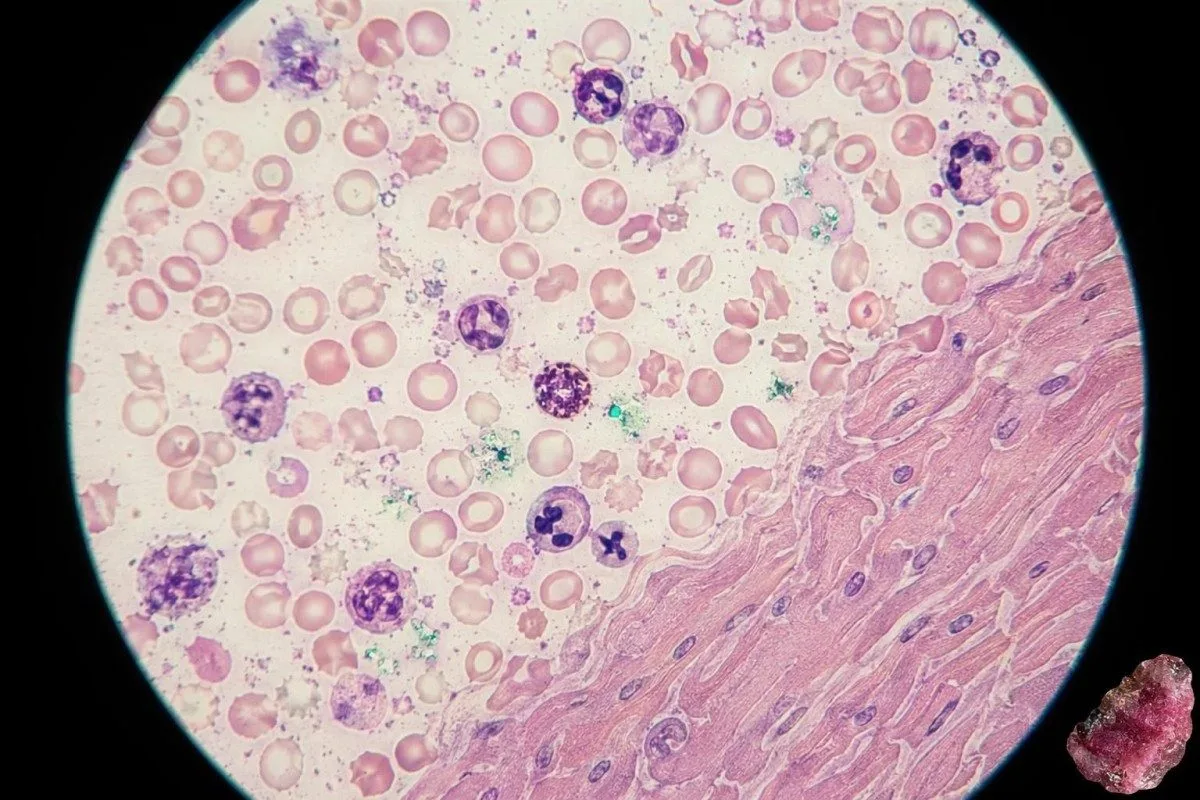
A normal troponin does not prove your coronary arteries are clean. It only means the assay did not detect acute heart muscle injury at that time. Stable angina, plaque burden and coronary spasm can exist with normal troponin between episodes.
A normal BNP does not rule out every cardiac cause of symptoms. Obesity can suppress natriuretic peptide levels, and early heart failure with preserved ejection fraction can be tricky. Echocardiography remains central when symptoms persist.
At Kantesti, our medical review process is built around that boundary: interpret labs clearly, then say when labs are not enough. Our doctors on the Medical Advisory Board review clinical standards so our AI does not overclaim what a blood test can answer.
When heart blood test results need same-day action
Same-day medical care is usually needed for rising troponin, dangerous potassium, severe anemia, very high glucose with symptoms, or BNP/NT-proBNP elevation with acute breathlessness. The result matters most when it matches symptoms such as chest pressure, fainting, blue lips or severe shortness of breath.

Timing is everything with troponin. A blood test drawn 20 minutes after chest pain starts can be falsely reassuring, so emergency pathways often repeat high-sensitivity troponin at 1, 2 or 3 hours depending on the protocol.
Potassium is another result where speed matters. A true potassium of 6.4 mmol/L with weakness or ECG changes is not a wellness issue; it is urgent. If the sample was hemolyzed, the repeat result may completely change the plan.
Patients often ask whether they should wait for an appointment after seeing a red flag online. My practical rule is blunt: symptoms plus a critical lab should not wait for a blog article. For safer self-review, our guide on critical blood test values explains which flags deserve rapid follow-up.
A practical symptom-lab rule
Chest pressure with sweating, breathlessness or fainting needs emergency assessment even if you do not yet have a lab result. A lab number should never delay urgent care when symptoms sound ischemic.
How clinicians read heart blood tests as patterns
Clinicians read heart blood tests as patterns across time, symptoms, medicines and kidney function rather than isolated highs and lows. A borderline result that is rising quickly can matter more than a higher result that has been stable for years.

A single LDL-C of 142 mg/dL is less informative than five years of LDL-C between 138 and 165 mg/dL plus a family history of early myocardial infarction. Trend stability, treatment response and inherited risk change the decision.
Kantesti AI compares units, reference ranges and historical uploads because lab reports are surprisingly inconsistent across countries. One lab reports troponin in ng/L, another in ng/mL; one reports Lp(a) in mg/dL, another in nmol/L. Unit mistakes are not rare.
When I review a report as Thomas Klein, MD, I look for contradictions: low BNP but marked edema, high potassium but hemolysis, high AST but normal troponin and recent exercise. If you are learning to do the same, our blood test trend guide is a sensible next read.
How Kantesti AI interprets heart blood tests safely
Kantesti AI interprets heart blood tests by combining biomarker ranges, unit normalization, symptom prompts, trend analysis and known clinical blind spots. As of April 28, 2026, our platform supports 15,000+ biomarkers across 75+ languages, but it still tells users when medical evaluation is needed.
Our AI does not tell someone with chest pain and a rising troponin to relax because one number is only mildly abnormal. It flags the pattern and pushes toward urgent care. That conservative boundary is part of our medical validation standards.
Kantesti LTD is a UK company, and our platform is used by people in 127+ countries who upload PDFs, photos and app screenshots from very different laboratory systems. If you want the company background, the About Kantesti page explains our clinical and engineering model without marketing fluff.
Thomas Klein, MD and our medical team also publish methods-focused research on blood-test interpretation, including pattern-reading in hematology and kidney markers. For cardiac panels, those same principles matter: a borderline biomarker is more useful when read beside kidney function, inflammation, anemia and medication history. You can explore our biomarker library or upload your own report using the free blood test demo.
For readers who want validation detail, the Kantesti AI Engine benchmark is available as a research DOI on population-scale clinical validation. Related Kantesti publications include Kantesti Medical Research Group. (2025). RDW Blood Test: Complete Guide to RDW-CV, MCV & MCHC. Zenodo. https://doi.org/10.5281/zenodo.18202598 and Kantesti Medical Research Group. (2025). BUN/Creatinine Ratio Explained: Kidney Function Test Guide. Zenodo. https://doi.org/10.5281/zenodo.18207872. Bottom line: use AI-powered blood test interpretation for clarity, not as a substitute for emergency care.
Frequently Asked Questions
What blood tests show heart problems most clearly?
The clearest heart-specific blood test is troponin, which shows heart muscle injury when it rises above the assay’s 99th percentile. BNP or NT-proBNP can suggest heart failure strain, especially when BNP is above 100 pg/mL or NT-proBNP is above 300 pg/mL in acute breathlessness. Lipid panel, ApoB, Lp(a), hs-CRP, HbA1c, kidney tests and electrolytes show cardiovascular risk or safety issues rather than diagnosing a heart attack.
Can a normal blood test rule out heart disease?
A normal blood test cannot rule out all heart disease. Normal troponin lowers the chance of acute heart muscle injury at that time, but stable coronary artery disease, valve disease, rhythm problems and early cardiomyopathy can still be present. ECG, echocardiography, rhythm monitoring, CT coronary imaging or stress testing may be needed if symptoms persist.
What is the troponin blood test normal range?
The troponin blood test normal range depends on the assay, and many high-sensitivity tests define abnormal as above the 99th percentile for that laboratory. Some assays use sex-specific cutoffs, with female thresholds sometimes around 10 to 16 ng/L and male thresholds around 20 to 34 ng/L. A rising or falling troponin pattern over 1 to 3 hours is more concerning for acute injury than one stable mildly elevated value.
Which blood test shows heart failure?
BNP and NT-proBNP are the main blood tests that suggest heart failure because they rise when heart chambers are stretched. BNP below 100 pg/mL or NT-proBNP below 300 pg/mL often makes acute heart failure less likely, while higher values must be interpreted with age, kidney function, body weight and atrial fibrillation. Echocardiography is usually needed to confirm the type and cause of heart failure.
Do cholesterol blood tests show blocked arteries?
Cholesterol blood tests do not directly show blocked arteries. LDL-C, non-HDL-C, ApoB and Lp(a) estimate the probability of plaque development over time, but they cannot show whether a specific coronary artery is narrowed by 50% or 90%. Coronary CT angiography, invasive angiography, calcium scoring or stress testing may be used when doctors need an anatomical or functional answer.
Can inflammation blood tests predict heart attacks?
Inflammation blood tests can refine cardiovascular risk, but they do not predict a heart attack with certainty. hs-CRP below 1 mg/L is often considered lower inflammatory risk, 1 to 3 mg/L average risk, and above 3 mg/L higher risk when measured while well. Ordinary CRP above 10 mg/L usually suggests acute inflammation or infection and should not be used as a subtle heart-risk marker without repeat testing.
When should I seek urgent care for heart-related blood test results?
Seek urgent medical care if an elevated or rising troponin occurs with chest pressure, breathlessness, sweating, fainting or ECG changes. A true potassium above 6.0 mmol/L, potassium below 3.0 mmol/L, severe anemia below about 8.0 g/dL, or very high BNP/NT-proBNP with acute breathlessness can also require same-day assessment. Symptoms matter as much as the number, so do not wait for an online interpretation if you feel seriously unwell.
Get AI-Powered Blood Test Analysis Today
Join over 2 million users worldwide who trust Kantesti for instant, accurate lab test analysis. Upload your blood test results and receive comprehensive interpretation of 15,000+ biomarkers in seconds.
📚 Referenced Research Publications
Klein, T., Mitchell, S., & Weber, H. (2026). RDW Blood Test: Complete Guide to RDW-CV, MCV & MCHC. Kantesti AI Medical Research.
Klein, T., Mitchell, S., & Weber, H. (2026). BUN/Creatinine Ratio Explained: Kidney Function Test Guide. Kantesti AI Medical Research.
📖 External Medical References






⚕️ Medical Disclaimer
This article is for educational purposes only and does not constitute medical advice. Always consult a qualified healthcare provider for diagnosis and treatment decisions.
E-E-A-T Trust Signals
Experience
Physician-led clinical review of lab interpretation workflows.
Expertise
Laboratory medicine focus on how biomarkers behave in clinical context.
Authoritativeness
Written by Dr. Thomas Klein with review by Dr. Sarah Mitchell and Prof. Dr. Hans Weber.
Trustworthiness
Evidence-based interpretation with clear follow-up pathways to reduce alarm.