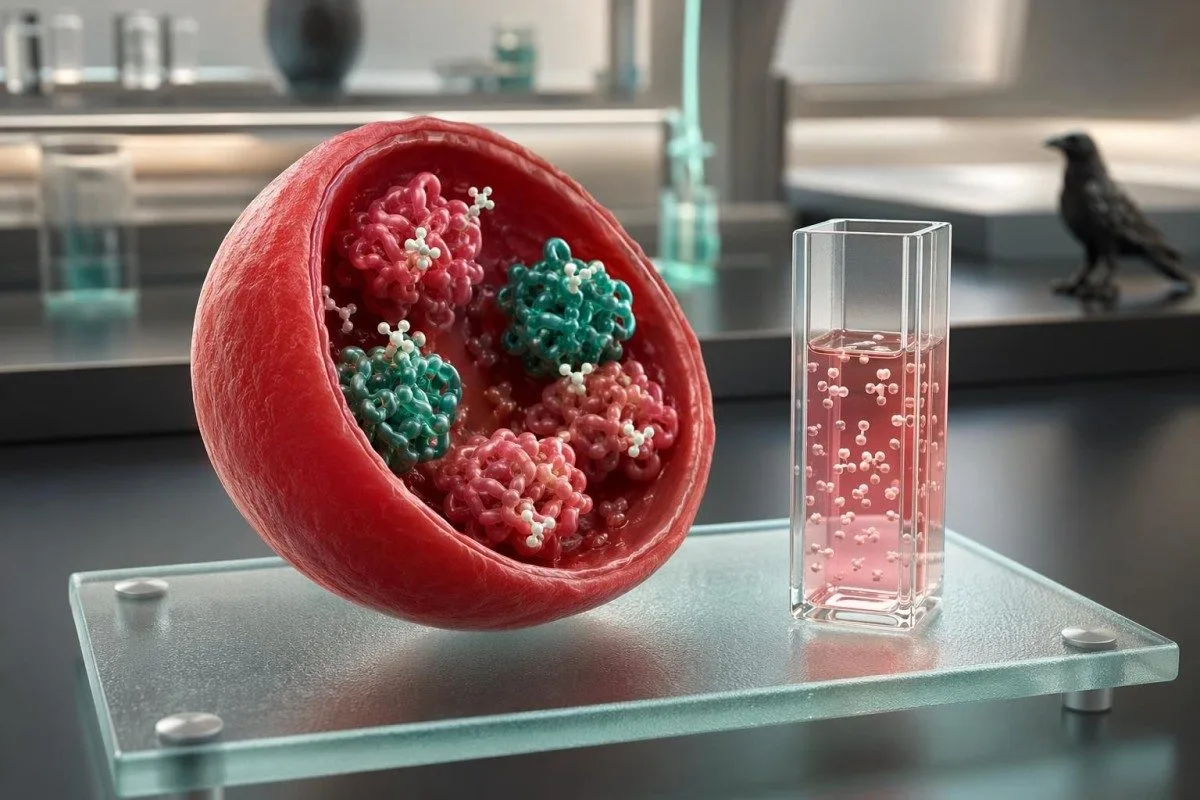
A normal fasting glucose can sit beside a high A1c, and the reverse happens too. The trick is knowing whether you are seeing true glucose biology, red-cell distortion, or a one-morning outlier.



- Hemoglobin A1c reflects roughly 8-12 weeks of glucose exposure, while fasting glucose reflects one morning after no calories for usually 8-12 hours.
- Diabetes cutoffs are A1c ≥6.5% or fasting plasma glucose ≥126 mg/dL, and doctors usually confirm abnormal results when symptoms are absent.
- Prediabetes cutoffs are A1c 5.7-6.4% or fasting plasma glucose 100-125 mg/dL; these categories overlap but do not identify exactly the same people.
- Iron deficiency anemia can falsely raise A1c in some patients, sometimes by about 0.2-1.0 percentage point depending on severity and assay method.
- Short red-cell survival from hemolysis, recent blood loss, transfusion, dialysis, or erythropoietin can make A1c look deceptively low.
- Fasting blood sugar can rise 5-30 mg/dL after poor sleep, acute stress, infection, steroid medication, or a late carbohydrate-heavy dinner.
- Recent lifestyle change shows up in fasting glucose within days to weeks, but A1c may lag because older red cells still carry the previous glucose history.
- Follow-up tests may include repeat fasting plasma glucose, repeat HbA1c test, oral glucose tolerance test, fructosamine, glycated albumin, or 10-14 days of glucose monitoring.
Why HbA1c and fasting glucose can point in different directions
Hemoglobin A1c and fasting blood sugar disagree because they measure different biology: A1c estimates average glucose over about 8-12 weeks, while fasting glucose is a single morning snapshot. A1c can be falsely high with iron deficiency or longer red-cell survival, and falsely low after bleeding, hemolysis, dialysis, transfusion, or some hemoglobin variants. Fasting glucose can jump after poor sleep, stress, illness, steroid medication, alcohol, or a late high-carbohydrate meal. In our review of discordant panels at Kantesti AI, the next step is usually repeat confirmation, not panic.
The most common mismatch I see is an A1c of 5.8-6.2% with fasting glucose in the 88-98 mg/dL range. That pattern often means post-meal glucose is rising while the morning value still looks tidy, which is why our HbA1c range guide spends time on borderline results rather than just red flags.
The reverse pattern, fasting glucose 105-125 mg/dL with A1c below 5.7%, often comes from dawn phenomenon, short sleep, stress hormones, or a lab drawn after a not-quite-fast. A fasting glucose of 126 mg/dL or higher meets the diabetes threshold only when confirmed, unless classic symptoms or very high random glucose make the diagnosis obvious.
According to the American Diabetes Association Professional Practice Committee Standards of Care in Diabetes 2026, diabetes can be diagnosed by A1c ≥6.5%, fasting plasma glucose ≥126 mg/dL, 2-hour oral glucose tolerance glucose ≥200 mg/dL, or random glucose ≥200 mg/dL with symptoms. If two tests disagree in an asymptomatic person, clinicians generally repeat the abnormal test rather than averaging the two.
Thomas Klein, MD here: in clinic, I trust a pattern more than a lonely number. When A1c, fasting glucose, triglycerides, waist change, medications, and a CBC all tell the same story, the answer is usually clear; when they do not, a careful repeat often prevents a wrong label.
What each blood sugar test actually measures
The HbA1c test measures the percentage of hemoglobin that has glucose attached, while a fasting glucose test measures plasma glucose at one point in time. This difference alone explains many mismatches between A1c and a one-morning blood sugar test.
Hemoglobin A1c is reported as a percentage in many countries, such as 5.6% or 6.4%, and as mmol/mol in several European and UK laboratories. An A1c of 6.5% equals about 48 mmol/mol, while 5.7% equals about 39 mmol/mol; some European labs print both units, which reduces conversion mistakes.
Fasting plasma glucose is usually measured after 8-12 hours without calories, and water is allowed. If you are unsure about coffee, supplements, or fasting duration, our guide on fasting rules covers the practical details patients actually ask about at 7 a.m.
Nathan et al. reported the widely used estimated average glucose equation in Diabetes Care: eAG in mg/dL equals 28.7 × A1c minus 46.7. By that formula, A1c 6.0% corresponds to an estimated average glucose of about 126 mg/dL, even if that person’s fasting glucose is 92 mg/dL.
Here is the subtle point. A1c is weighted toward recent weeks, but not only recent weeks; a tough 10 days of travel can move fasting glucose quickly, while A1c may still carry the memory of the previous 70-90 days.
Why estimated average glucose can feel confusing
Estimated average glucose is not the same as fasting glucose. A person with fasting glucose 94 mg/dL, lunch peaks near 180 mg/dL, and overnight values near 110 mg/dL may have A1c in the prediabetes range despite a normal morning test.
The reverse can happen when glucose is high only from 5 a.m. to 8 a.m. and otherwise normal. That pattern raises fasting glucose, but it may not push the 8-12 week average high enough to move A1c above 5.7%.
High A1c with normal fasting glucose: the pattern doctors look for
A high hemoglobin A1c with normal fasting glucose often means post-meal glucose spikes, red-cell factors, or a recent improvement that fasting glucose has already captured. This pattern is common near A1c 5.7-6.4%, where diagnosis is more about trend and context than one number.

Post-meal glucose is the first place many people lose control. A 1-hour glucose above 155-160 mg/dL after a typical meal is not a formal diabetes diagnosis, but in our clinical reviews it often predicts why A1c drifts upward while fasting glucose remains under 100 mg/dL.
If you want to understand the meal side of the story, compare the A1c with a structured after-meal check using our 1-2 hour glucose guide. A 2-hour value below 140 mg/dL after an oral glucose tolerance test is usually considered normal; 140-199 mg/dL is impaired glucose tolerance.
Iron deficiency is the quiet trap. A 38-year-old runner in our dataset had fasting glucose 86 mg/dL, A1c 6.1%, ferritin 7 ng/mL, MCV 76 fL, and heavy periods; after iron treatment, her A1c fell by 0.4 percentage point without any meaningful diet change.
Radin’s 2014 JGIM review on A1c pitfalls describes why iron deficiency, reduced red-cell turnover, and assay interference can mislead clinicians. The practical move is to read A1c beside hemoglobin, MCV, RDW, ferritin, kidney function, and medication history, not as a floating verdict.
When this pattern suggests early insulin resistance
A1c 5.8-6.2% with fasting glucose below 100 mg/dL and triglycerides above 150 mg/dL often points toward early insulin resistance. In that setting, fasting insulin or HOMA-IR may add useful context, especially when weight, waist size, or family history has changed.
We explain the insulin side more deeply in our HOMA-IR guide. HOMA-IR is not a diabetes diagnostic test, but it can help explain why the A1c is rising before fasting glucose crosses the prediabetes line.
High fasting glucose with normal A1c: one morning can mislead
High fasting blood sugar with normal A1c usually reflects dawn phenomenon, sleep loss, stress hormones, medication effects, or a short-lived glucose rise. It can also be true early diabetes, so doctors repeat fasting plasma glucose rather than dismissing it.
Morning glucose is heavily influenced by cortisol, growth hormone, adrenaline, and liver glucose output. A person may wake with fasting glucose 108-118 mg/dL after a bad night, then run 82-95 mg/dL on better-rested mornings.
Our article on morning fasting highs goes into dawn phenomenon because it is frequently mistaken for dietary failure. The liver can release glucose before waking even if dinner was sensible and no food was eaten overnight.
A not-quite-fast is another ordinary cause. Cream in coffee, a midnight snack, chewing gum with sugar, alcohol late in the evening, or intense exercise at 9 p.m. can shift the next morning’s glucose by 5-25 mg/dL in susceptible patients.
Kantesti’s neural network flags this pattern when fasting glucose is high but A1c, triglycerides, insulin, and previous glucose values do not agree. That flag does not diagnose you; it tells you the repeat should be cleaner, with 8-12 hours of fasting and usual sleep if possible.
How high is high enough to act?
Fasting plasma glucose of 100-125 mg/dL is impaired fasting glucose, not diabetes. Fasting plasma glucose of 126 mg/dL or higher meets a diabetes diagnostic cutoff, but in an asymptomatic adult it should usually be repeated on another day.
A random glucose above 200 mg/dL with excessive thirst, frequent urination, or unintentional weight loss is different. That situation needs prompt medical assessment because the symptom pattern carries diagnostic weight.
Anemia, hemoglobin variants, and red-cell lifespan can distort A1c
A1c becomes unreliable when red-cell lifespan or hemoglobin structure is abnormal. Iron deficiency can falsely raise A1c, while hemolysis, recent blood loss, transfusion, erythropoietin treatment, and dialysis can falsely lower it.

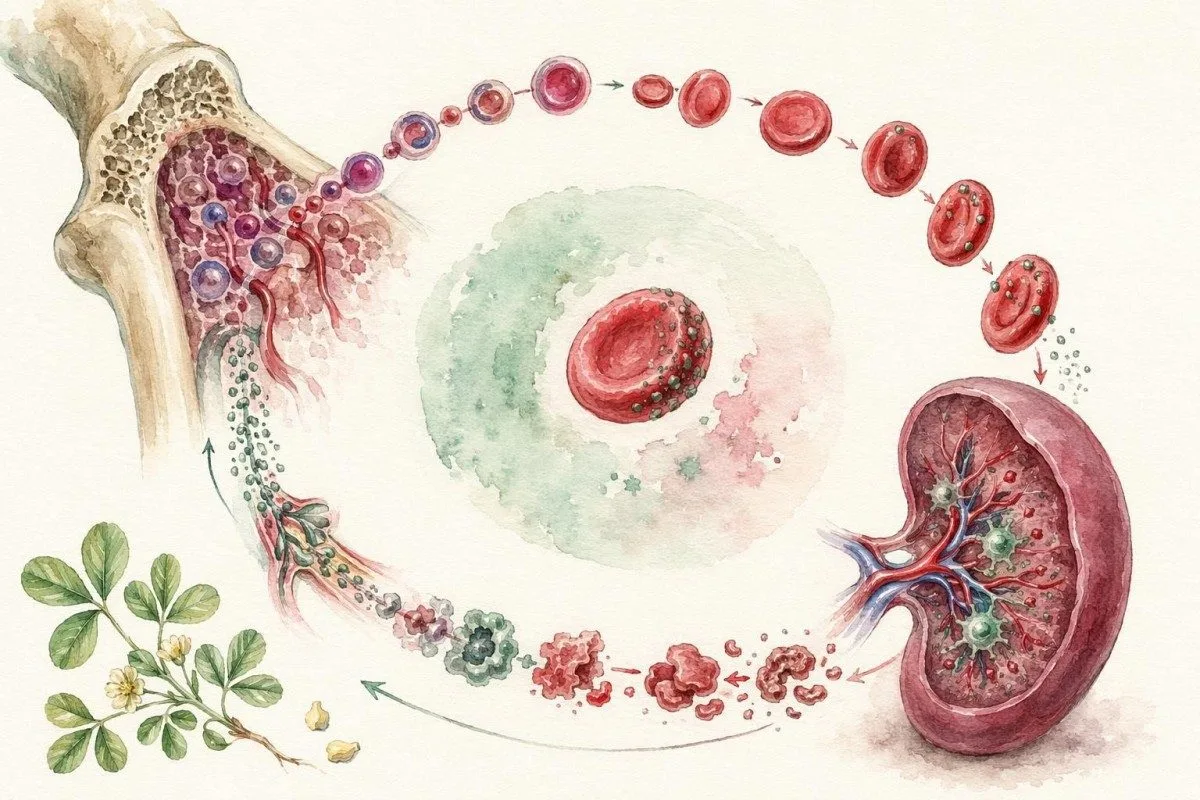
A typical red cell circulates for about 120 days, and A1c rises as hemoglobin spends more time exposed to glucose. If red cells live longer than usual, they have more time to accumulate glycation; if they are replaced quickly, A1c can look lower than the true glucose average.
This is why I rarely interpret A1c without the CBC. Low hemoglobin, high RDW, low MCV, or a ferritin below 15-30 ng/mL can change how much confidence I place in the A1c result, and our low hemoglobin guide explains the CBC clues doctors check first.
Iron deficiency anemia often shows low MCV, low MCH, high RDW, low ferritin, and sometimes normal fasting glucose. For a deeper laboratory sequence, see our iron deficiency labs article; ferritin usually falls before hemoglobin does, which means A1c distortion may appear before obvious anemia.
Hemoglobin variants can interfere with some A1c assay methods, though modern NGSP-certified methods handle many variants better than older assays. Sacks et al. in Diabetes Care 2023 recommended that laboratories and clinicians consider alternative glycemic markers when A1c results are inconsistent with glucose readings or clinical presentation.
The CBC patterns I check before trusting A1c
MCV below about 80 fL suggests microcytosis, often from iron deficiency or thalassemia trait. RDW above the lab’s upper limit, commonly around 14.5-15.0%, suggests mixed cell sizes and can be a clue that red-cell turnover is changing.
A normal hemoglobin does not rule out early iron loss. Low ferritin with normal hemoglobin is common, and our early iron loss guide shows why ferritin, transferrin saturation, and symptoms can matter before anemia appears.
Recent diet, weight loss, and exercise change fasting glucose before A1c
Recent lifestyle changes often improve fasting glucose within days or weeks, while A1c may take 8-12 weeks to fully reflect the new pattern. That lag is one of the most reassuring reasons for a high A1c with better current fasting glucose.
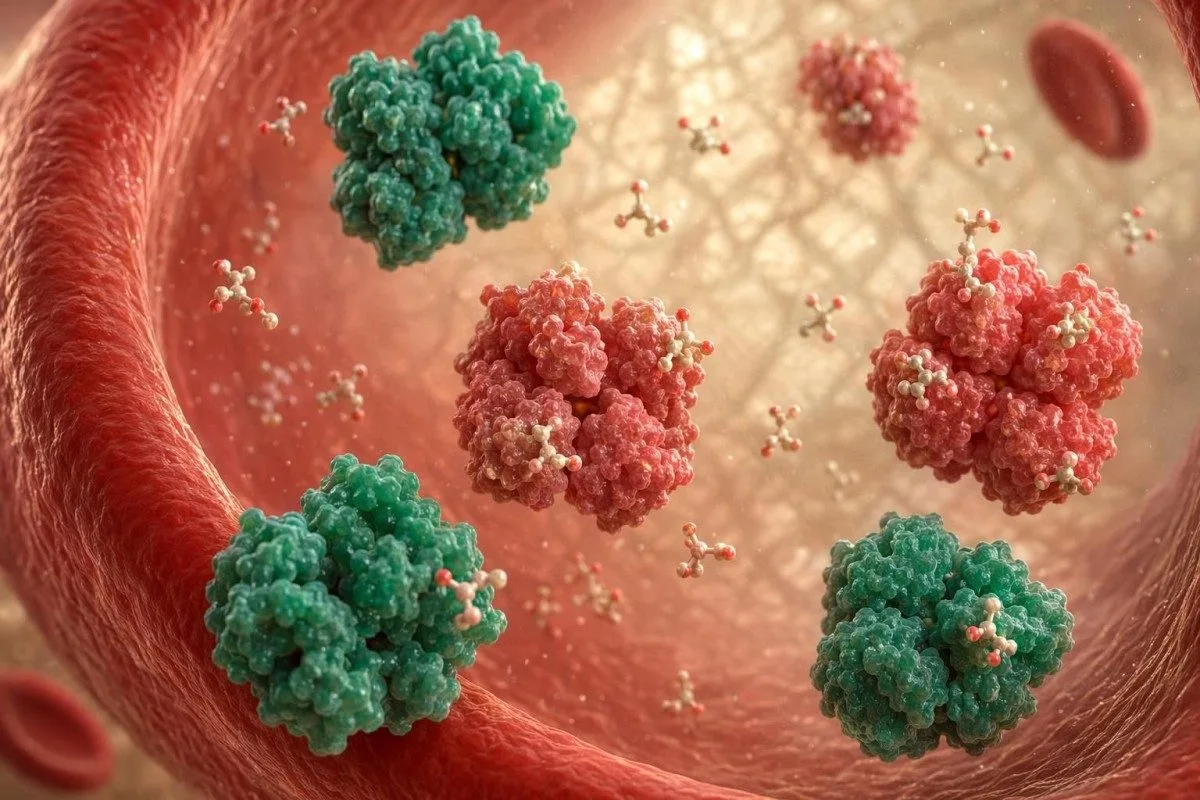
I see this after a patient starts walking 30-45 minutes daily, reduces late-night carbohydrates, or loses 4-7% of body weight. Fasting glucose may drop from 112 to 94 mg/dL in 3 weeks, while A1c remains 6.0% because many circulating red cells were formed during the previous higher-glucose period.
This is where trend analysis beats a single lab printout. Kantesti AI can compare uploaded reports over time, and patients often find our blood test history feature useful because it shows whether the new fasting glucose is a real direction or just one good morning.
Low-carbohydrate diets can lower fasting glucose and triglycerides quickly, but A1c can respond differently depending on total calories, weight loss, sleep, and post-meal peaks. The evidence here is mixed enough that I prefer measured response over ideology: 2-3 months of data usually beats an argument about macros.
For patients near the prediabetes line, a repeat A1c after about 12 weeks is often more informative than testing again in 10 days. If the A1c falls by 0.3-0.6 percentage point with stable hemoglobin and no transfusion, that usually reflects a genuine glycemic improvement.
When nutrition is not the whole story
A patient can eat well and still have high fasting glucose from sleep apnea, steroid injections, high stress, or menopause-related sleep disruption. In those cases, the diet log looks innocent, but the liver still receives hormonal signals to release glucose before waking.
Our prediabetes blood test article covers the borderline zone where lifestyle, waist change, triglycerides, ALT, and family history can reframe the same A1c value.
Medications, sleep, stress, and illness can move fasting sugar fast
Fasting glucose can change within 24-72 hours because it responds to hormones, illness, sleep, and medicines. A1c usually changes more slowly, so short-term disruptions often create a temporary mismatch.
Glucocorticoids are the classic medication example. Prednisone 20-40 mg daily can raise post-meal glucose substantially, and morning dosing may make afternoon or evening glucose look worse than fasting glucose; injected steroids can do the same for several days.
Other medications can nudge glucose too: thiazide diuretics, some antipsychotics, tacrolimus, cyclosporine, niacin, and certain HIV therapies. Statins have a small diabetes-risk signal in large trials, but the cardiovascular benefit still outweighs that risk for many patients who need them.
Sleep matters more than most lab reports admit. After 4-5 hours of sleep, I commonly see fasting glucose rise by 5-15 mg/dL in people with insulin resistance, and cortisol timing can be part of the explanation; our cortisol timing guide explains why morning hormone measurements are so timing-sensitive.
Acute illness is not a fair diabetes screening condition. A fasting glucose of 132 mg/dL during influenza, severe pain, or a post-operative week should be repeated after recovery unless symptoms or repeat values clearly support diabetes.
When stress hyperglycemia deserves follow-up
Stress hyperglycemia can unmask risk rather than create it from nothing. If fasting glucose is repeatedly above 100 mg/dL after recovery, or A1c is 5.7% or higher, clinicians usually treat it as a risk signal rather than a harmless blip.
Patients with anxiety symptoms sometimes arrive with palpitations, poor sleep, caffeine use, and borderline glucose. Our blood tests for anxiety guide covers thyroid, iron, B12, and other labs that can complicate that picture.
Kidney disease, liver disease, pregnancy, and age change interpretation
A1c and fasting glucose need extra caution in pregnancy, chronic kidney disease, liver disease, recent transfusion, and older age. These states can change red-cell turnover, glucose handling, albumin levels, or the safest diagnostic test.
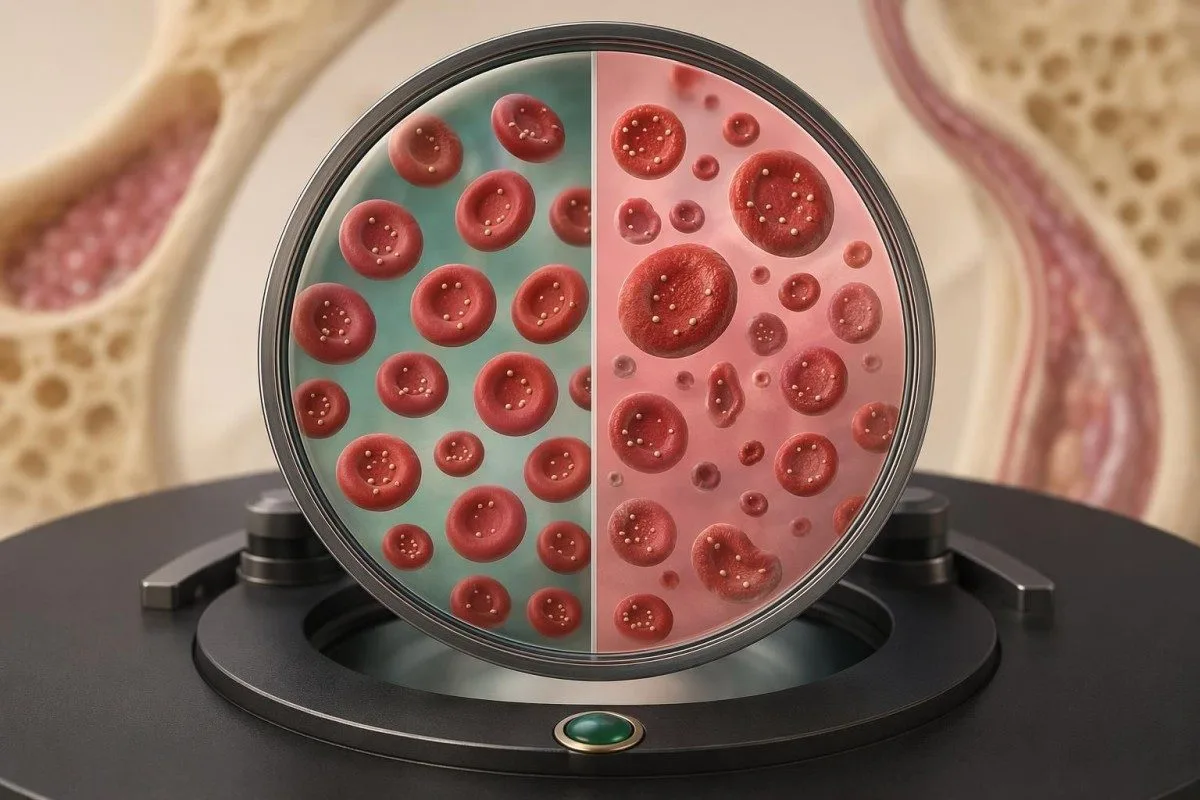
Chronic kidney disease can make A1c falsely low or high depending on anemia, erythropoietin use, iron therapy, dialysis, and carbamylated hemoglobin interference in older methods. When eGFR is below 30 mL/min/1.73 m², I become much more cautious about using A1c alone, and our eGFR age guide explains why kidney staging matters.
Liver disease can reduce glycogen storage, alter fasting glucose, and change albumin production. If ALT, AST, bilirubin, albumin, or platelets are abnormal, our liver function guide can help patients understand why glucose interpretation may not be the only issue on the report.
Pregnancy is its own world. A1c may be lower because red-cell turnover increases, and gestational diabetes screening usually relies on glucose challenge or oral glucose tolerance testing rather than A1c alone; trimester timing and anemia status matter.
Age changes baseline risk, not the basic diagnostic cutoffs. An A1c of 6.2% in a lean 26-year-old, a 52-year-old with sleep apnea, and an 82-year-old with CKD are three different clinical conversations even though the printed number is identical.
Why alternatives are sometimes better than A1c
Fructosamine and glycated albumin reflect roughly 2-3 weeks of glycemia because they measure glycated serum proteins rather than hemoglobin. They can help when A1c is distorted by red-cell problems, but low albumin, nephrotic syndrome, severe liver disease, or thyroid changes can distort them too.
Continuous glucose monitoring over 10-14 days can show overnight highs, meal peaks, and time in range. It is not always needed, but it can settle confusing cases faster than repeating the same discordant test over and over.
When doctors repeat tests or add OGTT, fructosamine, or CGM
Doctors repeat or add tests when A1c and fasting glucose disagree near a diagnostic cutoff, when symptoms do not match the lab result, or when anemia, kidney disease, pregnancy, transfusion, or medication effects make A1c unreliable. The usual plan is targeted confirmation, not a huge random panel.
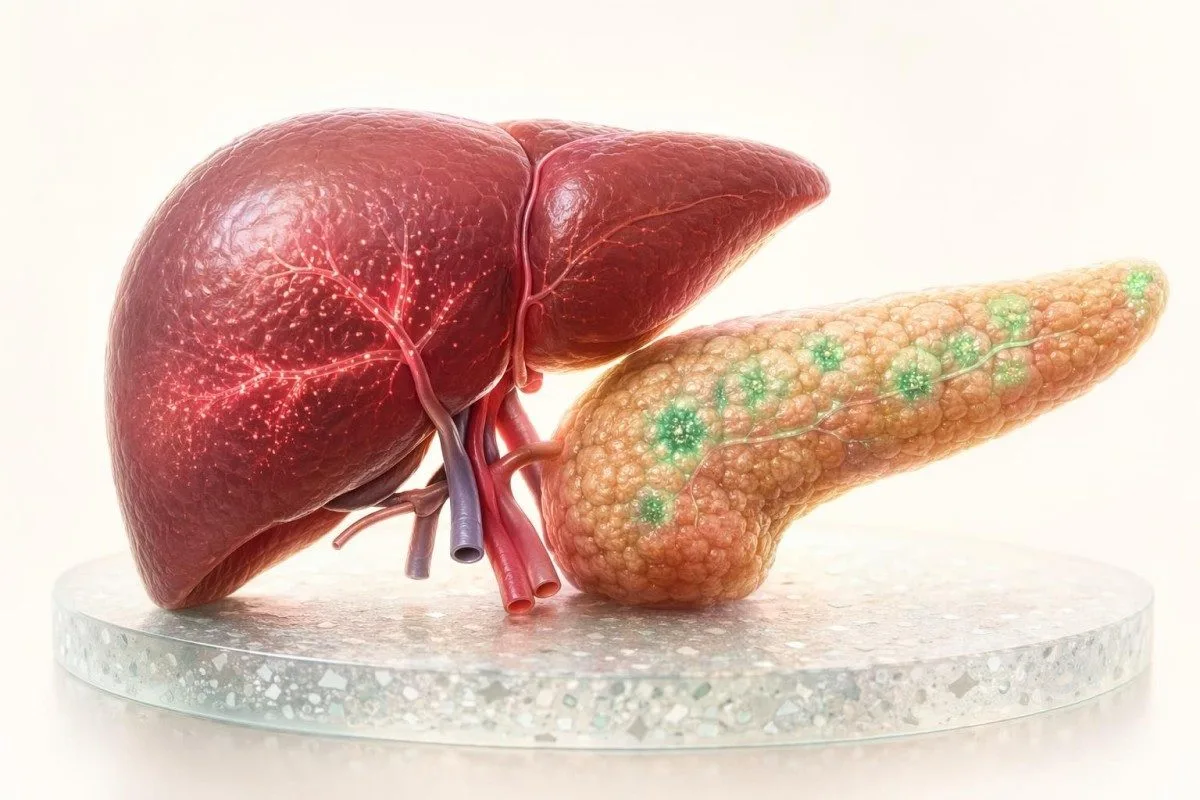
If A1c is 6.5% and fasting glucose is 94 mg/dL, I first check the CBC, ferritin, kidney function, hemoglobin variant risk, and prior A1c values. If those are clean, repeating A1c or ordering an oral glucose tolerance test is more useful than guessing.
If fasting glucose is 128 mg/dL and A1c is 5.4%, I repeat fasting plasma glucose under cleaner conditions within days to weeks, especially if the patient was ill or slept poorly. Our diabetes blood test guide lays out which tests diagnose diabetes and which mainly monitor it.
A 75-g oral glucose tolerance test remains the best way to catch impaired glucose tolerance when fasting glucose is normal but post-meal handling is suspicious. The 2-hour thresholds are under 140 mg/dL normal, 140-199 mg/dL impaired glucose tolerance, and 200 mg/dL or higher diabetes range.
Kantesti AI interprets discordant glucose results by checking the full report, not just two boxes. Our model looks at CBC indices, ferritin when present, kidney markers, liver markers, lipids, medication notes if uploaded, units, country-specific reporting style, and prior trends through our medical validation standards.
A practical repeat-testing sequence
For mild disagreement, I usually repeat the abnormal test first: repeat A1c if A1c is diagnostic, repeat fasting plasma glucose if fasting glucose is diagnostic. For persistent mismatch, I add OGTT, fructosamine or glycated albumin, or home/continuous glucose monitoring depending on the suspected cause.
Before repeating, remove avoidable noise: fast 8-12 hours, avoid unusual late alcohol, avoid extreme exercise the night before, sleep as normally as possible, and reschedule if you are acutely ill. Our blood test comparison guide shows why consistency beats perfect conditions.
How Kantesti AI reads mismatched glucose results safely
Kantesti AI treats mismatched A1c and fasting glucose as a pattern-recognition problem, not a single-number verdict. Our platform analyzes the glucose markers alongside CBC, iron studies, kidney function, liver enzymes, lipids, medications, age, pregnancy status when provided, and prior reports.

In our analysis of 2M+ blood test uploads from 127+ countries, discordant A1c and fasting glucose is one of the most common reasons people ask for interpretation. The answer is rarely hidden in the glucose line alone; it is usually in the CBC, iron status, medication list, trend, or fasting conditions.
Kantesti’s neural network interprets more than 15,000 biomarkers and can process a blood test PDF or photo in about 60 seconds. If you want to see how the workflow handles units and flags, our blood test PDF upload article shows the safety checks behind the scan.
Our doctors and clinical advisors review the medical logic used in these explanations, and readers can see the people behind that work on the Medical Advisory Board page. I am Thomas Klein, MD, and my bias is simple: I would rather explain uncertainty honestly than give a falsely neat answer.
If your A1c and fasting glucose disagree, upload the full report to our AI blood test platform or try the free blood test analysis. Bring the output to your clinician, especially if A1c is ≥6.5%, fasting glucose is ≥126 mg/dL, you are pregnant, or you have symptoms such as thirst, frequent urination, or unexplained weight loss.
What our AI will not do
Our AI does not diagnose diabetes from one discordant value in an asymptomatic person. It explains the likely reasons for mismatch, highlights when confirmation is medically sensible, and tells you which result may be less reliable.
Kantesti is a medical interpretation aid, not an emergency service. If glucose is very high with vomiting, dehydration, confusion, chest pain, or rapid breathing, same-day medical care is safer than waiting for an app explanation.
Kantesti research notes and clinical references
The evidence base for A1c interpretation combines diabetes guidelines, laboratory medicine standards, and real-world validation of how lab patterns are interpreted. As of April 27, 2026, our internal benchmark work focuses heavily on hyperdiagnosis traps: cases where one abnormal value looks scary but the surrounding markers tell a safer story.

The Kantesti AI benchmark includes anonymised cases designed to test whether an interpretation engine overcalls disease when A1c and fasting glucose disagree. That is the exact failure mode clinicians worry about when a patient is labeled diabetic from one distorted A1c.
APA: Kantesti Clinical AI Group. (2026). Clinical Validation of the Kantesti AI Engine (2.78T) on 100,000 Anonymised Blood Test Cases Across 127 Countries: A Pre-Registered, Rubric-Based, Population-Scale Benchmark Including Hyperdiagnosis Trap Cases — V11 Second Update. Figshare. https://doi.org/10.6084/m9.figshare.32095435. Related records: ResearchGate record and Academia.edu record.
APA: Kantesti Clinical Education Group. (2026). BUN/Creatinine Ratio Explained: Kidney Function Test Guide. Zenodo. https://doi.org/10.5281/zenodo.18207872. Related records: ResearchGate kidney record and Academia.edu kidney record. Kidney markers matter here because CKD, dialysis, anemia, and erythropoietin can all distort A1c interpretation.
For readers who want the broader biomarker context, our biomarker guide links A1c, fasting glucose, CBC indices, ferritin, creatinine, eGFR, ALT, triglycerides, and albumin into one clinical map. That is how real physicians think: not one lab, but a pattern.
Frequently Asked Questions
Can hemoglobin A1c be high when fasting blood sugar is normal?
Yes. Hemoglobin A1c can be high with normal fasting blood sugar when post-meal glucose spikes are present, when recent glucose has improved but older red cells still reflect past exposure, or when iron deficiency makes A1c falsely high. A1c 5.7-6.4% is the prediabetes range even if fasting glucose is below 100 mg/dL. Doctors often check CBC, ferritin, prior results, and sometimes an oral glucose tolerance test to decide whether the A1c is reliable.
Can fasting glucose be high but A1c normal?
Yes. Fasting glucose can be high while A1c is normal because fasting glucose is a single morning measurement affected by sleep loss, dawn phenomenon, stress, illness, steroid medication, alcohol, or an incomplete fast. Fasting plasma glucose of 100-125 mg/dL is impaired fasting glucose, while 126 mg/dL or higher is in the diabetes diagnostic range if confirmed. A normal A1c below 5.7% does not erase a repeatedly high fasting glucose.
Which is more accurate, HbA1c test or fasting blood sugar?
Neither test is always more accurate because they answer different questions. The HbA1c test estimates average glucose over about 8-12 weeks, while fasting blood sugar measures glucose after usually 8-12 hours without calories. A1c is less reliable with anemia, hemoglobin variants, dialysis, transfusion, or altered red-cell lifespan; fasting glucose is more vulnerable to sleep, stress, illness, and fasting mistakes.
How much can anemia change hemoglobin A1c?
Iron deficiency anemia can raise hemoglobin A1c in some patients by about 0.2-1.0 percentage point, although the exact effect varies by severity and assay method. Conditions that shorten red-cell lifespan, such as hemolysis, recent bleeding, transfusion, dialysis, or erythropoietin treatment, can falsely lower A1c. This is why doctors interpret A1c with hemoglobin, MCV, RDW, ferritin, and kidney function when the number does not fit.
When should A1c and fasting glucose be repeated?
A1c or fasting glucose should usually be repeated when one value is in the diabetes range and the patient has no classic symptoms. Common confirmation thresholds are A1c ≥6.5% and fasting plasma glucose ≥126 mg/dL. Repeating the abnormal test under stable conditions, or adding an oral glucose tolerance test, fructosamine, glycated albumin, or 10-14 days of glucose monitoring, helps avoid misdiagnosis.
Can a recent diet change make A1c and fasting glucose disagree?
Yes. Fasting glucose can improve within days to weeks after weight loss, reduced late carbohydrates, better sleep, or more physical activity, while A1c may take 8-12 weeks to show the full effect. A person can move fasting glucose from 112 mg/dL to 94 mg/dL in a few weeks and still have A1c around 6.0% because older red cells remain in circulation. A repeat A1c after about 3 months is often more informative.
What test catches diabetes when A1c and fasting glucose disagree?
A 75-g oral glucose tolerance test can catch impaired glucose tolerance when A1c and fasting glucose disagree, especially when post-meal spikes are suspected. The 2-hour OGTT result is usually normal below 140 mg/dL, impaired at 140-199 mg/dL, and in the diabetes range at 200 mg/dL or higher. Fructosamine, glycated albumin, or continuous glucose monitoring may be better when A1c is unreliable because of anemia, kidney disease, transfusion, or hemoglobin variants.
Could a delay in processing my blood sample make fasting glucose look falsely low?
Yes—blood cells continue using glucose after collection, so delayed processing can make laboratory glucose appear lower than it really was. If the mismatch remains unexplained, ask your clinician whether repeating the sample with prompt processing would help.
Can I use a home glucose meter to settle a mismatch between my A1c and fasting laboratory glucose?
A home meter can reveal patterns, including fasting readings and values 1–2 hours after meals, but it cannot diagnose diabetes because readings have allowable variation. Bring a dated log to your appointment; your clinician may recommend CGM or repeat laboratory testing.
Could sleep apnea make my fasting glucose higher than my A1c suggests?
Yes, untreated sleep apnea can raise morning glucose through repeated overnight stress-hormone surges and poorer insulin sensitivity. If you snore loudly, wake unrefreshed, or feel very sleepy during the day, ask your clinician whether sleep apnea screening makes sense.
Do I need to fast before a hemoglobin A1c test?
No fasting is needed for hemoglobin A1c because it reflects longer-term glucose exposure, not just that morning’s food. You should still follow any fasting instructions if your clinician ordered fasting glucose, cholesterol, or other labs at the same visit.
Get AI-Powered Blood Test Analysis Today
Join over 2 million users worldwide who trust Kantesti for instant, accurate lab test analysis. Upload your blood test results and receive comprehensive interpretation of 15,000+ biomarkers in seconds.
📚 Referenced Research Publications
Klein, T., Mitchell, S., & Weber, H. (2026). Clinical Validation of the Kantesti AI Engine (2.78T) on 100,000 Anonymised Blood Test Cases Across 127 Countries: A Pre-Registered, Rubric-Based, Population-Scale Benchmark Including Hyperdiagnosis Trap Cases — V11 Second Update. Kantesti AI Medical Research.
Klein, T., Mitchell, S., & Weber, H. (2026). BUN/Creatinine Ratio Explained: Kidney Function Test Guide. Kantesti AI Medical Research.
📖 External Medical References
American Diabetes Association Professional Practice Committee (2026). Standards of Care in Diabetes—2026. Diabetes Care.
Sacks DB et al. (2023). Guidelines and Recommendations for Laboratory Analysis in the Diagnosis and Management of Diabetes Mellitus. Diabetes Care.






⚕️ Medical Disclaimer
This article is for educational purposes only and does not constitute medical advice. Always consult a qualified healthcare provider for diagnosis and treatment decisions.
E-E-A-T Trust Signals
Experience
Physician-led clinical review of lab interpretation workflows.
Expertise
Laboratory medicine focus on how biomarkers behave in clinical context.
Authoritativeness
Written by Dr. Thomas Klein with review by Dr. Sarah Mitchell and Prof. Dr. Hans Weber.
Trustworthiness
Evidence-based interpretation with clear follow-up pathways to reduce alarm.