
Standard CRP and high-sensitivity CRP measure the same protein, but they answer different clinical questions. The difference is usually hiding in the test name, the unit range, and why your clinician ordered it.



- Standard CRP is usually ordered to assess active inflammation, immune response, tissue injury, or suspected infection; many labs report normal as below 5 mg/L or below 10 mg/L.
- hs-CRP means high-sensitivity C-reactive protein and is mainly used for cardiovascular risk estimation when you are clinically well; values below 1 mg/L are low risk, 1-3 mg/L intermediate risk, and above 3 mg/L higher risk.
- Same protein, different assay: standard CRP is built for larger inflammatory changes, while hs-CRP can measure lower values around 0.1-10 mg/L more precisely.
- CRP above 10 mg/L should usually not be used for heart-risk scoring; repeat hs-CRP after recovery from illness, injury, vaccination, or dental inflammation.
- High CRP levels do not tell you where inflammation is located; CRP cannot diagnose cancer, autoimmune disease, heart attack, or bacterial infection by itself.
- Very high CRP above 50-100 mg/L often pushes clinicians to look for significant infection, inflammatory disease flare, major tissue injury, or post-operative complications.
- Units matter: 1 mg/dL equals 10 mg/L, so a result of 0.8 mg/dL is 8 mg/L, not 0.8 mg/L.
- Trend beats one value: a CRP falling from 120 to 40 mg/L over 48-72 hours is often more reassuring than one isolated number.
- Kantesti AI reads CRP beside CBC, ESR, lipid markers, liver enzymes, kidney function, symptoms, medications, and previous results rather than treating one flag as a diagnosis.
Standard CRP or hs-CRP: the quick way to tell
A standard CRP blood test is usually ordered for active inflammation, immune response, tissue injury, or suspected infection; hs-CRP is usually ordered for cardiovascular risk when you are otherwise well. Both measure C-reactive protein, but hs-CRP uses a more sensitive assay for low-level inflammation. If your report says “CRP,” “C-reactive protein,” or shows a wide range up to hundreds of mg/L, it was probably standard CRP. If it says “hs-CRP,” “cardio CRP,” or “high sensitivity CRP,” it was the heart-risk version.

When I review reports through Kantesti AI, the fastest clue is the label, not the number. A result of 4 mg/L can be “normal-ish” on a standard CRP order but “higher cardiovascular risk” on an hs-CRP order, which is why the order name matters before interpretation.
The practical problem is that many portals shorten names. I have seen “CRP-HS,” “CRP cardiac,” “C-reactive protein ultrasensitive,” and simply “CRP” on reports from different countries; our blood test abbreviations guide helps decode those awkward lab labels without guessing.
As Thomas Klein, MD, I treat CRP as a context marker, not a verdict. A 34-year-old with fever and CRP 86 mg/L is a different case from a 58-year-old with no symptoms, LDL 155 mg/dL, and hs-CRP 2.6 mg/L.
What a standard CRP blood test is designed to detect
A standard CRP blood test detects moderate-to-large inflammatory changes and is most useful when clinicians suspect infection, autoimmune flare, tissue injury, or treatment response. In adults, many laboratories call CRP normal below 5 mg/L, while others use below 10 mg/L.
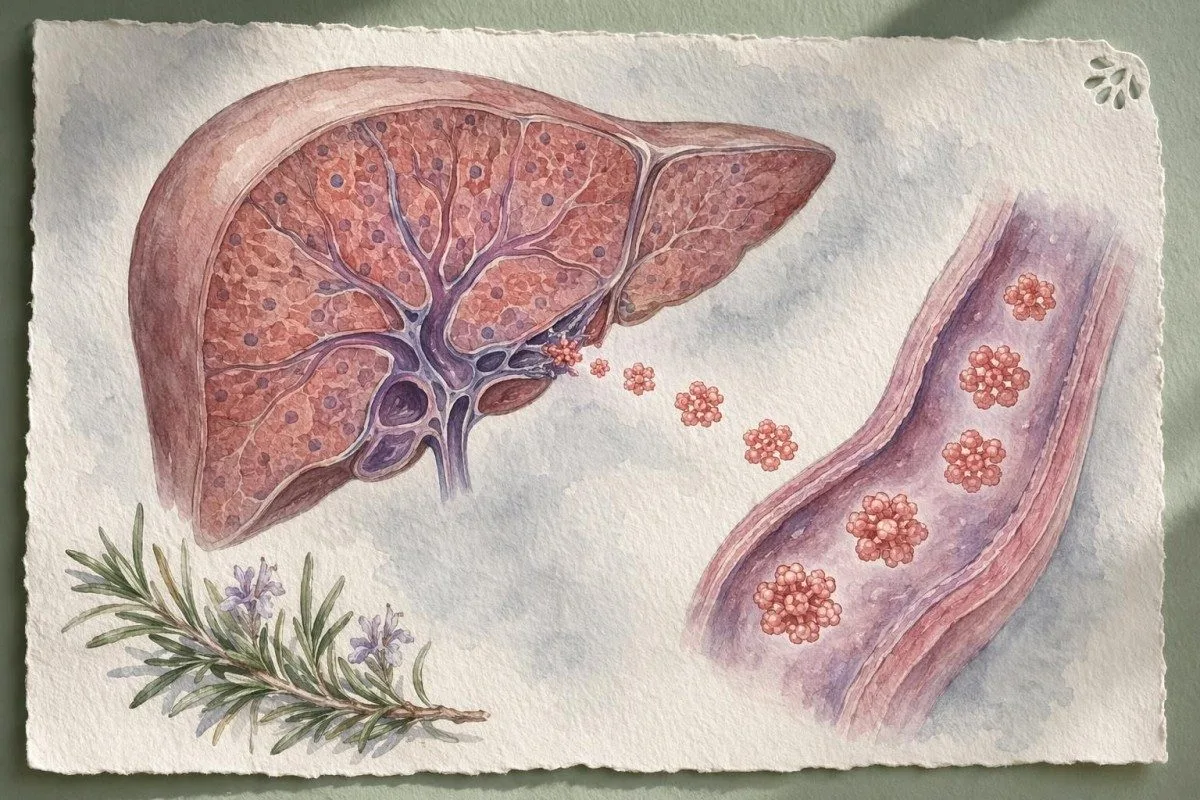
Standard CRP is made by the liver in response to interleukin-6 and other inflammatory signals. A standard CRP assay usually performs well across a broad clinical range, often from about 3-5 mg/L up to 300-500 mg/L depending on the analyzer.
In our analysis of 2M+ blood test uploads, standard CRP is most often ordered beside a CBC, liver panel, kidney markers, or cultures when a clinician is trying to decide whether inflammation is active. For deeper range interpretation, see our normal CRP range guide.
A standard CRP result below 5 mg/L does not rule out every inflammatory condition. Early infection, localized inflammation, immunosuppression, liver synthetic dysfunction, and timing within the first 6-12 hours can all make CRP look falsely reassuring.
What hs-CRP is designed to detect
hs-CRP detects low-level C-reactive protein more precisely and is mainly used to estimate future cardiovascular risk, not to diagnose infection. The usual hs-CRP cardiovascular categories are below 1 mg/L, 1-3 mg/L, and above 3 mg/L.

High-sensitivity CRP is not a different molecule. It is the same C-reactive protein measured with an assay optimized for small differences, often around 0.1-10 mg/L, where standard CRP is less precise.
The AHA/CDC scientific statement by Pearson et al. (2003) classified hs-CRP below 1 mg/L as lower cardiovascular risk, 1-3 mg/L as average or intermediate risk, and above 3 mg/L as higher risk. For how hs-CRP fits beside cholesterol and troponin, our guide to heart attack blood tests separates risk prediction from emergency diagnosis.
A common trap: hs-CRP is not a heart attack test. A person with crushing chest pain needs urgent care and troponin testing; an hs-CRP of 2.4 mg/L tells you about inflammatory risk background, not whether a coronary artery is blocked today.
Why CRP normal range differs between reports
CRP normal range differs because laboratories use different assays, units, and reference intervals. A CRP of 0.8 mg/dL equals 8 mg/L, so unit conversion is one of the first checks before calling a result high or normal.

Some European laboratories use below 5 mg/L as the standard CRP upper limit, while some hospital systems still report below 10 mg/L. That difference is not usually a disagreement about biology; it is a blend of assay performance, population reference data, and clinical use.
The mg/dL conversion causes real patient anxiety. If your report says CRP 0.6 mg/dL, that is 6 mg/L, and our normal range explainer shows why a flag can appear or disappear after unit conversion.
Kantesti AI checks units before interpretation because a 10-fold error changes the clinical story. In my experience, the most common CRP mistake in uploaded PDFs is reading mg/dL as mg/L, especially on older hospital discharge paperwork.
When hs-CRP becomes a cardiovascular risk marker
hs-CRP becomes useful for cardiovascular risk when the result is measured during a stable, well period and interpreted beside LDL-C, HDL-C, blood pressure, diabetes status, smoking, and family history. The 2019 ACC/AHA primary prevention guideline lists hs-CRP ≥2.0 mg/L as a risk-enhancing factor.

The 2019 ACC/AHA guideline by Arnett et al. names hs-CRP ≥2 mg/L as a risk-enhancing factor for adults whose treatment decision is uncertain. That cutoff is lower than the AHA/CDC >3 mg/L “high risk” category because guidelines use hs-CRP as one ingredient in a broader decision.
The JUPITER trial by Ridker et al. (2008) enrolled adults with LDL-C below 130 mg/dL and hs-CRP at least 2 mg/L; rosuvastatin reduced major vascular events in that selected group. That trial does not mean every person with hs-CRP 2.1 mg/L needs a statin, but it explains why clinicians pay attention to persistent values above 2 mg/L.
I usually care more about the combination than the isolated hs-CRP number. An hs-CRP of 2.8 mg/L plus LDL-C 170 mg/dL, triglycerides 220 mg/dL, and a parent with premature coronary disease is a different discussion than hs-CRP 2.8 mg/L after a half-marathon; our LDL range guide explains why LDL targets change by risk.
When high CRP levels point away from heart-risk scoring
High CRP levels above 10 mg/L usually should not be used for hs-CRP cardiovascular risk scoring because acute inflammation can dominate the result. Values above 50-100 mg/L often make clinicians look first for infection, inflammatory flare, major injury, or post-operative complications.

A CRP of 68 mg/L is not a “very high heart-risk hs-CRP.” It is a systemic inflammation signal until proven otherwise, and the next step depends on symptoms, physical examination, CBC differential, urinalysis, imaging, and cultures when clinically indicated.
In our clinical review queue, dental abscesses, pneumonia, diverticulitis, autoimmune flares, and post-surgical inflammation all appear with CRP values above 30 mg/L. For the mild-versus-severe pattern, our article on high CRP meaning gives practical cutoffs without pretending CRP identifies the source.
A persistently high CRP with weight loss, night sweats, anemia, low albumin, or abnormal platelets deserves careful follow-up. CRP is nonspecific, but when it travels with several abnormal markers for 2-6 weeks, clinicians stop treating it as a random flag.
Why clinicians order CRP with CBC, ESR, or procalcitonin
CRP is often ordered with CBC, ESR, or procalcitonin because each marker answers a different part of the inflammation question. CRP rises quickly, ESR changes more slowly, CBC shows cell-pattern clues, and procalcitonin can help in selected bacterial infection decisions.
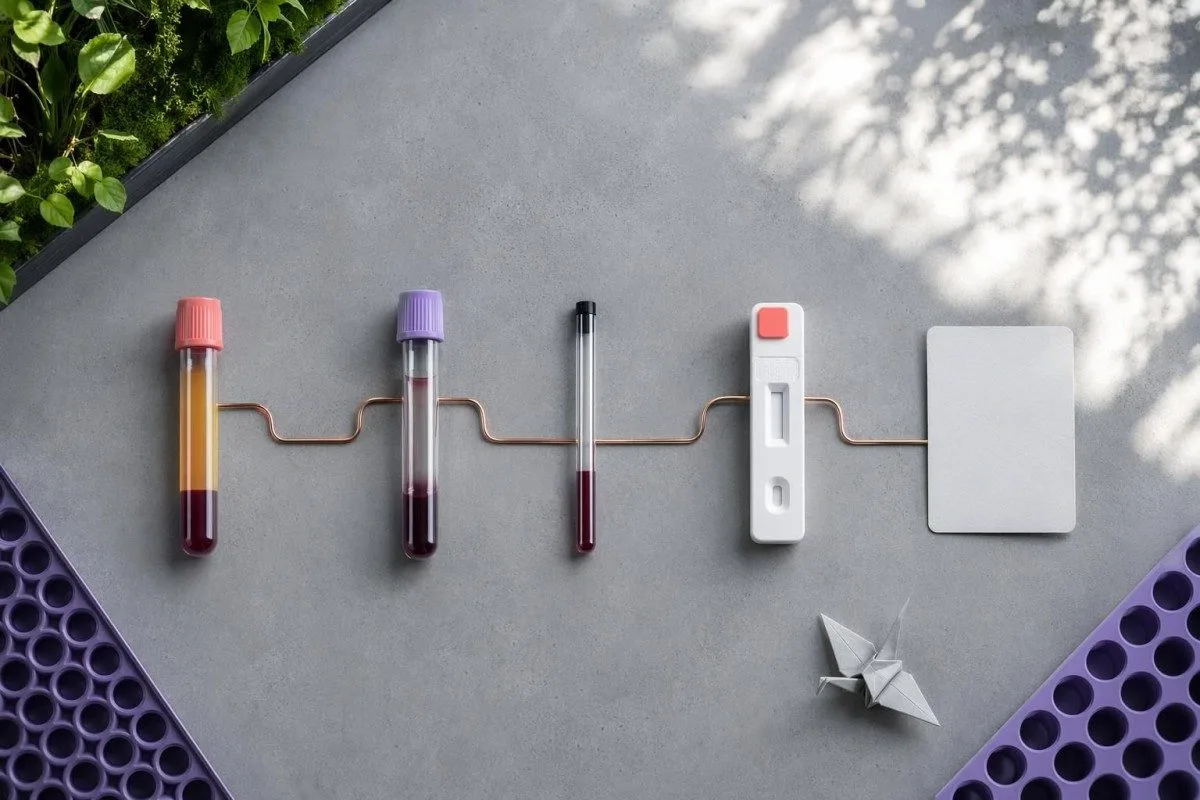
CRP and ESR often disagree, and that disagreement can be useful. ESR is influenced by age, anemia, pregnancy, kidney disease, and immunoglobulin levels, while CRP tends to move faster over 24-48 hours.
A CRP of 42 mg/L with neutrophils 14.0 x 10^9/L suggests a different pattern from CRP 42 mg/L with eosinophils 2.0 x 10^9/L or platelets 650 x 10^9/L. Our infection blood test guide explains where procalcitonin can help and where it can mislead.
I see this pattern weekly: a patient worries because CRP is high, but the CBC differential explains why the clinician is calm or concerned. If ESR is also elevated for months, our ESR range guide can help separate slow inflammatory signals from acute CRP spikes.
How fast CRP rises and falls after inflammation
CRP usually begins rising about 6-8 hours after an inflammatory trigger, often peaks around 36-50 hours, and has a plasma half-life near 19 hours. A falling CRP trend over 48-72 hours can be more clinically useful than one isolated value.

Because CRP is produced by the liver, it lags behind the first symptom. Someone can feel terrible at hour 4 of a viral illness with a CRP of 3 mg/L, then test at 38 mg/L the next day.
Treatment response is where CRP earns its keep. A pneumonia patient whose CRP drops from 180 to 90 to 35 mg/L over three days is often moving in the right direction, while a flat or rising CRP pushes clinicians to ask whether the diagnosis, source control, or antibiotic coverage is wrong.
Kantesti trend analysis compares your current CRP with previous uploads when available. If you are tracking recurring flares, our blood test history guide shows why your personal baseline can matter more than a generic reference interval.
Who should consider hs-CRP testing
hs-CRP testing is most useful for adults at borderline or intermediate cardiovascular risk when the decision about prevention is uncertain. It can be especially helpful when family history, metabolic syndrome, inflammatory disease, or premature menopause changes the usual risk calculation.
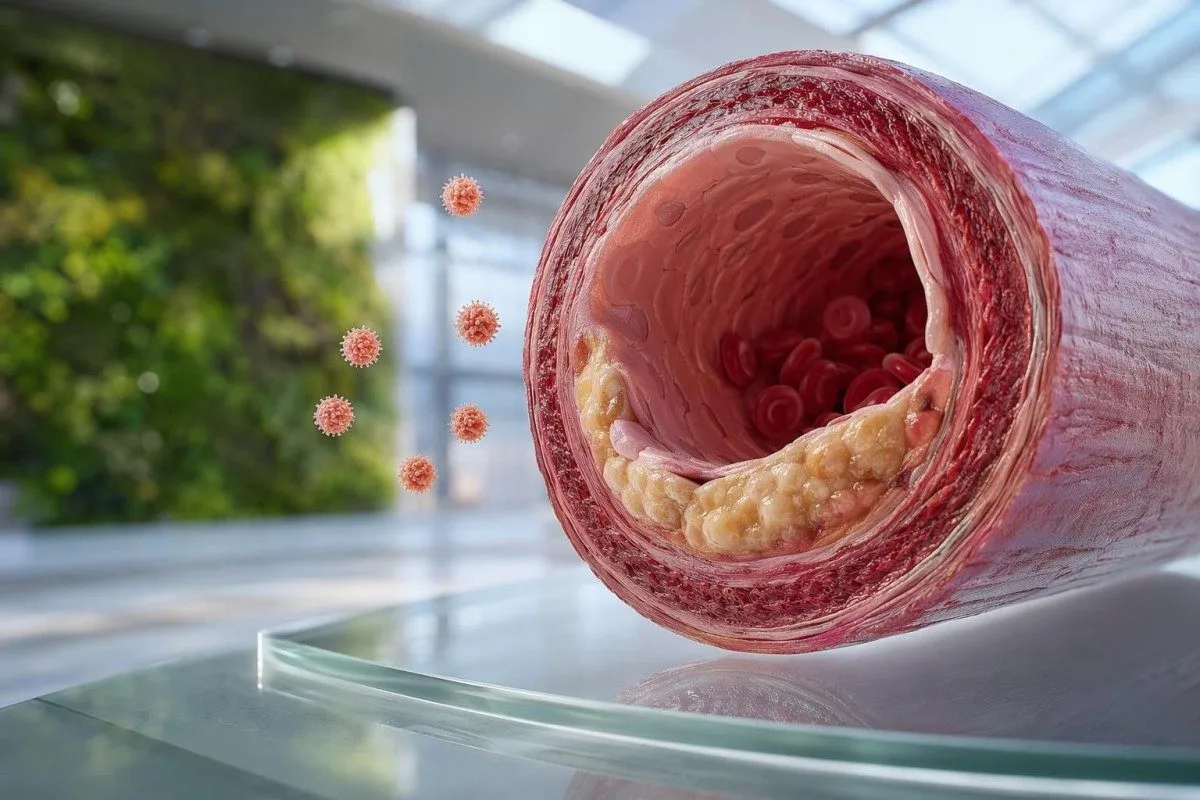
The best hs-CRP use case is not the worried 22-year-old with no risk factors. It is the 48-year-old with LDL-C 145 mg/dL, blood pressure 132/84 mmHg, normal glucose, and a father who had a heart attack at 54.
Women with pregnancy complications such as preeclampsia or gestational diabetes can be under-recognized by standard calculators later in life. In those cases, hs-CRP may add context, but it should sit beside lipids, ApoB when available, blood pressure, and glucose markers; our guide on cholesterol testing explains when nonfasting lipids still count.
Clinicians disagree on how often to measure hs-CRP after one stable result. In my practice, repeating once after 2 weeks to 3 months makes sense if the first value is above 2-3 mg/L and the patient had any recent illness, injury, dental work, or unusually hard exercise.
When not to interpret hs-CRP yet
Do not interpret hs-CRP for cardiovascular risk during acute illness, after major exercise, soon after surgery, or within days of vaccination. If hs-CRP is above 10 mg/L, most clinicians repeat it after recovery before making prevention decisions.
I usually ask patients to wait at least 2 weeks after a respiratory infection and longer after surgery, trauma, or a known inflammatory flare. After major operations, CRP can remain elevated for days to weeks, and the pattern matters more than a single number.
Strenuous exercise can raise CRP transiently, especially after endurance events or heavy eccentric training. A 52-year-old marathon runner with hs-CRP 5.4 mg/L two days after a race may simply need retesting when rested, not immediate heart-risk escalation.
Fasting is not required for CRP itself, but fasting may matter if your clinician ordered lipids, glucose, or insulin at the same draw. Our fasting rules guide breaks down which paired tests need food timing and which do not.
How lifestyle, body composition, and medicines shift CRP
CRP can rise with smoking, visceral adiposity, poor sleep, periodontal inflammation, chronic stress load, and some inflammatory conditions. Weight loss, smoking cessation, improved fitness, and statin therapy can lower CRP in many patients, though the size of change varies.

Adipose tissue is metabolically active, especially visceral fat around abdominal organs. In practical terms, a person with central adiposity may have hs-CRP around 2-6 mg/L for years without a hidden infection, but that still signals cardiometabolic strain.
Medications complicate interpretation. Statins often reduce hs-CRP independent of LDL-C reduction, corticosteroids can suppress inflammatory signals, and NSAIDs may blunt symptoms without reliably normalizing a clinically meaningful CRP.
The evidence here is honestly mixed for supplements. A Mediterranean-style pattern, improved sleep, dental care, and consistent aerobic training have better clinical traction than chasing one pill; our biohacking blood test guide explains how to track changes without overreacting to noise.
Children, pregnancy, autoimmune disease, and kidney disease
CRP interpretation changes in children, pregnancy, autoimmune disease, and kidney disease because baseline inflammation and immune response can differ. A CRP value that looks modest in one setting can be meaningful when paired with symptoms or a changing trend.
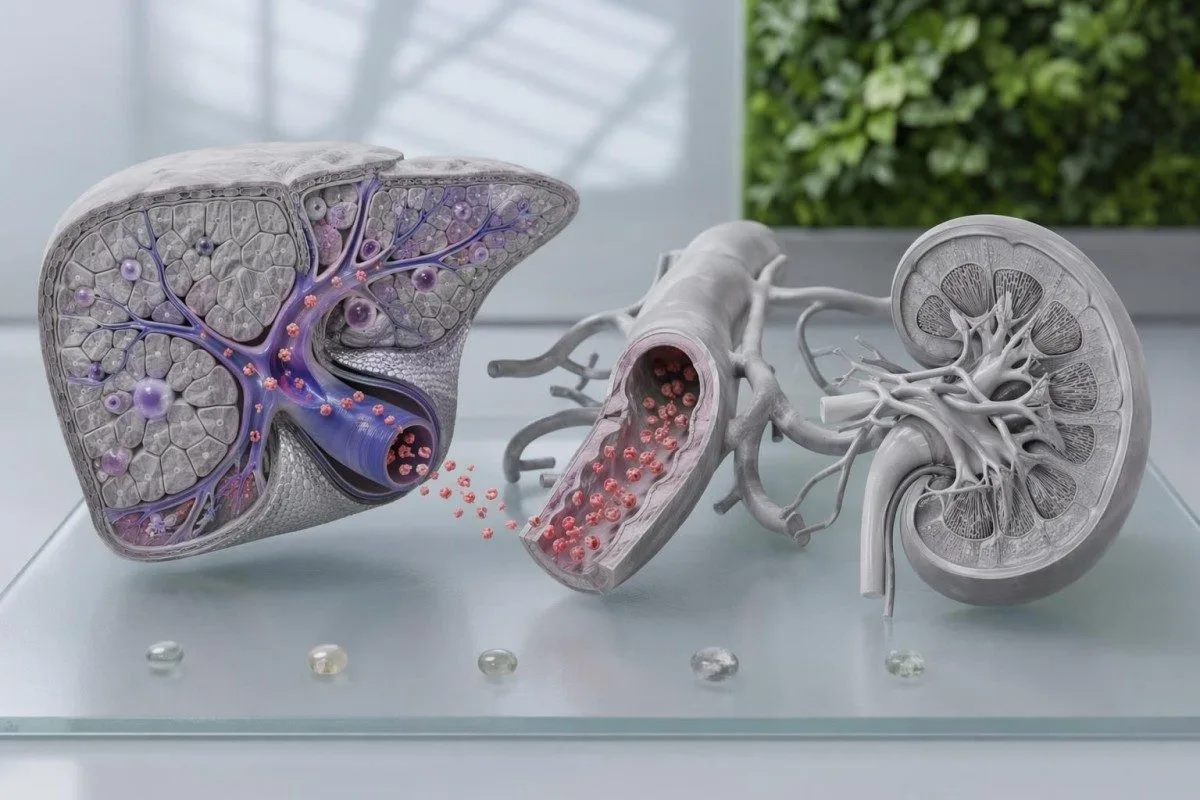
In children, CRP is useful but rarely decisive alone. A child with persistent fever, CRP 70 mg/L, and poor oral intake needs clinician assessment, while a child improving clinically with CRP falling from 90 to 28 mg/L may be followed differently.
Pregnancy can shift inflammatory markers, and postpartum tissue healing can raise CRP without infection. If preeclampsia, autoimmune disease, or kidney disease is in the background, CRP has to be read beside blood pressure, urine protein, creatinine, platelets, and liver enzymes.
Autoimmune disease is a classic source of CRP confusion. Lupus can flare with surprisingly low CRP unless infection or serositis is present, while rheumatoid arthritis often drives CRP higher; our autoimmune panel guide explains why antibody tests and inflammatory markers answer different questions.
How Kantesti reads CRP in context
Kantesti AI interprets CRP results by analyzing the test name, unit, reference range, symptom context, medication list, and related biomarkers rather than treating CRP as a stand-alone diagnosis. Our platform reviews CRP beside CBC, ESR, lipids, glucose, liver enzymes, kidney markers, and prior trends.
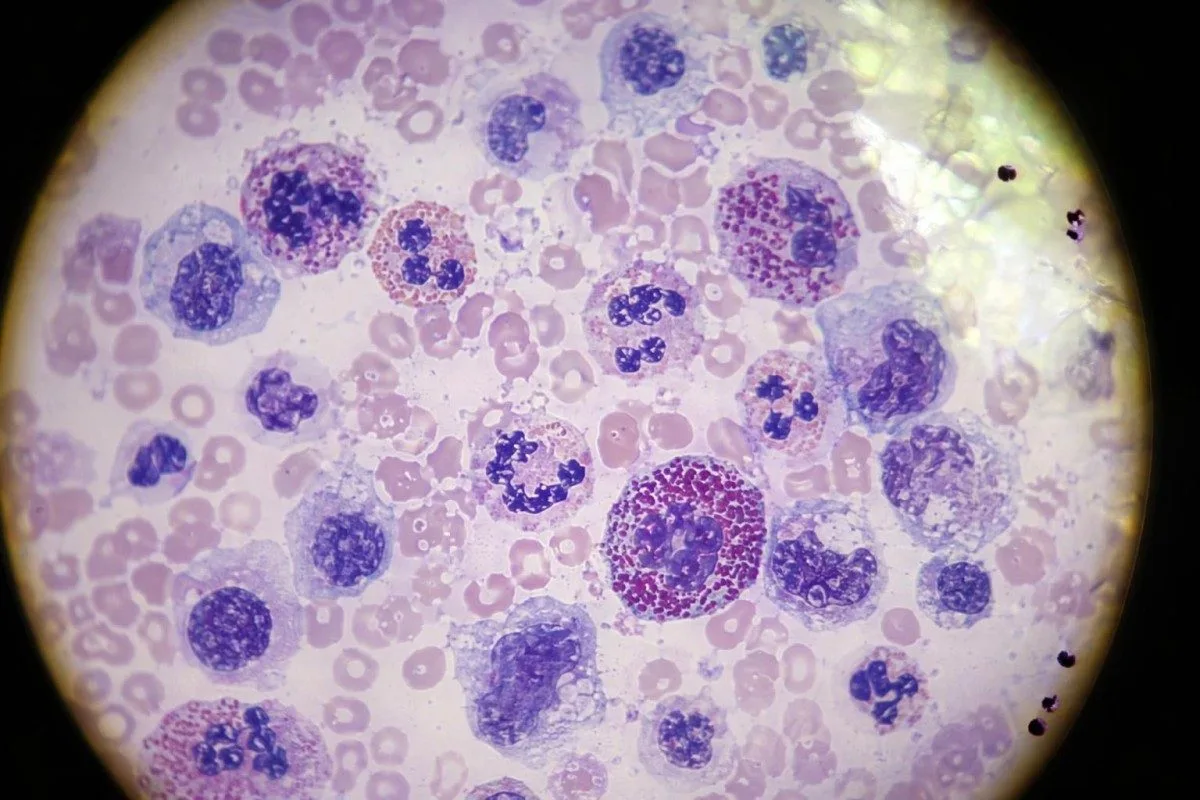
This matters because a standard CRP of 12 mg/L in a sore throat workup and an hs-CRP of 2.4 mg/L in a prevention panel require different language. Kantesti’s neural network first decides which clinical question the lab was likely trying to answer.
Our medical review process is overseen by physicians, including Thomas Klein, MD, and our Medical Advisory Board. Kantesti is not a replacement for urgent care, but it can flag when a CRP result conflicts with symptoms, units, or other labs.
Kantesti AI’s clinical standards and validation approach are described on our medical validation page. If you upload a PDF or photo, our blood test PDF guide explains how the report is parsed safely before interpretation.
What to do next after a CRP result
The next step after a CRP result depends on the level, symptoms, and whether the test was standard CRP or hs-CRP. CRP above 10 mg/L with fever, chest pain, shortness of breath, severe abdominal pain, confusion, or low blood pressure needs prompt medical assessment.

For hs-CRP between 2 and 10 mg/L in a well person, I usually recommend repeating it once after 2-12 weeks before changing long-term cardiovascular treatment. The repeat should happen after dental issues, respiratory illness, intense exercise, and inflammatory flares have settled.
For standard CRP above 50 mg/L, do not spend the evening comparing search snippets if you feel unwell. Pair the number with temperature, pulse, blood pressure, oxygen saturation, CBC, urine findings, and examination; our critical result guide explains when lab values become safety issues.
You can upload your CRP report to Try Free AI Blood Test Analysis for a structured interpretation in about 60 seconds. Kantesti can help you prepare better questions for your clinician, especially when your report mixes standard CRP, hs-CRP, lipids, and CBC flags.
Research publications and clinical references we use
CRP and hs-CRP interpretation should be anchored in clinical guidelines, landmark trials, and validated interpretation methods. As of April 27, 2026, the most practical external anchors are the AHA/CDC hs-CRP categories, the 2019 ACC/AHA primary prevention guideline, and the JUPITER trial.
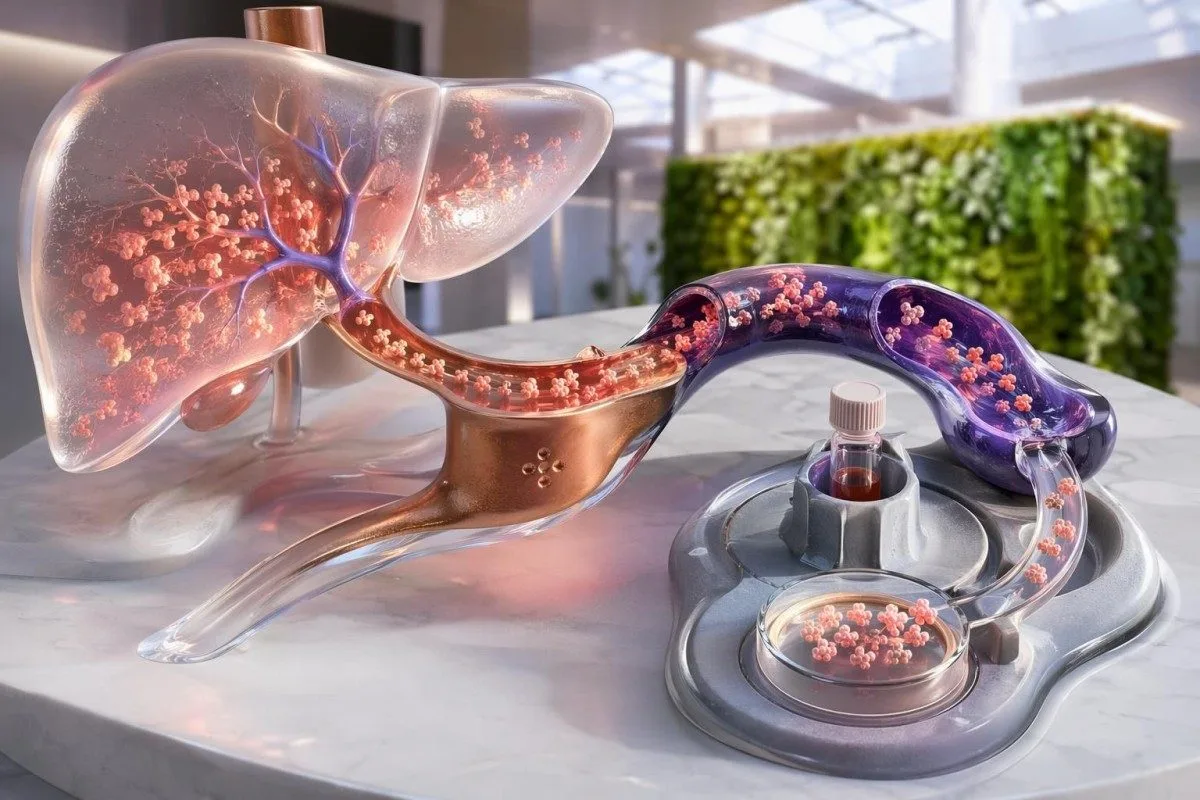
Pearson et al. (2003) gave the widely used hs-CRP categories of below 1 mg/L, 1-3 mg/L, and above 3 mg/L. Arnett et al. (2019) later placed hs-CRP ≥2 mg/L into cardiovascular prevention as a risk-enhancing factor, and Ridker et al. (2008) tested that idea in JUPITER.
Our internal validation work is published for transparency, not as a claim that AI should replace clinicians. Kantesti AI Engine clinical validation is available via Figshare DOI, and our biomarker coverage is described in the Kantesti biomarker guide.
Kantesti LTD is a UK company building AI-powered blood test interpretation for patients, clinicians, and health organizations across 127+ countries. You can read more about our team and governance through About Kantesti.
Kantesti AI Medical Research Group. (2026). Clinical Validation of the Kantesti AI Engine (2.78T) on 100,000 Anonymised Blood Test Cases Across 127 Countries: A Pre-Registered, Rubric-Based, Population-Scale Benchmark Including Hyperdiagnosis Trap Cases — V11 Second Update. Figshare. https://doi.org/10.6084/m9.figshare.32095435. ResearchGate: https://www.researchgate.net/search/publication?q=Clinical%20Validation%20of%20the%20Kantesti%20AI%20Engine. Academia.edu: https://www.academia.edu/search?q=Clinical%20Validation%20of%20the%20Kantesti%20AI%20Engine.
Kantesti AI Medical Research Group. (2025). RDW Blood Test: Complete Guide to RDW-CV, MCV & MCHC. Zenodo. https://doi.org/10.5281/zenodo.18202598. ResearchGate: https://www.researchgate.net/search/publication?q=RDW%20Blood%20Test%20Complete%20Guide%20to%20RDW-CV%20MCV%20MCHC. Academia.edu: https://www.academia.edu/search?q=RDW%20Blood%20Test%20Complete%20Guide%20to%20RDW-CV%20MCV%20MCHC.
Frequently Asked Questions
Is CRP the same as hs-CRP?
CRP and hs-CRP measure the same protein, C-reactive protein, but they use assays with different sensitivity. A standard CRP blood test is designed for active inflammation and often reports useful values from about 3-5 mg/L upward. hs-CRP measures lower concentrations more precisely, usually around 0.1-10 mg/L, and is mainly used for cardiovascular risk when you are well.
What is a normal CRP blood test result?
A typical standard CRP normal range is below 5 mg/L in many laboratories, although some use below 10 mg/L. For hs-CRP cardiovascular interpretation, below 1 mg/L is lower risk, 1-3 mg/L is intermediate risk, and above 3 mg/L is higher risk if measured during a stable health period. Always check units because 1 mg/dL equals 10 mg/L.
What CRP level suggests infection?
CRP cannot diagnose infection by itself, but values above 50-100 mg/L often make clinicians look carefully for bacterial infection, inflammatory flare, tissue injury, or post-operative complications. A CRP of 10-50 mg/L can occur with many viral, bacterial, autoimmune, and inflammatory conditions. The CBC differential, fever pattern, examination, cultures, imaging, and clinical course determine what the number means.
Can hs-CRP predict a heart attack?
hs-CRP estimates long-term cardiovascular risk; it does not diagnose a heart attack happening now. The AHA/CDC categories are below 1 mg/L for lower risk, 1-3 mg/L for intermediate risk, and above 3 mg/L for higher risk when the person is well. Chest pain, shortness of breath, sweating, fainting, or pressure symptoms need urgent assessment with ECG and troponin, not hs-CRP.
Should I repeat hs-CRP if it is high?
Yes, hs-CRP should usually be repeated if it is above 2-3 mg/L or especially above 10 mg/L, because recent illness, dental inflammation, injury, surgery, vaccination, or hard exercise can raise it temporarily. Many clinicians repeat hs-CRP after 2 weeks to 3 months, depending on the situation. A persistent hs-CRP above 2 mg/L can act as a cardiovascular risk-enhancing factor when interpreted beside LDL-C, blood pressure, diabetes, smoking, and family history.
Do I need to fast for CRP or hs-CRP?
You do not need to fast for CRP or hs-CRP themselves because food intake does not meaningfully change C-reactive protein within the usual testing window. Fasting may still be needed if the same blood draw includes fasting glucose, insulin, or certain lipid measurements. If your panel includes cholesterol, triglycerides, glucose, and CRP, follow the fasting instructions for the most food-sensitive test.
Can CRP be high with normal white blood cells?
Yes, CRP can be high even when the white blood cell count is normal. CRP reflects liver production in response to inflammatory cytokines, while WBC reflects circulating immune cell numbers and patterns. Autoimmune flares, localized infections, inflammatory bowel disease, tissue injury, obesity-related inflammation, and some treated infections can produce high CRP with a normal WBC count.
Get AI-Powered Blood Test Analysis Today
Join over 2 million users worldwide who trust Kantesti for instant, accurate lab test analysis. Upload your blood test results and receive comprehensive interpretation of 15,000+ biomarkers in seconds.
📚 Referenced Research Publications
Klein, T., Mitchell, S., & Weber, H. (2026). Clinical Validation of the Kantesti AI Engine (2.78T) on 100,000 Anonymised Blood Test Cases Across 127 Countries: A Pre-Registered, Rubric-Based, Population-Scale Benchmark Including Hyperdiagnosis Trap Cases — V11 Second Update. Kantesti AI Medical Research.
Klein, T., Mitchell, S., & Weber, H. (2026). RDW Blood Test: Complete Guide to RDW-CV, MCV & MCHC. Kantesti AI Medical Research.
📖 External Medical References






⚕️ Medical Disclaimer
This article is for educational purposes only and does not constitute medical advice. Always consult a qualified healthcare provider for diagnosis and treatment decisions.
E-E-A-T Trust Signals
Experience
Physician-led clinical review of lab interpretation workflows.
Expertise
Laboratory medicine focus on how biomarkers behave in clinical context.
Authoritativeness
Written by Dr. Thomas Klein with review by Dr. Sarah Mitchell and Prof. Dr. Hans Weber.
Trustworthiness
Evidence-based interpretation with clear follow-up pathways to reduce alarm.