
Lab reports compress a lot of medicine into tiny codes. Here is how to read the common ones without overreacting to every red flag.



- H and L flags mean a result is above or below that laboratory's reference interval; they are not diagnoses by themselves.
- Reference ranges usually describe the middle 95% of a selected population, so about 1 in 20 healthy people can have a flagged result.
- CBC abbreviations include WBC, RBC, Hb, Hct, MCV, MCH, MCHC, RDW and Plt; each tells a different part of the blood cell story.
- CMP and BMP units often differ by country: glucose may appear as mg/dL or mmol/L, and creatinine may appear as mg/dL or µmol/L.
- Critical values such as potassium above 6.0 mmol/L, sodium below 120 mmol/L, or hemoglobin below 7 g/dL often need same-day clinical review.
- LDL-C and HDL-C are cholesterol fractions, while TG means triglycerides; cardiovascular risk depends on the full pattern, not one line.
- eGFR estimates kidney filtration; values below 60 mL/min/1.73 m² for at least 3 months suggest chronic kidney disease.
- HbA1c of 6.5% or higher is commonly used to diagnose diabetes, but anemia, pregnancy and some hemoglobin variants can distort it.
- Context beats color coding because fasting status, exercise, pregnancy, medications, altitude and dehydration can move lab values without disease.
What blood test abbreviations mean at a glance
Blood test abbreviations are shortened names for lab markers, flags, and units on your report. H means high, L means low, and units such as mg/dL, mmol/L, IU/L, ng/mL, and µmol/L tell you how the result was measured. As of April 27, 2026, the safest way to read blood test results is marker plus unit plus reference range plus your clinical context, not the abbreviation alone. Our Kantesti AI blood test analyzer is built around that exact sequence.
I am Thomas Klein, MD, and the fastest mistake I see in clinic is treating a red flag as a final answer. A calcium of 10.3 mg/dL can be trivial in one lab, mildly high in another, and more concerning if albumin is 5.1 g/dL or parathyroid hormone is elevated.
A lab report is really a compressed clinical conversation. If you want a broader primer before digging into the codes, our guide on reading results safely explains how doctors separate noise from signal.
Kantesti's neural network reads the abbreviation, detects the unit, checks the local reference range, and then looks for patterns across more than 15,000 biomarkers. That pattern step matters: ALT of 68 IU/L after a marathon is a different story from ALT of 68 IU/L with bilirubin, INR and platelets moving the wrong way.
Why H, L, abnormal, and critical flags are not diagnoses
H, L, abnormal and critical flags are laboratory alerts, not medical diagnoses. An H flag means the result is above that lab's reference interval, an L flag means it is below, and a critical flag means the value meets that lab's urgent notification threshold.
CLSI EP28-A3c describes many reference intervals as the central 95% of values from a defined reference population, which means about 5% of healthy people may sit outside the printed range (Horowitz et al., 2010). That is why a single mild flag, especially less than 10% outside range, often needs repeat testing before a label is attached.
The thing is, labs build ranges differently. Some European labs set ALT upper limits near 35 IU/L for men and 25 IU/L for women, while other reports still print 40 or even 55 IU/L; our article on normal range traps digs into that problem.
Critical values are a different category. Potassium above about 6.0 mmol/L, glucose below 54 mg/dL, sodium below 120 mmol/L, and platelet count below 20 × 10⁹/L usually deserve prompt clinical action, but even then the sample can be wrong if it was hemolyzed or delayed.
CBC shorthand: WBC, RBC, Hb, Hct, MCV, MCH, RDW
CBC abbreviations describe white cells, red cells, hemoglobin, platelets and cell-size patterns. WBC usually means white blood cell count, RBC means red blood cell count, Hb or Hgb means hemoglobin, Hct means hematocrit, MCV means mean corpuscular volume, and RDW means red cell distribution width.
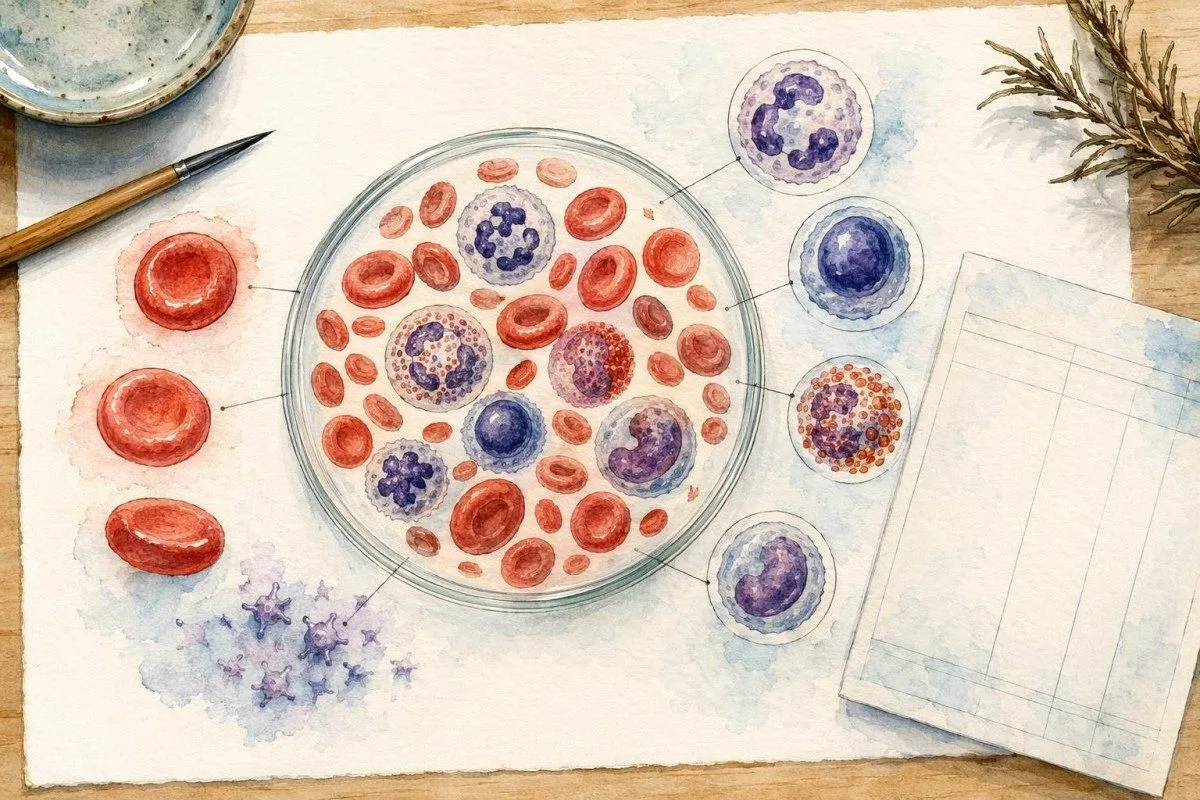
Adult hemoglobin is commonly about 13.5–17.5 g/dL in men and 12.0–15.5 g/dL in women, though pregnancy, altitude and ethnicity can shift expected values. A hemoglobin of 11.2 g/dL is mild anemia in many adults, but it means something different 48 hours after surgery than it does in a 22-year-old with heavy periods.
MCV is one of my favorite quiet clues. Low MCV under 80 fL points toward iron deficiency or thalassemia trait, while high MCV above 100 fL raises B12 deficiency, folate deficiency, alcohol effect, liver disease, hypothyroidism and certain medicines.
RDW often moves before hemoglobin crashes. If RDW is high but MCV is still normal, I start thinking about early iron loss, mixed B12 plus iron deficiency, or recovery after bleeding; our CBC differential guide shows how the full panel fits together.
CMP and BMP abbreviations: glucose, kidney, liver, salts
BMP and CMP are common chemistry panels. A BMP usually includes sodium, potassium, chloride, carbon dioxide or bicarbonate, glucose, BUN, creatinine and calcium; a CMP adds albumin, total protein, bilirubin, ALP, ALT and AST.

The difference matters because patients often say they had a full panel when they only had a BMP. A normal BMP does not check ALT, AST, bilirubin, albumin or alkaline phosphatase, so it cannot rule out many liver or protein-loss patterns.
Carbon dioxide on a BMP is usually a bicarbonate estimate, not lung carbon dioxide measured by arterial gas. A CO2 of 19 mmol/L can reflect metabolic acidosis, diarrhea, kidney acid-handling problems or simply sample handling delay; the anion gap helps sort that out.
When I review emergency department labs, I look at sodium and potassium first because they can change decisions within minutes. For a practical panel-by-panel comparison, see our CMP versus BMP guide.
Units on lab reports: mg/dL, mmol/L, IU/L, ng/mL
Lab units tell you the measurement scale, and the same biomarker number can mean different things in different units. Glucose 100 mg/dL is about 5.6 mmol/L, creatinine 1.0 mg/dL is about 88 µmol/L, and vitamin D 30 ng/mL is about 75 nmol/L.

This is where international patients get caught. In the UK and much of Europe, cholesterol and glucose are commonly reported in mmol/L; in the US, mg/dL remains common, and copying old results into a new app without units can create nonsense.
IU/L, sometimes written U/L, measures enzyme activity rather than mass. ALT of 70 IU/L does not mean 70 milligrams of ALT; it means the enzyme activity in the sample is roughly above the lab's reference activity threshold.
Kantesti AI detects units before interpreting lab values, and our biomarker guide lists more than 15,000 markers with common naming variants. If your report shows µkat/L for enzymes, for example, the conversion to U/L is approximately multiply by 60.
Lipid abbreviations: TC, LDL-C, HDL-C, TG, ApoB
Lipid abbreviations describe cholesterol particles and fats used to estimate cardiovascular risk. TC means total cholesterol, LDL-C means low-density lipoprotein cholesterol, HDL-C means high-density lipoprotein cholesterol, TG means triglycerides, and ApoB estimates the number of atherogenic particles.

LDL-C below 100 mg/dL is often considered acceptable for lower-risk adults, but many high-risk patients have targets below 70 mg/dL or even lower depending on local guidance. Triglycerides below 150 mg/dL are usually called normal, while 500 mg/dL or higher raises pancreatitis concern.
ApoB is the sleeper marker. If triglycerides are high, LDL-C can look less alarming than the particle burden really is, so ApoB or non-HDL-C can sharpen risk estimates in patients with insulin resistance or metabolic syndrome.
Do not panic if your non-fasting triglycerides are 190 mg/dL after lunch; I usually repeat fasting if the result changes management. Our lipid panel guide explains when a non-fasting cholesterol test still counts.
Differential counts: ANC, ALC, eos, baso, immature grans
Differential abbreviations split white blood cells into neutrophils, lymphocytes, monocytes, eosinophils and basophils. ANC means absolute neutrophil count, ALC means absolute lymphocyte count, eos means eosinophils, baso means basophils, and IG means immature granulocytes.
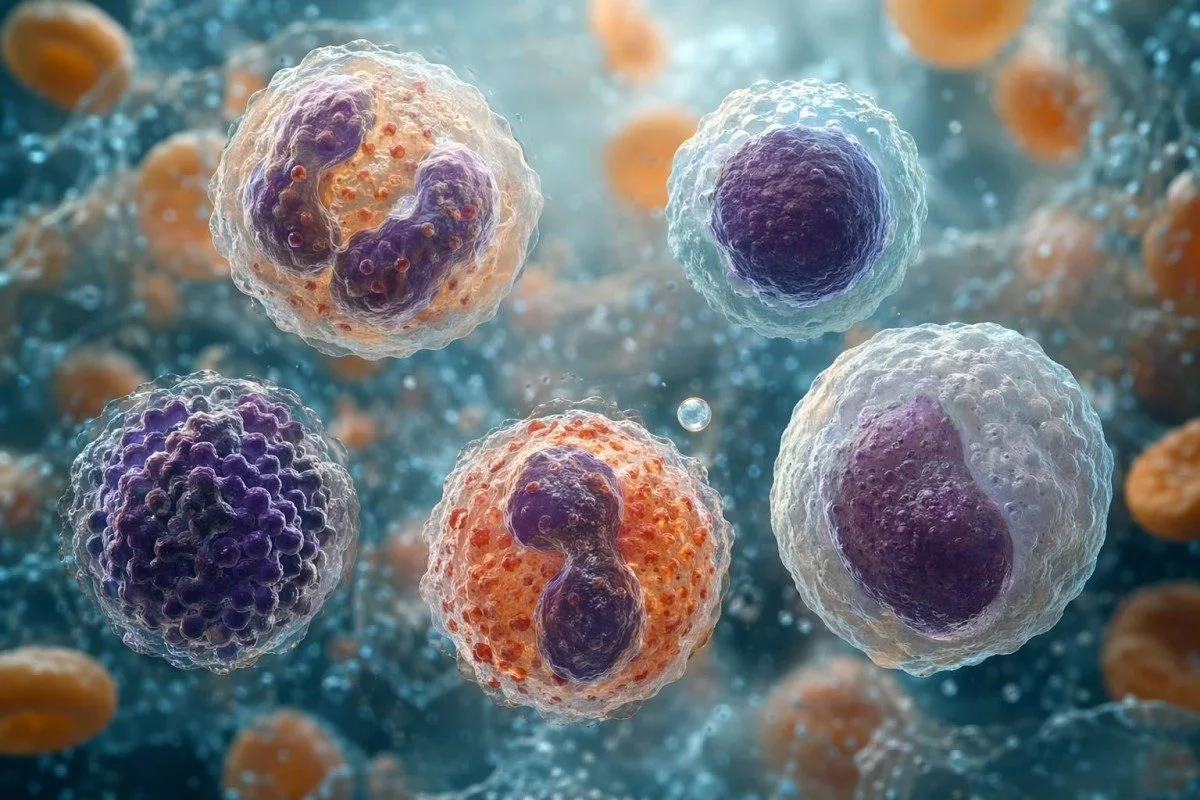
Percentages can mislead. A lymphocyte percentage of 48% may look high, but if the absolute lymphocyte count is 2.4 × 10⁹/L and the neutrophil count is low-normal, the result may simply reflect the denominator.
ANC below 1.5 × 10⁹/L is often called neutropenia, below 1.0 × 10⁹/L is more clinically significant, and below 0.5 × 10⁹/L can raise infection-risk concerns. Many people of African, Middle Eastern or certain Mediterranean ancestry have a lower stable ANC without illness.
I see this pattern every week: a viral infection pushes neutrophils down and lymphocyte percentage up for 1–3 weeks. Our neutrophil-lymphocyte guide explains why the ratio is sometimes more useful than either number alone.
Liver enzyme abbreviations: ALT, AST, ALP, GGT, bilirubin
Liver test abbreviations describe different liver and bile-duct signals. ALT and AST are enzymes released by injured liver or muscle cells, ALP and GGT often point toward bile-duct or cholestatic patterns, and bilirubin reflects heme breakdown plus liver processing.
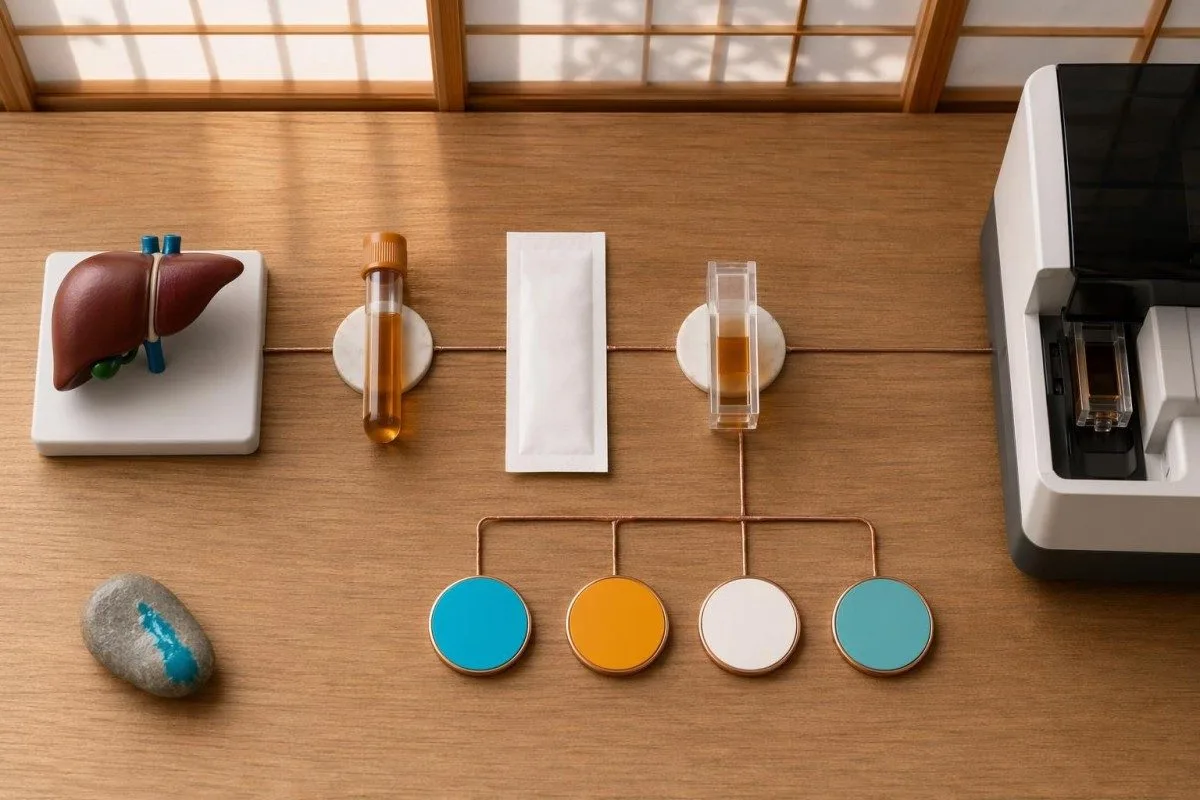
ALT is more liver-specific than AST, but AST also lives in muscle. A 52-year-old marathon runner with AST 89 IU/L and normal ALT, bilirubin and GGT may need creatine kinase checked before anyone says liver disease.
Pattern beats panic. ALT and AST 2–5 times the upper limit suggest hepatocellular injury, while ALP plus GGT elevation suggests cholestasis; bilirubin elevation with normal enzymes raises a different list, including Gilbert syndrome and hemolysis.
Some labs report direct bilirubin and indirect bilirubin; others show only total bilirubin. For deeper pattern reading, our liver function test guide walks through ALT, AST, ALP and GGT combinations.
Kidney abbreviations: Cr, eGFR, BUN, UACR, cystatin C
Kidney abbreviations combine waste markers, filtration estimates and urine protein signals. Cr means creatinine, eGFR estimates filtration, BUN means blood urea nitrogen, UACR means urine albumin-to-creatinine ratio, and cystatin C can refine kidney estimates when muscle mass skews creatinine.
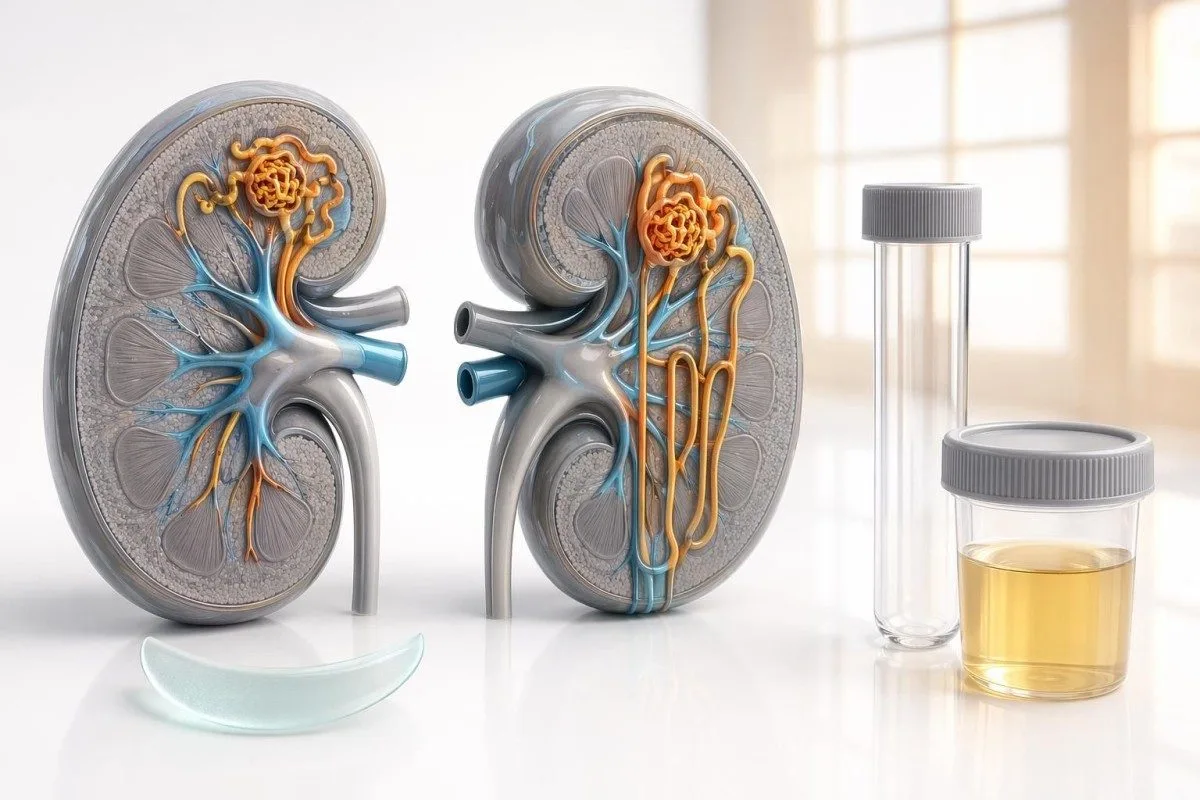
eGFR below 60 mL/min/1.73 m² for at least 3 months is one criterion for chronic kidney disease, but one isolated eGFR of 58 after dehydration is not the same thing. KDIGO 2024 emphasizes staging chronic kidney disease by both GFR category and albuminuria category (KDIGO CKD Work Group, 2024).
Creatinine is muscle-dependent. A muscular 30-year-old may have creatinine 1.3 mg/dL with normal filtration, while a frail 82-year-old can have creatinine 0.9 mg/dL despite reduced kidney reserve.
UACR catches damage that creatinine can miss. A UACR below 30 mg/g is generally normal, 30–300 mg/g is moderately increased, and above 300 mg/g is severely increased; our eGFR age guide explains why age-adjusted interpretation matters.
Diabetes markers: FPG, RBG, OGTT, HbA1c and insulin
Diabetes abbreviations describe glucose at different times and longer-term glycation. FPG means fasting plasma glucose, RBG means random blood glucose, OGTT means oral glucose tolerance test, HbA1c estimates average glycemia, and fasting insulin helps assess insulin resistance but does not diagnose diabetes alone.
The ADA Standards of Care use HbA1c ≥6.5%, fasting plasma glucose ≥126 mg/dL, 2-hour OGTT glucose ≥200 mg/dL, or random glucose ≥200 mg/dL with symptoms as diagnostic criteria for diabetes (ADA Professional Practice Committee, 2026). Results near the cutoff should usually be confirmed unless symptoms are clear.
HbA1c is convenient, not perfect. Iron deficiency can falsely raise HbA1c in some patients, recent blood loss can lower it, and hemoglobin variants may make certain assay methods unreliable.
I pay attention when fasting glucose is 96 mg/dL but fasting insulin is 18 µIU/mL and triglycerides are climbing. That pattern often appears years before HbA1c crosses 5.7%; see our HbA1c cutoff guide for borderline interpretation.
Thyroid and hormone abbreviations: TSH, FT4, FT3, SHBG
Thyroid and hormone abbreviations usually describe signaling hormones, free hormone fractions and binding proteins. TSH is thyroid-stimulating hormone, FT4 is free thyroxine, FT3 is free triiodothyronine, TPOAb means thyroid peroxidase antibody, and SHBG is sex hormone-binding globulin.

TSH is exquisitely sensitive but slow. After starting or changing levothyroxine, I usually wait 6–8 weeks before judging a new TSH because the pituitary-liver-thyroid feedback loop needs time to settle.
Biotin is a sneaky problem. Doses of 5–10 mg per day, common in hair and nail supplements, can distort certain thyroid immunoassays and make TSH or FT4 look wrong depending on the platform.
Hormone labs are timing-sensitive. Testosterone is usually best checked before 10 a.m., progesterone for ovulation is often checked about 7 days before the expected period, and our thyroid panel guide explains when FT4, FT3 and antibodies add value.
Iron, vitamin and nutrition abbreviations: ferritin, TSAT, B12
Iron and vitamin abbreviations often reveal early deficiency before classic anemia appears. Ferritin estimates iron stores, TSAT means transferrin saturation, TIBC means total iron-binding capacity, 25-OH vitamin D is the storage vitamin D test, and B12 is cobalamin.

Ferritin below 30 ng/mL is a common practical cutoff for low iron stores in symptomatic adults, even if the printed lab range starts at 10 or 15 ng/mL. In hair loss, restless legs or heavy menstrual bleeding, ferritin of 18 ng/mL is not something I wave away.
High ferritin does not always mean iron overload. It also rises with inflammation, fatty liver disease, alcohol use, infection and malignancy, which is why TSAT above about 45% is the clue that pushes me toward iron overload evaluation.
Vitamin D is usually assessed with 25-OH vitamin D, not 1,25-OH active vitamin D, except in specific calcium, kidney or granulomatous disease questions. For iron interpretation beyond one line, read our iron studies guide.
When abnormal-looking lab values are normal for you
Abnormal-looking lab values can be normal for an individual when the shift is explained by physiology, timing or sampling. Pregnancy lowers hemoglobin and creatinine, hard exercise raises CK and sometimes AST, dehydration concentrates albumin and hematocrit, and fasting changes glucose, triglycerides and insulin.
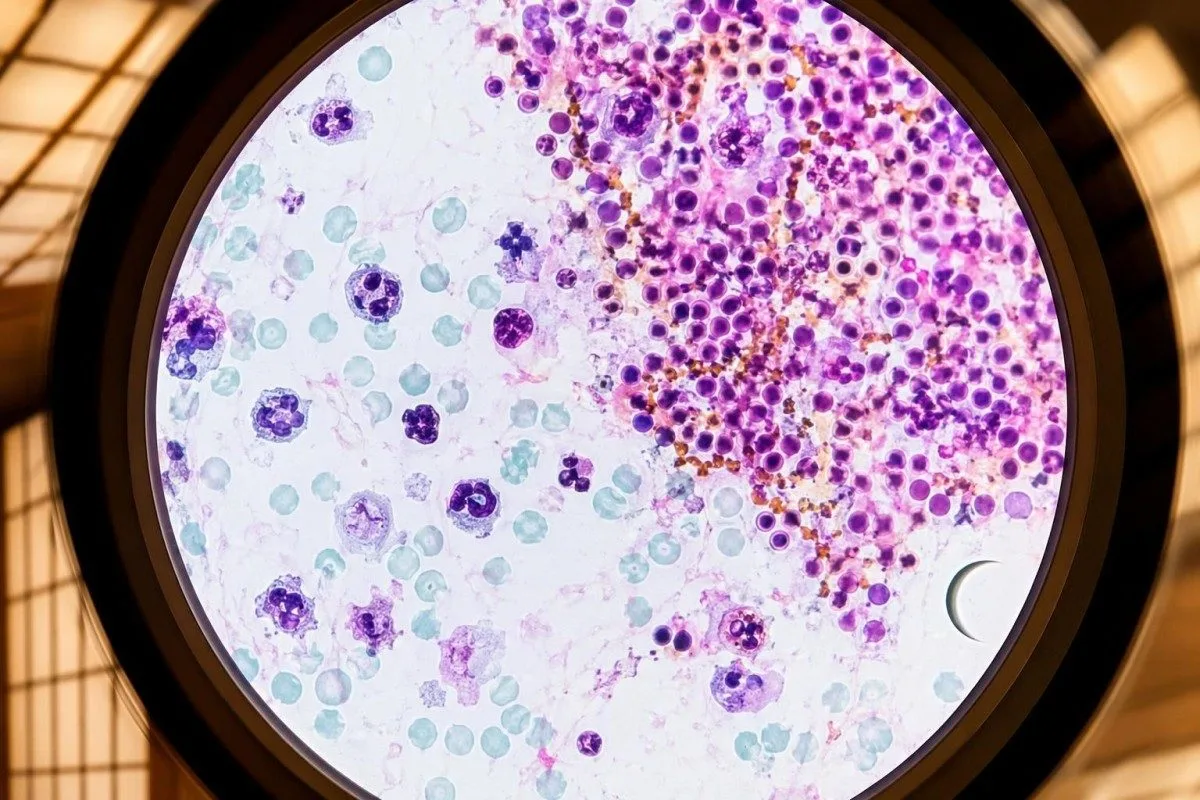
One patient of mine had albumin 5.3 g/dL, calcium 10.4 mg/dL and hematocrit 51% after a long-haul flight with very little water. Two days later, after normal hydration, all three were back inside range; that is classic hemoconcentration rather than three separate diseases.
Athletes are another group. CK can exceed 1,000 IU/L after intense training, creatinine can run high from muscle mass, and AST may rise from muscle breakdown even when ALT and GGT are normal.
Trends solve many of these puzzles. A stable platelet count of 470 × 10⁹/L for 5 years is different from a new rise from 240 to 610 × 10⁹/L in 6 weeks; our dehydration false-highs guide shows common clusters that repeat in practice.
How Kantesti AI reads flags, units, and patterns safely
Kantesti AI interprets flags and units by reading the original report, standardizing marker names, converting units where needed, and comparing results as patterns rather than isolated red numbers. It is designed to support patient understanding and clinician conversations, not replace diagnosis.

Our platform accepts PDF and photo uploads, then returns an interpretation in about 60 seconds for many routine reports. The system checks whether glucose is mg/dL or mmol/L, whether creatinine is mg/dL or µmol/L, and whether the lab's own range differs from the generic adult range.
Kantesti Ltd is a UK company, and our clinical standards are reviewed through documented governance, privacy and security controls including CE Mark, HIPAA, GDPR and ISO 27001 certification. You can read more about our medical validation process and the physicians behind our Medical Advisory Board.
Thomas Klein, MD and our clinical reviewers pay close attention to overdiagnosis traps: a mild ALT flag after exercise, a low creatinine in a small older adult, or a borderline TSH that should be repeated before treatment. Our pre-registered benchmark is available as a clinical validation study, and AI-powered blood test interpretation remains most useful when it helps you ask better questions.
When to call a clinician about lab result abbreviations
Call a clinician promptly when a lab abbreviation is paired with a critical flag, severe symptoms, or a dangerous pattern. Potassium above 6.0 mmol/L, sodium below 120 mmol/L, glucose below 54 mg/dL, troponin above the lab cutoff with chest symptoms, or hemoglobin below 7 g/dL usually should not wait.
Do not manage severe electrolyte, clotting or cardiac-marker abnormalities from a blog post. If your report says critical, panic value, urgent, or the lab phoned the result, treat that as a real escalation until a clinician tells you otherwise.
Some non-critical flags still need follow-up within days to weeks. New platelets above 600 × 10⁹/L, eGFR dropping more than 25%, ALT more than 3 times the upper limit, or ferritin above 1,000 ng/mL are examples I would not ignore.
If you want help translating the codes before your appointment, you can try free AI analysis and bring the summary to your clinician. For persistent symptoms, unusual combinations or confusing reports, our team can also be reached through Contact Us.
Practical tip before you message your doctor
Send the full report, not a screenshot of one red line. Include your age, sex at birth, pregnancy status if relevant, fasting status, recent exercise, supplements such as biotin, and any medications started in the last 8 weeks.
Frequently Asked Questions
What do H and L mean on blood test results?
H means a blood test result is above that laboratory's reference interval, and L means it is below that interval. These flags are not diagnoses because reference intervals often describe the middle 95% of a selected population, so about 5% of healthy people can fall outside the printed range. A potassium of 6.1 mmol/L is very different from an ALT of 42 IU/L because urgency depends on the marker, the degree of change and symptoms.
Why is my lab result flagged high if my doctor says it is normal?
A lab result can be flagged high because it sits just outside the lab's statistical reference range, even when it is clinically harmless for you. Mild deviations under about 10% outside the range are often repeated or compared with prior results before action is taken. Age, pregnancy, recent exercise, dehydration, altitude and medications can all shift lab values without meaning disease.
What is the difference between mg/dL and mmol/L on blood tests?
mg/dL measures mass per volume, while mmol/L measures the number of molecules per volume. The same glucose result can be written as 100 mg/dL or about 5.6 mmol/L, so comparing numbers without units can be dangerous. Creatinine also changes by unit: 1.0 mg/dL is about 88 µmol/L.
Which blood test abbreviations can be urgent?
Urgent blood test abbreviations include K for potassium, Na for sodium, Glu for glucose, Hb for hemoglobin, Plt for platelets, INR for clotting and troponin for heart injury. Potassium above about 6.0 mmol/L, sodium below 120 mmol/L, glucose below 54 mg/dL, hemoglobin below 7 g/dL, or platelets below 20 × 10⁹/L often need same-day medical review. Troponin above the lab cutoff with chest pain, breathlessness or sweating should be treated as urgent.
Can dehydration make blood test values look abnormal?
Yes, dehydration can concentrate blood and make albumin, total protein, calcium, hematocrit, BUN and sometimes creatinine look higher than usual. A typical dehydration pattern is high-normal albumin around 5.0 g/dL, raised BUN, concentrated urine and a hematocrit above a person's baseline. Repeating the test after normal hydration can clarify whether the abnormality persists.
Can Kantesti AI interpret a photo or PDF of my lab report?
Kantesti AI can interpret many blood test PDF and photo uploads by reading abbreviations, units, reference ranges and flag patterns from the original report. Many routine reports can be summarized in about 60 seconds, including CBC, CMP, lipid, thyroid, iron, vitamin and diabetes markers. The output is designed to support patient understanding and clinician discussion, not replace emergency care or a formal diagnosis.
Can hair and nail supplements affect my blood test results?
Yes, biotin in hair and nail supplements can interfere with some thyroid tests and troponin, a heart-injury marker, producing misleading results. Tell your clinician the product and dose before testing; ask whether to pause it, since instructions depend on the test and dose.
Do I need to fast before every blood test?
No. A CBC, kidney panel, thyroid tests, and many other tests usually do not require fasting. Follow the laboratory’s instructions for glucose, triglycerides, or a planned fasting lipid test; if you accidentally eat, call before having blood drawn.
Why do my test names or abbreviations change when I use a different laboratory?
Labs may use different analyzers, naming conventions, and reference intervals, so the same marker can appear with slightly different abbreviations. Keep copies of past reports and ask your clinician to compare the actual marker, unit, and trend rather than the label alone.
What does it mean if my doctor is watching the trend instead of one flagged result?
A trend means comparing the same marker over time, ideally from the same lab and unit. A small one-time flag may be less concerning than a steady rise or fall across 2–3 results, especially when symptoms or medications fit the pattern.
Get AI-Powered Blood Test Analysis Today
Join over 2 million users worldwide who trust Kantesti for instant, accurate lab test analysis. Upload your blood test results and receive comprehensive interpretation of 15,000+ biomarkers in seconds.
📚 Referenced Research Publications
Klein, T., Mitchell, S., & Weber, H. (2026). Clinical Validation of the Kantesti AI Engine (2.78T) on 15 Anonymised Blood Test Cases: A Pre-Registered Rubric-Based Benchmark Including Hyperdiagnosis Trap Cases Across Seven Medical Specialties. Kantesti AI Medical Research.
Klein, T., Mitchell, S., & Weber, H. (2026). Clinical Validation Framework v2.0 (Medical Validation Page). Kantesti AI Medical Research.
📖 External Medical References
Horowitz GL et al. (2010). Defining, Establishing, and Verifying Reference Intervals in the Clinical Laboratory; Approved Guideline—Third Edition. Clinical and Laboratory Standards Institute, CLSI EP28-A3c.
KDIGO CKD Work Group (2024). KDIGO 2024 Clinical Practice Guideline for the Evaluation and Management of Chronic Kidney Disease. Kidney International.
American Diabetes Association Professional Practice Committee (2026). 2. Diagnosis and Classification of Diabetes: Standards of Care in Diabetes—2026. Diabetes Care.





⚕️ Medical Disclaimer
This article is for educational purposes only and does not constitute medical advice. Always consult a qualified healthcare provider for diagnosis and treatment decisions.
E-E-A-T Trust Signals
Experience
Physician-led clinical review of lab interpretation workflows.
Expertise
Laboratory medicine focus on how biomarkers behave in clinical context.
Authoritativeness
Written by Dr. Thomas Klein with review by Dr. Sarah Mitchell and Prof. Dr. Hans Weber.
Trustworthiness
Evidence-based interpretation with clear follow-up pathways to reduce alarm.