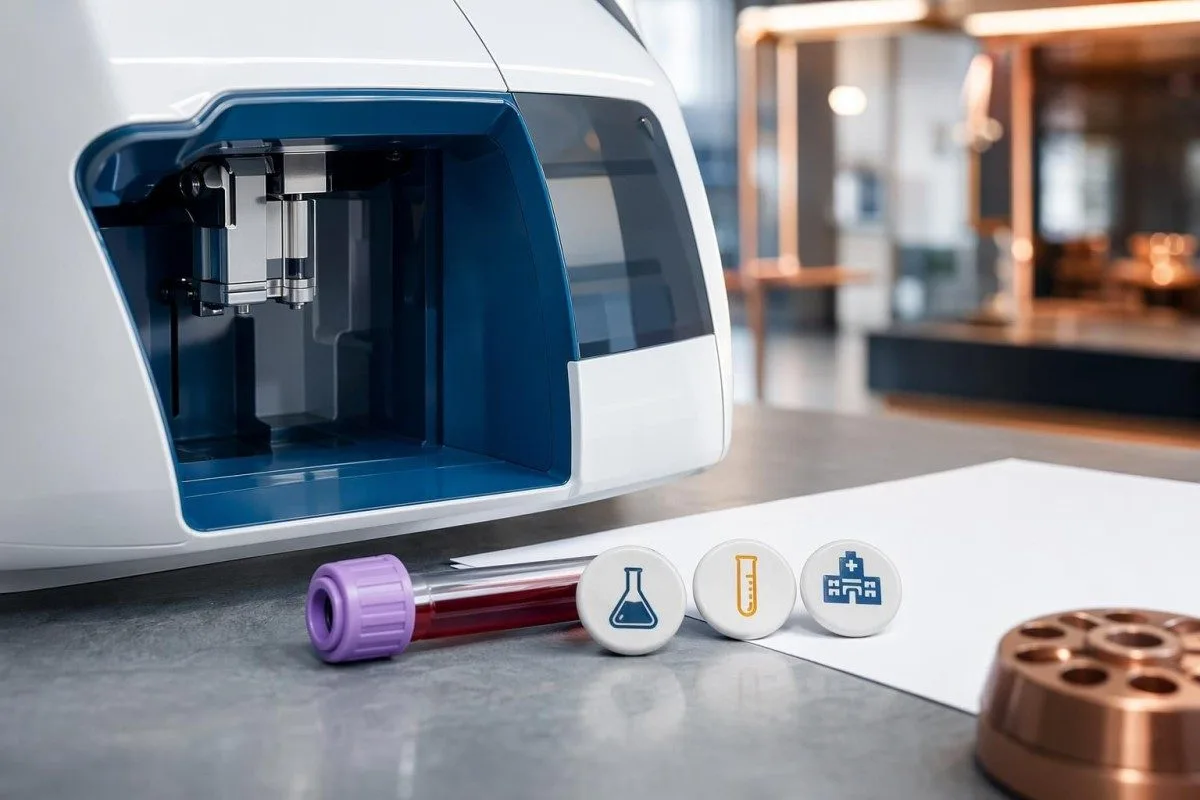
A practical physician-led guide to estimating routine lab prices before you order. The biggest surprises are usually not the test itself, but the collection fee, billing location, and repeat testing.



- Blood test cost is usually the sum of the assay price, sample collection fee, processing or facility fee, and any clinician or ordering charge.
- Routine blood test pricing varies widely: a CBC may cost about $10-$60 cash, while vitamin D testing can run $30-$150 depending on location.
- Standard blood test panels are often cheaper than ordering the same markers one by one, but only if you actually need most of the included tests.
- Insurance status changes the bill because list price, negotiated allowed amount, deductible responsibility, and cash price can all be different numbers.
- Draw fees commonly add $5-$35 in independent settings and can be much higher in hospital outpatient departments.
- Location matters: hospital outpatient labs may charge 2-10 times more than independent labs for the same routine chemistry test.
- Repeat testing is worth paying for when timing changes management; repeating a borderline potassium after a difficult collection can prevent unnecessary emergency care.
- Cost control starts before ordering: ask for CPT codes, cash price, draw fee, facility fee, expected turnaround, and whether a panel is cheaper than individual tests.
What actually determines blood test cost?
Blood test cost varies because you are paying for more than one thing: the laboratory assay, sample collection, processing, location overhead, insurance contracts, and sometimes repeat testing. As of April 27, 2026, a routine CBC might be $10-$60 cash, while a hospital-billed chemistry panel can land above $200. Our blood test cost tools help patients understand results after testing, but the smartest savings happen before the order is placed.

In clinic, I rarely see patients surprised by a high ferritin or a low vitamin D; they are surprised by a $187 bill for what they thought was a single cheap tube. Dr. Thomas Klein has seen this pattern repeatedly: the same routine blood test can be priced three ways — list price, insurance allowed amount, and self-pay cash price.
A common blood test is not priced like a grocery item. A CMP may cost $15-$80 at a cash-pay lab, yet the same sodium, potassium, creatinine, ALT and glucose can be billed separately if a facility uses itemized hospital outpatient billing.
The practical move is to estimate the whole encounter, not just the lab name. For a deeper price-only breakdown, our guide to routine lab prices walks through typical self-pay ranges patients see without insurance.
Insurance, cash price, and the bill you actually pay
Insurance changes blood test cost because the amount billed is not the same as the amount owed. The number that matters is the allowed amount after your insurer processes the claim, minus what your plan pays before or after your deductible.
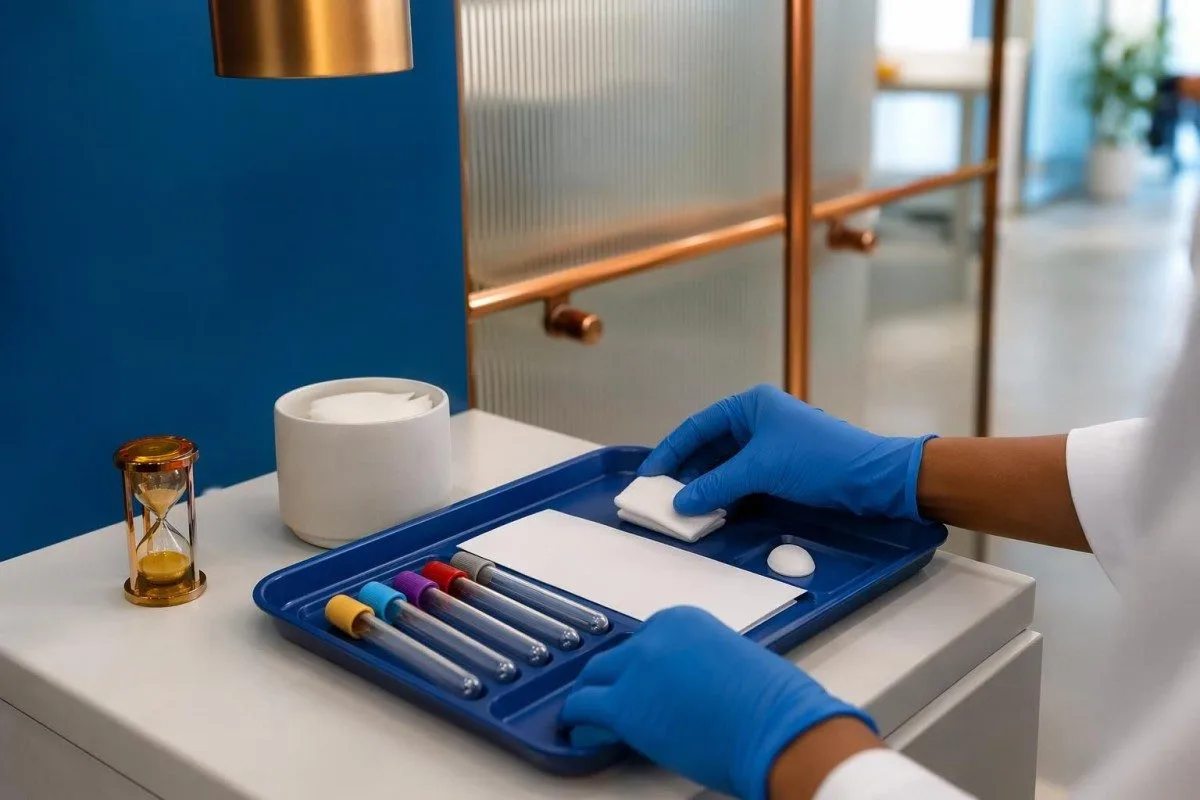
A patient with a high-deductible plan may pay the full negotiated rate until the deductible is met. A patient with no insurance may pay a lower cash package if they ask upfront, especially for a CBC, CMP, lipid panel, TSH or HbA1c.
The odd bit is that cash price can beat insured price. I have seen a $22 self-pay HbA1c become a $96 insurer-processed charge because the patient used a hospital outpatient collection site tied to a facility fee.
Kantesti is a UK company serving users in 127+ countries, so we see reports from private, public and mixed systems; the billing lesson travels surprisingly well. You can read more about Kantesti as an organization and why we separate result interpretation from the business mechanics of lab ordering.
Draw fees and handling charges patients often miss
A draw fee is a separate charge for collecting and preparing the laboratory sample, and it can add $5-$35 in many outpatient settings. Hospital outpatient or urgent-care collection fees may be higher, sometimes $50-$150 before the actual test is billed.
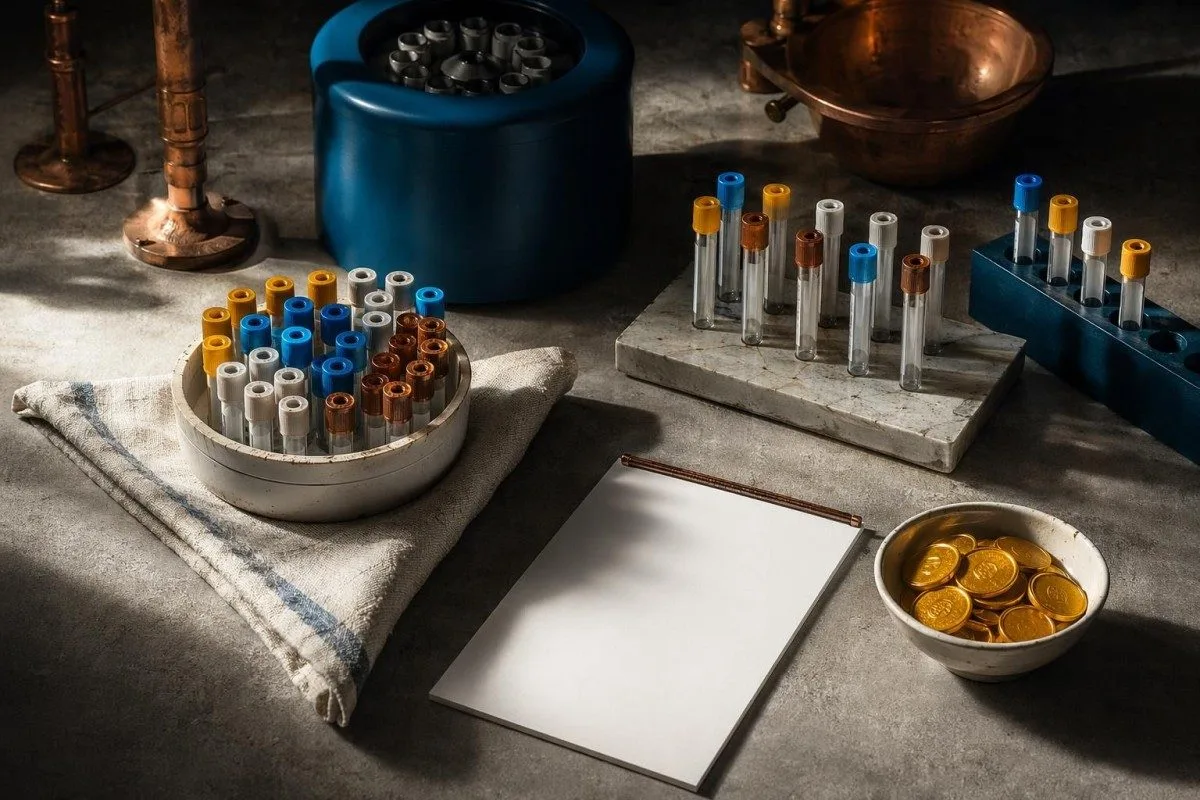
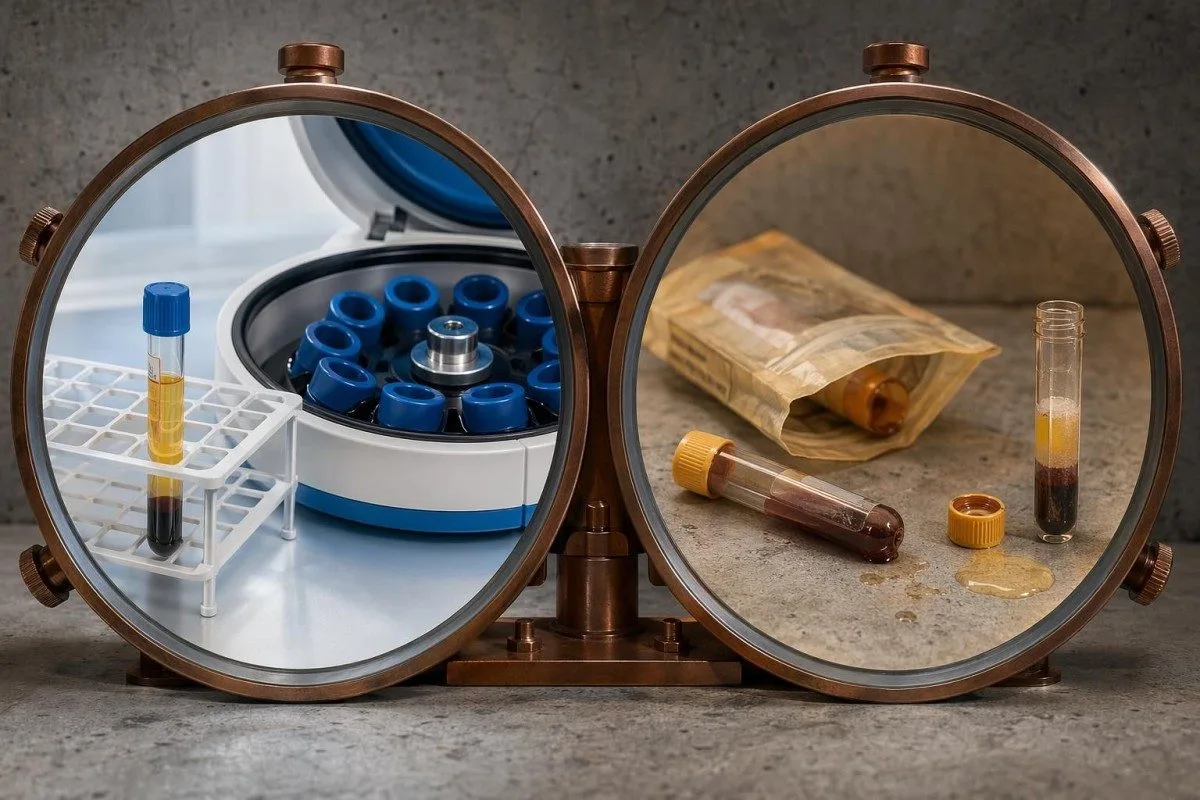
The fee may cover phlebotomy time, tube handling, centrifugation, cold-chain packaging, courier transport and accessioning into the lab system. None of that changes whether your potassium is 4.2 mmol/L, but it changes the bill.
Some patients order one cheap test and then pay more for collection than for the assay. A $12 CBC plus a $25 draw fee is still a $37 encounter, which matters if you repeat labs every 8-12 weeks.
If you search for a local site, check whether the listed price includes collection. Our article on choosing a reliable local lab includes the quality questions I would ask before letting price decide everything.
Panels versus individual tests: when bundles save money
A panel saves money when it includes several tests you already need and the bundled price is lower than the individual assay total. A standard blood test usually means a CBC plus chemistry markers, but the exact contents vary by country, clinic and lab vendor.
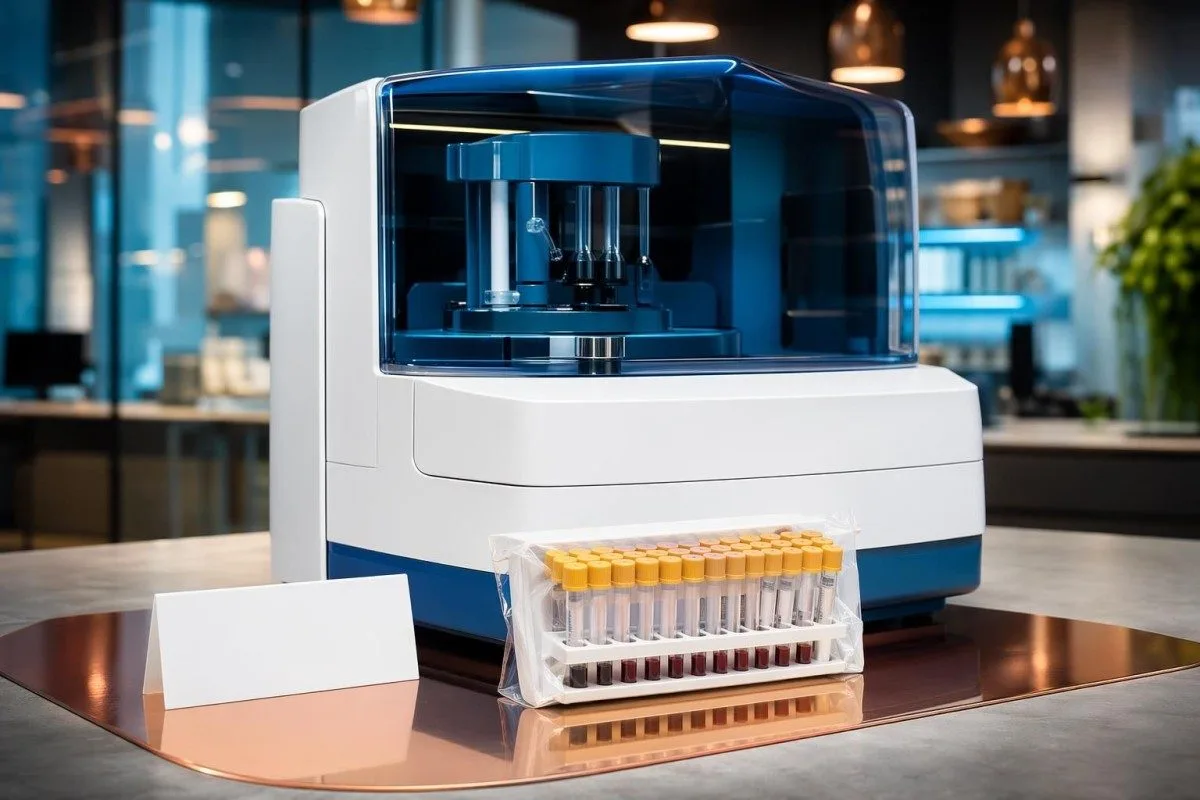
A CMP is a good example. Ordering sodium, potassium, chloride, bicarbonate, creatinine, glucose, calcium, albumin, bilirubin, ALP, ALT and AST separately is usually more expensive than one chemistry panel.
Bundles become wasteful when the panel is padded with low-value markers. A 28-test wellness bundle may look economical, but if 12 tests have no action plan, you are buying anxiety and follow-up costs.
When I review a panel showing AST 89 IU/L in a 52-year-old marathon runner, I first ask about training, alcohol, supplements and muscle symptoms before suggesting more tests. Our comprehensive blood panel guide explains which bundled markers usually matter and which are often decorative.
Typical cash ranges for routine and standard blood tests
Typical cash prices for common blood tests range from about $10 for a single CBC at a low-cost lab to $150 or more for specialty vitamin or hormone assays. These ranges are estimates, not guarantees, because taxes, currencies, draw fees and facility charges vary.

A routine blood test bundle in the UK private market may be roughly £40-£150 before extra consultation fees. In many US self-pay settings, a basic CBC, CMP and lipid panel together may sit around $45-$180 if collected outside a hospital facility.
Fasting can affect whether you need to repeat glucose or triglycerides. Before paying twice, check our guide to which common tests need fasting.
Specialty tests widen the spread. Vitamin D is often $30-$150, ApoB may be $25-$90, thyroid antibodies can be $30-$120 each, and sex-hormone assays may vary by method more than patients expect.
Why location changes the lab bill
Location changes blood test cost because hospitals, outpatient clinics, independent labs, home collection services and direct-order sites bill different overhead into the same marker. A creatinine result of 0.9 mg/dL can come from a $12 cash panel or a hospital claim exceeding $150.
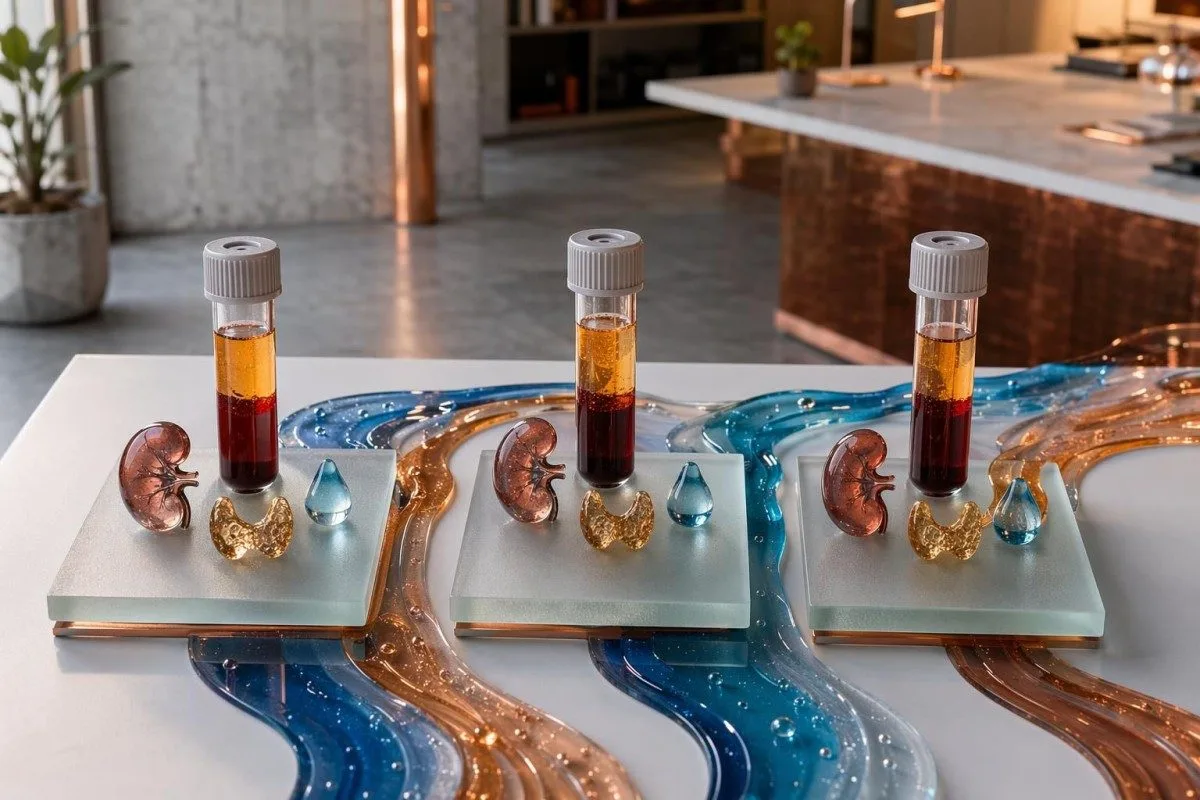
Hospital outpatient departments often have facility charges that independent labs do not. The difference is not automatically unfair — hospitals carry 24-hour staffing, complex accreditation and emergency capacity — but it can be painful for routine monitoring.
Home collection can save travel time but adds service cost. A home kit may be sensible for mobility problems, rural distance or repeated monitoring, though our at-home blood test guide explains why collection quality and shipping time matter.
For simple repeat labs, I usually tell patients to ask whether a non-hospital collection site is acceptable. That one question can cut the out-of-pocket bill by 30-70% in some markets.
Repeat testing: when the second result is worth it
Repeat testing is worth the cost when the first result may be biologically unstable, technically unreliable, or clinically close to a decision threshold. Kantesti AI can track results over time, but trend interpretation is only useful when repeat timing matches the biology of the marker.

Potassium is the classic example. A potassium of 5.7 mmol/L after a difficult collection may normalize to 4.4 mmol/L on repeat, sparing an emergency visit if the patient is well and the clinician agrees it is safe to recheck.
Other repeats should not be rushed. HbA1c reflects roughly 8-12 weeks of glycation, TSH often needs 6-8 weeks after a levothyroxine dose change, and ferritin may remain distorted for weeks after an acute illness.
In our analysis of 2M+ uploaded blood test reports, the most useful repeat patterns are spaced enough to show direction. Our blood test history feature was built because a single borderline value often misleads more than a stable 3-year trend.
Which common blood tests are worth paying for first?
The highest-value common blood tests are those that match your age, risk factors, symptoms and medication history. For many adults, CBC, CMP, HbA1c or fasting glucose, lipid panel, TSH when symptomatic, ferritin when anemia or hair loss is present, and kidney markers when risk is present are more useful than broad curiosity panels.

The USPSTF recommends screening adults aged 35-70 years with overweight or obesity for prediabetes and type 2 diabetes, which makes HbA1c or fasting glucose a rational paid test in that group (USPSTF, 2021). An HbA1c of 6.5% or higher meets the laboratory threshold for diabetes diagnosis when confirmed appropriately.
The 2018 AHA/ACC cholesterol guideline supports lipid testing for cardiovascular risk assessment, and LDL-C remains a major treatment target in adults at elevated risk (Grundy et al., 2019). If you are deciding between tests, a diabetes blood test or lipid panel often has clearer action steps than a random micronutrient bundle.
Kidney screening is a place where patients sometimes buy the wrong test. KDIGO 2024 emphasizes both eGFR and urine albumin-to-creatinine ratio for CKD assessment, so paying for cystatin C before basic creatinine and albuminuria is often backwards unless a clinician has a reason (KDIGO, 2024). For lipid details, see our lipid panel results guide.
How fasting and timing prevent wasted repeat tests
Fasting and timing reduce blood test cost by lowering the chance of a misleading result that needs repeating. Glucose, triglycerides, cortisol, testosterone, iron studies and some drug levels are particularly sensitive to timing, meals or supplements.
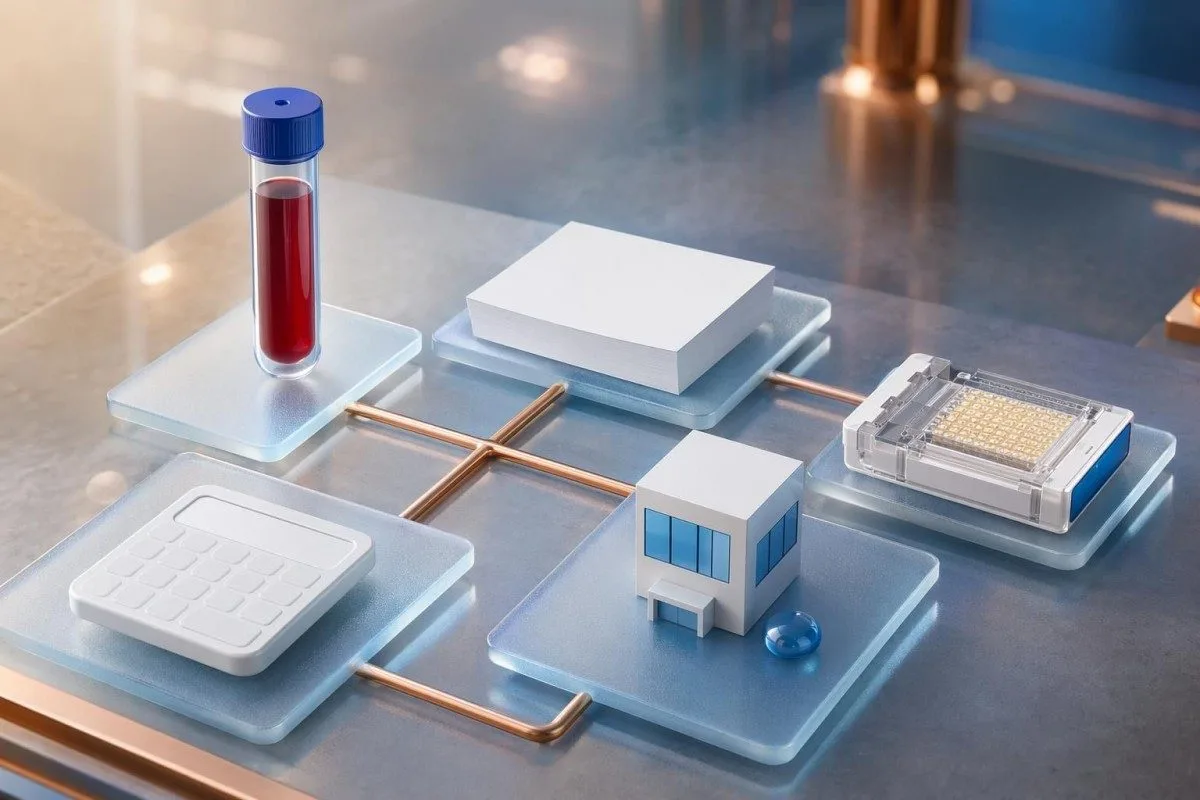
Triglycerides may rise substantially after a high-fat meal, while fasting glucose can look higher after poor sleep, acute stress or steroid medication. Our fasting before blood test guide gives practical timing rules for water, coffee and medication questions.
Biotin is a sneaky cost driver. Doses of 5,000-10,000 micrograms daily can interfere with certain thyroid and hormone immunoassays, producing results that do not fit the patient and often triggering repeat labs.
Exercise can also distort numbers. A hard strength session 24-48 hours before testing may raise CK, AST and sometimes ALT, which is why I ask athletes about training before ordering a liver workup. If thyroid numbers look odd, our biotin and thyroid test article is worth reading before paying for a repeat panel.
How to estimate your cost before you order
You can estimate blood test cost by asking for the test name, CPT or local billing code, collection fee, facility fee, cash price, insurance allowed estimate and whether the lab is in network. Do this before the sample is collected, because billing reversals are much harder afterward.

Ask for the exact panel contents. A standard chemistry panel may include 14 markers in one place and 17 in another, and a thyroid panel may mean TSH only, TSH plus free T4, or TSH plus antibodies.
Then ask whether cash price is available if you are below your deductible. Some clinics cannot legally or contractually switch pathways once insurance has been used, so decide at the front desk rather than after the claim is created.
Patients ordering without a clinician should understand local rules and follow-up responsibility. Our guide to an online blood test explains what can be ordered directly and when a medical review is safer.
Cost estimate script
Say: I am trying to estimate my out-of-pocket cost. Can you confirm the panel name, billing code, draw fee, facility fee, in-network status, cash price and whether any result will require a paid follow-up visit?
Self-pay, HSA, and subscription pitfalls
Self-pay can lower blood test cost when a transparent cash bundle replaces high deductible billing, but subscriptions can become expensive if they encourage testing without a plan. A low monthly price is not a bargain if it creates $300 of follow-up every quarter.
Health savings accounts and flexible spending accounts may soften the blow, but they do not make a low-value test medically useful. I tell patients to spend HSA money like cash, because that is essentially what it is.
Wellness panels vary from sensible to noisy. A $99 bundle with CBC, CMP, lipids and HbA1c may be reasonable for a 48-year-old with family risk, while a $399 panel full of tumor markers in a healthy adult can create false alarms.
The evidence here is honestly mixed for broad screening panels in low-risk people. If you are comparing a large bundle, our wellness panel noise guide helps separate useful labs from marketing.
When cheaper is not safer
The cheapest blood test is not always the safest choice if sample handling, accreditation, result verification or follow-up is weak. A low-cost lab should still use validated methods, qualified staff, secure data handling and clear critical-result pathways.
Look for local accreditation appropriate to your country, such as ISO 15189, CLIA certification or equivalent national oversight. Data security also matters; Kantesti holds ISO 27001 certification for information security, while laboratory accreditation is a separate requirement for the lab performing the assay.
Quality issues cost money later. A hemolyzed potassium, delayed glucose processing, wrong tube type or mislabeled specimen can trigger repeat testing, extra appointments and sometimes unnecessary treatment.
Our doctors review content standards through Kantesti's Medical Validation process, and clinical oversight is listed through our Medical Advisory Board. Cheap testing is fine; cheap interpretation without safeguards is where patients get hurt.
Using AI interpretation after the lab
AI interpretation can reduce downstream cost by helping patients organize results, spot patterns, and prepare better questions, but it cannot replace urgent care or a clinician who knows your symptoms. Our platform analyzes uploaded PDFs or photos in about 60 seconds and supports trend review across repeated tests.

Kantesti AI interprets common blood tests by reading units, reference ranges, flags, medication context and cross-marker patterns rather than judging one number in isolation. A creatinine of 1.2 mg/dL means something different in a muscular 28-year-old than in a frail 82-year-old with falling eGFR.
The savings are practical. If a patient uploads a CBC, CMP, ferritin and TSH before a visit, they often ask sharper questions and avoid paying for a duplicate panel that was already done 3 weeks earlier.
We are CE Marked and built for HIPAA and GDPR expectations, but we still tell users when symptoms override lab interpretation. For the limits of automation, read our AI interpretation guide, and for document safety see PDF upload.
A practical cost-saving script for routine blood work
The fastest way to save money is to ask for the exact tests, the reason for each test, and the full price before collection. If you already have results, try free blood test analysis first so you know what is actually missing before paying for another panel.

Use this wording: Which results will change my care in the next 30-90 days, and which can wait until my annual review? That question often removes low-value add-ons without sounding confrontational.
Ask whether recent results can be reused. A normal CBC from 2 weeks ago may be adequate for many routine purposes, while a potassium before starting an ACE inhibitor may need to be current.
Keep copies of every report, including units and reference ranges. Patients who can access their blood test results online avoid paying for repeats simply because an old result was unavailable.
My 60-second checklist
Name the clinical question, list the tests, confirm timing, ask for total price, check in-network status, avoid duplicate markers, and save the PDF. It sounds basic. It works.
Kantesti research, validation, and clinical boundaries
Kantesti's research work supports safer interpretation after testing, not cheaper laboratory collection itself. Our Kantesti benchmark documents how the AI engine is assessed across specialties, including trap cases where overdiagnosis would be harmful.

The Figshare pre-registered benchmark describes 15 anonymised blood test cases across seven medical specialties and includes hyperdiagnosis traps designed to penalize overconfident interpretation. The DOI record is available as a pre-registered benchmark.
The Zenodo global health report summarizes large-scale blood test interpretation patterns from 2.5M analyzed tests. I view this as pattern-learning support, not a license to diagnose a patient without history, examination or local clinical review.
Dr. Thomas Klein's clinical rule is simple: AI should make the next human conversation better. If a result is critical — such as potassium above 6.0 mmol/L, glucose above 400 mg/dL, hemoglobin below 7 g/dL, or platelets below 20,000/µL — the cost question comes after urgent medical safety.
Frequently Asked Questions
How much does a routine blood test cost without insurance?
A routine blood test without insurance commonly costs about $10-$60 for a CBC, $15-$80 for a CMP, $20-$100 for a lipid panel, and $20-$70 for an HbA1c before draw or facility fees. A combined routine panel may cost roughly $45-$180 in many self-pay outpatient settings. Prices can be much higher in hospital outpatient departments because facility charges may be added.
Why did my blood test cost more with insurance than the cash price?
A blood test can cost more with insurance when your deductible applies and the insurer processes a negotiated allowed amount that is higher than the lab's self-pay bundle. The billed amount, allowed amount, patient responsibility and cash price are four different numbers. Before testing, ask the lab for both the insurance estimate and the self-pay price, especially if you have not met your deductible.
Are blood test panels cheaper than ordering individual tests?
Blood test panels are usually cheaper when they include markers you genuinely need, such as a CMP instead of separately ordering sodium, potassium, creatinine, glucose, ALT and AST. Panels become expensive when they add low-value tests that create false positives or require repeat visits. A good rule is to order a panel only when at least 70-80% of its contents answer a real clinical question.
What hidden fees should I ask about before a blood test?
Ask about the draw fee, facility fee, courier or handling fee, clinician ordering fee, repeat testing policy and whether the laboratory is in network. Draw fees commonly add $5-$35 in many outpatient settings, while hospital outpatient facility fees can be much higher. You should also ask whether the quoted price includes sample collection or only the assay.
How often should routine blood tests be repeated?
Routine blood tests should be repeated based on risk, symptoms, medications and whether the result will change care. HbA1c usually reflects about 8-12 weeks of glucose exposure, TSH often needs 6-8 weeks after a thyroid medication change, and potassium may need same-day or next-day repeat if falsely high collection is suspected. Repeating stable normal panels every few weeks rarely adds value unless a clinician is monitoring a specific condition.
Can AI help me avoid paying for unnecessary repeat blood tests?
AI can help organize prior results, compare trends and flag which values are new, stable or duplicated, which may reduce unnecessary repeat testing. Kantesti AI reads uploaded lab PDFs or photos in about 60 seconds and compares markers across time when reports are available. AI should not delay urgent care for critical results such as potassium above 6.0 mmol/L, glucose above 400 mg/dL or severe anemia.
Can I use blood donation testing instead of paying for routine blood tests?
Blood donation screening protects the blood supply; it does not replace a checkup, cholesterol testing, or diabetes screening. If you need testing but cannot afford it, ask a community health center about sliding-scale fees.
What should I do if my final lab bill is higher than the estimate I received?
Ask the billing office for an itemized statement and compare each charge with the estimate and your insurer’s explanation of benefits. If a service was coded incorrectly or you were not told about a facility fee, request a correction and ask whether a self-pay or prompt-payment adjustment is available.
Will my doctor accept blood test results from a lower-cost independent lab?
Most clinicians can use results from a reputable accredited lab if the test method, collection date, reference range, and your identifying details are included. Send the PDF before your visit, and ask whether any specialty tests need to be repeated at their preferred lab.
Can I use an out-of-state or online lab order to save money?
Sometimes, but check whether the company can legally order tests in your state, where the blood will be drawn, and who reviews urgent abnormalities. A cheaper online order is less useful if you cannot get timely follow-up for a critical potassium, kidney, or blood count result.
Get AI-Powered Blood Test Analysis Today
Join over 2 million users worldwide who trust Kantesti for instant, accurate lab test analysis. Upload your blood test results and receive comprehensive interpretation of 15,000+ biomarkers in seconds.
📚 Referenced Research Publications
Klein, T., Mitchell, S., & Weber, H. (2026). Clinical Validation of the Kantesti AI Engine (2.78T) on 15 Anonymised Blood Test Cases: A Pre-Registered Rubric-Based Benchmark Including Hyperdiagnosis Trap Cases Across Seven Medical Specialties. Kantesti AI Medical Research.
Klein, T., Mitchell, S., & Weber, H. (2026). AI Blood Test Analyzer: 2.5M Tests Analyzed | Global Health Report 2026. Kantesti AI Medical Research.
📖 External Medical References
Kidney Disease: Improving Global Outcomes CKD Work Group (2024). KDIGO 2024 Clinical Practice Guideline for the Evaluation and Management of Chronic Kidney Disease. Kidney International.






⚕️ Medical Disclaimer
This article is for educational purposes only and does not constitute medical advice. Always consult a qualified healthcare provider for diagnosis and treatment decisions.
E-E-A-T Trust Signals
Experience
Physician-led clinical review of lab interpretation workflows.
Expertise
Laboratory medicine focus on how biomarkers behave in clinical context.
Authoritativeness
Written by Dr. Thomas Klein with review by Dr. Sarah Mitchell and Prof. Dr. Hans Weber.
Trustworthiness
Evidence-based interpretation with clear follow-up pathways to reduce alarm.