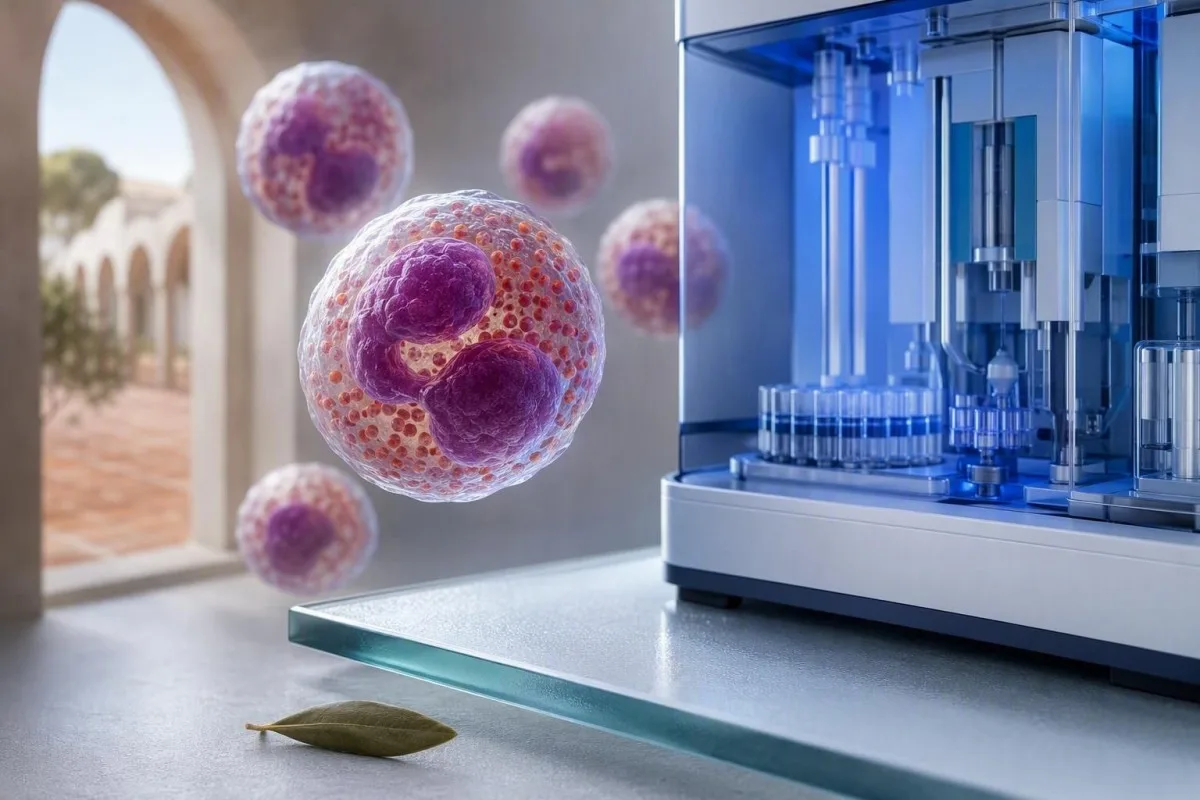
A raised eosinophil result often travels with allergy symptoms, but the absolute eosinophil count and the organs involved determine urgency. Here is how clinicians separate a routine follow-up from a same-day concern.



- Absolute eosinophil count below 500 cells/µL is usually normal; the percentage alone can mislead when the total white count is low or high.
- Mild eosinophilia is 500–1,500 cells/µL and most often reflects allergy, asthma, eczema, a medicine reaction, or a parasite exposure.
- Persistent AEC of 1,500 cells/µL or higher needs medical assessment because eosinophils can affect the lungs, heart, nerves, skin, or gut.
- Emergency symptoms include chest pain, new breathlessness, fainting, one-sided weakness, confusion, or rapidly spreading rash with fever.
- Travel history matters because Strongyloides can persist quietly for decades and may become dangerous if steroid treatment is started without testing.
- A repeat CBC with differential is often the first sensible step for a well person with a new mild rise, usually within 2–6 weeks.
- Eosinophil percentage must be converted to an absolute count: white cells × eosinophil percentage ÷ 100.
- High eosinophils are not cancer by default; clonal blood disorders are uncommon, but become more relevant with very high counts, abnormal smear findings, enlarged spleen, or low platelets.
What high eosinophils symptoms can and cannot tell you
High eosinophils symptoms usually come from the underlying condition, not from the laboratory number itself. Sneezing, itchy eyes, wheeze, eczema, nasal blockage, or intermittent abdominal upset commonly point toward allergy-related inflammation; chest pressure, breathlessness at rest, fainting, numbness, weakness, or fever with a widespread rash need faster care.
An eosinophil is a white cell involved in allergic responses, parasite defence, and certain immune pathways. Most adults have fewer than 500 eosinophils per microlitre, and many people at 600–900 cells/µL feel perfectly well. The useful question is not whether you can feel the count; it is what is driving it. Our CBC and differential guide explains why the differential must be read alongside total white cells.
Allergy-pattern symptoms tend to fluctuate with season, pets, mould, work exposure, or asthma control. A patient with itchy skin and an AEC of 780 cells/µL who has longstanding hay fever needs a different work-up from someone with 2,400 cells/µL, weight loss, tingling feet, and new exercise intolerance. The combination matters more than any isolated flag.
Dr. Thomas Klein has seen patients become frightened by an eosinophil result after a routine panel, only to find that an overlooked new nasal spray, supplement, or antibiotic was the likely trigger. Do not stop a prescribed medicine abruptly unless a clinician tells you to; instead, record the start date, dose, rash timing, and every non-prescription product.
Symptoms that are often allergy-related
Itchy eyes, recurrent sneezing, nasal congestion, mild wheeze, hives, and eczema are common in atopic disease and may coexist with an AEC of 500–1,500 cells/µL. These symptoms still deserve treatment, especially when sleep or breathing is affected, but they do not by themselves prove eosinophil-related organ injury.
Why the absolute eosinophil count changes urgency
The absolute eosinophil count, or AEC, is the measure that guides urgency. An AEC of 1,500 cells/µL or more is called hypereosinophilia; if it persists or is accompanied by organ symptoms, clinicians look beyond ordinary allergy.
Calculate AEC by multiplying the total white blood cell count by the eosinophil percentage. A white count of 12,000 cells/µL with 12% eosinophils gives an AEC of 1,440 cells/µL; a white count of 3,000 with 18% eosinophils gives only 540 cells/µL. This is why a red-flagged percentage can look more alarming than it is.
A single mild result is often rechecked after the likely temporary cause has settled, commonly in 2–6 weeks. Persistent counts at or above 1,500 cells/µL deserve a focused history, physical examination, and targeted tests. The blood test biomarker guide can help readers identify the units their laboratory uses.
The 2012 international consensus defines hypereosinophilia as AEC at least 1.5 × 10⁹/L, equivalent to 1,500 cells/µL, and separates it from hypereosinophilic syndrome, which requires evidence of eosinophil-associated organ damage (Valent et al., 2012). The old rule requiring 6 months of elevation is no longer appropriate when damage is possible.
Eosinophilia warning signs that need same-day care
High eosinophils need same-day assessment when they occur with possible heart, lung, brain, or severe medicine-reaction symptoms. Chest pain, new shortness of breath, fainting, confusion, one-sided weakness, rapidly progressive numbness, or rash plus fever are not symptoms to monitor at home.

Eosinophil-related heart involvement can cause chest discomfort, palpitations, fluid retention, or reduced exercise capacity; it can occasionally progress before routine examination findings become obvious. Chest pain or breathlessness at rest requires emergency evaluation, regardless of your AEC. For related symptom triage, review our blood tests for chest pain.
A feverish widespread rash, facial swelling, swollen glands, dark urine, or yellow eyes occurring 2–8 weeks after a new medicine can suggest a serious delayed drug reaction such as DRESS. Liver and kidney tests may change before a person feels very ill. This is one situation where waiting for a planned repeat CBC is not sensible.
Nerve symptoms deserve particular respect: new foot drop, asymmetric tingling, burning pain, or loss of grip can occur in eosinophilic vasculitis. The reason we worry when asthma, sinus disease, and nerve symptoms appear together is that the trio raises concern for eosinophilic granulomatosis with polyangiitis, not because any one feature confirms it.
Call emergency services now for these symptoms
Seek emergency help for severe chest pain, blue or grey lips, severe breathlessness, collapse, confusion, a seizure, sudden weakness on one side, or rapidly blistering rash with fever. A laboratory result should never delay urgent clinical assessment.
When high counts fit allergy, asthma or eczema
Allergic disease is the most frequent explanation for mild high eosinophil counts in outpatient practice. Asthma, allergic rhinitis, chronic hives, nasal polyps, and eczema can raise the AEC, usually modestly and with symptoms that wax and wane.
An AEC of 500–1,500 cells/µL is compatible with allergy, but an ordinary pollen allergy does not automatically explain a sustained count of 3,000 cells/µL. In my experience, people often assume a positive allergy test closes the case; it can coexist with a medicine reaction, parasite exposure, or inflammatory condition. Molecular allergy testing can clarify sensitisation but does not diagnose the cause of eosinophilia by itself.
Eosinophilic asthma tends to produce wheeze, cough, nocturnal waking, and flares after viral illness or irritants. A blood eosinophil count of 150–300 cells/µL is sometimes used in asthma treatment decisions, yet thresholds differ by medicine and guideline; it is not a universal measure of attack severity. Peak-flow change, oxygen level, and symptom burden remain clinically important.
Itching without a visible rash is less specific than people think. Dry skin, kidney disease, iron deficiency, thyroid disorders, and cholestatic liver disease can also cause itch, so it is reasonable to review a targeted itchy-skin laboratory plan rather than attributing every scratch to eosinophils.
Medicines and supplements that can raise eosinophils
Medicines are a common, under-recognised cause of a new eosinophil rise, with or without rash. Antibiotics, anti-seizure medicines, allopurinol, anti-inflammatory medicines, and some herbal products are recurring culprits, but any newly introduced agent can be relevant.

The timing is more informative than a long medication list. Record all medicines started, stopped, or dose-changed in the previous 2 months, including injections, travel medicines, protein powders, teas, and supplements. Eosinophilia may begin before skin symptoms, while a benign rash can occur without a high AEC—clinical review joins those dots.
Drug reaction with eosinophilia and systemic symptoms often develops after a latency of 2–8 weeks and can involve fever, rash, facial puffiness, enlarged nodes, hepatitis, kidney injury, or lung symptoms. A normal temperature does not fully exclude it. Do not rechallenge yourself with a suspected product simply to see whether the count returns.
Kantesti is an AI blood test analyzer that can place a flagged eosinophil result beside liver enzymes, creatinine, and prior CBC trends, but it cannot establish medicine causality or replace an examination. Saving start dates next to your result is often more useful than uploading a longer list of unrelated laboratory values.
Parasites, travel and the steroid safety question
Parasite exposure becomes a leading consideration when eosinophilia follows travel, migration, freshwater contact, barefoot soil exposure, or undercooked food. Strongyloides deserves special attention because steroid treatment can trigger life-threatening disseminated disease in an untreated carrier.

A single stool ova-and-parasite test can miss intermittent shedding, especially with Strongyloides. Depending on exposure and local availability, clinicians may use serology, repeated stool testing, or specialist infectious-disease advice. Our ova and parasite result guide explains why a negative result is not always a full exclusion.
Strongyloides infection may be silent for years, with only intermittent rash, abdominal discomfort, cough, or eosinophilia. Before high-dose steroids or other substantial immune suppression, people with meaningful exposure history should ask whether screening is needed. This is a practical safety point that is easy to miss in urgent asthma or autoimmune care.
Not every trip creates risk. A short urban holiday without soil, freshwater, animal, or food exposure carries a different probability from years spent in endemic rural settings. Bring a timeline of countries, dates, activities, and symptoms; it gives the clinician much more to work with than the word travel.
Gut, lung and sinus symptoms that change the work-up
Persistent gastrointestinal, respiratory, or sinus symptoms alongside an AEC above 1,500 cells/µL justify organ-focused evaluation. Abdominal pain, swallowing difficulty, chronic diarrhoea, cough, sinus polyps, and worsening asthma may indicate an eosinophilic disorder rather than uncomplicated allergy.
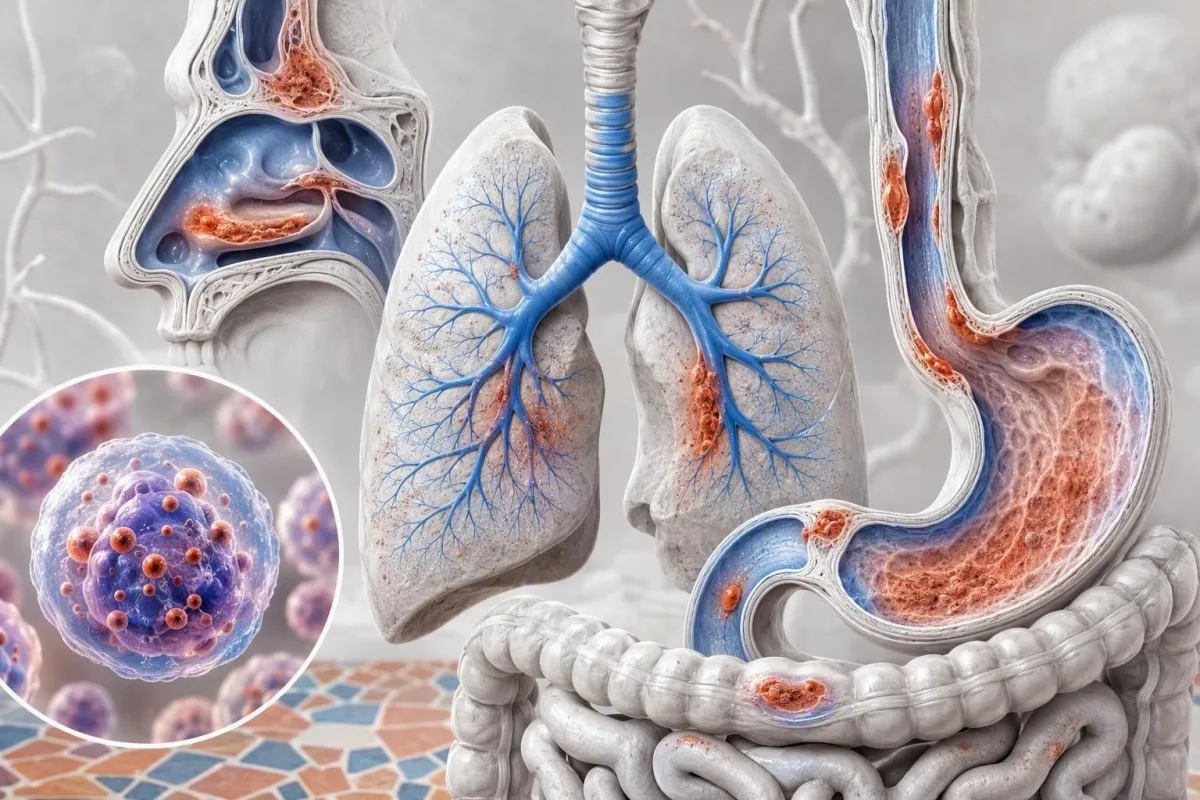
Eosinophilic oesophagitis often causes food sticking, slow eating, repeated drinking to clear bites, or food impaction rather than classic heartburn. Adults with a food blockage should seek urgent care, and diagnosis requires endoscopy with tissue sampling; an AEC can be normal in this condition. Read more about symptom-led gut testing in our bloating and laboratory guide.
Eosinophilic gastrointestinal disease can cause pain, diarrhoea, nausea, weight loss, or low albumin, but symptoms overlap with coeliac disease, inflammatory bowel disease, and infection. Stool calprotectin can help distinguish intestinal inflammation patterns, although it does not diagnose eosinophilic disease. A low albumin or unintentional loss of 5% body weight in 6–12 months raises the priority of review.
Kantesti is an AI blood test interpretation platform that reads eosinophils in the context of albumin, CRP, iron markers, and liver tests rather than treating a CBC flag as a diagnosis. This pattern approach is especially helpful when gastrointestinal symptoms have been gradual and easy to normalise.
How heart and nerve involvement can present
Heart and nerve symptoms are the most consequential eosinophilia warning signs because damage can be difficult to reverse. New palpitations, chest discomfort, breathlessness, leg swelling, stroke-like symptoms, or asymmetric numbness warrant prompt clinical assessment even when the eosinophil count has begun to fall.
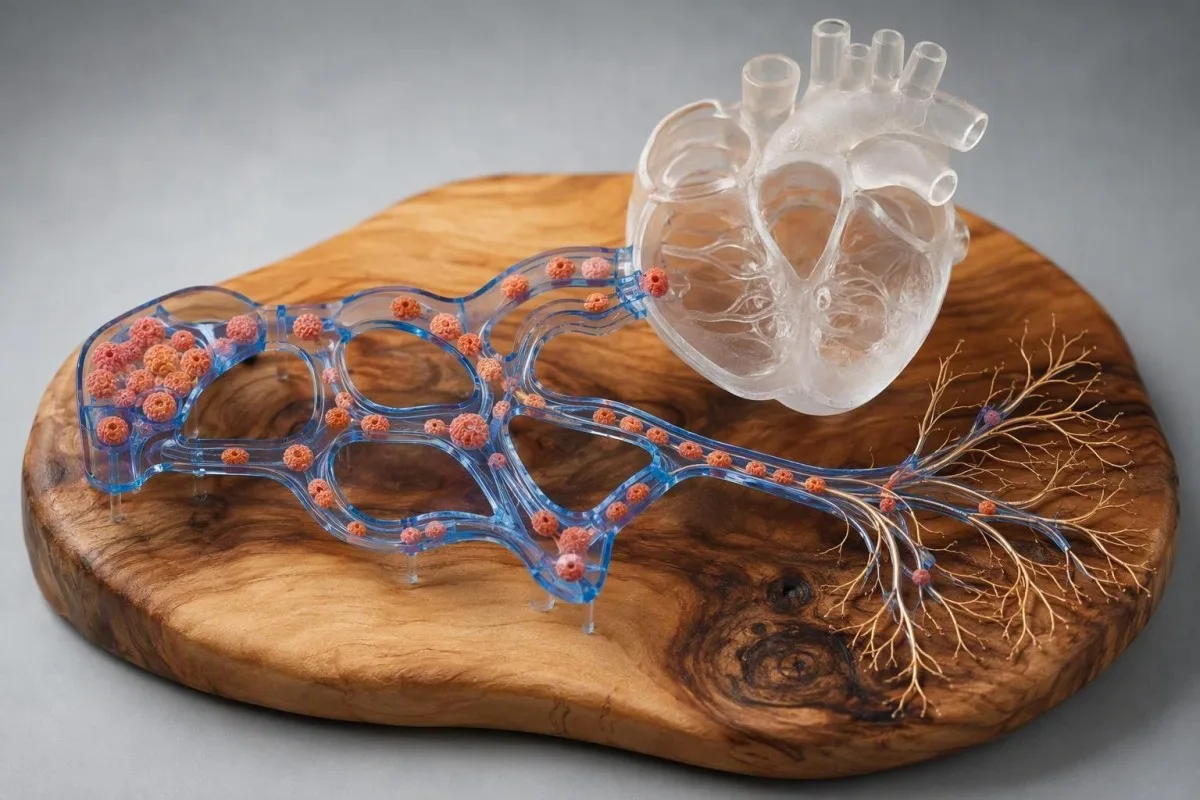
Eosinophils can release proteins that injure the heart lining and muscle, leading to inflammation, clot formation, or scarring in severe cases. Clinicians may check ECG, troponin, echocardiography, and sometimes cardiac MRI when symptoms or AEC make cardiac involvement plausible. A normal resting ECG does not rule out every early problem.
Peripheral nerve involvement often appears as painful tingling, numbness, weakness, or a foot that suddenly catches the ground. It is frequently uneven from side to side, unlike the symmetric stocking numbness common in diabetes. The vasculitis laboratory overview explains why urine testing, kidney function, inflammatory markers, and ANCA may be considered together.
ANCA is positive in only about 30–40% of eosinophilic granulomatosis with polyangiitis cases, so a negative result cannot exclude it. This is a classic example of why clinicians follow the phenotype—adult-onset asthma, sinus disease, eosinophilia, neuropathy, kidney changes—rather than ordering a test and declaring the work-up finished.
Is high eosinophils dangerous at different levels?
High eosinophils are potentially dangerous when the count is persistently 1,500 cells/µL or higher, rapidly rising, or linked to organ symptoms. A mildly raised count without symptoms is usually not an emergency, whereas a lower count with chest pain or severe rash still needs urgent care.
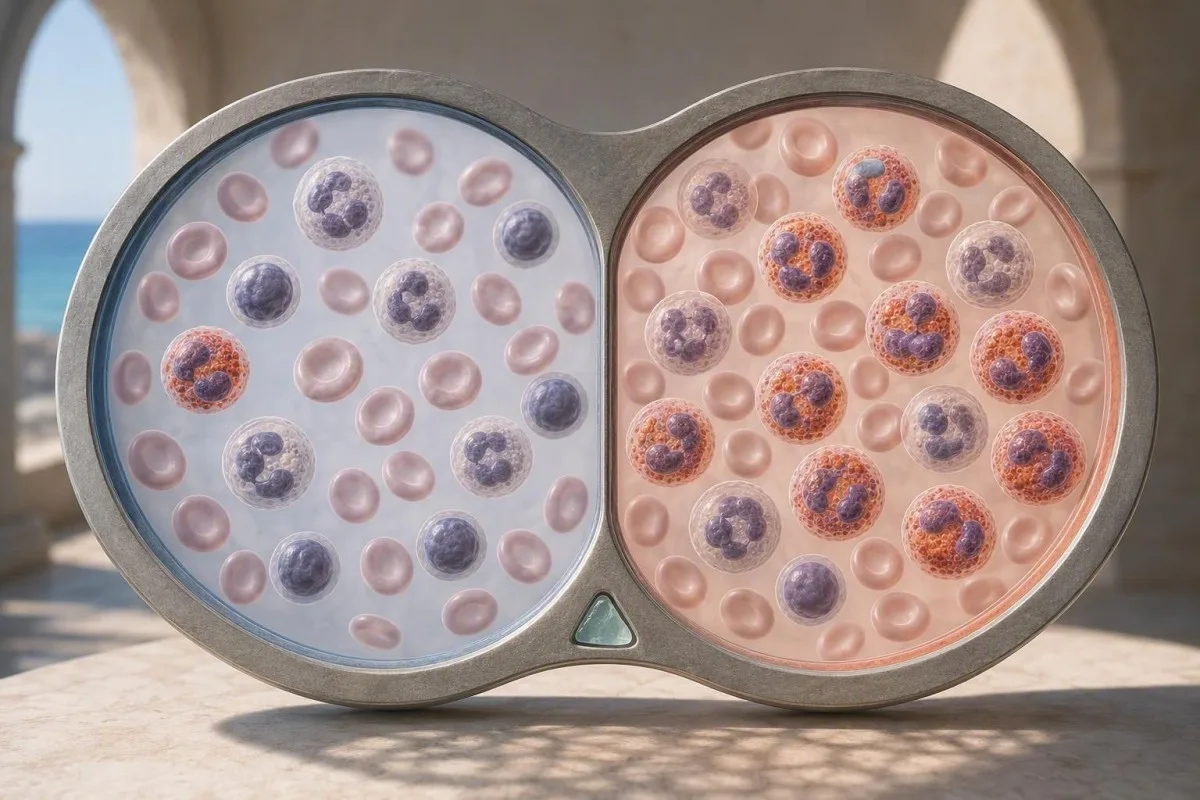
The count is a risk marker, not a stopwatch. Some people with an AEC of 6,000 cells/µL have no detectable organ injury after thorough evaluation, while another person with 1,800 cells/µL may have active lung or nerve disease. Repeating the CBC and checking the trajectory gives a truer picture than one result.
Marked eosinophilia above 5,000 cells/µL usually prompts early specialist involvement, particularly with constitutional symptoms, enlarged lymph nodes, enlarged spleen, anaemia, low platelets, or abnormal cells on the film. Klion's practical review of hypereosinophilic syndromes emphasises assessing organ injury and excluding secondary causes before assigning a primary syndrome label (Klion, 2015).
Do not try to lower eosinophils with restrictive diets, detox products, or unproven parasite cleanses. Those steps can delay diagnosis and sometimes cause liver injury. If you have electrolyte symptoms during an illness, our electrolyte urgent-care guide shows why the rest of the panel can alter urgency.
Tests clinicians use after a raised eosinophil result
The first-line evaluation for high eosinophils is a repeat CBC with differential, a careful exposure and medication history, and tests targeted to symptoms. Broad scans and rare-gene tests are not necessary for every mild, temporary elevation.

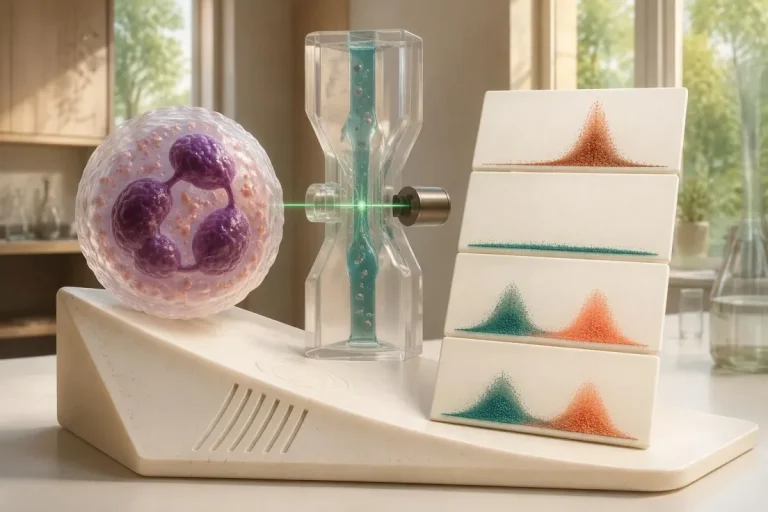
A repeat CBC confirms persistence and identifies companion abnormalities such as anaemia, thrombocytopenia, or high white cells. A manual cell sample slide can reveal dysplastic features or blasts that automated counters may flag but cannot classify. Liver enzymes, bilirubin, creatinine, urinalysis, CRP, and ESR are chosen when systemic involvement is possible.
For persistent AEC at or above 1,500 cells/µL, testing may include total IgE, Strongyloides serology when exposure fits, vitamin B12, serum tryptase, HIV testing where appropriate, and imaging or specialist studies guided by symptoms. High B12 and high tryptase with splenomegaly can suggest a myeloid process, but neither result is diagnostic alone.
Kantesti AI can organise serial results and flag meaningful context changes, such as rising eosinophils with ALT or creatinine changes, using its clinical validation framework. The output should be a well-prepared conversation with your clinician, not a reason to self-order a scattered set of rare tests.
When a blood disorder becomes more likely
A primary blood or bone-marrow disorder is uncommon, but becomes more likely with marked persistent eosinophilia plus abnormal blood counts, splenomegaly, or abnormal cells on a slide. These features call for haematology assessment rather than repeated allergy testing alone.
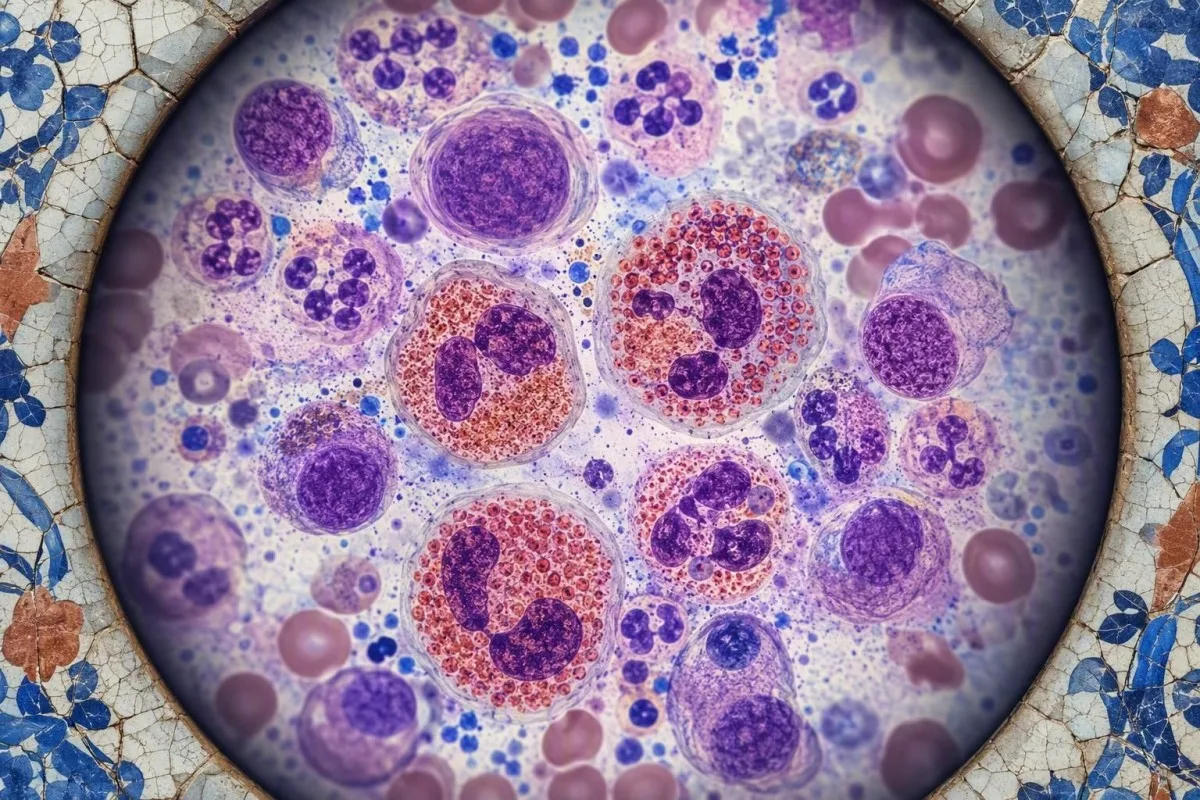
Clues include AEC above 5,000 cells/µL, white cells that remain high, low haemoglobin, low platelets, unexplained high vitamin B12, raised tryptase, fever, drenching sweats, or an enlarged spleen. None proves cancer. Together, though, they shift the probability enough to justify molecular testing and sometimes bone-marrow examination.
FIP1L1-PDGFRA and other rearrangements matter because some are highly treatment-responsive, including to targeted therapy. Testing is selected by haematology based on the blood film, marrow findings, and clinical picture; indiscriminate testing after an AEC of 650 cells/µL is generally low yield. Our blood cancer testing pathway describes the usual sequence.
A normal haemoglobin does not eliminate a clonal cause, especially early on. Conversely, an isolated mild rise over several springtime CBCs, with normal platelets and normal examination, is far more often reactive. This is one of those areas where context matters more than the number.
Eosinophilia in children, pregnancy and later life
Age, pregnancy, and immune status change the meaning of an eosinophil result. Children commonly have higher allergy and parasite exposure rates, pregnancy requires medication caution, and older adults deserve a particularly careful review of new drugs and systemic symptoms.
In children, eczema, food allergy, asthma, and helminth exposure are common explanations, but poor growth, persistent diarrhoea, recurrent fever, or AEC above 1,500 cells/µL should not be dismissed as simple atopy. Paediatric reference intervals can differ from adult intervals, especially in infancy. Families can review our guidance on children's blood test interpretation.
Pregnancy itself does not usually cause marked eosinophilia. New rash, wheeze, abdominal symptoms, or abnormal liver or kidney results should be reviewed through maternity or urgent services rather than treated with an over-the-counter product without advice. The safety threshold is lower because maternal illness and medicines can affect two patients.
In older adults, a new eosinophil rise often has a medication explanation, but malignancy, autoimmune disease, and chronic infection also become more relevant. A careful comparison with CBCs from 1–5 years earlier can be remarkably revealing; a count that has been stable at 700 for years carries a different meaning from a jump from 100 to 2,700 in 3 months.
What to do before your appointment or repeat test
The best next step for a stable person with mild eosinophilia is to document symptoms and exposures, then arrange a clinician-guided repeat CBC. Bring the absolute count, not only the percentage, plus a timeline of medicines, travel, allergies, and previous results.

Write down the date each symptom began, whether it is daily or intermittent, and any triggers such as exercise, food, a new home, animals, soil exposure, or travel. Include screenshots of prior panels where possible. A repeat test is usually more interpretable when taken after an acute viral illness or steroid burst has resolved, unless symptoms make waiting unsafe.
Ask three focused questions: What is my AEC? Is it persistent or rising? Do my symptoms or other results suggest organ involvement? The blood-test change guide explains why small differences between two CBCs can reflect ordinary biological and laboratory variation rather than deterioration.
Kantesti is an AI-powered blood test analysis tool that helps users compare trends and prepare questions across 100+ languages, but diagnosis requires a licensed clinician who can examine you and act on warning signs. Dr. Thomas Klein recommends bringing a one-page timeline rather than relying on memory in a short appointment.
Using an AI interpretation safely when eosinophils are high
An AI interpretation can help you spot a high eosinophil trend and associated abnormal results, but it cannot diagnose eosinophilic organ disease or decide emergency care. Symptoms, examination findings, and sometimes imaging or specialist testing remain indispensable.

Kantesti AI interprets CBC results by checking the AEC against the laboratory range, comparing prior values, and placing it alongside white count, haemoglobin, platelets, liver tests, kidney markers, and inflammatory clues. A trend from 300 to 1,900 cells/µL across 3 months deserves more attention than a single isolated result of 650 cells/µL.
Privacy matters with health data. Before sharing a report, remove identifiers you do not need and check that dates, units, and reference ranges were captured correctly; photo uploads can misread decimal points or columns. Our PDF upload accuracy checklist covers a few simple checks that prevent avoidable interpretation errors.
Kantesti's clinical content is reviewed within an accountable medical framework, and readers can see the physicians behind that process through our Medical Advisory Board. As of September 10, 2026, the safest message remains straightforward: urgent symptoms override every app, score, and laboratory trend.
Frequently Asked Questions
What symptoms do high eosinophils cause?
High eosinophils usually cause symptoms through the condition behind the result rather than through the count itself. Allergy-related patterns include sneezing, itchy eyes, wheeze, eczema, hives, and nasal blockage, often with an AEC of 500–1,500 cells/µL. Chest pain, breathlessness, fainting, new weakness, asymmetric numbness, fever, or a widespread rash may indicate organ involvement or a serious medicine reaction and need prompt assessment. An AEC above 1,500 cells/µL that persists should be medically evaluated even if symptoms are mild.
Is a high eosinophil count dangerous?
A high eosinophil count can be dangerous when it is persistent, markedly elevated, or associated with heart, lung, nerve, skin, or digestive symptoms. Counts of 500–1,500 cells/µL are often related to allergy or eczema and are usually not an emergency in a well person. Counts at or above 1,500 cells/µL are termed hypereosinophilia, and values above 5,000 cells/µL generally warrant prompt specialist assessment. Chest pain, breathing difficulty, collapse, confusion, or a severe rash with fever require urgent care at any count.
What is the normal eosinophil count in adults?
The usual adult absolute eosinophil count is 0–500 cells/µL, although the exact reference interval varies slightly by laboratory. Mild eosinophilia is 500–1,500 cells/µL, moderate eosinophilia is 1,500–5,000 cells/µL, and marked eosinophilia is above 5,000 cells/µL. The absolute count is more useful than the eosinophil percentage because it accounts for the total white blood cell count. For example, 18% eosinophils with a white count of 3,000 cells/µL equals an AEC of 540 cells/µL.
Can allergies cause eosinophils above 1500?
Allergies can raise eosinophils, but persistent counts above 1,500 cells/µL should not automatically be attributed to hay fever or eczema. Asthma, chronic sinus disease, nasal polyps, medicine reactions, parasites, autoimmune conditions, and rarer blood disorders can coexist with allergy. A clinician will usually review symptoms, medicines, travel, exposure history, and repeat CBC results before deciding how far to investigate. A sustained AEC of 1,500 cells/µL or more is a reasonable threshold for a more deliberate work-up.
How quickly should I repeat a high eosinophil blood test?
A well person with a new mild eosinophil elevation of 500–1,500 cells/µL often repeats the CBC with differential in about 2–6 weeks, depending on symptoms and the suspected trigger. Repeat testing may be sooner when the AEC is rising, is at least 1,500 cells/µL, or other CBC values are abnormal. Do not wait for a repeat test if you have chest pain, shortness of breath, fever with widespread rash, jaundice, neurological symptoms, or rapidly worsening illness. Your clinician may also arrange targeted parasite, liver, kidney, or inflammatory testing at the same time.
Can high eosinophils mean cancer?
High eosinophils can rarely occur with blood and bone-marrow disorders, but most mild elevations are reactive and relate to allergy, asthma, eczema, medicines, or parasite exposure. Concern for a clonal blood disorder rises with persistent AEC above 5,000 cells/µL, anaemia, low platelets, abnormal cells on a blood film, high tryptase or vitamin B12, enlarged spleen, fevers, or drenching sweats. These findings require haematology assessment but do not establish a cancer diagnosis on their own. The pattern across symptoms, examination, repeat counts, and specialised testing determines the cause.
Get AI-Powered Blood Test Analysis Today
Join over 2 million users worldwide who trust Kantesti for instant, accurate lab test analysis. Upload your blood test results and receive comprehensive interpretation of 15,000+ biomarkers in seconds.
📚 Referenced Research Publications
Klein, T., Mitchell, S., & Weber, H. (2026). Clinical Validation Framework v2.0 (Medical Validation Page). Kantesti AI Medical Research.
Klein, T., Mitchell, S., & Weber, H. (2026). AI Blood Test Analyzer: 2.5M Tests Analyzed | Global Health Report 2026. Kantesti AI Medical Research.
📖 External Medical References


⚕️ Medical Disclaimer
This article is for educational purposes only and does not constitute medical advice. Always consult a qualified healthcare provider for diagnosis and treatment decisions.
E-E-A-T Trust Signals
Experience
Physician-led clinical review of lab interpretation workflows.
Expertise
Laboratory medicine focus on how biomarkers behave in clinical context.
Authoritativeness
Written by Dr. Thomas Klein with review by Dr. Sarah Mitchell and Prof. Dr. Hans Weber.
Trustworthiness
Evidence-based interpretation with clear follow-up pathways to reduce alarm.