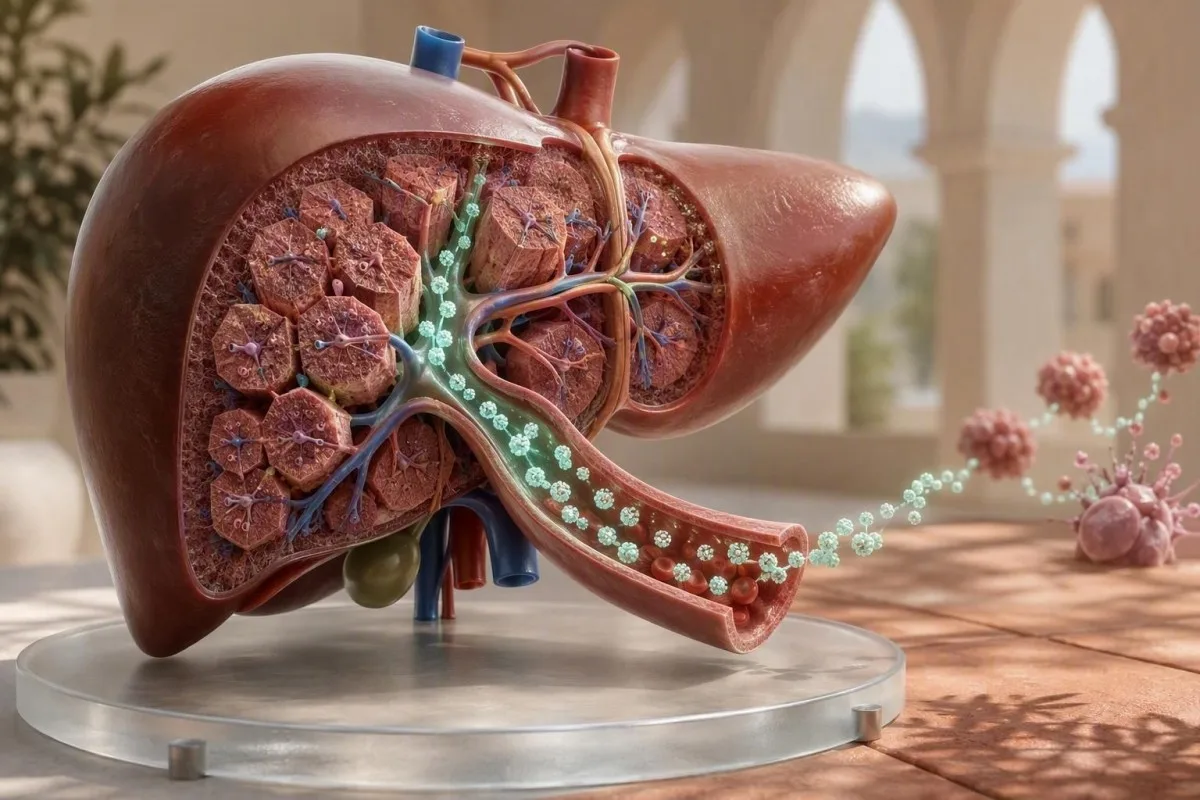
A high-sensitivity C-reactive protein result is usually a signal rather than the source of how you feel. The useful question is what is raising it, whether the result is temporary, and how it fits your cardiovascular risk.



- No direct symptoms: hs-CRP is a liver-made protein; an elevated result does not itself cause fatigue, pain, or fever.
- Cardiovascular threshold: an hs-CRP result of 2.0 mg/L or higher is a risk-enhancing factor in the 2019 ACC/AHA primary-prevention guideline.
- Acute illness rule: hs-CRP above 10 mg/L is more often a short-term tissue-response signal than a cardiovascular-risk measurement and should usually be repeated when well.
- Useful risk bands: under 1 mg/L is lower relative cardiovascular risk, 1–3 mg/L is intermediate, and above 3 mg/L is higher relative risk after repeat testing.
- Retest timing: wait at least 2 weeks after fever, a significant respiratory illness, dental treatment, or a strenuous event before retesting if clinically safe.
- Symptoms matter: chest pressure, breathlessness, one-sided weakness, black stools, persistent high fever, or severe abdominal pain need clinical assessment regardless of hs-CRP.
- Context beats one result: blood pressure, ApoB or LDL-C, diabetes status, smoking, kidney function, waist size, and family history determine whether a raised hs-CRP changes care.
- Do not chase a number: treating an unexplained hs-CRP result with supplements can delay diagnosis; first identify the likely driver.
High hs-CRP usually causes no symptoms itself
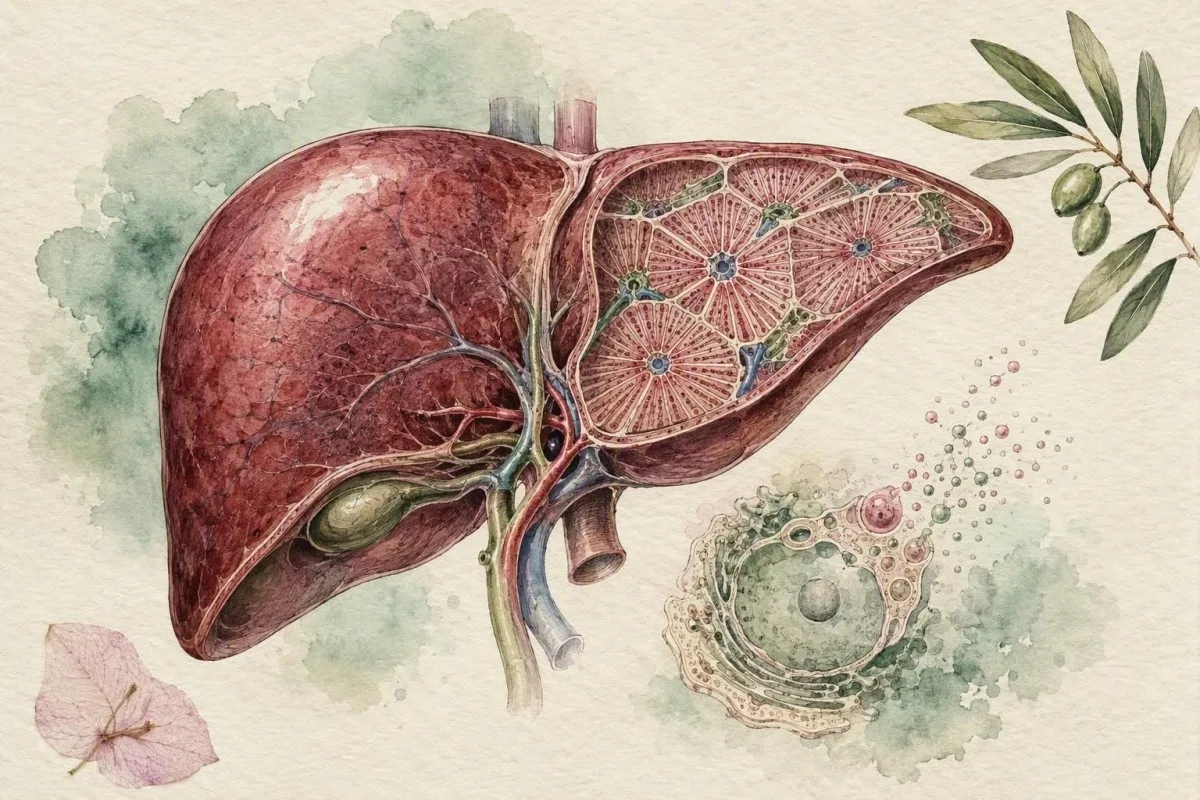
High hs-CRP symptoms are usually not symptoms of hs-CRP at all. The protein is a measurable response made mainly by the liver; what you feel comes from the infection, immune condition, injury, metabolic problem, or vascular risk context behind it. In my clinical practice, an otherwise well person with hs-CRP of 3.4 mg/L often feels completely normal.
hs-CRP is a marker, not a toxin. It does not create a recognizable sensation in the way low glucose can cause shaking or low calcium can cause tingling. A raised value may coexist with tiredness, aching joints, fever, cough, bowel changes, or no symptoms whatsoever; those clues point to the cause, not to the CRP molecule itself. Our guide to why ESR can rise explains why another inflammation marker may move differently.
When I review a panel, I first ask whether there was a cold, gum flare, hard training session, vaccine, poor sleep, or injury in the preceding 7–14 days. A 36-year-old runner with hs-CRP 8.1 mg/L after a mountain race and sore calves needs a different conversation from a sedentary 58-year-old with 3.1 mg/L on two quiet, well days.
Kantesti is an AI blood test analyzer that reads hs-CRP beside the complete blood count, lipids, liver markers, glucose markers, medicines, and reported symptoms rather than declaring one isolated result dangerous. That distinction prevents a common and needless scare.
Why a normal day can still produce a high result
Low-grade vascular and metabolic tissue response can be silent for years. Conversely, a clearly symptomatic virus can raise CRP sharply but have little bearing on long-term cardiovascular risk once recovery is complete.
What an hs-CRP test actually measures
hs-CRP measures very small concentrations of C-reactive protein, usually from about 0.1 to 10 mg/L. Its analytical sensitivity makes it useful for cardiovascular risk refinement when a person is clinically well; it does not identify the location or cause of tissue response.

The “hs” means high sensitivity, not “more severe.” Standard CRP and hs-CRP measure the same protein, but hs-CRP assays have better precision at low concentrations. A value of 2.6 mg/L can be relevant to preventive cardiology, while a standard CRP of 86 mg/L is generally used to follow substantial acute illness or inflammatory disease.
CRP rises after immune signaling, particularly interleukin-6 signaling, prompts liver production. It can begin increasing within roughly 6–8 hours, peak around 48 hours, and fall quickly once the trigger resolves; that quick fall is why timing of the sample matters more than many patients expect. The CRP-to-albumin ratio can sometimes add context in hospitalized or chronically unwell patients, but it is not a substitute for diagnosis.
An hs-CRP result is not an “immune strength” score and cannot diagnose autoimmune disease, cancer, or a blocked artery. It is one probability-shifting datum. In my experience, the most useful sample is drawn when the patient feels ordinary, has had no recent fever, and is not recovering from unusual exertion.
Why laboratories use different reference wording
Some laboratories flag anything above 3 mg/L, while others report cardiovascular categories without calling a result abnormal. The laboratory’s reference interval and the clinical question should both be visible before interpreting the flag.
hs-CRP ranges: low, intermediate and high relative risk
For cardiovascular risk assessment, hs-CRP below 1 mg/L is considered lower relative risk, 1–3 mg/L intermediate risk, and above 3 mg/L higher relative risk when the result is stable. Results above 10 mg/L should usually prompt a search for an acute driver and repeat measurement rather than cardiovascular scoring.

These bands describe population-level association, not a personal forecast. A healthy non-smoker with hs-CRP 3.2 mg/L and excellent blood pressure may still have a lower 10-year event risk than a smoker with diabetes and hs-CRP 0.7 mg/L. The 2019 ACC/AHA prevention guideline treats hs-CRP at least 2.0 mg/L as a risk-enhancing factor, not an automatic medication indication (Arnett et al., 2019).
A single result between 3 and 10 mg/L is often worth repeating twice, ideally about 2 weeks apart when clinically well. If either repeat is above 10 mg/L, the priority shifts to possible infection, inflammatory disease, injury, or another active condition. Read laboratory flags alongside our blood biomarker guide rather than treating the red “H” as a diagnosis.
Kantesti AI is an AI blood test interpretation platform that preserves laboratory units and reference limits, then compares hs-CRP with other results from the same draw. That matters because 3.0 mg/L, 3.0 mg/dL, and 30 mg/L are not interchangeable values.
Short-term high hs-CRP causes that commonly mislead
Respiratory infections, gum disease, recent surgery, injury, vaccination, and strenuous unfamiliar exercise can temporarily raise hs-CRP. These high hs-CRP causes often resolve over days to weeks and are a poor basis for estimating baseline heart risk.
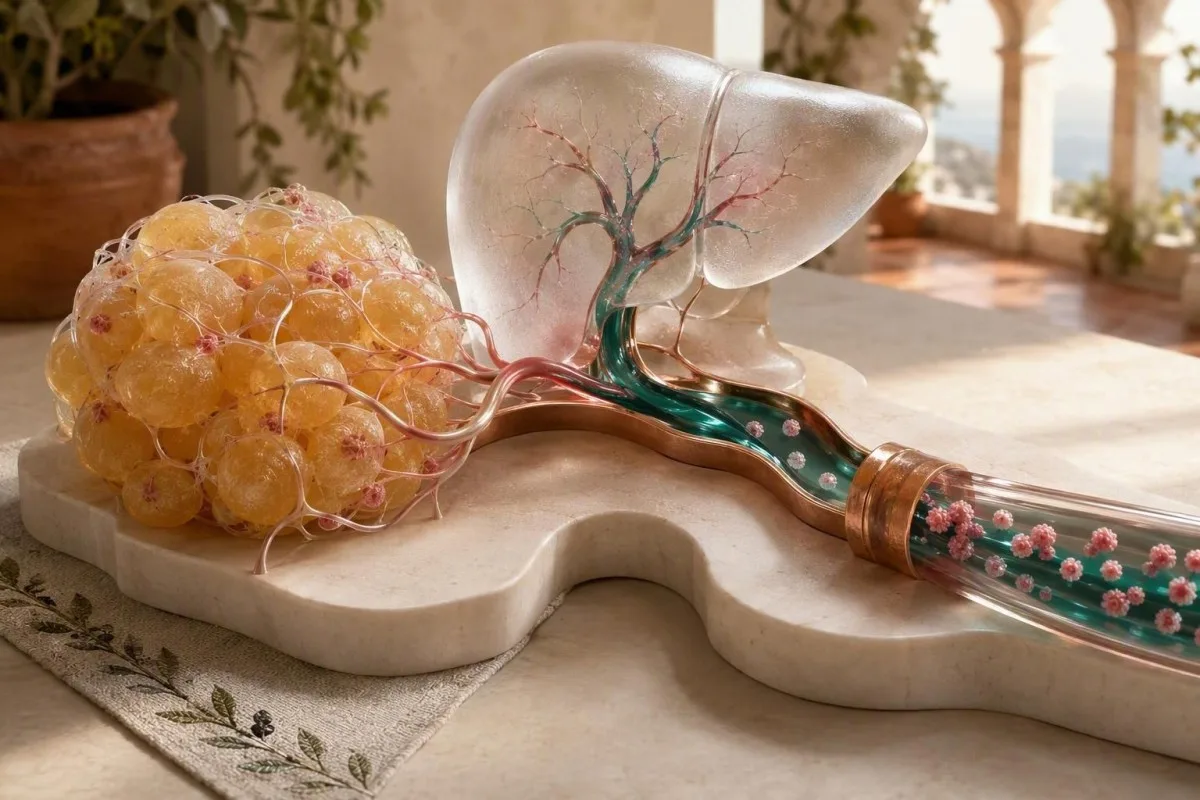
A hard resistance session can produce muscle micro-injury and raise CRP for 24–72 hours, especially after a new program or eccentric training. I have seen hs-CRP near 7 mg/L in people who felt well except for delayed muscle soreness; their repeat after recovery was below 1 mg/L. That is why changes between blood tests deserve a timeline, not panic.
Periodontal inflammation is a surprisingly frequent overlooked contributor. Bleeding gums, a dental abscess, deep cleaning, or a recent extraction can alter the result; asking about dental history has changed interpretation more than once in my consultations. Minor viral infections can do the same even when fever has already passed.
Record the date of illness, vaccines, dental work, injuries, and high-intensity exercise on the day of testing. A result cannot tell us which exposure occurred, but a careful timeline can often distinguish a transient spike from a persistent pattern.

When to delay a non-urgent measurement
For a preventive test, wait until you have been free of acute symptoms for roughly 2 weeks and avoid an unusually demanding workout for 24–48 hours. Do not delay medically necessary testing because of these rules.
Persistent high hs-CRP causes worth investigating
Persistent hs-CRP elevation can reflect excess visceral fat, smoking, untreated sleep apnea, chronic inflammatory disease, chronic infection, kidney disease, or inflammatory liver disease. It remains non-specific, so the cause emerges from history, examination, and companion tests rather than the CRP result alone.

Abdominal adipose tissue produces inflammatory signaling molecules that may keep hs-CRP modestly elevated even when standard liver enzymes are normal. Waist circumference, triglycerides, HDL-C, fasting glucose, blood pressure, and sleep quality can therefore be more revealing than repeating CRP alone. Review metabolic syndrome cutoffs if several of these cluster.
Rheumatoid arthritis, psoriasis, inflammatory bowel disease, lupus, vasculitis, and chronic infections may raise CRP, but no numerical cutoff distinguishes them reliably. A persistently raised hs-CRP with swollen joints, morning stiffness beyond 45 minutes, recurrent mouth ulcers, rash, night sweats, or unintentional weight loss deserves clinician-led assessment.
Ferritin can rise as an acute-phase reactant and make iron stores look falsely reassuring. A low transferrin saturation with normal or high ferritin plus raised CRP may still support iron-restricted erythropoiesis; our explanation of ferritin and CRP together covers this common trap.

The less obvious driver: sleep-disordered breathing
Frequent snoring, witnessed pauses, morning headaches, resistant hypertension, and daytime sleepiness should raise the question of sleep apnea. Its association with CRP is variable, but treating sleep apnea may improve blood pressure and metabolic risk even when hs-CRP barely shifts.
Symptoms that can explain a high hs-CRP result
High CRP symptoms depend on the underlying condition: fever and cough suggest an acute respiratory illness, while painful swollen joints, bowel symptoms, or persistent fatigue suggest other avenues for review. hs-CRP cannot reliably sort these causes by itself.

Fever above 38°C, shaking chills, focal pain, a new productive cough, painful urination, or worsening redness around an affected area suggest an active illness rather than occult cardiovascular risk. An hs-CRP of 12 mg/L in this setting should never be used to reassure or alarm without a clinical examination. A normal white count also does not rule out localized disease.
Recurring diarrhea, blood or mucus in stool, nocturnal bowel symptoms, abdominal pain, or weight loss warrant gastrointestinal assessment. Stool markers can be more anatomically informative than serum CRP in this situation; see how calprotectin and lactoferrin differ before assuming a high result means irritable bowel syndrome.
Joint symptoms deserve detail: true inflammatory stiffness is often worst after rest and improves with movement, whereas mechanical pain often worsens as a day progresses. Dr. Thomas Klein, our Chief Medical Officer, advises patients to bring a one-week symptom diary with temperature readings, medication changes, and photographs of intermittent visible swelling where relevant.

Symptoms that may be unrelated
Fatigue, headache, and vague aches are common and real, but they are not specific high hs-CRP symptoms. Anaemia, thyroid disorders, depression, sleep loss, medication effects, and low B12 may coexist and need their own work-up.
When high hs-CRP changes cardiovascular risk discussions
A persistently elevated hs-CRP can modestly strengthen the case for preventive cardiovascular treatment when baseline risk is uncertain. It has the most clinical value in adults aged 40–75 without acute illness whose blood pressure, cholesterol, diabetes status, smoking history, and family history have already been assessed.
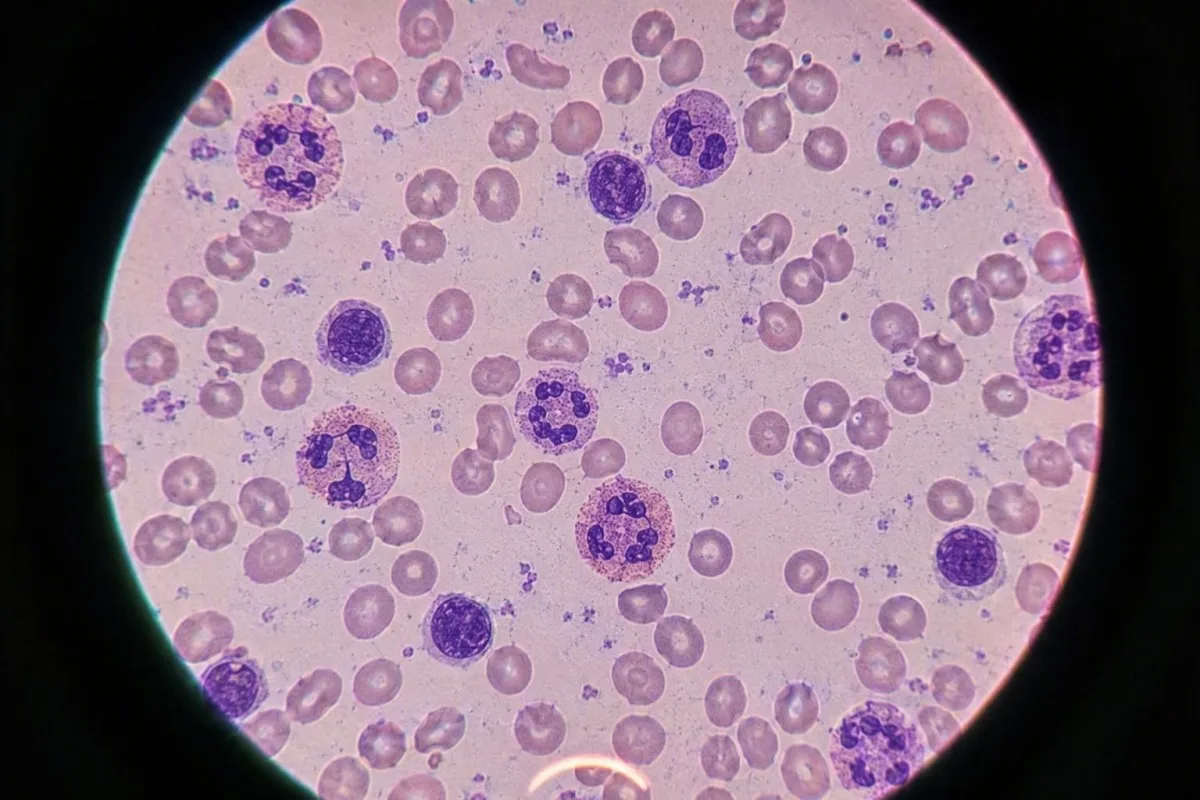
The reason clinicians pay attention is biological plausibility plus consistent association: tissue response participates in atherosclerosis, but hs-CRP is not a direct measure of plaque burden. In JUPITER, rosuvastatin reduced major vascular events among people with LDL-C below 130 mg/dL and hs-CRP at least 2 mg/L, although the trial does not mean every person above that threshold needs a statin (Ridker et al., 2008).
ApoB, non-HDL cholesterol, blood pressure, HbA1c or glucose, kidney function, smoking, and family history generally carry more decision-making weight. If LDL-C looks ordinary but triglycerides are high, ApoB/ApoA1 ratio may better reveal the number of atherogenic particles.
Kantesti AI flags a repeat hs-CRP above 2 mg/L as a conversation prompt when it appears alongside lipid or metabolic risk, not as proof of cardiovascular disease. For inherited risk that can be silent from childhood, a one-time lipoprotein(a) test is often more informative than serial CRP testing.
What hs-CRP cannot tell you
hs-CRP cannot diagnose a heart attack, predict the site of a blockage, or replace chest-pain assessment. Troponin, electrocardiography, symptoms, and clinical evaluation are used for acute cardiac care.
Is high CRP dangerous, and when is it urgent?
A high hs-CRP result alone is rarely an emergency, but the symptoms and the size of the elevation can signal an urgent underlying condition. Seek urgent care for chest pressure, sudden breathlessness, fainting, new one-sided weakness, confusion, severe abdominal pain, or fever with rapid deterioration.

For an otherwise stable person, an hs-CRP of 4.5 mg/L is usually a follow-up issue rather than an emergency. For someone with crushing chest discomfort, sweating, nausea, or shortness of breath, even a normal hs-CRP would not lower urgency. Use our chest-pain blood test guide only as background, not as a reason to stay home with acute symptoms.
Very high conventional CRP values—often above 100 mg/L—can occur in serious bacterial illness, severe inflammatory disease, or major tissue injury, yet numbers overlap substantially. The trend, examination, heart rate, blood pressure, oxygen level, and organ-specific symptoms determine urgency; no online threshold can safely replace that assessment.
Children, pregnancy, adults over 75, and people taking immune-suppressing medicines may show atypical symptoms. A lower fever or a muted CRP does not exclude a clinically important illness in these groups. If you feel substantially worse than the number suggests, trust the change in your condition and seek care.
Same-day versus routine review
Same-day assessment is sensible for persistent fever, rapidly worsening focal pain, marked breathlessness, dehydration, new confusion, or a suspected infection in someone immunocompromised. A well person with a mild isolated elevation can usually arrange a routine repeat and clinician conversation.
How to repeat hs-CRP for a meaningful result
Repeat hs-CRP when you are clinically well, preferably at least 2 weeks after an acute illness or significant inflammatory event. Consistent timing, the same laboratory where possible, and a short exposure history make the second result much easier to interpret.

Fasting is not required for hs-CRP itself, although fasting may be requested when lipids, glucose, or triglycerides are being measured at the same visit. Avoid an unfamiliar high-intensity workout for 24–48 hours, do not smoke immediately before sampling, and list anti-inflammatory medicines, statins, hormone treatments, and supplements. Our baseline blood test preparation guide provides a practical checklist.
Do not stop prescribed medicines just to obtain a “true” CRP level. Statins, weight loss, smoking cessation, anti-inflammatory treatment, and treatment of an underlying condition may lower hs-CRP, but that lowered value reflects your treated risk state—which is clinically useful. High-dose biotin does not usually interfere with CRP assays, unlike some hormone immunoassays.
A change from 3.8 to 2.9 mg/L may be ordinary biological and assay variation, especially if conditions differed. I find that two quiet-day measurements, not a frantic sequence of weekly tests, give the fairest answer. Keep the laboratory report and illness timeline together.

Can you test after poor sleep?
One short night should not usually invalidate hs-CRP testing, but prolonged poor sleep, shift work, and acute stress can travel with metabolic and immune changes. Document them rather than trying to create perfect conditions.
Tests clinicians pair with hs-CRP to find the pattern
Clinicians usually pair hs-CRP with a history, examination, complete blood count, metabolic tests, and cardiovascular markers rather than ordering broad autoimmune panels blindly. The appropriate next test depends on symptoms and the persistence of the result.
A complete blood count can show anaemia, high neutrophils, lymphocyte shifts, or platelet changes; liver enzymes and albumin can add context about hepatic production and chronic illness. ESR may be useful for some rheumatologic patterns because it moves more slowly than CRP, though the two tests often disagree for entirely benign reasons. See which blood tests show vasculitis for a symptom-led example.
For cardiovascular prevention, useful companions include a lipid panel, ApoB when available, HbA1c, creatinine/eGFR, urine albumin-creatinine ratio in diabetes or hypertension, and measured blood pressure. A coronary artery calcium scan may be discussed when treatment uncertainty remains after standard risk calculation; hs-CRP does not replace it.
Kantesti is an AI-powered blood test analysis tool that can place results from different dates side by side, helping identify whether hs-CRP rose with a temporary event or stays elevated across 3–12 months. Pattern recognition supports a clinician’s judgment; it does not diagnose hidden disease from a laboratory pattern alone.
Why indiscriminate antibody testing backfires
Low-level positive antibodies occur in healthy people and can create anxiety without clarifying a raised hs-CRP. Targeted tests are more accurate when guided by features such as inflammatory arthritis, kidney findings, rash, neuropathy, or recurrent clotting.
Hormones, pregnancy and sex-specific hs-CRP context
Estrogen-containing contraceptives can raise hs-CRP, and pregnancy changes baseline inflammatory markers, so cardiovascular risk bands need extra caution in these settings. A raised result should be interpreted with the medication list, pregnancy stage, blood pressure, and symptoms.
Combined oral contraceptives are associated with higher CRP in many studies, likely through liver protein production rather than an active infection. That does not mean the medicine is unsafe for every user, nor does it mean an hs-CRP result can assess clot risk. Our detailed explanation of birth control and CRP covers appropriate follow-up questions.
Pregnancy raises CRP variability, particularly later in gestation, and a single threshold should not be used to diagnose pregnancy complications. Fever, urinary symptoms, headache with high blood pressure, visual disturbance, upper abdominal pain, reduced fetal movement, or feeling acutely unwell need prompt maternity assessment regardless of CRP.
After menopause, rising visceral adiposity, blood pressure, LDL-C, glucose changes, sleep disturbance, and reduced activity often matter more than any one hormone result. Dr. Thomas Klein recommends reviewing the whole prevention picture at least annually, rather than ordering hs-CRP solely because menopausal symptoms have started.
What about testosterone therapy?
Testosterone therapy can alter haematocrit, lipids, sleep-apnea risk, and body composition, so hs-CRP should be read among those measures. It is not a validated stand-alone monitoring target for therapy decisions.
Can you lower hs-CRP, and should you try?
The safest way to lower hs-CRP is to address its cause and reduce overall cardiovascular risk, not to chase a laboratory number. Smoking cessation, regular tolerable activity, treating periodontal disease, improving sleep, weight management when appropriate, and guideline-directed lipid treatment can all be relevant.
For people with excess visceral fat, losing even 5–10% of starting body weight can improve blood pressure, glucose regulation, triglycerides, and often CRP, although individual changes vary. A Mediterranean-style eating pattern emphasizes vegetables, legumes, whole grains, nuts, fish where culturally appropriate, and unsaturated fats; it is not a guaranteed CRP treatment.
Do not start high-dose fish oil, turmeric extracts, aspirin, or anti-inflammatory medicines solely to lower hs-CRP. Aspirin can cause serious gastrointestinal bleeding, and concentrated supplements can interact with anticoagulants or affect liver tests. Our evidence-based review of supplements marketed to lower CRP explains where the evidence is thin.
The uncomfortable truth is that a falling hs-CRP does not always mean risk has disappeared, and an unchanged result does not mean healthy changes failed. Blood pressure, fitness, waist measurement, LDL-C or ApoB, HbA1c, and smoking status are outcomes you can act on with much greater confidence.
Anti-inflammatory diets are not treatment for autoimmune disease
Food choices may support general health, but they should not replace disease-modifying treatment for inflammatory arthritis, inflammatory bowel disease, or lupus. Persistent symptoms require a medical diagnosis before dietary restriction becomes extreme.
How Kantesti puts hs-CRP in clinical context
Kantesti interprets hs-CRP by comparing its value with the laboratory range, the rest of the panel, and prior results rather than assigning a diagnosis from one elevation. This approach is particularly helpful when an hs-CRP result is mildly high but the reason is not obvious.
Kantesti AI can process a laboratory PDF or photograph and identify related markers such as ApoB, LDL-C, triglycerides, HbA1c, ferritin, white-cell count, liver enzymes, and creatinine. Our clinical logic prioritizes urgent symptom advice over algorithmic reassurance, because no lab interpretation can evaluate chest pain, a high fever, or sudden neurological symptoms safely at a distance.
Our technology guide describes how structured extraction and contextual rules reduce unit and reference-range errors. Kantesti supports more than 2 million users across 127+ countries and 75+ languages, but local clinical practice and laboratory methods still matter; a result always belongs to the individual and their care setting.
Accuracy needs independent oversight and clear limits. Read our medical validation approach for how clinical review, source checking, and safety escalation are built into the interpretation workflow.
What to save with your report
Save the test date, whether you were ill, exercise in the previous 48 hours, menstrual or pregnancy status where relevant, new medicines, weight change, smoking status, and blood-pressure readings. Those notes can make a future comparison clinically meaningful.
A practical follow-up plan after a high hs-CRP result
After a high hs-CRP result, ask whether you were clinically well at testing, whether the result should be repeated, and whether your overall cardiovascular risk has been calculated. Most mild elevations need a thoughtful plan, not an urgent cascade of scans or specialist tests.
Bring the original report, a list of medicines and supplements, prior results, and a brief symptom timeline. Useful questions include: “Could recent illness or exercise explain this?”, “Should we repeat hs-CRP after 2 weeks?”, “What are my blood pressure, ApoB or LDL-C, glucose, and smoking-related risks?”, and “Which symptoms would change the plan?” Our doctor-visit lab summary checklist can help organize these details.
If hs-CRP remains above 3 mg/L on repeated well-day samples, the next step is individualized. Some people need focused evaluation for chronic symptoms; others need a prevention discussion. According to Arnett et al. (2019), hs-CRP of 2 mg/L or more is one of several risk-enhancing factors used only after the standard risk conversation has started.
As of September 10, 2026, there is no major guideline recommending routine hs-CRP screening for every healthy adult. Dr. Thomas Klein’s practical rule is simple: investigate persistent elevation, treat symptoms and established risk factors seriously, and avoid letting a solitary biomarker define your health. Our Medical Advisory Board reviews the clinical standards behind this patient-facing guidance.
Frequently Asked Questions
Can high hs-CRP make you feel tired?
High hs-CRP does not directly cause tiredness because it is a liver-produced marker rather than a substance that creates symptoms. Fatigue may come from the reason hs-CRP is raised, such as a viral illness, inflammatory arthritis, sleep apnea, anaemia, depression, or metabolic disease. An hs-CRP value of 3.5 mg/L with fatigue is not enough to identify the cause. Persistent fatigue lasting more than 2–4 weeks, especially with weight loss, fever, breathlessness, or joint swelling, merits clinical review.
What level of hs-CRP is concerning?
For cardiovascular risk interpretation in a clinically well adult, hs-CRP below 1 mg/L is a lower relative-risk category, 1–3 mg/L is intermediate, and above 3 mg/L is a higher relative-risk category. An hs-CRP result of 2 mg/L or higher is a risk-enhancing factor in the 2019 ACC/AHA prevention guideline, not a diagnosis of heart disease. Values above 10 mg/L more often reflect an acute illness, injury, or other active tissue response and should usually be repeated after recovery. The result becomes concerning when it persists or appears with significant symptoms or other cardiovascular risks.
Is high CRP dangerous?
High CRP is not dangerous by itself, but it can be a clue to a condition that needs treatment or to higher long-term cardiovascular risk. A stable hs-CRP of 4 mg/L without symptoms generally needs routine follow-up and risk assessment, whereas chest pressure, breathlessness, confusion, severe abdominal pain, or worsening fever need urgent care regardless of the CRP number. Conventional CRP values above 100 mg/L can occur in serious illnesses but still cannot diagnose the source alone. Clinical condition and trend are more important than a single result.
Can exercise raise hs-CRP?
Yes, strenuous or unfamiliar exercise can temporarily raise hs-CRP through muscle tissue response, often for 24–72 hours. This is particularly common after long-distance events, downhill running, intense resistance training, or a sudden return to exercise after inactivity. For a baseline cardiovascular assessment, avoid unusually hard activity for 24–48 hours before testing if your clinician agrees. Regular moderate activity over months often improves overall cardiometabolic risk even if one post-exercise hs-CRP result is higher.
Should I repeat hs-CRP after a cold?
Yes, a cardiovascular hs-CRP test is best repeated at least 2 weeks after recovery from a cold, fever, dental procedure, injury, or other acute illness when you feel back to baseline. The repeat should ideally use the same laboratory and be interpreted with the same medication and lifestyle context. Values above 10 mg/L should generally not be used for cardiovascular risk classification until an acute cause has been considered. Do not postpone testing that your clinician needs urgently for another reason.
Can birth control cause high hs-CRP?
Estrogen-containing combined hormonal contraceptives can raise hs-CRP in some users, probably through effects on liver protein production. A higher hs-CRP result while taking contraception does not by itself diagnose a clot, an infection, or cardiovascular disease. New chest pain, sudden shortness of breath, coughing blood, or one-sided leg swelling need urgent assessment and should never be explained away as a CRP result. Discuss persistent elevations alongside blood pressure, migraine history, smoking, clot history, and the specific contraceptive formulation.
Get AI-Powered Blood Test Analysis Today
Join over 2 million users worldwide who trust Kantesti for instant, accurate lab test analysis. Upload your blood test results and receive comprehensive interpretation of 15,000+ biomarkers in seconds.
📚 Referenced Research Publications
Klein, T., Mitchell, S., & Weber, H. (2026). Iron Studies Guide: TIBC, Iron Saturation & Binding Capacity. (2026). Zenodo. https://doi.org/10.5281/zenodo.18248745. ResearchGate: https://www.researchgate.net/search.Search.html?query=10.5281%2Fzenodo.18248745. Academia.edu: https://www.academia.edu/search?q=10.5281%2Fzenodo.18248745. Kantesti AI Medical Research.
Klein, T., Mitchell, S., & Weber, H. (2026). aPTT Normal Range: D-Dimer, Protein C Blood Clotting Guide. (2026). Zenodo. https://doi.org/10.5281/zenodo.18262555. ResearchGate: https://www.researchgate.net/search.Search.html?query=10.5281%2Fzenodo.18262555. Academia.edu: https://www.academia.edu/search?q=10.5281%2Fzenodo.18262555. Kantesti AI Medical Research.
📖 External Medical References




⚕️ Medical Disclaimer
This article is for educational purposes only and does not constitute medical advice. Always consult a qualified healthcare provider for diagnosis and treatment decisions.
E-E-A-T Trust Signals
Experience
Physician-led clinical review of lab interpretation workflows.
Expertise
Laboratory medicine focus on how biomarkers behave in clinical context.
Authoritativeness
Written by Dr. Thomas Klein with review by Dr. Sarah Mitchell and Prof. Dr. Hans Weber.
Trustworthiness
Evidence-based interpretation with clear follow-up pathways to reduce alarm.