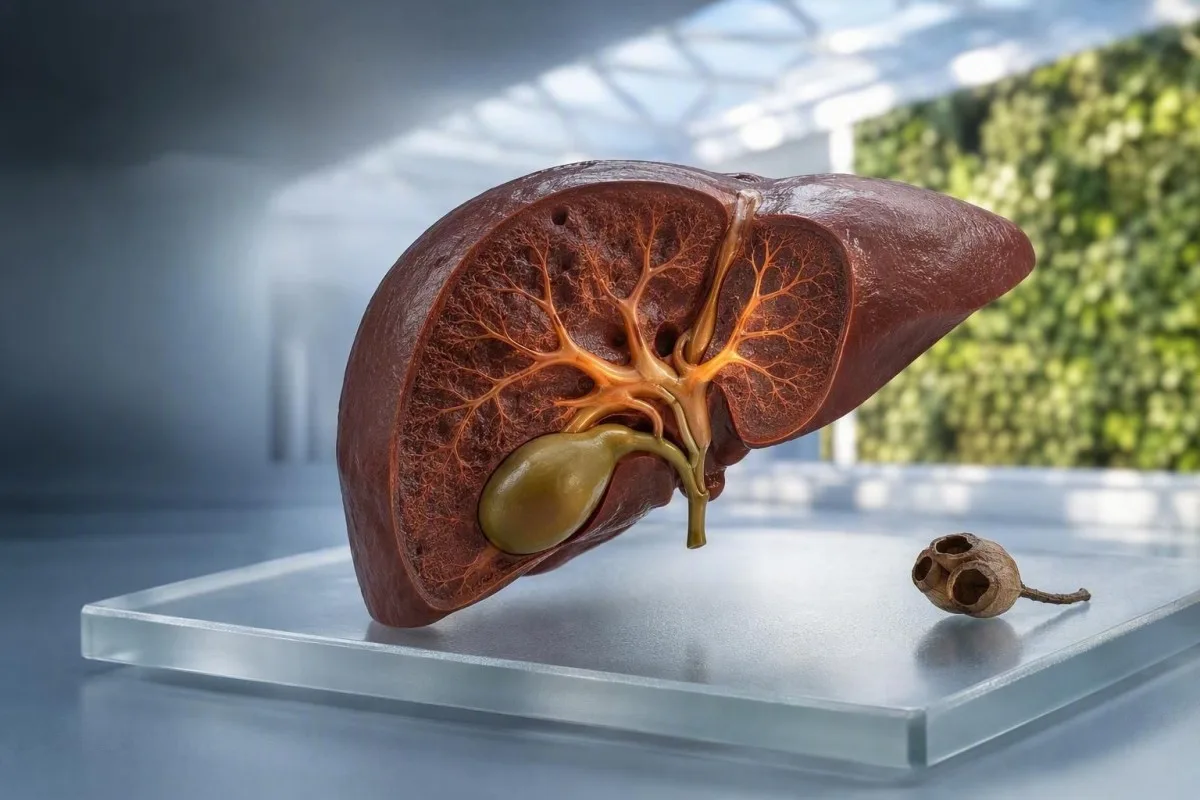
ALP is rarely dangerous because of the number alone. The real concern is a rapidly rising result or an ALP elevation paired with jaundice, fever, significant abdominal pain, or abnormal bilirubin.



- ALP alone has no universal emergency cutoff; symptoms and the accompanying liver tests determine urgency.
- Less than 1.5× ULN in a well adult with normal bilirubin and GGT can often be repeated within 1-3 months.
- More than 3× ULN or a persistent rise deserves prompt source testing, even when symptoms are absent.
- ALP plus high GGT usually points toward a liver or bile-duct source rather than bone.
- ALP plus bilirubin above 2 mg/dL (34 µmol/L), dark urine, pale stools, or jaundice needs urgent clinical assessment.
- Fever, right-upper-abdominal pain, and jaundice together may indicate acute cholangitis and warrant emergency care.
- Children, teenagers, pregnancy, and healing fractures can produce substantial non-dangerous ALP elevations.
- ALP isoenzymes or 5′-nucleotidase can help when GGT does not settle whether ALP comes from liver or bone.
When a high ALP result becomes dangerous
High alkaline phosphatase is dangerous when it signals blocked or infected bile flow, severe liver dysfunction, or an active bone disorder—not simply when it sits above a reference range. An ALP above 3 times the laboratory upper limit, especially with raised bilirubin, jaundice, fever, or right-upper-abdominal pain, needs prompt assessment; fever plus jaundice and pain is an emergency pattern. As of September 10, 2026, this remains the safest severity-first way to read the result.
A typical adult ALP reference interval is roughly 30-120 U/L, although each laboratory sets its own range and age-specific ranges differ markedly. A result of 145 U/L is not equivalent to 600 U/L, but neither value can be triaged safely without bilirubin, GGT, symptoms, medicines, and prior results. What an out-of-range flag means is often less alarming than patients assume.
Kantesti AI is an AI blood test analyzer that reads ALP beside bilirubin, GGT, ALT, AST, age, and prior results rather than treating one red flag as a diagnosis. In my clinical work, the patient I call quickly is often not the person with the highest isolated ALP; it is the person whose ALP rose from 110 to 310 U/L in 10 days while bilirubin climbed and urine turned tea-coloured.
Dr. Thomas Klein advises against trying to lower ALP with supplements before establishing its source. ALP is an enzyme released mainly from bile-duct cells and bone-forming cells, so a fall in the number can lag behind recovery by days to weeks. The source and trajectory matter more than an internet-defined dangerous ALP level.
Emergency symptoms outweigh a single laboratory value
Go to emergency care now for fever or rigors with yellow eyes or skin, severe or escalating right-upper-abdominal pain, repeated vomiting, confusion, fainting, or new low blood pressure. These features can accompany infected biliary obstruction, and antibiotics plus drainage may be time-sensitive; waiting for a routine repeat ALP is unsafe.
ALP levels: practical risk bands rather than a false cutoff
There is no single alkaline phosphatase urgent level for every adult, but values above 3× ULN warrant timely investigation and values above 5× ULN with bilirubin elevation deserve urgent review. A normal upper limit near 120 U/L makes 360 U/L approximately 3× ULN, but use the upper limit printed on your own report.
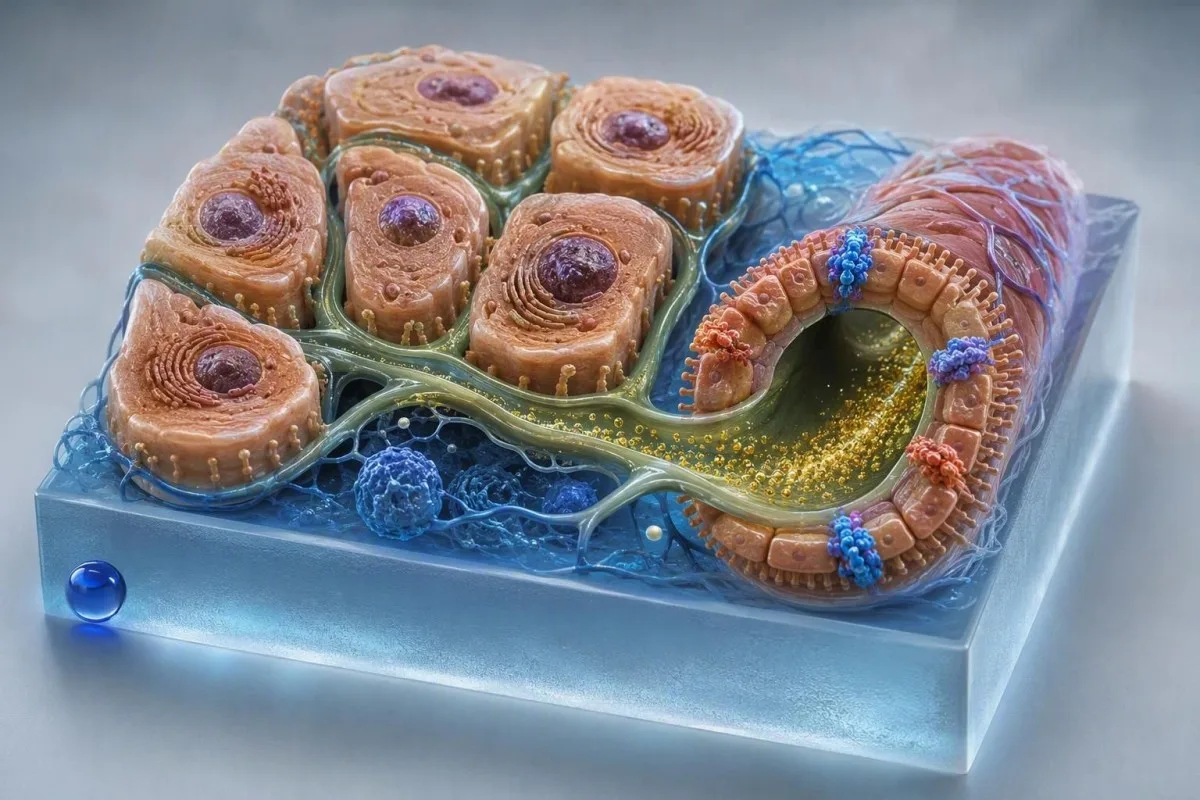
For an asymptomatic adult, ALP below 1.5× ULN with normal bilirubin, ALT, and GGT is commonly rechecked in 1-3 months after reviewing alcohol, recent illness, pregnancy status, and medication changes. This is a clinical convention, not a guarantee of harmlessness. A new result of 160 U/L where the ULN is 120 U/L is usually a follow-up issue rather than an emergency.
ALP at 1.5-3× ULN that persists beyond 3 months should trigger a structured liver-versus-bone evaluation. The American College of Gastroenterology guideline recommends confirming an ALP elevation with GGT and testing for cholestatic liver diseases when a hepatic source is established (Kwo et al., 2017). GGT reference ranges help, though they are not interchangeable between laboratories.
An ALP result above 500-600 U/L may occur in obstruction, primary biliary cholangitis, Paget disease, healing fractures, and—in young people—normal growth. The number is a signal of scale, not a diagnosis. I have seen a comfortable teenager with ALP 480 U/L during a growth spurt and an unwell older adult with ALP 260 U/L whose jaundice revealed a serious obstruction.
Why GGT and bilirubin change the urgency of ALP
Raised ALP with raised GGT strongly supports a hepatobiliary source, while raised direct bilirubin suggests impaired bile excretion and increases urgency. ALP with normal GGT is more likely to be bone-related, although no single companion test is perfect.
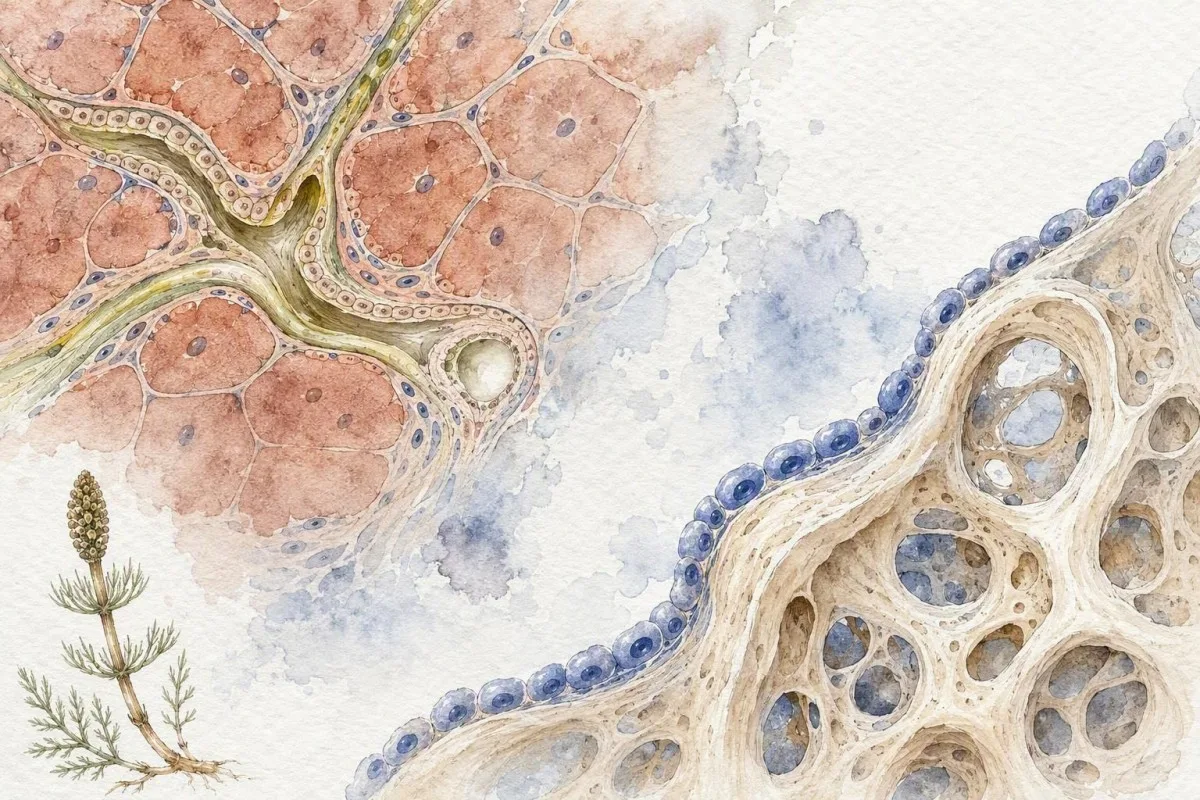
A GGT above the laboratory upper limit supports liver or bile-duct origin because bone does not normally raise GGT. GGT can also rise with alcohol, metabolic liver disease, and enzyme-inducing medicines, so it does not prove obstruction. For a focused explanation, see what GGT measures.
Direct bilirubin above 0.3 mg/dL (5 µmol/L) is abnormal in many laboratories; total bilirubin above 2 mg/dL (34 µmol/L) with cholestatic enzymes should move the clinical review forward. Dark urine reflects water-soluble conjugated bilirubin reaching the urine, while unconjugated bilirubin alone does not do this. High direct bilirubin patterns are particularly useful when ALP is only moderately raised.
The concerning combination is not merely ALP 300 U/L. It is ALP 300 U/L, GGT 450 U/L, direct bilirubin 3.0 mg/dL, itch, pale stools, and a recent spike from baseline. EASL guidance on sclerosing cholangitis similarly treats biochemical cholestasis as a reason to investigate the bile ducts, not as proof of one specific disease (EASL, 2022).
How clinicians tell whether high ALP comes from liver or bone
GGT, 5′-nucleotidase, and ALP isoenzymes are the most useful tests for separating liver-source ALP from bone-source ALP. Normal GGT does not absolutely exclude liver disease, but it makes a bone source more plausible when bilirubin and transaminases are also normal.
A liver-source ALP elevation usually travels with GGT or 5′-nucleotidase elevation, while bone-source elevation may travel with abnormal calcium, phosphate, vitamin D, or parathyroid hormone. Bone-specific ALP can be useful when two possible sources coexist, such as fatty liver disease in a person recovering from a fracture. ALP isoenzymes are underused but occasionally decisive.
In adults over 50, persistent bone-source ALP can point to vitamin D deficiency with osteomalacia, Paget disease, hyperparathyroidism, or more rarely malignancy involving bone. A normal calcium does not rule out vitamin D deficiency: calcium may remain normal by drawing mineral from bone. Checking 25-hydroxyvitamin D, calcium, phosphate, and PTH often answers more than repeating ALP alone.
Some laboratories use heat inactivation or electrophoresis for isoenzyme separation, while others send samples to a reference laboratory; turnaround can be several days. That is reasonable when the patient is stable. It is not a reason to delay ultrasound or acute assessment in someone with jaundice, fever, or a bilirubin rise.
Mild isolated ALP elevation: when repeat testing is reasonable
A mild isolated ALP elevation is usually not dangerous when it is below 1.5× ULN, stable, and accompanied by normal bilirubin, GGT, ALT, and symptoms. Repeat testing is still appropriate because the persistence of a small rise changes the calculation.

A sensible repeat plan records alcohol intake, all prescribed and non-prescribed products, pregnancy, recent fractures, dental surgery, and severe exercise before the next sample. ALP has a biological half-life of about 7 days, so a repeat at 48 hours often creates noise rather than clarity. Borderline ALP results need trend context.
Kantesti AI is an AI blood test interpretation platform that compares ALP with prior panels and highlights meaningful co-movements in GGT, bilirubin, calcium, and phosphate. A stable ALP of 135 U/L over 4 years has a different implication from a rise from 70 to 135 U/L in 6 weeks, even though both values may be called mildly high.
Do not fast specifically to improve ALP. Fasting has little practical effect on routine ALP interpretation, whereas a fatty meal can transiently influence intestinal ALP in people with blood group O or B. A clinician may ask for a fasting repeat when the pattern is puzzling, but a normal fasting value does not erase previous symptoms or abnormal bilirubin.
ALP elevation red flags that need same-day medical care
High ALP needs same-day assessment when it accompanies jaundice, dark urine, pale stools, fever, rigors, severe abdominal pain, vomiting, confusion, or a rapidly rising bilirubin. These symptoms matter even if ALP is only 1.5-2× ULN because obstruction can develop before the enzyme fully peaks.

The classic emergency triad of fever, jaundice, and right-upper-quadrant pain suggests acute cholangitis until proven otherwise. Older adults may instead present with confusion, weakness, low blood pressure, or a fall; people taking immune-suppressing medicines may have little fever. When bilirubin needs urgent attention covers the visible warning signs.
Persistent generalized itching without a rash, particularly if it disrupts sleep, can be an early cholestatic clue before obvious yellowing appears. Itching alone is not an emergency, but itching plus bilirubin elevation should not wait months for a routine appointment. Bile acids are sometimes measured in pregnancy, but they are not a substitute for acute assessment in a jaundiced patient.
I would also escalate quickly for unexplained weight loss, a new firm upper-abdominal mass, progressive fatigue, or a history of gallstones, bile-duct surgery, pancreatitis, or inflammatory bowel disease. These do not diagnose cancer or obstruction, but they change pre-test probability and imaging decisions.
Pale stool, dark urine, itch, and jaundice: what the symptoms mean
Pale or clay-coloured stools plus dark urine and yellow eyes point toward conjugated hyperbilirubinemia and impaired bile delivery to the intestine. This symptom cluster is more urgent than an isolated ALP number because it provides a real-world clue that bile flow may be obstructed.
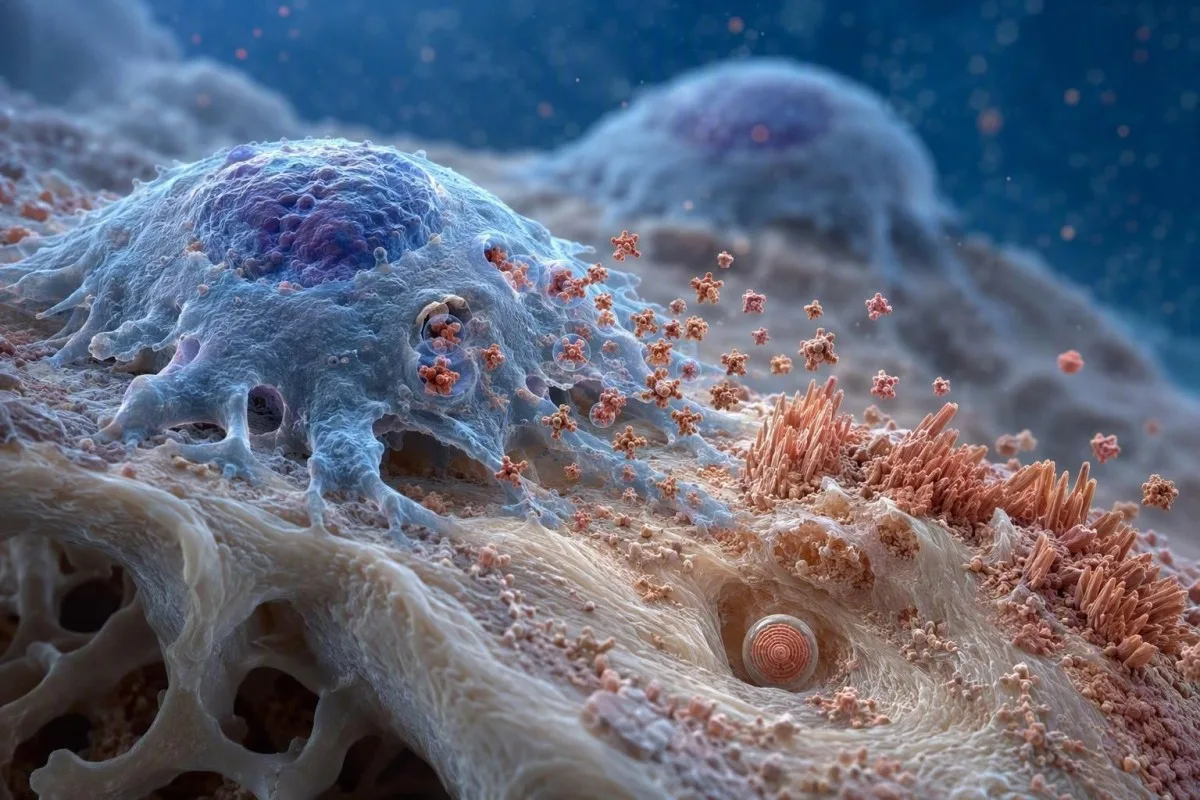
Normal brown stool colour comes largely from bilirubin-derived pigments entering the gut. When bile is substantially reduced, stool can become pale, grey, or putty-coloured; pale stool causes range from transient medication effects to obstruction and require context. One unusually light stool after diarrhoea is less specific than several days of persistent pale stools.
Dark brown urine that does not clear with hydration can occur when conjugated bilirubin is filtered into urine. A positive urine bilirubin test supports this mechanism, whereas dehydration, food dyes, and medicines can also darken urine without bilirubin. Urine bilirubin signals can help frame the next conversation with a clinician.
Jaundice is often first noticed in the whites of the eyes under daylight, not on the palms or in a phone photograph. In my experience, patients sometimes dismiss itch and dark urine as dehydration for a week; that delay is understandable, but it is exactly why a rising bilirubin deserves prompt testing and usually an ultrasound.
When high ALP is from bone rather than a liver emergency
Bone-related ALP rises are usually not an emergency unless they occur with severe bone pain, weakness, high calcium, neurological symptoms, or suspected fracture complications. Healing bone can increase ALP substantially because osteoblasts make the enzyme during repair.
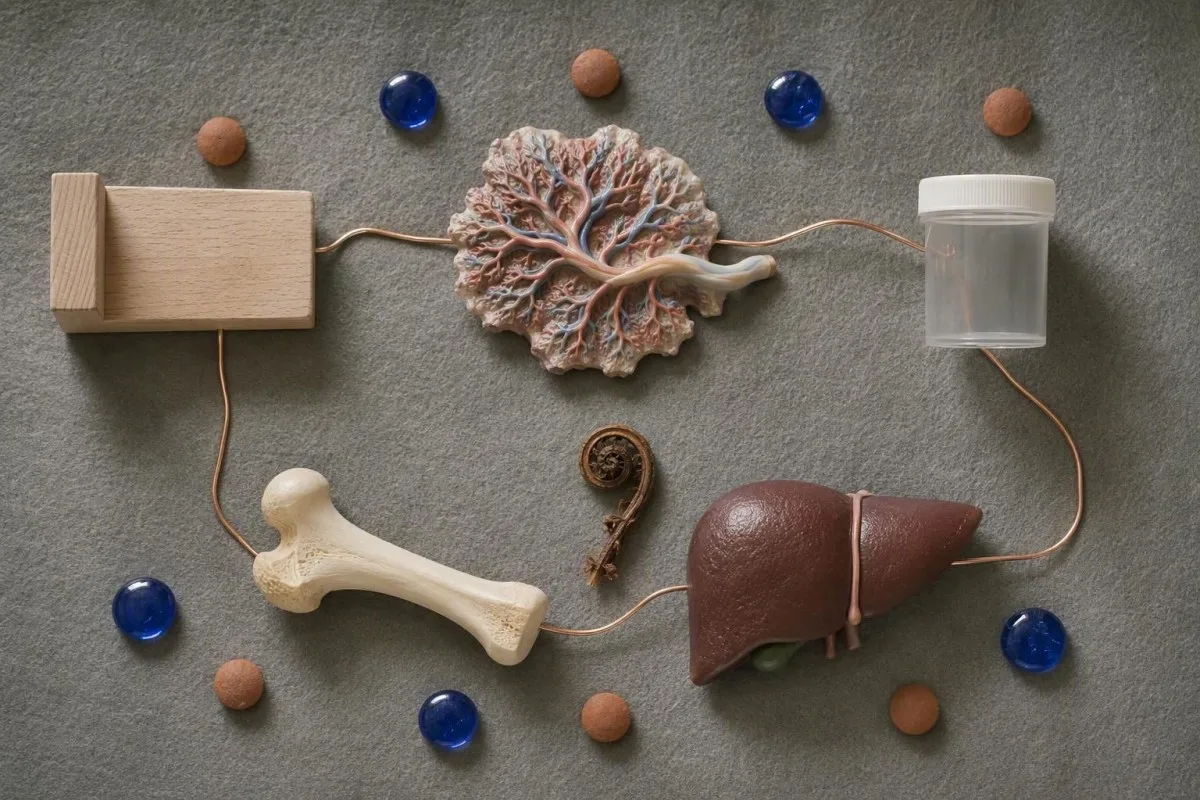
After a major fracture, ALP can begin rising after 7-10 days, peak around 3-6 weeks, and gradually settle over several months. The exact course varies with fracture size, surgery, nutrition, and age. ALP after a fracture explains why a liver-focused workup is not always the first step.
Vitamin D deficiency can produce bone pain, proximal muscle weakness, low phosphate, and an elevated ALP even when calcium is normal. In osteomalacia, the elevated ALP reflects failed mineralization and increased osteoblast activity. Treating vitamin D blindly is not always safe—especially with kidney disease, sarcoidosis, or high calcium—so baseline testing matters.
Dr. Thomas Klein has seen a common mix-up in adults who have both metabolic liver disease and low vitamin D: a normal GGT does not automatically make the entire panel bone-related, and a low vitamin D level does not explain jaundice. More than one process can be present, which is why a full panel prevents false reassurance.
Children, pregnancy, and older age: ALP ranges that change the answer
ALP is naturally higher in growing children and often rises in late pregnancy because placenta and bone contribute enzyme activity. Adult thresholds should never be applied directly to a child or pregnant person without an age- and pregnancy-specific reference range.
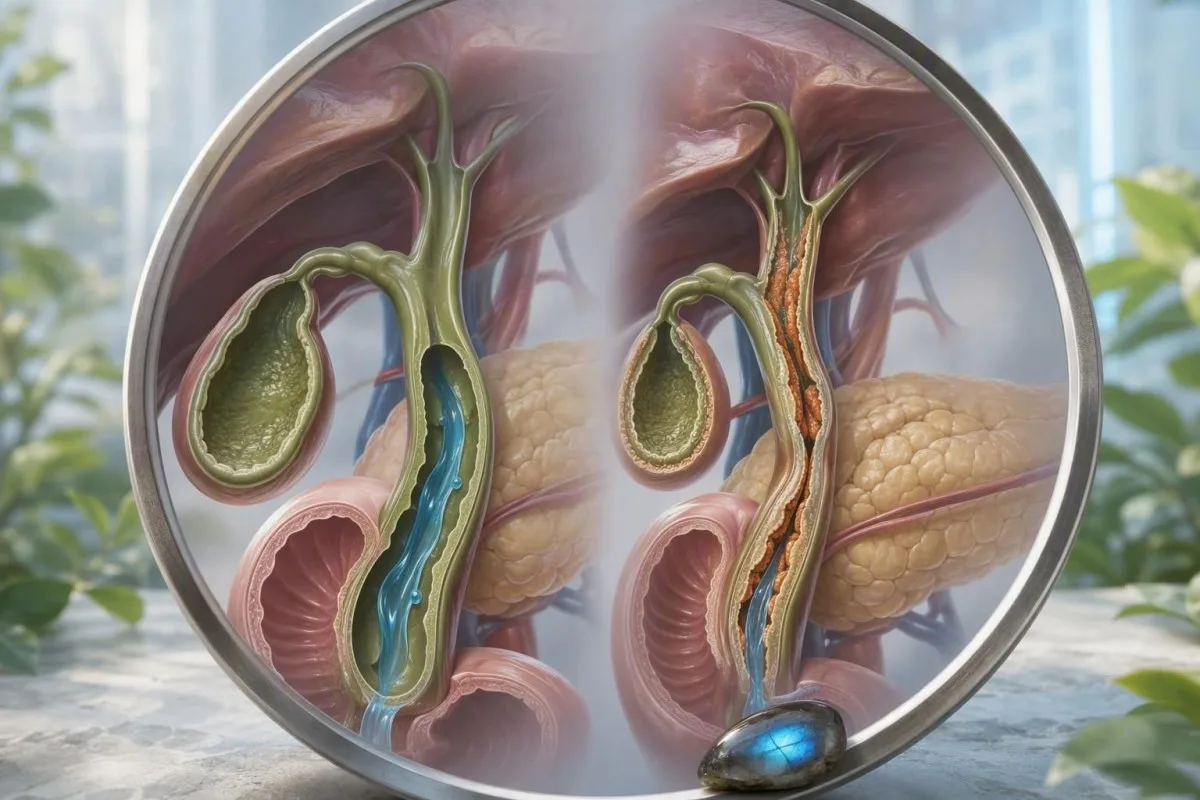
During childhood growth spurts, ALP may be 2-4 times the adult upper limit without liver disease. A child with poor growth, bone pain, jaundice, persistent fever, or abnormal bilirubin is different and needs paediatric assessment. ALP interpretation in young people must use paediatric intervals, not adult internet cutoffs.
In pregnancy, total ALP commonly rises in the third trimester and may reach 2-3× the non-pregnant upper limit due to placental ALP. GGT is often normal or lower in uncomplicated pregnancy, so an elevated GGT, bilirubin, severe itch, headache, high blood pressure, or upper-abdominal pain should not be explained away as a normal pregnancy change. Same-day pregnancy lab red flags are worth knowing.
In older adults, a new persistent ALP rise is less likely to be growth-related and deserves more attention to medications, bone disease, cholestasis, and infiltrative liver conditions. Frailty can blunt fever and pain reporting; a quiet presentation does not always mean a quiet problem.
What doctors usually check after a concerning ALP pattern
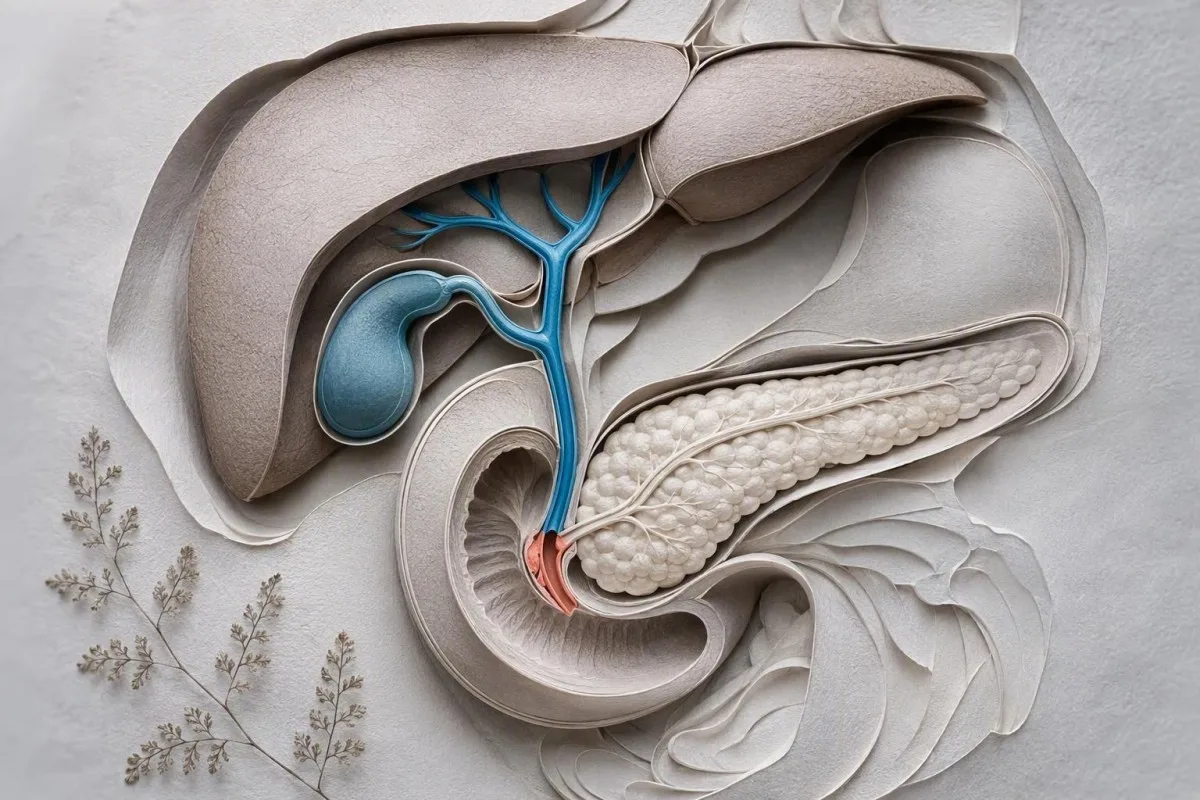
The first follow-up tests for high ALP are repeat ALP, GGT, bilirubin fractions, ALT, AST, albumin, and often an abdominal ultrasound when a liver source is likely. Bone-directed tests usually include calcium, phosphate, 25-hydroxyvitamin D, PTH, and sometimes bone-specific ALP.
The R ratio helps classify liver injury: divide ALT/ULN by ALP/ULN. An R ratio of 2 or less supports a cholestatic pattern, while 5 or more supports a hepatocellular pattern; values in between are mixed. This calculation guides questions and tests but never replaces an examination or imaging. What a liver panel includes explains the core markers.
Ultrasound is usually the first imaging study because it can identify gallstones, bile-duct dilation, and gross liver changes without radiation. A normal ultrasound does not rule out small duct disease, early obstruction, or medication-related cholestasis; MRCP, CT, or specialist tests may follow depending on the pattern. Albumin and INR assess liver synthetic function, which is a different issue from enzyme leakage.
Kantesti is an AI-powered blood test analysis tool that organizes a liver-panel trend and can prepare a concise question list for the treating clinician. It cannot diagnose a blocked duct from a PDF, and it should never delay an urgent ultrasound or emergency assessment. Our biomarker reference guide gives the relevant tests and units.
Medicines, alcohol, and supplements that can raise ALP or GGT
Prescription medicines, herbal products, alcohol exposure, and anabolic or bodybuilding products can cause cholestatic liver injury with high ALP and GGT. Do not stop an essential prescription abruptly, but contact the prescriber promptly if jaundice, dark urine, itch, or bilirubin elevation appears.

Common medication categories associated with cholestatic or mixed liver injury include some antibiotics, anti-seizure medicines, antipsychotics, anti-inflammatory medicines, and hormonal agents. Timing is useful: a reaction may begin days to weeks after starting a product, but delayed patterns occur. A complete list includes teas, powders, injections, and products bought online.
Alcohol often raises GGT more than ALP, so high GGT alone does not prove alcohol-related liver disease. Conversely, normal GGT does not certify that alcohol is irrelevant. Recent reduction in drinking can change the panel over weeks, and biomarker trends after stopping alcohol can be informative without making assumptions about anyone's habits.
Avoid so-called liver cleanses during an unexplained enzyme rise. Multi-ingredient supplements create attribution problems and occasionally worsen liver injury; supplements marketed for liver health deserve the same careful history as prescribed drugs. Bring containers or clear photographs to the appointment.
How fast ALP can change and when to repeat it
ALP usually changes more slowly than ALT or bilirubin because its circulating half-life is about 7 days, so a falling obstruction may leave ALP elevated for 1-2 weeks. A trend is clinically meaningful when it is interpreted at the same laboratory and alongside symptoms and companion markers.
For stable mild isolated ALP elevation, repeating in 4-12 weeks is often more useful than a next-day redraw. For a new cholestatic pattern or symptoms, clinicians may repeat within 24-72 hours while arranging imaging. The timing depends on risk, not on a fixed calendar rule. Why laboratory values differ between visits helps distinguish variation from change.
Record the collection date, lab name, fasting status, recent exercise, alcohol intake, menstrual or pregnancy status where relevant, new medicines, illness, and fracture history. This small audit trail prevents a surprisingly common mistake: comparing two results that used different reference intervals as though they were directly interchangeable.
Kantesti AI flags trajectories, but a trend tool cannot know whether you have pale stools, fever, or pain unless you add that context. A fast rise in bilirubin from 0.6 to 2.4 mg/dL matters more than a modest ALP change in isolation, and should trigger direct clinical contact.
What not to do while waiting for an ALP evaluation
Do not self-treat a high ALP result with high-dose supplements, fasting regimens, or unverified detox products before the cause is clear. The safest immediate action is to identify red-flag symptoms, avoid alcohol if liver injury is possible, and arrange the recommended repeat testing or assessment.
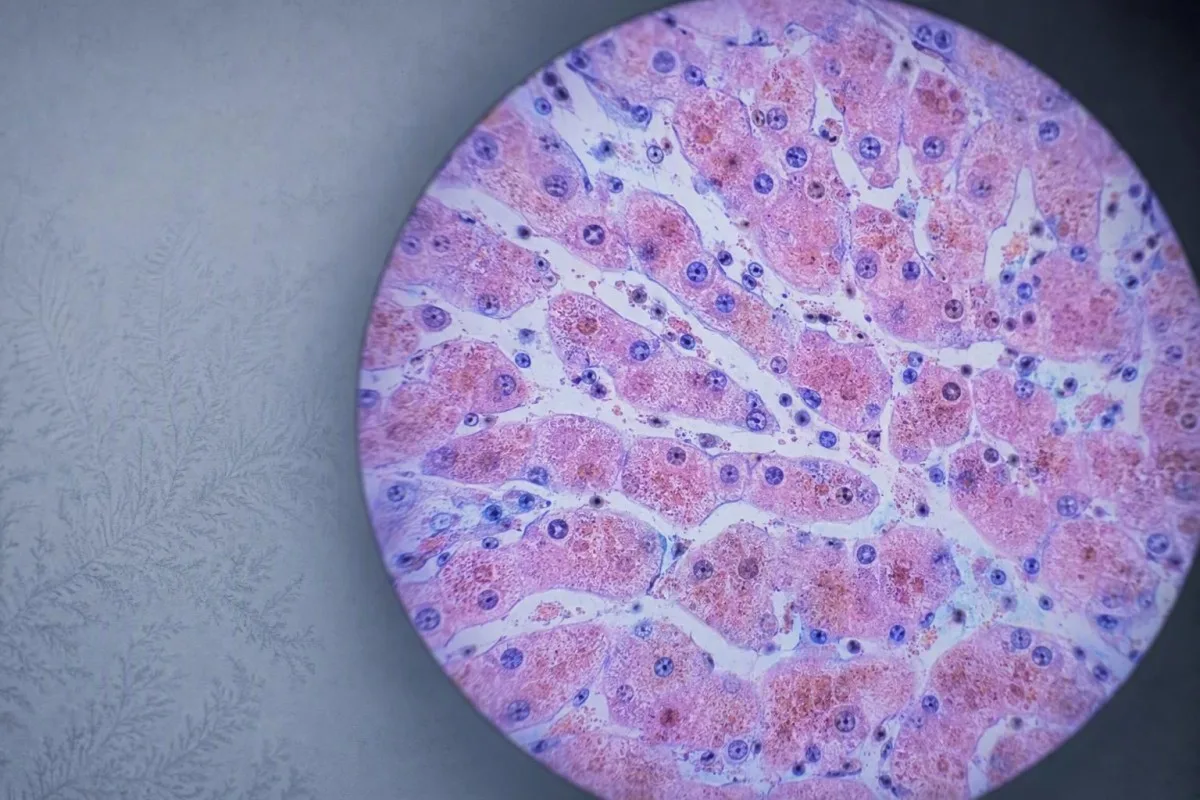
Do not assume a normal ALT clears the liver. Bile-duct obstruction and primary biliary cholangitis can produce a predominantly cholestatic pattern in which ALP and GGT rise more than ALT. Similarly, a normal ultrasound may need follow-up if bilirubin rises or symptoms persist.
Do not discontinue corticosteroids, anti-seizure medicines, anticoagulants, or other essential treatments without medical advice. Bring an exact medicine and supplement list, including doses in mg and the first date used; that detail can save a specialist weeks of detective work. A medication-safety trend review can help organize that history.
If your report may contain a transcription or OCR error, verify the original laboratory PDF before acting on a surprisingly high value. Kantesti AI uses clinical-context checks, while our medical validation standards describe the limits of automated interpretation and the need for clinician review in urgent patterns.
A practical plan for your next appointment
For a high ALP result, bring the full report, previous values, a medication list, and a short symptom timeline; ask whether the source appears hepatic or bone-related. The most productive appointment ends with a specific plan for repeat tests, imaging, referral, and the date by which you should seek urgent help.

Useful questions include: Is my ALP rise above 1.5×, 3×, or 5× the laboratory ULN? Are GGT and direct bilirubin elevated? Do I need ultrasound now, or can we confirm the source first with GGT, 5′-nucleotidase, or isoenzymes? If bone is suspected, ask whether vitamin D, calcium, phosphate, PTH, and targeted imaging fit your history.
Ask for explicit safety-net instructions: which symptoms mean emergency care, who will contact you with results, and how quickly a repeat is needed. Most patients find a written plan reduces the temptation to search every rare diagnosis at 2 a.m. This is one of those areas where certainty comes from sequence, not from one alarming flag.
Our Medical Advisory Board helps guide the clinical-review principles behind Kantesti content. The bottom line is straightforward: ALP is a clue, not a verdict; ALP with jaundice, fever, pain, dark urine, pale stool, or rising bilirubin is the pattern that should move fast.
Frequently Asked Questions
What ALP level is considered dangerous?
No ALP number is universally dangerous on its own because laboratories use different upper limits and ALP can come from liver, bone, placenta, or intestine. In adults, an ALP above 3 times the laboratory upper limit merits prompt evaluation, and an ALP above 5 times the upper limit with raised bilirubin or symptoms deserves urgent assessment. A value of 360 U/L is about 3 times high only if the local upper limit is 120 U/L. Fever, jaundice, right-upper-abdominal pain, dark urine, pale stools, vomiting, or confusion make the situation urgent at any ALP level.
Is ALP 200 U/L dangerous?
An ALP of 200 U/L is usually not an emergency by itself, but it is meaningfully elevated for a laboratory with an upper limit of 120 U/L. The next question is whether GGT, bilirubin, ALT, AST, calcium, phosphate, and vitamin D are abnormal, and whether the value is rising. An asymptomatic person with ALP 200 U/L and normal GGT and bilirubin may have a bone-related or temporary cause and can often be evaluated as an outpatient. ALP 200 U/L with jaundice, fever, pain, or a bilirubin rise requires same-day medical advice.
Can high ALP mean bile duct blockage?
High ALP can indicate bile duct blockage, particularly when GGT and direct bilirubin are also elevated. A cholestatic pattern often includes ALP above the laboratory upper limit, elevated GGT, dark urine, pale stools, itching, or jaundice; ultrasound is commonly the first imaging test. ALP may lag behind the obstruction by several days because its half-life is approximately 7 days. Fever, jaundice, and right-upper-abdominal pain together may indicate cholangitis and need emergency assessment.
What if ALP is high but GGT is normal?
High ALP with normal GGT makes a bone source more likely, especially when bilirubin, ALT, and AST are normal. Common explanations include childhood growth, late pregnancy, fracture healing, vitamin D deficiency, Paget disease, and hyperparathyroidism. Clinicians may check calcium, phosphate, 25-hydroxyvitamin D, PTH, bone-specific ALP, or ALP isoenzymes to clarify the source. Normal GGT does not completely exclude liver disease, so persistent elevation still deserves follow-up.
How quickly should I repeat a mildly high ALP result?
A mild isolated ALP elevation below 1.5 times the laboratory upper limit is often repeated in 4-12 weeks when the person feels well and bilirubin and GGT are normal. Repeating after only 1 or 2 days is usually unhelpful because ALP has a half-life of about 7 days and changes slowly. A repeat within 24-72 hours may be appropriate when bilirubin is rising, symptoms develop, or a clinician suspects acute obstruction or liver injury. Use the same laboratory where possible because reference ranges and analytical methods vary.
Can pregnancy cause a high alkaline phosphatase result?
Pregnancy commonly raises total ALP in the third trimester because the placenta produces alkaline phosphatase, and levels may reach 2-3 times the non-pregnant adult upper limit. This expected rise should not be used to dismiss jaundice, severe itching, dark urine, pale stools, upper-abdominal pain, headache, high blood pressure, or raised bilirubin. GGT is often normal or lower in uncomplicated pregnancy, so elevated GGT can add useful context. A pregnant person with concerning symptoms needs prompt maternity or medical assessment regardless of ALP level.
Get AI-Powered Blood Test Analysis Today
Join over 2 million users worldwide who trust Kantesti for instant, accurate lab test analysis. Upload your blood test results and receive comprehensive interpretation of 15,000+ biomarkers in seconds.
📚 Referenced Research Publications
Klein, T., Mitchell, S., & Weber, H. (2026). Serum Proteins Guide: Globulins, Albumin & A/G Ratio Blood Test. Kantesti AI Medical Research.
Klein, T., Mitchell, S., & Weber, H. (2026). C3 C4 Complement Blood Test & ANA Titer Guide. Kantesti AI Medical Research.
📖 External Medical References





⚕️ Medical Disclaimer
This article is for educational purposes only and does not constitute medical advice. Always consult a qualified healthcare provider for diagnosis and treatment decisions.
E-E-A-T Trust Signals
Experience
Physician-led clinical review of lab interpretation workflows.
Expertise
Laboratory medicine focus on how biomarkers behave in clinical context.
Authoritativeness
Written by Dr. Thomas Klein with review by Dr. Sarah Mitchell and Prof. Dr. Hans Weber.
Trustworthiness
Evidence-based interpretation with clear follow-up pathways to reduce alarm.