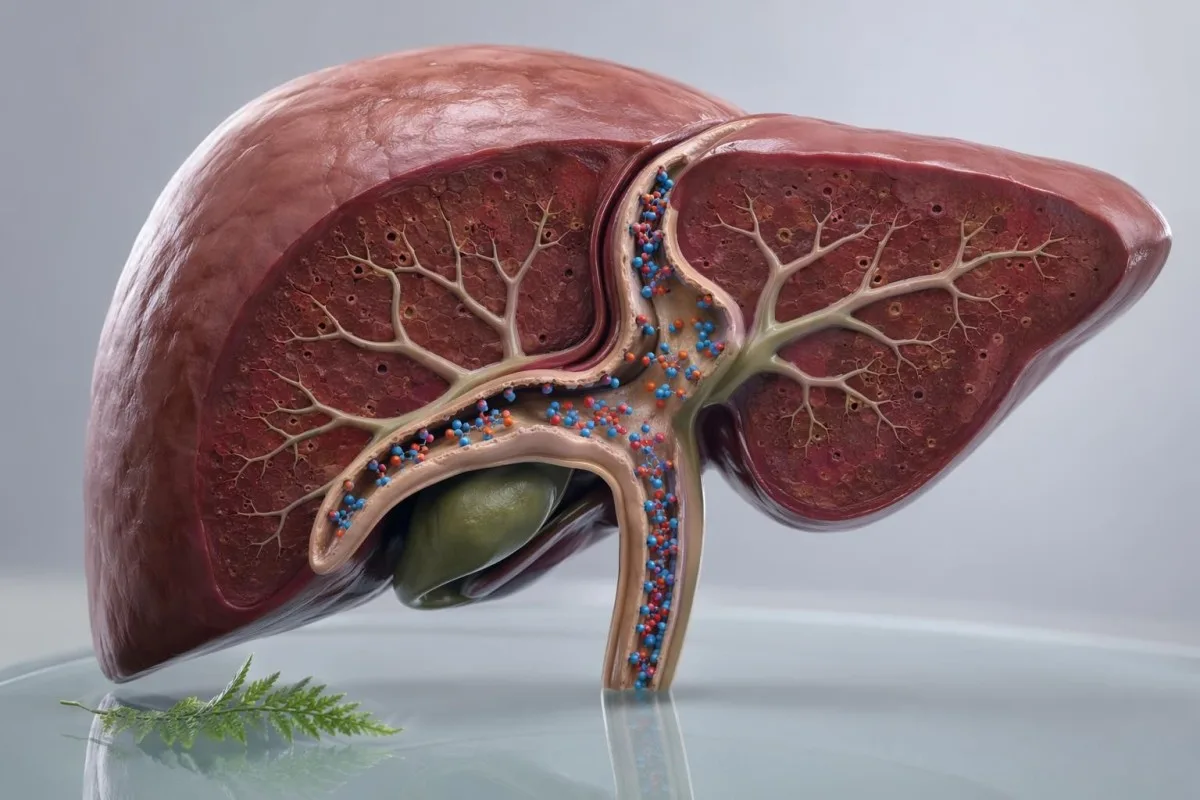
GGT is useful, but it is a noisy liver enzyme. The same number can mean very different things depending on your lab range, sex, alcohol pattern, medicines, and the rest of the liver panel.


- Normal range for GGT is commonly about 5-36 U/L in adult women and 8-61 U/L in adult men, but your own laboratory range is the legal reference point.
- GGT normal range varies because labs use different analyzers, reagents, populations, and sex-specific cutoffs.
- High GGT cutoff usually means above the lab upper limit of normal; clinicians pay more attention when GGT is more than 1.5-2 times that limit.
- Isolated borderline GGT around 40-90 U/L often merits a repeat test in 2-8 weeks rather than panic, especially if ALT, AST, ALP and bilirubin are normal.
- Alcohol-related GGT can rise after sustained intake and may take 2-6 weeks, sometimes longer, to fall after abstinence.
- Medication effects are common with phenytoin, carbamazepine, phenobarbital, some antibiotics, antifungals, and certain supplements.
- Cholestatic pattern means GGT is high with alkaline phosphatase and sometimes bilirubin; that pattern needs a different work-up than isolated GGT.
- Urgent follow-up is needed when high GGT appears with jaundice, dark urine, pale stool, fever, right upper abdominal pain, confusion, or a high bilirubin.
What the normal range for GGT means on a lab report
The normal range for GGT is usually about 5-36 U/L for adult women and 8-61 U/L for adult men, but the range printed beside your result is the one your clinician should use. A GGT of 55 U/L may be normal in one male reference interval and flagged high in another. As of July 13, 2026, I treat borderline GGT as a pattern question, not a diagnosis.
Gamma-glutamyl transferase, usually shortened to GGT, is an enzyme concentrated in bile duct cells and liver cell membranes. It also appears in the pancreas, kidney, intestine, and prostate tissue, which is one reason the gamma glutamyl transferase range is less specific than many patients expect.
Kantesti is an AI blood test analyzer that reads GGT beside ALT, AST, ALP, bilirubin, albumin, platelets, glucose, triglycerides, and medication context rather than treating the number alone. Our biomarker guide explains why a single enzyme flag is often less informative than the cluster around it.
When I review a panel showing GGT 68 U/L, I first ask whether the lab upper limit is 50, 60, or 73 U/L. I then check whether the result sits alone or travels with the rest of the liver panel, because ALP plus GGT points toward bile duct or cholestatic physiology while ALT plus AST points more toward hepatocyte injury.
Why GGT reference ranges vary by lab, sex and units
GGT reference ranges vary because laboratories use different analyzers, reagents, population samples, temperature corrections, and sex-specific cutoffs. A result reported in U/L and IU/L is usually equivalent for GGT, but the GGT normal range can still differ by 20-40% between labs.
Adult men often have higher GGT reference limits than adult women, partly because average liver mass, alcohol exposure patterns, and enzyme induction differ across reference populations. For a deeper patient-level explanation, our article on sex-specific ranges shows why male and female lab intervals are not always interchangeable.
Some European labs use an upper limit near 38-40 U/L for women and 55-60 U/L for men, while some private laboratories report a unisex range such as 0-50 U/L. I dislike unisex GGT cutoffs in slim, non-drinking women because a result of 48 U/L can be clinically meaningful even if it hides inside a broad combined interval.
The high GGT cutoff is not a universal disease threshold; it is the point above that laboratory's statistically defined reference interval. Most reference intervals cover the central 95% of a selected population, which means roughly 1 in 40 healthy people can sit just above the interval without having liver disease.
When a borderline GGT should be repeated instead of feared
A borderline GGT, usually 1.0-1.5 times the lab upper limit, often deserves a repeat test in 2-8 weeks rather than immediate imaging. The repeat matters most when the first result was isolated and ALT, AST, ALP, bilirubin, albumin, and platelet count were all normal.
The American College of Gastroenterology guideline recommends confirming abnormal liver chemistries before starting a full evaluation, and it specifically uses GGT to clarify whether an elevated ALP is hepatic in origin (Kwo et al., 2017). That advice matches what I do in clinic: repeat first, investigate fast only when the pattern is risky.
A GGT of 62 U/L with a lab upper limit of 60 U/L is not the same clinical event as a GGT of 62 U/L with an upper limit of 35 U/L. Patients can avoid a lot of anxiety by comparing the result to the exact reference interval and reading the repeat testing guide before assuming the worst.
In our analysis of 2M+ blood tests, the most misleading GGT results are the ones drawn right after a holiday, a viral illness, a new supplement, or a medication change. If symptoms are absent and bilirubin is normal, a carefully timed recheck often tells more than a same-week retest.
How alcohol changes GGT and how long it stays high
Alcohol can raise GGT by enzyme induction, and GGT may remain elevated for 2-6 weeks after stopping, sometimes longer after heavy or chronic intake. A high GGT alone does not prove alcohol misuse, but a falling GGT after abstinence is a useful clue.
The EASL 2018 alcohol-related liver disease guideline describes GGT as a supportive marker, not a diagnostic marker, because sensitivity and specificity are imperfect (EASL, 2018). In plain terms: GGT can rise from alcohol, but it also rises from fatty liver, bile duct disease, medications, and metabolic stress.
I often see a pattern where GGT is 90-180 U/L, AST is mildly above ALT, mean corpuscular volume is high-normal, and triglycerides are elevated. That combination is more persuasive than GGT alone, and our timeline on quitting alcohol shows which markers usually move first.
Most patients who stop alcohol completely see GGT start trending down within 14-28 days, but normalization can lag behind symptoms and energy level. A practical retest window is 4-8 weeks, because checking at day 5 usually creates noise rather than clarity.
Medicines and supplements that can push GGT upward
Medication-related GGT elevation is common, especially with enzyme-inducing anticonvulsants such as phenytoin, carbamazepine, and phenobarbital. Some antibiotics, antifungals, statins, herbal products, and bodybuilding supplements can also shift GGT, particularly when ALP, ALT, or bilirubin move with it.
The sneaky part is timing. A drug started 3-12 weeks before the test is more suspicious than a medicine someone has taken unchanged for 10 years, although delayed reactions still happen.
I ask patients to bring the boring stuff too: green tea extract, high-dose niacin, anabolic agents, kava, concentrated turmeric, and multi-ingredient liver detox products. A supplement label can be more clinically useful than another isolated GGT result, and our medicine monitoring timelines give a structured way to map dates.
Never stop prescribed medication just because GGT is high. A safer plan is to document the dose, start date, alcohol intake, symptoms, and other liver tests, then let the prescribing clinician decide whether to repeat, switch, pause, or investigate.
Why GGT matters most in the liver pattern
GGT matters most when it helps classify the liver pattern: high ALP plus high GGT suggests a hepatobiliary or cholestatic source, while high ALT or AST points more toward liver cell injury. Isolated GGT is usually less urgent than GGT rising with bilirubin.
The UK guideline on abnormal liver blood tests emphasizes interpreting liver enzymes as patterns rather than isolated flags (Newsome et al., 2018). In practice, a GGT of 120 U/L with ALP 220 U/L gets a different work-up than a GGT of 120 U/L with every other liver marker normal.
A classic cholestatic pattern is ALP above the upper limit with GGT also high, often with itching, pale stool, dark urine, or raised direct bilirubin. If ALP is high but GGT is normal, I think harder about bone, vitamin D deficiency, healing fracture, pregnancy physiology, or growth in children; this is covered in our ALP and GGT mismatch guide.
The reason clinicians worry about ALP plus GGT is anatomy. Both can rise when bile flow is irritated or blocked, whereas ALT and AST often rise when hepatocytes themselves are injured.
GGT and fatty liver risk when other numbers look ordinary
GGT can be mildly high in fatty liver disease, insulin resistance, obesity, high triglycerides, and type 2 diabetes risk even when bilirubin is normal. A GGT of 70-120 U/L with high waist circumference, fasting glucose, or triglycerides often deserves metabolic follow-up.
I see this in middle-aged patients who feel well, rarely drink, and have ALT just inside the reference range. Their GGT is the early nudge, while triglycerides at 180-250 mg/dL and fasting glucose at 100-125 mg/dL tell the larger metabolic story.
A useful clinical pattern is GGT above the lab range plus ALT higher than AST, non-HDL cholesterol elevated, and platelets still normal. If waist size, blood pressure, glucose, HDL, and triglycerides cluster, our metabolic syndrome cutoffs article helps patients see why the liver result is part of a whole-body signal.
Kantesti is an AI blood test interpretation platform that treats GGT as a context-dependent biomarker, so our analysis looks for these cross-panel clues instead of simply labeling the result high. That matters because early fatty liver risk is often reversible long before bilirubin or albumin changes.
High GGT cutoff: when follow-up becomes time-sensitive
A high GGT cutoff is any value above the lab upper limit, but time-sensitive follow-up usually starts when GGT is more than 3 times the upper limit or appears with jaundice, fever, abdominal pain, dark urine, pale stool, or high bilirubin. The symptom pattern matters more than the enzyme alone.
A GGT of 280 U/L in a well person with normal bilirubin is concerning but not automatically an emergency. A GGT of 140 U/L with bilirubin 3.2 mg/dL, fever, and right upper quadrant pain is much more urgent because the combined picture can suggest obstructed bile flow or infection.
Patients sometimes ask for one dangerous number. I avoid that shortcut because GGT is an enzyme-induction marker as much as an injury marker; the same value can follow alcohol use, medication induction, gallstone obstruction, or chronic liver disease.
If ALT is also high, the differential changes again. Our guide to high ALT patterns explains why ALT above 150-200 U/L with symptoms deserves more prompt attention than a stable isolated GGT of 80 U/L.
Bilirubin, ALP and stool color change the meaning of GGT
GGT becomes more concerning when it rises with direct bilirubin, alkaline phosphatase, pale stool, dark urine, or itching. This combination can suggest impaired bile flow, while normal bilirubin lowers the chance of an acute obstructive pattern.
Direct bilirubin above about 0.3 mg/dL or more than 20% of total bilirubin can indicate conjugated bilirubin accumulation, although cutoffs vary by lab. When direct bilirubin rises with ALP and GGT, I ask about pale stool and dark urine before ordering yet another isolated enzyme test.
The common patient mistake is to focus on the highest flag rather than the most specific one. A bilirubin pattern often tells me more than whether the GGT is 95 or 125 U/L, and our guide to bilirubin patterns breaks down that distinction.
A 41-year-old patient I reviewed had GGT 210 U/L and ALP 260 U/L after weeks of itching, but ALT was only mildly elevated. That was a bile-flow pattern, not a simple alcohol screen, and the ultrasound decision came from the cluster.
Pregnancy, children and athletes need different GGT context
Pregnancy, childhood, adolescence, and heavy training can change liver-panel interpretation, but GGT usually does not rise in normal pregnancy the way ALP can. Children need age-specific intervals, and endurance athletes can raise AST or ALT from muscle without a matching GGT rise.
During pregnancy, ALP may rise from placental contribution, but GGT typically stays normal or low-normal. A high GGT in pregnancy should not be dismissed as normal pregnancy physiology, especially if bile acids, bilirubin, or symptoms such as itching are present.
Children and teenagers are not small adults for lab interpretation. Their ALP can be high during growth, and a normal GGT helps avoid over-calling liver disease when bone growth is the real reason; our article on pregnancy lab red flags covers the adult pregnancy side of that problem.
Athletes create a separate trap. A marathon runner with AST 89 U/L and ALT 74 U/L after a race may have muscle leakage, but a normal GGT and normal bilirubin make severe liver injury less likely.
What doctors usually check after a high GGT result
After a high GGT result, doctors usually repeat a full liver panel and review alcohol, medicines, viral hepatitis risk, metabolic markers, and symptoms before ordering imaging. Common follow-up tests include ALT, AST, ALP, bilirubin, albumin, INR, platelets, hepatitis B and C tests, HbA1c, lipids, and sometimes ultrasound.
If ALP and bilirubin are high, ultrasound often moves up the list because clinicians want to see the gallbladder and bile ducts. If ALT and AST dominate, the work-up may lean toward viral hepatitis, fatty liver, medication injury, autoimmune disease, or muscle contribution.
Before a new long-term medication, baseline ALT, AST, ALP, bilirubin, and sometimes GGT can make later interpretation much safer. Our guide to liver checks before medicines is useful if the high result appears after statins, acne medication, antifungals, or anticonvulsants.
Kantesti AI interprets GGT results by checking the internal consistency of the report, including whether albumin, globulin, platelets, INR, and bilirubin suggest preserved synthetic function. That distinction is crucial because GGT does not measure how well the liver is making proteins or clotting factors.
Why your GGT trend beats a single flagged result
A GGT trend is often more clinically useful than one flagged result because gradual rises, sudden jumps, and post-intervention falls imply different causes. A rise from 28 to 56 to 94 U/L over 18 months deserves a different conversation than one isolated 62 U/L result.
The most useful trend notes are not complicated: date, alcohol pattern, medication changes, weight change, illness, intense exercise, and whether the test was fasting. Those six items often explain more than a broad internet list of causes.
Kantesti is an AI-powered blood test analysis tool used by 2M+ people across 127 countries, and our trend logic is designed to compare current GGT with prior personal baselines rather than only population ranges. The method is described in our technology guide, and patients who track serial panels may also find our longitudinal analysis article practical.
A personal baseline can be surprisingly stable. If your usual GGT is 18-24 U/L, a new value of 45 U/L may deserve attention even if the lab upper limit is 60 U/L.
How to prepare for a fair GGT retest
A fair GGT retest should be done after avoiding alcohol for at least 2-4 weeks, keeping medicines stable unless your clinician changes them, and recording supplements, illness, and exercise. Fasting is not always required for GGT, but the broader metabolic panel is easier to compare when conditions are consistent.
Do not try to game the result with a 48-hour detox. GGT often has a half-life measured in weeks, so a short reset may lower triglycerides or glucose faster than it lowers GGT.
If you take supplements marketed for liver health, pause only if your clinician agrees, then document the exact product and dose. Our review of liver supplement risks is blunt because concentrated green tea extract, kava, and anabolic products cause more trouble than many patients realize.
Kantesti LTD is the UK company behind Kantesti, and our clinical writing standards are described on About Us. In my experience as Thomas Klein, MD, the best retest is boring: same lab if possible, same time of day, no new supplements, and a written medication list.
Research notes, medical oversight and Kantesti publications
Kantesti uses medical oversight and technical validation because liver enzyme interpretation is pattern-based and safety-sensitive. The result may be generated quickly, but the clinical rules behind GGT interpretation have to be conservative, explainable, and auditable.
Our internal review process includes physician governance through the Medical Advisory Board and method documentation through technical validation. Thomas Klein, MD, reviews liver-enzyme content with the same bias I use in clinic: overreact to symptoms and bilirubin, not to a lonely borderline enzyme.
Kantesti LTD. (2026). aPTT Normal Range: D-Dimer, Protein C Blood Clotting Guide. Zenodo. https://doi.org/10.5281/zenodo.18262555. ResearchGate: ResearchGate. Academia.edu: Academia.edu. Readers comparing clotting markers with liver synthetic function may also review our coagulation guide.
Kantesti LTD. (2026). Serum Proteins Guide: Globulins, Albumin & A/G Ratio Blood Test. Zenodo. https://doi.org/10.5281/zenodo.18316300. ResearchGate: ResearchGate. Academia.edu: Academia.edu. Albumin, globulin, and A/G ratio are not GGT, but the serum proteins guide helps show whether liver function is preserved.
Frequently Asked Questions
What is the normal range for GGT in adults?
The normal range for GGT is commonly about 5-36 U/L in adult women and 8-61 U/L in adult men, but the laboratory's printed reference interval should be used for your result. Some labs use unisex ranges such as 0-50 U/L, while others use lower female cutoffs. A result just above range is often repeated in 2-8 weeks if ALT, AST, ALP, bilirubin, albumin, and platelets are normal.
Is a GGT of 60 high?
A GGT of 60 U/L may be normal, borderline, or high depending on the lab and the patient's sex. It is often within range for adult men in labs with an upper limit around 61 U/L, but it may be clearly high for adult women if the upper limit is 35-40 U/L. Clinicians interpret 60 U/L differently if ALP, bilirubin, ALT, alcohol intake, medicines, or symptoms are also abnormal.
What GGT level is dangerously high?
There is no single dangerous GGT level because GGT is not as specific as bilirubin, INR, or symptoms. A GGT more than 3-5 times the upper limit, often above 180-300 U/L, needs prompt review, especially if it is rising. Same-day medical advice is warranted when high GGT appears with jaundice, fever, confusion, severe right upper abdominal pain, dark urine, pale stool, or bilirubin above about 2 mg/dL.
Can alcohol raise GGT if ALT and AST are normal?
Yes, alcohol can raise GGT even when ALT and AST are normal because GGT can reflect enzyme induction rather than direct liver-cell injury. Sustained intake may raise GGT into the 70-180 U/L range, though values vary widely. After stopping alcohol, GGT often begins to fall within 2-4 weeks but may take 6 weeks or longer to normalize after chronic heavy intake.
Which medications can cause high GGT?
Medicines that can raise GGT include enzyme-inducing anticonvulsants such as phenytoin, carbamazepine, and phenobarbital, plus some antibiotics, antifungals, statins, and hormonal or anabolic agents. The timing matters: a medication started 3-12 weeks before a new GGT rise is more suspicious than a long-stable medication. Patients should not stop prescribed medicine because of GGT alone; they should review the full liver panel and medication timeline with a clinician.
Does high GGT always mean liver disease?
High GGT does not always mean liver disease because GGT can rise from alcohol use, medication induction, fatty liver risk, smoking, diabetes risk, bile duct irritation, and some non-liver tissues. Isolated mild GGT elevation with normal ALT, AST, ALP, bilirubin, albumin, and platelets is often monitored with repeat testing. GGT becomes more concerning when it rises with ALP, direct bilirubin, symptoms, or a persistent upward trend.
Can smoking raise my GGT level?
Smoking can be associated with a modestly higher GGT, particularly alongside alcohol use or metabolic risk, but it should not be assumed to be the only explanation. Tell your clinician about smoking and arrange follow-up if the result remains elevated or other liver tests are abnormal.
Get AI-Powered Blood Test Analysis Today
Join over 2 million users worldwide who trust Kantesti for instant, accurate lab test analysis. Upload your blood test results and receive comprehensive interpretation of 15,000+ biomarkers in seconds.
📚 Referenced Research Publications
Klein, T., Mitchell, S., & Weber, H. (2026). aPTT Normal Range: D-Dimer, Protein C Blood Clotting Guide. Kantesti AI Medical Research.
Klein, T., Mitchell, S., & Weber, H. (2026). Serum Proteins Guide: Globulins, Albumin & A/G Ratio Blood Test. Kantesti AI Medical Research.
📖 External Medical References
⚕️ Medical Disclaimer
This article is for educational purposes only and does not constitute medical advice. Always consult a qualified healthcare provider for diagnosis and treatment decisions.
E-E-A-T Trust Signals
Experience
Physician-led clinical review of lab interpretation workflows.
Expertise
Laboratory medicine focus on how biomarkers behave in clinical context.
Authoritativeness
Written by Dr. Thomas Klein with review by Dr. Sarah Mitchell and Prof. Dr. Hans Weber.
Trustworthiness
Evidence-based interpretation with clear follow-up pathways to reduce alarm.