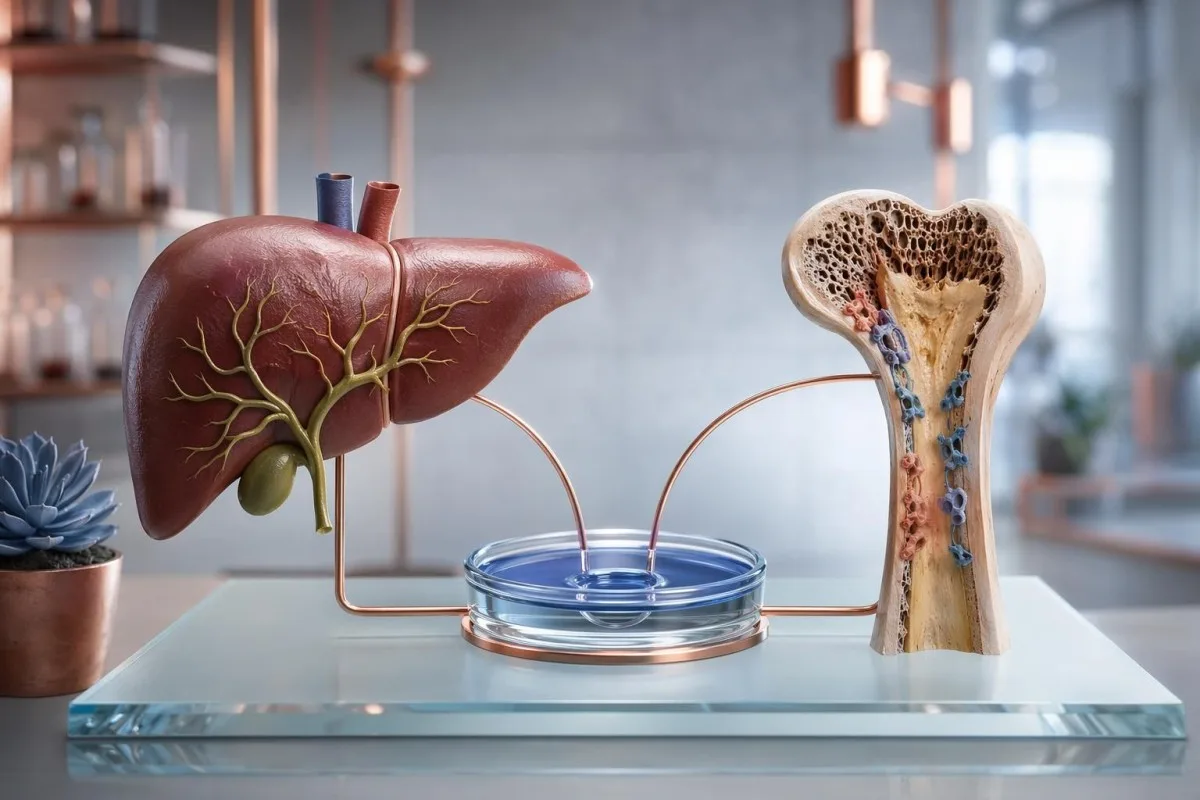
ALP can come from bone, bile ducts, placenta, intestine, or less commonly unusual lab fractions. The isoenzyme test is most useful when GGT, bilirubin, age, pregnancy status, and bone markers do not settle the question.


- Alkaline phosphatase is usually reported as total ALP, commonly about 35-120 IU/L in adults, but each lab sets its own range.
- ALP isoenzymes separate liver, bone, placental, intestinal, and rare macro-ALP fractions when the source is unclear.
- Liver source is more likely when ALP is high with GGT above roughly 50-70 IU/L, direct bilirubin elevation, itching, dark urine, or pale stools.
- Bone source is more likely when ALP is high with normal GGT and abnormal calcium, phosphate, vitamin D, PTH, bone pain, fracture healing, or rapid growth.
- Pregnancy ALP can rise to 2-4 times the adult upper limit in the third trimester because placental ALP enters the circulation.
- Retesting is reasonable within 1-3 months for a mild isolated ALP rise below 1.5 times the upper limit if symptoms are absent.
- Urgent review is needed when ALP is high with jaundice, fever, right upper abdominal pain, bilirubin above 3 mg/dL, or rapidly worsening liver enzymes.
- Kantesti AI reads ALP alongside liver enzymes, bilirubin, calcium, phosphate, PTH, vitamin D, medications, age, pregnancy, and prior trends.
When an ALP isoenzyme test is actually useful
An alkaline phosphatase isoenzyme test helps when a raised ALP cannot be confidently assigned to bone, liver or bile ducts, pregnancy, intestine, or a rare lab fraction using routine clues. As of June 4, 2026, I usually order it after confirming the abnormal result, checking GGT or 5'-nucleotidase, and reviewing calcium-phosphate-vitamin D data. A normal GGT with high ALP points away from cholestasis; a high GGT points back toward the hepatobiliary system.
I am Thomas Klein, MD, and in clinic I do not use ALP isoenzymes as the first reflex test for every mildly abnormal liver function test. The American College of Gastroenterology guideline recommends confirming an abnormal liver chemistry and using GGT to confirm hepatic origin when ALP is elevated (Kwo et al., 2017), which is why our first pass is usually a pattern read rather than a send-out fractionation test.
Kantesti is an AI blood test analyzer that treats alkaline phosphatase as a source problem, not just a high-or-low flag. Our platform compares ALP against ALT, AST, GGT, bilirubin, albumin, calcium, phosphate, vitamin D, PTH, age, pregnancy status, medications, and prior results in about 60 seconds; the same logic is explained in our liver function test patterns guide.
The highest-yield scenario is a persistent ALP above 1.5 times the lab upper limit for more than 3 months with mixed or conflicting clues. A 48-year-old runner with ALP 168 IU/L, GGT 24 IU/L, vitamin D 14 ng/mL, and shin pain needs a different workup from a 63-year-old with ALP 168 IU/L, GGT 190 IU/L, direct bilirubin 1.8 mg/dL, and itching.
What total alkaline phosphatase can and cannot tell you
Total alkaline phosphatase measures the combined activity of several tissue enzymes, so it cannot identify the source by itself. Adult reference ranges often sit near 35-120 IU/L, but I have seen legitimate lab intervals as low as 30-105 IU/L and as high as 44-147 IU/L because methods differ.
ALP is concentrated in bile canalicular membranes, osteoblasts, placenta, intestine, and smaller amounts in kidney and other tissues. A total ALP of 145 IU/L may be normal in a growing teenager, expected in late pregnancy, or a clue to early cholestasis in a 70-year-old with new pruritus.
The practical mistake is treating total ALP like ALT. ALT is mainly hepatocellular, while ALP is a crossroads marker; if you want a refresher on adult intervals and age effects, our normal ALP ranges article covers how different labs report the same enzyme.
A mild isolated ALP elevation below 1.5 times the upper limit is often repeated fasting, especially in people with blood group O or B, because intestinal ALP can rise after a fatty meal. I have seen post-meal intestinal fractions account for a surprising number of harmless 10-25% bumps.
How alkaline phosphatase isoenzymes are separated
Alkaline phosphatase isoenzymes are separated by electrophoresis, heat stability, chemical inhibition, or immunoassays that enrich for bone-specific ALP. The method matters because a bone fraction from one laboratory is not always numerically interchangeable with another laboratory's bone-specific ALP assay.
Electrophoresis separates enzyme fractions by mobility, but liver and bone bands can partially overlap, especially when both are modestly raised. Some labs improve separation with neuraminidase treatment; others report a calculated percentage of liver, bone, intestinal, and placental fractions rather than absolute IU/L values.
Bone-specific ALP immunoassays are more useful when the clinical question is bone turnover, Paget disease activity, fracture healing, or metabolic bone disease. Kantesti's neural network maps ALP fraction language from multiple countries into the same clinical categories using our biomarkers guide terminology, because a report from London may look nothing like a report from Singapore.
Pre-analytical details are not glamorous, but they matter. A specimen stored warm for several days, a non-fasting sample with intestinal ALP, or an unrecognized macro-ALP complex can turn a sensible workup into a rabbit hole; this is one reason I prefer repeating a borderline result before escalating.
Clues that high ALP is coming from bone turnover
A bone source is likely when alkaline phosphatase is elevated with normal GGT, normal bilirubin, and clues such as bone pain, recent fracture, vitamin D deficiency, high PTH, abnormal calcium or phosphate, or rapid growth. Bone ALP reflects osteoblast activity rather than bone pain severity.
In adults, I start thinking about bone when GGT is normal and ALP stays above 120-150 IU/L on repeat testing. Vitamin D below 20 ng/mL, phosphate below about 2.5 mg/dL, calcium outside 8.5-10.2 mg/dL, or PTH above the local upper limit pushes the interpretation toward metabolic bone turnover.
Paget disease is the classic high-ALP bone example, but it is not the most common pattern in younger adults. A healing fracture can raise ALP for 6-12 weeks, and severe vitamin D deficiency with secondary hyperparathyroidism can produce a bone-predominant rise; our PTH and calcium patterns guide shows why calcium can still look normal while PTH is doing the work.
One patient I remember had ALP 212 IU/L, normal GGT, 25-OH vitamin D 9 ng/mL, and PTH 102 pg/mL after months indoors recovering from an ankle fracture. The isoenzyme result was mostly bone; the liver referral was cancelled, and the real plan became vitamin D repletion, calcium intake review, and a repeat bone profile after 8-12 weeks.
Clues that high ALP is from liver or bile ducts
A liver or bile duct source is likely when alkaline phosphatase rises with elevated GGT, elevated 5'-nucleotidase, direct bilirubin, itching, pale stools, dark urine, or right upper abdominal pain. This pattern is usually cholestatic, meaning bile formation or bile flow is impaired.
A GGT above roughly 50-70 IU/L in adults makes a hepatic ALP source more plausible, although alcohol, anticonvulsants, and fatty liver can raise GGT without obstruction. The British Society of Gastroenterology guideline on abnormal liver blood tests treats ALP plus GGT as a cholestatic pattern that should be interpreted with bilirubin, symptoms, and imaging risk (Newsome et al., 2018).
The distinction matters because bile duct disease can hide behind fairly modest enzymes. Primary biliary cholangitis may show ALP 1.5-3 times the upper limit with positive antimitochondrial antibodies, while a stone in the common bile duct can produce a sharper ALP-GGT-bilirubin rise over days; our high GGT guide gives more detail on this liver enzyme companion.
EASL's 2017 primary biliary cholangitis guideline emphasizes cholestatic liver tests, disease-specific antibodies, and exclusion of extrahepatic obstruction before diagnosis (European Association for the Study of the Liver, 2017). In plain English: if ALP and GGT climb together, do not stop at supplements, diet, or guesswork.
Pregnancy-related ALP shifts and placental fractions
Pregnancy can raise alkaline phosphatase because placental ALP enters the mother's circulation, especially in the second half of pregnancy. In the third trimester, total ALP can reach 2-4 times the non-pregnant adult upper limit without liver or bone disease.
The pattern is usually reassuring when ALT, AST, GGT, bilirubin, bile acids, blood pressure, and urine protein are not concerning. I still get cautious if the patient has itching on palms and soles, bilirubin elevation, severe upper abdominal pain, or blood pressure above 140/90 mmHg, because those are not explained by placental ALP alone.
Placental ALP usually falls after delivery, but normalization can take 6-12 weeks. If ALP remains clearly elevated at 3 months postpartum, I look again for bile duct, bone, thyroid, vitamin D, and medication causes rather than assuming pregnancy is still the reason; our prenatal blood tests guide gives trimester context.
The evidence around very high isolated placental ALP and placental function is honestly mixed. I would not use ALP alone to diagnose a pregnancy complication, but I do correlate it with fetal growth data, blood pressure, bile acids, and the broader history; the related women's hormone guide explains why trimester timing changes lab interpretation.
Why children and teenagers often have higher ALP
Children and teenagers often have higher alkaline phosphatase because growing bones produce more bone ALP. During puberty, ALP can be 2-3 times the adult reference range, so adult cutoffs can falsely label normal growth as abnormal.
A 14-year-old with ALP 310 IU/L may be normal if height velocity is high, GGT is normal, bilirubin is normal, and there are no bone symptoms. The same ALP in a 64-year-old deserves a much more deliberate explanation.
Age-specific ranges are not optional in pediatrics. Some labs list pubertal ALP upper limits above 400 IU/L, while others only print adult intervals on a general chemistry panel; our teen blood ranges guide shows how puberty changes routine markers.
Transient hyperphosphatasemia is another under-recognized pediatric pattern. Infants and young children can show ALP above 1000 IU/L after viral illness with normal liver, bone, calcium, phosphate, and vitamin D evaluation, then normalize over weeks to months; it is benign, but it scares families when nobody explains it.
High ALP with normal GGT: the split point
High alkaline phosphatase with normal GGT usually shifts attention toward bone, pregnancy, intestine, or macro-ALP rather than bile duct obstruction. It does not fully exclude liver disease, but it lowers the probability of a classic cholestatic liver pattern.
My usual next step is calcium, phosphate, 25-OH vitamin D, PTH, thyroid function, renal function, and a careful symptom review. If bone pain, deformity, recent fracture, or very high ALP is present, bone-specific ALP, bone scan, or targeted imaging may be more useful than abdominal ultrasound.
The hidden trap is intestinal ALP. People with blood group O or B may show a post-meal intestinal fraction, especially after a high-fat meal, which is why a fasting repeat can save money and worry; we cover this exact pattern in our high ALP normal GGT article.
Macro-ALP is rare but memorable. It is an ALP-immunoglobulin complex that persists in blood and can cause long-term isolated ALP elevation, often with normal imaging and normal symptoms; electrophoresis or polyethylene glycol precipitation can identify it when the story does not fit bone, liver, or pregnancy.
Medicines, supplements, and temporary ALP changes
Medicines can raise alkaline phosphatase through cholestasis, liver enzyme induction, bone turnover effects, or mixed injury. The timing is often more useful than the absolute number: a new ALP rise 2-12 weeks after starting a drug deserves a medication review.
Common culprits include some antibiotics, antiepileptics, anabolic-androgenic agents, estrogen-containing therapies, antipsychotics, and certain herbal products. I ask specifically about bodybuilding compounds and concentrated green-tea extracts because patients do not always count them as medicines.
If ALP rises with ALT or AST more than 3 times the upper limit, bilirubin above 2 mg/dL, or new symptoms, the threshold for clinician review is low. Before starting higher-risk medicines, it is sensible to document baseline ALT, AST, ALP, bilirubin, albumin, and sometimes GGT; our new medicine liver tests guide walks through that baseline.
One practical clue: drug-induced cholestasis may keep ALP elevated after ALT begins to fall. That lag can last several weeks because bile duct enzyme expression and canalicular recovery do not reset overnight.
Lab follow-up after an unexplained ALP result
After an unexplained alkaline phosphatase result, repeat the test, confirm the source with GGT or 5'-nucleotidase, and then choose liver imaging or bone labs based on the pattern. A single mild ALP result rarely tells the whole story.
For an asymptomatic adult with ALP below 1.5 times the upper limit and normal bilirubin, I usually repeat a fasting CMP with GGT in 1-3 months. If ALP is above 1.5 times the upper limit twice, or above 3 times the upper limit once, the workup should move faster.
Kantesti is an AI lab test interpretation service that flags unexplained ALP as a follow-up problem rather than a diagnosis. Our clinical standards are reviewed against physician workflows and documented in medical validation, including how the system handles conflicting liver and bone clues.
A sensible second-line panel includes ALT, AST, GGT, total and direct bilirubin, albumin, INR if liver concern exists, calcium, phosphate, magnesium, creatinine, 25-OH vitamin D, PTH, TSH, and sometimes bone-specific ALP. If GGT and bilirubin point hepatobiliary, ultrasound is often the first imaging test; if bone markers point skeletal, targeted X-ray or bone scan may be more direct.
I tell patients to bring the exact lab report, not just the app screenshot. Units, reference intervals, and analyzer method change the interpretation more often than people expect.
Low or borderline ALP can change the story
Low alkaline phosphatase is less common than high ALP, but it can point toward zinc deficiency, malnutrition, hypothyroidism, severe anemia, magnesium issues, Wilson disease in select contexts, or rare hypophosphatasia. A low result can also be caused by specimen problems.
Adult ALP below about 30-40 IU/L should not be waved away if it is persistent and symptoms fit. Recurrent stress fractures, premature tooth loss, chronic musculoskeletal pain, or a history of poor healing makes me think about hypophosphatasia, especially if vitamin B6 as pyridoxal-5-phosphate is high.
Nutrition can be the boring but correct answer. Low zinc, low magnesium, low protein intake, celiac disease, and significant calorie restriction can all lower enzyme activity; our low alkaline phosphatase guide explains when low ALP deserves a second look.
EDTA contamination can falsely lower ALP because it chelates magnesium and zinc needed for enzyme activity. If calcium is unexpectedly low and potassium unexpectedly high in the same specimen, I ask the lab whether tube contamination is possible before anyone starts a rare-disease hunt.
Trends matter more than one flagged ALP
A trend in alkaline phosphatase is more useful than one isolated flag because ALP changes slowly in many bone and bile duct conditions. A rise from 72 to 118 IU/L may matter in one person, while a stable 132 IU/L for five years may be less concerning after source confirmation.
Analytical and biological variation means small ALP changes of 10-20% can be noise, especially across different laboratories. A move from 98 to 111 IU/L may not be clinically meaningful if the upper limit is 120 IU/L and the patient is well.
The slope matters. ALP climbing from 110 to 180 to 260 IU/L over 6 months is a very different story from ALP hovering between 125 and 145 IU/L for 3 years; our lab trend graph article shows how to read slopes without panicking over every flag.
As Thomas Klein, MD, I am more concerned by pattern drift than by a single red H on a report. When ALP rises while albumin falls below 3.5 g/dL, bilirubin rises above 1.2 mg/dL, or platelets fall over time, the broader liver picture becomes more persuasive than the isoenzyme percentage alone.
How Kantesti AI reads ALP in clinical context
Kantesti AI interprets alkaline phosphatase by comparing the ALP value with source markers, symptoms, age, pregnancy status, medicines, and prior trends. The goal is not to diagnose from one number; it is to suggest the most sensible next question.
Kantesti is an AI biomarker interpretation platform used by 2M+ people across 127+ countries, and ALP is one of those markers where context prevents overdiagnosis. A 19-year-old athlete, a pregnant patient at 34 weeks, and a 72-year-old with itching can all have the same ALP number and require different follow-up.
Kantesti's neural network reads uploaded PDFs or photos, normalizes units, checks reference intervals, and maps ALP against more than 15,000 biomarkers. The technical workflow is described in our AI technology guide, including how our AI handles missing GGT or conflicting CMP data.
The platform is cautious by design. It can say, for example, that ALP 172 IU/L with GGT 18 IU/L and vitamin D 11 ng/mL is more compatible with bone turnover than cholestasis, but it still recommends clinician review if pain, weight loss, fracture risk, pregnancy complications, jaundice, or persistent elevation is present.
I have seen many patients relax when they realize the next step is not always a scan. Sometimes it is a fasting repeat plus vitamin D, calcium, phosphate, PTH, and a short medication review.
Red flags that should not wait for isoenzymes
Some alkaline phosphatase patterns need prompt medical care rather than waiting for isoenzymes. Jaundice, fever, severe right upper abdominal pain, confusion, new bleeding tendency, bilirubin above 3 mg/dL, or rapidly worsening liver enzymes should be treated as urgent clues.
ALP above 1000 IU/L is not automatically an emergency, but it is never a casual result. It can occur with bile duct obstruction, infiltrative liver disease, sepsis-associated cholestasis, major bone turnover, or transient pediatric hyperphosphatasemia, so symptoms and accompanying labs decide the urgency.
If ALP is high with direct bilirubin, GGT, and abdominal pain, I would rather the patient be assessed the same day than wait a week for fractionation. If ALP is high with normal GGT but severe focal bone pain or unexplained weight loss, bone imaging and clinician review should not be delayed either.
Our doctors review medical logic through Kantesti's Medical Advisory Board, but no AI interpretation replaces urgent care when the patient looks unwell. Bottom line: ALP isoenzymes are most useful after the basic pattern is unclear; they are not a substitute for acting on jaundice, fever, severe pain, or a fast-moving lab trend.
Frequently Asked Questions
What does an alkaline phosphatase isoenzyme test show?
An alkaline phosphatase isoenzyme test separates total ALP into likely tissue sources such as liver, bone, placental, intestinal, and sometimes macro-ALP fractions. It is most useful when total ALP is persistently above about 1.5 times the upper limit and routine clues such as GGT, bilirubin, calcium, phosphate, vitamin D, and PTH do not identify the source. The result may be reported as percentages, absolute IU/L fractions, or bone-specific ALP depending on the laboratory method.
How can I tell if high ALP is from liver or bone?
High ALP is more likely liver or bile duct related when GGT or 5'-nucleotidase is also elevated, especially with direct bilirubin elevation, itching, dark urine, pale stools, or right upper abdominal pain. High ALP is more likely bone related when GGT and bilirubin are normal and calcium, phosphate, vitamin D, PTH, fracture history, bone pain, or growth status point toward bone turnover. A normal GGT does not absolutely exclude liver disease, but it makes classic cholestasis less likely.
Can pregnancy cause high alkaline phosphatase?
Pregnancy can raise alkaline phosphatase because placental ALP enters the circulation, most noticeably in the second and third trimesters. Total ALP can reach 2-4 times the non-pregnant adult upper limit late in pregnancy and still be physiological if ALT, AST, GGT, bilirubin, bile acids, blood pressure, and urine protein are reassuring. ALP usually falls after delivery, but normalization may take 6-12 weeks.
When should unexplained ALP be repeated?
A mild isolated ALP elevation below 1.5 times the upper limit is often repeated fasting in 1-3 months if the person has no red-flag symptoms. Repeat testing should usually include GGT, bilirubin, ALT, AST, calcium, phosphate, vitamin D, and sometimes PTH so the source can be narrowed. Faster review is needed if ALP is above 3 times the upper limit, rising quickly, or accompanied by jaundice, fever, severe pain, or abnormal bilirubin.
What is bone-specific alkaline phosphatase?
Bone-specific alkaline phosphatase is the fraction of ALP produced mainly by osteoblasts, the cells that build bone. It can rise with Paget disease, fracture healing, vitamin D deficiency with secondary hyperparathyroidism, osteomalacia, some bone metastases, and rapid growth in children. The reference range varies by assay, sex, age, and menopausal status, so the laboratory's own interval should be used rather than a generic internet cutoff.
Does normal GGT mean my liver is definitely fine?
Normal GGT makes a liver or bile duct source of high ALP less likely, but it does not prove the liver is completely normal. Some early or unusual hepatobiliary conditions can have incomplete enzyme patterns, and GGT can also be normal in a minority of liver-related ALP elevations. Doctors interpret GGT with bilirubin, ALT, AST, symptoms, medication history, imaging risk, and the persistence of ALP over weeks to months.
Can a meal affect alkaline phosphatase results?
A meal can affect alkaline phosphatase in some people because intestinal ALP may rise after eating, particularly after a fatty meal and especially in people with blood group O or B. The increase is usually modest, often in the 10-25% range, but it can confuse interpretation when ALP is only slightly above the upper limit. A fasting repeat can help distinguish a meal-related intestinal fraction from persistent liver or bone ALP elevation.
Can an ALP isoenzyme test tell me whether I have cancer?
An ALP isoenzyme test cannot diagnose cancer by itself, and raised ALP has many noncancerous causes. Your clinician considers symptoms, other blood tests, and sometimes imaging to decide whether further investigation is needed.
Can an otherwise healthy child have a very high ALP after a viral illness?
Yes. Young children can develop benign transient hyperphosphatasemia, in which ALP rises markedly during or after a minor illness but usually returns to normal within a few months; their clinician should still review the overall picture to exclude liver or bone disease.
Can low alkaline phosphatase be a clue to a bone problem?
Yes. A repeatedly low ALP can occasionally point toward conditions affecting bone mineralization, nutrient status, thyroid function, or rare inherited enzyme problems. Your clinician will usually confirm the result first, then review symptoms, medications, zinc, magnesium, vitamin D, and phosphate.
Get AI-Powered Blood Test Analysis Today
Join over 2 million users worldwide who trust Kantesti for instant, accurate lab test analysis. Upload your blood test results and receive comprehensive interpretation of 15,000+ biomarkers in seconds.
📚 Referenced Research Publications
Klein, T., Mitchell, S., & Weber, H. (2026). Diarrhea After Fasting, Black Specks in Stool & GI Guide 2026. Kantesti AI Medical Research.
Klein, T., Mitchell, S., & Weber, H. (2026). Women's Health Guide: Ovulation, Menopause & Hormonal Symptoms. Kantesti AI Medical Research.
📖 External Medical References
⚕️ Medical Disclaimer
This article is for educational purposes only and does not constitute medical advice. Always consult a qualified healthcare provider for diagnosis and treatment decisions.
E-E-A-T Trust Signals
Experience
Physician-led clinical review of lab interpretation workflows.
Expertise
Laboratory medicine focus on how biomarkers behave in clinical context.
Authoritativeness
Written by Dr. Thomas Klein with review by Dr. Sarah Mitchell and Prof. Dr. Hans Weber.
Trustworthiness
Evidence-based interpretation with clear follow-up pathways to reduce alarm.