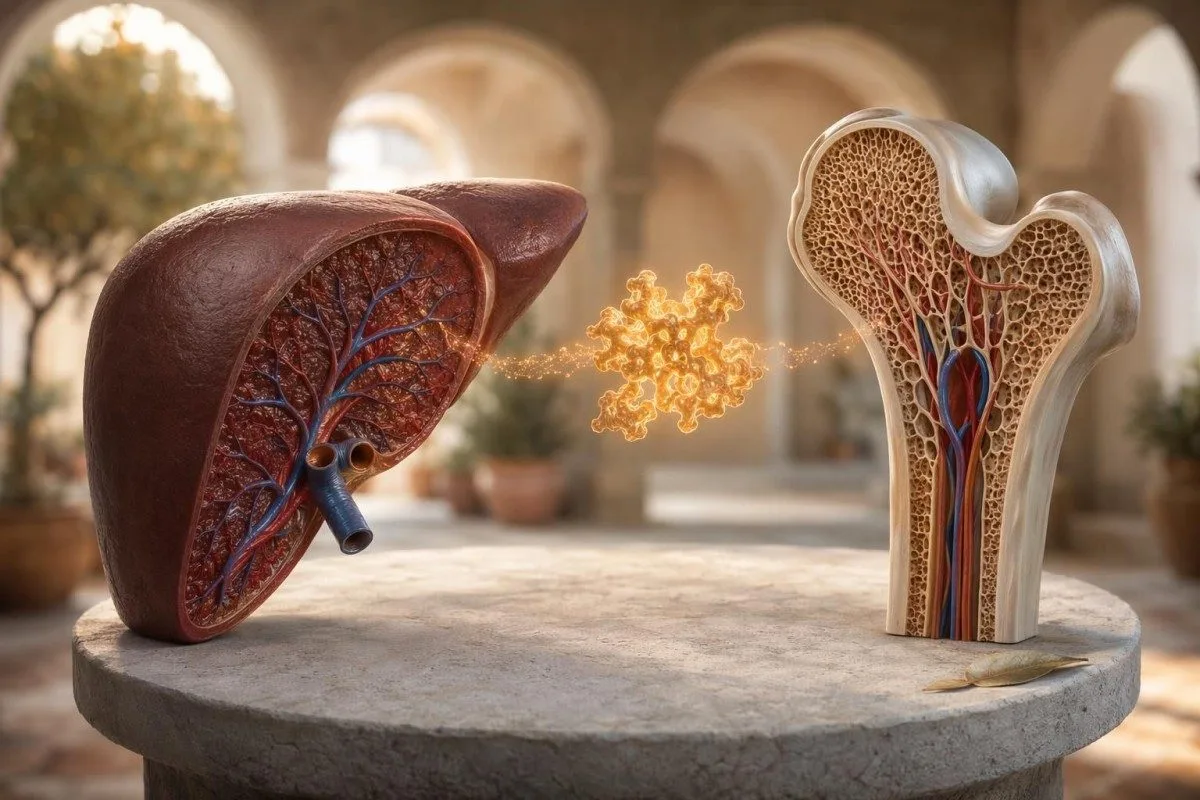
Most low alkaline phosphatase results are due to lab variation or reversible issues such as nutrition gaps or hypothyroidism, but persistent ALP below roughly 25 to 30 U/L deserves follow-up. The real question is not just whether the number is low, but whether it stays low and travels with clues from the rest of the panel.


- Adult cutoff Many labs use an adult alkaline phosphatase range around 30 to 120 U/L, and persistent values below 25 to 30 U/L deserve a closer look.
- Repeat timing A first mildly low ALP result often gets repeated in 2 to 8 weeks, ideally at the same lab and with similar testing conditions.
- Thyroid link Hypothyroidism can push alkaline phosphatase low; a TSH above about 4.5 to 5.0 mIU/L makes that explanation more likely.
- Nutrition clue Zinc deficiency and low magnesium, often below 1.7 mg/dL, can lower ALP because the enzyme depends on these minerals.
- Malabsorption pattern Low ALP with ferritin below 30 ng/mL, low albumin, or B12 changes often points toward poor absorption or restricted intake.
- Rare disorder Persistent low alkaline phosphatase with bone pain, metatarsal stress fractures, or early tooth loss raises concern for hypophosphatasia.
- Artifact warning EDTA contamination can falsely lower ALP and falsely raise potassium on the same sample.
- Useful follow-up GGT, calcium, phosphate, magnesium, ferritin, CBC, TSH, and sometimes pyridoxal-5'-phosphate are the common next tests.
What a low alkaline phosphatase result usually means
Low alkaline phosphatase usually means one of three things: normal lab variation, reduced bone or liver enzyme activity, or a reversible issue such as zinc deficiency, hypothyroidism, poor intake, or malabsorption. When a nonpregnant adult's ALP blood test stays under about 25 to 30 U/L on repeat testing, I look beyond noise—especially for nutrition gaps, medication effects, and the rare bone disorder hypophosphatasia. At Kantesti AI, we interpret alkaline phosphatase in context, not as a standalone scare.
Adult reference ranges vary more than most patients realize. Many labs use roughly 30 to 120 U/L, while some use 35 to 104 U/L, so a result of 32 U/L can be normal in one report and flagged low in another; our normal ALP range guide shows why the flag matters less than the pattern.
The thing is, low ALP does not usually point to blocked bile ducts or classic liver injury. In my experience, a low ALP with normal AST, ALT, and GGT is much more often nutritional, endocrine, or artifactual than hepatobiliary.
Dr. Thomas Klein here: I worry more when low ALP travels with fatigue, weight change, fractures, dental problems, or iron and B12 issues than when it appears alone on an otherwise dull panel. If you want to see the clinical team behind our review process, start with who we are.
What counts as low on an ALP blood test
Low on an ALP blood test usually means below the lab's lower reference limit, but in adults I pay closer attention below 30 U/L, and especially below 25 U/L if the value persists. As of April 24, 2026, most laboratories still do not harmonize ALP reference intervals well, so age, sex, pregnancy, and the assay method all matter.
Children and adolescents often run higher ALP because bone growth is active. Pregnancy can also raise ALP because placental isoenzymes enter circulation, so an adult cutoff does not translate neatly to a 13-year-old or to late pregnancy.
Some laboratories use p-nitrophenyl phosphate methods at 37 degrees C, but calibration and local population cutoffs still differ. That is why our blood biomarker guide and our AI blood test platform compare your number against the actual lab interval rather than a generic internet range.
A practical rule I use is simple: ALP 25 to 35 U/L with no symptoms often deserves a repeat, while ALP under 25 U/L deserves a reason. If you have ever wondered why one red flag can mislead, our blood test normal range guide explains the trap.
When one low result is probably noise
A single borderline low ALP after a viral illness, calorie restriction, or inconsistent sample handling is often not clinically dramatic. I usually repeat it in 2 to 8 weeks before launching a long workup, and I prefer the same lab because cross-platform variation is real.
Common low alkaline phosphatase causes: nutrition gaps and poor absorption
Nutrition gaps and poor absorption are among the commonest real-world causes of low alkaline phosphatase. ALP is a zinc-dependent enzyme, and people with low zinc, low magnesium, low protein intake, untreated celiac disease, or prolonged calorie restriction can drift into the low range.
I see this pattern in patients eating very narrowly—often after months of GI symptoms, restrictive dieting, or rapid weight loss. A 29-year-old patient with ALP 26 U/L, ferritin 14 ng/mL, and borderline B12 did not have a bone disease at all; the clue was malabsorption, which we chased with a vitamin deficiency marker review and a celiac testing guide.
Low ALP with albumin below 3.5 g/dL, ferritin under 30 ng/mL, or macrocytosis pushes me toward nutrition or absorption rather than a primary liver problem. Serum magnesium below 1.7 mg/dL supports the picture, and early iron loss can hide behind normal hemoglobin, which is why I often pair low ALP with our low ferritin without anemia guide before telling someone they are fine.
There is another angle here: pernicious anemia, severe B12 deficiency, and prolonged under-eating can all nudge ALP down. Most patients do not need a cabinet full of supplements; they need the right diagnosis first, then targeted replacement based on what is actually low.
Hypothyroidism and other low-turnover endocrine causes
Hypothyroidism can cause low alkaline phosphatase because thyroid hormone affects bone turnover and metabolic pace. When ALP is low and TSH is high, especially above 4.5 to 5.0 mIU/L with a low or low-normal free T4, the thyroid moves much higher on my list.
This link is clinically real, although not every hypothyroid patient shows it. The American Thyroid Association guideline by Jonklaas et al., 2014 treats TSH as the best initial test in most adults, and I agree—if ALP is unexpectedly low, a full thyroid panel is often more useful than guessing.
In practice, the pattern matters more than the isolated result. Low ALP plus constipation, cold intolerance, dry skin, weight gain, and a rising TSH result fits hypothyroidism better than low ALP plus diarrhea and iron deficiency, which nudges me toward malabsorption instead.
After treatment, ALP does not normalize overnight. Patients starting levothyroxine often ask why the enzyme still looks low after 2 weeks; the honest answer is that metabolic markers may lag, which is why our levothyroxine timeline guide emphasizes trends over 6 to 8 weeks, not day-to-day swings.
Medication effects, lab artifacts, and temporary dips
Medications, sample problems, and temporary physiology can lower ALP without signaling a true disease state. A real low ALP can occur after antiresorptive therapy or estrogen exposure, and a false low can happen when the sample is contaminated with EDTA or drawn poorly from a line.
EDTA contamination is one of the easiest misses. Because EDTA chelates zinc and magnesium, it can artificially suppress the ALP assay while also making potassium look high and calcium look low; a blood test comparison tool often exposes this immediately when today's panel clashes with every prior result.
Bone-active drugs matter too. Bisphosphonates and denosumab can suppress bone turnover and nudge ALP downward, and that may be expected rather than dangerous if the rest of the picture fits osteoporosis treatment; I have also seen short-lived lows after major illness, postoperative recovery, and heavy nutritional depletion.
Here is the practical distinction: low ALP is not the mirror image of high ALP. If GGT is normal, cholestasis becomes less likely; if GGT is elevated, review the liver enzyme pattern and our guide to high GGT before assuming the ALP flag explains everything.
Rare bone and genetic disorders behind alkaline phosphatase low results
Persistent ALP below 25 to 30 U/L plus bone pain, recurrent stress fractures, or early tooth loss raises suspicion for hypophosphatasia, a rare disorder caused by variants in ALPL. This is the low alkaline phosphatase diagnosis most non-specialists miss.
Adult hypophosphatasia is not just a pediatric disease that lingers. In my clinic, the adults we catch are often runners with metatarsal fractures, middle-aged patients with poorly healing foot or femur fractures, or people who lost teeth earlier than expected despite reasonable dental care.
The mechanism matters clinically. Mornet, 2007 described hypophosphatasia as a disorder of tissue-nonspecific alkaline phosphatase, and that is why pyridoxal-5'-phosphate can rise when ALP activity is low; a low ALP with elevated PLP and compatible symptoms is much more persuasive than low ALP alone, which is why our physicians on the Medical Advisory Board often recommend second-line testing rather than reflex reassurance.
I do not send every patient with ALP 31 U/L for genetics. I think about ALPL testing when the value is persistent, secondary causes have been reviewed, and related labs such as phosphate, calcium, and PTH do not explain the story; the distinction matters because standard antiresorptive therapy can be a poor fit in true hypophosphatasia.
Why a normal bone density scan can still miss the problem
A normal DXA scan does not rule out adult hypophosphatasia. I have seen patients with decent bone density but repeated metatarsal fractures, and that history matters more than a reassuring printout when ALP has been low for years.
Symptoms and clue patterns that make low ALP matter more
Most people with low alkaline phosphatase have no symptoms from the number itself; symptoms come from the cause. The most useful clues are fatigue, bone or foot pain, muscle weakness, dental issues, brittle nails, weight change, GI symptoms, and a panel that looks slightly off in several places rather than one dramatic abnormality.
Low ALP with fatigue and hair shedding makes me look at iron, B12, thyroid, and protein status before anything exotic. Our fatigue lab guide is useful here because ferritin below 30 ng/mL and B12 below 300 pg/mL can create symptoms long before a CBC becomes dramatic.
Vitamin D is a good example of context. Severe 25-hydroxyvitamin D deficiency—below 20 ng/mL by Endocrine Society criteria in Holick et al., 2011—more often pushes ALP up via osteomalacia than down, so a low ALP plus low vitamin D usually means there is another factor in the mix; our low vitamin D guide walks through that nuance.
I worry more when low ALP comes with phosphate abnormalities. Low ALP plus high phosphate can fit hypophosphatasia, while low ALP plus low phosphate can point toward poor intake, refeeding problems, or broader metabolic stress.
When repeat testing matters—and what to repeat with it
Repeat testing matters when the first result is borderline, unexpected, or disconnected from the rest of the story. For a mild low value such as 28 to 34 U/L, I usually repeat the ALP blood test in 2 to 8 weeks under similar conditions before labeling it abnormal.
What do I repeat with it? Usually AST, ALT, GGT, bilirubin, calcium, phosphate, magnesium, albumin, CBC, ferritin, TSH, and sometimes B12 or celiac serology. That panel is not random—it separates liver sources, bone turnover, nutrition, thyroid, and absorption in one pass.
If the value stays low, trend intelligence helps more than a single screenshot. Uploading a PDF to our blood test upload tool lets Kantesti line up older reports, and our clinical validation standards explain how we normalize lab-specific reference intervals before interpreting trends.
This is where human review still matters. Our AI interpretation guide is blunt about blind spots: AI can flag patterns in about 60 seconds, but persistent low ALP with fractures, dental history, or unexplained phosphate changes still deserves a clinician who can decide whether PLP, imaging, or genetics makes sense.
Best conditions for a repeat ALP test
Fasting is usually not required for ALP, but I prefer the same lab, similar time of day, and no comparison between a hospital analyzer and a different outpatient platform within a few days. In blood group O or B secretors, a post-meal intestinal ALP bump can occasionally muddy interpretation, which is another reason consistency helps.
When low ALP needs faster medical evaluation
Low ALP is rarely an emergency by itself, but some combinations need quicker attention. I move faster when low ALP appears with fracture pain, marked muscle weakness, unintentional weight loss, severe GI symptoms, confusion, or major calcium and phosphate abnormalities.
A patient with ALP 19 U/L, worsening foot pain, and a history of repeated stress fractures does not belong in a wait-and-see bucket. That scenario needs timely evaluation because missing hypophosphatasia or a severe mineralization problem changes treatment in a very practical way.
Another red-flag pattern is suspected artifact with dangerous companion labs. If potassium is unexpectedly high, calcium is low, and the person feels unwell, review the sample and the critical value rules the same day rather than assuming the panel is real.
And yes, cancer comes up in patient questions, but isolated low ALP is not a classic cancer signature. If symptoms are broad—night sweats, progressive weight loss, or unexplained systemic illness—I prefer a symptom-led workup guided by our symptom-to-test decoder instead of trying to make ALP carry the whole case.
How Kantesti reviews low ALP and what to do next
At Kantesti, we interpret low alkaline phosphatase by checking age, sex, pregnancy, lab method, trend direction, companion liver enzymes, thyroid markers, and mineral status before we call it meaningful. That layered approach is why a value of 27 U/L in a tired vegan with ferritin 11 ng/mL reads very differently from 27 U/L in a runner with metatarsal fractures.
Kantesti AI interprets alkaline phosphatase results by analyzing age, sex, pregnancy status, reference interval, and related biomarkers in the same report. Across our global user base, that context-first method is the difference between catching a real pattern and overcalling a one-off lab blip; if you want a practical next step, try the free blood test demo and review the trend rather than staring at one red flag.
I will be frank: most low ALP results turn out to be incidental or fixable. But the persistent outliers matter, and Dr. Thomas Klein's rule of thumb is simple—repeat the test, check thyroid and nutrition first, and escalate if the number stays low or the bones and teeth are telling a story.
Bottom line: alkaline phosphatase low is usually a clue, not a diagnosis. If you treat it like a pattern-recognition problem instead of an isolated abnormality, the next steps become much clearer.
Frequently Asked Questions
Is low alkaline phosphatase serious?
Low alkaline phosphatase is often not serious when it appears once and is only slightly below range, such as 28 to 34 U/L in an adult with otherwise normal labs. It becomes more meaningful when it is persistent, clearly low at under 25 to 30 U/L, or paired with symptoms like bone pain, fractures, weight change, dental problems, or thyroid abnormalities. The practical move is to repeat the test in 2 to 8 weeks and review AST, ALT, GGT, calcium, phosphate, magnesium, ferritin, CBC, and TSH at the same time. Persistent low ALP deserves a clinician's review.
What causes low alkaline phosphatase?
Low alkaline phosphatase can result from normal lab variation, zinc or magnesium deficiency, low protein intake, malabsorption, untreated hypothyroidism, antiresorptive medication use, or sample artifact such as EDTA contamination. A rare but important cause is hypophosphatasia, especially when ALP stays below about 25 to 30 U/L and there is bone pain, stress fractures, or early tooth loss. Low ALP with ferritin under 30 ng/mL, low albumin, or macrocytosis often points more toward nutrition or absorption than toward liver disease. The cause is found by pattern, not by the ALP number alone.
Can hypothyroidism cause low ALP?
Yes, hypothyroidism can cause low ALP because low thyroid hormone tends to reduce bone turnover and slow metabolic activity. The pattern is more convincing when TSH is above about 4.5 to 5.0 mIU/L and free T4 is low or low-normal, especially if symptoms include cold intolerance, constipation, dry skin, or weight gain. After starting levothyroxine, ALP may take several weeks to rise because biochemical recovery often lags behind symptom changes. That is why repeat testing is usually more useful after 6 to 8 weeks than after 1 or 2 weeks.
When should I repeat an ALP blood test?
A mildly low ALP result is commonly repeated in 2 to 8 weeks, especially if the first result was unexpected or only borderline low. Repeat testing matters more if the value is under 25 to 30 U/L, if the lab method was different from prior tests, or if related markers such as potassium, calcium, magnesium, phosphate, or GGT look odd. Using the same laboratory helps because one lab may define normal as 30 to 120 U/L while another uses 35 to 104 U/L. The repeat is most useful when it is paired with thyroid, mineral, liver, and nutrition markers.
What tests are useful if alkaline phosphatase is low?
Useful follow-up tests for low alkaline phosphatase usually include AST, ALT, GGT, bilirubin, calcium, phosphate, magnesium, albumin, CBC, ferritin, and TSH. If symptoms suggest malabsorption, celiac serology, B12, folate, zinc, and vitamin D may help; if symptoms suggest a rare bone disorder, pyridoxal-5'-phosphate and occasionally ALPL genetic testing can be appropriate. GGT helps separate liver patterns from non-liver patterns, and phosphate can be especially informative when hypophosphatasia is on the table. The best follow-up panel depends on the rest of the history, not just the ALP value.
Does low ALP mean liver disease?
Usually no. High ALP is the classic liver and bile-duct pattern, while low ALP is more often linked to nutrition gaps, hypothyroidism, medication effects, or rare bone disorders. If GGT, bilirubin, AST, and ALT are normal, isolated low ALP is less likely to reflect a meaningful hepatobiliary problem. The exception is when the whole panel is abnormal or the specimen was mishandled, which is why context still matters.
Can low alkaline phosphatase be genetic?
Yes, persistently low alkaline phosphatase can be genetic, most classically in hypophosphatasia caused by variants in the ALPL gene. Adults with this disorder may have ALP values below about 25 to 30 U/L for years, along with stress fractures, poorly healing fractures, foot pain, chondrocalcinosis, or early loss of teeth. A raised pyridoxal-5'-phosphate level strengthens suspicion because tissue-nonspecific ALP normally helps metabolize that compound. Genetic testing is not needed for every borderline low result, but it becomes reasonable when the lab pattern and symptoms fit.
Can vitamin B6 supplements interfere with testing for the cause of low ALP?
Yes—vitamin B6 supplements can raise pyridoxal-5'-phosphate (PLP), a blood marker sometimes used when checking for hypophosphatasia. Ask your clinician whether to pause B6-containing supplements, including multivitamins, for about 1 week before testing; do not stop prescribed supplements without guidance.
Can celiac disease cause a low alkaline phosphatase result?
Yes. Celiac disease can reduce absorption of zinc, magnesium, vitamin D, and other nutrients that support normal ALP activity. Your clinician may consider celiac blood testing alongside iron, B12, and nutrition markers, ideally before you start a gluten-free diet.
Can exercise or a recent fracture make alkaline phosphatase look low?
Exercise usually does not lower ALP, and a healing fracture often raises bone-related ALP rather than lowering it. If ALP stays low despite bone pain or a recent stress fracture, your clinician may look for nutrition issues or rare low-bone-turnover conditions.
Can I fix low alkaline phosphatase by taking zinc or magnesium?
Supplements help only when a true deficiency or poor intake is present. Ask your clinician about checking zinc and magnesium first, because taking high-dose zinc long term can lower copper and cause new problems.
Get AI-Powered Blood Test Analysis Today
Join over 2 million users worldwide who trust Kantesti for instant, accurate lab test analysis. Upload your blood test results and receive comprehensive interpretation of 15,000+ biomarkers in seconds.
📚 Referenced Research Publications
Klein, T., Mitchell, S., & Weber, H. (2026). Serum Proteins Guide: Globulins, Albumin & A/G Ratio Blood Test. Kantesti AI Medical Research.
Klein, T., Mitchell, S., & Weber, H. (2026). C3 C4 Complement Blood Test & ANA Titer Guide. Kantesti AI Medical Research.
📖 External Medical References
⚕️ Medical Disclaimer
This article is for educational purposes only and does not constitute medical advice. Always consult a qualified healthcare provider for diagnosis and treatment decisions.
E-E-A-T Trust Signals
Experience
Physician-led clinical review of lab interpretation workflows.
Expertise
Laboratory medicine focus on how biomarkers behave in clinical context.
Authoritativeness
Written by Dr. Thomas Klein with review by Dr. Sarah Mitchell and Prof. Dr. Hans Weber.
Trustworthiness
Evidence-based interpretation with clear follow-up pathways to reduce alarm.