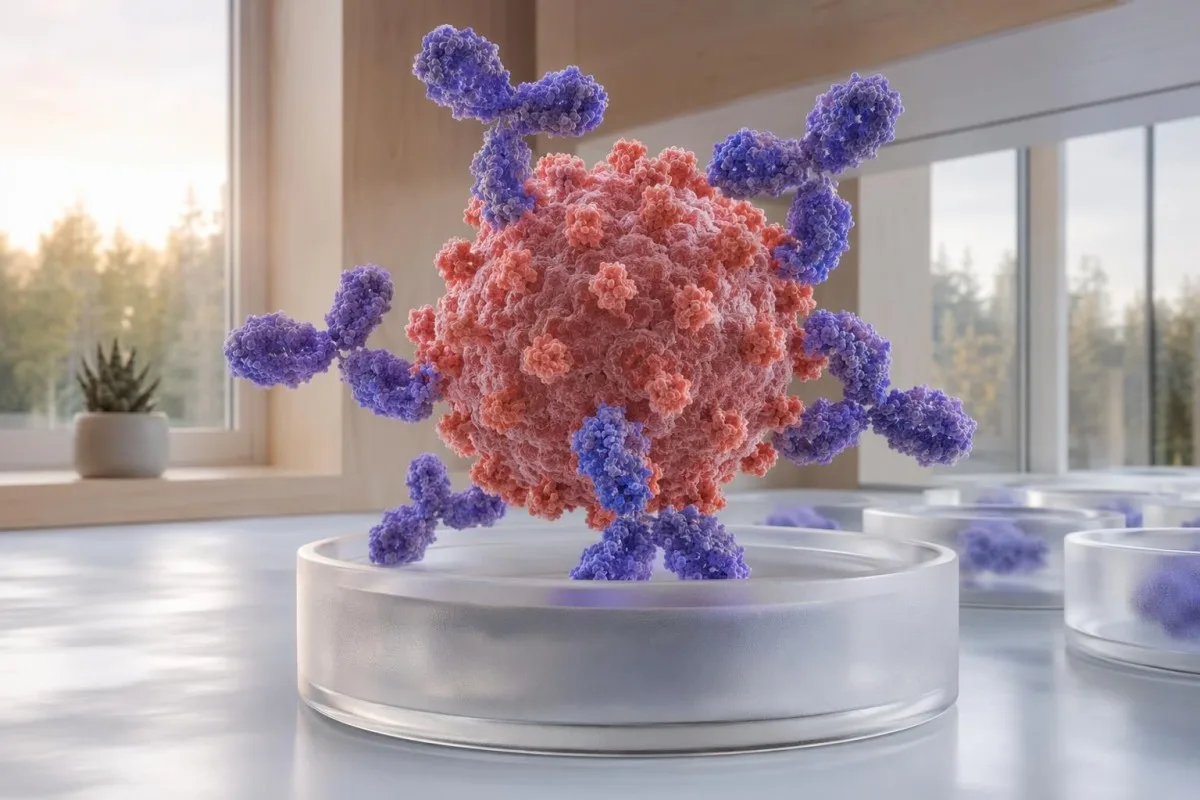
A rubella immunity result can alter your conception timeline by 28 days—or longer if you need a second MMR dose. Here is how clinicians read IgG results and plan safely around vaccination.



- Rubella IgG positive usually means you have evidence of immunity and do not need to delay trying to conceive for rubella reasons.
- Negative or equivocal IgG usually calls for MMR vaccination before pregnancy, unless a clinician identifies a reason not to vaccinate.
- 28-day wait is advised after each MMR dose before conception; it is not the older 3-month interval.
- Two-dose planning can take at least 56 days: dose 1, a minimum 28-day interval, dose 2, then 28 days before trying.
- Rubella IgM is not a routine preconception screening test and can produce confusing false-positive results.
- 10 IU/mL is a common international IgG immunity threshold, but the laboratory’s own positive cutoff takes priority.
- MMR in pregnancy is contraindicated, but accidental vaccination around conception is not a reason to end a wanted pregnancy.
- Postpartum MMR can be given after delivery to a non-immune person, including during breastfeeding.
How a Rubella Result Changes Your Conception Calendar
A rubella IgG positive result generally means you can keep trying to conceive without a vaccine-related delay; a negative or equivocal result usually means MMR vaccination followed by a 28-day wait. A blood test for trying to conceive answers an immunity question, not whether you are ovulating or how quickly pregnancy will occur.
As of July 28, 2026, the practical rule is simple: do not attempt conception for 28 days after an MMR dose, but do not postpone for rubella if your report says immune. The World Health Organization’s 2020 position paper treats documented vaccination or serologic immunity as the relevant protection evidence (WHO, 2020). For a wider preconception checklist, see our before-pregnancy lab guide.
Rubella infection in the first 11 weeks of pregnancy has historically carried a congenital rubella syndrome risk approaching 90%, whereas risk falls markedly after 16 weeks. That striking timing effect is why a single line on a laboratory report matters more before conception than it does for most viral antibodies. In my clinic, I have seen couples lose an otherwise well-timed treatment cycle simply because the vaccine interval was discovered too late.
Kantesti is an AI blood test analyzer that places rubella serology beside the rest of a preconception panel, so an immunity result is not mistaken for a fertility hormone result. As Thomas Klein, MD, I still recommend confirming any vaccination decision with the clinician who knows your vaccine record, medications, and pregnancy plans. You can read more about our clinical approach here.
Where Rubella Fits in a Blood Test for Trying to Conceive
Rubella IgG is an infection-immunity test, not a universal fertility test, and it is most useful when vaccine records are unavailable or incomplete. A preconception panel often combines it with tests chosen for your age, history, diet, medicines, and prior pregnancies.

A typical blood test for trying to conceive may include a full blood count, blood group and antibody screen, HbA1c when diabetes risk exists, and targeted thyroid or iron studies. Rubella IgG belongs in the prevention portion of that plan; AMH, FSH, progesterone, and prolactin answer different questions. Our women’s life-stage testing guide explains why blanket hormone panels often create more uncertainty than clarity.
The sample itself needs no fasting, no cycle-day timing, and no avoidance of folate or prenatal vitamins. Serum is commonly tested by automated immunoassay, with a result available in roughly 1 to 3 working days depending on the laboratory. That makes rubella status one of the few preconception decisions that can be settled quickly.
I see a recurrent misconception in people using private laboratory packages: a normal complete blood count does not establish rubella protection. Conversely, a positive rubella IgG does not exclude anemia, thyroid disease, or glucose concerns that deserve attention before pregnancy. One reassuring result should never substitute for a clinically tailored review.
Rubella IgG Positive Meaning: Positive, Negative and Equivocal Results
A positive rubella IgG result means the assay detected antibodies consistent with past vaccination or past infection; it does not mean you currently have rubella. A negative or equivocal result means immunity is not demonstrated by that assay and should trigger a vaccine-record review.

Many calibrated assays use 10 IU/mL or greater as evidence of rubella immunity, while results below that threshold may be negative and a narrow middle band may be called equivocal. The manufacturer and local laboratory set the reportable ranges, so a number of 9.8 IU/mL cannot be interpreted responsibly without its accompanying reference interval. Our explanation of out-of-range flags is useful when the report’s wording feels alarmingly brief.
A high IgG value—say 120 IU/mL rather than 18 IU/mL—does not make someone “extra protected” in a way that changes pregnancy advice. IgG assays are designed to classify immunity, not to predict an exact individual probability of infection. Antibody levels may also vary modestly between laboratories because calibration and assay antigens differ.
Kantesti AI interprets a rubella immunity blood test by preserving the laboratory’s stated qualitative call, units, and cutoff rather than inventing a universal range. If a report says equivocal, the safest next step is usually not to repeat it at three different labs; it is to let a clinician assess documented MMR doses and local public-health guidance. For result language more generally, review how to read lab numbers.
Why Rubella IgM Is Usually the Wrong Preconception Test
Rubella IgM should not be ordered routinely before pregnancy in an asymptomatic person, because a positive result can be false or reflect old immune stimulation rather than a new infection. IgG is the appropriate test for establishing baseline immunity.
IgM is a marker that may rise after recent infection, but it can persist for months after vaccination and can cross-react with other immune signals. In low-prevalence settings, the chance that an isolated positive IgM is false can be substantial because true rubella is rare. That is a difficult conversation to have during an already stressful preconception visit.
Rubella IgG avidity testing is also not a clever shortcut for most people planning pregnancy. Avidity can help specialist laboratories investigate a possible infection during pregnancy, but it does not replace vaccination records or a standard IgG result before conception. I reserve discussions about avidity for people with a genuine exposure, rash, or complex pregnancy serology.
If one partner is unsure of their records, this is a sensible time for a shared appointment rather than self-ordering IgM panels. Our couples’ preconception testing article covers which results are personal, which are shared decisions, and which can safely wait.
When You Need Rubella Vaccine Before Pregnancy
You may need MMR before pregnancy when rubella IgG is negative or equivocal and you lack acceptable documentation of immunity. Vaccination policy varies by country, but the clinical objective is the same: complete protection before, not during, pregnancy.
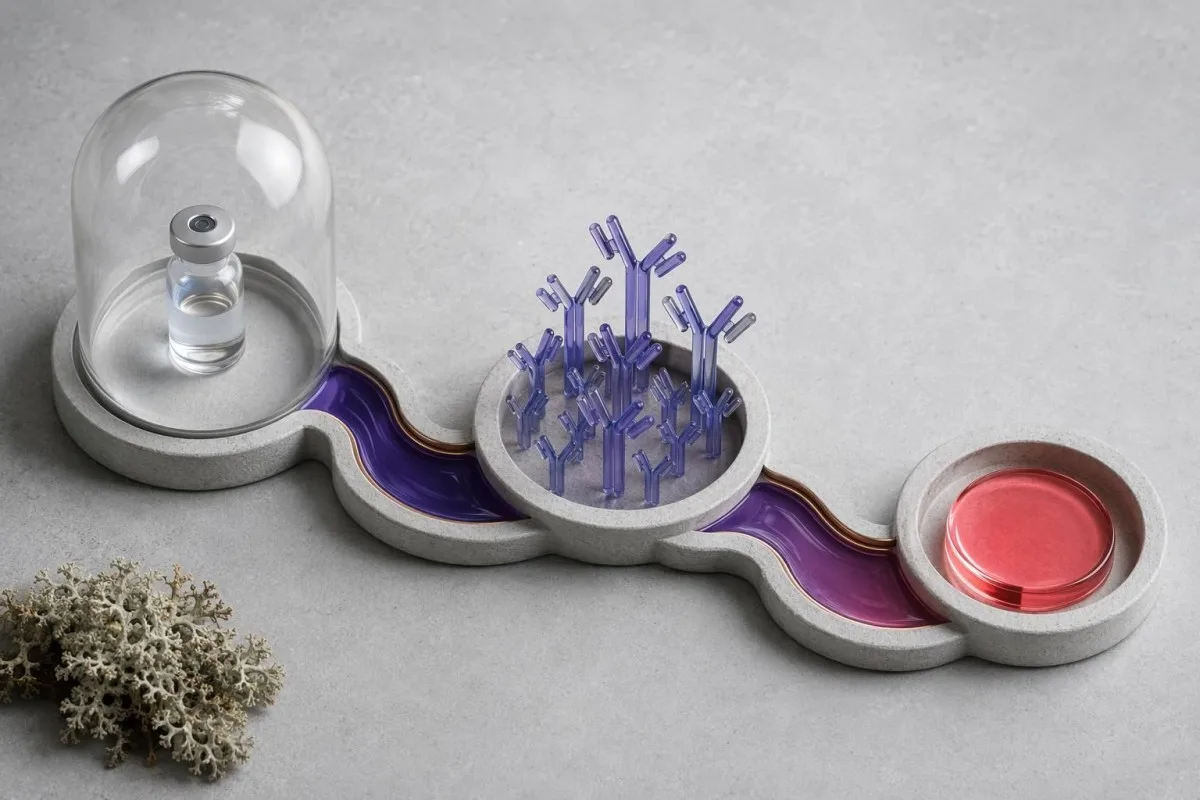
In the United States, women of childbearing age without presumptive immunity should receive at least 1 MMR dose when not pregnant; many national schedules aim for 2 lifetime MMR doses because of measles protection. CDC guidance describes laboratory evidence of immunity, written vaccination records, or documented disease as the useful evidence categories (McLean et al., 2013). Your clinician should apply the rules of the country where you will receive care.
MMR is a live attenuated vaccine, so it is not given during pregnancy or to people with severe immunosuppression. A person taking high-dose systemic corticosteroids, receiving chemotherapy, or using certain biologic medicines needs individual advice before vaccination. Mild illness, a low-grade temperature, or breastfeeding alone usually does not create the same barrier.
One point that catches patients out: an old childhood record saying “measles vaccine” may not prove rubella coverage. Ask for the product or a complete immunization record rather than relying on family memory. Hormonal contraception does not interfere with MMR response; our guide to estrogen results on contraception explains why blood tests can still look different while using it.
How Long to Wait After MMR Before Trying to Conceive
Wait 28 days after each MMR dose before trying to conceive. If you need two doses spaced by at least 28 days, the earliest planned conception date is usually 56 days after the first dose.

The 28-day interval begins on the day after vaccination in practical scheduling terms, so a dose on March 1 means avoid conception through March 29 and resume on March 30. If ovulation timing is uncertain, I suggest using reliable contraception throughout that month rather than attempting to calculate a narrow safe window. This is less stressful than interpreting a late period after a vaccine.
The prior 3-month wait is outdated in most current guidance. The 28-day recommendation is a precaution associated with a live attenuated vaccine, not evidence that vaccination at day 27 has been shown to harm a developing pregnancy. Still, planned timing gives the clearest and safest path.
Use the pause constructively: start 400 micrograms of folic acid daily at least 1 month before conception, review medicines, and address smoking or alcohol exposure. People at higher neural-tube-defect risk may be advised to use 5 mg folic acid, but that is a clinician-led prescription decision. Our folate versus folic acid guide spells out the distinction.
What to Do if You Are Already Pregnant and Not Immune
Do not receive MMR during pregnancy, even if rubella IgG is negative. The usual plan is exposure avoidance, appropriate assessment after a concerning contact, and postpartum vaccination before leaving maternity care when eligible.
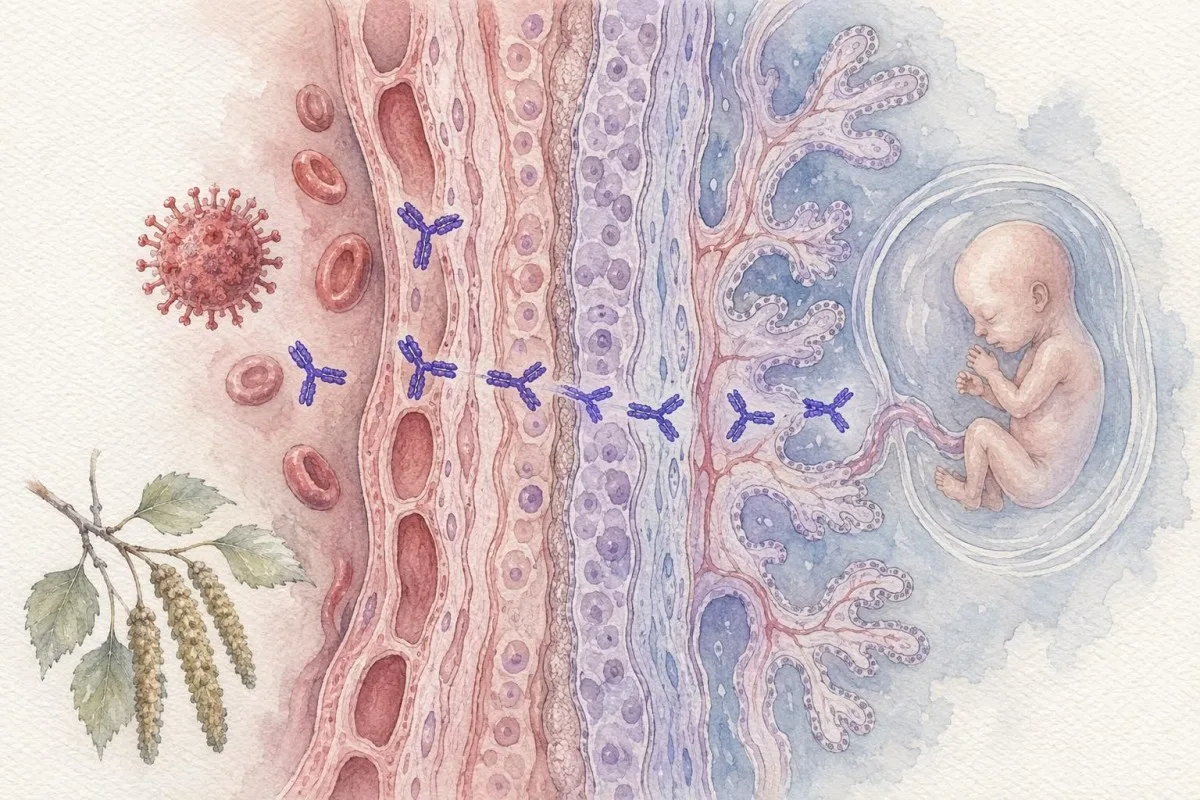
A negative rubella IgG in pregnancy does not mean that infection has occurred or that the pregnancy is in immediate danger. It means protection was not demonstrated, so contact with someone with fever and rash should prompt a same-day call to maternity care or public health. NICE antenatal guidance recommends discussing immunization status and pregnancy-safe prevention as part of routine care (NICE, 2021).
If someone receives MMR and then discovers a pregnancy within 28 days, contact the prenatal clinician promptly—but do not assume catastrophe. Published surveillance has not identified congenital rubella syndrome caused by vaccine virus, and inadvertent MMR exposure is not an indication for pregnancy termination. A specialist may document dates and arrange reassurance rather than extra invasive testing.
Kantesti AI can organize a report showing non-immunity, but it cannot decide whether a rash exposure needs urgent public-health investigation. That distinction matters: laboratory interpretation is supportive, while diagnosis after exposure requires symptoms, dates, local epidemiology, and clinician-led testing. Keep a copy of your prenatal baseline with other pregnancy laboratory records.
Why the Waiting Period Is 28 Days, Not Three Months
The current 28-day interval is a precaution based on live-vaccine policy and post-marketing reassurance data; it is not a signal that MMR has known fetal toxicity. The former 3-month advice persists online and is responsible for many unnecessary delays.
Live attenuated vaccine viruses replicate briefly enough to stimulate immunity, which is why pregnancy timing is handled conservatively. The rubella vaccine strain has not been linked to congenital rubella syndrome in surveillance of inadvertent periconception exposure. The recommendation protects a planned-care margin rather than responding to a demonstrated harm signal.
A fresh rubella IgG test is not required 28 days after MMR in most people. Seroconversion testing can be misleading because commercial assays differ, and clinical vaccination documentation usually provides the useful evidence. Exceptions exist for unusual immune conditions, occupational requirements, or specific local public-health protocols.
Vaccination can make a few routine laboratory markers temporarily noisier, especially white-cell differential counts or inflammatory markers after an immune response, but it does not invalidate rubella timing advice. If unrelated blood work was drawn soon after a vaccine, our article on post-vaccination laboratory shifts explains what deserves a recheck.
Do Vaccine Records Beat a Repeat Rubella Blood Test?
Reliable written MMR documentation often answers the immunity question better than repeated serology, especially when an IgG result is borderline. The right evidence standard depends on your country, work setting, and whether a clinician considers the record complete.
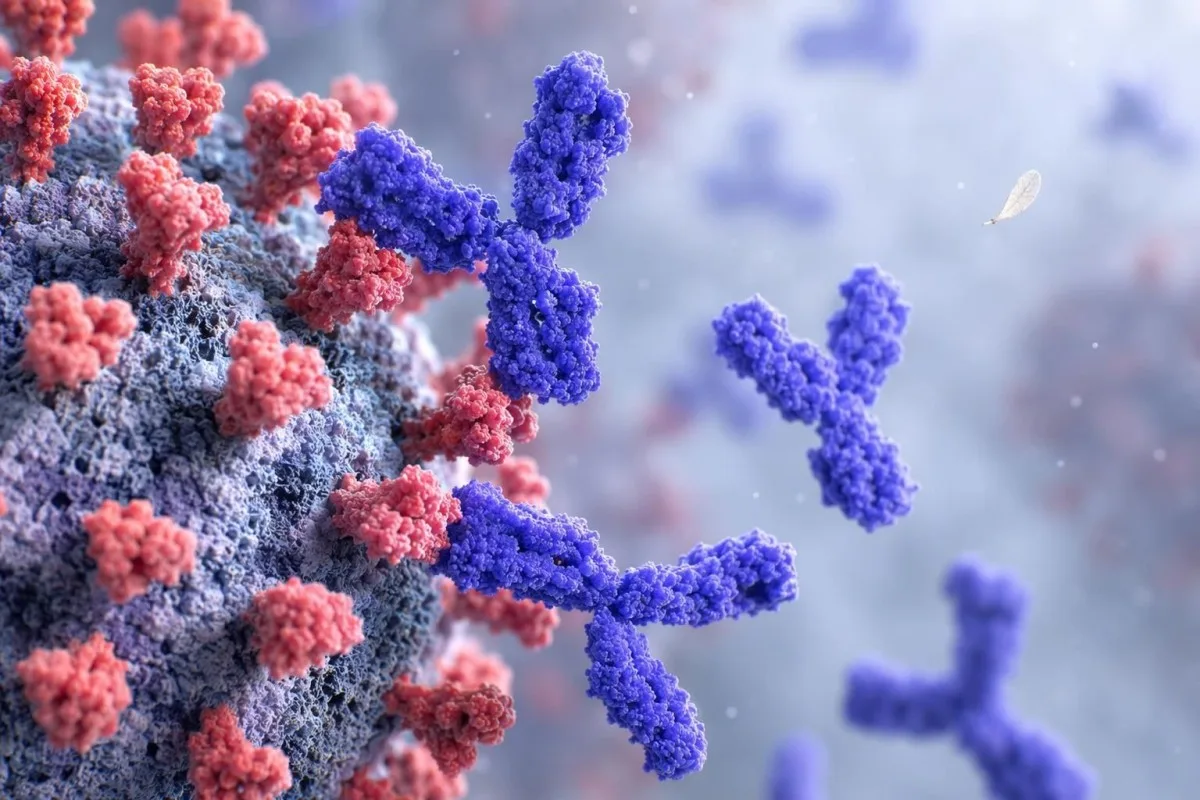
Two documented MMR doses are generally accepted as strong vaccine evidence in many programs, even if a later commercial IgG assay reports low or negative antibodies. Antibody assays do not capture every component of immune memory, and a negative result after valid doses does not automatically prove susceptibility. This is one of those areas where context matters more than a single number.
As Thomas Klein, MD, I advise patients to photograph the original immunization record, record the vaccination dates, and bring both to their appointment. A clinician can then avoid duplicate doses and explain whether a repeat assay is worthwhile. Do not rely on a childhood verbal recollection when an IVF cycle or travel plan depends on the decision.
Kantesti’s result workflow can keep the laboratory PDF alongside the vaccination record, which helps prevent a qualitative “immune” call from being detached from its date and assay. Our approach to result safeguards is described in our medical validation standards.
Planning Rubella Timing Around IVF or Fertility Treatment
A negative rubella result should usually be addressed before ovarian stimulation, embryo transfer, or donor insemination begins, because MMR requires a 28-day no-conception interval. Fertility clinics may set an even earlier cutoff to avoid cancelling an expensive cycle.

For a two-dose MMR plan, build in at least 8 weeks, not 4: the second dose cannot be given sooner than 28 days after the first, and conception should wait another 28 days. Clinics commonly want documentation before the first treatment medication is issued. A calendar planned backward from transfer date is much kinder than discovering this during monitoring.
Egg retrieval without embryo transfer may sometimes be scheduled differently from an attempt at pregnancy, but this is clinic-specific and not a do-it-yourself workaround. The key concern is avoiding conception during the interval, including an unplanned spontaneous pregnancy. Ask the fertility specialist whether freezing, stimulation, or partner sperm collection can proceed while waiting.
A rubella result does not replace baseline fertility assessment. Depending on your history, clinicians may consider thyroid tests, prolactin, ovarian reserve testing, semen analysis, or tubal evaluation; our IVF baseline testing guide separates useful tests from fashionable extras. For a broader cycle-timing overview, see our women’s health research guide.
Useful Preconception Checks During the 28-Day Wait
The month after MMR is a good time to correct avoidable preconception risks, particularly low iron stores, inadequate folate intake, uncontrolled diabetes, and medication exposures. It should not become an excuse for indiscriminate testing.
Ferritin below 30 micrograms/L commonly supports depleted iron stores in symptomatic menstruating adults, although inflammation can make ferritin look artificially reassuring. Hemoglobin, ferritin, and transferrin saturation together are more useful than a serum iron value alone. Our ferritin guide for women explains why heavy periods can quietly erode reserves.
For people with diabetes or substantial diabetes risk, an HbA1c below 6.5% (48 mmol/mol) is the diagnostic threshold that distinguishes diabetes from lower values, but individual pregnancy targets can be tighter. A preconception medication review matters as much as the number: retinoids, ACE inhibitors, some antiseizure medicines, and anticoagulants can require planned changes. Never stop prescribed treatment abruptly because of a pregnancy plan.
A standard prenatal supplement is usually reasonable, but avoid stacking products until iodine, vitamin A, and iron doses become excessive. In particular, preformed vitamin A retinol should not exceed 3,000 micrograms RAE daily in pregnancy planning without clinician direction. Our clinician-reviewed guide to pregnancy supplements covers practical dose checks.
How to Read and Store Your Rubella Serology Report Safely
Keep the full report—not only a screenshot of “positive”—because the test date, assay name, units, reference interval, and clinical comments may matter later. A complete PDF also helps a new clinic distinguish rubella IgG from an unrelated antibody result.
Before sharing a report, check that it belongs to you, that the date is visible, and that the result is IgG rather than IgM. OCR errors can turn a decimal point, unit, or “equivocal” comment into something quite different. This small check prevents a surprising number of unnecessary messages to fertility clinics.
Kantesti is an AI lab test interpretation service that can identify the test name, qualitative result, and laboratory interval from uploaded reports while keeping the original document available for review. It is sensible to remove unrelated identifiers before sharing results outside your care team. Our result-sharing privacy checklist and PDF OCR checklist show the practical steps.
A tool can explain what “immune” commonly means, but it cannot verify an undocumented childhood dose, assess immunosuppression, or rule out a current rash illness. Treat an AI explanation as preparation for a clinical conversation, not clearance for vaccination or pregnancy. That boundary is especially important for a live vaccine.
What a Rubella Immunity Blood Test Cannot Tell You
Rubella IgG cannot tell you the exact date of a past vaccine, guarantee zero infection risk, or measure fertility potential. It classifies laboratory evidence of immunity at one point in time, using the assay’s validated threshold.
A positive IgG does not distinguish immunity from vaccination versus remote natural infection, and in most healthy people it does not need to. It also does not answer whether measles or mumps coverage is complete; MMR records still matter. A negative result can arise from true susceptibility, borderline assay behavior, or less commonly an altered immune response.
Kantesti AI is an AI biomarker interpretation platform that can flag a mismatch between the reported rubella result and the reference interval, but it does not replace laboratory quality control or public-health case definitions. We deliberately treat an unexpected IgM result, a rash, and pregnancy as escalation signals rather than routine wellness findings. Learn how the underlying approach works in our AI technology guide.
Do not chase rising antibody numbers after an MMR dose as though they were cholesterol targets. For most patients, documented vaccination and a properly interpreted baseline result are enough. The most useful outcome is a clear plan with dates, not a longer spreadsheet.
A Practical Rubella Action Plan Before You Try
If rubella IgG is positive, save the report and continue your broader preconception plan; if it is negative or equivocal, arrange vaccine review before trying. If you are already pregnant, do not have MMR now—make a postpartum plan with your maternity team.
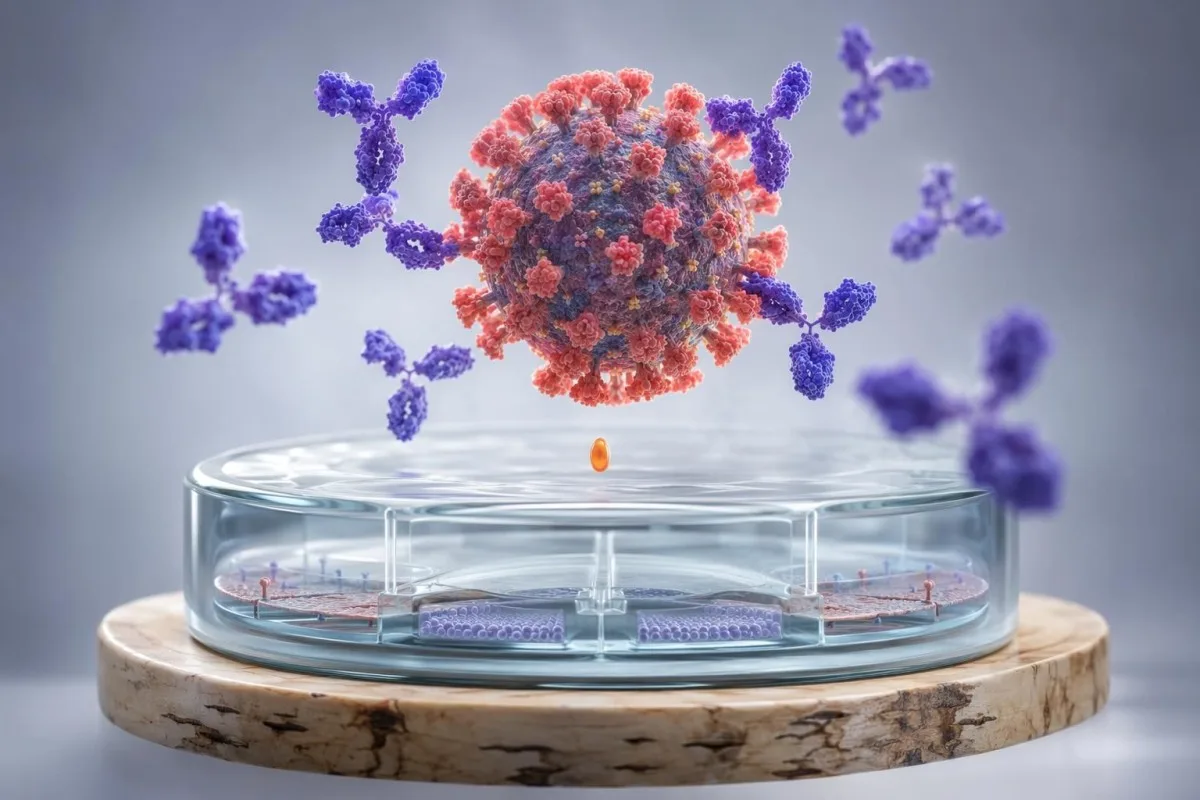
Step 1 is to locate MMR records and the original IgG report. Step 2 is to ask whether you need one dose, two doses, or no further vaccine under your local guidance. Step 3 is to write down the earliest safe conception date: 28 days after the final dose, not merely 28 days after the first appointment.
Call promptly if you have a positive pregnancy test after a recent MMR dose, a rash illness, fever, swollen lymph nodes, or close contact with suspected rubella. Those situations need individual assessment, but they are not reasons to panic. Most patients find that a written timeline reduces far more anxiety than another antibody test.
Kantesti is an AI-powered blood test analysis tool that helps patients bring a clean, complete result summary to a clinician, while medical decisions remain with qualified care teams. Our physician reviewers and governance process are outlined on the Medical Advisory Board page. Thomas Klein, MD, recommends booking the vaccine decision early—ideally 2 to 3 months before the month you hope to conceive.
Frequently Asked Questions
What does a positive rubella IgG result mean when trying to conceive?
A positive rubella IgG result means the laboratory found antibodies consistent with past vaccination or past rubella infection, so you are generally considered immune. Many assays use 10 IU/mL or higher as a positive threshold, but the laboratory’s own reference range is the final authority. If you are already trying to conceive and have a documented positive result, you do not need to wait 28 days for rubella reasons. Positive IgG does not measure fertility, ovulation, or the health of a future pregnancy.
How long should I wait to get pregnant after a rubella vaccine?
Wait 28 days after each MMR vaccine dose before trying to conceive. If two doses are needed, they are given at least 28 days apart, followed by another 28-day wait after the second dose; this creates a minimum timeline of about 56 days from the first dose. The older 3-month recommendation is no longer used in most current guidance. Use reliable contraception during the waiting interval if pregnancy is possible.
Can I try to conceive if my rubella immunity blood test is equivocal?
An equivocal rubella IgG result is not dependable proof of immunity, so you should pause attempts to conceive until a clinician reviews your MMR documentation and vaccination eligibility. Some assays place equivocal results close to 10 IU/mL, but the range differs among laboratories. If vaccination is recommended, wait 28 days after the final MMR dose before conception. Repeating the same test at multiple laboratories is usually less useful than reviewing your documented vaccine history.
Do I need a rubella IgG blood test if I had two MMR vaccines?
Many public-health programs accept two documented MMR doses as adequate evidence of immunity without repeat rubella IgG testing. A later low or negative commercial IgG result does not always mean the vaccine failed because immune memory is not perfectly captured by every assay. Fertility clinics and employers can have their own documentation rules, so provide the original vaccine record early. If records are missing, an IgG test or revaccination plan may be appropriate depending on local guidance.
What happens if I get the MMR vaccine and then find out I am pregnant?
Contact your prenatal clinician as soon as you learn about pregnancy after MMR, but accidental vaccination within 28 days of conception is not an indication to end a wanted pregnancy. Surveillance data have not identified congenital rubella syndrome caused by vaccine virus. Your clinician will record the vaccination and estimated conception dates, then provide individualized reassurance and routine pregnancy care. Do not receive further MMR doses during pregnancy.
Should rubella IgM be included in a preconception blood test?
Rubella IgM is not routinely recommended for an asymptomatic person planning pregnancy because false-positive results and persistent IgM after vaccination can create needless alarm. Rubella IgG is the test used to determine whether laboratory evidence of immunity is present. IgM testing becomes relevant when there is a clinical concern such as fever, rash, exposure, or an abnormal pregnancy serology assessment. In those situations, interpretation should involve maternity care, infectious-disease specialists, or public health rather than an isolated online result.
Get AI-Powered Blood Test Analysis Today
Join over 2 million users worldwide who trust Kantesti for instant, accurate lab test analysis. Upload your blood test results and receive comprehensive interpretation of 15,000+ biomarkers in seconds.
📚 Referenced Research Publications
Klein, T., Mitchell, S., & Weber, H. (2026). AI Blood Test Analyzer: 2.5M Tests Analyzed | Global Health Report 2026. Kantesti AI Medical Research.
Klein, T., Mitchell, S., & Weber, H. (2026). RDW Blood Test: Complete Guide to RDW-CV, MCV & MCHC. Kantesti AI Medical Research.
📖 External Medical References
World Health Organization (2020). Rubella vaccines: WHO position paper – July 2020. Weekly Epidemiological Record.
McLean HQ et al. (2013). Prevention of measles, rubella, congenital rubella syndrome, and mumps, 2013: Summary recommendations of the Advisory Committee on Immunization Practices. MMWR Recommendations and Reports.
National Institute for Health and Care Excellence (2021). Antenatal care: NICE guideline NG201. NICE Guideline.


⚕️ Medical Disclaimer
This article is for educational purposes only and does not constitute medical advice. Always consult a qualified healthcare provider for diagnosis and treatment decisions.
E-E-A-T Trust Signals
Experience
Physician-led clinical review of lab interpretation workflows.
Expertise
Laboratory medicine focus on how biomarkers behave in clinical context.
Authoritativeness
Written by Dr. Thomas Klein with review by Dr. Sarah Mitchell and Prof. Dr. Hans Weber.
Trustworthiness
Evidence-based interpretation with clear follow-up pathways to reduce alarm.