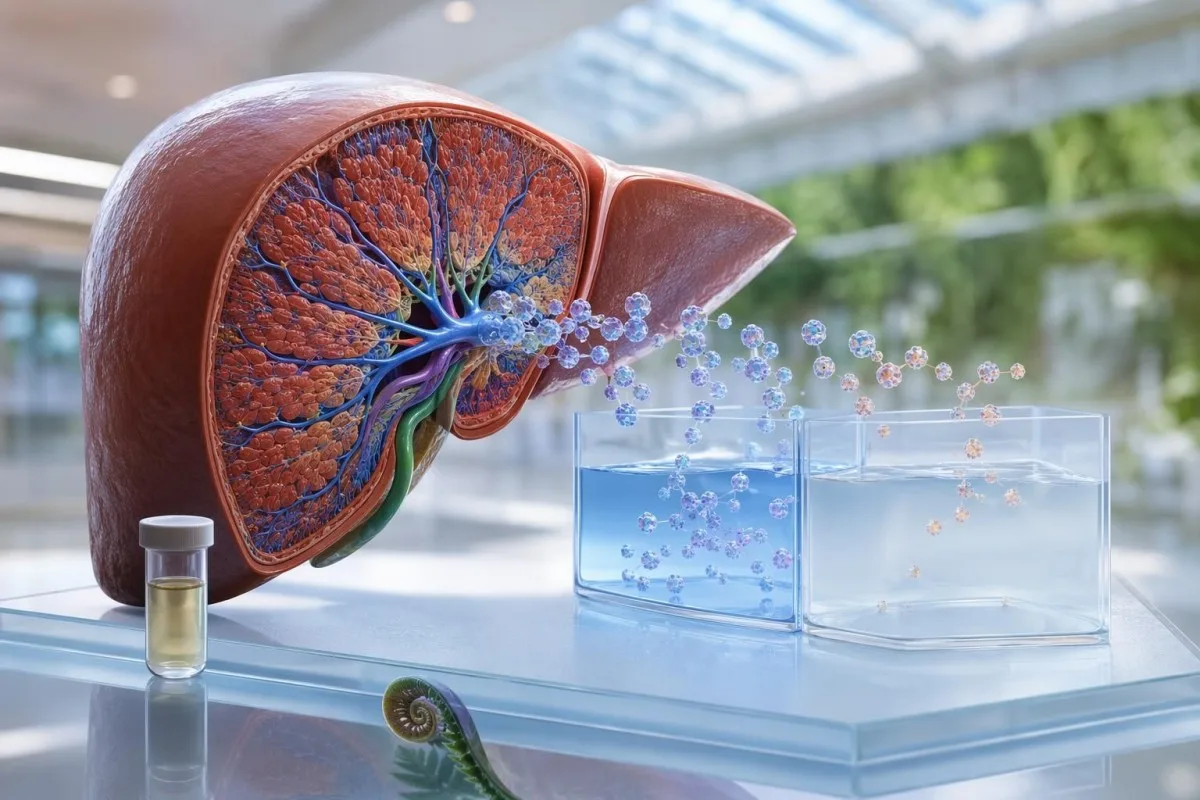
Albumin normally falls from about 3.1–5.1 g/dL in the first trimester to 2.3–4.2 g/dL in the third because plasma volume expands faster than albumin concentration. A low adult-range result is often expected in pregnancy, but a sharp fall with high blood pressure, proteinuria, abnormal liver tests, or new symptoms needs clinical review.


- First trimester albumin commonly ranges from 3.1–5.1 g/dL or 31–51 g/L.
- Second trimester albumin commonly ranges from 2.6–4.5 g/dL or 26–45 g/L.
- Third trimester albumin commonly ranges from 2.3–4.2 g/dL or 23–42 g/L.
- Haemodilution reflects a roughly 40–50% plasma-volume expansion and is the main reason albumin concentration declines.
- Preeclampsia assessment starts at blood pressure of 140/90 mmHg or higher after 20 weeks, confirmed on repeat measurement.
- Proteinuria is clinically significant at 300 mg or more in 24 hours or a urine protein-to-creatinine ratio of 0.3 mg/mg or higher.
- Severe hypertension of 160/110 mmHg or higher warrants urgent maternity assessment, regardless of albumin.
- Albumin below 2.5 g/dL is not diagnostic by itself, but it deserves a broader review for renal loss, liver disease, illness, nutrition, and fluid balance.
Pregnancy Albumin Ranges Differ From Adult Lab Ranges
The normal range for albumin shifts downward throughout pregnancy, so an adult laboratory flag does not automatically mean disease. As of July 24, 2026, a practical pregnancy-specific guide is 3.1–5.1 g/dL in trimester one, 2.6–4.5 g/dL in trimester two, and 2.3–4.2 g/dL in trimester three.
Non-pregnant adult albumin commonly measures about 3.5–5.0 g/dL, although each laboratory validates its own interval. Pregnancy-specific values compiled by Abbassi-Ghanavati and colleagues place the lower limit at 2.3 g/dL in the third trimester (Abbassi-Ghanavati et al., 2009). That gap explains why many healthy pregnant people receive an automated low flag on a standard comprehensive metabolic panel.
The number should be read with gestational age, not against a generic adult chart. A result of 2.8 g/dL at 34 weeks may fit expected dilution when blood pressure, creatinine, urine testing, liver markers, fetal growth, and symptoms are reassuring; the same value before conception would prompt a different conversation. Our serum proteins guide explains how albumin fits with globulins and the A/G ratio.
Kantesti is an AI blood test analyzer that reads albumin alongside the test date, reported units, pregnancy stage, and linked markers rather than treating one low flag as a diagnosis. In clinical practice, that contextual step prevents a surprising amount of unnecessary alarm.
Use the laboratory units exactly as reported
Albumin is reported in either g/dL or g/L; multiplying g/dL by 10 gives g/L. A result of 2.9 g/dL is therefore 29 g/L, and unit confusion is one of the simplest avoidable interpretation errors.
Why Albumin Falls as Pregnancy Progresses
Albumin concentration falls mainly because pregnancy expands plasma volume by about 40–50%, diluting proteins in circulation. This is a concentration effect, not proof that the liver has stopped making albumin or that dietary protein is inadequate.
Red-cell mass also rises during pregnancy, but usually by only 20–30% without iron treatment, so plasma expansion exceeds cell expansion. The familiar fall in haemoglobin, haematocrit, total protein, urea, and albumin often travels together. A matching mild fall in haematocrit during dilution makes physiological change more likely than isolated protein loss.
Albumin has a circulating half-life of roughly 19–21 days, so it changes more slowly than blood pressure, creatinine, or aminotransferases. Oestrogen-related changes in hepatic protein handling, increased capillary permeability, and transfer of amino acids to the fetoplacental unit may contribute, though plasma dilution is still the dominant explanation.
The thing is, albumin concentration is not the same as total body albumin stores. I have reviewed late-pregnancy panels where albumin was 2.7 g/dL, haemoglobin 10.7 g/dL, and creatinine 0.48 mg/dL; that internally consistent dilution pattern was far less concerning than the isolated laboratory flag suggested.
How to Read an Albumin Result on a Pregnancy Panel
A pregnancy albumin result is most useful when compared with its own baseline and the other proteins on the same panel. Total protein, globulin, calcium, creatinine, and haematocrit help distinguish dilution from a new clinical problem.
A low albumin result with proportionately low total protein and haematocrit usually supports dilution. By contrast, albumin 2.4 g/dL with total protein 6.6 g/dL and a rising globulin fraction is less tidy and can suggest inflammation, selective albumin loss, or a method-related issue. A value marked out of range is only a laboratory comparison, as we explain in our guide to out-of-range blood results.
Calcium deserves a careful footnote. About 40% of total serum calcium is albumin-bound, so total calcium commonly falls when albumin falls even if biologically active ionized calcium is stable. Clinicians may use an albumin-adjusted calcium calculation, but in pregnancy and acute illness I prefer ionized calcium when a calcium decision genuinely matters.
Kantesti AI is an AI-powered blood test analysis tool that can organize albumin, total protein, calcium, and kidney markers in one time-stamped view. Our broader biomarker reference guide is useful when a report contains unfamiliar protein or metabolic markers.
The Albumin Trend Matters More Than One Number
A gradual albumin decline over weeks is typical, whereas an abrupt fall over days or a few weeks needs explanation. A single value cannot tell whether a result reflects normal dilution, intravenous fluid exposure, urinary protein loss, liver dysfunction, or laboratory variation.
A reasonable physiological trajectory might move from 4.2 g/dL at 9 weeks to 3.4 g/dL at 23 weeks and 2.9 g/dL at 35 weeks. A drop from 3.3 to 2.3 g/dL over 10 days is different, especially after vomiting, infection-like illness, intravenous fluids, new swelling, or hypertension. The slope often contains more clinical information than the lowest result.
Dr Thomas Klein's practical rule is to compare results drawn under similar conditions whenever possible. A sample taken shortly after a litre of intravenous fluid or during an acute illness can be lower than a stable outpatient baseline, and an apparent change of 0.3 g/dL may be analytical or hydration-related rather than biological.
Kantesti AI trend analysis flags a change against earlier results rather than simply applying an adult reference interval. Patients who keep prenatal testing in one place can use longitudinal lab comparison to prepare more focused questions for their maternity team.
Patterns That Make Low Albumin More Concerning
Low albumin during pregnancy becomes more concerning when it accompanies hypertension, significant urine protein, abnormal liver markers, worsening creatinine, or rapidly developing symptoms. Albumin alone does not diagnose preeclampsia, kidney disease, liver disease, malnutrition, or placental problems.
Albumin below 2.5 g/dL deserves a clinician-led review, particularly if it is falling, but it is not an emergency cutoff by itself. I become more alert when albumin is low alongside new high blood pressure, proteinuria, low platelets, rising AST or ALT, bilirubin elevation, breathlessness, or swelling that appears suddenly rather than gradually.
Inflammation can lower albumin because the liver shifts production toward acute-phase proteins and albumin distribution changes. A raised C-reactive protein may support an inflammatory context, although CRP naturally varies in pregnancy and cannot identify the cause; see our discussion of CRP results in pregnancy.
A value of 2.1 g/dL at 31 weeks with severe headache and blood pressure of 166/112 mmHg is not a nutrition problem to solve at home. It is an urgent obstetric assessment scenario, even if the albumin result arrived first in the patient portal.
Albumin, Blood Pressure, and Preeclampsia Assessment
Preeclampsia is assessed through blood pressure, urine protein, organ markers, and symptoms—not through albumin alone. New blood pressure of 140/90 mmHg or higher after 20 weeks, confirmed on two readings at least 4 hours apart, requires maternity review.
According to ACOG Practice Bulletin No. 222, severe-range blood pressure is 160/110 mmHg or higher and should be confirmed promptly to allow timely treatment (ACOG, 2020). Preeclampsia can be diagnosed without proteinuria when hypertension occurs with severe features such as platelets below 100,000/µL, creatinine above 1.1 mg/dL or doubled baseline, pulmonary oedema, liver dysfunction, or persistent neurological symptoms.
Proteinuria is defined as at least 300 mg in a 24-hour urine collection, a protein-to-creatinine ratio of 0.3 mg/mg or higher, or dipstick 2+ only when quantitative testing is unavailable. A low albumin level can coexist with preeclampsia, but it is neither required nor sufficient for the diagnosis. Our companion guide covers blood pressure thresholds in pregnancy.
Kantesti is an AI lab test interpretation service that identifies combinations needing clinician review, such as falling albumin with abnormal liver tests or thrombocytopenia. It does not replace a same-day blood-pressure check, fetal assessment, or obstetric examination; the pregnancy platelet range guide provides helpful context for one important companion marker.
When Clinicians Check Urine Protein and Kidney Markers
Clinicians check urine protein and kidney markers when albumin is low because urinary protein loss can lower circulating albumin. A urine protein-to-creatinine ratio of 0.3 mg/mg or more is significant in pregnancy and needs clinical context.
Urine dipsticks are convenient but imperfect: concentrated urine, vaginal discharge, and urinary tract inflammation can produce misleading protein results. A spot protein-to-creatinine ratio is often more useful than a dipstick, while a carefully collected 24-hour urine sample may still be used when the answer remains unclear. Our guide to protein in urine explains what the urine result can and cannot establish.
Pregnancy normally lowers serum creatinine because renal filtration increases. A creatinine of 0.9 mg/dL can be more meaningful in late pregnancy than it would be outside pregnancy, particularly if it has risen from 0.5 mg/dL. Creatinine trend, urine sediment, blood pressure, and protein quantity matter more than an estimated GFR automatically reported by some laboratories.
Heavy protein loss is usually far more substantial than the trace protein seen on a routine dipstick. A protein-to-creatinine ratio around 3 mg/mg suggests nephrotic-range protein loss, where low albumin, pronounced oedema, and clot risk may become relevant and obstetric-nephrology input is often appropriate.
Why Liver Markers Matter More Than Albumin in Acute Illness
In a suspected pregnancy-related liver complication, AST, ALT, bilirubin, LDH, platelets, and symptoms change faster and matter more urgently than albumin. Albumin has a long half-life, so it is a poor standalone marker of abrupt liver injury.
HELLP syndrome is named for haemolysis, elevated liver enzymes, and low platelets; albumin is not part of its diagnostic definition. An AST or ALT level at least twice the laboratory upper limit, especially with thrombocytopenia and right-upper abdominal pain, should trigger urgent obstetric evaluation. A normal albumin does not rule this out.
Alkaline phosphatase rises physiologically in pregnancy because placental isoenzymes contribute, sometimes reaching two to four times the non-pregnant upper limit near term. That is why clinicians usually focus more on AST, ALT, bilirubin, bile acids when itch is prominent, platelet count, and the pattern described in our cholestasis blood test guide.
Jaundice, dark urine, severe nausea and vomiting after mid-pregnancy, confusion, upper abdominal pain, or feeling suddenly unwell are not symptoms to monitor casually. Even when an albumin value looks only mildly low, these symptoms warrant urgent maternity triage.
Oedema: What Albumin Can and Cannot Explain
Mild ankle swelling in late pregnancy is common and does not prove low albumin, while rapid facial, hand, or generalized swelling needs a blood-pressure and symptom check. Reduced oncotic pressure from low albumin can contribute to fluid movement, but it is rarely the only explanation.
Dependent ankle and foot swelling often worsens after standing and improves overnight because the enlarging pregnancy affects venous return. It can occur with albumin of 3.0 g/dL or 4.0 g/dL. A sudden change in swelling pattern is more useful than the presence of ordinary evening puffiness.
Shortness of breath at rest, chest pain, one-sided leg swelling, fainting, severe headache, visual disturbance, or upper abdominal pain requires urgent medical assessment. Albumin does not distinguish uncomplicated oedema from heart, kidney, thrombotic, or hypertensive complications; our swelling blood test guide outlines the broader laboratory approach.
I advise patients to write down the day symptoms began, their home blood-pressure readings if available, and whether swelling is symmetric. Those details often help the maternity clinician more than trying to infer severity from an albumin of 2.8 versus 3.0 g/dL.
Can Food or Protein Supplements Raise Albumin in Pregnancy?
Eating enough protein supports pregnancy nutrition, but protein shakes do not quickly correct a dilution-related low albumin result. The pregnancy protein recommended dietary allowance is about 1.1 g/kg/day, or roughly 71 g/day for many adults, with individual needs varying.
Low albumin is a weak short-term nutrition marker because it responds slowly and is strongly affected by fluid balance and inflammation. Someone taking 90 g of protein daily can still have albumin of 2.8 g/dL at 36 weeks from normal dilution. Conversely, low intake may be clinically relevant when there is substantial vomiting, malabsorption, food insecurity, weight loss, or chronic disease.
A practical dietary pattern includes protein spread across meals: pulses, eggs, dairy or fortified alternatives, fish with pregnancy-safe choices, poultry, tofu, nuts, and grains according to personal preference and safety advice. Avoid starting high-dose herbal products or unregulated supplements for a lab value without discussing them with the maternity team; our pregnancy supplement guide reviews safer lab-guided decisions.
When albumin is very low, clinicians look for the cause before prescribing a protein product. Intravenous albumin is not routine treatment for physiological pregnancy hypoalbuminaemia and is reserved for specific hospital-based indications, not an outpatient laboratory flag.
Laboratory Method, Hydration, and Sample Timing Can Shift Albumin
Albumin results can vary modestly with hydration, posture, recent intravenous fluids, and the laboratory assay used. A small change of 0.2–0.4 g/dL should be interpreted cautiously unless it fits a consistent clinical trend.
Most clinical laboratories measure albumin with dye-binding methods such as bromocresol green or bromocresol purple. Bromocresol green can read slightly higher in some inflammatory states because it binds other proteins, while method-specific reference intervals may differ by 0.2–0.3 g/dL. Comparing values from the same laboratory is preferable when following a subtle trend.
Venous stasis, dehydration, and upright posture can concentrate plasma proteins, while intravenous fluid can temporarily lower the measured concentration. A repeat test may be reasonable when the result conflicts with the clinical picture, especially after acute illness or fluid treatment. Our article on delta checks in lab results explains why a sudden change is sometimes a collection or processing clue.
Kantesti's neural network can highlight a result that conflicts with nearby markers, but it cannot verify sample identity, assay calibration, or bedside blood pressure. If a portal result appears surprising, clinicians may repeat a metabolic panel and urine study before drawing conclusions.
Conditions That Change How Pregnancy Albumin Is Interpreted
Pre-existing kidney disease, autoimmune disease, liver disease, diabetes, hyperemesis, and multiple pregnancy can make albumin interpretation less straightforward. In these settings, a pre-pregnancy value and a specialist plan are particularly useful.
People with chronic kidney disease may enter pregnancy with albuminuria or reduced albumin before normal haemodilution begins. A baseline creatinine, urine albumin-to-creatinine ratio or protein-to-creatinine ratio, blood pressure plan, and medication review help clinicians recognize a true change. The chronic kidney disease stages guide provides useful background, although pregnancy care needs individualized targets.
Hyperemesis gravidarum can produce dehydration early, which may temporarily make albumin appear normal or high despite inadequate intake. After rehydration, the concentration can fall. In twins or higher-order pregnancies, plasma volume expansion may be greater, so a lower concentration can occur without the same implication it would have in a singleton pregnancy.
Autoimmune nephritis and chronic liver disease require specialist interpretation because albumin may already be low and proteinuria may have causes unrelated to preeclampsia. A new rise in blood pressure after 20 weeks still matters; clinicians do not dismiss it simply because a chronic diagnosis exists.
Useful Questions to Ask After a Low Albumin Result
The most useful next step after a low albumin result is asking whether the full pattern fits expected pregnancy dilution or needs targeted testing. Bring the gestational age, previous results, medications, home blood-pressure readings, and any new symptoms to the discussion.
Ask: Is my result within this laboratory's trimester-specific interval? Has it changed by more than expected from my booking blood tests? Do I need repeat albumin, total protein, creatinine, urine protein-to-creatinine ratio, liver tests, or a full blood count? A clinician can usually answer these questions more clearly with dates and actual numbers in hand.
Ask about symptoms even if they seem unrelated: headache, visual changes, upper abdominal discomfort, itch, reduced urine, breathlessness, vomiting, or rapidly worsening swelling. Dr Thomas Klein has found that this short symptom inventory catches more useful context than a prolonged discussion of dietary protein alone. Our blood test second-opinion checklist can help structure a non-urgent review.
Kantesti's medical content is developed with physician oversight, and readers can see the clinicians involved through our Medical Advisory Board. An AI interpretation is best used as a preparation tool for—not a substitute for—your midwife, obstetrician, GP, or urgent maternity service.
When a Low Albumin Result Needs Same-Day Assessment
Seek same-day maternity advice for low albumin with blood pressure of 140/90 mmHg or higher, and seek urgent assessment for 160/110 mmHg or higher or severe symptoms. The urgency comes from the combined pattern, not from a particular albumin number alone.
Contact a maternity unit the same day for a new severe headache, visual disturbance, upper abdominal pain, sudden facial or hand swelling, reduced urine, marked breathlessness, or a concerning home blood-pressure result. A value of 150/95 mmHg with symptoms deserves assessment even if albumin is 3.1 g/dL. If you have chest pain, severe shortness of breath, seizure, collapse, or heavy fluid loss, use emergency services.
The most urgent laboratory combinations include platelets below 100,000/µL, creatinine above 1.1 mg/dL or rapidly rising from baseline, AST or ALT at least twice the upper limit, bilirubin elevation with illness, and substantial urine protein. Our guide to same-day pregnancy lab red flags sets out why these results are handled quickly.
Kantesti is an AI biomarker interpretation platform designed to make laboratory patterns easier to understand, not to provide emergency triage or diagnosis. Readers interested in how our clinical safeguards and interpretation methodology are reviewed can consult our medical validation standards; urgent symptoms should always go directly to local maternity care.
Frequently Asked Questions
What is the normal range for albumin during pregnancy?
The normal range for albumin during pregnancy commonly falls from 3.1–5.1 g/dL in the first trimester to 2.6–4.5 g/dL in the second and 2.3–4.2 g/dL in the third trimester. These ranges are lower than the usual non-pregnant adult range of about 3.5–5.0 g/dL because plasma volume expands substantially. Each laboratory may use a slightly different validated interval, so the report's own pregnancy range should take priority. A low adult-range flag in late pregnancy is often physiological when blood pressure, urine testing, liver markers, and symptoms are reassuring.
Is albumin of 2.8 g/dL normal in the third trimester?
An albumin level of 2.8 g/dL can be within the expected third-trimester range of approximately 2.3–4.2 g/dL. The interpretation depends on gestational age and whether the result has fallen gradually from an earlier baseline. Clinicians become more concerned if 2.8 g/dL occurs with hypertension, urine protein of 0.3 mg/mg or more, abnormal liver tests, rising creatinine, or new symptoms. Albumin alone cannot diagnose preeclampsia or nutritional deficiency.
Can low albumin during pregnancy mean preeclampsia?
Low albumin can occur in preeclampsia, but it does not diagnose preeclampsia and is not part of the formal diagnostic criteria. Preeclampsia assessment focuses on new blood pressure of at least 140/90 mmHg after 20 weeks plus proteinuria of at least 300 mg per 24 hours or evidence of organ involvement. Severe blood pressure of 160/110 mmHg or higher requires urgent assessment regardless of albumin. A low albumin result should therefore prompt review of the whole clinical pattern rather than panic about one number.
How can I raise albumin during pregnancy?
Adequate nutrition supports albumin production, but normal pregnancy-related dilution usually cannot and should not be corrected with protein shakes or supplements. Pregnancy protein needs are about 1.1 g/kg/day, often close to 71 g/day, though individual advice varies with body size, diet, kidney disease, and symptoms. Balanced meals containing pulses, eggs, dairy or alternatives, fish, tofu, poultry, nuts, and grains are usually more useful than isolated products. If albumin is below 2.5 g/dL, falling quickly, or accompanied by vomiting, swelling, urine protein, or hypertension, ask the maternity team to look for the underlying cause.
Does low albumin cause swelling in pregnancy?
Low albumin can contribute to swelling by lowering the protein-related force that helps keep fluid in circulation, but it is not the usual sole cause of common late-pregnancy ankle swelling. Normal venous compression and fluid retention often cause dependent swelling even when albumin is above 3.0 g/dL. Sudden swelling of the face or hands, one-sided leg swelling, breathlessness, headache, or a blood pressure of 140/90 mmHg or higher needs prompt clinical assessment. Symptoms and blood pressure are more useful than albumin alone for judging urgency.
When should low albumin in pregnancy be repeated?
Low albumin in pregnancy is often repeated when the value is unexpectedly low for gestational age, falls by about 0.5 g/dL or more over a short interval, or appears with abnormal related markers. A clinician may repeat a metabolic panel and add creatinine, liver enzymes, a full blood count, and urine protein-to-creatinine ratio depending on the situation. Repeat timing can range from same day for concerning symptoms to the next scheduled prenatal blood test for a stable, expected third-trimester value. Recent intravenous fluids, dehydration, and assay differences should be considered before interpreting a small change.
Would an albumin infusion treat a low albumin result during pregnancy?
No. Albumin infusions are not routine for the expected dilutional fall of pregnancy and do not address its cause. They are reserved for selected hospital situations, with treatment focused on the underlying problem.
Get AI-Powered Blood Test Analysis Today
Join over 2 million users worldwide who trust Kantesti for instant, accurate lab test analysis. Upload your blood test results and receive comprehensive interpretation of 15,000+ biomarkers in seconds.
📚 Referenced Research Publications
Klein, T., Mitchell, S., & Weber, H. (2026). C3 C4 Complement Blood Test & ANA Titer Guide. Kantesti AI Medical Research.
Klein, T., Mitchell, S., & Weber, H. (2026). Nipah Virus Blood Test: Early Detection & Diagnosis Guide 2026. Kantesti AI Medical Research.
📖 External Medical References
⚕️ Medical Disclaimer
This article is for educational purposes only and does not constitute medical advice. Always consult a qualified healthcare provider for diagnosis and treatment decisions.
E-E-A-T Trust Signals
Experience
Physician-led clinical review of lab interpretation workflows.
Expertise
Laboratory medicine focus on how biomarkers behave in clinical context.
Authoritativeness
Written by Dr. Thomas Klein with review by Dr. Sarah Mitchell and Prof. Dr. Hans Weber.
Trustworthiness
Evidence-based interpretation with clear follow-up pathways to reduce alarm.