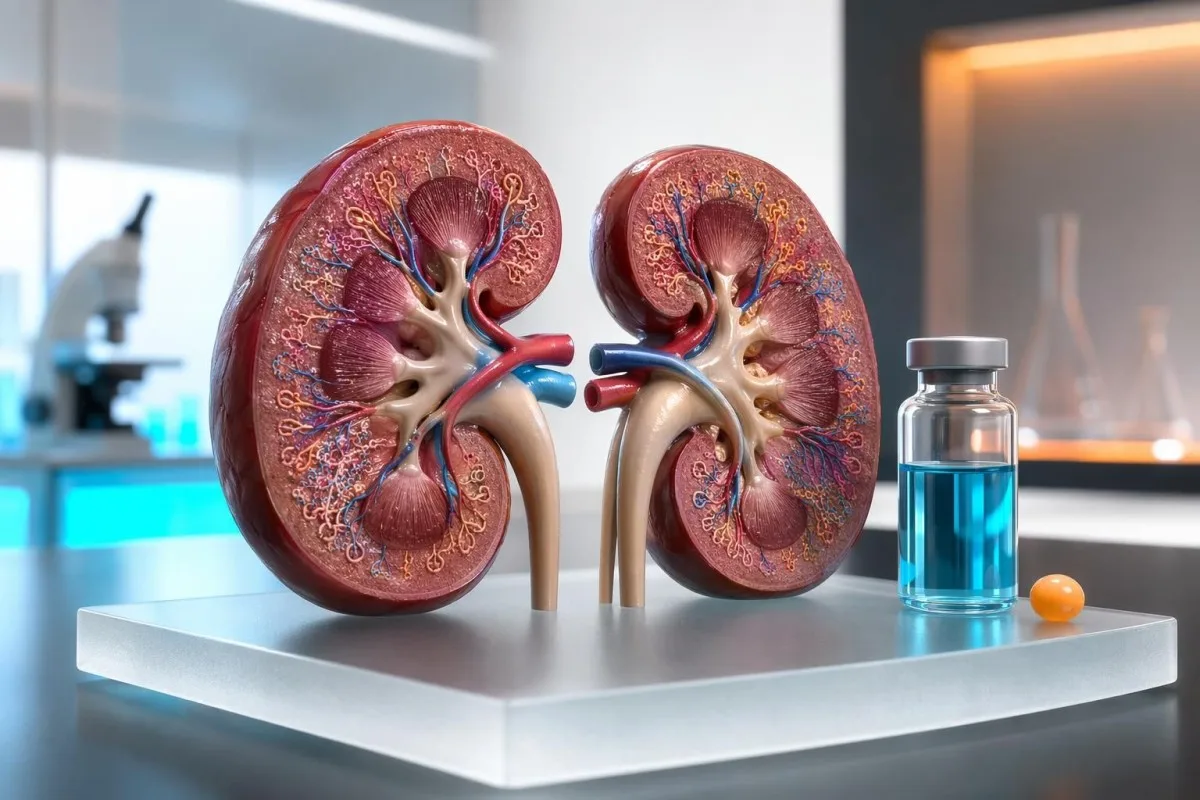
Female creatinine levels are not just smaller versions of male ranges. Age, muscle mass, pregnancy, hydration and eGFR can turn the same number into either a reassuring result or a repeat-test trigger.



- Adult female creatinine is commonly about 0.50–1.10 mg/dL, or 44–97 µmol/L, but many UK and European labs use a narrower upper limit near 84 µmol/L.
- Creatinine normal range by age is less useful than eGFR after age 60 because lower muscle mass can hide reduced kidney filtration.
- Pregnancy creatinine should usually be lower than non-pregnant values; a level above 0.87 mg/dL, or 77 µmol/L, often deserves prompt review.
- eGFR below 60 mL/min/1.73 m² for at least 3 months meets a common CKD threshold, especially if urine albumin is also raised.
- A rise of 0.3 mg/dL within 48 hours can meet acute kidney injury criteria, even if the final creatinine is not dramatically high.
- Borderline female creatinine levels around 1.05–1.25 mg/dL are often repeated within 1–2 weeks if the patient is otherwise well.
- Creatinine normal range for men is usually higher, about 0.70–1.30 mg/dL, because average muscle mass and creatinine generation are higher.
- Low creatinine in women often reflects low muscle mass, pregnancy or frailty rather than excellent kidney function.
What creatinine level is normal for women in 2026?
The usual creatinine normal range for women is about 0.50–1.10 mg/dL or 44–97 µmol/L, but a “normal” result is only reassuring when eGFR, age, body size, pregnancy status and urine protein also fit. A 28-year-old runner at 0.95 mg/dL may be fine; a 78-year-old 48 kg woman at the same value may have meaningfully reduced filtration.
Most adult women have serum creatinine between 0.50 and 1.10 mg/dL; in SI units that is roughly 44–97 µmol/L. Some UK and European laboratories report a female interval closer to 45–84 µmol/L, which is why comparing your result with the exact lab range matters more than copying a range from the internet.
In clinic, I get more worried by a change than by a single number. A woman whose creatinine has moved from 0.62 to 0.96 mg/dL in 6 months has had a roughly 55% rise, even though many portals still display that as “normal”; our guide to normal lab ranges explains why flags miss these personal shifts.
Kantesti AI is an AI blood test analyzer that reads creatinine beside eGFR, BUN, potassium, urine albumin and prior results rather than treating one number as a verdict. As Dr Thomas Klein, I prefer this pattern-based reading because early kidney stress often appears as a cluster before creatinine crosses the printed upper limit.
The organization behind that work is described on our clinical background, but the medical point is simple: female creatinine levels need context. A reassuring creatinine result should usually have a stable trend, an eGFR above 60 mL/min/1.73 m², normal potassium and no significant albumin in urine.
Why female creatinine levels are usually lower than male levels
Female creatinine levels are usually lower because creatinine is produced from muscle creatine, and average muscle mass is lower in women than in men. The usual creatinine normal range for men is about 0.70–1.30 mg/dL, or 62–115 µmol/L, although muscular women can overlap that range.
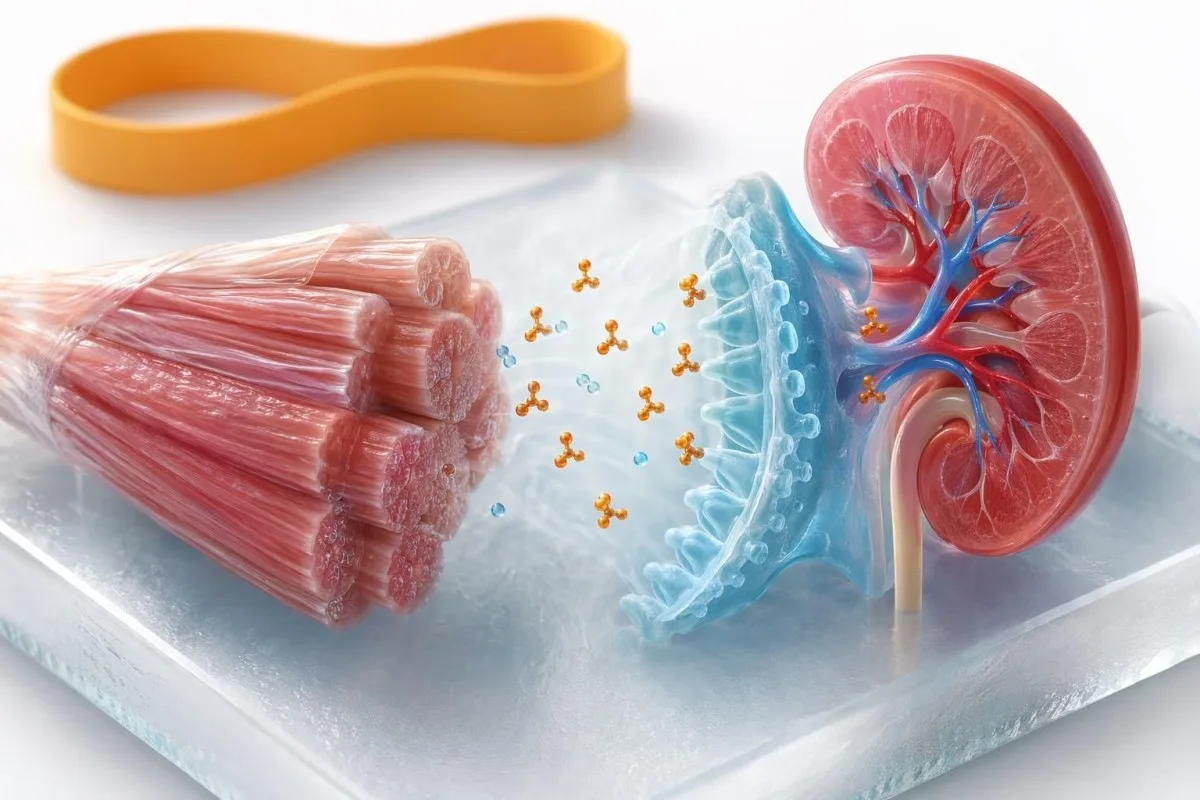
Creatinine is not a toxin that appears from nowhere; it is a breakdown product of creatine phosphate in muscle. A 60 kg woman with modest muscle mass may generate 700–900 mg of creatinine per day, while a larger muscular man may generate 1,400 mg or more.
This is why a creatinine of 1.15 mg/dL can mean different things in two people. In a 92 kg strength athlete it may reflect muscle production, while in a 50 kg woman it can signal a real fall in kidney filtration; the same pattern appears in our bodybuilder lab guide when creatinine rises without kidney injury.
Race-free eGFR equations published by Inker et al. in the New England Journal of Medicine in 2021 deliberately include age and sex because creatinine generation differs across bodies. The equation does not know your exact muscle mass, though, so clinicians still have to use judgement.
I have seen a petite 35-year-old woman with creatinine 0.98 mg/dL and eGFR 68 dismissed as “normal” because the lab flag was absent. Her urine albumin-creatinine ratio was 58 mg/g, which changed the entire interpretation.
Creatinine normal range by age: what changes for women
Creatinine normal range by age does not rise neatly every decade in women; eGFR is the age-sensitive result. After about age 40, average GFR declines by roughly 0.75–1.0 mL/min/1.73 m² per year, while creatinine may stay deceptively stable because muscle mass also falls.
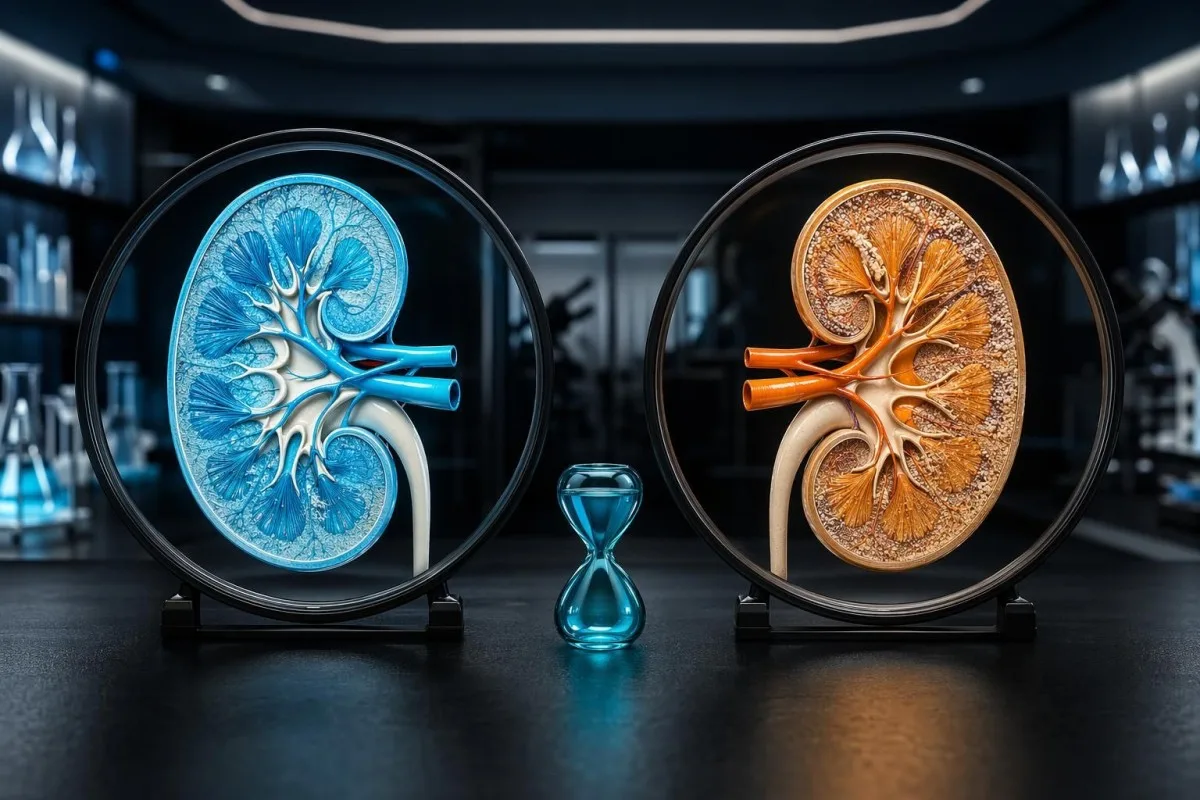
A 25-year-old woman with creatinine 0.90 mg/dL often has an eGFR above 90, while an 82-year-old woman with the same creatinine may have an eGFR near 55–65. That is not a lab error; it is the math of age, sex and expected filtration.
The practical age cutoff I use is 60 years, not because kidneys suddenly fail then, but because muscle loss makes creatinine less sensitive. Our age-specific eGFR range guide goes deeper into when an eGFR in the 60s is benign and when it is not.
For women in their 20s and 30s, a creatinine above 1.0 mg/dL is not automatically dangerous, but I want to know about creatine supplements, high-protein intake, intense exercise and the previous baseline. For women over 70, a creatinine of 0.85 mg/dL can still hide stage 3 CKD if body size is small.
The evidence here is honestly more nuanced than many lab portals suggest. KDIGO 2024 defines chronic kidney disease by persistent kidney abnormalities for at least 3 months, not by age alone, so eGFR, urine albumin and trend carry the decision.
How eGFR changes the meaning of a creatinine result
eGFR converts creatinine into an estimated filtration rate, usually reported as mL/min/1.73 m². A creatinine of 0.95 mg/dL can be reassuring with eGFR 95, borderline with eGFR 62, and concerning if eGFR has fallen from 88 to 62 within a year.
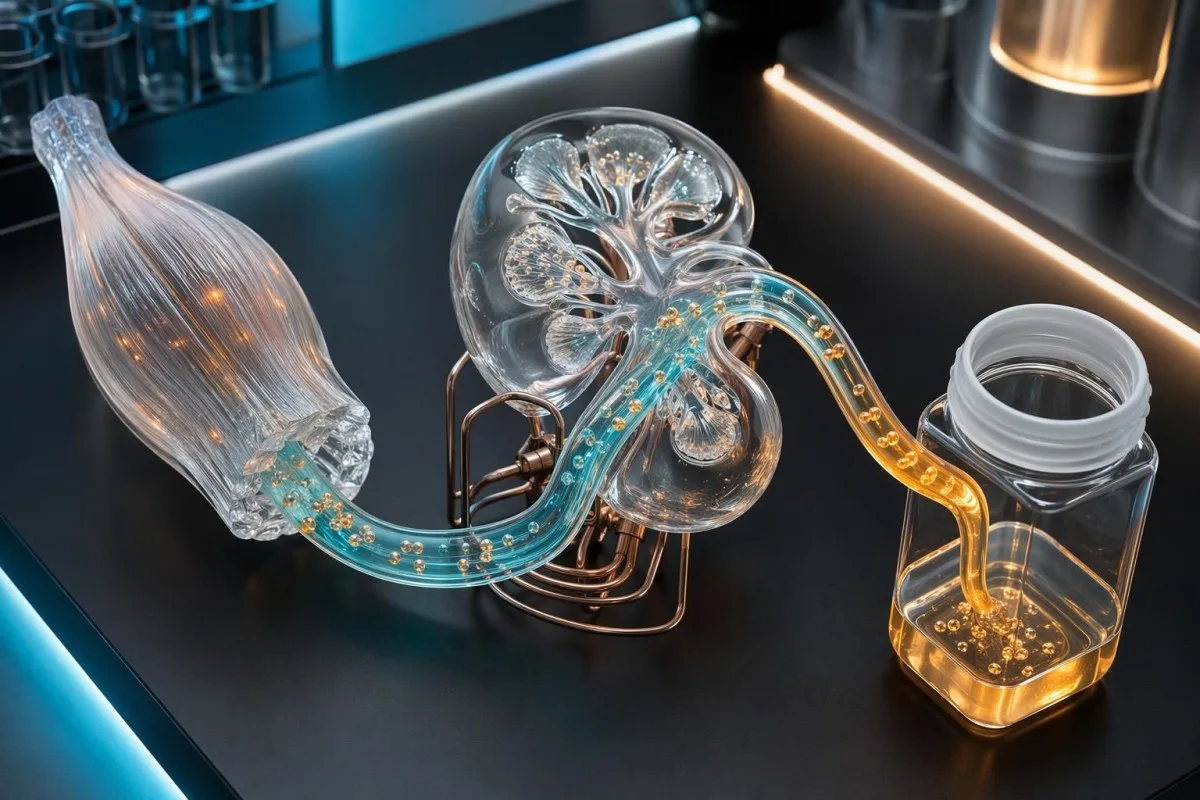
A normal eGFR is generally 90 or higher, while persistent eGFR below 60 for at least 3 months is one of the standard CKD thresholds. The number between 60 and 89 is a grey zone that depends on age, urine albumin, imaging and the old baseline.
Kantesti AI is an AI blood test interpretation platform that checks whether creatinine and eGFR are moving together or disagreeing. That matters because a stable creatinine of 0.80 mg/dL with a declining eGFR may simply reflect aging, while a jump from 0.55 to 0.85 mg/dL may be clinically meaningful.
The 2021 Inker equation removed race from creatinine-based eGFR and improved consistency across populations, but it still estimates, not measures. If muscle mass is very low or very high, a cystatin C-based eGFR can be helpful; our plain-English eGFR explainer covers the difference.
When I review a result, I ask three questions before reacting: is eGFR below 60, has creatinine risen by 0.3 mg/dL, and is urine albumin above 30 mg/g or 3 mg/mmol? If none apply and the patient feels well, repeat testing can usually be planned rather than panicked.
When borderline creatinine in women should be repeated
A borderline creatinine in women is usually repeated within 1–2 weeks if the patient is well, or within 24–48 hours if the rise is new, unexplained or paired with symptoms. A rise of 0.3 mg/dL within 48 hours can meet acute kidney injury criteria.
For a woman with creatinine 1.08 mg/dL and eGFR 72, I usually look for dehydration, recent intense exercise, NSAID use, antibiotics, contrast scans and the previous baseline. If the old value was 1.02, I am far less worried than if it was 0.62.
Our article on borderline creatinine is useful because it separates mild lab noise from true kidney risk. A repeat test should ideally include creatinine, eGFR, BUN or urea, potassium, bicarbonate and urine albumin-creatinine ratio.
Do not “flush the kidneys” aggressively before a retest. Drinking 2–3 litres rapidly can dilute sodium in susceptible people, while arriving mildly dehydrated can raise creatinine by 10–20%; steady normal hydration is the boring but safer option.
If creatinine is above 1.5 mg/dL in a small woman, I do not treat it as merely borderline. I check medications the same day, ask about urine output, review potassium, and decide whether urgent assessment is needed.
Hydration, fasting and exercise can shift creatinine
Hydration, recent meals and exercise can shift creatinine by 0.1–0.3 mg/dL in some women without permanent kidney damage. The pattern is usually temporary: creatinine rises with dehydration, cooked meat, hard training or creatine use, then returns toward baseline after 24–72 hours.

Creatinine tends to look higher after a long overnight fast with little fluid, especially if BUN also rises. A BUN-to-creatinine pattern suggesting dehydration is common after travel, fever or vomiting, and it often improves when fluids normalize.
If you are repeating a renal panel, eat and hydrate in your usual pattern unless your clinician gives different instructions. Our renal panel fasting guide explains why glucose and triglycerides may care about fasting more than creatinine does.
Hard exercise is the sneaky one. I once reviewed a 41-year-old woman after a heavy deadlift session: creatinine was 1.22 mg/dL, CK was 890 IU/L, and both settled after 5 days off training with no kidney diagnosis.
Cooked red meat can transiently raise creatinine because heat converts creatine to creatinine before you even digest it. If your retest is meant to clarify kidney function, avoid a large meat-heavy meal and maximal training for 24–48 hours beforehand.
Pregnancy and postpartum cutoffs are different
Creatinine should usually fall during pregnancy because kidney filtration rises by roughly 40–50%. A creatinine above 0.87 mg/dL or 77 µmol/L in pregnancy often deserves clinician review, even when the non-pregnant lab range marks it as normal.

Wiles et al. published a systematic review in Kidney International Reports in 2019 showing that serum creatinine in pregnancy is lower than non-pregnant values. In practice, a creatinine of 0.90 mg/dL in the third trimester is not “normal for pregnancy” just because the adult female range extends to 1.10.
The combination that worries me is creatinine creeping upward with blood pressure above 140/90 mmHg, headache, upper abdominal pain, low platelets or protein in urine. Our guide to pregnancy lab red flags lays out when same-day obstetric advice is safer than waiting.
Postpartum results can be messy for 6–12 weeks. Blood loss, NSAIDs, infection, high blood pressure, breastfeeding dehydration and sleep deprivation can all move creatinine by small amounts, so I compare against the pre-pregnancy baseline when available.
Breastfeeding itself does not damage kidneys, but fluid losses and under-eating can make a borderline value look worse. A postpartum creatinine of 1.1 mg/dL in a woman who was 0.55 mg/dL before pregnancy is a trend worth discussing.
Menopause, small body size and sarcopenia can hide kidney risk
After menopause, creatinine can stay “normal” while kidney filtration falls because muscle mass often declines. A small woman aged 75 with creatinine 0.80 mg/dL may have lower eGFR than a larger woman aged 35 with creatinine 0.95 mg/dL.
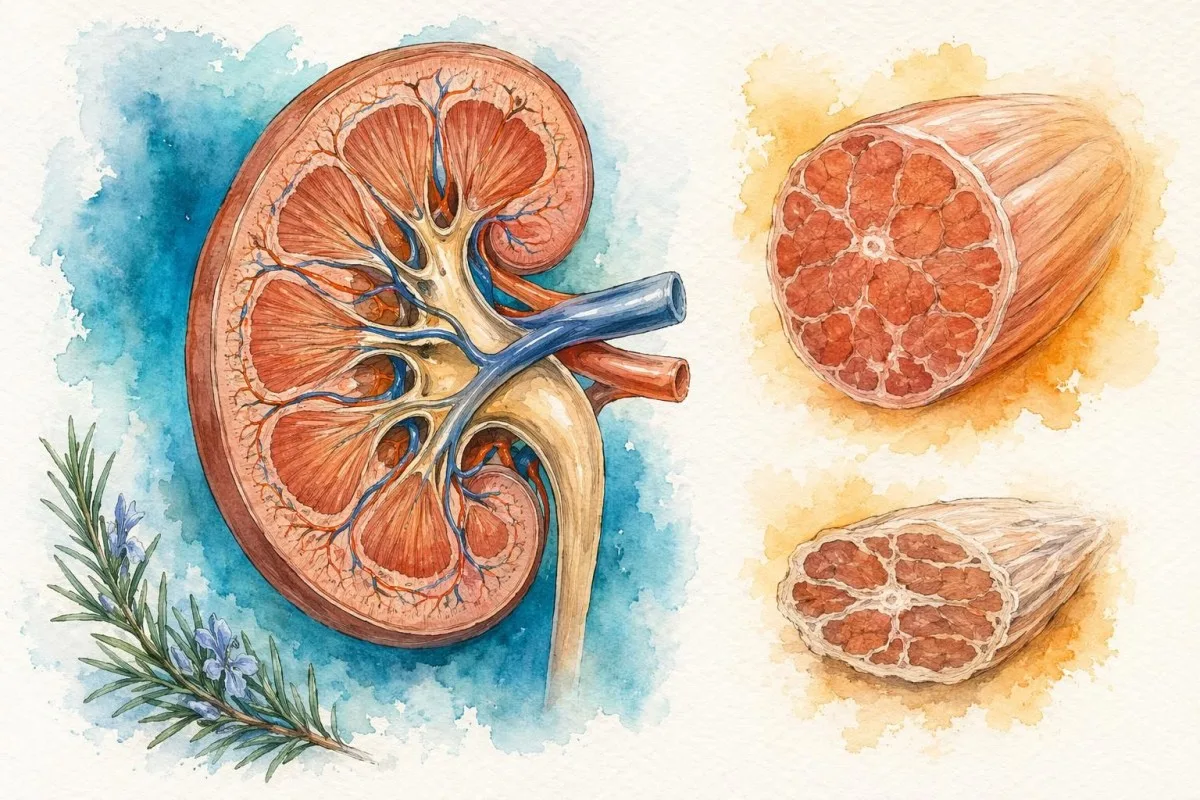
Sarcopenia changes the signal-to-noise ratio of creatinine. If a woman loses 5–8 kg of lean mass over several years, her creatinine production falls, and a kidney decline may be hidden behind a stable-looking number.
This is one reason I review creatinine together with albumin, hemoglobin, vitamin D, calcium and medications in older women. Our menopause-focused article on changing blood markers explains why midlife labs often drift in clusters rather than one marker at a time.
Cystatin C can help when creatinine seems too low for the clinical picture. It is less dependent on muscle, though not perfect; thyroid status, inflammation and steroid use can influence cystatin C as well.
The practical cutoff I use is not a single creatinine value but a mismatch: low muscle, eGFR 45–70, rising urine albumin or new anemia. That combination deserves a closer look even when creatinine is still printed in black.
Creatine supplements and high-protein diets can complicate results
Creatine supplements can raise serum creatinine without true kidney injury, especially during the loading phase of 20 g/day for 5–7 days. High-protein diets can also raise BUN and sometimes creatinine, so trend, urine albumin and eGFR matter more than the supplement label.

A maintenance creatine dose of 3–5 g/day is common in sports nutrition, and many healthy women tolerate it well. The lab problem is that creatinine may rise slightly because more creatine is available for conversion, not because the kidney is necessarily failing.
Our detailed creatine lab guide explains why the story changes if eGFR falls, urine albumin rises or potassium climbs. Creatine plus NSAIDs, dehydration or an acute stomach illness is a different risk situation than creatine alone.
High-protein diets often raise BUN more than creatinine. If BUN is 28 mg/dL with creatinine 0.95 mg/dL, the pattern may reflect protein intake or dehydration; if creatinine is 1.35 mg/dL with albuminuria, I do not blame the diet without checking further.
For athletic women, I prefer retesting after 48–72 hours without maximal exercise and without a creatine loading dose. That small pause often separates physiology from a kidney signal.
BUN, electrolytes and urine ACR complete the kidney picture
Creatinine is only one kidney marker; BUN, potassium, bicarbonate and urine albumin-creatinine ratio often decide whether a female creatinine result is reassuring. A urine ACR above 30 mg/g or 3 mg/mmol is abnormal and can reveal kidney damage before creatinine rises.
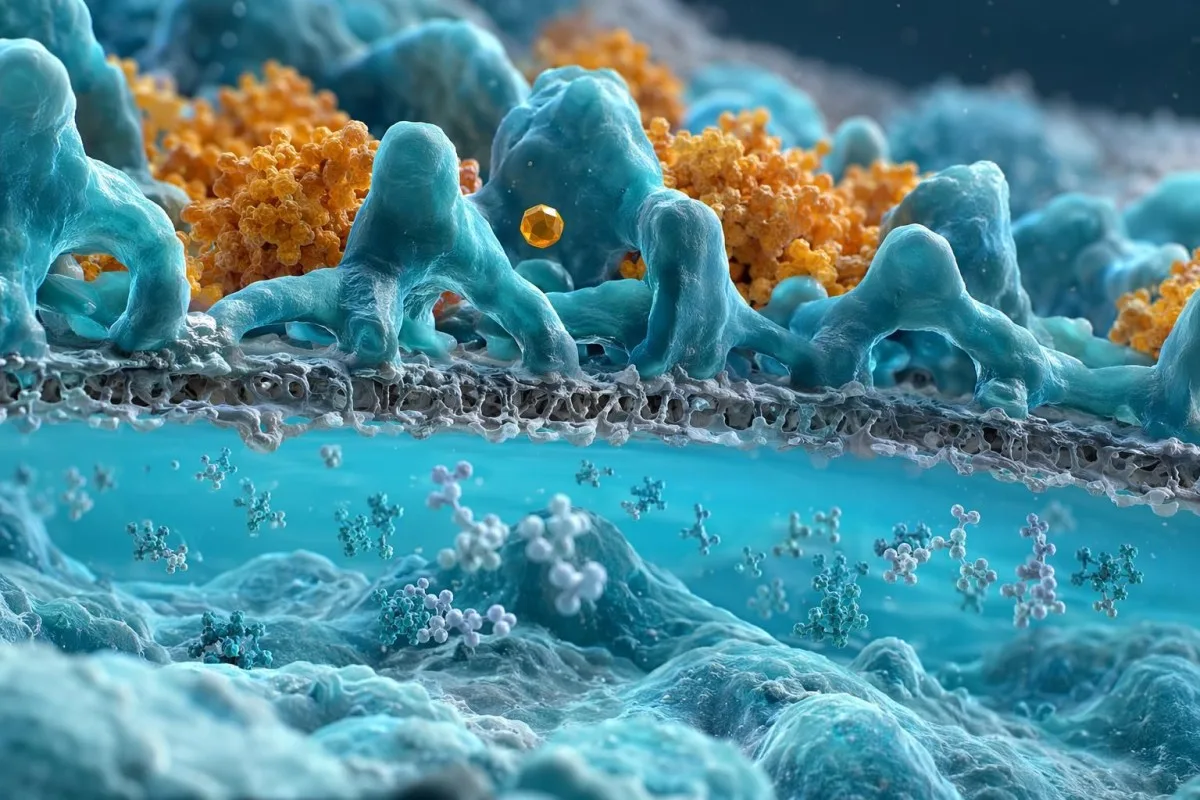
BUN rises with dehydration, gastrointestinal bleeding, high protein intake and reduced kidney clearance. The BUN-to-creatinine ratio is rough, but a ratio above 20:1 often nudges clinicians to ask about fluid loss or low kidney blood flow.
For a deeper technical explanation, our BUN creatinine guide walks through the ratio and its traps. I like the ratio most when it changes from a person’s own baseline rather than when it is interpreted from one isolated test.
Potassium changes the urgency. Creatinine 1.35 mg/dL with potassium 4.3 mmol/L is usually less urgent than creatinine 1.35 mg/dL with potassium 5.9 mmol/L, because high potassium can disturb heart rhythm.
Urine ACR is the under-ordered test in many borderline cases. KDIGO 2024 uses albuminuria categories because ACR 30–300 mg/g and >300 mg/g carry different risk levels even when eGFR is similar.
Low creatinine in women is not always a good sign
Low creatinine in women is usually caused by low muscle mass, pregnancy, smaller body size or low protein intake. A creatinine below 0.50 mg/dL can be completely benign in a petite woman, but in frailty it may overestimate kidney function.
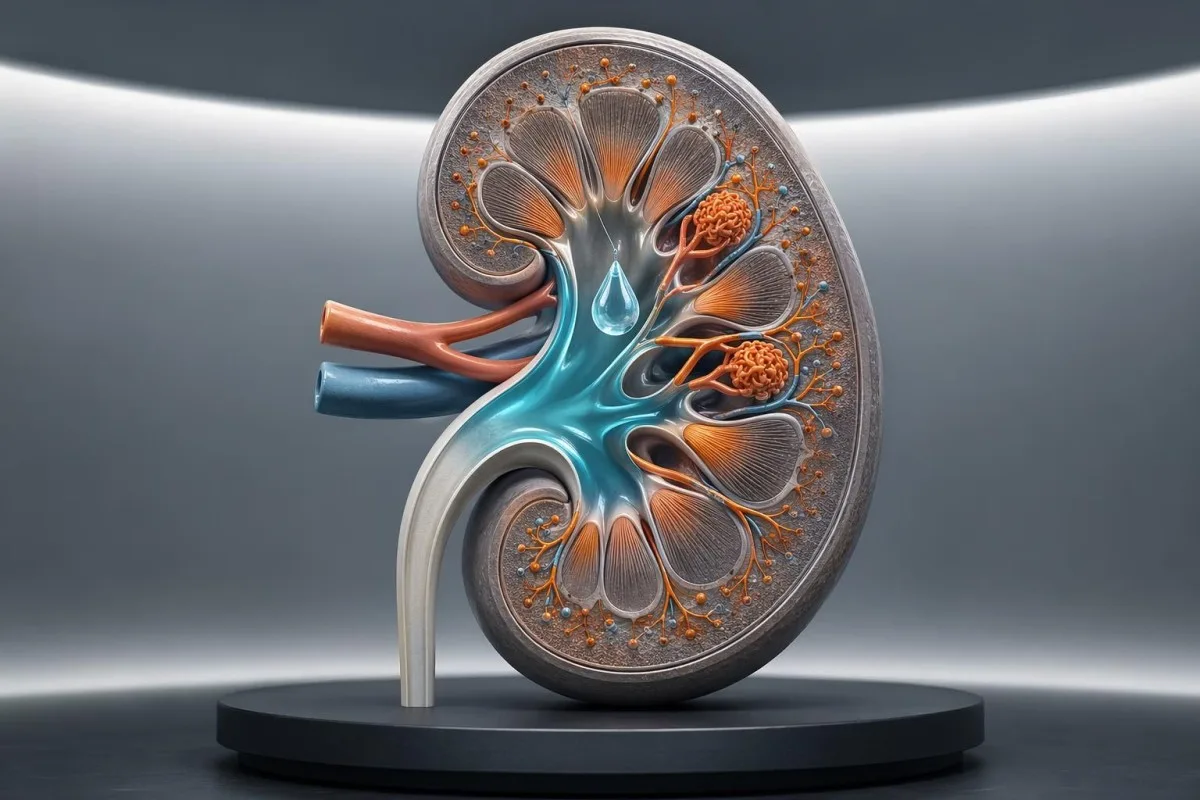
A creatinine of 0.42 mg/dL often looks excellent on a portal, but it can make eGFR appear higher than reality if muscle mass is very low. This is common in older women after hospitalization, cancer treatment, chronic inflammatory disease or rapid weight loss.
Our article on low creatinine covers the muscle clues I check first. I ask about unintentional weight loss, grip strength, falls, appetite and albumin, not just kidney symptoms.
Pregnancy is the exception where lower creatinine is expected and often reassuring. A first or second trimester creatinine around 0.40–0.60 mg/dL can reflect the normal rise in kidney filtration rather than malnutrition.
When low creatinine seems misleading, cystatin C, measured creatinine clearance or a 24-hour urine collection may help. None is perfect, but each can reduce the false reassurance that sometimes comes from a low serum creatinine.
Symptoms that make a creatinine result more urgent
Creatinine needs same-day attention when it rises with low urine output, shortness of breath, severe swelling, confusion, chest symptoms, persistent vomiting or potassium above 5.5 mmol/L. The number alone matters less than the combination of symptoms, electrolytes and speed of change.
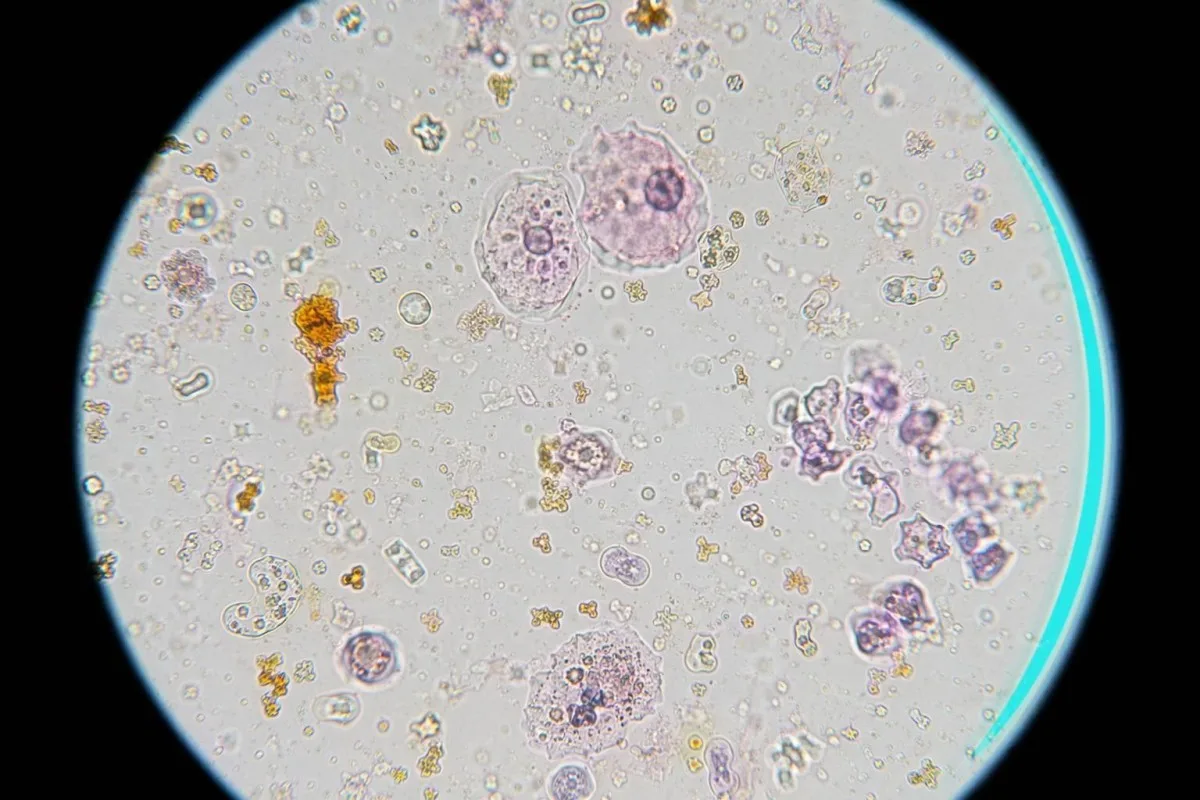
I worry about acute kidney injury when creatinine rises by 0.3 mg/dL in 48 hours or reaches 1.5 times the known baseline within a week. A jump from 0.70 to 1.10 mg/dL is not huge on paper, but it is clinically real.
Our guide to high creatinine explains common causes such as dehydration, obstruction, medication effects and kidney inflammation. The dangerous cases are often the clustered ones: high creatinine, high potassium, falling bicarbonate and reduced urine.
Medication history is not a footnote. NSAIDs, ACE inhibitors, ARBs, diuretics, SGLT2 inhibitors, trimethoprim, contrast dye and some antivirals can change creatinine, sometimes harmlessly and sometimes not.
If you feel well and the change is tiny, a planned repeat is often reasonable. If you feel unwell, have new swelling or urine output has dropped below roughly 400–500 mL/day, do not wait for a routine appointment.
How AI trend review can reduce false reassurance
AI trend review is useful for creatinine because the safest interpretation often depends on prior results, units and companion markers. Kantesti AI compares creatinine, eGFR, BUN, potassium, urine ACR and medication context in about 60 seconds after a blood test upload.

Kantesti AI is an AI-powered blood test analysis tool used by more than 2M people across 127+ countries, and creatinine is one of the markers where context changes the answer most. The system does not diagnose kidney disease; it flags patterns that deserve repeat testing or clinician review.
Kantesti's neural network checks for unit conversion traps, such as mg/dL being compared with µmol/L, and for improbable combinations that may suggest transcription or upload errors. Our AI benchmark describes how structured test cases are used to stress-test interpretation logic.
Clinical oversight matters because no algorithm can feel your pulse, examine swelling or know that you took ibuprofen for a migraine unless you tell it. Our medical validation process is designed around that limitation, not around pretending it does not exist.
In my experience, patients find trend graphs calming when the rise is small and stable. They also make it harder to ignore a quiet drift, such as creatinine rising from 0.58 to 0.92 mg/dL over 18 months while eGFR slides below 70.
Research notes, medical oversight and Kantesti publications
The best creatinine interpretation combines guideline thresholds, peer-reviewed eGFR equations and clinician review. As of June 12, 2026, our medical team treats creatinine as a kidney signal that must be checked against eGFR, urine albumin, symptoms and the patient’s baseline.
The Kantesti AI interpretation workflow is reviewed with physician oversight, and our Medical Advisory Board supports the clinical safety framework. I, Thomas Klein, MD, do not consider a female creatinine result fully interpreted until I have seen the age, pregnancy status, medication list and at least one prior value when possible.
Kantesti's neural network powers an AI biomarker interpretation platform that can read thousands of markers, but creatinine remains a good humility test. A result of 0.95 mg/dL can be harmless, borderline or clinically important depending on eGFR, muscle mass and urine ACR.
Kantesti LTD. (2025). C3 C4 Complement Blood Test & ANA Titer Guide. Zenodo. DOI: 10.5281/zenodo.18353989. ResearchGate mirror: ResearchGate record. Academia.edu mirror: Academia record.
Kantesti LTD. (2025). Nipah Virus Blood Test: Early Detection & Diagnosis Guide 2026. Zenodo. DOI: 10.5281/zenodo.18487418. ResearchGate mirror: ResearchGate listing. Academia.edu mirror: Academia listing.
Frequently Asked Questions
What is the normal creatinine range for women?
The usual creatinine normal range for women is about 0.50–1.10 mg/dL, or 44–97 µmol/L, although some laboratories use a narrower female range near 45–84 µmol/L. A value inside the printed range is most reassuring when eGFR is above 60 mL/min/1.73 m² and urine albumin is not elevated. Body size, pregnancy and muscle mass can shift what counts as normal for an individual woman.
Is creatinine 1.1 high for a woman?
Creatinine 1.1 mg/dL is near the upper end of many adult female reference ranges and can be normal in a muscular or larger woman. It deserves rechecking if it is new, rising, paired with eGFR below 60, or accompanied by urine albumin above 30 mg/g. In a small older woman or a pregnant woman, 1.1 mg/dL is more concerning than the same value in a young strength athlete.
What creatinine level is concerning in pregnancy?
In pregnancy, creatinine should usually be lower than non-pregnant values because kidney filtration rises by about 40–50%. A creatinine above 0.87 mg/dL, or 77 µmol/L, is often treated as abnormal in pregnancy even if the standard adult female range does not flag it. Creatinine rise with high blood pressure, headache, low platelets or urine protein needs prompt obstetric review.
When should women repeat a borderline creatinine test?
A well woman with borderline creatinine around 1.05–1.25 mg/dL usually repeats testing within 1–2 weeks, ideally with eGFR, BUN, potassium and urine albumin-creatinine ratio. Repeat sooner, often within 24–48 hours, if creatinine rose by 0.3 mg/dL, potassium is above 5.5 mmol/L, urine output has fallen or the patient feels unwell. Normal hydration and avoiding maximal exercise for 24–48 hours can make the repeat result easier to interpret.
Can dehydration raise creatinine in women?
Yes, dehydration can raise creatinine, often by about 10–20% in mild cases, and it commonly raises BUN at the same time. The pattern may appear after vomiting, fever, heavy sweating, long travel or fasting with little fluid. If the creatinine normalizes after hydration and urine albumin is normal, the episode is often temporary rather than chronic kidney disease.
Why can eGFR be low when creatinine is normal?
eGFR can be low with normal creatinine because eGFR calculations include age and sex, and older women may have reduced filtration despite modest creatinine production. Low muscle mass can also keep creatinine deceptively low while kidney function declines. Persistent eGFR below 60 mL/min/1.73 m² for at least 3 months, especially with albuminuria, meets a common chronic kidney disease threshold.
Does creatine supplementation make creatinine look high?
Creatine supplementation can make creatinine look mildly higher because some creatine converts to creatinine before the kidneys excrete it. A loading dose of 20 g/day for 5–7 days is more likely to shift the result than a maintenance dose of 3–5 g/day. The result is more concerning if eGFR falls, urine albumin rises, potassium increases or the woman is dehydrated or using NSAIDs.
Get AI-Powered Blood Test Analysis Today
Join over 2 million users worldwide who trust Kantesti for instant, accurate lab test analysis. Upload your blood test results and receive comprehensive interpretation of 15,000+ biomarkers in seconds.
📚 Referenced Research Publications
Klein, T., Mitchell, S., & Weber, H. (2026). C3 C4 Complement Blood Test & ANA Titer Guide. Kantesti AI Medical Research.
Klein, T., Mitchell, S., & Weber, H. (2026). Nipah Virus Blood Test: Early Detection & Diagnosis Guide 2026. Kantesti AI Medical Research.
📖 External Medical References
KDIGO Work Group (2024). KDIGO 2024 Clinical Practice Guideline for the Evaluation and Management of Chronic Kidney Disease. Kidney International.
⚕️ Medical Disclaimer
This article is for educational purposes only and does not constitute medical advice. Always consult a qualified healthcare provider for diagnosis and treatment decisions.
E-E-A-T Trust Signals
Experience
Physician-led clinical review of lab interpretation workflows.
Expertise
Laboratory medicine focus on how biomarkers behave in clinical context.
Authoritativeness
Written by Dr. Thomas Klein with review by Dr. Sarah Mitchell and Prof. Dr. Hans Weber.
Trustworthiness
Evidence-based interpretation with clear follow-up pathways to reduce alarm.