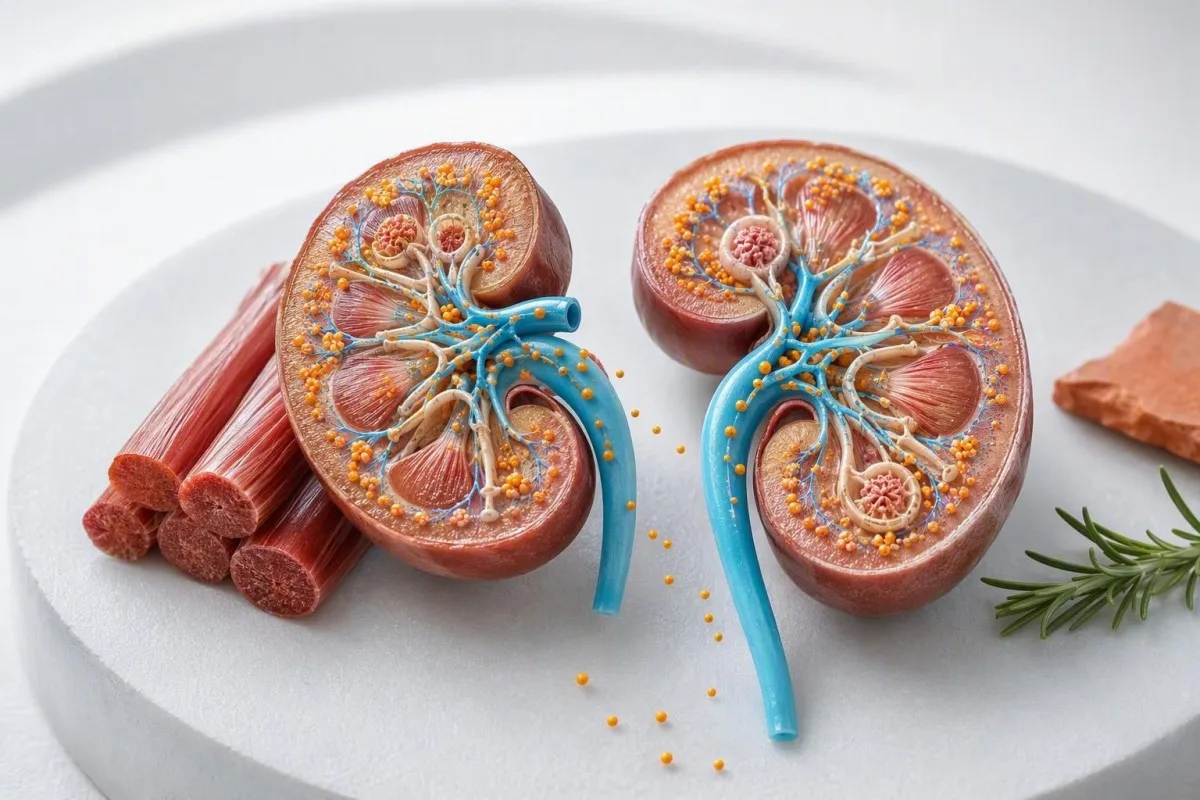
A borderline creatinine result can reflect large muscle mass, creatine use, recent hard training, or temporary dehydration rather than kidney disease. eGFR is not necessarily wrong, but a creatinine-based estimate can be less precise when creatinine production is unusually high.



- Borderline creatinine meaning: a creatinine value just above a lab range does not diagnose chronic kidney disease by itself.
- Muscle mass: more skeletal muscle produces more creatinine each day, which can make creatinine-based eGFR look lower than true filtration.
- Creatine supplements: 3-5 g/day can raise serum creatinine through conversion to creatinine without proving kidney injury.
- Exercise effect: strenuous resistance training or endurance events can temporarily raise creatinine for 24-72 hours.
- Cystatin C: a normal cystatin C-based eGFR is useful when a muscular person has a borderline creatinine result.
- Urine ACR: an albumin-creatinine ratio below 3 mg/mmol, or 30 mg/g, argues against clinically significant albumin leakage.
- CKD definition: chronic kidney disease requires kidney abnormalities present for at least 3 months, not one flagged result.
- Urgent pattern: reduced urine output, swelling, rising potassium, severe muscle pain, or cola-coloured urine needs prompt medical assessment.
What Does a Borderline Creatinine Result Actually Mean?
Borderline creatinine meaning is a result near or just above a laboratory reference limit, not a diagnosis of kidney disease. In a muscular adult, a creatinine of 1.3 mg/dL (115 µmol/L) may reflect creatinine generation rather than reduced filtration, especially when urine testing and cystatin C are reassuring.
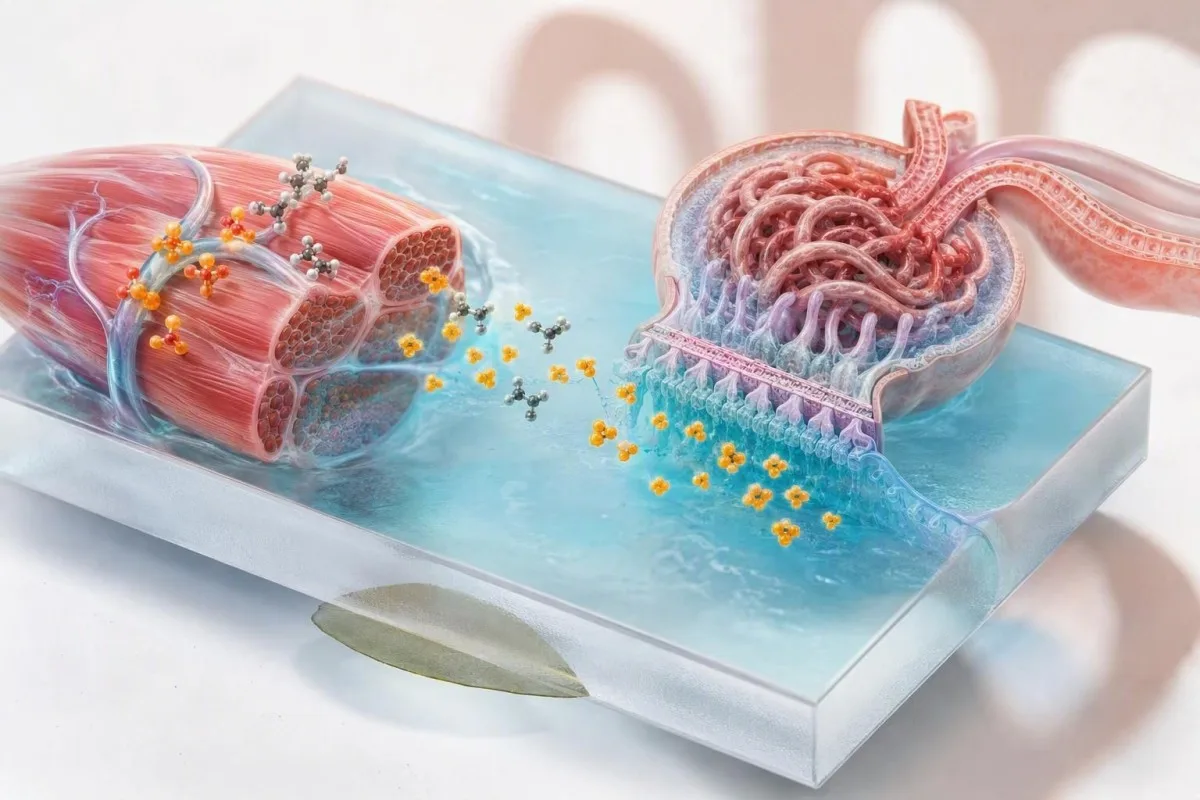
Creatinine is the breakdown product of creatine and phosphocreatine in skeletal muscle. Most UK laboratories report approximately 60-110 µmol/L for adult men and 45-90 µmol/L for adult women, but the intervals vary by assay, age, and local population. A laboratory flag means the result differs from its reference group; it does not establish damage to the kidneys.
When I review a panel showing creatinine 118 µmol/L in a 29-year-old strength athlete, I first ask about body size, training in the previous 48 hours, supplements, fluid loss, medicines, blood pressure, and urinalysis. The result carries far more weight if it has risen from 82 to 118 µmol/L than if it has remained between 110 and 120 µmol/L for three years.
Dr. Thomas Klein has seen this distinction prevent a surprising amount of unnecessary alarm: a reference range is a population tool, while a personal baseline is a clinical tool. Our guide to out-of-range results explains why roughly 5% of healthy people fall outside a conventional reference interval by chance alone.
Creatinine is a concentration, not a direct clearance test
Serum creatinine rises when filtration falls, but it also rises when production increases or circulating volume contracts. A single concentration cannot separate these mechanisms; that is why clinicians interpret it beside eGFR, urine albumin, blood pressure, prior results, and the clinical story.
Why Can Higher Muscle Mass Make eGFR Look Lower?
Creatinine-based eGFR can underestimate measured filtration in people with unusually high muscle mass because the equation assumes average creatinine production for age and sex. The eGFR calculation is mathematically correct, yet its input may not represent that individual’s kidney filtration alone.
The 2021 CKD-EPI creatinine equation uses serum creatinine, age, and sex; it does not measure lean mass, protein intake, or training volume. A 100 kg competitive lifter and a sedentary 100 kg adult can therefore receive the same eGFR adjustment despite very different daily creatinine production.
Baxmann and colleagues found that serum and urinary creatinine correlated with lean mass and physical activity, whereas cystatin C did not show the same relationship (Baxmann et al., 2008). That finding does not mean cystatin C is flawless, but it explains why I often use it as the tie-breaker in a visibly muscular patient.
Kantesti is an AI blood test analyzer that reads creatinine with age, sex, reported activity, medication context, and nearby kidney markers rather than treating one red flag as a verdict. For the biochemical distinction between urea and creatinine, see our BUN versus creatinine review.
Can Creatine Supplements Cause a High Creatinine Result?
Creatine supplements can increase serum creatinine because some supplemental creatine converts to creatinine, and this rise does not automatically indicate kidney injury. Creatine monohydrate doses of 3-5 g daily are common; the answer depends on the full kidney pattern, not the supplement alone.

The common misconception is that a higher creatinine after starting creatine proves the supplement harmed the kidneys. Creatinine is partly the end product of the supplemented molecule, so a modest shift can be analytical physiology rather than toxicity. Creatine ethyl ester may cause a larger apparent rise because it is less stable and can convert to creatinine before absorption.
I advise patients not to hide supplements from their clinician or laboratory form. Bring the tub or a photo of its ingredient list: some pre-workout products combine creatine with caffeine, stimulants, non-steroidal anti-inflammatory drugs, or poorly characterised additives, and those extra exposures may matter more than creatine itself.
A useful practical experiment is to repeat creatinine, cystatin C, urinalysis, and urine ACR after normal hydration and 48-72 hours away from maximal training; do not stop prescribed medicines without medical advice. Our supplement lab-tracking guide explains how to record a meaningful before-and-after comparison.
What supplementation cannot explain away
Creatine does not safely explain a new rising creatinine trend with albuminuria, blood in urine, high potassium, or hypertension. Those combinations require evaluation even in a heavily trained person, because athletic build and kidney disease can coexist.
How Long Can Intense Exercise Raise Creatinine?
Hard training can raise creatinine transiently for 24-72 hours through muscle turnover, sweat-related volume loss, and altered renal blood flow. A result taken after a marathon, heavy deadlift session, sauna use, or poor fluid intake is often a poor estimate of a stable baseline.
A 52-year-old recreational marathoner I reviewed had creatinine 132 µmol/L and CK 1,980 IU/L the morning after a hilly race; repeat testing after 5 quiet, well-hydrated days returned to creatinine 96 µmol/L. CK is a muscle-enzyme context clue, not a kidney test, and marked elevations deserve individual assessment.
Exercise-associated hemoconcentration can also make albumin, haemoglobin, calcium, and total protein look higher together. That clustered pattern is more suggestive of temporary fluid loss than isolated chronic kidney dysfunction; our article on dehydration-related false highs shows how to spot the pattern.
Avoiding exercise before a planned baseline draw is not cheating the test. For routine monitoring, I usually suggest no unusually strenuous session for 48 hours, eating normally, and arriving adequately hydrated unless the ordering clinician gives different instructions. See our more detailed exercise creatinine retest plan.
When Is Creatinine-Based eGFR Less Reliable?
Creatinine-based eGFR is less reliable when creatinine production or intake is far from average, including high muscle mass, amputation, very low muscle mass, creatine use, recent meat intake, pregnancy, and acute illness. It estimates steady-state filtration rather than directly measuring it.
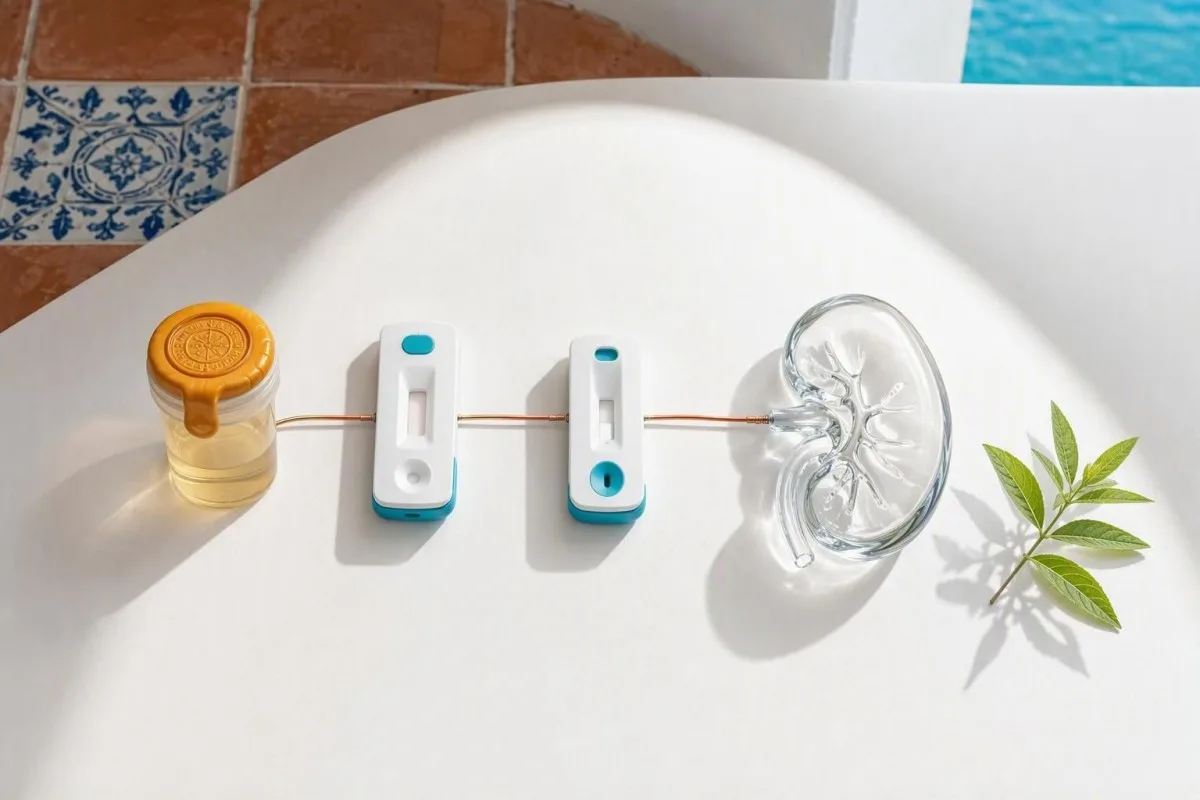
A cooked meat meal can cause a short-lived creatinine increase because dietary creatinine is absorbed; this is one reason some clinicians prefer a fasting or standardised morning retest. By contrast, very low muscle mass can produce a deceptively low creatinine and an eGFR that overstates filtration.
Pregnancy is its own exception: creatinine normally falls as filtration rises, so a result considered ordinary outside pregnancy may merit attention during pregnancy. The pregnancy GFR guide covers why adult non-pregnant eGFR categories should not be applied casually in this setting.
The 2024 KDIGO guideline recommends using creatinine and cystatin C together when greater precision would affect a clinical decision (KDIGO, 2024). That applies to drug dosing, potential kidney donation, or a muscular adult with a persistent eGFR of 45-59 mL/min/1.73 m² and no other kidney-damage markers.
When Does Cystatin C Clarify Borderline Creatinine?
Cystatin C is most useful when creatinine may be biased by muscle mass and the answer could change management. A combined creatinine-cystatin C eGFR generally improves accuracy over either marker alone in adults with uncertain filtration estimates.
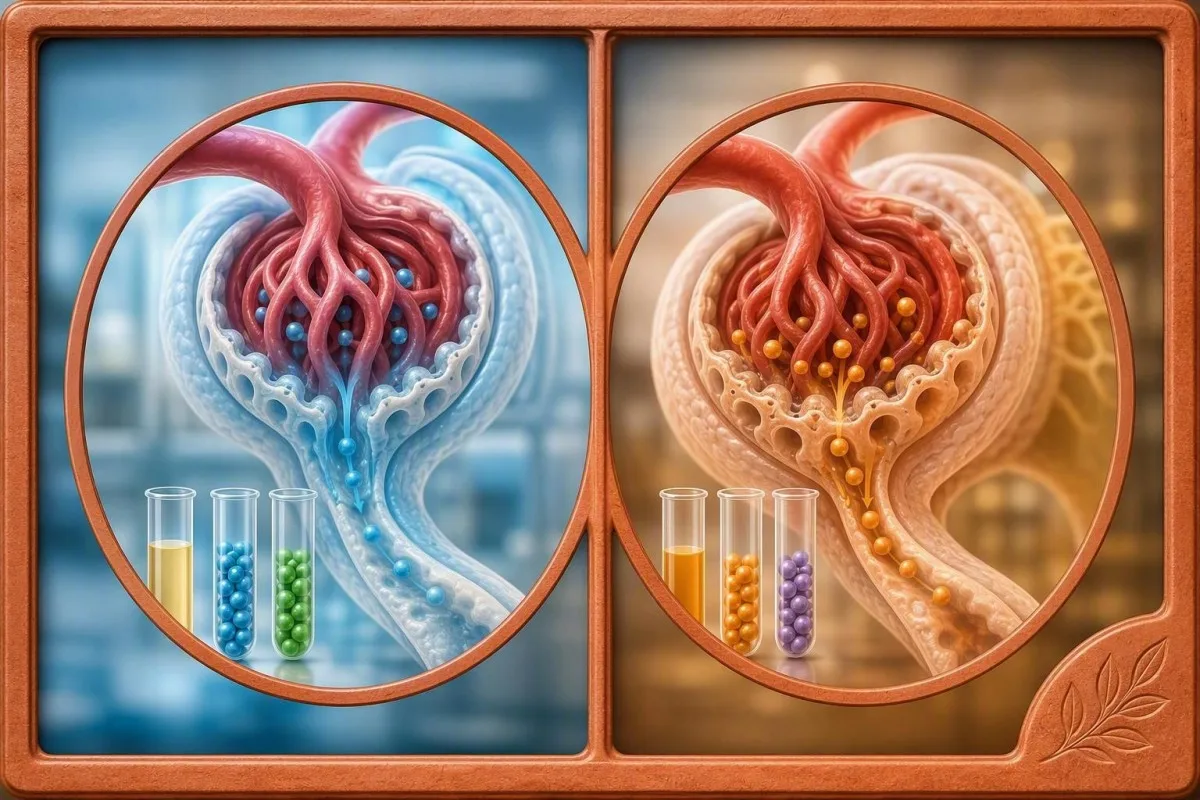
Cystatin C is a small protein produced by most nucleated cells and filtered at the glomerulus. It is less influenced by muscle mass than creatinine, although smoking, obesity, thyroid dysfunction, systemic inflammation, and glucocorticoid use can affect it, so it is not a magic truth serum.
Inker et al. reported that the combined creatinine-cystatin C equation was more accurate than equations using either marker alone when compared with measured GFR (Inker et al., 2012). In practice, concordant eGFR values strengthen confidence; discordant values tell us to investigate why the markers disagree rather than simply choosing the more reassuring number.
Kantesti’s AI blood test interpretation platform can identify a creatinine-cystatin C mismatch and prompt a clinician conversation about muscle mass, supplements, thyroid status, and medications. Readers can go deeper with our cystatin C results guide.
Why Urine ACR Matters More Than Many People Realise
Urine albumin-creatinine ratio, or ACR, detects albumin leakage that can signal kidney damage even when eGFR is preserved. An ACR below 3 mg/mmol (30 mg/g) is reassuring, while a persistent ACR of 3 mg/mmol or above needs follow-up in the correct clinical setting.
Albuminuria changes the meaning of a borderline creatinine result. A muscular person with creatinine 120 µmol/L, stable eGFR 67 mL/min/1.73 m², normal blood pressure, negative urine dipstick, and ACR 0.6 mg/mmol has a very different risk profile from someone with ACR 12 mg/mmol.
Heavy exercise, fever, urinary infection, uncontrolled blood pressure, marked hyperglycaemia, and menstruation can transiently raise urine albumin. KDIGO recommends confirmation using a first-morning specimen where feasible, because an early sample reduces posture and exercise variability (KDIGO, 2024).
A dipstick is not a substitute for a quantitative ACR: it can miss moderately increased albumin excretion. Prepare properly with our ACR collection checklist, and review persistent bubbles separately in our guide to foamy urine causes.
How Should You Read Creatinine With the Rest of the Panel?
Creatinine should be read with eGFR, urea or BUN, potassium, bicarbonate, urine ACR, urinalysis, blood pressure, and the direction of change over time. Kidney risk becomes more credible when several independent markers point in the same direction.
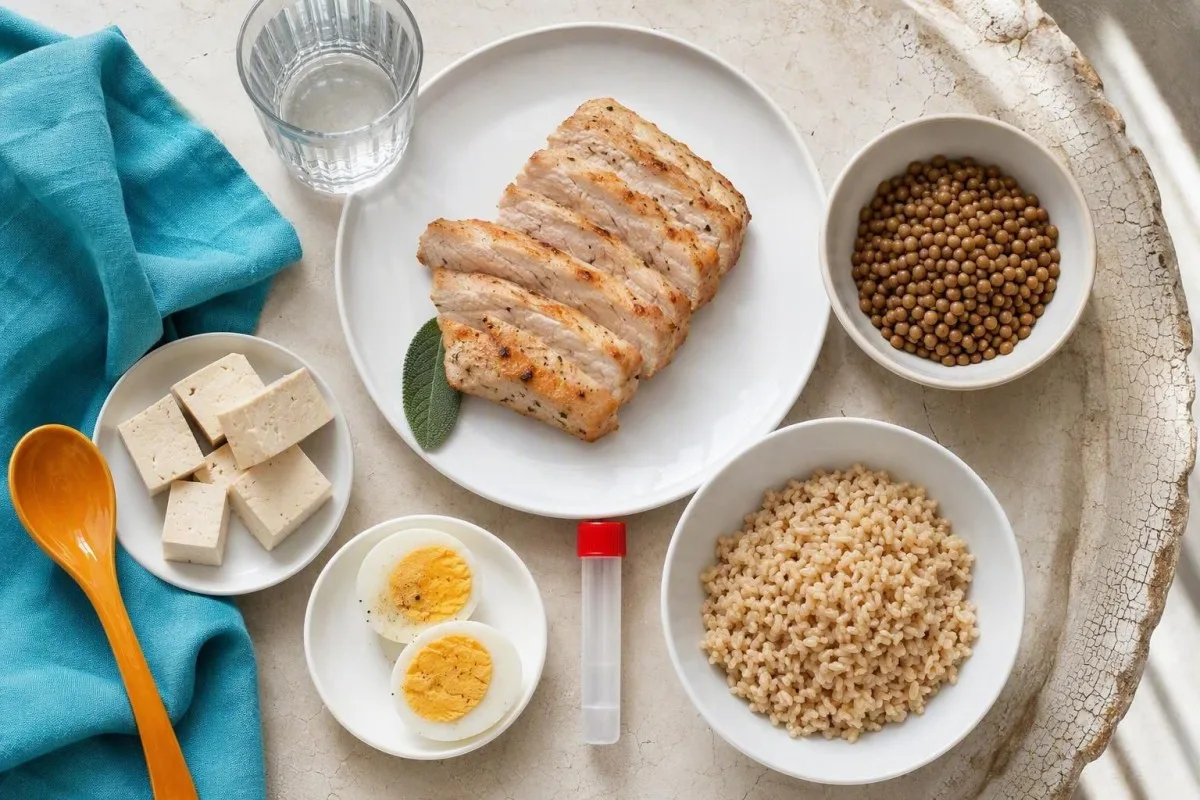
A high urea-to-creatinine ratio can occur with dehydration, gastrointestinal bleeding, high protein intake, or increased catabolism; it is not a clean kidney-damage score. Low bicarbonate, high potassium, and rising phosphate may support reduced kidney excretion when the pattern is persistent, but each has non-kidney causes too.
Urinalysis adds information that eGFR cannot provide. Protein, red cells, dysmorphic red cells, white cells, glucose, or casts can redirect the work-up toward glomerular disease, stones, infection, diabetes, or medication effects. Our urinalysis overview helps explain those findings without overcalling them.
Kantesti is an AI-powered blood test analysis tool that compares kidney-related values across reports, because a change from eGFR 92 to 70 may be more relevant than an isolated value of 70. In our review workflow, trends are prompts for medical assessment, never a replacement for diagnosis.
A useful pattern to bring to an appointment
Bring at least two prior creatinine results, the laboratory units, dates, training or illness notes, a medication list, home blood-pressure readings, and any urine results. This small timeline often answers whether the value is stable, transient, or genuinely changing.
When Does Borderline Creatinine Count as Chronic Kidney Disease?
A borderline creatinine result counts as chronic kidney disease only when reduced eGFR or another marker of kidney damage persists for at least 3 months. CKD is not diagnosed from one creatinine result after training, dehydration, or an intercurrent illness.
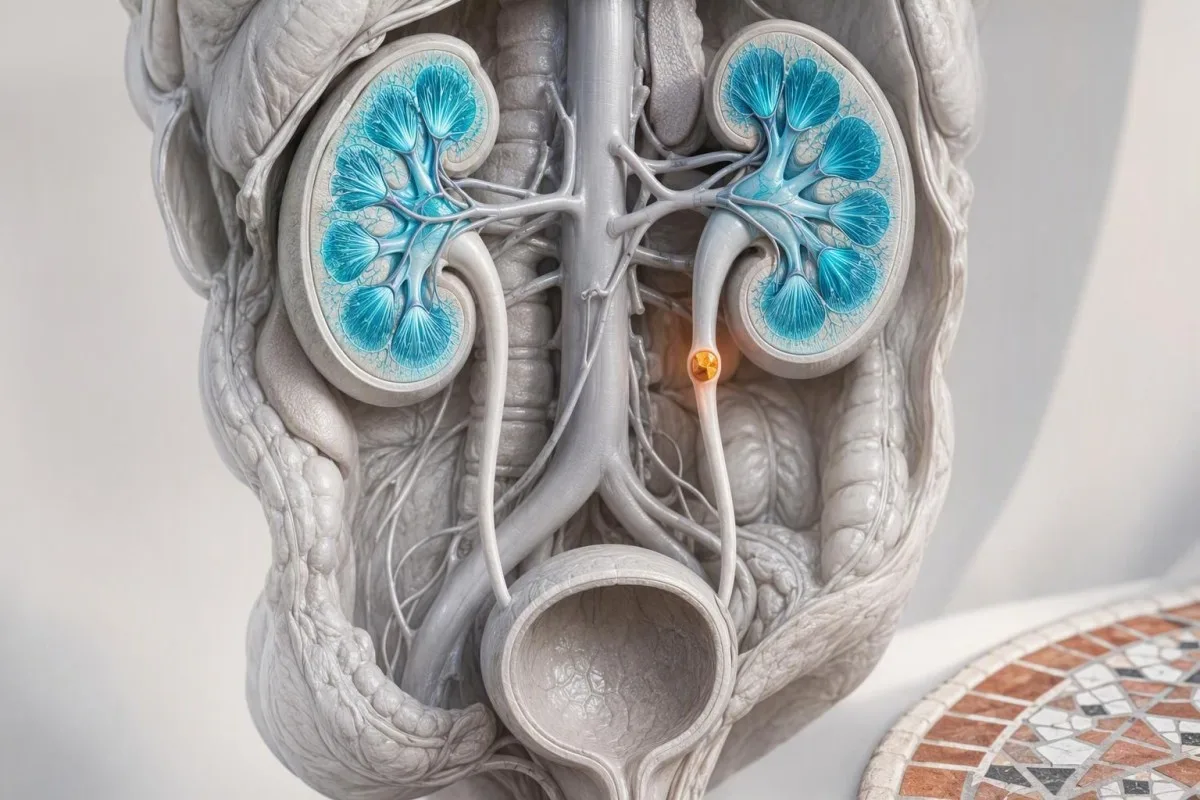
KDIGO classifies eGFR of 60-89 mL/min/1.73 m² as G2, but G2 alone is not CKD without evidence of kidney damage such as albuminuria, structural abnormalities, or persistent urine sediment changes. This nuance matters: an eGFR of 74 in a well, muscular adult can be normal variation.
An eGFR below 60 mL/min/1.73 m² on two measurements at least 90 days apart generally meets the filtration criterion for CKD, assuming acute causes have been excluded. The CKD staging explainer shows how eGFR and ACR categories work together rather than competing.
I am deliberately cautious here. Some people with early kidney disease have normal creatinine because they have low muscle mass, while some athletes have high creatinine and healthy kidneys; the laboratory value needs clinical context in both directions.
When Should a Muscular Adult Worry About Creatinine?
Muscular adults should worry about creatinine when it rises quickly, remains abnormal after a controlled repeat, or appears with albuminuria, blood in urine, high blood pressure, abnormal potassium, or symptoms. Muscle mass is an explanation to test, not a lifetime exemption from kidney assessment.
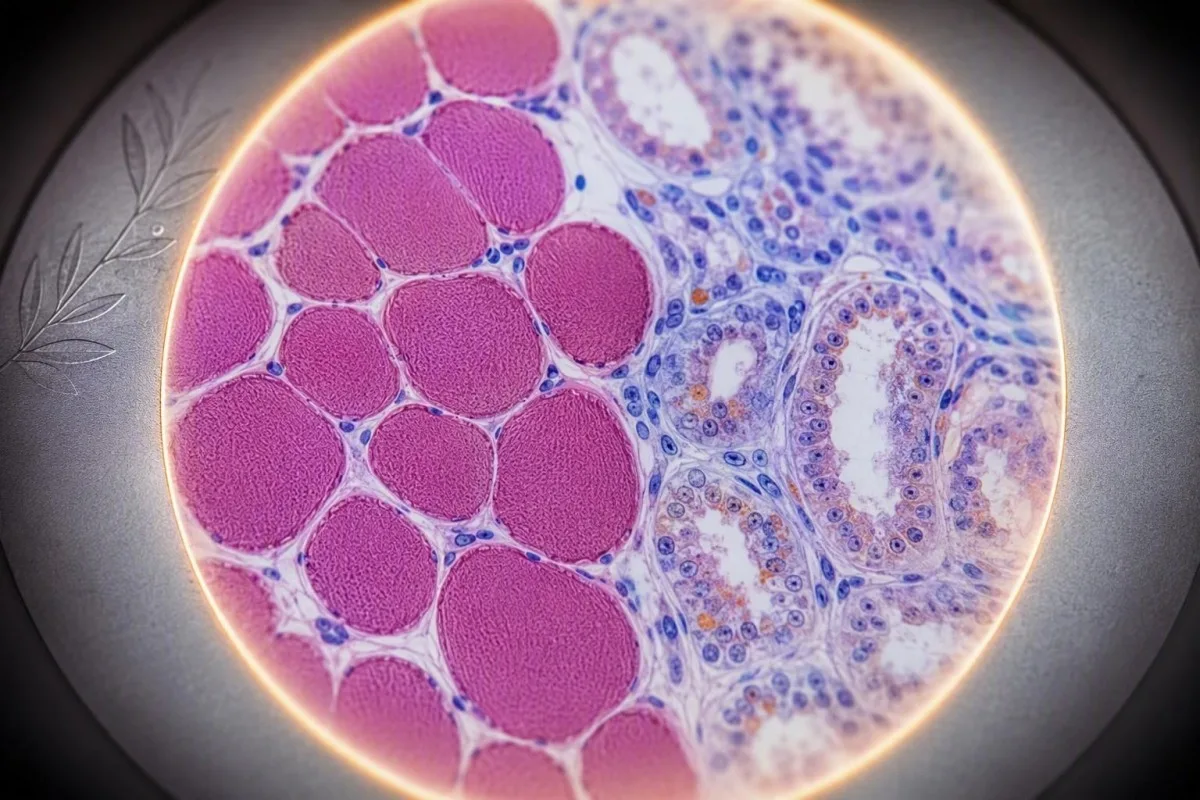
Seek same-day medical advice for markedly reduced urine output, new leg or facial swelling, breathlessness, confusion, persistent vomiting, or a creatinine increase of at least 26.5 µmol/L within 48 hours when known. Emergency assessment is particularly important after heat illness, severe diarrhoea, crush injury, or an extreme workout with dark cola-coloured urine.
Rhabdomyolysis is uncommon but relevant to the training community. Severe muscle pain, weakness, swelling, or dark urine after exertion alongside a high CK can require urgent testing for potassium, creatinine, calcium, phosphate, and urine findings; our CrossFit rhabdo warning guide covers the warning pattern.
Non-steroidal anti-inflammatory drugs, ACE inhibitors, ARBs, diuretics, trimethoprim, lithium, and some bodybuilding compounds can alter creatinine or renal haemodynamics. Never discontinue a prescribed medicine solely because an app or a single result looks concerning—ask the prescriber who knows why it was prescribed.
What Is the Best Retest Plan for Athletes and Lifters?
A sensible retest plan uses stable conditions: normal meals and fluids, no unusually hard exercise for 48-72 hours, no alcohol binge, and a documented supplement list. The aim is not to force a better number; it is to measure a representative one.

For a borderline but non-urgent result, I commonly discuss a repeat creatinine with eGFR, cystatin C, urinalysis, urine ACR, electrolytes, and blood pressure within 1-4 weeks, tailored to the magnitude of change and risk factors. A person with diabetes, hypertension, known heart disease, or family kidney disease may need earlier review.
Do not deliberately overdrink water before testing. Excess fluid can lower creatinine concentration and sodium, creating a different misleading result; pale-yellow urine and ordinary thirst-guided intake are usually more useful than a heroic water challenge. Our GFR after dehydration article explains the opposite problem.
Record the last hard session, sauna exposure, diarrhoea, fever, fasting, new protein powder, creatine dose, and anti-inflammatory use next to the laboratory date. Kantesti’s trend tools are designed to preserve this context across reports, which makes a physician review more efficient.
Do Protein Intake and Meat Meals Affect Creatinine?
A large cooked-meat meal can transiently increase serum creatinine, while usual high-protein eating may affect urea more noticeably than creatinine. Diet alone should not be used to dismiss a persistent abnormal kidney pattern, but pre-test meals can matter at the borderline.
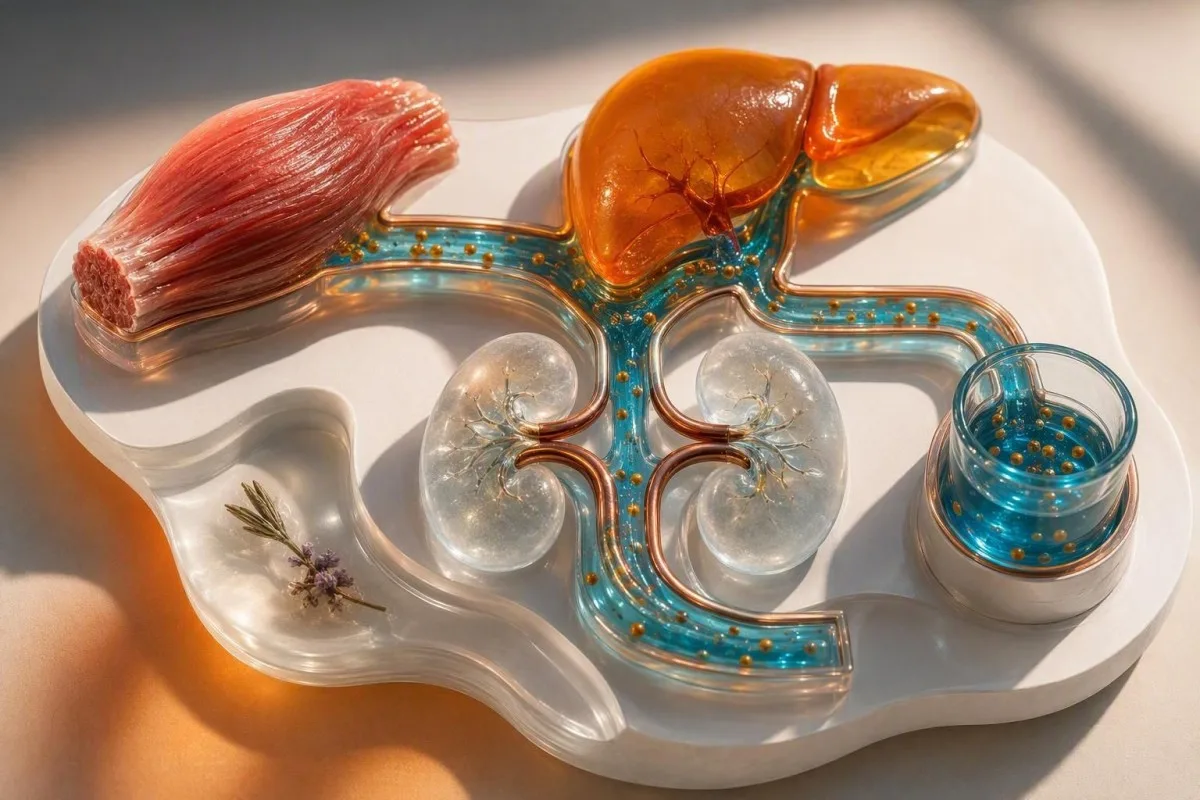
Creatinine from cooked meat is absorbed and can increase a post-meal serum result for several hours. If a clinician is checking a borderline result, a morning draw after an ordinary overnight fast or a consistently documented meal pattern reduces this avoidable variation.
Protein intakes around 1.2-2.0 g/kg/day are commonly used by athletes, but kidney-diet advice should be individualised when CKD is confirmed. Cutting protein drastically before a test can obscure the real-world baseline and may be counterproductive for training or recovery.
Urea and creatinine answer different questions. For a technical explanation of their ratio and its limits, read our BUN-creatinine ratio guide; it is especially useful when a high-protein diet or dehydration complicates interpretation.
Which Medicines and Conditions Can Mimic a Kidney Problem?
Several medicines can raise creatinine without directly reducing true GFR, while others can reduce renal perfusion or cause genuine injury. Trimethoprim and cimetidine can inhibit tubular creatinine secretion, producing a higher serum creatinine without equivalent filtration loss.
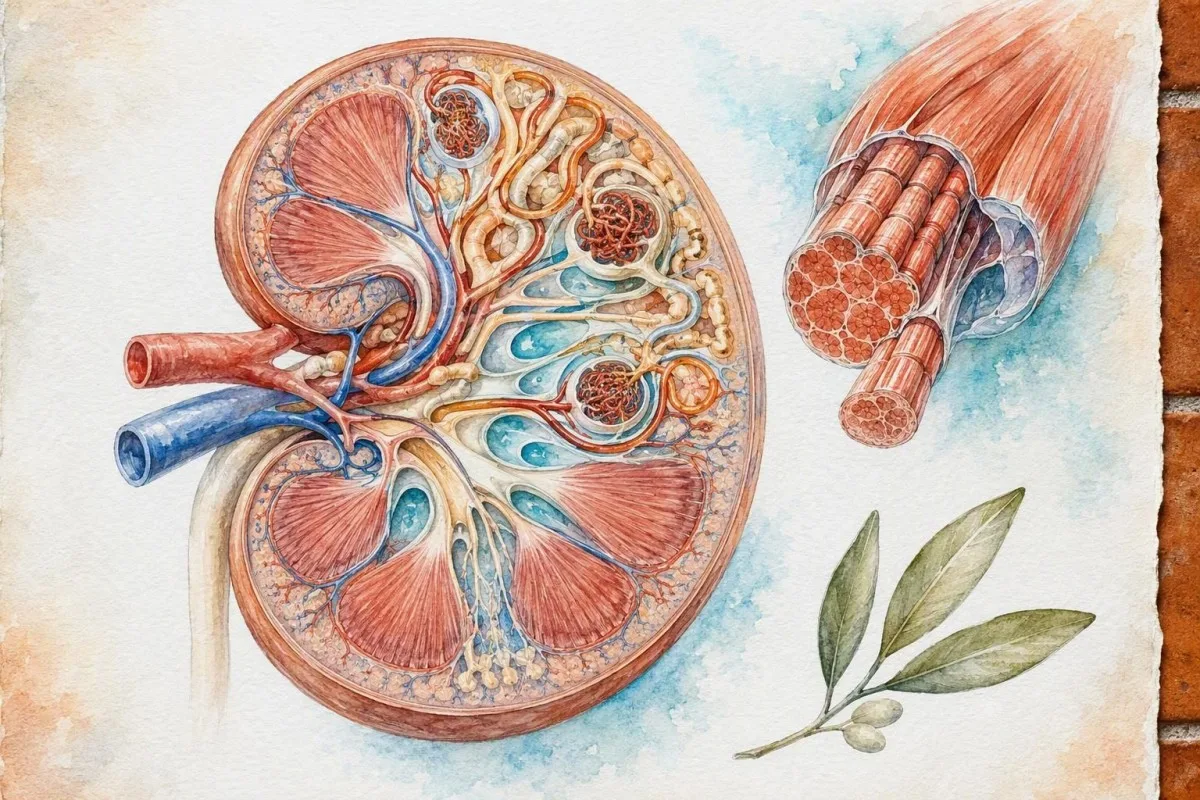
ACE inhibitors and ARBs can cause a small early creatinine rise after initiation because they change pressure within the glomerulus; this effect can be acceptable or concerning depending on size, timing, potassium, volume status, and the reason for treatment. Prescribers usually recheck kidney function and potassium after starting or adjusting these medicines.
Thyroid disease can complicate both markers: hypothyroidism may raise creatinine, while thyroid status can also alter cystatin C. Severe infection, heart failure, obstruction from a stone or enlarged prostate, and autoimmune disease require their own targeted assessment rather than a generic 'kidney cleanse.'
Dr. Thomas Klein recommends a pharmacist-quality medication reconciliation at every unexplained creatinine change, including over-the-counter NSAIDs and herbal products. Our medication safety trend guide lists the result changes worth documenting.
How Does Kantesti Put a Borderline Creatinine in Context?
Kantesti interprets borderline creatinine by checking the result against eGFR, age, reported sex, prior values, urea, electrolytes, urine markers, and stated health context. It can explain patterns and prompt follow-up, but it cannot diagnose kidney disease or replace urgent clinical care.
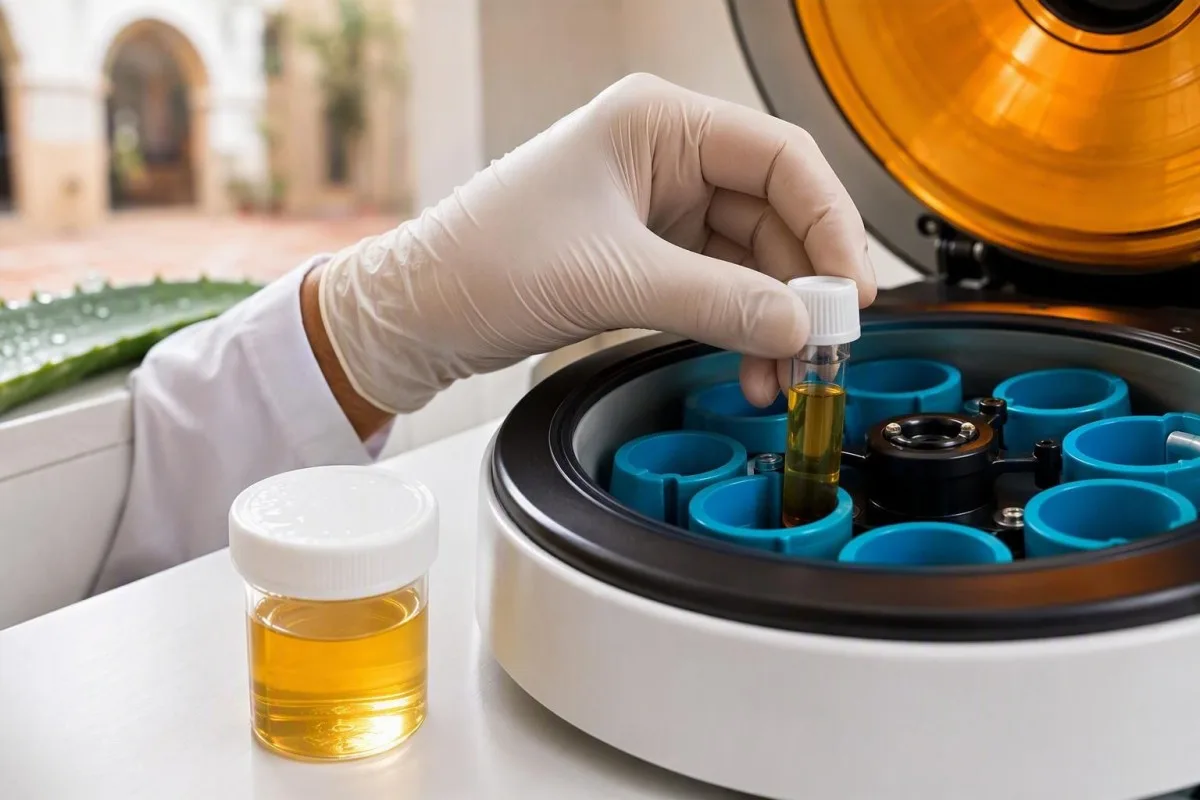
Kantesti is an AI lab test interpretation service built to translate laboratory language into structured questions for a clinician: Is this new? Was there hard training? Is urine ACR normal? Would cystatin C change a medication or referral decision? That is more useful than declaring a red flag benign or dangerous from one number.
Our platform supports PDF or photo report review and trend comparison in about 60 seconds, while privacy-focused handling and human clinical oversight remain part of the process. The methodology behind these safeguards is described in our medical validation overview.
If the pattern includes an abrupt creatinine rise, hyperkalaemia, substantial albuminuria, or concerning symptoms, the appropriate output is prompt medical care—not more self-testing. Readers who want to understand the clinical team behind this approach can review the Medical Advisory Board.
What Questions Should You Ask Your Clinician About a Borderline Result?
The most productive question is: “Could my muscle mass, recent training, diet, or supplements be making creatinine-based eGFR underestimate my filtration, and should we check cystatin C and urine ACR?” This asks for clarification without assuming the result is harmless.
Ask whether the result meets an acute kidney injury criterion, whether it differs materially from your prior baseline, and whether there are urine, blood-pressure, or electrolyte abnormalities. Also ask whether the laboratory used the 2021 CKD-EPI equation and whether a combined creatinine-cystatin C eGFR would alter management.
As of September 9, 2026, the most defensible approach remains risk-based rather than physique-based: persistent eGFR below 60 mL/min/1.73 m², ACR at least 3 mg/mmol, or a clear upward creatinine trend deserves evaluation regardless of gym history. Conversely, stable mild elevation with normal cystatin C and ACR is often reassuring, though follow-up intervals should be personalised.
Keep your reports, training notes, and questions together. Our lab trend record guide is a practical template, and Kantesti’s AI technology guide explains how contextual interpretation is designed to support—not replace—clinical judgement.
Frequently Asked Questions
Can muscular adults have high creatinine with healthy kidneys?
Yes. Muscular adults can have a creatinine above a laboratory reference range because skeletal muscle produces creatinine continuously, even when kidney filtration is normal. A stable creatinine of 115-130 µmol/L may be benign in a large, well-trained adult, but the interpretation should include prior results, blood pressure, urinalysis, urine ACR, and often cystatin C. A normal urine ACR below 3 mg/mmol and a reassuring cystatin C-based eGFR make significant chronic kidney disease less likely. A rising result or abnormal urine findings still need medical assessment.
Is an eGFR of 60 normal for a muscular person?
An eGFR of 60 mL/min/1.73 m² may be an underestimate in a muscular person because creatinine-based equations do not directly measure lean mass. However, an eGFR below 60 that persists for at least 3 months meets a chronic kidney disease filtration criterion and should not be dismissed based on muscle alone. Cystatin C or combined creatinine-cystatin C eGFR can clarify whether filtration is genuinely reduced. Urine ACR, with normal defined as below 3 mg/mmol or 30 mg/g, is an essential companion test.
Should I stop creatine before a kidney blood test?
Do not stop creatine automatically, but tell the clinician and laboratory that you use it and record the dose, commonly 3-5 g daily. If a borderline creatinine result needs clarification, a clinician may suggest repeating creatinine and checking cystatin C after 48-72 hours without unusually hard training and under normal hydration conditions. Stopping creatine can change creatinine production, so the purpose of any pause should be to answer a specific clinical question rather than to obtain a cosmetically better result. Never stop prescribed medicines without advice.
How long should I rest before repeating creatinine after exercise?
For a routine borderline creatinine retest after strenuous exercise, 48-72 hours without an unusually demanding workout is a reasonable starting point for many people. After a marathon, heat exposure, severe dehydration, or very high creatine kinase, recovery may take longer and medical advice is preferable. Maintain ordinary meals and normal hydration rather than fasting excessively or overdrinking water. A creatinine rise of 26.5 µmol/L or more within 48 hours can indicate acute kidney injury and warrants timely clinical review.
What urine ACR level is concerning with high creatinine?
A urine albumin-creatinine ratio below 3 mg/mmol, equivalent to 30 mg/g, is normal to mildly increased and is reassuring when creatinine is borderline. A persistent ACR of 3-30 mg/mmol indicates moderately increased albumin excretion, while an ACR above 30 mg/mmol indicates severely increased albumin excretion and needs prompt clinical attention. Exercise, fever, urinary infection, and menstruation can temporarily raise ACR, so confirmation with an early-morning sample is often appropriate. High creatinine plus persistent albuminuria is more concerning than high creatinine alone.
When is a high creatinine an emergency after training?
High creatinine after training needs urgent assessment when it occurs with very low urine output, dark cola-coloured urine, severe muscle pain or weakness, swelling, vomiting, confusion, breathlessness, or high potassium. These symptoms can occur with significant dehydration, heat illness, or exertional rhabdomyolysis, which can threaten kidney function. A creatinine increase of at least 26.5 µmol/L within 48 hours or 1.5 times baseline within 7 days meets an acute kidney injury criterion. Seek same-day medical care rather than waiting for a routine retest if these features are present.
Get AI-Powered Blood Test Analysis Today
Join over 2 million users worldwide who trust Kantesti for instant, accurate lab test analysis. Upload your blood test results and receive comprehensive interpretation of 15,000+ biomarkers in seconds.
📚 Referenced Research Publications
Klein, T., Mitchell, S., & Weber, H. (2026). Klein, T. (2026). aPTT Normal Range: D-Dimer, Protein C Blood Clotting Guide. Zenodo. https://doi.org/10.5281/zenodo.18262555. Kantesti AI Medical Research.
Klein, T., Mitchell, S., & Weber, H. (2026). Klein, T. (2026). Serum Proteins Guide: Globulins, Albumin & A/G Ratio Blood Test. Zenodo. https://doi.org/10.5281/zenodo.18316300. Kantesti AI Medical Research.
📖 External Medical References
Kidney Disease: Improving Global Outcomes (KDIGO) CKD Work Group (2024). KDIGO 2024 Clinical Practice Guideline for the Evaluation and Management of Chronic Kidney Disease. Kidney International.




⚕️ Medical Disclaimer
This article is for educational purposes only and does not constitute medical advice. Always consult a qualified healthcare provider for diagnosis and treatment decisions.
E-E-A-T Trust Signals
Experience
Physician-led clinical review of lab interpretation workflows.
Expertise
Laboratory medicine focus on how biomarkers behave in clinical context.
Authoritativeness
Written by Dr. Thomas Klein with review by Dr. Sarah Mitchell and Prof. Dr. Hans Weber.
Trustworthiness
Evidence-based interpretation with clear follow-up pathways to reduce alarm.