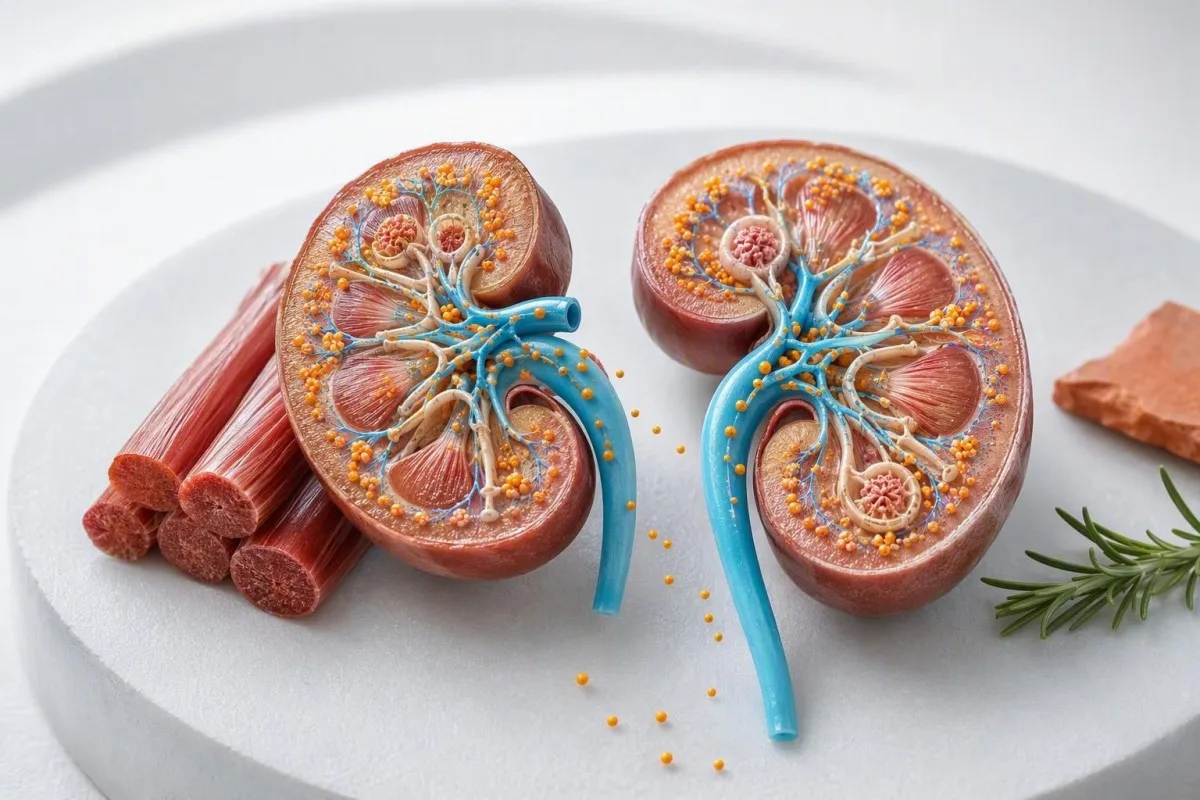
Хязгаарын креатинингийн үр дүн нь бөөрний өвчин биш харин их хэмжээний булчингийн масс, креатин хэрэглэх, саяхан эрчимтэй дасгал хийсэн, эсвэл түр зуурын шингэн алдалт байж болно. eGFR нь зайлшгүй буруу биш, гэхдээ креатинины үйлдвэрлэл ер бусын өндөр байвал креатинин дээр суурилсан үнэлгээ нь бага нарийвчлалтай байж болно.



- Хязгаарын креатинин гэдэг нь: лабораторийн хязгаараас арай өндөр байдаг креатининий утга нь дангаараа архаг бөөрний өвчнийг оношлохгүй.
- Булчингийн масс: илүү их араг ясны булчин нь өдөр бүр илүү их креатинин үүсгэдэг бөгөөд энэ нь креатинин дээр суурилсан eGFR-ийг бодит шүүлтүүрээс бага харагдуулж болно.
- Креатины нэмэлтүүд: 3-5 г/өд нь бөөрний гэмтлийг нотлохгүйгээр креатинин руу хувирах замаар сийвэнгийн креатининийг нэмэгдүүлж болно.
- Дасгалын нөлөө: эрчимтэй хүчний бэлтгэл эсвэл тэсвэр хатуужлын тэмцээн нь 24-72 цагийн турш түр зуурын креатининийг нэмэгдүүлж болно.
- Цистатин C: булчинлаг хүнд хязгаарын креатининий үр дүн гарсан тохиолдолд хэвийн цистатин C-д суурилсан eGFR нь хэрэгтэй байдаг.
- Шээсний ACR: 3 мг/ммоль буюу 30 мг/г-аас доош альбумин-креатинин харьцаа нь эмнэлзүйн ач холбогдолтой альбумины алдагдлыг үгүйсгэж байна.
- Архаг үеийн өвчиний тодорхойлолт: архаг бөөрний өвчин нь зөвхөн нэг удаагийн үр дүнгээс бус, дор хаяж 3 сар байх ёстой бөөрний эмгэгийг шаарддаг.
- Яаралтай хэв маяг: шээсний хэмжээ багасах, хавагнах, калийн хэмжээ ихсэх, булчингийн хүнд өвчин, эсвэл кола шиг өнгөтэй шээс нь шуурхай эмнэлгийн тусламж шаарддаг.
Хязгаарын креатинины үр дүн нь юу гэсэн үг вэ?
Хязгаарын креатинин гэж юу вэ нь лабораторийн лавлах хязгаарт ойр эсвэл дээш гарсан үр дүн бөгөөд бөөрний өвчний онош биш юм. Булчинлаг насанд хүрсэн хүний хувьд 1.3 мг/дл (115 мкмоль/л) креатинин нь шээсний шинжилгээ ба цистатин С нь санаа зовох зүйлгүй байвал шүүлтүүрийн бууралт буюу булчингийн хуваагдлын бүтээгдэхүүн байж болно.
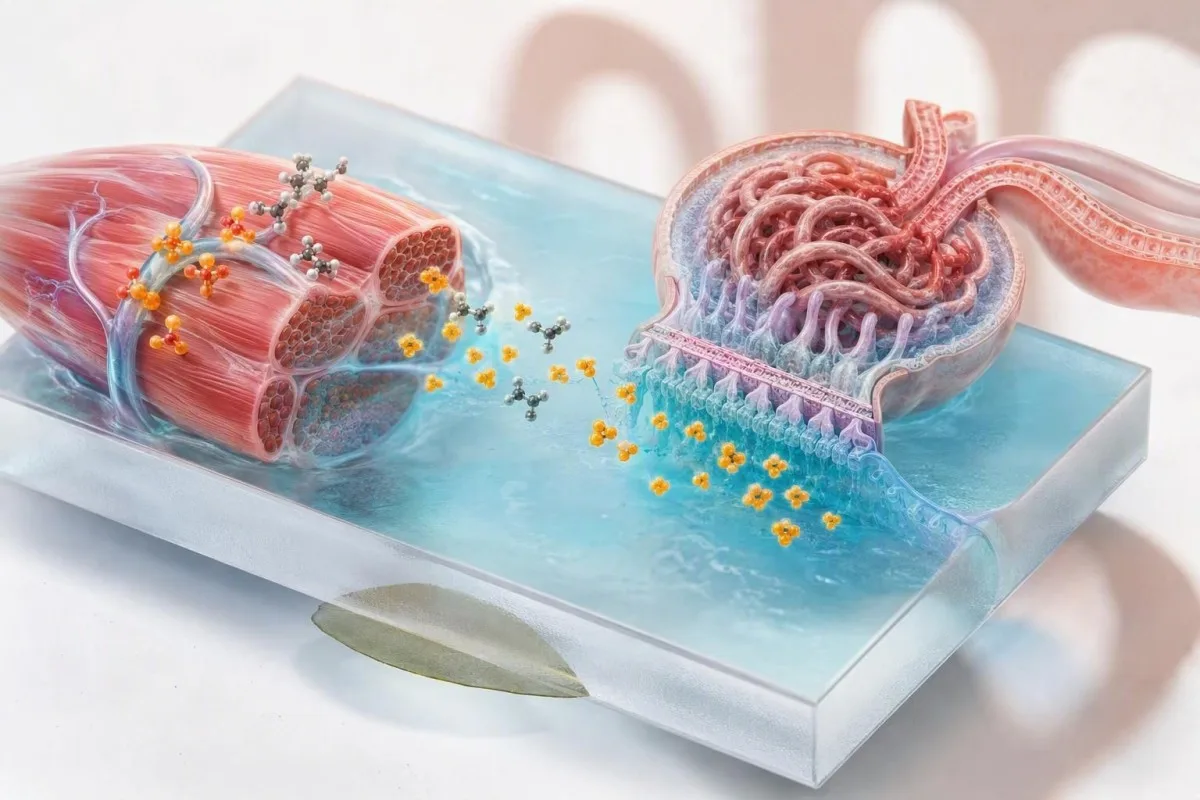
Креатинин нь скелет булчин дахь креатин, фосфокреатинины задралын бүтээгдэхүүн юм. Ихэнх Их Британийн лабораториуд насанд хүрсэн эрэгтэйчүүдэд ойролцоогоор 60-110 мкмоль/л, эмэгтэйчүүдэд 45-90 мкмоль/л байдаг боловч хязгаар нь шинжилгээ, нас, орон нутгийн хүн ам зэргээс хамаарч өөр өөр байдаг. Лабораторийн тэмдэг нь үр дүн нь лавлах бүлгээс өөр болохыг илтгэнэ; энэ нь бөөрний гэмтлийг тогтоодоггүй.
Би 29 настай эрчимтэй тамирчны креатинины 118 мкмоль/л-ийн багцыг хянахад би эхлээд биеийн хэмжээ, сүүлийн 48 цагийн дасгал, нэмэлт тэжээл, шингэний алдагдал, эм, цусны даралт, шээсний шинжилгээ зэргийг асуудаг. Хэрэв энэ нь 110-120 мкмоль/л-ийн хооронд гурван жил байснаас 82-118 мкмоль/л хүртэл өссөн бол үр дүн нь илүү их ач холбогдолтой.
Доктор Томас Клейн энэ ялгаа нь гайхалтай хэмжээний шаардлагагүй түгшүүрийг хэрхэн урьдчилан сэргийлж байгааг харсан: лавлах хязгаар нь хүн амын хэрэгсэл байдаг бол хувийн суурь нь эмнэлзүйн хэрэгсэл юм. Манай хязгаараас гадуурх үр дүнгийн гарын авлага эрүүл хүмүүсийн ойролцоогоор 5% нь зөвхөн азтайгаар уламжлалт лавлах хязгаараас гадуур байдгийг тайлбарладаг.
Креатинин нь концентраци бөгөөд шууд клиренсийн шинжилгээ биш юм
Шүүлтүүр буурахад сийвэнгийн креатинин нэмэгддэг, гэхдээ үйлдвэрлэл нэмэгдэхэд эсвэл эргэлтийн эзэлхүүн багасахад ч нэмэгддэг. Нэг концентраци нь эдгээр механизмыг салгаж чадахгүй; Тийм учраас эмч нар үүнийг eGFR, шээсний альбумин, цусны даралт, өмнөх үр дүн, эмнэлзүйн түүхтэй хамт тайлбарладаг.
Их булчингийн масс яагаад eGFR-ийг бага харагдуулж болох вэ?
Креатинин дээр суурилсан eGFR нь булчингийн их хэмжээтэй хүмүүст шүүлтүүрийг багасгаж чадна, учир нь тэгшитгэл нь нас, хүйсний дундаж креатининий үйлдвэрлэлийг таамагладаг. eGFR тооцоо нь математикийн хувьд зөв боловч түүний оролт нь тухайн хүний бөөрний шүүлтүүрийг төлөөлөхгүй байж болно.
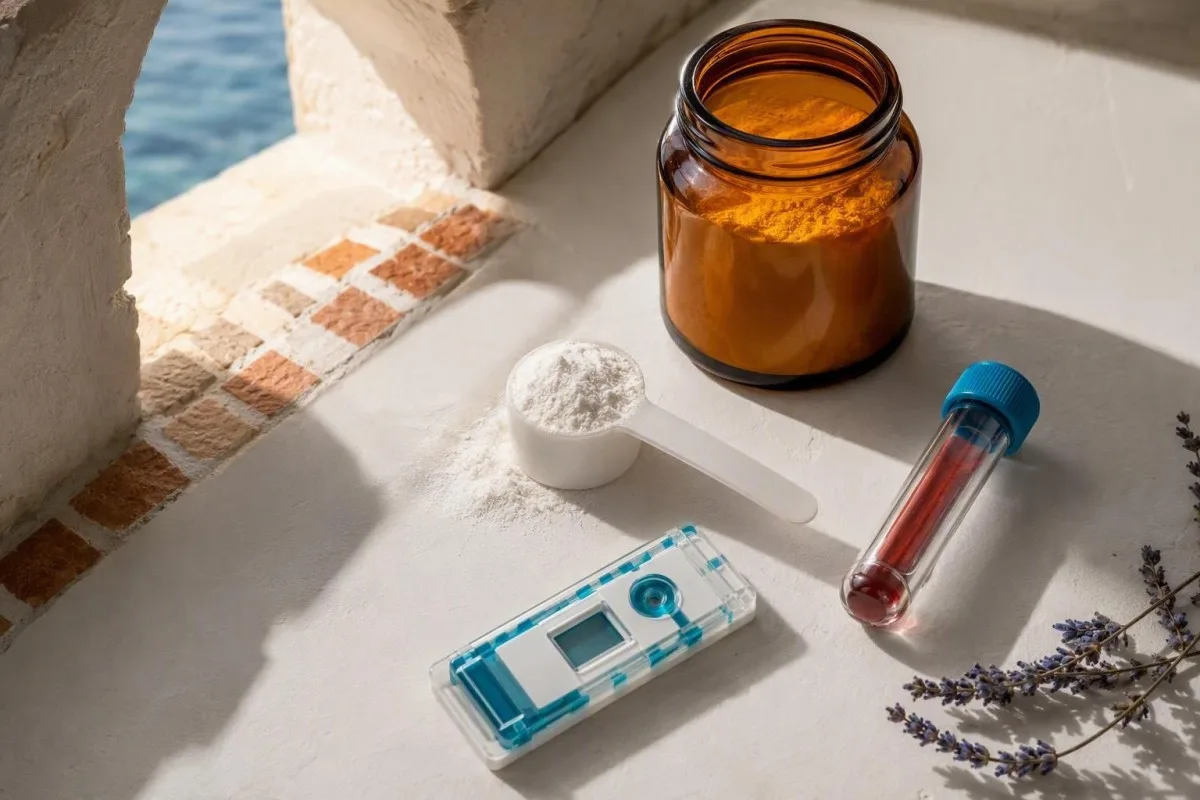
2021 CKD-EPI креатининий тэгшитгэл нь сийвэнгийн креатинин, нас, хүйс ашигладаг; энэ нь нарийн булчингийн масс, уургийн хэрэглээ, эсвэл дасгалын хэмжээг хэмждэггүй. Тиймээс 100 кг жинтэй тэмцээний тамирчин болон 100 кг жинтэй суурин насанд хүрсэн хүн өдөр бүр креатининий үйлдвэрлэл нь маш их ялгаатай байсан ч ижил eGFR тохируулгыг авч болно.
Бахманн болон түүний хамтрагчид сийвэн болон шээсний креатинин нь нарийн булчингийн масс болон биеийн идэвхтэй холбоотой байдаг болохыг олж тогтоосон боловч цистатин С ижил хамааралгүй болохыг олж тогтоожээ (Baxmann et al., 2008). Энэ нээлт нь цистатин С нь төгс бус гэсэн үг биш боловч энэ нь харагдахуйц булчинлаг өвчтөнд яагаад үүнийг ихэвчлэн холбодог болохыг тайлбарладаг.
Кантести бол AI цусны шинжилгээний анализатор нь нэг улаан тугийг цээрлэл гэж үзэхээс илүүтэйгээр нас, хүйс, мэдээлэгдсэн үйл ажиллагаа, эмийн нөхцөл байдал, ойролцоох бөөрний маркеруудыг харгалзан креатининийг уншдаг. Мочевина ба креатининий биохимийн ялгааг харахын тулд манай BUN ба креатининий тойм.
Креатины нэмэлтүүд өндөр креатинины үр дүнд хүргэж чадах уу?
Креатины нэмэлт тэжээл нь цусны сийвэн дэх креатининээс үүдэлтэй креатининээс илүү их хэмжээтэй байж болох бөгөөд энэ өсөлт нь бөөрний гэмтлийг автоматаар илтгэдэггүй. Креатин моногидратын 3-5 г тун нь түгээмэл байдаг; хариулт нь зөвхөн нэмэлт тэжээл биш, харин бөөрний бүхэл бүтэн хэв маягаас хамаарна.

Түгээмэл ойлголт нь креатин хэрэглэж эхэлсний дараа креатинин нэмэгдэх нь нэмэлт тэжээл нь бөөрөнд хортой гэдгийг баталдаг. Креатинин нь нэмэлт молекулын зарим нэг төгсгөлийн бүтээгдэхүүн юм, тиймээс бага зэргийн өөрчлөлт нь хорт чанараас илүү аналитик физиологи юм. Креатин этил эфир нь бага тогтвортой байдаг тусмаа, шингээлтээс өмнө креатинин болж хувирч болох тул илүү их өсөлтийг үүсгэж болно.
Би өвчтөнүүдэд эмч эсвэл лабораторийн маягтыг нэмэлт тэжээлээ нуухгүй байхыг зөвлөдөг. Уутыг эсвэл түүний орцын жагсаалтын зургийг авч ирнэ үү: зарим pre-workout бүтээгдэхүүнүүд нь креатин, кофеин, стимулятор, стероид бус үрэвслийн эсрэг эм, эсвэл чанар муутай нэмэлт бодисуудтай хослуулдаг бөгөөд эдгээр нэмэлт нөлөө нь креатинаас илүү чухал байж болно.
Ашигтай практик туршилт бол ердийн чийгшлийг хангаж, хамгийн их дасгал хийхээс 48-72 цагийн дараа креатинин, цистатин С, шээсний шинжилгээ, шээсний ACR-ийг дахин хийлгэх явдал юм; эмчийн зөвлөгөөгүйгээр эмчилгээг зогсоож болохгүй. Манай нэмэлт тэжээл хянах гарын авлага утга учиртай өмнөх болон дараах харьцуулалтыг хэрхэн бүртгэх талаар тайлбарладаг.
Нэмэлт тэжээлээр тайлбарлаж болохгүй зүйл
Креатин нь уураг, шээс, цус, өндөр кали, эсвэл цусны даралт ихсэх зэрэг шинээр нэмэгдэж буй креатинин шинж чанарыг аюулгүй тайлбарладаггүй. Эмэгтэй хүн, бөөрний өвчин хоёулаа зэрэгцэн оршиж болох тул эдгээр хослолууд нь маш их дасгал хийдэг хүмүүст ч гэсэн үнэлгээ хийх шаардлагатай.
Эрчимтэй дасгал хэр удаан хугацаагаар креатининыг нэмэгдүүлж чадах вэ?
Хүнд дасгал нь булчингийн эргэлт, хөлрөхтэй холбоотой эзэлхүүний алдагдал, бөөрний цусны урсгалын өөрчлөлт зэргээс болж 24-72 цагийн турш креатининийг түр зуур нэмэгдүүлж болно. Марафоны дараа, хүнд жингийн дасгал, саун хэрэглэх, эсвэл шингэн хангалтгүй байх үед авсан үр дүн нь тогтвортой суурь үзүүлэлтийг муу үнэлдэг.
Би үзсэн 52 настай цэнгэлдэх марафоны тамирчин уулын уралдааны өглөө цусны креатинин 132 мкмоль/л, CK 1,980 IU/л байсан; 5 хоногийн турш амрах, сайн чийгшсэн байдалд дахин шинжилгээ хийлгэхэд креатинин 96 мкмоль/л болж буурсан. CK нь булчингийн фермент шинж чанар бөгөөд бөөрний шинжилгээ биш бөгөөд их хэмжээгээр нэмэгдэх нь тус тусад нь үнэлгээ хийх шаардлагатай.
Дасгалаас үүдэлтэй гемоконцентраци нь уураг, гемоглобин, кальци, нийт уургийг илүү өндөр харагдуулж болно. Энэхүү кластер хэв маяг нь ганцаардсан архаг бөөрний дутагдлаас илүү түр зуур шингэн алдагдлыг илтгэдэг; манай нийтлэл шингэн алдалттай холбоотой худал өндөр үзүүлэлтүүд загварыг хэрхэн таних талаар харуулдаг.
Төлөвлөсөн суурь шинжилгээ өгөхөөс өмнө дасгал хийхээс зайлсхийх нь туршилтыг хуурах явдал биш юм. Хэвийн хяналтын хувьд би ихэвчлэн 48 цагийн турш хэт их хүнд дасгал хийхгүй байх, хэвийн хооллолт, эмч өөр зааварчилгаа өгөөгүй л бол хангалттай чийгшилтэй байхыг зөвлөж байна. Манай илүү дэлгэрэнгүй дасгал креатинин дахин шинжилгээний төлөвлөгөө.
Креатинин дээр суурилсан eGFR хэзээ бага найдвартай болдог вэ?
Креатинин дээр суурилсан eGFR нь креатинин үйлдвэрлэл эсвэл хэрэглээ дундаас их ялгаатай үед, түүний дотор булчингийн их масс, хөлгүй болох, булчингийн масс маш бага, креатин хэрэглэх, ойрын мах хэрэглэх, жирэмслэх, цочмог өвчин зэрэг үед найдвартай бус байдаг. Энэ нь шүүлтүүрийг шууд хэмжихээс илүүтэйгээр тогтмол шүүлтүүрийг тооцдог.
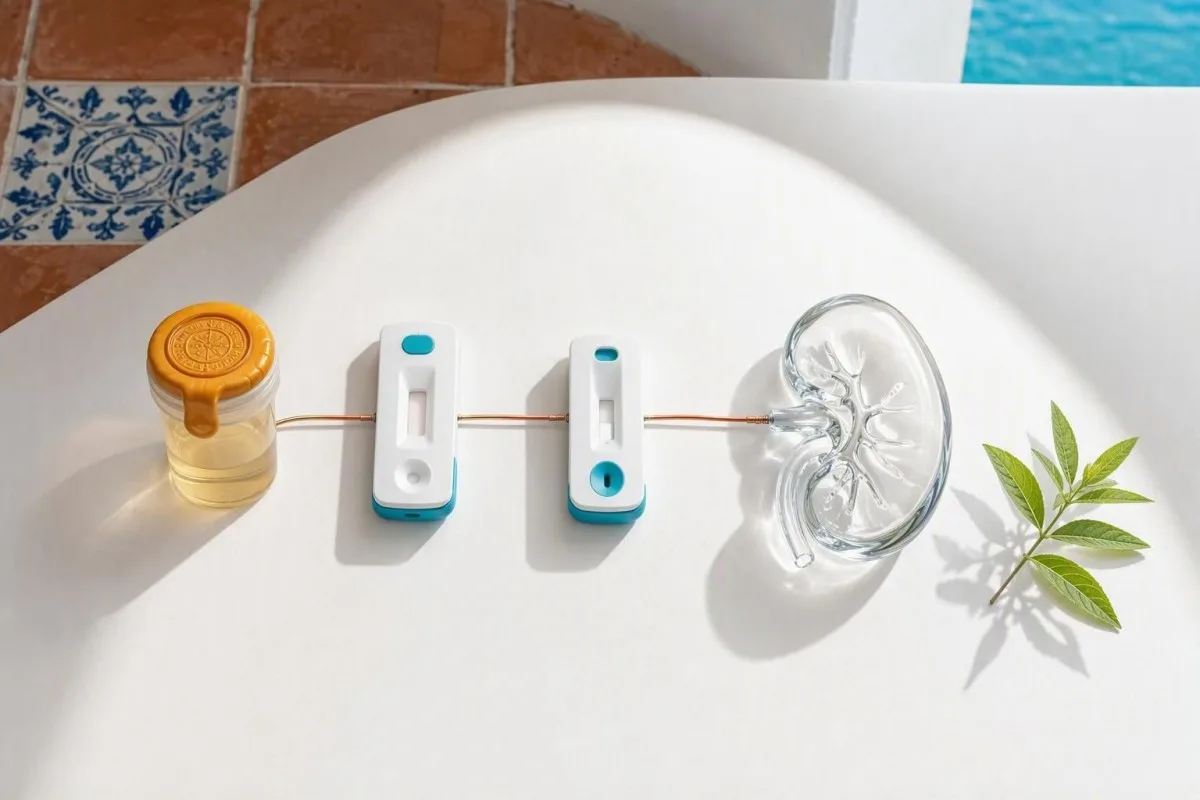
Чанасан махны хоол нь хоолны креатинин шингэж ордог тул богино хугацааны креатинин нэмэгдэхэд хүргэж болзошгүй; энэ нь зарим эмч нар өлсөх эсвэл стандартын өглөөний дахин шинжилгээг илүүд үзэх нэг шалтгаан юм. Үүний эсрэгээр, булчингийн масс маш бага байвал хуурамчаар бага креатинин ба шүүлтүүрийг хэт үнэлсэн eGFR-ийг үүсгэж болно.
Жирэлт нь онцгой нөхцөл байдал юм: шүүлтүүр нэмэгдэх тусам креатининий түвшин буурдаг тул жирэмслээгүй үед хэвийн гэж үзэгдэх үр дүн нь жирэмсний үед анхаарал татах шалтгаан болдог. жирэмсний GFR-ийн заавар нь эмэгтэйчүүдийн жирэмсний бус eGFR ангиллыг энэ нөхцөлд болгоомжгүй хэрэглэх ёсгүй шалтгааныг тайлбарлана.
2024 оны KDIGO удирдамж нь эмнэлзүйн шийдвэрт нөлөөлөх нарийвчлалтай байх тохиолдолд креатинин ба цистатин C-г хамтад нь ашиглахыг зөвлөж байна (KDIGO, 2024). Энэ нь эмийн тунг тохируулах, бөөрт шилжүүлэн суулгах боломжит донор, эсвэл 45-59 мл/мин/1.73 м²-ийн тогтвортой eGFR-тэй, бөөрийн гэмтлийн бусад шинж тэмдэггүй булчинлаг насанд хүрсэн хүнд хамаарна.
Цистатин C хэзээ хязгаарын креатининийг тодруулдаг вэ?
Цистатин C нь булчингийн масс нь креатининийг хуурамчаар нэмэгдүүлж болох ба үр дүн нь эмчилгээнд нөлөөлж болох үед хамгийн их хэрэгтэй байдаг. Креатинин-цистатин C-ийн хосолсон eGFR нь насанд хүрэгчдийн шүүлтүүрийн үнэлгээ нь тодорхойгүй үед тус тусын маркерээс илүү нарийвчлалыг сайжруулдаг.
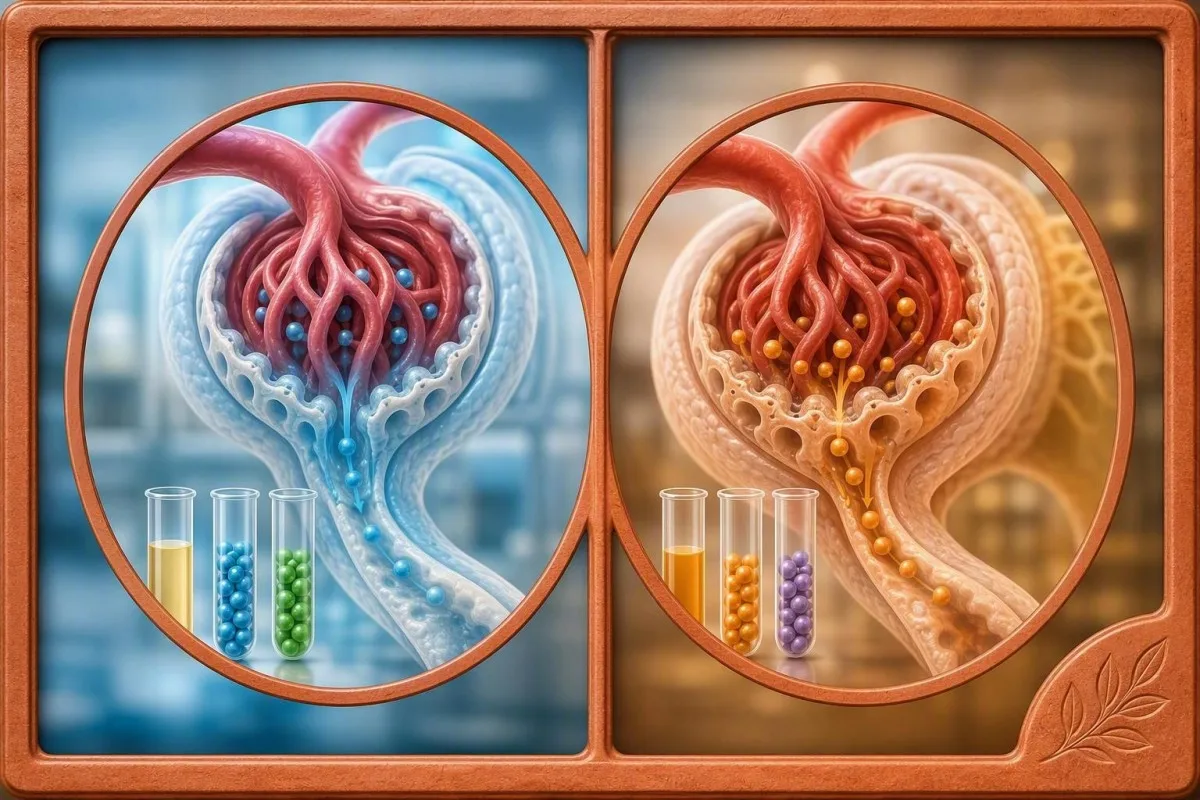
Цистатин C нь ихэнх цөмтэй эсүүдээс үүсдэг жижиг уураг бөгөөд гломерулаар шүүгддэг. Энэ нь креатининтэй харьцуулахад булчингийн массаас бага нөлөөлдөг боловч тамхи татах, таргалалт, бамбай булчирхайн үйл ажиллагааны алдагдал, системийн үрэвсэл, глюкокортикоидын хэрэглээ нөлөөлж болох тул энэ нь ид шидийн үнэн гэмтэн биш юм.
Inker болон бусад судлаачид (Inker et al., 2012) нь креатинин-цистатин C-ийн хосолсон тэгшитгэл нь хэмжигдсэн GFR-тэй харьцуулахад тус тусын маркерээс илүү нарийвчлалтай байсныг тайлагнажээ. Практикт, нийцсэн eGFR утгууд нь итгэлийг бэхжүүлдэг; зөрчилдсөн утгууд нь илүү тайвшруулж буй тоог сонгохын оронд маркерууд яагаад зөрчилдөж байгаа шалтгааныг судлах ёстойг бидэнд хэлдэг.
Kantesti-ийн AI цусны шинжилгээний тайлал платформ нь креатинин-цистатин C-ийн зөрчлийг илрүүлж, булчингийн масс, нэмэлт тэжээл, бамбай булчирхайн байдал, эмийн талаар эмчтэй ярилцах боломжийг олгодог. Уншигчид манайхаас илүү гүнзгийрүүлэн судлах боломжтой. цистатин С-ийн үр дүнгүүд.
Яагаад Шээсний ACR нь олон хүмүүсийн бодож байгаагаас илүү чухал байдаг вэ
Шээсэнд альбумин-креатининий харьцаа, эсвэл ACR нь eGFR хадгалагдаж байсан ч бөөрний гэмтлийг зааж болох альбумины ялгаралтыг илрүүлдэг. 3 мг/ммоль (30 мг/гр) -аас доош ACR нь тайвшруулах боловч 3 мг/ммоль ба түүнээс дээш байнгын ACR нь зохих эмнэлзүйн орчинд дагаж мөрдөх шаардлагатай.
Альбуминури нь хил заагч креатининий үр дүнгийн утгыг өөрчилдөг. Креатининий түвшин 120 мкмоль/л, тогтвортой eGFR 67 мл/мин/1.73 м², хэвийн цусны даралт, шээсний шинжилгээний үзүүлэлт сөрөг, ACR 0.6 мг/ммоль бүхий булчинлаг хүн нь ACR 12 мг/ммоль бүхий хүнээс тэс өөр эрсдэлтэй байдаг.
Хүнд дасгал, халуурах, шээсний замын халдвар, хяналтгүй цусны даралт, их хэмжээний гипергликеми, сарын тэмдэг нь шээсэнд альбуминыг түр зуур нэмэгдүүлж болно. KDIGO нь боломжтой бол өглөөний анхны дээжээ ашиглан баталгаажуулахыг зөвлөж байна, учир нь эртний дээж нь байрлал ба дасгалын хувьсах байдлыг бууруулдаг (KDIGO, 2024).
Уншлагын тест нь тоон ACR-ийн орлуулагч биш юм: энэ нь дунд зэргийн хэмжээний альбумины ялгаралтыг алдаж болзошгүй юм. Манайхтай зөв бэлдээрэй. ACR цуглуулгын шалгах жагсаалт, мөн манай гарын авлагад оймсон шээгний шалтгааныг тусад нь авч үзнэ оймсон шээгний шалтгаан.
Креатининийг бусад шинжилгээтэй хэрхэн унших ёстой вэ?
Креатинин нь eGFR, шээг эсвэл BUN, кали, бикарбонат, шээсний ACR, шээсний шинжилгээ, цусны даралт болон цаг хугацааны туршид өөрчлөгдөх чиг хандлагатай хамт уншигдах ёстой. Хэд хэдэн бие даасан шинж тэмдгүүд ижил чиглэлд чиглэсэн үед бөөрний эрсдэл илүү найдвартай болдог.
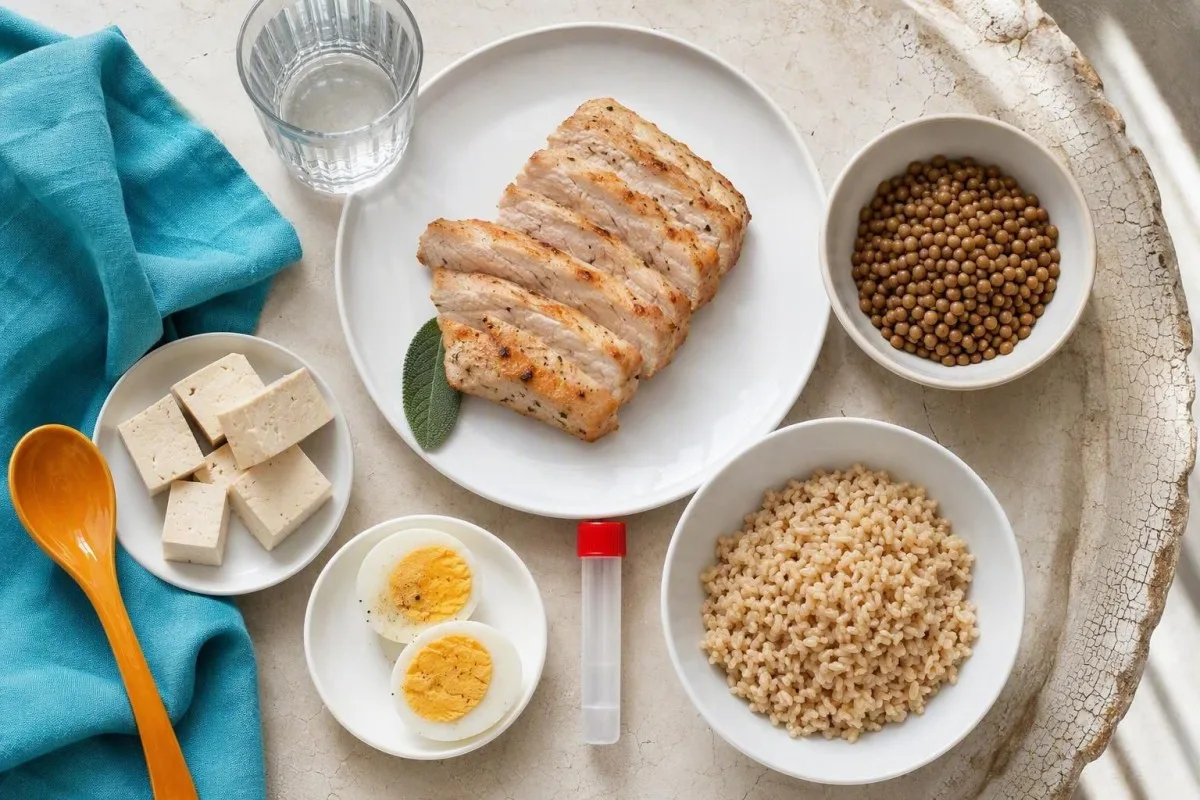
Шээгнийг креатининий харьцаа ихсэх нь шингэн алдалт, ходоод гэдэсний цус алдалт, уургийн өндөр хэрэглээ, эсвэл катаболизмын ихсэлттэй холбоотой байж болно; энэ нь цэвэр бөөрний гэмтлийн оноо биш юм. Бикарбонат бага, кали их, фосфат нэмэгдэж байгаа нь тогтвортой хэв маягтай үед бөөрний ялгаруулалт буурсныг дэмжиж болох ч тус бүр нь бөөрнөөс гаралтай бусад шалтгаануудтай байдаг.
Шээсний шинжилгээ нь eGFR-ээс өгч чадахгүй мэдээллийг нэмдэг. Уураг, улаан эс, дисморфик улаан эс, цагаан эс, глюкоз, эсвэл цилиндр нь гломерулонефрит, чулуу, халдвар, чихрийн шижин, эсвэл эмний нөлөөллийг чиглүүлэх боломжтой. Манай шээсний шинжилгээний тойм нь тэдгээрийг хэтрүүлэн тайлбарлалгүйгээр эдгээр олдворуудыг тайлбарлахад тусалдаг.
Кантести бол AI-аар ажилладаг цусны шинжилгээний үр дүнгийн шинжилгээний хэрэгсэл энэ нь баримт бичгийн хоорондох бөөрний үнэ цэнийг харьцуулдаг, учир нь eGFR 92-аас 70 болж өөрчлөгдөх нь 70-ын тусгаарлагдсан үнээс илүү чухал байж болно. Бидний хянан хэлэлцэх үйл явцад чиг хандлага нь эмнэлгийн үнэлгээг өдөөдөг, оношийг хэзээ ч орлохгүй.
Эмчид үзүүлэхэд авчрах хэрэгтэй нэгэн ашигтай зүйл
Доод тал нь хоёр удаагийн креатининий үр дүн, лабораторийн нэгж, огноо, сургалт эсвэл өвчний тэмдэглэл, эмний жагсаалт, гэрээр тогтоосон цусны даралтын үзүүлэлт, мөн шээсний аливаа үр дүнг авчирна. Энэхүү бяцхан хугацааны тэмдэглэл нь үнэ цэнэ тогтвортой, түр зуурын, эсвэл үнэхээр өөрчлөгдөж байгаа эсэхийг ихэвчлэн хариулдаг.
Хязгаарын креатинин хэзээ архаг бөөрний өвчин гэж тооцогддог вэ?
Хязгаарлагдмал креатининий үр дүн нь буурсан eGFR эсвэл бөөрний гэмтлийн өөр нэг шинж тэмдэг 3 сараас доошгүй хугацаанд үргэлжилсэн тохиолдолд архаг бөөрний өвчинд тооцогддог. Сургалт, шингэн алдалт, эсвэл өвчний дараа нэг удаагийн креатининий үр дүнгээс CKD оношлогддоггүй.
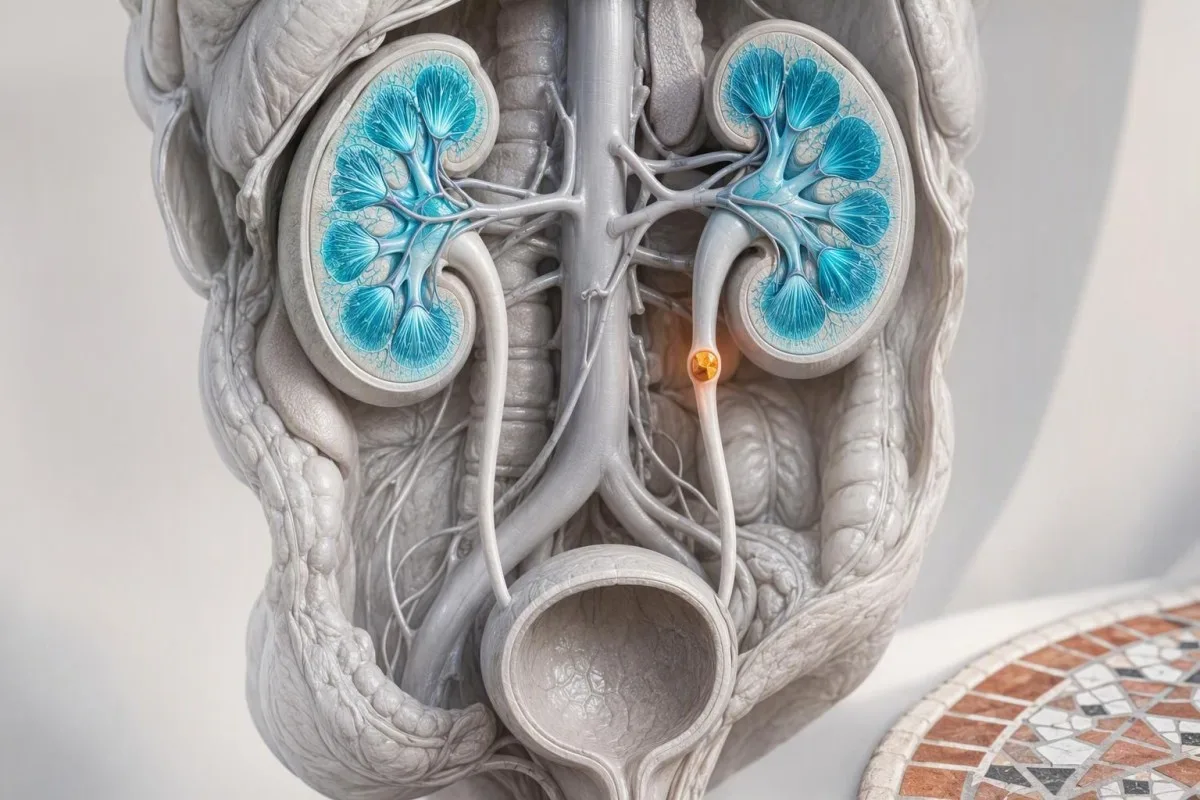
KDIGO нь eGFR 60-89 мл/мин/1.73 м²-ыг G2 гэж ангилдаг, гэвч G2 нь дангаараа альбуминури, бүтцийн хэвийн бус байдал, эсвэл шээсний давсагны өөрчлөлт зэрэг бөөрний гэмтлийн нотолгоогүйгээр CKD биш юм. Энэхүү нарийн ялгаа нь чухал: эрүүл, булчинлаг насанд хүрсэн хүний eGFR 74 нь хэвийн хэлбэлзэл байж болно.
90 хоногийн зайтай хоёр удаагийн хэмжилтээр 60 мл/мин/1.73 м²-аас доош eGFR нь хурц шалтгааныг хасвал CKD-ийн шүүх боломжийг ерөнхийдөө хангадаг. CKD шатлалыг тайлбарлагч нь eGFR болон ACR ангиллууд хэрхэн бие биетэйгээ ажилладаг, өрсөлддөггүй болохыг харуулдаг.
Би энд зориудаар болгоомжтой байна. Бөөрний өвчний эхэн үе шатандаа байгаа зарим хүмүүст булчингийн масс бага учраас креатинин хэвийн байдаг бол зарим тамирчид креатинин ихтэй, бөөр нь эрүүл байдаг; лабораторийн үнэ цэнийг хоёр тал руу нь эмнэлгийн контекстэд оруулах шаардлагатай.
Хэзээ булчинтай насанд хүрэгч креатининий талаар санаа зовох ёстой вэ?
Булчинлаг насанд хүрэгчид креатинин нь хурдан нэмэгдэх, хяналттай давтан хийсний дараа хэвийн бус байх, эсвэл альбуминури, шээсний цус, цусны өндөр даралт, кали хэвийн бус байх, эсвэл шинж тэмдэг илэрвэл санаа зовох ёстой. Булчингийн масс бол амьдралын туршийн баталгаа биш, харин туршиж үзэх нэг тайлбар юм.
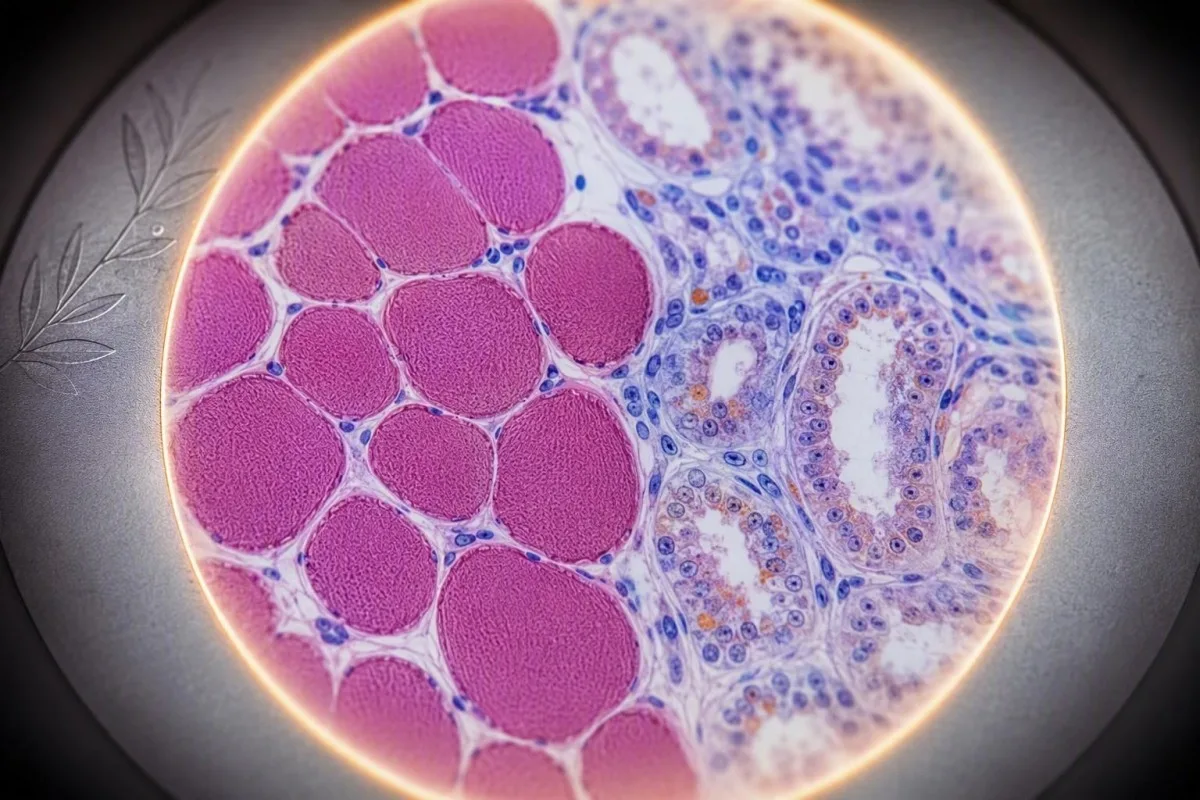
Шээсний гарц огцом буурах, шинээр хөл эсвэл нүүрний хавагнах, амьсгал давхцах, төөрөгдөх, бөөлжих, эсвэл мэдэгдэж байгаа тохиолдолд 48 цагийн дотор дор хаяж 26.5 мкмоль/л креатинин нэмэгдэх зэрэг тохиолдолд тэр өдөр нь эмнэлгийн зөвлөгөө аваарай. Дулааны өвчин, хүнд хэлбэрийн суулгалт, нугасны гэмтэл, эсвэл бараан өнгөтэй шээстэй хэт их дасгал хийсний дараа яаралтай тусламж авах нь онцгой чухал юм.
Рабдомиолиз нь ховор боловч сургалтын орчинд хамаатай. Дасгал хийсний дараа булчингийн хүндээр өвдөх, сулрах, хавагнах, эсвэл бараан шээстэй хамт өндөр CK нь кали, креатинин, кальци, фосфат, мөн шээсний шинжилгээг яаралтай хийлгэх шаардлагатай болдог; манай CrossFit рабдогийн сэрэмжлүүлэх гарын авлага нь сэрэмжлүүлэх хэв маягийг хамардаг.
Стероид бус үрэвслийн эсрэг эм, АСЕ ингибиторууд, АРБ, шээс хөөх эм, триметоприм, лити, зарим бодибилдингийн бэлдмэл нь креатинин эсвэл бөөрний гемодинамикийг өөрчилж болно. Апп эсвэл ганцхан үр дүн санаа зовоосон мэт харагдсан тул эмчээс тогтоосон эмийг хэзээ ч бүү зогсоо; тэр эмч яагаад бичсэнийг мэддэг.
Тамирчид болон хүч чадалтай хүмүүст зориулсан шилдэг дахин шинжлэх төлөвлөгөө юу вэ?
Үр дүнтэй дахин шалгах төлөвлөгөө нь тогтвортой нөхцөлийг ашигладаг: хэвийн хоол, шингэн, 48-72 цагийн турш хэвийн бус хатуу дасгал хийхгүй, согтууруулах ундаа хэтрүүлэн хэрэглэхгүй, нэмэлт тэжээлийн жагсаалтыг баримтжуулах. Зорилго нь илүү сайн тоог шахах биш; энэ нь төлөөлөх тоог хэмжих явдал юм.

Хил дээр байдаг боловч яаралтай бус үр дүнгийн хувьд би ихэвчлэн 1-4 долоо хоногийн дотор eGFR, цистатин C, шээс шинжлэх, шээсний ACR, электролит, цусны даралттай хамт креатининий давтан шалгалт хийхийг зөвлөдөг. Өөрчлөлтийн хэмжээ, эрсдлийн хүчин зүйлсээс хамааран тохируулна. Чихрийн шижин, цусны даралт ихсэх, бөөрний өвчин, удамшлын бөөрний өвчинтэй хүмүүс илүү эрт хяналт шалгалт хийлгэх шаардлагатай байж болно.
Шинжлэхээс өмнө ус бүү уу. Хэт их шингэн нь креатинин ба натрийн концентрацийг бууруулж, өөр хуурамч үр дүн үүсгэж болно; шар өнгөтэй шээс, хэвийн цангалттай шингэн авах нь агуу их ус уухаас илүү ашигтай байдаг. Манай дегидратацийн дараах GFR нийтлэл эсрэг асуудлыг тайлбарладаг.
Лабораторийн огнооны хажууд сүүлийн хатуу дасгал, саун, суулгалт, халуурах, өлсөх, шинэ уургийн нунтаг, креатинин тун, үрэвслийн эсрэг эм хэрэглэсэн зэргийг тэмдэглэ. Kantesti-ийн тренд хэрэгслүүд нь тайлангуудын туршид энэ контекстийг хадгалах зорилготой бөгөөд энэ нь эмчийн хяналтыг илүү үр дүнтэй болгодог.
Уургийн хэрэглээ болон махны хоол нь креатининд нөлөөлдөг үү?
Их хэмжээний чанасан мах идсэн нь цусан дахь креатининийг түр зуур нэмэгдүүлж болно, харин хэвийн өндөр уурагтай хоол нь креатининийг бодвол мочевинийг илүү мэдэгдэхүйц нөлөөлж болно. Зөвхөн хооллолтоор архаг бөөрний хэвийн бус байдлыг үгүйсгэх ёсгүй, гэхдээ шинжилгээний өмнөх хоол нь хил дээр чухал үүрэг гүйцэтгэж болно.
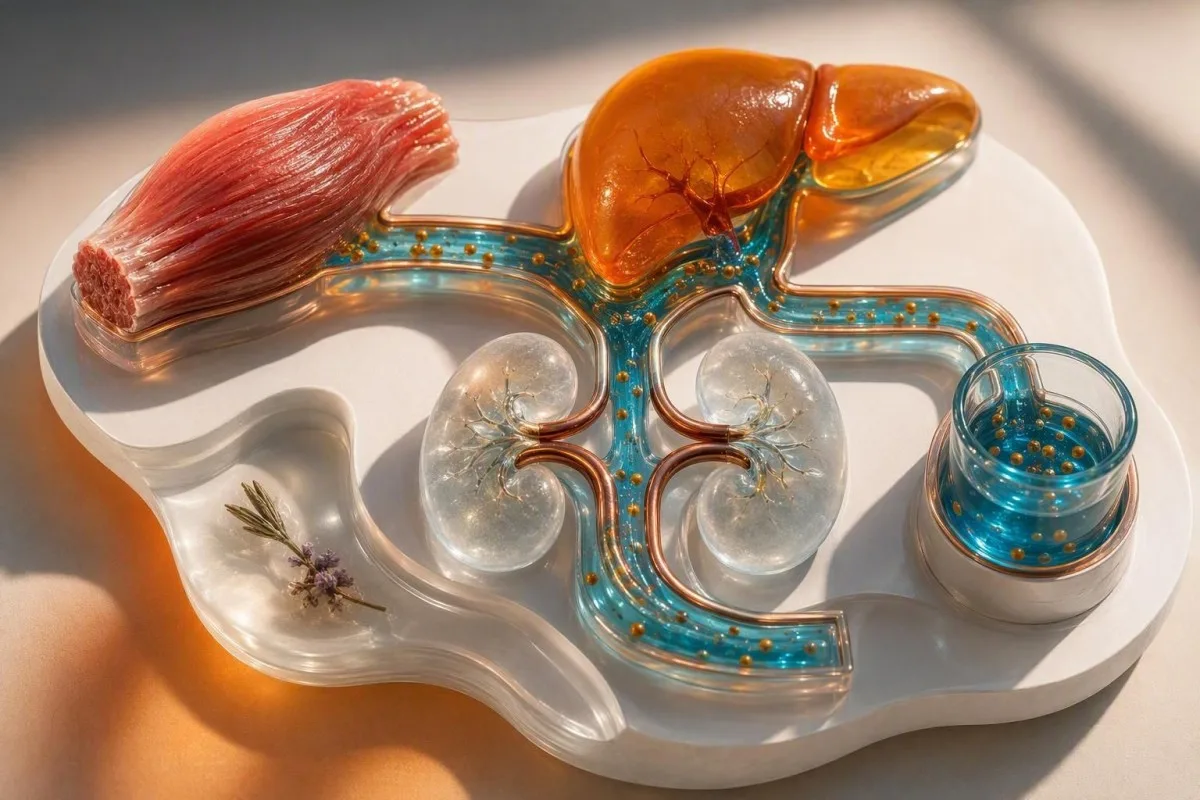
Чанасан махнаас авсан креатинин шимэгдэж, хоолны дараа хэдэн цагийн турш цусан дахь креатининийг нэмэгдүүлж болно. Хэрэв эмч хил дээрх үр дүнг шалгаж байгаа бол өглөөний шинжилгээ нь хэвийн шөнийн өлсөлтийн дараа эсвэл тогтмол баримтжуулсан хоолны дэглэмийн дагуу хийгдсэн нь энэ зайлсхийх боломжтой хувиралтыг бууруулдаг.
1.2-2.0 г/кг/хоног орчим уураг авах нь тамирчдын дунд өргөн хэрэглэгддэг боловч CKD батлагдсан тохиолдолд бөөрний хоолны талаарх зөвлөгөөг хувь хүнд нь тохируулах ёстой. Шинжлэхээс өмнө уургийг огцом бууруулах нь бодит ертөнцийн суурь түвшнийг бүдэгрүүлж, сургалт, нөхөн сэргэлтэнд сөрөг нөлөө үзүүлж болно.
Мочевина ба креатинин өөр өөр асуултанд хариулдаг. Тэдний харьцаа ба түүний хязгаарын техникийн тайлбарыг манай BUN-креатинины харьцааны заавар; хэсгээс уншина уу; энэ нь ялангуяа өндөр уурагтай хоол эсвэл шингэн алдалт нь тайлбарыг төвөгтэй болгодог.
Ямар эм, нөхцлүүд нь бөөрний асуудлыг дуурайж болох вэ?
Хэд хэдэн эм нь GFR-ийг шууд бууруулахгүйгээр креатининийг нэмэгдүүлж болно, бусад нь бөөрний перфузийг бууруулж эсвэл бодит гэмтэл учруулж болно. Триметоприм ба циметидин нь шүүлтүүрийн алдагдалгүйгээр цусан дахь креатининийг нэмэгдүүлдэг шүүрлийг дарангуйлдаг.
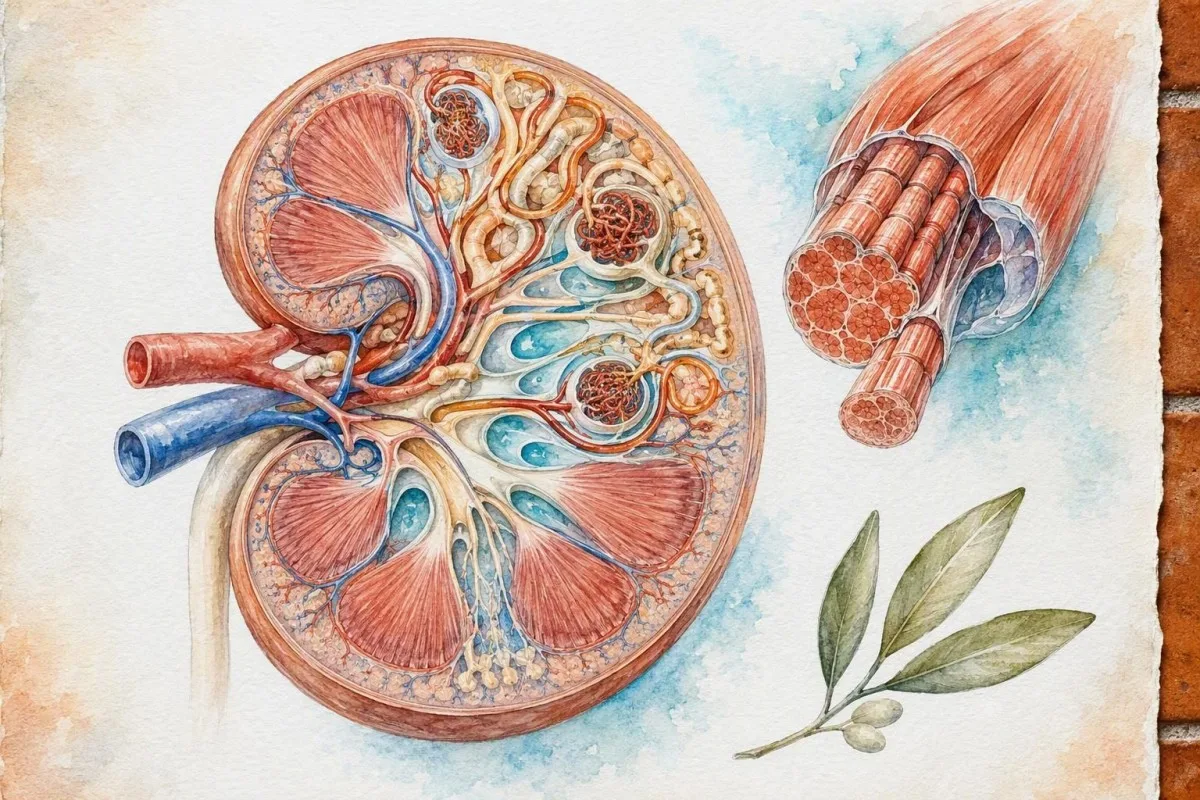
АСЕ ингибиторууд болон АРБ нь гломерулусын доторх даралтыг өөрчилснөөс болж эхлэх үед бага зэрэг креатинин нэмэгдүүлдэг; энэ нь хэмжээ, хугацаа, кали, эзэлхүүний төлөв байдал, эмчилгээний шалтгаанаас хамааран хүлээн зөвшөөрөгдөх эсвэл санаа зовоохуйц байж болно. Эмч нар ихэвчлэн эдгээр эмийг эхлүүлсний дараа эсвэл тохируулсны дараа бөөрний функц ба калийг дахин шалгадаг.
Бамбай булчирхайн өвчин нь хоёр маркерыг төвөгтэй болгож болно: гипотиреоидизм нь креатининийг нэмэгдүүлж болно, харин бамбай булчирхайн төлөв байдал нь цистатин C-г өөрчилж болно. Хүнд халдвар, зүрхний дутагдал, чулуунаас үүдэлтэй бөглөрөл эсвэл томрох түрstate, аутоиммун өвчин нь ердийн 'бөөрний цэвэрлэгээ'-ээс илүүтэйгээр өөрийн зорилтот үнэлгээг шаарддаг.'
Томас Клейн эмч эмийн сангаас чанартай эмийн нэгтгэлийг эмэнд ойлгомжгүй өөрчлөлт бүрт, тэр ч байтугай эмийн сангийн бус NSAID болон ургамлын гаралтай бүтээгдэхүүнийг санал болгодог. Манай эмийн аюулгүй байдлын тренд гарын авлага нь тэмдэглэхэд тохиромжтой үр дүнгийн өөрчлөлтийг жагсаасан.
Kantesti нь хязгаарын креатининийг хэрхэн авч үздэг вэ?
Kantesti нь креатининийг eGFR, нас, мэдүүлсэн бэлгийн харьцаа, өмнөх үр дүн, мочевина, электролит, шээсний маркер, эрүүл мэндийн нөхцөл байдалтай харьцуулан хил дээрх креатининийг тайлбарладаг. Энэ нь хэв маягийг тайлбарлаж, дагалдах аргыг дэмжиж чадна, гэхдээ энэ нь бөөрний өвчнийг оношилж эсвэл яаралтай эмнэлгийн тусламжийг орлож чадахгүй.
Кантести бол AI лабораторийн шинжилгээний тайлбар үйлчилгээ лабораторийн хэлийг эмчлэгчдэд зориулсан бүтэцтэй асуултуудад орчуулах зорилгоор бүтээгдсэн: Энэ шинэ үү? Хатуу бэлтгэл хийсэн үү? Шээсний ACR хэвийн үү? Цистатин C нь эмийн эсвэл шилжүүлэн суулгах шийдвэрийг өөрчлөх үү? Энэ нь ганцхан тоогоор улаан тугийг аюулгүй эсвэл аюултай гэж зарлахаас илүү ашигтай юм.
Манай платформ нь PDF эсвэл фото тайлангийн хяналт, тренд харьцуулалтыг ойролцоогоор 60 секундын дотор дэмждэг бөгөөд нууцлалыг хадгалах, хүний эмнэлгийн хяналт нь үйл явцын нэг хэсэг хэвээр байна. Эдгээр хамгаалалтын ард байгаа арга зүйн талаар манай эмнэлзүйн баталгаажуулалтын тойм.
Хэрэв хэв маяг нь гэнэт креатинин нэмэгдэх, гиперкалиеми, их хэмжээний альбуминурия эсвэл санаа зовоосон шинж тэмдгүүдийг агуулдаг бол зохих үр дүн нь нэмэлт өөрөө турших биш, харин яаралтай эмнэлгийн тусламж юм. Энэ аргын цаана байгаа эмнэлгийн багийн талаар ойлгохыг хүссэн уншигчид манай Эмнэлгийн зөвлөх зөвлөл.
Хязгаарын үр дүнгийн талаар эмчээсээ ямар асуулт асуух ёстой вэ?
Хамгийн үр дүнтэй асуулт бол: “Миний булчингийн масс, саяхан хийсэн дасгал, хоол тэжээл, эсвэл нэмэлт тэжээл нь креатинин-д суурилсан eGFR-г миний шүүлтүүрийг доогуур үнэлэхэд хүргэж болох уу, мөн бид цистатиний C болон шээсний ACR-г шалгах ёстой юу?” Энэ нь үр дүнг хоргүй гэж үзэхгүйгээр тодруулахыг асууж байна.
Тухайн үр дүн нь цочмог бөөрний гэмтлийн шалгуурыг хангаж байгаа эсэх, өмнөх суурь түвшнээс мэдэгдэхүйц ялгаатай эсэх, мөн шээс, цусны даралт, электролитийн хэвийн бус байдал байгаа эсэхийг асууна. Мөн лаборатори нь 2021 CKD-EPI тэгшитгэлийг ашигласан эсэх, мөн креатинин-цистатиний C eGFR-ийн хослол нь эмчилгээг өөрчлөх эсэхийг асууна.
2026 оны 9-р сарын 9-ний байдлаар, хамгийн үндэслэлтэй арга нь биеийн бүтэц-д суурилсан бус, харин эрсдэл-д суурилсан хэвээр байна: 60 мл/мин/1.73 м²-аас доош байнгын eGFR, 3 мг/ммоль-аас багагүй ACR, эсвэл креатинин-ий тодорхой дээшлэх хандлага нь биеийн тамирын түүхээс үл хамааран үнэлгээнд зайлшгүй шаардлагатай. Үүний эсрэгээр, хэвийн цистатиний C болон ACR-тэй тогтвортой бага зэргийн өсөлт нь ихэвчлэн тайвшруулдаг боловч дараачийн хяналтын хугацааг хувьчлах ёстой.
Тайлангууд, сургалтын тэмдэглэл, асуултуудаа нэг дор байлга. Бидний манай лабораторийн чиг хандлагыг бүртгэх гарын авлага AI технологийн заавар нь практик загвар бөгөөд.
Байнга асуудаг асуултууд
Булчинлаг эрүүл хүмүүст бөөр нь эрүүл байсан ч креатинин өндөр байж болох уу?
Тийм. Булчинлаг биетэй хүмүүсийн креатинины хэмжээ лабораторийн лавлагаа хязгаараас дээгүүр байж болно, учир нь бөөрний шүүлтүүр хэвийн ажиллаж байсан ч ясжих булчин креатининыг тасралтгүй ялгаруулдаг. Сайн бэлтгэгдсэн, том биетэй хүмүүст 115-130 мкмоль/л-ийн тогтвортой креатинин аюулгүй байж болох ч, үүнийг тайлбарлахдаа өмнөх үр дүнгүүд, цусны даралт, шээсний шинжилгээ, шээсний ACR, мөн ихэнхдээ цистатины C-г оруулах шаардлагатай. Хэвийн буюу 3 мг/ммоль-оос доош шээсний ACR болон найдвартай цистатины C-д суурилсан eGFR нь архаг бөөрний өвчний ноцтой хэлбэрийг багасгадаг. Хэмжээ нэмэгдэх эсвэл шээсний шинжилгээний үр дүн хэвийн бус байвал эмчийн хяналт шаардлагатай хэвээр байна.
Шөрмөслөг хүнтэй хүнд 60-ын eGFR хэвийн үү?
60 мл/мин/1.73 м²-ын eGFR нь булчинлаг хүний хувьд бага үнэлгээ байж болох нь креатинин-д суурилсан тэгшитгэлүүд нь шимэгдэлгүй массыг шууд хэмждэггүйтэй холбоотой. Гэсэн хэдий ч, 3 сараас доошгүй хугацаанд 60-аас доош байсан eGFR нь архаг бөөрний өвчний шүүлтүүрийн шалгуурыг хангадаг бөгөөд зөвхөн булчингаар нь үл тоомсорлож болохгүй. Цистатин C эсвэл хосолсон креатинин-цистатин C eGFR нь шүүлтүүрийн бодит байдалтай буурсан эсэхийг тодруулж чадна. Шээсэнд байгаа ACR, хэвийн хэмжээ нь 3 мг/ммоль эсвэл 30 мг/г-аас доош байдаг нь зайлшгүй хамтрагч шинжилгээ юм.
Бөөрний цусны шинжилгээ өгөхөөс өмнө креатиныг зогсоох ёстой юу?
Креатинийг бүү зогсоо, эмч болон лабораторид хэлж, тунг бичнэ үү, ихэвчлэн өдөрт 3-5 г. Хэрэв креатининий хил хязгаартай үр дүн тодорхой болох шаардлагатай бол эмч 48-72 цагийн дараа хэвийн гидратацийн нөхцөлд, ер бусын хатуу дасгалгүйгээр креатининийг давтан хийлгэж, цистатин C-г шалгахыг зөвлөж магадгүй. Креатинийг зогсоосноос креатиний үйлдвэрлэл өөрчлөгдөж болно, тиймээс аливаа завсарлагааны зорилго нь гоо зүйн хувьд илүү сайн үр дүнд хүрэхээс илүүтэйгээр тодорхой клиник асуултад хариулах явдал байх ёстой. Эмчээс зөвлөгөө авалгүйгээр prescribed эмээ бүү зогсоо.
Дасгал хийсний дараа креатининий шинжилгээг дахин өгөхөөс өмнө хэр удаан амрах ёстой вэ?
Хүчтэй дасгал хийсний дараа хэвийн бөөрний креатинин дахин шалгах хугацаа нь ихэнх хүмүүст 48-72 цаг байдаг бөгөөд энэ хугацаанд хэт их дасгал хийхгүй байх нь зүйтэй. Марафоны дараа, халуунд их удаан байсан, бие их шингэнээ алдсан, эсвэл креатин киназе ихэссэн тохиолдолд нөхөн сэргэх хугацаа удаан байж болох тул эмчийн зөвлөгөө авах нь илүү дээр. Хэт их өлсөх эсвэл хэт их ус уухын оронд хэвийн хооллолт, хэвийн хэмжээний шингэнийг хангалттай уу. 48 цагийн дотор креатинин 26.5 мкмоль/л ба түүнээс дээш нэмэгдэх нь бөөрний цочмог гэмтлийг илтгэж болно, тиймээс цаг алдалгүй эмнэлгийн хяналт шаардлагатай.
Шээсний ACR-ийн ямар түвшин нь креатининий өндөр үзүүлэлттэй хамт санаа зовох хэрэгтэй вэ?
Шээсний альбумин-креатинины харьцаа 3 мг/ммоль (30 мг/г) -аас доош байвал хэвийн буюу бага зэрэг ихэссэн гэж үзнэ, креатинин хил заагт байвал санаа зовох зүйлгүй. ACR-ийн 3-30 мг/ммоль байвал дунд зэрэг ихэссэн альбумин ялгаралтыг илтгэнэ, харин ACR 30 мг/ммоль-аас дээш байвал хүнд зэрэг ихэссэн альбумин ялгаралтыг илтгэнэ, эмнэлгийн нэн даруй анхаарал шаардлагатай. Дасгал, халуурах, шээсний замын халдвар, сарын тэмдэг нь ACR-ийг түр зуур нэмэгдүүлж болно, тиймээс өглөөний эхний шээсний дээжээр батлах нь ихэвчлэн тохиромжтой. Өндөр креатинин болон байнга илрэх альбуминури нь зөвхөн өндөр креатининээс илүү санаа зовоосон байдаг.
Дасгал хийсний дараа креатинин хэзээ яаралтай тусламж шаарддаг вэ?
Дасгал хийсний дараа креатининий түвшин ихсэх нь, хэрэв шээс ялгарах нь маш багасах, шээс бараан кола шиг өнгөтэй болох, булчин маш их өвдөх эсвэл сулрах, хавагнах, бөөлжих, ой ухаан алдах, амьсгалах төвөгтэй болох, эсвэл калийн түвшин ихсэх зэрэг шинж тэмдэг илэрвэл яаралтай үнэлгээ хийлгэх шаардлагатай. Эдгээр шинж тэмдэг нь их хэмжээний шингэн алдалт, халуун цусны өвчин, эсвэл дасгал хөдөлгөөний улмаас булчингийн эд эсийн задрал (exertional rhabdomyolysis) зэрэг нь бөөрний үйл ажиллагаанд аюул учруулж болзошгүй. 48 цагийн дотор дор хаяж 26.5 µmol/L эсвэл 7 хоногийн дотор суурь түвшнээс 1.5 дахин ихсэх нь цочмог бөөрний гэмтлийн шалгуурыг хангана. Эдгээр шинж тэмдэг илэрвэл ердийн дахин шинжилгээ хийлгэхийг хүлээлгүйгээр тэр өдөртөө эмнэлгийн тусламж авах хэрэгтэй.
Өнөөдөр AI-аар дэмжигдсэн цусны шинжилгээний тайлал аваарай
Лабораторийн шинжилгээний агшин зуур, үнэн зөв тайлалд итгэдэг дэлхийн 2 сая гаруй хэрэглэгчтэй нэгдээрэй. Цусны шинжилгээний хариугаа байршуулж, 15,000+ биомаркеруудын цогц тайллыг хэдхэн секундын дотор аваарай.
📚 Иш татсан судалгааны нийтлэлүүд
Клейн, Т., Митчелл, С., ба Вебер, Х. (2026). Кляйн, Т. (2026). aPTT Хэвийн хүрээ: D-Dimer, Protein C цусны бүлэгнэлтийн гарын авлага. Zenodo. https://doi.org/10.5281/zenodo.18262555. Kantesti AI Медикл Рисерч.
Клейн, Т., Митчелл, С., ба Вебер, Х. (2026). нь нөхцөл байдлын тайланг эмнэлзүйн шүүлтээс илүүтэйгээр дэмжих зорилгоор хэрхэн боловсруулсан болохыг тайлбарладаг.. Kantesti AI Медикл Рисерч.
📖 Гадаад эмнэлгийн лавлагаа
Бөөрний өвчнийг сайжруулах дэлхийн үр дүн (KDIGO) CKD Ажлын хэсэг (2024). KDIGO 2024 архаг бөөрний өвчнийг үнэлэх ба удирдах клиник практикийн удирдамж. Бөөрний эмгэг судлал.
⚕️ Эмнэлгийн мэдэгдэл
Энэ нийтлэл зөвхөн боловсролын зорилготой бөгөөд эмнэлгийн зөвлөгөө биш болно. Оношилгоо, эмчилгээний шийдвэр гаргахдаа мэргэшсэн эрүүл мэндийн үйлчилгээ үзүүлэгчтэй заавал зөвлөлдөнө.
E-E-A-T итгэлийн дохио
Туршлага
Эмчийн удирдлагатай лабораторийн тайлалын ажлын урсгалын клиник хяналт.
Мэргэшсэн байдал
Биомаркерууд клиникийн нөхцөлд хэрхэн ажиллаж/өөрчлөгдөж байгаад чиглэсэн лабораторийн анагаах ухаан.
Эрх мэдэл
Доктор Томас Клейн бичсэн, Доктор Сара Митчелл, Проф. Доктор Ханс Вебер нар хянан тохиолдуулсан.
Найдвартай байдал
Сэрэмжлүүлгийг бууруулахын тулд тодорхой дараагийн алхамтай, нотолгоонд суурилсан тайлал.