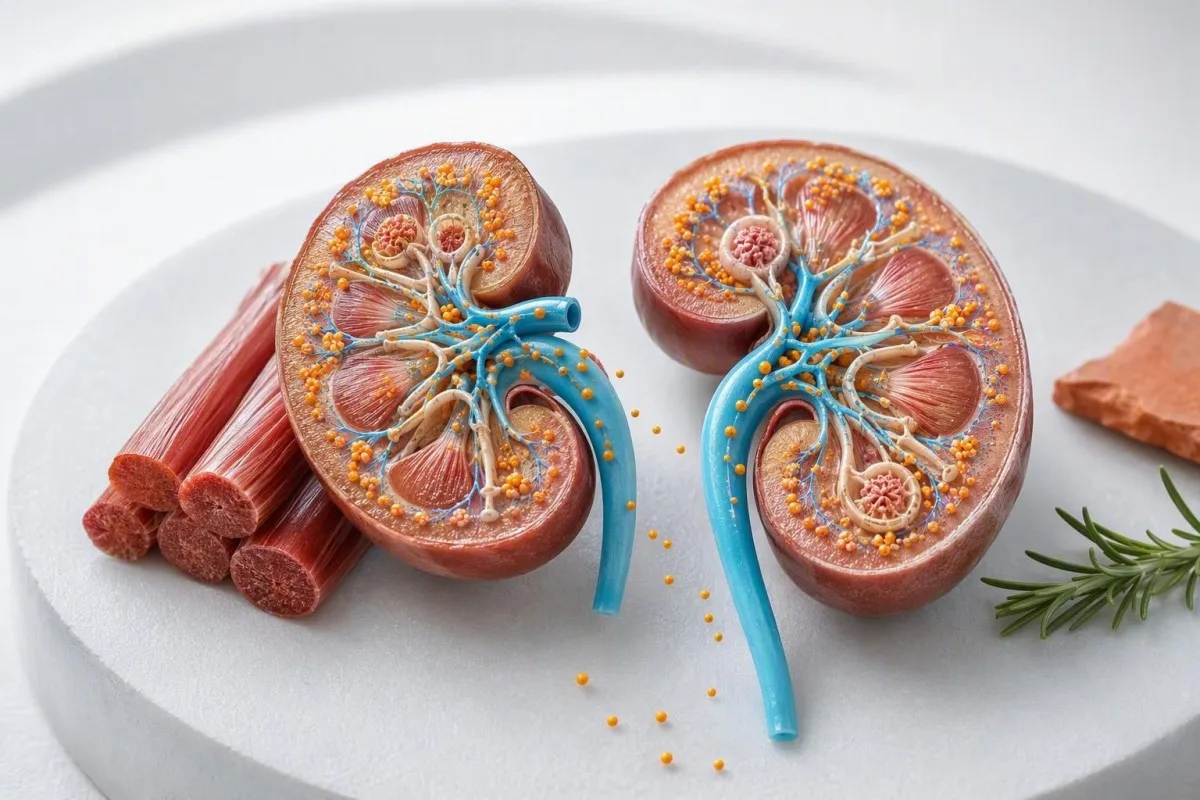
උාවේ ක්රියේටිනින් ප්රතිඵලය මගින් වකුගඩු රෝගයකට වඩා විශාල මාංශ පේශි ස්කන්ධය, ක්රියේටීන් භාවිතය, මෑතකදී දැඩි පුහුණුවක් හෝ තාවකාලික විජලනය පිළිබිඹු විය හැකිය. eGFR අනිවාර්යයෙන්ම වැරදි නොවේ, නමුත් ක්රියේටිනින් නිෂ්පාදනය අසාමාන්ය ලෙස ඉහළ යන විට ක්රියේටිනින් මත පදනම් වූ ඇස්තමේන්තුවක් අඩු නිරවද්ය විය හැකිය.



- උාවේ ක්රියේටිනින් අර්ථය: රසායනාගාර පරාසයකට වඩා තරමක් ඉහළින් ඇති ක්රියේටිනින් අගයක්, එය විසින්ම නිදන්ගත වකුගඩු රෝගය හඳුනා නොගනී.
- මාංශ පේශි ප්රමාණය: වැඩි ඇටසැකිලි මාංශ පේශි දිනපතා වැඩි ක්රියේටිනින් නිපදවන අතර, එය ක්රියේටිනින් මත පදනම් වූ eGFR සැබෑ පෙරීමේ අගයට වඩා අඩු වන ලෙස පෙන්විය හැකිය.
- ක්රියේටීන් අතිරේක: දිනකට 3-5g, වකුගඩු හානිය ඔප්පු නොකර ක්රියේටිනින් බවට පරිවර්තනය වීමෙන් සෙරුම් ක්රියේටිනින් ඉහළ නැංවිය හැකිය.
- ව්යායාම බලපෑම: දැඩි ප්රතිරෝධක පුහුණුව හෝ විඳදරාගැනීමේ සිදුවීම්, පැය 24-72 දක්වා ක්රියේටිනින් තාවකාලිකව ඉහළ නැංවිය හැකිය.
- සිස්ටැටින් C: මාංශපේශී පුද්ගලයෙකුට උාවේ ක්රියේටිනින් ප්රතිඵලයක් ඇති විට, සාමාන්ය සිස්ටැටින් C මත පදනම් වූ eGFR ප්රයෝජනවත් වේ.
- මුත්රා ACR: 3 mg/mmol ට අඩු ඇල්බුමින්-ක්රියේටිනින් අනුපාතයක්, හෝ 30 mg/g, සායනික වශයෙන් වැදගත් ඇල්බුමින් කාන්දුවක් වලක්වයි.
- CKD නිර්වචනය: නිදන්ගත වකුගඩු රෝග සඳහා වකුගඩු අක්රමිකතා මාස 3 කට නොඅඩු කාලයක් පවතින බව අවශ්ය වේ, එක් ප්රතිඵලයක් පමණක් නොවේ.
- Nujni vzorec: මුත්රා පිටවීම අඩුවීම, ඉදිමීම, පොටෑසියම් ඉහළ යාම, දරුණු මාංශ පේශි වේදනාව, හෝ කොලා-වර්ණ මුත්රා සඳහා කඩිනම් වෛද්ය තක්සේරුවක් අවශ්ය වේ.
උාවේ ක්රියේටිනින් ප්රතිඵලයකින් ඇත්තටම අදහස් කරන්නේ කුමක්ද?
සීමා මායිම් ක්රියේටිනින් අර්ථය යනු රසායනාගාර යොමුවට ආසන්න හෝ ඊට මදක් ඉහළින් ඇති ප්රතිඵලයකි, වකුගඩු රෝග විනිශ්චයක් නොවේ. මාංශපේශී වැඩිහිටියෙකු තුළ, 1.3 mg/dL (115 µmol/L) ක්රියේටිනින්, විශේෂයෙන් මුත්රා පරීක්ෂා කිරීම සහ සිස්ටැටින් C යහපත් නම්, අඩු පෙරීම වෙනුවට ක්රියේටිනින් උත්පාදනය පිළිබිඹු කළ හැකිය.
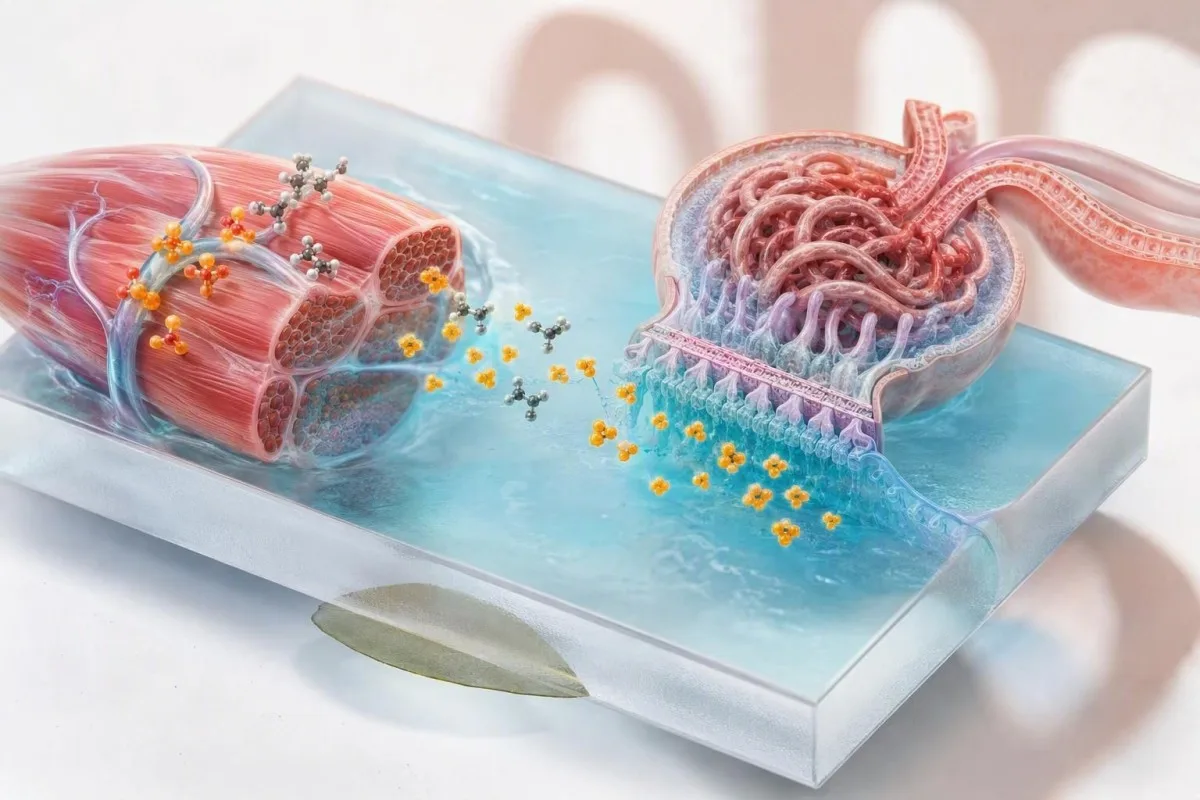
ක්රියේටිනින් යනු අස්ථි මාංශපේශී වල ක්රියේටීන් සහ පොස්ෆොක්රියේටීන් බිඳවැටීමේ නිෂ්පාදනයකි. බොහෝ UK රසායනාගාර වැඩිහිටි පිරිමින් සඳහා 60-110 µmol/L සහ වැඩිහිටි කාන්තාවන් සඳහා 45-90 µmol/L පමණ වාර්තා කරයි, නමුත් කාල පරතරය Assay, වයස, සහ දේශීය ජනගහනය අනුව වෙනස් වේ. රසායනාගාර සලකුණක් යනු ප්රතිඵලය එහි යොමු කණ්ඩායමෙන් වෙනස් වන බවයි; එය වකුගඩු වලට හානි සිදු නොකරයි.
මම 29-හැවිරිදි ශක්තිමත් මලල ක්රීඩකයෙකුගේ 118 µmol/L ක්රියේටිනින් පෙන්වන පරීක්ෂණයක් සමාලෝචනය කරන විට, මම මුලින්ම ශරීරයේ ප්රමාණය, පෙර පැය 48 තුළ පුහුණුව, අතිරේක, තරල අහිමි වීම, ඖෂධ, රුධිර පීඩනය, සහ මුත්රා විශ්ලේෂණය ගැන අසමි. 110 ත් 120 µmol/L ත් අතර වසර තුනක් පැවතියාට වඩා 82 ත් 118 µmol/L ත් අතර ඉහළ ගියහොත් මෙම ප්රතිඵලය වැඩි වැදගත්කමක් දරයි.
ආචාර්ය තෝමස් ක්ලයින් මෙම වෙනස පුදුමාකාර තරම් අනවශ්ය භීතියක් වළක්වා ඇති බව දැක ඇත: යොමු පරාසයක් යනු ජනගහන මෙවලමකි, අතර පුද්ගලික පදනමක් යනු සායනික මෙවලමකි. අපගේ අතිධාවන ප්රතිඵල සඳහා මාර්ගෝපදේශය සාමාන්ය යොමු කාල පරතරයකට පිටින් සෞඛ්ය සම්පන්න පුද්ගලයින්ගෙන් 5% ක් පමණක් අහම්බෙන් වැටෙන්නේ මන්දැයි පැහැදිලි කරයි.
ක්රියේටිනින් යනු සාන්ද්රණයක් මිස සෘජු ඉවත් කිරීමේ පරීක්ෂණයක් නොවේ
පෙරීම අඩු වන විට සෙරුම් ක්රියේටිනින් ඉහළ යයි, නමුත් එය උත්පාදනය වැඩි වන විට හෝ සංසරණ පරිමාව හැකිලෙන විටද ඉහළ යයි. තනි සාන්ද්රණයකට මෙම යාන්ත්රණයන් වෙන් කළ නොහැකිය; එබැවින් වෛද්යවරු eGFR, මුත්රා ඇල්බුමින්, රුධිර පීඩනය, පෙර ප්රතිඵල, සහ සායනික කතාව සමඟ එය අර්ථකථනය කරති.
ඇයි වැඩි මාංශ පේශි ස්කන්ධය eGFR අඩු කිරීමට හේතු වන්නේ?
සාමාන්ය ක්රියේටිනින් උත්පාදනය වයස සහ ස්ත්රී පුරුෂ භාවය සඳහා උපකල්පනය කරන නිසා, ක්රියේටිනින් මත පදනම් වූ eGFR අසාමාන්ය ලෙස ඉහළ මාංශ පේශි ස්කන්ධයක් ඇති පුද්ගලයින් තුළ පෙරීම අවතක්සේරු කළ හැකිය. eGFR ගණනය කිරීම ගණිතමය වශයෙන් නිවැරදිය, එසේ තිබියදීත් එහි ආදානය එම පුද්ගලයාගේ වකුගඩු පෙරීම පමණක් නියෝජනය නොකළ හැකිය.
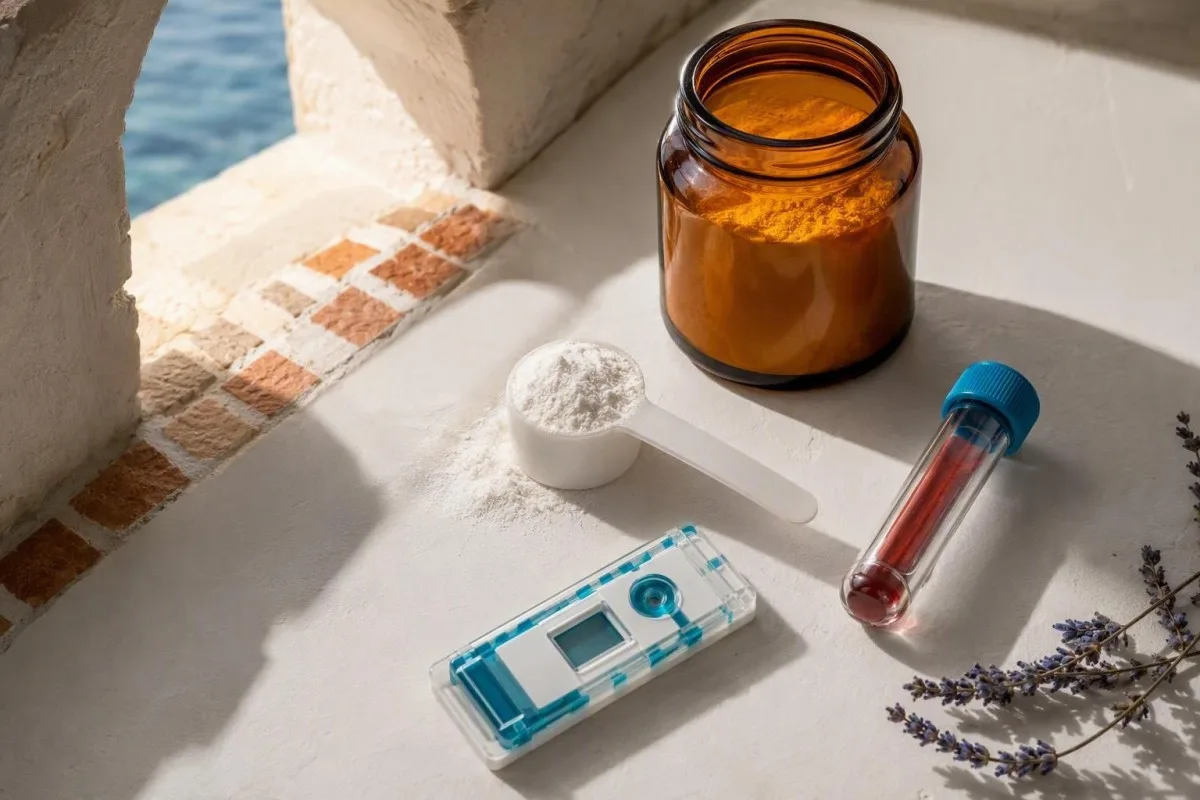
2021 CKD-EPI ක්රියේටිනින් සමීකරණය සෙරුම් ක්රියේටිනින්, වයස සහ ස්ත්රී පුරුෂ භාවය භාවිතා කරයි; එය සිහින් ස්කන්ධය, ප්රෝටීන් පරිභෝජනය, හෝ පුහුණු පරිමාව මනින්නේ නැත. එබැවින් 100 kg තරඟකාරී මලල ක්රීඩකයෙකුට සහ 100 kg ක Sedentary වැඩිහිටියෙකුට දිනපතා ක්රියේටිනින් උත්පාදනයෙන් ඉතා වෙනස් වුවද එකම eGFR ගැලපීමක් ලැබිය හැකිය.
බැක්ස්මන් සහ සගයන් සොයාගත්තේ සෙරුම් සහ මුත්රා ක්රියේටිනින් සිහින් ස්කන්ධය සහ ශාරීරික ක්රියාකාරකම් සමඟ සම්බන්ධ වී ඇති බවයි, අතර සිස්ටැටින් C එම සම්බන්ධතාවය නොපෙන්වූ බවයි (Baxmann et al., 2008). එම සොයාගැනීම සිස්ටැටින් C පරිපූර්ණ බව අදහස් නොකෙරේ, නමුත් එය මාංශපේශී රෝගියෙකු තුළ මම එය බොහෝ විට tie-breaker ලෙස භාවිතා කරන්නේ මන්දැයි පැහැදිලි කරයි.
කන්ටෙස්ටි යනු AI රුධිර පරීක්ෂණ විශ්ලේෂකය එය වයස, ස්ත්රී පුරුෂ භාවය, වාර්තා කරන ලද ක්රියාකාරකම්, ඖෂධ සන්දර්භය, සහ අසල ඇති වකුගඩු සලකුණු සමඟ ක්රියේටිනින් කියවන අතර තනි රතු පාට සලකුණක් ලෙස නඩු විභාගයක් ලෙස සැලකීම වෙනුවට. යූරියා සහ ක්රියේටිනින් අතර ජෛව රසායනික වෙනස සඳහා, අපගේ බලන්න BUN එදිරිව ක්රියේටිනින් සමාලෝචනය.
ක්රියේටීන් අතිරේක නිසා ක්රියේටිනින් ප්රතිඵලය ඉහළ යා හැකිද?
ක්රියේටීන් අතිරේක මගින් සේරම් ක්රියේටිනීන් වැඩි විය හැක, මන්ද අතිරේක ක්රියේටීන් වලින් කොටසක් ක්රියේටිනීන් බවට පරිවර්තනය වන අතර, මෙම වැඩිවීම ස්වයංක්රීයව වකුගඩු හානියක් නොවේ. දිනකට ග්රෑම් 3-5 ක් වන ක්රියේටීන් මොනෝහයිඩ්රේට් මාත්රාවන් සාමාන්ය වන අතර, පිළිතුර රඳා පවතින්නේ අතිරේකය පමණක් නොව, සමස්ත වකුගඩු රටාව මතය.

ක්රියේටීන් ගැනීම ආරම්භ කිරීමෙන් පසු ඉහළ ක්රියේටිනින් අගය, අතිරේකය වකුගඩු වලට හානි කර ඇති බව ඔප්පු කරන බවට පොදු වැරදි මතයක් පවතී. ක්රියේටිනින් යනු අතිරේක අණුවේ අවසාන නිෂ්පාදනයෙන් කොටසක් වන අතර, මධ්යස්ථ මාරුවක් විෂ වීම වෙනුවට විශ්ලේෂණාත්මක කායික විද්යාවක් විය හැකිය. ක්රියේටීන් එතිල් එස්ටර්, අඩු ස්ථායී වන අතර අවශෝෂණයට පෙර ක්රියේටිනින් බවට පරිවර්තනය විය හැකි බැවින්, විශාල පෙනෙන ඉහළ යාමක් ඇති කළ හැකිය.
රෝගීන්ට ඔවුන්ගේ වෛද්යවරයාගෙන් හෝ රසායනාගාර පෝරමයෙන් අතිරේක සඟවා නොගන්නා ලෙස මම උපදෙස් දෙමි. ටබ් එක හෝ එහි අමුද්රව්ය ලැයිස්තුවේ ඡායාරූපයක් ගෙන එන්න: සමහර පෙර-ව්යායාම නිෂ්පාදන ක්රියේටීන්, කැෆේන්, උත්තේජක, ස්ටෙරොයිඩ් නොවන ප්රති-ගිනි අවුලුවන drugs ෂධ, හෝ දුර්වල ලෙස සංලක්ෂිත එකතු කිරීම් සමඟ ඒකාබද්ධ කරයි, එම අමතර නිරාවරණයන් ක්රියේටීන් වලට වඩා වැදගත් විය හැකිය.
ප්රයෝජනවත් ප්රායෝගික අත්හදා බැලීමක් නම්, සාමාන්ය සජලනයෙන් පසුව සහ උපරිම පුහුණුවෙන් පැය 48-72 කට පසුව ක්රියේටිනින්, සිස්ටැටින් C, මුත්රා විශ්ලේෂණය සහ මුත්රා ACR නැවත නැවත පරීක්ෂා කිරීමයි; වෛද්ය උපදෙස් නොමැතිව නියමිත medicine ෂධ ගැනීම නවත්වන්න එපා. අපේ අතිරේක රසායනාගාර-ලඝු-මාර්ගෝපදේශය අර්ථවත් පෙර-සහ-පසුව සංසන්දනයක් වාර්තා කරන්නේ කෙසේද යන්න පැහැදිලි කරයි.
අතිරේකයෙන් පැහැදිලි කළ නොහැකි දේ
ඇල්බුමිනූරියා, මුත්රා වල රුධිරය, ඉහළ පොටෑසියම් හෝ අධි රුධිර පීඩනය සමඟ නව ඉහළ යන ක්රියේටිනින් ප්රවණතාවයක් ක්රියේටීන් විසින් ආරක්ෂිතව පැහැදිලි කළ නොහැක. එම සංයෝගයන්, දැඩි ලෙස පුහුණුණු පුද්ගලයෙකු තුළ පවා ඇගයීමක් අවශ්ය වේ, මන්ද මලල ක්රීඩා ගොඩනැගීම සහ වකුගඩු රෝගය එක්ව පැවතිය හැකිය.
දැඩි ව්යායාම නිසා කොපමණ කලක් ක්රියේටිනින් ඉහළ යා හැකිද?
දැඩි පුහුණුව මාංශ පේශි අළුත්වැඩියා කිරීම, දහඩිය-සම්බන්ධිත පරිමාව අහිමි වීම සහ වකුගඩු රුධිර ප්රවාහය වෙනස් වීම හරහා ක්රියේටිනින් තාවකාලිකව පැය 24-72 දක්වා ඉහළ නැංවිය හැකිය. මැරතන් තරගයක්, දැඩි ඩෙඩ්ලිෆ්ට් සැසියක්, සෝනා භාවිතය, හෝ දුර්වල තරල පරිභෝජනයෙන් පසු ගත් ප්රතිඵලය බොහෝ විට ස්ථාවර මූලික තත්ත්වයක දුර්වල ඇස්තමේන්තුවකි.
මම සමාලෝචනය කළ 52 හැවිරිදි විනෝදාංශ මැරතන් ධාවකයෙකුට කඳුකර තරගයක පසුදා උදෑසන ක්රියේටිනින් 132 µmol/L සහ CK 1,980 IU/L තිබූ අතර; සන්සුන්, හොඳින් සජලනය වූ දින 5 කට පසුව නැවත පරීක්ෂා කිරීමේදී ක්රියේටිනින් 96 µmol/L දක්වා අඩු විය. CK යනු මාංශ පේශි-එන්සයිම සන්දර්භය ඉඟියක් මිස වකුගඩු පරීක්ෂණයක් නොවේ, සහ කැපී පෙනෙන උන්නතාංශයන්ට තනි තනි ඇගයීමක් අවශ්ය වේ.
ව්යායාම-ආශ්රිත හීමොකොන්සෙන්ට්රේෂන් ඇල්බුමින්, හිමොග්ලොබින්, කැල්සියම් සහ මුළු ප්රෝටීන් ඉහළ පෙනුමක් ඇති කළ හැකිය. එම සමූහගත රටාව, හුදකලා නිදන්ගත වකුගඩු අක්රියතාවයට වඩා තාවකාලික තරල අහිමි වීමක ලක්ෂණයකි; අපගේ ලිපිය විජලනය ආශ්රිත වැරදි ලෙස ඉහළ අගයන් රටාව හඳුනා ගන්නේ කෙසේද යන්න පෙන්වයි.
සැලසුම්ගත මූලික රුධිර ගැනීමකට පෙර ව්යායාම මගහැරීම පරීක්ෂණයට වංචා කිරීමක් නොවේ. සාමාන්ය නිරීක්ෂණය සඳහා, මම සාමාන්යයෙන් පැය 48 ක් සඳහා අසාමාන්ය ලෙස වෙහෙස මහන්සි වී වැඩ කිරීම, සාමාන්යයෙන් ආහාර ගැනීම සහ ඇණවුම් කළ වෛද්යවරයා විසින් වෙනත් උපදෙස් ලබා දුන්නේ නම් මිස, ප්රමාණවත් තරම් ජලීයකරණය කර පැමිණීම නිර්දේශ කරමි. අපගේ වඩාත් සවිස්තරාත්මක ව්යායාම ක්රියේටිනින් නැවත පරීක්ෂණ සැලැස්ම බලන්න.
ක්රියේටිනින් මත පදනම් වූ eGFR කවදාද අඩු විශ්වාසදායක වන්නේ?
සාමාන්යයෙන් සාමාන්යයට වඩා දුරින් ඇති ක්රියේටිනින් නිෂ්පාදනය හෝ පරිභෝජනය, ඉහළ මාංශ පේශි ස්කන්ධය, ශල්යකර්මය, ඉතා අඩු මාංශ පේශි ස්කන්ධය, ක්රියේටීන් භාවිතය, මෑත මස් පරිභෝජනය, ගැබ් ගැනීම සහ තියුණු අසනීප ඇතුළුව, ක්රියේටීන් මත පදනම් වූ eGFR අඩු විශ්වාසදායක වේ. එය සෘජුවම මැනීමට වඩා ස්ථාවර-රාජ්ය පෙරීම තක්සේරු කරයි.
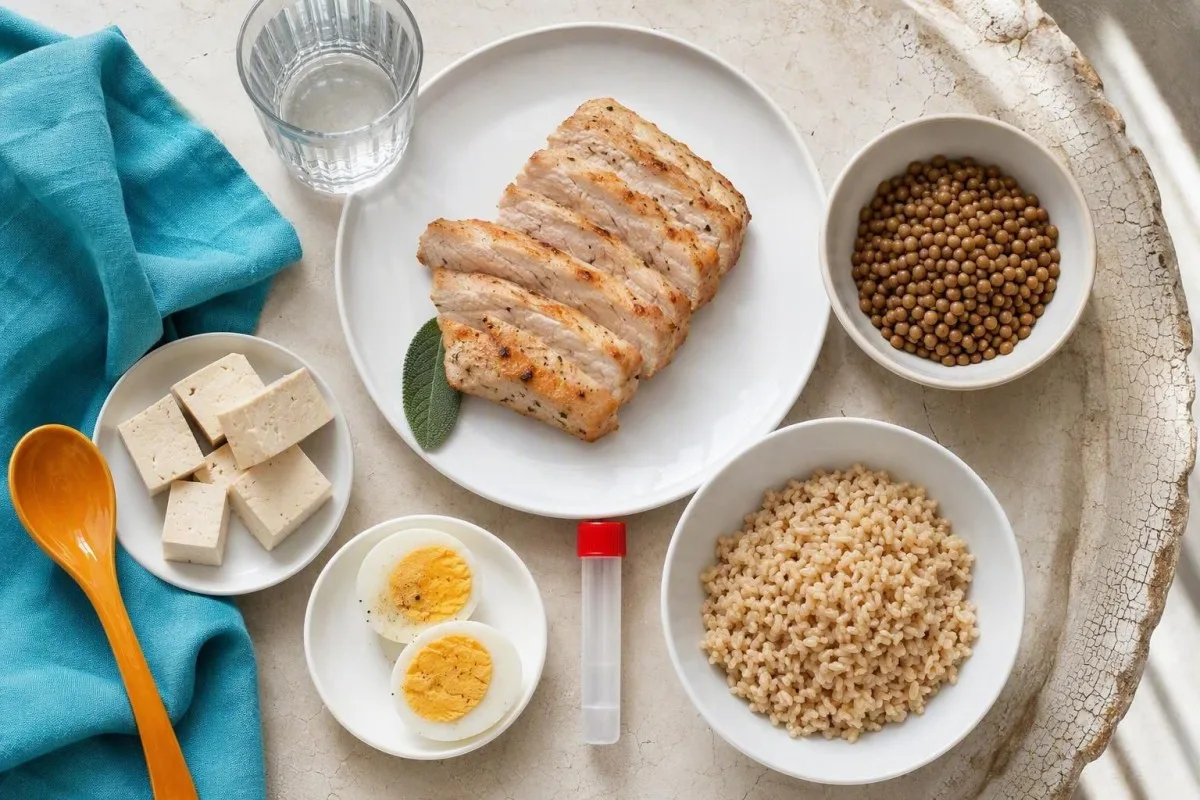
පිසූ මස් ආහාරයක් කෙටි කාලීන ක්රියේටිනින් වැඩිවීමක් ඇති කළ හැකිය, මන්ද ආහාර ක්රියේටීන් අවශෝෂණය වන බැවිනි; මෙය සමහර වෛද්යවරුන් උපවාස හෝ ප්රමිතිගත උදෑසන නැවත පරීක්ෂා කිරීමට කැමති වීමට එක් හේතුවකි. ඊට වෙනස්ව, ඉතා අඩු මාංශ පේශි ස්කන්ධයක් මුළා කරන අඩු ක්රියේටිනින් සහ පෙරීම අතිරේක කරන eGFR එකක් නිපදවිය හැකිය.
ගර්භණීභාවය එහිම ව්යතිරේකයකි: පෙරහනය ඉහළ යන විට ක්රියේටිනින් සාමාන්යයෙන් පහත වැටේ, එබැවින් ගර්භණී නොවන අය තුළ සාමාන්ය යැයි සැලකෙන ප්රතිඵලයක් ගර්භණීභාවය තුළ අවධානය යොමු කිරීමට සුදුසු විය හැකිය. ගර්භණී GFR මාර්ගෝපදේශය වැඩිහිටි ගැබ් නොගත් eGFR කාණ්ඩ මෙම සැකසුම තුළ අහඹු ලෙස යෙදිය යුතු නොවන හේතුව ආවරණය කරයි.
2024 KDIGO මාර්ගෝපදේශය නිර්දේශ කරන්නේ වැඩි නිරවද්යතාවයක් සායනික තීරණයකට බලපාන විට (KDIGO, 2024) ක්රියේටිනින් සහ සිස්ටැටින් C එකට භාවිතා කරන ලෙසයි. එය ඖෂධ මාත්රාව, විභව වකුගඩු පරිත්යාගය, හෝ 45-59 mL/min/1.73 m² හි ස්ථාවර eGFR සහ වෙනත් වකුගඩු හානි සලකුණු නොමැති මාංශපේශී වැඩිහිටියෙකුට අදාළ වේ.
කවදාද සිස්ටැටින් C, උාවේ ක්රියේටිනින් පැහැදිලි කරන්නේ?
සිස්ටැටින් C වඩාත් ප්රයෝජනවත් වන්නේ මාංශ පේශි ස්කන්ධයෙන් ක්රියේටිනින් වෙනස් විය හැකි අතර පිළිතුර කළමනාකරණය වෙනස් කළ හැකි විටය. ඒකාබද්ධ ක්රියේටිනින්-සිස්ටැටින් C eGFR සාමාන්යයෙන් වැඩිහිටියන් තුළ සැක සහිත පෙරහන් තක්සේරුවලට වඩා එක් සලකුණකට වඩා නිරවද්යතාවය වැඩි දියුණු කරයි.
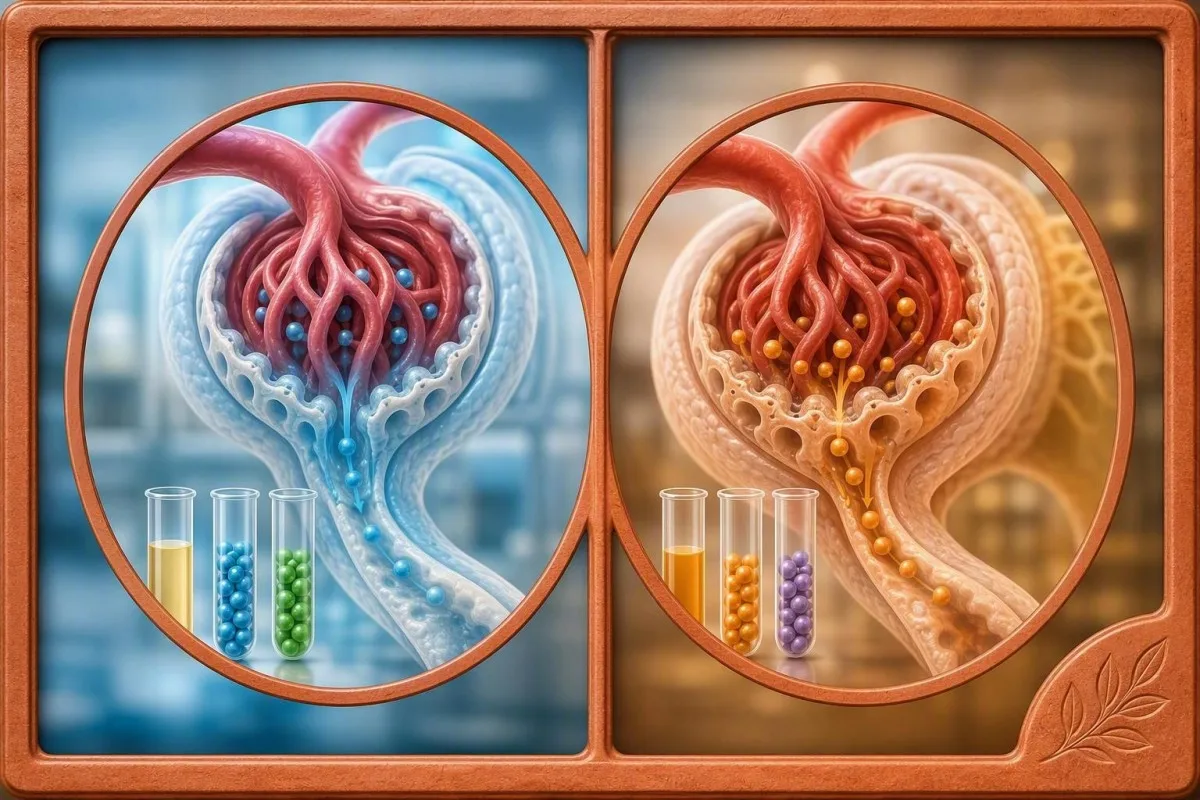
සිස්ටැටින් C යනු න්යෂ්ටික සෛල වලින් බොහොමයකින් නිපදවන සහ ග්ලෝමෙරුලස් හි පෙරහන් කරන කුඩා ප්රෝටීනයකි. එය ක්රියේටිනින් වලට වඩා මාංශ පේශි ස්කන්ධයෙන් අඩු බලපෑමක් ඇති කරයි, දුම්පානය, තරබාරුකම, තයිරොයිඩ් අක්රියාකාරිත්වය, පද්ධතිමය දැවිල්ල, සහ ග්ලූකෝකෝටිකොයිඩ් භාවිතය එයට බලපෑම් කළ හැකි වුවද, එබැවින් එය මායාවක සත්ය සෙරුමය නොවේ.
Inker et al. වාර්තා කළේ ඒකාබද්ධ ක්රියේටිනින්-සිස්ටැටින් C සමීකරණය මනින ලද GFR (Inker et al., 2012) හා සසඳන විට තනි සලකුණක් භාවිතා කරන සමීකරණවලට වඩා නිරවද්ය බවයි. පුරුද්දේදී, එකඟ වන eGFR අගයන් විශ්වාසය ශක්තිමත් කරයි; එකඟ නොවන අගයන් අපට වඩාත් සැනසිලිදායක සංඛ්යාව තෝරා ගැනීමට වඩා සලකුණු එකඟ නොවන හේතුව විමර්ශනය කිරීමට අපට කියයි.
Kantesti’s AI රුධිර පරීක්ෂණ ප්රතිඵල වේදිකාව ක්රියේටිනින්-සිස්ටැටින් C නොගැලපීම හඳුනාගෙන මාංශ පේශි ස්කන්ධය, අතිරේක, තයිරොයිඩ් තත්වය සහ ඖෂධ පිළිබඳ වෛද්ය සංවාදයක් දිරිමත් කළ හැකිය. පාඨකයන්ට අප සමඟ ගැඹුරට යා හැකිය සිස්ටැටින් C ප්රතිඵල මඟපෙන්වීම.
මුත්රාවල ACR බොහෝ දෙනා සිතනවාට වඩා වැදගත් වන්නේ ඇයි?
මුත්රා ඇල්බියුමින්-ක්රියේටිනින් අනුපාතය, හෝ ACR, eGFR සංරක්ෂණය කර ඇති විට පවා වකුගඩු හානිය සංඥා කළ හැකි ඇල්බියුමින් කාන්දුව අනාවරණය කරයි. 3 mg/mmol (30 mg/g) ට වඩා අඩු ACR සැනසිලිදායක වන අතර, 3 mg/mmol හෝ ඊට වැඩි ස්ථාවර ACR නිවැරදි සායනික පසුබිම තුළ අනුගාමිකාව අවශ්ය වේ.
ඇල්බියුමිනූරියා මායිම් ක්රියේටිනින් ප්රතිඵලයක අර්ථය වෙනස් කරයි. 120 µmol/L ක්රියේටිනින්, ස්ථාවර eGFR 67 mL/min/1.73 m², සාමාන්ය රුධිර පීඩනය, ඍණාත්මක මුත්රා ඩිප්ස්ටික්, සහ ACR 0.6 mg/mmol සහිත මාංශපේශී පුද්ගලයෙකුට ACR 12 mg/mmol සහිත අයෙකුගෙන් ඉතා වෙනස් අවදානම් පැතිකඩක් ඇත.
අධික ව්යායාම, උණ, මුත්රා ආසාදනය, පාලනය කළ නොහැකි රුධිර පීඩනය, දරුණු හයිපර්ග්ලයිසිමියාව, සහ ඔසප් වීම මගින් මුත්රා ඇල්බියුමින් තාවකාලිකව ඉහළ නැංවිය හැකිය. KDIGO තහවුරු කිරීම සඳහා හැකි නම් පළමු උදෑසන නියැදිය භාවිතා කිරීම නිර්දේශ කරයි, මන්ද මුල් නියැදිය ඉරියව් සහ ව්යායාම විචලනය අඩු කරන බැවිනි (KDIGO, 2024).
ඩිප්ස්ටික් යනු ප්රමාණාත්මක ACR සඳහා ආදේශකයක් නොවේ: එය මද වශයෙන් වැඩි වූ ඇල්බියුමින් බැහැර කිරීම මග හැරිය හැක. අප සමඟ නිසි ලෙස සූදානම් වන්න ACR එකතු කිරීමේ චෙක් ලැයිස්තුව, සහ අපගේ මාර්ගෝපදේශයෙහි පවතින බුබුලු වෙන වෙනම සමාලෝචනය කරන්න පෙන සහිත මුත්රා හේතු.
ඔබ විසින් ක්රියේටිනින්, පැනලයේ ඉතිරි කොටස සමඟ කියවිය යුත්තේ කෙසේද?
ක්රියේටිනින් ඊGFR, යූරියා හෝ BUN, පොටෑසියම්, බයිකාබනේට්, මුත්රා ACR, මුත්රා විශ්ලේෂණය, රුධිර පීඩනය සහ කාලයත් සමඟ සිදුවන වෙනස්වීම් වල දිශාව සමඟ කියවිය යුතුය. කිහිපයක් ස්වාධීන සලකුණු එකම දිශාවට යොමු කරන විට වකුගඩු අවදානම වඩාත් විශ්වාසදායක වේ.
ඉහළ යූරියා-ක්රියේටිනින් අනුපාතය විජලනය, ආමාශ ආන්ත්ර ආබාධ, අධික ප්රෝටීන් පරිභෝජනය, හෝ කැටබොලිස්ම් වැඩි වීමත් සමඟ සිදුවිය හැකිය; එය පිරිසිදු වකුගඩු-හානි ලකුණු නොවේ. අඩු බයිකාබනේට්, ඉහළ පොටෑසියම්, සහ පොස්පේට් වැඩි වීම, රටාව පවතී නම්, අඩු වකුගඩු බැහැර කිරීමේ හැකියාවට සහාය විය හැකි නමුත්, ඒ සෑම එකක් සඳහාම වකුගඩු නොවන හේතුද ඇත.
මුත්රා විශ්ලේෂණය ඊGFR සැපයිය නොහැකි තොරතුරු එකතු කරයි. ප්රෝටීන්, රතු රුධිර සෛල, ඩිස්මෝර්ෆික් රතු රුධිර සෛල, සුදු රුධිර සෛල, ග්ලූකෝස්, හෝ කැස්ට් ග්ලෝමියුලර් රෝග, ගල්, ආසාදන, දියවැඩියාව, හෝ ඖෂධීය බලපෑම් වෙත රෝග විනිශ්චය යොමු කළ හැකිය. අපගේ මුත්රා විශ්ලේෂණ දළ විශ්ලේෂණය ඒවා අධික ලෙස අර්ථකථනය නොකර එම සොයාගැනීම් පැහැදිලි කිරීමට උපකාරී වේ.
කන්ටෙස්ටි යනු AI මගින් බලගැන්වූ රුධිර පරීක්ෂණ විශ්ලේෂණ මෙවලම වාර්තා හරහා වකුගඩු-ආශ්රිත අගයන් සංසන්දනය කරන, මන්ද ඊGFR 92 සිට 70 දක්වා වූ වෙනසක්, 70ක තනි අගයකට වඩා වැදගත් විය හැකිය. අපගේ සමාලෝචන ක්රියාවලියේදී, ප්රවණතා වෛද්ය තක්සේරුව සඳහා වන ඇඟවීම් මිස රෝග විනිශ්චය වෙනුවට කිසිදාක නොවේ.
හමුවීමක් සඳහා ගෙන ඒමට ප්රයෝජනවත් රටාවක්
අවම වශයෙන් පෙර ක්රියේටිනින් ප්රතිඵල දෙකක්, රසායනාගාර ඒකක, දිනයන්, පුහුණු හෝ අසනීප සටහන්, ඖෂධ ලැයිස්තුවක්, නිවසේ රුධිර පීඩන කියවීම්, සහ ඕනෑම මුත්රා ප්රතිඵලයක් ගෙන එන්න. මෙම කුඩා කාලරේඛාව බොහෝ විට අගය ස්ථාවරද, තාවකාලිකද, හෝ සැබවින්ම වෙනස් වෙමින් පවතීද යන්න පැහැදිලි කරයි.
උාවේ ක්රියේටිනින් කවදාද නිදන්ගත වකුගඩු රෝගයක් ලෙස සලකන්නේ?
සීමාවාසික ක්රියේටිනින් ප්රතිඵලයක් නිදන්ගත වකුගඩු රෝගයක් ලෙස සැලකෙන්නේ අඩු ඊGFR හෝ වකුගඩු හානියේ වෙනත් සලකුණක් අවම වශයෙන් මාස 3ක් සඳහා පවතී නම් පමණි. පුහුණුව, විජලනය, හෝ අන්තර්-ව්යාධි අසනීපයකින් පසු එක් ක්රියේටිනින් ප්රතිඵලයකින් CKD රෝග විනිශ්චය නොකෙරේ.
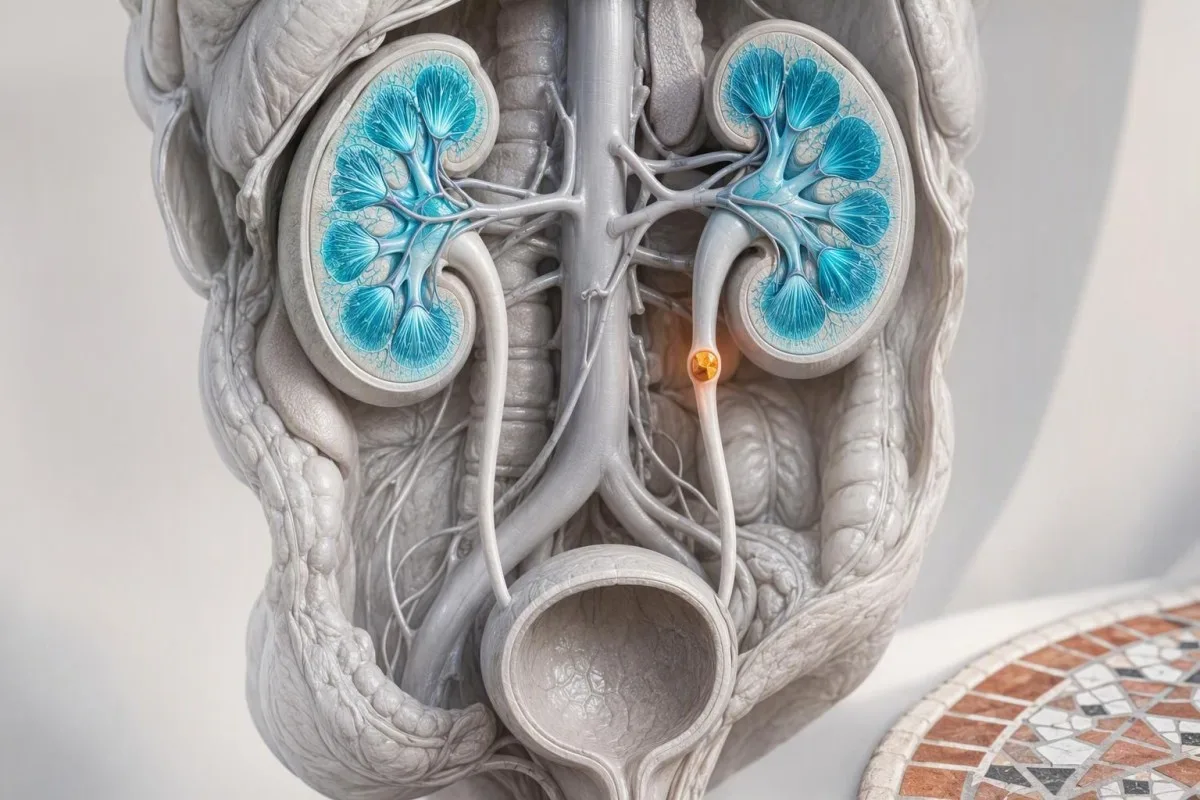
KDIGO ඊGFR 60-89 mL/min/1.73 m² G2 ලෙස වර්ගීකරණය කරයි, නමුත් ඇල්බුමිනුරියා, ව්යුහාත්මක අසාමාන්යතා, හෝ මුත්රා අවක්ෂේපයේ වෙනස්කම් වැනි වකුගඩු හානියක් නොමැතිව G2 පමණක් CKD නොවේ. මෙම සියුම් වෙනස වැදගත් ය: හොඳ, මාංශපේශී වැඩිහිටියෙකුගේ 74ක ඊGFR සාමාන්ය වෙනස්වීමක් විය හැකිය.
අවම වශයෙන් 90 දිනක් වෙන් කරන ලද මිනුම් දෙකකදී 60 mL/min/1.73 m² ට වඩා අඩු ඊGFR සාමාන්යයෙන් CKD සඳහා වන පෙරහන් නිර්ණායක සපුරාලයි, උග්ර හේතු බැහැර කර ඇතැයි උපකල්පනය කරයි. CKD අවස්ථා පැහැදිලි කිරීම ඊGFR සහ ACR කාණ්ඩ එකිනෙකට තරඟ කරනවා වෙනුවට එකට ක්රියා කරන ආකාරය පෙන්වයි.
මම මෙහි හිතාමතාම පරෙස්සම් වෙමි. මුල් වකුගඩු රෝග ඇති සමහර පුද්ගලයන්ට අඩු මාංශ පේශි ස්කන්ධයක් ඇති නිසා සාමාන්ය ක්රියේටිනින් ඇත, අනෙක් අතට මලල ක්රීඩකයන්ට අධික ක්රියේටිනින් සහ නිරෝගී වකුගඩු ඇත; රසායනාගාර අගය දෙපැත්තටම සායනික සන්දර්භය අවශ්ය වේ.
මාංශපේශී වැඩිහිටියෙකු විසින් ක්රියේටිනින් ගැන කවදා බිය විය යුතුද?
මාංශපේශී වැඩිහිටියන් කනස්සල්ලට පත්විය යුත්තේ ක්රියේටිනින් ඉක්මනින් ඉහළ යන විට, පාලිත නැවත පරීක්ෂණයකින් පසු අසාමාන්යව පවතින විට, හෝ ඇල්බුමිනුරියා, මුත්රා වල රුධිරය, අධි රුධිර පීඩනය, අසාමාන්ය පොටෑසියම්, හෝ රෝග ලක්ෂණ සමඟ පෙනී සිටින විටය. මාංශ පේශි ස්කන්ධය පරීක්ෂා කිරීමට වන පැහැදිලි කිරීමකි, වකුගඩු තක්සේරුවෙන් ජීවිත කාලය පුරා නිදහස් කිරීමක් නොවේ.
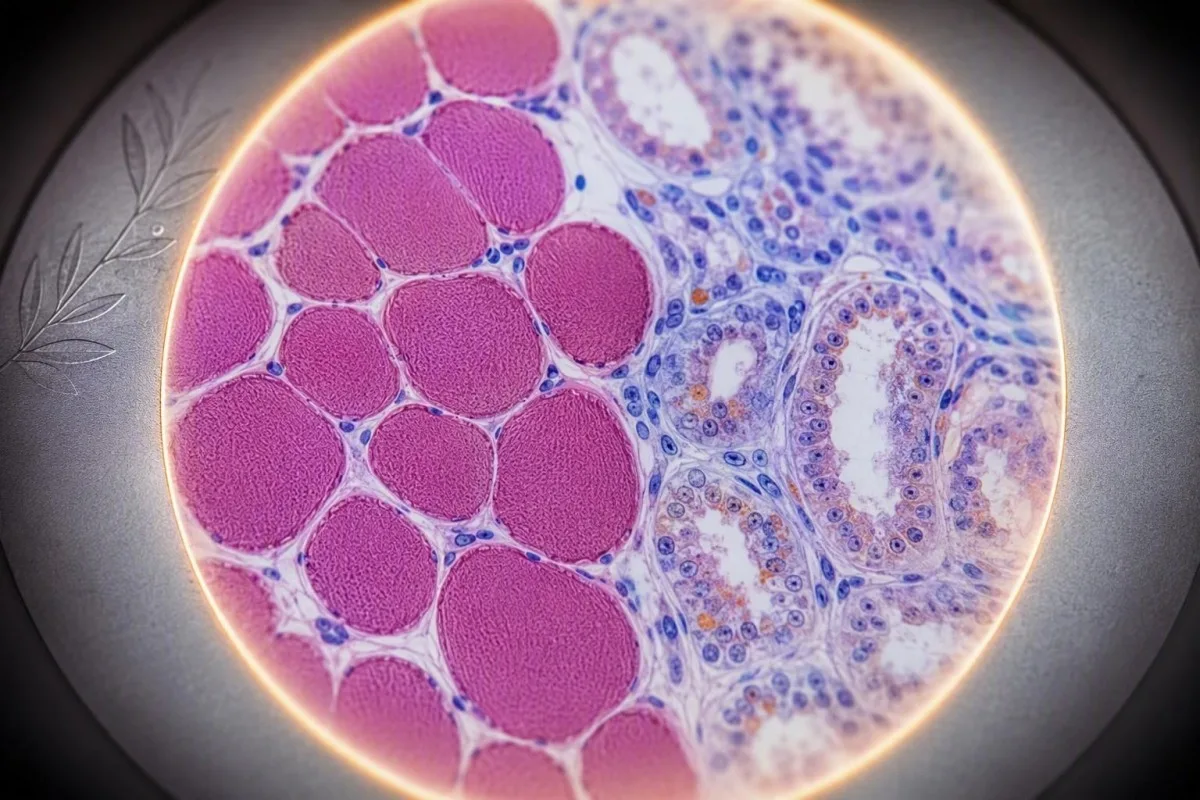
දිනපතා වෛද්ය උපදෙස් සොයන්න: මුත්රා පිටවීම අඩුවීම, නව කකුල් හෝ මුහුණේ ඉදිමීම, හුස්ම හිරවීම, ව්යාකූලත්වය, පවතින වමනය, හෝ දන්නා විට 48 පැය ඇතුළත අවම වශයෙන් 26.5 µmol/L කින් ක්රියේටිනින් වැඩිවීම. තාප අසනීප, දරුණු පාචනය, තලා දැමීමේ තුවාල, හෝ අඳුරු කෝලා-වර්ණ මුත්රා සහිත අධික ව්යායාමයකින් පසු හදිසි තක්සේරුව විශේෂයෙන් වැදගත් වේ.
Rhabdomyolysis දුර්ලභ නමුත් පුහුණු ප්රජාවට අදාළ වේ. අධික ව්යායාමයකින් පසු දරුණු මාංශ පේශි වේදනාව, දුර්වලතාවය, ඉදිමීම, හෝ අඳුරු මුත්රා, ඉහළ CK සමඟ, පොටෑසියම්, ක්රියේටිනින්, කැල්සියම්, පොස්පේට්, සහ මුත්රා සොයාගැනීම් සඳහා හදිසි පරීක්ෂණ අවශ්ය විය හැකිය; අපගේ CrossFit rhabdo අනතුරු ඇඟවීමේ මාර්ගෝපදේශය අනතුරු ඇඟවීමේ රටාව ආවරණය කරයි.
ස්ටෙරොයිඩ් නොවන ප්රති-ගිනි අවුලුවන drugs, ACE inhibitors, ARBs, diurestics, trimethoprim, lithium, සහ ශරීර ගොඩනැගීමේ සංයෝග කිහිපයක් ක්රියේටිනින් හෝ වකුගඩු වල රුධිර සංසරණය වෙනස් කළ හැකිය. යෙදුමක් හෝ තනි ප්රතිඵලයක් කනස්සල්ලට හේතුවක් වන බැවින් නියමිත ඖෂධයක් ගැනීම කිසි විටෙකත් නවත්වන්න එපා - එය නියම කළේ මන්දැයි දන්නා නියම කරන්නාගෙන් අසන්න.
මලල ක්රීඩකයින් සහ ලෑල්ල සඳහා හොඳම නැවත පරීක්ෂණ සැලැස්ම කුමක්ද?
සංවේදී නැවත පරීක්ෂණ සැලැස්මක් ස්ථායрый තත්වයන් භාවිතා කරයි: සාමාන්ය ආහාර සහ ද්රව, පැය 48-72 තුළ අසාමාන්ය දැඩි ව්යායාමයක් නැත, මත්පැන් පානයක් නැත, සහ ලේඛනගත අතිරේක ලැයිස්තුවක්. එහි අරමුණ වඩා හොඳ අංකයක් බලෙන් ලබා ගැනීම නොවේ; එය නියෝජිත අංකයක් මැනීමයි.

සීමාවක පැවති නමුත් හදිසි නොවන ප්රතිඵලයක් සඳහා, මම සාමාන්යයෙන් 1-4 සති තුළදී eGFR, cystatin C, මුත්රා විශ්ලේෂණය, මුත්රා ACR, ඉලෙක්ට්රෝලයිට් සහ රුධිර පීඩනය නැවත ක්රියේටිනින් සාකච්ඡා කරමි, එය වෙනසේ විශාලත්වය සහ අවදානම් සාධක අනුව සකස් කර ඇත. දියවැඩියාව, අධි රුධිර පීඩනය, දන්නා හෘද රෝග හෝ පවුල් වකුගඩු රෝග ඇති පුද්ගලයෙකුට කලින් සමාලෝචනයක් අවශ්ය විය හැකිය.
පරීක්ෂා කිරීමට පෙර ජලය අධික ලෙස පානය නොකරන්න. අතිරික්ත තරලය ක්රියේටිනින් සාන්ද්රණය සහ සෝඩියම් අඩු කළ හැකිය, එය වෙනත් වැරදි ප්රතිඵලයක් නිර්මාණය කරයි; කහ පැහැති මුත්රා සහ සාමාන්ය පිපාසයෙන් මඟ පෙන්වන පරිභෝජනය සාමාන්යයෙන් වීරත්ව ජල අභියෝගයකට වඩා ප්රයෝජනවත් වේ. අපේ විජලනයෙන් පසු GFR ලිපිය ප්රතිවිරුද්ධ ගැටලුව පැහැදිලි කරයි.
රසායනාගාරයේ දිනයට යාබදව අවසන් දැඩි සැසිය, සෝනා නිරාවරණය, පාචනය, උණ, නිරාහාරව සිටීම, නව ප්රෝටීන් කුඩු, ක්රියේටින් මාත්රාව සහ ප්රති-ගිනි අවුලුවන භාවිතය වාර්තා කරන්න. Kantesti's trend tools මෙම සන්දර්භය වාර්තා පුරා ආරක්ෂා කිරීමට නිර්මාණය කර ඇත, එය වෛද්යවරයෙකුගේ සමාලෝචනය වඩාත් කාර්යක්ෂම කරයි.
ප්රෝටීන් පරිභෝජනය සහ මස් ආහාර ක්රියේටිනින් වලට බලපාන්නේද?
විශාල පිසූ මස් ආහාරයක් තාවකාලිකව සෙරුම් ක්රියේටිනින් වැඩි කළ හැකි අතර, සාමාන්ය ඉහළ ප්රෝටීන් ආහාර ගැනීම යූරියාට ක්රියේටිනින් වලට වඩා කැපී පෙනෙන ලෙස බලපෑ හැකිය. ආහාර පමණක් ස්ථාවර අසාමාන්ය වකුගඩු රටාවක් බැහැර කිරීමට භාවිතා නොකළ යුතු නමුත්, පරීක්ෂණයට පෙර ආහාර සීමාවේදී වැදගත් විය හැකිය.
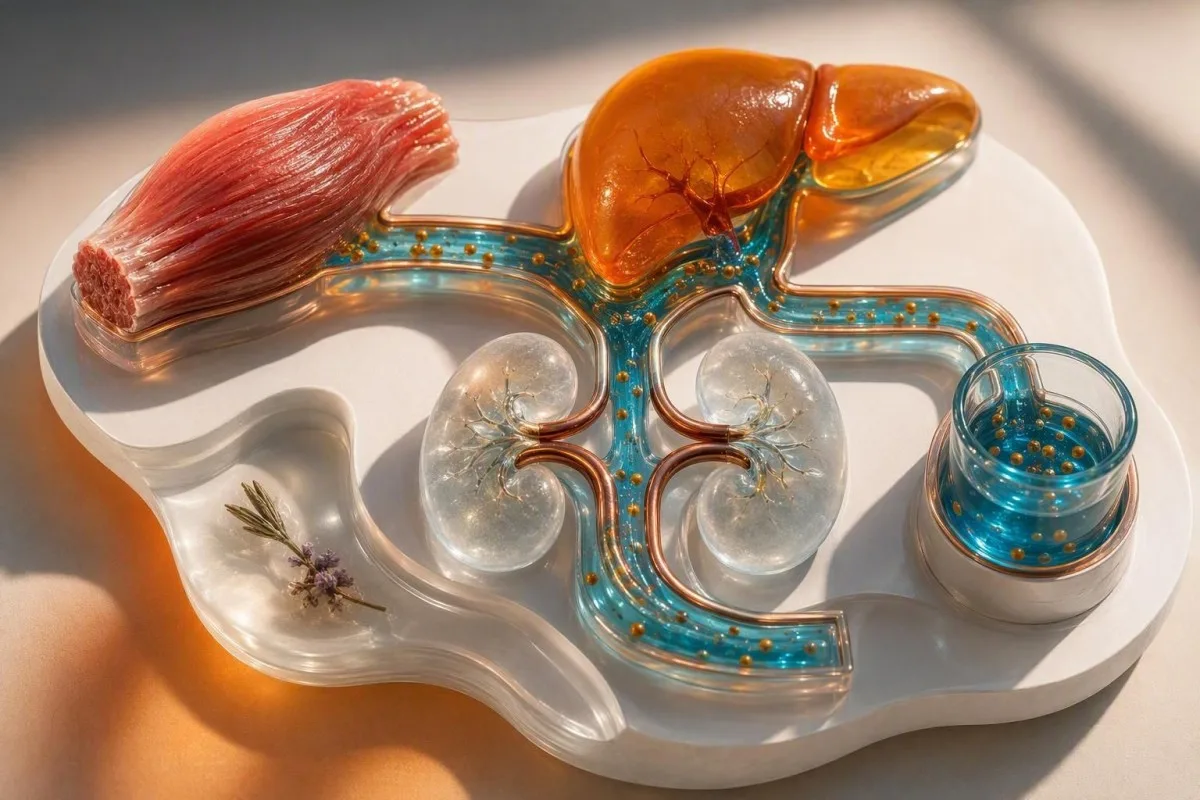
පිසූ මස් වලින් ලැබෙන ක්රියේටිනින් අවශෝෂණය වන අතර ආහාර ගැනීමෙන් පසු පැය කිහිපයක් සඳහා සෙරුම් ප්රතිඵලය වැඩි කළ හැකිය. වෛද්යවරයෙකු සීමාවක පැවති ප්රතිඵලයක් පරීක්ෂා කරන්නේ නම්, සාමාන්ය රාත්රී නිරාහාරයෙන් පසු උදෑසන ලබා ගැනීම හෝ නියත ලේඛනගත ආහාර රටාවක් මෙම මගහැරිය හැකි වෙනස අඩු කරයි.
athletes මගින් සාමාන්යයෙන් 1.2-2.0 g/kg/day පමණ ප්රෝටීන් පරිභෝජනය භාවිතා කරයි, නමුත් CKD තහවුරු වූ විට වකුගඩු-ආහාර උපදෙස් තනි තනිව සැකසිය යුතුය. පරීක්ෂණයකට පෙර ප්රෝටීන් අඩු කිරීම සැබෑ ලෝකයේ මූලික රේඛාව යටපත් කළ හැකි අතර පුහුණුව හෝ සුවය සඳහා හානිකර විය හැකිය.
යූරියා සහ ක්රියේටිනින් විවිධ ප්රශ්න වලට පිළිතුරු දෙයි. ඒවායේ අනුපාතය සහ එහි සීමාවන් පිළිබඳ තාක්ෂණික පැහැදිලි කිරීමක් සඳහා, අපගේ BUN-ක්රියේටිනින් අනුපාත මාර්ගෝපදේශය; කියවන්න; එය විශේෂයෙන් ප්රයෝජනවත් වන්නේ ඉහළ ප්රෝටීන් ආහාර හෝ විජලනය අර්ථ නිරූපණයට සංකීර්ණ වන විටය.
කුමන ඖෂධ සහ තත්වයන් වකුගඩු ගැටලුවක ස්වරූපය ගත හැකිද?
ඖෂධ කිහිපයක් සැබෑ GFR සෘජුවම අඩු නොකර ක්රියේටිනින් වැඩි කළ හැකි අතර අනෙක් ඒවා වකුගඩු පෙරැවුම්කම අඩු කළ හැකිය හෝ සැබෑ තුවාල ඇති කළ හැකිය. Trimethoprim සහ cimetidine ටියුබල් ක්රියේටිනින් ස්රාවය වීම වළක්වා ගත හැකිය, එය සමාන පෙරැවුම්කම අඩුවීමකින් තොරව ඉහළ සෙරුම් ක්රියේටිනින් නිපදවයි.
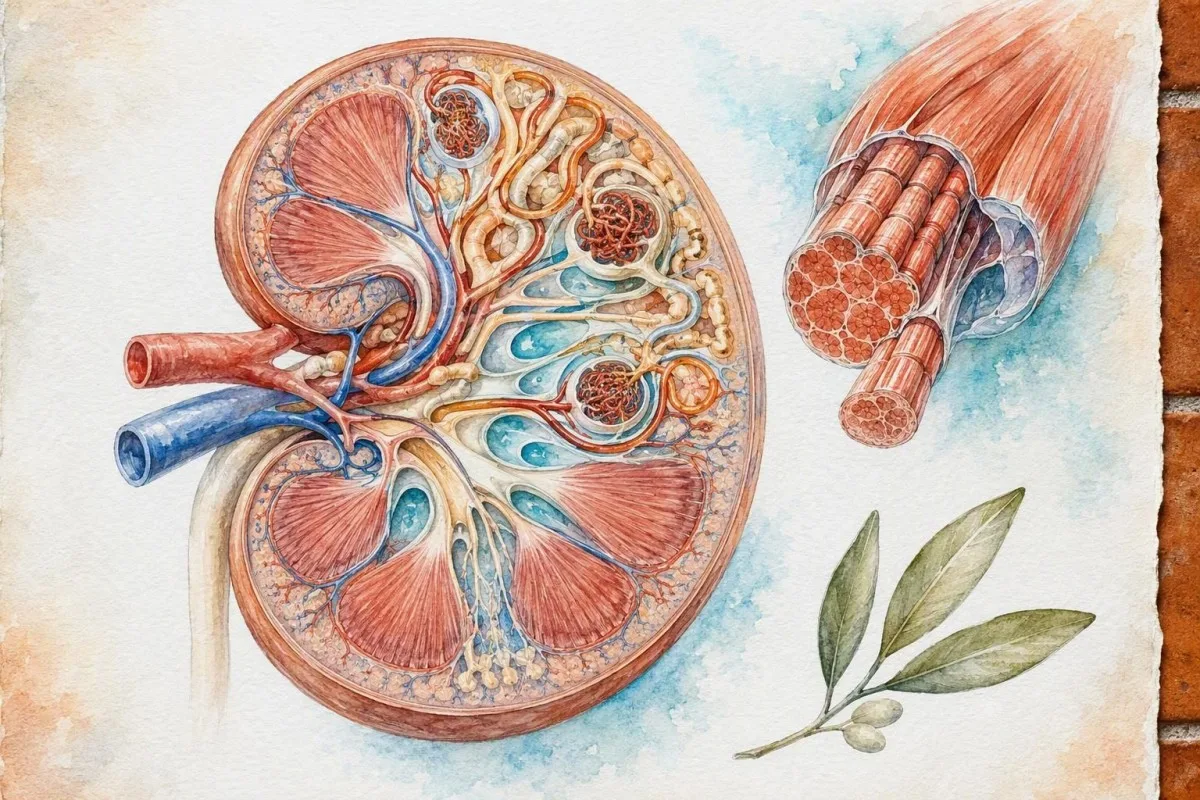
ACE inhibitors සහ ARBs ඒවා ග්ලෝමෙරුලස් තුළ පීඩනය වෙනස් කරන බැවින්, ආරම්භ කිරීමෙන් පසු කුඩා මුල් ක්රියේටිනින් නැගීමක් ඇති කළ හැකිය; මෙම බලපෑම විශාලත්වය, කාලය, පොටෑසියම්, පරිමාව තත්ත්වය සහ ප්රතිකාර සඳහා හේතුව මත රඳා පවතී. නියම කරන්නන් මෙම ඖෂධ ආරම්භ කිරීමෙන් හෝ සකස් කිරීමෙන් පසු සාමාන්යයෙන් වකුගඩු ක්රියාකාරිත්වය සහ පොටෑසියම් නැවත පරීක්ෂා කරයි.
තයිරොයිඩ් රෝගය මාර්කර් දෙකම සංකීර්ණ කළ හැකිය: හයිපෝතයිරොයිඩවාදය ක්රියේටිනින් වැඩි කළ හැකි අතර, තයිරොයිඩ් තත්වය cystatin C ද වෙනස් කළ හැකිය. දරුණු ආසාදනය, හෘදයාබාධ, ගලක් හෝ විශාල වූ පුරස්ථි ග්රන්ථියකින් අවහිර වීම සහ ස්වයං ප්රතිශක්තිකරණ රෝගයක් සඳහා 'වකුගඩු පිරිසිදු කිරීමක්' වෙනුවට ඒවායේම ඉලක්කගත තක්සේරුවක් අවශ්ය වේ.'
ආචාර්ය තෝමස් ක්ලයින්, ඖෂධ නොවන NSAIDs සහ කසායම් නිෂ්පාදන ඇතුළුව, සෑම නොවිසඳුණු ක්රියේටිනින් වෙනසක් සඳහාම ඖෂධවේදියෙකුගේ ගුණාත්මක ඖෂධ සුසංයෝජනයක් නිර්දේශ කරයි. අපේ ඖෂධ සුරක්ෂිතා ප්රවනතා මාර්ගෝපදේශය ලේඛනගත කිරීම වටිනා ප්රතිඵල වෙනස්කම් ලැයිස්තුගත කරයි.
Kantesti විසින් උාවේ ක්රියේටිනින් සන්දර්භගත කරන්නේ කෙසේද?
Kantesti eGFR, වයස, වාර්තා කරන ලද ලිංගභේදය, පෙර අගයන්, යූරියා, ඉලෙක්ට්රෝලයිට්, මුත්රා මාර්කර්, සහ ප්රකාශිත සෞඛ්ය සන්දර්භයට එරෙහිව ප්රතිඵලය පරීක්ෂා කිරීමෙන් සීමාවක පැවති ක්රියේටිනින් අර්ථකථනය කරයි. එය රටා පැහැදිලි කළ හැකි අතර අනුගමනය කිරීම් දිරිමත් කළ හැකි නමුත්, එය වකුගඩු රෝගය හඳුනා ගත නොහැකි අතර හදිසි වෛද්ය ප්රතිකාර සඳහා ආදේශ කළ නොහැක.
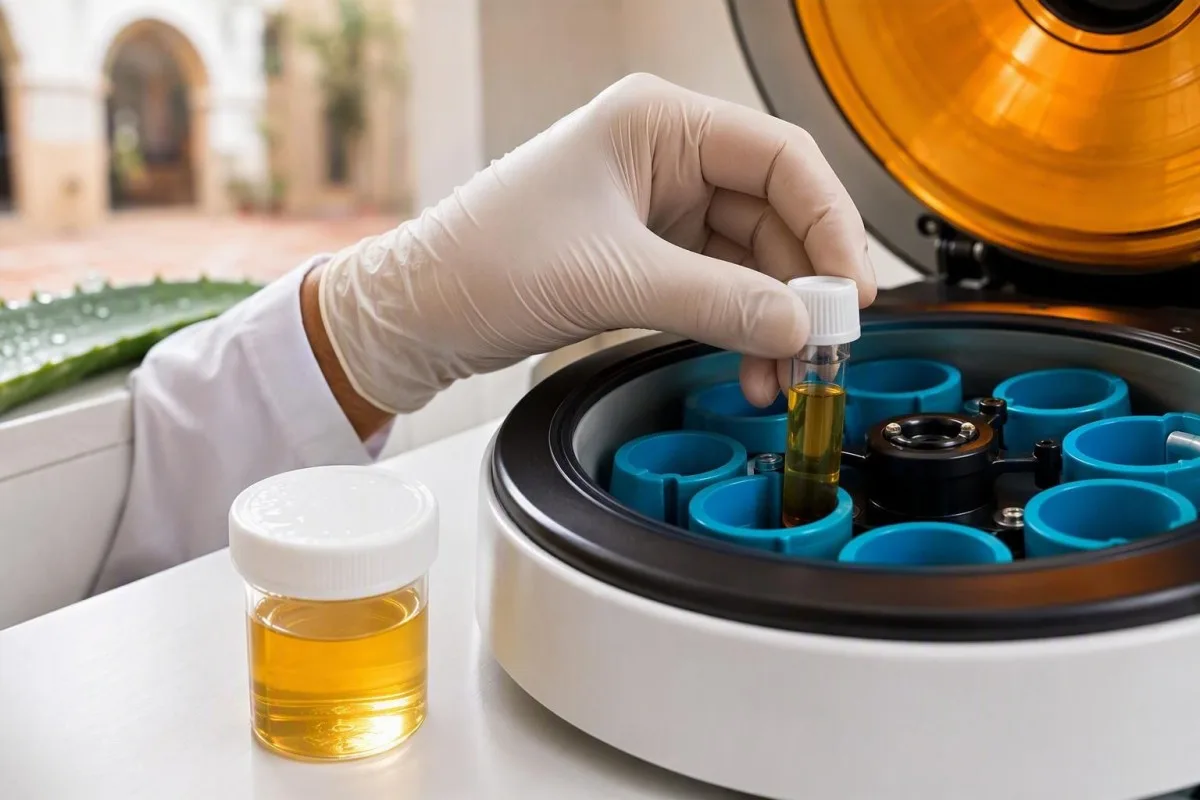
කන්ටෙස්ටි යනු AI රසායනාගාර පරීක්ෂණ අර්ථකථන සේවාව රසායනාගාර භාෂාව වෛද්යවරයෙකු සඳහා ව්යුහගත ප්රශ්න බවට පරිවර්තනය කිරීම සඳහා ගොඩනගා ඇත: මෙය අලුත්ද? දැඩි පුහුණුවක් තිබුණාද? මුත්රා ACR සාමාන්යද? cystatin C ඖෂධ හෝ යොමු කිරීමේ තීරණයක් වෙනස් කරයිද? එය එක අංකයකින් රතු කඩතුරාවක් benign හෝ භයානක ලෙස ප්රකාශයට පත් කිරීමට වඩා ප්රයෝජනවත් වේ.
අපගේ වේදිකාව PDF හෝ ඡායාරූප වාර්තා සමාලෝචනය සහ ප්රවනතා සංසන්දනය විනාඩි 60 ක් පමණ තුළදී අනුග්රහය දක්වන අතර, රහස්යතා-අවධානයෙන් යුත් හැසිරවීම සහ මානව වෛද්ය අධීක්ෂණය ක්රියාවලියේ කොටසක් ලෙස පවතී. මෙම ආරක්ෂාවන් පිටුපස ඇති ක්රමවේදය අපගේ වෛද්ය සනාථ කිරීමේ දළ විශ්ලේෂණය සඳහා මූලික වේ.
රටාවට අක්රීය ක්රියේටිනින් නැගීමක්, හයිපර්කලේමියාව, සැලකිය යුතු ඇල්බුමිනූරියා, හෝ කරදරකාරී රෝග ලක්ෂණ ඇතුළත් වන්නේ නම්, සුදුසු ප්රතිදානය වන්නේ තවත් ස්වයං-පරීක්ෂණයක් නොව, කඩිනම් වෛද්ය ප්රතිකාරයකි. මෙම ප්රවේශය පිටුපස සිටින වෛද්ය කණ්ඩායම තේරුම් ගැනීමට කැමති පාඨකයින්ට සමාලෝචනය කළ හැකිය වෛද්ය උපදේශක මණ්ඩලය.
උාවේ ප්රතිඵලයක් ගැන ඔබේ වෛද්යවරයාගෙන් ඔබ ඇසිය යුතු ප්රශ්න මොනවාද?
මගේ මාංශ පේශි ස්කන්ධය, මෑත පුහුණුව, ආහාර, හෝ අතිරේක ක්රියේටිනින් මත පදනම් වූ eGFR මගේ පෙරීම අඩුවෙන් ඇස්තමේන්තු කිරීමට හේතු විය හැකිද, සහ අපි සිස්ටැටින් C සහ මුත්රා ACR පරීක්ෂා කළ යුතුද? මෙය ප්රතිඵලය හානිකර යැයි උපකල්පනය නොකර පැහැදිලි කිරීමක් ඉල්ලා සිටී.
ප්රතිඵලය උග්ර වකුගඩු තුවාලයක නිර්ණායක සපුරන්නේද, එය ඔබේ පෙර ශේෂයට වඩා ද්රව්යමය වශයෙන් වෙනස් වේද, සහ මුත්රා, රුධිර පීඩනය, හෝ ඉලෙක්ට්රෝලයිට් අසාමාන්යතා තිබේදැයි විමසන්න. රසායනාගාරය 2021 CKD-EPI සමීකරණය භාවිතා කළේද සහ ඒකාබද්ධ ක්රියේටිනින්-සිස්ටැටින් C eGFR කළමනාකරණය වෙනස් කරයිදැයි විමසන්න.
සැප්තැම්බර් 9, 2026 වන විට, වඩාත්ම ආරක්ෂා කළ හැකි ප්රවේශය වන්නේ ශාරීරික යෝග්යතාවය මත පදනම් වූ එකක් මිස, අවදානම් මත පදනම් වූ එකක් ලෙස පවතී: 60 mL/min/1.73 m² ට පහළින් ඇති eGFR, mmol/L 3 ට සමාන හෝ ඊට වැඩි ACR, හෝ පැහැදිලි ඉහළ යන ක්රියේටිනින් ප්රවණතාවය, ජිම් ඉතිහාසය නොසලකා තක්සේරු කිරීම වටී. අනෙක් අතට, සාමාන්ය සිස්ටැටින් C සහ ACR සමඟ ස්ථායී මෘදු උන්නතාංශය බොහෝ විට සහතික කරයි, නමුත් අනුගාමික කාල පරතරයන් පුද්ගලීකරණය කළ යුතුය.
ඔබේ වාර්තා, පුහුණු සටහන්, සහ ප්රශ්න එකට තබා ගන්න. අපේ රසායනාගාර ප්රවණතා වාර්තා මාර්ගෝපදේශය යනු ප්රායෝගික සැකිල්ලක් වන අතර, Kantesti's AI තාක්ෂණික මාර්ගෝපදේශය පැහැදිලි කරන්නේ සන්දර්භගත අර්ථ නිරූපණය සායනික තීරණයට සහාය වීම සඳහා මිස එය ප්රතිස්ථාපනය නොකිරීමටය.
නිතර අසන ප්රශ්න
මාංශපේශී බහුල වැඩිහිටියන්ට නිරෝගී වකුගඩු සමඟ ඉහළ ක්රියේටිනින් තිබිය හැකිද?
ඔව්. මාංශපේශී වැඩිහිටියන්ට රසායනාගාර ආදර්ශ පරාසයකට වඩා ක්රියේටිනින් වැඩි විය හැක, මන්ද වකුගඩු පෙරීම සාමාන්ය වුවද, අස්ථි මාංශ පේශි අඛණ්ඩව ක්රියේටිනින් නිපදවන බැවිනි. 115-130 µmol/L හි ස්ථායී ක්රියේටිනින්, විශාල, හොඳින් පුහුණු වූ වැඩිහිටියෙකු තුළ හානියක් නොවන අතර, අර්ථ නිරූපණයට පෙර ප්රතිඵල, රුධිර පීඩනය, මුත්රා විශ්ලේෂණය, මුත්රා ACR, සහ බොහෝ විට සිස්ටැටින් C ඇතුළත් විය යුතුය. 3 mg/mmol ට වඩා අඩු සාමාන්ය මුත්රා ACR සහ සැනසිලිදායක සිස්ටැටින් C-පාදක eGFR සැලකිය යුතු නිදන්ගත වකුගඩු රෝගය අඩු කරයි. ඉහළ යන ප්රතිඵලයක් හෝ අසාමාන්ය මුත්රා සොයාගැනීම් තවමත් වෛද්ය තක්සේරුවක් අවශ්ය වේ.
මාංශපේශී සහිත පුද්ගලයෙකුට eGFR 60 සාමාන්යද?
60 mL/min/1.73 m² හි eGFR මාංශපේශී පුද්ගලයෙකු තුළ අඩුமதிක්කමක් විය හැකි අතර, මන්ද ක්රියේටිනින්-පාදක සමීකරණ කෙලින්ම මාංශ පේශි ස්කන්ධය මනින්නේ නැත. කෙසේ වෙතත්, අවම වශයෙන් මාස 3 ක් පවතින 60 ට වඩා අඩු eGFR, නිදන්ගත වකුගඩු රෝග පෙරීමේ නිර්ණායකයක් සපුරාලන අතර මාංශ පේශි මත පමණක් පදනම්ව නොසලකා හැරිය යුතු නොවේ. සිස්ටැටින් C හෝ ඒකාබද්ධ ක්රියේටිනින්-සිස්ටැටින් C eGFR පෙරීම ඇත්තෙන්ම අඩු වී ඇත්ද යන්න පැහැදිලි කළ හැකිය. මුත්රා ACR, සාමාන්ය ලෙස 3 mg/mmol හෝ 30 mg/g ට වඩා අඩු ලෙස අර්ථ දක්වා ඇත, එය අත්යවශ්ය සහායක පරීක්ෂණයකි.
වකුගඩු රුධිර පරීක්ෂණයකට පෙර ක්රියේටීන් නතර කළ යුතුද?
ක්රියේටින් ස්වයංක්රීයව නතර නොකරන්න, නමුත් එය භාවිතා කරන බවට වෛද්යවරයාට සහ රසායනාගාරයට දැනුම් දී දෛනිකව 3-5g මාත්රාව වාර්තා කරන්න. සීමාවාසික ක්රියේටිනින් ප්රතිඵලයක් පැහැදිලි කිරීම අවශ්ය නම්, වෛද්යවරයෙකුට ක්රියේටිනින් නැවත පරීක්ෂා කිරීමට සහ සුවිශේෂී දැඩි පුහුණුවකින් තොරව සහ සාමාන්ය හයිඩ්රේෂන් තත්ත්ව යටතේ පැය 48-72 කට පසු සිස්ටැටින් C පරීක්ෂා කිරීමට යෝජනා කළ හැකිය. ක්රියේටින් නතර කිරීමෙන් ක්රියේටිනින් නිෂ්පාදනය වෙනස් විය හැකි බැවින්, ඕනෑම විරාමයක අරමුණ අලංකාර ලෙස වඩා හොඳ ප්රතිඵලයක් ලබා ගැනීම වෙනුවට නිශ්චිත වෛද්ය ප්රශ්නයකට පිළිතුරු සැපයීම විය යුතුය. උපදෙස් නොමැතිව නියම කරන ලද ඖෂධ කිසි විටෙකත් නතර නොකරන්න.
ව්යායාම කිරීමෙන් පසු ක්රියේටිනින් නැවත කිරීමට පෙර කොපමණ කාලයක් විවේක ගත යුතුද?
දැඩි ව්යායාමයකින් පසු සාමාන්ය සීමාවාසික ක්රියේටිනීන් නැවත පරීක්ෂා කිරීම සඳහා, බොහෝ දෙනෙකුට සාමාන්ය ආරම්භක ලක්ෂ්යයක් ලෙස අසාමාන්ය ලෙස ඉල්ලුමක් නැති ව්යායාමයකින් තොරව පැය 48-72ක් වේ. මැරතන්, තාපයට නිරාවරණය වීම, දරුණු විජලනය හෝ ඉතා ඉහළ ක්රියේටීන් කිනේස් පසු, සුවය සඳහා වැඩි කාලයක් ගත විය හැකි අතර වෛද්ය උපදෙස් වඩාත් සුදුසුය. අධික ලෙස නිරාහාරව සිටීම හෝ අධික ලෙස ජලය පානය කිරීම වෙනුවට සාමාන්ය ආහාර සහ සාමාන්ය ජලීයකරණය පවත්වා ගන්න. පැය 48ක් ඇතුළත 26.5 µmol/L හෝ ඊට වැඩි ක්රියේටිනීන් ඉහළ යාමක් තියුණු වකුගඩු ආබාධයක් පෙන්නුම් කළ හැකි අතර කාලෝචිත සායනික සමාලෝචනයක් අවශ්ය වේ.
අධික ක්රියේටිනින් සමඟ මුත්රා ACR මට්ටම ගැන සැලකිලිමත් විය යුත්තේ කුමක්ද?
ක්රියේටිනින් සාමාන්ය මට්ටමට ආසන්නව පවතින විට, 3 mg/mmol (30 mg/g) ට අඩු මුත්රා ඇල්බියුමින්-ක්රියේටිනින් අනුපාතය සාමාන්ය හෝ මෘදු ලෙස ඉහළ මට්ටමක පවතින අතර එය සැනසිලිදායක වේ. ACR 3-30 mg/mmol ක් දිගටම පැවතීම මධ්යස්ථව ඉහළ යන ඇල්බියුමින් පිටවීමක් පෙන්නුම් කරන අතර, ACR 30 mg/mmol ට වඩා වැඩි වීම දරුණු ලෙස ඉහළ යන ඇල්බියුමින් පිටවීමක් පෙන්නුම් කරන අතර එයට කඩිනම් සායනික අවධානය අවශ්ය වේ. ව්යායාම, උණ, මුත්රා ආසාදන සහ ඔසප් වීම ACR තාවකාලිකව ඉහළ නැංවිය හැකිය, එබැවින් උදෑසන නියැදියකින් තහවුරු කිරීම බොහෝ විට සුදුසු වේ. ඉහළ ක්රියේටිනින් සහ දිගටම පවතින ඇල්බියුමිනූරියා, ඉහළ ක්රියේටිනින් පමණක් පැවතීමට වඩා වැඩි සැලකිල්ලක් දක්වයි.
පුහුණුවීමෙන් පසු ඉහළ ක්රියේටිනින් අර්බුදයක් වන්නේ කවදාද?
පුහුණුවෙන් පසු ඉහළ ක්රියේටිනින් මට්ටමක්, මුත්රා පිටවීම ඉතා අඩුවීම, තද පැහැති කොළ-වැනි මුත්රා, දැඩි මාංශපේශී වේදනාව හෝ දුර්වලතාවය, ඉදිමීම, වමනය, ව්යාකූලත්වය, හුස්ම හිරවීම හෝ ඉහළ පොටෑසියම් සමඟ ඇති වූ විට, එය හදිසි තක්සේරුවක් අවශ්ය වේ. මෙම රෝග ලක්ෂණ සැලකිය යුතු විජලනය, තාප රෝගය හෝ අධික වෙහෙස නිසා ඇතිවන රැබ්ඩෝමියෝලිසිස් සමඟ සිදුවිය හැකි අතර, එය වකුගඩු ක්රියාකාරිත්වයට තර්ජනයක් විය හැකිය. පැය 48ක් ඇතුළත අවම වශයෙන් 26.5 µmol/L කින් හෝ දින 7ක් ඇතුළත මූලික මට්ටමට 1.5 ගුණයකින් ක්රියේටිනින් වැඩිවීම, තියුණු වකුගඩු ආබාධයක නිර්ණායක සපුරයි. මෙම ලක්ෂණ පවතී නම්, සාමාන්ය නැවත පරීක්ෂාව සඳහා බලා නොසිට, එදිනම වෛද්ය ප්රතිකාර ලබා ගන්න.
අදම AI බලයෙන් රුධිර පරීක්ෂණ විශ්ලේෂණය ලබාගන්න
තත්පර කිහිපයකින් ක්ෂණික හා නිවැරදි රසායනාගාර පරීක්ෂණ විශ්ලේෂණය සඳහා Kantesti විශ්වාස කරන ලොව පුරා මිලියන 2කට වැඩි පරිශීලකයන්ට එක්වන්න. ඔබගේ රුධිර පරීක්ෂණ ප්රතිඵල උඩුගත කර, තත්පර කිහිපයකින් 15,000+ ජෛව සලකුණු පිළිබඳ සවිස්තර අර්ථකථනය ලබාගන්න.
📚 යොමු කර ඇති පර්යේෂණ ප්රකාශන
ක්ලයින්, ටී., මිචෙල්, එස්., සහ වෙබර්, එච්. (2026). ක්ලයින්, ටී. (2026). aPTT සාමාන්ය පරාසය: D-dimer, Protein C රුධිර කැටි ගැසීමේ මාර්ගෝපදේශය. Zenodo. https://doi.org/10.5281/zenodo.18262555. Kantesti AI වෛද්ය පර්යේෂණ.
ක්ලයින්, ටී., මිචෙල්, එස්., සහ වෙබර්, එච්. (2026). ක්ලයින්, ටී. (2026). සෙරුම් ප්රෝටීන් මාර්ගෝපදේශය: ග්ලෝබුලින්, ඇල්බුමින් සහ A/G අනුපාත රුධිර පරීක්ෂාව. Zenodo. https://doi.org/10.5281/zenodo.18316300. Kantesti AI වෛද්ය පර්යේෂණ.
📖 බාහිර වෛද්ය යොමු
Kidney Disease: Improving Global Outcomes (KDIGO) CKD Work Group (2024). KDIGO 2024 වකුගඩු රෝග (Chronic Kidney Disease) ඇගයීම සහ කළමනාකරණය සඳහා වූ සායනික ප්රායෝගික මාර්ගෝපදේශය. Kidney International.




⚕️ වෛද්ය වියාචනය
මෙම ලිපිය අධ්යාපනික අරමුණු සඳහා පමණක් වන අතර වෛද්ය උපදෙස් ලෙස නොසැලකේ. රෝග නිદાન සහ ප්රතිකාර තීරණ සඳහා සෑම විටම සුදුසුකම් ලත් සෞඛ්ය සේවා සපයන්නෙකුගෙන් උපදෙස් ලබාගන්න.
E-E-A-T විශ්වාස සංඥා
අත්දැකීම්
වෛද්යවරයා විසින් මෙහෙයවන ලද රසායනාගාර අර්ථකථන ක්රියාවලි පිළිබඳ සමාලෝචනය.
ප්රවීණතාව
සායනික සන්දර්භය තුළ ජෛව සලකුණු (biomarkers) හැසිරෙන ආකාරය පිළිබඳ රසායනාගාර වෛද්ය විද්යා අවධානය.
අධිකාරීත්වය
ආචාර්ය තෝමස් ක්ලයින් විසින් ලියන ලද අතර ආචාර්ය සාරා මිචෙල් සහ මහාචාර්ය ආචාර්ය හෑන්ස් වෙබර් විසින් සමාලෝචනය කරන ලදී.
විශ්වසනීයත්වය
අනතුරු ඇඟවීම් අඩු කිරීමට පැහැදිලි පසුකැඳවීම් මාර්ග සහිත සාක්ෂි-පාදක අර්ථකථනය.