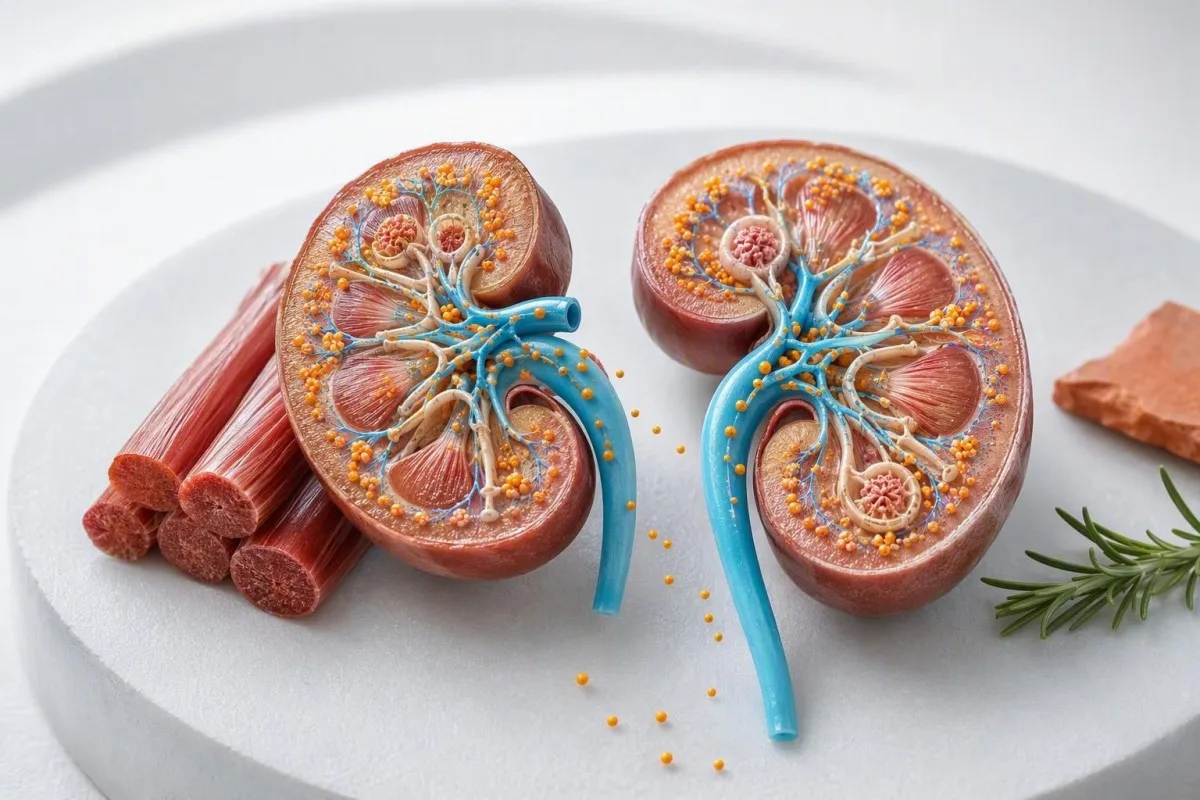
Faodaidh toradh creatinine air a’ chrìoch a bhith a’ nochdadh tomad mòr fèithe, cleachdadh creatine, trèanadh cruaidh o chionn ghoirid, no dìth uisge sealach seach tinneas dubhaig. Chan eil eGFR ceàrr gu riatanach, ach faodaidh tuairmse stèidhichte air creatinine a bhith cho mionaideach nuair a tha cinneasachadh creatinine gu math àrd.



- Ciall creatinine air a’ chrìoch: cha bhith luach creatinine dìreach os cionn raon obair-lann a’ dearbhadh tinneas dubhaig chronic leis fhèin.
- Meud fèithe: bidh barrachd fèithean cnàimhneach a’ dèanamh barrachd creatinine gach latha, a dh’ fhaodadh a bhith a’ coimhead air eGFR stèidhichte air creatinine nas ìsle na sìoladh fìor.
- Stuthan cur-ris Creatine: faodaidh 3-5 g/latha àrdachadh serum creatinine tro thionndadh gu creatinine gun a bhith a’ dearbhadh leòn dubhaig.
- Buaidh eacarsaich: faodaidh trèanadh neart dian no tachartasan seasmhachd àrdachadh creatinine gu sealach airson 24-72 uairean.
- Cystatin C: tha eGRB stèidhichte air cystatin C àbhaisteach feumail nuair a tha toraidhean creatinine air a’ chrìoch aig neach fèitheach.
- ACR air an urine: tha co-mheas albuim-crèatinin fo 3 mg/mmol, no 30 mg/g, an aghaidh aoidionachd chudromaich chudromaich.
- Mìneachadh CKD: tha tinneas dubhaig leantainneach ag iarraidh easbhaidhean dubhaig an làthair airson co-dhiù 3 mìosan, chan e aon toradh soilleir.
- Pàtran èiginneach: feumar measadh meidigeach sgiobalta a dhèanamh air dìth fual, sèid, àrdachadh potasium, pian fèithe trom, no fual le dath cola.
Dè tha Toradh Creatinine air a’ Chrìoch a’ Ciallachadh Gu Fìrinneach?
Ciall crèatinin air a’ chrìch is e toradh faisg air no dìreach os cionn crìoch iomraidh obair-lann, chan e breithneachadh air tinneas dubhaig. Ann an neach-foghlaim fèitheach, faodaidh crèatinin de 1.3 mg/dL (115 µmol/L) nochdadh cinneadh crèatinin an àite sìoltachdain lùghdaichte, gu sònraichte nuair a tha deuchainn fual agus cystatin C a’ gealltainn.
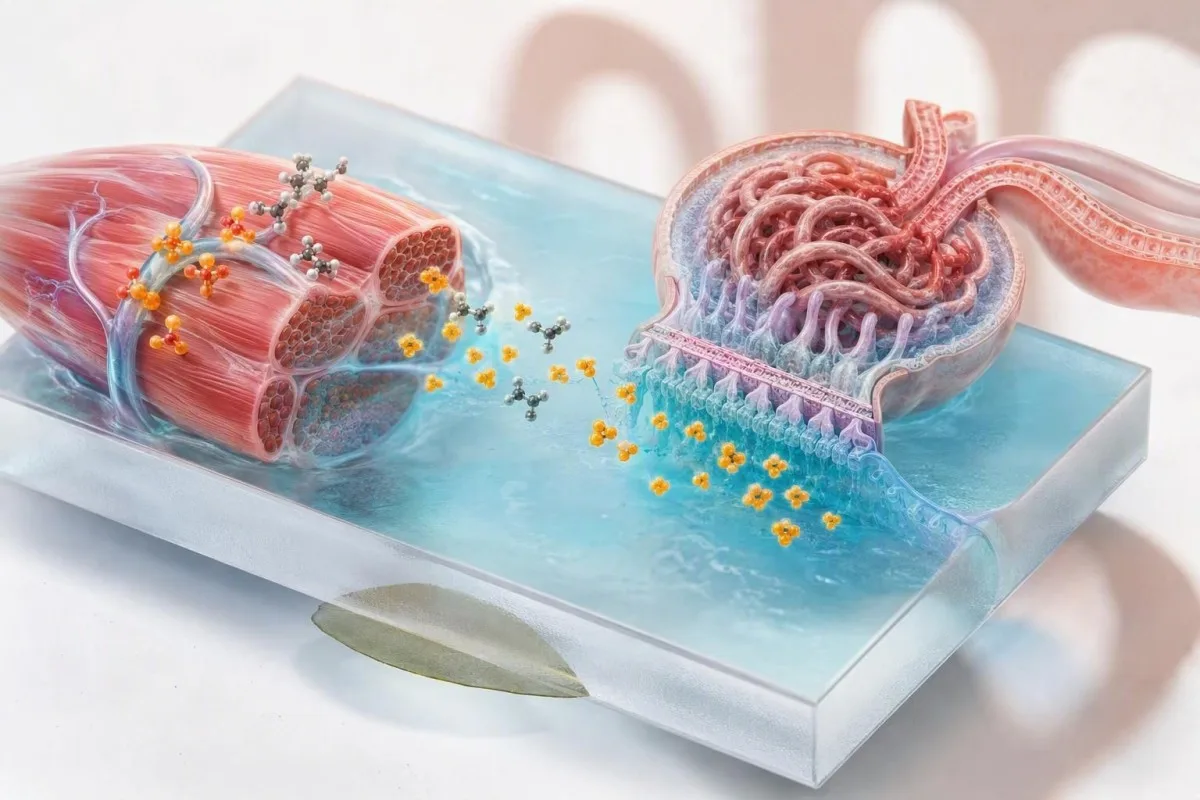
Is e crèatinin an toradh brisidh de chrèatain agus fosfocrèatain ann am fèith cnàimhneach. Clàraich a’ mhòr-chuid de dh’obair-lann san RA timcheall air 60-110 µmol/L airson fir inbheach agus 45-90 µmol/L airson boireannaich inbheach, ach bidh na h-eadar-ama ag atharrachadh a rèir deuchainn, aois, agus sluagh ionadail. Tha brat leòmhann obair-lann a’ ciallachadh gu bheil an toradh eadar-dhealaichte bhon bhuidheann iomraidh aige; chan eil e a’ stèidheachadh milleadh air na dubhagan.
Nuair a nì mi ath-sgrùdadh air pannal a tha a’ sealltainn crèatinin 118 µmol/L ann an lùth-chleasaiche neart 29-bliadhna, bidh mi an toiseach a’ faighneachd mu mheud bodhaig, trèanadh anns na 48 uairean roimhe seo, stuthan cur-ris, call lionn, cungaidhean, bruthadh-fala, agus mion-sgrùdadh urine. Tha an toradh a’ seasamh mòran nas truime ma tha e air èirigh bho 82 gu 118 µmol/L na nam biodh e air fuireach eadar 110 agus 120 µmol/L airson trì bliadhnaichean.
Tha an Dr. Thomas Klein air faicinn an eadar-dhealachadh seo a’ cur stad air tomhas iongnadh de dh’allarm neo-riatanach: is e raon iomraidh inneal sluagh, fhad ‘s a tha bunaiteach pearsanta na inneal clionaigeach. Ar stiùireadh airson toraidhean taobh a-muigh na raoin a’ mìneachadh carson a tha timcheall air 5% de dhaoine fallain taobh a-muigh raon iomraidh àbhaisteach air thuaiream a-mhàin.
Tha crèatinin na dùmhlachd, chan e deuchainn glanaidh dìreach
Bidh crèatinin serum ag èirigh nuair a thuiteas sìoladh, ach bidh e cuideachd ag èirigh nuair a dh’ fhàsas cinneadh no nuair a thig tomhas-lìonaidh timcheall air cùmhnantan. Chan urrainn aon dùmhlachd na pròiseasan seo a sgaradh; is ann air sgàth sin a tha luchd-clionaigeach ga mhìneachadh còmhla ri eGFR, albuim urine, bruthadh-fala, toraidhean roimhe, agus an sgeulachd clionaigeach.
Carson as urrainn do Thomad Fèithe Nas Motha a bhith a’ Coimhead air eGFR Nas Ìsle?
Faodaidh eGFR stèidhichte air crèatinin sìoltachadh tomhaiste a lughdachadh ann an daoine le tomhas fèithe neo-àbhaisteach àrd oir tha an co-aontar a’ gabhail ris an tomhas crèatinin cuibheasach airson aois is gnè. Tha an àireamhachadh eGFR ceart gu matamataigeach, ach is dòcha nach eil am fiosrachadh aige a’ riochdachadh sìoltachadh dubhaig an neach sin a-mhàin.
Tha co-aontar crèatinin 2021 CKD-EPI a’ cleachdadh crèatinin serum, aois, agus gnè; chan eil e a’ tomhas mais caol, daithead pròtain, no tomhas trèanaidh. Mar sin faodaidh neach-togail farpaiseach 100 kg agus neach-còmhnaidh 100 kg de dhaoine àbhaisteach an aon atharrachadh eGFR fhaighinn a dh’ aindeoin cinneadh crèatinin làitheil gu math eadar-dhealaichte.
Lorg Baxmann agus a cho-obraichean gu robh crèatinin serum agus urine a’ ceangal ri mais caol agus gnìomhachd chorporra, ach cha do nochd cystatin C an aon dàimh (Baxmann et al., 2008). Chan eil an lorg sin a’ ciallachadh gu bheil cystatin C gun lochdan, ach tha e a’ mìneachadh carson a bhios mi gu tric ga chleachdadh mar an neach-dearbhaidh ann an euslainteach a tha gu math fèitheach.
Tha Kantesti na Anailisiche deuchainn fala AI a leughas crèatinin le aois, gnè, gnìomhachd air aithris, co-theacsa cungaidh-leigheis, agus comharran dubhaig faisg air làimh seach a bhith a’ làimhseachadh aon bhrat-fhala mar bhreithneachadh. Airson an eadar-dhealachadh bith-cheimiceach eadar urea agus crèatinin, faic ar lèirmheas BUN an aghaidh crèatinin.
An urrainn do stuthan cur-ris Creatine Adhbharachadh Toradh Creatinine Àrd?
Faodaidh stuthan cur-ris creatine serum creatinine àrdachadh oir tha cuid de creatine a bharrachd air a thionndadh gu creatinine, agus chan eil an t-àrdachadh seo gu fèin-ghluasadach a’ nochdadh milleadh air na dubhagan. Tha dòsan 3-5 g de creatine monohydrate gach latha cumanta; tha am freagairt an crochadh air a’ phàtran dubhaig gu lèir, chan ann air an stuth cur-ris a-mhàin.

Tha a’ bheachd ceàrr cumanta gu bheil creatinine nas àirde às dèidh tòiseachadh air creatine a’ dearbhadh gun do rinn an stuth cur-ris cron air na dubhagan. Tha Creatinine gu ìre mhòr mar thoradh deireannach air a’ mhòileciuil a chaidh a thoirt seachad, mar sin faodaidh gluasad beag a bhith na fhiosaigsail breithneachaidh seach puinnseanachadh. Faodaidh cruth ethyl ester creatine àrdachadh nas motha a dh’ fhaodadh a bhith ann oir tha e nas seasmhaiche agus faodaidh e tionndadh gu creatinine mus tèid a ghabhail a-steach.
Tha mi a’ comhairleachadh euslaintich gun a bhith a’ falach stuthan cur-ris bhon neach-clionaigeach no foirm obair-lann aca. Thoir am biona no dealbh den liosta tàthchuid aige: tha cuid de thoraidhean ro-obrach a’ cothlamadh creatine le caffeine, luchd-brosnachaidh, drogaichean neo-steroidach anti-inflammatory, no cur-ris neo-mhìnichte gu math, agus faodaidh na nochdaidhean a bharrachd sin a bhith nas cudromaiche na creatine fhèin.
Is e deuchainn practaigeach feumail a bhith ag ath-aithris creatinine, cystatin C, urinalysis, agus urine ACR às dèidh uisgeachadh àbhaisteach agus 48-72 uairean air falbh bho thrèanadh as àirde; na stad air cungaidhean òrdaichte gun chomhairle meidigeach. Tha ar stiùireadh sgrùdaidh obair-lann stuthan cur-ris a’ mìneachadh mar a chlàraicheas tu coimeas ciallach ro agus às dèidh.
Dè nach urrainn cur-ris a mhìneachadh
Chan eil Creatine a’ mìneachadh gu sàbhailte gluasad creatinine ùr ag èirigh le albuminuria, fuil anns an urine, potasium àrd, no bruthadh-fala àrd. Feumaidh na cothlamaidhean sin measadh eadhon ann an neach a tha air a thrèanadh gu mòr, oir faodaidh togail lùth-chleasachd agus tinneas nan dubhagan a bhith ann còmhla.
Dè cho fada 's as urrainn do Eacarsaich Dìcheallach àrdachadh Creatinine?
Faodaidh trèanadh cruaidh creatinine àrdachadh gu sealach airson 24-72 uairean tro chuairteachadh fèithe, call tomhas-lìonaidh co-cheangailte ri fallas, agus atharrachadh sruthadh fala dubhaig. Bidh toradh a thèid a ghabhail às dèidh rèis marathon, seisean marbh trom, cleachdadh sauna, no droch in-ghabhail lionn gu tric na thomhas bochd air bun-loidhne seasmhach.
Bha creatinine 132 µmol/L agus CK 1,980 IU/L aig neach-ruithidh marathon cur-seachad 52-bliadhna a rinn mi sgrùdadh air madainn às dèidh rèis cnocach; ath-dheuchainn às dèidh 5 latha sàmhach, làn uisgeachadh air tilleadh gu creatinine 96 µmol/L. Tha CK na chomharradh co-theacsa enzyme fèithe, chan e deuchainn dubhaig, agus tha àrdachaidhean mòra airidh air measadh fa leth.
Faodaidh haemaconcentration co-cheangailte ri eacarsaich cuideachd albumin, haemoglobin, calcium, agus pròtain iomlan a dhèanamh nas àirde còmhla. Tha am pàtran cruinnichte sin nas coltaiche ri call lionn sealach na dìonachd dubhaig leantainneach iomallach; ar pàipear air àrdan meallta co-cheangailte ri dìth uisgeachadh a’ sealltainn mar a lorgas tu am pàtran.
Chan eil a bhith a’ seachnadh eacarsaich ron tarraing bun-loidhne clàraichte a’ mealladh an deuchainn. Airson sgrùdadh cunbhalach, mar as trice tha mi a’ moladh gun a bhith a’ dèanamh gnìomh ro àbhaisteach airson 48 uairean, ag ithe gu h-àbhaisteach, agus a bhith a’ ruighinn gu leòr uisgeachadh mura h-eil an neach-clionaigeach òrdachaidh a’ toirt seachad stiùireadh eadar-dhealaichte. Faic ar nas mionaidiche plana ath-dheuchainn creatinine eacarsaich.
Cuin a tha eGRB stèidhichte air Creatinine nas earbsaiche?
Tha eGFR stèidhichte air creatinine nas earbsaiche nuair a tha cinneasachadh no in-ghabhail creatinine fada bhon chuibheasachd, a’ toirt a-steach tomad fèithe àrd, amputation, tomad fèithe gu math ìosal, cleachdadh creatine, in-ghabhail feòla o chionn ghoirid, torrachas, agus tinneas acute. Bidh e a’ measadh sìoladh stàite stèidhichte seach a bhith ga thomhas gu dìreach.
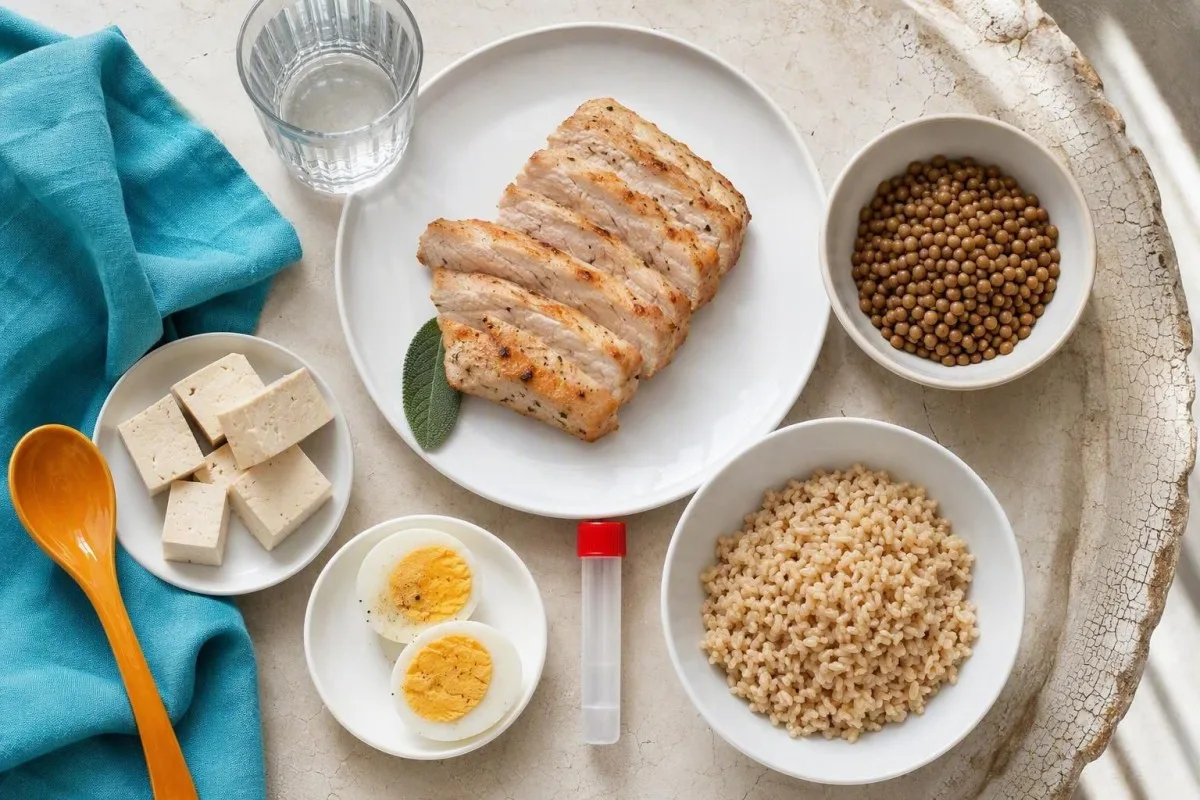
Faodaidh biadh feòla bruich adhbhrachadh gum bi creatinine ag èirigh gu goirid air sgàth gu bheil creatine daithead air a ghabhail a-steach; is e seo aon adhbhar a b’ fheàrr le cuid de luchd-clionaigeach ath-dheuchainn luath no stàiteil sa mhadainn. Air an làimh eile, faodaidh tomad fèithe glè ìosal cinneasachadh creatinine meallta ìosal agus eGFR a tha a’ dèanamh cus meas air sìoladh.
Tha torrachas na eisgeachd fhèin: mar as trice bidh creatinine a’ tuiteam mar a bhios sìoladh ag èirigh, mar sin faodaidh toradh a thathas a’ meas mar rud àbhaisteach taobh a-muigh torrachais aire iarraidh rè torrachais. An stiùireadh GFR ann an torrachas againn a’ còmhdach carson nach bu chòir roinnean eGFR de dh’inbhich nach eil trom a chuir an sàs gu neo-chùramach san t-suidheachadh seo.
Tha stiùireadh KDIGO 2024 a’ moladh a bhith a’ cleachdadh creatinine agus cystatin C còmhla nuair a bheir cruinneas nas motha buaidh air co-dhùnadh clionaigeach (KDIGO, 2024). Tha sin a’ buntainn ri dòsachadh dhrogaichean, tabhartas dubhaig a dh’fhaodadh a bhith ann, no inbheach fèitheach le eGFR leantainneach de 45-59 mL/min/1.73 m² agus gun chomharran milleadh dubhaig eile.
Cuin a tha Cystatin C a’ soilleireachadh Creatinine air a’ Chrìoch?
Tha Cystatin C as fheumaile nuair a dh’fhaodadh tomad fèithe a bhith a’ cur dragh air creatinine agus dh’fhaodadh am freagairt atharrachadh rianachd. Mar as trice bidh eGFR measgaichte de creatinine-cystatin C a’ leasachadh cruinneas thairis air comharra sam bith leis fhèin ann an inbhich le measaidhean sìoltachaidh neo-chinnteach.
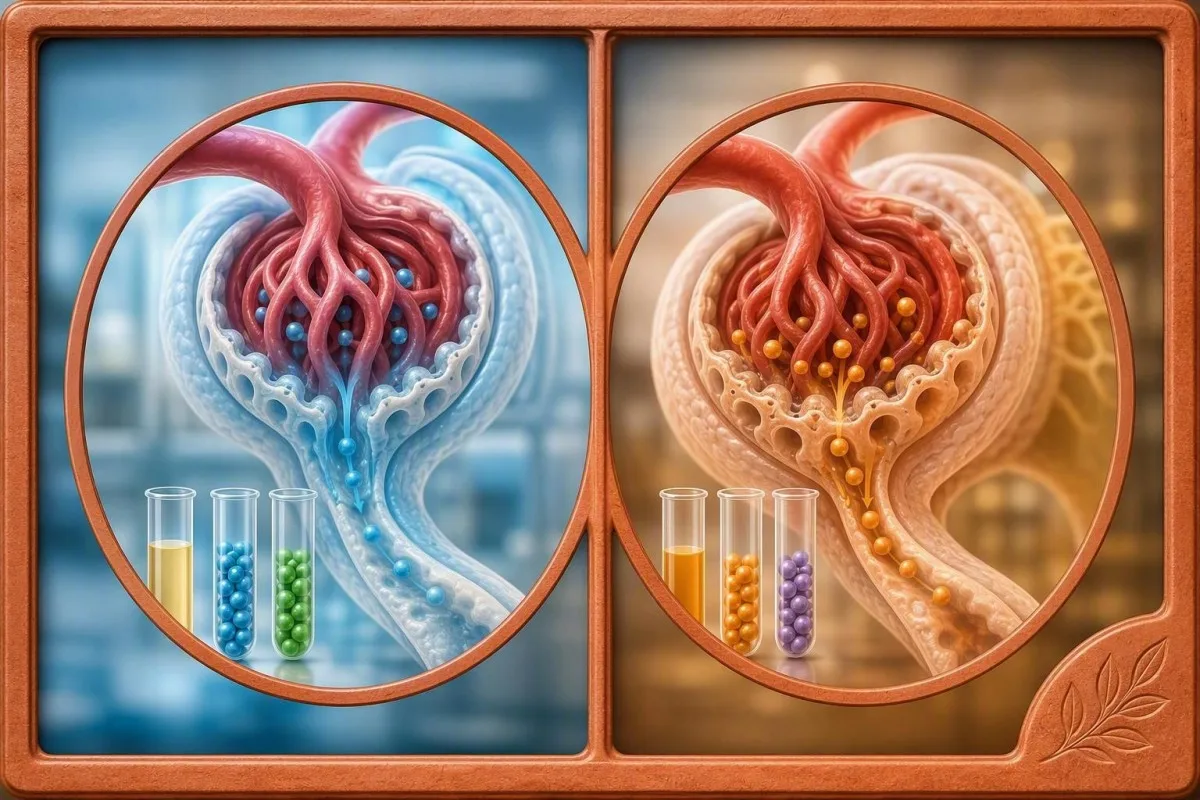
Tha Cystatin C na phròtain bheag a thig bho mhòr-chuid de cheallan niùicléach agus air a shìoladh aig a’ ghlòmarulus. Chan eil e cho buailteach do mhòr-chuid de mhàs fèithe na creatinine, ged a dh’fhaodas smocadh, reamhrachd, dìth gnìomh thyroid, sèid siostaim, agus cleachdadh glucocorticoid buaidh a thoirt air, mar sin chan e seo serum fìrinn draoidheach.
Chaidh Inker et al. aithris gu robh an co-aontar measgaichte de creatinine-cystatin C nas cruinne na co-aontaran a’ cleachdadh aon chomharra leis fhèin an taca ri GFR thomhaste (Inker et al., 2012). Ann an cleachdadh, bidh luachan eGFR co-chòrdail a’ neartachadh misneachd; tha luachan neo-chòrdail ag innse dhuinn sgrùdadh a dhèanamh carson a tha na comharran ag eas-aontachadh an àite dìreach an àireamh as misneachail a thaghadh.
Kantesti’s àrd-ùrlar mìneachaidh deuchainn fala AI dh’fhaodadh a bhith a’ comharrachadh mì-fhreagarrachd creatinine-cystatin C agus a’ brosnachadh còmhradh clionaigeach mu mhàs fèithe, stuthan, suidheachadh thyroid, agus cungaidhean-leigheis. Faodaidh leughadairean a dhol nas doimhne leis ar toraidhean cystatin C.
Carson a tha Urine ACR nas cudromaiche na tha mòran dhaoine a’ tuigsinn
Tha an co-mheas albumin-creatinine fual, no ACR, a’ lorg aoidionachd albumin a dh’fhaodadh a bhith a’ nochdadh milleadh dubhaig eadhon nuair a tha eGFR air a ghleidheadh. Tha ACR fo 3 mg/mmol (30 mg/g) misneachail, fhad ‘s a tha ACR leantainneach de 3 mg/mmol no barrachd feumach air sgrùdadh anns an t-suidheachadh clionaigeach cheart.
Tha albuminuria ag atharrachadh brìgh toraidh creatinine crìche. Tha neach fèitheach le creatinine 120 µmol/L, eGFR seasmhach 67 mL/min/1.73 m², bruthadh-fala àbhaisteach, dipstick fual àicheil, agus ACR 0.6 mg/mmol a’ faighinn pròifil cunnairt gu math eadar-dhealaichte bhon neach le ACR 12 mg/mmol.
Faodaidh eacarsaich trom, fiabhras, galar urinary, bruthadh-fala neo-riaghlaichte, mòr-ghlicemia, agus menstruation gu sealach àrdachadh albumin fual. Tha KDIGO a’ moladh dearbhadh a’ cleachdadh sampall sa mhadainn an toiseach far a bheil e comasach, leis gu bheil sampall tràth a’ lughdachadh caochlaideachd suidheachaidh agus eacarsaich (KDIGO, 2024).
Chan e neach-ionaid airson ACR tomhasail a th’ ann an dipstick: faodaidh e a bhith a’ call às-tharraing albumin àrdachadh gu meadhanach. Ullachadh gu ceart leis ar liosta-cruinneachaidh ACR, agus bheir sinn sùil air builgeanan leantainneach air leth san stiùireadh againn air adhbharan urine lìonta.
Ciamar bu chòir dhut leughadh Creatinine leis a’ chòrr den Phannal?
Bu chòir creatinine a leughadh còmhla ri eGFR, urea no BUN, potasium, bicarbonate, ACR urine, urinalysis, bruthadh-fala, agus an stiùireadh atharrachaidh thar ùine. Bidh cunnart dubhaig nas creidsinneach nuair a sheallas grunn chomharraidhean neo-eisimeileach anns an aon taobh.
Faodaidh co-mheas àrd urea-gu-creatinine tachairt le dìth uisge, fuil anns an t-slighe cnàmhaidh, biadh àrd pròtain, no catabolism àrdaichte; chan e sgòr milleadh dubhaig soilleir a th’ ann. Faodaidh bicarbonate ìosal, potasium àrd, agus dùblachadh fosfair taic a thoirt do lughdachadh às-tharraing dubhaig nuair a tha an clàr-ama seasmhach, ach tha adhbharan neo-dhubhach aca cuideachd.
Tha urinalysis a’ cur fiosrachadh nach urrainn eGFR a thoirt seachad. Faodaidh pròtain, ceallan dearga, ceallan dearga dysmorphic, ceallan geala, siùcar, no clàran-ama stiùireadh an obair-obrach a dh’ ionnsaigh galair glomerular, clachan, galar, tinneas an t-siùcair, no buaidhean cungaidh-leigheis. An t-òrdugh againn geàrr-chunntas urinalysis a’ cuideachadh le mìneachadh nan toraidhean sin gun a bhith gan cus aithneachadh.
Tha Kantesti na Inneal mion-sgrùdaidh deuchainn fala le cumhachd AI a tha a’ coimeas luachan co-cheangailte ri dubhaig thar aithisgean, oir faodaidh atharrachadh bho eGFR 92 gu 70 a bhith nas buntainniche na luach aonaranach de 70. Anns an t-sruth-obrach againn, tha gluasadan nan brosnachaidhean airson measadh meidigeach, gun a bhith a’ cur às do dhearbhadh.
Clàr-ama feumail ri thoirt gu dreuchd
Thoir leat co-dhiù dà thoradh creatinine roimhe, na h-aonadan obair-lann, cinn-latha, notaichean trèanaidh no tinneis, liosta de chungaidh-leigheis, leughaidhean bruthadh-fala dachaigh, agus toraidhean sam bith bho urine. Gu tric bidh an clàr-ama beag seo a’ freagairt a bheil an luach seasmhach, sealach, no gu dearbh ag atharrachadh.
Cuin a tha Creatinine air a’ Chrìoch air a bhith air a mheas mar Thinneas Dubhaig Chronic?
Chan eil toradh creatinine aig a bheil crìoch air a mheas mar ghalar dubhaig leantainneach ach nuair a tha eGFR no comharra eile de mhilleadh dubhaig a’ leantainn airson co-dhiù 3 mìosan. Chan eil CKD air a dhearbhadh bho aon toradh creatinine às dèidh trèanaidh, dìth uisge, no tinneas eadar-ghabhail.
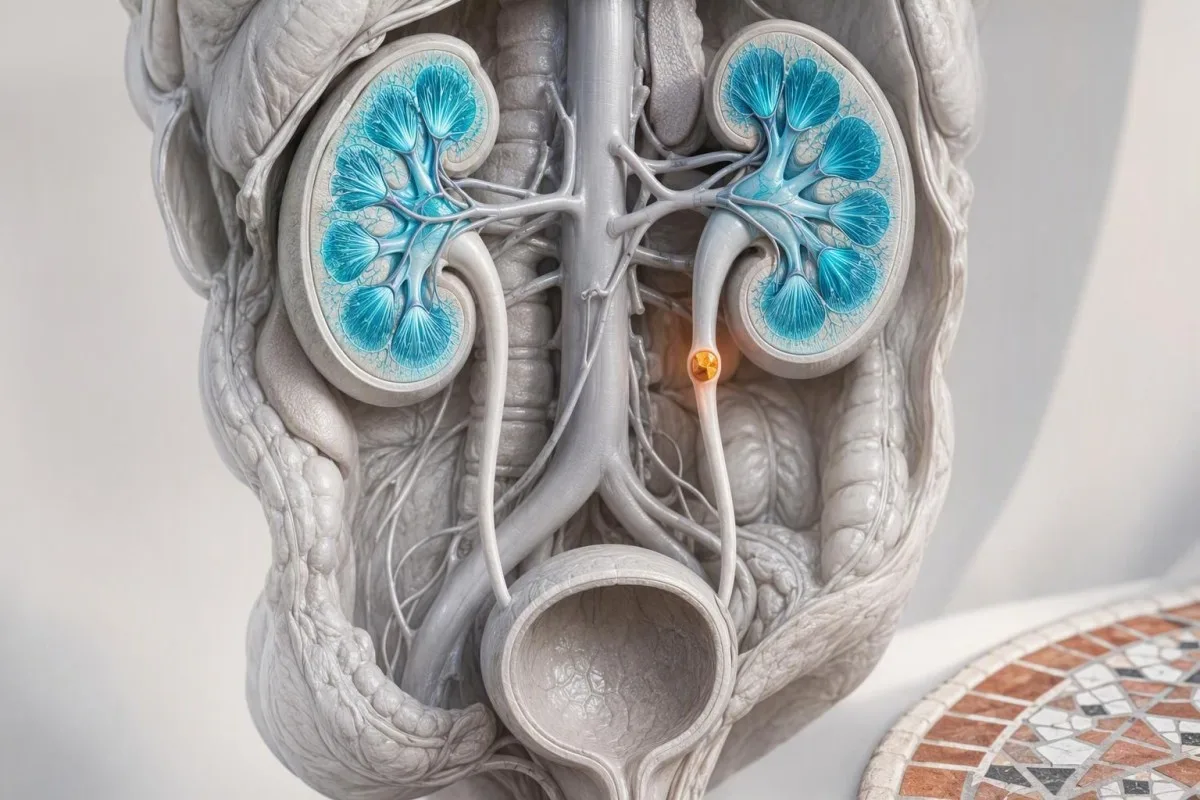
Bidh KDIGO a’ seòrsachadh eGFR de 60-89 mL/min/1.73 m² mar G2, ach chan eil G2 na aonar na CKD gun dearbhadh de mhilleadh dubhaig mar albuminuria, mì-rianachd structarail, no atharrachaidhean grùidean urine leantainneach. Tha an nuance seo cudromach: faodaidh eGFR de 74 ann an neach-foghlaim, fèitheach a bhith na atharrachadh àbhaisteach.
San fharsaingeachd, tha eGFR fo 60 mL/min/1.73 m² air dà thomhas aig dàil de 90 latha co-dhiù a’ coinneachadh ri slatan-tomhais sìoltachaidh airson CKD, a’ gabhail ris gu bheil adhbharan obann air an dùnadh a-mach. An mìneadair seòrsachaidh CKD a’ sealltainn mar a tha roinnean eGFR agus ACR ag obair còmhla an àite a bhith a’ farpais.
Tha mi faiceallach an seo. Tha creatinine àbhaisteach aig cuid de dhaoine le galar dubhaig tràth leis gu bheil mòr-chuid fèitheach aca, fhad ‘s a tha cuid de luidsearan creatinine àrd agus dubhaig fallain; feumar an luach obair-lann ann an co-theacsa clionaigeach anns an dà thaobh.
Cuin a bu chòir do Dhaoine Fèitheach dragh a bhith aca mu dheidhinn Creatinine?
Bu chòir do dhaoine fèitheach a bhith draghail mu creatinine nuair a dh’ èiricheas e gu luath, a’ fuireach mì-rianail às deidh ath-aithris fo smachd, no a’ nochdadh le albuminuria, fuil san urine, bruthadh-fala àrd, potasium mì-rianail, no comharran. Is e mòr-chuid fèitheach mìneachadh ri dhearbhadh, chan e saoradh fad-beatha bho mheasadh dubhaig.
Iarr comhairle meidigeach san aon latha airson toradh urine gu mòr, swelling cas no aghaidh ùr, giorrad analach, troimh-chèile, vomiting leantainneach, no àrdachadh creatinine de co-dhiù 26.5 µmol/L taobh a-staigh 48 uairean nuair a tha fios. Tha measadh èiginn gu sònraichte cudromach às deidh tinneas teas, dìth uisge mòr, milleadh briste, no obair-obrach air leth le urine donn coltach ri cola.
Tha rhabdomyolysis neo-chumanta ach buntainneach ris a’ choimhearsnachd trèanaidh. Faodaidh pian fèithe mòr, laigse, sèid, no urine dorcha às deidh oidhirp còmhla ri CK àrd feumach air deuchainn èiginneach airson potasium, creatinine, calcium, fosfair, agus toraidhean urine; ar stiùireadh rabhaidh rhabdo CrossFit a’ còmhdach a’ chlò-bhualaidh rabhaidh.
Drogaichean anti-inflammatory neo-steroidal, luchd-dìon ACE, ARBn, diuretics, trimethoprim, lithium, agus cuid de choimeasgaidhean togail bodhaig faodaidh iad creatinine no hemodynamics dubhaire atharrachadh. Na cuir stad gu bràth air cungaidh a chaidh òrdachadh dìreach leis gu bheil aplacaid no aon toradh a’ coimhead draghail—faighnich don neach-òrdaichidh a tha fios carson a chaidh a thoirt seachad.
Dè an Plana ath-dheuchainn as fheàrr airson Lùth-chleasaichean agus Luchd-togail?
Bidh plana ath-dheuchainn ciallach a’ cleachdadh chumhaichean seasmhach: biadh is lionn àbhaisteach, gun eacarsaich neo-àbhaisteach cruaidh airson 48-72 uairean, gun dìoladh alcol, agus liosta stuthan cur-ris air a chlàradh. Chan e an amas àireamh nas fheàrr a sparradh; is e tomhas fear a tha a’ riochdachadh.

Airson toradh crìche ach gun a bhith èiginneach, mar as trice bidh mi a’ beachdachadh air ath-thagradh creatinine le eGFR, cystatin C, urinalysis, fual ACR, electrolytes, agus bruthadh-fala taobh a-staigh 1-4 seachdainean, air a ghnàthachadh a rèir meud an atharrachaidh agus factaran cunnairt. Is dòcha gum feum neach le tinneas an t-siùcair, mòr-fhulangas, tinneas cridhe aithnichte, no tinneas dubhaire teaghlaich ath-sgrùdadh nas tràithe.
Na bi gu faiceallach ag òl cus uisge ro dheuchainn. Faodaidh cus lionn dùmhlachd creatinine agus sodium a lughdachadh, a’ cruthachadh toradh meallta eadar-dhealaichte; mar as trice tha fual buidhe bàn agus pathadh àbhaisteach nas feumail na dùbhlan uisge mòr. Ar artaigil GFR às deidh dìth uisgeachaidh a’ mìneachadh an duilgheadas mu choinneamh.
Clàraich an seisean mu dheireadh cruaidh, nochdadh sauna, a’ bhuinneach, fiabhras, fastadh, pùdar pròtain ùr, dòs creatine, agus cleachdadh anti-inflammatory ri taobh ceann-latha na obair-lann. Tha innealan gluasaid Kantesti air an dealbhadh gus an co-theacs seo a ghleidheadh thairis air aithisgean, a nì ath-sgrùdadh lighiche nas èifeachdaiche.
A bheil Stuth-beathachaidh Pròtain agus Biadhan Feòla a’ toirt buaidh air Creatinine?
Faodaidh biadh mòr feòla bruichte àrdachadh sealach a thoirt air serum creatinine, fhad ‘s a dh’ fhaodadh biadh àrd-phròtain cunbhalach buaidh a thoirt air urea nas fhollaisiche na creatinine. Cha bu chòir daithead a-mhàin a chleachdadh gus pàtran dubhaire leantainneach a dhi-chuimhneachadh, ach faodaidh biadh ro-dheuchainn a bhith cudromach aig a’ chrìoch.
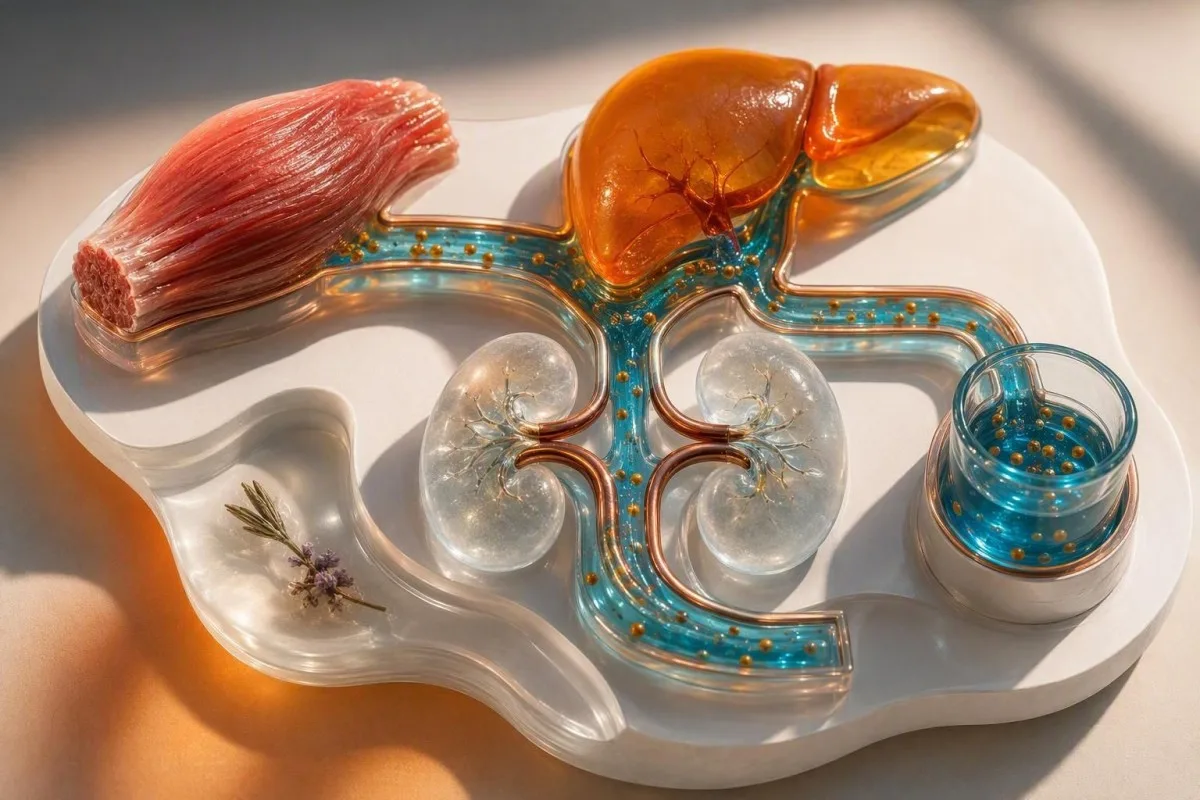
Tha creatinine bho fheòil bruichte air a ghabhail a-steach agus faodaidh e àrdachadh serum serum às dèidh biadh airson grunn uairean a thìde. Ma tha clionaiche a’ sgrùdadh toradh crìche, bidh tarraing madainn às dèidh fastadh thar oidhche àbhaisteach no pàtran bìdh cunbhalach a chaidh a chlàradh a’ lughdachadh an atharrachadh seo a ghabhas seachnadh.
Tha cleachdadh pròtain timcheall air 1.2-2.0 g/kg/latha cumanta le lùth-chleasaichean, ach bu chòir comhairle daithead dubhaire a bhith air a ghnàthachadh nuair a thèid CKD a dhearbhadh. Faodaidh a bhith a’ gearradh pròtain gu mòr ro dheuchainn an fhìor-lìonadh fìor-lìonadh a chòmhdach agus dh’ fhaodadh e a bhith neo-thorrach airson trèanadh no faighinn seachad air.
Bidh urea agus creatinine a’ freagairt cheistean eadar-dhealaichte. Airson mìneachadh teicnigeach air an ìre aca agus na crìochan aige, leugh ar stiùireadh co-mheas BUN-creatinine; tha e gu sònraichte feumail nuair a tha daithead àrd-phròtain no dìth uisge a’ dèanamh eadar-mhìneachadh nas iom-fhillte.
Dè na Cungaidhean-leigheis agus na Cumhachan as urrainn atharrais a dhèanamh air Duilgheadas Dubhaig?
Faodaidh grunn chungaidhean-leigheis creatinine a thogail gun a bhith a’ lughdachadh GFR fìor, fhad ‘s a dh’ fhaodadh feadhainn eile perfiusion dubhaire a lughdachadh no cron fìor adhbhrachadh. Faodaidh Trimethoprim agus cimetidine secretion creatinine tubular a chosc, a’ toirt a-mach serum creatinine nas àirde gun chall sìoltachaidh co-ionann.
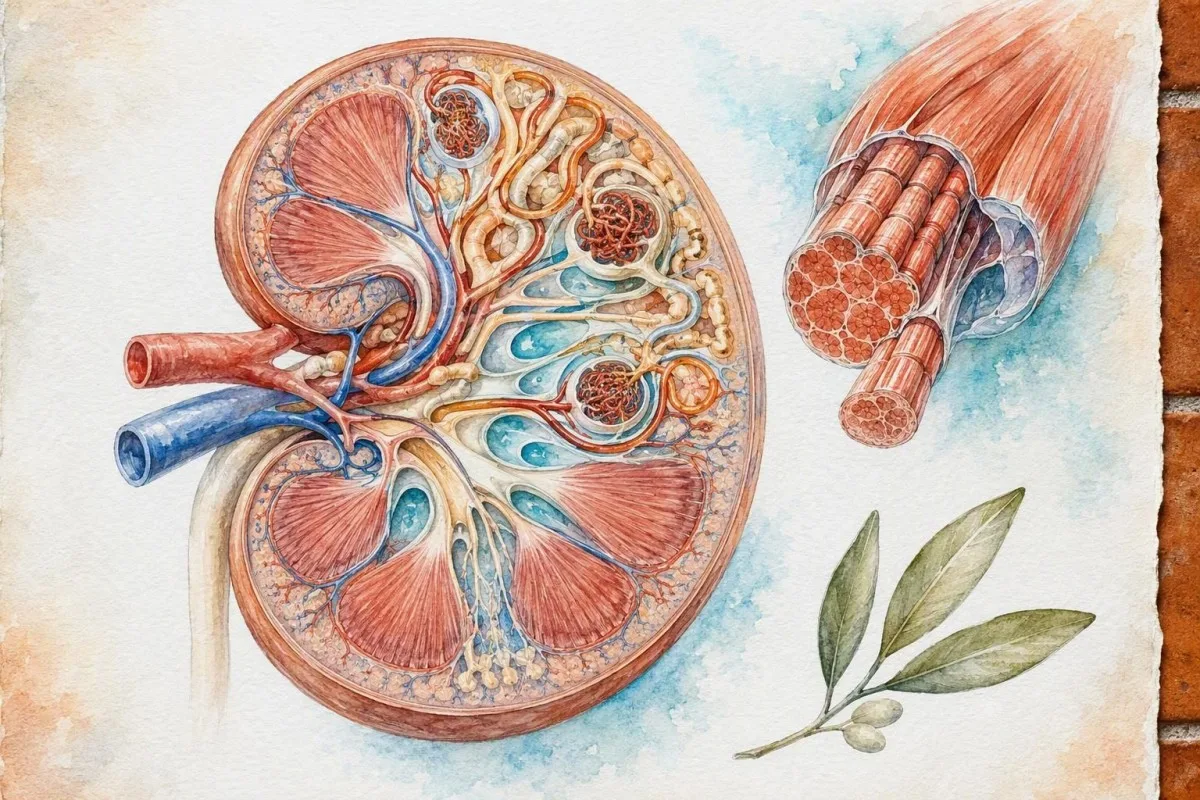
Faodaidh luchd-dìon ACE agus ARBn àrdachadh beag tràth air creatinine às deidh tòiseachadh leis gu bheil iad ag atharrachadh cuideam taobh a-staigh a’ glomerulus; faodaidh a’ bhuaidh seo a bhith iomchaidh no draghail a rèir meud, ùine, potasium, inbhe tomhas-lìonaidh, agus adhbhar an làimhseachaidh. Mar as trice bidh luchd-òrdaichidh ag ath-thagradh gnìomh dubhaire agus potasium às deidh tòiseachadh no atharrachadh nan cungaidhean sin.
Faodaidh tinneas thyroid an dà chomharradh a dhèanamh nas iom-fhillte: faodaidh hypothyroidism creatinine a thogail, fhad 's a dh' fhaodadh inbhe thyroid cuideachd cystatin C atharrachadh. Feumaidh galairean dona, fàilligeadh cridhe, bacadh bho chlòimh no prostach leudaichte, agus tinneas fèin-dìon an measadh amas fhèin an àite ‘glanaidh dubhaire’ coitcheann.'
Tha an Dr. Thomas Klein a’ moladh ath-choinneachadh cungaidh-leigheis aig càileachd cungadair aig gach atharrachadh creatinine gun mhìneachadh, a’ toirt a-steach NSAIDs thar-an-ùrlar agus toraidhean luibheach. Ar stiùireadh gluasaid sàbhailteachd cungaidh-leigheis a’ liostadh na h-atharrachaidhean toraidh as fhiach a chlàradh.
Ciamar a chuireas Kantesti Creatinine air a’ Chrìoch ann an Co-theacsa?
Bidh Kantesti a’ mìneachadh creatinine crìche le bhith a’ sgrùdadh an toraidh an aghaidh eGFR, aois, gnè air aithris, luachan roimhe seo, urea, electrolytes, comharran fual, agus co-theacs slàinte a chaidh a ràdh. Faodaidh e mìneachadh phàtranan agus brosnachadh leantainn, ach chan urrainn dha galar dubhaire a dhearbhadh no cùram clionaigeach èiginneach a chuir na àite.
Tha Kantesti na seirbheis eadar-mhìneachaidh deuchainn-lann AI air a thogail gus cànan obair-lann eadar-theangachadh gu ceistean structarail airson clionaiche: A bheil seo ùr? An robh trèanadh cruaidh ann? A bheil urine ACR àbhaisteach? An atharraicheadh cystatin C cungaidh-leigheis no co-dhùnadh tar-chuir? Tha sin nas feumail na bhith a’ dearbhadh bratach dhearg neo-chunnartach no cunnartach bho aon àireamh.
Tha an àrd-ùrlar againn a’ toirt taic do ath-sgrùdadh aithisg PDF no dhealbh agus coimeas gluasaid ann an timcheall air 60 diogan, fhad ‘s a tha làimhseachadh le fòcas prìobhaideachd agus sgrùdadh clionaigeach daonna fhathast mar phàirt den phròiseas. Tha am modh-obrach air cùl nan dìonan sin air a mhìneachadh anns ar geàrr-shealladh dearbhaidh meidigeach.
Ma tha am pàtran a’ toirt a-steach àrdachadh obann air creatinine, hyperkalaemia, albuminuria mòr, no comharran draghail, is e an toradh iomchaidh cùram meidigeach luath - chan e barrachd fèin-dheuchainn. Faodaidh luchd-leughaidh a tha airson tuigsinn an sgioba clionaigeach air cùl an dòigh-obrach seo ath-sgrùdadh a dhèanamh air Bòrd Comhairleachaidh Meidigeach.
Dè na Ceistean a bu chòir dhut faighneachd don Dotair agad mu thoradh air a’ Chrìoch?
Is e gu dearbh gur urrainn do mhòr-chuid mo chorp, trèanadh o chionn ghoirid, daithead no stuthan cur-ris a bhith a“ dèanamh eGFR stèidhichte air creatinine nas ìsle na sìoladh, agus am bu chòir dhuinn cystatin C agus urine ACR a thomhas? Tha seo ag iarraidh soilleireachd gun a bhith a” gabhail ris gu bheil an toradh gun chron.
Faighnich a bheil an toradh a’ coinneachadh ri slatan-tomhais leòn dubhaig luath, a bheil eadar-dhealachadh mòr bhon bhun-loidhne agad roimhe, agus a bheil eas-òrdughan ann an urine, bruthadh-fala, no electrolytes. Faighnich cuideachd a bheil an obair-lann a’ cleachdadh an aithne CKD-EPI 2021 agus a bheil eGFR creatinine-cystatin C còmhla a’ atharrachadh rianachd.
Bho 9 Sultain, 2026, is e an dòigh as fhasa a dhìonadh fhathast stèidhichte air cunnart seach stèidhichte air bodhaig: eGFR leantainneach fo 60 mL/min/1.73 m², ACR co-dhiù 3 mg/mmol, no gluasad creatinine soilleir suas airidh air measadh ge bith dè an eachdraidh gym. Air an làimh eile, tha àrdachadh tlàth stèidhichte le cystatin C àbhaisteach agus ACR gu tric a’ gealltainn, ged a bu chòir amannan ath-bhreithneachaidh a bhith air an dèanamh pearsanta.
Cùm na h-aithisgean, na notaichean trèanaidh, agus na ceistean agad còmhla. Tha an stiùireadh clàr gluasaid obair-lann againn na theamplaid practaigeach, agus tha stiùireadh teicneòlais AI a’ mìneachadh mar a tha mìneachadh co-theacsa air a dhealbhadh gus taic a thoirt – gun a bhith a’ dol an àite – breithneachadh clionaigeach.
Ceistean Bitheanta
Am faod daoine le fèithean làidir a bhith àrd ann an creatinine le dubhagan fallain?
Seadh. Faodaidh neach fallain, le mais-chnàimh, creatinine a bhith aca os cionn raon iomraidh obair-lann leis gu bheil mais-cnàimh a’ dèanamh creatinine gu leantainneach, eadhon nuair a tha sìoladh dubhaig àbhaisteach. Faodaidh creatinine seasmhach de 115-130 µmol/L a bhith gun chron ann an neach-spòrs mòr, air a thrèanadh gu math, ach bu chòir measadh a bhith a’ toirt a-steach toraidhean roimhe, bruthadh-fala, mion-sgrùdadh fual, ACR fual, agus gu tric cystatin C. Tha ACR fual àbhaisteach fo 3 mg/mmol agus cystatin C dearbhach a tha stèidhichte air eGFR a’ dèanamh galar dubhaig leantainneach dona nas eu-coltaiche. Tha toradh a tha a’ fàs no toraidhean fual neo-àbhaisteach fhathast a dhìth measadh meidigeach.
A bheil eGFR de 60 àbhaisteach do dhuine fèitheach?
Faodaidh eGFR de 60 mL/min/1.73 m² a bhith na fo-mheasadh ann an neach fèitheach oir chan eil co-aontaran stèidhichte air creatinine a' tomhas mais caol gu dìreach. Ach, tha eGFR fo 60 a mhaireas airson co-dhiù 3 mìosan a' coinneachadh ri slatan-tomhais criathadh dubhaig leantainneach agus cha bu chòir a leigeil seachad a rèir fèithe a-mhàin. Faodaidh Cystatin C no eGFR measgaichte creatinine-cystatin C soilleireachadh an robh criathadh air a lughdachadh gu fìrinneach. Tha urine ACR, le gnàthach air a mhìneachadh mar nas ìsle na 3 mg/mmol no 30 mg/g, na dheuchainn companach riatanach.
Am bu chòir dhomh creatine a stad mus dèan mi deuchainn fala dubhag?
Na stad air creatine gu fèin-obrachail, ach innis don neach-clionaigeach agus don obair-lann gu bheil thu ga chleachdadh agus clàraich an dòs, gu tric 3-5 g gach latha. Ma dh’ fheumas toradh creatinine air a’ chrìch mìneachadh, is dòcha gum moladh neach-clionaigeach creatinine ath-aithris agus cystatin C a sgrùdadh às deidh 48-72 uairean gun trèanadh fìor chruaidh agus fo chumhachan uisgeachaidh àbhaisteach. Faodaidh stad a chuir air creatine cinneasachadh creatinine atharrachadh, agus mar sin is e adhbhar stad sam bith a bhith a’ freagairt ceist chlinigeach sònraichte seach a bhith a’ faighinn toradh nas fheàrr air sgàth bòidhchead. Na stad cungaidhean òrdaichte a-riamh gun chomhairle.
Dè cho fada 's a bu chòir dhomh fois a ghabhail mus dèan mi creatinine ath-aithris às dèidh eacarsaich?
Airson deuchainn ath-aithris air creatinine àbhaisteach air a’ chrìch às deidh eacarsaich chruaidh, tha 48-72 uairean às aonais eacarsaich gu math duilich na phuing tòiseachaidh reusanta do dh'iomadh neach. Às deidh rèis marathon, nochdadh teas, dìth uisge mòr, no creatine kinase glè àrd, dh’fhaodadh gum bi faighinn seachad air nas fhaide agus is fheàrr comhairle meidigeach. Cùm suas ri biadh àbhaisteach agus uisgeachadh àbhaisteach seach a bhith a' fastadh cus no ag òl uisge ro mhòr. Faodaidh àrdachadh creatinine de 26.5 µmol/L no barrachd taobh a-staigh 48 uairean a bhith a' comharrachadh leòn dubhaig luath agus tha feum air ath-sgrùdadh clionaigeach ann an deagh àm.
Dè ìre ACR fual a tha draghail le creatinine àrd?
Tha co-mheas alban-crèatinin fual nas ìsle na 3 mg/mmol, co-ionann ri 30 mg/g, àbhaisteach gu ìre bheag àrdachadh agus tha e misneachail nuair a tha crèatinin aig a’ chrìch. Tha ACR leantach 3-30 mg/mmol a’ nochdadh gu bheil alban air a thaisbeanadh gu meadhanach, fhad ‘s a tha ACR os cionn 30 mg/mmol a’ nochdadh gu bheil alban air a thaisbeanadh gu mòr agus gum feum e aire clionaigeach luath. Faodaidh eacarsaich, fiabhras, galar a’ chùil, agus menstruation an ACR a thogail gu sealach, mar sin tha dearbhadh le sampall tràth sa mhadainn gu tric iomchaidh. Tha crèatinin àrd a bharrachd air albuminuria leantach nas draghail na crèatinin àrd leis fhèin.
Cuin a tha creatinine àrd na èiginn an dèidh trèanadh?
Tha creatinine àrd an dèidh trèanaidh a dhìth measadh èiginneach nuair a thachras e le glè bheag de dh’fhual, fual dorcha coltach ri cola, fìor phian no laigse fèithe, sèid, cur a-mach, troimh-chèile, anacainnt anail, no potasium àrd. Faodaidh na comharran sin tachairt le dìth uisge cudromach, tinneas teas, no rhabdomyolysis air a chleachdadh, a dh’fhaodadh cron a dhèanamh air gnìomh nan dubhagan. Bidh àrdachadh creatinine de co-dhiù 26.5 µmol/L taobh a-staigh 48 uairean no 1.5 uair an loidhne-loidhne taobh a-staigh 7 latha a’ coinneachadh ri criterion de dhroch dhìth nan dubhagan. Iarr cùram meidigeach air an aon latha seach feitheamh ri ath-dheuchainn cunbhalach ma tha na feartan sin an làthair.
Faigh Mion-sgrùdadh Deuchainn Fala le Cumhachd AI an-diugh
Thig còmhla ri còrr is 2 mhillean neach air feadh an t-saoghail a tha a’ earbsa Kantesti airson mion-sgrùdadh sa bhad, ceart air deuchainnean obair-lann. Luchdaich suas na toraidhean deuchainn fala agad agus faigh mìneachadh coileanta air biomarcair 15,000+ ann an diogan.
📚 Foillseachaidhean Rannsachaidh le Iomraidhean
Klein, T., Mitchell, S., & Weber, H. (2026). Klein, T. (2026). Raon àbhaisteach aPTT: D-Dimer, Stiùireadh Clotadh Fala Pròtain C. Zenodo. https://doi.org/10.5281/zenodo.18262555. Rannsachadh Leigheis AI Kantesti.
Klein, T., Mitchell, S., & Weber, H. (2026). Klein, T. (2026). Leabhar-iùil Pròtainean Seruman: Globulins, Albumin & A/G Ratio Deuchainn Fala. Zenodo. https://doi.org/10.5281/zenodo.18316300. Rannsachadh Leigheis AI Kantesti.
📖 Iomraidhean Meidigeach Taobh a-muigh
Buidheann Obrach KDIGO (Kidney Disease: Improving Global Outcomes) (2024). Stiùireadh Cleachdaidh Clionaigeach KDIGO 2024 airson Measadh agus Riaghladh Galar Dubhaig Cronach. Kidney International.



⚕️ Àicheadh Meidigeach
Tha an artaigil seo dìreach airson adhbharan foghlaim agus chan eil e a’ dèanamh comhairle mheidigeach. Cuir fios an-còmhnaidh gu solaraiche cùram slàinte teisteanasach airson co-dhùnaidhean breithneachaidh is leigheis.
Comharran earbsa E-E-A-T
Eòlas
Lèirmheas clionaigeach air a stiùireadh le lighiche air sruthan-obrach mìneachaidh obair-lann.
Eòlas
Fòcas air leigheas obair-lann air mar a bhios bith-chomharraidhean (biomarkers) a’ giùlan ann an co-theacsa clionaigeach.
Ùghdarrasachd
Air a sgrìobhadh le Dr. Thomas Klein le ath-sgrùdadh le Dr. Sarah Mitchell agus Prof. Dr. Hans Weber.
Earbsachd
Mìneachadh stèidhichte air fianais le slighean leanmhainn soilleir gus dragh a lughdachadh.