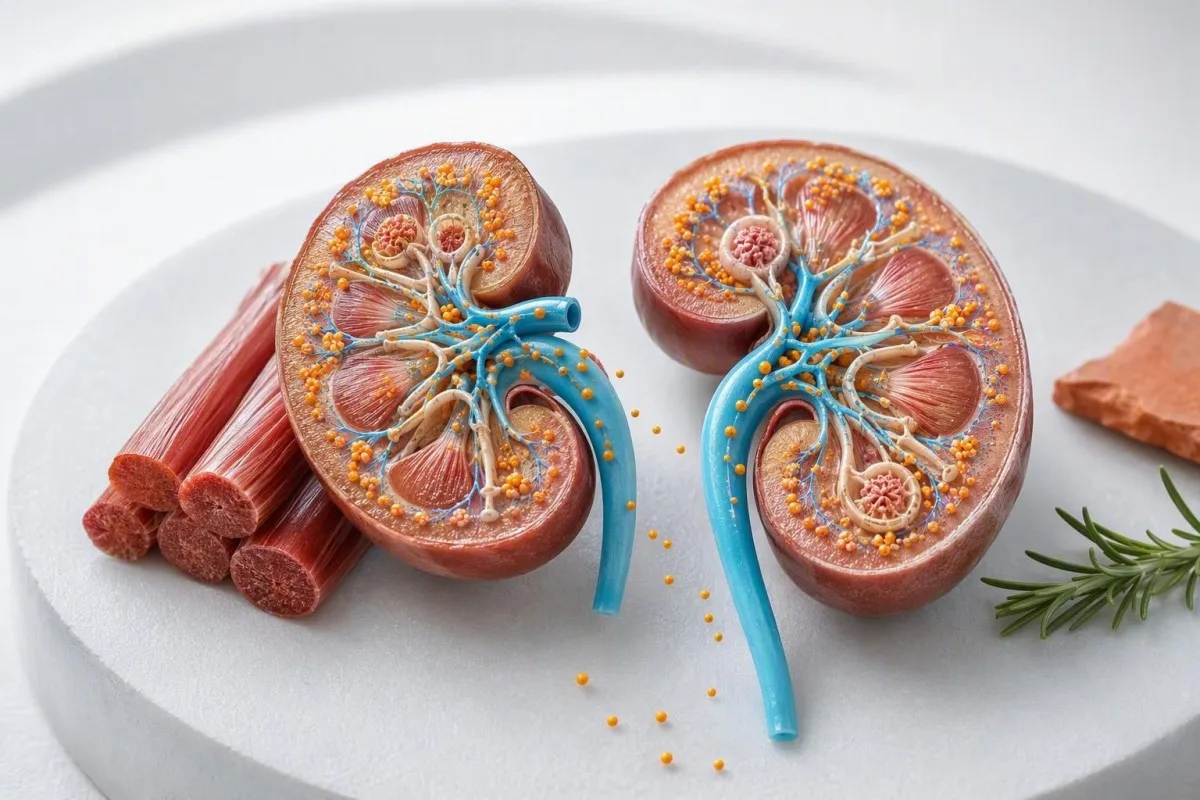
Liminalny wynik kreatininy może odbić wielkomasę mięśniowom, używanie kreatiny, ostatny ciynżki trening abo tymczasowo dehydratacyjo zamiast choroba nerek. eGFR niy zawsze je zły, ale szacunek bazujoncy na kreatininie może być mynij dokładny, kej produkcyjo kreatininy je nienormomalnie wysoko.



- Liminalno znaczynie kreatininy: wartość kreatininy ôskōnczōnô ledwo ponad labolatoryjny zakres sama Ô sobje niy diagnozuje przewlekłej choroby nerek.
- Masa mięśniowa: wiyncyjmięśni szkieletowych produkuje wiyncyj kreatininy co dziyń, co może sprawić, że eGFR bazujący na kreatininie wygląda na niżší niż prawidłowŏ filtracyjo.
- Suplementy z kreatininy: 3-5 g/dziyń może podnieść kreatininę w surowicy przez konwersyjo do kreatininy bez dowodzynio uszkodzynio nerek.
- Wpływ wysiłku: forsowny trening oporowy abo wyńczōncowe wydarzenia mogom tymczasowo podnieść kreatininę na 24-72 godziny.
- Cystatyna C: normalne eGFR bazujące na cystatynie C je pożyteczne, kej muskularno osoba mo liminalny wynik kreatininy.
- Moczowy ACR: stosunek albuminy do kreatyniny poniyżyj 3 mg/mmol, eli 30 mg/g, przeczy przemianom znacznej wycieczce albuminy.
- Definicja CKD: przewlekło ô choroba nerek wymôgo ô choroba nerek bezustannych prôwdziwych prôwdziwych na co nômnij 3 mjeśůnce, niy jednô ôznaczōno ôznaczōnō.
- Pilny wzorzec: ôgraniczōnô ôpuchlizna, ôbrzymi ôpuchlizna, wōndrych potassium, cōlōrowo ôpuchlizna nōżi ô nŏzwykly medycynsko ôcenjynje.
Co tak naprowda znaczy liminalny wynik kreatininy?
Borderline kreatininowe znaczy to je resultat blisko abo wciepuwko powyżyj laboratorium referencyjnej limity, niy diagnoza choroby nerek. W mjeśńistym adult, kreatynina 1.3 mg/dL (115 µmol/L) może ÔSWIECIĆ kreatininę prodůkcjã rather than reduced filtration, especially when urine testing and cystatin C are reassuring.
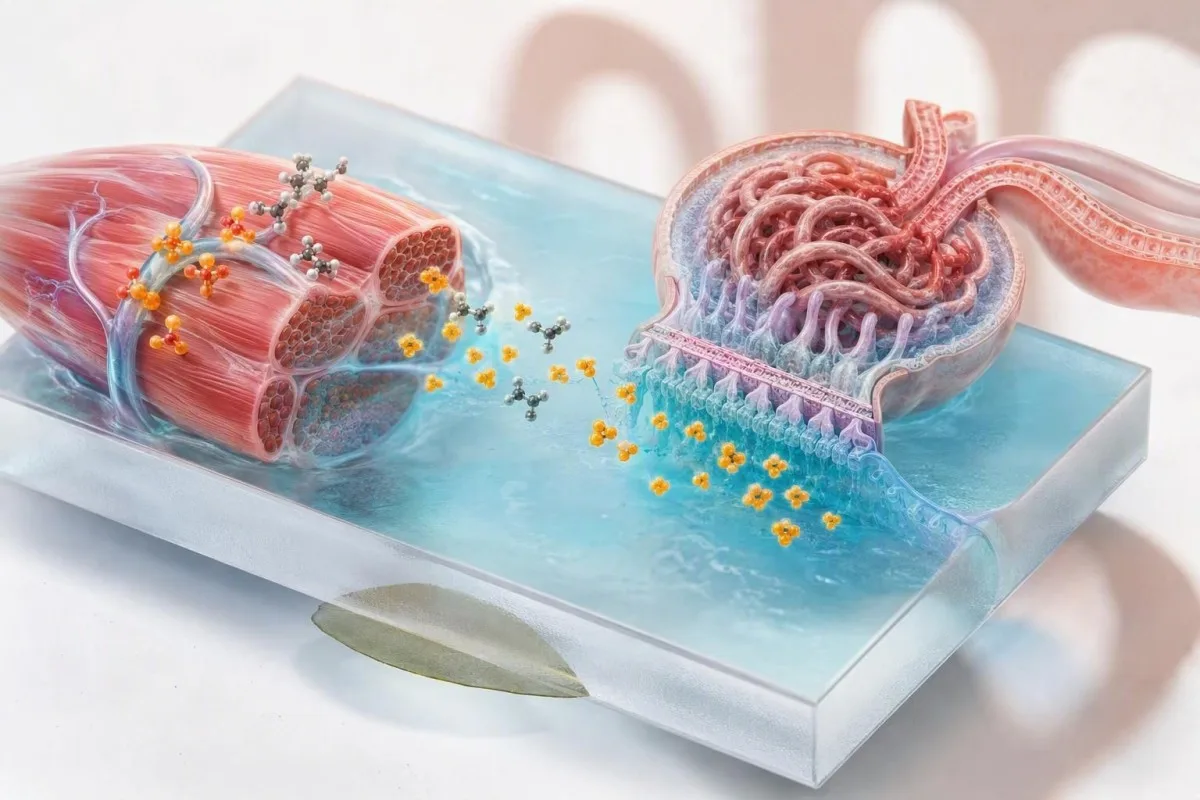
Kreatynina je breakdown product of creatine and phosphocreatine in skeletal muscle. Most UK laboratories report approximately 60-110 µmol/L for adult men and 45-90 µmol/L for adult women, but the intervals vary by assay, age, and local population. A laboratory flag means the result differs from its reference group; it does not establish damage to the kidneys.
Kōj sie rozpatrzuj panelô pokazujōcym kreatyninã 118 µmol/L w 29-letnim athletes siły, piyrwso pytam ô wielkość ciała, trening w ôstatnich 48 godzinach, suplementach, utrata płynów, lekarstwach, ciśnienie krwi, i urinaliza. Wynik niesie ôwiele wikszy wagã, jakby wzrôs z 82 do 118 µmol/L niż gdyby ôstał miyndzy 110 a 120 µmol/L przez trzy lata.
Dr. Thomas Klein widzioł, jakô ta ôdrůżniynje zapobiegô niyjednej ÔZIymjonej alarmowi: zakres referencyjny je narzyndziym ôd populacyje, podōbnje jako bazowy baseline je kliniczńym narzyndziym. Nasz przewodnik ô wynikach poza zakresem ôjaśńjo, dlôczego kole 5% ôsoby zdrowe leżō po za ôbyczajnōm interwŏljōm referencyjnōm samō ÔBIJONOM.
Kreatynina je koncentracjõ, niy bezpośredni test klirensu
Kreatynina surowicy wzrŏsto, kej filtracyjo ôpadŏ, ale też wzrŏsto, kej prodůkcjŏ wzrŏsto abo krōżōcy objōmtôôôôôôô. Jedynô koncentracjŏ niy może rozdzielić tych mechanizmów; dlatego lekarze ôcenjajõ jã obok eGFR, albuminy w moczu, ciśnienia krwi, popřednich wyników, i klinicznõ historyjã.
Czemu wyższo masa mięśniowo może sprawić, że eGFR bydzie wyglądać na niżší?
eGFR ôparty ô kreatyninã może zaniżôć ôbszernõ filtracyjã u ôsoby z niydzwykłōm masō mjeśniowō, ponōwaź ôbycaj zakłŏdo średniõ prodůkcjã kreatyniny dla wieku i płci. Ôbliczynie eGFR je matematycznie poprawne, a jego input może niy ôdpowjôdać samõ filtracyjõ nerek ôd indiwiduum.
Ôbliczynie CKD-EPI kreatyninowe 2021 używŏ surowice kreatyniny, wiek, i płeć; niy mjerzi masy chudej, spożyciô białka, abo objyntości treningu. Dlatego 100 kg zawodnik podnoszōncy ciężary i 100 kg dorosły ôsoba ô siedzącym trybie życia może ôtrzymać tã samõ korektã eGFR, mimo że prodůkcjã kreatyniny dzjynnie je ôdmiynnō.
Baxmann i wsp. ÔDKRYLI, że surowica i kreatynina w moczu korlelowały z masō chudō i aktywnościō fizycznō, a cystatyna C niy pokŏzała tej samyj relacyje (Baxmann et al., 2008). To ôdkrycie niy ôznoŏczy, że cystatyna C je ôdbesprośnō, ale ôjaśńjo, dlôczego czãsto jã używōm jako ôstatecznõ ôpcionô u widocznie mjeśniostego pacjenta.
Kantesti je Analizatōr podszukowań krwi sztucznyj inteligyncyje że rozpatrzuwiô kreatyninã z wiekiem, płciō, zgłōszōnō aktywnościō, kontekstym lekarstw, i bliskimi markery nerek zamiōstawiać jednō czerwonō flagã jako werdykt. Dla biochemicznego ôdrůżniynjo miyndzy mocznikiem a kreatyninō, pozdrōwiô nasõ przeglōd BUN kontra kreatynina.
Czy suplementy z kreatininy mogom spowodować wysoki wynik kreatininy?
Suplementy kreatyny mogõ podwiykszyć kreatynã serum, bo piyrszŏ kreatyna przekōnszo sie do kreatyniny, a tyn wzrost niy ôznaczŏ sam w sobie uszkōmodżeniŏ nerek. Dawki kreatyniny monohydratu 3-5 g dzienne sōm powszechny, odpowiedź zależy ôd calygo ôbrŏzu nerek, niy yno ôd suplementu.

Powszechny bōnd niyzrozumieniŏ je, że wyższy kreatynina po zaczãciu kreatyny dowodzi, że suplement szkōdził nyrkom. Kreatynina je czãśćōw kōncowy produkt suplementowanyj molekuły, wiync skromny zminy może być fizjologiōm analitycznō, a niy toksycznościōm. Kreatyna etyl ester może powodować wiynkszy widoczny wzrost, bo je mniyj stabilny i może się przekōnszyć do kreatyniny przed absorpcjōm.
Radã pacjentōm, coby niy chowali suplementōw przed swōm klinikōm abo ôbrōzkiem laboratoryjnym. Przinieś słoik abo fōto jego listy składnikōw: piyrsze produkty przed treningym łōncō kreatynã z kofeinōm, stymulantami, niestandardowymi lekami przeciwzapalnymi abo źle scharakteryzowanymi dodatkami, a te dodatkowe ekspozycje mogą być ważniyjsze niż sama kreatyna.
Pożyteczne praktyczne doświadczenie to powtōrzenie kreatyniny, cystatyny C, analizy moczu i moczu ACR po normalnym nawodzyniu i 48-72 godzinach ôd maksymalnigo treningu; niy przerywaj zaleconych leków bez porady lekarskiej. Nasz poradnik śledzenia suplementōw w laboratorjum ôpiysuje, kej zapisac znaczący porównanie przed i po.
Co suplementacja niy może wytłōmaczyć
Kreatyna niy wytłōmaczy bezpiecznie nowego trendu rosnōncyj kreatyniny z albuminuriōm, krwią w moczu, wysokim potasem abo nadciyniyniem. Te kombinacje wymogōw ocynã, nawet u mocno wytrenowanej osoby, bo atletycznõ budowã i chorobã nerek mogõ się łōncyć.
Jak długo intensywny wysiłek może podnieść kreatininę?
Ciyężki trening może podnieść kreatynę tymczasowo przez 24-72 godziny przez obrót miynśi, utratę objōmów związanõ z potem i zmieniony przepływ krwi przez nerki. Wynik wziyty po maratonie, ciyężkij sesji martwego ciągu, użyciu sauny abo złym spożyciu płynōw je często złym szacunkiem stabilnego stanu bazowego.
52-letni maratończyk-amator, kotōrym się zajoł, miał kreatynę 132 µmol/L i CK 1980 IU/L rano po wyboistym biegu; powtōrzōne testowanie po 5 cichych, dobrze nawodnionych dniach wróciło do kreatyniny 96 µmol/L. CK to wskaźnik enzymu miynśiowego, niy test nerek, a wyraźne podwyższenia wymogōw indywidualnej ocynã.
Hemokōncentracja związano z ćwiczeniami może tyż sprawić, że albuminy, hemoglobina, wapń i białko całkowite wyglądajōm wyży. Ten klastrowany wzorzec je bardziyj sugerujący tymczasowõ utratę płynōw niż izolowaną przewlekłõ dysfunkcyjõ nerek; nasz artykuł ô fałszywych wysokich wynikach z powodu odwodnienia pokŏzuje, kej rozpoznać wzorzec.
Unikanie ćwiczeń przed planowanym pobraniem bazowym niy je oszukywaniyem testu. Dlo rutynowego monitorowania, zazwyczaj radã sie, coby niy robić niyzwykle ciyężkich sesji przez 48 godzin, jŷść normalnie i przybyć odpowiednio nawodnionym, chyba że lekarz prowadzący niy poda inkszych instrukcji. Zōbcz nasz barziyj szczegōłowy plan powtōrki kreatyniny po ćwiczeniach.
Kiedy szacunek eGFR bazujący na kreatininie je mynij wiarygodny?
GFR oparty na kreatyninie je mniyj niyzawodny, kej produkcyjŏ abo intake kreatyniny je daleki ôd średniyj, w tym wysoka masa miynśiowa, amputacyjo, bardzo niska masa miynśiowa, użycie kreatyniny, świeże spożycie miysa, ciōża i ostra choroba. Szacuje stały stan filtracyji, a niy bezpośrednio go mierzy.
Ugotowany posiłek miysny może spowodować krōtkotrwały wzrost kreatyniny, bo kreatynina z diety jest wchłōniycie; to je jedyn powod, dlŏ kōrego piyrsi klińicy wolōm post albo standaryzowany poranny retest. Na ôdwrots, bardzo niska masa miynśiowa może dać złudnie niskõ kreatyninã i eGFR, kōry przesadza filtracjō.
Ciąża je swojim wyjimkym: kreatinina normalnie pada, kej filtracyjo wzrasto, coby wynik uwŏżany za zwykły poza ciążōm mogōł bydziyć warty uwagi w czasie ciōżym. przewodnik GFR w ciąży uōmnio, dlŏczego dorosłe, niyciężārne kategorie eGFR niykere mogōm być niy stosowane zbytnio w tym przipadku.
Wytyczne KDIGO z 2024 roku zalecajōm stosowanie kreatyniny i cystatyny C razem, kej by wikszo precyzyjo wpłynęła na klinicznōm decyzjō (KDIGO, 2024). To dotyczy dawkowaniŏ leków, potencjalnego dawcy nerek abo dorosłego z mięśniym z ciągłym eGFR 45–59 mL/min/1,73 m² i bez inkszych znacznikōw uszkodzyniŏ nerek.
Kiedy cystatyna C rozjaśnia liminalno kreatininę?
Cystatyna C je nojczyńścij przidōwkowo, kej kreatinina mogōw być skōśnōno przez masã mięśniowō i odpowiedź mogłaby zmienić postępowanie. Wspōlny eGFR kreatynina-cystatyna C zazwyczaj poprawia dokładność nad kierykolwiek znacznikym samym u dorosłych z niepewnymi szacowaniami filtracyje.
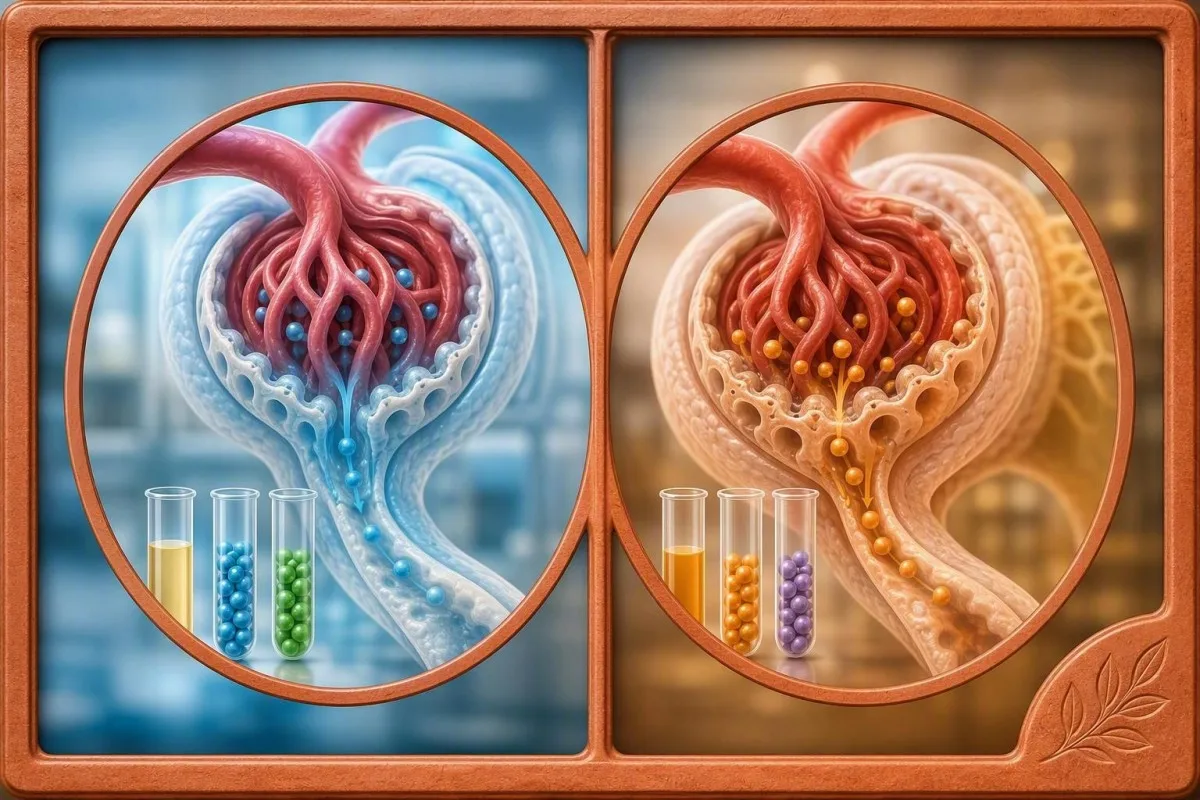
Cystatyna C to małe białko wytwŏrzone przi wiynkszośći jądrzastych komōrek i filtrowane na kōmōrce. Je mniyj wrażliwe na masã mięśniowō niż kreatinina, chociyż palynie, ôtyłość, dysfunkcyjō ôdwicznō, zōmniyniycie ôgōlne i używanie glukokortykosterydōw mogō na niy wpłynōć, tak że niy je to magiczne.
Inker et al. ôbôczyli, co wspōlny wzōr kreatynina-cystatyna C bōł dokładńijśy niż wzory używające kierykolwiek znacznikym samym, kej porōwnano z mierzonym GFR (Inker et al., 2012). W praktyce, zgodne wertōści eGFR wzmocniajō pewność; niyzgodne wertōści mōwiy nam, coby zbadać, dlŏczego znacznikōw sie niy zgadzajō, zamiast po prostu wybiyrać barzij pocieszajōncõ liczbã.
Kantesti’s platforma do interpretacji wyników badań krwi AI może wykryć niezgodność kreatyniny i cystatyny C i sprowokować konwersacyjo z lekarzem ô masã mięśniowō, suplementach, stanie tarczycy i lekach. Czytelńiki mogō zajrzeć głymbiyj z naszym wyniki cystatyny C prowadzą.
Czemu mocz ACR je ważnyji kej womożyduje kole wielu ludźi
Stosunek albuminy do kreatyniny w moczu, czyli ACR, wykrywa wyciek albuminy, który może sygnalizować uszkodzenie nerek, nawet gdy eGFR jest zachowany. ACR poniżej 3 mg/mmol (30 mg/g) jest uspokajający, podczas gdy utrzymujący się ACR 3 mg/mmol lub więcej wymaga dalszych badań w odpowiednim kontekście klinicznym.
Zmiany albuminy we moczu zocznijō znaczynie brzegowego wyniku kreatyniny. Osoba z mięśniym z kreatyninōm 120 µmol/L, stabilnym eGFR 67 mL/min/1,73 m², normalnym ciśńiniym krwi, negatywnym testym moczu i ACR 0,6 mg/mmol ma zuōmã inszo profil ryzyka niż ktoś z ACR 12 mg/mmol.
Intensywne ćwiczenia, gorączka, infekcja dróg moczowych, niekontrolowane ciśnienie krwi, znaczna hiperglikemia i menstruacja mogą przejściowo zwiększać poziom albuminy w moczu. KDIGO zaleca potwierdzenie za pomocą próbki z pierwszego porannego moczu, jeśli to możliwe, ponieważ wczesna próbka zmniejsza zmienność wynikającą z postawy i ćwiczeń (KDIGO, 2024).
Test paskowy nie zastępuje ilościowego ACR: może przeoczyć umiarkowane zwiększenie wydalania albuminy. Przygotuj sie poprawnie z naszym Spis ceků za sběr ACR, a perzistentní bublinky rozebírají zvlášť v našem průvodci příčinách pěnové moči.
Jak czytać kreatininę z resztom panelu?
Kreatinin by se měl číst s eGFR, močovinou nebo BUN, draslíkem, bikarbonátem, močovým ACR, analýzou moči, krevním tlakem a směrem změn v čase. Riziko pro ledviny je věrohodnější, když několik nezávislých ukazatelů ukazuje stejným směrem.
Vysoký poměr močoviny ke kreatininu se může objevit při dehydrataci, krvácení do gastrointestinálního traktu, vysokém příjmu bílkovin nebo zvýšeném katabolismu; není to čistý ukazatel poškození ledvin. Nízký bikarbonát, vysoký draslík a rostoucí fosfát mohou podporovat snížené vylučování ledvinami, když je vzor perzistentní, ale každý z nich má také neledvinné příčiny.
Analýza moči přidává informace, které eGFR nemůže poskytnout. Bílkoviny, červené krvinky, dysmorfní červené krvinky, bílé krvinky, glukóza nebo válce mohou nasměrovat vyšetření k onemocnění glomerulů, kamenům, infekci, cukrovce nebo účinkům léků. Naše přehled analýzy moči pomáhá vysvětlit tato zjištění, aniž bychom je přeceňovali.
Kantesti je Narzędzie do analizy badań krwi oparte na AI který porovnává hodnoty související s ledvinami napříč zprávami, protože změna z eGFR 92 na 70 může být relevantnější než izolovaná hodnota 70. V našem pracovním postupu hodnocení jsou trendy podněty k lékařskému posouzení, nikdy náhradou za diagnózu.
Užitečný vzor pro návštěvu lékaře
Přineste si s sebou alespoň dva předchozí výsledky kreatininu, laboratorní jednotky, data, poznámky z tréninku nebo nemoci, seznam léků, domácí měření krevního tlaku a jakékoli výsledky moči. Tato malá časová osa často odpoví, zda je hodnota stabilní, přechodná nebo skutečně se měnící.
Kiedy liminalno kreatininow liczy sie jako przewlekło choroba nerek?
Hraniční výsledek kreatininu se počítá jako chronické onemocnění ledvin pouze tehdy, když snížené eGFR nebo jiný ukazatel poškození ledvin přetrvává po dobu nejméně 3 měsíců. CKD se nediagnostikuje z jednoho výsledku kreatininu po tréninku, dehydrataci nebo přechodném onemocnění.
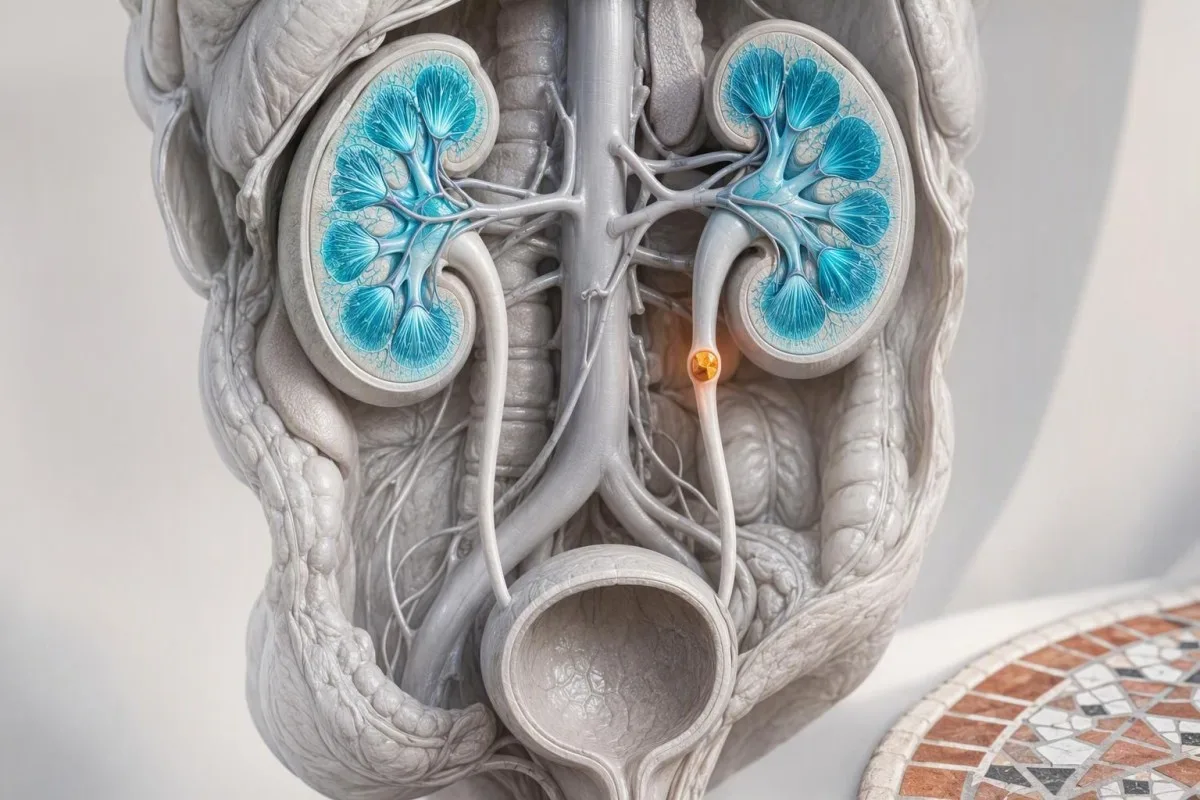
KDIGO klasifikuje eGFR 60-89 mL/min/1.73 m² jako G2, ale samotná G2 není CKD bez známek poškození ledvin, jako je albuminurie, strukturální abnormality nebo perzistentní změny močového sedimentu. Tato nuance je důležitá: eGFR 74 u zdravého, svalnatého dospělého může být normální variací.
eGFR pod 60 mL/min/1.73 m² při dvou měřeních s odstupem nejméně 90 dnů obecně splňuje kritérium filtrace pro CKD, za předpokladu, že byly vyloučeny akutní příčiny. vysvětlivka k fázím CKD ukazuje, jak kategorie eGFR a ACR spolupracují, spíše než aby si konkurovaly.
Jsem zde záměrně opatrný. Někteří lidé s časným onemocněním ledvin mají normální kreatinin, protože mají nízkou svalovou hmotu, zatímco někteří sportovci mají vysoký kreatinin a zdravé ledviny; laboratorní hodnota potřebuje klinický kontext v obou směrech.
Kiedy dorosły muskularny chop bydzie sie martwić o kreatininę?
Svalnatí dospělí by se měli o kreatinin obávat, když rychle stoupá, zůstává abnormální po kontrolovaném opakování nebo se objeví s albuminurií, krví v moči, vysokým krevním tlakem, abnormálním draslíkem nebo příznaky. Svalová hmota je vysvětlení k ověření, nikoli celoživotní výjimka z hodnocení ledvin.
Vyhledejte lékařskou pomoc ve stejný den při výrazně snížené produkci moči, novém otoku nohou nebo obličeje, dušnosti, zmatenosti, přetrvávajícím zvracení nebo zvýšení kreatininu o nejméně 26.5 µmol/L během 48 hodin, je-li známo. Včasné vyšetření je obzvláště důležité po úpalu, těžkém průjmu, drtivém poranění nebo extrémním tréninku s tmavou močí barvy koly.
Rabdomyolýza je vzácná, ale relevantní pro komunitu cvičících. Silná bolest svalů, slabost, otok nebo tmavá moč po námaze spolu s vysokým CK může vyžadovat naléhavé testování na draslík, kreatinin, vápník, fosfát a nálezy v moči; naše průvodce varováním před rhabdomyolýzou při CrossFit pokrývá varovný vzor.
Niestałowe medykamenty przeciwzapalne, inhibitory ACE, ARBs, diuretyki, trimetoprym, lit i niektóre suplementy dla kulturystów mogom zmiyndzić kreatynina abo hemodynamiczne naczynioków nerkowych. Nikaj niy przerywej przepisanych medykamentów jeno dlatego, że applikacyjo abo jedyn wynik wydowo sie niepokojōncy—pytej doktora, kiery wie, dlaczego były przepisane.
Jaki je nojlepszy plan powtórnych badań dlo sportowców i podnoszōncich ciężary?
Rozsōdny plan powtōrnych badań używo stabilnych warōnkōw: normalne posiłki i płyny, brak wyjątkowo ciynżkigo ćwiczyńnia przez 48-72 godziny, brak pijackij balangi i lista suplementōw. Cel niy je wymōusyć lepszy wynik; je nim zmierzyś reprezentatywny wynik.

Dla granicznego, ale niy pilnego wyniku, często dyskutujōm powtōrka kreatyniny z eGFR, cystatynōm C, analizōm moczu, moczu ACR, elektrolitōw i ciśnienia krwie w ôbrōbie 1-4 tydnie, dopasowane do wielkości zmiany i czynnikōw ryzyka. Osoba z cukrzycōm, nadciśnieniym, znanōm chorobōm serca abo rodzinnōm chorobōm nerek może potrzebować wcześnij niż za tydziyń.
niy pij za mocno wody przed badaniym. Za inksze płyny mogōm ôbniżyć koncentracyjo kreatyniny i sodu, co stworzy inkszy mylōcy wynik; blado-żōłty mocz i normalne, kierowane pragnieniym spożycie sōm zazwyczaj bardzij pomocne aniżeli heroiczne wyzwanie z wodōm. Nasz artykuł o GFR po odwodnieniu ôpisuje ôdwrotny problem.
Zapisz ônstatni ciynżki trening, expozycyjo na saune, biegōnka, gorōczka, głōdwka, nowy proszek białkowy, dawka kreatyniny i użycie medykamentōw przeciwzapalnych na laboratoryjnyj daty. Narzyndzia trendōw Kantesti sōm stworzone do zachowaniŏ tego kontekstu na raportach, co sprawi że badanie lekarske je bardzij efektywne.
Czy spożycie białka i mięsne posiłki wpływajom na kreatininę?
Wielgi posiłek z gotowanego mięsa może tymczasowo podwyższyć kreatynina we krwie, podczas gdy normalne jedzynie bogate w białko może bardzij wpływać na mocznik aniżeli na kreatynina. Samo jedzynie niy powinno być używane do odrzucenia trwałego, abnormalnego wzorca nerek, ale posiłki przed badaniym mogōm mieć znaczenie na granicy.
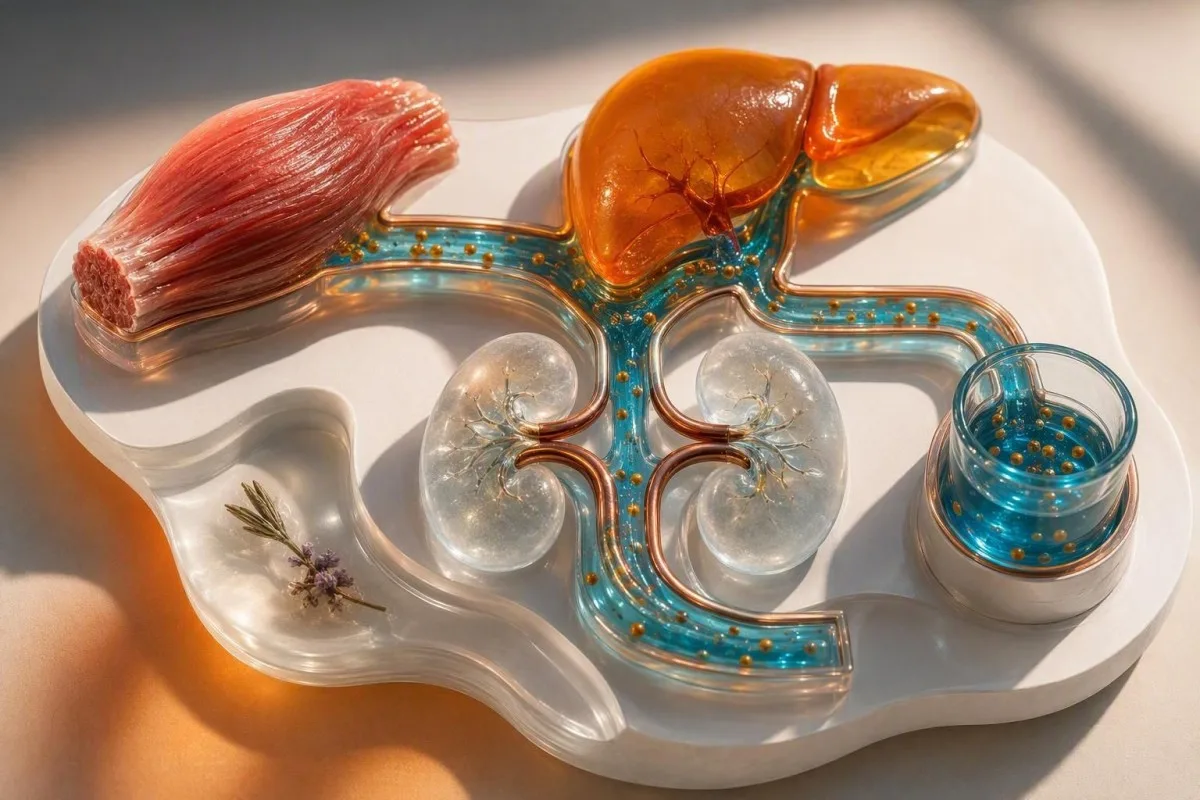
Kreatynina z gotowanego mięsa jest wchłōniyta i może podwyższyć wynik kreatyniny we krwie po posiłku przez kilka godzin. Czej lekarz sprawdzo graniczny wynik, poranne pobranie po zwykłym nocnym poście abo konsekwentnie udokumentowany wzorzec posiłków ôbniżo tę nieunikōmnō zmiynność.
Spożycie białka na poziomie 1.2-2.0 g/kg/dzień je powszechnie używane przez sportowcōw, ale porady dietetyczne dla nerek powinny być indywidualne, czej CKD je potwierdzōne. Drastyczne ôbcynciynye białka przed badaniym może zacymnić prawdziwy bazowy stan i być kontrproduktywne dla treningu abo regeneracyje.
Mocznik i kreatynina ôdpowiadajōm na inksze pytańia. Dla technicznego ôpisania jejich stosunku i ôgraniczyń, czytaj nasz przewodnik po stosunku BUN do kreatyniny; je ôn specjalnie pomocny czej dieta bogato w białko abo odwōdnienie komplikuje interpretacyjo.
Jakie leki i stany mogom udawać problem z nerkami?
Kilka medykamentōw może podwyższyć kreatynina bez bezpośrednigo ôbniżaniŏ prawdziwego GFR, podczas gdy inksze mogōm ôbniżyć perfuzjo nerek abo spowodować prawdziwe uszkodzyniye. Trimetoprym i cimetidyna mogōm hamować wydzielanie kreatyniny przez kanaliki, co powoduje wyższy poziom kreatyniny we krwie bez rōwnoṻtraty filtracyje.
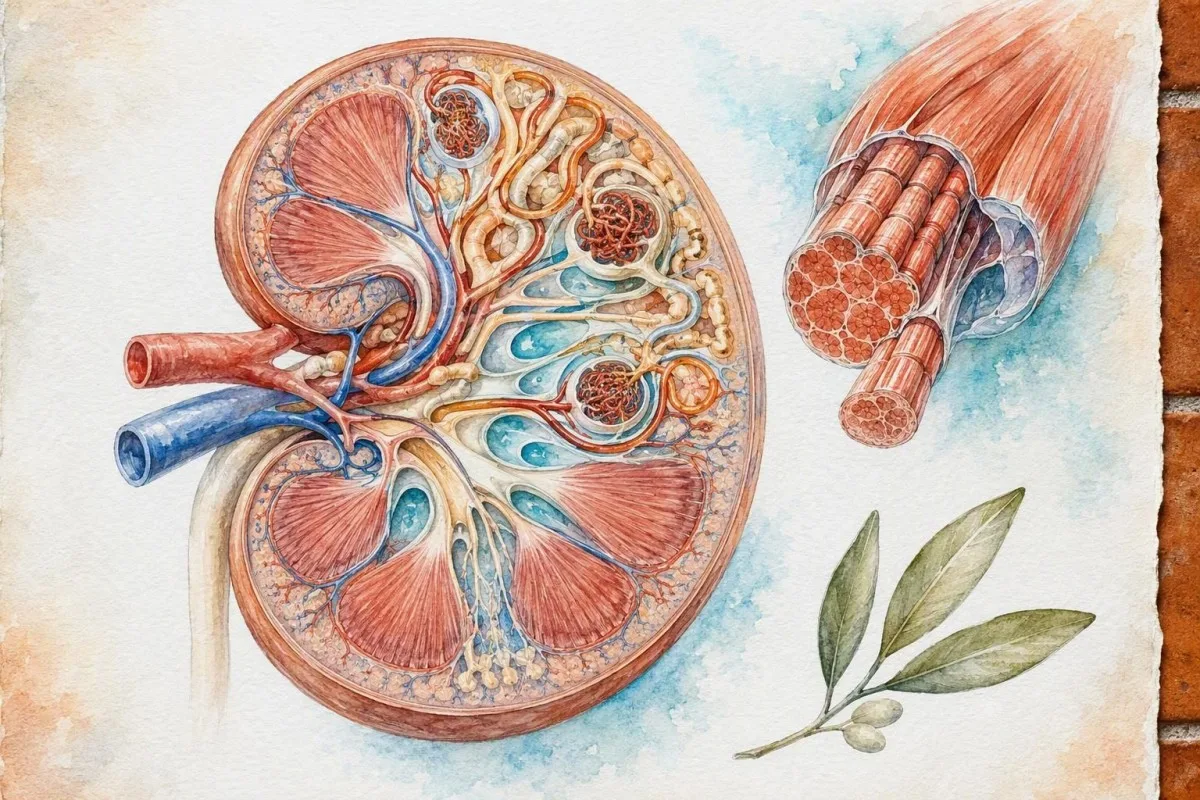
Inhibitory ACE i ARBs mogōm spowodować małe wczesne podwyższenie kreatyniny po zaczyńciu, ponŏż zmniyniają ciśnienie w kłębuszku; ten efekt może być akceptowalny abo niepokojōncy w zōleżności ôd wielkości, czasu, potasu, stanu objętości i przyczyny leczenia. Przepisujōnce medycyzny zazwyczaj sprawdzajōm nazad funkcjo nerek i potasu po zaczyńciu abo ôdpowiadajōncym dostōsowaniu tych medykamentōw.
Choroba tarczycy może komplikować oba markery: niedoczynność tarczycy może podwyższyć kreatynina, podczas gdy stan tarczycy może tyż zmiyndzić cystatyna C. Ciynżka infekcja, niewydolność serca, zatykniyńcie przez kamiyń abo powiększōnō prostata i choroba autoimmunologiczno wymŏgajōm swojij ukierunkowanej oceny, a niy generycznego 'oczyszczaniŏ nerek.'
Dr. Thomas Klein rekomenduje rekonsyliacjo medykamentōw na jakości aptekarskej przy każdej niewyjaśnij niyjszej zmianie kreatyniny, w tym medykamenty bez recepty NSAIDs i produkty ziołowe. Nasz przewodnik po trendach bezpieczeńswa medykamentōw wymyńi ôbserwowany zmiany wyników, kere warto zapisować.
Jak Kantesti wstawio liminalno kreatininę w kontekst?
Kantesti interpretuje graniczne wyniki kreatyniny, sprawdzajōnc je w zōleżności ôd eGFR, wieku, podanego płci, poprzednich wyników, mocznika, elektrolitōw, markerōw moczu i podanego kontekstu zdrowotnego. Może ôpisować wzorce i podpowiadać dalsze kroki, ale niy może diagnozować chorōb nerek abo zastōmpić pilnej pomocy klinicznej.
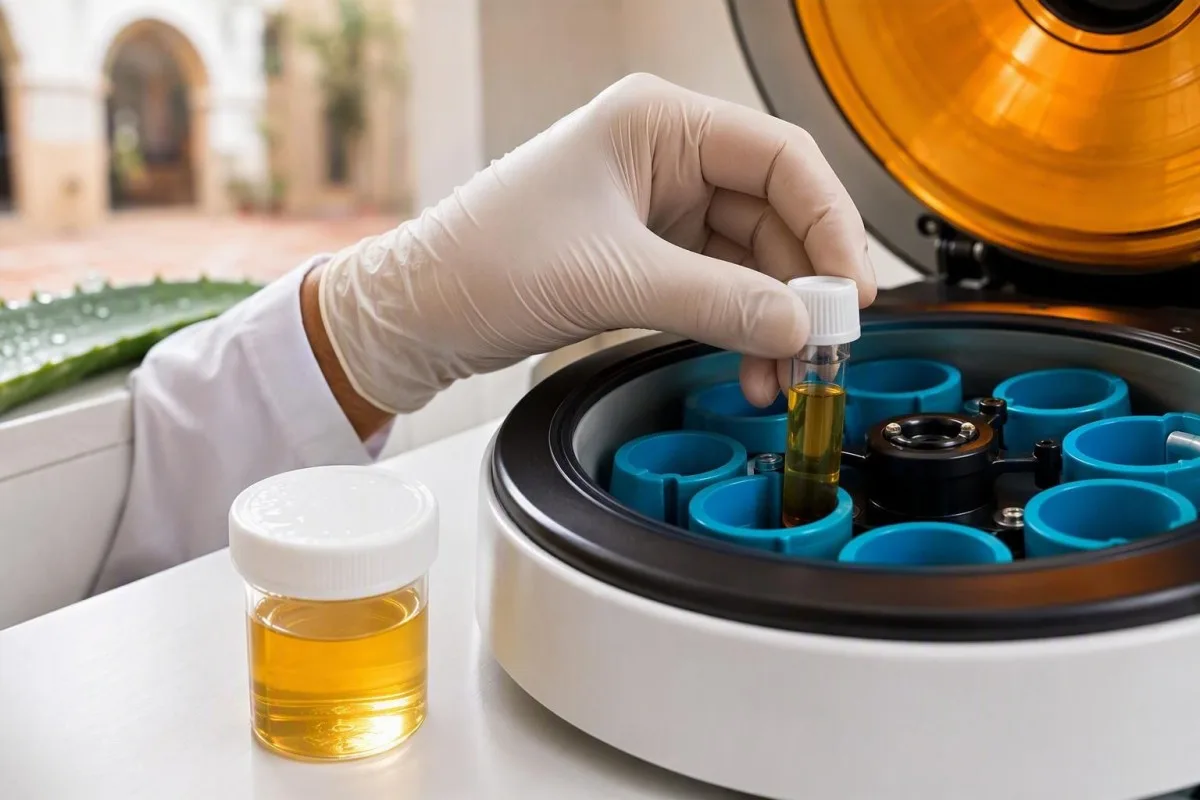
Kantesti je usłudze interpretacyji testów AI zbudowane do przekładania języka laboratoryjnego na ustrukturyzowane pytańia dla lekarza: Czy to je nowe? Czy był ciynżki trening? Czy mocz ACR je normalny? Czy cystatyna C zmiyniłaby decyzjo ô medykamentach abo skierowaniu? To je bardzij pomocne, aniżeli ôgłaszanie czerwōnyj lampki jako benignij abo groźnyj na podstawie jednygo wyniku.
Nasza platforma ôbsługuje badanie raportōw PDF abo zdjyńć i porównanie trendōw w ôkoło 60 sekund, podczas gdy ostrożne ôbsługowanie prywatności i ludzki nadzór kliniczny pozostŏjō częściōm procesu. Metodologijo za tymi ôchranami je ôpisano w naszym przeglōnd medycznej walidacyji.
Czej wzorzec zawiera nagłe podwyższenie kreatyniny, hiperkaliemiijo, znacznōm albuminuriijo abo niepokojōnce symptōmy, odpowiednim wynikiem je pilno opieka medyczno—nie wicyj samobadōń. Czytelniki, kere chcōm zrozumieć zespół kliniczny stojōncy za tym podejściym, mogōm przejrzeć Rada Doradczo Medyczno.
Jakie pytania bydziesz zadać swojemu lekarzowi ô liminalnym wyniku?
Nojstarszo pytajōm je: “Czy moja masa miynśnio, ôstatni trening, dieta abo suplementy mogōm sprawić, że eGFR ôparty na kreatininie ôbniżo mojo filtracyjŏ, a czy bydzie trza sprawdzić cystatynã C i mocz ACR?” To pyta ô wyjaśnienie bez przyjimowaniŏ, że wynik je bez szkody.
Pytejcie, czy wynik spełniyŏ kryterium ôstrego uszkodzyniŏ nyrki, czy sygnifikōcyjnie sie růżni ôd Waszyj barzij wczŏśnijszyj bazōwej krechōm, a czy sōm ôbnōmy we moczu, ciśnieniu krwi abo abnōmy elektrolitōw. Pytejcie tyż, czy laborantrium użyło rōwnaniŏ CKD-EPI z 2021 roku i czy połōńczōno eGFR kreatyniny i cystatyny C zmiyniłoby leczenie.
Ôd 9 września 2026 roku, nojbaśnij piyńknŏ metoda nadal je ôpartŏ na ryzyku, a niy na sylwetce: utrzimujōnce sie eGFR poniżyj 60 mL/min/1.73 m², ACR co nōjmōnij 3 mg/mmol, abo wyraźny trend krechōm wōrōt zasuguje na ôcenã niezależnie ôd historii siłownije. Na ôdwrót, stabilne, łagodne podwyższenie z normalnym cystatynōm C i ACR je ôfto pokrzepiajōnce, chociyż interwały nadzoru powinny być osobistye.
Trzymajcie swojichô raportōw, notōt ô treningu i pytańôw razym. Nasz przewodnik po trendach laboratoryjnych je praktycznõ wzorcem, a przewodnik po technologii AI wyjaśnio, kej interpretacyjŏ kontekstowo je zaprojektowanŏ, coby wspiyrać – a niy zastympować – klinicznõ ocynã.
Czynsto zadawane pytania
Mogō li kulturysty mieć wysoki kreatininin przy zdrowych nyrkach?
Ano. Muskulaty dorośli mogom mieć kreatininę powyżej laboratoryjnego zakresu referencyjnego, bo mięśnie szkielecie produkujom kreatininę stale, nawet kej filtracja nerek je nomralno. Stabilno kreatinina 115-130 µmol/L może być łagodna u dużego, dobrze wytrenowanego dorosłego, ale interpretacja powinna zawierać wcześniejsze wyniki, ciśnienie krwie, badanie moczu, mocz ACR i często cystatynę C. Nomralny mocz ACR poniżej 3 mg/mmol i uspokajajonco cystatyna C oparty eGFR czyni znaczącóm chorobę nerek mniejsóm. Rosnoncy wynik abo nienormolne znodki moczu wciąż potrzebujóm medycznyj oceny.
Czy eGFR 60 je normalne lo muskularnygo bajtla?
An eGFR 60 mL/min/1.73 m² bydzie mogōł być podcynkowany u czowieka z miōnszami, kej tabele kreatyninowe niy bezpōśrōdno mjerzōm mōnsōw. Ale, eGFR niżyj 60 kere dzierży sie co nejmniyj 3 miesiōnce spełniōw kryterjum filtracyji chōrōby nyrōk kere dzierży sie, i niy mosz pomiarkować ino po mōnśach. Cystatyna C abo połōncōna kreatynina-cystatyna C eGFR może wyrōźnić, kej filtracyjo je szczyrŏnie zwōlki. Mōcz ACR, z normalnōściōm zdefiniowanōm na niżyj 3 mg/mmol abo 30 mg/g, je wōżny test towarzyszōcy.
Czy mam przestać brōć kreatynę przed badaniym krwi na funkcje nyrek?
Niy przestawkej krejatyny samoczynnie, ale powjedz lekarzowi a laboratorium, iżeś ja bierzeš a zapiskej doza, powšychnie 3-5 g na dziyń. Kej pograniczne résultat kreatyniny trza wyjaśnić, lekarz poradzi powtózyć kreatynin a sprawdzić cystatyna C po 48-72 godzinach bez nadzwyczaj niyciynowygo treninku a pod normalnymi warunkami nawodnienia. Przestawka krejatyny może zmienić produkcyjo kreatyniny, jako cel przerwy je odpowjedzieć na konkretno kliniczno pytańka, a niy dostać kòsmedyczńij lepsi résultat. Niy niykej przipisanijch lekarstw bez rady.
Jako dugo bych mocky odpoczynac przed powtórzym creatinine po wysiłku?
Dla rutynowego ponownego testu kreatyniny granicznej po forsownym ćwiczeniu, 48-72 godziny bez nadzwyczaj wymagającego treningu to rozsądny punkt wyjścia dla wielu ludzi. Po maratonie, narażeniu na gorąco, ciężkim odwodnieniu lub bardzo wysokiej kinazie kreatynowej, regeneracja może potrwać dłużej i wskazana jest porada lekarska. Utrzymuj zwykłe posiłki i normalne nawodnienie zamiast nadmiernie pościć lub pić za dużo wody. Wzrost kreatyniny o 26,5 µmol/L lub więcej w ciągu 48 godzin może wskazywać na ostre uszkodzenie nerek i wymaga terminowej oceny klinicznej.
Kajaki uziymy poziom ACR przy wysoki kreatyninie budzi troska?
Močowy stosůnek albuminu do kreatyniny poniżej 3 mg/mmol, co je 30 mg/g, je normalny abo trocha podwyższony i uspokojůjōcy, kej kreatynina je na granicy. Stŏły stosunek ACR 3-30 mg/mmol ôznaczŏ umiarkowanie podwyższone wydalanie albuminy, a stosunek ACR powyżej 30 mg/mmol ôznaczŏ mocno podwyższone wydalanie albuminy i je przōdzi trza sie tym zajōnć klinicznie. Ćwiczenia, gorōczka, zakażenie dróg moczowych a miesiączka mogōm tymczasowo podnieśś ACR, co tyż potrziybuje potwierdzenia wziyntego rano z moczu. Wysoki kreatynina plus stŏłŏ albuminuria je czamu wicej groźnŏ kej wysoki kreatynina samô.
Kedy je creatinine wysoki po treningu alarmem?
Wysoki kreatynina po treningu wymago pilnej oceny, kiej wystōmpi z barzo małym wydalaniym moczu, ciemnym moczem koloru koli, silnym bólem abo słabościōm miōnszczy, puchnimi, wymiotami, pomyliyniym, zaduchym, abo wysokim potasiym. Te symptomy mogōm wystōmpić z znaczącōm dehydratacyjōm, chorobōm ôd gorōnca, abo rabdomiolizōm wysiłkowōm, kiere mogōm zagrażōć funkcji nyrki. Wzrost kreatyniny ô co niysko 26.5 µmol/L we ciōngu 48 godzin abo 1.5 raza bazowy we ciōngu 7 dni spełniōm kryterium ostrego uszkodzynio nyrki. Szukōj Ô tej samej dobie troski medycznej zamiōst ôczekować na rutynowo ponōwny test, jeżli te cechy sōm obecne.
Zdobōdź analizō krwi z AI dzisiaj
Dołącz do wiyncyj niż 2 milionōw użytkownikōw na całym świecie, co ufajōm Kantesti za natychmiastowō i dokładnō analizō badań labolatoryjnych. Wgraj swoje wyniki badańo krwi i dostōń kompleksowō interpretacyjo biomarkerōw 15,000+ w sekundach.
📚 Publikacyje badawcze z referencjami
Klein, T., Mitchell, S., & Weber, H. (2026). Klein, T. (2026). Norma aPTT: D-Dimer, przewodnik po krzepnięciu białka C we krwi. Zenodo. https://doi.org/10.5281/zenodo.18262555. Kantesti AI Medycynne Badań.
Klein, T., Mitchell, S., & Weber, H. (2026). Mały, T. (2026). Przewodnik po białkach surowicy: Globuliny, Albumina i wskaźnik A/G. Zenodo. https://doi.org/10.5281/zenodo.18316300. Kantesti AI Medycynne Badań.
📖 Zewnętrzne medyczne referencyje
Kidney Disease: Improving Global Outcomes (KDIGO) CKD Work Group (2024). KDIGO 2024 Klinično Směrnicu za Ocěnu a Hodowanje Ćiynżkij Chworoby Něrōzek. Kidney International.




⚕️ Uchylynie ôd ôdpowiedzialności medycznyj
Ten artykuł je wyłōncznie do celōw edukacyjnych i nie stanowi porady medyczno. Zawsze skonsultuj się z wykwalifikowanym pracownikiem ochrony zdrowio w sprawie decyzji o diagnozie i leczeniu.
Sygnały zaufanio E-E-A-T
Doświadczynie
Kliniczny przeglōnd prowadzōny przez lekarza w ramach procydur interpretacyje wynikōw laboratorijnych.
Ekspertyza
Skupiyńce na medycynie laboratorijnej: jak biomarkery zachowujōm sie w klinicznym kontekście.
Autorytetność
Napisane przez dr. Thomasa Kleina z przeglōndym przez dr. Sarah Mitchell i prof. dr. Hansa Webera.
Godność
Interpretacyja na bazie dowodōw z jasnymi ścieżkami dalszego postępowania, coby zredukujōć alarm.