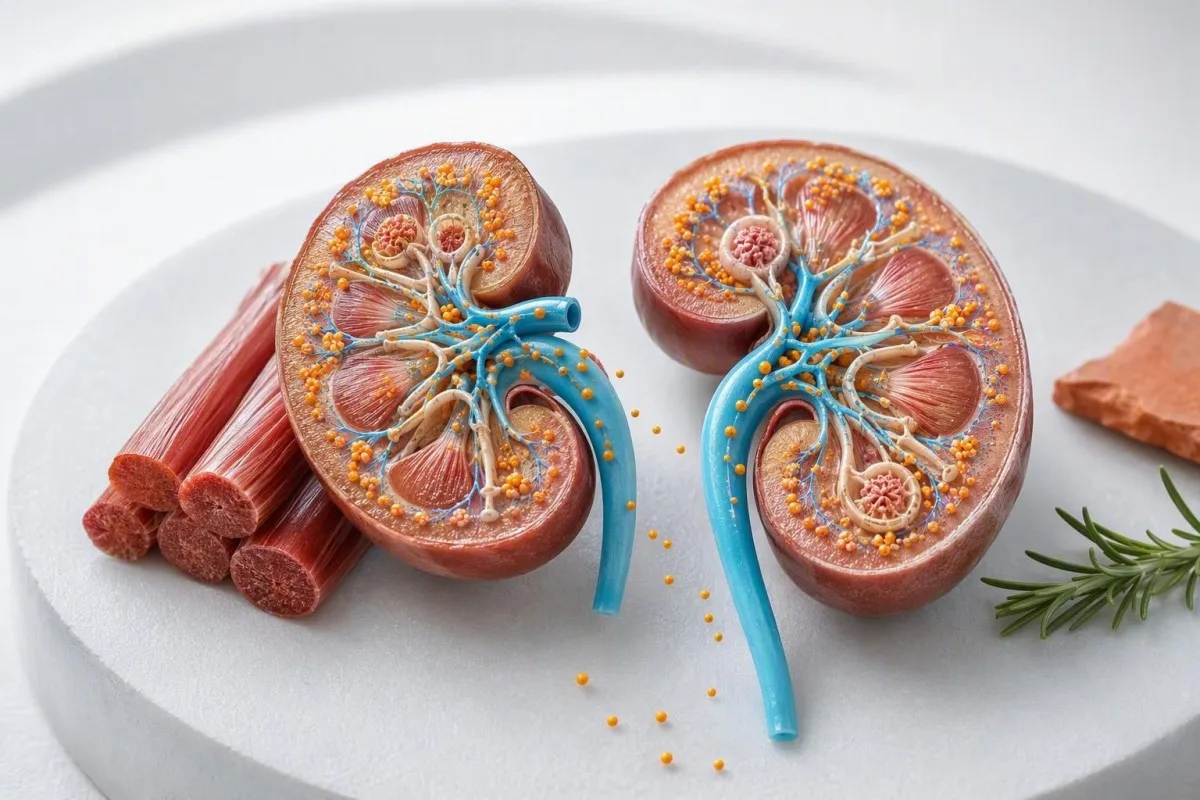
លទ្ធផល creatinine ដែលមិនច្បាស់លាស់អាចឆ្លុះបញ្ចាំងពីម៉ាស់សាច់ដុំធំ ការប្រើប្រាស់ creatine ការហ្វឹកហាត់ខ្លាំងកាលពីពេលថ្មីៗនេះ ឬការខ្វះជាតិទឹកបណ្តោះអាសន្ន ជាជាងជំងឺតម្រងនោម។ eGFR មិនចាំបាច់ខុសទេ ប៉ុន្តែការប៉ាន់ស្មានដោយផ្អែកលើ creatinine អាចមានភាពមិនត្រឹមត្រូវជាងមុន នៅពេលដែលការផលិត creatinine មានកម្រិតខ្ពស់មិនធម្មតា។.



- អត្ថន័យនៃ creatinine ដែលមិនច្បាស់លាស់៖ តម្លៃ creatinine ដែលខ្ពស់ជាងជួរនៃមន្ទីរពិសោធន៍បន្តិចបន្តួច មិនមែនជាការធ្វើរោគវិនិច្ឆ័យជំងឺតម្រងនោមរ៉ាំរ៉ៃដោយខ្លួនឯងទេ។.
- បរិមាណសាច់ដុំ (Muscle mass): សាច់ដុំគ្រោងឆ្អឹងកាន់តែច្រើន ផលិត creatinine កាន់តែច្រើនក្នុងមួយថ្ងៃ ដែលអាចធ្វើឱ្យ eGFR ផ្អែកលើ creatinine មើលទៅទាបជាងការច្រោះពិតប្រាកដ។.
- អាហារបំប៉ន Creatine៖ 3-5 ក្រាម/ថ្ងៃ អាចបង្កើន serum creatinine តាមរយៈការបម្លែងទៅជា creatinine ដោយមិនបង្ហាញពីការខូចខាតតម្រងនោម។.
- ផលប៉ះពាល់នៃការហាត់ប្រាណ៖ ការហ្វឹកហាត់ទប់ទល់ខ្លាំង ឬការប្រកួតប្រជែងស៊ូទ្រាំអាចបង្កើន creatinine បណ្តោះអាសន្នរយៈពេល 24-72 ម៉ោង។.
- Cystatin C៖ eGFR ដែលផ្អែកលើ cystatin C ធម្មតា មានប្រយោជន៍ នៅពេលដែលមនុស្សដែលមានសាច់ដុំមានលទ្ធផល creatinine ដែលមិនច្បាស់លាស់។.
- Urine ACR: អត្រាអាល់ប៊ុយមីន-ក្រេអ Read more at our "Creatinine-based eGFR underestimation in people with unusually high muscle mass" guide.
- ការកំណត់ CKD: ជំងឺ requires kidney abnormalities present for at least 3 months, not one flagged result.
- និន្នាការបន្ទាន់៖ 尿量减少,肿胀,钾升高,严重的肌肉疼痛,或可乐色的尿液需要立即就医。.
តើលទ្ធផល creatinine ដែលមិនច្បាស់លាស់ពិតជាមានន័យដូចម្តេច?
Borderline creatinine meaning គឺជាលទ្ធផលដែលនៅជិត ឬខ្ពស់ជាងដែនយោងក្នុងមន្ទីរពិសោធន៍បន្តិច មិនមែនជាការធ្វើរោគវិនិច្ឆ័យជំងឺតម្រងនោមទេ។ ចំពោះមនុស្សពេញវ័យដែលមានសាច់ដុំច្រើន ការកើនឡើងcreatinine ១.៣ mg/dL (១១៥ µmol/L) អាចឆ្លុះបញ្ចាំងពីការបង្កើត creatinine ជាជាងការថយចុះនៃការច្រោះ ជាពិសេសនៅពេលដែលការធ្វើតេស្តទឹកនោម និងcystatin C ជួយបញ្ជាក់។.
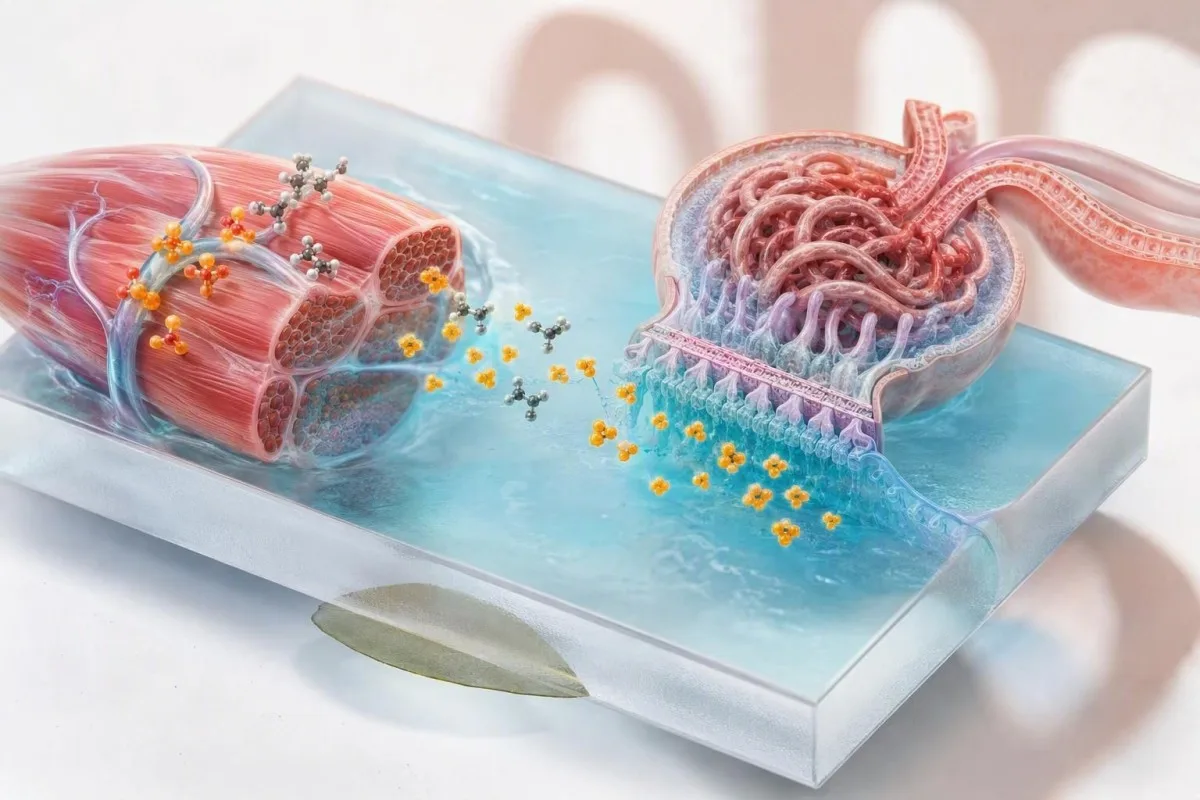
Creatinine គឺជាផលិតផលបំបែកនៃ creatine និង phosphocreatine នៅក្នុងសាច់ដុំឆ្អឹង។ មន្ទីរពិសោធន៍ភាគច្រើននៅចក្រភពអង់គ្លេសរាយការណ៍ប្រហែល ៦០-១១០ µmol/L សម្រាប់បុរសពេញវ័យ និង ៤៥-៩០ µmol/L សម្រាប់ស្ត្រីពេញវ័យ ប៉ុន្តែចន្លោះពេលប្រែប្រួលទៅតាមការវិភាគ អាយុ និងប្រជាជនក្នុងតំបន់។ ទង់សញ្ញាដែលមានក្នុងមន្ទីរពិសោធន៍មានន័យថាលទ្ធផលខុសពីក្រុមយោងរបស់វា។ វាមិនបានបញ្ជាក់ពីការខូចខាតដល់តម្រងនោមទេ។.
នៅពេលខ្ញុំពិនិត្យសំណុំដែលបង្ហាញ creatinine ១១៨ µmol/L ចំពោះអត្តពលិកកម្លាំងអាយុ ២៩ ឆ្នាំ ខ្ញុំតែងតែសួរអំពីទំហំរាងកាយ ការហ្វឹកហាត់ក្នុងរយៈពេល ៤៨ ម៉ោងចុងក្រោយ អាហារបំប៉ន ការបាត់បង់ជាតិទឹក ថ្នាំ ការវាស់សម្ពាធឈាម និងការវិភាគទឹកនោម។ លទ្ធផលមានសារៈសំខាន់ជាង ប្រសិនបើវាបានកើនឡើងពី ៨២ ទៅ ១១៨ µmol/L ច្រើនជាង ប្រសិនបើវាបានស្ថិតនៅចន្លោះពី ១១០ ទៅ ១២០ µmol/L រយៈពេលបីឆ្នាំ។.
វេជ្ជបណ្ឌិត Thomas Klein បានឃើញការបែងចែកនេះការពារការព្រួយបារម្ភដែលមិនចាំបាច់ក្នុងចំនួនដ៏ច្រើន: ចន្លោះយោងគឺជាឧបករណ៍សម្រាប់ប្រជាជន ចំណែកឯកម្រិតមូលដ្ឋានផ្ទាល់ខ្លួនគឺជាឧបករណ៍គ្លីនិក។ ការណែនាំអំពីលទ្ធផលដែលនៅក្រៅដែន ពន្យល់ថាហេតុអ្វីបានជាប្រហែល ៥១TP54T នៃមនុស្សដែលមានសុខភាពល្អ ធ្លាក់នៅក្រៅចន្លោះយោងធម្មតាដោយគ្រាន់តែចៃដន្យ។.
Creatinine is a concentration, not a direct clearance test
កម្រិត creatinine ក្នុងឈាមកើនឡើងនៅពេលដែលការច្រោះថយចុះ ប៉ុន្តែវាក៏កើនឡើងនៅពេលដែលការផលិតកើនឡើង ឬបរិមាណឈាមចរាចរថយចុះ។ កម្រិតតែមួយមិនអាចបែងចែកយន្តការទាំងនេះបានទេ។ នោះហើយជាមូលហេតុដែលគ្រូពេទ្យបកស្រាយវា alongside eGFR, urine albumin, blood pressure, prior results, and the clinical story.
ហេតុអ្វីបានជាម៉ាស់សាច់ដុំកាន់តែច្រើនធ្វើឱ្យ eGFR មើលទៅទាប?
eGFR ដែលផ្អែកលើ creatinine អាចប៉ាន់ស្មានការច្រោះទាបពេកចំពោះអ្នកដែលមានម៉ាស់សាច់ដុំច្រើនខុសពីធម្មតា ដោយសារសមីការសន្មតថាមានការផលិត creatinine ជាមធ្យមតាមអាយុ និងភេទ។ ការគណនា eGFR គឺត្រឹមត្រូវតាមគណិតវិទ្យា ប៉ុន្តែធាតុបញ្ចូលរបស់វាប្រហែលជាមិនតំណាងឱ្យការច្រោះតម្រងនោមរបស់បុគ្គលនោះតែប៉ុណ្ណោះទេ។.
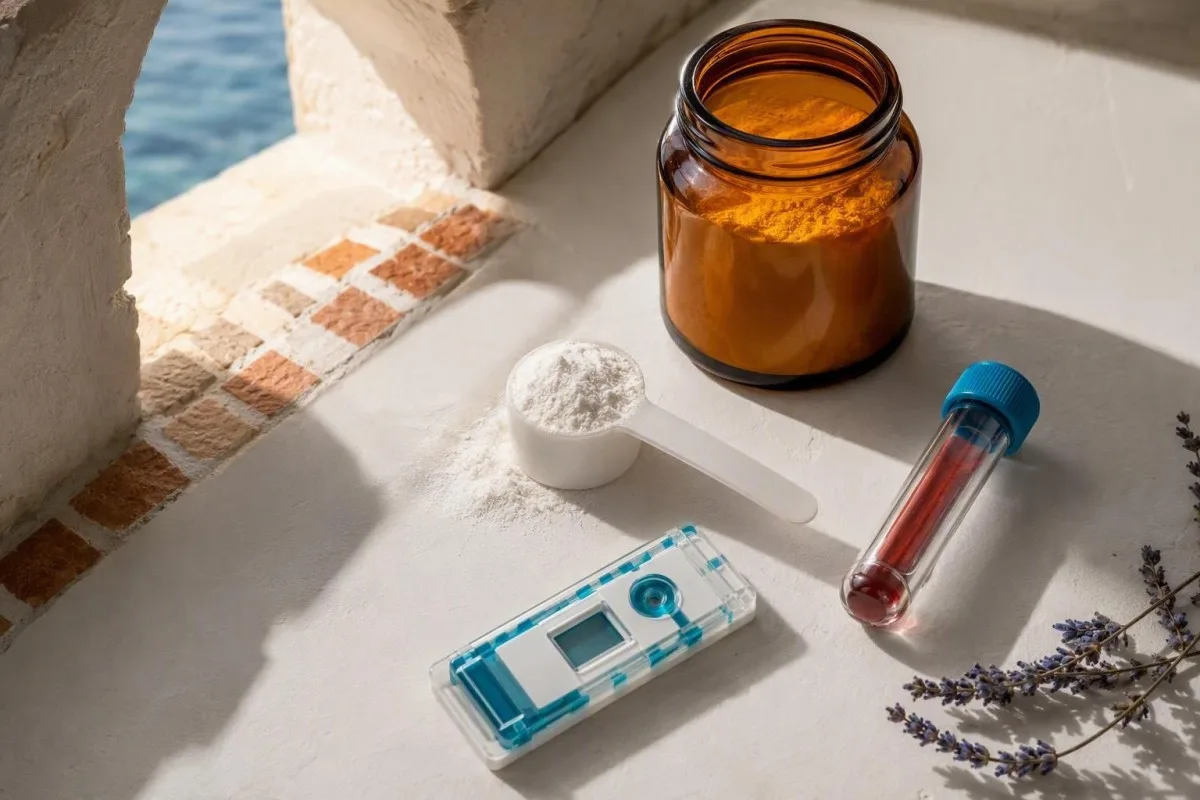
សមីការ CKD-EPI creatinine ឆ្នាំ ២០២១ ប្រើ creatinine ក្នុងឈាម អាយុ និងភេទ។ វាមិនវាស់ម៉ាស់រាងកាយស្គម ការទទួលទានប្រូតេអ៊ីន ឬបរិមាណហ្វឹកហាត់ទេ។ ហេតុដូច្នេះ អ្នកលើកទម្ងន់អាជីព ១០០ គីឡូក្រាម និងមនុស្សពេញវ័យដែលមិនសូវធ្វើចលនា ១០០ គីឡូក្រាម អាចទទួលបានការកែតម្រូវ eGFR ដូចគ្នា ទោះបីជាមានការផលិត creatinine ប្រចាំថ្ងៃខុសគ្នាខ្លាំងក៏ដោយ។.
Baxmann និងសហការីបានរកឃើញថា creatinine ក្នុងឈាម និងក្នុងទឹកនោមមានទំនាក់ទំនងជាមួយនឹងម៉ាស់រាងកាយស្គម និងសកម្មភាពរាងកាយ ចំណែកឯ cystatin C មិនបានបង្ហាញពីទំនាក់ទំនងដូចគ្នានោះទេ (Baxmann et al., 2008)។ ការរកឃើញនោះមិនមានន័យថា cystatin C គឺល្អឥតខ្ចោះនោះទេ ប៉ុន្តែវាពន្យល់ថាហេតុអ្វីបានជាខ្ញុំតែងតែប្រើវាជាអ្នកសម្រេចចិត្តចុងក្រោយចំពោះអ្នកជំងឺដែលមានសាច់ដុំច្រើន។.
កាន់តេស្ទី គឺជា ឧបករណ៍វិភាគឈាម AI ដែលអាន creatinine តាមអាយុ ភេទ សកម្មភាពដែលបានរាយការណ៍ បរិបទនៃថ្នាំ និងសញ្ញាណតម្រងនោមជិតខាងជាជាងការចាត់ទុកទង់ក្រហមមួយថាជាការសម្រេច។ សម្រាប់ការបែងចែកជីវគីមីរវាងអ៊ុយ និង creatinine សូមមើល BUN versus creatinine review.
តើអាហារបំប៉ន Creatine អាចបណ្តាលឱ្យលទ្ធផល Creatinine ខ្ពស់ដែរឬទេ?
អាហារបំប៉ន creatine អាចបង្កើន creatinine ក្នុងឈាម ដោយសារតែ creatine បំប៉នខ្លះប្រែទៅជា creatinine ហើយការកើនឡើងនេះមិនបានបង្ហាញពីការខូចខាតតម្រងនោមដោយស្វ័យប្រវត្តិទេ។ កម្រិត monohydrate creatine ៣-៥ ក្រាមក្នុងមួយថ្ងៃគឺជារឿងធម្មតា។ ចម្លើយអាស្រ័យលើលំនាំតម្រងនោមទាំងមូល មិនមែនលើអាហារបំប៉នតែមួយមុខទេ។.

ការយល់ខុសទូទៅគឺថា creatinine កាន់តែខ្ពស់បន្ទាប់ពីចាប់ផ្តើមប្រើ creatine បញ្ជាក់ថាអាហារបំប៉នបានបង្កគ្រោះថ្នាក់ដល់តម្រងនោម។ Creatinine គឺជាផលិតផលចុងក្រោយនៃម៉ូលេគុលដែលត្រូវបានបន្ថែមមួយផ្នែក ដូច្នេះការផ្លាស់ប្តូរតិចតួចអាចជាសរីរវិទ្យាវិភាគជាជាងការពុល។ Creatine ethyl ester អាចបណ្តាលឱ្យមានការកើនឡើងដែលអាចមើលឃើញកាន់តែច្រើន ដោយសារតែវាមិនស្ថិតស្ថេរ និងអាចប្រែទៅជា creatinine មុនពេលស្រូបចូល។.
ខ្ញុំណែនាំអ្នកជំងឺកុំលាក់បាំងអាហារបំប៉នពីគ្រូពេទ្យ ឬទម្រង់មន្ទីរពិសោធន៍។ យកដប ឬរូបថតបញ្ជីគ្រឿងផ្សំរបស់វា៖ ផលិតផល Pre-workout ខ្លះរួមបញ្ចូល creatine ជាមួយកាហ្វេអ៊ីន សារធាតុរំញោច ថ្នាំប្រឆាំងនឹងការរលាកដែលមិនមែនជាស្តេរ៉ tudo ថ្នាំ non-steroidal anti-inflammatory drugs ឬសារធាតុបន្ថែមដែលមិនបានកំណត់លក្ខណៈយ៉ាងល្អ ហើយការប៉ះពាល់បន្ថែមទាំងនោះអាចមានសារៈសំខាន់ជាង creatine ផ្ទាល់។.
ការពិសោធន៍ជាក់ស្តែងដែលមានប្រយោជន៍គឺការធ្វើតេស្ត creatinine, cystatin C, urinalysis, និង urine ACR ឡើងវិញ បន្ទាប់ពីមានជាតិទឹកធម្មតា និងរយៈពេល ៤៨-៧២ ម៉ោង ដោយមិនបានធ្វើការហ្វឹកហាត់អតិបរមា។ កុំឈប់ប្រើថ្នាំតាមវេជ្ជបញ្ជាដោយគ្មានដំបូន្មានពីគ្រូពេទ្យ។ ការណែនាំតាមដានមន្ទីរពិសោធន៍អាហារបំប៉ន ពន្យល់ពីរបៀបកត់ត្រាការប្រៀបធៀបមុន និងក្រោយដ៏មានអត្ថន័យ។.
ការបំពេញបន្ថែមអ្វីខ្លះដែលមិនអាចពន្យល់បាន
Creatine មិនមែនជាការពន្យល់សុវត្ថិភាពសម្រាប់និន្នាការ creatinine កើនឡើងថ្មីដែលមាន albuminuria, ឈាមក្នុងទឹកនោម, ប៉ូតាស្យូមខ្ពស់, ឬលើសឈាមទេ។ ការរួមបញ្ចូលគ្នាទាំងនោះទាមទារការវាយតម្លៃ ទោះបីជាចំពោះមនុស្សដែលហ្វឹកហាត់យ៉ាងខ្លាំងក៏ដោយ ព្រោះរាងកាយកីឡា និងជំងឺតម្រងនោមអាចកើតមានរួមគ្នា។.
តើការហាត់ប្រាណខ្លាំងអាចបង្កើន Creatinine បានយូរប៉ុណ្ណា?
ការហ្វឹកហាត់ខ្លាំងអាចបង្កើន creatinine បណ្តោះអាសន្នរយៈពេល 24-72 ម៉ោង ដោយសារការផ្លាស់ប្តូរជាលិកាសាច់ដុំ ការបាត់បង់បរិមាណដោយសារញើស និងការផ្លាស់ប្តូរលំហូរឈាមតម្រងនោម។ លទ្ធផលដែលយកបានបន្ទាប់ពីការរត់ម៉ារ៉ាតុន ការហាត់លើកធ្ងន់ ការប្រើប្រាស់សូណា ឬការទទួលទានជាតិទឹកមិនគ្រប់គ្រាន់ ជាញឹកញាប់គឺជាការប៉ាន់ប្រមាណមិនល្អនៃកម្រិតមូលដ្ឋានដែលស្ថិរ។.
អ្នករត់ម៉ារ៉ាតុនស្ម័គ្រចិត្តអាយុ 52 ឆ្នាំ ដែលខ្ញុំបានពិនិត្យមាន creatinine 132 µmol/L និង CK 1,980 IU/L នៅព្រឹកបន្ទាប់ពីការប្រណាំងភ្នំ; ការធ្វើតេស្តឡើងវិញបន្ទាប់ពី 5 ថ្ងៃស្ងប់ស្ងាត់ និងមានជាតិទឹកគ្រប់គ្រាន់ បានត្រលប់ទៅ creatinine 96 µmol/L ។ CK គឺជាសូចនាករអង់ស៊ីមសាច់ដុំ មិនមែនជាតេស្តតម្រងនោមទេ ហើយការកើនឡើងគួរឱ្យកត់សម្គាល់ទាមទារការវាយតម្លៃជាលក្ខណៈបុគ្គល។.
ភាពខាប់នៃឈាមដែលទាក់ទងនឹងការហាត់ប្រាណក៏អាចធ្វើឱ្យអាល់ប៊ូមីន, ហែមក្លូប៊ីន, កាល់ស្យូម, និងប្រូតេអ៊ីនសរុបមើលទៅខ្ពស់ជាងមុន។ រូបភាពប្រមូលផ្តុំនោះបង្ហាញពីការបាត់បង់សារធាតុរាវបណ្តោះអាសន្នច្រើនជាងជំងឺតម្រងនោមរ៉ាំរ៉ៃដាច់ដោយឡែក។ អត្ថបទរបស់យើងស្តីពី ការកើនខ្ពស់ខុសដោយសារការខ្វះជាតិទឹក បង្ហាញពីរបៀបរកឃើញលំនាំ។.
ការចៀសវាងការហាត់ប្រាណមុនពេលយកសំណាកមូលដ្ឋានដែលបានគ្រោងទុកមិនមែនជាការបោកបញ្ឆោតតេស្តទេ។ សម្រាប់ការតាមដានជាប្រចាំ ខ្ញុំតែងតែណែនាំមិនឱ្យហាត់ប្រាណខ្លាំងผิดปกติរយៈពេល 48 ម៉ោង ញ៉ាំអាហារធម្មតា និងមកដល់ដោយមានជាតិទឹកគ្រប់គ្រាន់ លុះត្រាតែគ្រូពេទ្យដែលចេញវេជ្ជបញ្ជាបានផ្តល់ការណែនាំខុសពីនេះ។ សូមមើលផែនការធ្វើតេស្ត creatinine ឡើងវិញ សម្រាប់ការហាត់ប្រាណដ៏លម្អិតបន្ថែមទៀតរបស់យើង ផែនការធ្វើតេស្ត creatinine ឡើងវិញ សម្រាប់ការហាត់ប្រាណ.
តើនៅពេលណាដែល eGFR ផ្អែកលើ Creatinine មិនគួរឱ្យទុកចិត្ត?
eGFR ដែលផ្អែកលើ creatinine មានភាពជឿជាក់តិចជាង នៅពេលដែលការផលិត ឬការទទួលទាន creatinine ឆ្ងាយពីមធ្យម រួមទាំងម៉ាសសាច់ដុំខ្ពស់ ការកាត់អវយវៈ ម៉ាសសាច់ដុំទាបខ្លាំង ការប្រើ creatine ការទទួលទានសាច់ថ្មីៗ ការមានផ្ទៃពោះ និងជំងឺស្រួចស្រាវ។ វាប៉ាន់ប្រមាណការច្រោះក្នុងស្ថានភាពមានលំនឹងច្រើនជាងការវាស់ដោយផ្ទាល់។.
ការទទួលទានសាច់ដែលចម្អិនអាចបណ្តាលឱ្យ creatinine កើនឡើងរយៈពេលខ្លីដោយសារ creatinine ពីអាហារត្រូវបានស្រូបយក។ នេះជាមូលហេតុមួយដែលគ្រូពេទ្យខ្លះចូលចិត្តធ្វើតេស្តឡើងវិញដោយតមអាហារ ឬតាមស្តង់ដារពេលព្រឹក។ ផ្ទុយទៅវិញ ម៉ាសសាច់ដុំទាបខ្លាំងអាចបង្កើត creatinine ទាបយ៉ាងភាន់ច្រឡំ និង eGFR ដែលប៉ាន់ប្រមាណការច្រោះខ្ពស់ពេក។.
ការមានផ្ទៃពោះគឺជាករណីលើកលែងផ្ទាល់ខ្លួន៖ creatinine ជាធម្មតាធ្លាក់ចុះនៅពេលដែលការច្រោះកើនឡើង ដូច្នេះលទ្ធផលដែលត្រូវបានចាត់ទុកថាធម្មតានៅក្រៅការមានផ្ទៃពោះអាចទាមទារការយកចិត្តទុកដាក់ក្នុងអំឡុងពេលមានផ្ទៃពោះ។ មគ្គុទេសក៍ pregnancy GFR គ្របដណ្តប់ពីមូលហេតុដែលប្រភេទ eGFR សម្រាប់មនុស្សពេញវ័យដែលមិនមានផ្ទៃពោះមិនគួរត្រូវបានអនុវត្តយ៉ាងប្រញាប់ប្រញ៉យក្នុងស្ថានភាពនេះទេ។.
ការណែនាំ KDIGO ឆ្នាំ 2024 ណែនាំឱ្យប្រើ creatinine និង cystatin C រួមគ្នា នៅពេលដែលភាពជាក់លាក់កាន់តែច្រើននឹងប៉ះពាល់ដល់ការសម្រេចចិត្តផ្នែកវេជ្ជសាស្ត្រ (KDIGO, 2024) ។ នោះអនុវត្តចំពោះការកំណត់កម្រិតថ្នាំ ការបរិច្ចាគតម្រងនោមដែលអាចកើតមាន ឬមនុស្សពេញវ័យដែលមានសាច់ដុំជាមួយនឹង eGFR ថេរ 45-59 mL/min/1.73 m² ដោយមិនមានសញ្ញាខូចខាតតម្រងនោមផ្សេងទៀតទេ។.
តើនៅពេលណាដែល Cystatin C ជួយបកស្រាយ Creatinine ដែលមិនច្បាស់លាស់?
Cystatin C មានប្រយោជន៍បំផុត នៅពេលដែល creatinine អាចមានលក្ខណៈលំអៀងដោយម៉ាសសាច់ដុំ ហើយលទ្ធផលអាចផ្លាស់ប្តូរការព្យាបាល។ eGFR រួមបញ្ចូល creatinine-cystatin C ជាទូទៅបង្កើនភាពត្រឹមត្រូវជាងអាកាសធាតុណាមួយតែម្នាក់ឯងចំពោះមនុស្សពេញវ័យដែលមានការប៉ាន់ប្រមាណការច្រោះមិនប្រាកដ។.
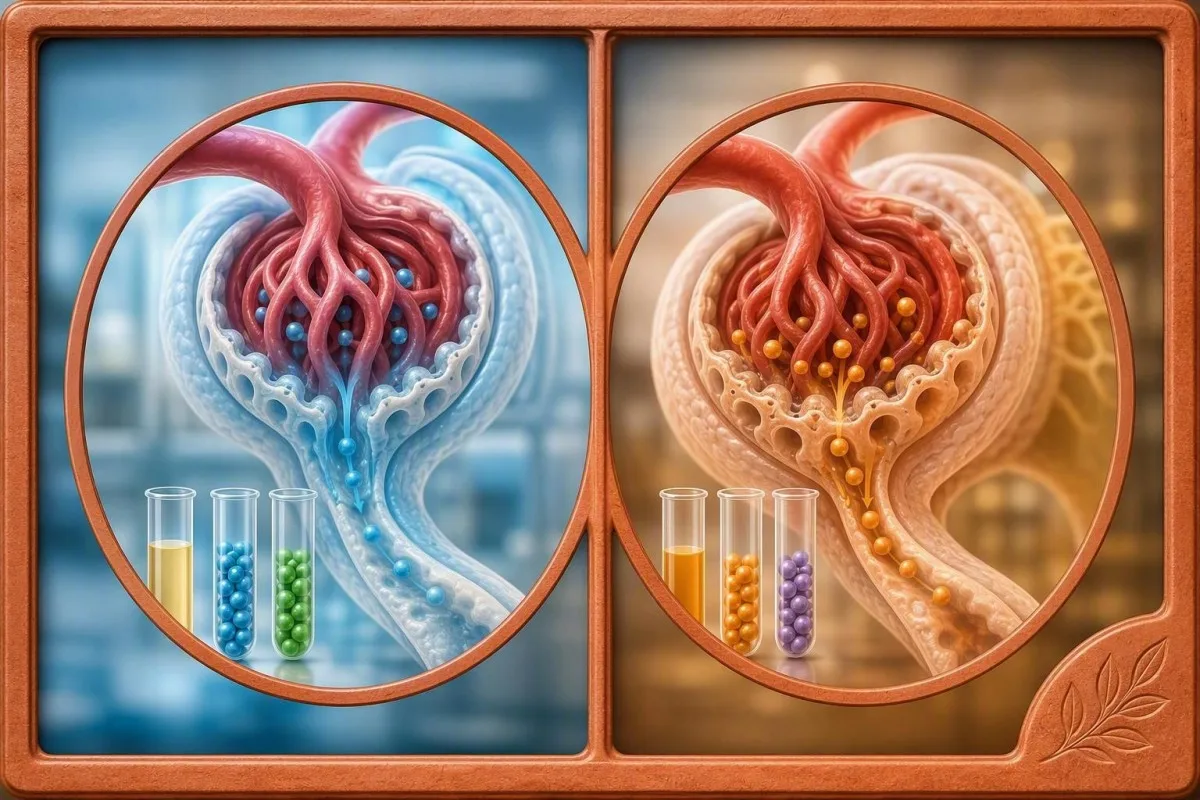
Cystatin C គឺជាប្រូតេអ៊ីនតូចមួយដែលផលិតដោយកោសិកាភាគច្រើនដែលមានស្នូល ហើយត្រូវបានច្រោះនៅ glomerulus ។ វាមានឥទ្ធិពលតិចតួចលើម៉ាសសាច់ដុំជាង creatinine ទោះបីជាការជក់បារី ភាពធាត់ ជំងឺក្រពេញទីរ៉ូអ៊ីត ការរលាកទូទៅ និងការប្រើប្រាស់ glucocorticoids អាចប៉ះពាល់ដល់វា ដូច្នេះវាមិនមែនជាការស៊ើបអង្កេតការពិតដ៏អស្ចារ្យទេ។.
Inker et al. បានរាយការណ៍ថា សមីការ creatinine-cystatin C រួមបញ្ចូលគ្នាមានភាពត្រឹមត្រូវជាងសមីការដែលប្រើអាកាសធាតុណាមួយតែម្នាក់ឯង នៅពេលដែលប្រៀបធៀបជាមួយនឹង GFR ដែលបានវាស់ (Inker et al., 2012) ។ នៅក្នុងការអនុវត្ត ការតម្លៃ eGFR ដែលត្រូវគ្នាការពង្រឹងទំនុកចិត្ត។ តម្លៃដែលមិនត្រូវគ្នាប្រាប់យើងឱ្យស៊ើបអង្កេតពីមូលហេតុដែលអាកាសធាតុមិនស៊ីគ្នាជាជាងគ្រាន់តែជ្រើសរើសលេខដែលធ្វើឱ្យមានភាពធូរស្រាលជាង។.
Kantesti’s វេទិកាបកស្រាយការធ្វើតេស្តឈាម AI អាចកំណត់អត្តសញ្ញាណគម្លាត creatinine-cystatin C និងជំរុញការពិភាក្សារបស់វេជ្ជបណ្ឌិតអំពីម៉ាសសាច់ដុំ អាហារបំប៉ន ស្ថានភាពក្រពេញទីរ៉ូអ៊ីត និងថ្នាំ។ អ្នកអានអាចស្វែងយល់បន្ថែមជាមួយនឹង លទ្ធផល cystatin C.
ហេតុអ្វីបានជា Urine ACR សំខាន់ជាងអ្វីដែលមនុស្សជាច្រើនគិត?
ឧបรกិច្ច Albumin-creatinine ratio (ACR) អាចរកឃើញការលេចធ្លាយអាល់ប៊ូមីន ដែលអាចជាសញ្ញានៃការខូចតម្រងនោម សូម្បីតែពេលដែល eGFR នៅតែមានក៏ដោយ។ ACR ទាបជាង 3 mg/mmol (30 mg/g) គឺជាការធានាចិត្តរីករាយ ខណៈដែល ACR 3 mg/mmol ឬខ្ពស់ជាងនេះដែលនៅតែមាននោះ ត្រូវការការតាមដានក្នុងបរិបទគ្លីនិកត្រឹមត្រូវ។.
ការប្រែប្រួលអាល់ប៊ូមីនក្នុងទឹកនោមផ្លាស់ប្តូរអត្ថន័យនៃលទ្ធផលក្រេអាទីនីនដែលនៅព្រំដែន។ មនុស្សដែលមានសាច់ដុំច្រើនដែលមានក្រេអាទីនីន 120 µmol/L, eGFR 67 mL/min/1.73 m² ដែលមានស្ថិរភាព, សម្ពាធឈាមធម្មតា, លទ្ធផលទឹកនោមអវិជ្ជមាន, និង ACR 0.6 mg/mmol មានកម្រិតហានិភ័យខុសគ្នាខ្លាំងពីអ្នកដែលមាន ACR 12 mg/mmol។.
ការហាត់ប្រាណខ្លាំង, គ្រុនក្តៅ, ការឆ្លងមេរោគក្នុងផ្លូវទឹកនោម, សម្ពាធឈាមដែលមិនអាចគ្រប់គ្រងបាន, ជាតិស្ករក្នុងឈាមខ្ពស់ខ្លាំង, និងរដូវមករដូវអាចធ្វើឲ្យអាល់ប៊ូមីនក្នុងទឹកនោមកើនឡើងជាបណ្តោះអាសន្ន។ KDIGO ណែនាំឲ្យបញ្ជាក់ដោយប្រើគំរូទឹកនោមពេលព្រឹកដែលអាចធ្វើបាន ពីព្រោះគំរូដំបូងកាត់បន្ថយភាពប្រែប្រួលនៃឥរិយាបថ និងការហាត់ប្រាណ (KDIGO, 2024) ។.
ការធ្វើតេស្ដដោយការបោះទឹកនោមលើក្រដាសមិនមែនជាការជំនួសសម្រាប់ ACR ក្នុងការវាស់បរិមាណនោះទេ៖ វាអាចនឹកឃើញការបញ្ចេញអាល់ប៊ូមីនដែលកើនឡើងមធ្យម។ បញ្ជីពិនិត្យការប្រមូលសំណាក ACR, និងពិនិត្យពពុះដែលនៅតែមានដោយឡែកពីគ្នាក្នុងឯកសារណែនាំរបស់យើងអំពី មូលហេតុនៃទឹកនោមមានពពុះ.
តើអ្នកគួរអាន Creatinine ជាមួយលទ្ធផលផ្សេងទៀតក្នុង Panel យ៉ាងដូចម្តេច?
គួរតែអានក្រេអាទីនីនរួមជាមួយនឹង eGFR, អ៊ុយរ៉េ ឬ BUN, ប៉ូតាស្យូម, ប៊ីកាបូណាត, ACR ទឹកនោម, ការវិភាគទឹកនោម, សម្ពាធឈាម, និងទិសដៅនៃការប្រែប្រួលតាមពេលវេលា។ ហានិភ័យនៃតម្រងនោមកាន់តែជឿជាក់បាននៅពេលដែលសូចនាករឯករាជ្យជាច្រើនបង្ហាញទិសដៅដូចគ្នា។.
អត្រាអ៊ុយរ៉េទៅក្រេអាទីនីនខ្ពស់អាចកើតឡើងដោយសារខ្វះទឹក, ហូរឈាមក្នុងប្រព័ន្ធរំលាយអាហារ, ការទទួលទានប្រូតេអ៊ីនខ្ពស់, ឬការបំបែកសារធាតុកើនឡើង; វាមិនមែនជាសូចនាករច្បាស់លាស់នៃការខូចតម្រងនោមទេ។ កាបូនប៊ីកាបូណាតទាប, ប៉ូតាស្យូមខ្ពស់, និងផូស្វាតកើនឡើងអាចគាំទ្រដល់ការបញ្ចេញរបស់តម្រងនោមថយចុះនៅពេលដែលលំនាំនោះនៅតែមាន, ប៉ុន្តែពួកវានីមួយៗក៏មានមូលហេតុក្រៅពីតម្រងនោមដែរ។.
ការវិភាគទឹកនោមបន្ថែមព័ត៌មានដែល eGFR មិនអាចផ្តល់បាន។ ប្រូតេអ៊ីន, កោសិកាឈាមក្រហម, កោសិកាឈាមក្រហមខុសប្រក្រតី, កោសិកាឈាមស, ជាតិស្ករ, ឬស៊ីលីនអាចបែរការស្រាវជ្រាវទៅរកជំងឺក្រូមេ, គ្រួស, ការឆ្លងមេរោគ, ជំងឺទឹកនោមផ្អែម, ឬផលប៉ះពាល់នៃថ្នាំ។ ទិដ្ឋភាពទូទៅនៃការវិភាគទឹកនោម ជួយពន្យល់ពីការរកឃើញទាំងនោះដោយមិនចាំបាច់ធ្វើឲ្យវាហួសហេតុពេកទេ។.
កាន់តេស្ទី គឺជា ឧបករណ៍វិភាគតេស្តឈាមដោយ AI ដែលប្រៀបធៀបតម្លៃទាក់ទងនឹងតម្រងនោមនៅក្នុងរបាយការណ៍នានា ពីព្រោះការប្រែប្រួលពី eGFR 92 ទៅ 70 អាចមានសារៈសំខាន់ជាងតម្លៃតែមួយគត់គឺ 70។ ក្នុងវគ្គការងារពិនិត្យឡើងវិញរបស់យើង, ការប្រែប្រួលជាការជំរុញឲ្យមានការវាយតម្លៃផ្នែកវេជ្ជសាស្ត្រ, មិនមែនជាការជំនួសការវិនិច្ឆ័យនោះទេ។.
លំនាំដ៏មានប្រយោជន៍ដើម្បីនាំយកទៅការណាត់ជួប
នាំមកនូវលទ្ធផលក្រេអាទីនីនពីមុនយ៉ាងហោចណាស់ពីរលើក,ឯកតាក្នុងមន្ទីរពិសោធន៍, កាលបរិច្ឆេទ,កំណត់ត្រាការបណ្ដុះបណ្ដាលឬជំងឺ, បញ្ជីថ្នាំ, ការវាស់សម្ពាធឈាមនៅផ្ទះ, និងលទ្ធផលទឹកនោមណាមួយ។ គំនូសពេលវេលាតូចនេះតែងតែឆ្លើយថាតើតម្លៃនោះមានស្ថិរភាព, បណ្ដោះអាសន្ន, ឬកំពុងប្រែប្រួលយ៉ាងពិតប្រាកដ។.
តើនៅពេលណាដែល Creatinine ដែលមិនច្បាស់លាស់ត្រូវបានចាត់ទុកថាជាជំងឺតម្រងនោមរ៉ាំរ៉ៃ?
លទ្ធផលcreatinine borderline ត្រូវបានចាត់ទុកថាជាជំងឺតម្រងនោមរ៉ាំរ៉ៃតែនៅពេលដែល eGFRថយចុះ ឬសញ្ញាផ្សេងទៀតនៃការខូចខាតតម្រងនោមមានរយៈពេលយ៉ាងហោចណាស់ 3 ខែ។ CKD មិនត្រូវបានធ្វើរោគវិនិច្ឆ័យពីលទ្ធផល creatinine តែមួយដងទេ បន្ទាប់ពីការហ្វឹកហាត់ ការខះជាតិទឹក ឬជំងឺដែលកើតឡើង។.
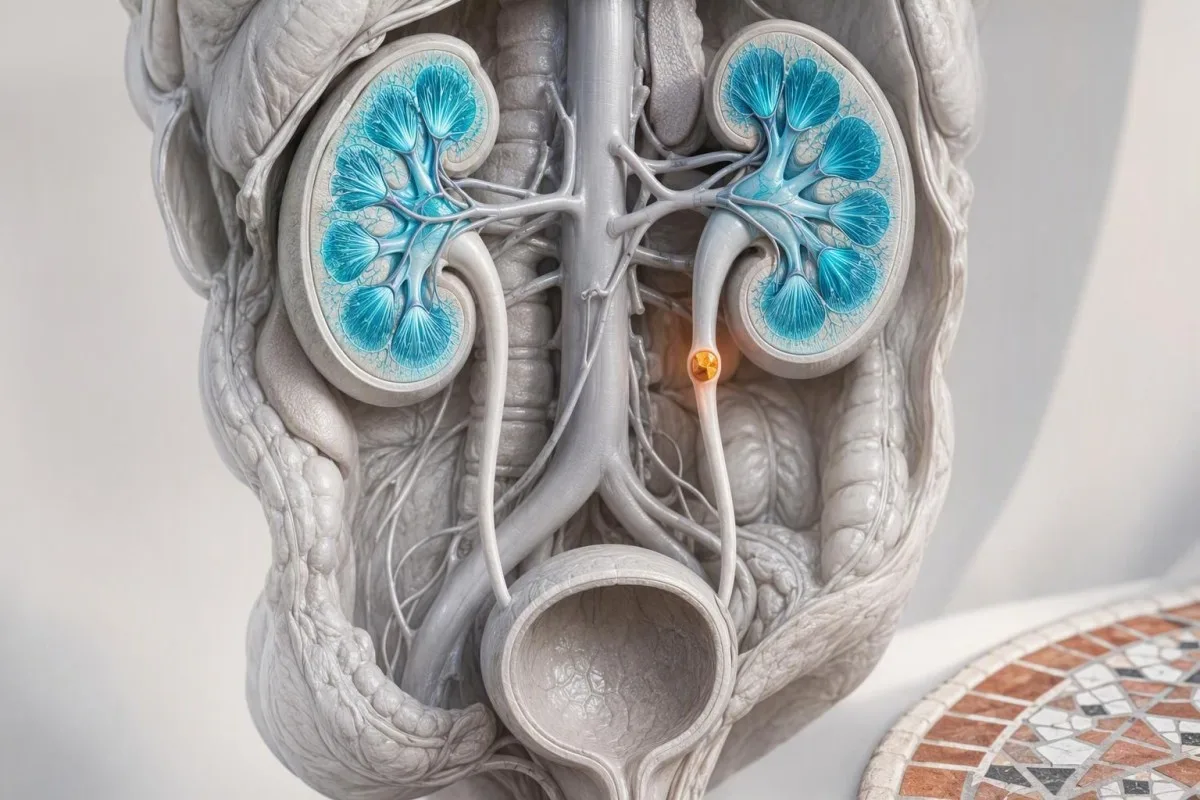
KDIGO បានចាត់ចំណាត់ថ្នាក់ eGFR 60-89 mL/min/1.73 m² ជា G2 ប៉ុន្តែ G2 តែមួយមុខមិនមែនជា CKD ដោយគ្មានភស្តុតាងនៃការខូចខាតតម្រងនោមដូចជា albuminuria, ភាពមិនប្រក្រតីនៃរចនាសម្ព័ន្ធ ឬការផ្លាស់ប្តូរ sediment ក្នុងទឹកនោម persistent ។ ភាពខុសគ្នានេះមានសារៈសំខាន់៖ eGFR 74 ចំពោះមនុស្សពេញវ័យដែលមានសុខភាពល្អ និងមានសាច់ដុំអាចជាការប្រែប្រួលធម្មតា។.
eGFR ក្រោម 60 mL/min/1.73 m² ក្នុងការវាស់ពីរដងដោយមានគម្លាតយ៉ាងហោចណាស់ 90 ថ្ងៃ ជាទូទៅបំពេញតាមលក្ខណៈវិនិច្ឆ័យការច្រោះសម្រាប់ CKD ដោយសន្មតថាមូលហេតុស្រួចស្រាវត្រូវបានលុបចេញ។ ការ ការពន្យល់ពីដំណាក់កាល CKD បង្ហាញពីរបៀបដែលប្រភេទ eGFR និង ACR ធ្វើការរួមគ្នាដោយមិនប្រកួតប្រជែងគ្នា។.
ខ្ញុំមានការប្រុងប្រយ័ត្ននៅទីនេះដោយចេតនា។ មនុស្សខ្លះដែលមានជំងឺតម្រងនោមដំណាក់កាលដំបូងមាន creatinine ធម្មតាដោយសារតែពួកគេមានម៉ាសសាច់ដុំទាប ខណៈដែលអត្តពលិកខ្លះមាន creatinine ខ្ពស់ និងតម្រងនោមមានសុខភាពល្អ។ តម្លៃមន្ទីរពិសោធន៍ត្រូវការបរិបទគ្លីនិកក្នុងទាំងពីរទិស។.
តើនៅពេលណាដែលមនុស្សពេញវ័យដែលមានសាច់ដុំគួរព្រួយបារម្ភអំពី Creatinine?
មនុស្សពេញវ័យដែលមានសាច់ដុំគួរតែបារម្ភអំពី creatinine នៅពេលដែលវាកើនឡើងយ៉ាងឆាប់រហ័ស នៅតែមានភាពមិនប្រក្រតីបន្ទាប់ពីការធ្វើម្តងទៀតដែលបានគ្រប់គ្រង ឬលេចឡើងជាមួយនឹង albuminuria, ឈាមក្នុងទឹកនោម សម្ពាធឈាមខ្ពស់ ប៉ូតាស្យូមមិនប្រក្រតី ឬរោគសញ្ញា។ ម៉ាសសាច់ដុំគឺជាការពន្យល់មួយដើម្បីសាកល្បងមិនមែនជាការលើកលែងទោសពេញមួយជីវិតពីការវាយតម្លៃតម្រងនោម។.
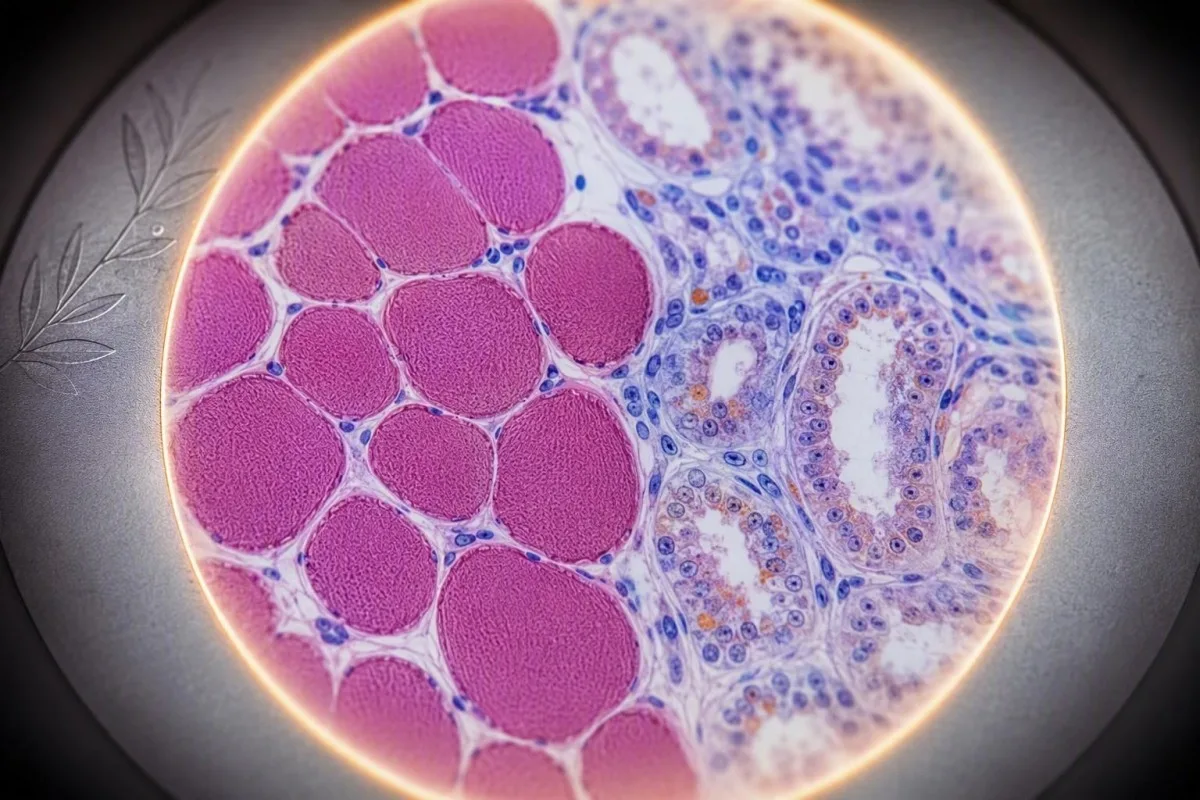
ស្វែងរកការប្រឹក្សាវេជ្ជសាស្រ្តនៅថ្ងៃតែមួយសម្រាប់ការបញ្ចេញទឹកនោមថយចុះគួរឱ្យកត់សម្គាល់ ការហើមជើង ឬមុខថ្មី ពិបាកដកដង្ហើម ភាន់ច្រឡំ ក្អួត persistent ឬការកើនឡើង creatinine យ៉ាងហោចណាស់ 26.5 µmol/L ក្នុងរយៈពេល 48 ម៉ោង នៅពេលដែលដឹង។ ការវាយតម្លៃបន្ទាន់គឺមានសារៈសំខាន់ជាពិសេសបន្ទាប់ពីជំងឺកំដៅ រាគធ្ងន់ធ្ងរ ការរងរបួសបាក់ ឬការហាត់ប្រាណខ្លាំងជាមួយនឹងទឹកនោមពណ៌កូឡាខ្មៅ។.
Rhabdomyolysis គឺមិនមែនជារឿងធម្មតាទេ ប៉ុន្តែទាក់ទងនឹងសហគមន៍ហ្វឹកហាត់។ ការឈឺសាច់ដុំធ្ងន់ធ្ងរ ខ្សោយ ហើម ឬទឹកនោមខ្មៅបន្ទាប់ពីការប្រឹងប្រែង រួមជាមួយនឹង CK ខ្ពស់ អាចតម្រូវឲ្យមានការធ្វើតេស្តបន្ទាន់សម្រាប់ប៉ូតាស្យូម creatinine កាល់ស្យូម ផូស្វាត និងលទ្ធផលទឹកនោម។ មគ្គុទ្ទេសក៍ការព្រមាន rhabdo CrossFit គ្របដណ្តប់លើលំនាំនៃការព្រមាន។.
ថ្នាំប្រឆាំងការរលាកដែលមិនមែនជាស្តេរអ.រ។ថ្នាំ ACE inhibitors, ARBs, ថ្នាំបញ្ចេញទឹកនោម trimethoprim, lithium, និងសមាសធាតុកសាងសាច់ដុំខ្លះអាចផ្លាស់ប្តូរ creatinine ឬ haemodynamics របស់តម្រងនោម។ កុំបញ្ឈប់ថ្នាំដែលវេជ្ជបញ្ជាដោយសារតែកម្មវិធី ឬលទ្ធផលតែមួយមើលទៅគួរឱ្យព្រួយបារម្ភ—សួរអ្នកចេញវេជ្ជបញ្ជាដែលដឹងពីមូលហេតុដែលវាត្រូវបានចេញវេជ្ជបញ្ជា។.
តើផែនការពិនិត្យឡើងវិញដ៏ល្អបំផុតសម្រាប់អត្តពលិក និងអ្នកលើកទម្ងន់គឺជាអ្វី?
ផែនការធ្វើតេស្តឡើងវិញដ៏សមហេតុផលប្រើលក្ខខណ្ឌមានស្ថិរភាព៖អាហារធម្មតា និងរាវ ការហាត់ប្រាណខ្លាំងមិនធម្មតារយៈពេល 48-72 ម៉ោង ការផឹកស្រាមិនមានភាពរីករាយ និងបញ្ជីអាហារបំប៉នដែលបានកត់ត្រា។ គោលបំណងគឺមិនមែនដើម្បីបង្ខំឲ្យមានលេខល្អប្រសើរជាងនេះ។វាគឺដើម្បីវាស់លេខដែលតំណាង។.

សម្រាប់លទ្ធផល borderline ប៉ុន្តែមិនបន្ទាន់ទេ ខ្ញុំជាទូទៅពិភាក្សាអំពីការធ្វើ creatinine ឡើងវិញជាមួយ eGFR, cystatin C, urinalysis, urine ACR, electrolytes, និងសម្ពាធឈាមក្នុងរយៈពេល 1-4 សប្តាហ៍ ដោយផ្អែកលើកម្រិតនៃការផ្លាស់ប្តូរ និងកត្តាប្រឈម។ មនុស្សដែលមានជំងឺទឹកនោមផ្អែម លើសឈាម ជំងឺបេះដូងដែលដឹង ឬជំងឺតម្រងនោមក្នុងគ្រួសារអាចត្រូវការការត្រួតពិនិត្យឆាប់។.
កុំផឹកទឹកច្រើនពេកមុនពេលធ្វើតេស្ត។ រាវលើសអាចបន្ថយកំហាប់ creatinine និងសូដ្យូម បង្កើតលទ្ធផលខុសឆ្គងមួយទៀត។ ទឹកនោមពណ៌លឿងស្លេក និងការទទួលទានទឹកតាមការស្រេកទឹកធម្មតា ជាទូទៅមានប្រយោជន៍ច្រើនជាងការប្រកួតប្រជែងទឹកដ៏អស្ចារ្យ។ អត្ថបទអំពី GFR ក្រោយការខ្សោះជាតិទឹក ពន្យល់ពីបញ្ហាផ្ទុយ។.
កត់ត្រាការហាត់ចុងក្រោយ ការប៉ះពាល់នឹងសូណា រាគ ក្តៅខ្លួន ការតមអាហារ ម្សៅប្រូតេអ៊ីនថ្មី កម្រិត creatine និងការប្រើថ្នាំប្រឆាំងការរលាកនៅក្បែរកាលបរិច្ឆេទមន្ទីរពិសោធន៍។ ឧបករណ៍แนวโน้มរបស់ TP6T ត្រូវបានរចនាឡើងដើម្បីរក្សាបរិបទនេះនៅទូទាំងរបាយការណ៍ ដែលធ្វើឲ្យការពិនិត្យដោយវេជ្ជបណ្ឌិតកាន់តែមានប្រសិទ្ធភាព។.
តើការទទួលទានប្រូតេអ៊ីន និងអាហារសាច់ប៉ះពាល់ដល់ Creatinine ដែរឬទេ?
អាហារសាច់ចម្អិនច្រើនអាចបង្កើន serum creatinine បណ្ដោះអាសន្ន ខណៈពេលដែលការទទួលទានប្រូតេអ៊ីនធម្មតាអាចប៉ះពាល់ដល់អ៊ុយរីច្រើនជាង creatinine ។ របបអាហារតែមួយមុខមិនគួរត្រូវបានប្រើដើម្បីលុបបំបាត់លំនាំតម្រងនោមមិនប្រក្រតី persistent ទេ ប៉ុន្តែអាហារមុនពេលធ្វើតេស្តអាចមានសារៈសំខាន់នៅ borderline ។.
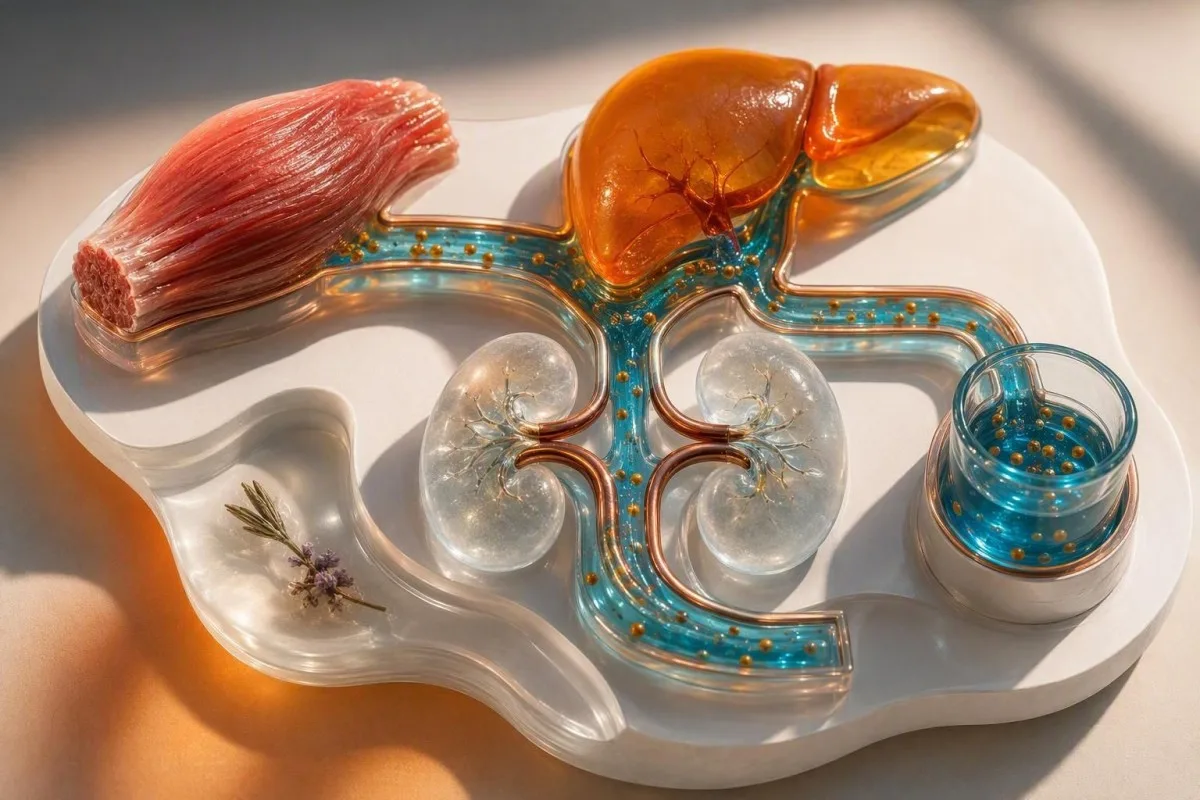
Creatinine ពីសាច់ចម្អិនត្រូវបានស្រូបយកហើយអាចបង្កើនលទ្ធផល serum ក្រោយពេលញ៉ាំក្នុងរយៈពេលជាច្រើនម៉ោង។ ប្រសិនបើគ្រូពេទ្យកំពុងពិនិត្យលទ្ធផល borderline ការចាប់យកពេលព្រឹកបន្ទាប់ពីការតមអាហារពេលយប់ធម្មតា ឬលំនាំអាហារដែលបានកត់ត្រាជាប្រចាំ កាត់បន្ថយការប្រែប្រួលដែលអាចជៀសវាងបាននេះ។.
ការទទួលទានប្រូតេអ៊ីនប្រហែល 1.2-2.0 g/kg/day ត្រូវបានប្រើជាទូទៅដោយអត្តពលិក ប៉ុន្តែការណែនាំរបបអាហារតម្រងនោមគួរត្រូវបានធ្វើជាលក្ខណៈបុគ្គលនៅពេលដែល CKD ត្រូវបានបញ្ជាក់។ ការកាត់បន្ថយប្រូតេអ៊ីនយ៉ាងខ្លាំងមុនពេលធ្វើតេស្តអាចធ្វើឲ្យលំនាំមូលដ្ឋានក្នុងពិភពពិតមិនច្បាស់លាស់ ហើយអាចផ្ទុយពីការហ្វឹកហាត់ឬការជាសះស្បើយ។.
អ៊ុយរី និង creatinine ឆ្លើយសំណួរផ្សេងគ្នា។ សម្រាប់ការពន្យល់បច្ចេកទេសអំពីសមាមាត្ររបស់ពួកគេ និងដែនកំណត់របស់វា សូមអាន មគ្គុទេសក៍សមាមាត្រ BUN-creatinine; វាមានប្រយោជន៍ជាពិសេសនៅពេលដែលរបបអាហារសម្បូរប្រូតេអ៊ីនខ្ពស់ ឬការខះជាតិទឹកធ្វើឱ្យការបកស្រាយកាន់តែស្មុគស្មាញ។.
តើថ្នាំ និងស្ថានភាពអ្វីខ្លះដែលអាចក្លែងបន្លំបញ្ហាតម្រងនោម?
ថ្នាំមួយចំនួនអាចបង្កើន creatinine ដោយមិនកាត់បន្ថយ GFR ពិតប្រាកដនោះទេ ខណៈពេលដែលថ្នាំដទៃទៀតអាចកាត់បន្ថយការជ្រាបនៃតម្រងនោម ឬបង្កឱ្យមានរបួសពិតប្រាកដ។ Trimethoprim និង cimetidine អាចរារាំងការបញ្ចេញ creatinine ក្នុងបំពង់តូចៗ បង្កើតជា creatinine serum កាន់តែខ្ពស់ដោយមិនមានការបាត់បង់ការច្រោះដែលស្មើគ្នា។.
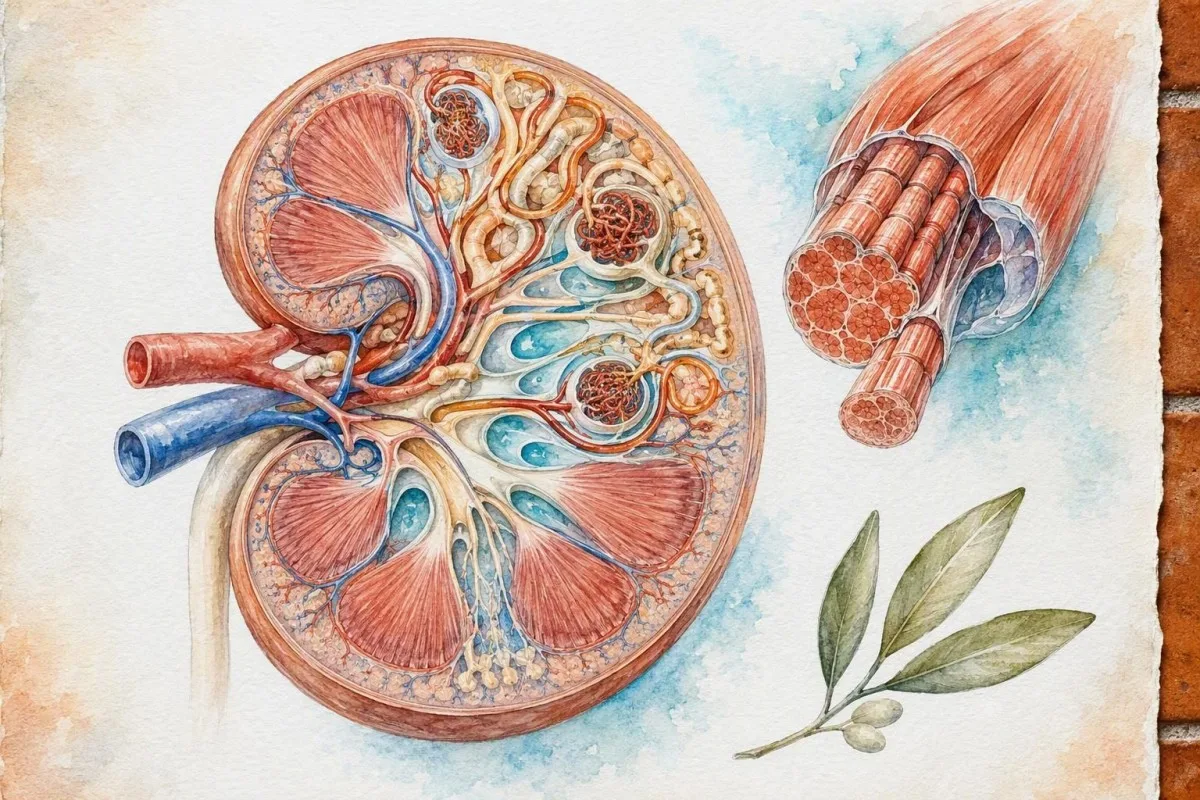
ACE inhibitors និង ARBs អាចបណ្តាលឱ្យ creatinine កើនឡើងដំបូងបន្តិចបន្ទាប់ពីចាប់ផ្តើម ដោយសារតែវាផ្លាស់ប្តូរសម្ពាធក្នុង glomerulus ។ ផលกระทบនេះអាចទទួលយកបានឬជាការព្រួយបារម្ភដោយអាស្រ័យលើទំហំពេលវេលាប៉ូតាស្យូមស្ថានភាពបរិមាណនិងហេតុផលនៃការព្យាបាល។ គ្រូពេទ្យជាធម្មតាពិនិត្យមុខងារតម្រងនោមនិងប៉ូតាស្យូមឡើងវិញបន្ទាប់ពីចាប់ផ្តើមឬកែតម្រូវថ្នាំទាំងនេះ។.
ជំងឺក្រពេញទីរ៉ូអ៊ីតអាចធ្វើឱ្យសន្ទស្សន៍ទាំងពីរស្មុគស្មាញ៖ ជំងឺក្រពេញទីរ៉ូអ៊ីតក្រោមមុខងារអាចបង្កើន creatinine ខណៈពេលដែលស្ថានភាពក្រពេញទីរ៉ូអ៊ីតក៏អាចផ្លាស់ប្តូរ cystatin C ផងដែរ។ ការឆ្លងមេរោគធ្ងន់ធ្ងរ ជំងឺបេះដូង ការស្ទះដោយគ្រួស ឬក្រពេញប្រូស្តាតរីកធំ និងជំងឺប្រឆាំងនឹងប្រព័ន្ធភាពស៊ាំ ត្រូវការការវាយតម្លៃដោយឡែកពីគ្នាជាជាង 'ការបន្សុតតម្រងនោម' ជាទូទៅ។'
លោកវេជ្ជបណ្ឌិត Thomas Klein ណែនាំឱ្យเภสជ្ជករពិនិត្យបញ្ជីថ្នាំតាមគុណភាពនៅពេលដែល creatinine ផ្លាស់ប្តូរដោយមិនមានការពន្យល់ រួមទាំង NSAIDs ដែលទិញដោយគ្មានវេជ្ជបញ្ជានិងផលិតផលឱសថ។ របស់យើង មគ្គុទ្ទេសក៍និន្នាការសុវត្ថិភាពថ្នាំ រាយបញ្ជីលទ្ធផលដែលផ្លាស់ប្តូរដែលមានតម្លៃក្នុងការកត់ត្រា។.
តើ Kantesti ដាក់ borderline creatinine ក្នុងបរិបទដោយរបៀបណា?
Kantesti បកស្រាយ creatinine ដែលមានព្រំដែនដោយពិនិត្យលទ្ធផលប្រឆាំងនឹង eGFR អាយុភេទដែលបានរាយការណ៍តម្លៃពីមុន អ៊ុយ អេឡិចត្រូលីត សន្ទស្សន៍នោម និងបរិបទសុខភាពដែលបានបញ្ជាក់។ វាអាចពន្យល់ពីគំរូនិងជំរុញការតាមដាន ប៉ុន្តែវាមិនអាចធ្វើរោគវិនិច្ឆ័យជំងឺតម្រងនោម ឬជំនួសការថែទាំព្យាបាលបន្ទាន់បានទេ។.
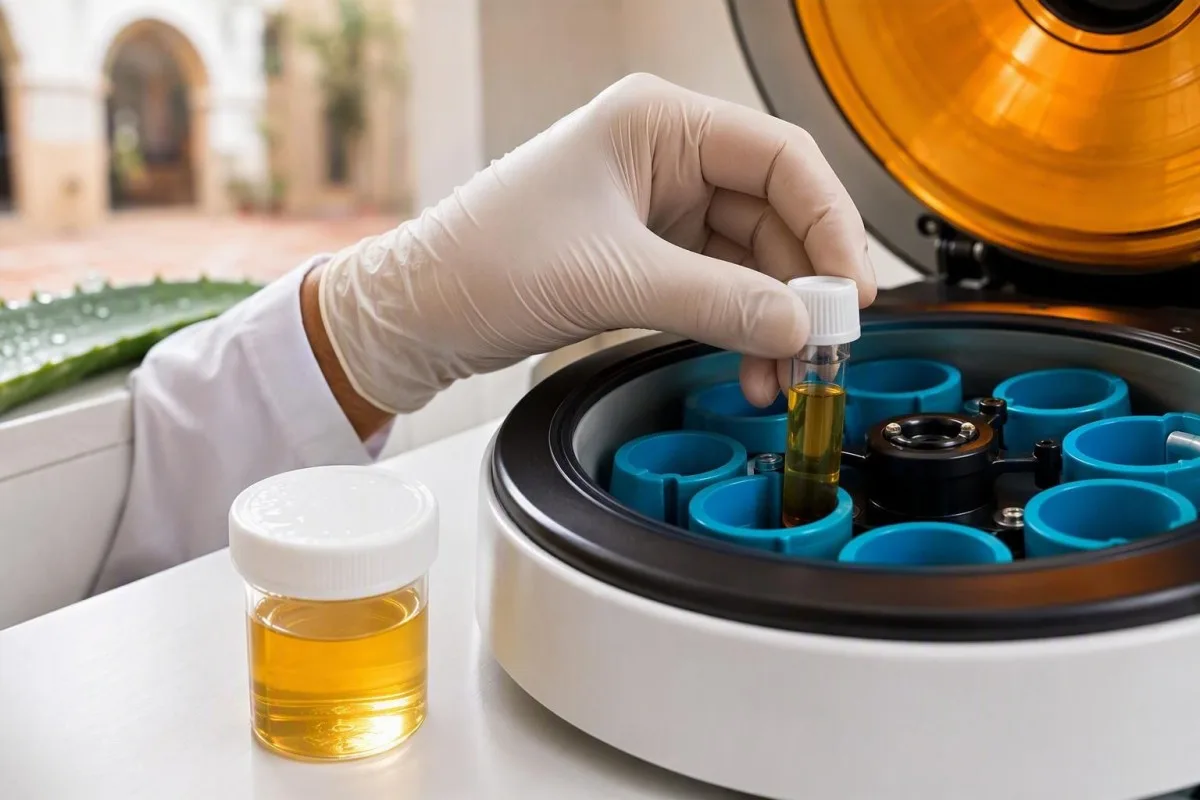
កាន់តេស្ទី គឺជា សេវាកម្មបកស្រាយការធ្វើតេស្តរបស់ AI lab បង្កើតឡើងដើម្បីបកប្រែភាសាមន្ទីរពិសោធន៍ទៅជាសំណួរដែលមានរចនាសម្ព័ន្ធសម្រាប់គ្រូពេទ្យ៖ តើនេះថ្មីទេ? តើមានការហ្វឹកហាត់យ៉ាងខ្លាំងទេ? តើ ACR ក្នុងនោមធម្មតាទេ? តើ cystatin C នឹងផ្លាស់ប្តូរការសម្រេចចិត្តលើថ្នាំ ឬការបញ្ជូនទៅពិនិត្យទេ? នោះមានប្រយោជន៍ជាងការប្រកាសទង់ក្រហមដែលគ្មានគ្រោះថ្នាក់ ឬមានគ្រោះថ្នាក់ពីលេខមួយ។.
វេទិការបស់យើងគាំទ្រការពិនិត្យរបាយការណ៍ PDF ឬរូបថតនិងការប្រៀបធៀបនិន្នាការក្នុងរយៈពេលប្រហែល 60 វិនាទី ខណៈពេលដែលការគ្រប់គ្រងដែលផ្ដោតលើភាពឯកជននិងការត្រួតពិនិត្យគ្លីនិកដោយមនុស្សនៅតែជាផ្នែកនៃដំណើរការ។ វិធីសាស្ត្រដែលនៅពីក្រោយការការពារទាំងនេះត្រូវបានពិពណ៌នានៅក្នុង ទិដ្ឋភាពទូទៅនៃការធ្វើឱ្យមានសុពលភាពផ្នែកវេជ្ជសាស្ត្រ.
ប្រសិនបើគំរូរួមមានការកើនឡើង creatinine ភ្លាមៗ hyperkalaemia albuminuria ដែលមានទំហំធំ ឬរោគសញ្ញាដែលគួរឱ្យព្រួយបារម្ភ លទ្ធផលដែលសមស្របគឺការថែទាំវេជ្ជសាស្រ្តបន្ទាន់—មិនមែនការធ្វើតេស្តដោយខ្លួនឯងបន្ថែមទៀតទេ។ អ្នកអានដែលចង់យល់ពីក្រុមគ្លីនិកដែលនៅពីក្រោយវិធីសាស្ត្រនេះអាចពិនិត្យ ក្រុមប្រឹក្សាប្រឹក្សាវេជ្ជសាស្ត្រ.
តើអ្នកគួរ Ask អ្នកព្យាបាលរបស់អ្នកនូវសំណួរអ្វីខ្លះអំពីលទ្ធផលដែលមិនច្បាស់លាស់?
សំណួរដែលមានផលិតភាពបំផុតគឺ៖ “តើម៉ាសសាច់ដុំរបស់ខ្ញុំ ការហ្វឹកហាត់ថ្មីៗ របបអាហារ ឬអាហារបំប៉នអាចធ្វើឱ្យ eGFR ដែលផ្អែកលើ creatinine មើលស្រាលការច្រោះរបស់ខ្ញុំ ហើយតើយើងគួរពិនិត្យ cystatin C និង urine ACR ទេ?” នេះសួររកភាពច្បាស់លាស់ដោយមិនគិតថាលទ្ធផលគឺគ្មានគ្រោះថ្នាក់ទេ។.
សូមសួរថាតើលទ្ធផលបំពេញតាមលក្ខណៈវិនិច្ឆ័យនៃការខូចតម្រងនោមស្រួចស្រាវទេ តើវាខុសគ្នាយ៉ាងខ្លាំងពីមូលដ្ឋានពីមុនរបស់អ្នកទេ ហើយតើមានភាពមិនប្រក្រតីនៃទឹកនោម សម្ពាធឈាម ឬអេឡិចត្រូលីតទេ។ សូមសួរផងដែរថា តើមន្ទីរពិសោធន៍បានប្រើសមីការ CKD-EPI ឆ្នាំ 2021 ហើយតើ eGFR creatinine-cystatin C រួមបញ្ចូលគ្នានឹងផ្លាស់ប្តូរការគ្រប់គ្រងទេ។.
គិតត្រឹមថ្ងៃទី 9 ខែកញ្ញា ឆ្នាំ 2026 វិធីសាស្ត្រដែលអាចការពារបានច្រើនបំផុតនៅតែផ្អែកលើហានិភ័យជាជាងផ្អែកលើរូបរាងកាយ៖ eGFR បន្តក្រោម 60 mL/min/1.73 m² ACR យ៉ាងហោចណាស់ 3 mg/mmol ឬនិន្នាការ creatinine ឡើងច្បាស់លាស់ xứng layak untuk dievaluasi terlepas dari riwayat gym។ ផ្ទុយទៅវិញ ការកើនឡើងកម្រិតស្រាលដែលមានស្ថិរភាពជាមួយ cystatin C និង ACR ធម្មតាច្រើនតែជាការធានាចិត្ត ទោះបីជាចន្លោះពេលតាមដានគួរតែត្រូវបានធ្វើជាលក្ខណៈបុគ្គលក៏ដោយ។.
សូមរក្សារបាយការណ៍ កំណត់ត្រាហ្វឹកហាត់ និងសំណួររបស់អ្នករួមគ្នា។ របស់យើង មគ្គុទ្ទេសក៍កំណត់ត្រានិន្នាការមន្ទីរពិសោធន៍ គឺជាគំរូជាក់ស្តែង ហើយ Kantesti មគ្គុទេសក៍បច្ចេកវិទ្យា AI ពន្យល់ពីរបៀបដែលការបកស្រាយបរិបទត្រូវបានរចនាឡើងដើម្បីគាំទ្រ—មិនមែនជំនួស—ការវិនិច្ឆ័យគ្លីនិក។.
សំណួរដែលសួរញឹកញាប់
តើមនុស្សពេញវ័យដែលមានសាច់ដុំរឹងមាំអាចមានកម្រិតcreatinine ខ្ពស់ដោយមានតម្រងនោមមានសុខភាពល្អដែរឬទេ?
បាទ/ចាស។ មនុស្សពេញវ័យដែលមានសាច់ដុំរឹងមាំអាចមាន creatinine ខ្ពស់ជាងតម្លៃយោងរបស់មន្ទីរពិសោធន៍ ដោយសារសាច់ដុំគ្រោងឆ្អឹងបង្កើត creatinine ជានិច្ច ទោះបីជាការច្រោះតម្រងនោមធម្មតាក៏ដោយ។ creatinine ដែលមានស្ថិរភាព 115-130 µmol/L អាចជារឿងធម្មតា ចំពោះមនុស្សពេញវ័យដែលមានទំហំធំ និងហ្វឹកហាត់បានល្អ ប៉ុន្តែការបកស្រាយគួរតែរួមបញ្ចូលលទ្ធផលពីមុន សម្ពាធឈាម ការវិភាគទឹកនោម urine ACR និងជាញឹកញាប់ cystatin C។ urine ACR ធម្មតាដែលមានតម្លៃក្រោម 3 mg/mmol និង eGFR ដែលផ្អែកលើ cystatin C ធ្វើឱ្យជំងឺតម្រងនោមរ៉ាំរ៉ៃមានសារៈសំខាន់តិចតួច។ លទ្ធផលដែលកើនឡើង ឬលទ្ធផលទឹកនោមមិនប្រក្រតីនៅតែត្រូវការការវាយតម្លៃពីគ្រូពេទ្យ។.
តើ eGFR 60 គឺជារឿងធម្មតាសម្រាប់មនុស្សដែលមានសាច់ដុំរឹងមាំទេ?
eGFR ចំនួន 60 mL/min/1.73 m² អាចជាការប៉ាន់ស្មានទាបចំពោះមនុស្សដែលមានសាច់ដុំច្រើន ព្រោះសមីការដែលផ្អែកលើ creatinine មិនបានវាស់ម៉ាស់រាងកាយគ្មានខ្លាញ់ដោយផ្ទាល់នោះទេ។ ទោះយ៉ាងណាក៏ដោយ eGFR ដែលទាបជាង 60 ហើយបន្តកើតមានយ៉ាងហោចណាស់ 3 ខែ គឺបំពេញតាមលក្ខណៈវិនិច្ឆ័យនៃការត្រងជំងឺតម្រងនោមរ៉ាំរ៉ៃ ហើយមិនគួរត្រូវបានបដិសេធដោយផ្អែកលើសាច់ដុំតែមួយមុខនោះទេ។ Cystatin C ឬ eGFR រួមបញ្ចូលគ្នាដោយ creatinine-cystatin C អាចបញ្ជាក់បានថាតើការត្រងត្រូវបានកាត់បន្ថយពិតប្រាកដឬទេ។ Urine ACR ដែលកំណត់ថាធម្មតាមានកម្រិតទាបជាង 3 mg/mmol ឬ 30 mg/g គឺជាការធ្វើតេស្តដែលចាំបាច់។.
តើខ្ញុំគួរឈប់ប្រើ creatine មុនការពិនិត្យឈាមតម្រងនោមដែរឬទេ?
កុំឈប់ប្រើcreatine ដោយស្វ័យប្រវត្តិ ប៉ុន្តែត្រូវជូនដំណឹងដល់គ្រូពេទ្យ និងមន្ទីរពិសោធន៍ថាអ្នកកំពុងប្រើវា ហើយត្រូវកត់ត្រាកម្រិតដែលប្រើ ជាទូទៅ 3-5 ក្រាមក្នុងមួយថ្ងៃ។ ប្រសិនបើលទ្ធផលcreatinine borderline ត្រូវការការបញ្ជាក់ គ្រូពេទ្យអាចណែនាំឲ្យធ្វើតេស្ត creatinine ឡើងវិញ និងពិនិត្យ cystatin C បន្ទាប់ពី 48-72 ម៉ោង ដោយគ្មានការហ្វឹកហាត់ខ្លាំងผิดពីធម្មតា និងក្រោមលក្ខខណ្ឌនៃការរក្សាជាតិទឹកធម្មតា។ ការឈប់ប្រើcreatine អាចផ្លាស់ប្ដូរការផលិតcreatinine ដូច្នេះគោលបំណងនៃការផ្អាកណាមួយគួរតែដើម្បីឆ្លើយសំណួរផ្នែកវេជ្ជសាស្ត្រជាក់លាក់ជាជាងដើម្បីទទួលបានលទ្ធផលដែលមើលទៅល្អ។ កុំឈប់ប្រើថ្នាំតាមវេជ្ជបញ្ជាដោយគ្មានការប្រឹក្សា។.
ខ្ញុំគួរតែសម្រាករយៈពេលប៉ុន្មានមុនពេលធ្វើតេស្ត creatinine ឡើងវិញបន្ទាប់ពីហាត់ប្រាណ?
សម្រាប់ការ例行性的邊緣肌酐復檢,在劇烈運動後 48-72 小時內沒有特別費力的鍛煉,對許多人來說是一個合理的起點。馬拉松、暴露於高溫、嚴重脫水或肌酸激酶水平非常高之後,恢復可能需要更長時間,最好尋求醫療建議。保持平常的飲食和正常的補水,而不是過度禁食或過量飲水。48 小時內肌酐升高 26.5 µmol/L 或以上可能表示急性腎損傷,需要及時的臨床審查。.
កម្រិត ACR ក្នុងទឹកនោមណាដែលគួរឲ្យបារម្ភជាមួយនឹង creatinine ខ្ពស់?
អត្រាអាល់ប៊ុយមីន-ក្រេអាទីនីនក្នុងទឹកនោមក្រោម 3 mg/mmol ដែលស្មើនឹង 30 mg/g គឺជារឿងធម្មតាទៅកើនឡើងតិចតួច និងជាការធានា នៅពេលដែលក្រេអាទីនីនមានកម្រិតព្រំដែន។ ACR ដែលបន្តមានកម្រិត 3-30 mg/mmol បង្ហាញពីការបញ្ចេញអាល់ប៊ុយមីនកើនឡើងល្មម ខណៈពេលដែល ACR លើសពី 30 mg/mmol បង្ហាញពីការបញ្ចេញអាល់ប៊ុយមីនកើនឡើងខ្លាំង ហើយត្រូវការការយកចិត្តទុកដាក់ពីគ្លីនិកជាបន្ទាន់។ ការហាត់ប្រាណ ក្តៅខ្លួន ការឆ្លងមេរោគក្នុងទឹកនោម និងការមករដូវអាចធ្វើឱ្យ ACR កើនឡើងជាបណ្តោះអាសន្ន ដូច្នេះការបញ្ជាក់ជាមួយនឹងសំណាកទឹកនោមពេលព្រឹកដំបូង ជារឿយៗគឺសមស្រប។ ក្រេអាទីនីនខ្ពស់ បូករួមនឹងអាល់ប៊ុយមីនuria ដែលបន្ត មានការព្រួយបារម្ភច្រើនជាងក្រេអាទីនីនខ្ពស់តែឯង។.
តើកម្រិត creatinine ខ្ពស់បន្ទាប់ពីហ្វឹកហាត់ពេលណាដែលជាស្ថានភាពបន្ទាន់?
ការកើនឡើងនៃកម្រិត creatinine បន្ទាប់ពីការហ្វឹកហាត់តម្រូវឱ្យមានការវាយតម្លៃជាបន្ទាន់ នៅពេលដែលវាកើតឡើងរួមជាមួយការនោមតិចខ្លាំង ទឹកនោមពណ៌ដូចកូឡាខ្មៅ ការឈឺចាប់ឬខ្សោយសាច់ដុំខ្លាំង ការហើម ការក្អួត ភាពភាន់ច្រឡំ ការដកដង្ហើមខ្លី ឬកាឡាក់តឹមខ្ពស់។ រោគសញ្ញាទាំងនេះអាចកើតមានឡើងជាមួយនឹងការខះជាតិទឹកខ្លាំង ជំងឺដោយសារកំដៅ ឬការរលាស់សាច់ដុំពេលហាត់ប្រាណ ដែលអាចគំរាមកំហែងដល់មុខងារតម្រងនោម។ ការកើនឡើងនៃ creatinine ចំនួន 26.5 µmol/L យ៉ាងហោចណាស់ក្នុងរយៈពេល 48 ម៉ោង ឬ 1.5 ដងនៃកម្រិតមូលដ្ឋានក្នុងរយៈពេល 7 ថ្ងៃ គឺបំពេញតាមលក្ខណៈវិនិច្ឆ័យនៃការខូចតម្រងនោមស្រួចស្រាវ។ ស្វែងរកការព្យាបាលពីគ្រូពេទ្យក្នុងថ្ងៃតែមួយ ដោយមិនរង់ចាំការធ្វើតេស្តឡើងវិញតាមការគ្រោងទុក ប្រសិនបើរោគសញ្ញាទាំងនេះមានវត្តមាន។.
ទទួលការវិភាគឈាមដោយ AI ដែលមានថាមពលថ្ងៃនេះ
ចូលរួមជាមួយអ្នកប្រើប្រាស់ជាង 2 លាននាក់នៅទូទាំងពិភពលោក ដែលទុកចិត្ត Kantesti សម្រាប់ការវិភាគលទ្ធផលតេស្តមន្ទីរពិសោធន៍ភ្លាមៗ និងត្រឹមត្រូវ។ ផ្ទុកឡើងលទ្ធផលពិនិត្យឈាមរបស់អ្នក ហើយទទួលការបកស្រាយយ៉ាងទូលំទូលាយនៃសញ្ញាសម្គាល់ (biomarkers) 15,000+ ក្នុងរយៈពេលប៉ុន្មានវិនាទី។.
📚 ឯកសារស្រាវជ្រាវដែលបានយោង
Klein, T., Mitchell, S., & Weber, H. (2026). Klein, T. (2026). ជួរធម្មតា aPTT៖ មគ្គុទេសក៍ការកកឈាម D-Dimer និង Protein C ក្នុងឈាម។ Zenodo។ https://doi.org/10.5281/zenodo.18262555.។ ការស្រាវជ្រាវវេជ្ជសាស្ត្រដោយ AI របស់ Kantesti។.
Klein, T., Mitchell, S., & Weber, H. (2026). គ្លេន, ធី. (២០២៦). ការណែនាំស្តីពីប្រូតេអ៊ីនសេរ៉ូម៖ គ្លូបូលីន, អាល់ប៊ុយមីន និងលទ្ធផលតេស្តឈាមសមាមាត្រ A/G ។ Zenodo ។ https://doi.org/10.5281/zenodo.18316300.។ ការស្រាវជ្រាវវេជ្ជសាស្ត្រដោយ AI របស់ Kantesti។.
📖 ឯកសារយោងវេជ្ជសាស្ត្រខាងក្រៅ
Kidney Disease: Improving Global Outcomes (KDIGO) CKD Work Group (2024)។. ប្រការណែនាំអនុវត្តគ្លីនិក KDIGO ឆ្នាំ 2024 ស្ដីពីការវាយតម្លៃ និងការគ្រប់គ្រងជំងឺតម្រងនោមរ៉ាំរ៉ៃ.។ Kidney International.
Inker LA et al. (2012)។. ការប៉ាន់ប្រមាណអត្រាចម្រោះ glomerular ពី creatinine ក្នុងសេរ៉ូម និង cystatin C. ទស្សនាវដ្តី New England Journal of Medicine។.
Baxmann AC et al. (2008). ឥទ្ធិពលនៃម៉ាសសាច់ដុំ និងសកម្មភាពរាងកាយលើ creatinine ក្នុងសេរ៉ូម និងក្នុងទឹកនោម និងលើ cystatin C ក្នុងសេរ៉ូម.ទស្សនាវដ្តីព្យាបាលគ្លីនិកនៃ American Society of Nephrology។.




⚕️ ការបដិសេធផ្នែកវេជ្ជសាស្ត្រ
អត្ថបទនេះមានគោលបំណងសម្រាប់ការអប់រំប៉ុណ្ណោះ ហើយមិនមែនជាការផ្តល់ដំបូន្មានផ្នែកវេជ្ជសាស្ត្រទេ។ សូមពិគ្រោះជាមួយអ្នកផ្តល់សេវាសុខភាពដែលមានសមត្ថភាពជានិច្ច សម្រាប់ការសម្រេចចិត្តអំពីការធ្វើរោគវិនិច្ឆ័យ និងការព្យាបាល។.
សញ្ញាទុកចិត្ត E-E-A-T
បទពិសោធន៍
ការពិនិត្យព្យាបាលដោយវេជ្ជបណ្ឌិតលើដំណើរការការបកស្រាយលទ្ធផលមន្ទីរពិសោធន៍។.
ជំនាញ
ផ្តោតលើវិទ្យាសាស្ត្រមន្ទីរពិសោធន៍ថា សញ្ញាសម្គាល់ (biomarkers) មានឥរិយាបថយ៉ាងដូចម្តេចក្នុងបរិបទព្យាបាល។.
ភាពមានសិទ្ធិអំណាច
សរសេរដោយវេជ្ជបណ្ឌិត Thomas Klein ជាមួយការពិនិត្យឡើងវិញដោយវេជ្ជបណ្ឌិត Sarah Mitchell និងសាស្ត្រាចារ្យវេជ្ជបណ្ឌិត Hans Weber។.
ភាពគួរឱ្យទុកចិត្ត
ការបកស្រាយដោយផ្អែកលើភស្តុតាង ជាមួយផ្លូវបន្តតាមដានច្បាស់លាស់ ដើម្បីកាត់បន្ថយការភ័យខ្លាច។.