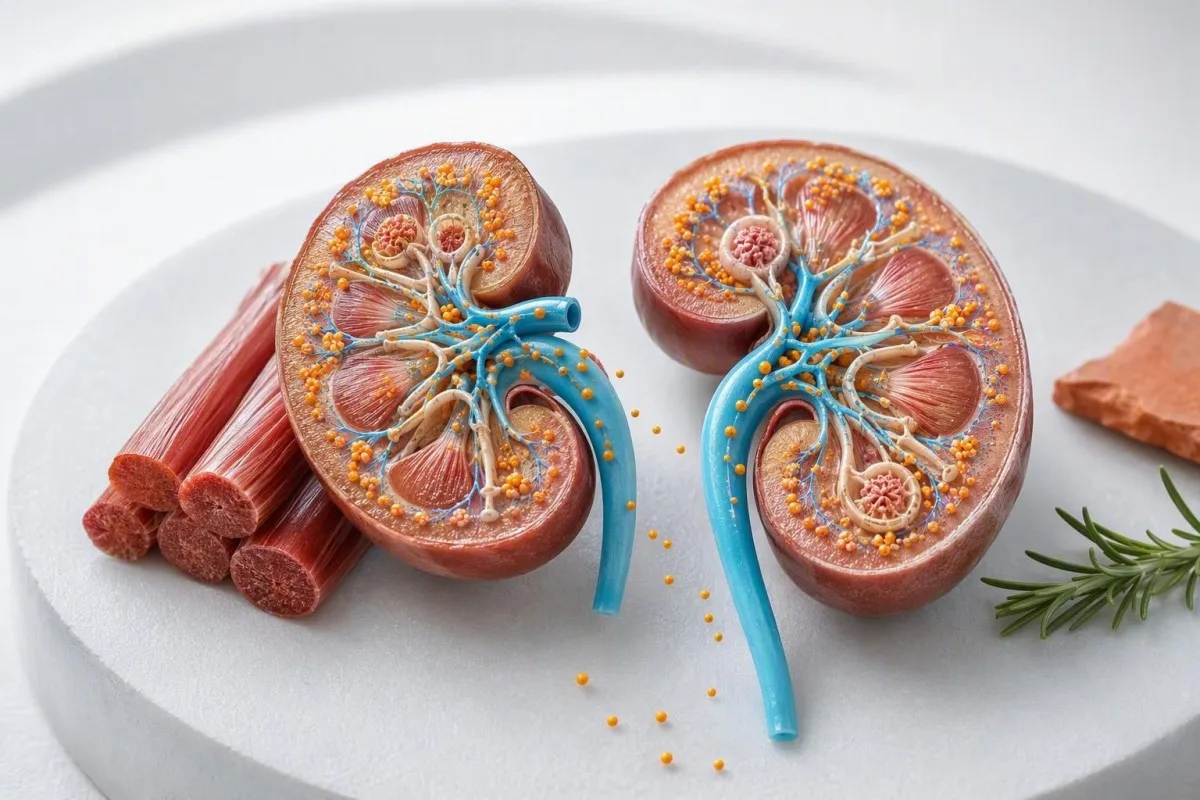
چەكلىك كرېياتىنىن نەتىجىسى كالتە ھەزىمىي كېسەللىك ئەمما مۇسكۇل، كراتىن ئىشلىتىش، يېقىنقى قاتتىق مەشىق ياكى ۋاقىتلىق سۇيۇقسىزلانىشنى ئەكس ئەتتۈرۈشى مۇمكىن. eGFR چوقۇم خاتا بولمىسا، لېكىن كرېياتىنىنغا ئاساسلانغان مۆلچەر ناھايىتى يۇقىرى بولغاندا ئانچە توغرا بولماسلىقى مۇمكىن.


- چەكلىك كرېياتىنىن مەنىسى: لაბوراتورىيە دائىرىسىدىن يۇقىرى كرېياتىنىن قىممىتى يالغۇز تۇرۇپلا يۇقىرى سەزگۈر بۆرەك كېسىلىنى دىئاگنوز قويمايدۇ.
- مۇسكۇل مىقدارى: كۆپ سۆڭەك مۇسكۇلى ھەر كۈنى كۆپرەك كرېياتىنىن ھاسىل قىلىدۇ، بۇ كرېياتىنىنغا ئاساسلانغان eGFR نى ھەقىقىي سۈزۈلۈشتىنمۇ تۆۋەن كۆرسىتىدۇ.
- كراتىن قوشۇمچىسى: كۈندە 3-5 گ / كۈن, بۆرەك زەخملىنىشىنى ئىسپاتلىماي تۇرۇپ, كرېياتىنىنغا ئايلىنىش ئارقىلىق قان سېرىقسىمان كرېياتىنىننى ئۆستۈرەلەيدۇ.
- چېنىقىش تەسىرى: قاتتىق تىك-تىك ياكى چىدامچان پائالىيەتلەر 24-72 سائەت ئىچىدە كرېياتىنىننى ۋاقىتلىق ئۆستۈرەلەيدۇ.
- سىستاتىن C: مۇسكۇل كۇچلوق ئادەمدە چەكلىك كرېياتىنىن نەتىجىسى بولغاندا، نورمال سىستاتىن C گە ئاساسلانغان eGFR پايدىلىق.
- سۈيدۈك ACR: مىللىمېتىرغا 3 مىللىگىرامدىن تۆۋەن ياكى گرامغا 30 مىللىگىرامدىن تۆۋەن بولغان ئېغىز-كرېئېنىن نىسبىتى، كلىنىك ئەھمىيەتكە ئىگە ئېغىز ئارتۇقچىلىقنى ھېسابقا ئالمىدى.
- CKD (KBB) نى تۈرگە ئايرىش: سوزۇلما خاراكتېرلىك بۆرەك كېسىلى 3 ئايدىن كەم بولمىغان مۇقىم بۆرەك نورمالسىزلىقنى تەلەپ قىلىدۇ، بىرلا ئۆزگەرگەن نەتىجە بولسا بولمايدۇ.
- Ekitono eky'amaaso: سۈيدۈك چىقىرىش ئازىيىش، ئىششىش، كالىي مىقدارىنىڭ ئېشىشى، مۇسكۇل ئاغرىقى كۈچىيىش ياكى كولادەك رەڭلىك سۈيدۈك دەرھال داۋالىنىش كېرەك.
چەكلىك كرېياتىنىن نەتىجىسى ھەقىقەتەن نېمىنى كۆرسىتىدۇ؟
چېگرادىن ھالقىغان كرېئېتىن مەنىسى بۇ ھۈجەيرە سىنىقىنىڭ ياكى سىنىق سىزىقنىڭ يۇقىرى چېگرىدىن يۇقىرى بولغان نەتىجىسى، بۆرەك كېسىلىنىڭ دىئاگنوزى ئەمەس. مۇسكۇلى كۈچلۈك چوڭلاردا، 1.3 مىللىگىرام/دىئان (115 مىكرو مول/L) كرېئېتىن مىقدارى سۈيدۈكنى سۈزۈش مىقدارىنى تۆۋەنلەشتىن كۆپرەك كرېئېتىن ھاسىل بولۇشىنى ئىپادىلىشى مۇمكىن، بولۇپمۇ سۈيدۈك سىنىقى ۋە سىستاتىن C نەتىجىسى ئىسپاتلىدى.
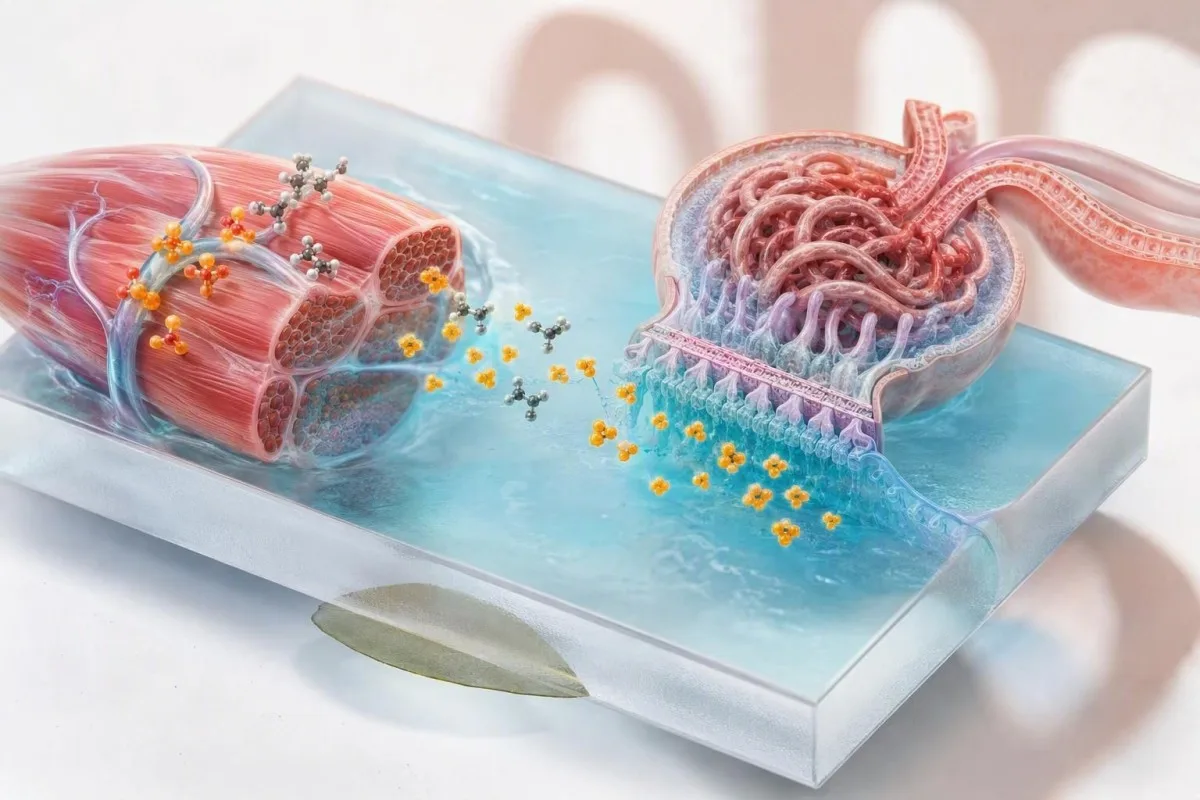
كرېئېتىن مۇسكۇلنىڭ كرېئېتىن ۋە فوسفات كرېئېتىن پارچىلىنىش مەھسۇلاتى. ئەنگىلىيەدىكى كۆپىنچە سىنىقخانا ئوتتۇرىچە 60-110 مىكرو مول/L چوڭلار ئەرلەر ئۈچۈن ۋە 45-90 مىكرو مول/L چوڭلار ئاياللار ئۈچۈن، لېكىن بۇ دائىرىلەر سىنىق ئۇسۇلى، يېشى ۋە يەرلىك نوپۇسقا ئاساسەن ئوخشىمايدۇ. سىنىقخانا بەلگىسى يەنى نەتىجە ئۇنىڭ تايانچىق گۇرۇپپىسىدىن پەرقلىنىدۇ؛ ئۇ بۆرەكنىڭ زىيانغا ئۇچرىغانلىقىنى ئىسپاتلىمايدۇ.
29 ياشلىق كۈچلۈك تەنھەرىكەتچىنىڭ 118 مىكرو مول/L كرېئېتىن نەتىجىسى بار بىر تۈرلۈك تەكشۈرۈشنى كۆرگەندە، مەن ئاۋال بەدەن چوڭلۇقى، ئالدىنقى 48 سائەتتىكى مەشىق، قوشۇمچە يېمەكلىكلەر، سۇيۇقلۇق يوقىتىش، دورا، قان بېسىم ۋە سۈيدۈك تەكشۈرۈشىنى سورايمەن. نەتىجە 82 دىن 118 مىكرو مول/L گە يۇقىرىلىغان بولسا، ئۈچ يىل داۋامىدا 110 بىلەن 120 مىكرو مول/L ئارىلىقىدا تۇراقلىق بولسا، بۇنىڭدىن كۆپرەك ئورۇنغا ئىگە.
دوكتور توماس كلېين بۇ پەرقىنى كىشىنى ھەيران قالدۇرىدىغان دەرىجىدە كۆپ ئەندىشىدىن ساقلاندى: تايانچىق دائىرىسى بىر نوپۇس قورالى، ئۆزگىچە ئاساس سىنىق قورالى. بىزنىڭ دائىرىدىن ھالقىغان نەتىجىلەر تەكشۈرۈش ساغلام كىشىلەرنىڭ تەخمىنەن 51% نىڭ پەقەت تاسادىپىي سەۋەبتىن كۆپىنچە تايانچىق دائىرىسىدىن چىقىپ كېتىدىغانلىقىنى چۈشەندۈرىدۇ.
كرېئېتىن مىقدارى، سۈزۈش سىنىقى ئەمەس
بۆرەك سۈزۈش ئازايغاندا كرېئېتىن يۇقىرى كۆتۈرۈلىدۇ، شۇنداقلا ھاسىل بولۇش كۆپەيگەندە ياكى ئەتراپتىكى سۇيۇقلۇق ئازلاشقان چاغدىمۇ يۇقىرى كۆتۈرۈلىدۇ. يەككە مىقدار بۇ مېخانىزملارنى ئايرىمايدۇ؛ شۇڭا كلىنىكلار ئۇنى eGFR، سۈيدۈك ئېغىزى، قان بېسىم، ئالدىنقى نەتىجىلەر ۋە كلىنىك پاكىتلار بىلەن بىرلىكتە چۈشەندۈرىدۇ.
نېمىشقا مۇسكۇل ئەتلىگەن بولسا eGFR تۆۋەن كۆرۈنىدۇ؟
كرېئېتىنغا ئاساسلانغان eGFR، مۇسكۇل جەۋھىرى مىقدارى ئادەتتىكىدىن يۇقىرى كىشىلەردە سۈزۈش مىقدارىنى تۆۋەن باھالاپ قويىدۇ، چۈنكى بۇ فورمۇلا يېشى ۋە جىنسىغا قاراپ ئوتتۇرىچە كرېئېتىن ھاسىل بولۇشىنى پەرەز قىلىدۇ. eGFR ھېسابلاش ماتېماتىكىلىق جەھەتتىن توغرا، لېكىن ئۇنىڭ كىرگۈزۈشلىرى بۇ ئادەمنىڭ بۆرەك سۈزۈش ئىقتىدارىنىلا ئىپادىلىمەيدۇ.
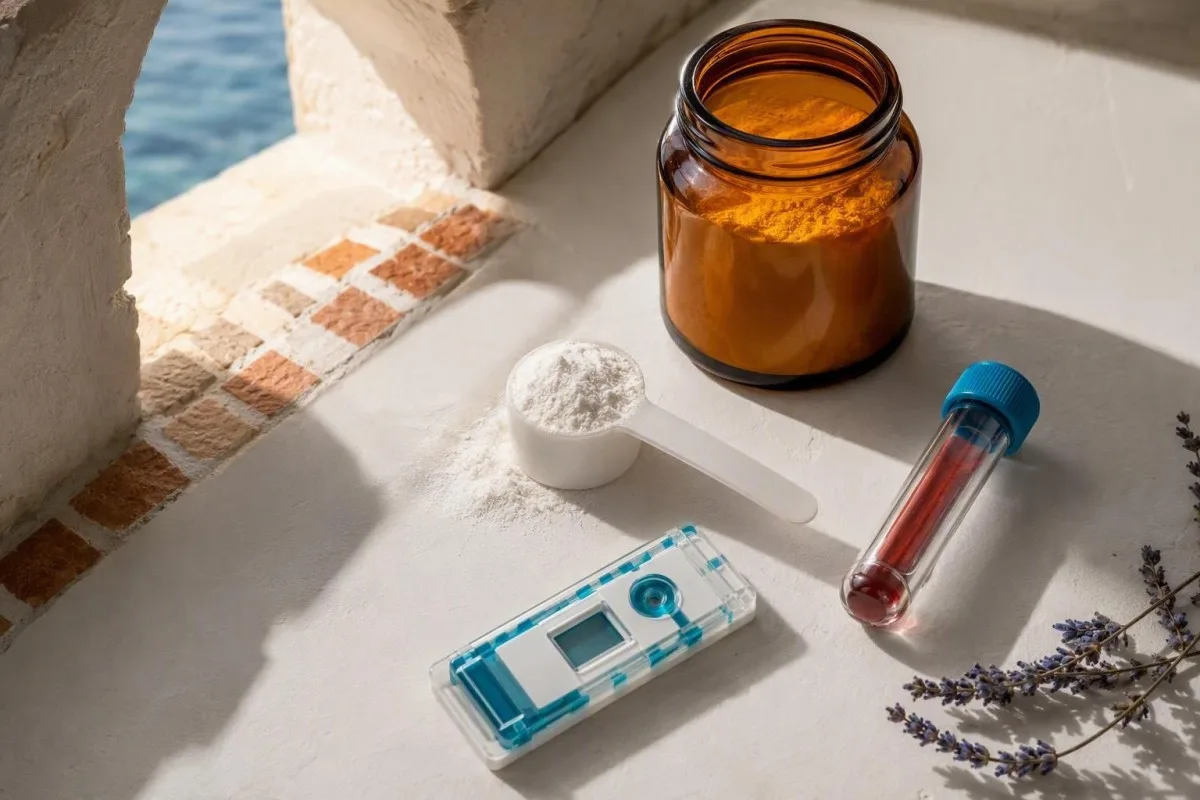
2021 CKD-EPI كرېئېتىن فورمۇلاسى كرېئېتىن، يېشى ۋە جىنسىنى ئىشلىتىدۇ؛ ئۇ ئورۇننىڭ سېمىزلىكى، يېمەكلىكى ياكى مەشىق مىقدارىنى ئۆلچەيدۇ. شۇڭا 100 كىلوگىراملىق مۇسابىقە كۈچى بار ئادەم بىلەن 100 كىلوگىراملىق ئولتۇراق ئادەم ھەر كۈنى ھاسىل بولىدىغان كرېئېتىن مىقدارىدا زور پەرق بولسىمۇ، ئوخشاش eGFR تەڭشەش نەتىجىسىنى ئېلىشى مۇمكىن.
باكمان ۋە باشقىلار كرېئېتىننى ئورۇننىڭ سېمىزلىكى ۋە جىسمانىي پائالىيىتى بىلەن باغلىدى، شۇنىڭغا ئوخشاش سىستاتىن C تاقا نىسبەتنى كۆرسەتمىدى (Baxmann et al., 2008). بۇ بايقاش سىستاتىن C نىڭ مۇكەممەل ئەمەسلىكىنى بىلدۈرمەيدۇ، لېكىن ئۇ كۆرۈنەرلىك مۇسكۇللۇق بىمارلاردا مەن نېمىشقا ئۇنى دائىم ھەل قىلغۇچى سۈپىتىدە ئىشلىتىدىغانلىقىمنى چۈشەندۈرىدۇ.
كانتېستى بىر AI قان تەكشۈرۈش ئانالىزچىسى كرېئېتىننى يېشى، جىنسى، پائالىيەت، دورا، ۋە بۆرەك بەلگىلىرى بىلەن بىللە تەكشۈرىدۇ، گەرچە بىر قىزىل بايرىقىنى ھۆكۈم قىلىش سۈپىتىدە قارىمايدۇ. ئۈچەي بىلەن كرېئېتىن ئوتتۇرىسىدىكى بىئولوگىيىلىك پەرقىنى كۆرۈش ئۈچۈن، بىزنىڭ BUN بىلەن كرېئېتىننى تەكشۈرۈش.
كراتىن قوشۇمچىسى يۇقىرى كرېياتىنىن نەتىجىسىنى كەلتۈرۈپ چىقىرىدۇمۇ؟
كېرىتىن قوشۇمچە يېمەكلىكلىرى قان سېرۇمىدىكى كېرىتىننى ئاشۇرالايدۇ، چۈنكى بەزى قوشۇمچە كېرىتىنلار كېرىتىنغا ئايلىنىدۇ، بۇ ئۆرلىمە ھەرگىزمۇ بۆرەك زىيىنىنى كۆرسەتمەيدۇ. ھەر كۈنى 3-5 گ عادىدىكى كېرىتىن مونوتىراتى مىقدارى كۆپ ئۇچرايدۇ؛ جاۋاب پەقەت قوشۇمچە يېمەكلىككە ئەمەس، بەلكى بۆرەك مەنزىرىسىنىڭ تولۇق بولۇشىغا باغلىق.

كېرىتىن قوبۇل قىلغاندىن كېيىنكى ئۆسۈپ كەتكەن كېرىتىننىڭ بۆرەككە زىيان يەتكۈزگەنلىكىنى ئىسپاتلايدىغانلىقى توغرىسىدىكى كۆپ ئۇچرايدىغان خاتالىق. كېرىتىن قوشۇمچە قوبۇل قىلىنغان مولېكۇلنىڭ بىر قىسىم مەھسۇلاتىنىڭ ئاخىرقى مەھسۇلى، شۇڭا مۆلچەرلىگەن ئۆزگىرىش زەھەرلىك تەسىردىن كۆپ، فىزىئولوگىيىلىك جەريان بولۇشى مۇمكىن. كېرىتىن ئېتىل ئېستېرى سۈمۈرۈلۈشتىن بۇرۇن كېرىتىنغا ئايلىنىشى مۇمكىن بولغاچقا، تېخىمۇ چوڭ كۆرۈنۈشچان ئۆرلىمە پەيدا قىلىشى مۇمكىن.
مەن بىمارلارغا قوشۇمچە يېمەكلىكلەرنى كىلىنىك خادىملىرى ياكى تەجرىبىخانا فورمىسىدىن يوشۇرماسلىقنى تەۋسىيە قىلىمەن. تۇب ياكى ئۇنىڭ تەركىبى تىزىملىكىنىڭ رەسىمىنى ئېلىپ كېلىڭ: بەزى مەشىقتىن بۇرۇنقى مەھسۇلاتلار كېرىتىننى كاۋا، سىملىق ماددىلار، سىستېما بولمىغان ياللۇغ قارشى تۇرغۇچى دورىلار ياكى ناچار مۇئەييەنلەشتۈرۈلگەن قوشۇمچە دورىلار بىلەن بىرلەشتۈرىدۇ، بۇ قوشۇمچە تەسىرلەر كېرىتىننىڭ ئۆزىدىنمۇ مۇھىم بولۇشى مۇمكىن.
ئېنىق ھەرىكەتچان تەجرىبە بولسا، سۇيۇقلۇقنى نورمال ئىستېمال قىلغاندىن ۋە توغرا يۇقىرى چېنىقىشلار گۆشلاپ-تىكىش شى جادۋالى مەنىلىك بىرىنچى-كېيىنكى سېلىشتۇرۇشنى قانداق خاتىرىلەشنى چۈشەندۈرىدۇ.
قىستاش نەنىنى چۈشەندۈرگىلى بولمايدىغان ئىشلار
كېرىياتىن ئالبۇمىنۇرىيە، قان، يۇقىرى كالىي ياكى قان بېسىمىنى كۆرسىتىدىغان يېڭى كېرىياتىن تەرەققىياتىنى بىخەتەر چۈشەندۈرەلمەيدۇ. بۇ بىرلەشمىلەر تىغىز مەشىق قىلغان كىشىدىمۇ تەكشۈرۈشنى تەلەپ قىلىدۇ، چۈنكى تەنھەرىكەت قۇرۇلمىسى ۋە بۆرەك كېسەللىكلىرى بىللە يۈز بېرەلەيدۇ.
زىيادە كۈچلۈك چېنىقىش كرېياتىنىننى قانچىلىك ئۇزۇن ۋاقىت ئۆستۈرەلەيدۇ؟
قاتتىق چېنىقىش مۇسكۇل ئايلىنىشى، تەر بىلەن بارلىققا كەلگەن مىقدارنىڭ يوقىلىشى ۋە بۆرەك قان ئايلىنىشىنىڭ ئۆزگىرىشى سەۋەبىدىن 24-72 سائەتكىچە ۋاقىتلىق كېرىياتىننى ئاشۇرالايدۇ. مارافون، ئېغىر ئۆلۈك كۆتۈرۈش، ساۋنا ئىشلىتىش ياكى سۇيۇقلىق يېتىشمەسلىكتىن كېيىن ئېلىنغان نەتىجە كۆپىنچە مۇقىم بازا نۇقتىسىنىڭ ناچار مۆلچەرى.
مەن تەكشۈرگەن 52 ياشلىق ھەۋەسكار مارافونچىنىڭ ھويلىلىق مۇسابىقىدىن ئەتىگەندە كېرىياتىن 132 µmol/L ۋە CK 1,980 IU/L ئىدى؛ 5 كۈنلۈك جىمجىت، سۇيۇقلىقى ياخشى بولغان كۈنلەردىن كېيىن تەكرار تەكشۈرۈش كېرىياتىن 96 µmol/L گە قايتىپ كەلدى. CK مۇسكۇل-فېرمېنتلىق زاپچاس، بۆرەك تېستى ئەمەس، ۋە چوڭ ئۆسۈش جىددىي ھالەتتە باھالاشقا تېگىشلىك.
چېنىقىش بىلەن مۇناسىۋەتلىك قان جەملەش يەنە ئالبۇمىن، قان، كالىتسىي ۋە ئومۇمىي پىروتىننى بىرلا ۋاقىتتا يۇقىرى كۆرسىتىدۇ. بۇ گۇرۇپپا شەكىل پايدىلانمىغان بۆرەك نورمالسىزلىقىغا قارىغاندا ۋاقىتلىق سۇيۇقلىق يوقىلىشىنى كۆرسىتىدۇ؛ بىزنىڭ ماقالىمىز سۇسىزلىنىش بىلەن مۇناسىۋەتلىك يالغان يۇقىرى قىممەتلەر بۇ شەكىلنى قانداق بايقىشنى كۆرسىتىدۇ.
پىلانلانغان بازا تارتىشتىن بۇرۇن چېنىقىشتىن ساقلىنىش تېستىنى ئالدىمايدۇ. دائىملىق تەكشۈرۈش ئۈچۈن، مەن كۆپىنچە 48 سائەتتىن ئارتۇق قىينىچىلىقسىز چېنىقىشنى، نورمال يېمەك-ئىچمەك ۋە يېتەرلىك سۇيۇقلىق بىلەن كېلىشنى تەۋسىيە قىلىمەن، ئەگەر تەكشۈرتكەن دوختۇر باشقىچە كۆرسەتمە بەرمىگەن بولسا. تېخىمۇ تەپسىلىي چېنىقىش كېرىياتىننى تەكرار تەكشۈرۈش پىلانى.
كرېياتىنىنغا ئاساسلانغان eGFR قاچان ئانچە ئىشەنچلىك بولمايدۇ؟
كېرىياتىنغا ئاساسلانغان eGFR كېرىياتىن ئىشلەپچىقىرىش ياكى قوبۇل قىلىش ھەرىكىتىدىن يىراق بولغاندا، مۇسكۇللارنىڭ كۆپ مىقدارى، ئۆتكۈزۈش، مۇسكۇللارنىڭ ناھايىتى ئاز مىقدارى، كېرىياتىن ئىشلىتىش، يېقىنقى گۆش يېگەنلىكى، ھامىلىدارلىق ۋە ئۆتكۈر كېسەللىك قاتارلىقلارنى ئۆز ئىچىگە ئالسا، ئىشەنچسىز بولىدۇ. ئۇ سۈزۈشنى بىۋاسىتە ئۆلچەشتىن تېخىمۇ مۇقىم سۈزۈش ئەسلىگە كەلتۈرىدۇ.
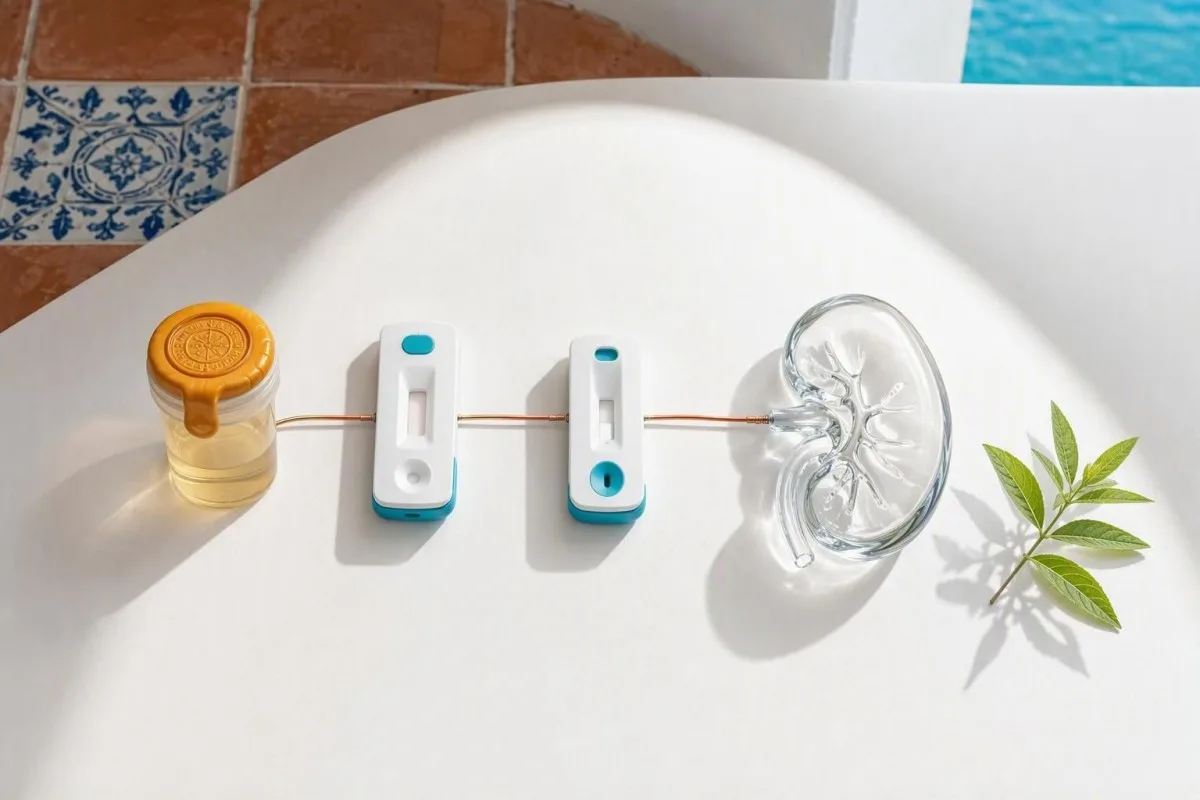
پىشۇرۇلغان گۆش يېمەكلىكى قىسقا ۋاقىتتىكى كېرىياتىننى ئاشۇرالايدۇ، چۈنكى يېمەكلىكتىكى كېرىياتىن سۈمۈرۈلىدۇ؛ بۇ بەزى دوختۇرلارنىڭ تېز تەكشۈرۈش ياكى سىستېمىلىق ئەتىگەنلىك قايتا تەكشۈرۈشنى ياخشى كۆرۈشىنىڭ سەۋەبلىرىنىڭ بىرى. ئۇنىڭغا قارشى، مۇسكۇللارنىڭ ناھايىتى ئاز مىقدارى ھەيران قالارلىق دەرىجىدە تۆۋەن كېرىياتىن ۋە سۈزۈشنى ئاشۇرۇۋېتىدىغان eGFR نى ھاسىل قىلالايدۇ.
ھامىلدارلىق بىر مۇستەسنا: ھامىلدارلىق مەزگىلىدە سېرىق تانىننىڭ مىقدارى تۆۋەنلەيدۇ، شۇڭا ھامىلدار بولمىغاندا نورمال دەپ قارالغان نەتىجە ھامىلدارلىق مەزگىلىدە دىققەت قىلىشقا ئەرزىيدۇ. ھامىلدارلىق GFR يېتەكچىمىز نېمە ئۈچۈن قۇرامىغا يەتكەن ھامىلدار بولمىغانلارنىڭ eGFR كاتېگورىيىسىنى بۇ شارائىتتا ئاسانلا قوللانماسلىق كېرەكلىكىنى چۈشەندۈرىدۇ.
2024-يىللىق KDIGO رەھبەرلىك كۆرسەتمىسىدە، تېخىمۇ ئېنىق بولغاندا ئىلمىي قارارغا تەسىر يەتكۈزىدىغان بولسا (KDIGO, 2024) سېرىق تانىن ۋە سىستاتىن C نى بىللە ئىشلىتىشنى تەۋسىيە قىلىدۇ. بۇ دورا زەخملەندۈرۈش، مېيىپكاشلىق قىلىش ئىقتىدارى ياكى كىچىك بولمىغان GFR 45-59 mL/min/1.73 m² ۋە باشقا بۆرەك زىيانى ئالامىتى يوق قۇرامىغا يەتكەنلەرگە تەدبىقلىنىدۇ.
قاچان سىستاتىن C چەكلىك كرېياتىنىننى ئېنىقلايدۇ؟
سېرىق تانىننىڭ مۇسكۇل ئېغىرلىقى تەرىپىدىن تەسىرگە ئۇچرىشى مۇمكىن بولغاندا ۋە ئۆزگىرىشى مۇمكىن بولغاندا سىستاتىن C ئەڭ پايدىلىق. مېيىپكاشلىق قىلىش قىلىش گۇرۇپپىسىغا سېرىق تانىن-سىستاتىن C eGFR بىر قەدەر مۆلچەرلەنگەن بولسا، ھەر بىر بەلگىدىن تېخىمۇ ئېنىق بولىدۇ.
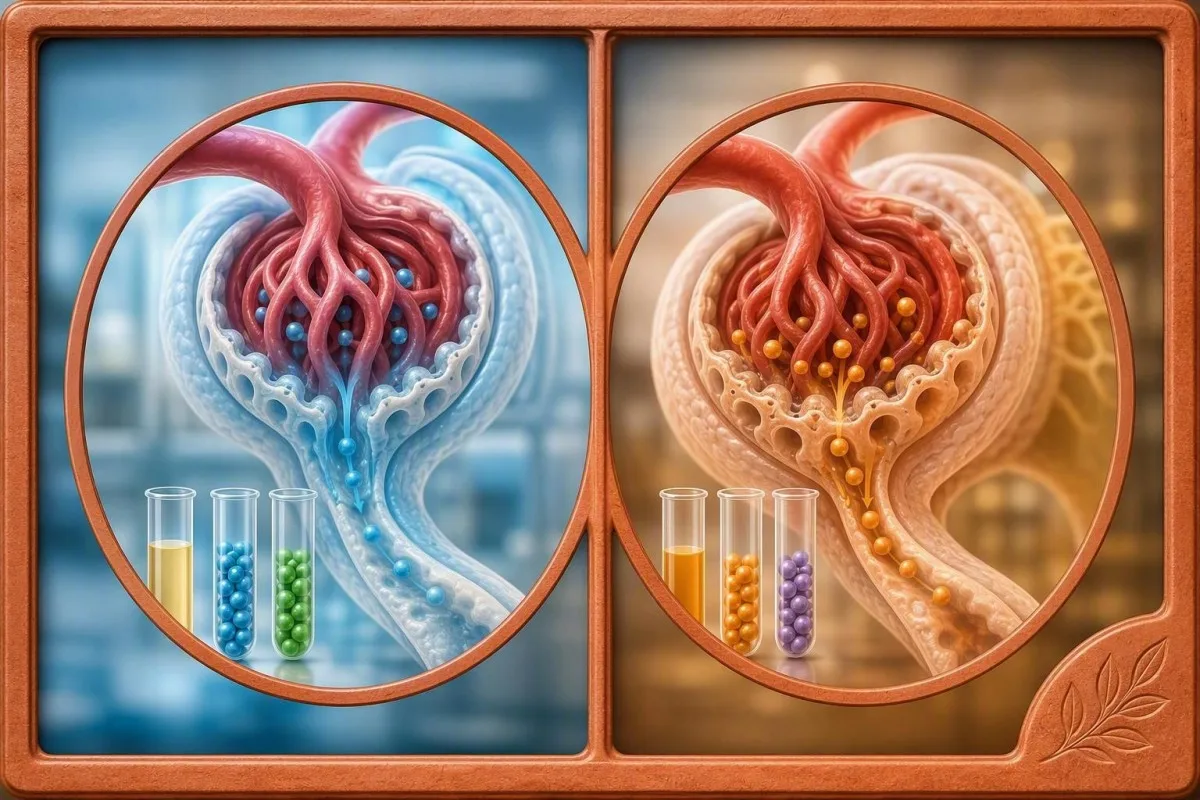
سىستاتىن C نىكلىئۇس بار ھۈجەيرىلەرنىڭ كۆپىنچىسى ئىشلەپچىقارغان كىچىك بېلىق بولۇپ، گلۇمېرۇلۇسقا سۈزۈلىدۇ. ئۇ مۇسكۇل ئېغىرلىقىغا قارىغاندا سېرىق تانىنغا تېخىمۇ ئاز تەسىر قىلىدۇ، گەرچە تاماكا چېكىش، تويۇنۇش، قەلقان بەز ئىقتىدارىنىڭ نورمالسىزلىقى، سىستېما ياللۇغى ۋە گلۇكوكورتىكوئىد ئىشلىتىش ئۇنىڭغا تەسىر قىلىشى مۇمكىن، شۇڭا ئۇ سىھىرلىك ھەقىقەتتىن ساقلىنىش بىلەن باراۋەر ئەمەس.
Inker قاتارلىقلار، بىرلىشىپ سېرىق تانىن-سىستاتىن C رەسمىيىتىنى ھەر بىر بەلگىنى ئايرىم-ئايرىم ئىشلەتكەن رەسمىيەتلەردىن تېخىمۇ ئېنىق ئىكەنلىكىنى كۆرسەتتى (Inker et al., 2012). ئەمەلىيەتتە، بىرلىككە كەلگەن eGFR قىممەتلىرى ئىشەنچنى كۈچەيتىدۇ؛ بىردەك بولمىغان قىممەتلەرنى تېخىمۇ قوبۇل قىلىشلىق رەقىمىنى تاللاش جەريانىدا نېمىشقا بەلگىلەرنىڭ ئوخشىمايدىغانلىقىنى تەكشۈرۈشكە چاقىرىدۇ.
Kantesti نىڭ AI قان تەكشۈرۈش نەتىجىسىنى چۈشەندۈرۈش سۇپىسى سېرىق تانىن-سىستاتىن C بىردەك بولماسلىقنى بايقاپ، مۇسكۇل ئېغىرلىقى، قوشۇمچە مەھسۇلاتلار، قەلقان بەز ھالىتى ۋە دورىلار ھەققىدە دوختۇرلارنى پاراڭلىشىشقا چاقىرىدۇ. ئوقۇرمەنلەر بىز بىلەن تېخىمۇ چوڭقۇرغا چىقالىدۇ cystatin C نەتىجىلىرىمىز.
نېمىشقا سۈيدۈك ACR نۇرغۇن كىشىلەر ئويلىغاندىنمۇ مۇھىم؟
سۈيدۈك ئاقسىل-سېرىق تانىن نىسبىتى، ياكى ACR، eGFR ساقلانغان تەقدىردىمۇ بۆرەك زىيانىنى كۆرسىتىدىغان ئاقسىل قويۇپ بېرىشنى بايقايدۇ. ACR 3 mg/mmol (30 mg/g) دىن تۆۋەن بولسا خاتىرجەم بولىدۇ، ئەمما داۋاملىق ACR 3 mg/mmol ياكى ئۇنىڭدىن يۇقىرى بولسا توغرا ئىلمىي شارائىتتا كۆزىتىش كېرەك.
ئاقسىل چىقىرىش، سېرىق تانىن نەتىجىسىنىڭ مەنىسىنى ئۆزگەرتىدۇ. سېرىق تانىن 120 µmol/L، مۇقىم eGFR 67 mL/min/1.73 m²، نورمال قان بېسىمى، مەنپىي سۈيدۈك تەكشۈرۈشى، ۋە ACR 0.6 mg/mmol بولغان مۇسكۇللۇق ئادەمنىڭ ACR 12 mg/mmol بولغان بىر كىشىگە قارىغاندا خەتەرلىك ئەھۋالى بار.
قىينچىلىقسىز چېنىقىش، ئىمىل، سۈيدۈك ياللۇغى، كونترول قىلىنمىغان قان بېسىمى، يۇقىرى قان شېكەر، ۋە ھەيز قىسقا ۋاقىت ئىچىدە سۈيدۈك ئاقسىلىنى كۆپەيتىشى مۇمكىن. KDIGO مۇمكىن بولسا تۇنجى ئەتىگەنلىك ئەۋرۇسكىنى ئىشلىتىپ جەزملەشتۈرۈشنى تەۋسىيە قىلىدۇ، چۈنكى ئەتىگەنلىك ئەۋرۇسكا ئولتۇرۇش ۋە چېنىقىش ئۆزگىرىشچانلىقىنى تۆۋەنلىتىدۇ (KDIGO, 2024).
تەكشۈرۈش مىقدارى ACR نىڭ ئورنىنى ئالمايدۇ: ئۇ ئوتتۇراھال دەرىجىدە ئاقسىل قويۇپ بېرىشنى قولدىن بېرىشى مۇمكىن. بىز بىلەن تېخىمۇ ياخشى تەييارلىنىڭ ACR توپلاش تەكشۈرۈش تىزىملىكى, ، ۋە كۆپۈك سۈيىنى ئايرىم-ئايرىم قاراڭ، بىزنىڭ يېتەكچىمىزدە كۆپۈك سۈيىنىڭ سەۋەبلىرى.
كرېياتىنىننى گۇرۇپپىنىڭ قالغان قىسمى بىلەن قانداق ئوقۇش كېرەك؟
كېرىياتىن eGFR، ئىگىلىك ياكى BUN، كالىي، بېكاربونېت، قان ACR، سۈيى تەكشۈرۈش، قان بېسىمى ۋە ۋاقىتتىن ئۆتكەن ئۆزگىرىش يۆنىلىشى بىلەن بىللە ئوقۇش كېرەك. بۆرەك خەۋىپى نۇرغۇنلىغان مۇستەقىل بەلگىلەر ئوخشاش يۆنىلىشنى كۆرسەتكەندە تېخىمۇ ئىشىنىشلىك بولىدۇ.
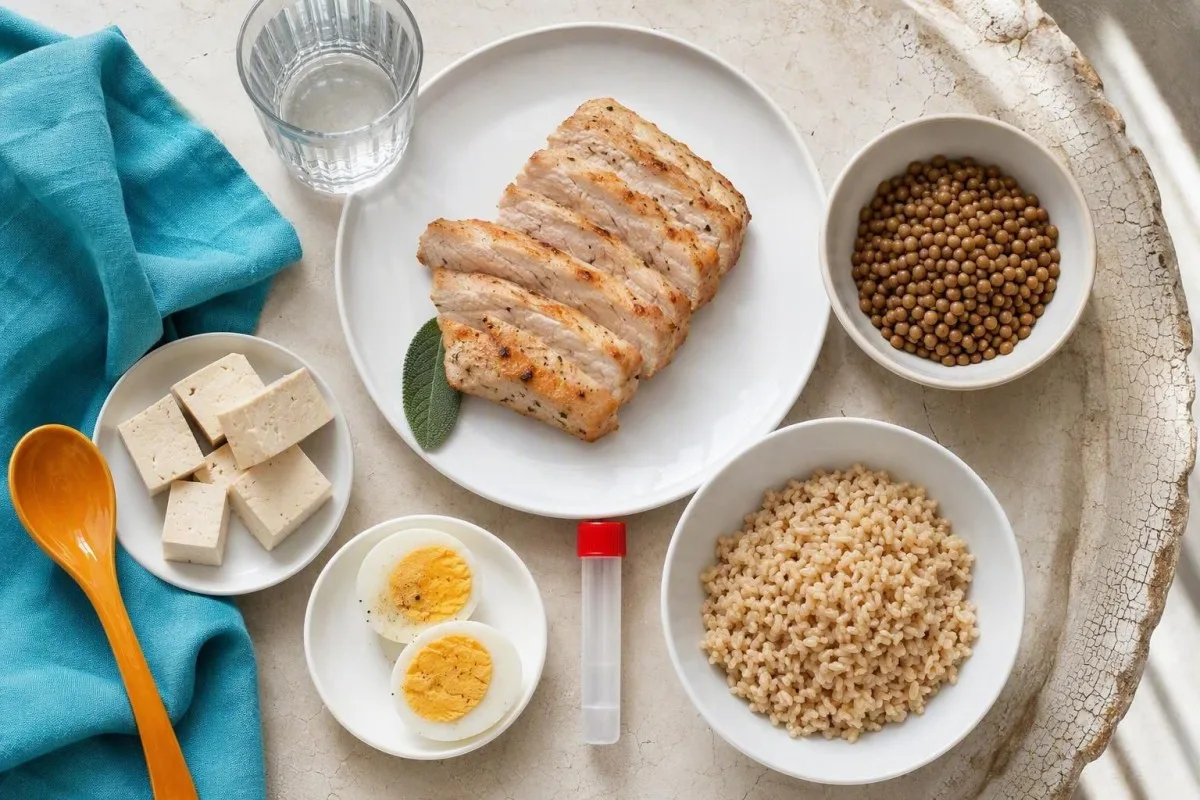
يۇقىرى ئىگىلىك-كېرىياتىن نىسبىتى سۇيۇقلۇق يوقىلىشى، ئاشقازان-ئۈچەي قاناش، يۇقىرى پىروتىن قوبۇل قىلىش ياكى كاتىدا ئاشقانلىق بىلەن يۈز بېرىشى مۇمكىن؛ ئۇ پاكىتسىز بۆرەك زىيىنى نومۇرى ئەمەس. تۆۋەن بېكاربونېت، يۇقىرى كالىي ۋە ئۆسۈۋاتقان فوسفات بۆرەك چىقىرىشنىڭ ئازايغانلىقىنى قوللىشى مۇمكىن، ئەمما ھەر بىرىنىڭمۇ بۆرەك بولمىغان سەۋەبلىرى بار.
سۈيى تەكشۈرۈش eGFR نىڭ بېرەلمەيدىغان ئۇچۇرلىرىنى قوشىدۇ. پىروتىن، قىزىل قان ھۈجەيرىلىرى، دىزمورفالىق قىزىل قان ھۈجەيرىلىرى، ئاق قان ھۈجەيرىلىرى، گلوكوما، ياكى تۇرخۇم بۆرەك سۈزگۈچى كېسەللىك، تاش، يۇقۇملىنىش، دىئابىت، ياكى دورا تەسىرىگە يىتەكلىيەلەيدۇ. بىزنىڭ سۈيى تەكشۈرۈش ئومۇمىي كۆزدىن كېچىش ئۇلارنى ئاشۇرۇۋېتىشنى ئويلىمىغان ھالدا بۇ بايانلارنى چۈشەندۈرۈشكە ياردەم بېرىدۇ.
كانتېستى بىر AI ئارقىلىق قوزغىتىلغان قان تەكشۈرۈش تەھلىل قورالى بۇ قىياسلار ئارىسىدىكى بۆرەك بىلەن مۇناسىۋەتلىك قىممەتلەرنى سېلىشتۇرىدۇ، چۈنكى eGFR 92 دىن 70 گە يۆتكىلىش 70 نىڭ مۇستەقىل قىممىتىدىنمۇ مۇھىم بولۇشى مۇمكىن. بىزنىڭ تەكشۈرۈش جەريانىمىزدا، تەرەققىياتلار تىببىي باھالاش ئۈچۈن تۇرتكە، ھەرگىز دىئاگنوز قويۇشنىڭ ئورنىنى ئالمايدۇ.
بىر قوبۇلغا ئېلىپ كېلىشكە پايدىلىق نەتىجىلەرنىڭ بىرى
ئەڭ كەم دېگەندە ئىككى ئىلگىرىكى كرېئىئاتىنىن نەتىجىسى، تەجرىبىخانا بىرلىكلىرى، ۋاقىتلىرى، مەشىق ياكى كېسەللىك خاتىرىلىرى، دورا تىزىملىكى، ئۆيدىكى قان بېسىمىنى ئۆلچەش نەتىجىسى ۋە سۈيدۈك نەتىجىلىرىنى ئېلىپ كېلىڭ. بۇ كىچىك ۋاقىت جەدۋىلى كۆپىنچە قىممەتنىڭ مۇقىم، ئۆتكۈنچى ياكى ھەقىقىي ئۆزگىرىۋاتقانلىقىنى چۈشەندۈرۈپ بېرىدۇ.
قاچان چەكلىك كرېياتىنىن يۇقىرى سەزگۈر بۆرەك كېسىلى دەپ ھېسابلىنىدۇ؟
چېگرا كرېئىئاتىنىن نەتىجىسى پەقەت تۆۋەنلەنگەن eGFR ياكى بۆرەك زەخملىنىشنىڭ باشقا بەلگىسى 3 ئاي ياكى ئۇنىڭدىن كۆپرەك داۋاملاشقاندالا ئالغا ئېنىقلاشقان بۆرەك كېسەللىكى دەپ قارىلىدۇ. CKD مەشىقتىن كېيىن، سۇسىزلىنىش ياكى قوشۇلما كېسەللىك بىلەن بىر كرېئىئاتىنىن نەتىجىسىدىن دىئاگنوز قويۇلمايدۇ.
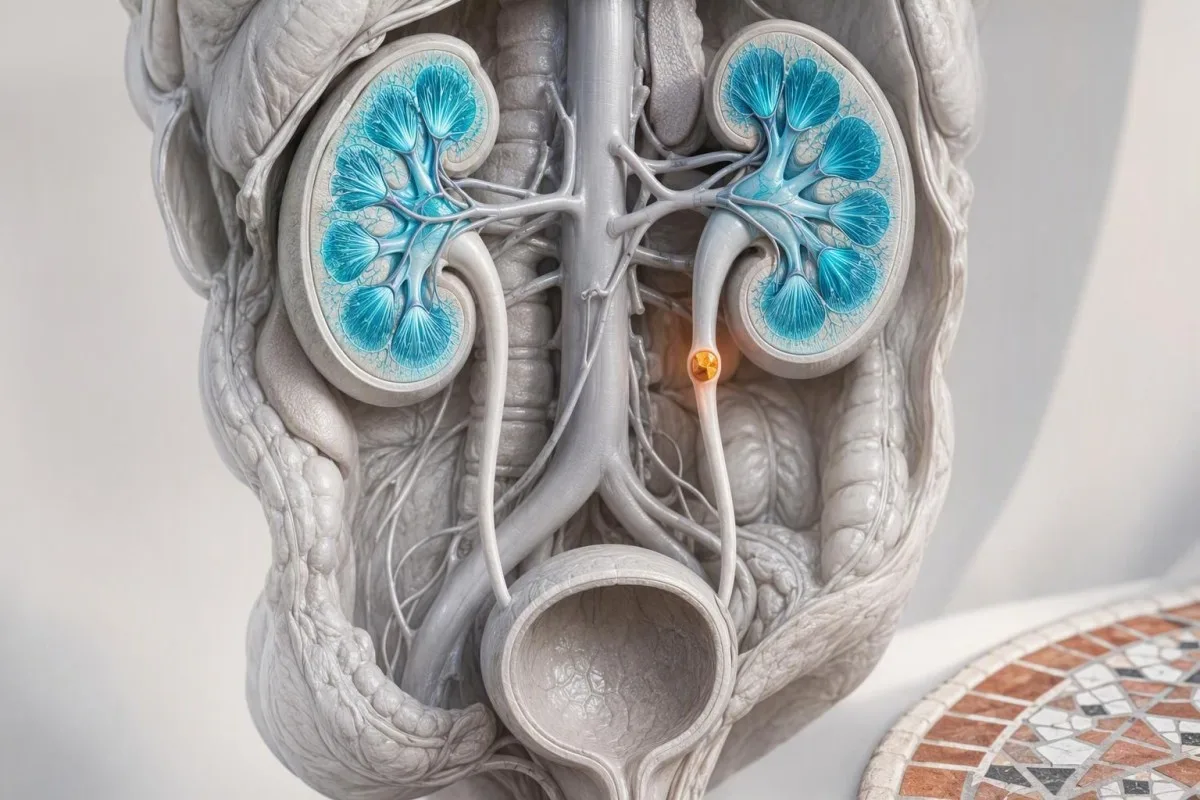
KDIGO eGFR نى 60-89 mL/min/1.73 m² نى G2 دەپ سىنىپلاشتۇرىدۇ، ئەمما G2 بىر ئۆزى CKD بولماستىن، بەلكى ئالبۇمىنورىيە، قۇرۇلما نورمالسىزلىقى ياكى مۇقىم سۈيدۈك چۆكمىسى ئۆزگىرىشى قاتارلىق بۆرەك زەخملىنىش ئالامەتلىرى بولمىسىمۇ. بۇ پەرقنى ئويلىنىش كېرەك: ساغلام، مۇسكۇلدىن تولغان قۇراماغا يەتكەنلەرنىڭ eGFR 74 بولسا نورمال ئۆزگىرىش بولۇشى مۇمكىن.
90 كۈن ئايرىم-ئايرىم ھېسابلىغاندا ئىككى قېتىم قولغا ئېلىنغان 60 mL/min/1.73 m² دىن تۆۋەن eGFR ئادەتتە CKD نىڭ ئېلىشايتىش جەھەتتىن تەلەپ قىلىنىدىغان ئۆلچىمىگە ئۇدۇرا، ئۆتكۈر سەۋەبلەرنى چىقىرىۋەتكەندىن كېيىن. CKD باسقۇچىنى چۈشەندۈرۈش eGFR ۋە ACR كاتېگورىيىلىرىنىڭ بىر-بىرىگە رىقابەتلىشىشتىن كۆرە، بىر-بىرىگە قانداق تەسىر قىلىدىغانلىقىنى كۆرسىتىدۇ.
مەن بۇ يەردە قەستەن ئېھتىيات قىلىۋاتىمەن. بۆرەك كېسەللىكىنىڭ دەسلەپكى باسقۇچىدىكى بەزى كىشىلەردە مۇسكۇل ماسسىسى تۆۋەن بولغاچقا كرېئىئاتىنىن نورمال بولىدۇ، بەزى تەنھەرىكەتچىلەردە كرېئىئاتىنىن يۇقىرى، بۆرەك ساغلام بولىدۇ؛ ھەر ئىككى تەرەپتىمۇ تەجرىبىخانا قىممىتىنى سىنىپتىن ئۆتكۈزۈش كېرەك.
قاچان مۇسكۇل كۇچلوق چەكلىك كرېياتىنىننى ئەندىشىگە سالىدۇ؟
مۇسكۇلدىن تولغان قۇراماغا يەتكەنلەر كرېئىئاتىنىن تېز يۇقىرى كۆتۈرۈلگەندە، كونترول قىلىنغان تەكرارلىغاندىن كېيىن نورمالسىز بولغاندا، ياكى ئالبۇمىنورىيە، سۈيدۈكتە قان، قان بېسىمى يۇقىرى، كاتالىنىيە نورمالسىز ياكى سىملار بىلەن پەيدا بولغاندا ئەنسىرەپ كېتىشى كېرەك. مۇسكۇل ماسسىسىنى تەكشۈرۈشكە بولىدىغان باھانە، بۆرەك تەكشۈرۈشىدىن مەڭگۈلۈك ئۆتۈنۈپ بېرىش ئەمەس.
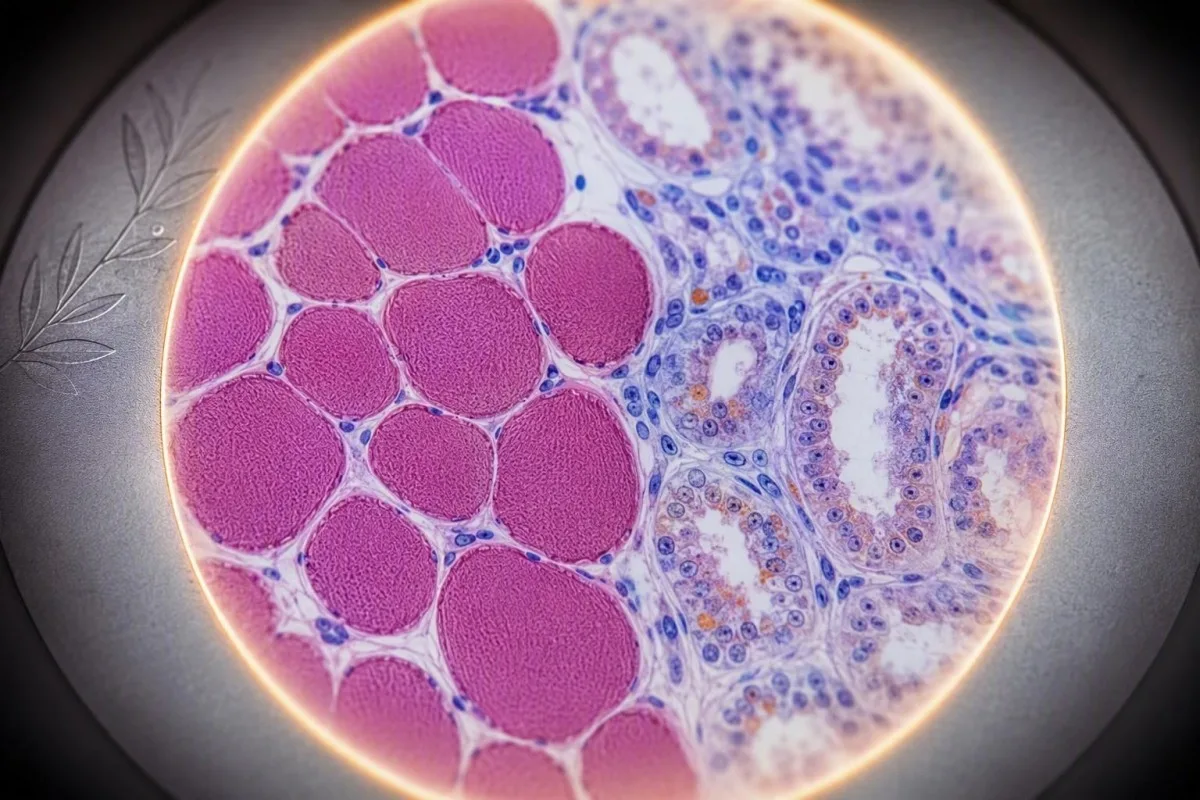
سۈيدۈك چىقىرىش مىقدارىنىڭ ئېنىق تۆۋەنلىشى، يېڭى پۇت ياكى يۈز ئىششىشى، نەپەس قىسلىقى، ئىپتىكاي، داۋاملاشقان قۇسۇش ياكى 48 سائەت ئىچىدە كرېئىئاتىنىننىڭ 26.5 µmol/L كەم بولمىغان ئۆسۈشىدە ئوخشاش كۈنى داۋالىنىش كېڭىشىگە مۇراجىئەت قىلىڭ. ئىسسىقلىق كېسەللىكى، ئېغىر ئىچ سۈرۈش، قاتتىق يارىلىنىش، ياكى قارا رەڭلىك سۈيدۈك بىلەن تەنھەرىكەت قىلىش، قېتىشىش، جاراھەت، ياكى كولامغا ئوخشاش تەنھەرىكەتتىن كېيىن جىددىي تەكشۈرۈش ئالاھىدە مۇھىم.
رابدومىيوگىس ناھايىتى ئاز ئۇچرايدىغان بولسىمۇ، مەشىق جەمئىيىتىگە مۇناسىۋەتلىك. جىسمانىي كۈچتىن كېيىن ئېغىر مۇسكۇل ئاغرىقى، ئىپتىكاي، ئىششىش، ياكى قارا سۈيدۈك، يۇقىرى CK بىلەن بىللە كاتالىنىيە، كرېئىئاتىنىن، كالتسىي، فوسفور، ۋە سۈيدۈك نەتىجىلىرىنى جىددىي تەكشۈرۈشنى تەلەپ قىلىشى مۇمكىن؛ بىزنىڭ CrossFit رابدومىيوگىس خەۋەر قىلمىش خەۋەر قىلىش ئەندىزىسىنى چۈشەندۈرىدۇ.
غەيرىي ستېروئىدلىق ياللۇغ قارشى دورىلار، ACE مۇداپىئەسى، ARBs، دىيورتىك، تىرىمېتوپرىم، لىتىي، ۋە بەزى بەدەن گۈللەنگۈچى خىمىيىلىك ماددىلار كرېئىئاتىنىن ياكى بۆرەك قان گېمىدىن كۆتۈرۈشى مۇمكىن. ئەپ ياكى بىرلا نەتىجىگە ئەنسىرەپ قالغانلىقتىن، دورا بەرگەننىلا توختاتماڭ - دورا بەرگەننى بىلىدىغان دوختۇرغا سېتىڭ.
تەنھەرىكەتچىلەر ۋە كۇچلوق ئادەملەر ئۈچۈن ئەڭ ياخشى قايتا تەكشۈرۈش پىلانى نېمە؟
مۇقىم شارائىتتا توغرا تەكرار تەكشۈرۈش پىلانىنى ئىشلىتىش: نورمال يېمەك-ئىچمەك ۋە سۇيۇقلىق، 48-72 سائەتتىن كۆپرەك ھەددىدىن ئاشقان چېنىقىش يوق، ھاراق ئىچمەسلىك، ۋە خاتىرىلەنگەن قوشۇلما دورا تىزىملىكى. مەقسەت ياخشى نومۇرغا زورلاش ئەمەس؛ ئۇ بىر ئورگانىك نومۇرنى ئۆلچەش.

چېگرا ھالەتتىكى ئەمما جىددىي بولمىغان نەتىجە ئۈچۈن، مەن كۆپىنچە 1-4 ھەپتە ئىچىدە تەكرار كرېئىئاتىنىن، eGFR، سىستاتىن C، سۈيدۈك تەكشۈرۈش، سۈيدۈك ACR، ئېلېكترولىتلار، ۋە قان بېسىمىنى تايالغان مىقدارى ۋە خەۋپ ئامىللىرىغا ئاساسەن مۇھاكىمە قىلىمەن. دىياۋت، تىپىك قان بېسىمى، بۆرەك كېسەللىكى بارلار يۈرەك كېسەللىكى ياكى جىگەر كېسەللىكى بارلار تېزرەك تەكشۈرۈشى كېرەك.
تەكشۈرۈشتىن بۇرۇن سۇنى ھەددىدىن ئاشۇرۇپ ئىچىشنى توسۇڭ. سۇيۇقلىقنىڭ كۆپىيىشى كرېئىئاتىنىن ۋە تۇزنىڭ قويغۇنلىقىنى تۆۋەنلەتسە، باشقا يالغان نەتىجىنى پەيدا قىلىدۇ؛ سۇس سېرىق سۈيدۈك ۋە نورمال تالىم قىممىتى ئادەتتىكىدىن ياخشىراق. بىزنىڭ سۇسىزلانغاندىن كېيىن GFR ما ئەكسىچە مەسىلىنى چۈشەندۈرىدۇ.
ئەڭ ئاخىرقى چېنىقىش، ھورۇن كۈن، ئىچ سۈرۈش، قىزىش، روزا، يېڭى پىششىق بىرىكمە، كرېئىئاتىنىن مىقدارى، ۋە ياللۇغ قارشى دورا ئىشلىتىشنى تەجرىبىخانا ۋاقتى بىلەن بىللە خاتىرىلەڭ. Kantesti نىڭ ئەندىزە قوراللىرى بۇ مەزمۇننى دوكلاتلاردا ساقلاش ئۈچۈن لايىھەلەنگەن، بۇ دوختۇرنىڭ تەكشۈرۈشىنى تېخىمۇ ئۈنۈملۈك قىلىدۇ.
ئاقسىل ئىستېمالى ۋە گۆش تائاملىرى كرېياتىنىنغا تەسىر قىلامدۇ؟
پىشۇرۇلغان گۆشنىڭ كۆپ مىقداردا يېگەنلىكى كرېئىئاتىنىننى ۋاقىتلىق ئاشۇرۇشى مۇمكىن، نورمال يۇقىرى ئاقسىل يېمەكلىكى كرېئىئاتىنىنغا قارىغاندا سۈيدۈكنى تېخىمۇ ئېنىق كۆرسىتىدۇ. يېمەكلىك ئۆز-ئۆزى بىلەن مۇقىم بۆرەك ئەندىزىسىنى رەت قىلماسلىقى كېرەك، ئەمما تەكشۈرۈشتىن بۇرۇنقى يېمەكلىكلەر چېگرادا مۇھىم بولىدۇ.
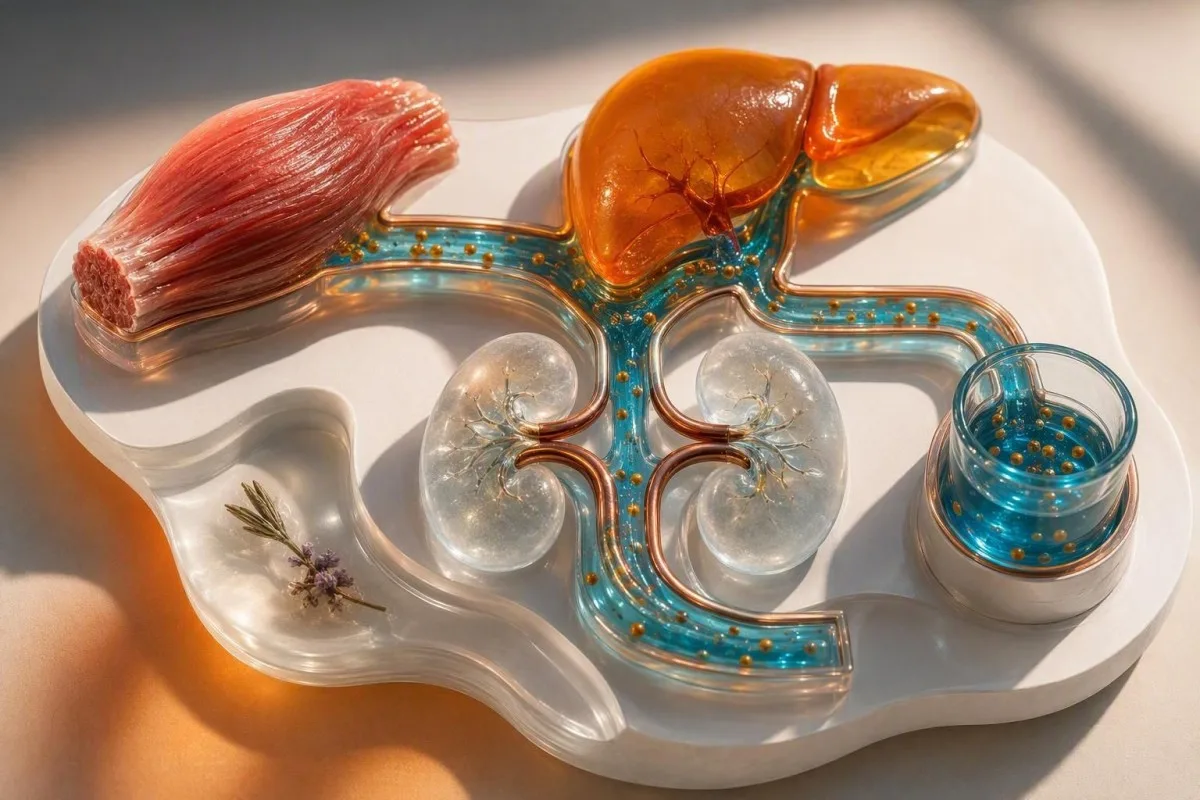
پىشۇرۇلغان گۆشتىن كەلگەن كرېئىئاتىنىن سۈمۈرۈلۈپ، يېگەندىن كېيىنكى بىر قانچە سائەتتىكى كرېئىئاتىنىننى ئاشۇرسا بولىدۇ. ئەگەر دوختۇر چېگرا ھالەتتىكى نەتىجىنى تەكشۈرۈۋاتسا، ئادەتتىكى بىر كېچىلىك تالىمىدىن كېيىن ياكى مۇقىم خاتىرىلەنگەن يېمەك-ئىچمەك ئەندىزىسىنى ئۆزگەرتكىلى بولمايدىغان ئۆزگىرىشنى ئازايتىدۇ.
1.2-2.0 گرام/كگ/كۈن ئەتراپىدىكى ئاقسىل كۈنلىرى تەنھەرىكەتچىلەر تەرىپىدىن دائىم ئىشلىتىلىدۇ، ئەمما CKD نى ئېنىقلاشقاندا بۆرەك يېمەك-ئىچمەك كېڭىشىنى شەخسىيلەشتۈرۈش كېرەك. تەكشۈرۈشتىن بۇرۇن ئاقسىلنى تېزلا ئازايتىش، ئەمەلىيەتتىكى بازىنى چۈشەنمەسلىكى مۇمكىن ھەمدە چېنىقىش ياكى ئەسلىگە كېلىش ئۈچۈن پايدىسىز بولۇشى مۇمكىن.
سۈيدۈك بىلەن كرېتىن خەت خىزمىتى باشقا سوئاللارغا جاۋاب بېرىدۇ. ئۇلارنىڭ نىسبىتى ۋە چېكىنىشىنى تېخنىكىلىق چۈشەندۈرۈش ئۈچۈن، بىزنىڭ BUN-كرياتىن نىسبىتى يېتەكچىسى; ئوقۇڭ؛ بۇ يۇقىرى ئاقسىللىق يېمەك-ئىچمەك ياكى سۇسىزلىنىش چۈشەندۈرۈشنى قىيىنلاشتۇرىدىغان بولسا، بولۇپمۇ پايدىلىق.
قايسى دورا ۋە ئەھۋاللار بۆرەك مەسىلىسىنى ئوخشىتىدۇ؟
نۇرغۇنلىغان دورىلار ھەقىقىي GFR نى بىۋاستە تۆۋەنلەتكەن ھالدا كرېتىننى ئۆستۈرەلەيدۇ، باشقىلىرى بولسا بىۋاسىتە بۆرەك قان تومۇرلىرىنى تۆۋەنلەتسە ياكى ھەقىقىي زىيان يەتكۈزسە. تىرىمېتوپىرىم ۋە سىمتىدىن كرېتىننىڭ تۇرۇبا قان تومۇرلىرىنى چىقىرىشىنى توسىدۇ، بۇنىڭ نەتىجىسىدە سېرىق ماي مىقدارىنىڭ ئۆسۈشى كۆرۈلىدۇ، ھالبۇكى سۈزۈش مىقدارىنىڭ ئازىيىشىغا ماس كەلمەيدۇ.
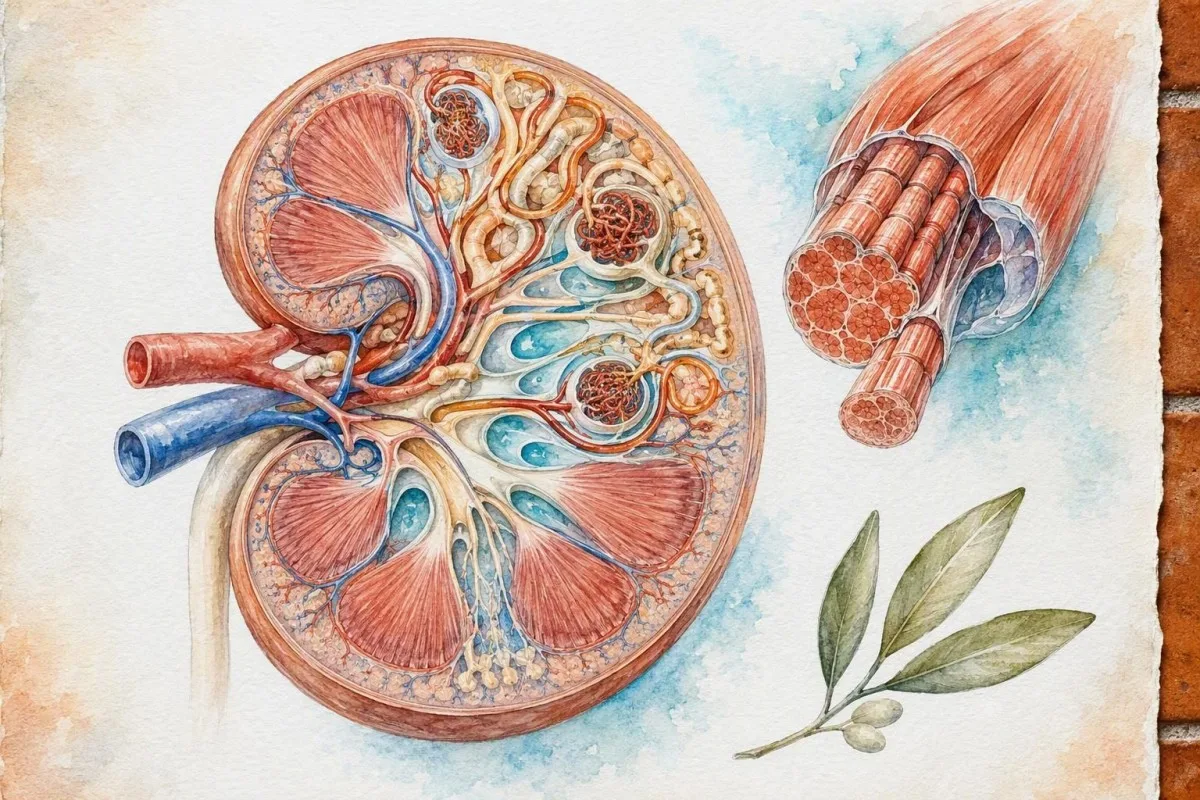
ACE ق piatta نى توسىدىغان دورىلار ۋە ARB لار چۈشۈرگەندىن كېيىن كرېتىننىڭ بىر قەدەر كىچىك ئۆسۈشىنى كەلتۈرۈپ چىقىرىدۇ، چۈنكى ئۇلار گلۇمېرۇس ئىچىدىكى بېسىمنى ئۆزگەرتىدۇ؛ بۇ تەسىر ئۆلچىمى، ۋاقتى، كالتىي، ھەجىم ھالىتى ۋە داۋالاش سەۋەبىگە باغلىق بولۇپ، قوبۇل قىلىشقا بولىدىغان ياكى ئەندىشىلىك بولۇشى مۇمكىن. يېزىپ بېرىدىغانلار ئادەتتە بۇ دورىلارنى باشلىغاندىن ياكى تەڭشەش ئېلىپ بارغاندىن كېيىن بۆرەك فۇنكىسسىيەسى ۋە كالتىينى قايتا تەكشۈرىدۇ.
قარისز سىستېمىسىدىكى كېسەللىك بۇ ئىككى خىل سىگنالنى قىيىنلاشتۇرۇشى مۇمكىن: قარისزسىزلىق كرېتىننى ئۆستۈرۈشى مۇمكىن، ھالبۇكى قარისز ھالىتى سىستاتىن C غامۇ ئۆزگەرتەلەيدۇ. ئېغىر يۇقۇملىنىش، يۈرەك كېسەللىكى، تاش ياكى چوڭايغان ئۆتكۈزگۈچتىن توسۇلۇش، ۋە ئۆزلۈكىدىن تاقالما خاراكتېرلىك كېسەللىك 'بۆرەك تازىلاش'تىن باشقا ئۆزىنىڭ نىشانلىق باھاسىنى تەلەپ قىلىدۇ.'
دوكتور توماس كلېيىن ھەر بىر چۈشەندۈرگىلى بولمايدىغان كرېتىن ئۆزگىرىشىنى، ئىستېمالدىن تاشقى قوراللارنى (NSAIDs) ۋە گىيابد تۈرلەرنىمۇ ئۆز ئىچىگە ئالغان ھالدا، پاكىتلىق دورا قوشۇلۇشىنى تەۋسىيە قىلىدۇ. بىزنىڭ دورا بىخەتەرلىك يۈزلىنىش يېتەكچىسى تەلەپ قىلىدىغان نەتىجە ئۆزگىرىشلىرىنى يېزىپ قويىدۇ.
Kantesti چەكلىك كرېياتىنىننى قانداق قىياسلايدۇ؟
Kantesti چېگرالىق كرېتىننى eGFR، يېشى، خەۋەر قىلىنغان جىنسى، ئىلگىرىكى قىممەتلەر، سۈيدۈك، ئېلېكترولىت، سۈيۈملۈك بەلگىلىرى ۋە خەۋەر قىلىنغان ساغلاملىق ئەھۋالى بىلەن سېلىشتۇرۇپ چۈشەندۈرىدۇ. ئۇ يۈزلىنىشنى چۈشەندۈرەلەيدۇ ۋە كېيىنكى قەدەم قاتارلىق ئىشلارنى قوزغىتىدۇ، لېكىن ئۇ بۆرەك كېسەللىكىنى دىئاگنوز قويمايدۇ ياكى ئېغىر جىددىي داۋالاشنى ئورنىنى ئالمايدۇ.
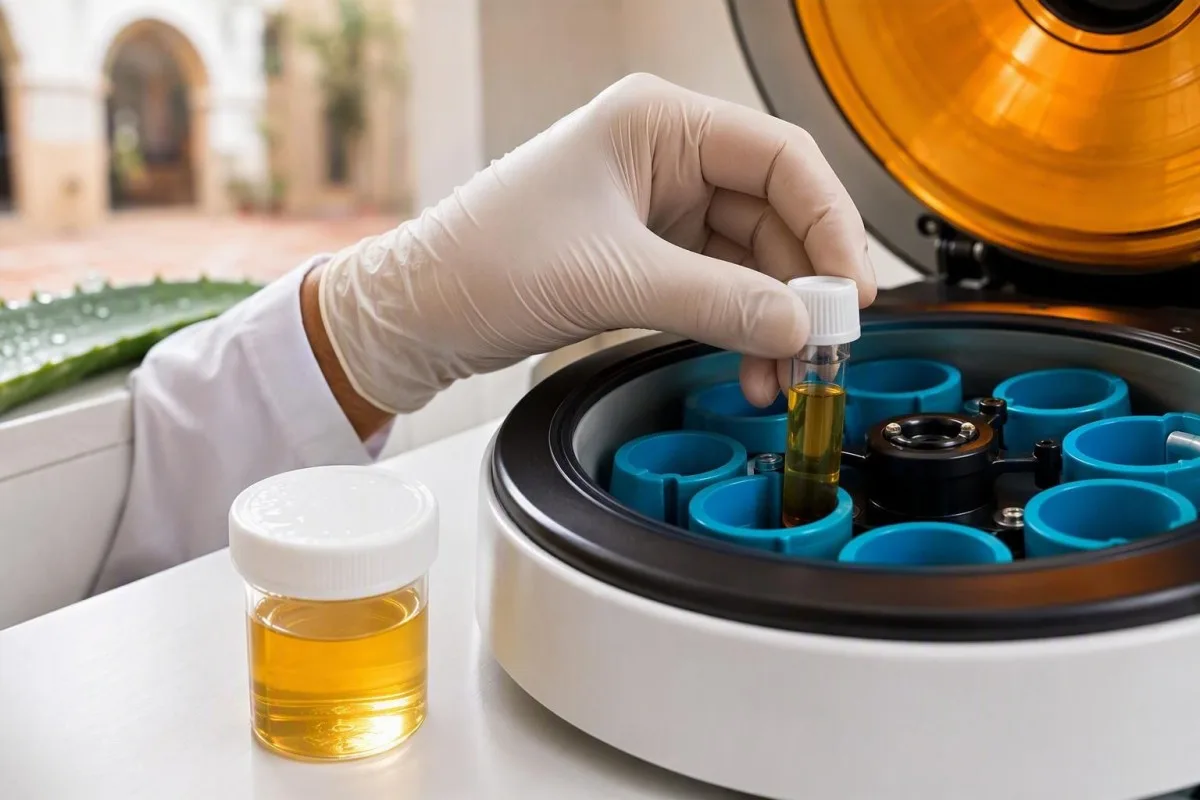
كانتېستى بىر AI لابراتورىيە سىنىقىنى چۈشەندۈرۈش مۇلازىمىتىدە ئېلان قىلىنىدۇ لაბوراتورىيە تىلىنى كلىنىكلار ئۈچۈن سىستېمىلىق سوئاللارغا ئايلاندۇرۇش ئۈچۈن ياسالغان: بۇ يېڭىمۇ؟ قاتتىق چېنىقىش بولدىمۇ؟ سۈيۈملۈك ACR نورمالمۇ؟ سىستاتىن C دورا ياكى يولغا سېلىش قارارىنى ئۆزگەرتمۇ؟ بۇ بىر نومۇرنىڭ قىزىل بايراقنى پايدىلىق ياكى خەتەرلىك دەپ ئېلان قىلىشتىن پايدىلىق.
بىزنىڭ سۇپا PDF ياكى رەسىم ھالتىسىدىكى دوكلاتنى تەكشۈرۈش ۋە يۈزلىنىش سېلىشتۇرۇشىنى تەخمىنەن 60 سېكۇنت ئىچىدە قوللايدۇ، ھالبۇكى مەخپىيەتلىككە ئەھمىيەت بېرىدىغان بىر تەرەپ قىلىش ۋە ئىنسانلارنىڭ كلىنىكىلىق نازارچىلىقى جەرياننىڭ بىر قىسمى بولۇشقا داۋاملىشىدۇ. بۇ قوغداشلارنىڭ ئۇسۇلى بىزنىڭ داۋالاش دەلىللەش ئومۇمىي كۆرۈنۈشى.
ئەگەر بۇ يۈزلىنىشكە ئاچقۇچسىز كرېتىننىڭ ئۆسۈشى، ھەيپېر كالتىمىيە، كۆرۈنەرلىك ئالبۇمىنا، ياكى ئەندىشىلىك كېسەللىك simptomلىرى كىرگەن بولسا، مۇۋاپىق نەتىجە جىددىي داۋالاش - كۆپرەك ئۆزلۈكىدىن تەكشۈرۈش ئەمەس. بۇ ئۇسۇلنى ئىشلەتكەن كلىنىكىلىق گۇرۇپپىنى چۈشىنىشنى ئارزۇ قىلىدىغان ئوقۇرمەنلەر داۋالاش مەسلىھەتچىلەر كومىتېتى.
چەكلىك نەتىجىسى ھەققىدە دوختۇر بىلەن قانداق سوئال سورايدۇ؟
ئەڭ ئۈنۈملۈك سوئال: “مېنىڭ مۇسكۇل قۇۋۋىتىم، يېقىنقى چېنىقىش، يېمەك-ئىچمەك، ياكى قوشۇمچە مەھسۇلاتلىرىم كرېتىنغا ئاساسلانغان eGFR نىڭ سۈزۈش مىقدارىنى كەمچىل كۆرسىتەلەمدۇ، ۋە بىز سىستاتىن C ۋە سۈيۈملۈك ACR نى تەكشۈرۈشىمىز كېرەكمۇ؟” بۇ نەتىجىنىڭ بىخەتەر ئىكەنلىكىنى پەرەز قىلماي، چۈشەندۈرۈش تەلەپ قىلىدۇ.
نەتىجىنىڭ جىددىي بۆرەك يارىسىغا ئۇچراپ باققانلىقىنى، ئىلگىرىكى ئۆلچەملىك قىممىتىڭىزدىن كۆرۈنەرلىك پەرقلىنىدىغانلىقىنى، ۋە سۈيۈملۈك، قان بېسىمى ياكى ئېلېكترولىت نورمالسىزلىقى بارمۇ؟ يەنە، بۇ تەجرىبىخانا 2021-يىلدىكى CKD-EPI رېلىسىنى ئىشلەتكەنلىكىنى ۋە كرېتىن-سىستاتىن C نى بىرلەشتۈرگەن eGFR باشقۇرۇشنى ئۆزگەرتىدىغانلىقىنى سوئال قىلىڭ.
2026-يىلى 9-ئاينىڭ 9-كۈنىدىن باشلاپ، ئەڭ ئىشەنچلىك ئۇسۇل تېخىگىچە خەتەرگە ئاساسلانغان، بەدىنىنى ئاساس قىلغان: 60 mL / min / 1.73 m² دىن تۆۋەن دائىملىق eGFR، 3 mg / mmol دىن يۇقىرى ACR، ياكى كرېتىننىڭ كۆرۈنەرلىك ئۆرلەش يۈزلىنىشى، گىمنىستىكا تارىخىدىن قەتئىي نەزەر تەكشۈرۈشكە تايىنىدۇ. تەتۈرچە، نورمال سىستاتىن C ۋە ACR بىلەن دائىملىق كىچىك ئۆسۈش كۆپىنچە قوبۇل قىلىشقا بولىدۇ، گەرچە كېيىنكى قەدەم ئارىلىقىنى خاسلاشتۇرۇش كېرەك.
دوكلاتلىرىڭىزنى، چېنىقىش خاتىرىلىرىڭىزنى ۋە سوئاللارنى بىر يەرگە جەم بولۇڭ. بىزنىڭ تەجرىبىخانا يۈزلىنىش خاتىرىسى يېتەكچىسى ئەمەلىي قوللانما، ۋە Kantesti نىڭ AI تېخنىكىسى يېتەكچىسى يۈزلىنىشنى چۈشەندۈرۈشنىڭ كلىنىكىلىق ھۆكۈمنى قوللايدىغان، ئەمما ئورنىنى ئالمايدىغان قىلىپ لايىھەلەنگەنلىكىنى چۈشەندۈرىدۇ.
دائىم سورايدىغان سوئاللار
مۇسكۇللۇق قۇراما ياشتىكىلەر ساغلام تومۇر بىلەن يۇقىرى كرىئاتىنىنغا ئىگە بولالاامدۇ؟
شۇنداق. مۇسكۇلى كۈچلۈك چوڭلارنىڭ قانداكى كرېياتىنىن سەۋىيىسى ھۈجەيرىنىڭ تەجرىبىخانىسىنىڭ مىقدارىدىن ئېشىپ كېتىشى مۇمكىن، چۈنكى skeletalskulak مىقدارىدا كرېياتىنىنى داۋاملىق ھاسىل قىلىدۇ، ھەتتا بۆرەك سۈزگۈچى نورمال بولسىمۇ. 115-130 µmol/L مۇقىم كرېياتىنى مىقدارى چوڭ، ياخشى تەربىيەلەنگەن چوڭلاردا زىيانسىز بولۇشى مۇمكىن، لېكىن چۈشەندۈرۈشتە ئىلگىرىكى نەتىجىلەر، قان بېسىمى، سۈيدۈك تەكشۈرۈش، سۈيدۈك ACR، ۋە كۆپىنچە سىستاتىن C قاتارلىقلارنى ئۆز ئىچىگە ئېلىشى كېرەك. 3 mg/mmol دىن تۆۋەن نورمال سۈيدۈك ACR ۋە ئىشەنچلىك سىستاتىن C نى ئاساس قىلغان eGFR مۇھىم خاراكتېرلىك ئۆسمە بۆرەك كېسەللىكىنى ئازايتىدۇ. ئېشىپ كېتىۋاتقان نەتىجىلەر ياكى سۈيدۈك تەكشۈرۈشتىكى نورمالسىزلىقلار تېخى تېببىي تەكشۈرۈشنى تەلەپ قىلىدۇ.
a muskulant kishi üchün 60 eGFR (qiymilän'gen böyräk'ning khizmit qilish tejsirä'si) normalmu؟
60 mL/min/1.73 m² eGFR مەبلەغى مۇسكۇلى كۈچلۈك كىشىلەردە تۆۋەن باھالاپ قويۇلغان بولۇشى مۇمكىن، چۈنكى كرىئاتىنىنغا ئاساسلانغان تەڭلىمىلەر مۇسكۇل غىدىنى بىۋاسىتە ئۆلچەلمەيدۇ. لېكىن، 3 ئاي ياكى ئۇنىڭدىن ئارتۇق داۋاملاشقان 60 دىن تۆۋەن eGFR غەيرىي يۇقۇملۇق بۆرەك كېسەللىكىنى ئۆلچەش شەرتىگە توشىدۇ ۋە پەقەت مۇسكۇلنىڭ ئۆزىگە قاراپ سەل قاراشقا بولمايدۇ. سىستاتىن C ياكى كرىئاتىنىن-سىستاتىن C نى بىرلەشتۈرۈلگەن eGFR توغرا filtration نىڭ ھەقىقەتەن تۆۋەنلەپ كەتكەنلىكىنى ئېنىقلاپ بېرەلەيدۇ. سۈيدۈك ACR، نورمال قىممىتى 3 mg/mmol ياكى 30 mg/g دىن تۆۋەن، مۇھىم يانداش تەكشۈرۈش.
بۆرەك قان تەكشۈرۈشىدىن بۇرۇن كراتىننى توختىتىپ قويامدۇ؟
سېرىزنى ئاپتوماتىك توختىتىپ قويماڭ، لېكىن سىزنىڭ ئۇنى ئىشلىتىدىغانلىقىڭىزنى دوختۇرغا ۋە تەجرىبىخاناغا بىلدۈرۈڭ ھەمدە مىقدارىنى خاتىرىلەڭ، ئادەتتە كۈنىگە 3-5 گرام. ئەگەر چېگرالىق كرىئېئاتىنىن نەتىجىسىنى ئېنىقلاش كېرەك بولسا، دوختۇر 48-72 سائەتتىن كېيىن ئادەتتىن تاشقىرى قاتتىق چېنىقىشسىز ۋە نورمال سۇيۇقلۇق شارائىتىدا كرىئېئاتىنىننى تەكرارلاپ، سىستاتىن C نى تەكشۈرۈشنى تەۋسىيە قىلىشى مۇمكىن. سېرىزنى توختىتىش كرىئېئاتىنىن ھاسىل قىلىشىنى ئۆزگەرتەلەيدۇ، شۇڭا ھەر قانداق توختاپ تۇرۇشنىڭ مەقسىتى گۈزەل نەتىجىگە ئېرىشىشتىن بۇرۇن مەلۇم كلىنىكىلىق سوئالغا جاۋاب بېرىش بولۇشى كېرەك. دورا يېزىقچىلىقنى دوختۇرنىڭ كۆرسەتمىسىز يوقىتىپ قويماڭ.
چېنىقىشتىن كېيىن كرېياتىنىنى تەكرار قىلىشتىن بۇرۇن قانچە ۋاقىت دەم ئېلىشىم كېرەك؟
چېنىغانلاردىن كېيىن بىر قېتىملىق دائىملىق بىر قەدەر مۇرەككەپ بولغان كرېئىتىن قايتا تەكشۈرۈش ئۈچۈن، نۆۋەتتىكى ئادەتتىن تاشقىرى ئېغىر تەنھەرىكەتسىز 48-72 سائەت نۇرغۇن كىشىلەر ئۈچۈن مۇۋاپىق باشلىنىش نۇقتىسى. مارافون، ئىسسىققا چېتىشلىق، قاتتىق سۇيۇقلۇق كەمچىل بولۇش ياكى ناھايىتى يۇقىرى كرېئىتىن كىنازدىن كېيىن، ئەسلىگە كېلىش ئۇزۇنغا توغرا كېلىشى مۇمكىن، شۇڭا دوختۇرنىڭ كۆرسەتمىسىنى ئېلىش ياخشى. بىر قەدەر چارچاشتىن ياكى سۇنى ھەددىدىن زىيادە كۆپ ئىچىشتىن ساقلىنىڭ. 48 سائەت ئىچىدە 26.5 µmol/L ياكى ئۇنىڭدىنمۇ كۆپ كرېئىتىننىڭ ئېشىشى ئۆتكۈر بۆرەك زەخملىنىشىنى كۆرسىتىشى مۇمكىن، شۇڭا ۋاقتىدا كلىنىكىلىق تەكشۈرۈشنى تەلەپ قىلىدۇ.
ئىكرا_تىمىن_ يۇقىرى_بولغاندا_ئىش_ئۈچۈن_قانداق_سۈيدۈك_ACR_دەرىجىسى_خەتەرلىك؟
مىزغىدىكى ئالبۇمىن-كرېئانتىن نىسبىتى% 3 mg/mmol (30 mg/g غا تەڭ) تۆۋەن بولسا، نورمال ياكى ئازراق ئېشىپ كەتكەن بولىدۇ، كرېئانتىن چېگرالىق بولغاندا ئىشەنچلىك. ACR نىڭ% 3-30 mg/mmol بولۇشى ئوتتۇراھال كۆپەيگەن ئالبۇمىن قويۇپ بېرىشنى كۆرسىتىدۇ، ACR% 30 mg/mmol دىن يۇقىرى بولسا كۈچلۈك كۆپەيگەن ئالبۇمىن قويۇپ بېرىشنى كۆرسىتىدۇ ھەمدە جىددىي كلىنىكىلىق دىققەت تەلەپ قىلىدۇ. مەشىق، قىزىتما، سۈيدۈك يۇقۇملىنىشى ۋە ھەيز ACR نى ۋاقىتلىق ئاشۇرالايدۇ، شۇڭا ئەتىگەنلىك ئەۋرىشكە بىلەن دەلىللەش كۆپىنچە پايدىلىق. يۇقىرى كرېئانتىن ۋە داۋاملىق ئالبۇمىنۇرىيە يالغۇز يۇقىرى كرېئانتىندىن كۆپرەك ئەندىشىلەنگەن.
مەشىقتىن كېيىن يۇقىرى كراتېنin قاچان ئېلىم-بەمنى تەلەپ قىلىدۇ؟
مەشىقتىن كېيىن يۇقىرى كرىئىتىن پاكىزلىقى، سىيىش سۈيىنىڭ ئىنتايىن ئازلىقى، قېنىق كولا رەڭلىك سىيىش، ئېغىر مۇسكۇل ئاغرىقى ياكى ئىممۇنىتېتى، ئىششىق، قۇسۇش، گاڭگىراش، نەپەس بولماسلىق، ياكى يۇقىرى كالىي قاتارلىق ئەھۋاللار بىلەن بىرگە يۈز بەرگەندە، جىددىي باھالاشنى تەلەپ قىلىدۇ. بۇ خىل ئەلامەتلەر كۆرۈنەرلىك سۇسلىشىش، ئىسسىقلىق كېسەللىكى، ياكى چېنىقىش رابدومايولىزغا چېتىشلىق بولۇپ، بۇيىراقنىڭ فۇنكىسيىنى خەۋپكە ئىگە قىلىشى مۇمكىن. 48 سائەت ئىچىدە كەم دېگەندە 26.5 µmol/L ياكى 7 كۈن ئىچىدە ئاساسىي مىقدارنىڭ 1.5 ھەسسىسىگە يۇقىرى كرىئىتىننىڭ ئېشىشى، ئۆتكۈر بۇيىراق زەخملىنىش چارىسىنى قاندۇرىدۇ. بۇ خىل ئالاھدىلىكلەر بار بولسا، دائىملىق قايتا سىناقنى ساقلاش بىلەن بىرگە، بىر كۈندە داۋالاشقا ئىگە بولۇش كېرەك.
بۈگۈنلا AI بىلەن قان تەكشۈرۈش تەھلىلى ئېلىڭ
دۇنيادىكى 2 مىليوندىن ئارتۇق ئىشلەتكۈچى Kantesti نى دەرھال، توغرا تەجرىبىخانا تەھلىلى ئۈچۈن ئىشەنچ قىلىدۇ. قان تەكشۈرۈش نەتىجىڭىزنى يوللاپ، 15,000+ بىئوماركىرلىرىنىڭ تولۇق چۈشەندۈرۈشىنى بىر نەچچە سېكۇنتتا ئېلىڭ.
📚 پايدىلىنىلغان تەتقىقات ئېلانلىرى
Klein, T., Mitchell, S., & Weber, H. (2026). Klein, T. (2026). aPTT نورمال دائىرىسى: D-Dimer، ئاقسىل C قان ئۇيۇش يىتەكچىسى. Zenodo. https://doi.org/10.5281/zenodo.18262555. Kantesti AI Medical Research.
Klein, T., Mitchell, S., & Weber, H. (2026). Klein, T. (2026). قان سۇيۇقلۇقىدىكى ئاقسىل رەھبەرلىك: گلوبولىن, ئالبۇمىن & A/G نىسبىتى قان تەكشۈرۈشى. Zenodo. https://doi.org/10.5281/zenodo.18316300. Kantesti AI Medical Research.
📖 تاشقى داۋالاش پايدىلىنىش ماتېرىياللىرى
Kidney Disease: Improving Global Outcomes (KDIGO) CKD خىزمەت گۇرۇپپىسى (2024). KDIGO 2024 سوزۇلما بۆرەك كېسەللىكىنى باھالاش ۋە باشقۇرۇش ئۈچۈنكى بالىيات-ئەمەلىيەت يېتەكچىسى. Kidney International.




⚕️ تېببىي ئەسكەرتىش
بۇ ماقالە پەقەت تەربىيە-ئوقۇتۇش مەقسىتى ئۈچۈن بولۇپ، داۋالاش مەسلىھەتىنى تەشكىل قىلمايدۇ. دىئاگنوز قويۇش ۋە داۋالاش قارارلىرى ئۈچۈن ھەمىشە لاياقەتلىك ساغلاملىق مۇلازىمىتى تەمىنلىگۈچى بىلەن مەسلىھەتلىشىڭ.
E-E-A-T ئىشەنچ سىگناللىرى
تەجرىبە
دوختۇر رەھبەرلىكىدىكى لابوراتورىيە تەبىرىنى چۈشەندۈرۈش خىزمەت ئېقىملىرىنى بالىياتقۇچلۇق تەكشۈرۈش.
مۇتەخەسسىسلىك
بىئوماركىرلارنىڭ كىلىنىكىلىق مۇھىتتا قانداق ھەرىكەت قىلىدىغانلىقىغا مەركەزلەشكەن لابوراتورىيە تېبابىتى.
ھوقۇقدارلىق
دوكتور توماس كلېين تەرىپىدىن يېزىلغان، دوكتور سارا ميتچېل ۋە پروف. دوكتور ھانس ۋېبېر تەرىپىدىن تەكشۈرۈلگەن.
ئىشەنچلىكلىك
ئاگاھلاندۇرۇشنى ئازايتىش ئۈچۈن ئېنىق كېيىنكى قەدەملەر بىلەن ئىسپات-ئاساسلىق تەبىر.