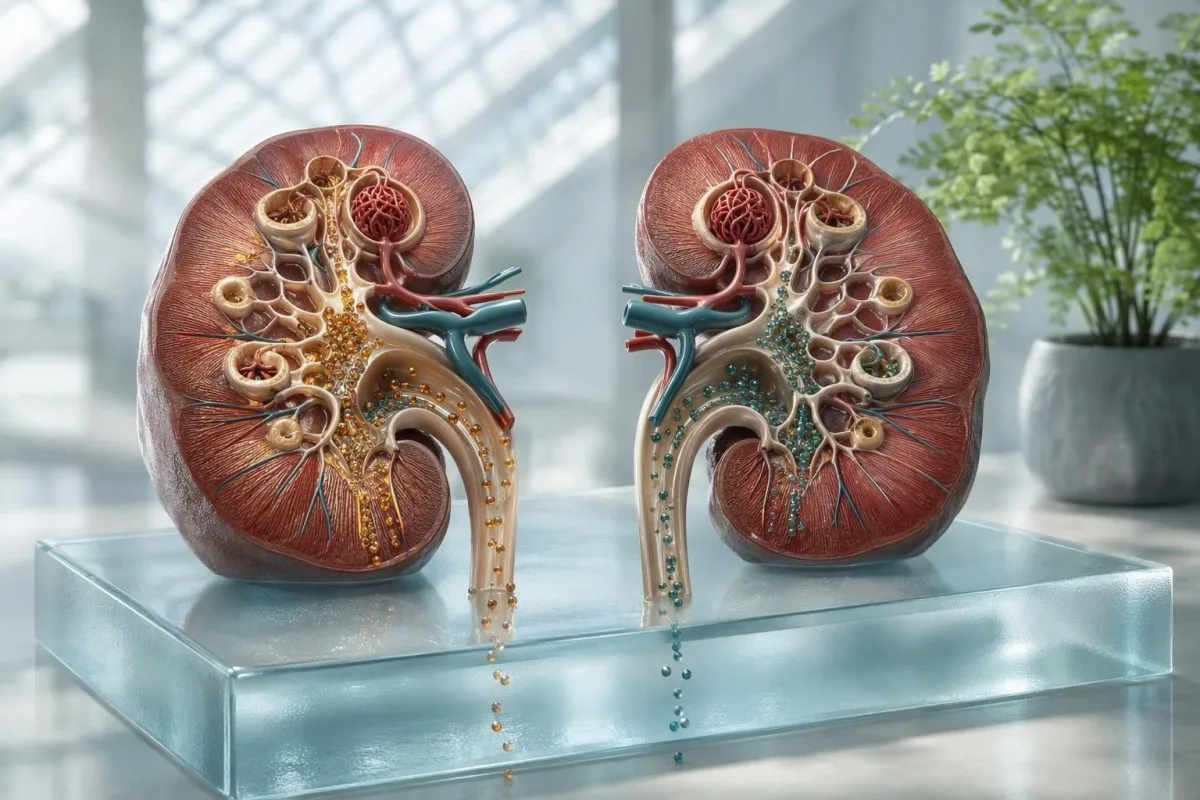
BUN ۋە كرېئىئاتىنىن ھەر ئىككىسى بۆرەك بىلەن مۇناسىۋەتلىك تەكشۈرۈشلەر، لېكىن ئۇلار ئوخشىمىغان بىئولوگىيەلىك ۋەقەلەرگە ئىنكاس قايتۇرىدۇ. بۇ ئەندىزىنى چۈشىنىش ھەم يالغان تەۋرەنمەسلىكنى، ھەم زۆرۈر بولمىغان قورقۇنچتىن ساقلىنالايدۇ.


- BUN ئامېرىكا لაბوراتورىيىلىرىدا ئادەتتە 7-20 mg/dL بولىدۇ، بۆرەك قان بېسىمىنىڭ تۆۋەنلىشى، ئاقسىل پارچىلىنىشى، ئۈستۈنكى قان تومۇر قاناش ۋە سۇسىزلىنىش بىلەن ئاشىدۇ.
- Creatinine چوڭلاردا ئادەتتە تەخمىنەن 0.6-1.3 mg/dL بولىدۇ، لېكىن ئۇنىڭ مۆلچەردىكى قىممىتى مۇسكۇل ماسسىسى، يېشى، جىنسى، يېمەك-ئىچمەك ۋە لაბوراتورىيە ئۇسۇلىغا باغلىق.
- يۇقىرى BUN نورمال كرېئىئاتىنىن بۆرەككە زىيان يېتىشتىن كۆپرەك سۇسىزلىنىش، يۇقىرى ئاقسىللىق يېمەكلىك، ستېروئىدكە دۇچار بولۇش ياكى قان تومۇرنىڭ ئاقسىلنى ھەزىم قىلىشىنى ئەكىس ئەتتۈرىدۇ.
- يۇقىرى كرېئىئاتىنىن نورمال BUN چېنىقىش، كرېئىئاتىن ئىشلىتىش، چوڭ مۇسكۇل ماسسىسى، دورا تەسىرى ياكى سۈزۈش سۈرئىتىنىڭ دەسلەپكى تۆۋەنلىشىدىن كېيىن يۈز بېرىشى مۇمكىن.
- BUN كرېئاتىن نىسبىتىنىڭ مەنىسى ئەھۋالغا قارىتىلغان: 20:1 دىن يۇقىرى نىسبەت بۆرەك قان ئېقىمىنىڭ تۆۋەنلىشىنى قوللايدۇ، لېكىن ئۇ سۇسىزلىنىش ياكى قاناشنى ئۆزى دىئاگنوز قويالمايدۇ.
- eGFR نىشانى بىر پارچە كرېئىئاتىنىن نەتىجىسىدىن كۆپرەك ئەھمىيەتلىك؛ خاراكتېرلىك بۆرەك كېسەللىكى ئەڭ ئاز 3 ئاي داۋاملاشقان نورمالسىزلىقلارنى تەلەپ قىلىدۇ.
- Cystatin C. چوڭ مۇسكۇل ماسسىسى، يېمەك-ئىچمەكنىڭ زور ئۆزگىرىشى، قىسماق ياكى يېقىنقى قاتتىق چېنىقىش سەۋەبىدىن كرېئىئاتىنىن ئىشەنچسىز بولغاندا سۈزۈشنى ئايدىڭلاشتۇرالايدۇ.
- جىددىي تەكشۈرۈش siyish miqdari, egiz-chüshüsh, dénide nepes qilishni tormush turmush, qara teze, tuxtimighan qusuq, sheshish, yaki kaliyning 6.0 mmol/L yaki undin yighiri bolghanda toghra kilidu.
نېمىشقا BUN ۋە كرېئىئاتىنىن بىرگە ئاشمايدۇ
BUN bilen kreatinin ikkini xil nersini ölçümleydu: BUN üre igrilishige we su tesirigha köreshlik tesir qilidu, kreatinin köpinche muskul igrilishini we böyrek süzigini körsitidu. Normal kreatinin bilen yuqiri BUN, aylanma, ijem, yaki hazim qilishning bir belgisi bolishi mumkin; kreatininning köyüshi süzege, muskul jéghigha, dermanligha we waqtigha diqqet qilishni talap qilidu.
Üre jigide protein metabolismdin qaldighan azotdin igrilidi, andin böyrekler teripidin süzigili we qismini qayta sorghulidi. Kreatinin skelet muskulidiki kreatin almashrushidin kelidu we az sürtülgen bolsimu, küchlüme süzigilidu, shunga tömen axir böyrek haliti BUNni kreatinningdin burun we köp tesirige uchritishi mumkin.
Mening klinik ishlamde, men ichkenigha ikki kün bolghan 68 yashliq bir ademni körgenmen, BUN 34 mg/dL we kreatinin 0.92 mg/dL; semimiy ichken suv bilen qayta tekshürgüchnen keyin, ikkisi hem ilgarki sevisige qaytti. Netije haqiqiy idi, lékin bu xroniki böyrek xesteligi emes idi. A ئاساسىي ماددا ئالماشتۇرۇش تاختىسى (basic metabolic panel) يېتەكچىسى bu téstlerni natriy, bikarbonat, kaliy we glyukoza bilen birge qoyushqa yardem beridu.
Thomas Klein, MD, köpinche muskullarning tebrini bir höküm emes, belki bashlan'ghach nöktisi bolidighanliqini esleydü. Kantesti bir AI قان تەكشۈرۈش ئانالىزچىسى BUN, kreatinin, eGFR, elektrolitlar, dermanlar we ilgarki netijilerni bir diagnosis dep qarashtin bashqa, bir alamet süyide oquydighan.
Emeliy perqlendürish
1.2 mg/dL lik kreatininning bahasi 30 yashliq bir muskulli adem üchün adettiki, 0.55 mg/dL lik ilgarki bahasi bolghan bir yighaq qérib adem üchün kütülmigendek yigha bolushi mumkin. Shexsi bahadin özgirish, köpinche labaratoriyining köp nushilinidiki araliqtin köp melumat beridu.
BUN نىڭ بۆرەك سۈزۈش سۈرئىتىدىن سىرت يەنە نېمىلەرنى ئۆلچىشى
BUN qan üre azotini ölçümleydu, bir azot-ishlepchiqarish tüpüyluk xarajatlirini igilişidin, protein ijemni, toqqum yighilishi, böyrek süzeh we böyrek su tutuşni igilip alidu. Köp qisim AMÉRIKA yashliri 7-20 mg/dL araliğida BUNni istip'l'idü, gérche dépéktingizdiki bastirilğan araliq ustünlik qilidu.
Böyreklerge aylan'ma tömenligen'de, böyrekler natriy we su tutaydu; üre su bilen birge qayta sorulidu. Shunga qusuq, ich késil, isitma, terish, yuréktiki çékimsizlik we diüretik ishlitish BUNni kreatinning tengmä-teng köymey 16'din 30 mg/dL'ge köchürishi mumkin.
Protein ijem bir kün ichide BUNğa tesir qilish mumkin, xususi bilen köp pisirilgen et yémigi yaki yigha proteinli teselli qobul qilsa. Bu, adettiki tekshürüshdin burun proteinidin vaz kéchishning sebebi emes, lékin bu paydilqidi melumat; xelqara dépékni tengishturghuchilar bizning BUN bilen üre aylindirish rehberini isliteleydu, chünki köp döletler üreni mmol/L'de, BUN'ni mg/dL'de emes dépékte igilidu.
Tök BUN avtomatik halette güya ishenchlik emes. Böyrek xesteligi xiyawetlik yigha, chékimsiz protein ijem, hemlilik we artyuq su tutush BUN'ni tömenle'tken chaghda, böyrek süzişi élishim bol'si'mu mumkin, bu normal BUN böyrek xesteligi emes dégen seweb.
Jigining haliti nishliqni néme üchün özgertidu
Jigi ammiyakni üre aylinish arqiliq ürege aylindiridu. Cheklengen jigining igiliş tesiri BUN igilişini azaytalaydu, shunga tabiblar BUN'ni albumin, INR, bilirubin, ijem we jigining qolay alämti bilen birge igilidu, böyrek netijisi dep démeydu.
كرېئىئاتىنىن نېمىلەرنى ئۆلچەيدۇ ۋە نېمىشقا بەدەن چوڭلۇقى مۇھىم
Kreatinin muskuldin kelgen süzeh belgisi, böyrek funksiyisini tösi'ge alidighan ölçüm emes. Yoshlarning qan kreatinini köpinche 0.6-1.3 mg/dL araliqida bolidu, lékin bu araliqdiki netije muskul massisi töwén bolghan ademlarning süzeh élimin'ni azaytishini hal'ige al'dig'imu bol'si'mu mumkin.
Kichik bir küchlüme sportchi 1.35 mg/dL'lik stabillash'kan kreatinin we normal süzeh'ge ige bol'si'mu mumkin, chékin 80 yashliq muskul yiqilishigha ige bol'ghan adem 0.95 mg/dL'de xiyawetlik böyrek élimin'ge ige bol'si'mu mumkin. Kreatinin'gha asas'lan'ghan eGFR teng'lemiliri yash we jinsiy halet'ke tüzitish qili'du, lékin ular bir ademning muskul massisini tögishmen quantify al'almay'du.
پىشۇرۇلغان گۆش مەلۇم ۋاقىت چە[HTML_REMOVED]ىدا قان سېرۇمىدىكى كرېئىتىننى ئۆستۈرەلەيدۇ، چۈنكى پىشۇرۇش كرېئېتىننى كرېئىتىنغا ئايلاندۇرىدۇ. ئەگەر چېگرىدا تۇرغان نەتىجە مۇھىم بىر قارارغا تەسىر قىلسا، 24-48 سائەتتىن بۇيانقى نورمال سۇيۇقلۇق ۋە ئادەتتىن تاشقىرى قاتتىق چېنىقىشتىن ساقلىنىش ئارقىلىق ئەتىگەنلىك ئەۋرەكنى تەكرارلاش، ھەيرانلىققا قارىغاندا كۆپرەك پايدىلىق بولىدۇ؛ بىزنىڭ ئاياللار ئۈچۈن كرېئىتىن دائىرىسى قوللانمىسى نىڭ سېز تۈرلىك ئارىلىقنىڭ يەنىلا چېكى بارلىقىنى چۈشەندۈرىدۇ.
كرېئىتىن دائىم 24-48 سائەتتىن بۇيانقى سۈزۈشچانلىقنىڭ تۇيۇقسىز تۆۋەنلىشىگە ئەگىشىدۇ. ئۆتكۈر بۆرەك ياللۇغىنىڭ دەسلەپكى مەزگىلىدە، ئادەمدە كرىئىتىن يېڭىدىن باشلاپ ئۆسۈپ يېتىلىۋاتقان بولسىمۇ، بولۇپمۇ ئوپېراتسىيە، يۇقۇم، سۇيۇقلۇقنىڭ كۆپ كېتىشى ياكى توسۇلۇشتىن كېيىن، كىشىنى ھەيران قالدۇرىدىغان فىزىئولوگىيىلىك ئۆزگىرىشلەر بولىدۇ.
دورىلار بۆرەك قان تومۇرلىرىنى زىيان يەتكۈزمەي كرېئىتىننى ئۆزگەرتەلەيدۇ
Trimethoprim, cimetidine, cobicistat, and fenofibrateلار تۇرۇبىنىڭ سېكرېتلىنىشىنى ياكى كرېئىتىن بىر تەرەپ قىلىنىشىنى ئۆزگەرتىش ئارقىلىق قان سېرۇمىدىكى كرېئىتىننى ئۆستۈرەلەيدۇ. دورا بىلەن مۇناسىۋەتلىك ئۆسۈش يەنىلا دوختۇرنىڭ تەكشۈرۈشىنى تەلەپ قىلىدۇ، ئەمما ئۇ ھەرگىزمۇ بۆرەككە قۇرۇلما جەھەتتىن زىيان يەتكۈزگەنلىك بولمايدۇ.
كرېئىئاتىنىن قاچان ئىككىنچى سۈزۈش بەلگىسىنى تەلەپ قىلىدۇ
سىستاتىن C، كرېئىتىننىڭ مۇسكۇل ئېغىرلىقى ياكى يېمەك-ئىچمەك تەرىپىدىن بۇزۇلغاندا eGFR نى چۈشەندۈرۈشنى ياخشىلىيالايدۇ. KDIGO 2024 ، كرېئىتىننى ئاساس قىلغان eGFR نى بىرىنچى بولۇپ ئىشلىتىشنى ۋە ئۇ كلينىكىلىق قارارلارغا تەسىر قىلغاندا كرېئىتىن-سىستاتىن C eGFR نى بىرلەشتۈرۈشنى ئويلىنىشنى تەۋسىيە قىلىدۇ.
سىستاتىن C نىڭ كۆپىنچىسى يادرولۇق ھۈجەيرىلەردە ئىشلەپچىقىرىلىدۇ ھەمدە كرېئىتىنغا قارىغاندا مۇسكۇل ئېغىرلىقىغا ئانچە باغلىنىشلىق ئەمەس. ئۇ، بولۇپمۇ ئېغىر سەزگۈرلۈك، ئەزالارنىڭ يوقىلىشى، نېرۋا-مۇسكۇل كېسەللىكلىرى، جىگەر سېروزى، يېمەك-ئىچمەك بۇزۇلۇش ياكى ئادەتتىن تاشقىرى كۆپ مۇسكۇل ئېغىرلىقى بار كىشىلەرگە پايدىلىق بولىدۇ، گەرچە مۇھەببەت كېسەللىكى، گلۇكوكورتىكوئىدلار، تاماكا چېكىش ۋە سىستېمىلىق كېسەللىك ئۇنىڭغا تەسىر قىلالايدۇ.
2021 CKD-EPI نىسبەتلىرى، كرېئىتىن-سىستاتىن C نىسبىتىنى تەمىنلەش ئارقىلىق مۆلچەشنى ياخشىلىدى، بۇ نۇرغۇن ئاھالىلەردە (Inker et al., 2021) ھەر بىر بەلگىدىن تېخىمۇ توغرا. توغرىلىقى يەنىلا مۆلچەر، مېڭە GFR ئەمەس؛ مېڭە سۈزۈش سىنىقى، تاللانغان خىمو-تىراپىيە، بۆرەك تاشلاش ياكى يۇقىرى خەتەرلىك دورا تەڭشەش ئۈچۈن ھازىرمۇ مۇناسىۋەتلىك.
يۇقىرى كرېئىتىن بىلەن نورمال BUN نىشەننى نىسبەت تۆۋەن كۆرۈنگەنلىكى ئۈچۈنلا تاشلىۋەتمەسلىك كېرەك. بىزنىڭ سىستاتىن C نى چۈشەندۈرۈش قوللانمىسى ئىككىنچى بەلگىنىڭ مۇسكۇل-ئېغىرلىقنى خاتا مۆلچەرلەشتىن ساقلىنىدىغان ئەھۋاللارنى سىزىپ چىقىدۇ.
q eGFR كاتېگورىيىسى ھەقىقەتەن نېمىنى بىلدۈرىدۇ
3 ئايدىن كۆپرەك داۋاملاشقان 60 مىل/مىن/1.73 m² دىن تۆۋەن eGFR، يۇقۇملۇق بۆرەك كېسەللىكى ئۆلچىمىگە توشىدۇ. بىراق، ئۆتكۈر كېسەللىك جەريانىدا 58 قېتىم eGFR بولسا، يۇقۇملۇق كېسەللىك ئەمەس، بەلكى ئەسلىگە كېلىدىغان قان ئايلىنىشنىڭ تۆۋەنلىكىنى ئەكس ئەتتۈرۈشى مۇمكىن.
يۇقىرى BUN ۋە نورمال كرېئىئاتىنىن: كۆپ ئۇچرايدىغان چۈشەندۈرۈشلەر
يۇقىرى BUN نورمال كرېئىتىننى كۆپىنچە سۈزۈشمۇ كەمچىل بولماي، ئۈرەكنىڭ قايتا سۈمۈرۈلۈشى ياكى ھاسىل بولۇشىنى كۆرسىتىدۇ. سۇيۇقلۇق يېتىشمەسلىك، دىيورېتىك، قىزىتما، كورتىكوستېروئىدلار، يۇقىرى ئاقسىل ئىستېمالى، ئۈستۈنكى ئاشقازان-ئۈچەي قاناش.
ئىسسىق مۇساپىگە يۈگۈرۈش پائالىيىتىدىن كېيىن 1.7 مىللىيېر/دىنلىق كرېئىتىن بىلەن 28 مىللىيېر/دىنلىق BUN، 2.1 مىللىيېر/دىنلىق كرېئىتىن بىلەن 28 BUN ۋە سۈيدۈك چىقىرىش مىقدارى تۆۋەن بولۇش بىلەن سېلىشتۇرغاندا، 0.8 مىللىيېر/دىنلىق كرېئىتىن بىلەن 28 مىللىيېر/دىنلىق BUN ھەر خىل مەسىلە. بىرىنچى خىل ئەھۋالدا، سۈيدۈكنىڭ ئالاھىدە تارتىش كۈچى، تۇز، قان بېسىمى، تانا ئېغىرلىقى ئۆزگىرىشى، ۋە سۇيۇقلۇق قوبۇل قىلغاندىن كېيىن ئەسلىگە كېلىش قاتارلىقلار نىسبەتتىن كۆپرەك پايدىلىق.
سۇيۇقلۇق يېتىشمەسلىك يەنە ھېم، ئالبۇمىن ۋە قىزىل قان ھۈجەيرىسى قاتارلىقلارنى زىچلاشتۇرالايدۇ. BUN, haematocrit, albumin, and urine specific gravity بارلىق كۆتۈرۈلگەندە، بۇ ئەھۋاللار قاننىڭ زىچلىشىشىنى قوللايدۇ؛ نېمىشقا سۇيۇقلۇق يېتىشمەسلىك RBC سانىنى ئۆستۈرىدۇ نىڭ كونىتراست ۋە ھەقىقىي قىزىل قان ھۈجەيرىسى ھاسىل بولۇشىنىڭ زىيادە بولۇشى ئوتتۇرىسىدىكى مۇھىم پەرقنى كۆرسىتىدۇ.
Kantesti AI بىر AI قان تەكشۈرۈش نەتىجىسىنى چۈشەندۈرۈش سۇپىسى بۇ، كرېئىتىن، eGFR، تۇز، كلور، ئالبۇمىن، دورا تارىخى، ۋە ئىلگىرىكى تەكشۈرۈش ئەۋرىشكىلىرىگە سېلىشتۇرغاندا يۇقىرى BUN نى تەكشۈرىدۇ. بىزنىڭ تەكشۈرۈش ئېقىمىمىزدا، مۇقىم كرېئىتىن بىلەن تۇيۇقسىز BUN ئۆزگىرىشى، بۆرەك كېسىلى دەپ نام بېرىشتىن بۇرۇن سۇيۇقلۇق، يېمەكلىك، كېسەللىك، تاشلاندۇق رەڭگى ۋە دىيورېتىك قاتارلىقلار ھەققىدە سوئاللارنى تۇغدۇرىدۇ.
سۇيۇقلۇق يېتىشمەسلىكنى ئۆيدە داۋالاشقا بولمايدىغان ئەھۋاللار
ھۇشيارلىقنى يوقىتىش، چۈشلۈك، سۇيۇقلۇقنى ساقلىيالماسلىق، 8-12 سائەتتە سۈيدۈك چىقىرىش ئاز بولۇش، ئۈچەي مۇنازىرى ياكى كۆرۈنەرلىك بىئاراملىق بىلەن بىرلەشتۈرۈلگەن سۇسىزلىنىش ئۈچۈن دەرھال تېببىي باھالاشنى تەلەپ قىلىڭ. قېرىلار ۋە دىيورېتىك، ACE قۇلۇپى، ARB ياكى NSAID لەرنى ئىستېمال قىلىدىغانلارنىڭ خاتالىق سىغىمى ئاز.
سۇسىزلىنىش، بۆرەك قان ئېقىمىنىڭ تۆۋەنلىشى ۋە نىسبەت
20:1 يۇقىرى بولغان BUN-كرېئىتىن نىسبىتى بۈيرەك قېنى ئېقىمىنىڭ ئازىيىشىنى قوللايدۇ، ئەمما سۇسىزلىنىش ئۈچۈن ھېسسىياتچان ياكى ئالاھىدە ئەمەس. نىسبەت ئىككى ھەرىكەتچان قىممەتتىن ھاسىل بولغان بىر ئالاھىدىلىك، ئۆزلۈكىدىن بىر بۇيرەك سىنىقى ئەمەس.
فىزىئولوگىيە ئاددىي: تۆۋەن ئارتېرىيەلىك ھەجىم ئالدىنقى سېئودىيۇم ۋە سۇنى قايتا سۈمۈرۈلۈشىنى كۆپەيتىدۇ، ئۇرېا ئەگىشىدۇ. شۇنداقتىمۇ 20 دىن يۇقىرى نىسبەتلەر يەنە ئاشقازان-ئۈچەي ئاقسىلنىڭ ھەزىم قىلىنىشى، كاتابولىك كېسەللىك، ستېروئىد داۋالاش ۋە تۆۋەن مۇسكۇل ئېغىرلىقىدىكى بازا بىلەن يۈز بېرىدۇ، ئەمما كرېئىتىن ھاسىل قىلىش كۈچى يۇقىرى بولغان سۇسىز كىشىدە كەم داڭلىق نىسبەت بولۇشى مۇمكىن.
يۈرەك ناچارلىشىش، سىروز، ۋە نېفرېتىك ھالەتلەر كىشى غۆدىيىپ تۇرغاندەك كۆرۈنگەندىمۇ تۆۋەن ئارتېرىيەلىك ھەجىم ھاسىل قىلالايدۇ. بۇ خاتا تەسەۋۋۇر ئەھمىيەتلىك: تويۇنۇلۇش ناچار بۇيرەك قېنىنى تەمىنلەشكە ئىسپات بېرەلمەيدۇ، بۇ خۇلاسىچىلارنىڭ ئېغىرلىق، قان بېسىمى، جۇگۇلار ۋېنا بايقاشلىرى، جىگەر سىنىقى، سۈيدۈك سېئودىيۇمى ۋە دورا ئىشلىتىشنى تەكشۈرىدىغان سەۋەپلەرنىڭ بىرى.
ئەگەر قورۇق ئىچكى كېسەللىك، قىتىق ئىسسىق ياكى روزا تۇتۇشدىن كېيىن تۆۋەن eGFR كۆرۈنسە، كىشىنىڭ ئەھۋالى ياخشى بولغاندا قايتا سىناق قىلىش كۆپىنچە مۇۋاپىق. سۇسىزلىنىشتىن كېيىنكى eGFR نېمە ئۈچۈن كلىنىكىچىلارنىڭ ئەسلىگە كېلىش ئەۋرىشكىسىنى ئىلگىرىكى بازا بىلەن سېلىشتۇرىدىغانلىقىنى چۈشەندۈرىدۇ.
تۆۋەن مۇسكۇل ئېغىرلىقىدىكى نىسبەت قىممەتلىرى
بىر نىسبەت پايدىغا ئوخشاش كۆرۈنۈشى مۇمكىن، چۈنكى بۆلگۈچى ئادەتتىن تاشقىرى تۆۋەن. مەسىلەن، BUN 18 mg / dL نى كرېئىتىن 0.55 mg / dL بىلەن بۆلۈش 33 نىسبەت ھاسىل قىلىدۇ، گەرچە BUN نۇرغۇنلىغان تەجرىبىخانا ئۆلچەش رايونىدا بولسىمۇ.
نېمىشقا ئۈستۈنكى قان تومۇر ياللۇغى BUN نى ئۆستۈرىدۇ
ئۈستۈنكى ئاشقازان-ئۈچەي قاناش BUN نى كۆتۈرۈشى مۇمكىن، چۈنكى ھەزىم قىلىنغان ھېمېمىگلوبىن ئاقسىل يۈكىدەك ھەرىكەت قىلىدۇ ۋە قاناش بۇيرەك قېنىنى ئازايتىدۇ. قارا، تار-تار تاش، غاجىقلاش ياكى قەھۋەگە ئوخشاش قۇسۇش بىلەن بىللە كېلىدىغان BUN نىڭ ئېشىشى جىددىي كلىنىكىلىق باھالاشنى تەلەپ قىلىدۇ.
بۇ ھالىتى ئېچىلىش، ئاشقازان ياكى گىىئودېنومدىن قاناشقا قارىغاندا، ئۈچەي يۇقىرىدا قاناشقا تېخىمۇ كۆپ ئائىلە بولىدۇ، چۈنكى ئۈستۈنكى يول ماتېرىيالى ھەزىم قىلىنىدۇ ۋە سۈمۈرۈلىدۇ. BUN نىڭ ئېشىشى ھېمېمىگلوبىندا تۆۋەنلەشتىن بۇرۇن يۈز بېرىشى مۇمكىن، بولۇپمۇ قان يوقىتىشتىن كېيىنكى دەسلەپكى باسقۇچتا، شۇڭا دەسلەپكى CBC نىڭ نورمال بولۇشى مەسىلىنى ھەل قىلمايدۇ.
30 دىن يۇقىرى بولغان BUN-كرېئىتىن نىسبىتى ئۈستۈنكى ئاشقازان-ئۈچەي قاناشتىن گۇمانلىنىشقا سەۋەب بولىدۇ، ئەمما ئۇنىڭ ئورنىنى ئىسپاتلىيالمايدۇ. NSAID ئىشلىتىش، قان تومۇرنى توختىتىش، جىگەر كېسەللىكى، ئىسپىرت ئۆتكۈزۈش، ئۆتكەن يارلىق ۋە تۆۋەن قان بېسىمى ئۆزگىرىش ئەھمىيىتىنى نىسبەتتىن تاشقىرىغا قارىغاندا تېخىمۇ كۆپ ئۆزگەرتىدۇ.
ئۈچەينى سىناق قىلىش نەتىجىسىنىڭ ئاكتىپ بولۇشى BUN نى تەپەككۇر قىلىشنىڭ ئورنىغا مۇۋاپىق جەرياننى تەلەپ قىلىدۇ. بىزنىڭ ئاكتىپ FIT نەتىجىسى نېمە تەلەپ قىلىدۇ ماقالىسى FIT نىڭ تۆۋەن يول قانىنى بايقايدىغانلىقىنى، ئەمما جىددىي باھالاش ياكى توختىماي ئاغرىش ئالامەتلىرىنى ئالماشتۇرۇدىغانلىقىنى چۈشەندۈرىدۇ.
ئەمەلىيەتتىكى تەپسىلاتلارنى يېڭىدىن
چۈشلۈك، كۆكرەك قىستاش، نەپەس سىقىلىش، چۈشلۈك، تاقىرباقىرباش، توختىماي قارا تاش ياكى قۇسۇش ئۆزگەرگەن ماددىلار ئۈچۈن جىددىي تەكشۈرۈش مۇۋاپىق. تاشقى كېسەللىك، ھەزىم قىلىش دورىسى ياكى قوشۇمچە سۇيۇقلۇق بىلەن ئۆزىڭىزنى داۋالاشنى تاشلاپ، تېببىي خىزمەتنى كېچىكتۈرمەڭ.
ئاقسىل ئىستېمالى، روزا تۇتۇش ۋە توقۇلمىلارنىڭ پارچىلىنىشى
ئاقسىل يېمەكلىكلىرى ۋە كاتابولىك ھالەتلەر كرېئىتىنغا قارىغاندا BUN نى تېخىمۇ ئاسان كۆتۈرىدۇ، چۈنكى ئۇلار جىگەرگە يەتكۈزۈلىدىغان ئۆتكىرلىك مىقدارىنى كۆپەيتىدۇ. يېمەكلىكتە كۆپ مىقداردا پىشۇرۇلغان گۆش ياكى بۇيرەك سۈزگۈچى ئۆزگەرسە، يۇقىرى ئاقسىللىق تاماقتىن كېيىن كرېئىتىن ئۆزگىرىشچان تۇرىدۇ.
يۇقىرى ئاقسىللىق يېمەكلىك ئاز مىقداردا BUN نى كۆتۈرۈپ، eGFR نى ئۆزگەرتكەندە، سۇيۇقلۇقنى ناھايىتى ئاز ئىستېمال قىلىش سۇسىزلىنىش، كېتون ھاسىل قىلىش ۋە ئۆزگەرگەن سېئودىيۇمنى ساقلاشنى قوشىدۇ، شۇڭا 24-30 mg / dL لىق بىرلا BUN نى سۇيۇقلۇق ئىستېمالى، چېنىقىش ۋە ئالدىنقى 24 سائەتتىكى تاماق ئەندىزىسى بىلەن چۈشەندۈرۈش كېرەك.
قاتتىق زەربە، كۆيگەن، جاراھەت، ئۇزاق ۋاقىت گلۇكوكورتىكوئىد قوبۇل قىلىش، ۋە زور مىقداردا ئورۇقلاش يەنە ئاقسىل پارچىلىنىش ۋە ئىپتىدائىي ئىشلەپچىقىرىشنى كۆپەيتەلەيدۇ. شۇڭا BUN پاكىز ئوزۇقلۇق بىۋاسىتە رەقەمى ئەمەس؛ يۇقىرى قىممەت ئېنېرگىيە قوبۇل قىلىشنىڭ ياخشىلىقىنى ئەمەس، بەلكى يۇقىرى پارچىلىنىشنى ئەكس ئەتتۈرەلەيدۇ، تۆۋەن قىممەت بولسا تۆۋەن قوبۇل قىلىش ياكى جىگەر ئىشلەپچىقىرىشنىڭ تۆۋەنلىشىنى ئەكس ئەتتۈرەلەيدۇ.
يېمەك-ئىچمەك ئۆزگەرتىدىغان كىشىلەر دائىم بىر رەقەمنى قوغلاشماي، ئەھۋالنى ئىزلاشتىن پايدا ئالىدۇ. بىزنىڭ تۆۋەن كاربون سۇيۇقلۇق (low-carbohydrate) يېمەك-ئىچمەك لابراتورىيە يېتەكچىسى BUN ئۆزگىرىشىگە ئەگىشىپ كېلىدىغان ئېلېكترولىت ۋە كېتوننىڭ ئۆزگىرىشىنى ئۆز ئىچىگە ئالىدۇ.
بۆرەك تەكشۈرۈشى ئالدىدا تاما
تاما يېمىش، گەرچە ماي ياكى گلوكوزا تەكشۈرۈشىنى ئۆز ئىچىگە ئالغان ئەڭ ئاخىرقى ئەھۋالدا، گەرچە ئۆزگىرىشى تەلەپ قىلىنىدىغان بولسىمۇ، ياكى قەنتنى قوبۇل قىلىش ئادەتتىكىدىن چوڭ بولمىغان بىر مىقداردا، ھەمدە دائىملىق سۇ يېمەكلىكىنى ساقلاش ئارقىلىق قەنتنىڭ قايتا سېلىشتۇرغىلى بولىدىغان نەتىجىسىنى بېرىدۇ.
يۇقىرى كرېئىئاتىنىن ۋە نورمال BUN: تەكشۈرۈشكە تېگىشلىك ئەندىزىلەر
يۇقىرى قەنت، ياخشى BUN يۇقىرى قەنت ئىشلەپچىقىرىشنى، تۆۋەن سۈزۈكلۈكنى، ياكى ئۆلچەش دائىرىسىدىن تاشقىرى بىر ئادەمنىڭ ئۆزىگە خاس بىر سېلىشنى ئەكس ئەتتۈرەلەيدۇ. بۇ بولۇپمۇ قۇۋۋەتلىك چېنىقىش، قەنت تولۇقلاش، يۇقىرى مۇسكۇل ماسسىسى، ۋە بەزى دورا ئۆزگىرىشلىرىدىن كېيىن دائىملىق كۆرۈلىدۇ.
قۇۋۋەتلىك يۈك كۆتۈرۈش، مارافون، ياكى ئۆلچەملىك بولمىغان يۇقىرى-تىز مەشىق 24-72 سائەتتىن كېيىن مۇسكۇللارنىڭ مېتابولىزمى، بۆرەك سۈزگۈچىنىڭ تۆۋەنلىشى، ۋە بەزىدە مۇسكۇل زەربىسى ئارقىلىق قەنتنى كۆپەيتەلەيدۇ. مۇسكۇل كىنازى، سۈيدۈك ئەھۋالى، كېسەللىك ئالامەتلىرى، سۇ ھالىتى، ۋە ئۆسۈش مىقدارى بۇنىڭ كۈتۈلگەن ئەسلىگە كېلىش ياكى تېخىمۇ ئەندىشىلىنەرلىك ئەھۋال ئىكەنلىكىنى بەلگىلەيدۇ.
قەنت مونوهىدرات قەنتنى مىقدارىنى ئازراق كۆپەيتەلەيدۇ، چۈنكى قوشۇلغان قەنتنىڭ بەزىلىرى قەنتقا ئايلىنىدۇ؛ بۇ چوقۇم GFR نى تۆۋەنلەتمايدۇ. دورىگەرنىڭ تەۋسىيەسىز ھەر قانداق دورىنى توختىتىشقا بولمايدۇ، ئەمما قەنت، ئاقسىل پاراشوكى، NSAIDs، تىرىمېتوپىرىم، سىمتىدىن، ۋە يېقىنقى رادىئوئاكتىپلىق مۇقەررەر تەكشۈرۈش توغرىسىدا دوختۇر ۋە گۇرۇپپا ئەزالىرىغا مەلۇم قىلىڭ.
Thomas Klein, MD, بۇنى دائىم ھەرىكەتچان قۇرامىغا يەتكەنلەرنىڭ 48 سائەتتىن كېيىن يەنە تەكشۈرگەندە، دائىملىق سۇ بىلەن تەكشۈرگەندە كۆرىدۇ. توغرا قايتا تەكشۈرۈش پىلانى ئۈچۈن، ئوقۇڭ چېنىقىشتىن كېيىنكى كراتىنىن; قارا سۈيدۈك، قۇۋۋەتلىك مۇسكۇل ئاغرىقى، ھالىسىزلىك، سۈيدۈك ئۆلچىمىنىڭ تۆۋەنلىشى، ياكى كالىي قىممىتىنىڭ ئېشىپ كېتىشى نەتىجىگە ئەگىشىپ كەتسە، جىددىي تەكشۈرۈش تەلەپ قىلىنىدۇ.
چېنىقىش بىلەن ئەيىپلەشكە بولمايدىغان ئۆسۈش
48 سائەت ئىچىدە 0.3 مىللىگرام/دىئاللىتىردىن يۇقىرى ياكى 7 كۈن ئىچىدە 1.5 ھەسسە ئۆسسە، KDIGO ئۆتكۈر بۆرەك يارىلىنىشايىتىنىڭ شارائىتىغا توشسا، ئۆسۈش ھەقىقىي بولسا. چېنىقىش بۆرەك يارىلىنىش بىلەن بىرگە يۈز بېرىشى مۇمكىن، شۇڭا كېسەللىك ئالامەتلىرى ۋە قايتا تەكشۈرۈش قىممىتى مۇھىم.
قاچان BUN ۋە كرېئىئاتىنىن ھەر ئىككىسى بىرگە ئاشىدۇ
ئوخشاش ۋاقىتتا BUN ۋە قەنتنىڭ ئېشىپ كېتىشى ئادەتتە سۈزگۈچىنىڭ تۆۋەنلىشى ياكى بۆرەك قېنىنىڭ ئازىيىشىنى بىلدۈرىدۇ، ئەمما سەۋەبى ئەسلىگە كېلىدىغان ياكى بۆرەكنىڭ ئىچكى جەريانى بولۇشى مۇمكىن. ئەڭ پايدىلىق كېيىنكى سانلىق ئۇچۇرلار eGFR يۈزلىنىشى، سۈيدۈك چىقىرىش مىقدارى، كالىي، بېيكاربونات، سۈيدۈك تەكشۈرۈش، ئالبۇمىن-قەنت بىۋاسىتە، قان بېسىم، ۋە دورا ئىستېمالى.
ئۆتكۈر بۆرەك يارىلىنىشىدا، قەنت 0.8 دىن 1.6 مىللىگرام/دىئاللىتىرغىچە ئۆسسە، BUN 15 دىن 42 مىللىگرام/دىئاللىتىرغىچە ئۆسسە، ئەمما بىۋاسىتە ھەممە سەۋەبنى پەرقلەندۈرەلمەيدۇ. توسۇلۇش، قان ئازلىق، ئۆتكۈر تۇبۇللېر يارىلىنىش، گلۇمېرولار كېسەللىكى، ۋە دورا زەھەرلىنىش تۈرلۈك داۋالاشنى تەلەپ قىلىدۇ، شۇڭا سۈيدۈك تەكشۈرۈش ۋە كېسەللىك كلىنىك كۆرۈكى مۇھىم.
سۈيدۈك چۆكمىسى تېستىدا كۆرۈنمەيدىغان ئىزلارنى تەمىن ئەتەلەيدۇ. دانىخورەك قېلىپلىرى تۇبۇللېر يارىلىنىشنى قوللىشى مۇمكىن، قىزىل قان ھۈجەيرە قېلىپلىرى گلۇمېرولار ياللۇغىنى كۆرسىتىدۇ، سۈيدۈك سىستېمىسىدىكى تۆۋەن سۈيدۈك كالىي بىلەن تۆۋەن قان ئېقىمىغا ماس كېلىشى مۇمكىن، گەرچە بۇلارنىڭ ھەممىسى بىر-بىرىگە مۇستەقىل بولمىسىمۇ؛ بىزنىڭ دانىخورەك قېلىپلىرى قوللىنىش چەك-لىمىتىنى چۈشەندۈرىدۇ.
KDIGO 2024 نى قۇرۇلمىسى ياكى ئىقتىدارى 3 ئايدىن كۆپرەك داۋاملاشقان بۆرەك ياللۇغىنى بەلگىلەيدۇ، بىر قېتىملىق يۇقىرى قەنت قىممىتى بىلەن ئەمەس (KDIGO, 2024). قايتا ئەۋرەشكە ئادەتتە ماس كېلىدۇ، ئەمما قايتا پىلان بىر قېتىم يۇقىرى كالىي، ئۆپكە سۇ بېسىمى، ياكى سۈيدۈك چىقىرىش مىقدارىنىڭ تېز تۆۋەنلىشىنى كېچىكتۈرمەسلىكى كېرەك.
نېمىشقا بېيكاربونات ۋە كالىي مۇھىم
22 mmol/L دىن تۆۋەن بېيكاربونات ياكى 5.5 mmol/L دىن يۇقىرى كالىي، يۈزلىنىش ۋە كېسەللىك ئالامەتلىرىگە ئاساسەن تۆۋەن سۈزگۈچى ئەندىزىسىگە جىددىيلىك قوشالايدۇ. 6.0 mmol/L ياكى ئۇنىڭدىنمۇ يۇقىرى كالىي ئادەتتە شۇ كۈنىلا كلىنىك كۆرۈك ۋە دائىم ECG تەلەپ قىلىدۇ.
بۆرەك نەتىجىلىرىنى تېخىمۇ پايدىلىق قىلىدىغان تەرەت تەكشۈرۈشلىرى
سۈيدۈك تەكشۈرۈش ۋە سۈيدۈك ئالبۇمىن-قەنت بىۋاسىتە دائىم BUN ۋە قەنتنىڭ جاۋابىنى تاپالمايدىغان سوئاللارغا جاۋاب بېرىدۇ. قان، ئاقسىل، گلوكوزا، قېلىپ، ئالاھىدە تارازا، ۋە ئالبۇمىن يوقىتىش سۇسىزلىنىش بىلەن گلۇمېرولار كېسەللىكى، دىئابىت بىلەن مۇناسىۋەتلىك بۆرەك يارىلىنىشى، توسۇلۇش، ۋە تۇبۇللېر ئىقتىدارسىزلىقىنى پەرقلەندۈرۈشكە ياردەم بېرىدۇ.
سۈيدۈك ئالبومىن-كرېئىتىن نىسبىتى، ياكى ACR، 30 mg/g دىن تۆۋەن بولسا، ئادەتتە نورمال ياكى ئاز ئاشقان دەپ قارىلىدۇ. ACR نىڭ 30-300 mg/g غىچە بولۇشى ئوتتۇراھال دەرىجىدە ئاشقان ئالبومىنۇرىيەنى كۆرسىتىدۇ، 300 mg/g دىن يۇقىرى بولغان قىممەتلەر كىدنىينىڭ خەۋپىنى باھالاشنى زور دەرىجىدە ئۆزگەرتىدۇ.
قويۇق سۈيدۈك ئەۋرىشكىسى سۇيۇقلۇق ئىستېمالىنىڭ ئاز بولۇشىنى قوللايدۇ، لېكىن سۇيۇقلۇق يېتىشمەسلىكنى ئىسپاتلىمايدۇ؛ 1.030 دىن يۇقىرى بولغان سۈيدۈكنىڭ ئالاھىدە تۇراقلىقلىقى سۈيدۈكتىكى گلوكوما ياكى پروتىن بىلەن يۈز بېرىشى مۇمكىن. تەتۈر يۈزلىنىشتە، كېسەل ئادەمدىكى ھەيران قالارلىق دەرىجىدە سۇيۇقلۇققا ئايلانغان سۈيدۈك سۈيدۈك توقۇش ئىقتىدارىنىڭ قالايمىقانلىشىشى ياكى سۇيۇقلۇقنى كۆپ ئىستېمال قىلىشنى كۆرسىتىدۇ، شۇڭا ئۇ تېخىمۇ كەڭ باھالاشقا تېگىشلىك.
Kantesti نىڭ نېرۋا تورى ھەم بار بولغاندا، ACR ۋە سۈيدۈك چىراغلىرىنى ئۆز ئىچىگە ئالغان ھالدا، سۈيدۈك سانلىق مەلۇماتلىرى بىلەن كىدنىي بەلگىلىگۈچىلەرنى باھالايدۇ. توپلاش تەپسىلاتلىرى ئۈچۈن، بىزنىڭ ACR تەييارلىق يېتەكچىسى چېنىقىش، زۇكام، ھەيز ۋە سۈيدۈك ياللۇغىنىڭ ۋاقىتلىق ئالبومىننىڭ ئېشىشىنى كەلتۈرۈپ چىقىرىدىغانلىقىنى چۈشەندۈرىدۇ.
كۆپۈك پروتىنۇرىيە بىلەن ئوخشاش ئەمەس
كۆپۈكلۈك سۈيدۈك تېز ئېقىم، قويۇق سۈيدۈك، يۇمشاق دېتال قالدۇقى ياكى پروتىندىن كېلىپ چىقىشى مۇمكىن. دائىملىق يېڭى كۆپۈك، پۇت يۈزىنىڭ ئىششىپ كېتىشى، قان بېسىمنىڭ يۇقىرى بولۇشى ياكى سۈيدۈك پروتىنىنىڭ ئىجابىي نەتىجىسى رەسمىي سۈيدۈك تەكشۈرۈشىنى تەلەپ قىلىدۇ، تەسۋىرىي گۇماندىن سىرت.
BUN، كرېئىئاتىنىن ياكى ھەر ئىككىسىنى ئۆزگەرتىدىغان دورىلار
دورىلار قان تومۇر تومۇر تومۇر تومۇر ئېقىمى، تومۇرنىڭ ئاجرىلىشى، سۇيۇقلۇقنىڭ يۈزلىنىشى ياكى بىۋاسىتە كىدنىي زەھەرلىك تەسىرى ئارقىلىق BUN ياكى كرېئىتىننى ئاشۇرالايدۇ. NSAID لار، دىيورتىكلار، ACE مۇسكۇل ئۆزگەرتكۈچى، ARB لار، SGLT2 مۇسكۇل ئۆزگەرتكۈچى، تىرىمېتوپىرىم ۋە كرېئىتىن قوشۇمچىلىرىنىڭ ھەر بىرى ئوخشىمىغان بىر خىل چۈشەندۈرۈشنى تەلەپ قىلىدۇ.
ACE مۇسكۇل ئۆزگەرتكۈچى ۋە ARB لار فىلتراسىيە ئاستىدىكى بېسىمنى تۆۋەنلىتىدىغانلىقتىن، ئاز مىقداردا كرېئىتىننىڭ ئېشىشىنى كەلتۈرۈپ چىقىرىدۇ؛ بۇ توغرا نازارەت قىلىنغاندا كۈتۈلگەن تەسىر بولۇشى مۇمكىن. ئاساسىي لىنىيىدىن تەخمىنەن 30% يۇقىرى ئېشىش، مۇسكۇل يۇقىرى دەرىجىدە ئاشىدۇ، سۇيۇقلۇق يېتىشمەسلىك ياكى سىنىپ ئالامەتلىرى ئاپتوماتىك داۋاملاشتۇرۇش ياكى ئاپتوماتىك توختىتىش ئورنىغا ۋاقتىدا دوختۇرنى تەكشۈرۈشنى تەلەپ قىلىدۇ.
SGLT2 مۇسكۇل ئۆزگەرتكۈچى دائىم قان تومۇر تومۇر تومۇر مېخانىزمى ئارقىلىق كىچىك eGFR چۈشۈشۈشىنى پەيدا قىلىدۇ ۋە كىدنىي ۋە يۈرەكنى ۋاقىتنىڭ ئۆتۈشىگە ئەگىشىپ قوغدايدىغانلىقتىن دائىم داۋاملاشتۇرىدۇ. بۇ ئۆسۈملۈك ئۆسۈملۈك ياللۇغىدىن پەرقلىنىدۇ، ۋە بىزنىڭ قوللىنىشىمىز 'eGFR' '[changes]' '[after]' '[SGLT2]' '[medicines]' دوختۇرلار قوللىنىدىغان كېيىنكى سوئاللارنى چۈشەندۈرىدۇ.
Kantesti AI بىر AI لابراتورىيە سىنىقىنى چۈشەندۈرۈش مۇلازىمىتىدە ئېلان قىلىنىدۇ دورا تىزىملىكىنى تارىختىكى كىدنىي بەلگىلىگۈچىلەرنىڭ يېنىغا تەشكىللەيدىغان، ئەممانىڭ ھەرىكەت مىقدارىنى ئۆزگەرتىش توغرىسىدىكى تاشقى سېتىش كىشىنىڭ ئەقىل-پاراسىتىنى ئالماشتۇرالمايدۇ. بىزنىڭ سۈنئىي ئەقىل دورا تەرەققىياتى ماقالىسى نېمىشقا ئۆزگىرىشنىڭ ۋاقتى مۇكەممەل قىممىتى بىلەن ئوخشاش مۇھىملىقىنى چۈشەندۈرىدۇ.
ساقلاپ قېلىشقا تېگىشلىك يۇقىرى خەتەرلىك بىرلەشمە
NSAID لار، دىيورتىك ۋە ACE مۇسكۇل ئۆزگەرتكۈچى ياكى ARB بىلەن بىرلەشتۈرۈلگەن بولسا، كىدنىينىڭ سۇيۇقلۇق يېتىشمەسلىكىگە قارشى تۇرۇش ئىقتىدارىنى ئاجىزلاشتۇرالايدۇ؛ دوختۇرلار بەزىدە بۇ ئۈچ قېتىم قاتتىق بىرلەشمە دەپ ئاتايدۇ. كېسەل كۈنى قوللىنىشچانلىقى ئوخشىمايدۇ، شۇڭا كېسەللەر ئۆزىنىڭ تاشقى سېتىش مىقدارىدىن ۋاز كېچىش كېرەكلىكىنى، ئۇزۇن ئۈچۈن، يۇقىرى يۇقۇملىنىش ياكى كەم مىقداردا يۇقۇملىنىش كېرەكلىكىنى سورىشى كېرەك.
BUN كرېئىئاتىنىن نىسبىتىنىڭ مەنىسى: پايدىلىق، ئەمما ھەقىقىي باھالاش تەس
BUN كرېئىتىن نىسبىتىنى تەسەۋۋۇرنى بارلىققا كەلتۈرگۈچى سۈپىتىدە ئىشلىتىش ئەڭ پايدىلىق، دىئاگنوز قويۇش قائىدىسى سۈپىتىدە ئەمەس. ئادەتتىكى پايدىلىنىش دائىرىسى تەخمىنەن 10:1 دىن 20:1 گىچە، لېكىن نورمال دائىرىلەر ئوخشىمايدۇ ۋە BUN ئىشلەپچىقىرىش ياكى كرېئىتىن ھاسىل قىلىش ئادەتتىن تاشقىرى بولغاندا نىسبەتنى خاتا چۈشەندۈرۈشى مۇمكىن.
26 نىڭ نىسبىتى سۇيۇقلۇق يېتىشمەسلىكى، ستېرويىدتىن ھاسىل بولغان كارىدور ئىشلەپچىقىرىش، ئۈستۈنكى قان تومۇر قاناش، مۇسكۇل ئامبىرىنىڭ ئازلىقى ياكى بۇلارنىڭ ھەممىسىنىڭ ئارىلاشمىسىنى ئەكس ئەتتۈرۈشى مۇمكىن. 12 نىڭ نىسبىتى كارىدور ۋە كرېئىتىننىڭ ھەر ئىككىسىنىڭ ئېشىشى بىلەن سۇيۇقلۇقنىڭ كەمچىل بولۇشىنى تۈگىتىدۇ، چۈنكى كىدنىينىڭ ئېغىر زەخىملىنىشى، يۇقىرى كارىدورلۇق ھالەت ياكى ئاساسىي مۇسكۇل ئامبىرى ھېسابلاشنى ئۆزگەرتەلەيدۇ.
كىدنىينىڭ ئېغىر قالايمىقانچىلىقى بىلەن نىسبەتتىن ساقلىنىش تېخىمۇ ئىشەنچسىز بولىدۇ، چۈنكى ھەر ئىككى خىل ئۆسۈملۈك تومۇر ئۆسۈشى ۋە تومۇر بىر تەرەپ قىلىش ئۆزگىرىدۇ. مېيى، ئوزۇقلۇق يېتىشمەسلىك، ھامىلدارلىق ۋە كۆپ مىقداردا سۇيۇقلۇق قوشۇشتا كارىدور ئىشلەپچىقىرىش ياكى سۇيۇقلۇق نەتىجىنى كونترول قىلالايدىغانلىقتىن ئۇمۇ پايدىسىز.
ھېسابلاش ۋە كلىنىكىلىق تەكشۈرۈشلەر ئۈچۈن، بىزنىڭ پاكىت-تىزىملىكىمىزگە قاراڭ BUN-كرياتىن نىسبىتى يېتەكچىسى. مېنىڭ تەجرىبىم بويىچە، ئەڭ ياخشى سوئال “مېنىڭ نىسبىتىم ناچارمۇ؟” ئەمەس، بەلكى “مېنىڭ سۇيۇقلۇق ھالىتىم، مۇسكۇل پائالىيىتىم، يېمەك-ئىچمەكلىرىم، دورىلىرىم ۋە سۈيدۈك نەتىجىلىرىم قانداق ئۆزگەردى؟”
تۆت-بۆلەكلىك تەكشۈرۈشنىڭ ياخشىراق ئۇسۇلى
ھازىرقى نەتىجىنى ئىلگىرىكى كرېئىتىن بىلەن سېلىشتۇرۇڭ، eGFR يۈزلىنىشىنى كۆزدىن كۆچۈرۈڭ، تۇنجۇق ACR ياكى تۇنجۇق تەكشۈرۈشنى تەكشۈرۈڭ، ۋە كېسەللىك ئالامەتلىرى ۋە دورىلارنى باھالاڭ. بۇ تۆت قەدەم بىر يۈزلىنىشنى تەكرار ھېسلاشىتىن كۆپرەك كىلىنىكىلىق ئاڭلىقلىق بېرىدۇ.
پايدىلىق قايتا بۆرەك پارمېتىرىنى قانداق تەييارلاش كېرەك
ئۈنۈملۈك تەكرار BUN ۋە كرېئىتىن تەكشۈرۈشى ئۆلچەملىك سۇيۇقلۇق، مۇقىم يېمەك-ئىچمەك ۋە سېلىشتۇرغىلى بولىدىغان ۋاقىتنى ئىشلىتىدۇ، ئەكسىچە “پار-پىتەي تەييارلىق” بىلەن ئەمەس.” نۇرغۇنلىغان مۇقىم قۇراما-يېشىدا، ئادەتتىن تاشقىرى جىسمانىي چېنىقىش ۋە 24-48 سائەتتىن كۆپرەك پىشۇرۇلغان گۆش يېمەكلىكىدىن ساقلىنىش نەتىجىنى سېلىشتۇرۇشقا ئەڭ مۇۋاپىق قىلىدۇ.
تەكشۈرۈشتىن بۇرۇن دەرھال لېتىر سۇ ئىچىشكە مەجبۇرلىماڭ؛ سۇيۇقلۇقنىڭ كۆپىيىشى سodyum ۋە BUN نى سۇيۇلدۇرۇپ، باشقا بىر مەسىلە پەيدا قىلىدۇ. راھەت سۇ ئىچىڭ، ئەگەر كلىنىكىسى سۇ چەكلىمىسى تەكلىپىنى بەرسە، يېڭى تولۇقلىما ۋە دورىلارنى خاتىرىلەپ، تاشقى پىشانىغا ئېلىنغان باشقا تەكشۈرۈشلەر ئۈچۈن روزىغا چۈشىشنىڭ زۆرۈرلىكىنى سوراڭ.
قاتتىق جىسمانىي چېنىقىش، ئىچ سۈرۈش، قىزىش، ئەسەبىي ئىچىش، ئادەتتىن تاشقىرى يۇقىرى ئاقسىل يېمەكلىكلىرى، كرېئىتىن ئىشلىتىش، NSAID ئىشلىتىش ۋە سۇيۇقلۇق چىقىرىش مىقدارىدىكى ئۆزگىرىشلەرنىڭ ۋاقتىنى يېزىپ قويۇڭ. بۇ كىچىك يازما بىر خۇلاسىلىق يىغىندا ئەسلىدىن ياخشىراق، بىر گۇمانلىق كوللوگىيەلىك يىغىنىغا قارىغاندا، يەنە كوللوگىيەلىك يىغىنىنى چۈشەندۈرۈشكە تېخىمۇ پايدىلىق. بىزنىڭ lab change tracker ئەپلىك ئەندىزىنى تەمىنلەيدۇ.
كانتېستى بىر AI بىئوماركر ئىزاھلاش سۇپىسى بىرلا قىيپاش نومۇرنى كۆپ چاقىرىشتىن كۆپرەك يۈرۈشلۈك نەتىجىلەرنى سېلىشتۇرۇشقا لايىھەلەنگەن. بىزنىڭ كىلىنىكىلىق ئۇسۇلىمىز تۈزۈلگەن ستاندارتلار بىلەن سېلىشتۇرۇلغان، تىببىي دەلىللەش رامكىسى, ، ئەمما جىددىي كېسەللىك ئالامەتلىرى ھەمىشە رەقەملىك چۈشەندۈرۈشتىن كۆپرەك، بىۋاسىتە داۋالاشنى تەلەپ قىلىدۇ.
قايتا تەكشۈرۈشنى كۈتمەيدىغان ئەھۋاللار
كرېئىتىن تېز ئۆرلەپ كەتسە، تۇنجۇق چىقىرىش مىقدارى ئازلاپ كەتسە، ئىششىق كۆپىيىۋاتسا، ياكى چۈچۈش، نەپەس قىيىنلىشىش، كۈچسىزلىك، جىگەر، قارا تۈك، ياكى دائىملىق قۇسۇش بولسا، دائىملىق تەكرارنى ساقلىماڭ. بۇلار ئالدى بىلەن كىلىنىكىلىق مەسىلە، كوللوگىيەلىك مەسىلە ئىككىنچى.
ئادەتتىن تاشقىرى نەتىجىلەر ئۈچۈن داۋالاش خادىمىنىڭ كېيىنكى قەدەم پىلانى
نورمالسىز BUN ياكى كرېئىتىننىڭ كېيىنكى قەدەم ئۇنىڭ ئەندىزىسىنى ئېنىقلاش، ئالدى بىلەن جىددىيلىكنى باھالاش ۋە شەخسىي ئاساسىي سىز بىلەن سېلىشتۇرۇشنى ئۆز ئىچىگە ئالىدۇ. كىچىككىنە ئايرىم-ئايرىم نورمالسىزلىقلار دائىملىق تەكرارنى قوللايدۇ؛ جۈپلەشكەن ئۆرلەش، تۇنجۇق نورمالسىزلىقى، كېسەللىك ئالامەتلىرى، ياكى تۆۋەنلەش يۈزلىنىشى تېخىمۇ جىددىي كىلىنىكىلىق تەكشۈرۈشنى تەلەپ قىلىدۇ.
BUN 21-30 mg/dL غا مۇقىم كرېئىتىن ۋە بىخەتەر كېسەللىك ئالامەتلىرى بولمىسا، كىلىنىكىچىلار دائىملىق سۇيۇقلۇق، يېمەك-ئىچمەك، دىيورېتىك، كېسەللىك ۋە ۋاقىتنى تەكشۈرۈپ، گۇرۇپپىنى تەكرارلايدۇ. كرېئىتىن 0.3 mg/dL ياكى 1.5 ھەسسە ئۆرلەش بىلەن تۇنجۇق، ئۆتكۈر بۆرەك ياللۇغىنىڭ ئېھتىمالىنى تېزدىن تۈزەش كېرەك.
ئىلگىرىكى نەتىجىلەر، ئۆيدىكى قان بېسىمىنى ئوقۇش، دورا ۋە تولۇقلىما تىزىملىكى، ۋە تۇنجۇق كېسەللىك ئالامەتلىرىنى يىغىنىغا ئېلىپ كېلىڭ. تەكشۈرۈشتە تۇنجۇق تەكشۈرۈش، ACR، سىستاتىن C، بۆرەك ئالترا ئاۋازى، تولۇق قان تەكشۈرۈش، تۆمۈرنى تەكشۈرۈش، ياكى قۇرساقنى تەكشۈرۈش قاتارلىقلارنى قوشۇشى مۇمكىن.
Kantesti AI 127 دىن ئارتۇق دۆلەتتىكى كىشىلەر ئۈچۈن ئەندىزە ئاساسىدا قان تەكشۈرۈشنى چۈشەندۈرۈشنى قوللايدۇ، ئەمما ئاخىرقى كىلىنىكىلىق قارارنى داۋالايدىغان خادىمغا تاپشۇرىدۇ. بىزنىڭ داۋالاش مەسلىھەتچىلەر كومىتېتى بىخەتەرلىك ستاندارتلىرىنى نازارەت قىلىدۇ، ۋە بىزنىڭ دوختۇر ۋە AI مۇتەخەسسىسلىرىمىزنىڭ گۇرۇپپىسى كىلىنىكىلىق تەكشۈرۈش جەريانىنى ساقلايدۇ.
پۇقرالارنىڭ ئەستە ساقلىشىمنى خالايدىغانلىرىم
BUN سۇيۇقلۇق تەڭپۇڭلۇقى ۋە ئاقسىل مېتابولىزمىغا ناھايىتى ئىنكاس قايتۇرىدۇ؛ كرېئىتىن سۈزۈش ۋە مۇسكۇل بىئولوگىيىسىگە ناھايىتى ئىنكاس قايتۇرىدۇ. ئۇلار eGFR، تۇنجۇق تەكشۈرۈش، كېسەللىك ئالامەتلىرى، دورىلار، ۋە ۋاقىتنىڭ ئۆتىشىگە ئەگىشىپ يۈزلىنىش بىلەن بىرلىكتە چۈشەندۈرۈلسە ئەڭ پايدىلىق.
دائىم سورايدىغان سوئاللار
قان بېزىدىكى ئىئۇن (BUN) نىڭ كرېئانتىن (creatinine) بىلەن سېلىشتۇرغاندا يۇقىرى بولغانلىقى نېمىنى بىلدۈرىدۇ؟
يۇقىرى BUN نى دائىملىق كرېئاتىنىن بىلەن بىرگە بولۇشى, ئۆزىگە خاس بۆرەك زەئىپلىكى ئەمەس, بەلكى سۇسلىشىش, دىيورېتىك ئىشلىتىش, يۇقىرى ئاقسىل قوبۇل قىلىش, قىزىش, كورتىكوستېروئىدقا چېتىلىش ياكى ئۈستۈنكى ئاشقازان-ئالتىن تالا قاناشنى ئەكس ئەتتۈرىدۇ. نۇرغۇنلىغان ئامېرىكا تەجرىبىخانىلىرىدا, 20 مىللىگىرام/دىللىق بىلەن يۇقىرى BUN بەلگىسى قىلىنغان, ئەمما 28 مىللىگىرام/دىللىق قىممىتىنى سۇ قوبۇل قىلىش, سىئۇمتوملار, سۈيۈكلۈك چىقىرىش ۋە ئىلگىرىكى نەتىجىلەر بىلەن چۈشىنىش كېرەك. كىسەللىكتىن ساقايغاندىن كېيىن قايتا سىناق قىلىش سەۋەبىنى ئېنىقلاشقا ياردەم بېرىدۇ. قارا تۈكۈك, قۇسۇش, ھوشىدىن كېتىش ياكى تۆۋەن سۈيۈكلۈك چىقىرىش خۇدرەتلىك باھالاشنى تەلەپ قىلىدۇ.
سۇسىزلىنىش BUN نى ئۆستۈرەلەمدۇ، لېكىن كرېئاتىنىننى ئەمەس؟
شۇنداق، سۇسىزلىنىش BUN نى ئاشۇرۇشى مۇمكىن، كرېئاتىنىن نورمال قالىدۇ، چۈنكى بۆرەك سۇنى تېجەش جەريانىدا ئۈرېيەنى كۆپرەك قايتا سۈمۈرىدۇ. BUN ۋە كرېئاتىنىن نىسبىتى تەخمىنەن 20:1 دىن يۇقىرى بولسا بۇنى قوللايدۇ، ئەمما سۇسىزلىنىشنى ئىسپاتلىمايدۇ، چۈنكى قان كېتىش، ستېروئىد، مۇسكۇل ئېغىرلىقىنىڭ تۆۋەنلىشى ۋە ئاقسىل قوبۇل قىلىش بۇ نىسبەتنى ئاشۇرالايدۇ. سۈيدۈكنىڭ مەلۇم ئۆزگىچە تارتىش كۈچى، ناترىي، قان بېسىمى، تەن ئېغىرلىقىنىڭ ئۆزگىرىشى ۋە بىخەتەر سۇ قايتا قاچلاشقا تاقابىل تۇرۇش تېخىمۇ كۆپ مەزمۇن بىلەن تەمىنلەيدۇ. يۈرەك ناچارلىشىشى، بۆرەك كېسەللىكى ياكى سۇ چەكلىمىسى بار كىشىلەر سۇنى كۆپەيتىشتىن بۇرۇن دوختۇر بىلەن مەسلىھەتلىشىشى كېرەك.
نېمىشقا قاندا مېنىڭ كرىئىئاتىنىمنىڭ
يۇقىرى سېرىق رەڭلىك ماددا (creatinine) ۋە نورمال قان تومۇر ئىستېمالى (BUN) نورمالدىن يۇقىرى پىشانە ئۈستى، كرىتىن قوشۇمچە مەھسۇلاتلىرى، كۆپ مۇسكۇللار، پىشقان گۆش يېيىش ياكى تىرىمېتوپىرىم ۋە سىمېتىدىن قاتارلىق دورىلارنى ئىستېمال قىلغاندىن كېيىن كۆرۈلىدۇ. ئۇ يەنە سۈزۈلۈشنىڭ ئازىيىشىنى كۆرسىتىدۇ، بولۇپمۇ ئەگەر سېرىق رەڭلىك ماددا (creatinine) 48 سائەت ئىچىدە ئاساسىي بىر قەدەر 0.3 مىللىگىرام/دىللىق ياكى ئۇنىڭدىن كۆپرەك بولسا ياكى 7 كۈن ئىچىدە ئاساسىي بىر قەدەر 1.5 ھەسسە بولسا. قان تومۇر ئىستېمالى (BUN) نىڭ نورمال بولۇشى بۆرەك كېسەللىكىنى ساقلىمايدۇ. نورمالسىز قاتتىق چېنىقىشسىز 24-48 سائەتتىن كېيىن قايتا تەكشۈرۈش، شۇنداقلا سۈيدۈك تەكشۈرۈش ۋە eGFR نى تەكشۈرۈش، كىشىنىڭ ئەھۋالى مۇقىم بولغاندا پايدىلىق بولىدۇ.
BUN كرېئىئاتىن نىسبىتى 20 دىن يۇقىرى بولسا خەتەرلىكمۇ؟
20:1 يۇقىرى BUN كرېئىتىن نىسبىتى ئۆزلۈكىدىن خەتەرلىك ئەمەس؛ بۇ يۈزنى تۆۋەنلىتىش، سۇسىزلىنىش، ئاشقازان-ئۈچەي قاناش، ستېروئىدنىڭ تەسىرى ياكى مۇسكۇل كىچىكلىشىشنى كۆرسىتىپ بېرىدىغان ئەندىزە. مۇتلەق قىممەتلەر مۇھىم: BUN 22 mg/dL كرېئىتىن 0.9 mg/dL بىلەن قىممىتى 72 mg/dL كرېئىتىن 3.0 mg/dL بىلەن بولغان ئەھۋالدىن زور پەرقلىق. بەدەن ئالامەتلىرى، سۈيدۈك چىقىرىش، كالىي، بېيكارمونات، قان بېسىم ۋە ئۆزگىرىش سۈرئىتى جىددىيلىكنى بەلگىلەيدۇ. نىسبەتنى يالغۇز كېمەيگەن ياكى قاناشنى دىياگنوز قويۇش ئۈچۈن ئىشلەتكىلى بولمايدۇ.
قان يۇقىرى بېسىملىق قان تومۇر كېسىلىنى داۋالاشتا ئاقسىل يېيىش قان تومۇرغا تەسىر قىلامدۇ؟
ئېغىز-چوڭ-چوڭ يۇقىرى-ئاقسىللىق يېمەكلىك, قورسىقىدا, بەدەن-ئاجىراپ-تۈزىگۈچى-ئادەتتە-قورسىقىدا-ئاسان-ئورنىتىلىدۇ. پىشقان-گۆش, تېز-كۈچ-دائىملىق-ھالەتنى-ئاز-ئاز-ئۆستۈرىدۇ, شۇڭا-بۆرەك-يان-تەرەپ-تېز-قورسىقى-بىلەن-بىر-قېتىم-يېمەكلىك-ياكى-ئاز-گۆش-ئۈلگىسى-بىلەن-سېلىشتۇرغىلى-قىيىن-قىلىدۇ. قورسىقى-بىر-تۆمۈر-ۋە-تېز-ئۈچۈن-ئادەتتە-زۆرۈر-ئەمەس, ئەمما-نورمال-سۇ-تەڭپۇڭلۇقى-ۋە-24-سائەت-ئۈچۈن-ئادەتتىن-يۇقىرى-چوڭ-گۆش-يېمەكلىكىدىن- ساقلىنىش-سېلىشتۇرۇش-ئۈچۈن-ياخشىلىنىدۇ. بىر-ۋاقىتتا-يېمەكلىك, ماي-ياكى-باشقا-قورسىقى-تېستى-بار-بولسا-لاabrika-يول-يördükını-ئەگىشىڭ.
قان (BUN) ياكى كرېئېئاتىنىن (creatinine) يۇقىرى بولسا قاچان جىددىي ھېسابلىنىدۇ؟
يۇقىرى BUN ياكى كرېئىتىن قىممىتى سۇيۇقلۇقنىڭ ئازىيىشى، چۈشەنمەسلىك، ئېغىر ھالىسىزلىنىش، نەپەس قىيىن بولۇش، كۆك ھالەت، ئىششىش، داۋاملاشقان قۇسۇش، قارا تۈك، ياكى نەتىجىلەرنىڭ تېز ناچارلىشى بىلەن بىرگە يۈز بەرگەندە جىددىي داۋالاش كېرەك. 48 سائەت ئىچىدە كرېئىتىننىڭ ئەڭ كەمىدە 0.3 مىللىيگىرام/دىسلىتىرغا يۇقىرىلاپ كېتىشى ئۆتكۈر بۆرەك زەخملىنىش تەدبىرلىرىگە توغرا كېلىشى مۇمكىن، كالىيمىنىڭ 6.0 مىللىمول/ل ياكى ئۇنىڭدىن يۇقىرى بولۇشى ئادەتتە شۇ كۈنى باھالاشنى تەلەپ قىلىدۇ. لაბوراتورىيە نومۇرىنىڭ ئۆزى خىزمەتنى بەلگىلىيەلمەيدۇ. تېببىي خادىم تولۇق ئەندىزىسىنى ۋە ئادەمنىڭ ئەھۋالىنى باھالاش كېرەك.
بۈگۈنلا AI بىلەن قان تەكشۈرۈش تەھلىلى ئېلىڭ
دۇنيادىكى 2 مىليوندىن ئارتۇق ئىشلەتكۈچى Kantesti نى دەرھال، توغرا تەجرىبىخانا تەھلىلى ئۈچۈن ئىشەنچ قىلىدۇ. قان تەكشۈرۈش نەتىجىڭىزنى يوللاپ، 15,000+ بىئوماركىرلىرىنىڭ تولۇق چۈشەندۈرۈشىنى بىر نەچچە سېكۇنتتا ئېلىڭ.
📚 پايدىلىنىلغان تەتقىقات ئېلانلىرى
Klein, T., Mitchell, S., & Weber, H. (2026). 0] Kantesti Ltd. (2026). كلىنىكىلىق دەلىللەش رامكىسى v2.0 (داۋالاش دەلىللەش بېتى). Zenodo.. Kantesti AI Medical Research.
Klein, T., Mitchell, S., & Weber, H. (2026). Kantesti Ltd. (2026). سۈنئىي ئەقىل قېنى سىنىي dûniiyasi: 2.5M سىنىي تەكشۈرۈلدى | يەرشارىۋىي ساغلاملىق دوكلاتى 2026. Zenodo.. Kantesti AI Medical Research.
📖 تاشقى داۋالاش پايدىلىنىش ماتېرىياللىرى
⚕️ تېببىي ئەسكەرتىش
بۇ ماقالە پەقەت تەربىيە-ئوقۇتۇش مەقسىتى ئۈچۈن بولۇپ، داۋالاش مەسلىھەتىنى تەشكىل قىلمايدۇ. دىئاگنوز قويۇش ۋە داۋالاش قارارلىرى ئۈچۈن ھەمىشە لاياقەتلىك ساغلاملىق مۇلازىمىتى تەمىنلىگۈچى بىلەن مەسلىھەتلىشىڭ.
E-E-A-T ئىشەنچ سىگناللىرى
تەجرىبە
دوختۇر رەھبەرلىكىدىكى لابوراتورىيە تەبىرىنى چۈشەندۈرۈش خىزمەت ئېقىملىرىنى بالىياتقۇچلۇق تەكشۈرۈش.
مۇتەخەسسىسلىك
بىئوماركىرلارنىڭ كىلىنىكىلىق مۇھىتتا قانداق ھەرىكەت قىلىدىغانلىقىغا مەركەزلەشكەن لابوراتورىيە تېبابىتى.
ھوقۇقدارلىق
دوكتور توماس كلېين تەرىپىدىن يېزىلغان، دوكتور سارا ميتچېل ۋە پروف. دوكتور ھانس ۋېبېر تەرىپىدىن تەكشۈرۈلگەن.
ئىشەنچلىكلىك
ئاگاھلاندۇرۇشنى ئازايتىش ئۈچۈن ئېنىق كېيىنكى قەدەملەر بىلەن ئىسپات-ئاساسلىق تەبىر.