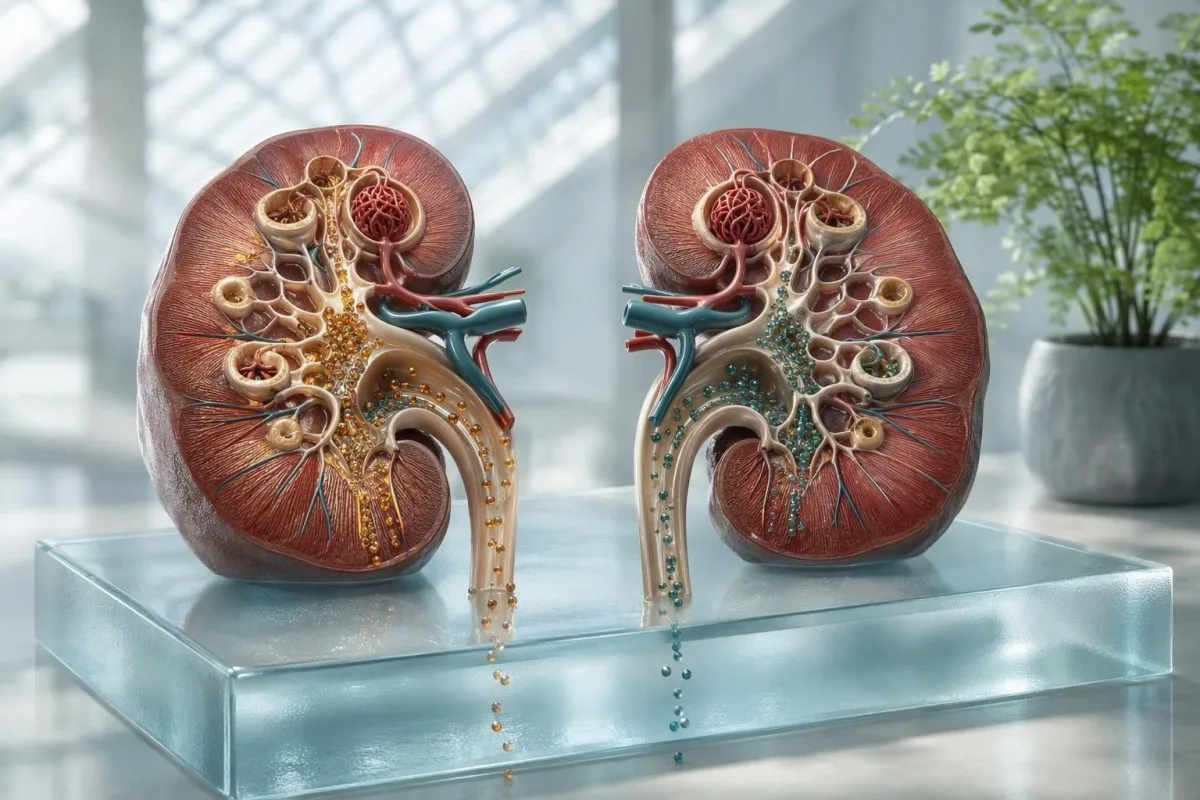
BUN and creatinine are both kidney-related tests, but they respond to very different biological events. Reading the pattern can prevent both false reassurance and unnecessary alarm.



- BUN is usually 7-20 mg/dL in U.S. laboratories and rises with reduced kidney perfusion, protein breakdown, upper gastrointestinal bleeding, and dehydration.
- Creatinine commonly runs about 0.6-1.3 mg/dL in adults, but its expected value depends heavily on muscle mass, age, sex, diet, and laboratory method.
- High BUN normal creatinine often reflects dehydration, a high-protein meal, steroid exposure, or gastrointestinal protein digestion rather than intrinsic kidney damage.
- High creatinine normal BUN can occur after strenuous exercise, creatine use, high muscle mass, medication effects, or early reduction in filtration.
- BUN creatinine ratio meaning is contextual: a ratio above 20:1 can support low kidney blood flow, but it cannot diagnose dehydration or bleeding by itself.
- eGFR trend matters more than one isolated creatinine result; chronic kidney disease requires abnormalities persisting for at least 3 months.
- Cystatin C can clarify filtration when creatinine is unreliable because of unusual muscle mass, major diet changes, amputation, or recent intense exercise.
- Urgent review is appropriate for falling urine output, confusion, breathlessness, black stool, persistent vomiting, swelling, or potassium of 6.0 mmol/L or higher.
Why BUN and creatinine do not rise together
BUN vs creatinine measures two different things: BUN is strongly affected by urea production and water handling, while creatinine mostly reflects muscle production and kidney filtration. A high BUN with normal creatinine is often a circulation, diet, or digestion clue; a creatinine rise deserves closer attention to filtration, muscle injury, medicines, and timing.
Urea is made in the liver from nitrogen left after protein metabolism, then filtered by the kidneys and partly reabsorbed. Creatinine comes from creatine turnover in skeletal muscle and is filtered with much less tubular reabsorption, so a low-flow kidney state can raise BUN earlier and more sharply than creatinine.
In my clinical work, I have seen a 68-year-old with two days of diarrhoea show BUN 34 mg/dL and creatinine 0.92 mg/dL; after sensible oral rehydration and repeat testing, both were back near baseline. The result was real, but it was not chronic kidney disease. A basic metabolic panel guide helps place these tests beside sodium, bicarbonate, potassium, and glucose.
Thomas Klein, MD, often reminds patients that a reference flag is a starting point rather than a verdict. Kantesti is an AI blood test analyzer that reads BUN, creatinine, eGFR, electrolytes, medicines, and prior results as one pattern rather than treating the ratio as a diagnosis.
The practical distinction
A creatinine value of 1.2 mg/dL may be ordinary for a muscular 30-year-old and unexpectedly high for a frail older adult whose prior value was 0.55 mg/dL. Change from personal baseline is often more informative than the laboratory's broad population interval.
What BUN measures beyond kidney filtration
BUN measures blood urea nitrogen, a nitrogen-containing waste product shaped by liver urea production, protein intake, tissue breakdown, renal filtration, and renal water conservation. Most U.S. adult laboratories use a BUN reference interval near 7-20 mg/dL, although the printed range on your report takes priority.
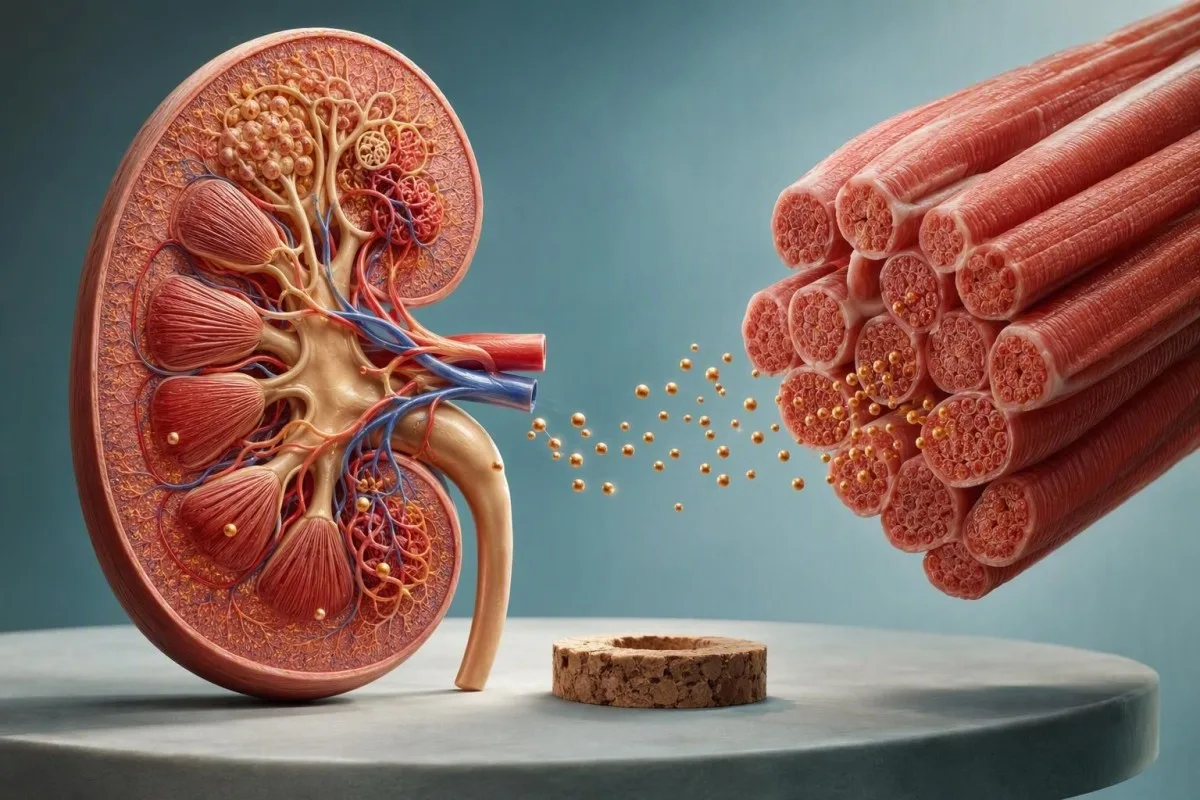
When circulation to the kidneys falls, the kidneys conserve sodium and water; urea is passively reabsorbed along with that water. This is why vomiting, diarrhoea, fever, sweating, heart failure, and diuretic use can move BUN from 16 to 30 mg/dL without a proportionate creatinine rise.
Protein intake can affect BUN within a day, particularly after a very large cooked-meat meal or high-protein nutrition supplement. This is not usually a reason to avoid protein before routine testing, but it is useful context; readers comparing international reports can use our BUN versus urea conversion guide because many countries report urea in mmol/L rather than BUN in mg/dL.
A low BUN is not automatically reassuring. Advanced liver dysfunction, very low protein intake, pregnancy, and overhydration can lower BUN even when kidney filtration is impaired, which is one reason a normal BUN cannot rule out kidney disease.
Why liver function changes the story
The liver converts ammonia to urea through the urea cycle. Severe hepatic synthetic dysfunction can reduce BUN production, so clinicians interpret a low BUN alongside albumin, INR, bilirubin, nutrition, and the broader liver pattern rather than calling it a kidney result.
What creatinine measures and why body size matters
Creatinine is a muscle-derived filtration marker, not a direct measurement of kidney function. Adult serum creatinine commonly falls around 0.6-1.3 mg/dL, but a result within that interval can still represent reduced filtration in someone with low muscle mass.
A competitive strength athlete may have a stable creatinine of 1.35 mg/dL and normal filtration, whereas an 80-year-old with muscle loss may have meaningful kidney impairment at 0.95 mg/dL. Creatinine-based eGFR equations adjust for age and sex, but they cannot perfectly quantify an individual's muscle mass.
Cooked meat can transiently raise serum creatinine because cooking converts muscle creatine to creatinine. If a borderline result will guide an important decision, a repeat morning sample after usual hydration and avoiding unusually hard exercise for 24-48 hours is often more useful than panic; our creatinine range guide for women explains why sex-specific intervals still have limits.
Creatinine often lags behind an abrupt fall in filtration by 24-48 hours. In early acute kidney injury, a person can have substantial physiologic change while creatinine is only beginning to rise, particularly after surgery, infection, severe fluid loss, or obstruction.
Medicines can shift creatinine without damaging nephrons
Trimethoprim, cimetidine, cobicistat, and fenofibrate can raise serum creatinine by changing tubular secretion or creatinine handling. A medication-related rise still warrants clinician review, but it does not automatically mean structural kidney injury.
When creatinine needs a second filtration marker
Cystatin C can improve eGFR interpretation when creatinine is distorted by muscle mass or diet. KDIGO 2024 recommends using creatinine-based eGFR first and considering combined creatinine-cystatin C eGFR when it will affect clinical decisions.
Cystatin C is produced by most nucleated cells and is less dependent on muscle mass than creatinine. It can be especially helpful for people with major weight loss, limb loss, neuromuscular disease, cirrhosis, eating disorders, or unusually high muscle mass, though thyroid disease, glucocorticoids, smoking, and systemic illness can affect it.
The 2021 CKD-EPI equations improved estimation by offering a creatinine-cystatin C equation that is generally more accurate than either marker alone in many populations (Inker et al., 2021). Accuracy is still an estimate, not a measured GFR; measured clearance testing remains relevant before selected chemotherapy, kidney donation, or high-risk drug dosing.
A normal BUN with elevated creatinine should not be dismissed simply because the ratio looks low. Our cystatin C interpretation guide outlines the situations where a second marker can prevent a misleading muscle-mass assumption.
What eGFR categories actually mean
An eGFR below 60 mL/min/1.73 m² persisting for 3 months or more meets one criterion for chronic kidney disease. A single eGFR of 58 during an acute illness, however, may reflect reversible low circulation rather than chronic disease.
High BUN with normal creatinine: common explanations
High BUN normal creatinine most often suggests increased urea reabsorption or production rather than isolated filtration failure. Dehydration, diuretics, fever, corticosteroids, high protein intake, and upper gastrointestinal bleeding are the usual clinical categories.
A BUN of 28 mg/dL with creatinine 0.8 mg/dL after a hot endurance event is a different problem from BUN 28 with creatinine 2.1 mg/dL and low urine output. In the first scenario, urine specific gravity, sodium, blood pressure, weight change, and recovery after fluids can be more revealing than the ratio alone.
Dehydration can also concentrate haemoglobin, albumin, and red-cell measures. When BUN, haematocrit, albumin, and urine specific gravity all rise together, the pattern supports hemoconcentration; see why dehydration raises RBC counts for the important distinction between concentration and true excess red-cell production.
Kantesti AI is an AI blood test interpretation platform that checks high BUN against creatinine, eGFR, sodium, chloride, albumin, medication history, and previous laboratory samples. In our review workflow, a sharp BUN change with stable creatinine prompts questions about fluids, meals, illness, stool colour, and diuretics before it is labelled kidney disease.
When dehydration should not be managed at home
Seek prompt medical assessment for dehydration accompanied by fainting, confusion, inability to keep fluids down, very little urine for 8-12 hours, chest symptoms, or significant weakness. Older adults and people taking diuretics, ACE inhibitors, ARBs, or NSAIDs have less physiologic room for error.
Dehydration, low kidney blood flow, and the ratio
A BUN-to-creatinine ratio above roughly 20:1 can support reduced kidney blood flow, but it is neither sensitive nor specific for dehydration. A ratio is a clue produced by two moving values, not a standalone kidney test.
The physiology is straightforward: low effective arterial volume increases proximal sodium and water reabsorption, and urea follows. Yet ratios above 20 also occur with gastrointestinal protein digestion, catabolic illness, steroid therapy, and baseline low muscle mass, while a dehydrated person with high creatinine generation may have a less impressive ratio.
Heart failure, cirrhosis, and nephrotic states can produce low effective arterial volume even when a person appears swollen rather than dry. That counterintuitive pattern matters: ankle swelling does not prove good kidney perfusion, and it is one reason clinicians review weight, blood pressure, jugular venous findings, liver tests, urine sodium, and medication use.
If a low eGFR appears after stomach flu, intense heat, or fasting, repeat testing after recovery is often appropriate when the person is clinically stable. Our detailed guide to eGFR after dehydration explains why clinicians compare a recovery sample with the prior baseline.
Ratio values in low muscle mass
A ratio may look high because the denominator is unusually low. For example, BUN 18 mg/dL divided by creatinine 0.55 mg/dL produces a ratio of 33 despite BUN being within many laboratory reference intervals.
Why upper gastrointestinal bleeding can raise BUN
Upper gastrointestinal bleeding can raise BUN because digested haemoglobin behaves like a protein load and because blood loss can reduce kidney perfusion. A rising BUN with black, tar-like stool, dizziness, or vomiting that resembles coffee grounds needs urgent clinical assessment.

This pattern is more associated with bleeding from the oesophagus, stomach, or duodenum than with bleeding farther down the colon, because upper-tract material is digested and absorbed. The BUN rise can precede a fall in haemoglobin, especially early after fluid loss, so a normal initial CBC does not settle the question.
A BUN-to-creatinine ratio above 30 can raise suspicion for upper gastrointestinal bleeding in the right clinical setting, but it cannot confirm its location. NSAID use, anticoagulants, liver disease, alcohol exposure, prior ulcers, and low blood pressure change the level of concern far more than a ratio in isolation.
A positive stool screening test needs proper follow-up rather than BUN interpretation alone. Our article on what a positive FIT result requires explains why a FIT detects lower-tract blood but does not replace urgent evaluation for melaena or unstable symptoms.
Symptoms that override laboratory nuance
Emergency assessment is appropriate for fainting, chest pain, shortness of breath, confusion, rapid heartbeat, ongoing black stool, or vomiting altered material. Do not self-treat suspected bleeding with iron tablets, antacids, or extra fluids while delaying medical care.
Protein intake, fasting, and tissue breakdown
Protein intake and catabolic states raise BUN more readily than creatinine because they increase nitrogen delivered to the liver for urea formation. Creatinine may stay stable after a high-protein meal unless the meal includes substantial cooked meat or kidney filtration also changes.

A high-protein diet can produce a modest BUN elevation while eGFR remains stable. Very low carbohydrate intake may add dehydration, ketone production, and altered sodium handling to the picture, so a single BUN of 24-30 mg/dL should be interpreted with fluid intake, exercise, and the meal pattern from the preceding 24 hours.
Severe infection, burns, trauma, prolonged corticosteroid exposure, and major weight loss can all increase protein breakdown and urea generation. BUN is therefore not a clean nutrition score; a higher value can reflect catabolism rather than good protein intake, while a low value can reflect low intake or reduced hepatic production.
People changing eating patterns often benefit from tracking context rather than chasing one number. Our low-carbohydrate diet lab guide covers the electrolyte and ketone shifts that can accompany BUN changes.
Fasting before a renal panel
Fasting is usually not required for BUN or creatinine, although laboratory instructions should be followed when the same sample includes lipids or glucose testing. Avoiding an unusually large meat meal and maintaining usual fluid intake gives a more comparable creatinine result.
High creatinine with normal BUN: patterns to check
High creatinine normal BUN can reflect increased creatinine generation, reduced tubular secretion, early filtration impairment, or a personal baseline that the laboratory range misses. It is particularly common after strenuous exercise, creatine supplements, high muscle mass, and some medication changes.
A heavy lifting session, marathon, or unfamiliar high-intensity workout can raise creatinine for 24-72 hours through muscle metabolism, reduced renal perfusion, and occasionally muscle injury. Creatine kinase, urine findings, symptoms, hydration status, and the degree of rise determine whether this is expected recovery or something more concerning.
Creatine monohydrate may modestly raise serum creatinine because some supplemental creatine converts to creatinine; it does not necessarily reduce GFR. Stop no prescribed medicine without advice, but do tell the clinician and laboratory team about creatine, protein powders, NSAIDs, trimethoprim, cimetidine, and recent contrast imaging.
Thomas Klein, MD, sees this regularly in active adults who repeat a test after 48 hours of rest and usual hydration. For a sensible repeat plan, read creatinine after exercise; urgent review is needed if dark urine, severe muscle pain, weakness, reduced urine, or potassium elevation accompanies the result.
A rise that should not be blamed on the gym
A creatinine increase of 0.3 mg/dL or more within 48 hours, or 1.5 times baseline within 7 days, meets KDIGO acute kidney injury criteria when the rise is real. Exercise may coexist with kidney injury, so symptoms and repeat values matter.
When both BUN and creatinine rise together
Simultaneous BUN and creatinine elevation usually means reduced filtration or reduced kidney perfusion, but the cause may be reversible or intrinsic to the kidneys. The most useful next data are eGFR trend, urine output, potassium, bicarbonate, urinalysis, albumin-creatinine ratio, blood pressure, and medication exposure.
In acute kidney injury, creatinine may rise from 0.8 to 1.6 mg/dL while BUN rises from 15 to 42 mg/dL, but the ratio cannot distinguish every cause. Obstruction, low perfusion, acute tubular injury, glomerular disease, and medication toxicity require different treatment, which is why urinalysis and clinical examination matter.
Urine sediment can supply clues that serum tests cannot. Granular casts may support tubular injury, red-cell casts can suggest glomerular inflammation, and a bland urinalysis with low urine sodium may fit low perfusion, although none of these findings works in isolation; our granular casts guide explains the limits.
KDIGO 2024 defines chronic kidney disease by kidney structure or function abnormalities present for at least 3 months, not by one high creatinine value (KDIGO, 2024). A repeat sample is often appropriate, but a repeat plan must never delay care for significant hyperkalaemia, pulmonary fluid overload, or rapidly falling urine output.
Why bicarbonate and potassium matter
A bicarbonate below 22 mmol/L or potassium above 5.5 mmol/L can add urgency to a reduced-filtration pattern, depending on trajectory and symptoms. Potassium at 6.0 mmol/L or higher generally requires same-day clinical assessment and often an ECG.
The urine tests that make kidney results more useful
Urinalysis and urine albumin-creatinine ratio often answer questions that BUN and creatinine cannot. Blood, protein, glucose, casts, specific gravity, and albumin loss help separate dehydration from glomerular disease, diabetes-related kidney injury, obstruction, and tubular dysfunction.
A urine albumin-creatinine ratio, or ACR, below 30 mg/g is generally considered normal to mildly increased. Persistent ACR of 30-300 mg/g indicates moderately increased albuminuria, while values above 300 mg/g indicate severely increased albuminuria and substantially change kidney risk assessment.
A concentrated urine sample supports low fluid intake but does not prove dehydration; specific gravity above 1.030 can also occur with glucose or protein in urine. Conversely, a surprisingly dilute urine in a sick person may suggest impaired concentrating ability or excessive water intake, so it deserves a broader assessment.
Kantesti's neural network evaluates renal markers with urine data when both are available, including ACR and dipstick protein. For collection detail, our ACR preparation guide explains why heavy exercise, fever, menstruation, and a urinary infection can cause transient albumin elevation.
Foam is not the same as proteinuria
Foamy urine can arise from a fast stream, concentrated urine, detergent residue, or protein. Persistent new foam plus ankle swelling, high blood pressure, or a positive urine protein result warrants formal urine testing rather than visual guesswork.
Medicines that change BUN, creatinine, or both
Medicines can raise BUN or creatinine through haemodynamic effects, tubular secretion changes, fluid loss, or direct kidney toxicity. NSAIDs, diuretics, ACE inhibitors, ARBs, SGLT2 inhibitors, trimethoprim, and creatine supplements each need a different interpretation.
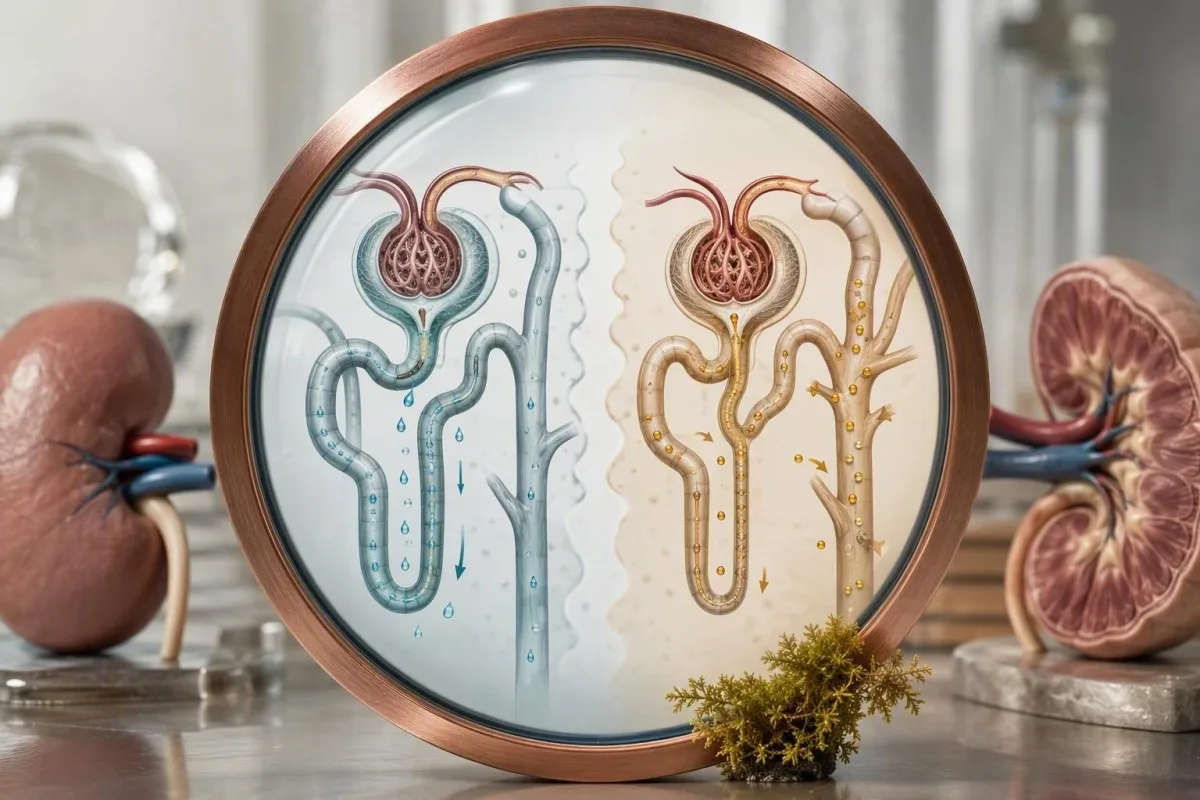
ACE inhibitors and ARBs can cause a modest early creatinine rise because they reduce pressure inside the glomerular filter; this may be an expected effect when monitored correctly. A rise exceeding about 30% from baseline, marked potassium elevation, dehydration, or symptoms should trigger timely clinician review rather than automatic continuation or abrupt self-discontinuation.
SGLT2 inhibitors often produce a small early eGFR dip through a haemodynamic mechanism and are commonly continued because they protect kidneys and hearts over time. The pattern differs from progressive acute injury, and our guide to eGFR changes after SGLT2 medicines explains the follow-up questions clinicians use.
Kantesti AI is an AI lab test interpretation service that can organize medication lists beside dated renal markers, but it cannot replace a prescriber's judgement about dose changes. Our AI medication trend article explains why the timing of a change often matters as much as the absolute value.
The high-risk combination to avoid
NSAIDs plus a diuretic plus an ACE inhibitor or ARB can reduce the kidney's ability to adapt during dehydration; clinicians sometimes call this the triple-whammy combination. Sick-day guidance varies, so patients should ask their own prescriber which medicines to pause during significant vomiting, diarrhoea, or poor intake.
BUN creatinine ratio meaning: useful but easy to overread
The BUN creatinine ratio is most useful as a hypothesis generator, not a diagnostic rule. A common reference range is roughly 10:1 to 20:1, but normal ranges vary and a ratio may be misleading when either BUN production or creatinine generation is unusual.

A ratio of 26 may reflect dehydration, steroid-driven urea generation, upper gastrointestinal bleeding, low muscle mass, or any mixture of these. A ratio of 12 does not exclude low perfusion when BUN and creatinine are both elevated, because severe kidney injury, a high-protein state, or baseline muscle mass can alter the arithmetic.
The ratio becomes less reliable with advanced kidney dysfunction because both solutes accumulate and tubular handling changes. It is also less useful in liver failure, malnutrition, pregnancy, and after large fluid administration, where urea production or dilution can dominate the result.
For the calculation and the clinical caveats, see our evidence-focused BUN-creatinine ratio guide. In my experience, the best question is not “Is my ratio bad?” but “What changed in my volume status, muscle activity, diet, medicines, and urine findings?”
A better four-part check
Compare the current result with prior creatinine, review the eGFR trend, check urine ACR or urinalysis, and assess symptoms and medicines. Those four steps usually provide more clinical signal than repeatedly recalculating a ratio.
How to prepare for a useful repeat kidney panel
A useful repeat BUN and creatinine test uses ordinary hydration, stable diet, and comparable timing rather than extreme “lab preparation.” For many stable adults, avoiding unusually intense exercise and very large cooked-meat meals for 24-48 hours makes the result easier to compare with a baseline.
Do not force litres of water immediately before testing; overhydration can dilute sodium and BUN, creating a different problem. Drink normally unless a clinician has given fluid restriction advice, record new supplements and medicines, and ask whether fasting is required for other tests ordered at the same draw.
Write down the date of strenuous exercise, diarrhoea, fever, alcohol intake, unusually high-protein meals, creatine use, NSAID use, and changes in urine output. That small diary can explain an apparent laboratory shift more effectively than memory at a rushed appointment; our lab change tracker offers a practical template.
Kantesti is an AI biomarker interpretation platform designed to compare serial results rather than overcalling one borderline number. Our clinical methodology is reviewed against documented standards in the medical validation framework, but urgent symptoms always require direct medical care rather than digital interpretation.
When not to wait for a repeat
Do not wait for a routine retest if creatinine is rapidly rising, urine output has sharply fallen, swelling is worsening, or you have confusion, breathlessness, severe weakness, chest symptoms, black stool, or persistent vomiting. Those are clinical problems first and laboratory problems second.
A clinician's next-step plan for abnormal results
The next step after abnormal BUN or creatinine is to identify the pattern, assess urgency, and compare with your personal baseline. Mild isolated abnormalities often merit a planned repeat; paired rises, urine abnormalities, symptoms, or a deteriorating trend need more urgent clinical review.
For BUN 21-30 mg/dL with stable creatinine and no concerning symptoms, clinicians commonly review hydration, meals, diuretics, illness, and timing before repeating the panel. For creatinine newly 0.3 mg/dL above baseline or 1.5 times baseline, the possibility of acute kidney injury should be addressed promptly.
Bring your prior results, home blood-pressure readings, medication and supplement list, and urine symptoms to the appointment. A clinician may add urinalysis, ACR, cystatin C, renal ultrasound, complete blood count, iron studies, or stool assessment depending on whether the pattern suggests kidney, volume, muscle, or gastrointestinal disease.
Kantesti AI supports pattern-based blood-test interpretation for people in more than 127 countries, but the final clinical decision belongs with the treating professional. Our Medical Advisory Board helps oversee safety standards, and our team of doctors and AI experts maintains the clinical-review process.
What I want patients to remember
BUN is highly responsive to fluid balance and protein metabolism; creatinine is highly responsive to filtration and muscle biology. They are most useful when interpreted together with eGFR, urine tests, symptoms, medicines, and the direction of travel over time.
Frequently Asked Questions
What does high BUN with normal creatinine mean?
High BUN with normal creatinine commonly reflects dehydration, diuretic use, a high-protein intake, fever, corticosteroid exposure, or upper gastrointestinal bleeding rather than intrinsic kidney failure. In many U.S. laboratories, BUN above 20 mg/dL is flagged, but a value such as 28 mg/dL should be interpreted with fluid intake, symptoms, urine output, and prior results. A repeat test after recovery from a short illness may clarify the cause. Black stool, vomiting altered material, fainting, or low urine output requires urgent assessment.
Can dehydration raise BUN but not creatinine?
Yes, dehydration can raise BUN while creatinine remains normal because the kidneys reabsorb more urea when conserving water. A BUN-to-creatinine ratio above about 20:1 may support this possibility, but it does not prove dehydration because bleeding, steroids, low muscle mass, and protein intake can also raise the ratio. Urine specific gravity, sodium, blood pressure, weight change, and response to safe rehydration provide more context. People with heart failure, kidney disease, or fluid restrictions should ask a clinician before substantially increasing fluids.
Why is my creatinine high but BUN normal?
High creatinine with normal BUN can occur after heavy exercise, creatine supplementation, high muscle mass, cooked-meat intake, or medicines such as trimethoprim and cimetidine. It can also indicate reduced filtration, especially if creatinine is 0.3 mg/dL or more above baseline within 48 hours or 1.5 times baseline within 7 days. A normal BUN does not rule out kidney disease. Repeat testing after 24-48 hours without unusually hard exercise, plus urinalysis and eGFR review, is often useful when the person is clinically stable.
Is a BUN creatinine ratio above 20 dangerous?
A BUN creatinine ratio above 20:1 is not inherently dangerous; it is a pattern that may suggest reduced kidney blood flow, dehydration, gastrointestinal bleeding, steroid exposure, or low muscle mass. The absolute values matter: BUN 22 mg/dL with creatinine 0.9 mg/dL is very different from BUN 72 mg/dL with creatinine 3.0 mg/dL. Symptoms, urine output, potassium, bicarbonate, blood pressure, and the speed of change determine urgency. A ratio should never be used alone to diagnose kidney failure or bleeding.
Does eating protein before a blood test raise BUN?
A very high-protein meal can modestly raise BUN because dietary amino acids are converted to urea in the liver. Cooked meat can also transiently increase creatinine, which makes a renal panel harder to compare with a prior fasting or low-meat sample. Fasting is usually unnecessary for BUN and creatinine alone, but normal hydration and avoiding an unusually large meat meal for 24 hours can improve comparability. Follow the laboratory's instructions if glucose, lipids, or other fasting tests are ordered at the same time.
When should high BUN or creatinine be treated as urgent?
High BUN or creatinine needs urgent medical evaluation when it occurs with markedly reduced urine output, confusion, severe weakness, breathlessness, chest symptoms, swelling, persistent vomiting, black stool, or rapidly worsening results. Creatinine rising by at least 0.3 mg/dL in 48 hours may meet acute kidney injury criteria, and potassium of 6.0 mmol/L or higher generally requires same-day assessment. The laboratory number alone cannot determine urgency. A clinician must assess the full pattern and the person's condition.
Get AI-Powered Blood Test Analysis Today
Join over 2 million users worldwide who trust Kantesti for instant, accurate lab test analysis. Upload your blood test results and receive comprehensive interpretation of 15,000+ biomarkers in seconds.
📚 Referenced Research Publications
Klein, T., Mitchell, S., & Weber, H. (2026). Kantesti Ltd. (2026). Clinical Validation Framework v2.0 (Medical Validation Page). Zenodo.. Kantesti AI Medical Research.
Klein, T., Mitchell, S., & Weber, H. (2026). Kantesti Ltd. (2026). AI Blood Test Analyzer: 2.5M Tests Analyzed | Global Health Report 2026. Zenodo.. Kantesti AI Medical Research.
📖 External Medical References





⚕️ Medical Disclaimer
This article is for educational purposes only and does not constitute medical advice. Always consult a qualified healthcare provider for diagnosis and treatment decisions.
E-E-A-T Trust Signals
Experience
Physician-led clinical review of lab interpretation workflows.
Expertise
Laboratory medicine focus on how biomarkers behave in clinical context.
Authoritativeness
Written by Dr. Thomas Klein with review by Dr. Sarah Mitchell and Prof. Dr. Hans Weber.
Trustworthiness
Evidence-based interpretation with clear follow-up pathways to reduce alarm.