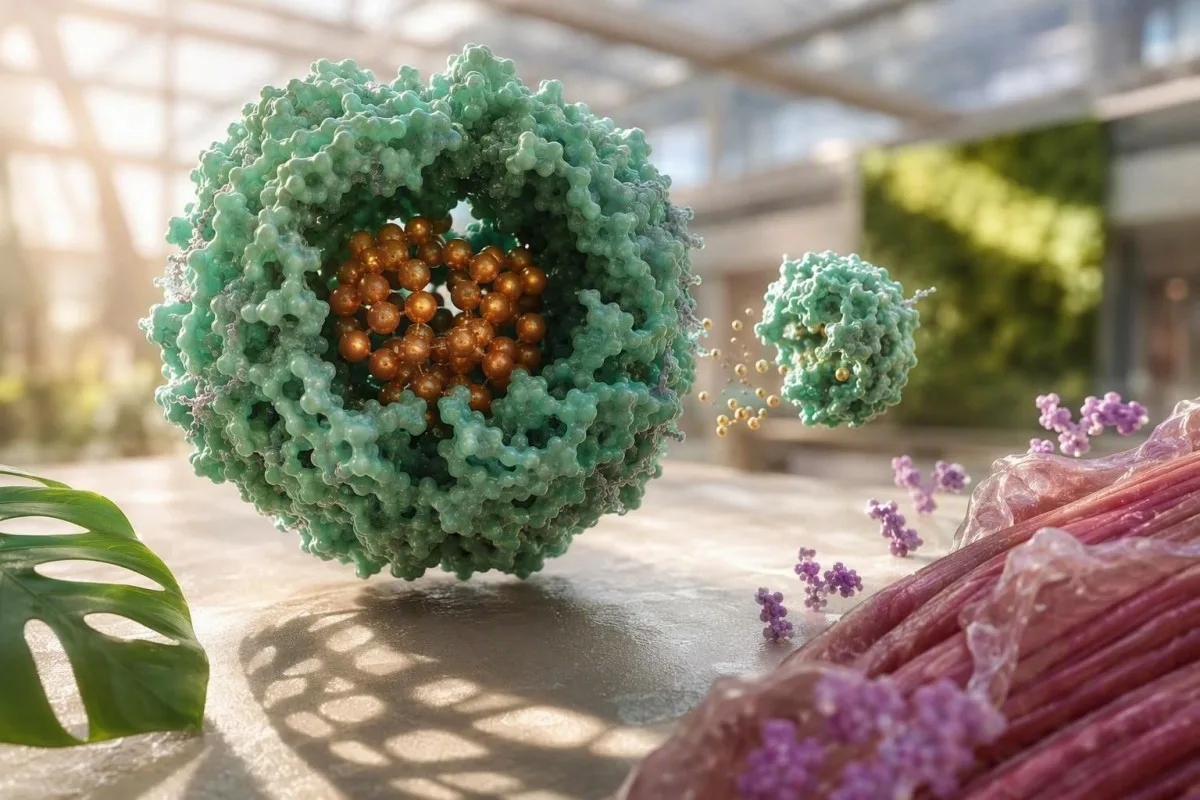
ការហាត់ប្រាណយ៉ាងខ្លាំងអាចផ្លាស់ប្តូរហ្វឺរីទីនជាបណ្តោះអាសន្ន ប៉ុន្តែលេខនេះមានតែអត្ថន័យទេនៅពេលដែលវាត្រូវបានពិនិត្យរួមជាមួយការឆ្អែតនៃសារធាតុទ្រនាប់ ហ្គាម៉ា ថ្នាំ ALT, AST និងបន្ទុកហ្វឹកហាត់ថ្មីៗរបស់អ្នក។.



- ឥទ្ធិពលពីការហាត់ប្រាណ: ការហាត់ប្រាណបែបអត់ធន់ ឬការហាត់ប្រាណដោយទម្ងន់យ៉ាងខ្លាំងអាចបង្កើនហ្វឺរីទីនជាការឆ្លើយតបដំណាក់កាលស្រួចស្រាវ ទោះបីជាការស្តុកជាតិដែកមិនច្រើនពេកក៏ដោយ។.
- បង្អួចពេលវេលាសម្រាប់ពិនិត្យឡើងវិញឲ្យល្អបំផុត: រង់ចាំយ៉ាងហោចណាស់ 7 ថ្ងៃបន្ទាប់ពីការរត់ម៉ារ៉ាតុង ការហ្វឹកហាត់ដោយទម្ងន់យ៉ាងខ្លាំង ការឡើងកំដៅ ឬវគ្គហ្វឹកហាត់ចន្លោះពេលខ្លាំង មុនពេលធ្វើតេស្តហ្វឺរីទីនឡើងវិញ។.
- ការកើនឡើងស្រាល: ហ្វឺរីទីនខ្ពស់ជាងដែនកំណត់ខាងលើនៃមន្ទីរពិសោធន៍បន្តិច ដែលជាញឹកញាប់ 150-300 ng/mL ចំពោះស្ត្រី ឬ 300-500 ng/mL ចំពោះបុរស ជាធម្មតាត្រូវបានវាយតម្លៃដោយមានបរិបទ ជាជាងការព្យាបាលតែឯង។.
- តម្រុយនៃការលើសជាតិដែក: ការឆ្អែតនៃសារធាតុទ្រនាប់ខ្ពស់ជាង 45% ជាប់លាប់ រួមជាមួយនឹងហ្វឺរីទីនខ្ពស់ជាង 200 ng/mL ចំពោះស្ត្រី ឬ 300 ng/mL ចំពោះបុរស ត្រូវការការពិនិត្យផ្នែកវេជ្ជសាស្រ្ត។.
- កម្រិតបន្ទាន់: ហ្វឺរីទីនខ្ពស់ជាង 1,000 ng/mL ត្រូវការការវាយតម្លៃផ្នែកវេជ្ជសាស្រ្តជាបន្ទាន់ ជាពិសេសនៅពេលដែល ALT, AST, ប៊ីលីរុយប៊ីន មិនប្រក្រតី ឬមានរោគសញ្ញានៃជំងឺថ្លើម។.
- កុំបរិច្ចាគឈាមដោយមិនដឹងខ្លួន: ការបរិច្ចាគឈាមអាចកាត់បន្ថយការស្តុកជាតិដែក ប៉ុន្តែវាមិនមែនជាការព្យាបាលដោយខ្លួនឯងប្រកបដោយសុវត្ថិភាព រហូតដល់ការលើសជាតិដែកត្រូវបានបញ្ជាក់។.
- ការធ្វើតេស្តភ្ជាប់ដែលបានជួយ: ធ្វើតេស្ត Ferritin ឡើងវិញ រួមជាមួយនឹង CBC, ការតិត 😂😂, CRP, ALT, AST, GGT, creatinine, និង ការតមអាហារ.
- និន្នាការមានសារៈសំខាន់: ម៉ាស៊ីនបាញ់ថ្នាំដែលមានស្ថេរភាព 280 ng/mL ត្រូវបានបកស្រាយខុសគ្នាពីការកើនឡើងពី 120 ទៅ 480 ng/mL ក្នុងរយៈពេល 6 ខែ។.
លទ្ធផលហ្វឺរីទីនខ្ពស់បន្តិចបន្តួចបន្ទាប់ពីការហាត់ប្រាណជាធម្មតាមានន័យយ៉ាងណា
លទ្ធផលនៃការកើនឡើងបន្តិចបន្តួចបន្ទាប់ពីការហាត់ប្រាណខ្លាំងក្លាជារឿងធម្មតាដែលកើតឡើងជាបណ្ដោះអាសន្ន ជាពិសេសប្រសិនបើសំណាកត្រូវបានគេយកក្នុងរយៈពេល 24-72 ម៉ោងបន្ទាប់ពីការប្រណាំងម៉ារ៉ាតុង ការជិះកង់យូរ ការហាត់ប្រាណខ្លាំងក្លា ឬការលើកទម្ងន់ដែលមិនធ្លាប់មាន។. ក្នុងការងារព្យាបាលរបស់ខ្ញុំ ខ្ញុំតែងតែធ្វើតេស្ត Ferritin ឡើងវិញបន្ទាប់ពីថ្ងៃសម្រាកពីការហាត់ប្រាណ 7 ថ្ងៃ មុននឹងហៅថាមានជាតិដែកច្រើនពេក។ ច្បាប់អនុវត្តរបស់លោកវេជ្ជបណ្ឌិត Thomas Klein គឺសាមញ្ញ៖ បកស្រាយស្ថានភាពនៃការជាសះស្បើយ មុននឹងបកស្រាយឃ្លាំងជាតិដែក។.
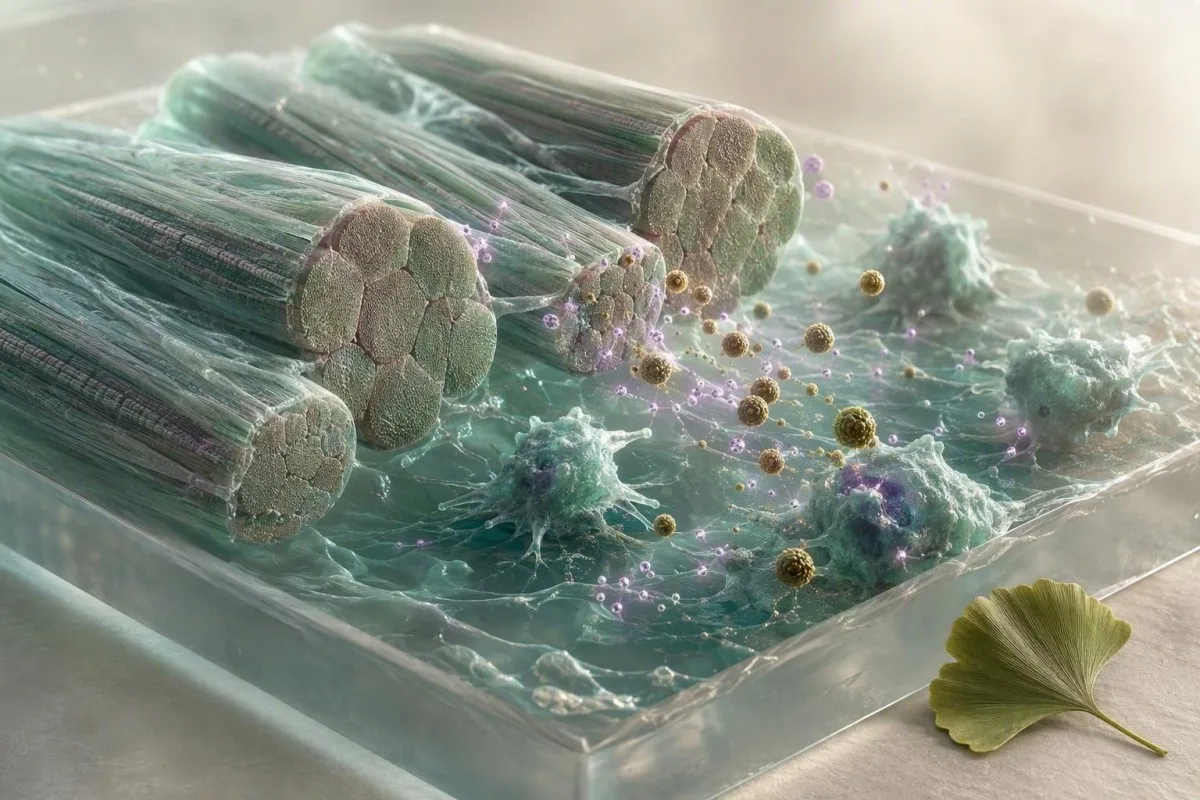
Ferritin គឺទាំង ប្រូតេអ៊ីនសម្រាប់រក្សាទុកជាតិដែក និងជាសារធាតុប្រតិកម្មដំណាក់កាលស្រួចស្រាវ។ ការរំខានសាច់ដុំ ការតានតឹងបណ្ដោះអាសន្ននៃកោសិកាថ្លើម និងការបញ្ជូនសញ្ញាប្រព័ន្ធភាពស៊ាំបន្ទាប់ពីការហាត់ប្រាណខ្លាំងក្លាអាចបង្កើន Ferritin ដោយមិនមានន័យថារាងកាយមានជាតិដែកច្រើនពេកទេ។ ការកើនឡើងក្រោយព្រឹត្តិការណ៍ជាពិសេសអាចទៅរួចនៅពេលដែល creatine kinase, AST, ឬ CRP ក៏កើនឡើងផងដែរ។ សូមមើលការណែនាំរបស់យើងអំពី រោគសញ្ញានៃការកើនឡើងនៃ creatine kinase.
ចន្លោះយោងមន្ទីរពិសោធន៍ទូទៅប្រែប្រួល ប៉ុន្តែច្រើនតែរាយការណ៍អំពី Ferritin ប្រហែល 15-150 ng/mL សម្រាប់ស្ត្រីពេញវ័យ និង 30-400 ng/mL សម្រាប់បុរសពេញវ័យ. ។ ហេតុនេះហើយបានជាអត្ថន័យនៃ Ferritin ព្រំដែនគឺខុសគ្នាទៅតាមមន្ទីរពិសោធន៍និងយេនឌ័រ៖ 180 ng/mL អាចជាសញ្ញាតិចតួចចំពោះស្ត្រីម្នាក់ ចំណែក 380 ng/mL វិញនៅតែស្ថិតក្នុងចន្លោះរបស់បុរសនៅមន្ទីរពិសោធន៍មួយទៀត។.
កាន់តេស្ទី គឺជា ឧបករណ៍វិភាគឈាម AI ដែលអាន Ferritin រួមជាមួយនឹងការតិត 😂😂, CRP, សន្ទស្សន៍ CBC, និងអង់ស៊ីមថ្លើមជំនួសឲ្យការចាត់ទុកសញ្ញាក្រហមមួយជាការធ្វើរោគវិនិច្ឆ័យ។ ការអានរួមគ្នានោះការពារកំហុសទូទៅមួយ៖ ការសន្មត់ថារាល់លទ្ធផល Ferritin ខ្ពស់មានន័យថាមានជំងឺ hemochromatosis។.
សំណួរដំបូងដែលត្រូវសួរ
សួរឲ្យបានច្បាស់ថាពេលណាសំណាកត្រូវបានប្រមូលទាក់ទងនឹងការហាត់ប្រាណ។ លទ្ធផលដែលបានយកនៅព្រឹកបន្ទាប់ពីការប្រណាំងគឺជាការវាស់ដំណាក់កាលនៃការជាសះស្បើយ មិនមែនជាបន្ទាត់មូលដ្ឋានស្ងប់ស្ងាត់ទេ។ កត់ត្រារយៈពេលនៃការហ្វឹកហាត់ កម្រិតនៃការប្រឹងប្រែងដែលមានអារម្មណ៍ ឈឺសាច់ដុំ ការទទួលទានគ្រឿងស្រវឹង និងរោគសញ្ញាឆ្លងណាមួយមុនពេលប្រៀបធៀបវាជាមួយនឹងលទ្ធផលក្រោយមក។.
ហេតុអ្វីបានជាការហ្វឹកហាត់ខ្លាំងអាចបង្កើនហ្វឺរីទីនដោយគ្មានជាតិដែកលើស
ការហាត់ប្រាណខ្លាំងក្លាអាចបង្កើន Ferritin ដោយសារ Ferritin ប្រព្រឹត្តដូចជាប្រូតេអ៊ីនដំណាក់កាលស្រួចស្រាវ ហើយដោយសារកោសិកាសាច់ដុំ និងថ្លើមដែលខូចខាតបញ្ចេញសញ្ញារលាក។. ផលនេះមានលក្ខណៈទំនងជាកើតឡើងបន្ទាប់ពីការហាត់ប្រាណយូរម៉ោង ការរត់ចុះចំណោត ការហ្វឹកហាត់ទម្ងន់ក្នុងបរិមាណច្រើន ការប៉ះពាល់នឹងកំដៅ ឬការបង្កើនបន្ទុកហ្វឹកហាត់ភ្លាមៗ។.
Interleukin-6 កើនឡើងក្នុងអំឡុងពេលហាត់ប្រាណយូរ និងជំរុញ hepcidin ដែលជាអរម៉ូនដែលកាត់បន្ថយការបញ្ចេញជាតិដែកពីកោសិកាពោះវៀន និង macrophages ជាបណ្ដោះអាសន្ន។ Hepcidin ជារឿយៗឡើងដល់កម្រិតខ្ពស់បំផុតប៉ុន្មានម៉ោងបន្ទាប់ពីការហាត់ប្រាណ ដូច្នេះជាតិដែកក្នុងឈាមនិងការតិត 😂😂 អាចមើលទៅទាបជាង ខណៈដែល Ferritin មើលទៅខ្ពស់ជាង។ ភាពមិនស៊ីចង្វាក់នៃពេលវេលានេះហើយដែលជាមូលហេតុនៃ ការបកស្រាយការសិក្សាអំពីជាតិដែក ត្រូវការច្រើនជាងមួយសញ្ញា។.
Fallon បានពិនិត្យការធ្វើតេស្តមន្ទីរពិសោធន៍របស់អត្តពលិក និងបានពិពណ៌នាអំពីការផ្លាស់ប្ដូរទាក់ទងនឹងការហាត់ប្រាណក្នុង Ferritin, serum iron, AST, និង CK ដែលអាចស្រដៀងនឹងជំងឺនៅពេលដែលសំណាកត្រូវបានគេយកជិតពេកទៅនឹងការហ្វឹកហាត់ដែលតឹងតែង (Fallon, 2001) ។ ភស្តុតាងគឺមានការលាយបញ្ចូលគ្នាអំពីទំហំនិងរយៈពេលពិតប្រាកដនៃការផ្លាស់ប្ដូរ Ferritin ដោយសារស្ថានភាពហ្វឹកហាត់ យេនឌ័រ ការបាត់បង់ឈាមរដូវ ការបរិភោគ និងវិធីវិភាគមានភាពខុសគ្នាយ៉ាងខ្លាំងរវាងការសិក្សា។.
អ្នករត់ម៉ារ៉ាតុងស្ម័គ្រចិត្តអាយុ 52 ឆ្នាំដែលខ្ញុំបានពិនិត្យមាន Ferritin 412 ng/mL, AST 89 IU/L, CK 1,860 IU/L, និង bilirubin ធម្មតាពីរថ្ងៃបន្ទាប់ពីការប្រណាំង។ បន្ទាប់ពីសម្រាក 10 ថ្ងៃ Ferritin មាន 236 ng/mL និង AST 27 IU/L; គំរូនេះគឺការជាសះស្បើយ មិនមែនជាការលើសជាតិដែកបឋមទេ។.
ຄວາມຫມາຍຂອງ Ferritin ព្រំដែនអាស្រ័យលើភេទ អាយុ និងមន្ទីរពិសោធន៍
Ferritin ព្រំដែនជាទូទៅមានន័យថាតម្លៃលើសពីចន្លោះយោងរបស់មន្ទីរពិសោធន៍នោះបន្តិចបន្តួច មិនមែនជាភស្តុតាងនៃជាតិដែកក្នុងរាងកាយច្រើនពេកទេ។. សម្រាប់មនុស្សពេញវ័យ កម្រិតដែលមានសារៈសំខាន់ខាងគ្លីនិកត្រូវបានកំណត់ដោយកម្រិត Ferritin ការតិត 😂😂 របស់សេរ៉ូម ការធ្វើតេស្តថ្លើម រោគសញ្ញា ការប្រើគ្រឿងស្រវឹង សុខភាពមេតាប៉ូលីស និងការផ្លាស់ប្ដូរតាមពេលវេលា។.
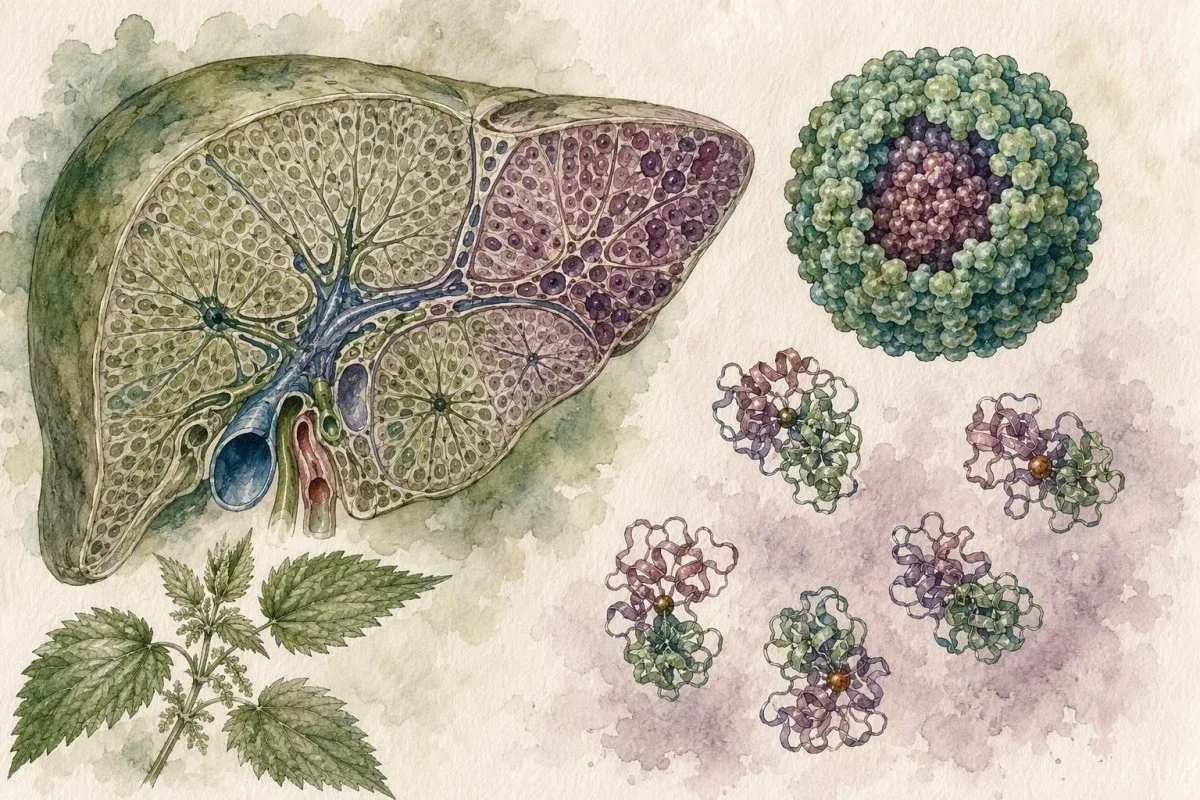
មន្ទីរពិសោធន៍ជាច្រើនប្រើដែនកំណត់ខាងលើនៃ Ferritin នៅជិត 150-200 ng/mL សម្រាប់ស្ត្រី និង 300-400 ng/mL សម្រាប់បុរស, ទោះបីជាមានចន្លោះពេលរបស់អឺរ៉ុបអាចខុសគ្នា។ វដ្តរដូវអស់រដូវជាញឹកញាប់បង្កើនហ្វឺរីទីនបន្តិចម្តងៗដោយសារតែការបាត់បង់ជាតិដែកតាមរដូវឈប់។ នេះមិនមែនមានន័យថាតែជំងឺទេ។ សម្រាប់ការបកស្រាយដោយគិតពីអាយុ សូមអាន កម្រិត ferritin នៅក្នុងស្ត្រី.
មគ្គុទ្ទេសក៍ EASL ឆ្នាំ 2022 ចាត់ទុកជំងឺ hemochromatosis ពីមរតកមានសក្តានុពលខ្ពស់ជាង នៅពេលដែលការតិត្ថិភាព transferrin លើសពី 45% ចំពោះស្ត្រី ឬ 50% ចំពោះបុរស រួមជាមួយហ្វឺរីទីនលើសពី 200 ng/mL ចំពោះស្ត្រី ឬ 300 ng/mL ចំពោះបុរស (EASL, 2022)។ កម្រិតទាំងពីរនោះមានព្រោះហ្វឺរីទីនតែឯងកើនឡើងក្នុងជំងឺធាត់ ការផឹកស្រា ជំងឺថ្លើមខ្លាញ់ ការឆ្លងមេរោគ និងជំងឺរលាក។.
Kantesti AI គឺជាអ្វីមួយដែល វេទិកាបកស្រាយសូចនាករជីវសាស្ត្រដោយ AI ដែលប្រៀបធៀបលទ្ធផលហ្វឺរីទីនបច្ចុប្បន្នជាមួយនឹងតម្លៃពីមុន និងចន្លោះយោងដែលបានរាយការណ៍។ លទ្ធផល 260 ng/mL តែមួយអាចមានព័ត៌មានតិចជាងការកើនឡើងរយៈពេល 90 ថ្ងៃនៃ 140, 230, បន្ទាប់មក 360 ng/mL។.
ពេលណាត្រូវធ្វើតេស្តហ្វឺរីទីនឡើងវិញបន្ទាប់ពីការហាត់ប្រាណ ឬការប្រណាំង
ធ្វើតេស្តហ្វឺរីទីនឡើងវិញបន្ទាប់ពី 48 ម៉ោង ដោយមិនមានការហាត់ប្រាណខ្លាំងក្លាសម្រាប់ការហាត់ប្រាណធម្មតា និងបន្ទាប់ពី 7 ថ្ងៃពេញលេញសម្រាប់ការប្រណាំងម៉ារ៉ាតុន ការប្រកួតដែលមានការស៊ូទ្រាំខ្ពស់ ការឈឺសាច់ដុំខ្លាំង ឬការលើកទម្ងន់ខ្លាំងមិនធម្មតា។. ប្រសិនបើអ្នកមានជំងឺ មានគ្រុនក្តៅ ឬមានរបួសថ្មីៗ សូមរង់ចាំរហូតដល់អ្នកមានអារម្មណ៍ល្អរយៈពេល 1-2 សប្តាហ៍។.
សម្រាប់ការប្រៀបធៀបដែលច្បាស់បំផុត សូមប្រើ មន្ទីរពិសោធន៍ដដែល, យកឈាមនៅពេលព្រឹក ចៀសវាងការផឹកស្រារយៈពេល 48-72 ម៉ោង និងមិនត្រូវចាប់ផ្តើម ឬបញ្ឈប់ការបន្ថែមជាតិដែកភ្លាមៗមុនពេលធ្វើតេស្ត លុះត្រាតែវេជ្ជបណ្ឌិតរបស់អ្នកណែនាំ។ ការតមអាហារមិនតម្រូវទេសម្រាប់ហ្វឺរីទីន ប៉ុន្តែការតមអាហាររយៈពេល 8-12 ម៉ោង ជួយធ្វើស្តង់ដារលទ្ធផល serum iron និង transferrin saturation ដែលបានផ្គូផ្គង។.
កុំព្យាយាមបង្ខំលទ្ធផលធម្មតាដោយការខ្វះជាតិទឹក ការតមអាហារខ្លាំង ឬការបរិច្ចាគឈាម។ ការផ្លាស់ប្តូរជាតិទឹកមានឥទ្ធិពលលើការប្រមូលផ្តុំប្លាស្មា ខណៈពេលដែលថ្នាំគ្រាប់ជាតិដែកអាចប៉ះពាល់ដល់ serum iron ច្រើនជាងហ្វឺរីទីន។ មគ្គុទេសក៍រៀបចំ TIBC ពន្យល់ពីមូលហេតុដែលសារធាតុវិភាគទាំងនេះមានឥរិយាបទខុសគ្នា។.
ប្រសិនបើហ្វឺរីទីននៅតែខ្ពស់បន្ទាប់ពីរយៈពេលនៃការជាសះស្បើយ សូមធ្វើតេស្តឡើងវិញជាមួយនឹង CBC, CRP, serum iron, transferrin ឬ TIBC, transferrin saturation, ALT, AST, GGT, bilirubin, fasting glucose, និង lipid profile។ នេះមានប្រយោជន៍ជាងការធ្វើតេស្តហ្វឺរីទីនតែឯង។.
ការធ្វើតេស្តឈាមណាខ្លះដែលអាចបកស្រាយលទ្ធផលហ្វឺរីទីនខ្ពស់បាន
ហ្វឺរីទីនក្លាយជាការបកស្រាយផ្នែកវេជ្ជសាស្ត្រ នៅពេលដែលវាត្រូវបានផ្គូផ្គងជាមួយនឹង transferrin saturation, CRP, CBC, និង liver enzymes។. Transferrin saturation ប្រាប់យើងថាតើជាតិដែកក្នុងចរាចរណ៍មានភាពងាយស្រួលមិនធម្មតាទេ ខណៈពេលដែល CRP ជួយកំណត់ថាតើហ្វឺរីទីនអាចឆ្លើយតបនឹងការរលាកជំនួសឱ្យការផ្ទុកទេ។.

Transferrin saturation ស្មើនឹង serum iron ចែកនឹង TIBC គុណនឹង 100។. ការតិត្ថេរ above 45% គឺជារឿងដែលគួរឲ្យព្រួយបារម្ភច្រើនជាងចំពោះការផ្ទុកជាតិដែកជាង ferritin តែមួយមុខ ចំណែកឯ ferritin ខ្ពស់ជាមួយនឹងការតិត្ថេរក្រោម 45% ជារឿយៗចង្អុលទៅរកមូលហេតុនៃជំងឺរំលាយអាហារ ឬការរលាក។ ការពន្យល់របស់យើងអំពី TSAT ទាប បង្ហាញពីលំនាំផ្ទុយគ្នា។.
CRP ដែលខ្ពស់ជាងដែនកំណត់ខាងលើរបស់មន្ទីរពិសោធន៍ បញ្ជាក់ពីការរួមចំណែកនៃការរលាកស្រួចស្រាវ ប៉ុន្តែ CRP ធម្មតា មិនបានច្រានចោលជំងឺខ្លាញ់រុំថ្លើម ការផ្លាស់ប្តូរទាក់ទងនឹងជាតិអាល់កុល ឬជំងឺ hemochromatosis ទេ។ Ferritin អាចនៅតែខ្ពស់យូរជាង CRP បន្ទាប់ពីមានព្រឹត្តិការណ៍មួយ ដែលជាហេតុផលមួយដែលការសម្រាករយៈពេល ៧ ថ្ងៃមានប្រសិទ្ធភាពជាងការល្អឥតខ្ចោះ។.
លទ្ធផល CBC បញ្ជាក់រឿងរ៉ាវ។ MCV ទាប ឬ hemoglobin ទាប ជាមួយនឹង ferritin ធម្មតាទៅខ្ពស់ អាចកើតមានក្នុងករណីរលាក។ hematocrit ខ្ពស់បន្ទាប់ពីការហ្វឹកហាត់អាចគ្រាន់តែឆ្លុះបញ្ចាំងពីការបាត់បង់សារធាតុរាវ។ សូមពិនិត្យ ការកើនខ្ពស់ខុសដោយសារការខ្វះជាតិទឹក មុននឹងសន្មតថាមានភាពមិនប្រក្រតីនៃកោសិកាឈាមក្រហមពិតប្រាកដ។.
របៀបបែងចែកការជាសះស្បើយពីការហាត់ប្រាណពីការកើនឡើងនៃហ្វឺរីទីនដែលទាក់ទងនឹងថ្លើម
ការកើនឡើងនៃ ferritin ដែលទាក់ទងនឹងការហាត់ប្រាណជាធម្មតាកើតឡើងជាមួយនឹងការហ្វឹកហាត់យ៉ាងខ្លាំងកាលពីពេលថ្មីៗនេះ ហើយនឹងធូរស្រាលទៅតាមការធ្វើតេស្តឡើងវិញ ខណៈពេលដែលការកើនឡើងដែលទាក់ទងនឹងថ្លើមច្រើនតែបន្តជាមួយនឹង ALT, GGT, triglycerides, ឬការប៉ះពាល់នឹងអាល់កុលមិនប្រក្រតី។. AST មិនមែនជាសរីរាង្គថ្លើមជាក់លាក់ទេ៖ សាច់ដុំគ្រោងឆ្អឹងអាចបញ្ចេញ AST ច្រើនបន្ទាប់ពីការហាត់ប្រាណយ៉ាងខ្លាំង។.

AST អាចកើនឡើងបន្ទាប់ពីការរត់ដ៏វែង ឬការលើកទម្ងន់ខ្លាំង ប៉ុន្តែ GGT មិនត្រូវបានផលិតដោយសាច់ដុំគ្រោងឆ្អឹងទេ។. ។ Ferritin បូកនឹង GGT, ALT, triglycerides, និងជាតិស្ករពេលតមអាហារដែលកើនឡើង ច្រើនតែបង្ហាញពីជំងឺខ្លាញ់រុំថ្លើមដែលទាក់ទងនឹងភាពមិនប្រក្រតីនៃជំងឺរំលាយអាហារ ឬភាពតានតឹងនៃថ្លើមដែលទាក់ទងនឹងជាតិអាល់កុលច្រើនជាងការហាត់ប្រាណតែមួយមុខ។ លទ្ធផល ALT របស់យើងណែនាំ ពន្យល់ពីភាពខុសគ្នានេះ។.
EASL ណែនាំឲ្យពិចារណាពីជំងឺថ្លើមនៃជំងឺរំលាយអាហារ ការទទួលទានអាល់កុល ការរលាក និងមូលហេតុទូទៅផ្សេងទៀត មុនពេលធ្វើតេស្តហ្សែនរកជំងឺ hemochromatosis (EASL, 2022)។ តាមការពិត ferritin 450 ng/mL ជាមួយនឹងការតិត្ថេរធម្មតា និង GGT កើនឡើង នាំឲ្យខ្ញុំពិនិត្យថ្លើម និងជំងឺរំលាយអាហារ ខណៈពេលដែល ferritin 450 ng/mL ជាមួយនឹងការតិត្ថេរ 58% នាំឲ្យមានការវាយតម្លៃអំពីការផ្ទុកជាតិដែកលើស។.
ការប្រុងប្រយ័ត្នផ្នែកវេជ្ជសាស្ត្ររបស់លោកវេជ្ជបណ្ឌិត Thomas Klein៖ កុំប្រើ AST តែមួយមុខដើម្បីវិនិច្ឆ័យថ្លើមចំពោះអត្តពលិក។ សួរអំពីវគ្គហ្វឹកហាត់ខ្លាំងចុងក្រោយ ពិនិត្យ CK និងធ្វើតេស្តអង់ស៊ីមថ្លើមឡើងវិញបន្ទាប់ពីជាសះស្បើយ។ ការណែនាំអំពី creatinine ដែលទាក់ទងនឹងការហាត់ប្រាណ របស់យើងគ្របដណ្តប់លើបញ្ហាកំណត់ពេលវេលាស្រដៀងគ្នា។.
ការរលាក ការឆ្លងមេរោគ និងសុខភាពរំលាយអាហារអាចរក្សាហ្វឺរីទីនឱ្យខ្ពស់
Ferritin ជារឿយៗកើនឡើងក្នុងអំឡុងពេលរលាក ការឆ្លងមេរោគ ជំងឺខ្លាញ់រុំថ្លើម ធាត់ និងធន់នឹងអាំងស៊ុយលីន ដោយសារកោសិកាភាពស៊ាំ និងកោសិកាថ្លើមផលិត ferritin កាន់តែច្រើន។. ហេតុដូច្នេះហើយ ការកើនឡើងជាបន្តបន្ទាប់ មិនមែនមានន័យថា “ជាតិដែកច្រើនពេក” ទេ សូម្បីតែនៅពេលដែលការហាត់ប្រាណជាអ្នកបង្កការធ្វើតេស្តដំបូងក៏ដោយ។.
អង្គការសុខភាពពិភពលោកណែនាំឲ្យបកស្រាយ ferritin ជាមួយនឹងសញ្ញារលាក ដោយសារតែការរលាកអាចបង្ហាញខុសថាមានស្តុកជាតិដែកគ្រប់គ្រាន់ ឬខ្ពស់ (WHO, 2020)។ រឿងនេះមានសារៈសំខាន់ចំពោះអ្នកដែលមានភាពអស់កម្លាំង៖ ferritin 120 ng/mL ក្នុងអំឡុងពេល CRP កើនឡើង មិនអាចដកចេញនូវកង្វះជាតិដែកបានយ៉ាងគួរឱ្យទុកចិត្ត ជាពិសេសប្រសិនបើស្តុក transferrin តិច។.
ការកើនឡើងនៃ ferritin នៃជំងឺរំលាយអាហារ ជារឿយៗកើតឡើងជាមួយនឹងការកើនឡើងនៃចង្កេះ ខ្លាញ់ triglycerides ឈឺពោះ និងការគ្រប់គ្រងជាតិស្ករមិនប្រក្រតី។ Ferritin ប្រហែល 300-600 ng/mL ជាមួយនឹង transferrin saturation ក្រោម 45% គឺជាលំនាំដែលខ្ញុំឃើញជាញឹកញាប់នៅក្នុងគ្លីនិកជំងឺថ្លើមនៃជំងឺរំលាយអាហារ ទោះបីជាវានៅតែសមនឹងការវាយតម្លៃជាលក្ខណៈបុគ្គលក៏ដោយ។.
កាន់តេស្ទី គឺជា ឧបករណ៍វិភាគតេស្តឈាមដោយ AI ដែលអាចបង្ហាញ ferritin, CRP, triglycerides, ALT, និងជាតិស្ករជាលំនាំបណ្តោយ។ សម្រាប់ការពិភាក្សាផ្តោតលើការផ្គូផ្គងនេះ សូមមើល ferritin និង CRP រួមគ្នា.
ពេលណាត្រូវព្រួយបារម្ភអំពីហ្វឺរីទីន និងការលើសជាតិដែកដែលអាចកើតមាន
បារម្ភកាន់តែច្រើន នៅពេលដែល ferritin នៅតែខ្ពស់បន្ទាប់ពីសម្រាក និង transferrin saturation លើសពី 45% ឬ នៅពេលដែល ferritin លើសពី 1,000 ng/mL។. ការរួមផ្សំទាំងនេះសមនឹងការវាយតម្លៃដោយគ្រូពេទ្យ ដោយសារតែវាអាចជាសញ្ញាបង្ហាញពីជំងឺ hemochromatosis ដែលជាតំណពូជ ជំងឺថ្លើម ឬជំងឺប្រព័ន្ធកម្រផ្សេងទៀត។.
ជំងឺអេម៉ូហ្វីលីសពីកំណើតគឺជាទំនោរដែលទទួលបានតាមមរតកក្នុងការស្រូបយកជាតិដែកក្នុងចំណីអាហារច្រើនពេក ដែលភាគច្រើនទាក់ទងទៅនឹងប្រភេទហ្សែន HFE ចំពោះប្រជាជនដែលមានដើមកំណើតនៅអឺរ៉ុបខាងជើង ប៉ុន្តែវាក៏អាចកើតមាននៅកន្លែងផ្សេងដែរ ហើយហ្សែនមិនជំនួសការសិក្សាជាតិដែកឡើយ។ ការឆ្អែតជាប់លាប់ខ្ពស់ជាង 45-50% គឺជាសញ្ញាក្នុងមន្ទីរពិសោធន៍ដែលផ្លាស់ប្តូរការពិភាក្សា។.
ferritin ខ្ពស់ជាង ១,០០០ ng/mL គឺទាក់ទងទៅនឹងលទ្ធភាពខ្ពស់នៃការកើតមានជំងឺក្រិនថ្លើមយ៉ាងខ្លាំងចំពោះជំងឺអេម៉ូហ្វីលីស ហើយមិនគួរត្រូវបានគ្រប់គ្រងដោយការធ្វើតេស្តឡើងវិញដោយការហាត់ប្រាណតែប៉ុណ្ណោះ។ សូមស្វែងរកការពិនិត្យសុខភាពជាបន្ទាន់ ប្រសិនបើកម្រិតនេះកើតមានរួមជាមួយនឹងការខាន់លឿង ការហើមពោះ ការសម្រកទម្ងន់ដោយមិនបានគិត ការកើតជំងឺទឹកនោមផ្អែមថ្មី រោគសញ្ញាបេះដូង ឬការប្រែពណ៌ស្បែក។.
គ្រូពេទ្យអាចធ្វើការត្រួតពិនិត្យការសិក្សាជាតិដែកពេលតមអាហារឡើងវិញ បញ្ជាតេស្ត HFE តាមភាពសមស្រប ประเมินការប្រើប្រាស់គ្រឿងស្រវឹង និងថ្នាំ និងพิจารณาการถ่ายภาพตับ។ សូមអានទិដ្ឋភាពទូទៅដែលផ្ដោតលើគ្រូពេទ្យរបស់យើងស្ដីពី សញ្ញាមន្ទីរពិសោធន៍នៃជំងឺអេម៉ូហ្វីលីស មុននឹងសន្មតថាអាហារបំប៉នគឺជាមូលហេតុ។.
ហេតុអ្វីបានជាអត្តពលិកអាចមានហ្វឺរីទីនខ្ពស់ ប៉ុន្តែនៅតែត្រូវការការវាយតម្លៃជាតិដែក
កម្មាភិបាលកីឡាអាចបង្ហាញពីកម្រិតហ្វីរីទីនធម្មតាខ្ពស់ ឬខ្ពស់បន្តិចបន្ទាប់ពីការហ្វឹកហាត់ ហើយនៅតែមានការកំណត់ការប្រើប្រាស់ជាតិដែក ដោយเฉพาะនៅពេលដែលការឆ្អែតទ្រីង់ហ្វឺរីនទាប។. កម្មាភិបាលកីឡាប្រភេទអត់ធន់ កម្មាភិបាលកីឡាដែលមានរដូវ ក្មេងជំទង់ និងកម្មាភិបាលកីឡាដែលមានថាមពលទាប មានភាពងាយរងគ្រោះនឹងកង្វះជាតិដែក។.
ការហាត់ប្រាណបង្កើនតម្រូវការជាតិដែកតាមរយៈការផ្លាស់ប្តូរកោសិកាឈាមក្រហម ការបាត់បង់ញើស ការបាត់បង់មីក្រូក្នុងក្រពះពោះវៀន និងការថយចុះការស្រូបយកជាតិដែកដែលទាក់ទងនឹងហេបស៊ីឌីន។ លទ្ធផលហ្វីរីទីនដែលទទួលបាន៣-៦ម៉ោងបន្ទាប់ពីការហ្វឹកហាត់អាចធ្វើឱ្យមានការភាន់ច្រឡំ ដោយសារហេបស៊ីឌីនកើនឡើង និងជាតិដែកក្នុងសេរ៉ូមអាចត្រូវបានបង្ក្រាប។ ចូរជៀសវាងការប្រើជាតិដែកតាមមាត់ភ្លាមៗបន្ទាប់ពីការហ្វឹកហាត់ខ្លាំង ប្រសិនបើគ្រូពេទ្យបានណែនាំឱ្យប្រើថ្នាំបំប៉ន។ ការស្រូបយកអាចនឹងទាបជាងនៅពេលនោះ។.
ចំពោះកម្មាភិបាលកីឡា ខ្ញុំតែងតែប្រើផ្ទាំងធ្វើតេស្តពេលសម្រាកនៅពេលព្រឹក ដែលរួមមានហ្វីរីទីន ហេម៉ូក្លូប៊ីន MCV ការឆ្អែតទ្រីង់ហ្វឺរីន CRP និងពេលខ្លះអ្នកទទួលទ្រីង់ហ្វឺរីនដែលរលាយបាន។ អ្នកទទួលទ្រីង់ហ្វឺរីនដែលរលាយបានត្រូវបានប៉ះពាល់តិចជាងដោយការរលាកស្រួចស្រាវ ហើយអាចជួយបាននៅពេលដែលហ្វីរីទីន និងរោគសញ្ញាមិនត្រូវគ្នា។ សូមមើល នៅពេលហ្វីរីទីនធ្វើឱ្យមានការភាន់ច្រឡំ.
កុំកំណត់អោយការអស់កម្លាំងថាជា “ការហ្វឹកហាត់ច្រើនពេក” មុនពេលពិនិត្យអាហារូបត្ថម្ភ និងការមានជាតិដែក។ ចំពោះកម្មាភិបាលកីឡាប្រភេទអត់ធន់ដែលមានថាមពលទាប ហ្វីរីទីនអាចធ្វើឱ្យមានទំនុកចិត្តបណ្ដោះអាសន្ន ខណៈដែលការដឹកជញ្ជូនជាតិដែកទៅខួរឆ្អឹង និងសាច់ដុំនៅតែមានកម្រិតទាប។.
អាហារបំប៉នជាតិដែក វីតាមីនចម្រុះ និងការបរិច្ចាគឈាម: អ្វីដែលមិនគួរធ្វើនៅឡើយ
កុំបញ្ឈប់ការប្រើជាតិដែកតាមវេជ្ជបញ្ជា ចាប់ផ្តើមផលិតផល chelation ឬបរិច្ចាគឈាម ដោយសារតែលទ្ធផលហ្វីរីទីនតែមួយគត់ដែលខ្ពស់បន្តិចបន្ទាប់ពីការហាត់ប្រាណ។. ការជ្រើសរើសទាំងនេះអាចធ្វើឱ្យតេស្តបន្ទាប់មានការភាន់ច្រឡំ ហើយចំពោះមនុស្សខ្លះ បង្កើតកង្វះជាតិដែក ឬពន្យារការទទួលស្គាល់ជំងឺថ្លើម។.
វីតាមីនចម្រុះស្តង់ដារអាចមាន ជាតិដែក 8-18 mg, ខណៈពេលដែលថ្នាំគ្រាប់ជាតិដែកព្យាបាលច្រើនតែមានជាតិដែកធាតុ 45-65 mg ក្នុងមួយកម្រិត។ ផលិតផលទាំងនេះមានភាពសមស្របសម្រាប់កង្វះដែលបានកត់ត្រាទុក ប៉ុន្តែគួរត្រូវបានពិនិត្យឡើងវិញ ប្រសិនបើការឆ្អែតទ្រីង់ហ្វឺរីន និងហ្វីរីទីនមានកម្រិតខ្ពស់ជាប្រចាំ។ ជាតិដែកក្នុងចំណីអាហារពីអាហារធម្មតាកម្រជាមូលហេតុតែមួយគត់នៃការកើនឡើងហ្វីរីទីនយ៉ាងខ្លាំង។.
ការបរិច្ចាគឈាមយកចេញប្រហែល ២០០-២៥០ mg នៃដែក ក្នុងការបរិច្ចាគឈាមទាំងមូល ប៉ុន្តែវាមិនមែនជាតេស្តวินิจฉ័យ ឬការព្យាបាលជាសកលឡើយ។ មនុស្សដែលមានការហូរឈាមក្នុងក្រពះពោះវៀនលាក់កំបាំង ការញ៉ាំអាហារដែលមានកម្រិតកំណត់ ឬការហូរឈាមរដូវច្រើន អាចកើតមានកង្វះជាតិដែកបន្ទាប់ពីការបរិច្ចាគដែលមិនចាំបាច់។.
សូមរក្សាបញ្ជីផលិតផលមុនហាត់ប្រាណ វីតាមីនចម្រុះ ថ្នាំគ្រាប់ជាតិដែក វីតាមីន C និងផលិតផលរុក្ខជាតិសម្រាប់ការណាត់ជួប។ អត្ថបទរបស់យើងស្ដីពី អាហារសម្បូរជាតិដែក និងការស្រូបយក អាចជួយបែងចែកសំណួរអំពីអាហារពីការព្យាបាលដែលមានការត្រួតពិនិត្យផ្នែកវេជ្ជសាស្ត្រ។.
ការមានផ្ទៃពោះ វ័យអស់រដូវ និងជំងឺរ៉ាំរ៉ៃផ្លាស់ប្តូរការបកស្រាយហ្វឺរីទីន
ការបកស្រាយកម្រិតហ្វឺរីទីនប្រែប្រួលក្នុងពេលមានផ្ទៃពោះ ក្រោយអស់រដូវ និងអំឡុងពេលមានជំងឺរលាករ៉ាំរ៉ៃ ដោយសារតម្រូវការជាតិដែក និងការរលាកផ្ទៃខាងដើមមានភាពខុសគ្នា។. កម្រិតហ្វឺរីទីនខ្ពស់បន្តិចក្នុងពេលមានផ្ទៃពោះ គួរតែពិនិត្យផ្នែកសម្ភពជាជាងការធ្វើតេស្តឡើងវិញទូទៅដោយផ្អែកលើការហាត់ប្រាណ។.
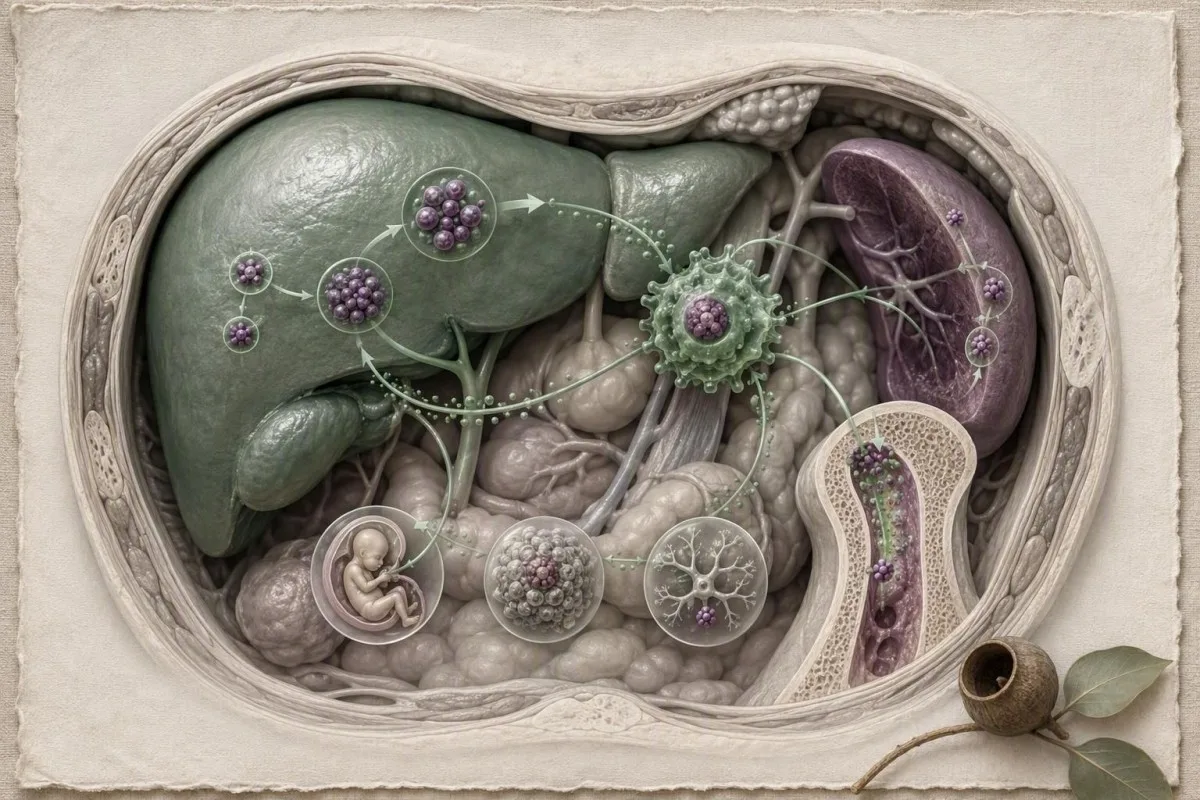
ក្នុងពេលមានផ្ទៃពោះ កម្រិតហ្វឺរីទីនទាប ជាទូទៅឆ្លុះបញ្ចាំងពីការ depleted នៃស្តុកជាតិដែក ខណៈពេលដែលលទ្ធផលខ្ពស់ជាងនេះអាចឆ្លុះបញ្ចាំងពីការរលាក ជំងឺថ្លើម ការបំពេញបន្ថែម ឬការផ្លាស់ប្តូរ បរិមាណប្លាស្មាថយចុះ។ អង្គការសុខភាពពិភពលោកប្រើ ហ្វឺរីទីន ក្រោម 15 ng/mL ជាភស្តុតាងនៃការខ្វះជាតិដែកក្នុងមនុស្សពេញវ័យដែលមានសុខភាពល្អ ពោលគឺមានកម្រិតខ្ពស់ជាងនេះតាមបរិបទជាក់លាក់ក្នុងអំឡុងពេលមានការរលាក (WHO, 2020)។.
ក្រោយអស់រដូវ ហ្វឺរីទីនមាននិន្នាការកើនឡើងបន្តិចម្តងៗ ដោយសារការបាត់បង់ឈាមរដូវជាទៀងទាត់បានឈប់។ ការកើនឡើងភ្លាមៗលើសពីប្រហែល 100 ng/mL ក្នុងរយៈពេល 6-12 ខែ គួរតែយកចិត្តទុកដាក់ជាងការកើនឡើងកម្រិតទាបដែលមានស្ថេរភាព ជាពិសេសប្រសិនបើ transferrin saturation ក៏កើនឡើងផងដែរ។ ពិនិត្យ ជួរ ferritin ពេលមានផ្ទៃពោះរបស់យើង ប្រសិនបើពាក់ព័ន្ធ។.
អ្នកដែលមានជំងឺរលាកសន្លាក់ឆ្អឹង ជំងឺតម្រងនោមរ៉ាំរ៉ៃ ជំងឺរលាកពោះវៀន ឬអ្នកដែលបានសម្រាកព្យាបាលក្នុងមន្ទីរពេទ្យថ្មីៗ មិនគួរប្រើហ្វឺរីទីនតែឯងដើម្បីវិនិច្ឆ័យស្ថានភាពជាតិដែកឡើយ។ ក្នុងករណីទាំងនេះ អ្នកជំនាញខាងវេជ្ជសាស្ត្រអាចប្រើ transferrin saturation, reticulocyte hemoglobin, និង soluble transferrin receptor។.
របៀបអានលទ្ធផលតេស្តហ្វឺរីទីនឡើងវិញរបស់អ្នក
កម្រិតហ្វឺរីទីនទាបជាងក្រោយការជាសះស្បើយរយៈពេល 7 ថ្ងៃ គាំទ្រដល់ការរួមចំណែកបណ្តោះអាសន្នពីការហាត់ប្រាណ ឬការរលាក ខណៈពេលដែលកម្រិតដែលនៅតែបន្តមាន ឬកើនឡើងវិញ ត្រូវការការធ្វើតេស្តជាប្រព័ន្ធ។. ទំហំនៃការផ្លាស់ប្តូរមានសារៈសំខាន់ ប៉ុន្តែភាពប្រែប្រួលនៃមន្ទីរពិសោធន៍មានន័យថា ការផ្លាស់ប្តូរតូចមួយនៃ 10-20 ng/mL អាចមិនមានសារៈសំខាន់ខាងវេជ្ជសាស្ត្រទេ។.
ប្រសិនបើហ្វឺរីទីនធ្លាក់ចុះពី 360 ទៅ 220 ng/mL ក្រោយពីសម្រាក និង CRP, AST, និង CK ត្រលប់មកធម្មតាវិញ ការពន្យល់ពីការជាសះស្បើយកាន់តែមានភាពជឿជាក់។ វាមិនបានបញ្ជាក់ថាគ្មានបញ្ហាផ្នែកមេតាបូលីស ឬជាតិដែកទេ ប៉ុន្តែវាបានកាត់បន្ថយភាពបន្ទាន់។ រក្សាលក្ខខណ្ឌមុនពេលធ្វើតេស្តឱ្យបានដូចគ្នា។ មគ្គុទេសក៍ការផ្លាស់ប្តូរតេស្តឈាម ពន្យល់ពីតម្លៃផ្លាស់ប្តូរយោង។.
ប្រសិនបើហ្វឺរីទីននៅតែមានចន្លោះពី 300 និង 500 ng/mL ប៉ុន្តែ saturation ក្រោម 45% និងអង់ស៊ីមថ្លើមមានលក្ខណៈធម្មតា អ្នកជំនាញខាងវេជ្ជសាស្ត្រជាច្រើនពិនិត្យការទទួលទានគ្រឿងស្រវឹង ហានិភ័យមេតាបូលីស អាហារបំប៉ន និងប្រវត្តិគ្រួសារ បន្ទាប់មកធ្វើតេស្តឡើងវិញក្នុងរយៈពេល 3-6 ខែ។ រយៈពេលចុងក្រោយគួរតែត្រូវបានធ្វើឡើងតាមបុគ្គលជាពិសេសសម្រាប់អ្នកដែលមានជំងឺថ្លើមដែលគេស្គាល់។.
ប្រសិនបើហ្វឺរីទីនកើនឡើងក្នុងសំណាកដែលសម្រាកចំនួនពីរ កុំរង់ចាំមួយឆ្នាំគ្រាន់តែដោយសារតែអ្នកមានអារម្មណ៍ល្អ។ ជំងឺថ្លើមខ្លាញ់ដែលមិនបង្ហាញរោគសញ្ញា និងការលើសជាតិដែកដំបូងអាចគ្មានរោគសញ្ញា ដូច្នេះនិន្នាការគួរតែត្រូវបានចែករំលែកជាមួយគ្រូពេទ្យទូទៅ អ្នកជំនាញខាងជំងឺថ្លើម ឬអ្នកជំនាញខាងជំងឺឈាម។.
រោគសញ្ញា និងលទ្ធផលដែលត្រូវការការពិនិត្យផ្នែកវេជ្ជសាស្រ្ត ជាជាងការធ្វើតេស្តឡើងវិញតាមកាលវិភាគ
ស្វែងរកការណែនាំផ្នែកវេជ្ជសាស្ត្រក្នុងថ្ងៃតែមួយសម្រាប់ការកើនឡើងហ្វឺរីទីនជាមួយនឹងជំងឺខាន់លឿង ភាពច្របូកច្របល់ ភាពទន់ខ្សោយខ្លាំង ការឈឺទ្រូង ទឹកនោមមានពណ៌ខ្មៅ ឬការឈឺពោះកាន់តែអាក្រក់យ៉ាងឆាប់រហ័ស។ ស្វែងរកការពិនិត្យក្រៅមន្ទីរពេទ្យជាបន្ទាន់សម្រាប់ហ្វឺរីទីនលើសពី 1,000 ng/mL។. កម្រិតហ្វឺរីទីនខ្ពស់បន្តិចដោយខ្លួនឯង កម្រជាករណីបន្ទាន់ណាស់។.
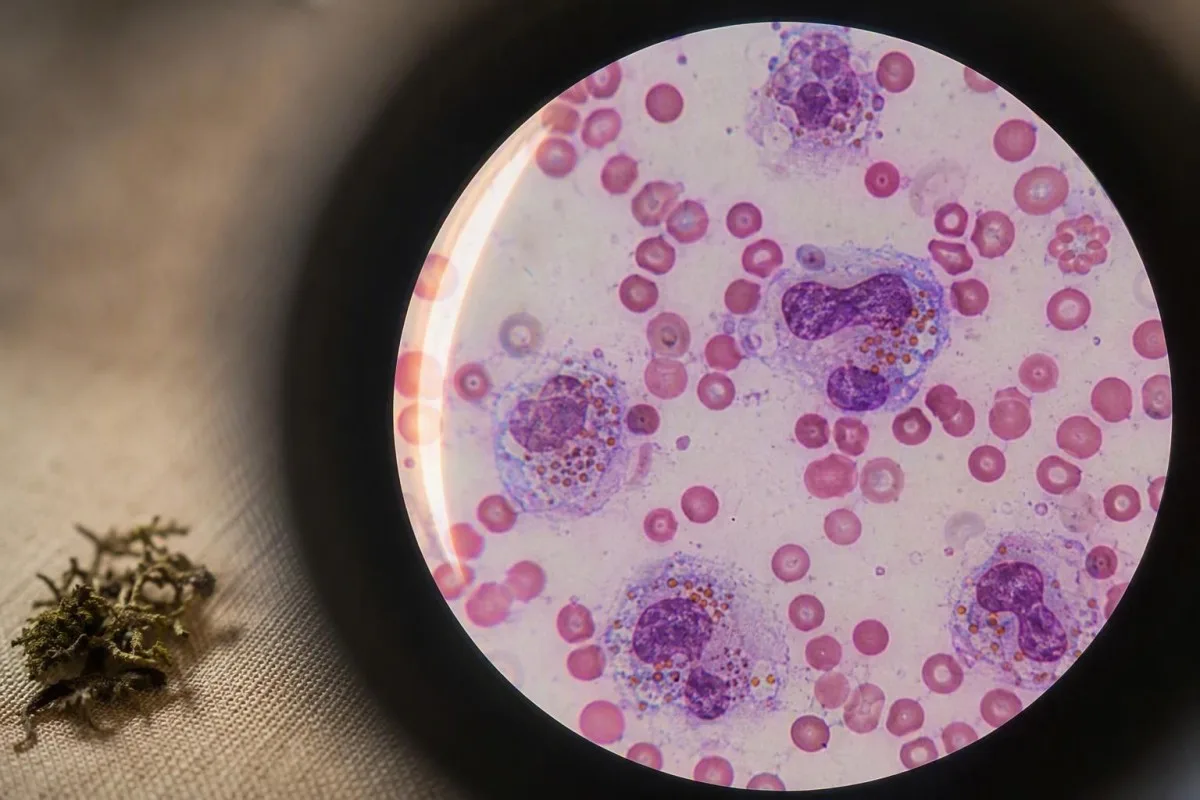
ភាពបន្ទាន់កើតចេញពី លំនាំ, មិនមែនពីហ្វឺរីទីនតែឯងទេ។ ហ្វឺរីទីន 240 ng/mL ក្រោយការប្រណាំងដោយគ្មានរោគសញ្ញា ខុសគ្នាខ្លាំងពីហ្វឺរីទីន 1,400 ng/mL ជាមួយនឹង ALT 180 IU/L ការកើនឡើងប៊ីលីរុយប៊ីន និងការហើមពោះថ្មី។ សម្រាប់សញ្ញាព្រមានដែលបង្ហាញពីជំងឺថ្លើម សូមមើល តម្រុយពីតេស្តឈាមក្នុងជំងឺក្រិនថ្លើម.
គ្រុនក្តៅ ការបែកញើសពេលយប់ដែលនៅតែបន្ត ការស្រកទម្ងន់ដោយមិនបានตั้งใจ ហើមសន្លាក់ ឬអស់កម្លាំងបន្ត ការពិនិត្យក៏សមរម្យផងដែរ ដោយសារតែហ្វឺរីទីនអាចកើនឡើងយ៉ាងខ្លាំងនៅក្នុងការឆ្លងមេរោគ ជំងឺប្រព័ន្ធភាពស៊ាំ ការខូចខាតថ្លើម និងរោគសញ្ញា hyperinflammatory កម្រ។ ជំងឺកម្រទាំងនោះជាធម្មតាបង្កើតកម្រិតខ្ពស់ជាង និងមនុស្សម្នាក់ដែលមិនស្រួលខ្លួនច្បាស់លាស់ មិនមែនជាលទ្ធផលព្រំដែនដាច់ដោយឡែកទេ។.
Kantesti AI ណែនាំការរួមបញ្ចូលគ្នាដែលសមនឹងទទួលបានការតាមដានពីអ្នកជំនាញ ប៉ុន្តែវាមិនធ្វើរោគវិនិច្ឆ័យជំងឺ hemochromatosis ឬជំងឺថ្លើមឡើយ។ របស់យើង ស្តង់ដារផ្ទៀងផ្ទាត់ផ្នែកវេជ្ជសាស្ត្រ ពិពណ៌នាពីរបៀបពិនិត្យមើលព្រំដែនសុវត្ថិភាពគ្លីនិក និងលក្ខណៈនៃការបង្កើនកម្រិត។.
អ្វីដែលត្រូវយកទៅជូនគ្រូពេទ្យរបស់អ្នក បន្ទាប់ពីធ្វើតេស្តហ្វឺរីទីនខ្ពស់
យករបាយការណ៍មន្ទីរពិសោធន៍ពេញលេញ តម្លៃហ្វេរីទីនពីមុន កាលបរិច្ឆេទនៃការហាត់ប្រាណ បញ្ជីថ្នាំ និងអាហារបំប៉ន លំនាំនៃការផឹកស្រា ប្រវត្តិគ្រួសារ និងរោគសញ្ញាណាមួយ។. ព័ត៌មាននេះច្រើនតែពន្យល់លទ្ធផលហ្វេរីទីនដែលមានព្រំដែនលឿនជាងការធ្វើតេស្តដាច់ដោយឡែកមួយផ្សេងទៀត។.

សូមកត់ត្រាថាតើអ្នកបានហាត់ប្រាណក្នុងរយៈពេល ៧ ថ្ងៃកន្លងមកហើយឬអត់ មានជំងឺវីរុសក្នុងរយៈពេល ២ សប្តាហ៍កន្លងមកហើយឬអត់ បានផឹកស្រាក្នុងរយៈពេល ៧២ ម៉ោងកន្លងមកហើយឬអត់ ឬបានចាប់ផ្តើមប្រើថ្នាំបំប៉នដែកក្នុងរយៈពេលមួយខែកន្លងមកហើយឬអត់។ រួមបញ្ចូលប្រភេទហ្វឹកហាត់ មិនមែនគ្រាន់តែ“ហាត់ប្រាណ”នោះទេ៖ ការដើរស្រាល ៗ រយៈពេល ៩០ នាទី និងការធ្វើលំហាត់ប្រាណជើងខ្លាំងបង្កើតបរិបទមន្ទីរពិសោធន៍ដែលខុសគ្នាយ៉ាងខ្លាំង។.
សួរសំណួរផ្ទាល់ ៣ យ៉ាង៖ “តើការឆ្អែតទ្រីងហ្វេរីទីនរបស់ខ្ញុំគឺជាអ្វី?” “តើអង់ស៊ីមថ្លើម និងCRP របស់ខ្ញុំធម្មតាទេ?” និង “តើខ្ញុំគួរធ្វើតេស្តឡើងវិញនៅក្រោមលក្ខខណ្ឌមូលដ្ឋាននៅពេលណា?” សម្រាប់បញ្ជីត្រួតពិនិត្យទូលំទូលាយ សូមប្រើរបស់យើង មគ្គុទ្ទេសក៍សង្ខេបការពិនិត្យមន្ទីរពេទ្យសម្រាប់ការធ្វើតេស្តឈាម.
Kantesti រួមបញ្ចូលការទាញយកលទ្ធផលតាមទម្រង់ PDF ឬរូបថត ជាមួយនឹងការប្រៀបធៀបតាមរយៈពេលក្នុងរយៈពេលប្រហែល ៦០ វិនាទី ដែលអាចធ្វើឱ្យការពិភាក្សាក្នុងការណាត់ជួបមានសណ្តាប់ធ្នាប់ជាងមុន។ របស់យើង ក្រុមប្រឹក្សាប្រឹក្សាវេជ្ជសាស្ត្រ ជួយណែនាំគោលការណ៍ពិនិត្យគ្លីនិកនៅពីក្រោយការពន្យល់ទាំងនេះ។.
ផែនការជាក់ស្តែងរយៈពេលប្រាំពីរថ្ងៃសម្រាប់ការធ្វើតេស្តហ្វឺរីទីនឡើងវិញដែលគួរឱ្យទុកចិត្តជាងមុន
សម្រាប់មនុស្សភាគច្រើនដែលមានកម្រិតហ្វេរីទីនកើនឡើងបន្តិចបន្តួចបន្ទាប់ពីការហាត់ប្រាណខ្លាំង ការផែនការសមហេតុផលគឺត្រូវសម្រាក ៧ ថ្ងៃដោយមិនមានការហ្វឹកហាត់ខ្លាំង ការចៀសវាងគ្រឿងស្រវឹងរយៈពេល ៤៨-៧២ ម៉ោង ការញ៉ាំអាហារធម្មតា និងការផ្តល់ជាតិទឹក រួចធ្វើតេស្តម្តងទៀតនៅពេលព្រឹកជាមួយនឹងហ្វេរីទីន និងការឆ្អែតទ្រីងហ្វេរីទីន។. កុំពន្យាពេលពិនិត្យគ្លីនិកប្រសិនបើលទ្ធផលហ្វេរីទីនដើមមានកម្រិតលើសពី ១,០០០ ng/mL ឬមានរោគសញ្ញា។.
ថ្ងៃទី ១-៣៖ ជាសះស្បើយធម្មតា រក្សាការញ៉ាំអាហារធម្មតា និងចៀសវាងការហ្វឹកហាត់ខ្លាំង ការហាត់ប្រាណទល់តែមានកម្លាំងខ្លាំង ឬការលើកទម្ងន់អតិបរមា។ ថ្ងៃទី ៤-៧៖ បន្តធ្វើសកម្មភាពស្រាល ៗ តែប៉ុណ្ណោះប្រសិនបើអ្នកមានអារម្មណ៍ល្អ ចៀសវាងគ្រឿងស្រវឹង និងកត់ត្រាថ្នាំ ឬអាហារបំប៉ន។ កុំផ្លាស់ប្តូរការព្យាបាលដែលបានចេញវេជ្ជបញ្ជាភ្លាមៗដើម្បីត្រៀមខ្លួនសម្រាប់ការធ្វើតេស្ត។.
នៅថ្ងៃធ្វើតេស្តឡើងវិញ ចូរយកសំណាកនៅពេលព្រឹកបន្ទាប់ពីការហាត់ប្រាណ អាចត្រូវបានស្នើសុំឲ្យតមអាហារ 8-12 ម៉ោង ប្រសិនបើមានបញ្ចូលជាតិដែកក្នុងឈាម និងការឆ្អែតទ្រីងហ្វេរីទីន សូមផឹកទឹកក្នុងបរិមាណធម្មតា និងចៀសវាងការហាត់ប្រាណពីមុន។ ប្រៀបធៀបលទ្ធផលជាមួយនឹងជួរនៃមន្ទីរពិសោធន៍ដូចគ្នា និងកម្រិតមូលដ្ឋានពីមុនរបស់អ្នក មិនមែនជាលេខដែលបានរកឃើញតាមអ៊ីនធឺណិតទេ។.
គិតត្រឹមថ្ងៃទី ៩ ខែកញ្ញា ឆ្នាំ ២០២៦ នេះនៅតែជាផ្នែកមួយដែលបរិបទមានសារៈសំខាន់ជាងតម្លៃហ្វេរីទីនតែមួយមុខ។ Kantesti គាំទ្រការពិនិត្យតាមលំនាំលើជីវសញ្ញា១TP9T; របស់យើង មគ្គុទេសក៍បច្ចេកវិទ្យា AI ពន្យល់ពីរបៀបដែលបរិបទលទ្ធផល និងដែនកំណត់សុវត្ថិភាពត្រូវបានដោះស្រាយ។.
សំណួរដែលសួរញឹកញាប់
តើការហាត់ប្រាណអាចបណ្តាលឱ្យមានកម្រិតហ្វឺរីទីនខ្ពស់បានទេ?
បាទ/ចាស៎. ការហាត់ប្រាណខ្លាំងក្លា ការបណ្ដុះបណ្ដាលដោយទម្ងន់ធ្ងន់ ការខូចខាតសាច់ដុំ និងការប្រណាំងកាលពីពេលថ្មីៗនេះ អាចបង្កើនកម្រិតហ្វឺរីទីនជាបណ្តោះអាសន្ន ព្រោះហ្វឺរីទីនជាប្រូតេអ៊ីនដំណាក់កាលស្រួចស្រាវ ក៏ដូចជាសញ្ញាសម្គាល់ការផ្ទុកជាតិដែក។. ផល នេះមានសារៈសំខាន់បំផុត នៅពេលធ្វើតេស្តក្នុងរយៈពេល 24-72 ម៉ោង ក្រោយការហាត់ប្រាណយ៉ាងលំបាក ហើយនៅពេលដែល AST, CE, ឬ CRP ក៏មានកម្រិតខ្ពស់ផងដែរ។. ការធ្វើតេស្តហ្វឺរីទីនឡើងវិញ បន្ទាប់ពីការសម្រាកពីការហាត់ប្រាណចំនួន 7 ថ្ងៃ ជាទូទៅ តំណាងឲ្យស្ថានភាពជាតិដែកមូលដ្ឋាន។. ការកើនឡើងជាបន្តបន្ទាប់ នៅតែត្រូវការ ការឆ្អែតទ្រីនហ្វឺរីន និងការធ្វើតេស្តថ្លើម។.
ខ្ញុំគួររង់ចាំរយៈពេលប៉ុន្មានដើម្បីធ្វើតេស្តហ្វឺរីទីនឡើងវិញ បន្ទាប់ពីហាត់ប្រាណ?
រង់ចាំយ៉ាងហោចណាស់ 48 ម៉ោង បន្ទាប់ពីការហាត់ប្រាណខ្លាំងជាធម្មតា និង 7 ថ្ងៃពេញ បន្ទាប់ពីការប្រណាំងម៉ារ៉ាតុង ការប្រកួតជើងឯក ការឈឺសាច់ដុំខ្លាំង ឬការហ្វឹកហាត់កម្លាំងដ៏លំបាកបំផុត។ ប្រសិនបើអ្នកក៏មានគ្រុនក្តៅ របួស ឬជំងឺវីរុស សូមរង់ចាំរហូតដល់អ្នកមានសុខភាពល្អរយៈពេល 1-2 សប្តាហ៍។ ធ្វើតេស្ត ferritin ឡើងវិញជាមួយនឹង transferrin saturation, CRP, CBC, ALT, AST, និង GGT ជាជាងការបញ្ជាទិញតែ ferritin ប៉ុណ្ណោះ។ ប្រើមន្ទីរពិសោធន៍ដដែលតាមដែលអាចធ្វើទៅបាន។.
កម្រិតហ្វឺររីទីនប៉ុន្មានដែលជាការព្រួយបារម្ភចំពោះការលើសជាតិដែក?
ហ្វឺរីទីន (Ferritin) កាន់តែគួរឲ្យបារម្ភពីការលើសជាតិដែក នៅពេលដែលវាបន្តកើនឡើង និងការឆ្អែតដោយសារធាតុផ្សំនៃប្រូតេអ៊ីនដែលដឹកជញ្ជូនជាតិដែក (transferrin saturation) ខ្ពស់ជាង 43% ចំពោះស្ត្រី ឬ 50% ចំពោះបុរស។ ការណែនាំ EASL ឆ្នាំ 2022 ប្រើប្រាស់កម្រិតហ្វឺរីទីន (Ferritin) ខ្ពស់ជាង 200 ng/mL ចំពោះស្ត្រី ឬ 300 ng/mL ចំពោះបុរស រួមជាមួយកម្រិតឆ្អែតទាំងនោះ ជាហេតុផលដើម្បីស៊ើបអង្កេតជំងឺ hemochromatosis ដែលអាចកើតមាន។ ហ្វឺរីទីន (Ferritin) ខ្ពស់ជាង 1,000 ng/mL ត្រូវការការពិនិត្យផ្នែកវេជ្ជសាស្ត្រជាបន្ទាន់ ដោយសារតែឱកាសនៃការពាក់ព័ន្ធនឹងថ្លើមដែលមានសារៈសំខាន់ខាងគ្លីនិកមានខ្ពស់ជាង។ ហ្វឺរីទីន (Ferritin) តែមួយមុខមិនអាចធ្វើរោគវិនិច្ឆ័យការលើសជាតិដែកបានទេ។.
តើកម្រិតហ្វើរីទីន 300 ng/mL ខ្ពស់ដែរឬទេក្រោយពេលហាត់ប្រាណ?
កម្រិតហ្វឺរីទីន 300 ng/mL អាចជាការកើនឡើងបន្តិចបន្តួចចំពោះស្ត្រីជាច្រើន និងជាតម្លៃធម្មតា ឬជិតធម្មតា ចំពោះបុរសជាច្រើន ដោយអាស្រ័យលើចន្លោះតេស្តរបស់មន្ទីរពិសោធន៍។ ប្រសិនបើគំរូបានធ្វើឡើងបន្ទាប់ពីការហាត់ប្រាណខ្លាំង ការផឹកស្រា ជំងឺ ឬការរលាកនៃប្រព័ន្ធរំលាយអាហារ ការធ្វើតេស្តឡើងវិញបន្ទាប់ពីថ្ងៃសម្រាកចំនួន 7 ថ្ងៃ គឺសមហេតុផលនៅពេលដែលអ្នកមានអារម្មណ៍ល្អ។ លទ្ធផលនេះកាន់តែគួរឲ្យព្រួយបារម្ភ ប្រសិនបើការឆ្អែតទ្រីនស្វេីរីនមានតម្លៃខ្ពស់ជាង 45% អង់ស៊ីមថ្លេីយមិនប្រក្រតី ឬហ្វឺរីទីនកំពុងកើនឡើងជាបន្តបន្ទាប់លេីការតេស្តដែលបានសម្រាក។ គ្រូពេទ្យគួរតែបកស្រាយវាតាមបរិបទនៃភេទ អាយុ រោគសញ្ញា និងប្រវត្តិគ្រួសារ។.
តើហ្វឺរីទីនអាចខ្ពស់នៅពេលកម្រិតជាតិដែកទាបបានទេ?
បាទ/ចាស។ ហ្វឺរីទីន អាចមានកម្រិតខ្ពស់ ឬធម្មតាអំឡុងពេលរលាក ខណៈពេលដែលជាតិដែកដែលអាចរកបានសម្រាប់ខួរឆ្អឹងមានកម្រិតទាប ដែលស្ថានភាពនេះជួនកាលត្រូវបានគេហៅថា ការខ្វះជាតិដែកតាមមុខងារ។ គំរូនេះច្រើនតែបង្ហាញពីកម្រិតជាតិដែកក្នុងឈាមទាប ឬការឆ្អែតទ្រីនហ្វឺរីន កើនឡើង CRP និងហ្វឺរីទីន ដែលមិនឆ្លុះបញ្ចាំងពីឃ្លាំងជាតិដែកដែលអាចរកបាន។ វាជារឿងធម្មតានៅក្នុងជំងឺរលាករ៉ាំរ៉ៃ ហើយក៏អាចកើតឡើង បន្ទាប់ពីការហាត់ប្រាណយ៉ាងខ្លាំងក្លាផងដែរ។ កោសិកាទទួលទ្រីនហ្វឺរីនដែលអាចរលាយបាន ឬហឺម៉ូក្លូប៊ីនរ៉េទីគូឡូស៊ីត អាចជួយបាន នៅពេលដែលបន្ទះដែកស្តង់ដារមិនច្បាស់លាស់។.
ខ្ញុំគួរឈប់លេបថ្នាំដែកទេ ប្រសិនបើកម្រិតហ្វឺរីទីនរបស់ខ្ញុំឡើងខ្ពស់បន្តិច?
កុំបញ្ឈប់ជាតិដែកតាមវេជ្ជបញ្ជាដោយសារតែលទ្ធផលហ្វឺរីទីនដែលកើនឡើងបន្តិចម្តងៗ ដោយមិនបានពិភាក្សាជាមួយគ្រូពេទ្យដែលចេញវេជ្ជបញ្ជានោះទេ។ ជាតិដែកព្យាបាលអាចចាំបាច់សម្រាប់កង្វះដែលបានកត់ត្រារួចហើយ ខណៈដែលការកើនឡើងហ្វឺរីទីនខ្លីៗក្រោយពេលហាត់ប្រាណអាចមិនតំណាងឱ្យជាតិដែកដែលផ្ទុកលើសទេ។ នាំយកកម្រិតទម្រង់និងរយៈពេលដើម្បីពិនិត្យឡើងវិញ; គ្រាប់ថ្នាំព្យាបាលទូទៅមានជាតិដែកបឋម45-65 មីលីក្រាម។ ប្រសិនបើការឆ្អែតទ្រីហ្វើរីននិងហ្វឺរីទីននៅតែខ្ពស់នៅពេលធ្វើម្តងទៀតពេលសម្រាក គ្រូពេទ្យអាចណែនាំថាតើត្រូវផ្អាកឬពិនិត្យបន្ថែមទៀតទេ។.
ទទួលការវិភាគឈាមដោយ AI ដែលមានថាមពលថ្ងៃនេះ
ចូលរួមជាមួយអ្នកប្រើប្រាស់ជាង 2 លាននាក់នៅទូទាំងពិភពលោក ដែលទុកចិត្ត Kantesti សម្រាប់ការវិភាគលទ្ធផលតេស្តមន្ទីរពិសោធន៍ភ្លាមៗ និងត្រឹមត្រូវ។ ផ្ទុកឡើងលទ្ធផលពិនិត្យឈាមរបស់អ្នក ហើយទទួលការបកស្រាយយ៉ាងទូលំទូលាយនៃសញ្ញាសម្គាល់ (biomarkers) 15,000+ ក្នុងរយៈពេលប៉ុន្មានវិនាទី។.
📚 ឯកសារស្រាវជ្រាវដែលបានយោង
Klein, T., Mitchell, S., & Weber, H. (2026). Urobilinogen ក្នុងការពិនិត្យទឹកនោម៖ មគ្គុទេសក៍ពេញលេញសម្រាប់ Urinalysis ឆ្នាំ 2026.។ ការស្រាវជ្រាវវេជ្ជសាស្ត្រដោយ AI របស់ Kantesti។.
Klein, T., Mitchell, S., & Weber, H. (2026). ការណែនាំអំពីការសិក្សាអំពីជាតិដែក៖ TIBC, កម្រិតជាតិដែកឆ្អែត និងសមត្ថភាពចង.។ ការស្រាវជ្រាវវេជ្ជសាស្ត្រដោយ AI របស់ Kantesti។.
📖 ឯកសារយោងវេជ្ជសាស្ត្រខាងក្រៅ
សមាគមអឺរ៉ុបសម្រាប់ការសិក្សាអំពីថ្លើម (2022)។. គោលការណ៍ណែនាំការអនុវត្តផ្នែកព្យាបាលរបស់ EASL ស្តីពីជំងឺហេម៉ូក្រូម៉ាតូស៊ីស.។ Journal of Hepatology។.
អង្គការសុខភាពពិភពលោក (2020)។. ការណែនាំរបស់ WHO ស្តីពីការប្រើប្រាស់កម្រិត ferritin ដើម្បីវាយតម្លៃស្ថានភាពជាតិដែកក្នុងបុគ្គល និងប្រជាជន.។ អង្គការសុខភាពពិភពលោក។.
Fallon KE (2001). ឧបប្រាស់ឧបករណ៍គ្លីនិកនៃការត្រួតពិនិត្យសូចនាករជីវគីមីចំពោះអត្តពលិកឆ្នើម៖ ការវិភាគករណី ១០០.។ ទស្សនាវដ្តី British Journal of Sports Medicine។.





⚕️ ការបដិសេធផ្នែកវេជ្ជសាស្ត្រ
អត្ថបទនេះមានគោលបំណងសម្រាប់ការអប់រំប៉ុណ្ណោះ ហើយមិនមែនជាការផ្តល់ដំបូន្មានផ្នែកវេជ្ជសាស្ត្រទេ។ សូមពិគ្រោះជាមួយអ្នកផ្តល់សេវាសុខភាពដែលមានសមត្ថភាពជានិច្ច សម្រាប់ការសម្រេចចិត្តអំពីការធ្វើរោគវិនិច្ឆ័យ និងការព្យាបាល។.
សញ្ញាទុកចិត្ត E-E-A-T
បទពិសោធន៍
ការពិនិត្យព្យាបាលដោយវេជ្ជបណ្ឌិតលើដំណើរការការបកស្រាយលទ្ធផលមន្ទីរពិសោធន៍។.
ជំនាញ
ផ្តោតលើវិទ្យាសាស្ត្រមន្ទីរពិសោធន៍ថា សញ្ញាសម្គាល់ (biomarkers) មានឥរិយាបថយ៉ាងដូចម្តេចក្នុងបរិបទព្យាបាល។.
ភាពមានសិទ្ធិអំណាច
សរសេរដោយវេជ្ជបណ្ឌិត Thomas Klein ជាមួយការពិនិត្យឡើងវិញដោយវេជ្ជបណ្ឌិត Sarah Mitchell និងសាស្ត្រាចារ្យវេជ្ជបណ្ឌិត Hans Weber។.
ភាពគួរឱ្យទុកចិត្ត
ការបកស្រាយដោយផ្អែកលើភស្តុតាង ជាមួយផ្លូវបន្តតាមដានច្បាស់លាស់ ដើម្បីកាត់បន្ថយការភ័យខ្លាច។.