
Tha INR na dhòigh leasaichte air aithris mar a bhios fuil a' cruadhachadh. Mar as trice, thatar ga chleachdadh gus warfarin a chleachdadh gu sàbhailte, ach faodaidh toraidhean ris nach robh dùil cuideachd a bhith a' comharrachadh tinneas grùthan, duilgheadasan bhiotaimin K, no duilgheadas deuchainn.


- brìgh INR 'S e International Normalized Ratio, cunntas leasaichte stèidhichte air ùine prothrombin.
- INR neo-làimhseachaidh àbhaisteach tha e timcheall air 0.8-1.2 ann an daoine-uasal nach eil a' gabhail warfarin.
- Targaid warfarin cumanta tha INR 2.0-3.0 airson crith-atrial, trombois vein-domhain, agus embolism sgamhain.
- Bhalbhaichean mitral meacanaigeach mar as trice feumach air amas INR nas àirde de 2.5-3.5, a rèir seòrsa bhalbha agus cunnart clionaigeach.
- INR os cionn 5.0 rè làimhseachadh warfarin feumach air comhairle luath bhon t-seirbheis anticoagulant, eadhon às aonais sèididh fhaicsinneach.
- INR os cionn 8.0 no bleeding sam bith guamhaidh feumaidh measadh clionaigeach èiginneach air an aon latha.
- Antibiotaicean, a' bhuinneach, droch thoirt a-steach, atharrachaidhean ann an deoch-làidir, agus cungaidhean ùra faodaidh iad INR àrdachadh taobh a-staigh làithean ann an daoine a tha a' gabhail warfarin.
- Na atharraich thu fhèin an dòs warfarin bho aon toradh iomallach mura h-eil an sgioba òrdachaidh agad mu thràth air plana dòsan sgrìobhte a thoirt seachad.
Dè tha INR a' ciallachadh ann an Cànan Sìmplidh
Tha INR a' seasamh airson International Normalized Ratio. Tha e a' tomhas dè cho fada 'sa bheir sampall obair-lann gus clot a chruthachadh an dèidh ath-bheachdan a chur ris, an uairsin ag atharrachadh an toraidh sin gus an urrainnear a choimeas thar obraichean-lann. Do neach nach eil a' cleachdadh warfarin, tha INR timcheall air 0.8-1.2 tha àbhaisteach; do mhòran dhaoine air warfarin, is e an raon a tha san amharc 2.0-3.0. Is mise Dr. Thomas Klein, agus is e am puing practaigeach a tha mi a“ cur cuideam air sìmplidh: chan e tomhas ”tiugh" fala a th' ann an INR – is e tomhas clàraichte de ghnìomhachd clotachaidh a th' ann.
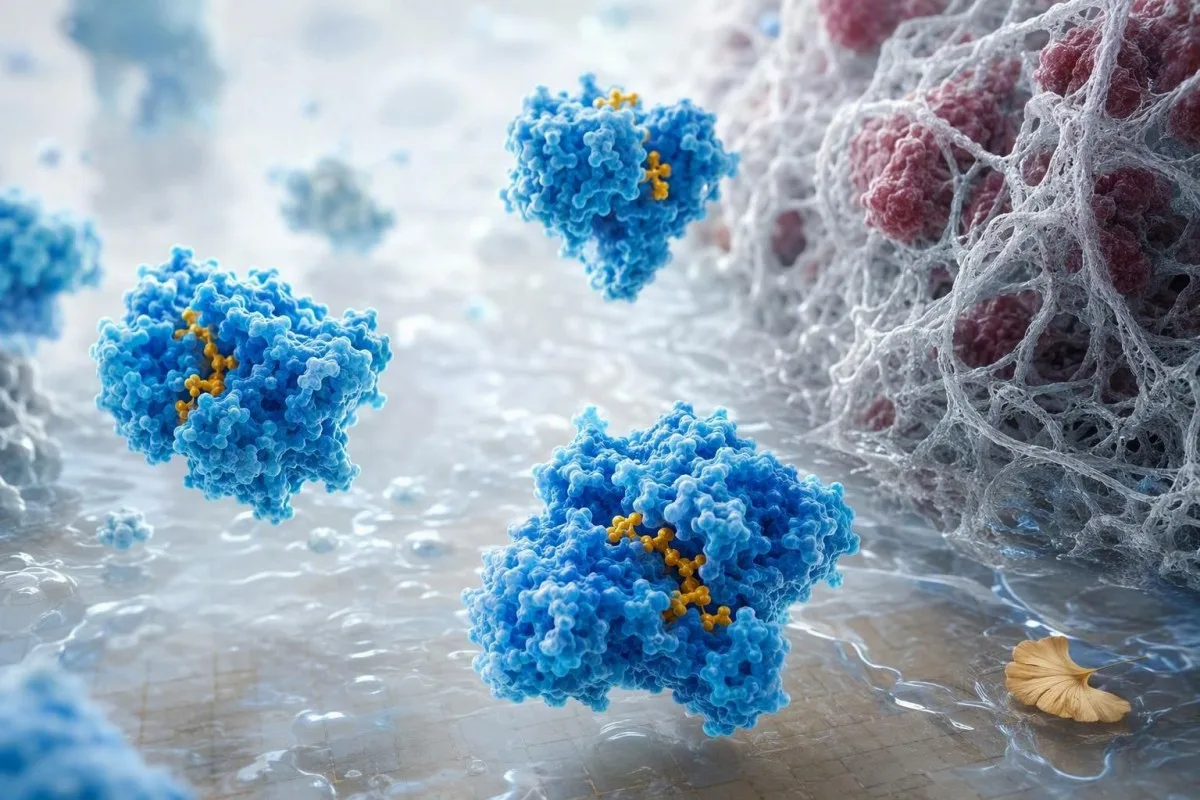
Prothrombin time (PT) is e an àireamh amh air cùl INR, mar as trice air aithris ann an diogan. Is dòcha nach eil PT de 12 diogan aig aon obair-lann a' ciallachadh dìreach an aon rud ri 12 diogan ann an àiteachan eile leis gu bheil mothachadh ath-bheachdan eadar-dhealaichte; tha INR a' ceartachadh airson an eadar-dhealachaidh sin. Tha ar stiùireadh bith-chomharra fala a' mìneachadh carson a tha raon-iomraidh obair-lann an-còmhnaidh sònraichte don dòigh.
Tha Kantesti na Anailisiche deuchainn fala AI a chuireas toradh INR ri taobh fiosrachaidh cungaidh-leigheis, comharran grùthan, cunntas platelet, agus luachan roimhe an àite a bhith a' làimhseachadh aon àireamh mar dhearbhadh. Faodaidh toradh de 3.2 a bhith gu tur freagarrach airson aon euslainteach bhalbhaiche agus cunnartach do neach aig a bheil an targaid àbhaisteach 2.0-3.0.
Tha am facal “normalized” ag adhbhrachadh troimh-chèile a tha tuigseach. Chan eil e a' ciallachadh gu bheil do clotadh àbhaisteach; tha e a' ciallachadh gu bheil an obair-lann air an toradh PT a dhèanamh àbhaisteach gu tomhas-cànanach gu inbhe eadar-nàiseanta. Ma dh'àrdaicheas INR às deidh tòiseachadh air antibiotaicean, ar stiùireadh air atharrachaidhean INR co-cheangailte ri antibiotaicean a' còmhdach a' mheacanaige agus na ceumannan nas sàbhailte a leanas.
Dè a tha an Deuchainn INR a' Tomhas Gu Fìrinneach
Tha INR a' tomhas nan slighean clotachaidh a-muigh agus cumanta, gu sònraichte gnìomhachd nan factaran clotachaidh a tha an urra ri vitimín K II, VII, agus X. Chan eil e a' tomhas gnìomh platelet, agus chan urrainn dha a h-uile cunnart sèididh no clotachaidh a riaghladh.
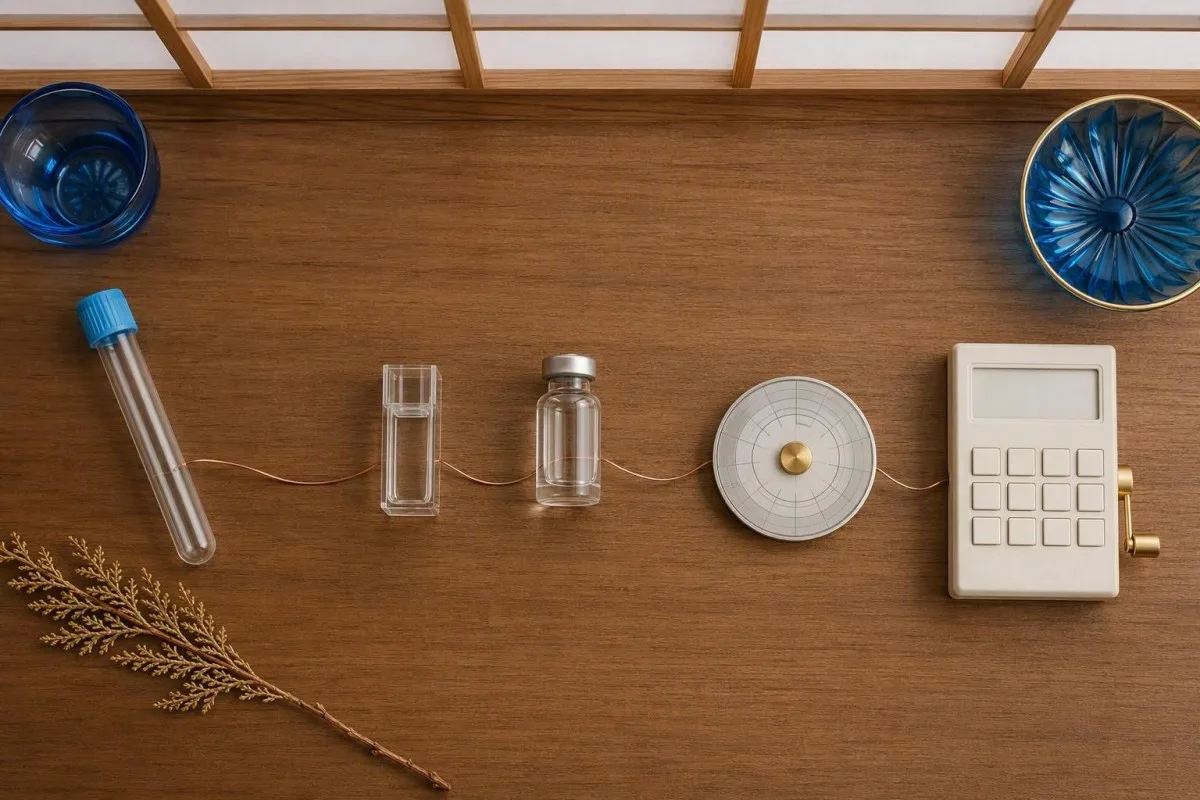
Bidh an obair-lann a' cur ris factar nèise agus calcium ri plasma citrated, an uairsin a' clàradh na h-ùine gus an cruthaich clot. Factar VII, aig a bheil leth-bheatha obrach goirid de timcheall air 4-6 uairean, gu tric a' dèanamh PT agus INR ag atharrachadh mus dèan deuchainnean cunbhalach eile co-cheangailte ri grùthan.
Chan eil INR àbhaisteach a' gealltainn haemostasis àbhaisteach. Faodaidh mì-rian platelet, tinneas von Willebrand, dìth factar XIII, agus cungaidhean-leigheis mar aspirin an cunnart sèididh àrdachadh fhad ‘s a tha PT/INR àbhaisteach. Tha an cuingealachadh sin aig cridhe a bhith a' leughadh pannal coagulachaidh gu cial.
Air an làimh eile, chan eil INR àrdaichte a' ciallachadh gu fèin-obrachail gum bi neach a' fuil. Nam eòlas, tha an cunnart ag èirigh as luaithe nuair a thèid INR àrd còmhla ri tuiteaman, cugallachd, dìth dubhaig, truaillean ìseal, cus deoch-làidir, no dàrna cungaidh-leigheis a bheir buaidh air dòrtadh.
Carson a tha Buidhnean Obrachaidh a' Leasachadh Ùine Prothrombin
Leigidh INR le toradh PT bho aon fhlaboraith a bhith air a choimeas ri toradh bho fhlaboraith eile. Tha seo cudromach oir tha diofar roghnaichean thromboplastin ag obrachadh gu eadar-dhealaichte air gnìomhachd factaran dòrtadh air a lughdachadh.
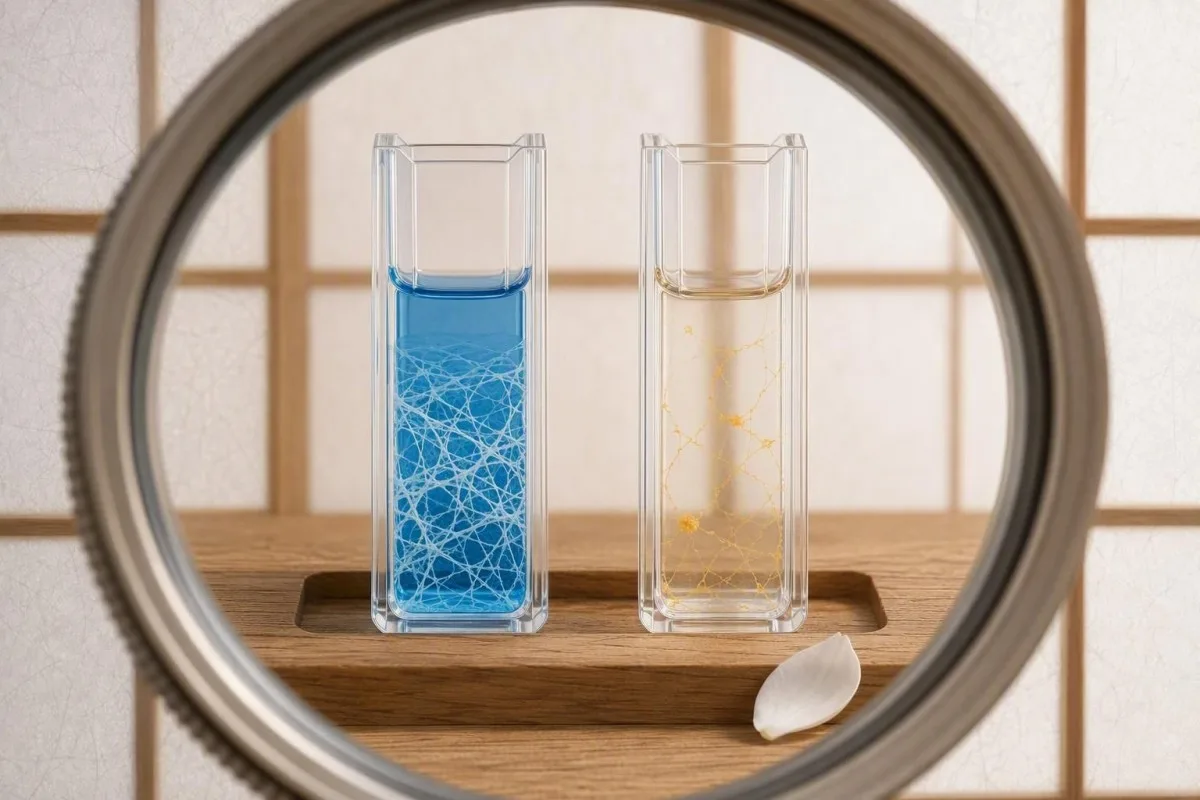
Is e am foirmle àbhaisteach INR = (PT euslainteach ÷ cuibheasach PT àbhaisteach)^ISI. An ISI, no Clàr-innse Mothachaidh Eadar-nàiseanta, a' toirt cunntas air mar a tha roghnaiche sònraichte a' freagairt an coimeas ri ullachadh iomraidh eadar-nàiseanta; tha ISI nas ìsle a' ciallachadh gu bheil an roghnaiche ag obair nas coltaiche ris an iomradh.
Is e am foirmle seo as coireach gu bheil dà aithisg a' sealltainn diog PT eadar-dhealaichte ach INR coltach. Tha cuibheasach PT àbhaisteach ann am flaboraith air a stèidheachadh gu h-ionadail bho shampallan fallain iomchaidh, mar sin chan e àireamh uile-choitcheann a th' ann agus cha bu chòir a leth-bhreacadh bho aithisg ospadail eile.
Tha innealan punnd meòir aig puing-cùraim cuideachd a' toirt seachad INR, ach is dòcha gum feum an toradh aca dearbhadh bho fhlaboraith bhàn nuair a tha e neo-chumanta, nas àirde na 4.0, no neo-chunbhalach leis an dealbh clionaigeach. Airson an t-slighe companach, faic ar bidh aPTT agus deuchainn dòrtadh fala a’ stiùireadh.
Dè a th' ann an Toradh Deuchainn INR àbhaisteach?
Mar as trice tha INR àbhaisteach do dh'inbhich nach eil a' gabhail warfarin timcheall air 0.8-1.2, ged a tha raon iomraidh na h-aithisg fhèin a' faighinn prìomhachas. Tha toradh nas àirde a' ciallachadh gun do ghabh an sampall nas fhaide gus dòrtadh fo chumhachan deuchainn.
Tha INR de 1.4 air a bhith beagan air a mheudachadh ann an neach nach eil air cungaidhean-cnapach, ach tha e fhathast airidh air co-theacsa ma tha brùthadh, buidheachas, droch bheathachadh, a' bhuinneach leantainneach, no obair-lannsa ri thighinn. Ro mhodhan, bidh lannsairean gu tric a' suidheachadh an stairsneach fhèin stèidhichte air cunnart fuilteach an àite a bhith a' cleachdadh aon ghearradh uile-choitcheann.
Airson luchd-cleachdaidh warfarin, tha “àbhaisteach” a' ciallachadh taobh a-staigh an raon leigheis fa leth, chan ann taobh a-staigh eadar-ama iomraidh na flaboraith. Tha euslainteach air a bheil air a làimhseachadh airson cridhe-fiosrachadh le INR de 1.1 air a bhith fo-cnapach, fhad 's a tha neach nach eil a' gabhail cungaidhean-cnapach leis an aon toradh mar as trice taobh a-staigh an raoin.
Bu chòir gabhail a-steach bhiotamin K a bhith reusanta cunbhalach an àite a bhith air a thoirt air falbh. Faodaidh atharrachaidhean mòra, obann ann an glasraich uaine, crathadh beathachaidh, no stuthan cur-ris atharrachadh freagairt warfarin; ar stiùireadh gu biadhan bhiotamin K agus warfarin a' toirt seachad cuibhreannan practaigeach agus rabhaidhean.
Tha Amasan INR an Urra ris an Adhbhar a tha Thu a' Gabhail Warfarin
Tha a’ mhòr-chuid de dh’amasan warfarin na INR 2.0-3.0, ach is dòcha gum feum bhalbhaichean cridhe meacanaigeach agus suidheachaidhean taghte àrd-chunnart 2.5-3.5. Tha an raon amas òrdaichte—chan e cairt eadar-lìn—a’ dearbhadh a bheil toradh ro ìosal no ro àrd.
Airson crith-inntinn neo-valvular, làimhseachadh thrombosis vein domhainn, agus embolism sgamhain, amas 2.0-3.0 cumanta. Tha ùine a chaith an sin cudromach: tha luachan INR a-rithist de 1.5 agus 3.5 a’ cuibheasachadh gu 2.5, ach cha toir iad an aon dìon no sàbhailteachd ri luachan seasmhach faisg air 2.5.
Bidh bhalbhaichean mitral meacanaigeach gu cumanta a’ cleachdadh amas mu 2.5-3.5, fhad ‘s a tha cuid de bhalbhaichean aortic meacanaigeach ùr-nodha a’ faighinn pròtacolaidhean eadar-dhealaichte. Tha stiùireadh bhalbhaichean ACC/AHA 2020 a’ moladh dian a chuimseachadh air seòrsa bhalbhaichean agus factaran cunnairt thromboembolic an àite gabhail ris gum feum a h-uile bhalbha an aon amas (Otto et al., 2021).
Tha warfarin gu neo-àbhaisteach mothachail do eadar-obrachadh leis gu bheil uinneag leigheasach cumhang aige. Dh’ fhaodadh dòs seachdaineil seasmhach a bhith dìreach 14-35 mg, mar sin faodaidh atharrachadh de 1 mg air dà latha a bhith cudromach. Feumaidh INR a tha a’ dol am meud le bilirubin no albumin neo-àbhaisteach measadh nas fharsainge, a’ toirt a-steach sgrùdadh pannal grùthan.
Carson a dh'fhaodadh INR a bhith nas àirde na bha dùil
Tha INR àrd mar as trice a’ nochdadh buaidh warfarin a bharrachd, lughdachadh ann an solar bhiotaimin K, call grùthan neo-ghnìomhach, tinneas obann, no eadar-obrachadh cungaidh-leigheis. Tha an aon àireamh a’ faighinn ciall eadar-dhealaichte ann an neach a tha a’ gabhail warfarin agus neach nach eil.
Faodaidh antibiotics an INR àrdachadh tro lughdachadh ann an cinneasachadh bhiotaimin K innsean, lughdachadh ann an miann, a’ bhuinneach, agus eadar-obrachadh dhrugaichean dìreach. Tha Trimethoprim-sulfamethoxazole, metronidazole, agus grunn antifungals azole gu sònraichte nam brosnachaidhean eòlach ann an clionaigean anticoagulation, gu tric taobh a-staigh 3-7 làithean.
Bidh an grùthan a’ dèanamh a’ mhòr-chuid de na factaran sè a tha air am tomhas le PT. Tha feum air measadh bho neach-clionaigeach air àrdachadh INR le albumin ìosal, a’ bhuinneach, fual dorcha, no sè ùr den abdomen; tha ar n-sealladh air sanasan bho dheuchainnean fala cirrhosis a’ mìneachadh carson nach urrainn INR leis fhèin ìre ghalar grùthan a thoirt seachad.
Tha pàtranan deoch làidir cudromach na na tha mòran euslaintich a“ dùileachadh. Faodaidh aon tachartas trom a bhith a” cur dragh air metabolism warfarin, fhad ‘s a dh’ fhaodadh dochann grùthan leantainneach cinneasachadh factar a lughdachadh. Na dèan “ceartachadh” toradh àrd le stuthan bhiotaimin K mura innis neach-clionaigeach dhut - dh’ fhaodadh sin a dhèanamh nas duilghe na làithean às dèidh sin a riaghladh.
Carson a dh'fhaodadh INR a bhith nas ìsle na do amas
Tha INR ìosal ann an cuideigin a fhuair cungaidh warfarin a’ ciallachadh gu bheil gnìomhachd sè nas làidire na bha dùil agus dh’ fhaodadh an dìon bho chlocaichean cronail a bhith air a lughdachadh. Tha dòsan a chaidh a chall, àrdachadh ann an caitheamh bhiotaimin K, faighinn seachad air thinneas, agus cungaidhean a tha ag eadar-obrachadh nan adhbharan cumanta.
Tha INR de 1.6 dh’ fhaodadh a bhith nas ìsle na an amas airson neach le crith-inntinn ach chan eil e neo-àbhaisteach ann an inbheach gun làimhseachadh. Bidh luchd-clionaigeach a’ sgrùdadh ceann-latha agus dòs an tablaid warfarin mu dheireadh, dòsan a chaidh a chall, stuthan ùra, agus a bheil tinneas o chionn ghoirid air faighinn seachad.
Chan fheumar seachnadh bhiotaimin K. Is e an gnàth-chleachdadh as sàbhailte a bhith cunbhalach: tha ithe tomhas mòr de ghlasraich duilleach aon uair sa mhìos nas ionnsaigheach na bhith ag ithe tomhas meadhanach grunn thursan san t-seachdain. Tha Kantesti na àrd-ùrlar mìneachaidh deuchainn fala AI a dh’fhaodadh clàr-amaichean INR a nochdadh còmhla ri atharrachaidhean air cungaidhean-leighis agus daithead a chaidh a chlàradh.
Bu chòir do luachan ìosal a-rithist a bhith a’ brosnachadh plana dòsaidh neach-òrduigh, chan e tablaidean glacaidh. Bu chòir atharrachaidhean a mheas mar sreath leis gum faodadh buaidh iomlan warfarin dàil a chuir air 48-72 uair. Tha ath-sgrùdadh clàr-ama sàbhailteachd cungaidhean-leighis faodaidh e na cinn-latha a dh’ fheumas an dotair agad a chuideachadh.
An urrainn do thoradh INR a bhith ceàrr?
Seadh—faodaidh INR a bhith meallta nuair a tha cruinneachadh sampaill, làimhseachadh, no suidheachaidhean euslainteach a’ cur bacadh air deuchainn. Bu chòir toraidhean iongantach a bhith air an sgrùdadh an aghaidh comharraidhean, eachdraidh cungaidh-leigheis, luachan roimhe, agus uaireannan ath-thagraidh bhon fhèith.
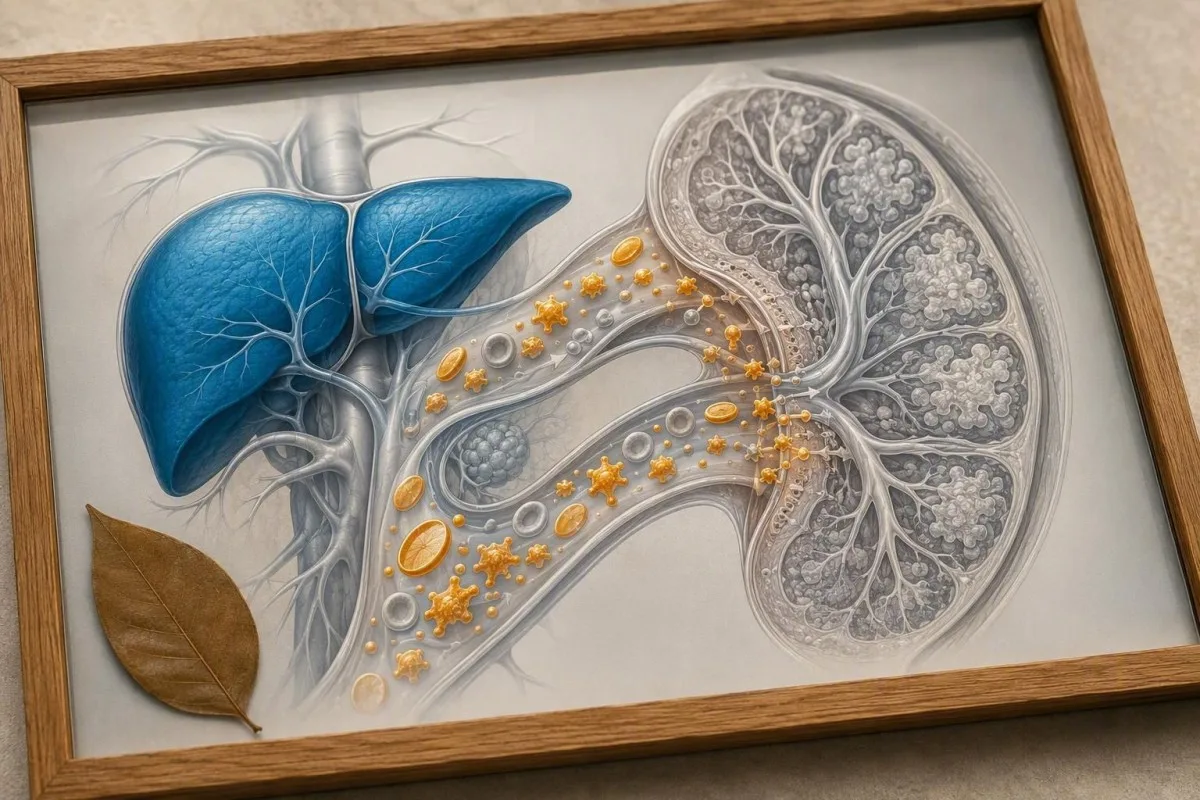
Bidh sampaill dòrtadh-fala a’ cleachdadh tiùb citrate le co-mheas stèidhichte de dhòrtadh fala gu anticoagulant. Tha tiùb nach eil air a lìonadh gu leòr a’ ciallachadh gu bheil cus citrate ann agus faodaidh e PT/INR a leudachadh gu meallta; tha seo gu sònraichte buntainneach nuair a tha cruinneachadh sampaill duilich a’ toirt dìreach pàirt den tomhas a dh’ fheumar.
Haematocrit fìor àrd, san fharsaingeachd os cionn 55%, ag atharrachadh co-mheas plasma gu citrate cuideachd agus dh’ fhaodadh sin feumachdainn air atharrachadh leoboratoraidh. Faodaidh an deuchainn air dhòigh eile cus-mheasadh a dhèanamh air dòrtadh fala. Is e seo aon adhbhar a dh’ fhaodadh luchd-obrach obair-lann ceist a chuir air toradh an àite a leigeil ma sgaoil gun cheist.
Feumaidh atharrachadh obann bho INR 2.4 gu 5.8 às aonais tinneas, cungaidh-leigheis, dòs, no atharrachadh daithead dearbhadh mus dèanar co-dhùnadh mòr riaghlaidh—mura h-eil fuil ann, nuair a tha sàbhailteachd a’ chiad rud. Dèan coimeas cùramach air an ùine le ar n-artaigil air diofaran cudromach eadar deuchainnean fala.
INR ann an torrachas, tinneas grùthan, agus cleachdadh DOAC
Tha INR riatanach airson sùil a chumail air warfarin ach chan eil e na thomhas earbsach den bhuaidh a tha aig a’ mhòr-chuid de dhrogaichean anticoagulant beòil dìreach (DOACs). Tha torrachas agus tinneas grùthan cuideachd feumach air mìneachadh bho eòlaichean leis gu bheil fiseòlas dòrtadh fala ag atharrachadh ann an dòigh nach eil INR a’ glacadh gu h-iomlan.

Mar as trice bidh warfarin a’ dol thairis air a’ phlacenta agus mar as trice thèid a sheachnadh ann an torrachas ach ann an suidheachaidhean fìor shònraichte, leithid cuid de chùisean bhalbhaichean meacanaigeach. Cha bu chòir do bhoireannaich a tha trom a-riamh stad a chuir air no atharrachadh anticoagulant stèidhichte air toradh INR a-mhàin; faic brataichean dearga de dheuchainn fala rè torrachas airson nuair a tha comhairle air an aon latha ciallach.
Chan eil Apixaban, rivaroxaban, dabigatran, agus edoxaban a“ cleachdadh INR airson atharrachadh dòs àbhaisteach. Faodaidh iad PT no INR atharrachadh gu caochlaideach a rèir an sgrùdaidh agus an ùine, ach chan eil INR ”àbhaisteach” a’ dearbhadh gu bheil DOAC air falbh.
Ann an tinneas grùthan adhartach, tha àrdachadh ann an INR a’ nochdadh nas lugha de dhòrtadh phròtain ach chan eil e a’ ro-innse fuil gu furasta leis gu bheil pròtainean anticoagulant a’ tuiteam cuideachd. Tha an stàit ath-chothromaichte seo mar aon de na raointean sin far a bheil an co-theacsa nas cudromaiche na an àireamh; faodaidh sgiobaidhean eòlaichean truaillearan, fibrinogen, gnìomh dubhaig, agus suidheachadh clionaigeach a chleachdadh còmhla.
Cuin a dh'fheumas INR ris nach robh dùil comhairle clionaigeach luath
Mar as trice feumaidh INR os cionn 5.0 air warfarin comhairle sgioba anticoagulant sgiobalta, fhad ‘s a tha INR os cionn 8.0 mar as trice feumach air measadh air an aon latha eadhon às aonais fuil. Tha comharraidhean sam bith de dhroch fhuil na èiginn ge bith dè an àireamh INR.
Faigh cuideachadh èiginn a-nis airson cur a-mach fuil, stòl dubh tarry, casadaich fuil, ceann goirt trom obann, troimh-chèile, a’ fàs sgìth, laigse ùr, trauma mòr, no fuil nach stad. Faodaidh na comharraidhean sin a bhith a’ nochdadh fuil a-staigh agus cha bu chòir dhaibh feitheamh ri deuchainn ath-aithris.
Cuir fios chun sgioba anticoagulant gu h-èiginn airson toradh os cionn do chrìoch, gu sònraichte INR 4.5-5.0 no nas àirde, bruthadh ùr, sròn-bheathaidh a mhaireas nas fhaide na 10-15 mionaidean, no fala fala fala fala fala fala fala fala fala fala fala fala fala fala fala fala fala fala fala fala fala fala fala fala fala fala fala fala fala fala fala fala fala fala fala fala fala fala fala fala fala fala fala fala fala fala fala fala fala fala fala fala fala fala fala fala fala fala fala fala fala fala fala fala fala fala fala fala fala fala fala fala fala fala fala fala fala fala fala fala fala fala fala fala fala fala fala fala fala fala fala fala fala fala fala fala fala fala fala fala fala fala fala fala fala fala fala fala fala fala fala fala fala fala fala fala fala fala fala fala fala fala fala fala fala fala fala fala fala fala fala fala fala fala fala fala fala fala fala fala fala fala fala fala fala fala fala fala fala fala fala fala fala fala fala fala fala fala fala fala fala fala fala fala fala fala fala fala fala fala fala fala fala fala fala fala fala fala fala fala fala fala fala fala fala fala fala fala fala fala fala fala fala fala fala fala fala fala fala fala fala fala fala fala fala fala fala fala fala fala fala fala fala fala fala fala fala fala fala fala fala fala fala fala fala fala fala fala fala fala fala fala fala fala fala fala fala fala fala fala fala fala fala fala fala fala fala fala fala fala fala fala fala fala fala fala fala fala fala fala fala fala fala fala fala fala fala fala fala fala fala fala fala fala fala fala fala fala fala fala fala fala fala fala fala fala fala fala fala fala fala fala fala fala fala fala fala fala fala fala fala fala fala fala fala fala fala fala fala fala fala fala fala fala fala fala fala fala fala fala fala fala fala fala fala fala fala fala fala fala fala fala fala fala fala fala fala fala fala fala fala fala fala fala fala fala fala fala fala fala fala fala fala fala fala fala fala fala fala fala fala fala fala fala fala fala fala fala fala fala fala fala fala fala fala fala fala fala fala fala fala fala fala fala fala fala fala fala fala fala fala fala fala fala fala fala fala fala fala fala fala fala fala fala fala fala fala fala fala fala fala fala fala fala fala fala fala fala fala fala fala fala fala fala fala fala fala fala fala fala fala fala fala fala fala fala fala fala fala fala fala fala fala fala fala fala fala fala fala fala fala fala fala fala fala fala fala fala fala fala fala fala fala fala fala fala fala fala fala fala fala fala fala fala fala fala fala fala fala fala fala fala fala fala fala fala fala fala fala fala fala fala fala fala fala fala fala fala fala fala fala fala fala fala fala fala fala fala fala fala fala fala fala fala fala fala fala fala fala fala fala fala fala fala fala fala fala fala fala fala fala fala fala fala fala fala fala fala fala fala fala fala fala fala fala fala fala fala fala fala fala fala fala fala fala fala fala fala fala fala fala fala fala fala fala fala fala fala fala fala fala fala fala fala fala fala fala fala fala fala fala fala fala fala fala fala fala fala fala fala fala fala fala fala fala fala fala fala fala fala fala fala fala fala fala fala fala fala fala fala fala fala fala fala fala fala fala fala fala fala fala fala fala fala fala fala fala fala fala fala fala fala fala fala fala fala fala fala fala fala fala fala fala fala fala fala fala fala fala fala fala fala fala fala fala fala fala fala fala fala fala fala fala fala fala fala fala fala fala fala fala fala fala fala fala fala fala fala fala fala fala fala fala fala fala fala fala fala fala fala fala fala fala fala fala fala fala fala fala fala fala fala fala fala fala fala fala fala fala fala fala fala fala fala fala fala fala fala fala fala fala fala fala fala fala fala fala fala fala fala fala fala fala fala fala fala fala fala fala fala fala fala fala fala fala fala fala fala fala fala fala fala fala fala fala fala fala fala fala fala fala fala fala fala fala fala fala fala fala fala fala fala fala fala fala fala fala fala fala fala fala fala fala fala fala fala fala fala fala fala fala fala fala fala fala fala fala fala fala fala fala fala fala fala fala fala fala fala fala fala fala fala fala fala fala fala fala fala fala fala fala fala fala fala fala fala fala fala fala fala fala fala fala fala fala fala fala fala fala fala fala fala fala fala fala fala fala fala fala fala fala fala fala fala fala fala fala fala fala fala fala fala fala fala fala fala fala fala fala fala fala fala fala fala fala fala fala fala fala fala fala fala fala fala fala fala fala fala fala fala fala fala fala fala fala fala fala fala fala fala fala fala fala fala fala fala fala fala fala fala fala fala fala fala fala fala fala fala fala fala fala fala fala fala fala fala fala fala fala fala fala fala fala fala fala fala fala fala fala fala fala fala fala fala fala fala fala fala fala fala fala fala fala fala fala fala fala fala fala fala fala fala fala fala fala fala fala fala fala fala fala fala fala fala fala fala fala fala fala sàbhailteachd truinnsearan ro thoirt a-mach fhiacail.
Tha molaidhean stiùiridh stèidhichte air cunnart an àite a bhith dìreach àireamhach. Tha Holbrook agus co-obraichean a’ comhairleachadh an aghaidh vitimín K àbhaisteach airson INR neo-shymptomatach 4.5-10.0 ann an iomadh cùis, fhad ‘s a tha iad a’ moladh vitimín K beòil airson INR os cionn 10.0 gun dòrtadh fala (Holbrook et al., 2012). Dh’ fhaodadh gum bi an dealbhadh agad fhèin eadar-dhealaichte leis gu bheil aois, dòrtadh fala roimhe seo, agus adhbhar cudromach.
Dè a nì thu an dèidh INR taobh a-muigh raon
Às deidh INR a tha a-mach às an raon, lean stiùireadh sgrìobhte an ionad smachd anticoagulation agad agus na dùblaich, seachain, no cuir air ais dòsan gu neo-eisimeileach mura h-eil an dealbhadh sin ag innse dhut mu thràth. Clàraich an toradh, an raon targaid, an dòs gnàthach, cungaidhean-leigheis ùra, tinneas, atharrachaidhean daithead, agus comharran sèididh.
Bidh atharrachaidhean dòs warfarin gu tric air an cur an cèill mar iomlanachd seachdaineil leis gu bheil buaidh na clàr air a chuir dheth. Faodaidh neach-clionaigeach atharrachadh a dhèanamh air rèim seachdaineil le 5-15%, an uairsin ath-sgrùdadh ann an grunn làithean; tha an atharrachadh ceart an urra ris a’ phàtran, chan ann dìreach leis an toradh as ùire.
Ma tha an INR agad ìosal, na gabh ris gu bheil clò air a chruthachadh. Ma tha e àrd, na cuir stad air a h-uile cungaidh-leigheis ann an clisgeadh. Tha stiùireadh an Anticoagulation Forum a’ cur cuideam air co-chruinneachadh dhrogaichean agus ath-sgrùdadh eadar-ghnìomhach structarail oir faodaidh antibiotics, amiodarone, antiepileptics, agus toraidhean luibheil atharrachadh freagairt warfarin (Witt et al., 2016).
Thoir leat clàr soilleir aon-dhuilleag airson ath-sgrùdadh: na seachd dòsan mu dheireadh, targaid, cinn-latha toraidh, antibiotics, atharrachaidhean ann an alcol, pian stamag, agus stuthan cur-ris ùra. Ar liosta-sgrùdaidh geàrr-chunntas obair-lann airson tadhal an dotair tha e air a dhealbhadh timcheall air an seòrsa seo de làimh-làimhe practaigeach.
Mar a leughas tu do Aithisg INR gun a bhith a' call a-mach air an t-susbaint
Leugh aithisg INR leis a’ cheann-latha cruinneachaidh, diogan PT, raon iomraidh obair-lann, raon targaid air a chomharrachadh, agus an liosta cungaidh-leigheis agad. Tha aon àireamh às aonais na mion-fhiosrachaidh sin gu tric neo-iomlan gu clionaigeach.
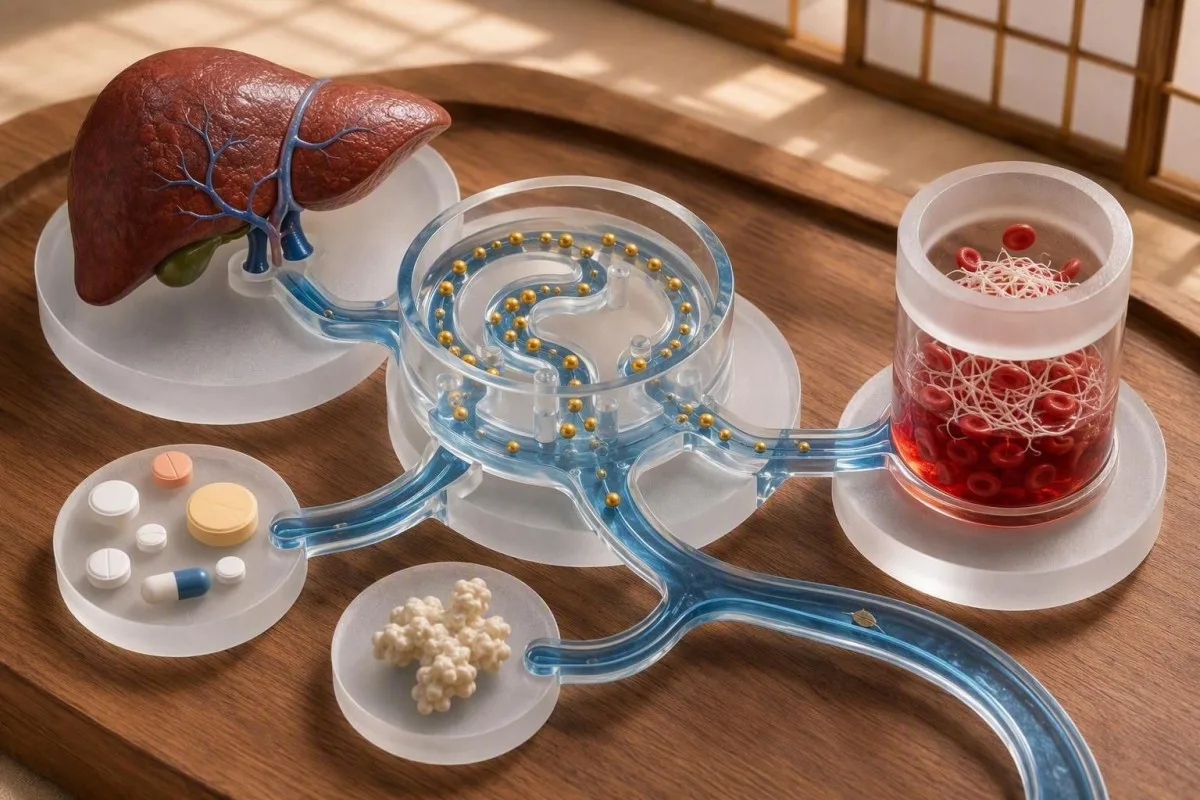
Faodaidh an obair-lann INR a chomharrachadh os cionn 1.2 mar àrd eadhon nuair is e 2.0-3.0 an targaid warfarin a tha san amharc. Tha am brataich fèin-ghluasaich seo a’ dèanamh coimeas riut ri daoine bhochd gun làimhseachadh, chan ann ris an amas làimhseachaidh òrdaichte agad. Is e seo prìomh adhbhar dragh neo-riatanach ann an puirt euslaintich.
Nuair a nì mi ath-sgrùdadh air pannal, bidh mi cuideachd a’ coimhead air haemoglobin, cunntas truinnsearan, creatinine, bilirubin, albumin, agus enzymes grùthan. Chan eil INR seasmhach de 2.6 le haemoglobin a tha a’ tuiteam a’ gealltainn gus an tèid dòrtadh fala fala a’ chràbhach a mheas; ar n-artaigil air ùine prothrombin àrd le aPTT àbhaisteach a’ mìneachadh a’ phàtrain breithneachaidh.
Is e riaghailt practaigeach an Dotair Thomas Klein a bhith a’ gleidheadh na h-aithisg tùsail an àite a bhith a’ sgrìobhadh a’ bhuil a-mhàin. Faodaidh dùthchannan eadar-dhealaichte PT a nochdadh ann an diogan, INR, no an dà chuid, agus tha raon iomraidh an obair-lann fhèin mar phàirt den fhianais clionaigeach.
Mar a chuidicheas AI le bhith a' mìneachadh INR, agus càite nach urrainn e
Faodaidh AI toradh INR a chuir air dòigh, eadar-ghnìomhan buntainneach a chomharrachadh, agus clàran a nochdadh, ach chan urrainn dha co-dhùnadh dòs sa bhad neach-òrdaidh anticoagulation a chuir na àite. Feumaidh mìneachadh sàbhailte eadar-dhealachadh a dhèanamh air sgrùdadh warfarin bho thinneas grùthan, cleachdadh DOAC, agus sampall a dh’ fhaodadh a bhith neo-earbsach.
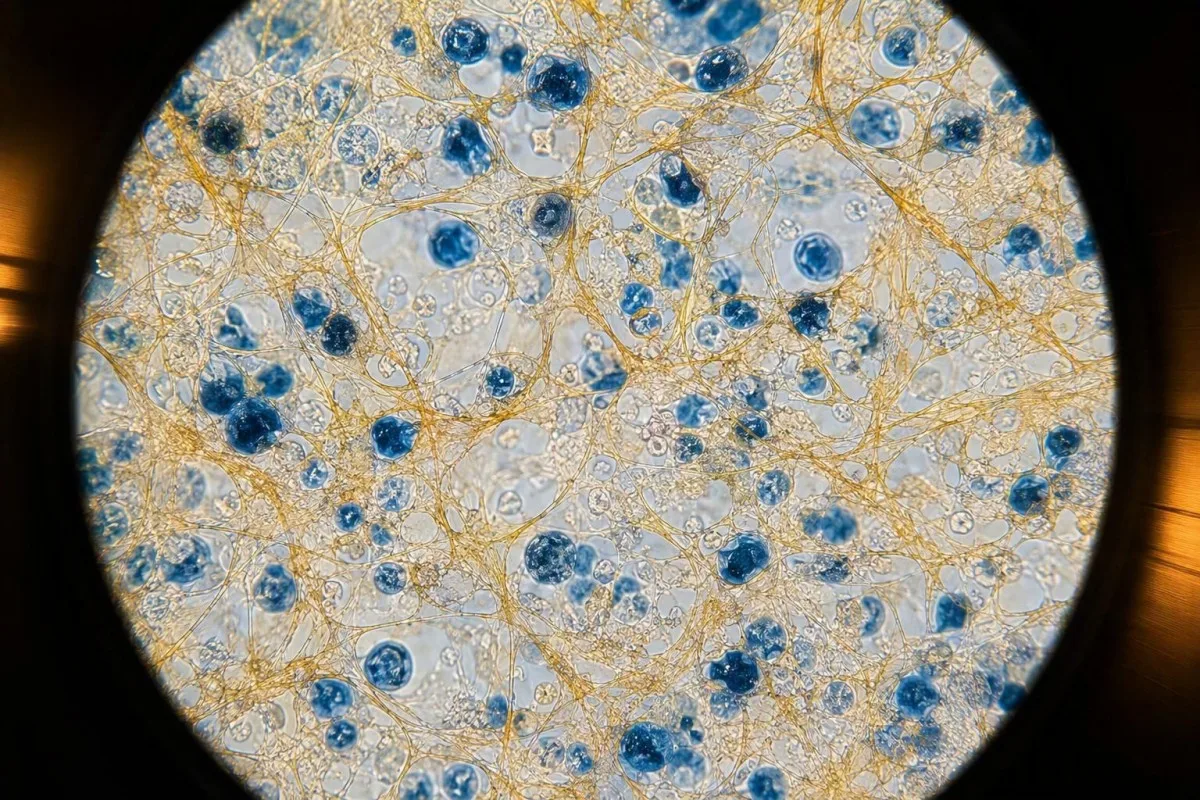
Faodaidh Kantesti AI INR, PT, comharran grùthan, truinnsearan, agus raointean iomraidh a thoirt a-mach à ìomhaigh aithisg no PDF, an uairsin thoir ceistean do neach-clionaigeach. Tha Kantesti na Inneal mion-sgrùdaidh deuchainn fala le cumhachd AI air a dhèanamh gus co-theacsa agus neo-chinnt a chomharrachadh an àite dòs warfarin a-mhàin a thoirt seachad.
Bu chòir toradh feumail a bhith a’ comharrachadh mì-fhreagairt: mar eisimpleir, is dòcha nach eil INR de 1.0 ann an neach ag ràdh apixaban a’ ciallachadh làimhseachadh neo-iomchaidh, fhad ‘s a tha INR 1.0 ann an neach-cleachdaidh warfarin le amas de 2.5 gu soilleir ag iarraidh ath-sgrùdadh cungaidh-leigheis. Tha an stiùireadh teicneòlais AI a’ mìneachadh carson a tha dearbhadh aithisg stòr cudromach.
tha Kantesti a’ cleachdadh làimhseachadh a tha ag amas air prìobhaideachd agus faodaidh e taic a thoirt do sgrùdadh fad-ùine, ach bidh comharran èiginneach an-còmhnaidh a’ faighinn làmh an uachdair air eadar-theangachadh didseatach. Thathas ag ath-sgrùdadh slighean ceartachd agus leasachadh clionaigeach tron inbhean dearbhaidh meidigeach, againne, leis gu bheil breithneachadh an dotair fhathast mar an dìon mu dheireadh.
Ceistean feumail ri faighneachd mu thoradh INR
Is e na ceistean INR as fheumail: dè an raon amas a th’ agam, dè a dh’ atharraich bhon toradh mu dheireadh agam, cuin a bu chòir dhomh ath-dheuchainn a dhèanamh, agus dè na comharran a bu chòir cùram èiginn a bhrosnachadh? Tha na ceistean seo a’ tionndadh luach obair-lann aonaranach gu plana gnìomh sàbhailte.
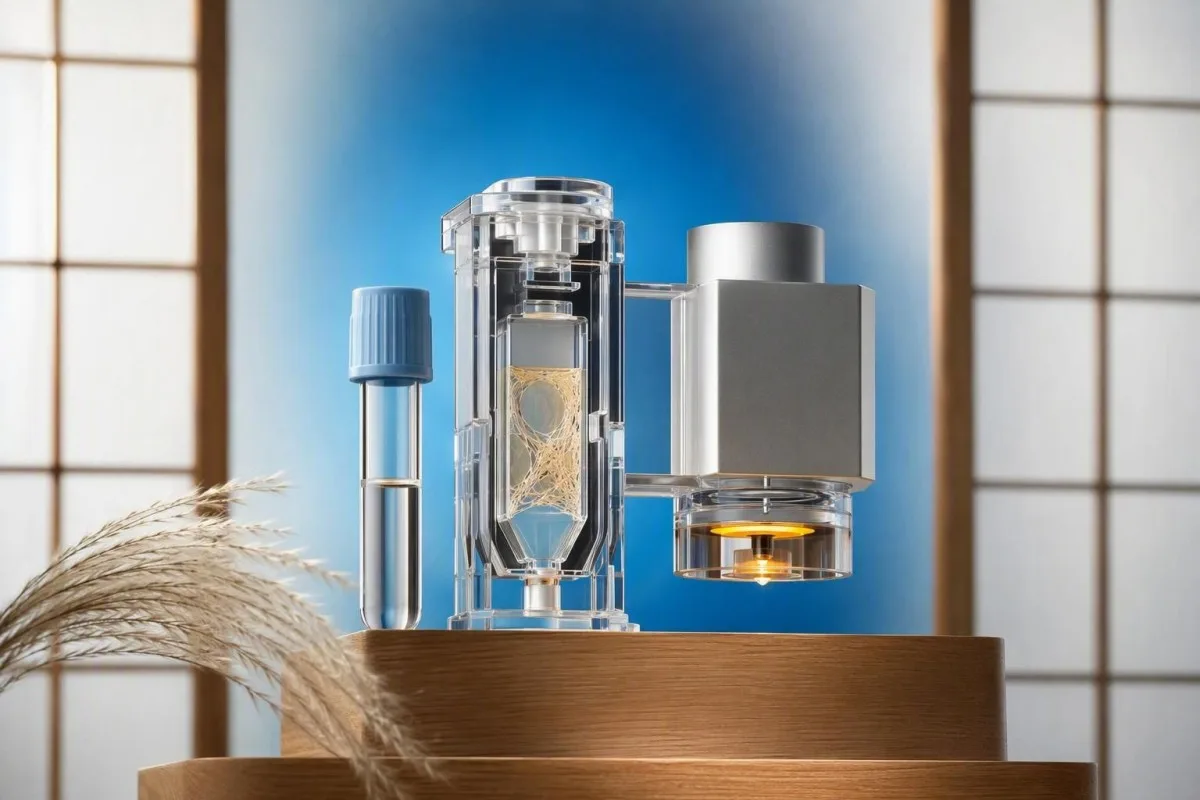
Faighnich a bheil an luach bho inneal puing-cùraim no sampall obair-lann vein, agus a bheil feum air ath-dheuchainn. Ma tha hematocrit fìor àrd agad, tinneas grùthan, turas ospadail o chionn ghoirid, no toradh iongantach, bidh càileachd sampall agus dòigh nas buntainniche.
Faighnich a bheil òrdugh ùr, cungaidh-leigheis thairis air a’ chunntair, ullachadh luibheil, deoch bheathachaidh, antibiotic, no tachartas a’ bhuinneach a’ mìneachadh an atharrachaidh. Seachain ibuprofen agus NSAIDs coltach ris mura h-eil dotair air cead a thoirt dhaibh, oir faodaidh iad cunnart sèididh a mheudachadh gun a bhith ag atharrachadh INR gu riatanach.
Airson ceistean cùraim a thèid nas fhaide na an àireamh, tha Bòrd Comhairleachaidh Meidigeach againne a’ toirt taic do stiùireadh clionaigeach air an t-susbaint foghlaim againn. Ma tha comharran a’ nochdadh droch sèididh no stròc, leum air rannsachadh air-loidhne agus iarr cùram èiginn sa bhad.
Ceistean Bitheanta
Dè tha INR a' ciallachadh air deuchainn fala?
Tha INR a' ciallachadh International Normalized Ratio. 'S e cunntas coitcheann a th' ann stèidhichte air ùine prothrombin, tomhas obair-lann de na tha plasma a' toirt airson cruadhachadh às dèidh do reagents a bhith air an cur ris. Ann an inbhich nach eil a' gabhail warfarin, is e INR gu tric mu 0.8-1.2, ged a bu chòir raon iomraidh an obair-lann fhèin a chleachdadh. Do mhòran dhaoine a tha a' gabhail warfarin, is e an amas òrdaichte 2.0-3.0 seach an raon iomraidh gun làimhseachadh.
A bheil INR de 1.0 àbhaisteach?
Is dòcha gu bheil INR de 1.0 àbhaisteach do neach nach eil a’ gabhail warfarin no antagonist eile de bhiotamain K. Tha INR de 1.0 mar as trice ro ìosal do neach aig a bheil amas warfarin 2.0-3.0, oir faodaidh e dìon nas lugha bho bhith a’ dùnadh. Bu chòir an toradh a mhìneachadh leis an liosta cungaidh-leigheis, comharra an leigheis, agus an raon targaid fa leth. Na gabh dòs a bharrachd de warfarin gun stiùireadh bhon sgioba òrduchaidh.
Dè an ìre INR a tha cunnartach?
Tha èiginn INR an urra ris an adhbhar air an deachaidh a thomhas, ach mar as trice feumaidh INR os cionn 5.0 ann an neach a tha a’ gabhail warfarin comhairle luath mu bhith a’ sgàineadh na fala. Tha INR os cionn 8.0 gu tric ag iarraidh measadh clionaigeach air an aon latha eadhon mura h-eil sèid fuil follaiseach ann, agus tha comharran sèid mhòr sam bith na èiginn aig luach INR sam bith. Am measg nan comharran èiginn tha stòl dubh mar thar, cur a-mach fuil, ceann goirt mòr obann, faochadh, troimh-chèile, laigse ùr, no sèid nach stad. Faodaidh crìochan fa leth a bhith nas ìsle do dhaoine nas sine, daoine le cunnart tuiteam, no daoine a tha a’ gabhail cungaidhean antiplatelet.
Carson a bhiodh an INR àrd mura robh mi a' gabhail warfarin?
Faodaidh INR àrd gun warfarin tighinn bho lughdachadh ann an gabhail a-steach no solarachadh bhiotaimin K, dìth gnìomh synthetach an grùthan, cur a-mach leantainneach co-cheangailte ri antibiotics, droch thinneas, dìth factar a shealbhachadh, no cungaidhean sònraichte. Dh’fhaodadh gum feum INR beagan àrdaichte de 1.3-1.5 ath-sgrùdadh planaichte, fhad ‘s a dh’ fheumas toradh ag èirigh gu luath no INR os cionn 2.0 le comharran sèididh measadh nas èiginn. Mar as trice bidh luchd-clionaigeach a’ sgrùdadh deuchainnean grùthan, nochdadh cungaidhean-leigheis, beathachadh, cunntas truinnsear, agus ath-dheuchainn far a bheil sin iomchaidh. Chan urrainn do INR a-mhàin an adhbhar a stèidheachadh.
Am faod antibiotics buaidh a thoirt air toradh deuchainn INR?
Seadh, faodaidh antibiotics INR a thogail ann an daoine a tha a' gabhail warfarin, gu tric taobh a-staigh 3-7 latha bho thòisich iad air làimhseachadh. Bidh cuid de antibiotics a' meudachadh buaidh warfarin gu dìreach, fhad 's a bhios feadhainn eile a' lughdachadh cinneasachadh bhiotaimin K anns a' bhroinn no ag adhbhrachadh droch ghabhail a-steach agus a' bhuinneach. Tha trimethoprim-sulfamethoxazole, metronidazole, agus antifungals azole nan eisimpleirean a tha aithnichte a dh'fheumas ath-sgrùdadh gnìomhach air anticoagulation. Cuir fios chun an dotair a tha a' riaghladh warfarin nuair a thèid antibiotic sam bith òrdachadh seach a bhith a' feitheamh ri bhith a' cluaineas no a' dòrtadh fala.
A bheil INR àbhaisteach a’ ciallachadh nach eil mi ann an cunnart bho bhith a’ fuil?
Chan eil, chan eil INR àbhaisteach a’ dùnadh a-mach cunnart sèideadh leis gu bheil an INR a’ measadh slighe an ùine prothrombin sa mhòr-chuid. Faodaidh easbhaidhean truinnsear, cleachdadh aspirin no NSAID, galar von Willebrand, tinneas dubhaig, agus adhbharan ionadail air sèideadh a bhith an làthair le INR timcheall air 1.0. Feumaidh neach le stòl dubh, cuir a-mach fuil, a bhith a’ faighinn dìth-mothachaidh, no sèideadh leantainneach measadh èiginneach eadhon ged a bha INR o chionn ghoir a’ fuireach àbhaisteach. Gu tric tha comharran agus an làn-chunntas fala cudromach dìreach mar an INR.
Faigh Mion-sgrùdadh Deuchainn Fala le Cumhachd AI an-diugh
Thig còmhla ri còrr is 2 mhillean neach air feadh an t-saoghail a tha a’ earbsa Kantesti airson mion-sgrùdadh sa bhad, ceart air deuchainnean obair-lann. Luchdaich suas na toraidhean deuchainn fala agad agus faigh mìneachadh coileanta air biomarcair 15,000+ ann an diogan.
📚 Foillseachaidhean Rannsachaidh le Iomraidhean
Klein, T., Mitchell, S., & Weber, H. (2026). Kantesti LTD. (2026). Buinneach às dèidh fastachd, dotagan dubha anns an stòl & stiùireadh GI 2026. Figshare.. Rannsachadh Leigheis AI Kantesti.
Klein, T., Mitchell, S., & Weber, H. (2026). Kantesti LTD. (2026). Women’s Health Guide: Ovulation, Menopause & Hormonal Symptoms. Figshare.. Rannsachadh Leigheis AI Kantesti.
📖 Iomraidhean Meidigeach Taobh a-muigh


⚕️ Àicheadh Meidigeach
Tha an artaigil seo dìreach airson adhbharan foghlaim agus chan eil e a’ dèanamh comhairle mheidigeach. Cuir fios an-còmhnaidh gu solaraiche cùram slàinte teisteanasach airson co-dhùnaidhean breithneachaidh is leigheis.
Comharran earbsa E-E-A-T
Eòlas
Lèirmheas clionaigeach air a stiùireadh le lighiche air sruthan-obrach mìneachaidh obair-lann.
Eòlas
Fòcas air leigheas obair-lann air mar a bhios bith-chomharraidhean (biomarkers) a’ giùlan ann an co-theacsa clionaigeach.
Ùghdarrasachd
Air a sgrìobhadh le Dr. Thomas Klein le ath-sgrùdadh le Dr. Sarah Mitchell agus Prof. Dr. Hans Weber.
Earbsachd
Mìneachadh stèidhichte air fianais le slighean leanmhainn soilleir gus dragh a lughdachadh.