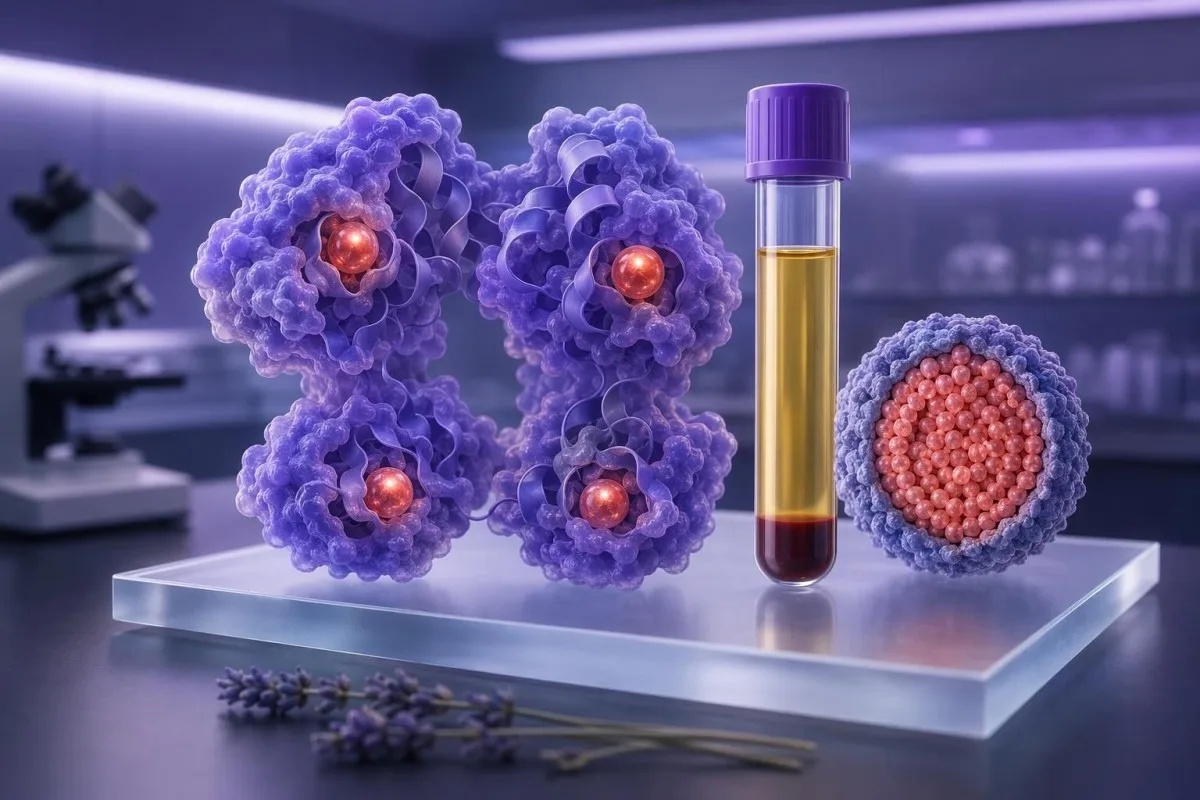
For a diagnostic TIBC test, most laboratories advise skipping oral iron for 24 hours and drawing the iron blood test in the morning, often after an 8–12-hour fast. Do not stop prescribed treatment for longer than that without the clinician who ordered the test; recent doses, illness, and timing can change serum iron far more than ferritin levels.


- Iron supplements: Do not take an oral iron tablet for 24 hours before a diagnostic serum iron and TIBC test unless your ordering clinician gives different instructions.
- Fasting: An 8–12-hour water-only fast is commonly preferred because meals can temporarily raise serum iron and alter iron saturation.
- Morning draw: Aim for 7–10 a.m. when possible; serum iron has meaningful within-day variation, while TIBC is usually steadier.
- Ferritin levels: Ferritin usually does not jump after one iron tablet, but infection, liver injury, and inflammation can raise it independently of stored iron.
- Iron saturation: Transferrin saturation equals serum iron divided by TIBC × 100; a recent supplement can make this percentage look falsely reassuring.
- Acute illness: Fever, a flare of inflammatory disease, surgery, or a recent hospital stay can lower serum iron and TIBC while raising ferritin.
- Do not self-stop therapy: Missing a single pre-test dose is different from interrupting iron treatment for days or weeks.
- Tell the laboratory: Record the exact supplement, dose, last dose time, fasting duration, illness, pregnancy status, and recent transfusion.
What to Do Before a TIBC Test
Skip oral iron for 24 hours, book a morning sample, and follow the laboratory’s fasting instruction—usually 8–12 hours with water allowed. That is the practical answer for most diagnostic TIBC test orders. In my clinical practice, the commonest avoidable confusion is a patient taking a 65 mg elemental-iron tablet with breakfast, then seeing a temporarily higher serum iron and iron saturation later that morning.
A TIBC test measures how much iron-binding capacity is available in circulating transferrin, while serum iron reflects iron moving through the bloodstream at that moment. Laboratories may measure TIBC directly or calculate it from unsaturated iron-binding capacity, so local instructions take priority over any general rule. Blood-test fasting and supplement guidance explains why a supplement history belongs beside the result.
Kantesti is an AI blood test analyzer that reads TIBC, serum iron, ferritin, and transferrin saturation as one clinical pattern rather than four isolated flags. A low serum iron of 5 µmol/L can mean depleted stores, but it can also occur during a viral illness; the ferritin level, CRP, haemoglobin, MCV, symptoms, and timing of the sample decide which story is more plausible.
As of July 22, 2026, I would ask patients to write down the last iron dose time rather than guessing later. A dose at 9 p.m. the evening before is very different from a dose at 7 a.m. on the way to the laboratory. Dr. Thomas Klein, MD, advises bringing the supplement bottle or a phone photo if it is a multivitamin, because many contain 14–27 mg of iron without being labelled as an iron medicine.
The one exception
If the test was ordered specifically to monitor your response after an iron dose or infusion, the clinician may want a deliberately timed sample. In that setting, do not apply the 24-hour rule automatically; the purpose of the test changes the preparation.
What a TIBC Test Actually Measures
TIBC estimates the bloodstream’s capacity to carry iron, chiefly through the transport protein transferrin. Typical adult laboratory intervals are roughly 45–72 µmol/L, or 250–450 µg/dL, but the interval printed by your own laboratory is the one that applies.
When body iron stores are low, the liver often makes more transferrin, so TIBC commonly rises. When inflammation, malnutrition, significant liver dysfunction, or nephrotic-range protein loss is present, transferrin production or retention can fall and TIBC may be low. The detailed iron studies reference guide is useful when a report lists UIBC rather than TIBC.
Transferrin saturation is calculated as serum iron divided by TIBC, multiplied by 100. A saturation below 20% often supports restricted iron availability, whereas a fasting saturation persistently above 45% is one reason clinicians consider iron overload testing; neither threshold diagnoses a condition by itself. Camaschella’s clinical review stresses that iron deficiency is a pattern diagnosis, not a serum-iron diagnosis alone (Camaschella, 2015).
A person can have a TIBC of 78 µmol/L, serum iron of 6 µmol/L, and saturation of 8% before their haemoglobin falls below the laboratory range. That early phase matters for people with fatigue, restless legs, heavy menstrual loss, endurance training, or frequent blood donation. Our blood biomarker guide also clarifies why reference intervals are not treatment targets.
How Iron Supplements Distort an Iron Blood Test
A recent oral iron dose can raise serum iron and iron saturation for several hours, making a depleted iron pattern look less clear. It generally has much less immediate effect on TIBC and ferritin levels, which is why the distortion can create an internally inconsistent panel.
Ferrous sulfate 325 mg contains about 65 mg elemental iron, and ferrous fumarate 325 mg contains about 106 mg. After absorption, a portion enters the circulating transferrin pool; the exact rise depends on formulation, food, gastric acid, absorption disorders, and the interval since dosing. This is why I prefer the clean, reproducible instruction: hold the morning dose and, if possible, avoid oral iron for 24 hours before the sample.
Multivitamins, prenatal supplements, iron gummies, fortified meal replacements, and some traditional remedies can all contain iron. A prenatal product often supplies 27 mg daily, enough to affect a same-day serum iron result in some people. If you are taking treatment for documented anaemia, use the iron supplement retest guide to frame questions for your prescriber rather than stopping medication on your own.
Intravenous iron is different. Depending on the formulation and assay, serum iron-related results can be difficult to interpret for days or longer after an infusion, and the infusion team should specify monitoring timing. A ferritin of 300 ng/mL soon after IV replacement does not automatically represent stable long-term stores; it may partly reflect recently administered iron.
Do You Need to Fast for a TIBC Test?
Fasting is not universally required for TIBC itself, but an 8–12-hour fast is often preferred when serum iron and iron saturation are being measured alongside it. Water is usually fine, while coffee, tea, juice, meals, and iron-containing supplements should wait until after the sample unless your laboratory says otherwise.
A meal containing iron or vitamin C can alter the short-term serum iron signal, while tea and coffee can affect absorption if taken with an iron tablet. The goal is not to manipulate the result; it is to reduce noise so a repeat value can be compared fairly. For people also having glucose or lipid tests, this metabolic-panel fasting guide helps coordinate one morning draw.
Fasting for longer than 12–14 hours does not reliably make iron studies more accurate and can introduce other issues, including dizziness, dehydration, or a fasting-related bilirubin rise. I have seen patients arrive after a 20-hour fast hoping to produce “better” results. That is not useful clinical preparation, especially in pregnancy, diabetes, frailty, or a history of fainting.
If you cannot fast because of a medical condition, have the sample anyway if the ordering clinician agrees, but record what and when you ate. A non-fasting serum iron of 20 µmol/L cannot be compared cleanly with a fasting 20 µmol/L from 8 a.m.; the number may match while the physiology does not.
Morning Timing and the Daily Serum-Iron Swing
For the most comparable TIBC test results, have serum iron drawn in the morning, ideally between 7 and 10 a.m. Serum iron can vary within the day, whereas ferritin is generally more stable over hours and TIBC changes less dramatically.
Serum iron is vulnerable to biologic variation, so two results from the same person can differ without a true change in total body iron. A 9 a.m. fasting iron of 9 µmol/L and a 4 p.m. non-fasting iron of 15 µmol/L should not be read as a successful treatment response. The practical fix is wonderfully simple: use the same laboratory and a similar morning time for follow-up.
Kantesti AI flags timing mismatches when users compare iron panels across visits, because a trend without collection context can be misleading. In our analysis of longitudinal reports, an isolated serum-iron shift deserves less weight than a parallel change in ferritin, haemoglobin, MCV, and symptoms. Read more about why low serum iron needs context before assuming a single low value equals deficiency.
Exercise also matters. A hard endurance session within 24–48 hours can alter plasma volume, inflammatory markers, and sometimes red-cell turnover, particularly in distance runners. A 52-year-old marathon runner with ferritin 22 ng/mL and a sample the day after a race needs a calmer repeat assessment—not an instant diagnosis based on one tired-body blood draw.
Why Illness Can Change TIBC, Iron Saturation and Ferritin
Acute infection, inflammatory disease activity, surgery, and tissue injury can lower serum iron and TIBC while increasing ferritin. This pattern can mimic or conceal iron deficiency because ferritin is also an acute-phase reactant.
During inflammation, hepcidin rises and reduces the release of stored iron into plasma; serum iron may fall below 8 µmol/L even when iron is present in storage sites. Ferritin can rise above 100 ng/mL in this setting, so a “normal” ferritin does not always exclude iron deficiency. The WHO ferritin guideline recommends interpreting ferritin alongside evidence of inflammation where relevant (World Health Organization, 2020).
CRP provides useful context. A CRP above 5 mg/L suggests current inflammation in many laboratories, though it is not specific and some laboratories use a different upper limit. Suchdev et al. describe why ferritin cutoffs need more caution in settings of inflammation, obesity, chronic kidney disease, malaria exposure, and recent infection (Suchdev et al., 2017). Our explanation of ferritin and CRP together shows the common combinations.
Postpone a non-urgent diagnostic iron panel if you have a fever, severe respiratory illness, gastroenteritis, a major inflammatory flare, or surgery in the preceding week or two—unless the clinician needs the result now. This is one of those areas where context matters more than a rigid cutoff. If you do proceed, tell the phlebotomist and clinician exactly what has been happening.
Reading TIBC With Ferritin, Iron Saturation and CBC
TIBC should be interpreted with ferritin, serum iron, transferrin saturation, haemoglobin, MCV, and often CRP—not in isolation. The classic iron-deficiency pattern is low ferritin, low serum iron, high TIBC, and low saturation, but real patients do not always read like a textbook.
A ferritin below 15 ng/mL is highly specific for depleted iron stores in an otherwise well adult, while clinicians often investigate values below 30 ng/mL when symptoms, heavy periods, pregnancy, or anaemia are present. In inflammatory states, a ferritin between 30 and 100 ng/mL may be indeterminate rather than reassuring. See low-iron patterns and next tests for the logic behind a staged work-up.
In uncomplicated iron deficiency, transferrin saturation is often below 20%, TIBC may exceed 72 µmol/L, and MCV may fall below 80 fL only later. In anaemia of inflammation, serum iron and saturation can also be low, but TIBC is more often low or normal and ferritin is normal or elevated. Soluble transferrin receptor can occasionally help when ferritin is difficult to interpret.
A saturation above 45% on a properly prepared fasting morning sample warrants a repeat check and clinical review, particularly with ferritin above 300 ng/mL in men or above 200 ng/mL in women. Liver tests, alcohol intake, transfusions, supplements, family history, and genetic risk all matter. One elevated saturation after an iron tablet does not establish iron overload.
table":{"rows":[{"level":"normal","label":"Typical adult TIBC","range":"45–72 µmol/L (250–450 µg/dL)","meaning":"Interpret with the laboratory interval and transferrin result."},{"level":"elevated","label":"Higher binding capacity","range":"Above local upper limit","meaning":"Often occurs with iron depletion, pregnancy, or estrogen exposure."},{"level":"moderate","label":"Low iron saturation","range":"Below 20%","meaning":"Suggests restricted available iron but may reflect deficiency or inflammation."},{"level":"critical","label":"High fasting saturation","range":"Persistently above 45%","meaning":"Needs clinician review for iron loading and secondary causes."}]}},{
A useful pattern check
Low ferritin plus high TIBC is more persuasive for iron deficiency than low serum iron alone. Low iron plus low TIBC and high CRP points more toward inflammatory iron restriction, although mixed deficiency is common.
TIBC Test Preparation in Pregnancy, Periods and Adolescence
Pregnancy and estrogen exposure can raise transferrin and TIBC, while menstrual blood loss can lower iron stores over months. Neither finding means the TIBC test was prepared incorrectly, but both need to be recorded when interpreting the panel.
Plasma volume expands during pregnancy, haemoglobin falls by dilution, and transferrin rises; a higher TIBC can therefore be physiologic. Ferritin below 30 ng/mL is commonly used to identify iron deficiency in pregnancy, although local obstetric protocols vary. The women’s ferritin range guide explains why a single generic interval can be unhelpful.
Menstruation does not require cancelling an iron blood test, but unusually heavy bleeding in the previous 24–72 hours should be mentioned. The more important clinical question is cumulative loss: soaking protection hourly, clots, bleeding beyond 7 days, or cycle-related fatigue can change the pre-test probability substantially. A TIBC result does not identify the cause of menstrual loss.
Kantesti is an AI-powered blood test analysis tool that compares iron markers with age, sex-specific reference ranges, and reported collection conditions. In adolescents, rapid growth, dietary restriction, endurance sport, and heavy periods frequently overlap; a ferritin of 18 ng/mL may deserve a different discussion than the same result in a stable older adult.
Other Things That Can Skew an Iron Panel
Recent hard exercise, dehydration, alcohol excess, transfusion, and sample problems can affect the interpretation of an iron panel. These factors do not all change TIBC in the same direction, which is why the collection history is part of the diagnostic data.
Strenuous exercise within 24–48 hours can change plasma volume, CRP, CK, AST, and sometimes serum iron through transient physiologic stress. For routine assessment, avoid an unusually hard workout the day before testing, hydrate normally, and do not try to “flush” the system with litres of water. Our exercise-related lab changes guide puts iron results in the broader recovery picture.
A recent red-cell transfusion can alter haemoglobin and iron availability, while repeated transfusions can increase iron burden over time. Tell the clinician if a transfusion occurred in the prior 3 months, even if you feel well. Hemolysis in the collection tube can also interfere with some laboratory measurements; the laboratory may reject or annotate the specimen rather than report a reliable iron value.
Oral contraceptives and estrogen therapy can raise transferrin, and significant liver disease can reduce transferrin synthesis. Do not stop hormonal medication before a TIBC test unless specifically directed. The result needs the medication context; it is rarely improved by an unplanned interruption.
What If You Already Took Iron Before the Test?
If you took oral iron within 24 hours of a TIBC test, do not panic and do not hide it—tell the laboratory or ordering clinician. The sample may still be useful, but a high serum iron or iron saturation may need confirmation with a properly timed repeat.
If the appointment is flexible and the test is purely diagnostic, rescheduling for the next morning after a 24-hour pause is often the cleanest option. If the test is needed urgently—for symptomatic anaemia, suspected significant blood loss, or pre-operative planning—have it drawn and document the dose time. The clinician can interpret a serum iron of 28 µmol/L very differently if a tablet was taken 2 hours earlier.
Do not double-dose later to “make up” for the missed tablet. Iron treatment is usually assessed over weeks, not a single 24-hour period, and gastrointestinal side effects rise when people take extra tablets. The before-and-after supplement testing guide can help you preserve a clear baseline and follow-up record.
Kantesti AI can organize an uploaded report with your reported dose timing, but it cannot confirm an unrecorded supplement or replace the laboratory’s analytic judgment. A repeat fasting panel is usually more revealing than trying to mathematically correct a result after the fact.
Do Not Stop Prescribed Iron for Longer Than Needed
Holding one pre-test iron dose is usually reasonable when requested, but stopping prescribed iron for days or weeks without advice can delay treatment. This matters most in pregnancy, significant anaemia, children, chronic blood loss, and patients recovering after surgery.
Oral replacement is often prescribed as 40–65 mg elemental iron once daily or on alternate days, although the right regimen depends on diagnosis, tolerance, age, and local guidance. Ferritin and haemoglobin usually change over weeks rather than overnight. If your clinician wants to judge therapeutic response, they may specify a recheck after 4–8 weeks instead of immediately after starting treatment.
A falling haemoglobin, shortness of breath at rest, chest pain, fainting, black tarry stool, or ongoing heavy bleeding needs prompt medical assessment; do not wait for a routine TIBC test. A haemoglobin below 80 g/L (8 g/dL) is clinically significant in most adults, but urgency depends on symptoms, speed of decline, pregnancy, cardiac disease, and cause. The goal is to find and treat why iron was lost.
Kantesti AI interprets iron-treatment follow-up as a time series, not as a pass-or-fail ferritin result after one week. For safe dose discussions and retest timing, review our low-ferritin supplement guide with the clinician managing your treatment.
A Simple Night-Before and Morning-Of Checklist
The best TIBC test preparation is consistent: normal meals the day before, no oral iron for 24 hours, water overnight, and a morning collection if practical. Consistency lets a later test answer whether your biology changed rather than whether your routine changed.
The night before: eat normally, avoid a new high-dose iron product, finish the last oral iron dose at least 24 hours before the draw if that matches laboratory instructions, and set out a list of medicines. You do not need a special “iron-free diet”; avoiding one tablet is more consequential than avoiding spinach at dinner. Continue medicines that your prescribing clinician says are essential.
The morning of: drink water, skip iron and multivitamins containing iron, and avoid coffee or breakfast during an instructed fast. Arrive hydrated but not overhydrated. Record the collection time, fasting duration, last menstrual period if relevant, fever or illness within 14 days, recent intense exercise, and any IV iron or transfusion.
Kantesti AI helps preserve these collection notes alongside results so that a ferritin trend six months later remains clinically interpretable. A secure lab-result tracking record is often more helpful than memorizing a single “normal” number.
When TIBC Results Need Medical Follow-Up
A low ferritin, low iron saturation, unexplained anaemia, or repeatedly high fasting saturation deserves clinical follow-up even if you feel mostly well. The urgency comes from the whole pattern, symptoms, and possible source of iron loss or loading—not from TIBC alone.
In adults, iron deficiency without an obvious explanation may lead to questions about diet, menstrual loss, pregnancy, blood donation, gastrointestinal symptoms, medicines such as proton-pump inhibitors, or occult bleeding. A ferritin below 15 ng/mL usually supports depleted stores, but the next step is still to ask why. The anaemia pattern guide shows which CBC combinations help narrow that discussion.
Seek urgent care for severe breathlessness, chest pain, syncope, confusion, rapidly worsening weakness, or signs of significant bleeding. TIBC is never an emergency result by itself. By contrast, a stable outpatient with ferritin 20 ng/mL, haemoglobin 121 g/L, and fatigue usually needs a planned evaluation—not an emergency department visit.
Dr. Thomas Klein, MD, has found that patients receive clearer care when they bring prior CBCs, ferritin results, medication lists, and a note of whether each draw was fasting. Our Medical Advisory Board supports clinician-reviewed educational standards, but personal diagnosis must stay with the treating team.
How to Make Your Next Iron Study More Reliable
Repeat an unexpected iron-study result under similar conditions: same laboratory when possible, morning collection, 8–12-hour fast if requested, and no oral iron for 24 hours. A standardized retest is often more informative than reacting to one borderline serum iron number.
A meaningful response to oral iron often shows a reticulocyte rise within roughly 7–10 days and a haemoglobin increase over the next 2–4 weeks if absorption and the diagnosis are correct. Ferritin repletion takes longer, especially when losses continue. If numbers do not move as expected, clinicians reconsider adherence, dose, absorption, ongoing loss, inflammatory disease, thalassaemia trait, B12 or folate status, and the original diagnosis.
Kantesti is an AI biomarker interpretation platform that compares matched iron panels and highlights when sample timing, CRP, or red-cell indices make a trend uncertain. Our approach does not diagnose iron deficiency from a single value; it identifies questions worth taking back to a clinician. The clinical validation overview explains how medical oversight and benchmarked interpretation are built into that workflow.
Research resources on this page include the Kantesti publication, Iron Studies Guide: TIBC, Iron Saturation & Binding Capacity, which details how measured and calculated binding-capacity results relate. A reliable test is not a perfect test—acute illness, pregnancy, liver disease, and laboratory method differences can still create genuine uncertainty. That honesty is part of good medicine.
Frequently Asked Questions
Should I take iron before a TIBC test?
No—if your TIBC test includes serum iron or iron saturation, most laboratories advise avoiding oral iron for 24 hours before collection because a recent dose can temporarily raise serum iron. Continue prescribed treatment unless the clinician who ordered the test tells you otherwise; holding one dose is not the same as stopping therapy. A ferrous sulfate 325 mg tablet contains about 65 mg elemental iron, which can affect a same-day iron result. Tell the laboratory the exact dose and time if you have already taken it.
Do I need to fast for a TIBC test?
An 8–12-hour water-only fast is commonly recommended for a TIBC test when serum iron and transferrin saturation are measured at the same time, although TIBC alone may not require fasting. Fasting reduces meal-related variability in serum iron and makes repeat tests easier to compare. Water is usually allowed, while coffee, tea, juice, food, and iron-containing supplements should wait until after the sample unless the laboratory instructs otherwise. Do not extend fasting beyond 12–14 hours to try to improve accuracy.
What time of day is best for a TIBC test?
Morning, usually between 7 and 10 a.m., is the best practical time for a TIBC test because serum iron can vary across the day. Ferritin and TIBC are generally less variable over several hours, but iron saturation depends directly on serum iron. A 9 a.m. fasting result should not be compared casually with a 4 p.m. non-fasting result. Use a similar morning collection time for follow-up whenever possible.
Can being sick affect TIBC and ferritin levels?
Yes—acute illness can lower serum iron and TIBC while raising ferritin, because ferritin increases as an acute-phase reactant and inflammation limits iron release into plasma. A CRP above 5 mg/L supports the possibility that inflammation is affecting interpretation, though laboratory cutoffs differ. Ferritin above 100 ng/mL during infection does not always rule out coexisting iron deficiency. If the test is non-urgent, many clinicians prefer repeating iron studies after recovery.
Can I drink coffee before an iron blood test?
If your laboratory has asked for fasting iron studies, avoid coffee before the sample and drink water instead. Coffee does not usually change TIBC directly, but it can complicate a standardized fasting collection and may affect iron absorption when consumed with an iron supplement. The practical target is an 8–12-hour water-only fast with no oral iron for 24 hours. After collection, you can resume your usual breakfast and prescribed supplements unless told otherwise.
Does ferritin go up after one iron tablet?
One oral iron tablet usually changes serum iron more quickly than ferritin levels, because ferritin reflects stored iron and is also affected by inflammation. A single 65 mg elemental-iron dose can make serum iron and iron saturation less representative for several hours, which is why a 24-hour pause is often advised. Ferritin may rise gradually over weeks of successful treatment, not predictably after one dose. Recent IV iron is different and can complicate ferritin interpretation for longer.
Can recent blood donation affect an iron panel?
Yes. Donating blood removes iron and can contribute to lower iron stores, particularly with repeated donations; tell your clinician the donation date and frequency so ferritin, hemoglobin, and TIBC are interpreted in context.
Get AI-Powered Blood Test Analysis Today
Join over 2 million users worldwide who trust Kantesti for instant, accurate lab test analysis. Upload your blood test results and receive comprehensive interpretation of 15,000+ biomarkers in seconds.
📚 Referenced Research Publications
Klein, T., Mitchell, S., & Weber, H. (2026). Iron Studies Guide: TIBC, Iron Saturation & Binding Capacity. Kantesti AI Medical Research.
Klein, T., Mitchell, S., & Weber, H. (2026). aPTT Normal Range: D-Dimer, Protein C Blood Clotting Guide. Kantesti AI Medical Research.
📖 External Medical References
World Health Organization (2020). WHO guideline on use of ferritin concentrations to assess iron status in individuals and populations. World Health Organization.
⚕️ Medical Disclaimer
This article is for educational purposes only and does not constitute medical advice. Always consult a qualified healthcare provider for diagnosis and treatment decisions.
E-E-A-T Trust Signals
Experience
Physician-led clinical review of lab interpretation workflows.
Expertise
Laboratory medicine focus on how biomarkers behave in clinical context.
Authoritativeness
Written by Dr. Thomas Klein with review by Dr. Sarah Mitchell and Prof. Dr. Hans Weber.
Trustworthiness
Evidence-based interpretation with clear follow-up pathways to reduce alarm.