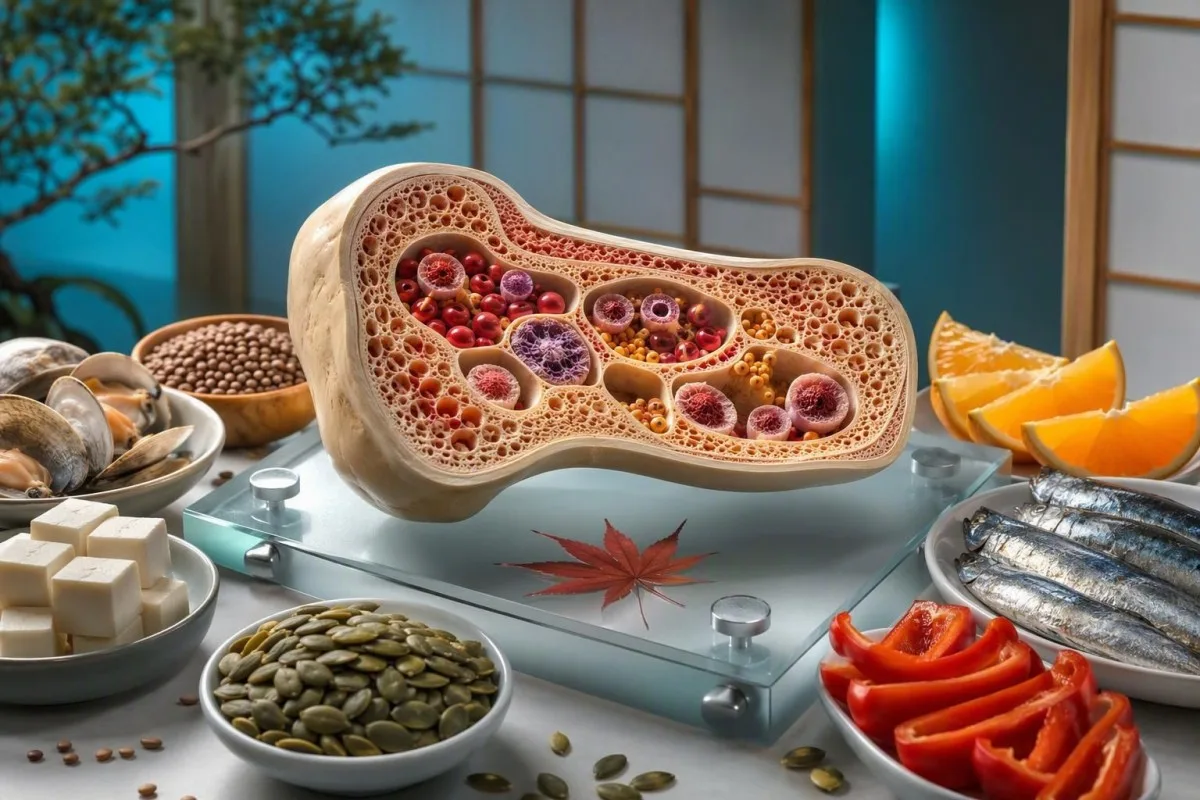
Heme iron from seafood, meat and poultry is absorbed more reliably than plant iron, but well-planned meals can make non-heme sources count. The practical goal is food pairing and lab-guided follow-up, not automatically buying a supplement.


- Heme iron from clams, mussels, beef and dark poultry is usually absorbed at roughly 15-35%, compared with about 2-20% for non-heme iron.
- Adult iron needs are 8 mg/day for most adult men and postmenopausal women, 18 mg/day for menstruating adults, and 27 mg/day in pregnancy.
- Vitamin C pairing can substantially improve non-heme iron uptake; add peppers, citrus, kiwi or berries to lentils, beans and fortified grains.
- Tea and coffee timing matters: polyphenols can sharply reduce non-heme iron absorption when consumed with, rather than between, iron-rich meals.
- Ferritin below 15 ng/mL strongly supports depleted iron stores in otherwise well adults, although inflammation can make ferritin look falsely reassuring.
- Transferrin saturation below 20% alongside low ferritin often supports iron deficiency; serum iron alone is too variable to diagnose it.
- Food first is sensible for mild dietary gaps, but anemia, pregnancy, ongoing blood loss, malabsorption or ferritin that continues to fall need clinician-led evaluation.
- Iron overload is real: do not take high-dose iron just because you feel tired, especially if ferritin is elevated or a close relative has hereditary hemochromatosis.
Which Foods Provide the Most Absorbable Iron?
Heme iron foods—especially clams, mussels, beef, lamb, sardines and dark poultry—provide the most predictably absorbed dietary iron. Non-heme iron foods such as lentils, tofu, beans, pumpkin seeds and fortified cereals can meet needs too, but their uptake depends far more on the rest of the meal.
As of August 13, 2026, a useful rule is simple: choose heme iron when you eat animal foods, and build plant meals around vitamin C. Heme iron commonly supplies only about 10-15% of iron intake in mixed diets, yet it may contribute close to 40% of absorbed iron because the intestinal pathway is less affected by meal chemistry.
I am Dr. Thomas Klein, and in clinic I see the same misunderstanding repeatedly: a bowl of spinach is nutritious, but it is not interchangeable with a serving of shellfish for iron delivery. One 85 g serving of cooked clams can provide roughly 24 mg of iron, while 85 g of cooked beef often provides about 2-3 mg; preparation and species change those figures.
Kantesti is an AI blood test analyzer that places ferritin, transferrin saturation, hemoglobin and inflammation markers beside dietary context rather than treating a low serum iron value as a diagnosis. Our iron studies reference guide explains why the full pattern matters, while our About Us page describes the clinical team behind that approach.
How Much Iron Do Adults Actually Need From Food?
Most adult men and postmenopausal women need 8 mg of iron daily, while menstruating adults need 18 mg daily and pregnancy raises the target to 27 mg daily. These Recommended Dietary Allowances describe intake, not the amount that reaches circulation.
Vegetarian diets generally require an iron intake target about 1.8 times higher than the standard RDA because all dietary iron is non-heme. That means a menstruating vegetarian may plan around roughly 32 mg/day from food; this is a planning estimate, not a reason to self-prescribe tablets.
The number becomes less useful when blood loss or absorption changes. A person donating 500 mL of whole blood loses approximately 200-250 mg of iron, and a heavy menstrual period can exceed 80 mL of loss over a cycle; both can outpace an apparently iron-rich menu.
For menstruating adults, age-specific context is often more revealing than a single food log. Our guide to ferritin levels in women covers why periods, contraception, pregnancy spacing and endurance training can shift interpretation.
Ranked Heme Iron Foods for Efficient Absorption
Shellfish are usually the richest practical heme iron foods, followed by organ meats, certain fish, red meat and dark poultry. Absorption varies with iron status, but heme iron generally enters the intestinal lining more consistently than plant iron.
Cooked clams provide around 24 mg per 85 g, oysters roughly 7-8 mg, and mussels about 5-6 mg per comparable serving. These foods are potent, but shellfish allergies, food safety, mercury exposure and cultural preferences mean they are not universal prescriptions.
Beef and lamb commonly provide about 2-3 mg per 85 g serving, while sardines provide roughly 2 mg and dark turkey around 1.5 mg. Liver can contain 5 mg or more per 85 g, but it is exceptionally high in preformed vitamin A, so pregnancy is a poor time to use liver casually or frequently.
A heme-iron strategy should not become a license for an extreme meat-heavy diet. People following paleo-style patterns can use our paleo diet lab guide to watch lipids, urate and iron markers together rather than assuming more animal iron is always better.
Best Non-Heme Iron Foods When You Eat Mostly Plants
Lentils, firm tofu, white beans, pumpkin seeds, tempeh and iron-fortified cereals are among the strongest non-heme iron foods. Their iron content is useful, yet phytate, polyphenols and calcium in the same meal can change how much is absorbed.
A cup of cooked lentils contains about 6.6 mg of iron, firm tofu commonly provides 3-6 mg per 100 g, and a 28 g portion of pumpkin seeds supplies roughly 2.5 mg. Spinach contains iron—often around 6 mg cooked per cup—but its oxalate content makes it a less efficient sole strategy than many people expect.
Fermenting, soaking and leavening can reduce phytate and modestly improve mineral availability, though the real-world effect differs by recipe and person. Hurrell and Egli's 2010 review in the American Journal of Clinical Nutrition emphasized that the whole dietary pattern, not a food's label value alone, determines iron bioavailability.
Plant eaters should not be told their diet is inherently inadequate. A planned plant-based diet lab review can assess ferritin, CBC indices, vitamin B12 and folate together, since more than one nutrient can influence fatigue and red-cell size.
Why Does Your Body Absorb Iron Differently Day to Day?
Hepcidin is the liver-made hormone that limits iron release into circulation and reduces intestinal iron entry when stores are sufficient or inflammation is active. A high-hepcidin state can make an iron-rich diet look ineffective on laboratory testing.
Hepcidin rises after an iron dose and during infection or chronic inflammatory states, which is one reason absorption does not simply increase in proportion to the amount eaten. Oral doses of 60 mg elemental iron or more can raise hepcidin for about 24 hours; that finding helps explain interest in alternate-day dosing when supplements are genuinely indicated.
Ferritin is both an iron-storage protein and an acute-phase reactant. A ferritin of 70 ng/mL during active inflammation does not exclude functionally limited iron availability, particularly if transferrin saturation is below 20% and C-reactive protein is elevated.
Kantesti's AI blood test interpretation platform reads ferritin alongside CRP, hemoglobin, MCV and transferrin saturation, because no single iron marker is definitive in an inflamed body. Readers can explore this problem in our article on ferritin and CRP and the wider biomarkers guide.
Which Foods Improve Non-Heme Iron Absorption?
Vitamin C-rich foods improve non-heme iron absorption by keeping iron in a more soluble, absorbable form in the gut. A practical target is to include roughly 25-75 mg of vitamin C with a legume, grain or tofu-based iron meal.
Half a red sweet pepper provides roughly 95 mg of vitamin C, one kiwi about 65 mg, and an orange about 70 mg. Adding one of these to lentil soup, bean salad or fortified cereal is more consequential than chasing a marginally higher-iron vegetable.
Meat, poultry and fish can also improve non-heme iron uptake from the same meal, a phenomenon often called the meat factor. Hallberg and Hulthén's meal-based absorption algorithm found that iron availability changes sharply with both ascorbic acid and animal tissue in the meal (Hallberg and Hulthén, 2000).
The timing trick I give patients is delightfully unglamorous: put the citrus or pepper on the plate, not into a supplement drawer. If you are checking vitamin C status because intake has been very restricted, our vitamin C blood level guide explains its limitations as a short-term marker.
What Blocks Iron Absorption and How Should You Time It?
Tea, coffee and cocoa can reduce non-heme iron absorption when taken with an iron-rich meal because their polyphenols bind iron in the intestinal lumen. Separating them from the meal by 1-2 hours is a reasonable, low-burden experiment for people with low stores.
Calcium is less straightforward than internet advice suggests. A calcium-rich meal may lower iron absorption in a single sitting, but longer-term studies have not consistently shown that normal dietary calcium causes iron deficiency; I usually focus first on tea, coffee and an unnecessarily restrictive diet.
Phytate in bran, legumes, nuts and whole grains can limit non-heme absorption, but those foods remain beneficial and should not be discarded. Fermented bread, overnight-soaked beans and vitamin C pairings are usually more sensible than avoiding high-fiber foods for the sake of one mineral.
Serum iron changes with timing, fasting, recent iron intake and normal day-to-day biology, so do not judge meal changes by one isolated result. For a clean repeat discussion, review our TIBC preparation guide before arranging blood work.
How to Build Iron-Rich Meals Without Counting Every Milligram
An iron-rich meal needs one iron anchor plus one absorption enhancer, not a spreadsheet of every ingredient. For plant meals, combine legumes, soy or fortified grains with a vitamin C food and keep tea or coffee for later.
A simple breakfast is iron-fortified cereal with strawberries or kiwi, rather than cereal followed immediately by coffee. A lunch option is lentils with roasted peppers and lemon dressing; dinner might pair tofu, broccoli and citrus, or fish with beans and tomatoes.
For omnivores, 85 g of beef with a bean side dish provides both direct heme iron and a meal effect that can support uptake of non-heme iron. The point is not to eat red meat daily—two to three varied iron-focused meals per week can be plenty for someone whose labs and losses are stable.
Kantesti AI can use uploaded laboratory context to support food-first nutrition planning without pretending a meal plan diagnoses the reason for low iron. Our lab-informed diet planning article shows why a trend in ferritin is more useful than a one-day intake estimate.
Who Needs More Care With Dietary Iron Advice?
Pregnant people, infants and children, people with heavy periods, frequent donors, endurance athletes and patients with gastrointestinal disease need more individualized iron advice. Pregnancy requires 27 mg/day, while children need age-specific targets that range from 7 mg to 11 mg/day through much of early childhood.
Pregnancy is not the time to rely on food alone when a clinician has identified iron deficiency anemia. The World Health Organization recommends daily iron and folic acid supplementation in pregnancy in many settings, but dose, tolerance and local guidance should be individualized; constipation and nausea often determine adherence more than motivation.
Endurance athletes can lose iron through foot-strike hemolysis, sweat, gastrointestinal micro-loss and low energy availability. In a runner with ferritin of 18 ng/mL but normal hemoglobin, I ask about menstrual loss, diet, training load and recovery before recommending a supplement or assuming every low-normal ferritin explains performance.
For parents, pallor, unusual fatigue, pica, poor growth or a highly restricted diet justify a clinician-led check rather than a multivitamin guess. Our child iron deficiency guide and pregnancy supplement guide give safer next steps.
Which Blood Tests Show Whether Food Changes Are Enough?
Ferritin, hemoglobin, MCV, transferrin saturation and CRP together give a more reliable picture than serum iron alone. In a well adult, ferritin below 15 ng/mL is highly specific for absent or near-absent iron stores, while many clinicians investigate values below 30 ng/mL when symptoms or risk factors fit.
Hemoglobin thresholds vary by laboratory and life stage, but the World Health Organization defines anemia in non-pregnant women as hemoglobin below 12.0 g/dL and in men below 13.0 g/dL. MCV below 80 fL supports microcytosis, yet iron deficiency can exist for months before either hemoglobin or MCV falls.
Transferrin saturation below 20% may support inadequate circulating iron availability, especially when ferritin is low or inflammation is present. Camaschella's New England Journal of Medicine review explains why iron deficiency should trigger a search for its cause—not merely replacement—when anemia is confirmed (Camaschella, 2015).
Kantesti is an AI-powered blood test analysis tool that compares iron markers with CBC indices and prior results in about 60 seconds after a report is uploaded. For a deeper explanation of discordant patterns, read our low transferrin saturation guide and see the doctors who review our clinical standards on the Medical Advisory Board.
When Is Low Iron More Than a Food Problem?
Low iron requires medical evaluation when it occurs in men, postmenopausal women, children with poor growth, pregnancy, unexplained weight loss, persistent bowel symptoms or any evidence of blood loss. Food changes cannot safely explain away a falling ferritin or confirmed anemia in these groups.
New iron deficiency anemia in an adult man or postmenopausal woman often warrants assessment for gastrointestinal loss, with the exact investigation based on age, symptoms, medication use and local guidelines. Black stool, visible blood, fainting, chest pain, shortness of breath at rest or a hemoglobin near 7-8 g/dL deserve urgent medical attention rather than nutritional troubleshooting.
Celiac disease, inflammatory bowel disease, H. pylori, bariatric surgery and prolonged acid-suppressing medication can all interfere with iron status. One overlooked clue is low ferritin despite a diet that seems adequate and no heavy periods; that pattern is discussed in our low ferritin without heavy periods article.
Dr. Thomas Klein's clinical rule is that unexplained deficiency deserves curiosity, not blame. A food diary may reveal a gap, but it cannot rule out blood loss, malabsorption, kidney disease or chronic inflammation.
Can Food Alone Correct Low Ferritin or Iron Deficiency Anemia?
Food can help replenish mild dietary shortfall, but it often cannot correct confirmed iron deficiency anemia quickly enough when losses are ongoing or absorption is impaired. The choice depends on hemoglobin, ferritin, symptoms, cause, tolerance and the time available—not on tiredness alone.
A food-first trial is reasonable when hemoglobin is normal, ferritin is only mildly reduced, there is an obvious dietary explanation and no red flags. A repeat panel after about 8-12 weeks can show whether ferritin is stabilizing, although ferritin changes more slowly than day-to-day symptoms.
When a clinician recommends oral iron, elemental iron dose matters more than the large number printed on the front of a product. Traditional regimens may use 40-65 mg elemental iron once daily or on alternate days; nausea, constipation and dark stool are common, and intravenous treatment is reserved for selected cases.
Do not combine a high-dose tablet with every fortified food just to accelerate the process. Our article on iron supplements for anemia explains retesting and side effects, while the bisglycinate versus sulfate comparison reviews common formulations.
Who Should Avoid Extra Iron From Supplements?
People with elevated ferritin, known hereditary hemochromatosis, repeated transfusions, certain liver conditions or unexplained high transferrin saturation should avoid iron supplements unless a clinician specifically recommends them. Transferrin saturation above 45% is a common trigger for repeat fasting assessment and possible iron-overload evaluation.
Ferritin above 300 ng/mL in men or above 200 ng/mL in non-menstruating women can merit context-specific review, but ferritin also rises with alcohol use, fatty liver, infection and inflammation. A high result is not synonymous with iron overload, which is why transferrin saturation and liver markers matter.
Vitamin C supplements can increase non-heme iron absorption, so people with established iron overload should discuss high-dose products with their specialist. Ordinary fruits and vegetables remain healthy; it is concentrated dosing plus impaired iron regulation that changes the conversation.
Kantesti AI identifies patterns that warrant clinician follow-up, but it does not diagnose hemochromatosis from one abnormal ferritin result. Our hemochromatosis lab-clue guide and AI technology guide explain the difference between a risk flag and a medical diagnosis.
A Practical 8-Week Food-First Iron Plan and Follow-Up
For a person without anemia or red flags, an 8-week food-first plan can test whether meal structure is contributing to low iron stores. Aim for one iron-focused meal daily, a vitamin C pairing at least once daily, and tea or coffee away from that meal.
Weeks 1-2 are about baseline habits: note meat or plant iron servings, period flow, donations, gastrointestinal symptoms and tea or coffee timing. Weeks 3-6 add predictable combinations, such as lentils plus peppers four times weekly or seafood once weekly, rather than making seven unrelated dietary changes at once.
At weeks 8-12, repeat only the tests a clinician feels are useful—often CBC, ferritin and transferrin saturation, with CRP if inflammation may distort ferritin. A hemoglobin rise of roughly 1 g/dL over 2-4 weeks is more relevant during treated anemia than during a food-only experiment, where changes are typically quieter.
Kantesti is an AI lab test interpretation service that can compare a new iron panel with prior results and preserve the context behind the trend for you and your clinician. Our clinical validation standards describe why we treat a changing result as a follow-up prompt, not a substitute for examination or diagnosis.
Frequently Asked Questions
What food is highest in iron?
Cooked clams are among the highest common food sources of iron, providing roughly 24 mg in an 85 g serving, although values vary by species and preparation. Oysters and mussels are also iron-dense seafood choices, while liver can provide 5 mg or more per 85 g. For plant-based eating, cooked lentils provide about 6.6 mg per cup and firm tofu often provides 3-6 mg per 100 g. The most useful choice is one you can eat safely and regularly with a vitamin C-rich food if the iron is non-heme.
Is spinach a good source of iron?
Spinach contains non-heme iron, with cooked spinach often providing around 6 mg per cup, but its oxalate content limits how efficiently that iron is absorbed. It is still a nutritious food, especially when paired with peppers, citrus, tomatoes or berries. Spinach should not be the only iron strategy for someone with ferritin below 15-30 ng/mL or confirmed anemia. Lentils, beans, tofu, fortified grains and pumpkin seeds generally make more practical partners in a varied plant-based plan.
What foods help your body absorb iron?
Vitamin C-rich foods help absorb non-heme iron by improving iron solubility in the digestive tract. Half a red sweet pepper provides about 95 mg of vitamin C, one kiwi provides about 65 mg, and one orange provides roughly 70 mg. Pairing these foods with lentils, beans, tofu or fortified cereal is more effective than eating the plant iron source alone. Meat, poultry and fish can also improve absorption of non-heme iron eaten in the same meal.
Does coffee block iron absorption?
Coffee can reduce absorption of non-heme iron when it is consumed with an iron-rich plant meal because coffee polyphenols bind dietary iron. Moving coffee about 1-2 hours before or after that meal is a practical approach for people with low ferritin or a high risk of deficiency. Coffee does not erase all dietary iron, and most people do not need to quit it. Heme iron from seafood, meat and poultry is less affected by coffee than non-heme iron from plants.
Can I raise ferritin with food alone?
Food alone can raise or stabilize ferritin when the deficiency is mild, the cause is dietary and there is no ongoing blood loss or absorption problem. A food-first trial usually needs at least 8-12 weeks before ferritin trends are meaningful, and hemoglobin must be normal for this approach to be lower risk. Ferritin below 15 ng/mL, anemia, pregnancy, persistent heavy periods or gastrointestinal symptoms often require clinician-directed treatment and cause-finding. Do not assume fatigue means food alone is enough or that a supplement is automatically safe.
What ferritin level is considered low?
A ferritin level below 15 ng/mL strongly supports depleted iron stores in otherwise well adults, while many clinicians investigate levels below 30 ng/mL when symptoms, menstrual loss or other risks are present. Ferritin can rise during infection, obesity, liver disease and chronic inflammatory conditions, so a normal result does not always exclude restricted iron availability. Transferrin saturation below 20%, low hemoglobin and MCV below 80 fL can add useful evidence. Laboratories use different reference intervals, so the result should be interpreted with clinical context rather than one universal cutoff.
Get AI-Powered Blood Test Analysis Today
Join over 2 million users worldwide who trust Kantesti for instant, accurate lab test analysis. Upload your blood test results and receive comprehensive interpretation of 15,000+ biomarkers in seconds.
📚 Referenced Research Publications
Klein, T., Mitchell, S., & Weber, H. (2026). RDW Blood Test: Complete Guide to RDW-CV, MCV & MCHC. Kantesti AI Medical Research.
Klein, T., Mitchell, S., & Weber, H. (2026). BUN/Creatinine Ratio Explained: Kidney Function Test Guide. Kantesti AI Medical Research.
📖 External Medical References
⚕️ Medical Disclaimer
This article is for educational purposes only and does not constitute medical advice. Always consult a qualified healthcare provider for diagnosis and treatment decisions.
E-E-A-T Trust Signals
Experience
Physician-led clinical review of lab interpretation workflows.
Expertise
Laboratory medicine focus on how biomarkers behave in clinical context.
Authoritativeness
Written by Dr. Thomas Klein with review by Dr. Sarah Mitchell and Prof. Dr. Hans Weber.
Trustworthiness
Evidence-based interpretation with clear follow-up pathways to reduce alarm.