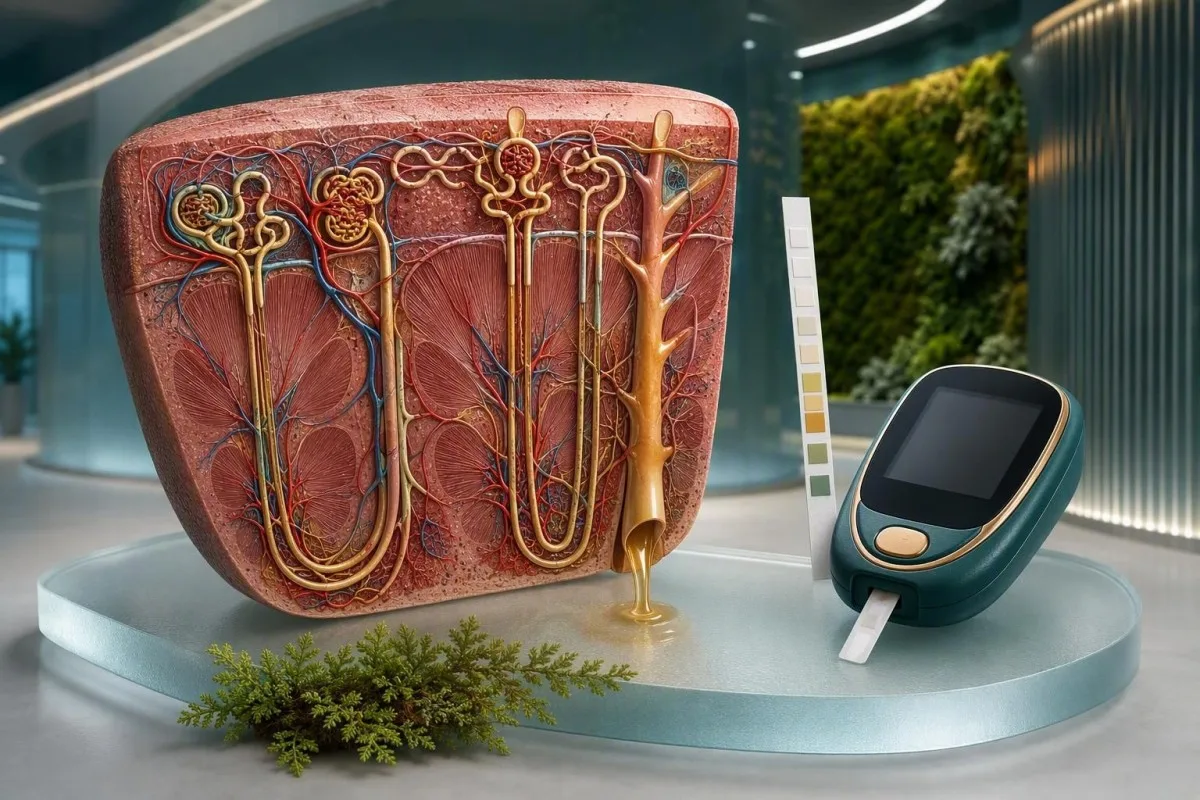
A positive urine ketone test is often a normal response to fasting, low carbohydrate intake, or prolonged exercise. It becomes urgent when ketones occur with diabetes, high or rising glucose, vomiting, dehydration, deep breathing, confusion, or pregnancy.


- Trace ketones after an overnight fast can be normal when glucose is normal and you feel well.
- Urine ketone strips primarily detect acetoacetate, not beta-hydroxybutyrate, the ketone that rises most in diabetic ketoacidosis.
- DKA criteria include diabetes or glucose at least 200 mg/dL (11.1 mmol/L), ketones, and acidosis with bicarbonate below 18 mmol/L or pH below 7.30.
- Blood beta-hydroxybutyrate of 3.0 mmol/L or higher supports diabetic ketoacidosis and needs prompt clinical assessment.
- Moderate or large ketones with vomiting, abdominal pain, rapid deep breathing, drowsiness, or confusion are emergency warning signs.
- SGLT2 medicines can cause ketoacidosis with glucose below 250 mg/dL (13.9 mmol/L), so a reassuring glucose reading does not rule it out.
- Pregnancy changes the threshold for concern: positive ketones with reduced intake, vomiting, or diabetes should be discussed with maternity or diabetes care the same day.
- Hydration helps concentration, but drinking water alone does not treat ketoacidosis; insulin, electrolytes, and acid-base testing may be needed.
What a positive urine ketone result means
A positive urine ketone result means your body is using fat rather than carbohydrate as a substantial fuel source. If you do not have diabetes, have eaten little, your glucose is normal, and you feel well, trace or small ketones are usually not dangerous; if you have diabetes or feel unwell, the same result can be an early warning of ketoacidosis.
Urine ketones are not a diagnosis by themselves. A strip detects chemicals being cleared by the kidneys, often after a 12- to 18-hour fast, a carbohydrate-restricted diet, fever, or a hard endurance session; the accompanying urine glucose result can provide a useful first clue, as explained in our guide to glucose in urine.
In my clinical work, the most reassuring pattern is trace ketones, a normal capillary glucose, normal breathing, and a person who can eat and drink. The more concerning pattern is 2+ or more ketones plus glucose above 200 mg/dL (11.1 mmol/L), repeated vomiting, or increasing fatigue over 4 to 6 hours.
Kantesti AI is an AI blood test interpretation platform that places glucose, bicarbonate, anion gap, creatinine, and electrolytes into the same clinical picture. A urine dipstick cannot show acidosis, so an uploaded metabolic panel may clarify why a positive strip matters—or why it probably does not.
The four questions I ask first
Ask whether you have diabetes, what your glucose is now, whether you can keep fluids down, and whether you are pregnant. Those four details generally sort a benign fasting result from a situation requiring urgent blood ketone and electrolyte testing.
How urine ketone strips work and what the levels mean
A urine ketone test is a color-change strip that detects mainly acetoacetate in fresh urine. Most strips report negative, trace, small, moderate, or large results, but the exact mg/dL cutoffs vary slightly by manufacturer.
A typical strip calls trace about 5 mg/dL, small about 15 mg/dL, moderate about 40 mg/dL, and large 80 to 160 mg/dL or more. These are semi-quantitative categories, not precise concentrations, and a dark, concentrated morning sample can look more positive than a dilute afternoon sample; our complete urinalysis guide explains why collection conditions matter.
The important limitation is biochemical: strips largely miss beta-hydroxybutyrate (BHB). In diabetic ketoacidosis, BHB often predominates because the altered cellular redox state converts acetoacetate to BHB; during treatment, urine ketones can paradoxically look worse as BHB converts back to acetoacetate.
That delay is why I prefer a finger-prick blood ketone meter for an ill person with diabetes. A blood BHB concentration below 0.6 mmol/L is generally normal, 0.6 to 1.5 mmol/L merits fluids and repeat testing under an individual sick-day plan, and 3.0 mmol/L or higher requires urgent evaluation for ketoacidosis.
When ketones in urine are usually harmless
Ketones in urine are usually benign when they follow fasting, a low-carbohydrate diet, or sustained exercise and occur without diabetes symptoms or elevated glucose. The body normally begins measurable ketone production after liver glycogen falls, which can happen overnight in some people.
Nutritional ketosis is fundamentally different from diabetic ketoacidosis because insulin is still present and keeps acid production constrained. Blood BHB during a well-tolerated ketogenic diet commonly sits around 0.5 to 3.0 mmol/L, whereas DKA requires both ketones and metabolic acidosis—not simply a positive strip.
A 36-year-old recreational runner I saw had moderate urine ketones after a 20 km morning run, coffee, and no breakfast. Her glucose was 88 mg/dL (4.9 mmol/L), bicarbonate 25 mmol/L, and symptoms resolved after food and fluids; this is the practical context behind our discussion of fasting-related lab changes.
Alcohol deserves a separate mention. Several days of poor food intake with heavy alcohol use can produce alcoholic ketoacidosis, sometimes with normal or low glucose; nausea, abdominal pain, tremor, and rapid breathing in that setting warrant urgent medical care rather than a home ketone experiment.
A sensible home response if you feel well
If fasting explains trace or small ketones and you feel entirely well, eat a carbohydrate-containing meal, drink normally according to thirst, and repeat only if a clinician has asked you to monitor. People with heart failure, advanced kidney disease, or fluid restriction should not force large volumes of water.
Why glucose changes the meaning of urine ketones
Glucose is the fastest way to separate many low-risk ketone results from possible diabetic ketoacidosis. Positive ketones with glucose below 140 mg/dL (7.8 mmol/L) in a well person are usually less concerning than ketones with glucose at or above 200 mg/dL (11.1 mmol/L), though SGLT2 medicines and pregnancy are exceptions.
The 2024 international consensus defines DKA using three elements: diabetes or glucose at least 200 mg/dL (11.1 mmol/L), significant ketonaemia with BHB at least 3.0 mmol/L or urine ketones 2+ or greater, and acidosis with venous pH below 7.30 or bicarbonate below 18 mmol/L (Umpierrez et al., 2024). A home urine result supplies only one of those three elements.
A glucose of 250 mg/dL (13.9 mmol/L) with moderate ketones is not something I would watch casually overnight, especially if the reading is rising despite a person following their prescribed correction plan. For broader context on timing, fasting, and sex-specific glucose interpretation, see glucose ranges for women.
Kantesti's AI-powered blood test analysis tool can identify the laboratory pattern that a urine strip cannot: low serum CO2 or bicarbonate, an elevated anion gap, rising creatinine, and glucose elevation. It does not replace urgent assessment when symptoms are present, but it can make a past or follow-up panel more intelligible.
Symptoms that make positive urine ketones an emergency
Positive urine ketones require emergency assessment when they accompany vomiting, significant abdominal pain, rapid or deep breathing, fruity breath, marked weakness, confusion, fainting, or inability to keep fluids down. These symptoms suggest dehydration and acid accumulation, not ordinary dietary ketosis.
Kussmaul breathing is a deep, often rapid breathing pattern caused by metabolic acidosis; it is not the mild breathlessness people sometimes feel after exercise. Confusion, extreme drowsiness, or chest discomfort with ketones should prompt emergency services, particularly in a child, older adult, or anyone living alone.
Vomiting creates a dangerous feedback loop: reduced intake raises ketones, fluid loss reduces kidney clearance, and electrolyte losses can worsen weakness and irregular heart rhythms. Potassium may be normal or high initially in DKA despite a substantial total-body deficit, which is one reason intravenous treatment is monitored closely; our electrolyte panel guide explains this counterintuitive pattern.
Dr. Thomas Klein's rule from years of reviewing acute metabolic panels is simple: ketones plus deteriorating symptoms outrank the strip shade. Kantesti AI flags a low bicarbonate or a widening anion gap as a follow-up trigger, but someone who is vomiting or breathing deeply should seek urgent care before awaiting any digital interpretation.
Call emergency services now
Call emergency services for confusion, collapse, severe breathlessness, persistent chest pain, or inability to stay awake. Do not drive yourself if you are faint, disoriented, or repeatedly vomiting; the risk is dehydration, acid-base disturbance, and potassium shifts over hours rather than days.
How dehydration, fever, and vomiting affect ketone results
Dehydration makes urine ketones look more concentrated and often increases ketone production by reducing carbohydrate intake. Fever, diarrhoea, vomiting, and a missed day of eating can therefore produce a positive urine ketone test even in someone without diabetes.
A urine specific gravity above 1.025 often indicates concentrated urine, although glucose and protein can also raise it. When ketones and high specific gravity occur together after gastrointestinal illness, I first ask about urine output: passing very little urine for 8 to 12 hours is more concerning than the ketone category alone; see urine specific gravity for the laboratory caveats.
For an adult without diabetes who can drink, small frequent sips of oral rehydration fluid and carbohydrate-containing food are usually more useful than plain water alone. A practical target is urine becoming paler and more frequent over several hours, but this is not a safe self-treatment plan for severe vomiting or diabetes.
A negative urine glucose result does not rule out illness-related ketosis, and a positive urine glucose result can occur in pregnancy at lower blood glucose thresholds. The reason we worry about ketones combined with dehydration is that the kidneys clear both less effectively when blood volume falls.
What people with diabetes should do on sick days
People with type 1 diabetes should check ketones during illness, unexplained glucose elevation, vomiting, or when glucose remains above their agreed threshold—commonly 250 mg/dL (13.9 mmol/L). Never stop basal insulin solely because you are eating less unless your diabetes team has specifically instructed you otherwise.
Many diabetes teams advise checking blood or urine ketones every 2 to 4 hours when glucose is high or during a significant illness. Individual correction doses vary by insulin regimen, age, insulin sensitivity, and prior instructions, so I do not recommend borrowing a dose algorithm from the internet; blood work after metformin also covers monitoring context for common diabetes treatment.
The Joint British Diabetes Societies guideline stresses that DKA treatment requires assessment of fluids, insulin, potassium, and acid-base status rather than insulin alone (Dhatariya et al., 2022). If BHB is 1.6 to 2.9 mmol/L, or urine ketones are moderate with glucose high, contact your diabetes team urgently; BHB at or above 3.0 mmol/L, large ketones, or symptoms means emergency assessment.
Kantesti AI is an AI lab test interpretation service designed to connect bicarbonate, renal function, and glucose results rather than treating one flag as the whole story. This is particularly useful after a sick-day episode, when a clinician may want to see whether creatinine, sodium, potassium, or CO2 returned to baseline.
Do not use ketones to judge insulin omission
Ketones after missed insulin are a warning that insulin is insufficient, even if you have not eaten. The absence of hunger or the presence of nausea does not protect against DKA; in type 1 diabetes, basal insulin remains necessary to suppress runaway ketone production.
Euglycaemic ketoacidosis and SGLT2 medication risk
Euglycaemic DKA is ketoacidosis with a glucose level below 250 mg/dL (13.9 mmol/L), and it is most often linked to SGLT2 medicines, fasting, surgery, infection, pregnancy, or reduced insulin. A normal-looking glucose reading therefore cannot safely dismiss nausea and positive ketones in a person taking one of these medicines.
SGLT2 inhibitors increase glucose loss in urine and can lower circulating insulin while increasing glucagon, both of which favour fat breakdown and ketone production. The 2024 hyperglycaemic-crisis consensus reports that approximately 10% of DKA presentations are euglycaemic, although the exact proportion differs by setting and medication exposure (Umpierrez et al., 2024).
Before planned major surgery or prolonged fasting, prescribers commonly advise pausing an SGLT2 medicine for several days; the exact interval depends on the drug and local protocol. Do not stop a prescribed medicine permanently after a trace ketone result, but call the prescribing clinician promptly if you are unwell; our explainer on eGFR after SGLT2 medicines covers another expected but often misunderstood laboratory change.
The combination that worries me most is an SGLT2 medicine, poor food intake for more than 24 hours, BHB above 1.5 mmol/L, and nausea. That cluster can progress before glucose rises, so a venous blood gas and metabolic panel are more informative than repeatedly reading urine strips.
Positive urine ketones during pregnancy need a lower threshold for care
Pregnancy increases susceptibility to ketosis because insulin resistance and fetal glucose use accelerate the shift to fat metabolism. Positive ketones with vomiting, reduced food intake, diabetes, or high glucose should be discussed with a maternity or diabetes team the same day, even when glucose is below 200 mg/dL (11.1 mmol/L).
Overnight fasting ketones can occur in uncomplicated pregnancy and do not automatically indicate harm. What changes the risk is persistence, dehydration, weight loss, or illness; pregnancy-related DKA can develop at lower glucose levels and may progress more quickly than non-pregnancy DKA.
Hyperemesis, an inability to retain fluids, or more than 24 hours of very limited intake deserves medical assessment because thiamine depletion and electrolyte loss may coexist with ketosis. If you have gestational diabetes or pre-existing diabetes, record your glucose values, ketone result, medicine doses, and fluid intake before calling; pregnancy glucose tolerance testing provides useful background on pregnancy-specific glucose care.
I have seen patients reassured too quickly because a morning strip was only 1+. In pregnancy, the clinical trend matters more: worsening nausea, falling urine output, or a glucose that climbs from 110 to 180 mg/dL (6.1 to 10.0 mmol/L) over a few hours changes the conversation.
A pregnancy-specific practical rule
Do not intentionally pursue nutritional ketosis during pregnancy without individual obstetric and nutrition guidance. A regular meal pattern with carbohydrate distributed through the day is usually safer than prolonged fasting, particularly when nausea or diabetes treatment complicates intake.
Children, athletes, and alcohol: three contexts that change the interpretation
Children can develop ketones after relatively short periods of vomiting or reduced intake, endurance athletes often develop them after prolonged exercise, and heavy alcohol use can trigger dangerous ketoacidosis with low or normal glucose. The same positive strip therefore has three very different clinical meanings.
In children, ketotic hypoglycaemia often appears between 18 months and 5 years during viral illness, with low glucose and ketones after poor intake. A sleepy child, seizure, persistent vomiting, or glucose below 70 mg/dL (3.9 mmol/L) requires urgent medical assessment rather than home observation.
After a marathon or long ride, an otherwise well adult may have measurable urine ketones because muscle glycogen is depleted and fat oxidation rises. Exercise does not make high glucose and ketones safe in diabetes, however; athletes with diabetes should follow an individualized plan and consider our endurance athlete testing guide when reviewing recovery labs.
Alcoholic ketoacidosis commonly follows binge drinking followed by 1 to 3 days of little food and repeated vomiting. The glucose may be below 200 mg/dL (11.1 mmol/L), but acidosis can still be substantial, so emergency clinicians need a clear history of alcohol intake, nutrition, diabetes status, and medicines.
Which blood tests clinicians use to confirm or exclude ketoacidosis
Clinicians confirm or exclude ketoacidosis with blood beta-hydroxybutyrate, electrolytes, bicarbonate or total CO2, anion gap, kidney function, glucose, and a venous blood gas when needed. Urine ketones are a screening clue, while blood chemistry determines whether dangerous acidosis is present.
An anion gap is commonly calculated as sodium minus chloride minus bicarbonate; many laboratories use a reference interval around 8 to 12 mmol/L, but albumin meaningfully affects the expected value. A raised gap plus bicarbonate below 18 mmol/L suggests accumulation of unmeasured acids, including ketones, and is reviewed alongside basic metabolic panel results.
A venous pH below 7.30 confirms clinically relevant acidaemia in the appropriate setting. Lactate, kidney failure, starvation, toxins, and certain medications can also raise the anion gap, which is why an experienced clinician does not label every low CO2 result as DKA.
Kantesti is an AI biomarker interpretation platform that compares these connected values and may highlight a concerning cluster for medical review. As Dr. Thomas Klein, I regard that as triage support—not a substitute for a blood gas, examination, or immediate treatment when someone appears acutely unwell.
Why potassium deserves attention
Serum potassium can be 5.0 mmol/L or higher at presentation because acidosis shifts potassium out of cells, even while body stores are depleted through urine losses. Starting insulin drives potassium back into cells, which is why hospital protocols recheck potassium frequently during DKA treatment.
False positives, false negatives, and when to repeat a urine ketone test
Urine ketone strips can be misleading when the sample is old, very concentrated, delayed in testing, or exposed to air. A fresh midstream sample tested at the recommended time is more reliable, but blood beta-hydroxybutyrate is the better repeat test when DKA is possible.
Levodopa-related compounds and sulfhydryl-containing medicines can cause false-positive nitroprusside ketone reactions, while old strips or delayed urine testing may under-read ketones. Very acidic urine can also affect some dipstick reactions; storage instructions matter more than most people realise.
A negative urine strip does not reliably exclude early DKA because it under-detects BHB. If diabetes symptoms are escalating, repeat with a blood ketone meter if available and seek urgent care based on symptoms and glucose rather than waiting for a darker strip; urine osmolality interpretation can help explain whether concentration is distorting a urine result.
For a well person without diabetes, repeating a trace result after a normal meal and usual hydration 4 to 8 hours later is reasonable. Persistent moderate or large ketones for more than 24 hours without an obvious dietary explanation should be discussed with a clinician, particularly if there is unintended weight loss or thirst.
What to do now based on glucose, symptoms, and ketone level
Your next step after positive urine ketones depends on three things: glucose, symptoms, and whether you have diabetes or are pregnant. A well adult with trace ketones and normal glucose can usually eat and hydrate, while moderate or large ketones with illness need same-day or emergency assessment.
If you feel well, do not have diabetes, and have trace or small ketones after fasting or low carbohydrate intake, eat a regular meal containing carbohydrate and protein, drink to thirst, and avoid strenuous exercise until you feel normal. Check whether the result clears rather than testing repeatedly every hour.
If you have diabetes and glucose is above 250 mg/dL (13.9 mmol/L), follow your written sick-day plan, check blood ketones if possible, and contact your diabetes service for moderate urine ketones or BHB 1.6 to 2.9 mmol/L. Seek emergency care for BHB at least 3.0 mmol/L, large urine ketones, or any vomiting, deep breathing, confusion, or worsening abdominal pain.
If you are pregnant, use an SGLT2 medicine, have type 1 diabetes, or cannot retain fluids, choose a lower threshold: call a clinician the same day even for small ketones. Kantesti's approach to clinical safeguards and flagging logic is described in our medical validation overview, but urgent symptoms always require direct medical care.
Bring useful information to the call
Write down the time and category of the urine ketone test, glucose readings over the prior 6 hours, temperature, fluid intake, urine output, diabetes medicines, insulin doses, and pregnancy status. Those details often allow the clinician to make a safer decision faster than a single isolated result.
How to track ketone episodes and discuss them with your clinician
Repeated urine ketone episodes deserve follow-up when they are unexplained, occur with high glucose, cause weight loss, or disrupt eating. The most useful record includes timing, fasting duration, food intake, illness, medications, glucose, blood ketones when available, and related metabolic-panel values.
One isolated trace result rarely needs an extensive work-up. Recurrent moderate ketones with normal glucose may prompt review of dietary restriction, alcohol intake, vomiting disorders, pregnancy, thyroid status, and rarely metabolic disease; unintentional loss of more than 5% of body weight over 6 to 12 months should not be attributed to ketosis without assessment.
Kantesti can organize serial metabolic panels and highlight changes in CO2, glucose, creatinine, and electrolytes over time, while longitudinal blood test analysis explains why your own baseline often matters more than one reference-range flag. Secure interpretation is most useful after immediate danger has been excluded, not during a possible metabolic emergency.
Our medical content is reviewed with input from the Kantesti Medical Advisory Board. As of August 17, 2026, the safest general rule remains unchanged: do not judge urine ketones in isolation—pair them with glucose, symptoms, hydration, medication exposure, and pregnancy context.
Frequently Asked Questions
Are trace ketones in urine normal?
Trace urine ketones, often about 5 mg/dL, can be normal after an overnight fast, low carbohydrate intake, prolonged exercise, or a brief minor illness. They are usually low risk when glucose is normal, you feel well, and you can eat and drink normally. Trace ketones are not automatically safe in type 1 diabetes, pregnancy, or during use of an SGLT2 medicine because ketoacidosis can develop with lower glucose. Persistent trace ketones for more than 24 hours with poor intake, weight loss, or symptoms should be discussed with a clinician.
What urine ketone level is dangerous?
Moderate urine ketones, commonly around 40 mg/dL, and large ketones, commonly 80 to 160 mg/dL or more, are concerning when they occur with diabetes, high glucose, vomiting, dehydration, abdominal pain, deep breathing, or confusion. Urine strips do not measure acidosis, so no strip level alone can diagnose DKA. Blood beta-hydroxybutyrate of 3.0 mmol/L or higher, together with bicarbonate below 18 mmol/L or pH below 7.30, supports diabetic ketoacidosis. Anyone with large urine ketones and acute symptoms should seek emergency assessment.
Can dehydration cause positive urine ketones?
Dehydration can contribute to positive urine ketones because illness and low fluid intake often reduce carbohydrate intake and concentrate the urine. A specific gravity above about 1.025 commonly supports concentrated urine, although glucose and protein can affect that measurement. Drinking water may dilute urine and help mild dehydration, but it does not correct diabetic ketoacidosis or replace insulin and electrolyte treatment. Vomiting, low urine output for 8 to 12 hours, dizziness, or diabetes should prompt same-day medical advice.
Can you have ketoacidosis with normal blood sugar?
Yes, euglycaemic diabetic ketoacidosis can occur with glucose below 250 mg/dL (13.9 mmol/L), particularly in people taking SGLT2 medicines, during pregnancy, prolonged fasting, infection, surgery, or reduced insulin use. The 2024 hyperglycaemic-crisis consensus estimates that about 10% of DKA presentations are euglycaemic, although rates differ between populations. Symptoms such as nausea, abdominal pain, deep breathing, and fatigue matter more than a single reassuring glucose result. Blood beta-hydroxybutyrate, electrolytes, bicarbonate, and a blood gas are needed to assess suspected DKA.
Should I go to the hospital for ketones in my urine?
Go to urgent or emergency care for urine ketones if you have repeated vomiting, severe abdominal pain, rapid deep breathing, confusion, fainting, chest pain, or cannot keep fluids down. People with diabetes should seek emergency care for large ketones, blood beta-hydroxybutyrate at least 3.0 mmol/L, or ketones with rising glucose despite their sick-day plan. Pregnant people and people taking SGLT2 medicines should contact a clinician the same day for positive ketones with reduced intake or illness. A well person without diabetes who has trace ketones after fasting generally does not need hospital care.
How do I get rid of ketones in urine safely?
For harmless fasting ketosis, ketones usually fall after eating a carbohydrate-containing meal, resuming usual fluids, and avoiding prolonged exercise; reassessment after 4 to 8 hours is reasonable if you remain well. In diabetes, ketones indicate that your individual sick-day insulin plan may need to be followed, because food and water alone cannot stop ketoacidosis. Do not omit basal insulin merely because you are not eating unless your diabetes team has given explicit instructions. If ketones are moderate or large or you feel unwell, seek clinical advice rather than trying to clear them at home.
Get AI-Powered Blood Test Analysis Today
Join over 2 million users worldwide who trust Kantesti for instant, accurate lab test analysis. Upload your blood test results and receive comprehensive interpretation of 15,000+ biomarkers in seconds.
📚 Referenced Research Publications
Klein, T., Mitchell, S., & Weber, H. (2026). Diarrhea After Fasting, Black Specks in Stool & GI Guide 2026. Kantesti AI Medical Research.
Klein, T., Mitchell, S., & Weber, H. (2026). Women's Health Guide: Ovulation, Menopause & Hormonal Symptoms. Kantesti AI Medical Research.
📖 External Medical References
⚕️ Medical Disclaimer
This article is for educational purposes only and does not constitute medical advice. Always consult a qualified healthcare provider for diagnosis and treatment decisions.
E-E-A-T Trust Signals
Experience
Physician-led clinical review of lab interpretation workflows.
Expertise
Laboratory medicine focus on how biomarkers behave in clinical context.
Authoritativeness
Written by Dr. Thomas Klein with review by Dr. Sarah Mitchell and Prof. Dr. Hans Weber.
Trustworthiness
Evidence-based interpretation with clear follow-up pathways to reduce alarm.